Powering the Future: How UPS Battery Solutions are Revolutionizing Data Centers

Introduction In an age where digital transformation is at the forefront of every industry, data centers are the backbone of the global economy. They house critical information, manage enterprise applications, and enable cloud computing. As the demand for uninterrupted power rises, Uninterruptible Power Supply (UPS) battery solutions are becoming essential in ensuring data center reliability and efficiency. The Importance of UPS Systems UPS systems play a critical role in safeguarding data and preventing downtime due to power outages. They provide backup power and maintain power quality, allowing data centers to operate smoothly even during electrical disturbances. Rapid advancements in UPS battery technology are now facilitating longer backup times, higher efficiency, and lower total cost of ownership. Latest Innovations in UPS Battery Technology Modern UPS systems are shifting towards greener technologies, incorporating lithium-ion batteries instead of traditional lead-acid batteries. This transition offers numerous benefits, including: Extended Lifespan: Lithium-ion batteries can last up to twice as long as their lead-acid counterparts. Higher Efficiency: They boast higher energy efficiency, reducing costs associated with electricity consumption. Space Saving: Lithium-ion batteries are smaller and lighter, allowing for better space utilization in data centers. Enhancing Sustainability Efforts As organizations increasingly prioritize sustainability, UPS battery solutions are evolving to meet these goals. By utilizing energy-efficient technologies and renewable energy sources, data centers can significantly reduce their carbon footprint. Smart UPS systems not only optimize energy usage but also integrate seamlessly with renewable energy systems, such as solar or wind power, to ensure a constant power supply. Remote Monitoring and Management With the advent of the Internet of Things (IoT), UPS solutions are also taking advantage of remote monitoring capabilities. Data centers can now track battery health, power usage, and system performance in real time, enabling proactive maintenance and minimizing downtime. This technology ensures that potential issues are identified and addressed before they escalate into failures. Conclusion As the digital landscape continues to expand, the role of UPS battery solutions in data centers is more crucial than ever. By adopting advanced technologies, organizations can not only ensure a reliable power supply but also contribute to sustainability efforts. The future of data centers hinges on these innovations, paving the way for a more resilient and eco-friendly digital infrastructure.
Stellantis replaces Citroën CEO - electrive.com

As the new head of the Citroën brand, Chardon will report to Jean-Philippe Imparato, Chief Operating Officer of Stellantis for the Enlarged Europe region. A radical change of direction at Citroën appears unlikely, with Stellantis stating that Chardon is expected to continue “the development of the brand by building on the recent launches of the C3, C3 Aircross and the all-new C5 Aircross.” This suggests no major dissatisfaction or strategic pivot on the part of Stellantis leadership. Indeed, the company has not provided any background on the executive reshuffle and has made no mention of what lies ahead for the outgoing CEO, Koskas—whether he is leaving the group entirely or taking on another leadership role within the multi-brand Stellantis organisation. “I would like to thank Thierry Koskas for leading the Citroën brand over the past two years and for revitalising the product range, most recently with the unveiling of the new C5 Aircross,” said Jean-Philippe Imparato in the German-language press release. The brief statement includes no further remarks regarding Koskas. Chardon, according to Stellantis, brings with him extensive knowledge of the Citroën brand, to which he dedicated nearly 20 years of his career. However, much of that experience dates back some time: after holding various Citroën positions in Italy, Denmark and Germany, he left the marque in 2011, serving at that time as Citroën’s France chief. He then moved into marketing roles with Volkswagen in Wolfsburg before relocating to China, where he became Vice President Sales at SAIC-VW. Chardon returned to Europe in 2021 and has since served as CEO of Volkswagen Group France, overseeing the French operations of the VW brands. stellantis.com (English press release), stellantis.com (German press release with quotes from Imparato)
Swiss developer breaks ground on 800 MW/1.6 GWh redox flow storage project – pv magazine International

Flexbase Group has broken ground on an 800 MW/1.6 GWh redox flow battery project in Laufenburg, Switzerland, in what could become one of Europe’s largest flow storage systems. The multi-use site will integrate utility-scale storage, an AI data center, and district heating. May 23, 2025 Sandra Enkhardt From ESS News Flexbase Group has begun building what could become one of Europe’s largest flow battery storage installations, breaking ground on an 800 MW/1.6 GWh redox flow system in Laufenburg, Switzerland. The project combines utility-scale storage with an AI data center and district heating network in an ambitious multi-use development. The Swiss developer started building the technology center earlier this month after securing regulatory approval, with commercial operations scheduled for summer 2028. The facility will span 20,000 square meters at Laufenburg’s grid interconnection hub, located at the junction of Swiss, German and French transmission networks with 41 cross-border lines. Raphael Schmid, CMO of Flexbase, declined to name the supplier of the battery storage system when asked by pv magazine. The company also withheld exact investment figures. However, the Badische Zeitung reported the project could reach a value in the billions. To continue reading, please visit our ESS News website. This content is protected by copyright and may not be reused. If you want to cooperate with us and would like to reuse some of our content, please contact: editors@pv-magazine.com. Popular content
Engie seeks to reassure locals on safety of 300MW BESS project in Texas

Engie, a Houston-based energy company, is developing a 300-megawatt Battery Energy Storage System (BESS) in Fannin County, Texas. This facility aims to store excess energy and release it during peak demand, enhancing grid reliability. However, local residents have raised significant safety concerns regarding the project. Community Concerns At a town hall meeting in Savoy, Texas, residents expressed worries about potential fires, environmental impacts, and the adequacy of local emergency response capabilities. One attendee highlighted the risk of toxic gases in the event of a fire, emphasizing the need for proper training and equipment for volunteer fire departments. (kxii.com) Activist Nancy White pointed out that lithium-ion BESS facilities can reach temperatures up to 3,000 degrees Fahrenheit if a fire occurs, posing risks to nearby communities and natural resources. (dallasexpress.com) Engie's Reassurance Efforts In response to these concerns, Engie has outlined several safety measures: Advanced Monitoring Systems: The facility will employ continuous monitoring of temperature, gases, and smoke to detect potential issues promptly. Automatic Safety Protocols: In the event of an anomaly, the system will automatically alert local officials, shut down the affected unit, and activate exhaust fans to dissipate hazardous gases. Compliance with Safety Standards: Engie ensures that the facility meets or exceeds industry safety standards, including the UL 9540A certification, which is designed to prevent and contain thermal runaway incidents. (austincountynewsonline.com) Regulatory Oversight Local authorities are actively involved in overseeing the project: Fannin County Commission: The commission has formed a joint committee with the City of Savoy to study the project and ensure the county has the resources to manage its development. (dallasexpress.com) State Legislation: State Representative Shelley Luther has supported bills aimed at regulating BESS facilities and improving fire safety standards. (dallasexpress.com) Conclusion While Engie has implemented comprehensive safety measures and is working closely with local authorities, ongoing dialogue with the community is essential to address concerns and ensure the project's safety and acceptance.
Balancing Renewables Requires Big Grid Storage, But What Kinds? (India Seminar Slides & Transcript)

Under the auspices of the India Smart Grid Forum, the think tank founded as an umbrella organization over India’s 28 state utilities to provide thought leadership, share leading practices, and bring international insights to India, I’m delivering bi-weekly webinars framed by the Short List of Climate Actions That Will Work. With the glories of online recordings and AI transcription tools, it’s relatively easy to share both the transcript, and also the slides that I used, so I’m making a habit of it. Most recently, I held a seminar n the theme of storage technologies the grid. For those who prefer talk-talk to read-read, here’s the recorded video of the presentation and discussion. Reji Kumar Pillai (RKP): Good morning, good afternoon, good evening to all the participants from around the world. My pleasure to welcome you all for this fourth edition of this webinar series. Today we’ll be talking about energy storage. Decades ago, when we studied electrical engineering, we were taught that electrical energy cannot be stored. It has to be that generation and demand has to be marched perfectly in every cycle. But storage, as different storage technologies have been, we’ve been using for several decades, much before that. So pumped hydro storage is traditionally used it, although its efficiency is much less 55% to 70%. Most of the pump storage plants operating the energy price arbitration, though they are still viable. When your surplus energy, which is available at two cent and at peak hours, you can sell it at 1015 $0.20. So that becomes viable commercially. But the problems with pump storage hydro is that it is highly geographically dependent, although now people started making different systems for making two reservoirs at the two elevations artificially. But it takes a long time, long, huge capex and you need water. Also, there are traditionally many other electrochemical technologies for energy storage, compulsory technologies for energy storage, several of them. In 2018 2019, India’s market forum was tasked with the assignment of preparing a energy storage rotoma for India by 2032. What would be our energy storage requirement for the grid, based on the renewable energy program which we were pursuing at that point in time. So we did modeling studies, we examined different regions, different states of India, and finally we prepared an energy storage roadmap, which was adopted by Nidhi Ayog, our policy think tank and MNRE MoP and Central City Authority. It was issued, it’s a public document. It’s available on all this website, including ISDF website. So during the course of that preparation of that energy storage roadmap. We examined deeply the technological challenges, commercial viability of each of the technologies, the mechanical, electrical, electrochemical, all technologies, from flywheel to everything we examine and what is immediately viable in the near future by 2032. This was published in 2019. By the 2032 time frame in this decade, what is going to be commercially viable, technically viable. So we had finally come to the conclusion that we will recommend only batteries at this point in time. The reason being there, it attracted a lot of criticism from many vulnerable people, saying that you didn’t consider pumped hydro, you didn’t consider this, that. So pump on the pump hydro. There are more than two dozen projects which were detailed. Project reports were available for the last three decades, but no work has happened. Only one project which was completed sometime in 2005 2006 in West Bengal. That’s only last major pumped hydro storage plant commissioned. And now I am told that in this month or next month in Kerala, another plant will be commissioned. So looking at several challenges and the immediate need for India was pursuing a program of 175 gigawatt of renewable energy by 2022. Now it’s 24. We already have close to 140. Solar plus wind is about 135 today. So we need, the need for storage is imminent. And this kind of technology, which has several dependencies, is difficult to connect to the grid or deploy it. So we found at that point in time in 2018 to 19, when we finally decided we will recommend battery energy storage for the grid support. Immediately we assess the price. That’s the time when the battery prices had just come down below $200 per kilowatt hour. 2018 and 2019, it was somewhere at that number, $190 per kilowatt hour. We found that it will further go down. It will come somewhere near a hundred dollars by 2025. That’s what we had in the best estimates we had that time, it will come plus up to 100. But just after Covid, it has already gone below $100. And early this year, the world’s largest battery manufacturing company, CATL, reduced their prices by 40%. It has now come down to 50 LFP battery prices. $56 per megawatt hour kilowatt hour $56 per kilowatt hour. So when we prepare the energy storage roadmap, today’s price is almost one fourth. So as we stand, most of the people are agreeing to the fact that the battery is the way forward, although its life is not very long as we expect. A pump storage hydro plant runs for 50 years, 70 years. Hundred years. A battery may give you a maximum of ten years or twelve years. But the advantage with batteries is that it can be deployed in less than one year, even in even 100 megawatt, 500 megawatt battery energy storage systems can be deployed at the maximum twelve to 18 months. And in many cases it has been proven that such large hundreds of megawatt scale BSS plants are constructed in less than 100 years and can be moved from one location to another location. It can be used for different applications. So it has its versatility. But today I won’t take much time. So there are many new technologies which you will hear about. Just before the COVID a new set of gravity storage, people were going
Nissan tests an EV motor-magnet recycling breakthrough

In September 2021, Nissan Motor Co., Ltd. and Waseda University in Tokyo announced the commencement of testing a jointly developed recycling process aimed at efficiently recovering high-purity rare-earth elements (REEs) from electric vehicle (EV) motor magnets. (electrek.co) The Recycling Process The innovative process involves several key steps: Heating and Melting: A carburizing material and pig iron are added to the motor, which is then heated to at least 1,400°C (2,552°F) to initiate melting. Oxidation: Iron oxide is introduced to oxidize the REEs present in the molten mixture. Flux Addition: A small amount of borate-based flux is added, which efficiently dissolves rare-earth oxides even at low temperatures. Separation: The molten mixture separates into two layers: The upper layer, known as slag, contains the REEs. The lower layer is a higher-density iron-carbon alloy. Recovery: The REEs are then recovered from the slag. This method has demonstrated the ability to recover 98% of the REEs from a motor, significantly improving efficiency compared to traditional methods that require disassembly and demagnetization. (electrek.co) Environmental and Economic Implications The recycling process addresses several critical issues: Resource Conservation: By efficiently recovering rare-earth elements, the process reduces the need for mining, thereby conserving natural resources and mitigating environmental impacts associated with mining activities. Cost Reduction: The new method is approximately 50% more efficient than current recycling processes, potentially halving the recycling costs. (mining.com) Supply Chain Stability: Reducing dependence on newly extracted rare-earth elements helps stabilize supply chains and mitigate price fluctuations, benefiting both manufacturers and consumers. Future Prospects Nissan and Waseda University aim to implement this recycling process commercially by the mid-2020s. The successful application of this technology could set a precedent for sustainable practices in the EV industry, promoting a more circular economy and contributing to global efforts toward environmental conservation. By advancing this recycling technology, Nissan and Waseda University are not only enhancing the sustainability of EV manufacturing but also paving the way for more efficient and environmentally friendly practices in the automotive sector.
A UK collective says it can now accurately predict an EV battery's life span – here's how

In the UK, two electric vehicle manufacturers, academics, and a battery analytics specialist company are collaborating on an electric vehicle battery research program designed to predict battery life span – and they say they’ve succeeded. Battery life span Swindon-based battery analytics specialist Silver Power Systems (SPS), Imperial College London, the London Electric Vehicle Company (which makes electric London black cabs), and JSCA, the research and development division of Watt Electric Vehicle Company, are collaborating on an EV battery research program called REDTOP that aims to predict battery life span. With the battery being by far the most expensive component of an electric vehicle, it’s critical for all sectors – from original equipment manufacturers and battery manufacturers to fleet owners and operators – to understand how the battery is performing and predict how much it’s likely to degrade over the vehicle’s lifetime. Until now, predicting a battery’s life span has been difficult. While digital models of EV batteries have been created, they have lacked accurate real-world data to back them up. What’s more, not all batteries are treated equally throughout their life, degrading at different rates, subject to different drivers and charging routines, further underlining the need for real-world data to be combined with machine-learning-based predictive technology. Advertisement - scroll for more content REDTOP program The Real-time Electrical Digital Twin Operating Platform (REDTOP) automotive research program’s objective is to create the world’s most advanced battery “digital twin.” In other words, it’s a virtual model linked to a real battery. Since January, around 50 London Electric Vehicle Company TX electric taxis and a new electric sports car from the Watt Electric Vehicle Company have collectively traveled more than 500,000 km (310,686 miles) as part of the program. Each vehicle was fitted with Silver Power Systems’ data-collecting IoT device, which constantly communicates with the company’s cloud-based software. The data was then analyzed by Silver Power System’s machine learning-powered platform EV-OPS, and together with Imperial College’s battery researchers, digital twins of EV batteries were created. The twins give not just a view of real-time battery performance and state of health, but also the potential to enable the battery models to predict battery life span. Battery monitoring gives a complete picture of battery activity, identifying differences between batteries (whether performance or charging capability) and, in the long term, building up a complete picture of battery health over the life of the vehicle. The benefits For electric vehicle manufacturers, this monitoring capability gives insights into battery performance, enabling them to accelerate the development of battery-powered vehicles. Fleet operators can gain a complete picture of EV health across their vehicle fleet, enabling them to more efficiently run their vehicles (and potentially extend their life). Fleet owners can use the study’s capabilities to predict the future residual value of vehicles based on future battery health. As the market transitions to EVs, this is set to become increasingly important. Original equipment manufacturers and battery manufacturers can use the technology to enable more accurately underwritten battery warranties, setting warranties on a new battery or managing risk on an existing battery. Other sectors that can benefit include insurance providers, transport authorities, councils, and even private EV owners that can benefit from having access to data on their own vehicle’s battery performance. Liam Mifsud, program manager at Silver Power Systems, said: On top of using a combination of real-world data, machine learning, and the digital twin to predict future battery degradation, we can use this technology to update an EV’s software via the cloud to change algorithms or parameters to optimize the performance of the battery as the cells age and maximize battery life. For all automotive sectors, the potential to improve battery performance and overall useable life is revolutionary. Read more: Tesla claims its battery packs lose only ~10% capacity after 200,000 miles Photo: Silver Power Systems FTC: We use income earning auto affiliate links. More.
CATL launches production at new battery factory in northern China

CATL has started battery production at another factory in China. The plant is set to become the Group’s largest production facility in the country. In the first expansion phase alone, which has now been completed, the site in Jining has an annual capacity of 60 GWh. According to CN EV Post, the new battery plant is CATL’s first factory in northern China. Specifically, the manufacturer’s new production facility is located in Jining in Shandong province. Batteries for vehicles and stationary applications roll off the production line there. The partial factory, which has now gone into operation, is to be expanded this year and next, making it CATL’s largest battery production facility in China. This is according to CN EV Post, citing an official company press release. However, no specific GWh figure is given for the final expansion stage. The dimensions of the factory are immense: CATL has built over 52 hectares of land in the current expansion stage. Once the plant is complete, it will “form a world-leading cluster for new energy batteries worth 100 billion yuan,” CATL wrote. Converted, that is a good 12 billion euros. The plant construction in the northern Chinese province will be flanked by a series of framework agreements that will benefit Shandong. For example, CATL is involved in plans to build a ‘CO2-free city’ with the municipality of Jining. In addition, the promotion of CATL’s battery replacement approach has been agreed with the Ministry of Transport of Shandong Province. According to a prospectus filed in Hong Kong earlier this month, CATL will have 13 battery production sites and six research and development centres worldwide by the end of 2024. According to data from SNE Research, CATL produced 84.9 GWh of electric car batteries at these facilities in the first quarter, an increase of 40 per cent compared to the same period last year. This means that CATL serves a good 38 per cent of the global market – and therefore remains the most important player in battery production worldwide. cnevpost.com
Ford to split battery factory in Kentucky with Nissan

Ford Motor Company and Nissan have not announced any plans to split a battery factory in Kentucky. As of May 2025, Ford is collaborating with South Korea's SK On to establish the BlueOval SK Battery Park in Glendale, Kentucky. This joint venture aims to produce batteries for Ford and Lincoln electric vehicles, with the first plant scheduled to begin operations in 2025. (media.ford.com) In October 2023, Ford announced a delay in the construction of the second battery plant at the BlueOval SK Battery Park, citing slower-than-expected electric vehicle adoption. The first plant remains on track to start production in 2025. (spectrumnews1.com) Nissan has not been involved in this project, and there is no information indicating any collaboration or plans to split a battery factory in Kentucky between Ford and Nissan. Ford Delays Second Kentucky Battery Plant Amid EV Market Challenges: Workers at Ford joint venture plant in Kentucky file to hold union election Workers at Kentucky electric vehicle battery production complex start drive to unionize
Hyundai trials AI-based EV charging robots at Incheon Airport
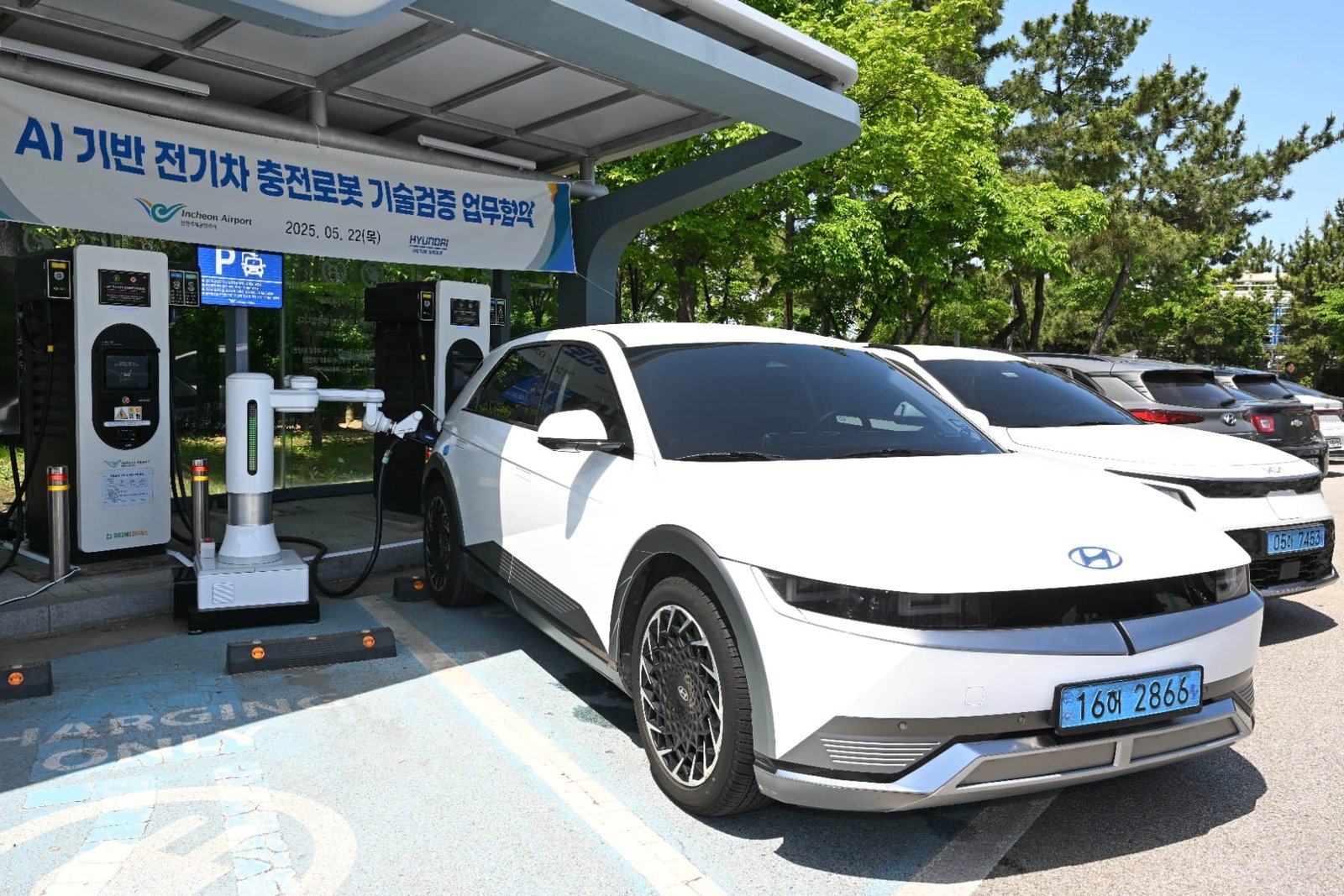
Hyundai Motor Group is moving to commercialise its automatic charging robot (ACR) for electric vehicles through a strategic collaboration with Incheon International Airport Corporation. The latter will serve as the first public demonstration site for real-world application and user testing. Hyundai will supply the robotics hardware and software, develop smart parking interfaces, and tailor the charging scenarios to the specific needs of airport infrastructure. The ACR is an autonomous robotic system capable of locating the charging port and initiating the charging process without human intervention. Backed by artificial intelligence and robotics developed by Hyundai’s Robotics LAB, it has already been tested in controlled settings such as the robot-friendly building project at Factorial Seongsu, Hyundai says. The robots are designed to handle EV charging autonomously, thereby streamlining passenger flow and vehicle turnaround at one of the world’s busiest aviation hubs. With the expansion of Incheon Airport under the ‘Incheon Airport 4.0 Era’ and ambitions to become an ‘Aviation AI Innovation Hub’, the ACR fits neatly into its digital transformation agenda. The ACRs have been certified under Korea’s KC system and meet CE standards in Europe. “This collaboration will serve as a significant milestone in verifying the practical benefits of future mobility technologies,” said Heui Won Yang, President and Head of the R&D Division at Hyundai Motor Group. “Hyundai Motor Group aims to offer a more convenient and enhanced mobility experience through a customised automatic charging solution that can be used in any setting.” “We expect this partnership to significantly enhance service and improve operational efficiency at Incheon International Airport,” said Hag Jae Lee, President and CEO of Incheon International Airport Corporation. “We will continue to advance as the world’s leading digital airport, based on our excellent infrastructure and technological capabilities.”
Optimizing Carnot batteries for renewables storage – pv magazine International
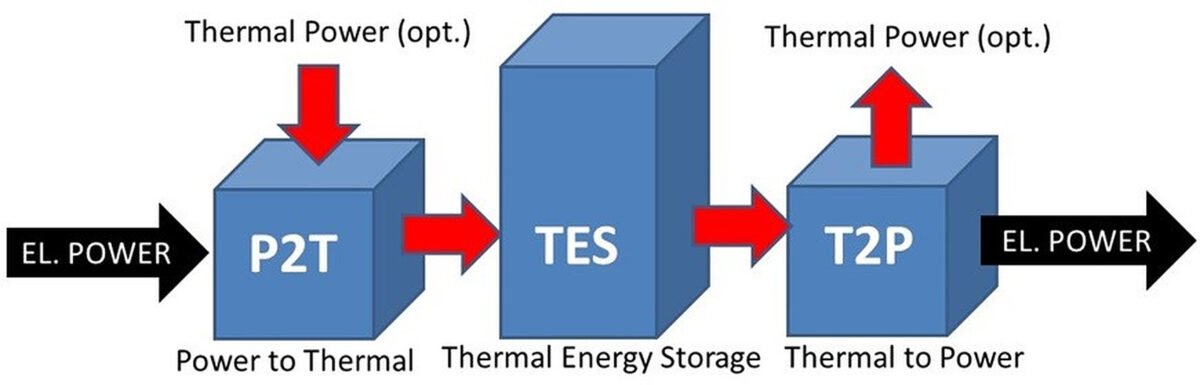
Based on the the heat pump-organic rankine cycle, scientists in Portugal have created six different models of Carnot batteries for stationary storage. They investigated 16 different combinations of working fluids and created a multi-objective optimization for the best candidate. May 23, 2025 Lior Kahana Researchers from Portugal’s University of Coimbra have designed various versions of heat pump-organic Rankine cycle-based Carnot batteries (CBs). Carnot batteries are systems that store electricity in the form of heat through storage media such as water or molten salt and transform the heat back to electricity when needed. This category includes liquid air energy storage (LAES) systems and Brayton or Rankine based pumped thermal energy storages (PTES) systems, as well as Lamm-Honigmann storage, which is a sorption-based technique that can be charged and discharged with both heat and electrical power, and systems based on integrated resistive heating with power cycles. All these storage technologies allow a broad range of applications such as arbitrage business, ancillary services, or peak shaving within power networks. The scientists simulated several systems through single-objective optimization and multi-objective optimization for energetic, exergetic, and economic efficiencies, using 16 different combinations of environmentally friendly working fluids. “A CB is a power-to-heat-to-power energy storage technology that converts surplus electricity into thermal energy by heating or cooling a thermal energy storage (TES) system. The stored thermal energy can be later converted back into electricity when needed,” the academics explained. “The CB is divided into three thermal sectors: the TES tanks (high temperature and low temperature), the heat source, and the heat sink.” The team suggested six HP-ORC combinations that work as a CB. System 1 is the most basic system, including a vapor compression heat pump (VCHP) and a simple ORC. System 2 adds a regenerator to the HP, system 3 adds a regenerator to the ORC, and system 4 adds regenerators to both the HP and the ORC. System 5 uses a two-stage heat pump with a flash chamber, while system 6 two-stage HP and a regenerative ORC. Four different working fluids were tested for both the HP and the ORC sides, yielding a total of 16 possible combinations. Specifically, they were R1224yd(Z), R1234ze(Z), R1336mzz(Z), and R1233zd(E). The systems were developed in MATLAB 2024a, assuming steady-state operation for the VCHP and ORC; no heat losses and pressure losses in heat exchangers; compressor and expander constant efficiencies; water as heat transfer fluid in the heat source, storage and cold source. Firstly, a single-objective optimization was initiated for all possible combinations of the six system configurations and the 16 working fluid pairs. Each combination went through three single-objective optimizations – energetic, exergetic, and economic. A novel scoring methodology was applied to systematically identify the optimal working fluid configuration pair. The simulations showed that the regenerative heat pump and ORC configuration (system 4) consistently provided the best results across all fluid combinations, demonstrating its suitability for this technology compared to other systems, with R1233zd(E)-R1233zd(E), followed by R1234ze(Z)-R1224yd(Z) showing highest overall performance. The Basic heat pump and ORC configuration (system 1) with R1336mzz(Z)-R1336mzz(Z) was found to achieve the lowest performance.” Following this analysis, the group conducted the multi-objective optimization for system 4, using R1233zd(E) on both HP and ORC sides. Per their findings, a tradeoff between round-trip efficiency and the levelized cost of storage (LCOS). The optimal design, nevertheless, achieved a 57.43% round-trip efficiency and an LCOS of €0.649 ($0.73)/kWh. “Higher efficiencies up to 81.30% were possible without significantly compromising overall performance. Beyond this point, further improvements are not justified due to rapid performance degradation,” said the team. “The optimal design point corresponds to an LCOS of 1.093€/kWh for a small-scale experimental test rig but is expected to decrease at larger scales.” Their findings were presented in “Multi-objective optimization and design of a Carnot Battery for energy storage applications,” published in Energy Conversion and Management: X. In a research published in 2023, academics from the Technical University of Denmark proposed to use Carnot batteries to convert coal power plants to renewable energy production. Another group of researchers in Denmark also investigated how Carnot batteries may be used to store renewable energy in their home country and have found that these devices may provide a significant contribution only under a certain cost threshold. This content is protected by copyright and may not be reused. If you want to cooperate with us and would like to reuse some of our content, please contact: editors@pv-magazine.com. Popular content
Powering Connectivity: Top Telecom Backup Battery Providers to Know

In today's fast-paced digital environment, reliable connectivity is essential for businesses and individuals alike. Telecom backup batteries play a crucial role in ensuring that communication networks remain operational during power outages and other disruptions. Below, we highlight some of the top telecom backup battery providers that are making significant strides in this field. 1. ABB ABB is a global leader in power and automation technologies. Their telecom backup battery solutions are designed to provide reliable power to telecom networks, ensuring uninterrupted service. With advanced technology and a commitment to sustainability, ABB's products are suitable for a variety of applications, including remote radio sites and data centers. 2. Schneider Electric Known for their innovative energy solutions, Schneider Electric offers a range of backup battery products tailored for telecom applications. Their Lithium-ion battery systems are particularly noted for their high energy density and longer life cycle, providing businesses with a reliable power source that reduces downtime. 3. Cerrowire Cerrowire specializes in electrical wire and cable solutions, but they also provide high-quality battery backup systems for telecom services. Their products focus on optimizing energy use and enhancing system reliability, making them a preferred choice among telecom service providers. 4. TE Connectivity TE Connectivity is renowned for its connectivity and sensor solutions. Their backup battery systems are designed to meet the rigorous demands of the telecom industry, offering robust performance under challenging conditions. TE's products are also engineered for easy integration with existing infrastructure. 5. EnerSys EnerSys is a leading provider of stored energy solutions for industrial applications, including telecom. Their advanced lead-acid and Lithium-ion batteries provide reliable backup power. EnerSys is known for its commitment to innovation and customer service, making them a trusted partner in the telecom sector. 6. AMG Batteries AMG Batteries specializes in high-performance AGM (Absorbent Glass Mat) batteries, which are ideal for telecom applications due to their superior reliability and low maintenance. With a focus on long service life and efficient performance, AMG is a go-to provider for many telecom companies. Conclusion As the demand for reliable connectivity continues to grow, so does the importance of robust backup power solutions. The telecom backup battery providers mentioned above not only offer innovative products but also play a pivotal role in maintaining the connectivity we rely on daily. Businesses seeking to enhance their telecommunications infrastructure should consider these leading providers as partners in ensuring uninterrupted service.
UK government could raise 'luxury tax' threshold to boost EV sales

UK Government May Raise 'Luxury Tax' Threshold to Boost Electric Vehicle Sales In a notable shift toward promoting sustainable transportation, the UK government is considering raising the threshold for a 'luxury tax' on electric vehicles (EVs). This initiative aims to encourage the adoption of EVs among consumers and enhance the country’s commitment to reducing emissions. Understanding the Luxury Tax The luxury tax, often applied to high-end goods, has been a point of contention in the automotive sector. Currently, EVs exceeding a certain price are subject to this additional tax, which can significantly impact consumer choice. By raising the threshold, the government hopes to make EVs more financially accessible, particularly for middle-income families. Rationale Behind the Change Encouraging EV Adoption: As the UK aims to meet stringent climate goals, increasing EV sales is pivotal. The luxury tax has previously deterred potential buyers, especially those looking for higher-end models that often come with more innovative technologies and better range. Global Competitiveness: As other countries ramp up their EV incentives, the UK risks falling behind in the green automotive race. Raising the luxury tax threshold could attract more manufacturer investments and encourage international brands to introduce more models in the UK. Job Creation: A more extensive EV market could stimulate job creation in manufacturing, sales, and maintenance of electric vehicles. The transition to greener transportation is also viewed as an opportunity to develop new skill sets among the workforce. Economic Implications The economic landscape surrounding EVs is rapidly evolving. By adjusting the luxury tax threshold, the government could provide immediate relief to consumers, making EVs more appealing in the short term. This move could also lead to a broader economic impact by reducing reliance on fossil fuels and promoting green technologies, potentially attracting further investment in sustainable infrastructure. Conclusion Raising the luxury tax threshold for electric vehicles could serve as a critical catalyst for increasing EV adoption in the UK. By addressing consumer costs and aligning with environmental objectives, the government can enhance its strategy to reduce carbon emissions while revitalizing the automotive industry. If implemented, this policy may represent a significant step toward a greener, more sustainable future for transportation in the UK. As discussions evolve, stakeholders will closely monitor how these changes could reshape the market dynamics within the electric vehicle sector.
Dense Fluid Pumped Hydro Doesn't Make Any Sense & A Mea Culpa
A recent online discussion on gravity storage brought the usual suspects out of the woodwork. Proponents of heavy fluid pumped hydro reared their sludgy heads this time. Follow along for why this is a silly idea, as all gravity storage options that aren’t pushing water uphill turn out to be. As a reminder, gravity storage is very basic stuff. The math is Grade 5. The science is Grade 7. Mass times the acceleration due to gravity times height. Kilograms times 9.8 meters per second squared times height in meters. Joules are the unit of energy this produces, and a million of them is about 0.28 kWh. Yes, Joules are tiny. A ton of mass at 100 meters of height has about that much potential energy, so if you were to suspend it with a crane with an electric regenerating winch, you would get about that much electricity out of it. This is why the mere thought of suspending blocks of concrete or steel in mid-air with a crane would never occur to any rational, STEM-competent person, unless they were venally selling it to STEM-illiterate enthusiasts with open wallets. What is heavy fluid pumped hydro? Well, let’s start with pumped hydro, then let’s go on to the ‘problem’ that heavy fluid pumped hydro ‘solves.’ We’ve been pumping water uphill to store electricity since 1907. All it takes is a hill, a reservoir at the top, a reservoir at the bottom, a tunnel or some really strong pipes, and some reversible hydroelectric turbines. Pump lots of dirt cheap water up to a really simple upper reservoir through a tunnel through rock with really simple electric turbines. When you need electricity, let the water flow back down through the tunnel and turbines to generate electricity. Hills have been around since the Earth coalesced out of a ball of space dust. The first reservoir was probably built around 2500 BCE in Egypt. We’ve been building tunnels since about 520 BCE, when a Greek tyrant named Polycrates built a kilometer-long tunnel to bring fresh water for the city’s 20- or 30-thousand residents. The first hydroelectric turbine was probably built in 1882 in Wisconsin, USA, of all places. This is not remotely challenging technology. Yet some people think it really needs improving on. One of those groups are the heavy fluids folks. Their concerns are some combination of a lack of vertical distance, a lack of water, or a lack of places to put pumped hydro. Let’s start with the last one. ANU global pumped hydro site map courtesy ANU See all of those dots? A few years ago, the Australian National University and a group of people led by researcher Matt Stocks did a geographical information system study. They had a computer look for all the places on Earth for which there was decent data where it was possible to put a couple of reservoirs within a small handful of kilometers. They ignored places with less than 400 meters of vertical distance between reservoirs (remember that height thing in the basic science). They eliminated anywhere there was running water, to avoid messing up streams or rivers. They avoided places that were protected areas, mostly parks and the like. They picked places that were fairly close to existing transmission lines, so it would be easy to bring electricity to and from the reservoirs. They found a rather absurd number of sites that met these criteria. Many of the big blank spots on the map above are just places where an incredibly small number of people live, and there’s no transmission or even good data sets. They found 100 times the resource potential for pumped hydro as the total amount of energy storage that their study concluded was required for all decarbonization. If only 0.5% of the sites, one in 200, pan out, that’s 50% of the problem solved. There aren’t a shortage of sites to put closed loop, off-river, pumped hydro electricity storage. That’s two of the objections knocked off the list, places to put it where there is sufficient height. Oh, wait, say the pumped hydro critics. What about the Great Plains of the USA, the Prairies of Canada, and the Northern European Plain? Those are a subset of the blank spots to the north of the map. Apparently these people have never heard that we can transmit electricity, or that there’s this thing called the grid that we can have storage assets on. This leaves the third criteria, having enough water. Let’s imagine a pretty big pumped hydro facility, one with 30 GWh of storage, about 7,700 Tesla Megapacks, the big grid storage one. Its height difference is 500 meters. Its round-trip efficiency is about 80%. It would require around 28 million cubic meters of water. That sounds like a lot. How much fresh water does the USA consume daily? About 1,200 million cubic meters. Do pumped hydro facilities consume the water? No, it just goes up and down, with a bit of evaporation requiring topping off. Pumped hydro facilities don’t require a new 28 million cubic meters of water every day, they just play with the water they have. 30 GWh of storage requires about one-fortieth of a single day’s water consumption, and doesn’t consume it. That’s about one sixteen-hundredth of the USA’s annual water consumption. When pumped hydro facilities are built, sometimes the developers just let them fill up with rainwater, although that’s fairly slow. Many are certainly replenished with rain sufficiently to require that excess water be fed into nearby streams or rivers. Others run pipes or build temporary channels from nearby rivers or lakes. If you want more energy storage, just make the top and bottom reservoirs bigger. Bigger reservoirs are remarkably easy to build. They are the least difficult and least expensive part of pumped hydro. Because of the nature of reservoirs as three-dimensional volumes, expanding them 10 meters in all directions produces non-linear results. Let’s take a simple example. Suppose you have a cube 40 meters on
Mozambique opens solar-storage minigrid tender – pv magazine International
In July 2024, Mozambique's Ministry of Mineral Resources and Energy (MIREME) initiated a significant tender for the development of decentralized solar photovoltaic (PV) and battery energy storage systems (BESS). This initiative, funded by a grant from the German government through the KfW Development Bank, is part of the Global Energy Transfer Feed-in Tariff (GET FiT) Mozambique Program, which aims to enhance the country's renewable energy infrastructure. Tender Details The Energy Regulatory Authority (ARENE) is overseeing the tender process, seeking to select two experienced Independent Power Producers (IPPs) to develop, finance, construct, own, operate, and transfer two lots of PV and BESS projects. These projects are to be located in the provinces of Nampula, Zambézia, Sofala, and Gaza. The tender process includes an international competitive bidding procedure with a prequalification stage, adhering to Mozambique’s legal framework and KfW’s procurement guidelines. Interested firms can access the Prequalification Documents in both English and Portuguese by registering with ARENE. Upon registration, firms must sign a confidentiality undertaking and can nominate up to four users for data room access. Applications must be submitted in sealed envelopes to ARENE’s Procurement Department in Maputo by 12:00 p.m. on September 13, 2024. Context and Objectives This tender represents a significant step towards Mozambique’s commitment to expanding its renewable energy capacity and reducing greenhouse gas emissions. By the end of 2023, Mozambique had an installed solar capacity of 83 MW, according to figures from the International Renewable Energy Agency (IRENA). The country’s Power Infrastructure Master Plan sets a target of 50% of its energy generation to come from renewable energy sources by 2043. The GET FiT Mozambique Program aims to support decentralized utility solar PV and BESS projects, leveraging the expertise of IPPs to achieve these goals. The program is expected to enhance the use of hydro, solar PV, and battery-based energy storage, contributing to the country's efforts to achieve universal, sustainable electricity access by 2030. Conclusion The launch of this tender underscores Mozambique's dedication to advancing its renewable energy sector and improving energy access for its population. By leveraging international support and its abundant solar potential, Mozambique aims to significantly enhance its renewable energy capacity, providing a blueprint for other nations in the region to follow. With the deadline for pre-qualification approaching, interested firms have the opportunity to contribute to shaping the energy landscape of Mozambique for decades to come.
Electric vehicle battery cost falls to $132 per kWh, but it might go up from there
The cost of electric vehicle battery packs has fallen to $132 per kWh – continuing decades of cost improvements. However, it might go up over the next year as increased material prices are catching up to incremental cost improvements. Price per kWh is the metric used to track the price of batteries. It can be used to talk about the cost of battery packs or battery cells. For example, if Tesla were achieving a cost per kWh of $150 for its Model S battery pack, it would mean that the battery pack costs $15,000 since it has a capacity of 100 kWh. In the auto industry, it is generally accepted that $100 per kWh for battery packs is the price point needed for electric vehicles to be cost-competitive with gasoline-powered vehicles. Advertisement - scroll for more content Of course, this is relative to the type of vehicles since you can make cost-competitive EVs in many segments with higher battery costs. For example, the cost of battery packs for electric busses fell to $100 per kWh last year. The average cost of EV batteries has fallen consistently over the last year based on BloombergNEF’s annual battery price survey. In an updated version of the survey, BloombergNEF reported that it now averages $132 per kWh: “Lithium-ion battery pack prices, which were above $1,200 per kilowatt-hour in 2010, have fallen 89% in real terms to $132/kWh in 2021. This is a 6% drop from $140/kWh in 2020. Continuing cost reductions bode well for the future of electric vehicles, which rely on lithium-ion technology.” That’s down from $137 per kWh last year and therefore, another small but good incremental improvement. However, these steady cost improvements might end in 2022 due to increasing material prices. BloombergNEF reports: “However, higher raw material prices mean that in the near-term, average pack prices could rise to $135/kWh in 2022 in nominal terms. In the absence of other improvements that can mitigate this impact, this could mean that the point at which prices fall below $100/kWh could be pushed back by two years. This would impact EV affordability or manufacturers’ margins and could hurt the economics of energy storage projects.” The prices of important metals to battery production have significantly increased in 2021 and it is starting to pressure battery costs. For example, nickel has increased 24% in cost so far this year: The increase in demand is outpacing new production coming online, which takes a lot of time to deploy since mining is a capital and time-intensive industry. FTC: We use income earning auto affiliate links. More.
Genesis updates the G80 with a bigger battery
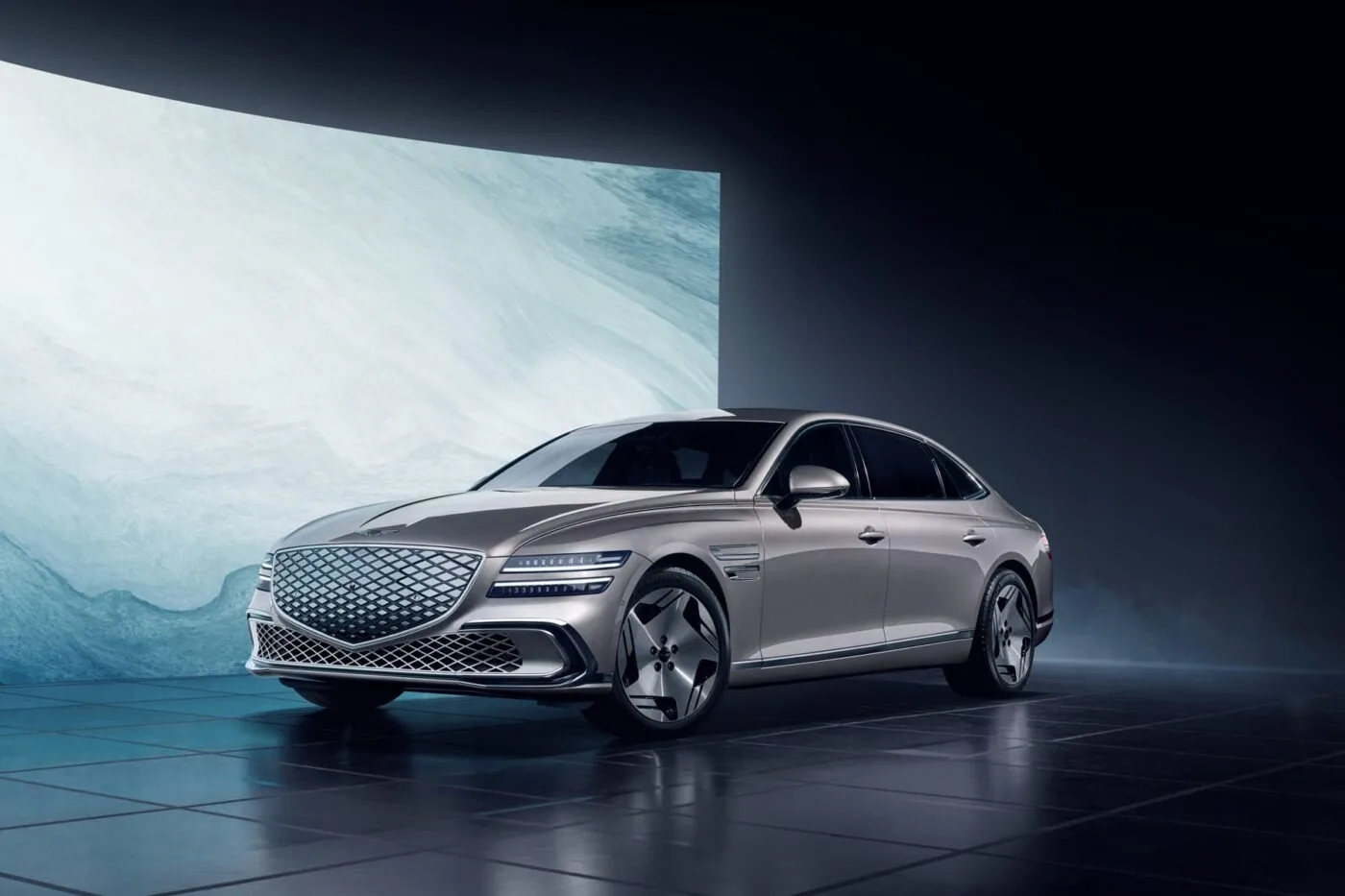
Genesis has unveiled the facelift of the Electrified G80. With extensive revisions, the flagship of the Genesis electric portfolio will be rolling onto UK roads from June 2025. The most important new features include a longer wheelbase and a higher battery capacity for more range. Hyundai’s luxury subsidiary brand presented the Electrified G80 in spring 2021 as an electric version of the G80 combustion-powered sedan. Even back then, an 800-volt battery with an energy content of 87.2 kWh was on board. With the facelift, a new 94.5 kWh battery will be installed in the Electrified G80. This should enable a range of up to 570 kilometres according to WLTP. According to Genesis, recharging from ten to 80 per cent should take 25 minutes; the maximum charging capacity of the new battery is not specified. As the standard fast-charging process only took 22 minutes with the old 87.2 kWh battery, the charging capacity is likely to have remained the same, so it will take a little longer to reach 80 per cent with the larger battery. There is also a battery heating function for “convenient charging in all weather conditions.” To make it easier to plug in the charging cable in the dark, the charging port is illuminated – the flap can also be opened and closed electrically at the touch of a button. As is usual with a facelift, there are also numerous design and technology updates. The typical brand grille characterises the front, the headlights now feature multi-lens array technology (MLA) and should offer improved lighting performance, according to Genesis. The design of the 19-inch rims has also been revised. Inside, redesigned front and rear seats are said to offer “even more comfort for all occupants”. And a 27-inch OLED display will seamlessly combine the new ccIC infotainment system with the digital instrument cluster. There is also a Bang & Olufsen sound system with 17 speakers as standard, which also supports Dolby Atmos technology. Rather unusual for a facelift is the fact that Genesis has stretched the wheelbase by a whopping 13 centimetres – such expensive modifications to the bodywork are usually avoided when updating a model. However, the longer wheelbase was not chosen because of the larger battery, but to underpin the status as a flagship sedan. The revised model will be available in the UK from June, but Genesis has not yet specified prices for the new Electrified G80 in the press release. The market launch in Germany is also scheduled for June, but Genesis has not yet revealed how much the Electrified G80 will cost in either market.
India allocates over 200 million euros for charging infrastructure
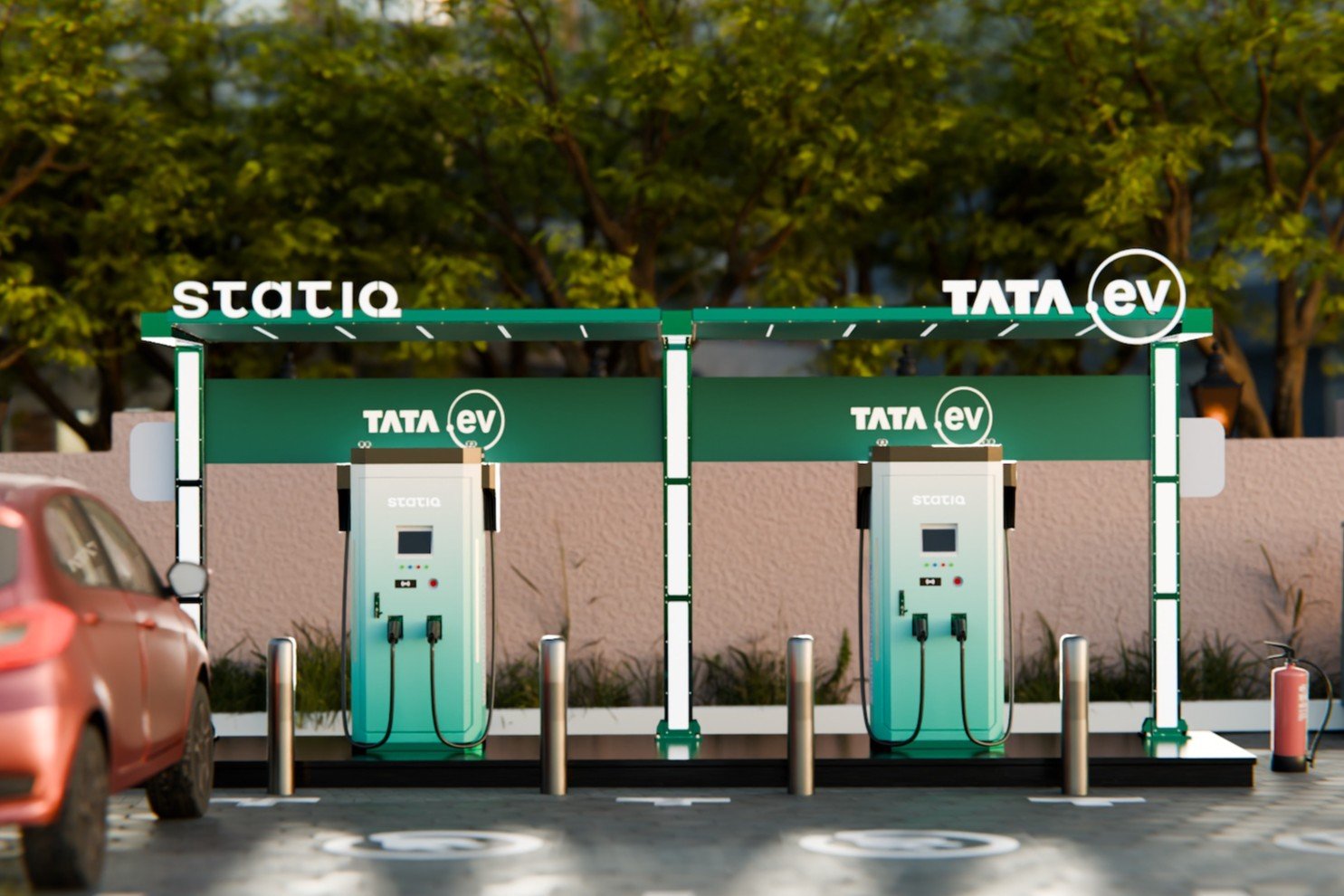
Under its PM E-Drive scheme, the Ministry of Heavy Industries (MHI) plans to deploy about 72,000 public charging stations nationwide. It will install them along 50 national highway corridors, enabling electric cars, buses, and commercial vehicles to cover significantly longer distances. MHI wants the new public charging stations in high-density locations, such as fuel outlets, railway stations, airports, toll plazas, and state highways. It is considering assigning the task of aggregating demand for these charging stations to Bharat Heavy Electricals Limited (BHEL), a government-owned engineering and manufacturing enterprise specialising in energy and industrialinfrastructure. In addition to aggregating demand, BHEL’s role in the new initiative may involve developing a unified application that allows customers to access the public chargers. MHI wants this app to allow users to check the availability of chargers, book their charging slots, make payments, and track charging progress. MHI is coordinating with the Ministry of Petroleum and Natural Gas (MOP&NG) and the Ministry of Road Transport and Highways (MoRTH) for the implementation of EV charging infrastructure under the PM E-Drive scheme. “The clean energy transition cannot succeed in silos,” said H.D. Kumaraswamy, the Union Minister for the Ministry of Heavy Industries, stressing the need forcollaborative efforts. “Ministries, public sector enterprises, and states are all aligned to deliver results on ground,” he added. The Ministry of Heavy Industries has devised the PM E-Drive scheme to offer incentives worth 109 billion rupees (approx. 1.12 billion euros) between October 2024 and March 2026. In addition to approximately 72,000 public chargers, the scheme covers 2,881,436 electric vehicles, including two-wheelers, three-wheelers, ambulances, and trucks, as well as the upgradation of testingagencies. pib.gov.in, heavyindustries.gov.in, heavyindustries.gov.in (PDF)