Breakthrough Energy Venture's Wilted Garden Of Climate Investments

Breakthrough Energy Ventures (BEV), established in 2016, is a prominent investment firm dedicated to financing, launching, and scaling companies that aim to eliminate greenhouse gas emissions across the global economy. With over $3.5 billion in committed capital, BEV has invested in more than 110 companies, ranging from seed to growth stages, all focused on innovative solutions to combat climate change. (breakthroughenergy.org) A Diverse Portfolio of Climate Solutions BEV's portfolio encompasses a wide array of companies addressing various facets of the climate crisis: CarbonCure Technologies: This company has developed a technology that injects captured CO₂ into concrete, sequestering it and enhancing the material's strength. In 2018, BEV led a strategic investment in CarbonCure to accelerate its international expansion and commercialization of new solutions. (pangaeaventures.com) Fervo Energy: Focused on delivering cost-effective clean energy through innovative geothermal technology, Fervo Energy aims to harness the Earth's heat to provide a reliable and sustainable power source. (breakthroughenergy.org) Form Energy: This company is developing long-duration energy storage systems to enable a fully renewable, affordable, and reliable electric grid, addressing the intermittent nature of renewable energy sources. (breakthroughenergy.org) Graphyte: Graphyte has introduced "Carbon Casting," a technology that permanently removes CO₂ from the atmosphere, offering a scalable and cost-effective solution for carbon removal. In November 2023, Graphyte announced a purchase agreement with American Airlines for 10,000 tons of permanent carbon removal, marking a significant milestone in commercializing carbon capture technologies. (capitalaum.com) Aetherflux: Founded by Baiju Bhatt, co-founder of Robinhood, Aetherflux is pioneering space-based solar power. The company plans to deploy a constellation of satellites to collect solar energy in space and transmit it to Earth via infrared lasers, providing a continuous and renewable energy source. (en.wikipedia.org) Challenges in Scaling Climate Innovations Despite these promising investments, scaling climate technologies remains fraught with challenges. The "valley of death"—a critical development phase characterized by high expenses and limited revenue—poses a significant hurdle for green tech ventures. Initiatives like the partnership between the European Investment Bank and Breakthrough Energy are vital in providing necessary capital aid to start-ups, enabling them to progress towards full-scale operations and appeal to larger infrastructure funds for future investments. (ft.com) Moreover, the transition to clean energy is facing significant roadblocks due to insufficient funding. Although global investment in clean energy is expected to rise to $2 trillion, it remains inadequate compared to fossil fuel investments. Developing nations, in particular, face a significant funding gap. Despite these challenges, some companies like H2 Green Steel are securing substantial investments, though the journey for climate tech ventures remains tumultuous. (ft.com) Conclusion Breakthrough Energy Ventures continues to play a pivotal role in fostering innovation and supporting companies that are at the forefront of the fight against climate change. While the path to scaling these technologies is complex and fraught with financial and operational challenges, BEV's strategic investments and partnerships are instrumental in driving the transition to a sustainable and low-carbon future. Recent Developments in Climate Tech Investments: A helping hand through the green tech 'valley of death' Transition to clean energy falters as green tech funding falls short
Hottest inverter and storage trends 2025 with Cormac Gilligan – pv magazine International

Join Cormac Gilligan, Associate Director of Clean Energy Technology at S&P Global Commodity Insights, and Marian Willuhn, Senior Editor, pv magazine, as they walk through the halls of The Smarter E Europe 2025 in Munich, exploring the latest trends in the power electronics field. In this video, Cormac shares insights from major inverter manufacturers, including Sungrow, Solis, GE Vernova, Solaredge, and Gamesa.
Thinking About Climate Reparations - CleanTechnica
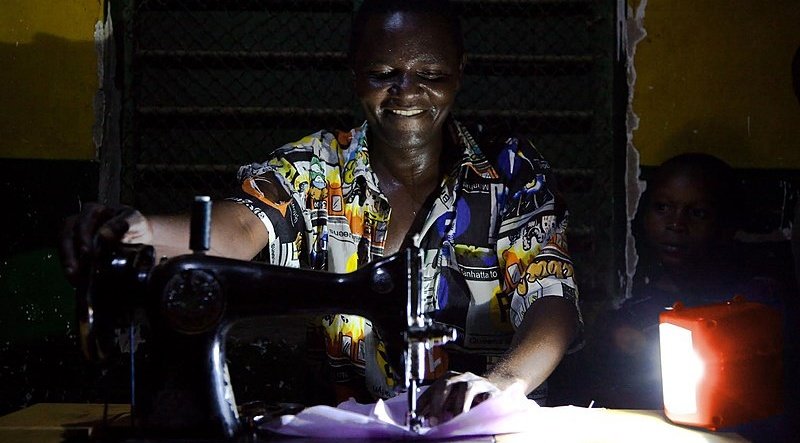
I have been thinking about the idea that some people propose that the United States and a few other countries which emit greenhouse gases in high amounts should pay reparations to people in undeveloped countries. It really feels like a horrible idea, but I have been thinking about it anyway. I was part of a generation that really knew America was close to perfect. President Eisenhower was as close to perfect as a man could be. American corporations all operated ethically. Electricity cost 3¢ per kilowatt-hour and probably always would. It was great, being six in the greatest country that had ever come into being. Of course, President Eisenhower warned us about the “military industrial complex.” And I knew, despite the loud opinions of my classmates, that there were Indians who were both good and alive, because I had knew a really nice American Indian girl. In fact, I knew our treatment of some races was horrible. And because I had memorized the lyrics of the Tennessee Ernie Ford song “Sixteen Tons,” I knew that in our past, leaders of some companies were really horrible too. Except for Andrew Carnegie. Nevertheless, the idea that we might even think of making reparations for our releases of greenhouse gases fills me with horror. I would be sure it was from some socialist, leftist crazies, if I hadn’t been convinced that climate change was happening fast enough to be dangerous. I started my thoughts with a question: What if we designed a kit that would be the basis for a solar microgrid? It would have to be modular, so any number of sets could be combined to make a community solar array. We could limit its cost to $1,000 and still have it be useful. Since that is the cost per unit of a large purchase of goods, it would be well below wholesale. It should be enough to provide a meaningful amount of solar capacity, a charger, an inverter, and a battery. The cost should be enough to include a computer and a monitor — I paid under $100 retail for a new computer that was powerful enough to surf that web (slowly), including a monitor. Also, everything in the kit would have to be built in the US. And finally, what if we gave these away to anyone who wants one, in any country that allows us to give them away. I think the United States could buy a billion such kits to give away. Please don’t gag. I know that’s $1 trillion. But it is only a fifth of what congress allocated to fight COVID. Of course, we have to be careful because, “A trillion here, a trillion there, and pretty soon you’re talking about real money,” to paraphrase former Senator Everett Dirksen. (He originally said “billion.”) But what would the effects be? America would be a hero to a lot of people, especially in Africa, where a majority of the sets might go. American companies could open up foreign markets where people never had electricity before. We could send sets to anyone who wanted them in Ukraine, so Russian bombing of the power lines would have much less effect on innocent people. We would be able to look China squarely in the eye. Some countries would refuse to let us distribute sets, but they would have to explain to their poor people why they did so. That might be good PR for the US. We would build up the industries in the US to make the components of the set. That means more American companies making photovoltaics, batteries, inverters, chargers, etc. Electricity prices could be reduced for many of our people in need. For some people in the US, the sets would provide their first electricity. We might think of the Navajo and other tribal groups here. There would be many of thousands of jobs would be created in the US. I would guess the number to be hundreds of thousands of jobs. We would increase resilience in many communities in the US and elsewhere. For every industry that is making components, there would be a reduction in prices (Wright’s Law). We would make things in this country that are now being obtained elsewhere. Computer chips come to mind. This would make us more resilient. We might actually make some headway on climate change. There’s probably a lot more, but I’ve run out of steam. Now I would like to ask the readers: We know precisely what all this would cost. What do you think it would all be worth? Image: A little electricity is a whole lot better than none at all. Photo from USAID in Africa via Wikimedia Commons. Sign up for CleanTechnica's Weekly Substack for Zach and Scott's in-depth analyses and high level summaries, sign up for our daily newsletter, and/or follow us on Google News! Whether you have solar power or not, please complete our latest solar power survey. Have a tip for CleanTechnica? Want to advertise? Want to suggest a guest for our CleanTech Talk podcast? Contact us here. Sign up for our daily newsletter for 15 new cleantech stories a day. Or sign up for our weekly one on top stories of the week if daily is too frequent. Advertisement CleanTechnica uses affiliate links. See our policy here. CleanTechnica's Comment Policy
AEMO to streamline NEM connections for generators and BESS
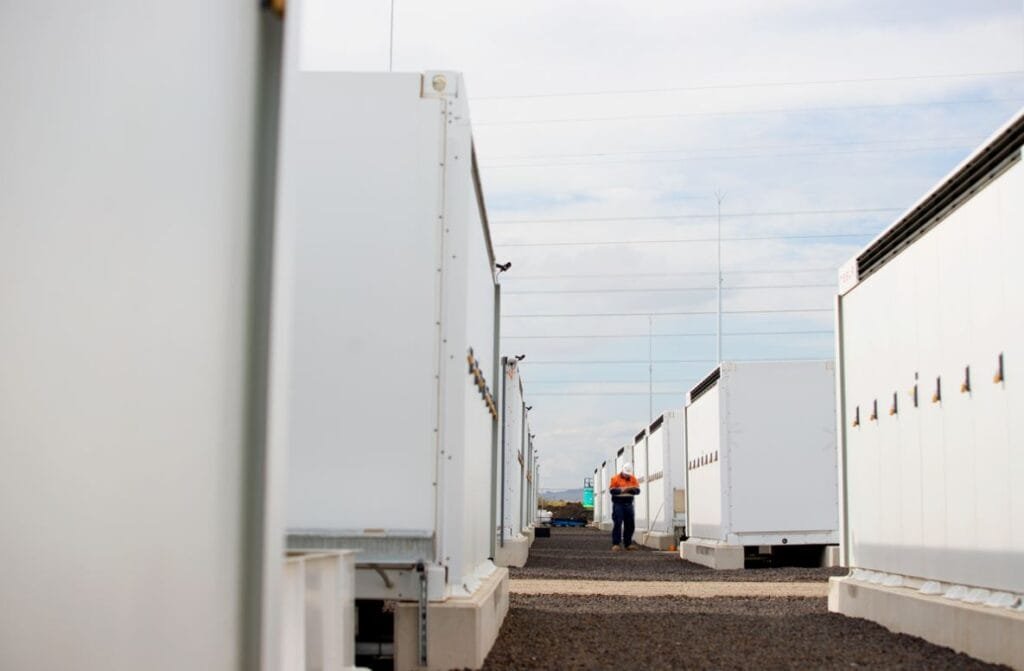
Streamlining NEM Connections for Generators and BESS: AEMO’s Strategic Initiative The Australian Energy Market Operator (AEMO) plays a pivotal role in managing the National Electricity Market (NEM) and is dedicated to ensuring a stable, efficient, and secure electricity supply across Australia. Recognizing the urgent need for greater integration of renewable energy sources and Battery Energy Storage Systems (BESS), AEMO is undertaking initiatives to streamline the connection process for new generators and BESS in the NEM. This article explores AEMO's initiatives, the challenges faced, and the projected benefits of these enhancements. The Context: Growing Demand for Renewable Integration As Australia accelerates its transition to a low-carbon energy system, renewable energy sources such as solar and wind are becoming increasingly prevalent. The deployment of BESS is also on the rise, as these technologies help to mitigate intermittency issues associated with renewable generation. However, the existing connection processes can be cumbersome, leading to delays and frustrations for new projects. AEMO's initiatives aim to simplify these processes, thereby enabling a faster and more efficient connection of generators and BESS to the grid. Key Initiatives to Streamline Connections 1. Revised Connection Guidelines AEMO is updating its connection guidelines to make them more user-friendly and accessible. By providing clearer criteria and streamlined pathways for connecting to the grid, AEMO is positioning itself to reduce the administrative burden on developers. This includes standardizing application forms, timelines, and technical requirements. 2. Enhanced Communication and Engagement To address the complexities and concerns of stakeholders, AEMO is fostering improved communication and engagement. Regular consultations with developers, utilities, and other stakeholders will ensure feedback is incorporated into evolving processes. This collaborative approach helps identify and fix pain points experienced during the connection process. 3. Digital Transformation Leveraging technology is key to AEMO’s strategy. The implementation of digital platforms enables real-time tracking of connection applications and allows for automated communication with stakeholders. This transparency helps maintain momentum and reduces uncertainties for developers. 4. Capacity Expansion in the Grid Recognizing the need for investment in transmission infrastructure, AEMO is advocating for the expansion of grid capacity. By investing in infrastructure upgrades and new transmission lines, the agency can facilitate better access for new generation projects, particularly those in remote areas with high renewable potential. 5. Faster Assessment Processes AEMO is working to accelerate the assessment processes for connection applications. By optimizing internal workflows and employing advanced analytical tools, the organization aims to reduce processing times for assessments without compromising on safety and reliability standards. Challenges Ahead While AEMO's initiatives are promising, several challenges persist. Ensuring that connection processes are manageable for diverse project sizes—ranging from small solar farms to large-scale BESS installations—requires careful consideration. Additionally, regulatory hurdles and coordination among various stakeholders often create delays. Anticipated Benefits The streamlining of NEM connections stands to deliver numerous benefits: Enhanced Energy Security: A more integrated network of renewable energy sources and BESS contributes to a reliable energy supply. Faster Deployment of Projects: Reduced connection timelines lead to quicker project launches, allowing for a more rapid transition to renewable energy. Cost Reductions: Streamlined processes can lower the costs associated with connection applications, making clean energy projects more financially viable. Market Competitiveness: By lowering barriers to entry, AEMO is fostering increased competition within the energy market, encouraging innovation and investment. Conclusion AEMO’s commitment to streamlining connections for generators and BESS marks a significant step toward a more sustainable and efficient energy future. By addressing existing challenges and leveraging technology, AEMO is not only enhancing the reliability of Australia’s energy system but also facilitating a smoother transition to renewable energy. As these initiatives unfold, the market will likely see a surge in clean energy projects, contributing to Australia’s ambitious climate goals and supporting the broader global effort to combat climate change.
European battery industry looks to learn from mistakes of the past
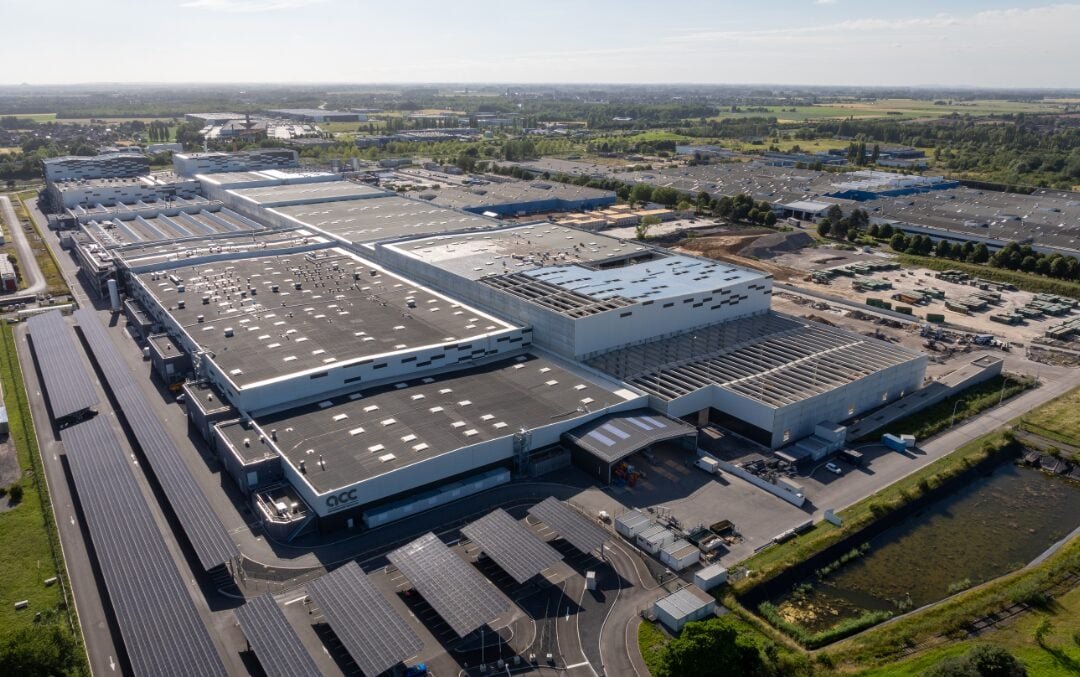
As we reported in March, the new generation of hopefuls like the UK’s Volklec and Norway’s Elinor Batteries are hoping to learn from the mistakes of past incumbents like Northvolt by partnering with Chinese companies from the outset and scaling at a much slower pace. The European market has faced three major challenges. High energy prices from the 2021-22 gas price-driven crisis which have failed to come down, a lack of technical expertise in the battery space and consistently falling prices from China. Even free land and energy might not be enough A panel discussion put on by Solar Media at ees Europe earlier this month discussed the future of Europe’s PV and battery manufacturing industries. From the battery side, Elinor Batteries’ executive VP business development Sofi Hildonen and Nemanja Mikac, CEO of Serbia-based LFP gigafactory ElevenEs gave their views. Hildonen said that being humble and partnering with an experienced player from the outset, as it has done with China-based Morlus Technology, was key to succeeding where its predecessors did not. Mikac meanwhile took the opportunity to share his views on the Northvolt saga, for which you can also watch the video below. “It’s one of the most critical questions and one the investor world doesn’t understand that deeply. If the energy was free, and the site was free, if you have more than 50% scrap, it doesn’t matter. You will fail anyway,” Mikac said. “You make a second mistake of scaling up too quickly, then you’re making 50% scrap on billions. So what happens is you lose hundreds of millions per month, and you don’t have enough time to raise from the dead, as no one will give you 10 billion more. They got too much money too fast. It wasn’t the only issue, and I’m not blaming anyone specifically.” “But there were sparks of this a few years ago. Sometimes the scrap was over 50%, which isn’t sustainable. They should have scaled down, preserved money, and learned it on a lower scale. They might have been two or three years later to market, but they would have a company and a product today.” “Investors are now super scared and this is the first step: stay humble and do it step by step. Then you do it on a large scale, and then the investor confidence will come back.” ‘Not easy to reach industrial scale’ We also discussed the topic in an interview with ESN Premium, with Franck Girard, président of the French arm of system integrator Nidec ASI, one of the few that manufactures BESS in Europe. He pointed out that Chinese companies are setting up all over Europe amidst struggles for the European ones. “We see the problem of Northvolt, we see ACC suffering, it’s not easy to reach industrial scale,” Girard said. “Verkor is coming but with NMC that isn’t really valid for energy storage. We see the Chinese opening new gigafactories, Sunwoda in Hungary, CATL in Hungary, CALB in Portugal, AESC in Spain, LG in Poland.” Automotive Cells Company (ACC), which has three gigafactory projects in, is co-owned by automotive groups Stellantis and Mercedes-Benz, and energy major TotalEnergies, through its battery subsidiary Saft. Having such large backing and dedicated offtakers potentially makes scaling up easier than an independent like Northvolt, ElevenEs, Elinor or Volklec, but it is far from without its challenges too. In late 2024 the company announced a halt on construction on its Italy and Germany projects. ACC on LinkedIn said in March, in response to the EU’s €100 billion (US$113 billion) Clean Industrial Deal plan: “To survive and successfully ramp up our gigafactory – a process that is proving longer and more expensive than expected – immediate support is essential. We are therefore calling for the activation of the Innovation Fund 2024 without waiting for 2025 or 2026, or even 2027.” ‘Not doing enough to get projects over the line’ Bloombergnef’s (bnef) latest Global Lithium-Ion Battery Supply Chain Ranking report had most European countries have fallen down the ranking for 2024, with China ranked first and the US and Canada tied for second. An industry analyst told us that policy support has often lacked when it really mattered, particularly around more upstream projects like mining and raw material processing which, while not essential for a thriving battery industry, do help. “Governments need to support de-risking of these projects. Some battery projects that were designated as Projects of Common Interest (PCIs) attracted investment but that scheme has not been used in raw materials or been maintained in manufacturing as much. Europe’s policymakers often want to be trailblazers of new technologies but don’t tend to do enough to take them over the line,” they said.
Powering the Future: The Rise of Marine Battery Systems in Commercial Shipping

Introduction The commercial shipping industry has long been a cornerstone of global trade, but it is increasingly facing pressure to reduce its environmental footprint. As regulations become stricter and the demand for sustainable practices grows, marine battery systems are emerging as a transformative solution. This article explores the rise of these systems and their potential to reshape the future of commercial shipping. The Need for Sustainable Solutions With the International Maritime Organization (IMO) aiming for a reduction of greenhouse gas emissions from shipping by at least 50% by 2050, the urgency for cleaner alternatives is clear. Traditional fossil fuel-powered vessels contribute significantly to air pollution and climate change. Marine battery systems offer a promising pathway to meet these evolving demands. What are Marine Battery Systems? Marine battery systems consist of advanced energy storage technologies that can power vessels either fully or partially. These systems utilize rechargeable batteries designed specifically for the harsh marine environment, enhancing safety and reliability. Key technologies include lithium-ion, solid-state batteries, and flow batteries, each offering unique advantages. Advantages of Marine Battery Systems 1. Environmental Impact Marine battery systems significantly reduce emissions of harmful pollutants such as nitrogen oxides (NOx) and sulfur oxides (SOx), contributing to cleaner air and waterways. 2. Operational Efficiency Battery-powered ships can operate more quietly and with less vibration than conventional vessels. They also can facilitate energy efficiency measures, such as energy recovery from propulsion and auxiliary systems, further lowering overall operational costs. 3. Regulatory Compliance With increasing regulatory requirements for emissions, battery systems can help shipping companies stay compliant while avoiding financial penalties associated with non-compliance. Current Applications in Commercial Shipping Several companies have already begun to integrate battery systems into their fleets. For instance, ships like the “Yara Birkeland,” an autonomous electric container ship, represent a landmark development towards sustainable shipping. Similarly, ferries and tugboats are also leading the charge, showcasing the versatility of battery systems across various vessel types. Challenges Ahead 1. Infrastructure Development Widespread adoption of marine battery systems will require significant investment in charging infrastructure at ports and terminals, which is currently lacking in many regions. 2. Energy Density and Range Limitations While battery technology is advancing, current energy density levels may not yet match those of traditional fuels, limiting the range and operational capabilities of fully electric vessels. 3. Cost Considerations The initial investment for retrofitting existing vessels or building new ones can be substantial. However, the long-term savings on fuel costs and regulatory compliance can offset these expenses over time. The Future of Marine Battery Systems The future of commercial shipping lies in the balance between sustainability and efficiency. As technological advancements continue to improve battery performance and reduce costs, marine battery systems are poised for widespread adoption. Collaborations between governments, manufacturers, and shipping companies will be crucial to overcoming existing challenges and paving the way for a cleaner maritime industry. Conclusion Marine battery systems represent a significant evolution in commercial shipping, promising to reduce environmental impacts while enhancing operational efficiency. As the industry navigates challenges, the transition to battery-powered vessels is not just a possibility—it is an imperative for a sustainable future.
This big, sand-filled energy storage silo can be powered by wind and solar
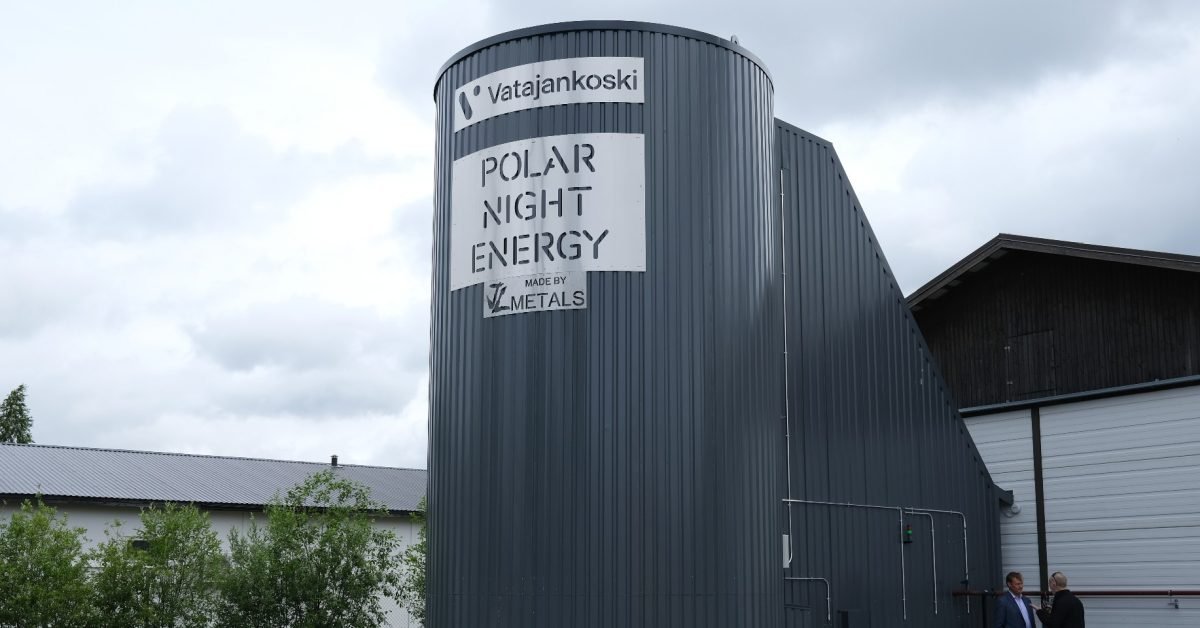
Finnish startup Polar Night Energy and local Finnish utility Vatajankoski have together built the world’s first commercial sand-based, high-temperature heat storage system that can be powered by solar and wind. Sand-filled energy storage in Finland Polar Night Energy’s heat storage system is a 23-foot-tall steel container filled with 100 tons of sand. (Polar Night Energy uses the lowest grade of sand that isn’t used in construction.) Hot air blown through pipes heats the sand in the steel container by resistive heating. The sand is able to store heat at around 500–600C (932–1,112F) for months, so power generated in the summer can be used to heat homes in the winter. Polar Night Energy says it has 100 kW of heating power and 8 MWh of energy capacity. Here’s how it’s meant to work with renewables: Image: Polar Night Energy This first sand battery, which is in the town of Kankaanpää, is connected directly to the grid and runs when the electricity is cheapest – that’s usually when renewables are powering it. It’s also next to a data center, which produces waste heat that is pumped into the sand battery. In the future, the energy-storage silo can and should be directly connected to wind or solar sources of power. Advertisement - scroll for more content When energy prices are higher, the sand storage system discharges heat that warms water for Vatajankoski’s district heating system. The water is then pumped around homes, offices, and the town’s swimming pool. Polar Night Energy’s CTO Markku Ylönen says: This innovation is a part of the smart and green energy transition. Heat storage can significantly help to increase [the presence of] renewables in the electrical grid. At the same time we can prime the waste heat to usable level to heat a city. This is a logical step toward combustion-free heat production. The US National Renewable Energy Laboratory is investigating sand’s potential for energy storage, but the Finns got there first. Polar Night Energy is in talks with other local utilities and is planning to raise more funding to expand. Read more: The world’s first CO2 battery for long-duration energy storage is being commercialized [update] UnderstandSolar is a free service that links you to top-rated solar installers in your region for personalized solar estimates. Tesla now offers price matching, so it’s important to shop for the best quotes. Click here to learn more and get your quotes. — *ad. (edited) FTC: We use income earning auto affiliate links. More.
A 5-minute EV charging startup raises $59 million
In July 2022, UK-based battery startup Nyobolt secured £50 million (approximately $59 million) in Series B funding to accelerate the development of ultra-fast-charging electric vehicle (EV) batteries. (businessinsider.com) This investment was led by H.C. Starck Tungsten Powders, a subsidiary of Masan High-Tech Materials, a leading global tungsten supplier. The funding aims to establish Nyobolt's first materials manufacturing plant in the UK and expand its existing facility in the United States. (y94.com) Nyobolt's innovative technology focuses on creating battery anodes using niobium and tungsten, materials known for their stability and strength. By incorporating these metals, Nyobolt's batteries can achieve a 90% charge in under five minutes, significantly reducing charging times compared to traditional lithium-ion batteries. (electrek.co) This rapid charging capability addresses a major concern for EV users, potentially eliminating range anxiety and making electric vehicles more convenient for everyday use. The company is initially targeting high-performance racing EVs, with plans to extend its technology to mass-market vehicles in the near future. Nyobolt's batteries have demonstrated the ability to charge to 80% capacity in less than five minutes, showcasing their potential for widespread adoption. (proactiveinvestors.co.uk) The partnership with H.C. Starck Tungsten Powders is expected to enhance Nyobolt's manufacturing capabilities and support its battery recycling program, contributing to a more sustainable energy storage solution. (electrek.co) As the demand for electric vehicles continues to grow, innovations like Nyobolt's rapid-charging batteries are poised to play a crucial role in the future of transportation. Nyobolt's Rapid-Charging Battery Technology Gains Momentum: Nyobolt: Battery Startup Raises $59 Million to Speed up EV Charging - Business Insider A 5-minute EV charging startup raises $59 million | Electrek UK start-up demonstrates five minute EV battery charger
Volvo’s long-haul electric truck to feature 780 kWh battery
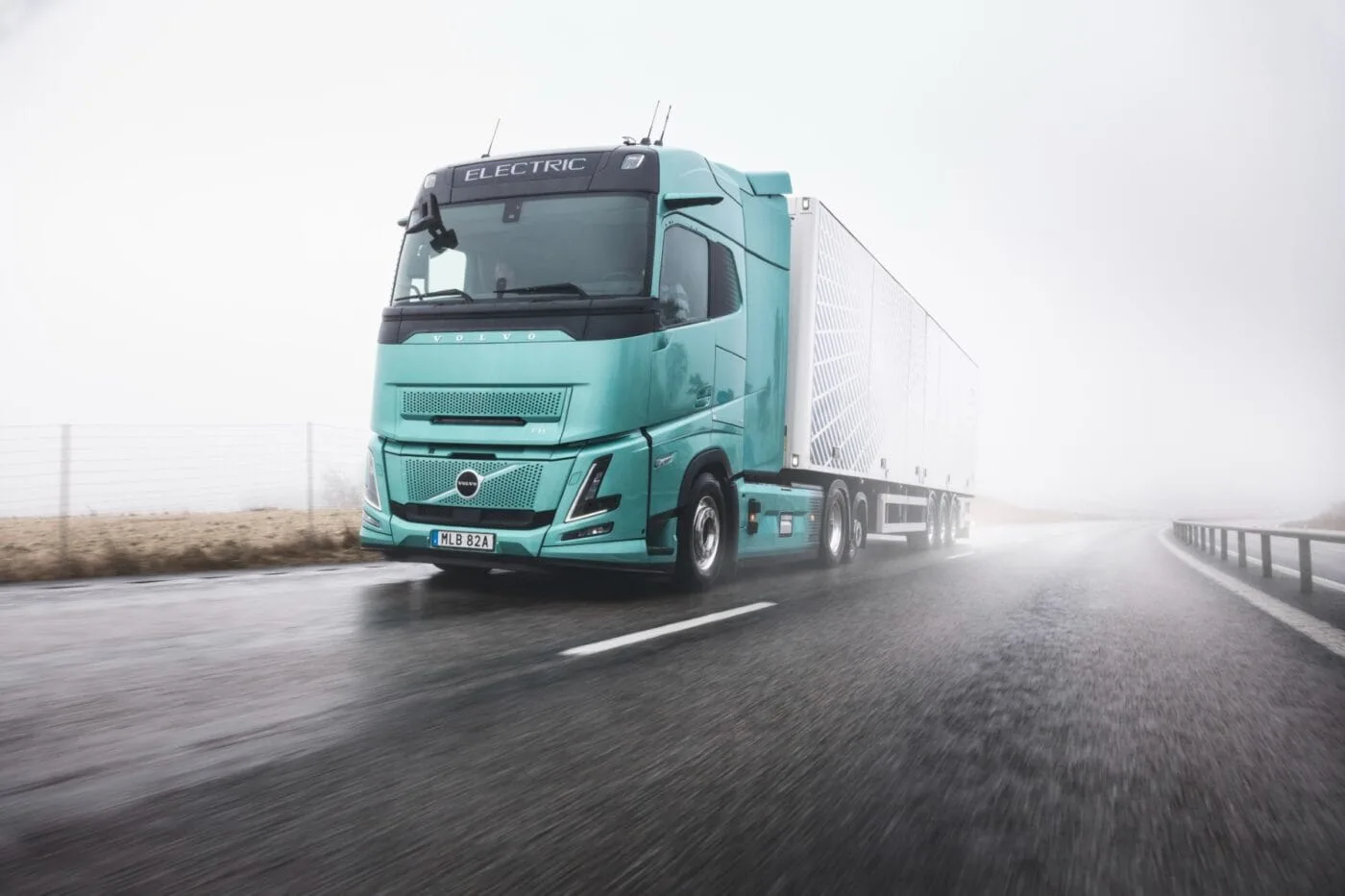
Volvo Trucks has announced plans to unveil its electric truck for long-distance haulage in the second quarter of 2026 – roughly a year from now. However, the manufacturer has already released the first images and key specifications, including details on the battery and the vehicle’s fast-charging capability. It was previously known that the Swedish firm’s new electric flagship is expected to offer a range of up to 600 kilometres. Volvo Trucks is giving another glimpse of its long-haul electric truck. The Swedes have now confirmed, for instance, that the new electric truck will be able to reach a gross combination weight of up to 48 tonnes (where permitted) and offer a payload ‘close to that of a conventional diesel truck’. The new electric flagship will be named FH Aero Electric. The full unveiling is planned for Q2 2026, at which point Volvo Trucks also intends to open the order books. That said, letters of intent to purchase the model – which has been specifically developed for long-distance transport – can already be submitted. This makes it clear that Volvo Trucks will not quite meet its previously published schedule. Back in September 2024, the company had still planned to launch the long-haul version of the FH Electric in 2025, while sister company Renault Trucks was targeting a 2026 release. Now, at least for Volvo, the roadmap has slipped by a minimum of six months. Eight instead of six battery packs On the technical side, the FH Aero Electric introduces a new e-axle that consolidates all drive components – including electric motors and transmission – at the rear of the vehicle. This architecture frees up additional space between the side members to accommodate more battery packs. As a result, the long-haul truck can carry up to eight battery packs (instead of the six in the current FH Electric), bringing the vehicle to a total installed battery capacity of 780 kWh gross – more than any other series-production truck currently available or announced. However, the usable capacity has not yet been specified. Volvo Trucks does not provide any further technical details at this point. But a simple calculation (assuming equally sized packs) puts each pack at 97.5 kWh. Until now, Volvo Trucks has been fitting up to six NCA batteries of 90 kWh each, enabling a maximum configuration of 540 kWh. It is unclear whether the developers have retained and refined the NCA cell chemistry or switched to other cells or chemistries. However, the high gross energy content of 780 kWh could suggest that a ternary battery chemistry is still in use, where the gap between gross and net energy is typically larger than in LFP batteries (for example, the Mercedes-Benz eActros uses three LFP packs with a combined gross capacity of 621 kWh, around 600 kWh of which is usable). Let’s return to the officially confirmed specifications: according to the manufacturer, the batteries of the FH Aero Electric will be able to charge from 20 to 80 per cent in about 40 minutes. This fast-charging performance has been made possible ‘as the new electric truck is adapted to the new MCS (Megawatt Charging System) standard’, Volvo Trucks notes, without providing further details. The 40-minute charging time means ‘it can be done within the legislated rest period for truck drivers within the EU, thereby contributing to high productivity. With fast charging, this truck will allow for truly long-distance electric transport to take place within one day’. Volvo does not yet mention how fast the new model can charge via CCS. That would be of interest, as CCS remains the most widely available connector type for the foreseeable future. Meanwhile, the Swedes continue to quote a range of up to 600 kilometres for the new electric truck. The wording is important here: whereas Volvo Trucks uses ‘up to’ to indicate an optimistic figure that may be undercut in adverse conditions, other manufacturers tend to state more conservative range values. This complicates comparisons. For instance, Daimler Truck quotes a range of 500 kilometres for the eActros 600 – but frames this as a conservatively calculated minimum range. How efficient the XXL electric trucks really are on the road will likely only become clear through day-to-day use. Streamlined design and additional tag axle It is clear that in addition to an especially aerodynamic cab – which the manufacturer offers not only for the electric truck but also for other powertrains – the new electric truck will also be available with a standard cab from the Volvo line-up. The first images now released by Volvo Trucks show the FM Aero Electric with the streamlined cab. The front is nearly sealed except for a few air intakes and a horizontal recess to redirect airflow; the cab appears smoothly clad and is fitted with a camera system in place of exterior mirrors. The sides have also been equipped with lower fairings. An additional tag axle is also visible, which, according to Volvo, can be lifted and steered and allows for diesel-like payload capacity. Furthermore, the 6×2 axle configuration is said to offer advantages in weight distribution ‘considering the weight of the extra batteries in combination with heavy trailers.’ Roger Alm, President of Volvo Trucks, described the new model as ‘a real breakthrough in zero-emission transport’. “Now, transport companies can operate really long distances with electric trucks without having to compromise on productivity. The superfast charging and high payload capacity make this a very competitive solution,” he said. In Alm’s view, long-haul electric trucks will play a key role in reducing CO₂ in the sector, “since this is where you can save the most per truck. This is positive news for transport companies and for society.” These are positive developments for both transport companies and society. Some 4,900 electric trucks delivered worldwide Volvo Trucks already offers eight battery-electric models covering urban and regional transport, construction and waste management. In 2026, long-haul transport will be added as another use case. Since the start of series production in 2019, Volvo reports
Northvolt discontinues production at its main plant in Sweden
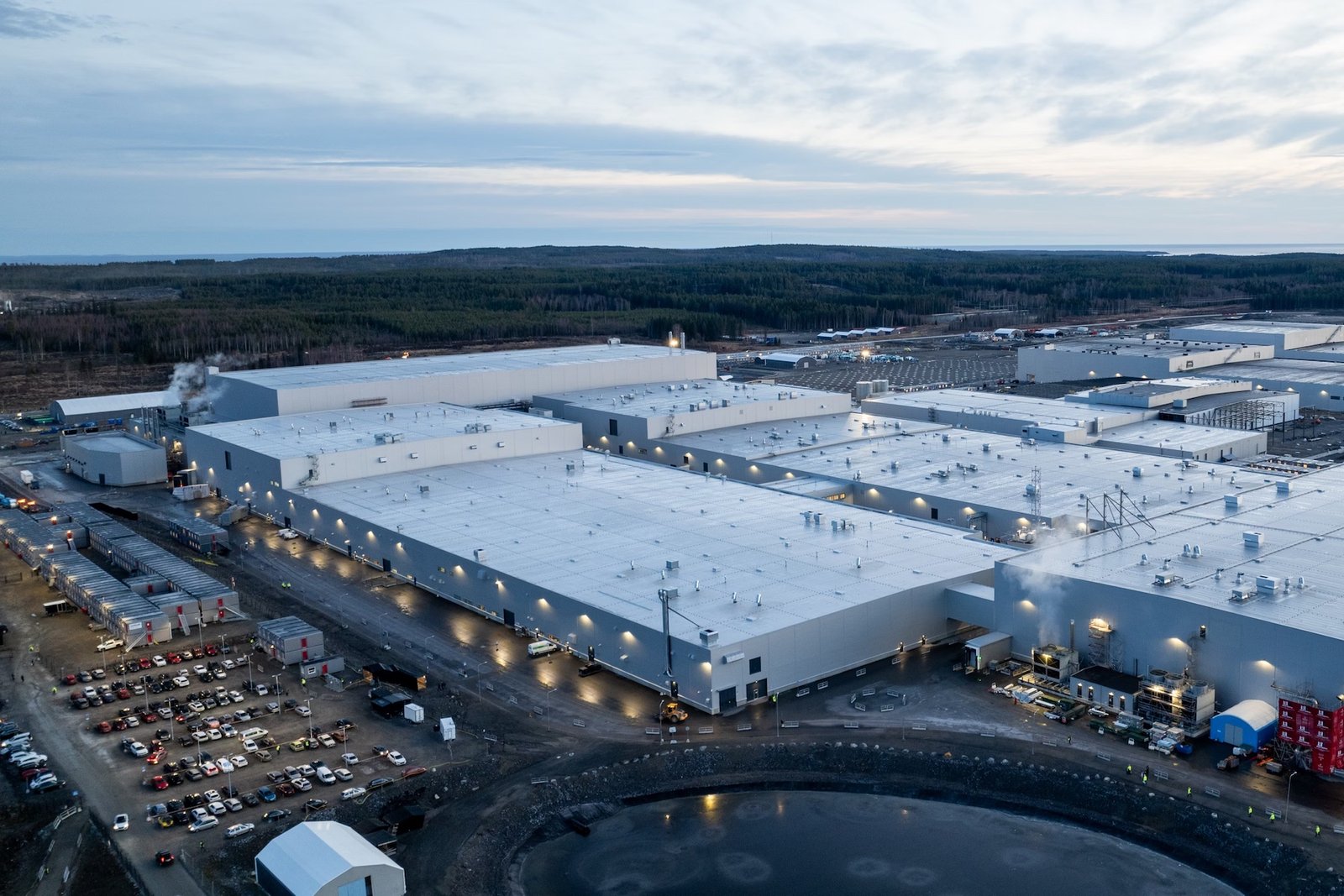
Bankruptcy trustee Mikael Kubu has now announced that although the search for a buyer for the production plant, known as Northvolt Ett, is progressing, it is currently not foreseeable that a buyer could actually take over production in the near future. For this reason, production, which has continued with the support of a single existing customer – Scania – is now to be gradually reduced and discontinued by June 30, 2025. According to the Swedish TV station SVT, only 900 people are said to have been working there recently – although at the end of March it was still said that 1,200 of the 3,000 people in Skellefteå would be able to keep their jobs. However, the fact that they were only working for the customer Scania could not continue in the long term. And so a Scania press spokesperson told SVT: “Unfortunately, this is no longer financially viable for Scania”. Ultimately, this means that the battery cells from the underutilized factory have become too expensive in the course of the insolvency proceedings. The Scania spokesperson did not want to directly confirm rumors that Scania would purchase its battery cells from the Chinese battery giant CATL in the future, but said: “Today Northvolt and the bankruptcy trustee are announcing that they are discontinuing production. Then we shouldn’t be standing here talking about other suppliers.” However, it would be easy to see that there is no longer any battery production of this caliber in Europe, the Scania spokesperson continued. Scania’s parent company Volkswagen, which is also a major shareholder in Northvolt, is currently building its own cell factories in Salzgitter (Germany), Sagunto (Spain) and outside Europe in St. Thomas (Canada) under the name PowerCo. The announced end of Northvolt’s battery production follows a series of bad news: the company has been struggling with quality problems since the start of production in Skellefteå at the end of 2022. Production rejects were still far too high in the summer of 2024, which not only caused enormous costs, but also kept the production volume of cells ready for delivery far below plan. This ultimately led to Northvolt shareholder BMW canceling an order worth billions. A short time later, Northvolt had to divest its first subsidiaries due to empty accounts. However, the situation continued to deteriorate: in November 2024, Northvolt filed for Chapter 11 restructuring and CEO Peter Carlsson resigned. But that didn’t help much either, and in March the parent company Northvolt AB and several subsidiaries in Sweden filed for insolvency. This was followed at the end of March by the news that around 2,800 of the 4,500 employees in Sweden would lose their jobs – including at the main plant in Skellefteå. It is still unclear what will happen to the Northvolt factory under construction in Heide in Schleswig-Holstein. According to German TV station NDR, construction work is currently underway on the site, but it is more about infrastructure measures or civil engineering work for the laying of power lines. Formally, the German Northvolt company is independent of Northvolt in Sweden and, according to a Northvolt Germany spokesperson, the processes in Sweden should have no impact on the planned site in Heide. However, it must be assumed that the project would only be viable with a new investor. As 600 million euros of taxpayers’ money has already been invested in the Northvolt project in Heide, the issue is also politically explosive. The German Federal Audit Office is now investigating the German aid for Northvolt – and a committee of inquiry may be convened in the state parliament of Schleswig-Holstein. reuters.com
MOL PLUS to Invest in VFlowTech
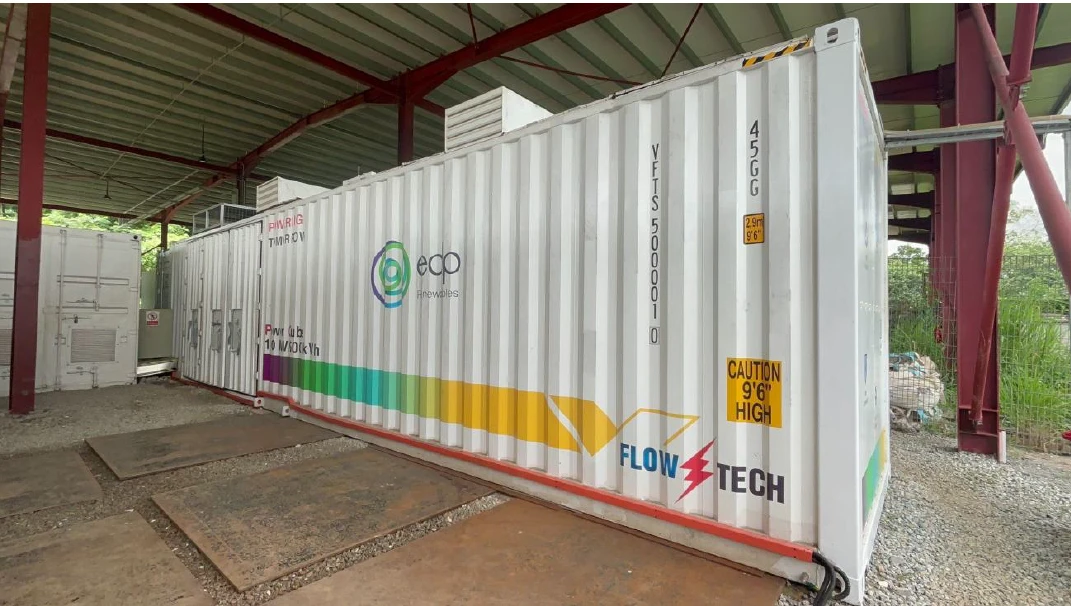
Investing in VFlowTech: The Role of MOL PLUS Introduction As the global economy shifts towards sustainable energy solutions, innovative companies like VFlowTech are emerging as key players in the renewable energy market. MOL PLUS, a financial platform dedicated to facilitating investments in promising sectors, presents an exciting opportunity for investors looking to engage with the clean energy revolution. This article explores VFlowTech's business model, the benefits of investing through MOL PLUS, and the broader implications for sustainable investing. Understanding VFlowTech Company Overview VFlowTech specializes in advanced energy storage solutions, particularly utilizing vanadium redox flow batteries (VRFBs). These batteries offer unique advantages, such as long life cycles, safety, and the ability to store large amounts of energy over extended periods. With the rising demand for renewable energy and efficient energy storage systems, VFlowTech is well-positioned to capitalize on this growth. Product Innovations The company's flagship products include: Vanadium Redox Flow Batteries: Known for scalability and reliability, making them ideal for large-scale energy storage applications. Integrated Systems: VFlowTech combines its VRFBs with solar and wind energy systems, enabling seamless energy management for various sectors, including commercial, industrial, and utility-scale projects. The Investment Landscape Why Invest in VFlowTech? Growing Market Demand: The transition to renewable energy is accelerating, and with it, the need for efficient energy storage solutions. VFlowTech's VRFBs are increasingly sought after by industries transitioning to greener practices. Strong Competitive Edge: VFlowTech’s unique technology offers distinct advantages over traditional lithium-ion batteries, such as longer life, safety, and lower environmental impact. Sustainability Focus: Investors today are looking for companies that prioritize sustainability. VFlowTech aligns with this trend, making it an attractive option for ESG (Environmental, Social, and Governance) focused investors. Investing with MOL PLUS What is MOL PLUS? MOL PLUS is an investment platform designed to make it easier for investors to engage with emerging technologies and sustainable businesses like VFlowTech. The platform offers several benefits: Accessibility: MOL PLUS allows investors of all levels to access investment opportunities in innovative sectors without requiring substantial capital. Focused Approach: The platform curates investment opportunities in sectors poised for growth, such as renewable energy, ensuring that investors can make informed decisions. Supportive Community: MOL PLUS fosters a community of like-minded investors, providing resources, insights, and networking opportunities to help investors maximize their impact. How to Invest in VFlowTech Through MOL PLUS Create an Account: Sign up on the MOL PLUS platform and complete the registration process. Explore Opportunities: Navigate to the section dedicated to clean energy investments and identify VFlowTech's offerings. Make an Investment: Choose your desired investment amount and complete the transaction securely through MOL PLUS. Monitor Your Investment: Keep track of VFlowTech’s performance through the platform’s analytics tools, ensuring you stay informed about your investment’s growth. Conclusion Investing in VFlowTech through MOL PLUS presents a unique opportunity to participate in the clean energy revolution. With VFlowTech's innovative energy storage solutions and MOL PLUS's accessible investment platform, investors can contribute to a sustainable future while potentially benefiting financially. As the world moves toward renewables, engaging with companies like VFlowTech aligns both financial and ethical goals, making it a compelling option for forward-thinking investors.
Jinko unveils 520 kWh C&I battery storage system – pv magazine International
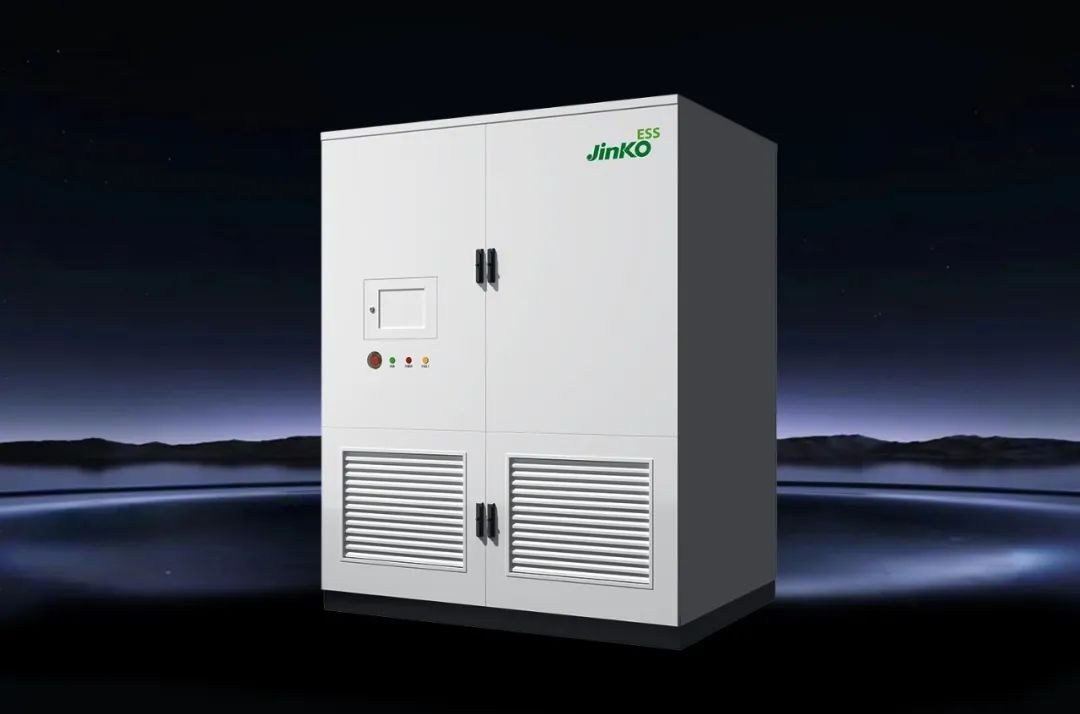
Jinko ESS has launched a new modular 520 kWh battery energy storage system for commercial and industrial users. The product will be available for global shipment in Q3 2025. May 22, 2025 Vincent Shaw From ESS News Jinko ESS has unveiled its Dolphin 520 kWh commercial and industrial battery energy storage system (BESS), designed to address the complex power needs of factories, business parks, and commercial facilities. The new system features a high-capacity 314 Ah cell and a precisely configured 520 kWh direct current system. It offers flexible AC output options: 125 kW for four-hour discharge and 250 kW for two-hour discharge via a three-phase four-wire configuration. Jinko says it is engineered to meet the varied demands of industrial operations, peak-valley electricity arbitrage, grid frequency regulation, and microgrid backup scenarios. To continue reading, please visit our ESS News website. This content is protected by copyright and may not be reused. If you want to cooperate with us and would like to reuse some of our content, please contact: editors@pv-magazine.com. Popular content
The US Needs A Marshall Plan For Itself, Not For The Developing World
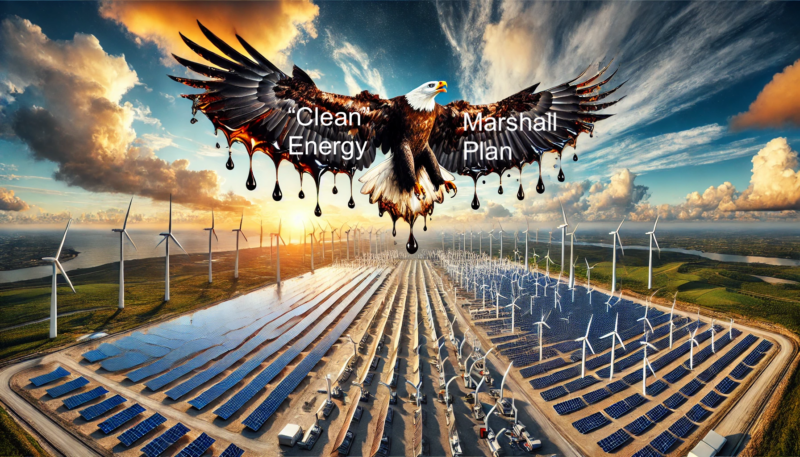
Sign up for CleanTechnica's Weekly Substack for Zach and Scott's in-depth analyses and high level summaries, sign up for our daily newsletter, and/or follow us on Google News! In the past couple of months, an idea has been percolating through Washington and entities dependent on the United States’ good will that the US should reach back into history and create a Clean Energy Marshall Plan for developing countries. This idea is US economic wunderkind Brian Deese’s brainchild, or at least he’s the high-ish profile figure most advancing it. Its arrogance, and even desperation, given current realities is fascinating. As a reminder, especially for Americans, who tend to have a bit of a history challenge, in the aftermath of World War II in 1948, the United States launched the original Marshall Plan, officially known as the European Recovery Program (ERP), a sweeping initiative aimed at rebuilding the shattered economies of Western Europe. A big sales pitch for it was containing big-C communism, a staple in US foreign policy and media coverage since 1945 regardless of the ground reality. Named after Secretary of State George C. Marshall, the plan responded to widespread devastation that left factories, infrastructure, and agricultural systems in ruin, while economic instability threatened to make Europe susceptible to the spread of communism. The US provided $13 billion (equivalent to over $150 billion today) in aid to 16 nations, including the UK, France, and West Germany, to revitalize industrial production, restore trade, and stabilize currencies. By 1952, the program had succeeded in significantly boosting economic recovery, while also fostering political stability and cooperation, laying the foundation for future European integration and the containment of Soviet influence during the early Cold War. Oh, and building a big market for US-manufactured products. Under President Obama, Deese served as a senior advisor to the president while in his mid-30s, where he focused on climate change, energy policy, and conservation. His work was crucial in the development of the Paris Climate Agreement, as well as in the closure of coal-fired power plants and boosting renewable energy. More recently, Deese served as the Director of the National Economic Council (NEC) under President Joe Biden from January 2021 to February 2023. In this role, he was one of Biden’s top economic advisors, responsible for coordinating economic policy and the administration’s economic recovery plans, including the response to the COVID-19 pandemic. He played a key role in helping develop and push forward Biden’s “Build Back Better” agenda, which focused on infrastructure investment, climate action, and equitable economic growth. To be clear, I’m not asserting that Deese isn’t trying his best to come up with some way out of the mess the US is in and fight climate change. Deese has done great work in trying times for two good US presidents, being part of finding viable and sellable, if sub-optimal, solutions for large issues, making the country slightly less bad at them. My criticisms are reserved for the results, not the intent. In late August, he published a piece entitled The Case for a Clean Energy Marshall Plan in the serious outlet Foreign Affairs. That magazine has a small but very influential readership of 200,000 to 250,000, both within the USA and globally. It is highly regarded for its thought leadership and is considered a key publication in shaping discourse on foreign policy among elites and decision-makers in both the US and abroad. Deese’ article argues that the United States should launch a new Marshall Plan for the global transition to clean energy, drawing lessons from the original Marshall Plan’s success in rebuilding post-World War II Europe. It outlines how today’s challenges, such as a fragmented global order and competition with China, mirror those faced in the 1940s, and positions the clean energy transition as the most important planetary and economic opportunity. The US could leverage its industries and innovation to promote clean energy globally, benefiting its economy while aiding developing nations most vulnerable to climate change. By scaling investment in technologies like nuclear, geothermal, batteries, hydrogen power, and carbon capture, the US could secure leadership in global energy markets, create resilient supply chains, and counter China’s Belt and Road Initiative. The plan would require public financing, market-based strategies, and international partnerships, echoing the pragmatism and economic self-interest of the original Marshall Plan. Deese isn’t remotely satisfied with that opening salvo, he’s taking the idea on the road. Recently he was in Canada’s capital, Ottawa, for the Canadian Climate Institute’s annual conference and pitched it there. The Institute is an independent research organization focused on climate policy. Its annual conference brings together policymakers, industry leaders, and experts to tackle Canada’s climate challenges. The event features high-level discussions on decarbonizing the economy, clean energy innovation, and balancing sustainability with economic growth. With a focus on evidence-based research and policy recommendations, the conference provides a key platform for shaping climate action in Canada and fostering collaboration among various sectors to meet national and global climate goals. Given Deese’ long time in the corridors of power, influential roles in energy and climate initiatives in two administrations, and close relationships with Democratic Presidents and other senior politicians and power brokers, this is not an idea that can be dismissed as the musings of an armchair policymaker. It is a domestic and foreign policy framework that is undoubtedly being read and taken seriously not only in Washington, but in capitals around the world. As such, it deserves careful consideration, as it might form the basis of actions in a Kamala Harris Presidency. (It might also be considered as a job application for an even more senior role in a Harris Administration.) It’s certainly a much bolder and more easily sold vision than Harris’ platform related to climate change and the rise of China. As I and others noted in assessing the Democratic platform on climate change recently, the difference is so stark that climate change is almost being avoided, as people for whom that’s important have only one choice, and people
Testing the VW ID.7 Tourer Pro S: What the Passat successor with a plug has in store?
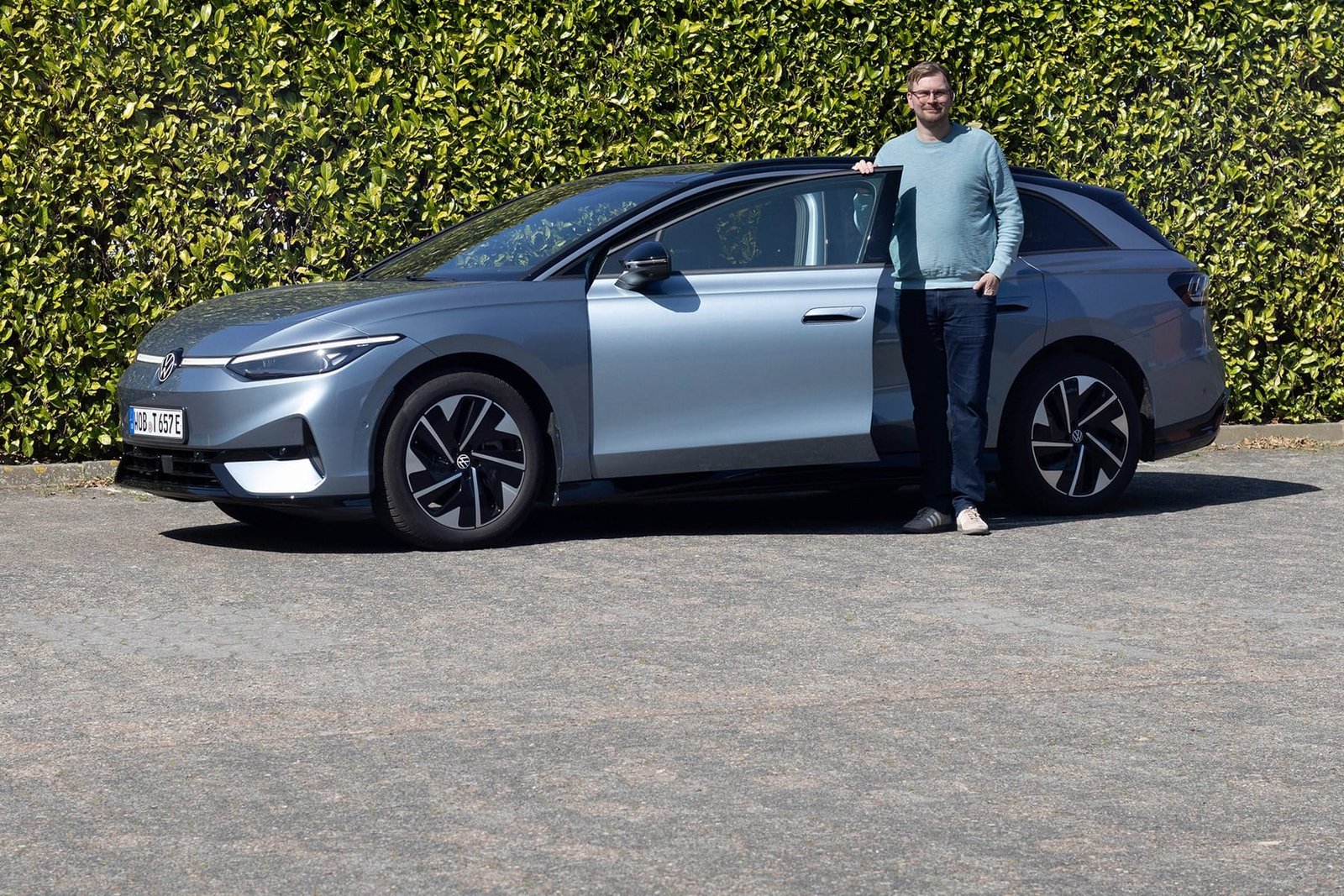
Testing the VW ID.7 Tourer Pro S: What the Passat Successor with a Plug Has in Store Volkswagen has long been synonymous with quality, reliability, and practicality, especially with its flagship model, the Passat. As the automotive industry pivots towards electrification, the ID.7 Tourer Pro S emerges not just as a successor to the Passat, but as a pioneer in the electric station wagon market. This comprehensive test drives deep into the features, performance, and overall appeal of the ID.7 Tourer Pro S. Design and Styling The ID.7 Tourer Pro S maintains a sleek, modern aesthetic that is characteristic of the ID family. The design boasts smooth lines and a streamlined silhouette, effectively reducing drag while enhancing aesthetics. The front end features a distinctive LED light signature, with an elongated hood that conveys a sense of elegance and sportiness. Inside, the cabin combines usability with high-tech elements. The spacious interior is adorned with sustainable materials, reflecting VW’s commitment to eco-friendliness. A panoramic sunroof, ambient lighting, and an intuitively designed dashboard contribute to an inviting atmosphere. Performance and Range Powered by a robust electric drivetrain, the ID.7 Tourer Pro S offers a remarkable balance of performance and efficiency. The vehicle is equipped with an efficient battery pack that delivers an impressive range, potentially up to 400 miles on a single charge, depending on driving conditions and various configurations. Acceleration is quick, with the ID.7 capable of achieving 0-60 mph in just over six seconds. The vehicle's instant torque ensures responsive handling, making both city driving and highway cruising seamless. The ride quality is commendable, with an adaptive suspension system smoothing out rough patches while keeping the vehicle grounded during cornering. Technology and Connectivity The VW ID.7 Tourer Pro S comes loaded with cutting-edge technology. The centerpiece is the large touchscreen infotainment system, which allows access to navigation, media, and vehicle settings. Wireless smartphone integration, including Apple CarPlay and Android Auto, enhances connectivity, allowing users to mirror their devices seamlessly. Advanced driver-assistance systems, including adaptive cruise control, lane-keeping assist, and park assist, further elevate the driving experience. These features not only enhance safety but also make long trips more relaxing. Sustainability A core aspect of the ID.7 Tourer Pro S is its commitment to sustainability. Utilizing recycled materials in construction, Volkswagen demonstrates a dedication to reducing the environmental impact of its vehicles. Furthermore, the production process aims to lower carbon emissions, solidifying VW’s position as a leader in sustainable automotive practices. Practicality As a family-oriented wagon, practicality is at the forefront of the ID.7 Tourer Pro S’s appeal. The spacious boot offers ample cargo room, and the rear seats fold flat to accommodate larger items. This versatility makes the ID.7 a suitable choice for families, weekend adventurers, or anyone in need of extra storage. Driving Experience Driving the ID.7 Tourer Pro S unveils a harmonious blend of performance and comfort. The electric powertrain provides a quiet cabin experience, while the refined handling inspires confidence. VW’s engineers have fine-tuned the steering and suspension, resulting in a vehicle that feels agile yet stable. In urban environments, the compact turning radius and responsive handling aid maneuverability, making city driving stress-free. On highways, the ID.7 showcases its ability to glide effortlessly, aided by sound-dampening technologies that enhance the serene driving experience. Conclusion The VW ID.7 Tourer Pro S represents a bold step for Volkswagen into the world of electric vehicles and serves as a worthy successor to the Passat. With its stylish design, impressive performance, advanced technology, and sustainability initiatives, the ID.7 sets a high bar for future electric station wagons. For those in the market for a versatile, high-performing electric vehicle that doesn’t compromise on practicality or comfort, the ID.7 Tourer Pro S merits serious consideration. As the landscape of electric vehicles continues to evolve, VW’s latest offering demonstrates the brand’s commitment to innovation and sustainability, making it a contender for both family and eco-conscious buyers alike.
Maryland and Maine seek to increase energy storage development

Maryland and Maine seek to increase energy storage development - Energy-Storage.News Skip to content
NanoGraf's Li-ion 18650 battery achieves a new energy-density milestone
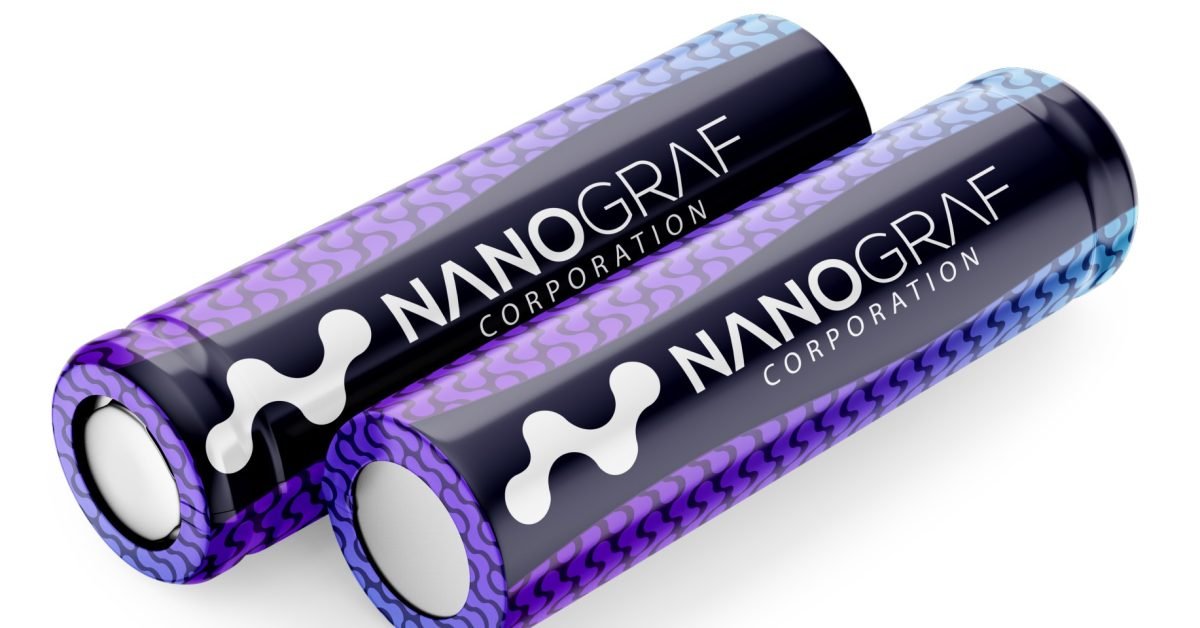
Chicago-headquartered NanoGraf Technologies, which claims it has enabled the highest energy-density cylindrical 18650 Lithium-ion cell in the world, today announced that its battery has achieved a new industry energy-density milestone of 810 Wh/L (4.0Ah capacity). Ampere hours (Ah) is the amount of energy charge in a battery that enables 1 ampere of current to flow for one hour. In 2021, NanoGraf announced it had developed the world’s longest-running 3.8Ah 18650 cylindrical lithium-ion cell, at 800Wh/L, so this latest version reflects an improvement. NanoGraf says in a statement that “the increased stability and highly scalable nature of [its new] silicon-anode cell solves the pain points of commercial first-generation SiOx anodes, and it is proven to be drop-in ready for existing cell designs and production processes.” Advertisement - scroll for more content Techopedia explains what a silicon anode battery is: A silicon anode battery is a type of lithium-ion battery where the anode is replaced by silicon nanotubes or silicon coating. The idea of using a silicon anode in a battery is still under a lot of testing. This has multiple advantages over ordinary lithium or graphite anodes. The silicon enables long life and high energy storage, resulting in a significantly longer lasting battery. NanoGraf says that its “silicon-anode and 18650 cell represent a step forward in establishing a domestic battery supply chain, a key directive of the Biden administration to build US jobs, alleviate supply chain bottlenecks, and support a nationwide movement toward automotive electrification.” Dr. Francis Wang, CEO of NanoGraf, said: The Inflation Reduction Act calls for and supports the onshoring of key battery components in the US, and these historic opportunities are providing additional momentum around the adoption of upstream US innovation like NanoGraf’s. NanoGraf products are important commercial examples of how US innovation can not only raise the bar on lithium-ion performance, but create US jobs and promote national security. In 2019, the US Council for Automotive Research, a consortium of Ford, General Motors, and Stellantis, provided NanoGraf with $7.5 million for a 36-month electric vehicle battery research and development project. Read more: Here’s every electric vehicle that qualifies for the current and upcoming US federal tax credit UnderstandSolar is a free service that links you to top-rated solar installers in your region for personalized solar estimates. Tesla now offers price matching, so it’s important to shop for the best quotes. Click here to learn more and get your quotes. — *ad. FTC: We use income earning auto affiliate links. More.
Argentina publishes details of 500 MW battery tender – pv magazine International

In February 2025, Argentina's Energy Secretariat, under the Ministry of Economy, initiated an international tender to integrate 500 megawatts (MW) of battery energy storage systems (BESS) into the Metropolitan Area of Buenos Aires (AMBA). This ambitious project, estimated at $500 million, aims to enhance the reliability and efficiency of the country's electricity supply, particularly during peak demand periods. (pv-magazine.com) Project Overview The tender focuses on deploying BESS in critical nodes within AMBA, a region that accounts for approximately 40% of Argentina's electricity consumption. Each system is required to provide energy for at least four consecutive hours per full discharge cycle. The completion deadline for all installations is set for December 31, 2028. (mercomindia.com) Objectives and Benefits This initiative marks a significant shift in Argentina's energy strategy, prioritizing private investment and technological innovation to address longstanding infrastructure challenges. By integrating large-scale battery storage, the country aims to: Enhance Grid Stability: Storing excess energy during low-demand periods and releasing it during peak times will help balance supply and demand, reducing the risk of blackouts and power fluctuations. Facilitate Renewable Energy Integration: Battery storage systems will support the incorporation of renewable energy sources, such as wind and solar, into the energy mix by storing intermittent renewable energy. Attract Private Investment: The project is designed to attract private and international investments, signaling a commitment to modernizing the energy sector and improving energy security. Tender Details Bidders are required to submit a bank guarantee of $10,000 per MW based on the maximum offered storage power. The Wholesale Electricity Market Administration Company (CAMMESA) will oversee the bidding process and act as a guarantor for contracts awarded to major power distributors Edenor and Edesur. (mercomindia.com) Implications for the Energy Sector This tender represents a pivotal step in Argentina's efforts to modernize its energy infrastructure. By addressing critical power nodes and integrating advanced storage solutions, the country aims to create a more resilient and efficient electricity grid. The success of this project could serve as a model for other provinces, encouraging the adoption of similar energy storage initiatives nationwide. As Argentina continues to invest in energy storage technologies, the outcomes of this tender will be closely watched, potentially influencing energy policies and infrastructure development across the region.
CATL to open 300 battery exchange stations for electric trucks by the end of the year
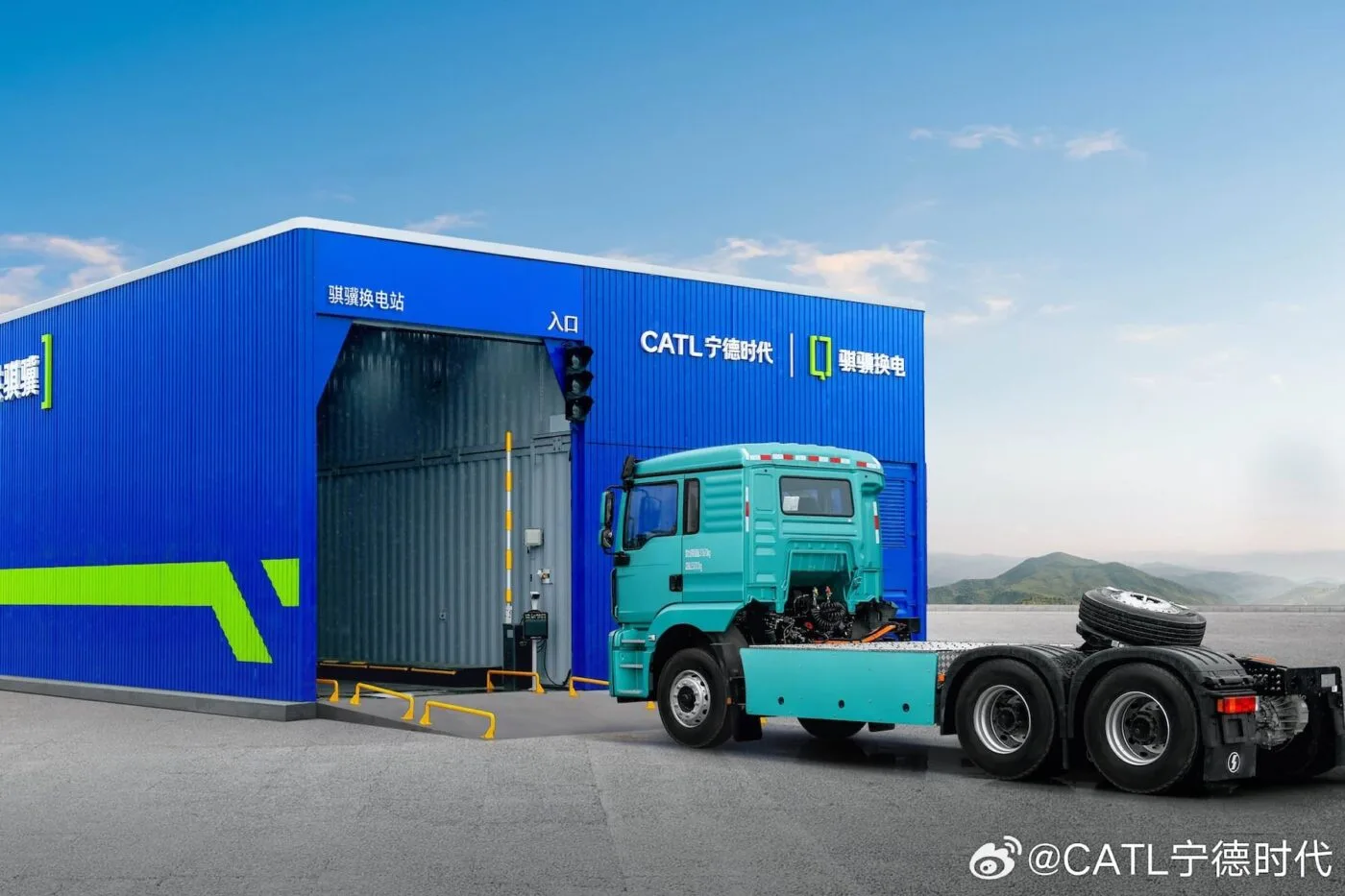
Battery manufacturer CATL has presented a standardised exchangeable battery pack for heavy-duty electric trucks, following the company’s introduction of similar products for passenger cars in December. The exchangeable battery pack, called 75#, is said to have a particularly long service life. CATL has been working on a battery swap system for some time, which became very concrete at the end of last year: CATL presented two standardised battery packs called 20# and 25# for cars and announced its intention to build 1,000 battery swap stations in China in 2025. Most recently, there were also rumours that CATL could take over Nio’s battery exchange stations. CATL, which just raised 4.1 billion euros through an IPO on the Hong Kong stock exchange, now also has a battery swap system for electric trucks ready for the market. At an event in Datong in Shanxi Province in north-west China, the company presented the 75# standard battery exchange block for heavy commercial vehicles. According to CATL, it has the longest service life in the industry. It should be possible to select different numbers of battery packs, said Yang Jun, CEO of Qiji Energy, a unit of CATL. Qiji Energy was founded in June 2023 with the mission of driving the introduction of battery swap technology in the heavy-duty truck segment. According to information at the time, the system was to work with 171 kWh battery packs based on LFP cells from CATL. There is currently no information on whether this has remained the case. According to Yang, there are already more than 30 heavy-duty e-truck models from more than a dozen vehicle manufacturers in China that support the system. Qiji Energy’s standardised battery exchange stations are equipped with 24 battery packs. Specifically, CATL plans to set up the first 300 battery exchange stations for heavy trucks in China this year. CATL assumes that by 2030, one third of the electricity demand of electric vehicles can be covered by battery swapping, charging at home and charging at public charging stations. CATL also expects a boom in electric vehicles for the truck sector: “In the next three years, the heavy truck industry will see explosive growth and is expected to achieve a 50 percent electrification rate because of the need for a zero-carbon transition and the need to reduce logistics costs,” said Robin Zeng, Chairman and CEO of CATL, at the event. Compared to trucks with internal combustion engines, vehicles using Qiji Energy’s battery swap station can save 60,000 RMB (around 7,500 euros) per 100,000 kilometres of operation, CATL said. cnevpost.com