Solar key to enable clean cooking in refugee camps – pv magazine International

Scientists in Spain studied electricity demand data for the Kobe refugee camp in Ethiopia to optimize several minigrid scenarios, also integrating the use of electric pressure cookers. Their analysis showed that introduction of the cooker required an increase in PV capacity of up 68%. May 23, 2025 Lior Kahana Research led by scientists from Spain's Technical University of Madrid has investigated the integration of electric pressure cookers (EPCs) in refugee camps powered by PV minigrids (PVMGs). Using the HOMER Pro simulation software, the team demonstrated a case study of the Kobe refugee camp, which is located in the south of Ethiopia and houses 37,461 refugees from Somalia. “This research addresses a critical gap by examining how integrating cooking needs into electricity system planning impacts lifecycle sizing, using real-world data from the Shire Alliance project,” corresponding author Sonia Ramos-Galdo told pv magazine. “We assess the feasibility and benefits of deploying EPCs powered by optimized PVMGs to enable clean cooking in resource-limited settings, with a focus on the Kobe displacement settlement in Ethiopia.” The process started with collecting data on the field from the displacement camp from May 2021 to October 2024. Together with additional information from academic literature, HOMER Pro was used for modeling and optimization. Focusing on 19 communal infrastructures (CIs) and their demand, the team ranked them for priority (A being the highest and C being the lowest), based on several criteria agreed upon with local stakeholders. CIs included education, health and NGO office facilities. Based on this ranking, three distribution cases were considered: the first includes only the 10 priority A CIs; the second includes all 16 CIs, excluding only three CIs with the lowest demand; and the last includes all 19 CIs. For each of those cases, scenarios in which cooking needs are considered and unconsidered were checked, resulting in a total of 12 scenarios. A 40-L Ewant electric pressure cooker (EPC) has been chosen for cooking needs. “EPCs integrate an electric hotplate, a pressure cooker, an insulated casing, and a fully automated control system, reducing energy consumption by up to 80% compared to traditional hotplates,” explained the team. “The selected EPC has thermal efficiencies of 87% and an estimated lifetime of 5 years. The estimated electricity required to cook a meal with EPC is 0.02 kWh/meal. It has been chosen, in consultation with local stakeholders, due to its efficiency and compatibility with East African culinary practices.” The analysis showed that the levelized cost of energy (LCOE) in Ethiopian displacement camps is currently $0.23/kWh, and the country's electricity price is $0.007/kWh for households and $0.22/kWh for businesses. The assumed budget for the simulated PVMGs with EPC was €0.53 million ($0.6 million). The simulations of the different scenarios also allowed for up to 5% capacity shortage. “The lowest LCOE for each scenario was achieved through the combination of PV generation and battery storage, excluding diesel generation, due to the high diesel price in the Kobe RC context,” the team explained. “Implementing EPCs necessitates an increase of 31–68% in PV capacity and a 39–58% rise in CAPEX compared to the minimum investment of €199,780.” The assessment also demonstrated that daily energy demand ranges from 174 Wh/day in the lowest-demand scenario to 266 Wh/day in the highest, with peak loads varying between 35 kW and 79 kW. “An electric cooking factor of 31–36% results in a 7% average reduction in load factor and only a 6% increase in LCOE,” the academics stated. “The global warming potential (GWP) savings of an MG depend on its energy sources, with emissions from a PVMG being zero, allowing in the Kobe case to save 7.76 kg of CO₂ equivalent per meal compared to the baseline data,” Sonia Ramos-Galdo concluded. “Reducing reliance on traditional biomass and diesel mitigates both GWP and deforestation, preserving approximately 45 tons of firewood annually—an issue linked to conflicts over forest resources that affect women's well-being and increase their vulnerability when collecting firewood.” The research findings were presented in “Comprehensive approach for electricity and clean cooking access through solar photovoltaic mini grids: The Kobe refugee camp case study,” published in Energy for Sustainable Development. Scientists from Spain's Technical University of Madrid and Madrid-based transdisciplinary collective Energy from Women. This content is protected by copyright and may not be reused. If you want to cooperate with us and would like to reuse some of our content, please contact: editors@pv-magazine.com. Popular content
Making More Batteries With Fewer Materials

An Argonne partnership with a Minnesota mining company is taking waste from one battery production process and using it in another. Researchers investigate how to use mining waste in battery production. A geologist and geophysicist at Talon examine high-grade nickel core samples from the company’s exploration operations in Minnesota. (Image by Talon Metals.) The U.S. Department of Energy’s (DOE) Argonne National Laboratory is developing a new process that could dramatically increase the number of electric vehicle (EV) batteries produced from mined nickel ore. The effort is part of a new partnership with Talon Metals, a U.S. mining company that plans to produce high-grade nickel ore domestically. Argonne’s process uses mining waste as an input in another production process for a type of battery used in a growing number of EVs. The aim is to reduce mining waste and U.S. reliance on other countries for battery materials. According to the International Energy Agency, supply chains for battery materials need to expand 10 times to meet government EV ambitions. “Our partnership with Talon Metals seeks to make more efficient use of critical materials in domestic battery supply chains so that the U.S. can rely less on other countries to achieve its clean energy goals.” — Jeff Spangenberger, Argonne’s materials recycling research and development group leader Recovering mining by-products Talon Metals plans to mine and process high-grade nickel ores in the American Midwest. The company seeks to develop a domestic supply of nickel for use in North American lithium-ion battery manufacturing. Talon’s nickel production has valuable by-product minerals including iron compounds. The company wants to maximize recovery of these by-products instead of sending them to waste piles — as sometimes happens in mineral processing. The company recognized the potential to extract and use them in production of lithium iron phosphate (LFP) cathodes, which are increasingly used in lithium-ion batteries. Cathodes are positive electrodes. “We turned to Argonne to help us find a way to unlock more value from nickel deposits,” said Talon CEO Henri van Rooyen. “Increasing the overall yield of critical minerals for battery manufacturing translates into less disturbance of the earth for mining.” Growing domestic battery supply chains Argonne and Talon have entered into a Collaborative Research and Development Agreement. They are developing a process that uses iron sulfides from Talon to synthesize LFP cathodes. Researchers at Argonne’s Materials Engineering Research Facility (MERF) will develop, optimize and implement an LFP synthesis process and then test the cathodes’ performance in coin battery cells. Talon’s processing experts will collaborate with MERF scientists to calibrate the iron compounds’ purity and composition to enhance cathode production. The team’s objective is to make commercial-quality cathodes. An effective new process can potentially reduce LFP manufacturing costs by eliminating traditional production steps. There is also a distinct possibility that the team’s cathodes could outperform cathodes manufactured through traditional processes. “Because the iron compound we’re accessing is a by-product of nickel production, it has impurities such as nickel and manganese,” said Argonne Materials Scientist Donghyeon Kang. “These impurities could actually enhance the cathode’s performance. Battery manufacturers often intentionally introduce small amounts of metal impurities into cathode materials — a process known as doping — to enhance their performance.” If successful, the research could improve domestic battery supply chains in a number of ways. There is currently limited domestic LFP cathode production. Argonne could potentially change that by enabling U.S. battery manufacturers and recyclers with a new LFP synthesis technology. An effective process could also make U.S. nickel mining and processing more profitable, encouraging more companies to embark on domestic nickel production. Additionally, the process can help domestic mining companies reduce waste. “Nickel concentrates produced from high-grade nickel ore contain four times more iron than nickel,” said Talon’s van Rooyen. “By using this iron to produce LFP batteries, Talon can supply ingredients for multiple battery technologies, generate a new income stream and reduce waste. And we can substantially increase the number of batteries manufactured from the same ton of rock compared with conventional approaches.” “Our partnership with Talon Metals seeks to make more efficient use of critical materials in domestic battery supply chains so that the U.S. can rely less on other countries to achieve its clean energy goals,” said Jeff Spangenberger, Argonne’s materials recycling group leader. DOE’s Vehicle Technologies Office provided funding for Argonne’s portion of this project. Companies interested in partnering with Argonne to enhance battery recycling and supply chains can contact Jeff Spangenberger, materials recycling research and development group leader at Argonne. Argonne National Laboratory seeks solutions to pressing national problems in science and technology by conducting leading-edge basic and applied research in virtually every scientific discipline. Argonne is managed by UChicago Argonne, LLC for the U.S. Department of Energy’s Office of Science. The U.S. Department of Energy’s Office of Science is the single largest supporter of basic research in the physical sciences in the United States and is working to address some of the most pressing challenges of our time. For more information, visit https://energy.gov/science. By Michael Matz, Argonne National Laboratory Sign up for CleanTechnica's Weekly Substack for Zach and Scott's in-depth analyses and high level summaries, sign up for our daily newsletter, and/or follow us on Google News! Whether you have solar power or not, please complete our latest solar power survey. Have a tip for CleanTechnica? Want to advertise? Want to suggest a guest for our CleanTech Talk podcast? Contact us here. Sign up for our daily newsletter for 15 new cleantech stories a day. Or sign up for our weekly one on top stories of the week if daily is too frequent. Advertisement CleanTechnica uses affiliate links. See our policy here. CleanTechnica's Comment Policy
Battery startup Ample announces autonomous swapping stations

Ample Launches Autonomous Battery Swapping Stations: A Game Changer for Electric Mobility In a significant advancement for electric vehicles (EV), Ample, a dynamic battery startup, has unveiled its new line of autonomous battery swapping stations. This innovative approach aims to address two major challenges faced by EV users: long charging times and limited range anxiety. The Concept of Battery Swapping Battery swapping is not a new idea; however, Ample has taken it to the next level with its autonomous technology. Instead of having to find a charging station and wait for hours for a battery to charge, users can now simply drive their EVs into a designated swapping station. Within minutes, an empty battery is replaced with a fully charged one, allowing drivers to get back on the road quickly. How It Works Ample's autonomous swapping stations utilize advanced robotics and AI systems to automate the battery replacement process. The system scans the vehicle’s specifications to determine the right battery and then uses robotic arms to seamlessly remove the depleted battery and install a new one. This not only speeds up the process but also minimizes the need for human oversight, allowing for 24/7 operation. Key Features of Ample’s Swapping Stations Speed: The battery swapping process takes less than 10 minutes, making it comparable to refueling a traditional gas vehicle. Scalability: Ample’s system is designed to easily integrate with existing EV infrastructure. Their stations can be deployed in urban areas, highway rest stops, and commercial fleets. Flexible Battery Design: The batteries used in Ample’s system are modular, meaning they can be configured to fit various models of EVs. This is aimed at broadening the acceptance and convenience of battery swapping across different manufacturers. Sustainability: By facilitating faster turnover of charged batteries, Ample encourages more people to consider EVs, helping to reduce carbon emissions and dependence on fossil fuels. Market Impact and Future Prospects The launch of Ample's autonomous swapping stations has the potential to reshape the landscape of electric mobility. With many consumers still wary of EVs due to long charging times, Ample's solution offers a compelling alternative. It could be particularly beneficial for fleet operators, ride-sharing services, and urban commuters, where time efficiency is crucial. Moreover, as more cities implement ambitious plans to reduce greenhouse gas emissions, the expansion of battery swapping infrastructure could be pivotal in mainstreaming EV adoption. Challenges Ahead Despite the promising advantages, Ample faces key challenges in the rollout of its technology. Building a robust network of swapping stations requires significant investment and partnerships with businesses, municipalities, and vehicle manufacturers. Additionally, consumer education and acceptance will be critical, as many drivers are still accustomed to conventional fueling methods. Conclusion Ample's announcement of autonomous battery swapping stations marks a transformative step in addressing the barriers to electric vehicle adoption. As the world continues to transition toward sustainable energy, innovations like those from Ample could play a vital role in making electric mobility more accessible, efficient, and appealing to the general public. With ongoing developments and strategic partnerships, the future of electric vehicles might just be a few battery swaps away.
‘One, Big, Beautiful Bill’ could mean almost immediate end to tax credits for energy storage

‘One, Big, Beautiful Bill’ could mean almost immediate end to tax credits for energy storage - Energy-Storage.News Skip to content
Powering the Future: The Rise of Electric Forklift Battery Manufacturers
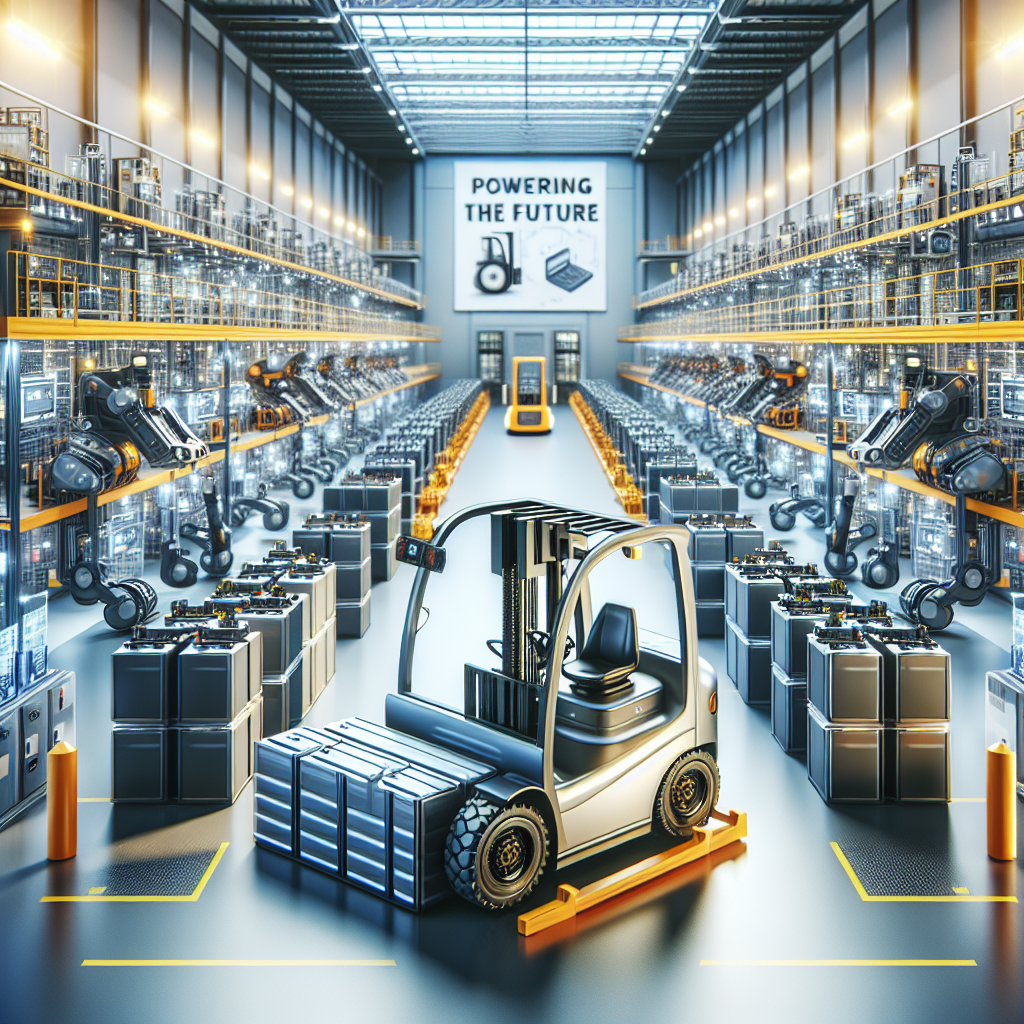
The Shifting Landscape of Material Handling As industries worldwide seek to improve efficiency and reduce their carbon footprint, electric forklifts have emerged as a vital solution in material handling. The shift from traditional internal combustion engines to electric power is driven by a combination of environmental concerns, operational efficiency, and advances in battery technology. Electric Forklifts: Advantages Over Conventional Options Electric forklifts offer several advantages over their gas or diesel counterparts: Environmental Impact: Reduced emissions lead to cleaner air, making electric forklifts suitable for indoor environments. Operational Costs: Lower fuel costs and reduced maintenance enhance long-term savings. Noise Reduction: Electric models operate quietly, which is beneficial in noise-sensitive areas. The Role of Battery Manufacturers Central to the success of electric forklifts is the advancement in battery technology. As manufacturing demands evolve, battery manufacturers play an increasingly critical role in shaping the future of electric forklifts through innovations such as: Lithium-Ion Batteries: These batteries are lighter, have a longer lifespan, and offer faster charging times compared to traditional lead-acid batteries. Energy Density: Enhanced energy density enables forklifts to operate longer on a single charge, thus improving productivity. Smart Technology: Integration of IoT technology allows for real-time monitoring of battery performance, leading to efficient management of charging cycles and maintenance. Leading Manufacturers in the Electric Forklift Battery Sector The market has seen significant growth with the emergence of companies specializing in electric forklift batteries. Some notable players include: Exide Technologies: Known for its wide range of industrial batteries and focus on innovative energy solutions. Yale Materials Handling Corporation: Leading the charge in electric forklift design and battery technology integration. Hawker Powersource: A pioneer in advanced lead-acid and lithium-ion battery systems tailored for forklifts. The Future Outlook The rise of electric forklift battery manufacturers is just the beginning. With ongoing advancements in battery technology, including solid-state batteries and renewable energy integration, the material handling industry is poised for a significant transformation. As cities and businesses aim for sustainability, the electric forklift sector will likely expand, providing cleaner and more efficient solutions. Conclusion As we navigate towards a more sustainable future, the electric forklift and its innovative battery technologies stand at the forefront of change. The collaboration between manufacturers, vendors, and logistic companies will likely define the next chapter in material handling, emphasizing efficiency, cost reduction, and environmental responsibility.
US energy storage market shattered records in Q4 2020

The US installed more battery storage in 2020 than between 2013 and 2019, says a new study. Representative Deb Haaland’s nomination for US Secretary of the Interior heads to the full Senate. UnderstandSolar is a free service that links you to top-rated solar installers in your region for personalized solar estimates. Tesla now offers price matching, so it’s important to shop for the best quotes. Click here to learn more and get your quotes. — *ad. US energy storage boom The US is seeing rapid and sudden growth of energy storage, according to the new “US Energy Storage Monitor” report by energy research firm Wood Mackenzie and the US Energy Storage Association. In the fourth quarter of 2020, 2,156 megawatt-hours (MWh) of new energy storage systems were brought online. This is an increase of 182% from the third quarter of 2020, making the fourth quarter the new record quarter for US energy storage. Front-of-the-meter (FTM) projects – that is, energy storage not at residential property, such as utility, power transmission lines, and remote energy storage systems – drove the growth. Four out of every five megawatts deployed in fourth quarter 2020 were FTM (that’s 529 MW out of the total 651 MW), and most of it took place in California. Residential storage saw 90.1 MW installed, again, mostly in California. This is due to a response to the wildfires, generous state government rebates, and cheaper batteries overall. Advertisement - scroll for more content The study predicts that the US will add five times more megawatts of energy storage in 2025 than was added in 2020, with FTM storage continuing to contribute between 75% to 85% of new megawatts each year. Chloe Holden, Wood Mackenzie research analyst, said: [T]he ability of solar-plus-storage to provide backup is increasingly driving sales even in markets without additional incentives, particularly states that suffer from regular power outages. We expect an uptick in home battery sales in Texas in the aftermath of February’s devastating outages. Haaland nomination heads to Senate Representative Deb Haaland (D-NM), US President Joe Biden’s nominee for Secretary of the Interior, was approved yesterday in an 11-9 vote by the Senate Energy and Natural Resources Committee. Her nomination will now be sent to the full Senate. She is expected to be confirmed, as Senator Susan Collins (R-ME) has said she will vote for Haaland, and Senator Lisa Murkowski (R-AK), who voted for her on the Committee, is expected to cast her vote again for her. Senator Joe Manchin (D-WV), a moderate Democrat who comes from a fossil fuel state, has also confirmed that he would vote for Haaland. She will be the first Native American in this position should she be confirmed. Haaland had a contentious hearing, with senators who support the fossil-fuel industry grilling her over her views on that subject. She replied to Senator John Barrasso (R-WY), who was quite combative during the hearing and ultimately voted no: We need to care as much about the environment as we do about the fossil fuel infrastructure in your states and other states, we need to balance those priorities. Sometimes it might seem like a tricky balancing act, but I feel very strongly that if we have a mind to protect our public lands for future generations, that we’ll also be able to protect jobs for future generations, as well. On the other hand, many groups are elated about the prospect of Haaland being the interior secretary. I received a number of statements of support by email. Nikki Pitre, executive director of the Center for Native American Youth, said: Native youth look to Representative Haaland as a role model, as a fierce defender of their rights and their communities, and as the living representation of the future of Indigenous communities in this country. We urge the full Senate to promptly confirm Representative Haaland as the secretary of the interior. She will be a fierce advocate for all of us, in a way that no one else can. Phil Francis, chair of the Coalition to Protect America’s National Parks, which is made up of current and former National Park employees, said: We need to restore the operating budget of the National Park Service and fill all the vacant positions that exist, including the director of the National Park Service. And our National Park System must better represent our nation’s diverse people, places, and stories. Environmental protections must be restored, and our country needs to seriously address the threat of climate change. We need a leader who will put our irreplaceable resources first. We need someone like Deb Haaland running the Department of the Interior and we urge the Senate to confirm her as soon as possible. Robert Weissman, president of nonprofit, progressive consumer rights advocacy group and think tank Public Citizen, said: Haaland’s confirmation would be historic move, as she will be the first Native American to hold a cabinet post. This change is not only of symbolic importance, it means that tribes and local communities will finally have a voice at the table, rather than just energy and mining industries. Photo: NGEN FTC: We use income earning auto affiliate links. More.
Ontario commits $92M more to EV infrastructure
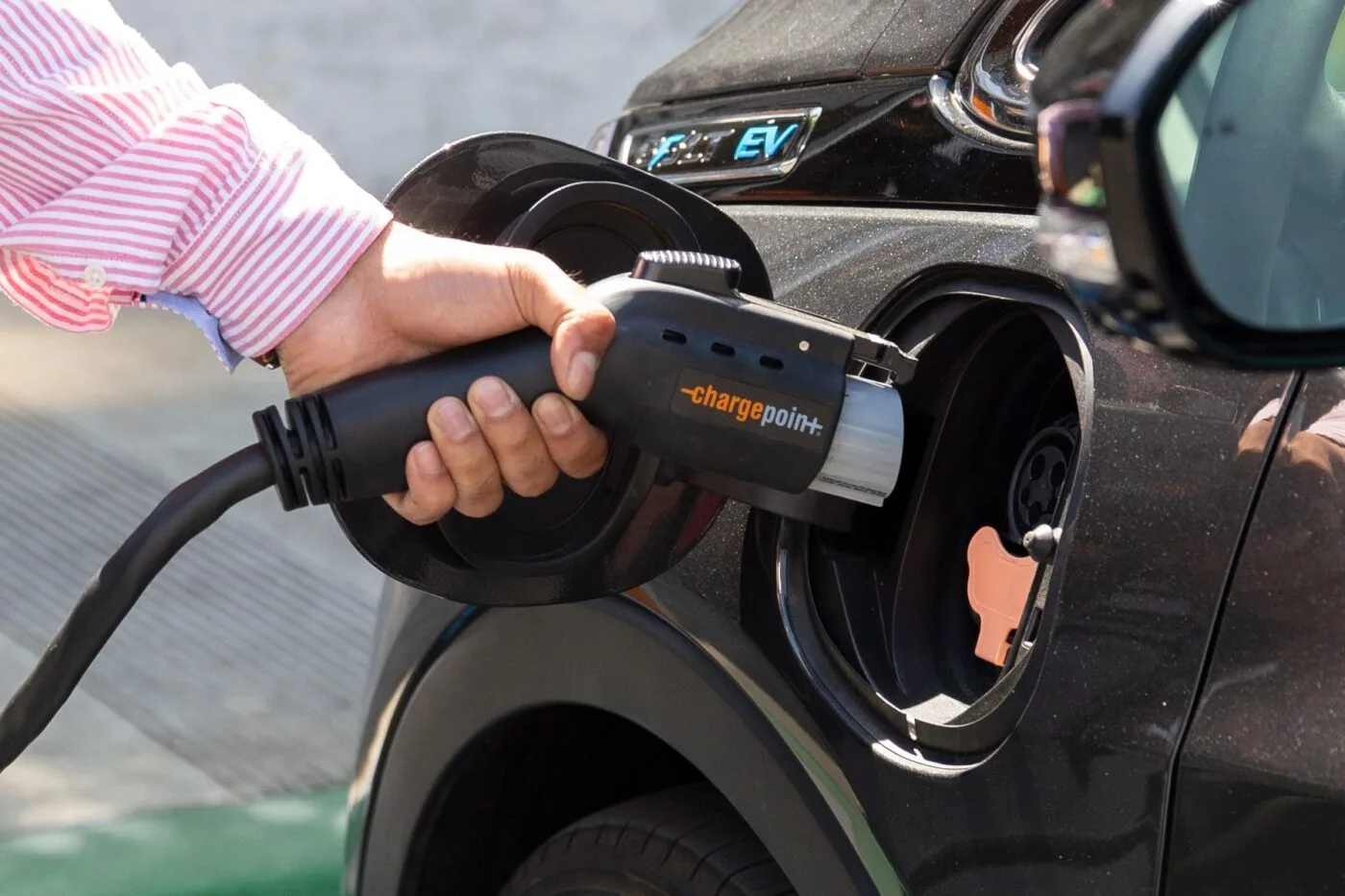
In October 2023, the Ontario government announced a significant investment of $91 million to expand electric vehicle (EV) charging infrastructure across the province. This initiative aims to enhance the accessibility and convenience of EV charging, particularly in smaller and medium-sized communities, as well as Indigenous regions. (globalnews.ca) Program Overview The funding is allocated through the EV ChargeON program, which focuses on establishing publicly accessible charging stations in communities with populations under 170,000. Eligible applicants include businesses, not-for-profit organizations, municipalities, Indigenous entities, and public sector organizations such as hospitals and universities. The program also supports the installation of EV chargers on government-owned properties, including highway rest areas, carpool parking lots, and popular tourist destinations like Ontario Parks. (nationalobserver.com) Objectives and Impact Transportation Minister Prabmeet Sarkaria emphasized that the expansion of charging infrastructure is a key component of Ontario's strategy to become a global leader in the electric vehicle industry. By increasing the number of public charging stations, the government aims to provide more travel options for commuters and encourage the adoption of electric vehicles. (nationalobserver.com) As of September 2023, Ontario had over 2,900 public charging stations with 7,900 ports, serving more than 135,000 registered EVs, including both battery-electric vehicles and plug-in hybrid electric vehicles. The province anticipates that this number will exceed one million EVs by 2030. (nationalobserver.com) Program Details The EV ChargeON program is designed to fill existing gaps in public charging infrastructure, particularly in rural and underserved areas. By providing convenient access to charging stations, the initiative seeks to reduce "range anxiety" among potential EV owners and promote the transition to zero-emission vehicles. (nationalobserver.com) Conclusion Ontario's $91 million investment in EV charging infrastructure represents a significant step toward supporting the widespread adoption of electric vehicles across the province. By enhancing the availability of charging stations, especially in smaller communities, the government is paving the way for a more sustainable and eco-friendly transportation future.
Rio Tinto wins second major Chile lithium project at Altoandinos

Chile’s state-run mining body ENAMI has tapped Rio Tinto, for a 51% share of the Altoandinos lithium project, it said on Thursday, giving the global miner its second major venture in Chile for extraction of the key battery metal.Rio said it would initially contribute $425 million to the project to fund studies required before a final investment decision.Rio’s selection – in which it beat out French miner Eramet, Chinese carmaker BYD and Korean steel group Posco – further raises its profile in Chile, the world’s second-largest producer of lithium, following its selection this week by state-run copper miner Codelco (CODEL.UL) to partner on the Maricunga lithium project.Rio had already launched a strong push into Latin America with its projects in Argentina, including Rincon and several it acquired in the takeover of U.S. firm Arcadium under the leadership of CEO Jakob Stausholm, whose surprise departure later this year was announced on Thursday.For Altoandinos, Rio’s investment will cover a pre-feasibility study, the use of the Rio pilot plant at Rincon, and the use of Rio’s direct lithium extraction technology (DLE), ENAMI said.Rio will take three board seats, with two others going to ENAMI.“Rio Tinto provides a financing option that ensures the necessary resources for the project until it reaches commercial operation,” ENAMI said in a statement.The project, which comprises the Aguilar, La Isla and Grande salt flats, could yield 75,000 metric tons of lithium per year, and will be designed to use DLE in order to preserve the area’s water composition, ENAMI said.ENAMI told Reuters that it and Rio would jointly evaluate financing proposals from companies that had previously expressed interest – China’s CNGR Advanced Material Co Ltd and South Korea’s LG Energy Solution.In addition to the lithium projects in Chile, Rio also is a partner with Codelco on copper exploration at Nuevo Cobre.Rio said its goal for Chile is to develop a “copper and lithium district” through shared infrastructure across the projects.It also hinted at interest in further acquisitions in the sector.“Rio Tinto … will continue to evaluate Tier 1 opportunities globally as it gains momentum in building a world-class lithium business,” it said in a statement. reuters.com Previous articleOntario commits $92M more to EV infrastructure Next articlePaxster opens new factory in Norway
India: TVS Motor secures an order for 500 electric three-wheelers
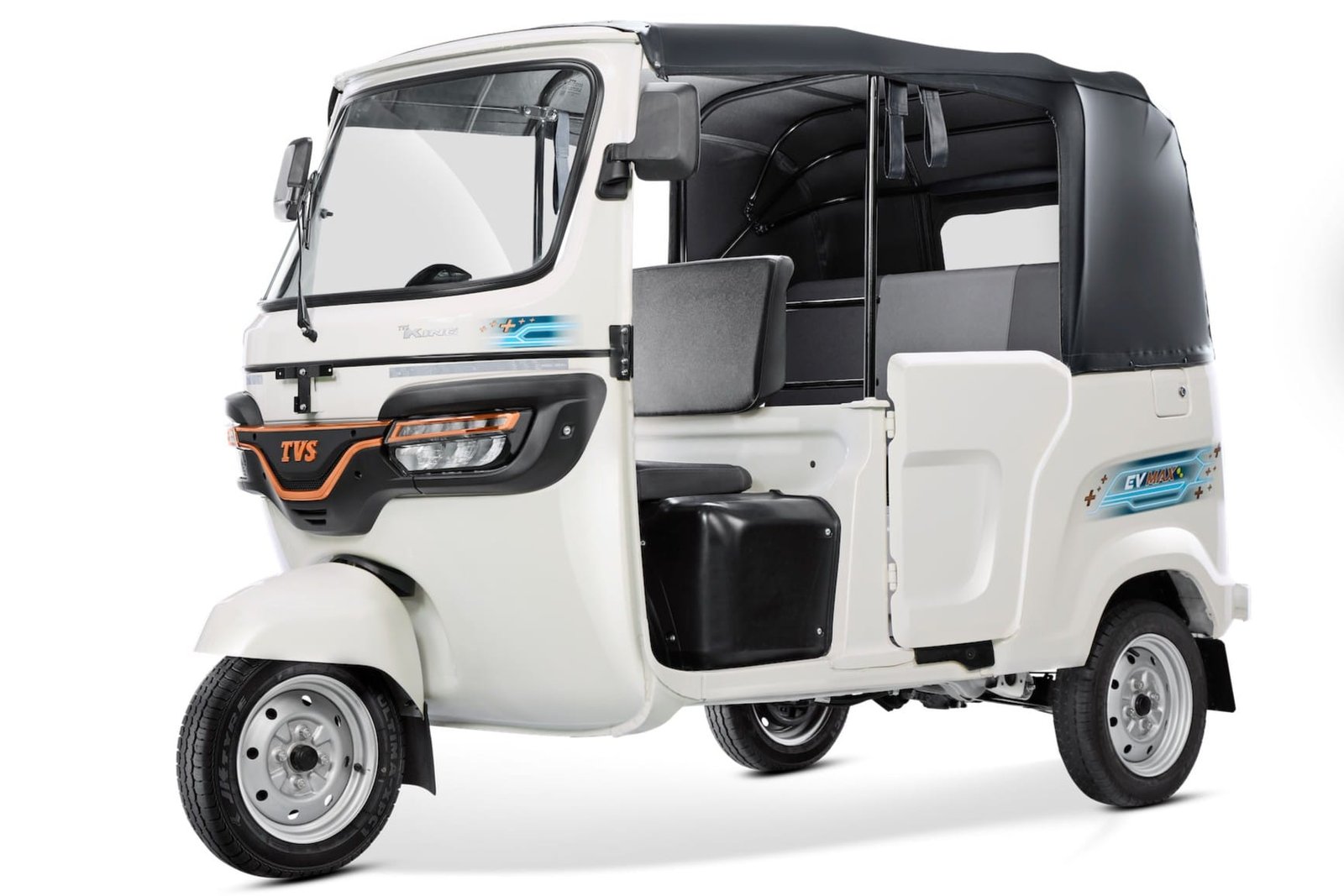
TVS Motor, also headquartered in Chennai, plans to deliver all 500 units of the King EV Max to OOR Cabs by March 2026. The company handed over the first ten units during the signing ceremony and plans to deliver the next ten units in June. OOR Cabs will use the King EV Max to provide customers eco-friendly intra-city transport across Tamil Nadu. The local cab aggregator will deploy the electric rickshaw first in Trichy, followed by Madurai and then Coimbatore. The company plans to gradually expand its EV fleet with 20-30 units every month. “The TVS King EV MAX has been engineered for high performance, that provides superior rider comfort and makes it an ideal choice for OOR Cabs’ vision of redefining urban transportation,” said Rajat Gupta, Business Head of Commercial Mobility, TVS Motor. “With a vision to expand our fleet to 500 electric vehicles this year, we are proud to kick-start the journey with TVS Motor Company, whose product and engineering capabilities match our high standards,” OOR Cabs CEO Maria Issac added. TVS Motor offers the King EV Max for a price of 295,000 rupees (about €3,000 euros), excluding on-road costs. When the company launched the electric rickshaw in January, it only sold the model in Delhi, Bihar, Jammu & Kashmir, and West Bengal, limiting availability to northern and eastern India. Now, it’s offering the EV in the southern region as well. King EV Max features a permanent magnet synchronous motor that generates 11 kW and 40 Nm of torque. A 9.2 kWh LFP battery pack that operates at 51.2 volts and supports charging at up to 3 kW powers the motor. Customers can charge it from 0 to 80% SoC in two hours and 15 minutes and from 0 to 100% in three hours and 30 minutes. The electric rickshaw achieves a top speed of 60 kph and travels up to 179 km on a full charge, which is more than sufficient for a fullday’s operation. According to a recent study from the International Energy Agency, India is the world’s largest market for electric three-wheelers. Last year, the country saw a sales of nearly 700,000 electric three-wheelers. South Korean automaker Hyundai is considering entering this crucial EV segment in partnership with TVS Motor. tvsmotor.com, iea.org
India: TVS Motor secures an order for 500 electric three-wheelers
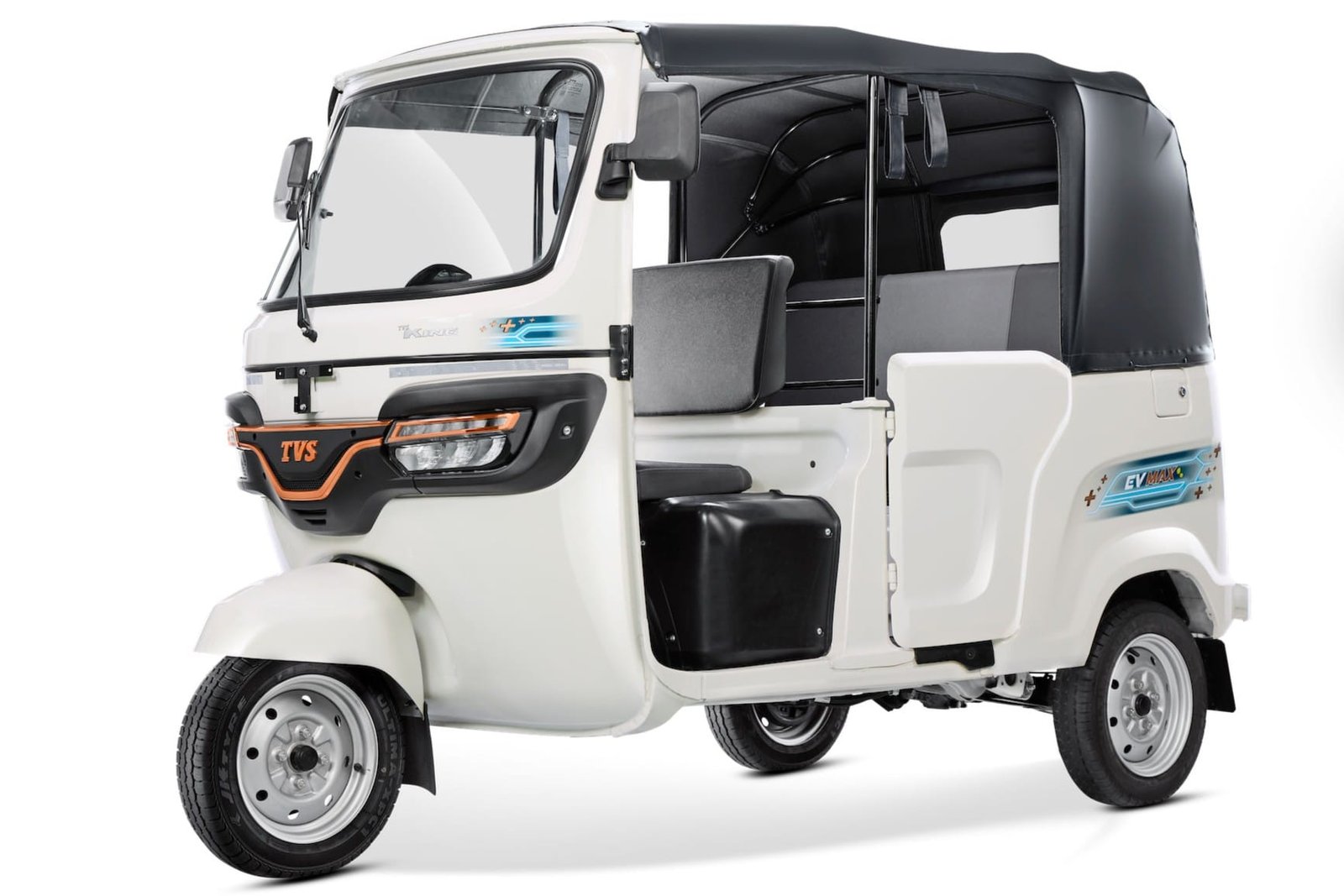
TVS Motor, also headquartered in Chennai, plans to deliver all 500 units of the King EV Max to OOR Cabs by March 2026. The company handed over the first ten units during the signing ceremony and plans to deliver the next ten units in June. OOR Cabs will use the King EV Max to provide customers eco-friendly intra-city transport across Tamil Nadu. The local cab aggregator will deploy the electric rickshaw first in Trichy, followed by Madurai and then Coimbatore. The company plans to gradually expand its EV fleet with 20-30 units every month. “The TVS King EV MAX has been engineered for high performance, that provides superior rider comfort and makes it an ideal choice for OOR Cabs’ vision of redefining urban transportation,” said Rajat Gupta, Business Head of Commercial Mobility, TVS Motor. “With a vision to expand our fleet to 500 electric vehicles this year, we are proud to kick-start the journey with TVS Motor Company, whose product and engineering capabilities match our high standards,” OOR Cabs CEO Maria Issac added. TVS Motor offers the King EV Max for a price of 295,000 rupees (about €3,000 euros), excluding on-road costs. When the company launched the electric rickshaw in January, it only sold the model in Delhi, Bihar, Jammu & Kashmir, and West Bengal, limiting availability to northern and eastern India. Now, it’s offering the EV in the southern region as well. King EV Max features a permanent magnet synchronous motor that generates 11 kW and 40 Nm of torque. A 9.2 kWh LFP battery pack that operates at 51.2 volts and supports charging at up to 3 kW powers the motor. Customers can charge it from 0 to 80% SoC in two hours and 15 minutes and from 0 to 100% in three hours and 30 minutes. The electric rickshaw achieves a top speed of 60 kph and travels up to 179 km on a full charge, which is more than sufficient for a fullday’s operation. According to a recent study from the International Energy Agency, India is the world’s largest market for electric three-wheelers. Last year, the country saw a sales of nearly 700,000 electric three-wheelers. South Korean automaker Hyundai is considering entering this crucial EV segment in partnership with TVS Motor. tvsmotor.com, iea.org
BatteryPass-Ready develops test environment for battery passports

BatteryPass-Ready: Pioneering the Future of Battery Transparency with Comprehensive Test Environments Introduction As the world increasingly shifts towards sustainable energy solutions and electric mobility, the need for transparency and traceability in battery production has become paramount. The concept of a "battery passport" emerged as a solution to authenticate and track batteries from production through their entire lifecycle, ensuring environmental compliance and ethical sourcing of materials. In this context, BatteryPass-Ready is leading the way by developing a robust test environment designed to facilitate the implementation and integrity of battery passports. The Concept of Battery Passports Battery passports serve as digital certificates that contain information about a battery’s composition, production processes, environmental impact, and lifecycle management. They aim to provide consumers and regulatory bodies with essential data to assess the sustainability and safety of batteries used in electric vehicles (EVs), consumer electronics, and renewable energy storage systems. The Role of BatteryPass-Ready BatteryPass-Ready stands at the forefront of this transformative initiative by offering a test environment tailored to the needs of manufacturers, regulatory bodies, and other stakeholders engaged in the battery supply chain. Here are some key aspects of what BatteryPass-Ready brings to the table: 1. Standardization of Data Formats One of the primary challenges in the implementation of battery passports is the standardization of data collection and reporting. BatteryPass-Ready focuses on developing universally accepted digital formats that can be adopted across the industry. This standardization is crucial for ensuring that information is not only accurate but also comparable across different manufacturers and battery types. 2. Comprehensive Testing Framework The organization has established a comprehensive testing framework that evaluates battery passports under various scenarios, ensuring their reliability and effectiveness. This includes testing for data integrity, the accuracy of environmental claims, and compliance with regulatory standards. By providing a controlled environment for testing, BatteryPass-Ready helps manufacturers identify potential issues and refine their systems before public release. 3. Collaboration with Industry Stakeholders Recognizing that collaboration is critical for the success of battery passports, BatteryPass-Ready engages with industry stakeholders, including battery manufacturers, automotive companies, recycling organizations, and regulatory agencies. This collaborative approach ensures that all voices are heard and that the resulting frameworks reflect the collective needs and concerns of the industry. 4. Education and Training Programs BatteryPass-Ready is also dedicated to educating industry players about the importance of battery passports and how to integrate them into their operations. Through training programs and workshops, they equip stakeholders with knowledge about the technical, legal, and environmental facets of battery passports, empowering them to make informed decisions. 5. Future-Proof Solutions As technology evolves, so do the challenges associated with battery production and lifecycle management. BatteryPass-Ready is committed to continuously updating its testing protocols to accommodate emerging technologies, new materials, and evolving regulations. This forward-thinking approach ensures that battery passports remain relevant and effective in the face of change. Conclusion The transition to a sustainable energy future hinges not just on the development of advanced battery technologies but also on the transparency and accountability associated with their production and usage. BatteryPass-Ready plays a vital role in this landscape by providing a structured environment for the testing and implementation of battery passports. As more companies recognize the importance of traceability in the circular economy, BatteryPass-Ready stands ready to lead the charge towards a more transparent and sustainable battery industry. Through its initiatives, BatteryPass-Ready is not only enhancing battery lifecycle management but also driving broader societal goals of sustainability and environmental responsibility, marking a significant step forward in the quest for a cleaner, greener future.
UK startup unveils industrial batteries based on repurposed EV battery packs – pv magazine International

Allye Energy has launched two new battery storage systems that can provide 820 kW and 1.25 MW of power, respectively. The systems combine up to 18 repurposed EV battery packs with mixed chemistries. May 23, 2025 Lior Kahana The MAX1000 Image: Allye Energy From ESS News UK-based energy storage startup Allye Energy has announced two new battery energy storage systems (BESS) for industrial applications. Dubbed MAX1000 and MAX1500, the new systems have a storage capacity of 1 MWh and 1.5 MWh, re. The MAX1000 is available for order now, with the MAX1500 launching in summer 2025. “Unlike traditional batteries, MegaMAX range combines up to 18 repurposed EV battery packs with mixed chemistries (LFP and NMC), significantly reducing its environmental footprint while enhancing energy diversity and reliability,” the company said. “This hybrid approach also cuts embedded carbon by over 40% per unit, saving up to 100 tonnes of CO₂e.” To continue reading, please visit our ESS News website. This content is protected by copyright and may not be reused. If you want to cooperate with us and would like to reuse some of our content, please contact: editors@pv-magazine.com. Popular content
Compressed Gas For Electricity Storage Claims Are Mostly Hot Air

Last Updated on: 10th April 2025, 10:54 am Three years ago, I published my projection of grid storage demand and solutions through 2060. At the time, various compressed gas electricity storage solutions such as compressed air, liquid air, and liquid carbon dioxide were in my also-ran technologies. My review of the literature over the preceding years had made it clear to me that they had intractable efficiency challenges and siting constraints, and as such wouldn’t scale. Projection of grid storage capacity through 2060 by major categories, chart by author But that was an outside view. Subsequently, I’ve been spending a lot more time on thermodynamics and operational requirements of solutions, and even a professional engagement assessing a compressed gas solution. Yes, they knew I was skeptical and STEM-oriented, and they wanted that. Some Context For Compressing Gases For Energy Storage Compressing gases and making useful energy out of them is one of those deeply intuitive solutions, so intuitive that it seduces people every decade into thinking that they’ve magically found something others haven’t. It’s also useful for seducing money out of gullible people’s pockets for much the same reason. After all, our lungs compress gases and allow us to blow out a stream of air that can blow out a birthday candle. Anyone who has ever played with balloons has at least once blown one up and not tied it off but simply let it go to watch it buzz around in the air, defying gravity until it’s a small and shriveled rubber sack again. We pump air into bicycle and car tires, making them both firm and flexible, and witness the sometimes explosive results of tires failing. We’re used to moving air being able to do work, from the foil or paper pinwheels we play with as children spinning when we blow on them to the wind turbines that are such a significant portion of new electrical generation. Many of us know — some quite vaguely, some in staggering detail — that nuclear and coal power plants are simply making gases that want to expand and harnessing their expansion to make electricity. Of course, then there are pneumatically-powered actuators, where compressed gases make mechanical objects move. The first, in the west at least, were built in Paris in the 1870s, where a clock used pneumatics initially, and then a compressed air system was used to distribute power to industrial sites for their pneumatic actuators. For those in the trades, pneumatic nail guns and jackhammers are still daily tools. And from a grid storage perspective, there are actually systems in place which have been working for decades, which does tend to lend a gloss of seriousness to the solution. The oldest electrical storage system I’m aware of was built in Germany in the 1970s, capable of storing 580 MWh and delivering it over two hours, leveraging a salt dome cavern. In the USA, a facility was built in Alabama in the early 1990s capable of delivering 2,860 MWh over 26 hours, built around a cavern that had been hollowed out of a salt formation. As a bit of foreshadowing, the two facilities are 42% and 54% efficient at returning electricity that’s put into them. In recent years, a couple of variants have emerged. In looking at the constraints of compressed air storage and the basics of thermodynamics, some bright lights realized a lot more potential mechanical energy could be stored in a much smaller place if the gas were turned into a liquid and back to a gas in the process. As such, we now have many academics and startups working on liquid air and liquid carbon dioxide energy storage. Energy Dome is perhaps the best known of them, with its inflatable tennis court of gaseous carbon dioxide storage and claims of humbly being the only solution to long-duration grid storage and miraculously using the greenhouse gas to solve the problems it creates. Two rules of thumb for red flags: If a firm claims both humility and asserts that it’s the only possible solution to a major problem, perhaps you should look at it skeptically. Second, if a firm is claiming to use carbon dioxide in a miraculous new way that will solve climate change, understand that there have been an enormous number of carbon capture, usage, and sequestration competitions, grants, and venture capital funds that have led to a rather absurd number of dead end firms having a lot of money based on their pitches, not their actual prospects. Thermodynamics & Compressing Gases Let’s start with the thermodynamics. I’ve dug through Grossman’s Thermodynamics: Four Laws That Move the Universe, three times and counting. As he notes during the early part of the material, the first time you work through the four laws, you don’t understand them. The second time, it’s all clear. The third time, it’s back to bewilderment. The simplest statement of the laws is C.P. Snow’s: You can’t win You can’t break even You can’t get out of the game Imagine you are playing, as I have, Texas Hold’Em poker at a ring game in the Bicycle Club in Los Angeles. Every hand of cards that gets played sees the casino taking a few chips off the table to pay for the dealer, security, enhanced oxygen, lack of windows, overstimulating lights, and other less visible benefits for other people. That’s the rake. In this game, no one can leave the table (law #3). As a result, the total number of chips keeps diminishing as the house takes its rake every hand. Everybody, no matter how much they win, eventually gives it all to the house. You can’t win (#1). You can’t break even (#2). The first law, more frequently stated as energy can neither be created nor destroyed, is all about heat. The second law, for a spontaneous process, the entropy of the universe increases, introduces work. Every time work gets done, the house takes its rake, and that’s entropy. Of course, even sleep-dulled eyes that have
Utility-scale batteries show exponential growth in Italy – pv magazine International
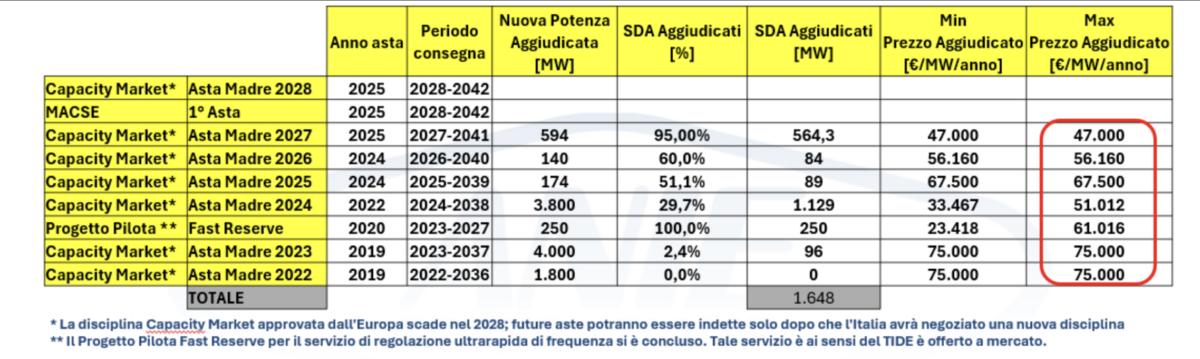
Italy's energy landscape is undergoing a significant transformation, marked by a substantial increase in utility-scale battery energy storage systems (BESS). This growth is pivotal for integrating renewable energy sources, particularly solar power, into the national grid. Surge in Utility-Scale Solar Installations In 2024, Italy added 6.8 gigawatts (GW) of photovoltaic (PV) capacity, a 30% increase from the previous year. This surge was predominantly driven by a 163% rise in utility-scale projects, which contributed 3,045 megawatts (MW) compared to 1,157 MW in 2023. (pv-tech.org) Expansion of Battery Energy Storage Systems (BESS) The rapid expansion of utility-scale solar installations has underscored the need for enhanced energy storage solutions. In 2023, Italy installed 3.7 GWh of photovoltaic BESS, marking an 86% increase from the previous year. This advancement positions Italy as the second-largest European market for BESS, with a total installed capacity of 6.5 GWh. (rinnovabili.net) Regional Developments and Challenges The growth in utility-scale solar and BESS is not uniform across Italy. Regions like Lazio and Puglia have seen significant increases in large-scale installations, while northern areas such as Lombardy and Veneto have experienced slower growth. This regional disparity highlights the challenges in balancing energy production with consumption patterns, as electricity demand is concentrated in the wealthier northern regions, whereas optimal conditions for large solar plants are found in the sunnier southern areas. (pv-tech.org) Future Outlook Industry experts anticipate continued growth in Italy's BESS sector. Javier Izcue, Vice President of SG Europe at Sungrow, projects that Italy will install 30 GW of battery capacity by the end of the decade. However, he notes that this expansion may not occur as rapidly as some forecasts suggest, citing potential delays in project timelines. (pv-magazine.com) In summary, Italy's commitment to expanding utility-scale solar and integrating BESS is reshaping its energy infrastructure. While challenges remain, particularly in aligning production with consumption and ensuring grid stability, the country's proactive approach positions it as a leader in renewable energy adoption.
New York: Funding for advanced, long-duration energy storage tech

New York: Funding for advanced, long-duration energy storage tech - Energy-Storage.News Skip to content
How Hurricane Ida will impact EV and gas drivers, and power
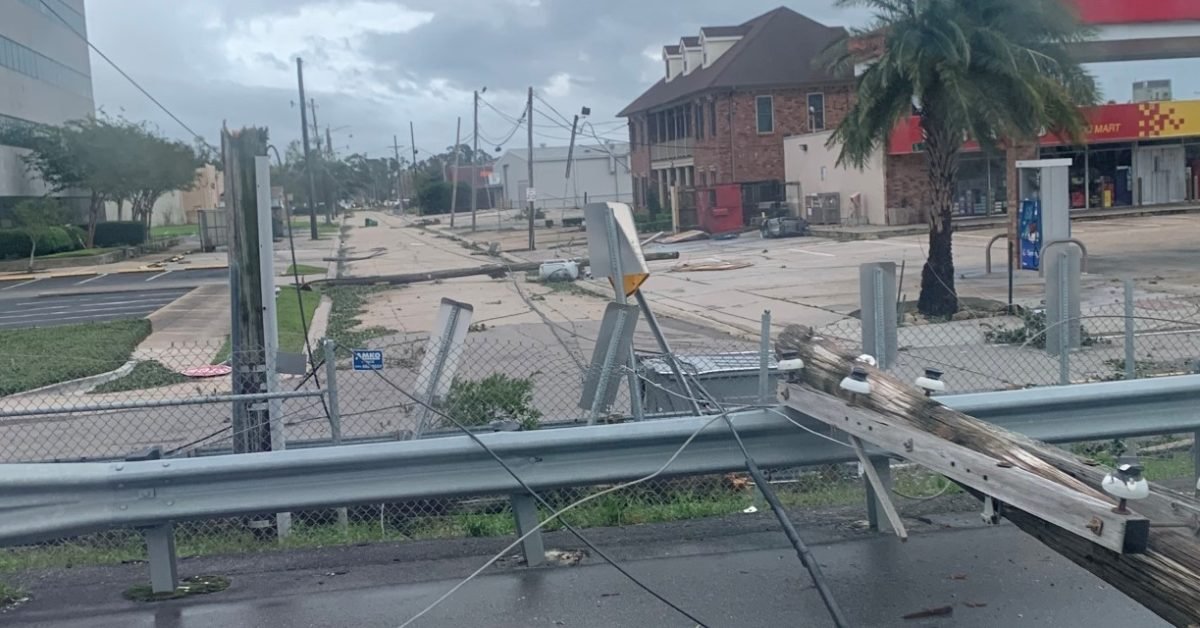
In today’s Electrek Green Energy Brief (EGEB): Hurricane Ida will affect the price of gas for ICE-car drivers across the US. Were widespread power outages from Hurricane Ida avoidable? UnderstandSolar is a free service that links you to top-rated solar installers in your region for personalized solar estimates. Tesla now offers price matching, so it’s important to shop for the best quotes. Click here to learn more and get your quotes. — *ad. Hurricane Ida shuts down oil and natural gas As of the latest update posted on Monday afternoon, 94.6% of oil production and 93.6% of natural gas production was offline in the Gulf of Mexico due to Category 4 Hurricane Ida, according to the US Bureau of Safety and Environmental Enforcement (BSEE). The BSEE reports: After the storm has passed, facilities will be inspected. Once all standard checks have been completed, production from undamaged facilities will be brought back online immediately. Facilities sustaining damage may take longer to bring back online. BSEE will continue to update the evacuation and shut-in statistics at 1 p.m. CDT each day as appropriate. This survey is reflective of 25 companies’ reports as of 11:30 CDT [Monday]. US Gulf of Mexico offshore oil production accounts for about 17% of total US crude oil production and 5% of total US dry natural gas production, according to the US Energy Information Administration (EIA). Further: Advertisement - scroll for more content Over 45% of total US petroleum refining capacity is located along the Gulf coast, as well as 51% of total US natural gas processing plant capacity. Six refineries in the area, near New Orleans, are shut down, and the other three refineries in the area, near Baton Rouge, are apparently operating at reduced levels. So what does that mean for US gas-car drivers? Price hikes. CNN explains: The week after Hurricane Katrina hit in 2005, the average price of a gallon of regular gas shot up 46 cents, to $3.07 a gallon, according to data from the US Energy Information Administration. That 18% jump in prices was the largest one-week percentage spike in data going back to the 1991 Gulf War. It took two months for gas prices to return to the pre-Katrina levels after that storm. Mark Jenkins, spokesman for the American Automobile Association, said: Based on overnight movement in the futures market, a 10-20 cent jump at the pump is not out of the question. Power outage solutions? Widespread power outages also occurred in Louisiana, as all eight transmission lines went down at the same time. As of Tuesday morning, most of southeastern Louisiana was still completely without power, and Mississippi and Alabama were also experiencing outages. Utility company Entergy writes: The full assessment of damage could take several days, since many areas are currently inaccessible either by roadways. Based on historical restoration times, customers in the direct path of a storm as intense as Hurricane Ida could experience outages for more than three weeks. While 90% of customers will be restored sooner, customers in the hardest-hit areas should plan for the possibility of experiencing extended power outages. Is there a way to avoid the blackout that New Orleans is now experiencing, despite opening a new natural gas power plant there last year that was supposed to prevent exactly that? (Entergy doesn’t yet have an explanation for the gas plant’s failure.) The New York Times writes: The Biden administration has planned tens of billions of dollars to add more transmission lines to carry more solar and wind power from one region of the country to another. But some energy experts said the increasing frequency of devastating hurricanes, wildfires, and other disasters argues against a big investment in power lines and for greater investment in smaller-scale systems like rooftop solar panels and batteries. Because small systems are placed at many homes, businesses, schools, and other buildings, some continue to function even when others are damaged, providing much-needed energy during and after disasters. The Times spoke to one New Orleans couple – ironically, a retired engineer at oil giant Royal Dutch Shell – who has solar and storage, and thus power. So is household solar and battery storage the answer to resiliency in massive storms? It’s certainly one way to ensure your electric car stays charged, and of course, EVs can also be used as a source of power. Let us know your thoughts in the comments section below. Read more: How EVs were a lifeline for 3 families (and 6 cats) during the Texas blackout Photo: Entergy FTC: We use income earning auto affiliate links. More.
Paxster opens new factory in Norway

Norwegian electric delivery van manufacturer Paxster has opened a new factory in Sarpsborg. The new factory, which cost about 55 million kroner (approx. 4,780,000 euros) is planned to boost production by 2,250 vehicles per year. Norway’s only electric vehicle manufacturer Paxster has opened a new factory in Sarpsborg, which will significantly increase production capacity. The company has produced over 3,000 vehicles since it was founded in 2013 and is currently in negotiations with major European postal service providers. The new factory can produce 2,250 vehicles per year with the current workforce of 56 employees, based on a 3,800 square metre area. The company specified that should demand rise, another shift can be added to expand operations. Paxters’ customers include postal service companies such as the British Royal Mail and the French La Poste, even delivering as far as the New Zealand Post. Customers in 20 countries have been served by Paxster so far. Paxster’s XL delivery vehicle is available starting from €19,685, can reach a top speed of 60kph and has a “realistic” range of 80 kilometres. The load volume stands at an impressive 1800 litres, making it a solid choice for last-mile deliveries. The electric drive system can deliver up to 9.54 kW, and the 10 kWh LiFePo4 battery can be charged from 0-100% in about 9 hours. elbil.no, sa.no (both in Norwegian), paxster.no (model specifications)
Dirt Cheap Batteries Enable Megawatt-Scale Charging Without Big Grid Upgrades Right Away
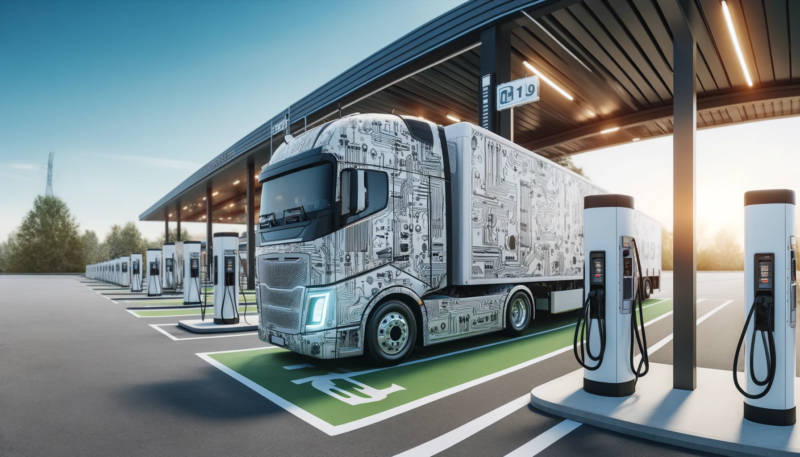
Dirt Cheap Batteries Enable Megawatt-Scale Charging Without Big Grid Upgrades Right Away The advent of affordable battery technology is reshaping the landscape of energy storage and charging infrastructure. As the demand for electricity continues to surge—from electric vehicles (EVs) to renewable energy sources—the need for efficient, scalable solutions has never been more pressing. Recent advancements in battery technology have emerged as a game-changer, enabling megawatt-scale charging systems without the immediate need for extensive upgrades to the electrical grid. The Challenge of Grid Limitations Traditionally, charging large numbers of EVs or accommodating renewable energy systems requires significant infrastructure investments. Upgrading existing power grids to handle this increased load can be both costly and time-consuming. Utilities often face logistical challenges, regulatory hurdles, and financial constraints when considering major grid improvements. These delays can hinder the adoption of clean energy solutions, which are essential for combating climate change and reducing reliance on fossil fuels. The Rise of Dirt Cheap Batteries Recent innovations have led to a significant reduction in the cost of battery storage systems. Advances in lithium-ion technology and the exploration of alternative materials, like sodium-ion batteries, have driven prices down to unprecedented levels. This decreases the barriers to entry for deploying large-scale energy storage solutions. When combined with rapid advancements in renewable energy sources, cheap batteries provide a feasible way to store excess energy produced during off-peak times and release it during peak demand. Enabling Megawatt-Scale Charging Dirt cheap batteries facilitate the development of megawatt-scale charging stations capable of serving multiple EVs simultaneously. These stations can store vast amounts of electricity generated from renewable sources like solar and wind, which may be abundant during certain times of the day but less available during peak demand. By integrating large battery systems into charging infrastructure, operators can ensure a steady supply of energy, reducing strain on the grid and decreasing the need for immediate upgrades. Key Benefits Increased Reliability: With large-scale batteries, charging stations can maintain energy flow even during periods of high demand or grid instability. Cost Efficiency: Lower battery costs mean that deploying extensive storage solutions becomes economically viable, promoting the rapid establishment of necessary infrastructure. Sustainability: Utilizing renewable energy stored in batteries for EV charging significantly reduces the carbon footprint and enhances the environmental benefits of electric vehicles. Flexibility: Energy storage systems can be deployed where they are most needed, allowing for tailored solutions that address specific regional challenges without disrupting the entire grid. Real-World Implementations Several regions are beginning to implement megawatt-scale charging solutions supported by affordable battery technology. For instance, California has seen a surge in the deployment of battery energy storage systems that complement its extensive EV charging networks. These systems not only facilitate efficient charging but also provide grid services, such as frequency regulation and peak shaving. Similarly, countries like Germany are investing in large battery storage projects that work in tandem with their transition to renewable energy. By strategically placing these systems within the charging infrastructure, they can effectively manage energy distribution and enhance the resilience of their electric grid. Conclusion The combination of low-cost batteries and megawatt-scale charging stations represents a substantial leap toward achieving sustainable and efficient energy systems. By leveraging these advancements, regions can deploy effective charging solutions without immediate reliance on substantial grid upgrades. This not only supports the growing demand for electric vehicles but also promotes a greener energy future. As battery technology continues to evolve and costs decline, the potential for widespread benefits will only increase, paving the way for a cleaner, more sustainable energy landscape.