Xpeng halves net losses - electrive.com
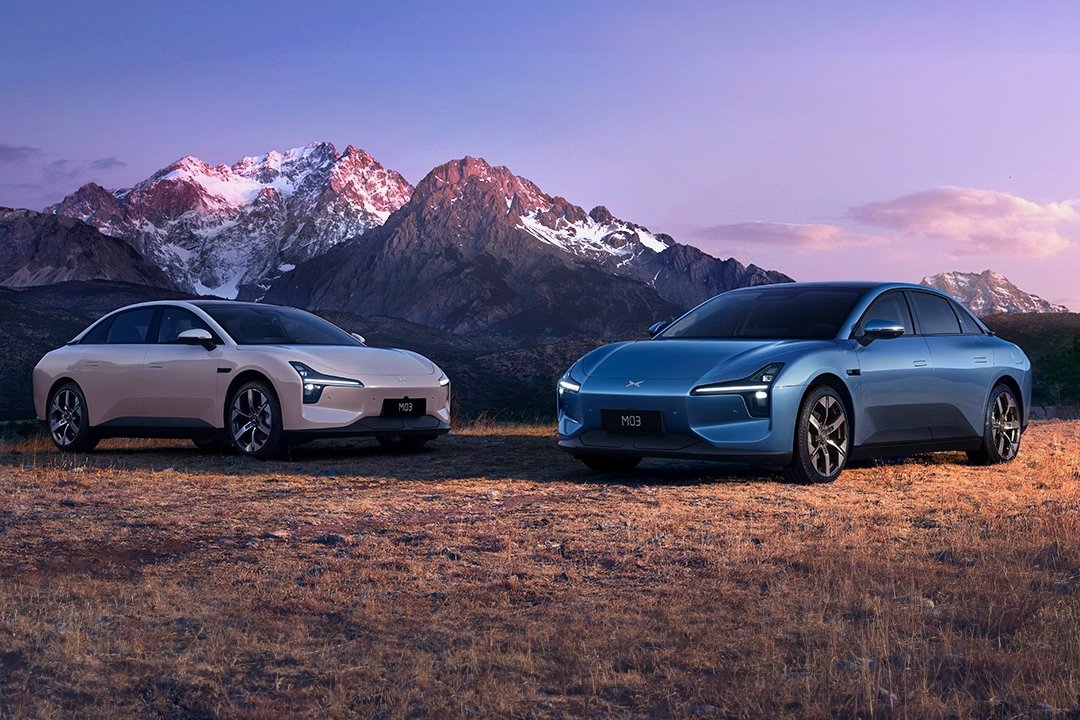
Chinese electric vehicle (EV) manufacturer XPeng has demonstrated significant financial progress, halving its net losses in the second quarter of 2024 compared to the same period in 2023. This improvement underscores the company's strategic initiatives aimed at enhancing operational efficiency and expanding its market presence. Financial Performance in Q2 2024 In the second quarter of 2024, XPeng reported a net loss of RMB 1.28 billion (approximately €161 million), a substantial reduction from the RMB 2.80 billion loss recorded in Q2 2023. This marks a 54.12% decrease year-over-year. The company's revenue for the quarter reached RMB 8.11 billion (around €1.12 billion), reflecting a 60.2% increase from the same period in 2023. (electrive.com) Growth in Vehicle Deliveries XPeng's vehicle deliveries played a pivotal role in this financial turnaround. The company delivered 30,207 EVs in Q2 2024, a 30.2% increase compared to the same quarter in the previous year. This growth is attributed to the successful launch of new models and an expanded product lineup. (electrive.com) Improved Profit Margins The company also achieved a significant improvement in its vehicle margin, which stood at 6.4% in Q2 2024, up from a negative 8.6% in the same period in 2023. This positive shift indicates better cost management and a more favorable product mix. (electrive.com) Strategic Initiatives and Future Outlook XPeng's Chairman and CEO, Xiaopeng He, highlighted the company's commitment to innovation and market expansion. He stated, "Starting from the launch of Mona M03 in August, we are about to enter into a strong product cycle. In the next 3 years, we will have a large number of new models and facelift versions in the pipeline for market launch." This strategic focus aims to leverage technological advancements and AI breakthroughs to drive sales growth both domestically and internationally. (electrive.com) Expansion of Sales and Charging Infrastructure XPeng has also been expanding its sales and charging infrastructure. By the end of Q2 2024, the company operated 611 sales locations and a network of 1,298 charging stations, including 442 ultra-fast S4 charging stations with 480 kW capacity. This expansion enhances customer accessibility and supports the growing adoption of XPeng's EVs. (electrive.com) Conclusion XPeng's financial performance in Q2 2024 reflects a positive trajectory, characterized by reduced losses, increased vehicle deliveries, and improved profit margins. The company's strategic focus on innovation, product diversification, and infrastructure expansion positions it well for sustained growth in the competitive EV market. Stock market information for XPeng Inc (XPEV) XPeng Inc is a equity in the USA market. The price is 20.0 USD currently with a change of -0.52 USD (-0.03%) from the previous close. The latest open price was 19.99 USD and the intraday volume is 8982844. The intraday high is 20.24 USD and the intraday low is 19.81 USD. The latest trade time is Saturday, May 24, 00:19:00 UTC.
"Massless" Carbon Fiber Batteries Will Help Future Solar EV Designs

In a recent article at PV Magazine, we got our first look at the new “massless” battery technology. They call their carbon fiber batteries “massless” not because they literally have zero mass (that’s physically impossible by our current understanding of physics), but because they add no mass to a vehicle that wouldn’t be there already. Tesla and Structural Battery Packs As many readers know, Tesla plans on introducing structural battery packs at some point in the near future. By using the battery pack’s container and the battery cells themselves for rigidity, the overall weight of the vehicle can be reduced. Advantages include greater range per kWh of battery pack installed, better handling, and great potential for simplified vehicle assembly (which should reduce cost). Tesla is not the only company working on this, and its bonded cell approach is not the only approach that researchers and engineers are pursuing. Way back in 2007, researchers at the Chalmers University of Technology in Sweden started working on lightweight battery cells with not only good electrical properties, but good mechanical properties, too. As they developed carbon fiber batteries, they figured out that it wasn’t just good mechanically for a battery, but that it was also strong enough to serve as part of the structure of a vehicle. That’s when everything changed for the researchers. The battery comes in several parts, layered. There’s a carbon fiber negative electrode, an aluminum film-supported positive electrode, and a glass fiber (GF) separator, all working together to form a structural battery electrolyte (SBE) matrix material. Each of these layers makes the others structurally stronger. This means that the carbon fiber batteries, or battery cells, can not only assist in bearing loads, but bear the loads directly, and be a true part of the vehicle’s structure. “The battery has an energy density of 24 Wh/kg, meaning approximately 20 percent capacity compared to comparable lithium-ion batteries currently available,” the researchers said. “But since the weight of the vehicles can be greatly reduced, less energy will be required to drive an electric car, for example, and lower energy density also results in increased safety.” Solar Vehicles Will Be The Greatest Beneficiary Of “Massless” Carbon Fiber Batteries One area where this will make a big difference is in solar-electric vehicles. As we’re learning from Aptera, powering vehicles from the sun is all about efficiency. The more efficient the solar panels are, the more energy the car can produce by itself. The lighter, more aerodynamic, and less resistant to rolling a vehicle is, the less energy will be needed to move it along the road. The tension between these two numbers (solar energy generation and energy needed to run) determines how useful a solar vehicle can possibly be. A true structural battery would make the vehicle lighter and would also help reduce rolling resistance, and both of these factors increase the vehicle’s efficiency. This means that even with current solar technology, the vehicle would get more range from the sun daily. Featured image provided by Aptera. Sign up for CleanTechnica's Weekly Substack for Zach and Scott's in-depth analyses and high level summaries, sign up for our daily newsletter, and/or follow us on Google News! Whether you have solar power or not, please complete our latest solar power survey. Have a tip for CleanTechnica? Want to advertise? Want to suggest a guest for our CleanTech Talk podcast? Contact us here. Sign up for our daily newsletter for 15 new cleantech stories a day. Or sign up for our weekly one on top stories of the week if daily is too frequent. Advertisement CleanTechnica uses affiliate links. See our policy here. CleanTechnica's Comment Policy
Mercedes selects a li-ion battery cell supplier for Its upcoming line of electric vehicles
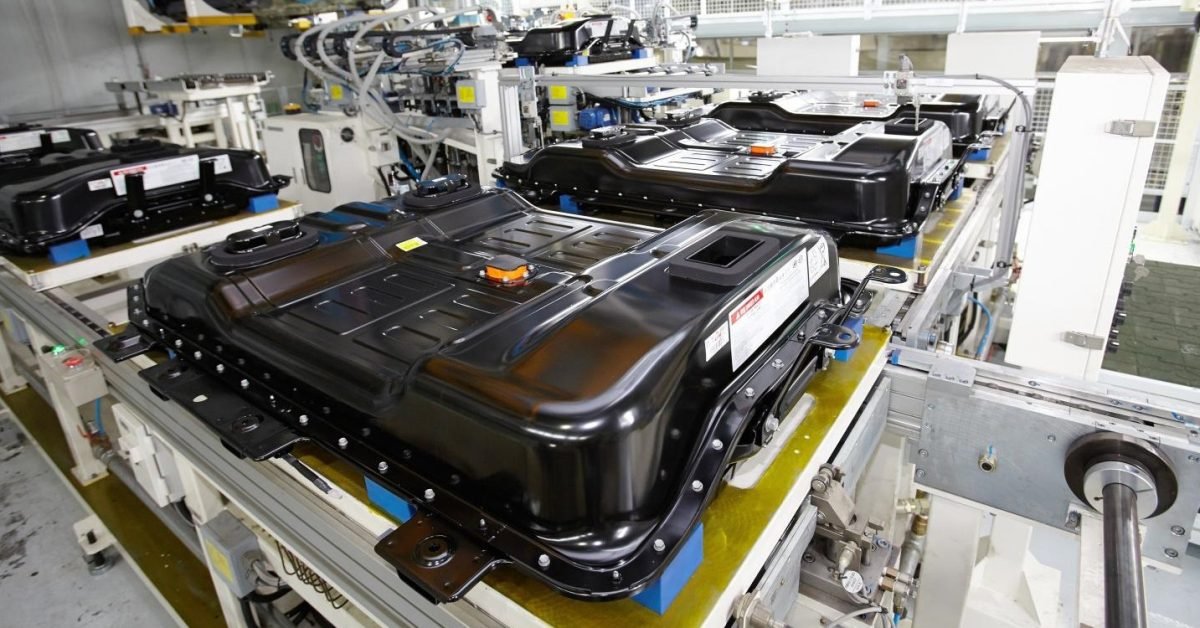
SK Innovation, a battery cell maker part of the South Korea-based chemical and energy conglomerate SK, confirmed (via GreenCarCongress) that it has been selected as the supplier of battery cells for Mercedes’ upcoming line of electric vehicles. Last month, Daimler green-lighted 4 new long-range electric vehicles, which will reportedly be two sedans and two crossover SUVs. The automaker will need an important volume of battery cells if it plans to manufacture these upcoming vehicles in significant volume. Mercedes will build its own battery packs with the cells supplied by SK. For its only all-electric vehicle, the Mercedes B-Class EV, the automaker was outsourcing its battery pack manufacturing to Tesla, which itself was sourcing the cells from Panasonic. Advertisement - scroll for more content It’s understandable that the company would want to start making its own packs and develop its own expertise, but it’s surprising that Daimler didn’t go with a bigger battery cell supplier like LG, Samsung or Panasonic, or even A123 or BYD. Though it’s not SK’s first electric vehicle supply contract. The South Korea-based company is the supplier of battery cells for the Kia Soul EV (its battery pack is featured in the above image). Last year, SK more than doubled its capacity at its Seosan battery plant in Korea, where production is now running 24 hours a day, 7 days a week. The company expects to have to expand its manufacturing volume due to future and current projects with customers including Daimler’s Mercedes. Hongdae Kim, Head of Battery & I/E Materials with SK Innovation, said about the announcement: “SK Innovation is planning to strengthen its position in the global battery market with differentiated performance and technology, while reinforcing relationship with the current customers such as Daimler, to prepare for strong growth of the electric vehicle market. Winning a major project with Mercedes-Benz, SK Innovation has become a top-tier supplier, in lead of the global electric vehicle battery market, for best-in-class automotive customers in Korea, China and Europe.” It sounds like SK hopes Daimler will drive its battery business like Tesla did with Panasonic’s. FTC: We use income earning auto affiliate links. More.
Canadian battery recycler Li-Cycle files for bankruptcy protection
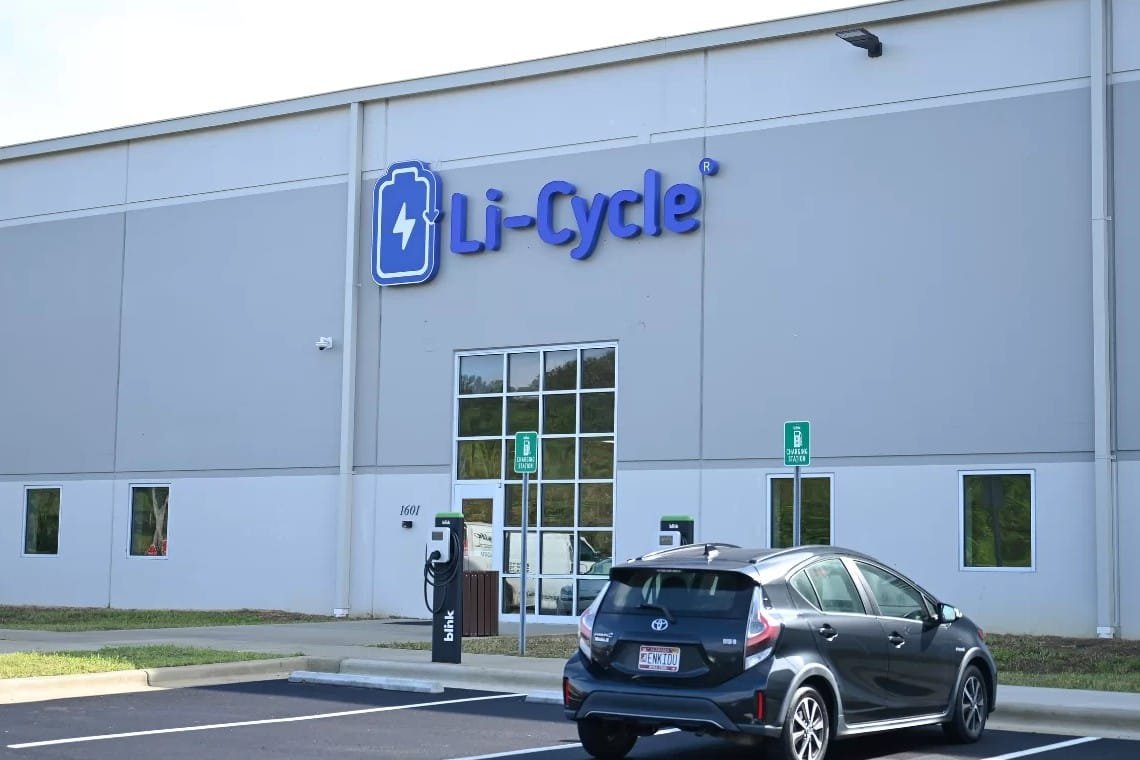
Li-Cycle itself announced that it has filed for bankruptcy protection under the Canadian Companies’ Creditors Arrangement Act (CCAA) with the Ontario Superior Court of Justice for itself and its North American subsidiaries. As part of these proceedings, Alvarez & Marsal Canada have been appointed as the ‘monitor’ of Li-Cycle Group. Additionally, the company’s US subsidiaries have initiated proceedings before the US Bankruptcy Court for the Southern District of New York – covering the operating companies at spoke facilities in Arizona, Alabama, and New York, as well as the company’s hub facility in Rochester. The company specialises in recycling both batteries and the waste created by battery production. It collects and initially processes used batteries and production waste at ‘spoke’ facilities and uses these to create ‘black mass’, i.e. a mixture of the active materials of the batteries, with the remaining materials being sorted out during the process and reused. Then, this black mass is sent off to ‘hub’ facilities, where the raw materials are extracted from it and used to create new batteries. Li-Cycle has been searching for a buyer for the company or its assets since March, and the company has been struggling with rising costs and delays for some time. Construction of the firm’s Rochester plant, for example, had to be suspended in November 2023 as total costs had exceeded the project schedule. Initial negotiations with Glencore about a potential deal were already underway in March, and now it appears that Glencore could perform a takeover of Li-Cycle. In Canada, Chapter 15 bankruptcy protection allows Canadian companies that owe their creditors more than $5m to restructure their business and financial affairs. Li-Cycle has now secured debtor-in-possession financing of $10.5m as well as a so-called stalking-horse bid of at least $40m from Glencore. As part of this bid, Glencore intends to acquire not only the spoke facilities and the Rochester hub in North America but also the ‘German Spoke’, i.e. the Magdeburg plant. The situation is slightly more positive for the German branch. In a press release, Li-Cycle states that this branch is expected to have ‘sufficient working capital’ to continue operations during the bankruptcy proceedings, although it is “currently seeking to wind down some of its European subsidiaries” outside of Germany and Switzerland. So, it’s feasible that the Magdeburg facility could continue working under Glencore. In November last year, the US Department of Energy finalised a $475m loan for Li-Cycle as a lifeline to the ailing company. It is telling that the company did not draw down any of these funds because it “failed to meet the conditions precedent for the initial advance.” reuters.com, thedeepdive.ca, alvarezandmarsal.com, li-cycle.com
Scientists Develop a Novel Strategy for Sustainable Sodium & Potassium Batteries

Scientists astounded by performance of sustainable batteries with far-reaching implications for electric vehicles and devices. Researchers at Bristol have developed high-performance sodium and potassium ion batteries using sustainably sourced cellulose. Scientists at the Bristol Composites Institute have developed a novel controllable unidirectional ice-templating strategy which can tailor the electrochemical performances of next-generation post-lithium-ion batteries with sustainability and large-scale availability. The paper is published in the journal Advanced Functional Materials. There is a rapidly increasing demand for sustainable, ethical and low-cost energy-storage. This is due in part to the drive towards developing battery-powered transport systems — mostly replacing petrol and diesel-based engines with electric vehicles — but also for hand-held devices such as mobile phones. Currently these technologies largely rely on lithium-ion batteries. Batteries have two electrodes and a separator, with what is called an electrolyte between them which carries the charge. There are several problems associated with using lithium for these batteries, including build-up of the metal inside the devices which can lead to short circuits and overheating. Alternatives to lithium, such as sodium and potassium batteries have not historically performed as well in terms of their rate performance and the ability to use them lots of times. This inferior performance is due to the larger sizes of sodium and potassium ions, and their ability to move through the porous carbon electrodes in the batteries. Another issue associated with these batteries is they cannot be easily disposed of at end-of-life, as they use materials that are not sustainable. The cost of the materials is also a factor and there is a need to provide cheaper sources of stored energy. Additionally, lithium is mined in countries such as Chile, Bolivia and Argentina. This mining is very destructive and there are poor human rights records associated with it. Work at the University of Bristol in the Bristol Composites Institute, published in Advanced Functional Materials, and in collaboration with Imperial College, has developed some new carbon electrode materials based on an ice-templating system. These materials are called aerogels, where cellulose nanocrystals (a nano-sized form of cellulose) are formed into a porous structure using ice crystals that are grown and then sublimated. This leaves large channels within the structure that can carry the large sodium and potassium ions. The performance of these new sodium and potassium ion batteries has been shown to outperform many other comparable systems, and it uses a sustainably sourced material — cellulose. Corresponding author, Steve Eichhorn, Professor of Materials Science and Engineering at the University of Bristol and a world-leader in cellulose-based technologies, said: “We were astounded with the performance of these new batteries. There is great potential to develop these further and to produce larger scaled devices with the technology.” Jing Wang, lead author and a PhD student in the Bristol Composites Institute, said: “We proposed a novel controllable ice-templating strategy to fabricate low-cost cellulose nanocrystals/polyethylene oxide-derived carbon aerogels with hierarchically tailored and vertically-aligned channels as electrode materials, which can be utilized to well-tuning the rate capability and cycling stability of sodium and potassium-ion batteries. “Benefiting from the renewability of the precursor and scalability at relatively low cost in the environmentally benign synthesis process, this work could offer an appealing route to promote large-scale applications of sustainable electric vehicles and large-scale energy storage grids in the near future.” Professor Eichhorn said: “In light of these findings, we now hope to collaborate with industries to develop this strategy on an industrial scale and to explore whether this unique technology can be easily extended to a variety of other energy storage systems such as zinc, calcium, aluminium and magnesium-ion batteries, thus demonstrating its universal potential in next-generation energy storage systems.” Paper: “Ice-Templated, Sustainable Carbon Aerogels with Hierarchically Tailored Channels for Sodium- and Potassium-Ion Batteries,” by Wang, J; Xu, Z; Eloi, J; Titirici, M; & Eichhorn, S; in Advanced Functional Materials. Courtesy of University of Bristol. Sign up for CleanTechnica's Weekly Substack for Zach and Scott's in-depth analyses and high level summaries, sign up for our daily newsletter, and/or follow us on Google News! Whether you have solar power or not, please complete our latest solar power survey. Have a tip for CleanTechnica? Want to advertise? Want to suggest a guest for our CleanTech Talk podcast? Contact us here. Sign up for our daily newsletter for 15 new cleantech stories a day. Or sign up for our weekly one on top stories of the week if daily is too frequent. Advertisement CleanTechnica uses affiliate links. See our policy here. CleanTechnica's Comment Policy
Daimler announces a €500 million investment in a new battery factory in Germany
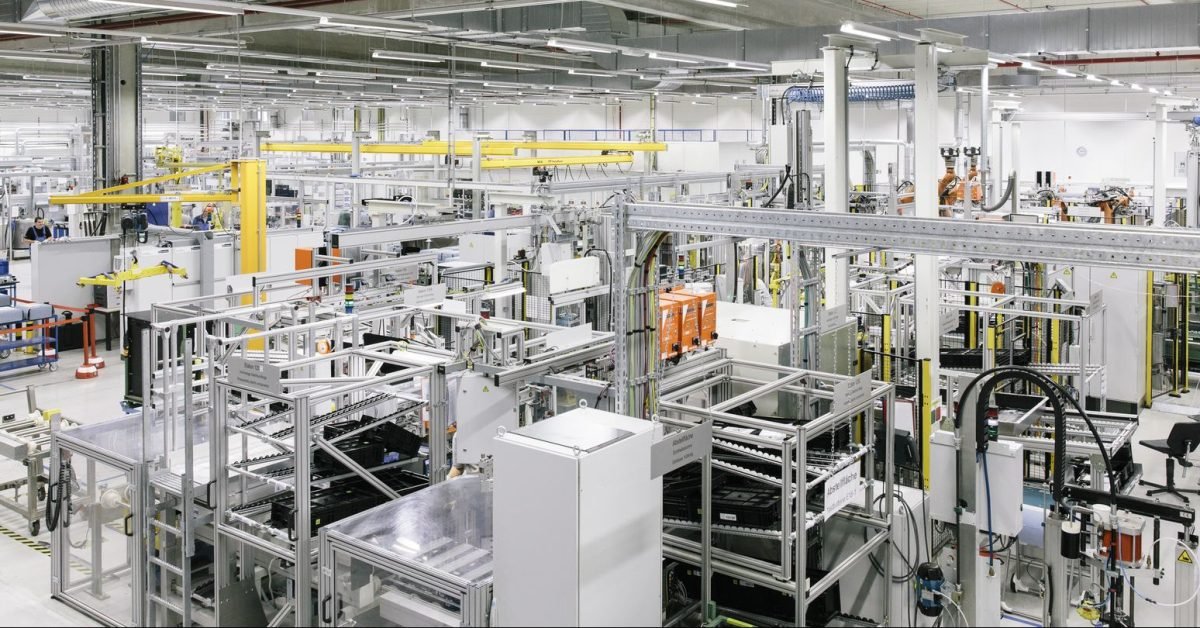
Daimler Announces €500 Million Investment in New Battery Factory in Germany Introduction In a significant move towards electrification, Daimler AG has announced a remarkable €500 million investment in a state-of-the-art battery factory in Germany. This initiative not only underscores the company’s commitment to sustainable mobility but also aligns with the increasing demand for electric vehicles (EVs) across Europe. Strategic Importance of the Investment Daimler's investment aims to enhance its manufacturing capabilities for high-performance battery systems, which are critical components in the production of electric and hybrid vehicles. As the automotive industry pivots towards greener alternatives, the establishment of local battery production facilities is paramount for ensuring supply chain efficiency, reducing carbon footprints, and increasing the company’s competitiveness in the EV market. Location and Features of the Factory The new battery factory will be located in Germany, a country renowned for its robust automotive industry and advanced engineering capabilities. Although specific details regarding the location have yet to be publicly disclosed, it is expected to be strategically positioned to capitalize on existing supply chains and infrastructure. The factory will feature cutting-edge technologies designed to streamline production processes while meeting high environmental standards. This investment marks a significant step towards Daimler's goal of achieving carbon neutrality across its operations by 2039. Job Creation and Economic Impact The new facility is projected to create thousands of jobs, contributing significantly to the local economy and supporting the growing demand for skilled labor in the green technology sector. By fostering job creation, Daimler not only strengthens its own workforce but also supports the broader transition toward sustainable economic practices in the region. Part of a Broader Strategy This investment is part of Daimler’s broader $70 billion commitment to electrify its vehicle lineup over the next few years. With consumers increasingly gravitating towards electric vehicles, the company recognizes the need to invest heavily in battery technology. This move is in line with Germany’s ambitious goals for climate action and the European Union's commitment to becoming climate-neutral by 2050. Reinforcing Supply Chain Resilience The establishment of a domestic battery manufacturing facility will enhance Daimler's supply chain resilience, reducing its reliance on foreign suppliers. It will allow the company to closely monitor quality and production efficiency while simultaneously decreasing transportation emissions. Looking Ahead As the automotive landscape evolves, Daimler’s strategic investment in local battery production not only positions it as a leader in the EV market but also serves as a beacon for other manufacturers looking to invest in sustainable practices. This move not only contributes to a cleaner future but also reaffirms Germany's status as a global hub for automotive innovation. Conclusion Daimler's €500 million investment in a new battery factory represents a pivotal step in the company’s journey towards electrification. With an emphasis on sustainability, job creation, and technological advancement, this initiative is set to bolster both Daimler’s market position and the broader automotive industry's transition towards a greener future. As the demand for electric vehicles continues to rise, such strategic investments are crucial in paving the way for a sustainable and innovative automotive ecosystem.
Panasonic and Bosch are competing for Porsche's Mission E battery supply contract
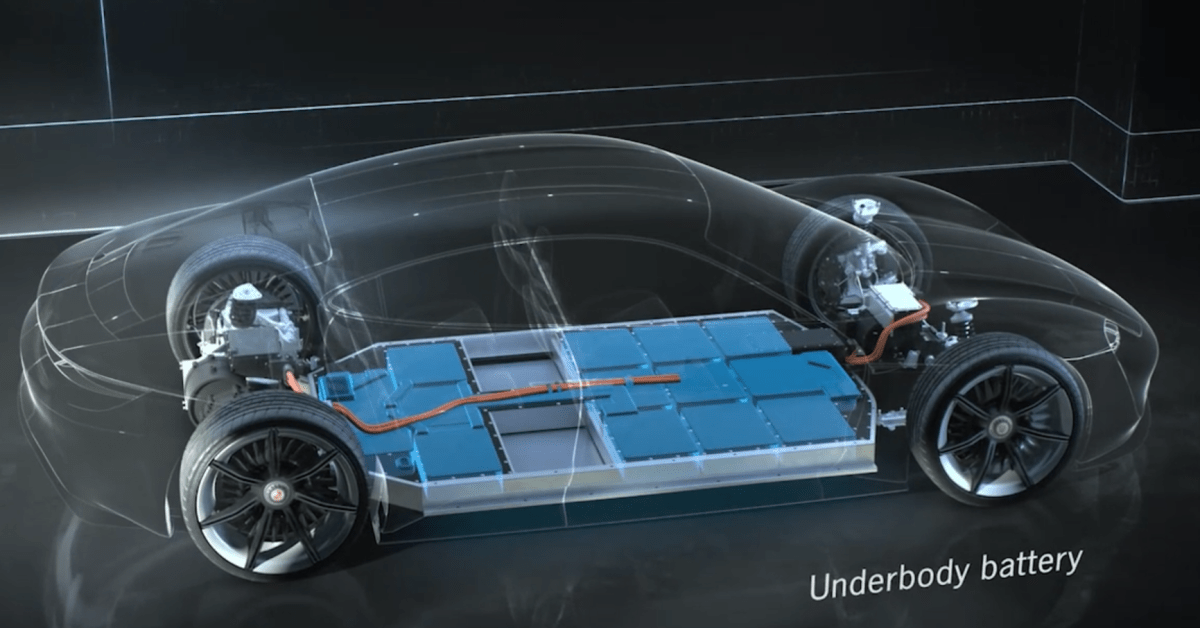
Last month, Porsche said that it wouldn’t be quite as profitable in the short-term due to a significant investment of €1 billion and the hiring of 1000 workers to start making all-electric cars, more especially, to make its upcoming Mission E. The German luxury automaker, which is part of the Volkswagon Group, has yet to announce any details of its battery pack other than what we can see on the picture above, but today we learn that the battery supply contract now comes down to a competition between Panasonic and Bosch. According to Bloomberg, Bosch’s bid is more expensive than its Japanese counterpart’s, but logistic costs would be lower since the German electronic giant is significantly closer. Advertisement - scroll for more content Porsche still has some time to decide considering it plans to bring the Mission E to market only toward the end of the decade, but a spokesperson alluded that a decision could be announced during the annual earnings conference later today. While Panasonic is already an important battery supplier for electric carmakers through its partnership with Tesla, Bosch is not yet a big player in the field, but the auto parts giant has been heavily investing in battery technology, especially since acquiring solid-state battery startup Seeo. The technology has yet to be used in commercial applications and it’s unknown if solid-state batteries are part of the Porsche proposal, but Bosch has made a significant investment to bring the new battery technology to market by 2020, which is around the time of the release of the Mission E.While in the case of Panasonic, it will be interesting to know if they are going with cylindrical battery cells, like the ones it supplies to Tesla, or with pouch battery cells, like the ones it plans to build at a new $412 million battery factory for electric vehicles in China. FTC: We use income earning auto affiliate links. More.
Paxster opens new factory in Norway
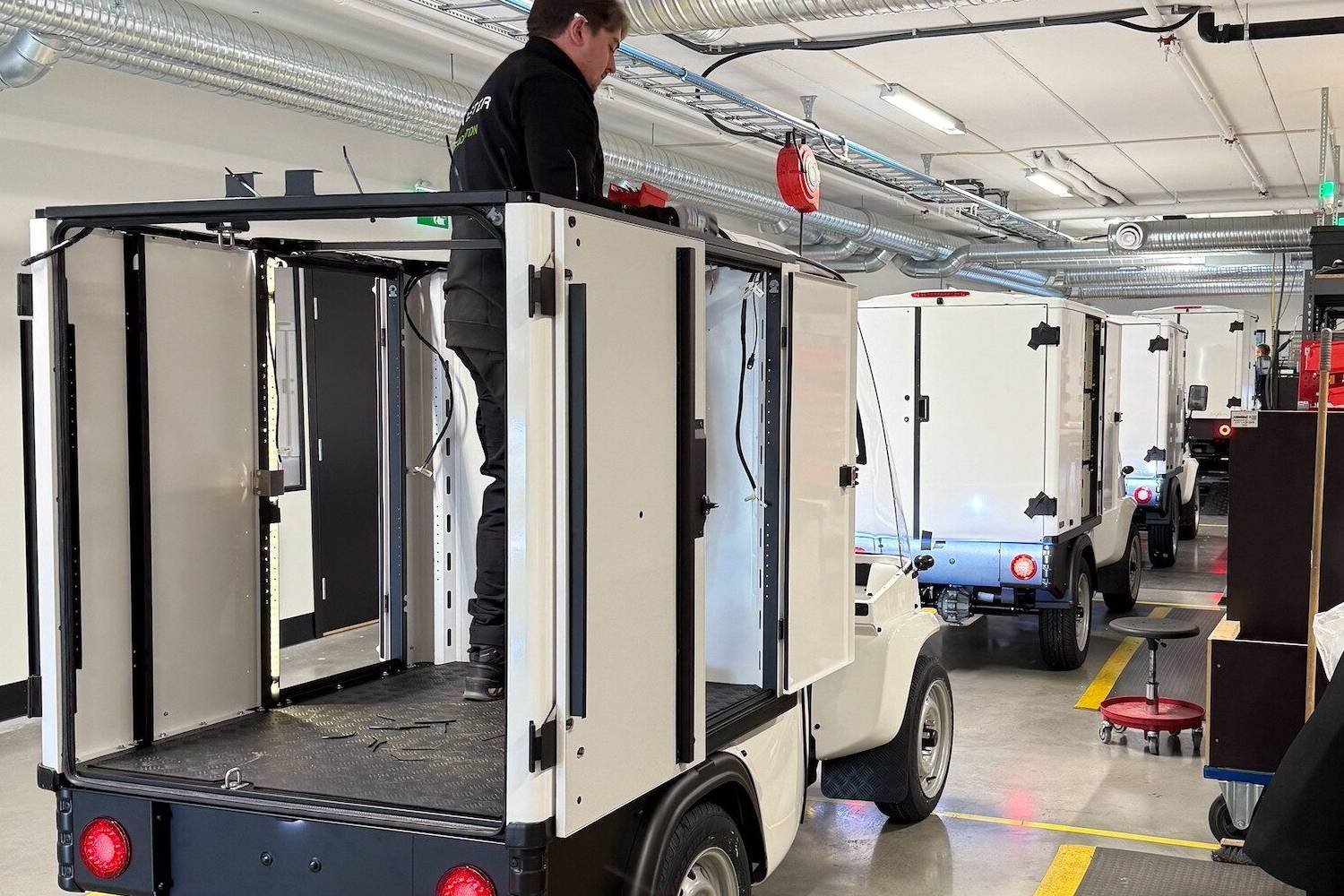
Norway’s only electric vehicle manufacturer Paxster has opened a new factory in Sarpsborg, which will significantly increase production capacity. The company has produced over 3,000 vehicles since it was founded in 2013 and is currently in negotiations with major European postal service providers. The new factory can produce 2,250 vehicles per year with the current workforce of 56 employees, based on a 3,800 square metre area. The company specified that should demand rise, another shift can be added to expand operations. Paxters’ customers include postal service companies such as the British Royal Mail and the French La Poste, even delivering as far as the New Zealand Post. Customers in 20 countries have been served by Paxster so far. Paxster’s XL delivery vehicle is available starting from €19,685, can reach a top speed of 60kph and has a “realistic” range of 80 kilometres. The load volume stands at an impressive 1800 litres, making it a solid choice for last-mile deliveries. The electric drive system can deliver up to 9.54 kW, and the 10 kWh LiFePo4 battery can be charged from 0-100% in about 9 hours. elbil.no, sa.no (both in Norwegian), paxster.no (model specifications)
Toyota & Sinotruk sign heavy hydrogen truck cooperation deal
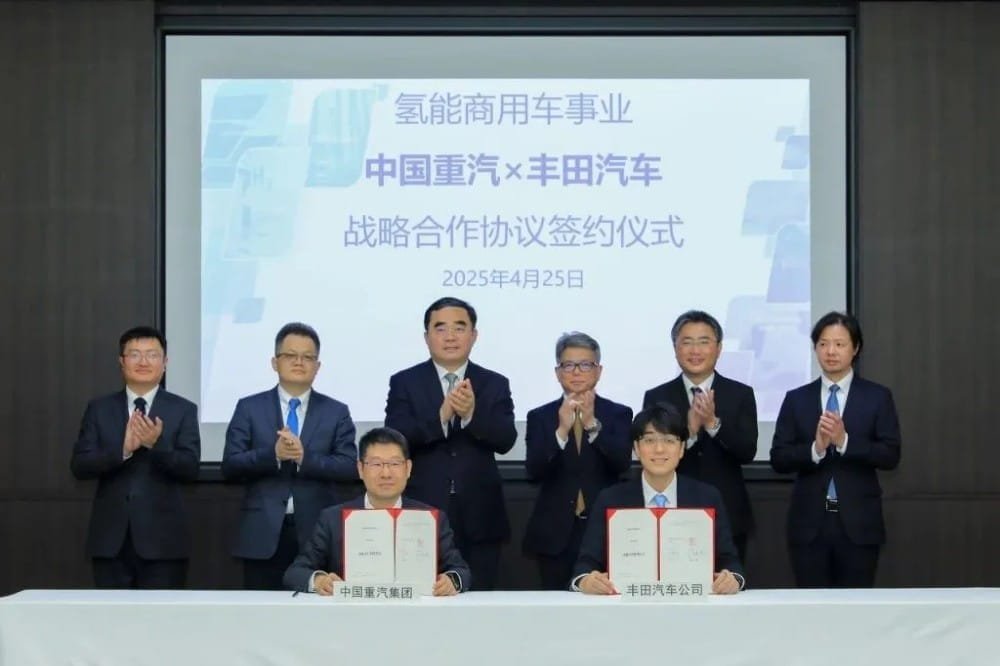
On April 25, 2025, China National Heavy Duty Truck Group Co., Ltd. (Sinotruk) and Toyota Motor Corporation signed a strategic cooperation agreement at Toyota's headquarters in Nagoya, Japan. This partnership aims to advance the development and deployment of hydrogen fuel cell technology in heavy-duty trucks, marking a significant step toward sustainable logistics solutions. (metal.com) Background and Objectives Toyota, renowned for its pioneering hydrogen fuel cell technology, and Sinotruk, a leader in China's commercial vehicle industry, have previously collaborated on hydrogen fuel cell tractors, which have been delivered to the market in batches. The new agreement seeks to deepen this collaboration by focusing on several key areas: Joint Research and Development (R&D): Collaborating on the development of hydrogen fuel cell commercial vehicles to enhance performance and efficiency. Demonstration Operations: Implementing pilot projects to showcase the viability and benefits of hydrogen-powered heavy-duty trucks in real-world logistics scenarios. Promotion and Application: Expanding the adoption of hydrogen fuel cell technology in the commercial vehicle sector through strategic initiatives and market penetration. Business Model Innovation: Exploring new business models to support the integration of hydrogen fuel cell vehicles into the logistics industry, fostering a sustainable ecosystem. By focusing on these areas, Toyota and Sinotruk aim to create a new ecosystem for zero-carbon logistics, contributing to global efforts toward carbon neutrality. (metal.com) Strategic Significance The collaboration between Toyota and Sinotruk is strategically significant for several reasons: Market Potential: China represents a vast market with enormous potential for the promotion and popularization of hydrogen energy, particularly in the long-distance heavy-duty logistics sector. (metal.com) Complementary Strengths: Toyota's world-leading hydrogen fuel cell technology combined with Sinotruk's expertise in commercial vehicle manufacturing creates a strong foundation for innovation and market penetration. Global Carbon Neutrality Efforts: The partnership aligns with global initiatives to reduce carbon emissions, with hydrogen fuel cell vehicles offering a promising solution for decarbonizing the transportation sector. Future Outlook The strategic cooperation between Toyota and Sinotruk is poised to accelerate the adoption of hydrogen fuel cell technology in heavy-duty trucks. By leveraging their combined expertise, the two companies aim to address challenges related to infrastructure, cost, and performance, paving the way for a more sustainable and efficient logistics industry. This partnership not only strengthens bilateral ties but also contributes to the broader goal of achieving a zero-carbon logistics ecosystem. Toyota's Strategic Moves in Hydrogen Fuel Cell Technology: Toyota rethinks its bet on hydrogen
Tesla Adds Model Y Structural Battery Pack Details In Updated Owner's Manual

Tesla has included a direct reference to the Model Y structural battery pack in an update to its Model Y owner’s manual. The document noted that new Model Ys equipped with structural batteries have lift points that differ slightly. In the manual note, Tesla encouraged owners to check the vehicle itself for the exact location of lift points in Model Ys that are equipped with a structural battery pack, and included the following illustration which showed where the Model Y’s lift points are in the updated version. @WholeMarsBlog Ran across a reference to structural pack in my Model Y owner’s manual! pic.twitter.com/BEZRkK8pK0 — Tom Klun (@TKlun1) January 14, 2022 Tesla’s structural batteries are important because they have dual use. During Tesla’s Battery Day event in 2020, Elon Musk shared a bit about how Tesla was inspired to design the structural battery. “You’re basically making the front and rear of the car is a single piece and that then interfaces to what we call it, the structural battery. Where the battery for the first time will have dual use. The battery will both have the use as an energy device and as structure. This is absolutely the way things are done. In the early days of aircraft, they would carry the fuel tanks as cargo. So the fuel tanks actually were quite difficult to carry. “They’re basically worse than cargo, you had to add to the kind of bolt them down. It was very difficult. And then somebody said, “Hey, what if we just make the fuel tank in wing shape?” So all modern airplanes, your wing is just a fuel tank in wing shape. This is absolutely the way to do it. And then the fuel tanks serves this dual structure, and it’s no longer cargo. It’s fundamental to the structure of the aircraft. This was a major breakthrough. We’re doing the same for cars.” He further explained that Tesla also saved more mass in the battery since the non-cell portions have a negative mass, which improves the mass efficiency of the battery. The structural batteries are built into the structural platform of the vehicle and would also reinforce its body and chassis. This bit of news shows that Tesla could be rolling out new structural batteries in the Model Y any day — perhaps made-in-Texas Model Ys. Sign up for CleanTechnica's Weekly Substack for Zach and Scott's in-depth analyses and high level summaries, sign up for our daily newsletter, and/or follow us on Google News! Whether you have solar power or not, please complete our latest solar power survey. Have a tip for CleanTechnica? Want to advertise? Want to suggest a guest for our CleanTech Talk podcast? Contact us here. Sign up for our daily newsletter for 15 new cleantech stories a day. Or sign up for our weekly one on top stories of the week if daily is too frequent. Advertisement CleanTechnica uses affiliate links. See our policy here. CleanTechnica's Comment Policy
Powering the Future: The Rise of Battery Import-Export Companies
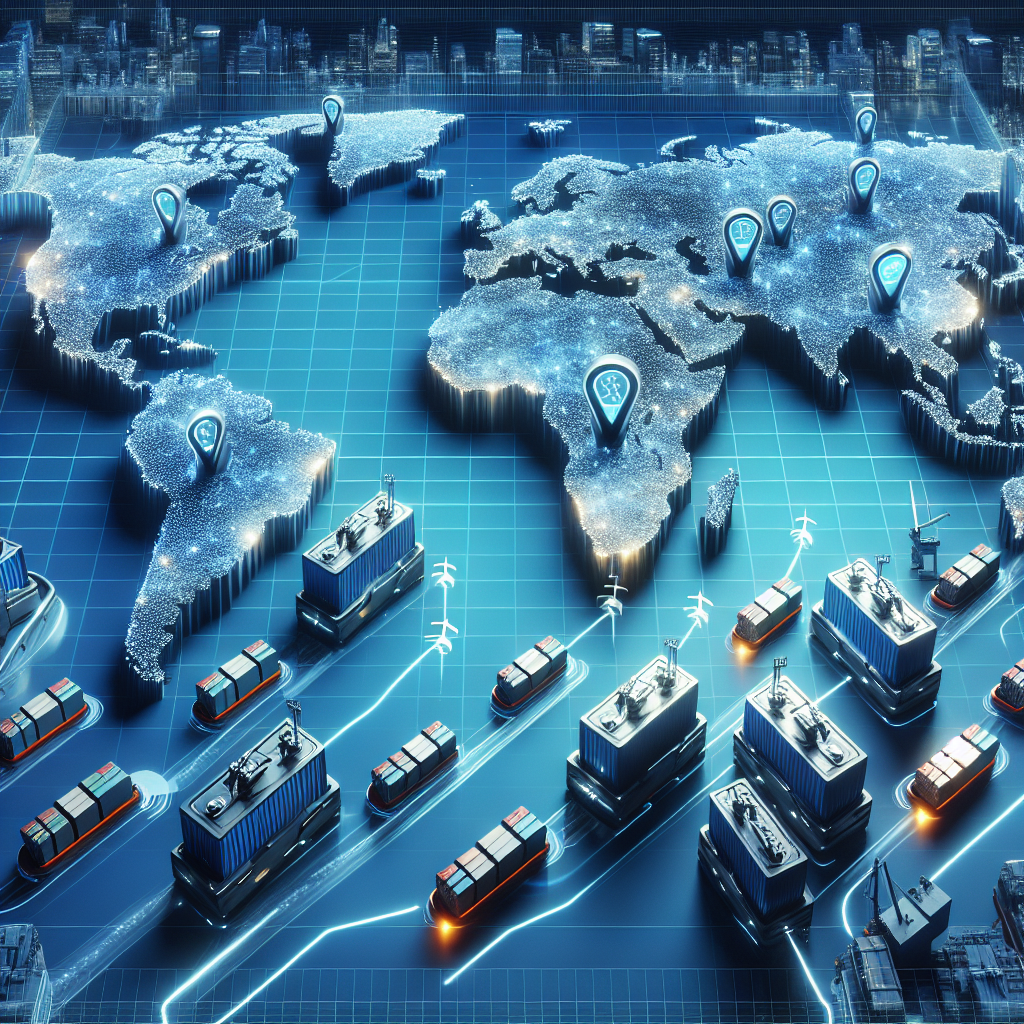
Introduction In an increasingly electrified world, the demand for energy storage solutions is surging. As renewable energy sources gain traction, battery technologies play a critical role in ensuring a stable and reliable power supply. Consequently, the battery import-export sector is witnessing unprecedented growth, becoming a crucial player in the global energy landscape. The Growing Demand for Batteries Shift Towards Renewable Energy The global shift towards renewable energy sources like wind and solar has intensified the need for efficient battery systems. Energy storage is essential for managing the intermittent nature of these resources, making batteries indispensable in modern energy infrastructure. Electric Vehicles (EVs) Boom The rise of electric vehicles presents another significant market for batteries. With numerous automakers committing to electric line-ups, the demand for high-performance batteries is set to soar. This trend is prompting companies to explore international markets for sourcing materials and exporting finished products. The Role of Battery Import-Export Companies Sourcing Raw Materials Battery import-export companies play a vital role in sourcing essential materials such as lithium, cobalt, and nickel. These elements are critical in producing batteries that power everything from smartphones to electric vehicles. By establishing global supply chains, these companies ensure a steady flow of raw materials to manufacturers. Facilitating Global Trade The complexities of international trade regulations and tariffs mean that battery import-export companies must navigate various challenges. These companies specialize in understanding market dynamics, allowing them to efficiently manage the import and export of batteries. They help manufacturers access emerging markets while ensuring compliance with local regulations. Innovations in Battery Technology Advancements in Energy Density Recent advancements in battery technology have led to improvements in energy density, making batteries lighter and more efficient. Import-export companies can capitalize on these innovations by acquiring cutting-edge products from manufacturers and distributing them globally. Recycling and Sustainability Sustainability has become a focal point in the battery industry. Import-export companies are increasingly involved in the recycling of old batteries, reducing waste and promoting a circular economy. By exporting recycled materials, these companies help mitigate the environmental impact of battery production. Challenges Facing the Industry Supply Chain Disruptions The COVID-19 pandemic has exposed vulnerabilities in global supply chains, impacting the availability of critical battery materials. Import-export companies must develop strategies to address these disruptions and ensure a steady supply of products to meet consumer demand. Regulatory Hurdles Navigating international trade regulations can be daunting. Battery import-export companies need to stay informed about changing regulations and environmental standards in different countries. This vigilance is essential to avoid penalties and maintain smooth operations. Conclusion As the world embraces renewable energy and electric vehicles, the importance of battery import-export companies cannot be overstated. These players are key facilitators of global trade and innovation in the battery market. By overcoming challenges and leveraging opportunities, they are poised to power the future of energy storage and sustainability. With the rise of battery import-export companies, the path toward a cleaner and more efficient energy landscape has never been clearer.
Tesla quietly removed the 70 kWh battery option from the Model X's reservation page as bigger battery rumor intensifies [Updated]
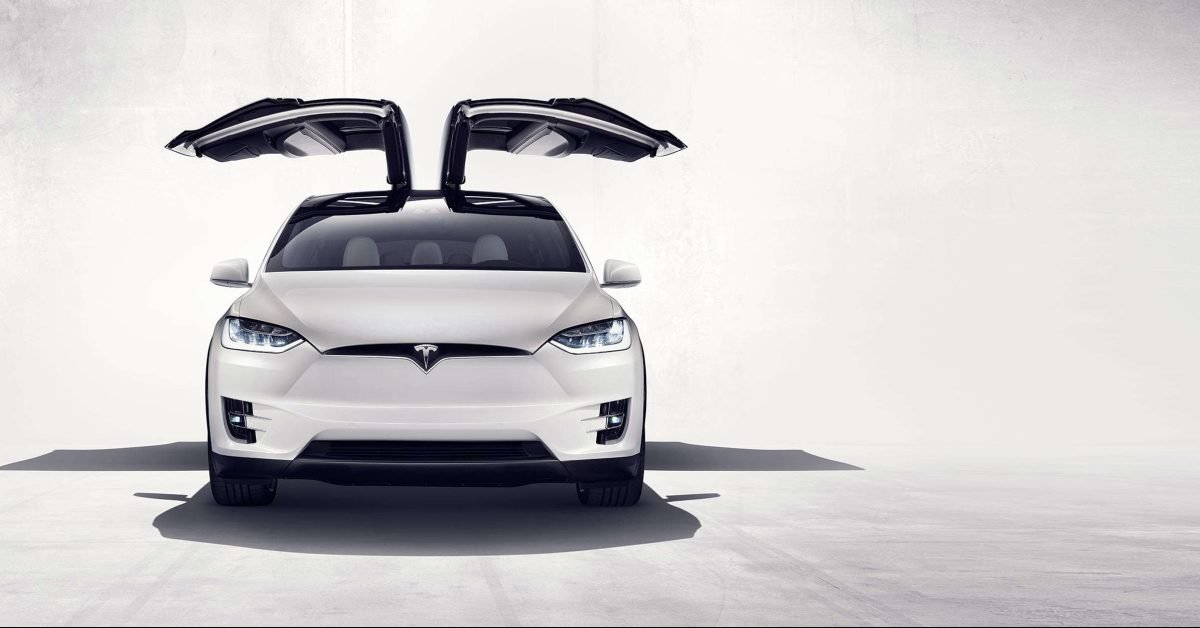
Update: Tesla has now reverted the website to the previous version listing again the 70D indicating that it was an error./ Over the weekend Tesla quietly removed the 70 kWh battery pack option from the Model X reservation page on its website. The move comes just after a Tesla OS hacker revealed that the automaker is working on a bigger 100 kWh battery pack. Now only the P90D and 90D, both equipped with a 90 kWh battery pack, are shown as options on the Model X reservation page. The 70 kWh option is still available on the Model S’ online design studio. Tesla was listing the 70 kWh option on the Model X with a range 220 miles on a single charge, while the 90 kWh option is listed with 257 miles of range. According to statistics gathered by ModelXTracker.com, only 7.7% of Model X reservation holders chose the 70 kWh battery pack option when ordering their vehicle. The delay for delivery could be an important factor in play here considering Tesla is currently only building the P90D and 90D versions of the Model X, which again are both equipped with a 90 kWh battery pack. The Model X 70D wasn’t expected to hit the road until the second half of 2016. We contacted Tesla about the removal of the 70D option from the Model X page and we will update if they get back to us. Following the recent discovery of the P100D badge in Tesla’s software, the company is believed to be working on a new 100 kWh battery pack which would change the options in its vehicle line-up. Last week Tesla also officially confirmed upcoming price changes for the Model S while hinting at “innovations” or “new features” to “improve Tesla vehicles”. While all eyes are on the Model 3 unveiling event this week, a great deal of evidence is pointing to some upcoming updates to Tesla other vehicles. FTC: We use income earning auto affiliate links. More.
6 Solutions to Battery Mineral Challenges
6 Solutions to Battery Mineral Challenges The global transition towards renewable energy and electric vehicles (EVs) has intensified demand for battery minerals like lithium, cobalt, and nickel. However, the mining and supply chain for these minerals face numerous challenges, including environmental concerns, geopolitical issues, and ethical sourcing. Here are six solutions to address these challenges effectively. 1. Sustainable Mining Practices The environmental impact of traditional mining practices has raised significant concerns. Implementing sustainable mining methods, such as reduced water usage, less land disruption, and the adoption of renewable energy sources, can mitigate these concerns. Techniques like biotechnological extraction and closed-loop systems can minimize waste and reduce the carbon footprint, leading to more responsible sourcing of battery minerals. 2. Recycling and Circular Economy Recycling battery materials can significantly reduce the need for new raw materials, decreasing environmental impact and ensuring a continuous supply. Developing efficient recycling processes—like hydrometallurgical methods or direct recycling—can recover valuable minerals from end-of-life batteries. Initiatives that promote the circular economy, encouraging consumers and manufacturers to recycle, are crucial for closing the loop on battery production and consumption. 3. Diversification of Supply Sources Relying heavily on a limited number of countries for battery minerals increases vulnerability to geopolitical tensions and market fluctuations. Diversifying supply sources through exploration in under-explored regions or supporting mining operations in different countries can enhance stability. Collaborations with nations rich in these resources can yield secure and sustainable supply chains, reducing dependency on a few key players. 4. Investing in Alternative Materials Research into alternative materials for battery production can lessen reliance on traditional minerals. For instance, innovations in sodium-ion, solid-state, or other next-generation batteries could potentially replace lithium or cobalt. Investing in research and development of these alternatives can lead to new materials that are more abundant, less hazardous, and easier to source ethically. 5. Ethical Sourcing Initiatives To address concerns around human rights violations associated with mineral extraction, particularly in regions like the Democratic Republic of Congo (DRC) where cobalt is mined, companies should prioritize ethical sourcing. Initiatives like the Responsible Cobalt Initiative and guidelines from the OECD can help ensure that minerals are sourced responsibly. Transparency in supply chains, combined with third-party audits, can boost confidence in ethical practices. 6. Policy and Regulation Support Governments play a crucial role in facilitating sustainable practices within the battery mineral supply chain. Implementing policies that promote sustainable mining, incentivize recycling, and establish stringent ethical sourcing standards is essential. International cooperation to create regulations that govern the extraction and trade of battery minerals can enhance accountability and support sustainable development goals. Conclusion The challenges posed by battery minerals are significant but not insurmountable. By adopting sustainable mining practices, embracing recycling, diversifying supply chains, investing in alternative materials, committing to ethical sourcing, and strengthening policy frameworks, the industry can ensure a reliable and responsible supply of minerals for future energy demands. As we continue to innovate, a collaborative effort among all stakeholders—governments, businesses, and consumers—will be crucial in overcoming these challenges and paving the way for a sustainable energy future.
ABB acquires power electronics firm Brightloop
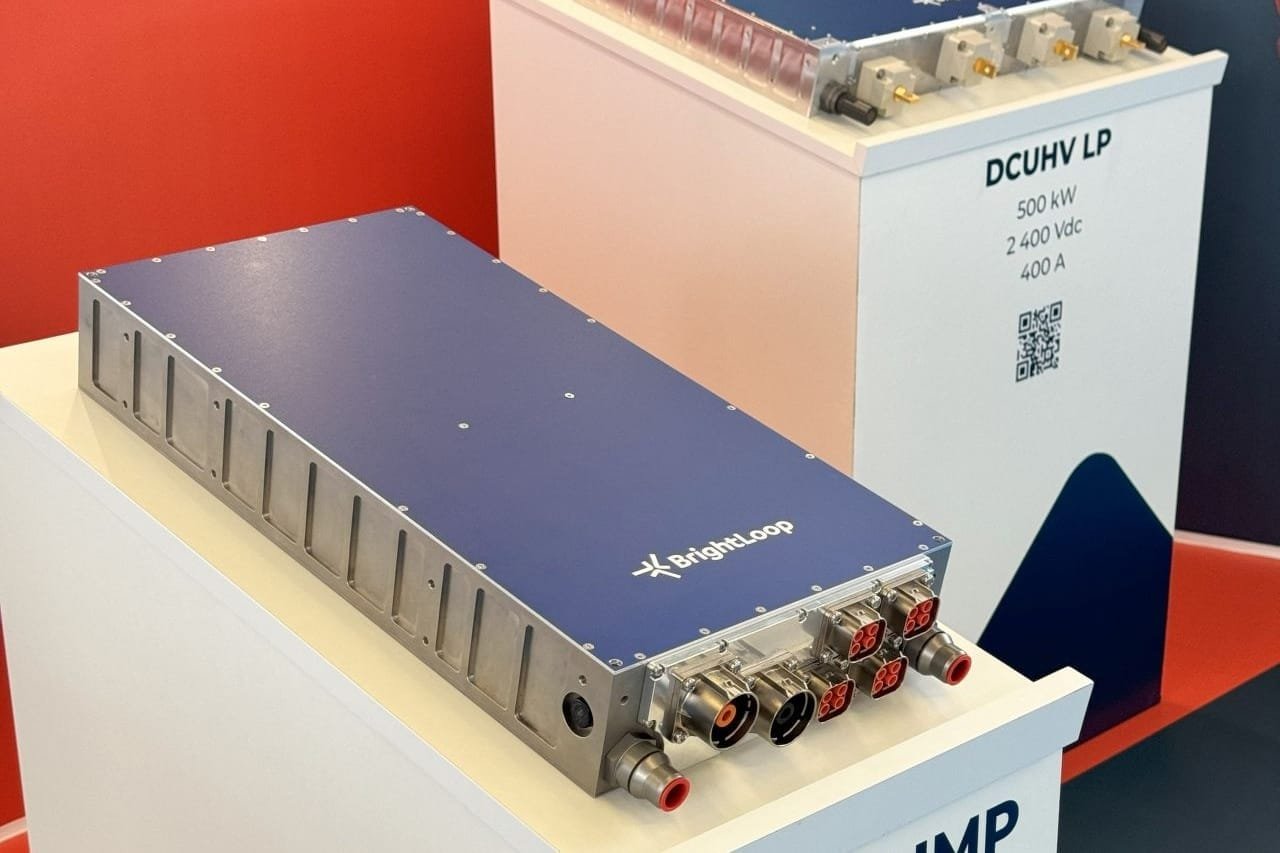
The agreement will see ABB acquire an initial controlling stake of 93 per cent in BrightLoop, with the company expecting to pick up the remaining 7 per cent in 2028. While ABB has not disclosed the financial details, BrightLoop’s management team is expected to remain onboard. The transaction should close in Q3 2025. Founded in Paris in 2010, BrightLoop currently employs approximately 90 people and has undergone sustained growth in recent years thanks to accelerating electrification in its core industries. In 2024, it generated revenues of around €16m. Originally developed for motorsports, BrightLoop’s technology can be found in all racing cars in the Formula E electric car racing series – a sector ABB itself is involved with on the charging side. It has developed a portfolio of high- and low-voltage DC/DC power converters designed for highly efficient, compact and scalable handling of bidirectional current flows. These solutions are now also being used in other sectors, such as off-highway transportation, marine, aerospace, hydrogen mobility, and military. BrightLoop’s power converters are reportedly designed for use in harsh environments where space, weight, and reliability are critical – making them well-suited for the electrification of industrial vehicles and ships. In these applications, electrification increases energy efficiency while significantly reducing fuel consumption, maintenance requirements, and emissions. ABB states that its acquisition of BrightLoop will enable it to expand its delivery of “compact, rugged, and intelligent” power conversion systems for its offerings. It also noted that, moving forward, both companies will remain committed to serving all of its current sectors while expanding market presence. Additionally, ABB plans to maintain BrightLoop’s development and production sites in France while investing in global expansion of the business. Edgar Keller, head of ABB’s Traction division, said: “This acquisition is a strategic leap forward in our mission to help transport industries operate leaner and cleaner. BrightLoop’s software-defined power platform and expertise in high-performance applications will allow us to deliver even more value to our customers as they transition to cleaner, smarter energy systems.” Source: Info via email
Can dimethyl ether replace propane as refrigerant in heat pumps? – pv magazine International

New research from Spain has sought to understand if dimethyl ether and ternary mixtures of carbon dioxide, dimethyl ether and butane could represent an alternative to propane in heat pump systems. Their analysis has shown dimethyl ether could be the best alternative to R290, as it offers the highest coefficient of performance values for both cooling and heating, and avoids issues related to temperature glide. May 16, 2025 Lior Kahana Researchers from Spain’s Jaume I University have tested different refrigerants that might be alternatives to propane (R290) in existing refrigeration and heat pump systems. The scientists investigated, in particular, the performances of dimethyl ether (RE170) and ternary mixtures of carbon dioxide, dimethyl ether, and butane (R744/RE170/R600). “The use of dimethyl ether (DME) has regained again attention during the last years, since it is a fluid with excellent thermophysical and environmental properties (low global warming potential and zero ozone depletion potential),” the scientists said. “However, although this search has been considered from a theoretical perspective as a replacement for R290, it has not yet been experimentally validated.” The researchers started with a thermodynamic analysis of the different refrigerants using the Refprop v.10 software. Different ratios of the ternary mixtures were simulated in a simple vapor compression cycle operating at an evaporation temperature of 0 C and condensing temperature of 50 C. Superheating and subcooling values are set to 4 K and 1 K, respectively. “Concretely, the model indicates that the alternative fluids could offer theoretical coefficient of performance for refrigeration (COPR) increments between 8.3% to 13.5% and coefficient of performance for heat pump (COPHP) increments of between 6.5% to 10.3%,” the team noted. “As the thermodynamic properties are estimated with Refprop due to the absence of adjusted binary mixing coefficients, this work has addressed the analysis using an experimental approach.” The experiment The experimental approach considered R290 and RE170 as pure fluids and 11 blends composed of different proportions of RE170/R600/R744. They were tested in an experimental plant that was adapted for the use of R290. The plant is described as a water-to-water single-stage vapor compression cycle with an electronic expansion valve (EXV). “Condenser and evaporator, built in our lab, are concentric tube-in-tube heat exchangers with the refrigerant flowing through the inner tube and the secondary fluid through the annular space,” the academics said. “These heat exchangers are divided into steps to measure the temperature evolution of the refrigerant along the heat exchanger and to guarantee an accurate thermal measurement in the secondary fluid.” All pure fluids and blends were tested using three approaches: in the drop-in test, R290 was swapped for the new refrigerant without changing the system settings. That is, keeping the test plant with the compressor speed of 2,100 rpm; in the fixed cooling capacity test, the compressor speed was adjusted for the new fluids to have the same cooling power as R290; and in the fixed heating capacity test, it was adjusted for the same heating power as R290. The results According to the results, nearly all the mixtures and RE170 offer higher coefficient of performance (COP) values for heating and refrigeration than R290, while also suffering large reductions in capacity. “In the drop in tests, RE170 offered COP increments in relation to R290 of 29.8% (COPR) and 17.99% (COPHP) with capacity reductions of 17.3% and 24.7%, respectively. In this test, mixture RE170/R600 (92.5/7.5) obtained a 22.8% increase in COPR and a 21.1% increase in COPHP, also with a loss of capacity,” they said. “When the fluids were tested under the fixed cooling capacity scenario, the increments in COPs were reduced. RE170 offered 12.7% COPR and 8.4% COPHP increments with similar values for the mixture RE170/R600 (92.5/7.5). In this case, the compressor speed needed to increase >30%,” they added. “At the fixed heating capacity scenario, again the best fluid was RE170 with COP increments in relation to R290 of 12.8 % (COPR) and 5.1 % (COPHP) with compressor speeds higher up to 41%. Some mixtures offered similar results.” Concluding their results, the academics added that the use of pure RE170 is recommended as the best overall alternative to R290, since it offers the highest COP values for both cooling and heating, and avoids issues related to temperature glide. However, they also affirmed that in systems where compressor size or speed is a limiting factor, mixtures such as RE170/R600/R744 (85/10/5) or (83/9/8) could be a suitable option, as they provide similar performance with slightly lower compressor speed. Their findings were presented in “RE170 (Dimethyl Ether) and ternary mixtures (R744 / RE170 / R600) as alternatives to R290 for refrigeration and heat pump applications,” published in the International Journal of Refrigeration. This content is protected by copyright and may not be reused. If you want to cooperate with us and would like to reuse some of our content, please contact: editors@pv-magazine.com. Popular content
Li-Cycle Announces First European Battery Recycling Facility In Norway

Li-Cycle announced its first European battery recycling facility in Norway. The company formed a joint venture with ECO STOR, a second-life energy storage development business focused on converting used lithium-ion batteries into energy storage systems and Li-Cycle will be the majority owner of the joint venture. ECO STOR and Morrow will be the minority owners. The new joint venture will construct a new spoke, which is a reference to its spoke and hub technologies used in lithium-ion resource recovery. The company touched upon Norway’s leadership in the global EV adoption rate and its path of phasing out sales of new internal combustion engine vehicles within a few months. This would put Norway three years ahead of the 2025 target proposed by its government, and Li-Cycle wants to help Norway establish a facility that would help the nation recycle end-of-life lithium-ion batteries. Li-Cycle noted that Norway has the potential to become a significant supplier of long-term end-of-life lithium-ion batteries. Li-Cycle noted that this is in addition to the sustainable domestic supply of manufacturing scrap that is expected to be generated in Norway as battery manufacturing capacity is increased, thanks to companies such as Morrow. When completed, the Norwegian Spoke will be its first recycling facility outside of North America. Li-Cycle expects to have the capacity to process up to 10,000 tonnes of lithium-ion batteries annually, including battery manufacturing scrap, full EV packs, and energy storage systems. The new Spoke is planned to be operational early next year and is expected to unite the circular and sustainable value chain within the European market. With the new European Spoke, Li-Cycle’s total expected global recycling capacity rises up to 40,000 tonnes of lithium-ion battery input annually. Ajay Kochhar, President, CEO, and co-founder of Li-Cycle, shared thoughts on this momentous step for the company. “This is a significant step for Li-Cycle, as we deploy our proven lithium-ion battery resource recovery solution to the European market and execute on our global growth strategy with key industry partners. Norway’s early leadership in EV adoption and ecosystem is a beacon for electrification globally, creating a robust market for both battery manufacturing scrap and end-of-life batteries domestically. Together with our new partners, we believe we are well-positioned to capitalize on this meaningful opportunity.” ECO STOR will provide the newly formed joint venture with end-of-life lithium-ion batteries, and Morrow will also provide lithium-ion battery manufacturing scrap from its planned battery manufacturing facilities in Norway. Li-Cycle will provide the rest — equipment, technology, technical services, and operational management of the new facility. Li-Cycle will also have the right to acquire all of the facility’s production of black mass. ECO STOR CEO Trygve Burchardt touched upon his company’s history with the development of technologies for second-life EV batteries and why this is important. “As a leading supplier of energy storage solutions in Norway, ECO STOR has pioneered the development of technologies that enable widespread deployment of second-life EV batteries. “Providing batteries with a second life is a significant step on the path to delivering stable, clean, renewable energy and we are pleased to provide a complete recycling solution through our new partnership.” Morrow CEO Terje Andersen spoke about how the new partnership will create a closed material loop ecosystem that supports European customers, while ensuring it can deliver value from battery materials via reuse and recycling. “Localizing the full battery supply chain to Norway’s ‘battery coast’ and South Norway is key to driving down our cell production cost, while simultaneously delivering the world’s most sustainable batteries. This partnership will develop a closed material loop ecosystem supporting European customers and will ensure we continue to deliver value from battery materials through re-use and recycling over the long term.” Koch Engineered Solutions is supporting the execution of the Norway Spoke by constructing, testing, and shipping the modular Spoke facility. Koch and Li-Cycle have been collaborating on key strategic capabilities across the Koch ecosystem, and recently announcing an investment in Li-Cycle. Brian Boster, President of Optimized Process Designs, which is an engineering procurement and construction capability in Koch Engineered Solutions, shared his excitement about the new collaboration and advancing innovation in battery recycling and recovery. “We’re excited to collaborate with Li-Cycle to advance this exciting project in the circular economy value chain. Advancing Innovation in the battery recycling/recovery space adds direct long-term value to our partners and helps ensure a future sustainable battery ecosystem.” Some Thoughts I actually connected with Li-Cycle outside of CleanTechnica when I chatted with Chief Commercial Officer Kunal Phalpher on my gem and mineral podcast. It hasn’t been a full year since that chat, but watching Li-Cycle flourish as it has been is pretty inspiring. In our conversation, Phalpher share the importance of battery recycling and the fact that the company had just recently gotten listed on the New York Stock Exchange. Phalpher told me then that they were excited about that step and excited to grow the business internationally. Although Li-Cycle is a North American company, Norway represents its first step in Europe and it will be exciting to see this company expand to Asia and Australia. Will they? I don’t know. But the future is pretty exciting. Sign up for CleanTechnica's Weekly Substack for Zach and Scott's in-depth analyses and high level summaries, sign up for our daily newsletter, and/or follow us on Google News! Whether you have solar power or not, please complete our latest solar power survey. Have a tip for CleanTechnica? Want to advertise? Want to suggest a guest for our CleanTech Talk podcast? Contact us here. Sign up for our daily newsletter for 15 new cleantech stories a day. Or sign up for our weekly one on top stories of the week if daily is too frequent. Advertisement CleanTechnica uses affiliate links. See our policy here. CleanTechnica's Comment Policy
Tesla confirms base Model 3 will have less than 60 kWh battery pack option, cost is below $190/kWh and falling

Tesla's New Base Model 3: A Game-Changer with a Sub-60 kWh Battery Pack In a strategic move that aims to make electric vehicles (EVs) more accessible, Tesla has officially confirmed that its base Model 3 will feature a battery pack option with less than 60 kWh capacity. This decision not only aligns with the growing demand for budget-friendly EVs but also highlights a trend in battery cost reduction that is expected to reshape the automotive landscape. Key Highlights Smaller Battery, Lower Cost The base Model 3's sub-60 kWh battery pack is designed to balance affordability and efficiency. With production costs expected to drop below $190 per kWh, Tesla is positioning itself to offer a competitive entry-level EV that appeals to a broader demographic. This strategic pricing can potentially usher in a new segment of buyers who have been hesitant to transition to electric vehicles due to high upfront costs. Impact on Range and Performance While details on the exact range and performance capabilities of this new battery pack are still under wraps, the smaller capacity will likely offer a range that is adequate for day-to-day commuting. Tesla's engineering prowess ensures that even a modest battery configuration can deliver impressive performance metrics. It’s reasonable to expect the range to cater to urban environments and short to mid-distance journeys. Battery Technology Innovations Tesla’s leadership in battery technology continues to be a significant differentiator in the market. The company has been reducing costs through innovations in battery chemistry and manufacturing processes. The announcement that battery costs are falling below $190 per kWh signals not only a reduction in production costs but also boosts the competitive position of Tesla against traditional automakers starting to ramp up their EV programs. Broader Implications for the EV Market The introduction of a base Model 3 with a more affordable battery pack is expected to have ripple effects throughout the EV industry: Increased Adoption: As more consumers find electric vehicles within their price range, adoption rates are likely to surge. Competitor Response: Other automakers will need to respond to Tesla’s move, potentially leading to more budget-friendly options across the board. Sustainability Gains: With a lower price point, more people may switch from gasoline vehicles to electric, contributing to a significant decrease in carbon emissions. Conclusion Tesla's announcement of a base Model 3 with a sub-60 kWh battery pack below $190 per kWh marks a pivotal moment in the shift towards sustainable transportation. As the company continues to innovate in battery technology and manufacturing, it not only strengthens its position as a leader in the EV market but also paves the way for a more inclusive future for electric vehicles. The implications of this move will likely be felt for years to come, influencing consumer choices and industry standards alike. As consumers eagerly await more details, it's clear that Tesla is not just building cars but also fueling a movement towards smarter, greener transportation solutions.
Tesla is only manufacturing 75 and 90 kWh battery packs, but will offer 70 as software-limited 75 kWh

Model S Earlier this week, Tesla confirmed that it is introducing its new 75 kWh battery pack to the Model S, like it did for the Model X last month. Now Tesla confirmed that while the option is not available now, it will be by the end of the week, and every updated Model S 70 produced since the ‘facelift’ was equipped with the new 75 kWh battery, but software-limited to 70 kWh. In Tesla’s own words (via a spokesperson): “All 70 kWh Model S with updated styling have been built with a 75 kWh battery pack and the additional energy can be unlocked at anytime through an over-the-air software update. We will continue to offer the 70 kWh energy option at but we will no longer produce the packs; a decision that is the most efficient for Tesla and the most beneficial for our customers.” It would mean that all 70 kWh Model S’s manufactured since mid-April have the option to add 7% energy capacity (or about 19 miles of range) through an over-the-air software update for a $3,000 premium. Advertisement - scroll for more content Tesla will continue to offer the 70 kWh option to maintain the base price of the Model S at $71,500, while streamlining its battery pack production with only 2 options for both the Model S and X: 75 kWh and 90 kWh. The automaker offered a similar deal to early Model S owners in 2012 and early 2013. Buyers who ordered the 40 kWh version when it was still available, all received software-limited 60 kWh battery packs and the choice to unlock the 20 kWh difference for a premium. FTC: We use income earning auto affiliate links. More.