Power Up: The Essential Role of Battery Management Systems in Lithium-Ion Technology
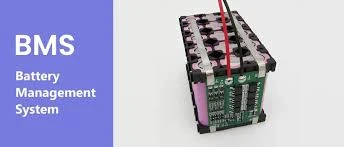
In today's fast-paced world, the demand for efficient, reliable, and powerful energy storage solutions has never been higher. The rise of portable electronics, electric vehicles (EVs), and renewable energy sources has placed lithium-ion batteries at the forefront of energy storage technology. However, as these batteries become more ubiquitous, the need for robust Battery Management Systems (BMS) has grown increasingly critical. This article delves into the essential role of BMS in lithium-ion technology, detailing how they operate, their significance, and their impact on various industries. Understanding Lithium-Ion Technology Lithium-ion batteries have revolutionized energy storage due to their high energy density, low self-discharge rates, and a comparatively lightweight nature. These batteries consist of an anode (typically made of graphite), a cathode (commonly lithium cobalt oxide), and an electrolyte that facilitates the movement of lithium ions between the anode and cathode during charging and discharging processes. The advantages of lithium-ion batteries, such as their ability to hold a significant charge over a prolonged period and their capability to recharge quickly, make them ideal for applications ranging from smartphones to electric vehicles. However, these benefits come with critical challenges, particularly concerning safety, efficiency, longevity, and overall performance. The Role of Battery Management Systems Overview of BMS Functions A Battery Management System is a critical component in advanced lithium-ion battery systems, tasked with ensuring that the batteries operate safely and efficiently. Its primary functions include: Monitoring: BMS continuously tracks the state of the battery cells, including voltage, current, temperature, and state of charge (SoC). This monitoring allows BMS to provide real-time data about battery health and performance. Balancing: Over time, individual cells within a battery may charge and discharge at different rates. Cell balancing ensures that all cells maintain a similar voltage level, which is critical for maximizing the battery's lifespan and performance. Protection: BMS safeguards the battery against overvoltage, undervoltage, overcurrent, and extreme temperatures. These protections are essential to prevent battery failure, which can lead to diminished performance or catastrophic incidents. Communication: BMS serves as the communication bridge between the battery and external devices, such as chargers and energy management systems. This communication is vital for optimizing energy usage, particularly in applications like electric vehicles and renewable energy systems. Data Logging: By tracking and storing various operational parameters, BMS can provide useful insights for diagnostics, performance optimization, and predictive maintenance. Key Components of a Battery Management System A typical Battery Management System consists of several components, each playing a unique role: Microcontroller: Brain of the BMS, overseeing all functions and data processing. Voltage and Temperature Sensors: Monitor individual cell voltage and temperature to prevent hazardous conditions. Balancing Circuits: Active or passive circuits that equalize charge among cells. Communication Interfaces: Enable data exchange with external systems and devices. Power Supply Circuits: Maintain the power necessary for BMS operation. Significance of BMS in Different Applications Electric Vehicles In electric vehicles, the BMS plays a paramount role in managing the battery pack, comprising dozens to hundreds of individual cells. Effective BMS ensures safety and longevity while optimizing the vehicle's performance. Safety: The BMS protects against overheating or overcharging, which is critical due to the potential for thermal runaway—a situation where a battery cell overheats and ignites. Efficiency: By monitoring the state of charge and voltage of individual cells, the BMS can optimize charging cycles, extending battery life and enhancing range. Renewable Energy Systems In renewable energy applications, such as solar panels or wind turbines, effective energy storage is crucial. Here, the BMS facilitates: Energy Management: By balancing charge and discharge cycles and ensuring the battery operates within safe temperature limits, the BMS maximizes energy storage efficiency. Grid Stability: In larger setups, such as grid energy storage, BMS contributes to grid stabilization by managing energy distribution during peak and off-peak hours. Medical Devices The healthcare sector relies on lithium-ion batteries for portable medical devices like pacemakers and insulin pumps. Here, the BMS ensures: Reliability: A robust BMS guarantees consistent power delivery, which is vital for the operation of life-sustaining devices. Safety: Protecting against battery failure by incorporating features like thermal protection and fail-safe mechanisms is critical for medical applications. Challenges and Future Directions Despite the benefits of Battery Management Systems, some challenges remain. As battery technologies evolve, so too must the BMS, addressing concerns such as: Complexity: More advanced technologies like solid-state batteries will require increasingly sophisticated BMS to manage their unique characteristics. Cost: Implementing high-quality BMS can be costly, impacting the overall affordability of lithium-ion technology. Integration: Seamless integration with existing technologies and infrastructure means BMS must adapt quickly to changing industry needs. The Future of BMS Innovations in artificial intelligence (AI) and machine learning stand to enhance BMS capabilities. Predictive algorithms can forecast battery durability and performance based on historical data, enhancing efficiency and reducing downtime. Furthermore, developments in communication technologies such as the Internet of Things (IoT) can lead to smarter energy management systems, enabling real-time monitoring and predictive maintenance. Conclusion Battery Management Systems are indispensable in the lithium-ion ecosystem, ensuring safety, efficiency, and longevity. As demand for lithium-ion batteries grows, especially in electric vehicles and renewable energy applications, the development and improvement of BMS will continue to be vital. As technology evolves, so will the strategies for managing battery systems, paving the way for innovations that promise even greater advances in energy storage and management. FAQ Section 1. What is a Battery Management System (BMS)? A Battery Management System (BMS) is an electronic system that manages the rechargeable battery, ensuring safety, longevity, and performance through monitoring, balancing, protection, and communication. 2. Why do lithium-ion batteries need a BMS? Lithium-ion batteries require a BMS to prevent overcharging, overheating, and imbalances among cells, which can lead to reduced performance or safety
Samsung unveils new high energy density battery prototype, says it could allow electric vehicles range of 373 miles
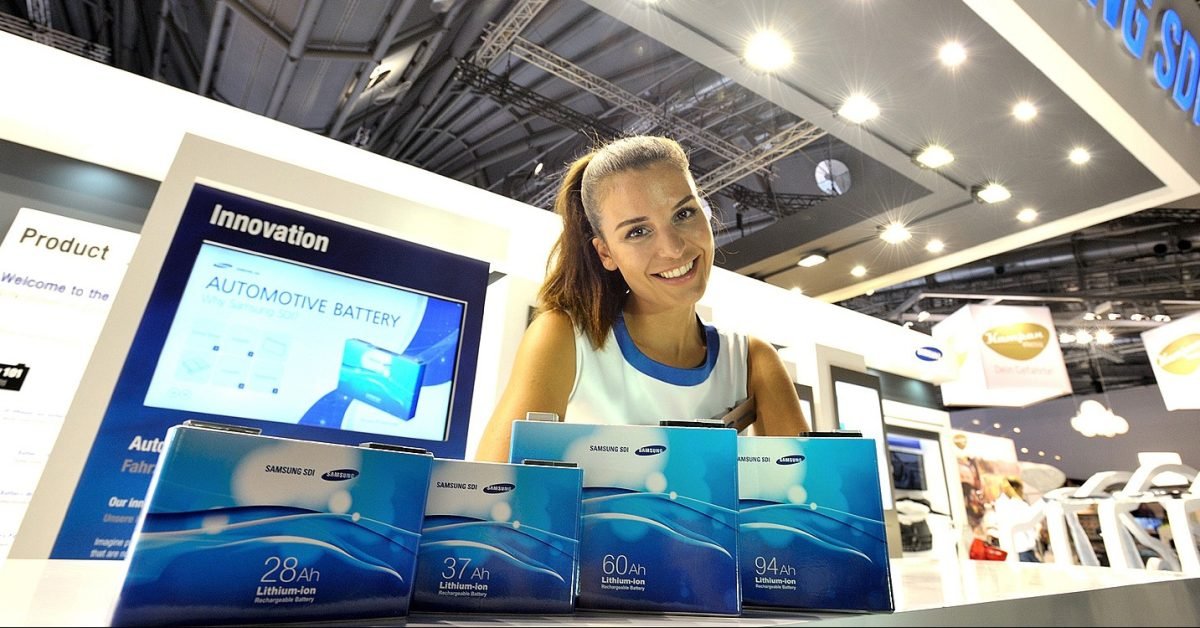
Samsung Unveils Innovative High Energy Density Battery Prototype for Electric Vehicles In a significant advancement for the electric vehicle (EV) industry, Samsung has recently unveiled a groundbreaking prototype of a high energy density battery. This new technology promises to potentially extend the range of electric vehicles to an impressive 373 miles on a single charge, marking a substantial leap forward in battery innovation. The Technology Behind the Prototype Samsung's latest battery prototype utilizes advanced materials and engineering techniques designed to maximize energy density. Energy density refers to the amount of energy that can be stored in a given volume or mass of the battery, which is crucial for enhancing the range of electric vehicles. By increasing the energy density, Samsung aims to reduce the size and weight of the batteries while maintaining or improving performance. Key Features: High Energy Density: The prototype boasts a significantly higher energy density compared to current lithium-ion batteries, which will allow manufacturers to produce lighter and more compact battery packs without compromising driving range. Longer Cycle Life: In addition to improved energy density, this prototype is designed for longevity, offering greater cycle life, which means it can endure more charge and discharge cycles before its performance significantly degrades. Rapid Charging: The new batteries are also engineered to support fast charging, allowing EVs to replenish power quickly—a crucial factor in making electric vehicles more appealing to consumers who are accustomed to the convenience of gasoline refueling. Implications for the EV Market The unveiling of this high energy density battery prototype arrives at a pivotal moment in the transition to electric mobility. As governments worldwide push for greener solutions and consumers become increasingly environmentally conscious, the demand for electric vehicles continues to grow. This innovation not only enhances electric vehicle range but also addresses one of the most significant barriers to widespread EV adoption—range anxiety. With a potential range of 373 miles, many consumers may feel more comfortable transitioning from traditional internal combustion engine vehicles to electric options. Strategic Partnerships and Future Developments Samsung is expected to collaborate with multiple automotive manufacturers to test and refine this battery technology. By integrating these batteries into upcoming vehicle models, manufacturers can unlock new possibilities for design and performance, challenging the existing dominance of conventional engines. As the automotive industry moves toward 2030 and beyond, global standards and competition will likely shift, prioritizing sustainability and electrification. Samsung’s innovation could play a pivotal role in shaping these trends. Challenges Ahead Despite the excitement surrounding this new battery technology, several hurdles must be addressed before widespread adoption: Manufacturing Scale-Up: Transitioning from prototype to production presents significant logistical and technical challenges that need careful planning and execution. Cost Implications: The economic viability of producing high energy density batteries at scale will be crucial in determining whether these innovations can be integrated into the market without significantly raising vehicle prices. Safety and Reliability: Ensuring these new batteries meet safety standards and deliver reliable performance in a variety of conditions will be essential for consumer confidence. Conclusion Samsung’s new high energy density battery prototype opens up exciting possibilities for the future of electric vehicles, promising longer ranges, faster charging, and greater efficiency. As the EV landscape continues to evolve, this technological advancement could be a game-changer, pushing the industry toward a more sustainable future and further accelerating the adoption of electric mobility. The coming years will be critical as Samsung and its partners work to bring this innovative battery technology from prototype to reality, ultimately reshaping the way we think about electric vehicles.
Volvo Cars to slash 3,000 jobs in white-collar cutback

Volvo Cars has announced a significant restructuring plan that will result in the elimination of approximately 3,000 predominantly white-collar positions. This decision is part of a broader strategy aimed at reducing operational costs and addressing challenges such as declining demand for electric vehicles and global trade uncertainties. (reuters.com) Restructuring Details The job cuts represent about 15% of Volvo's office staff and will primarily affect the Gothenburg area, where the company is headquartered. The affected departments include research and development, communications, and human resources. The restructuring is expected to incur a one-time cost of 1.5 billion Swedish crowns (approximately $1.9 billion). (reuters.com) Financial Challenges Volvo Cars has been facing financial strain due to various factors, including increased raw material costs, a slowdown in the European car market, and the impact of U.S. tariffs on imported vehicles. The company has withdrawn its financial guidance for the next two years, citing unpredictable market conditions. (apnews.com) Industry Context The automotive industry is currently navigating a period of transformation, with companies like Volvo Cars investing heavily in electrification and new technologies. However, these investments come with significant costs, and the industry is also contending with external challenges such as trade tensions and changing consumer preferences. (reuters.com) Conclusion Volvo Cars' decision to cut 3,000 jobs is a strategic move aimed at streamlining operations and positioning the company for long-term growth in a rapidly evolving automotive landscape. While the immediate impact on employees is significant, the company emphasizes that these measures are necessary to enhance efficiency and ensure future competitiveness. Volvo Cars Announces Major Job Cuts Amid Restructuring Efforts: Volvo Cars to slash 3,000 jobs in white-collar cutback Volvo Cars cutting 3,000 jobs to reduce costs Trump tariffs force Volvo Cars to drop guidance, launch cost cuts
Unlocking the Potential of Lithium Titanate: The Future of Energy Storage
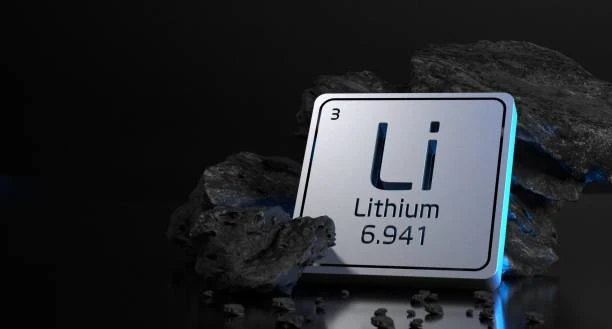
Unlocking the Potential of Lithium Titanate: The Future of Energy Storage As global energy demands rise and the urgency for sustainable solutions intensifies, the search for efficient energy storage technologies has become crucial. Among the promising candidates are lithium titanate batteries (LTO), known for their unique properties that align with the needs of modern energy systems. This article delves into the characteristics, advantages, and potential applications of lithium titanate, positioning it as a key player in the future of energy storage. Understanding Lithium Titanate Lithium titanate is a compound formed from titanium oxide and lithium carbonate. It is primarily used as an anode material in lithium-ion batteries. One of its notable advantages is its ability to provide high power output and rapid charging capabilities, significantly outperforming traditional lithium-ion batteries. The lithium titanate structure allows for a stable, fast intercalation and deintercalation of lithium ions, resulting in rapid charge and discharge rates. Advantages of Lithium Titanate Batteries Fast Charging Capability: One of the most significant benefits of LTO is its rapid charging characteristic. These batteries can be charged to 80% in just 10 minutes, making them ideal for applications where time is critical, such as in electric vehicles (EVs) and grid storage. Long Cycle Life: Lithium titanate batteries exhibit outstanding cycle stability, often lasting more than 20,000 cycles. This longevity reduces the frequency and cost of replacements, making them advantageous for long-term energy storage applications. Wide Temperature Range: LTO can operate efficiently in extreme temperatures, from -30°C to 55°C. This makes them suitable for various environments, including regions with harsh climates. Safety: The chemical structure of lithium titanate reduces the risk of thermal runaway, a common issue with conventional lithium-ion batteries. This enhanced safety feature makes LTO a preferred choice for applications where safety is paramount. Environmental Impact: As society increasingly focuses on sustainability, the reduced use of toxic materials in LTO batteries positions them as more environmentally friendly compared to other battery technologies. Applications of Lithium Titanate Batteries The unique features of lithium titanate batteries make them suitable for a variety of applications: Electric Vehicles: The fast charging capability and long cycle life of LTO batteries present significant advantages for electric vehicles, enhancing user experience and reducing downtime. Grid Energy Storage: As renewable energy sources are integrated into the power grid, energy storage becomes crucial in balancing supply and demand. LTO batteries can store excess energy generated from solar and wind farms, releasing it during peak demand periods. Hybrid Systems: Lithium titanate batteries can be used in combination with other renewable energy technologies to create hybrid systems that optimize energy production and storage. Backup Power Supply: LTO's stability and reliability make it an ideal candidate for backup power systems. Businesses and homes can depend on lithium titanate for uninterrupted power during outages. Consumer Electronics: While less common in smartphones and laptops, the properties of LTO can be valuable in high-demand applications that require fast charging and long cycles. Market Trends and Future Directions The growing need for efficient energy storage solutions empowers lithium titanate batteries to gain traction in various markets. As vehicle manufacturers move towards electric technologies and the worldwide push for renewable energy continues, LTO's adoption is expected to rise. Key trends influencing this growth include: Regulatory Support: Governments are implementing policies that advocate for cleaner technologies, creating a favorable environment for LTO adoption. Technological Advancements: Ongoing research is focused on improving the efficiency and affordability of lithium titanate batteries, fostering competitiveness with alternative energy storage solutions. Increased Investment: The surge in investment in renewable energy systems is likely to enhance the demand for reliable storage solutions, further promoting LTO battery technologies. Challenges Ahead Despite its advantages, lithium titanate batteries face challenges. The initial cost of production for LTO batteries remains higher than that of conventional lithium-ion batteries, primarily due to the materials and manufacturing processes involved. Additionally, the energy density of LTO is currently lower than that of traditional lithium-ion batteries, which can limit their use in applications where space and weight are critical factors. However, ongoing research aims to overcome these challenges by developing cost-effective manufacturing techniques and enhancing energy density through advanced material science. Conclusion Lithium titanate batteries represent a critical advancement in energy storage technology, embodying the future of renewable energy solutions. Their unique characteristics, including rapid charging, long cycle life, safety, and environmental friendliness, position them as vital players in various applications, from electric vehicles to grid energy storage. As research and investment continue to grow, lithium titanate's potential can be unlocked further, creating new pathways towards sustainable energy systems. FAQs 1. What is lithium titanate? Lithium titanate is a compound used in the anodes of lithium-ion batteries, known for its rapid charging abilities and long cycle life. 2. How does lithium titanate compare to conventional lithium-ion batteries? LTO batteries charge faster, have longer cycle lives, operate over a wider temperature range, and are generally safer than traditional lithium-ion batteries. 3. What are the primary applications of lithium titanate batteries? LTO batteries are mainly used in electric vehicles, grid energy storage, hybrid energy systems, and backup power supplies. 4. What are the challenges facing lithium titanate batteries? While LTO offers many advantages, it faces challenges such as higher initial production costs and lower energy density compared to traditional lithium-ion batteries. 5. Is lithium titanate environmentally friendly? Yes, lithium titanate batteries are considered more environmentally friendly as they use fewer toxic materials compared to other battery technologies. 6. What is the future of lithium titanate in energy storage? With growing demand for energy storage due to renewable energy integration, lithium titanate batteries are expected to see increased adoption and further advancements in technology.
Brennerautobahn and Alpitronic put megawatt charging system into operation in Bolzano
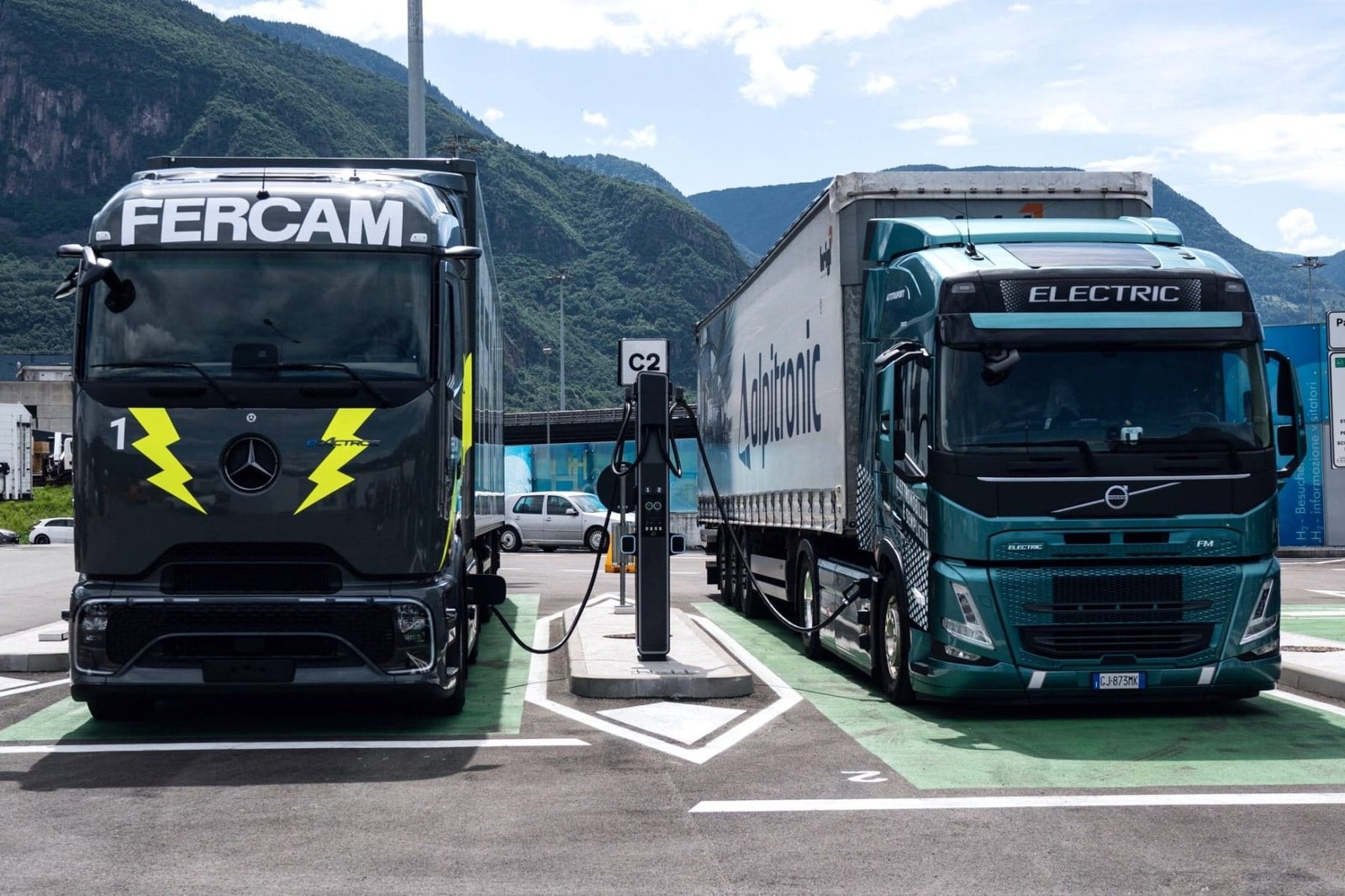
Autostrada del Brennero (A22) and Alpitronic have inaugurated a cutting-edge megawatt charging system in Bolzano, Italy, marking a significant advancement in electric vehicle (EV) infrastructure. This collaboration aims to enhance the charging experience for EV drivers traversing the A22 motorway, a vital corridor connecting Modena to the Austrian border. Introduction of the HYC1000 Megawatt Charging System Alpitronic, a Bolzano-based company renowned for its high-power charging solutions, unveiled the HYC1000 megawatt charging system in February 2025. This state-of-the-art system is designed to deliver up to 1,000 kW of power, enabling ultra-fast charging for multiple vehicles simultaneously. The HYC1000 features a central power cabinet that distributes power to up to four dispensers, each equipped with two charge points, facilitating the concurrent charging of up to eight electric vehicles. For compatible vehicles, this technology allows for a range of up to 300 km in under eight minutes. (electrive.com) Strategic Location and Benefits The new charging hub is strategically located in Bolzano, a key point along the A22 motorway. This placement ensures that EV drivers have access to rapid charging facilities, reducing downtime and promoting the adoption of electric mobility. The integration of the HYC1000 system aligns with Autostrada del Brennero's commitment to transforming the A22 into a green corridor, supporting the European Union's goal of reducing net greenhouse gas emissions by at least 55% by 2030. (autobrennero.it) Future Expansion Plans The successful deployment of the HYC1000 charging system in Bolzano is part of a broader initiative to expand EV charging infrastructure along the A22 motorway. Autostrada del Brennero plans to increase the number of charging stations to over 100 by 2035, including the installation of ultra-fast chargers with capacities up to 300 kW. This expansion aims to meet the growing demand for efficient and accessible charging solutions, facilitating long-distance travel for electric vehicle users. (autobrennero.it) Conclusion The collaboration between Autostrada del Brennero and Alpitronic in launching the HYC1000 megawatt charging system in Bolzano represents a significant milestone in the evolution of electric vehicle infrastructure. By providing high-capacity, rapid-charging solutions, this initiative not only enhances the convenience for current EV drivers but also encourages the transition towards sustainable transportation options across Europe.
Cyprus switches on first significant battery system – pv magazine International

Cyprus has recently inaugurated its first significant battery energy storage system (BESS), marking a pivotal step in enhancing the integration of renewable energy sources into the national grid. This development is part of a broader initiative to address the challenges posed by the intermittent nature of solar power and to reduce the reliance on fossil fuels. Background and Development In 2018, Germany's Autarsys commissioned a 75 kWh lithium-ion NCM battery system in Nicosia, Cyprus. This pilot project aimed to demonstrate the feasibility of scaling up grid-connected renewable energy through energy storage solutions. The system was designed to interact with homes equipped with 3 kWp rooftop photovoltaic (PV) systems, providing services such as power balancing and frequency support to the distribution network. (bestmag.co.uk) Recent Advancements As of early 2024, Cyprus has made significant strides in deploying energy storage solutions. Approximately 25 MW/45 MWh of BESS are operational, primarily in three configurations: Utility-Scale Standalone: A 10 MW/20 MWh system operated by the Transmission System Operator (TSO) for frequency regulation and reserve capacity. Commissioned in 2022, this project has demonstrated the technical feasibility of batteries for grid services in the Cypriot context. (lighthief.energy) Solar-Plus-Storage: Around 8 MW of batteries co-located with solar facilities, designed to shift production to evening hours and provide firming capabilities. Behind-the-Meter Commercial: Approximately 7 MW installed across commercial and industrial facilities, primarily for peak shaving and backup power. These advancements underscore Cyprus's commitment to integrating renewable energy sources and enhancing grid stability. Policy and Regulatory Support The Cypriot government has recognized the importance of energy storage in facilitating the transition to a greener energy mix. In February 2025, the Ministry of Energy, Commerce, and Industry launched a subsidy scheme for energy storage systems paired with existing renewable energy plants. This initiative aims to install approximately 150 MW (350 MWh) of energy storage capacity, with funding from the European Union’s Just Transition Fund. (ess-news.com) Challenges and Future Outlook Despite these positive developments, challenges remain. In 2024, Cyprus curtailed 29% of its renewable energy, a record high that signals risks to the island’s energy transition. (pv-magazine.com) To address this, the government is focusing on expanding energy storage capacity and modernizing the grid to accommodate a higher share of renewable energy. In conclusion, the commissioning of Cyprus's first significant battery energy storage system represents a crucial milestone in the country's renewable energy journey. With continued investment and supportive policies, Cyprus is well-positioned to enhance its energy security, reduce carbon emissions, and lead by example in the Mediterranean region.
Maximizing Efficiency: The Role of Solar Charge Controllers in Lithium-Ion Battery Systems

Introduction As the global shift toward renewable energy intensifies, solar energy has emerged as one of the most viable and environmentally friendly options. The integration of solar power into energy systems, particularly with lithium-ion batteries, presents numerous advantages, including energy storage, management, and efficiency. One essential element of these systems is the solar charge controller (SCC). This article delves into the significance of solar charge controllers in lithium-ion battery systems, exploring their functions, benefits, and the best practices for optimizing energy efficiency. Understanding Solar Charge Controllers Solar charge controllers are pivotal in managing the energy flow between solar panels and batteries. They regulate the voltage and current coming from the solar panels to ensure optimal charging and prevent battery damage. Essentially, they act as intermediaries that maximize energy harvest while safeguarding battery health. Types of Solar Charge Controllers Solar charge controllers can be categorized into two main types: PWM (Pulse Width Modulation) Controllers: PWM controllers modulate the solar panel output to match the battery's voltage. They are generally less expensive and simpler in design but may be less efficient compared to MPPT controllers. MPPT (Maximum Power Point Tracking) Controllers: MPPT controllers use advanced algorithms to optimize the power output from the solar panels. They continuously adjust the electrical operating point of the modules, enabling them to harvest more energy, especially in fluctuating environmental conditions. Key Functions of Solar Charge Controllers Battery Protection: Controllers prevent overcharging and excessive discharging, which can shorten battery life. Voltage Regulation: They maintain a consistent voltage at the battery terminals, crucial for lithium-ion batteries that require specific charging conditions. State of Charge Estimation: Many modern controllers can provide accurate state-of-charge metrics, ensuring users understand their battery's health. Load Management: Some charge controllers can manage the output to various loads based on the energy availability, optimizing the overall efficiency of the system. Data Logging and Monitoring: Advanced SCCs come equipped with features that allow users to monitor performance metrics and trends over time, contributing to better decision-making regarding energy use. Importance of Solar Charge Controllers in Lithium-Ion Battery Systems 1. Maximizing Energy Harvesting In a solar setup, the primary goal is to capture as much sunlight as possible and convert it into usable electricity. MPPT solar charge controllers excel in this aspect, as they continuously adjust the voltage to ensure the maximum power point of the solar panels is utilized. This adaptability is particularly advantageous when the sunlight intensity varies throughout the day. 2. Increasing Battery Longevity Lithium-ion batteries are sensitive to charging practices. Overcharging can lead to thermal runaway, while deep discharging can cause permanent damage. A solar charge controller ensures the battery operates within its optimal charging range, promoting longevity and performance. 3. Enhancing System Efficiency By regulating energy flow and managing voltage, solar charge controllers enhance the overall efficiency of solar energy systems. They prevent energy loss that can occur due to overvoltage, resulting in more reliable energy for users. 4. Cost-Effectiveness While the initial investment in quality solar charge controllers may seem significant, the long-term savings offset these costs. By extending battery life and improving energy efficiency, SCCs reduce the need for frequent replacements, providing a more cost-effective solution in the long term. 5. Environmental Benefits Optimizing the performance of solar energy systems directly impacts environmental sustainability. By maximizing energy use and minimizing waste, charge controllers contribute directly to reducing the ecological footprint of power generation. Best Practices for Maximizing Efficiency with Solar Charge Controllers 1. Choose the Right Section Type Selecting between PWM and MPPT controllers is critical. While PWM controllers may suffice for simpler systems, MPPT controllers are recommended for larger setups or those in varying light conditions due to their efficiency. 2. Match SCC Ratings Ensure that the solar charge controller is appropriately rated for your battery and solar panel specifications. An oversized SCC can overshoot battery charging, while an undersized one may not charge fully. 3. Regular Monitoring and Maintenance Regular checks on the performance of the solar charge controller are essential. Monitoring metrics like voltage, current, and state of charge can help identify potential issues early on, ensuring the entire system operates efficiently. 4. Use High-Quality Components Cheap or low-quality charge controllers often lead to inefficiencies or even system failures. Investing in reputable brands and components ensures reliability and maximal energy output. 5. Consider System Upgrades Over time, technology evolves. If you have an older solar panel or charge controller, consider upgrading to newer, more efficient models. New technologies often provide better efficiency ratings, which translates into better energy yields. FAQs 1. What is a solar charge controller? A solar charge controller is an electronic device that regulates the voltage and current coming from solar panels to batteries, ensuring optimal charging and preventing battery damage. 2. What is the difference between PWM and MPPT controllers? PWM (Pulse Width Modulation) controllers are simpler and generally less expensive but less efficient, while MPPT (Maximum Power Point Tracking) controllers use advanced technology to maximize energy harvest from solar panels, especially in variable sunlight conditions. 3. How do solar charge controllers extend battery life? By regulating the voltage and current during charging, solar charge controllers prevent overcharging and excessive discharging, which helps maintain the health and longevity of batteries. 4. Do solar charge controllers require maintenance? While solar charge controllers are generally low-maintenance, regular monitoring of their performance is recommended to ensure they are functioning efficiently and to identify any potential issues early. 5. Can I use a solar charge controller with any battery type? Solar charge controllers are designed for specific battery types and voltages. It is crucial to choose a controller compatible with your battery's specifications to ensure optimal performance and safety.
VIDEO: Staying ahead of ERCOT and CAISO's evolving BESS revenue opportunities

Staying Ahead of ERCOT and CAISO's Evolving BESS Revenue Opportunities As the energy landscape shifts toward more sustainable solutions, Battery Energy Storage Systems (BESS) have gained significant traction in markets like the Electric Reliability Council of Texas (ERCOT) and the California Independent System Operator (CAISO). Both organizations have recognized the potential of BESS to support grid stability, renewable integration, and ancillary services, leading to a dynamic environment filled with emerging revenue opportunities. This article explores the current landscape, key trends, and strategies for maximizing BESS revenue in these influential markets. Understanding ERCOT and CAISO ERCOT The ERCOT market operates primarily in Texas, overseeing the reliability of the electric grid and fostering a competitive wholesale electricity market. Its unique structure allows for rapid innovation and deployment of emerging technologies, making it a fertile ground for BESS. CAISO In California, CAISO manages the state's electricity grid and has been at the forefront of integrating renewable energy sources. With aggressive climate goals and a commitment to reducing greenhouse gas emissions, CAISO is a key player in promoting BESS as a vital part of the energy transition. The Rise of BESS: Benefits and Applications BESS offers a multitude of benefits: Peak Shaving and Load Shifting: By storing energy during times of low demand and releasing it during peak periods, BESS can reduce the strain on the grid and lower electricity costs. Frequency Regulation: BESS plays a crucial role in maintaining grid frequency stability by quickly injecting or absorbing power as needed. Renewable Energy Integration: Storage solutions allow for greater penetration of renewable resources like solar and wind, helping to mitigate their intermittency. Revenue Opportunities in ERCOT and CAISO ERCOT Revenue Streams Energy Arbitrage: By buying electricity when prices are low and selling it when prices peak, BESS operators can capture significant profits. Ancillary Services: ERCOT offers revenue opportunities through services such as regulation and load resources, where BESS can provide quick responses to grid demands. Capacity Markets: As ERCOT moves toward a more structured capacity market, BESS can participate in auctions to provide backup power, enhancing revenue potential. CAISO Revenue Streams Demand Response Programs: BESS can participate in demand response initiatives, receiving compensation for reducing load during peak hours. Resource Adequacy: In CAISO, securing contracts for resource adequacy can provide stable revenue streams, incentivizing BESS deployment to meet forecasted demand. Participation in the California Renewable Energy Credit Market: BESS can earn credits for supporting renewable generation, tapping into California’s aggressive renewable energy goals. Staying Ahead: Strategies for BESS Operators 1. Market Intelligence and Analysis Operators must stay informed about market trends, regulations, and technological advancements. Utilizing data analytics and intelligence tools can help identify optimal bidding strategies and timing. 2. Flexibility and Scalability BESS installations should be designed for flexibility to adapt to changes in market rules or technological advancements. Scalability will also allow operators to expand their capabilities as demand grows. 3. Collaboration and Partnerships Building partnerships with utilities and other stakeholders can facilitate better market access and shared resources, enhancing overall performance and profit margins. 4. Investment in Technology Investing in advanced energy management systems and predictive analytics can optimize BESS performance, ensuring operators can make timely decisions based on real-time data. Conclusion The evolution of BESS in ERCOT and CAISO represents a significant opportunity for energy stakeholders. By understanding market dynamics and strategically positioning assets, operators can capitalize on emerging revenue streams. As energy markets continue to transform, adaptability and foresight will be crucial in navigating the complexities of BESS integration and realizing its full potential. By harnessing the power of energy storage, stakeholders can contribute to a more reliable, resilient, and sustainable energy future.
Several automakers and battery makers accused of using cobalt sourced by child labor in Congo

Unveiling Dark Secrets: Automakers and Battery Makers Accused of Child Labor in Cobalt Sourcing Introduction The growing electric vehicle (EV) market, heralded as a significant step toward reducing carbon emissions and combating climate change, has been overshadowed by ethical concerns regarding the sourcing of cobalt. A key component in lithium-ion batteries, cobalt is predominantly mined in the Democratic Republic of Congo (DRC), where reports and investigations have revealed shocking instances of child labor and inhumane working conditions. The Cobalt Supply Chain Cobalt is essential for the production of rechargeable batteries used in various electronic devices, including smartphones and electric vehicles. Approximately 70% of the world's cobalt supply comes from the DRC, where artisanal mining—often unregulated and dangerous—is prevalent. Reports indicate that children are frequently employed in these mines, working in hazardous conditions for meager wages. Major Accusations Several automakers and battery manufacturers have come under fire for their involvement in the cobalt supply chain. Investigations by non-governmental organizations, media outlets, and various human rights groups have unveiled troubling practices regarding how these companies source their cobalt. Automakers Involved: Major players, including Tesla, General Motors, and BMW, have faced scrutiny over their cobalt sourcing practices. While these companies have publicly pledged to eliminate child labor and improve supply chain transparency, allegations persist that their batteries may still contain cobalt sourced from mines where child labor is prevalent. Battery Manufacturers: Leading battery suppliers, including LG Chem and CATL, have also been implicated. Reports suggest that these companies may not have robust systems in place to trace the origins of their cobalt, allowing for opaque sourcing practices that perpetuate child labor. The Impact of Child Labor The exploitation of child labor in cobalt mining not only affects the children involved but also has far-reaching implications for the global supply chain. Children, some as young as six, are subjected to long hours of grueling work, often exposed to dangerous conditions that can lead to severe health issues, including respiratory problems from dust inhalation and physical injuries from mining activities. Industry Response and Responsibility In light of the allegations, automakers and battery makers are being called to action. Many companies have initiated programs aimed at responsible sourcing and improving conditions in the DRC. However, critics argue that these efforts are often insufficient and lack the transparency necessary to ensure meaningful change. Certification Schemes: Some automakers are exploring certification programs aimed at ensuring ethical sourcing of minerals. However, the implementation of such schemes can be inconsistent, and there are concerns about the efficacy of audits performed in the region. Investing in Communities: Initiatives that focus on community development, education, and alternative livelihoods for families in mining regions are crucial. By addressing the root causes of child labor, companies can play a significant role in fostering long-term solutions. Consumer Awareness and Ethical Choices Consumers are increasingly seeking transparency and ethical practices from companies they support. The demand for ethically sourced products is growing, prompting many companies to adopt more rigorous supply chain practices. By choosing brands that prioritize ethical sourcing, consumers can help drive change in the industry. Conclusion The allegations against automakers and battery makers regarding the use of cobalt sourced through child labor underscore the complex ethical challenges of the EV transition. As the industry evolves, it is imperative for companies to strengthen their commitments to ethical sourcing and invest in the communities affected by cobalt mining. Only through collective responsibility can we hope to eliminate child labor and ensure a sustainable future for all.
Spedition W&P adds 20 electric trucks to fleet

Spedition W&P Expands Eco-Friendly Fleet with 20 Electric Trucks In a significant step towards sustainable logistics, Spedition W&P has announced the addition of 20 electric trucks to its fleet. This move reflects the company's commitment to reducing its carbon footprint and promoting green transportation solutions in the freight and logistics sector. Commitment to Sustainability As global awareness of environmental issues continues to rise, many companies in the logistics industry are seeking ways to minimize their environmental impact. Spedition W&P's decision to invest in electric trucks aligns with these efforts, showcasing a proactive approach to sustainability. The new vehicles are expected to significantly decrease the company's emissions, contributing to cleaner air and a healthier planet. Benefits of Electric Trucks Reduced Emissions: Electric trucks produce zero tailpipe emissions, which leads to improved air quality in urban areas and contributes to lower greenhouse gas emissions overall. Operational Cost Savings: While the initial investment in electric vehicles may be higher, they often result in lower operational costs. Electric trucks typically have fewer moving parts than traditional diesel trucks, leading to reduced maintenance costs and fuel savings. Regulatory Compliance: As governments worldwide tighten regulations on emissions, adopting electric trucks will help Spedition W&P stay ahead of compliance requirements, ensuring smoother operations and potentially avoiding fines. Customer Appeal: Many consumers are now more conscious of the environmental impact of their choices. By integrating electric trucks into its operations, Spedition W&P can enhance its appeal to eco-conscious customers and businesses looking to reduce their own carbon footprints. Investment in Infrastructure To support this transition, Spedition W&P is also investing in charging infrastructure, ensuring that their electric trucks can be charged efficiently and conveniently. This infrastructure development is crucial for maximizing the operational capabilities of the fleet while minimizing downtime. Future Growth The addition of electric trucks is just the beginning for Spedition W&P. The company has plans to further expand its eco-friendly initiatives, exploring other green technologies and alternative fuel sources to minimize its environmental impact. By leading the charge in sustainable logistics, Spedition W&P aims to set a benchmark for the industry and encourage other companies to follow suit. Conclusion Spedition W&P's commitment to adding 20 electric trucks to its fleet is a commendable step towards a sustainable future in the logistics sector. This initiative not only benefits the environment but also positions the company as a forward-thinking leader in an increasingly competitive marketplace. As the industry evolves, Spedition W&P is paving the way for a greener, more sustainable approach to logistics.
Guarding Your Gadgets: The Essential Role of Protection Circuit Modules
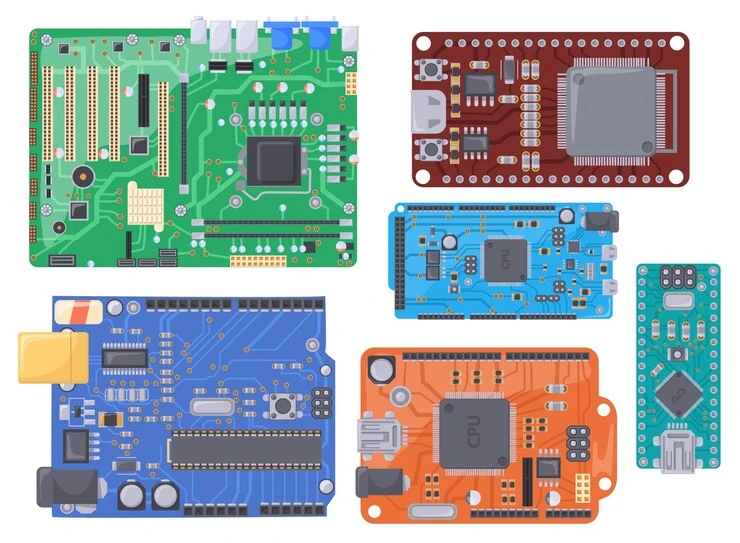
In our increasingly electronic world, gadgets have become integral to our daily lives. From smartphones and laptops to smart home devices and electric vehicles, these technologies enhance convenience, productivity, and connectivity. However, with the proliferation of electronic devices comes the essential need for safety and reliability. One critical component that ensures the longevity and safety of these devices is the Protection Circuit Module (PCM). This article explores the crucial role of PCMs, the technology behind them, and how they protect our precious gadgets. What are Protection Circuit Modules? Protection Circuit Modules, commonly abbreviated as PCMs, are electronic circuits designed to protect battery-operated devices from various electrical hazards. These hazards include overcharging, deep discharging, short circuits, and thermal events. By incorporating PCMs into electronic devices, manufacturers can prevent damage, prolong the lifespan of batteries and components, and enhance user safety. Key Functions of Protection Circuit Modules Overcharge Protection: One of the primary roles of a PCM is to prevent overcharging of lithium-ion and lithium-polymer batteries. When a battery is overcharged, it can lead to excessive heat, swelling, and even explosions. A PCM monitors the battery voltage and disconnects the charging circuit once it reaches a predetermined voltage threshold. Over-discharge Protection: Deep discharging can harm batteries, causing capacity loss and reducing their operational lifespan. The PCM prevents this by disconnecting the load when the battery voltage drops below a specified level. This feature is particularly important in devices that rely on rechargeable batteries. Short Circuit Protection: In some scenarios, a short circuit can occur, leading to a sudden surge of current that can damage components or even cause fires. PCMs detect excessive current flow and disconnect the circuit to prevent danger. Thermal Protection: High temperatures can adversely affect both batteries and electronic components. PCMs are equipped with temperature sensors that can shut down the circuit when critical temperature limits are reached, ensuring safety. Balancing: In applications where multiple batteries are used in series (such as electric vehicles), PCMs can balance the charge between individual battery cells. This function ensures that all cells charge and discharge evenly, maximizing battery performance and lifespan. The Technology Behind Protection Circuit Modules Protection Circuit Modules are typically composed of several key components, including: MOSFETs: Metal-Oxide-Semiconductor Field-Effect Transistors are used for switching. They act as electronic switches that can disconnect the battery when certain thresholds are exceeded. Voltage and Current Sensors: These are essential for monitoring the electrical parameters of the battery and the load, enabling the PCM to make real-time decisions based on the operating conditions. Microcontrollers: Some advanced PCMs contain microcontrollers that allow for smarter protection strategies, including adaptive thresholds and more complex balancing algorithms. Thermal Sensors: Integrated temperature sensors help monitor the device's thermal state and prevent overheating. Applications of Protection Circuit Modules PCMs find widespread usage across numerous applications. Here are a few notable examples: Consumer Electronics: Smartphones, tablets, and laptops extensively utilize PCMs to enhance battery safety and longevity, making them crucial in consumer electronics manufacturing. Electric Vehicles (EVs): In EVs, PCMs manage multiple battery packs, ensuring safe operation under various conditions and maintaining optimal performance through cell balancing. Renewable Energy Systems: PCMs are also utilized in solar power systems and energy storage devices, where they help regulate battery charging and discharging cycles. Medical Devices: Safety is paramount in medical devices. PCMs protect batteries in devices like portable monitors and infusion pumps, ensuring they operate reliably in critical situations. Power Tools: Cordless power tools benefit from PCMs that protect against overheating and deep discharging, ensuring longer tool life and performance. Benefits of Using Protection Circuit Modules Extended Battery Life: By preventing overcharging and deep discharging, PCMs significantly enhance the lifespan of batteries, reducing replacement costs. Enhanced Safety: The primary advantage of PCMs lies in their ability to prevent hazards associated with lithium batteries, such as fire and explosion. Cost-Effectiveness: While incorporating a PCM may add initial costs, the potential savings from avoiding device damage and battery replacements make them a wise investment. Improved Performance: With features like cell balancing, PCMs optimize battery performance, ensuring devices operate at their best. Environmental Impact: Longer-lasting batteries result in fewer batteries being disposed of, contributing to reduced electronic waste and better environmental outcomes. Conclusion In a world that relies heavily on electronic devices, the role of Protection Circuit Modules cannot be overstated. These ingenious components safeguard batteries and extend the lifespan of electronic gadgets, ensuring that they remain functional, safe, and efficient throughout their intended lifecycle. As technology continues to evolve, the importance of PCMs will only increase, helping to innovate safer, smarter devices that enhance our daily lives. FAQs about Protection Circuit Modules Q1: How do I know if my device has a Protection Circuit Module? A1: Most modern rechargeable devices incorporate a PCM, but you can refer to the device's specifications or user manual for details. Look for safety features indicating overcharge, over-discharge, or thermal protection. Q2: Can PCMs be used with all types of batteries? A2: PCMs are primarily designed for use with lithium-ion and lithium-polymer batteries. Other battery types may have different protection needs. Q3: Are there different types of PCMs? A3: Yes, PCMs can vary based on application and complexity. Some are simple circuits with basic protection features, while others are more advanced, incorporating microcontrollers for smart monitoring and balancing. Q4: Can I add a PCM to an existing device? A4: Adding a PCM to an existing device is complex and often not practical. It requires significant technical expertise and may void warranties. It is best to use devices that are already equipped with appropriate PCMs. Q5: How can I maintain the lifespan of my batteries? A5: To extend battery life, avoid exposing batteries to extreme
Mitsubishi Fuso & Iwatani sign MoU for liquid hydrogen truck fuel

Mitsubishi Fuso and Iwatani Sign MoU for Liquid Hydrogen Truck Fuel In a significant step towards sustainable transportation, Mitsubishi Fuso Truck and Bus Corporation has officially signed a Memorandum of Understanding (MoU) with Iwatani Corporation, a leading player in the hydrogen industry. This strategic partnership aims to develop and implement a pioneering liquid hydrogen refueling system for heavy-duty trucks, marking a pivotal advancement in the effort to reduce carbon emissions in the commercial transport sector. The Outlook for Hydrogen Fuel Hydrogen fuel has emerged as a key player in the quest for sustainable energy sources, providing a cleaner alternative to conventional fossil fuels. As countries worldwide redouble their efforts to achieve net-zero emissions, hydrogen-powered vehicles offer a promising route, particularly in sectors with heavy-duty transport needs. This collaboration between Mitsubishi Fuso and Iwatani represents a forward-thinking approach to embracing hydrogen technology, potentially setting new standards for efficiency and environmental stewardship. Key Components of the MoU Joint Development of liquid hydrogen Systems: The MoU outlines a framework for both companies to collaborate on the development of liquid hydrogen storage and refueling technologies. This will involve engineering methodologies and infrastructure that support efficient hydrogen transportation and refueling for trucks. Pilot Projects: The partnership plans to roll out pilot projects that will facilitate real-world testing of liquid hydrogen-powered trucks. These projects will aim at demonstrating the feasibility and efficiency of hydrogen as a viable fuel option in the logistics industry. Infrastructure Investment: Iwatani's expertise in hydrogen production and infrastructure development will play a crucial role in establishing the necessary refueling stations. This investment will help create a reliable network for hydrogen refueling, which is essential for the widespread adoption of hydrogen fuel technology. Sustainability Goals: Both companies share a firm commitment to sustainability. This partnership aims not only to innovate in terms of vehicle technology but also to contribute significantly to reducing greenhouse gas emissions, thereby aligning with global sustainability targets. Industry Implications and Future Prospects The collaboration between Mitsubishi Fuso and Iwatani stands to revolutionize the transportation industry by: Enhancing Fleet Efficiency: Hydrogen fuel cells offer the advantage of faster refueling times compared to battery electric systems. This will appeal to logistics firms that prioritize efficiency and minimal downtime. Reducing Carbon Footprint: As countries tighten regulations on emissions, adopting hydrogen technology can place companies ahead in compliance and sustainability practices. Boosting Economic Growth: By developing hydrogen technologies and infrastructure, this partnership could spur job creation across various sectors, from engineering to energy production. Conclusion The MoU between Mitsubishi Fuso and Iwatani signifies an important stride in the pursuit of sustainable transportation solutions. By integrating liquid hydrogen technology into heavy-duty trucking, both organizations are laying the groundwork for a cleaner, greener future. The success of this initiative could reshape the logistics landscape, encouraging other companies to explore similar avenues in sustainable fuel technologies. As the industry watches closely, this collaboration not only highlights the potential of hydrogen fuel but also reinforces the necessity of partnerships in advancing the global transition towards more sustainable energy solutions.
Power Your World: The Rise of Custom Battery Packs
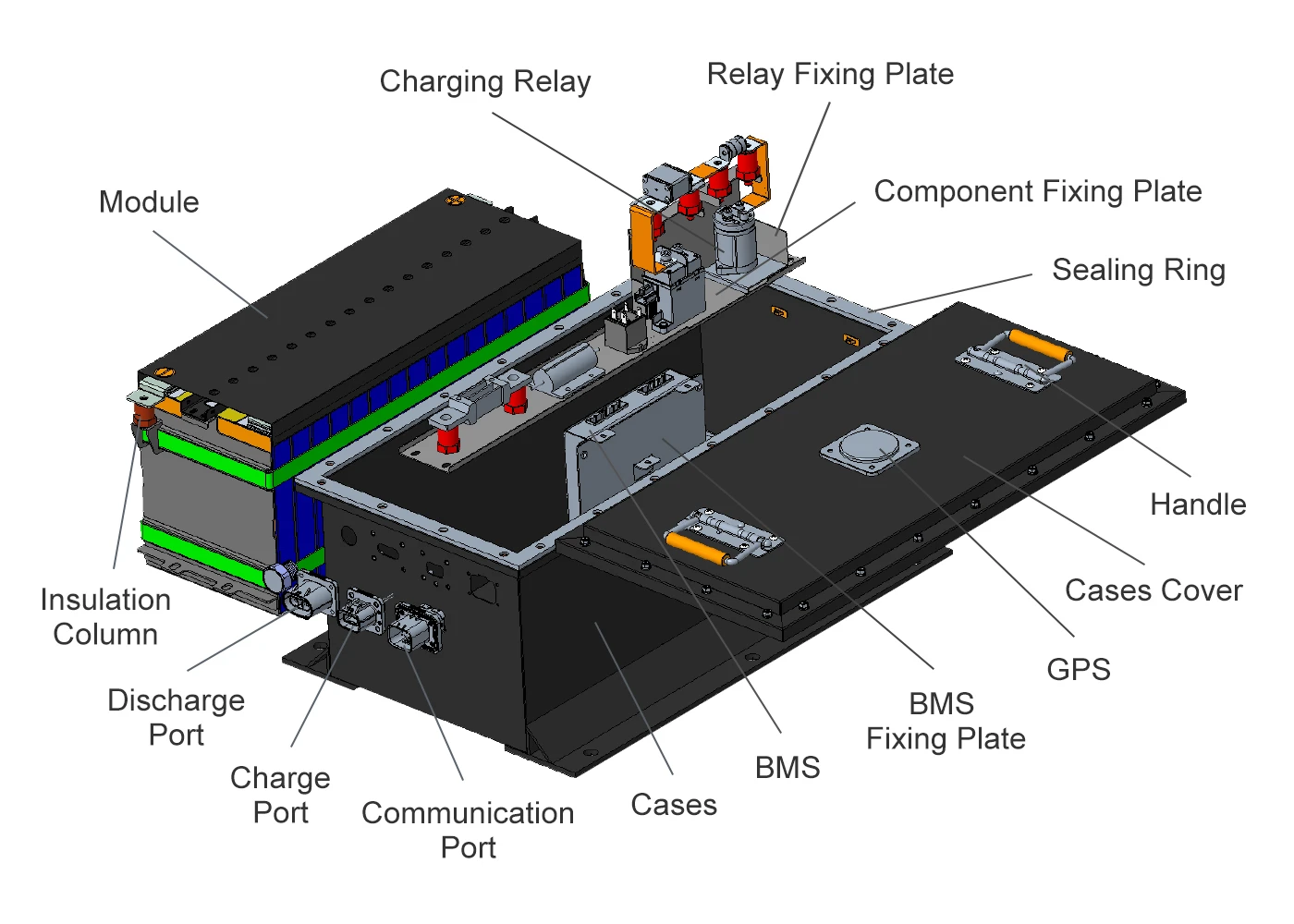
In an age where technological advancements dictate everyday life, the demand for energy-efficient and reliable solutions has never been higher. Custom battery packs are emerging as game-changers across various sectors, from consumer electronics to electric vehicles and renewable energy systems. This article explores the rise of custom battery packs, their benefits, applications, and future prospects. Understanding Custom Battery Packs Custom battery packs are specifically designed power solutions tailored to meet the unique requirements of different devices or applications. Unlike standard off-the-shelf batteries, these packs can be engineered for size, shape, capacity, chemistry, and discharge rates, ensuring an optimal match for a myriad of devices. Heat Shrink Tubing The most common method for holding a battery pack together is heat shrink tubing, typically made from polyvinyl chloride (PVC). Its thickness varies depending on the battery type and configuration, providing insulation and mechanical protection. Lead Wires To connect the battery pack to the end device, vinyl-clad electrical wires that meet UL safety standards are commonly used. Standard wire colors include red for positive and black for negative terminals. Thermal Protection (Thermistors & Thermostats) Thermal protection components, such as thermistors or thermal switches, are integrated into the circuit to prevent overheating and overcharging. These components are connected in-line and are essential for maintaining battery safety and lifespan. Connectors The ends of the lead wires are connected to custom-specified connectors that meet the customer's device interface requirements. Proper connector selection ensures secure and efficient operation. Adhesives Standard industry adhesives are used to bond cells inside the pack, ensuring structural stability. In some cases, customers specify adhesives believed to enhance performance in their particular application. Nickel Strips (Spot Welding) Nickel strips or foil are widely used for spot welding the individual cells together. Nickel is favored due to its low resistance, excellent corrosion resistance, and weldability. Sample Resistance Table of Nickel Strips Cell Size Foil Thickness (cm) Strip Width (cm) Strip Length (cm) Resistance (mΩ) AA 0.018 0.5 1.4 1.0 AA 0.025 0.5 1.4 0.76 Sub C 0.025 0.5 2.3 1.2 Sub C 0.025 1.0 2.3 0.6 Sub C 0.018 0.5 2.3 1.7 D 0.018 1.0 3.3 1.2 D 0.025 1.0 3.3 0.9 D 0.025 2.0 3.3 0.4 Protective Cases Battery packs are often enclosed in injection-molded plastic or metal cases, designed to withstand the operating environment. Custom cases are essential for applications requiring waterproofing, impact resistance, or EMI shielding. ⚠️ Note: Over time, many batteries emit gases such as hydrogen and oxygen. In closed systems (e.g., waterproof devices), adequate ventilation or gas absorption systems are necessary to prevent pressure buildup or fire risk. Electrical Considerations for Custom Battery Packs Understanding Amp-Hours (Ah) Battery capacity is measured in amp-hours (Ah) or milliamp-hours (mAh). 1 Ah = 1000 mAh Capacity (C) = Current (A) × Time (hours) For example:A 5Ah battery can deliver: 0.5A for 10 hours 0.1A for 50 hours Discharge/charge rates are often expressed relative to capacity: C/5 = discharge in 5 hours C/20 = discharge in 20 hours (typical for rated capacity) ⚠️ Faster discharge = lower usable capacity.At high discharge rates, batteries lose capacity due to internal resistance and thermal limits. Example:A 12Ah SLA battery may last: 20 hours @ 0.6A Only 22 minutes @ 12A Self-discharge also reduces run time for very low-current applications. Voltage Requirements Determining voltage requirements involves two steps: Target system voltage Number of cells in series Nominal Voltage of Common Chemistries Chemistry Type Nominal (V) Fully Charged (V) Discharged (V) Min Charge Voltage (V) NiMH Secondary 1.2 1.4 1.0 1.55 NiCad Secondary 1.2 1.4 1.0 1.50 Lead Acid Secondary 2.0 2.1 1.75 2.3–2.35 For example: A 10-cell NiMH pack = 14V when fully charged, down to 10V when discharged. Charging While OperatingIf the system is active while charging, ensure it can tolerate charging voltages, which are higher than the nominal operating voltage. Matching Cells in a Pack All cells in a pack must be closely matched in: Capacity Internal resistance Charge/discharge cycles Failure to match cells can lead to: Cell reversal under load Permanent damage Ventilation and leakage Summary When assembling a custom battery pack, consider the mechanical, thermal, and electrical aspects in detail. Each component—from heat shrink tubing to connectors and BMS—affects overall performance and safety. Design choices such as cell chemistry, spot welding method, and enclosure ventilation must align with your application needs, whether it's for AGVs, golf carts, medical devices, or renewable energy systems. As technology continues to evolve, so too does the potential for custom battery packs. Innovations in battery chemistry, such as solid-state batteries and advancements in recycling technologies, promise to refine and enhance their application. Furthermore, as users become increasingly concerned about sustainability, the development of eco-friendly battery manufacturing processes and materials will likely drive demand for custom battery solutions. The emergence of IoT (Internet of Things) devices also spells opportunities for tailored battery packs. As the number of connected devices surge, so will the intricacies of battery requirements, paving the way for innovative designs. Conclusion The rise of custom battery packs represents a significant shift in how we think about energy solutions. With their tailored performance, space efficiency, and adaptability across various applications, they’re poised to power our world in ways we are just beginning to understand. As technology advances and the demand for renewable energy solutions pulsates, custom battery packs will play an integral role in shaping a sustainable and efficient future.
Maximizing Performance: The Essential Role of Battery Management Systems in LiFePO4 Technology
As the demand for sustainable energy solutions grows, lithium iron phosphate (LiFePO4) batteries are gaining popularity across various industries. Known for their stability, safety, and longevity, these batteries represent a significant advancement in energy storage technology. However, to harness their full potential, an effective Battery Management System (BMS) is essential. This article explores the critical role of BMS in maximizing performance, enhancing safety, and ensuring the longevity of LiFePO4 battery systems. Understanding LiFePO4 Technology LiFePO4 batteries belong to the lithium-ion family and are recognized for their unique chemistry that provides high thermal stability and improved safety compared to other lithium batteries. They have become increasingly popular in applications ranging from electric vehicles (EVs) and renewable energy systems to portable electronics and industrial applications. Advantages of LiFePO4 Batteries Safety: LiFePO4 chemistry is less prone to overheating and thermal runaway, making these batteries safer under various conditions. Longevity: With a cycle life of over 2,000 cycles, they demonstrate excellent longevity, which is ideal for applications requiring long-lasting performance. Stable Voltage: The voltage of LiFePO4 cells remains constant over most of their discharge cycle, providing reliable energy output. Environmental Impact: They are free from toxic metals like cobalt or nickel, making them more environmentally friendly. The Role of Battery Management Systems (BMS) A Battery Management System (BMS) is a crucial component in any battery setup, particularly for LiFePO4 technology. It oversees and manages the performance of the battery to ensure optimal operation. Here are the key functions of a BMS: 1. Monitoring The BMS continuously monitors the voltage, current, and temperature of each cell within the battery pack. This real-time data facilitates early detection of potential issues, such as cell degradation or overheating, allowing for preventive measures to be taken. 2. Protection Effective BMS design includes various protection mechanisms to prevent over-voltage, under-voltage, over-current, and short circuits. By actively managing these parameters, the BMS enhances the safety of the LiFePO4 battery and reduces the risk of failure or fire. 3. Balancing In a multi-cell battery configuration, cell balancing is critical to ensure that all cells charge and discharge uniformly. A BMS employs passive or active balancing techniques to equalize the charge levels of individual cells, enhancing performance and extending the overall lifespan of the battery pack. 4. State of Charge (SOC) and State of Health (SOH) Estimation The BMS calculates the state of charge (SOC), indicating how much usable energy is left in the battery, and state of health (SOH), which represents the overall condition and longevity of the battery. Accurate SOC and SOH estimations are essential for effective energy management and can greatly impact usage in applications like electric vehicles. 5. Communication Modern BMS units often incorporate communication protocols to relay information to external devices, such as displays or other system components. This connectivity allows for better user control and enables integration with energy management systems, enhancing the utilization of stored energy. Importance of BMS in Maximizing LiFePO4 Performance Integrating a robust BMS with LiFePO4 batteries not only improves safety and performance but also significantly extends the battery's lifespan. Here are some specific ways in which BMS contributes to the performance maximization of LiFePO4 technology: 1. Increased Efficiency By actively managing the charge and discharge processes, the BMS ensures that energy is used efficiently, minimizing waste and improving the overall efficiency of the system. 2. Optimized Battery Lifespan With its ability to monitor and balance the cells, the BMS can reduce wear and tear on individual cells, leading to a longer lifespan and reduced replacement costs over time. 3. Enhanced Application Versatility The adaptability of BMS in various applications—from electric cars to stationary energy storage solutions—enables the deployment of LiFePO4 batteries in a diverse range of environments and conditions while maintaining high performance. 4. Data Analysis for Continuous Improvement BMS can collect historical data on battery performance and usage patterns. This information can be analyzed to optimize charging strategies, identify areas for improvement, and refine future designs. Conclusion In the rapidly evolving landscape of battery technology, maximizing the performance of LiFePO4 batteries is paramount. A well-designed Battery Management System is indispensable in this regard, performing vital roles from monitoring and protection to balancing and communication. As industries increasingly turn to LiFePO4 for safe, efficient, and sustainable energy storage solutions, the importance of integrating advanced BMS technology cannot be overstated. By ensuring optimal performance and longevity, these systems pave the way for a more reliable and sustainable energy future.
NiCd Batteries: The Unsung Heroes of Renewable Energy Storage
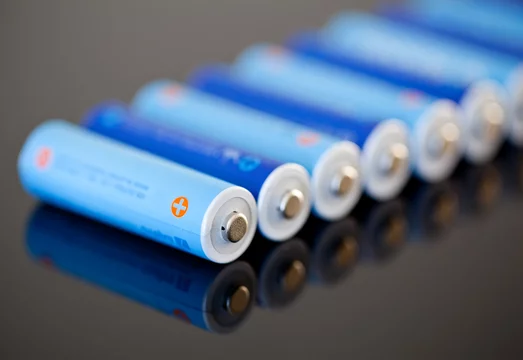
In the world of renewable energy, we often hear about cutting-edge technologies like lithium-ion batteries and flow batteries. However, nestled quietly in the background is a veteran player—Nickel-Cadmium (NiCd) batteries. While they may not be the flashy stars of energy storage, their resilience, versatility, and long-standing track record make them invaluable in specific applications, particularly in renewable energy systems. A Brief Overview of NiCd Batteries NiCd batteries consist of nickel oxide hydroxide as the positive electrode and cadmium as the negative electrode. Known for their robustness, these batteries have been used for over 100 years, appearing in various applications from electronics to electric vehicles. Advantages of NiCd Batteries Durability and Longevity: NiCd batteries are renowned for their long cycle life, often lasting over 2,000 charge-discharge cycles. This longevity makes them an appealing choice for applications where regular replacement would be costly or impractical. Wide Operating Temperature Range: These batteries can function effectively in a broader temperature range than many alternatives, from -40°C to +60°C. This attribute is particularly beneficial in renewable energy setups located in extreme climates. Rapid Charging: NiCd batteries can be charged quickly, making them suitable for applications requiring a fast turnaround, such as backup power systems. High Discharge Rate: They are capable of delivering high current for short periods, making NiCd batteries ideal for applications requiring bursts of energy, like powering tools or emergency lighting. Cycle Efficiency: Unlike some other battery types, NiCd exhibits minimal voltage depression effect, allowing for consistent performance during discharge and easier maintenance of energy levels. Applications in Renewable Energy NiCd batteries may not dominate the market but are critical in specific contexts: Off-Grid Solar Systems: For remote areas relying on solar energy, NiCd batteries provide reliable energy storage. Their resilience and quick charge capabilities ensure a steady power supply, even in unpredictable weather. Wind Energy: Wind energy systems often use NiCd batteries for energy storage solutions, particularly in isolated locations. The batteries can support grid independence and ensure the reliability of power generation. Backup Power Systems: Many critical infrastructure facilities, including hospitals and telecommunications centers, utilize NiCd batteries due to their longevity and ability to perform well under rigorous conditions. Environmental Considerations Despite their advantages, the use of NiCd batteries is not without its challenges. Cadmium is a toxic metal, and improper disposal can lead to environmental contamination. However, advancements in recycling technologies have improved the recovery of cadmium from used batteries, mitigating the environmental impact. Furthermore, regulations ensure that used NiCd batteries are managed responsibly. The Future of NiCd Batteries As the world shifts toward greener energy solutions, the role of NiCd batteries may transform but not diminish. Their unique properties offer solutions in niche areas where newer technologies may falter. Additionally, ongoing developments in battery recycling and cadmium recovery can improve their sustainability profile. Conclusion Nickel-Cadmium batteries may not be the future of energy storage, but their proven reliability and versatility make them unsung heroes in the renewable energy sector. From off-grid applications to backup power systems, they continue to provide essential support as we transition to more sustainable energy sources. As we explore the next wave of battery technologies, it's crucial to recognize and appreciate the foundational role played by NiCd batteries in the renewable energy landscape.
Tesla and Panasonic are leading the almost 100 GWh of new li-ion battery cell production to come online by 2020

The Electric Future: Tesla and Panasonic's Dominance in Li-Ion Battery Production As the world shifts towards sustainable energy and electric vehicles (EVs), the demand for lithium-ion (li-ion) batteries is surging. At the forefront of this evolution are industry giants Tesla and Panasonic, poised to lead an impressive increase in global battery production capacity. By 2020, an estimated nearly 100 GWh of new li-ion battery cell production is set to come online, transforming the automotive landscape and bolstering the renewable energy sector. The Power Partnership: Tesla and Panasonic The strategic alliance between Tesla and Panasonic has proven pivotal in scaling battery production. Their collaboration began in 2009 but gained momentum with the establishment of the Gigafactory in Nevada. This massive facility, equipped to produce lithium-ion batteries at an unprecedented scale, aims to reduce costs and meet the escalating demand for EVs and energy storage solutions. The Gigafactory’s innovative approach focuses on vertical integration, wherein Tesla and Panasonic work closely to streamline production processes. This partnership not only facilitates a faster manufacturing timeline but also ensures high-quality battery cells capable of powering Tesla’s innovative vehicles. Impact on Production Capacity As of 2020, the anticipated 100 GWh increase in li-ion battery production includes not just the output from the Gigafactory but also contributions from various global players entering the market. Analysts estimate that several new battery plants are expected to come online, offering a breadth of options for automakers transitioning to electric power. Tesla and Panasonic’s production at the Gigafactory alone is expected to contribute a sizable portion of this capacity, emphasizing the importance of their partnership. Their combined expertise and resources have established a benchmark in battery technology, pushing competitors to innovate rapidly. The Push for Sustainability The rise of li-ion battery production is not just about meeting consumer demand; it also aligns with broader sustainability goals. Countries are adopting stricter emissions regulations, driving the transition from combustion engines to electric vehicles. As automakers embrace this change, access to affordable and high-performance batteries becomes increasingly essential. Tesla and Panasonic’s efforts play a critical role in facilitating this shift by investing in eco-friendly production methods and sustainable sourcing of materials. Their focus on sustainability extends beyond just battery cells, encompassing the entirety of the supply chain. Competitive Landscape While Tesla and Panasonic are leading the charge, they aren’t alone. Other companies, including LG Chem, CATL, and Samsung, are also ramping up production, contributing to the overall capacity increase. This competitive environment is essential for innovation, driving down costs and enhancing battery technology. As the market evolves, the partnerships and strategies adopted by these companies will shape the future of electric mobility and energy storage. Advances in battery technology, such as solid-state batteries and improved recycling processes, are on the horizon, promising to further revolutionize the industry. Conclusion: A Transformative Era The anticipated increase of almost 100 GWh of li-ion battery cell production by 2020 represents a significant milestone in the transition to a sustainable future. With Tesla and Panasonic at the forefront, the automotive and energy sectors are poised for a transformation that will redefine mobility and energy consumption. As electric vehicles become more mainstream and energy storage solutions enhance our renewable energy capabilities, the collaboration between these two industry leaders will continue to play a crucial role in shaping a greener planet. The momentum generated by their partnership is not just a glimpse into the future of transportation; it’s a vital component of achieving global sustainability goals.
Powering the Future: Innovations in Battery Supply Chain Management
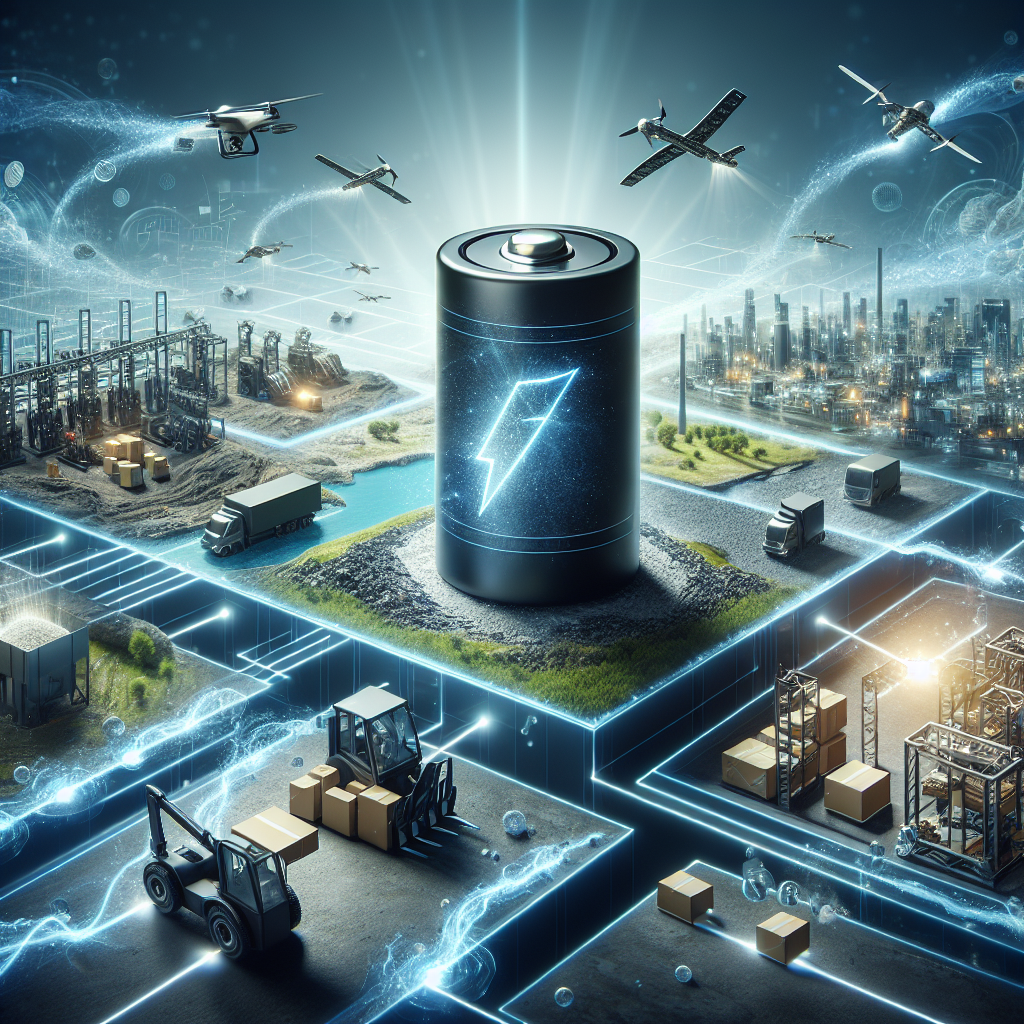
Introduction The global demand for batteries has skyrocketed, driven by the rise of electric vehicles (EVs), renewable energy storage, and consumer electronics. As such, effective battery supply chain management has become crucial for ensuring efficiency, sustainability, and profitability. This article explores the latest innovations that are transforming battery supply chain management. The Rise of Electric Vehicles Electric vehicles are leading the charge (pun intended) in increasing battery demand. As more automakers pivot towards EV production, managing the supply chain for lithium-ion batteries has become a priority. Innovations in sourcing raw materials, manufacturing processes, and logistics are essential to meet the ongoing demand. Raw Material Sourcing and Sustainability One of the significant challenges in battery supply chains is the sourcing of raw materials like lithium, cobalt, and nickel. Companies are now investing in: Recycling Technologies: Advanced recycling methods are being developed to recover valuable materials from old batteries, reducing the need for new mining operations. Ethical Sourcing: More firms are adopting responsible sourcing practices, ensuring that materials are obtained in a way that respects human rights and the environment. Advancements in Manufacturing Processes Efficiency in battery production is paramount. Recent advancements include: Automation: The introduction of robotic systems and AI in manufacturing helps streamline production, reduce labor costs, and increase accuracy. 3D Printing: Innovative 3D printing techniques allow for rapid prototyping and production of battery components, accelerating the time-to-market. Logistics and Transportation Once batteries are manufactured, efficient logistics must be in place. Innovations in this area include: Blockchain Technology: Utilizing blockchain for transparency helps track the entire supply chain, ensuring accountability and reducing fraud. Smart Transportation: IoT devices and advanced software enhance fleet management and route optimization, reducing delivery times and costs. The Role of Digitalization and Data Analytics Data analytics and digital solutions are reshaping the ways supply chains operate. Key advancements encompass: Predictive Analytics: By leveraging big data, companies can forecast demand more accurately and adjust their supply chains accordingly. Cloud Computing: Enhanced collaboration among stakeholders is made possible through cloud-based platforms, facilitating real-time updates and insights. Conclusion As society moves towards a more sustainable future, the importance of innovating in battery supply chain management cannot be overstated. With advancements in raw material sourcing, manufacturing processes, logistics, and data analytics, companies are better equipped to meet the challenges posed by the growing battery market. These innovations not only enhance efficiency but also contribute to a more sustainable approach to energy storage and consumption.
Seat: EV production in Spain takes shape

The components are intended for two electric models scheduled to enter production in Martorell from 2026 – starting with the Cupra Raval, followed by the VW ID.2. The first pre-series battery systems have already left the assembly facility, according to the Spanish VW subsidiary. The battery assembly plant, announced in 2023, is directly connected to Hall 10, where the Cupra Raval and VW ID.2 will be built. Seat thus remains on track. When the €300 million battery assembly project in Martorell was unveiled, 2025 was set as the target for completion. Pre-series production allows Seat to test systems, processes, and products under real-world conditions ahead of the series launch – all while final machines for mass production are still being installed. “During this phase, the pre-series battery assembly process combines automated stations with manual tasks. Once completed, the plant will have fully robotised processes and a total workforce of 500 professionals,” Seat said. The systems are designed to produce up to 300,000 battery packs per year, intended solely for Martorell-built EVs. For VW’s Pamplona plant – which will produce the Skoda Epiq and VW ID.2X SUVs – battery packs will be sourced elsewhere. Simultaneously, construction is ongoing for a 600-metre-long bridge fitted with a conveyor system to transport the battery packs directly to vehicle assembly. Seat aims to ensure #a continuous supply coordinated with the pace of production’. Earlier this year, Seat relocated production of its combustion-powered Ibiza and Arona small cars to Line 3 at the Martorell plant near Barcelona. This allowed Line 1 to be prepared for the forthcoming ‘Electric Urban Car.’ At the time, the Spanish VW brand also announced that pre-series production would begin this year, with series production to follow at an unspecified point in 2026. In line with this, it is not only the battery systems entering pre-series production, but also the first bodywork equipment. The new PXL press is expected to enhance the manufacturing process significantly, making ‘large parts with superior efficiency’, according to Seat. It is designed to perform 15 press strokes per minute, with an annual output capacity of up to four million parts. Despite this critical phase for Seat, Production Director Markus Haupt cannot fully focus on the pre-series ramp-up. Long-standing CEO Wayne Griffiths – instrumental in developing the Cupra brand – stepped down at the end of March at his own request. Since April, Haupt has been acting as interim CEO for both Seat and Cupra, alongside his production responsibilities. “The assembly of the first battery systems in our new plant and the production of body parts on the new PXL press for the future electric models we will manufacture in Martorell is a key milestone in our electrification process,” highlights Markus Haupt, Interim CEO of SEAT and CUPRA and Executive Vice-President for Production and Logistics at SEAT S. A. “This is a decisive year, as we continue to prepare for the start of series production of the Brand Group Core’s Electric Urban Car family in 2026, starting with the CUPRA Raval, with the vision of leading electromobility in the Iberian Peninsula.” seat-cupra-mediacenter.com