Ontario commits $92M more to EV infrastructure
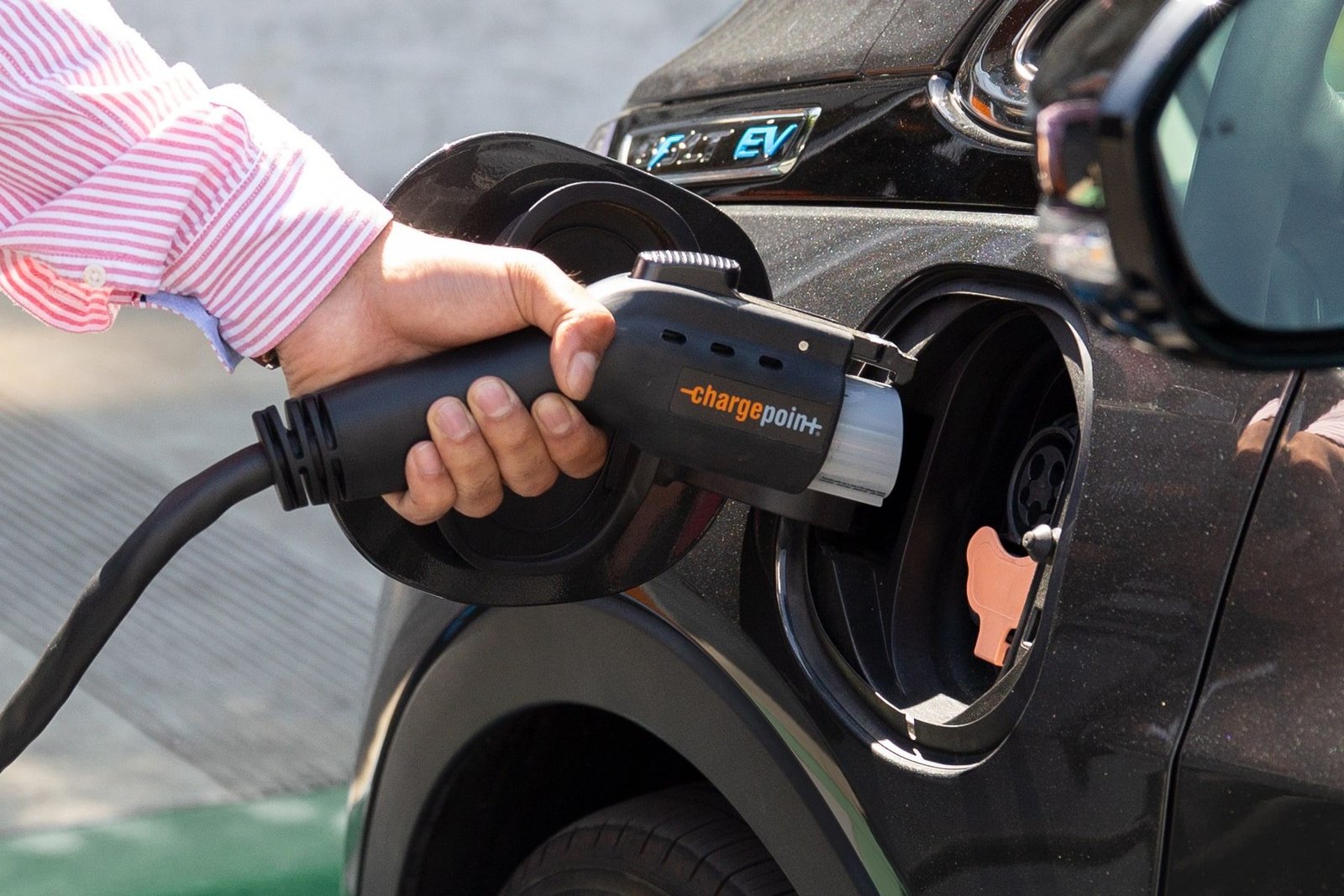
Ontario is significantly increasing its commitment to electric mobility, topping up its ChargeON programme with an additional CAD 92 million (around 58.7 million euros) as part of the province’s 2025/2026 budget. The new funding lifts the total provincial investment in public EV charging infrastructure to CAD 180 million, according to documents released alongside the budget. ChargeON, launched to expand access to public EV charging, distributes funds via two channels: the Community Sites Stream and the Government Sites Stream. The former is a competitive, grant-based mechanism targeting private, public, non-profit and Indigenous applicants, while the latter supports the installation of chargers at strategic provincial government locations such as highway rest areas, Ontario Parks, and carpool lots. “The additional investment will ensure continued deployment of EV chargers in key areas across the province,” the government notes in the budget. The goal is to ‘improve EV charging infrastructure, reduce range anxiety, fill gaps in underserved areas, and build a more affordable and connected charging network.’ The budget also states that over 270 projects have been approved for funding as part of the ChargeOn programmme, ‘which will deliver over 1,300 new EV charging ports across the province’. A further 15 government-owned sites are also in the pipeline for charger installations. Beyond infrastructure, the budget reflects a broader ambition: to anchor Ontario as a resilient hub in the global EV supply chain. CAD 46 billion has been allocated towards securing and growing the province’s EV and battery sectors, including partnerships with initiatives such as the Ontario Vehicle Innovation Network (OVIN). “The imposition of U.S. tariffs has highlighted the urgent need to bolster Ontario’s economic resilience,” the budget asserts. “In the face of economic uncertainty, the government is doubling down on its plan to build.” budget.ontario.ca
Port of Antwerp-Bruges introduces electric tugboat

Port of Antwerp-Bruges Introduces Electric Tugboat: A Step Towards Sustainable Shipping The Port of Antwerp-Bruges, a key player in global logistics and shipping, has taken a significant step towards sustainability with the introduction of its first electric tugboat. This innovative initiative aligns with the port’s commitment to reducing carbon emissions and promoting environmentally friendly practices within the maritime industry. Innovations in Maritime Technology The new electric tugboat, named “E-Tug,” is equipped with advanced battery technology designed to minimize environmental impact while maintaining operational efficiency. Unlike traditional tugboats that rely on diesel engines, the E-Tug’s electric propulsion system allows for quieter operations and a substantial reduction in greenhouse gas emissions. This vessel represents a critical advancement in maritime technology, leveraging electric power to promote cleaner shipping practices. The tugboat is not only a tool for maneuvering ships within the harbor but also serves as a testament to the port's investment in sustainable innovation. Benefits of the E-Tug Environmental Impact: The E-Tug will drastically reduce the port's carbon footprint, which is a significant concern for global shipping hubs. The initiative contributes to the broader goal of achieving net-zero emissions in the maritime sector. Operational Efficiency: The electric tugboat offers lower operational costs compared to traditional tugboats. Reduced fuel expenses and maintenance costs contribute to the economic viability of electric vessels. Community Engagement: The introduction of the E-Tug is also aimed at fostering community support and engagement regarding environmental sustainability. The Port of Antwerp-Bruges is dedicated to raising awareness about the importance of eco-friendly practices in shipping. Strategic Importance As one of Europe's largest ports, the Port of Antwerp-Bruges plays a pivotal role in international trade and logistics. The implementation of electric tugboats is not just an isolated effort but part of a broader strategy to position the port as a leader in sustainability. The Port Authority continues to explore further innovations, including investments in renewable energy sources and the development of a zero-emission shipping corridor. By focusing on sustainable technologies, the port aims to attract more environmentally conscious businesses and shipping companies. Future Prospects The introduction of the E-Tug is just the beginning. Antwerp-Bruges plans to evaluate the performance of this electric vessel over the coming years, with the potential for a fleet of electric tugboats in the future. The success of the E-Tug could pave the way for more sustainable practices in the industry, encouraging other ports worldwide to follow suit. As global shipping faces increasing pressure to become more sustainable, the Port of Antwerp-Bruges is setting a precedent. The launch of the electric tugboat is not just a technological advancement; it symbolizes a significant shift towards greener practices that can inspire change across the maritime sector. Conclusion The Port of Antwerp-Bruges’ introduction of its electric tugboat marks a remarkable achievement in the quest for sustainable shipping. By integrating innovative technologies and eco-friendly practices, the port not only enhances its operational capabilities but also sets an example for others in the industry. As it navigates the waters of change, the Port of Antwerp-Bruges reinforces its commitment to a greener future in global trade.
Rising demand for home solar storage in Switzerland – pv magazine International
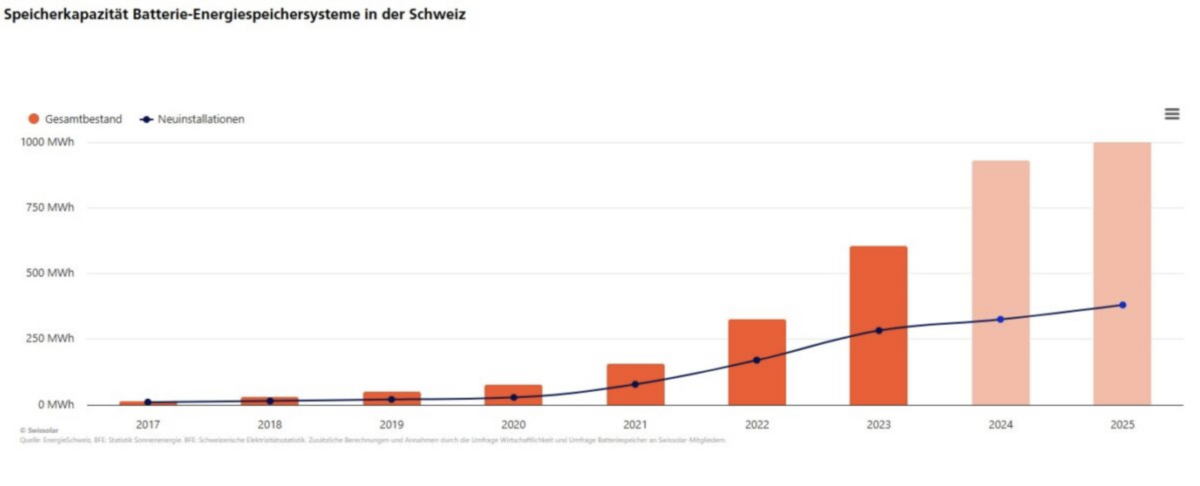
Trade group Swissolar has called for a national energy storage strategy to support the growing popularity of home solar-plus-battery systems in Switzerland. May 16, 2025 Sandra Enkhardt From ESS News In Switzerland, roughly every second residential PV system is installed together with a battery energy storage system (BESS). “Over the past three years, the total number of battery storage systems has doubled almost annually,” stated industry body Swissolar in its first storage market report, published at the organization’s Members’ Day, in Lucerne yesterday. A key reason for the popularity of home energy storage is a continuing decline in equipment prices which Swissolar estimated at $115/kWh for 2024. To continue reading, please visit our ESS News website. This content is protected by copyright and may not be reused. If you want to cooperate with us and would like to reuse some of our content, please contact: editors@pv-magazine.com. Popular content
US DOE Aims $2.91 Billion at Lithium For EV Batteries, Energy Storage

The US Department of Energy is letting loose with a new round of $2.91 billion in funding for a soup-to-nuts overhaul of the lithium supply chain for EV batteries and other energy storage systems, and not just because it wants to help save the planet from catastrophic climate change. As directed by the Bipartisan Infrastructure Law, the cash infusion is intended to strengthen the US national security profile, among other things. $2.91 Billion More For EV Batteries & Other Energy Storage Systems The Energy Department has already cast considerable dollars upon the waters of energy storage in general and EV batteries in particular over the past 20 years. The new round of funding is a bit different. It takes a holistic approach to lithium and other critical materials that factor into the supply chain for EV batteries and other energy storage systems. The $2.91 billion is earmarked for two forthcoming notices of funding intent, which together will cover everything from materials refining and production to the manufacturing of EV batteries and other systems, on through to recycling facilities. “As directed by the Bipartisan Infrastructure Law, DOE is leading the buildout of a resilient battery supply chain for electric vehicles and energy storage,” DOE explains. adding that the two funding opportunities “will ensure that the United States can produce batteries, and has facilities that can produce, recover, and reclaim critical battery materials, while increasing economic competitiveness, energy independence, and national security.” EV Batteries & The Lithium Supply Chain When the topic is lithium supply, thoughts naturally turn to the fact that the US has ample lithium reserves in various forms, and has yet to exploit them in any way that could address the exponential increase in global demand for lithium. That’s going to be a problem for auto makers in particular, as the demand for EVs — and EV batteries — keeps growing. “With the global lithium-ion battery market expected to grow rapidly over the next decade, DOE is making it possible for the United States to be prepared for market demand,” DOE explains. “Domestically sourcing the critical materials used to make lithium-ion batteries—such as lithium, cobalt, nickel, and graphite—will close the gap in supply chain disruptions and accelerate battery production in America. Part of the problem is that lithium extraction is invasive and destructive, whether that involves digging it up from the ground or extracting it from various brine sources. When those notices of intent go out, look for DOE to focus like a laser on recycling for EV batteries and other energy systems as one solution. CleanTechnica has also been keeping an eye on new geothermal brine extraction methods that don’t require the huge evaporation lagoons needed for conventional systems. One such facility is up and running at a Phase 1 level in California and is expected to start delivering lithium in 2024. The National Blueprint For Lithium Batteries The recycling angle and other elements in the notices of intent are aligned with a document titled The National Blueprint for Lithium Batteries, which was produced last year by the Federal Consortium for Advanced Batteries, which consists of the Departments of Defense, Commerce, and State, along with the DOE. That’s where the national security angle kicks in, so let’s take a look back at the Blueprint. The Blueprint describes 5 goals and actions aimed at developing the domestic lithium battery supply chain in concert with job creation and climate change mitigation. From a national security perspective, the Blueprint explains that “the Defense Department (DoD) requires reliable, secure, and advanced energy storage technologies to support critical missions carried out by joint forces, contingency bases, and at military installations.” “Faced with increasing kinetic and non-kinetic threats, the Department is shifting toward more distributed, austere, and autonomous operational concepts carried out by platforms and installations with escalating power requirements.” By that they mean increasing the use of renewable energy and microgrids, including microgrid systems that can be transported and operated on-the-go, as well as stationary systems for permanent facilities. Considering that energy storage is the key to unlocking the full potential of wind and solar power, it’s no wonder that the DOD is zeroing in on domestically sourced lithium and the whole battery supply chain. EV Batteries Are Just The Beginning EV batteries catch a lot of media attention, but they are not the only concern of the DOD. Portable energy storage for soldiers on foot has been an ongoing issue, considering the amount of electronic gear used by a modern Army. “The military requires thousands of unique types of batteries each year resulting in over $200 million in annual procurements from the Defense Logistics Agency (DLA). In addition, this data accounts for only a portion of overall annual demand from across DoD, which includes numerous program-specific procurements across each of the services,” the DOD observes. That includes weapons systems, sensors and other platforms in addition to batteries carried by individuals, all of which need to operate reliably in extreme conditions. The DOD also foresees the growth in tactical microgrids and hybridized platforms, which circles back around to the question of EV batteries. The DOD has been wary of electric vehicles so far, but that is about to change, as the Blueprint suggests. A new analysis indicates there is room for hybrid electric vehicles in a plan for achieving a 30% cut in fuel consumption by the US Army, for example. In another positive sign for EV fans, the Defense Authorization Act included a provision in support of the Army’s Electric Light Reconnaissance Vehicles program. More EV Batteries For The US Postal Service, Too Speaking of EV batteries that can withstand extreme conditions, the US Postal Service is known for delivering the mail through snow, rain, heat, gloom of night, and it has also been dipping a toe in the EV pool — sort of. US Postmaster General Louis DeJoy has been taking a lot of heat this past year, for signing on to a new contract for up to 165,000 new
Bluetti Apex 300 with 2.7 kWh battery pricing now available ahead of launch – pv magazine International
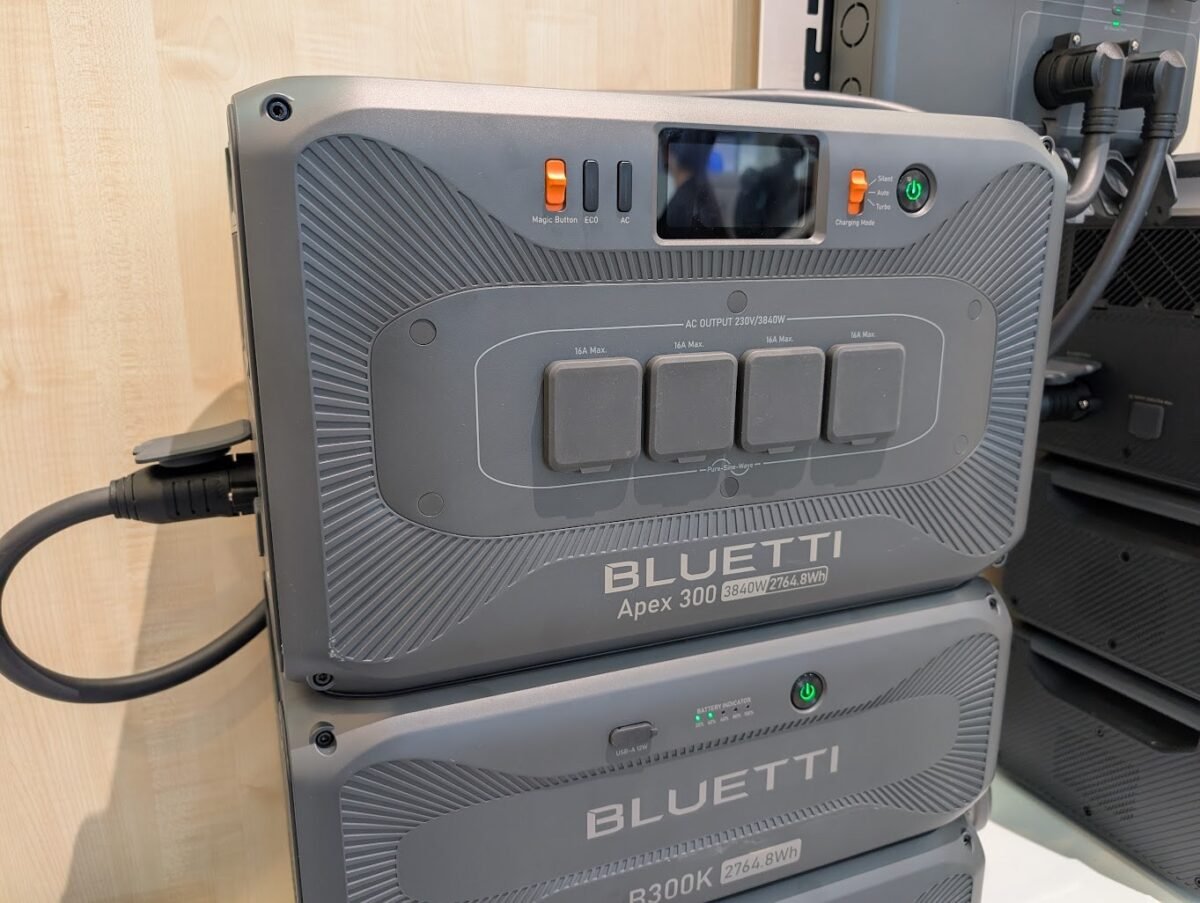
Bluetti has unveiled its latest energy storage solution, the Apex 300, a versatile portable power station designed to meet the growing demand for reliable and scalable energy storage. With a substantial 2,764.8 Wh capacity and a maximum output of 3,840 W, the Apex 300 is engineered to power a wide range of household appliances, from refrigerators and washing machines to power tools and air conditioners. (prnewswire.com) Key Features of the Apex 300: Dual Voltage Output: The Apex 300 delivers both 120V and 240V power simultaneously, enabling users to operate essential appliances and heavy-duty devices like well pumps and dryers. (prnewswire.com) Expandable Capacity: Through advanced parallel-expansion technology, the Apex 300 can scale up to an impressive 58 kWh storage and 11.52 kW output, ensuring up to a week of power supply during extended outages. (prnewswire.com) Fast Charging: Powered by Turbo Boost charging technology, users can recharge the Apex 300 to 80% in just 45 minutes from mains power. Alternative charging options include solar panels, vehicles, generators, and EV stations. (prnewswire.com) Uninterrupted Power Supply (UPS): The Apex 300 features a true 0ms UPS, ensuring seamless power for critical systems like lighting and NAS storage during blackouts. (prnewswire.com) Durability: Built with second-generation automotive-grade LiFePO₄ cells, the system offers up to 17 years of dependable use, making it ideal for homes, RV living, and demanding off-grid environments. (prnewswire.com) Pre-Launch Program and Pricing: Bluetti has initiated a pre-launch program for the Apex 300, offering early adopters exclusive perks. By placing a refundable $10 deposit, customers can secure priority shipping, receive mystery gifts valued between $50 and $200, and enjoy extra discounts on add-ons. This pre-order period runs until May 7, 2025, with the official launch scheduled for May 8, 2025. (shop.bluettipower.com) Availability: The Apex 300 is expected to be officially released in the second quarter of 2025. (prnewswire.com) For more information and to participate in the pre-launch program, visit Bluetti's official website.
Panasonic says it's ready to accelerate its Tesla Gigafactory investment to support the Model 3
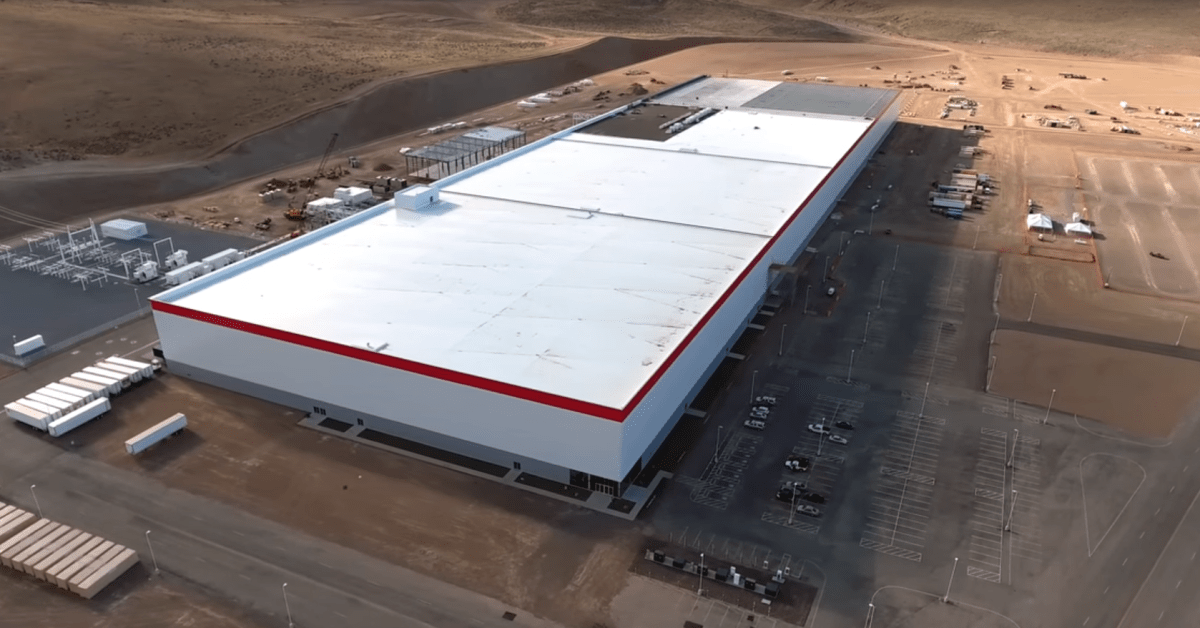
During the recent conference call with analysts for Tesla’s first quarter 2016, co-founder and CTO JB Straubel said that we shouldn’t focus too much on Tesla’s previously stated goal of 35 GWh of battery cell production at the Gigafactory, and 50 GWh of battery pack output. Straubel said that Tesla was prepared to adjust the battery factory output according to the higher than anticipated demand for the Model 3 after the company received over 373,000 pre-orders. Tesla’s battery output at the factory depends significantly on Panasonic and now the Japanese battery maker says that it would move up its investment schedule if asked by Tesla. Yoshio Ito, Panasonic’s head of automotive and industrial systems (AIS) division, said earlier on Friday (via Reuters): Advertisement - scroll for more content “We will do our best to move up the schedule if requested,” Earlier this year, Panasonic confirmed that it plans to invest $1.6 billion in the Gigafactory. Tesla stated that the total investment required for the plant to reach full production by 2020 would be between $4 billion and $5 billion, the majority of which will come from the automaker. As of the end of last year, Panasonic had invested $64 million at the plant, but in the last quarter alone (Q1 2016), the company doubled its investment in the Tesla Gigafactory to $128 million. Panasonic;s responsibilities at the plant mainly revolve around cell manufacturing workers and the necessary equipment. The building itself is Tesla’s responsibility: The factory is still under construction and currently only the first phase is up with an 800,000-square-foot footprint and 1.9 million square feet of space. Once completed, the Gigafactory is expected to have a total operational space of about 13 million square feet, which should result in the building with the biggest footprint on earth. The company moved the Tesla Energy production line from its Fremont factory to the ‘Gigafactory 1‘ project in Nevada last October. Tesla has since been ramping up for volume production which reportedly started earlier this year and evidenced by a recent leak from inside the plant. Consequently, we recently started seeing more energy storage projects being installed with Tesla Energy products – both for the Powerwall and the Powerpack. Now Tesla and Panasonic plan to start battery cell production at the Gigafactory later this year. It would explain Panasonic’s recent investment ramp up, which could even accelerate due to Tesla’s planned production ramp up for the Model 3, as per Ito’s comment today. Featured Image: Stunning new 4k drone footage of the Tesla Gigafactory – March 2016 [Video] FTC: We use income earning auto affiliate links. More.
Powering Profits: A Comprehensive Guide to Bulk Battery Orders for Resellers

In today’s fast-paced technological landscape, bulk battery orders represent a significant opportunity for resellers to maximize profits. The demand for batteries—be it for consumer electronics, electric vehicles, or renewable energy storage—continues to rise. Understanding how to navigate the complexities of bulk battery sourcing can provide resellers with a competitive edge. In this guide, we will explore everything you need to know about bulk battery orders, from the types of batteries available to sourcing strategies and logistical considerations. Understanding Battery Types 1. Alkaline Batteries Alkaline batteries are the most common type, widely used in household devices such as remote controls, toys, and flashlights. They offer a long shelf life and stable performance, making them a reliable choice for resellers. 2. Lithium-ion Batteries Lithium-ion batteries are favored in consumer electronics and electric vehicles due to their high energy density and rechargeability. Resellers should be aware of safety regulations and quality standards when sourcing these batteries. 3. Nickel-Cadmium Batteries Though less popular today, nickel-cadmium batteries are known for their durability and performance in extreme temperatures. They are often used in power tools and emergency lighting systems. 4. Lead-Acid Batteries Lead-acid batteries are primarily used for automotive and renewable energy applications. Their low cost and high reliability make them a staple in bulk orders, especially for industrial resellers. Identifying Your Target Market To successfully leverage bulk battery orders, it’s essential to identify your target market. Consider the following segments: 1. Retailers Offering bulk batteries to local or online retailers can lead to repeat business and long-term partnerships. 2. OEMs (Original Equipment Manufacturers) Many manufacturers require reliable battery suppliers for their products. Becoming a trusted battery source for OEMs can offer substantial profit margins. 3. Industrial Applications Industries such as telecommunications, healthcare, and transportation require batteries for various applications. Building relationships with these sectors can diversify your sales portfolio. Sourcing Batteries: Strategies and Considerations 1. Supplier Research Identify reputable battery manufacturers and suppliers. Quality and reliability should be your top priority. Consider reaching out for product samples before placing bulk orders. 2. Pricing Negotiation Bulk orders often come with negotiation opportunities. Understand market prices and leverage your purchasing power to secure favorable terms. 3. Quality Assurance Always prioritize quality. Invest in supplier audits and certifications to ensure that the batteries meet safety and performance standards. 4. Logistics and Shipping Consider the logistical aspects of your orders. Factors such as lead times, shipping costs, and storage facilities can impact your bottom line. Partner with reliable logistics providers to streamline this process. Marketing Your Battery Products 1. Online Presence Establish a robust online presence through a business website and social media platforms. Digital marketing strategies can help attract potential customers looking for bulk batteries. 2. Trade Shows and Exhibitions Participating in trade shows allows you to network with industry professionals and showcase your battery offerings. 3. Customer Education Educate your customers about the benefits of your battery products. Provide them with valuable information on best practices for battery usage and maintenance. Navigating Legal and Environmental Regulations Complying with legal regulations regarding battery sales is crucial. Batteries contain hazardous materials, and improper disposal can have severe consequences. Resellers should familiarize themselves with local and international regulations, including recycling mandates, to avoid legal issues. Conclusion Bulk battery orders hold immense potential for resellers looking to power their profits. By understanding the types of batteries available, identifying your target market, sourcing effectively, and navigating regulations, you can build a successful battery resale business. Whether you are catering to retailers, OEMs, or industrial sectors, focusing on quality and customer relationships will propel your business to new heights in this lucrative market. With the right strategies in place, you can turn bulk battery orders into significant revenue streams.
HiPhi is set to make a comeback thanks to a Lebanese investor
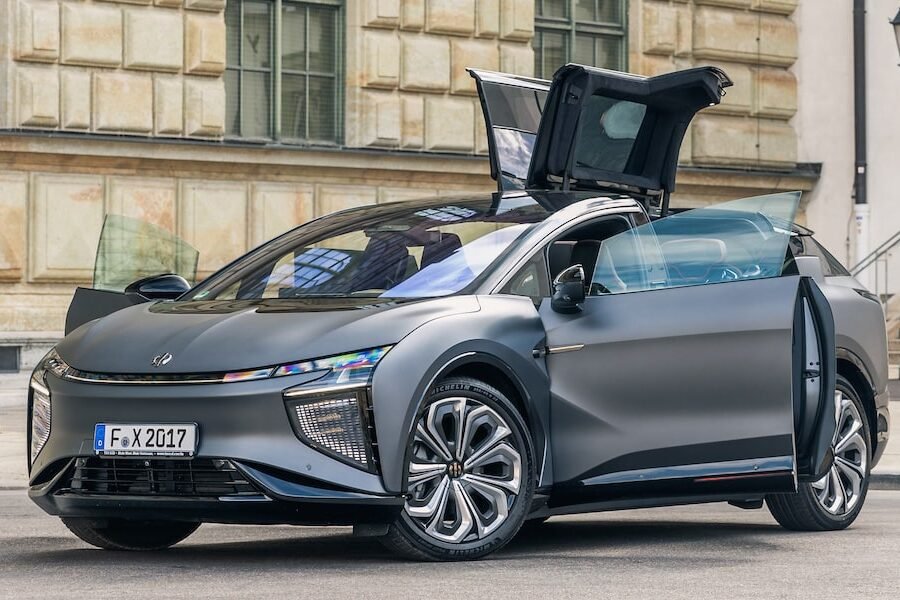
According to Chinese media reports, HiPhi has changed its majority owner and has begun preparations for a resumption of work. Only 30.2 per cent of the brand is currently owned by its previous owner, Human Horizons. According to Chinese media, the remaining 69.8 per cent has been taken over by the Lebanese company EV Electra Ltd. HiPhi’s production lines have been at a standstill for over a year. The brand initially caused a stir with very extravagant electric cars and later presented a Model Y competitor in the form of the HiPhi Y – the X and Z models were already available to order in Norway and Germany. However, HiPhi had to cease production in February 2024, when there was talk of a six-month break. Later, there were signs of hope in the form of alleged interest from Changan and a Hong Kong-based organisation. However, a deal was apparently never finalised, and the break became longer and longer. In August 2024, rumours also emerged that parent company Human Horizons was on the verge of insolvency. Now things are apparently moving forward thanks to EV Electra’s investment. As reported by CN EV Post, among others, citing a local medium called 21jingji, a new company called Jiangsu HiPhi Co Ltd was founded as part of the investment commitment from Lebanon and provided with the equivalent of around 143 million dollars in capital. Production of the original models is now to be ramped up again at the existing HiPhi factory in Yancheng in the Chinese province of Jiangsu. To this end, the company is recalling former employees, according to rumours. If the rumour is confirmed, the acquisition of HiPhi would be another purchase in the eMobility business for EV Electra. At the end of 2023, the company bought the rights to the Emily GT project from Saab successor company NEVS, a sporty electric saloon with four 90 kW wheel motors and a 175 kWh battery with a range of more than 1,000 kilometres. And in 2021, EV Electra announced an investment of over 500 million US dollars in the acquisition of a majority stake in Detroit Electric.
Information Batteries Store Energy In The Form Of Information
Information Batteries: Storing Energy in the Form of Information As our world increasingly intertwines with technology and data, the concept of energy storage continues to evolve rapidly. Among the more intriguing ideas emerging from cutting-edge research is the notion of "information batteries." These innovative devices are not just about storing energy in a physical form; they offer the tantalizing possibility of storing energy in the form of information. This article explores what information batteries are, how they work, and their potential implications for the energy landscape. Understanding Information Batteries Information batteries resemble traditional batteries in their primary function—to store energy. However, their unique approach differentiates them significantly. Instead of merely storing electrical energy like lithium-ion batteries, information batteries focus on codifying energy states into information, enabling complex interactions with data. The Concept The foundational idea behind information batteries is rooted in the theory that information itself can be used as an energy storage medium. This concept leans on principles from thermodynamics and information theory, particularly the work of physicist Lucien Hardy and others who explore the links between information and physical systems. How Information Batteries Work Information Encoding Information batteries "store" energy by encoding energy configurations in a way that can be processed and understood. This encoding could involve quantum states, spin configurations in magnetic materials, or other representations of energy states. Retrieval and Conversion When energy is needed, the stored information can be decoded back into usable electrical energy. This process often involves manipulating the quantum states to release energy in a controlled manner, allowing for precise energy delivery when required. Efficiency and Advantages One of the key benefits of information batteries is their potential for high efficiency. The intricate nature of quantum information processing could lead to reduced energy losses compared to conventional methods. Moreover, an information battery can be designed to operate at various energy scales, from micro-scale devices for electronics to larger-scale applications for powering cities or data centers. Potential Applications The implications of information batteries are vast and varied: Smart Grids: By integrating information batteries into smart grids, energy can be stored and dispatched intelligently based on data analysis and predictive algorithms—enhancing the efficiency of renewable energy sources. Data Centers: As data centers consume vast amounts of energy, information batteries could help alleviate peak load demand by providing swift energy release during high usage periods, thus optimizing operational costs. Personal Devices: In consumer electronics, information batteries could open avenues for devices that adapt energy consumption based on user patterns, extending battery life significantly. Renewable Energy Integration: These batteries could effectively bridge the gap between renewable energy generation and consumption, storing energy in an information format that can be efficiently converted when needed. Challenges Ahead While the concept of information batteries is captivating, several challenges need addressing before widespread implementation can become a reality: Technical Feasibility: Developing practical devices that effectively encode and decode energy states into information requires significant advancements in materials and understanding of quantum systems. Scalability: Scaling the technology from theoretical models or small-scale prototypes to commercial viability remains a daunting challenge. Regulatory and Economic Factors: Like any emerging technology, information batteries will need to navigate regulatory landscapes and prove economic viability against traditional energy storage options. Conclusion Information batteries represent a remarkable fusion of energy storage and information theory, with the potential to change the future of energy management. As research progresses, these innovative devices could transform how we think about energy storage, efficiency, and the interplay between information and physical systems. While still in an exploratory phase, the future of information batteries is certainly one to watch, promising smarter, more efficient energy solutions that could support the global transition towards sustainable energy practices.
Turbo Energy unveils new AI-powered large-scale energy storage solutions – pv magazine International

The Sunbox Industry product, aimed at the commercial and industrial (C&I) segment, offers a modular, scalable, and intelligent solution, according to the manufacturer. It can be scaled from 100 kW/172 kWh to 3 MW/15 MWh. May 19, 2025 Pilar Sánchez Molina From ESS News Spanish energy storage system manufacturer Turbo Energy, part of Umbrella Global Energy and listed on the Nasdaq since 2023, has unveiled its new Sunbox Industry and Sunbox Utility, artificial intelligence-powered systems for the industrial sector and large-scale projects, at Intersolar 2025. The Sunbox Industry product, aimed at the commercial and industrial (C&I) segment, offers a modular, scalable, and intelligent solution. It can be scaled from 100 kW/172 kWh to 3 MW/15 MWh. To continue reading, please visit our ESS News website. This content is protected by copyright and may not be reused. If you want to cooperate with us and would like to reuse some of our content, please contact: editors@pv-magazine.com. Popular content
Fleetzero's Container Ship Battery-Swapping Scheme May Help Electrify Shipping

Last Updated on: 10th November 2023, 06:47 pm Ships spew a bunch of pollution into the atmosphere as they ply the world’s oceans. According to Fleetzero, a startup based in New Orleans, they account for 2.2% of global carbon dioxide emissions — about a billion tons a year — as well as 15% of nitrogen oxides and 13% of sulfur oxides. You may not know what nitrogen and sulfur oxides are, but trust us on this, you don’t want your loved ones inhaling the stuff, especially if you want them around to celebrate their next birthday. Introducing Fleetzero Image courtesy of Fleetzero Fleetzero has developed a 2-megawatt-hour lithium iron phosphate battery pack that can fit inside a 20′ by 5′ shipping container. Load enough containers onboard (or tow them behind on a barge) to complete a sea voyage, then swap them out when they are depleted for fully charged replacements while the ship is in port to load or unload cargo. Steven Henderson and Mike Carter, the co-founders of Fleetzero, claim that their system is cost-competitive with long haul trucking between port cities — even with first mile and last mile costs taken into account. “The weird economics of this is that the more ships you have, and the more stops you have, the lower your cost is. The key is to make the batteries swappable — this wouldn’t work for a plug-in vessel,” Henderson tells TechCrunch. “I actually had to model this out on the floor with my daughter’s toy boats.” Think of it this way: If a ship has enough batteries to go a thousand miles, then unless you’re going exactly that distance every time, you either have too much or too little capacity. And if you only have one large ship that has to swap out batteries at each end, you must keep twice the number of active batteries around — a set to swap out at each destination. But if you split the same capacity among several smaller ships and add more possible stops, suddenly it takes far less battery capacity to move the same amount of cargo, TechCrunch explains. Image courtesy of Fleetzero “With smaller vessels we are able to access ports larger container ships can’t — effectively reducing congestion and delivering goods closer to the end consumer,” the company says. The way shipping works today, humongous container ships pile into gigantic ports. All those containers — millions of them every month — cause massive logistical log jams the port has to sort out in order to send them all to the proper freight terminals. Smaller ships can access smaller ports that are closer to local distributors and retailers. Furthermore, “Unlike large container ships, our vessels are economical to build in domestic shipyards, allowing us to serve in regulated markets where ships must be built in the country they’re traveling within,” the company says. According to Investopedia, “The Jones Act is a federal law that regulates maritime commerce in the United States. The Jones Act requires goods shipped between U.S. ports to be transported on ships that are built, owned, and operated by United States citizens or permanent residents.” Because the batteries are packaged in containers, they can be loaded and unloaded easily using existing cargo cranes. They can be recharged at the ports or trucked inland to charging stations where the existing electrical infrastructure is more robust. Fleetzero says its container battery system has received approval for vessel propulsion from the American Bureau of Shipping. It also claims that removing the enormous diesel engines and fuel tanks used to power a ship through the water creates a lot of extra space in the hull where the battery containers can be stored. Efficiency People who own electric cars will understand this next part very well. It takes more energy to move a car through the air at 75 mph than it does at 60 mph. By the same token, the energy needed to push a vessel through the water at 25 knots is 8 times more than the energy it is to move the same ship at 12.5 knots, according to The Maritime Executive. The key to the whole plan is smaller ships (around 700 feet in length) traveling at half the speed of the big 10,000-container ships. The payoff is direct delivery to smaller ports that are closer to the the final consumer. Time is money, and if you can get your product to market faster by unloading it at a port 100 miles away rather than one 1000 miles away, the disadvantage of slower speeds while on the water is nullified. No Cost Increase The shipping industry is fiercely competitive, with profit margins measured in pennies per ton/mile. Getting shipping companies to buy in to the idea of battery-powered ships will take some doing. But Henderson and Carter are relying on the same economic factors that electric trucks and buses appealing to fleet operators — lower total cost of operation. Diesel engines are frightfully expensive to maintain and repair and the cost of fuel can vary significantly over time, which makes it hard to calculate how much to charge customers for carrying their cargo. The cost of electricity is lower and the cost of maintenance is much lower. Not only that, those gigantic megaships are only manufactured in a few places in the world. Building smaller ships could re-invigorate ship building in the United States which in turn would lead to an increase in employment opportunities in communities adjacent to shipyards. There’s a lot to like for the industry as a whole. Launching Fleetzero The company has ruggedized its battery packs to withstand the rigors of ocean transportation. It has raised a few million dollars from early investors. Now the task is to load a bunch of those battery packs onto a 300-foot ship and test out the whole shipping and swapping process start to finish. When that is done and the required regulatory approvals are in hand, the company
Tesla could triple the planned battery output of 'Gigafactory 1' to 150 GWh, says Elon Musk

Tesla's Ambitious Battery Output Plans: Tripling Gigafactory 1's Capacity In a bold announcement that has electrified the automotive and energy markets, Tesla CEO Elon Musk has revealed the company’s intentions to triple the planned battery output of its Gigafactory 1 in Nevada, aiming for an impressive 150 GWh (gigawatt-hours). This lofty goal reflects Tesla’s commitment to not only meeting the surging demand for electric vehicles (EVs) but also addressing the growing need for energy storage solutions in an increasingly renewable energy-driven world. Gigafactory 1: A Revolution in Battery Production Tesla's Gigafactory 1, often dubbed as a game-changer in battery manufacturing, was initially designed to produce 35 GWh of battery capacity annually. The facility, which spans approximately 5.3 million square feet, is a cornerstone of Tesla’s strategy to scale up production and reduce battery costs through economies of scale. Originally announced in 2013, the Gigafactory is expected to play a crucial role in the company’s mission to accelerate the world's transition to sustainable energy. The factory’s current output has already positioned it as one of the largest battery manufacturing plants in the world. However, Musk's recent assertion to ramp up production further indicates a strong outlook on the market for both EVs and energy storage systems, such as the Powerwall and Powerpack. Why the Demand? The potential tripling of output is driven by several compelling factors: Growing EV Adoption: As consumers increasingly turn to electric vehicles to combat climate change and reduce fossil fuel dependence, the demand for batteries is set to soar. By boosting production capabilities, Tesla aims to ensure that it can meet the needs of an expanding customer base. Renewable Energy Storage Solutions: Battery storage for renewable energy systems has become critically important as countries strive to meet ambitious climate goals. Tesla's expansion will allow it to provide batteries that can store energy generated from wind and solar sources, thereby stabilizing the grid and making renewable energy more accessible. Technological Advancements: Tesla has been pioneering advancements in battery technology, including improvements in lithium-ion batteries and the development of next-generation technologies, such as solid-state batteries. These innovations not only enhance battery performance but also lower production costs, making it feasible to scale up operations significantly. Critical Supply Chain Considerations: With the global supply chain facing challenges, enhancing domestic battery manufacturing capacity is vital. By increasing output at Gigafactory 1, Tesla aims to secure a more stable supply chain for key materials such as lithium, nickel, and cobalt. Implications for the Future Tripling Gigafactory 1’s capacity could have far-reaching implications: Increased Competitiveness: Such a move solidifies Tesla's position as a leader in the EV market and positions it to compete effectively against established automotive manufacturers and new market entrants. Pressure on Rivals: Other automotive companies may need to hasten their own battery production plans to keep pace, potentially leading to an accelerated shift towards electrification in the auto industry. Job Creation: Scaling up production often translates to job creation in the local area, further boosting the economy and providing new opportunities for engineering and manufacturing workers. Challenges Ahead Despite the optimism surrounding this plan, several challenges remain: Supply Chain Constraints: Tesla will need to navigate ongoing supply chain issues that have plagued the industry, including securing the necessary raw materials. Regulatory Hurdles: Expansion plans will require compliance with various regulations and approvals, which can take time and resources to address. Technological Feasibility: While ambitious, Tesla must ensure that the technology can deliver on the promised capabilities without compromising quality or safety. Conclusion Elon Musk's vision for tripling Gigafactory 1’s battery output to 150 GWh is an ambitious yet necessary step in the push toward a more sustainable future. As Tesla seeks to meet growing demand while reducing costs and increasing efficiency, the implications of such an expansion could reverberate through the entire automotive and energy sectors. This bold move not only underscores Tesla’s leadership in the EV market but also positions it at the forefront of the race toward global sustainability.
Tesla will add new section (5th) to the Gigafactory by December, Battery cell manufacturing equipment by July 20th

For the most part, Tesla’s Gigafactory has looked the same from the outside since the beginning of the year. The first phase consists of 4 sections of about 475,000 square feet for a total of 1.9 million square feet. The final version of the building, which should be completed by the end of the decade, is expected to have 13 million square feet of manufacturing and work space. It should be enough to become the biggest building on earth by footprint and Tesla plans for the factory to produce at least as much battery capacity as the entire world production of li-ion cells. Now we learn that Tesla is planning to add a new section to the plant with an estimated completion date by the end of the year, according a building permit recently issued to Tesla. The new building permit is for the expansion of the area ‘D’ into the area ‘E’ and it is valued at $63 million – making it the job with the biggest valuation of any project related to the Gigafactory to date. Advertisement - scroll for more content The picture above is a bird-eye view of the plant with the new section going on the south end of the building (right on the picture). Each section has its own foundation which makes the whole building more resistant to earthquakes and other natural disasters. The job with the second highest valuation, $51 million, is for the installation of ‘battery cell manufacturing equipement’, which is expected to be completed by July 20th, according to the building permit. Here are the two permits in question via Buildzoom: Based on the permit, it looks like the battery cell manufacturing could be ready just in time for the ‘Grand Opening’ event, which is scheduled for July 29th. For the past few weeks, Tesla CEO Elon Musk has been building up expectations for the event to be something quite special. While the Gigafactory has been producing battery packs since last year, the real achievement is expected to be the start of battery cell manufacturing, which should lower the cost and introduce a new 20700 cell format to Tesla’s lineup. As of now, Tesla and its strategic partner at the Gigafactory have been saying that battery cell manufacturing will start “by the end of the year”. We contacted Tesla to know if the estimated date of completion for the battery cell manufacturing equipment could indicate that it will be ready by the Grand Opening event or maybe before the fourth quarter – we will update if we get an official answer. During a conference call with analysts yesterday, Elon briefly talked about battery cell manufacturing at the plant: “The exit rate of cells from Gigafactory will be faster than bullets from a machine gun.” The comment is in reference to his new outlook on manufacturing which he boiled down with his physics first principles approach. He sees any manufacturing output of plant as a simple equation: volume times density times velocity – with the velocity being “faster than bullets from a machine gun” in the case of battery cells at the Gigafactory. He also recently referred to Panasonic’s manufacturing equipment at the factory as the most impressive machines there, but he also said that Tesla was not able to show them during the factory tour. Maybe they could make an exception for the Gigafactory opening event? We recently reported on Panasonic “gearing up for significant growth” at the Gigafactory – the company hosted a special invitation-only hiring event on location this week for “positions in advanced manufacturing”. We will keep you updated with the progress at the factory as Tesla adds a new section and ramps up manufacturing. All pictures and footage by Joshua Mcdonald from Nevada Tailwheel commissioned by Electrek for our June Gigafactory Update. FTC: We use income earning auto affiliate links. More.
BYD overtakes Tesla in Europe in terms of new registrations

A total of 7,231 electric cars from BYD were newly registered in Europe in April, according to JATO Dynamics. This was slightly more than Tesla’s new registrations, which totalled 7,165 units. “Although the difference between the monthly sales figures of the two brands may be small, the impact is huge. This is a turning point for the European car market, especially considering that Tesla has been leading the European BEV market for years, while BYD only officially started operations outside Norway and the Netherlands at the end of 2022,” says Felipe Munoz, Global Analyst at JATO Dynamics. This means that Europe is now also experiencing a changing of the guard, which had already taken place on the global market: of around one million vehicles sold by BYD worldwide in the first quarter of 2025, over 416,000 units were fully electric. Tesla, on the other hand, only managed 337,000 deliveries, making it only the second-largest electric car manufacturer worldwide. According to JATO Dynamics, Tesla suffered a 49 per cent drop in new registrations in Europe in April compared to the same period last year. In contrast, BYD recorded an increase of 359 per cent in the same period, which can be attributed to its broad and competitive range of all-electric vehicles and plug-in hybrids. If you look at BYD’s all-electric vehicles alone, growth was still 159 per cent. BYD’s rapid expansion has already put the company ahead of the first traditional European brands, as JATO Dynamics emphasises: BYD was ahead of Fiat, Dacia and Seat in terms of new registrations in the UK in April, ahead of Fiat and Seat in France, ahead of Seat in Italy and ahead of Fiat in Spain, comparing all drive types together in each case. What’s more, BYD’s growth comes before the start of production at its new plant in Hungary and before the first deliveries of the BYD Dolphin Surf, a 20,000-euro electric car that has just been unveiled. The report also offers interesting insights into other manufacturers and models: The new Skoda Elroq, for example, topped the ranking of BEV models in Europe for the first time with 7,998 new registrations, confirming the brand’s decision to introduce an SUV that sits between the B and C segments, as JATO Dynamics writes. Three Volkswagen models followed in the ranking, namely the ID.3, the ID.7 and the ID.4. The relatively new Kia EV3 made it to 5th place and the all-electric Renault 5 to 6th place. With the Elroq, EV3 and R5, three of the six most popular vehicles have only come onto the market in the last few months. In contrast, at least some older models are struggling: sales of the Tesla Model Y fell by 53 per cent and those of the Volvo EX30 by 57 per cent. Overall, 17 per cent of all new registrations in April 2025 were fully electric, compared to 13.4 per cent in April 2024. Plug-in hybrids also increased, from 6.9 to 9 per cent. This means that 26 per cent of all newly registered passenger cars in Europe had a plug in April. jato.com
Xiaomi YU7 to Launch in Three Variants

Xiaomi YU7: Exciting Launch of Three Variants Xiaomi, known for its commitment to innovation and quality, is set to release the much-anticipated YU7 smartphone. This new device is generating buzz due to its three distinct variants, catering to a range of user preferences and budgets. Here’s everything you need to know about the Xiaomi YU7 launch. Overview of the Xiaomi YU7 The Xiaomi YU7 is designed to deliver an exceptional smartphone experience, combining cutting-edge technology with user-friendly features. With a sleek design and advanced specifications, this device aims to compete in the crowded smartphone market. Variants of the Xiaomi YU7 The YU7 comes in three versions, each offering unique features and capabilities: Standard Variant: Display: 6.5-inch Full HD+ display Processor: Qualcomm Snapdragon 678 RAM/Storage: Options of 4GB/64GB and 6GB/128GB Camera: Triple rear camera system (48MP + 8MP + 2MP) Battery: 5,000mAh with fast charging support Software: MIUI 13 based on Android 12 Pro Variant: Display: 6.7-inch AMOLED display with a 90Hz refresh rate Processor: Qualcomm Snapdragon 750G RAM/Storage: Options of 6GB/128GB and 8GB/256GB Camera: Quad rear camera setup (64MP + 12MP + 5MP + 2MP) Battery: 5,500mAh with rapid charging capabilities Software: MIUI 13 with enhanced features Ultra Variant: Display: 6.9-inch QHD+ display with an ultra-smooth 120Hz refresh rate Processor: Qualcomm Snapdragon 888 RAM/Storage: 12GB RAM paired with 256GB storage Camera: Advanced quad-camera system (108MP + 20MP + 12MP + 5MP) Battery: 6,000mAh with ultra-fast charging Software: MIUI 13 with exclusive features and optimizations Key Features Design: The YU7 features a modern design with premium materials, making it both stylish and durable. Camera Performance: With various camera setups across the variants, photography enthusiasts will appreciate the high-resolution sensors and advanced features like night mode and AI enhancements. Performance: The YU7’s powerful processors ensure smooth multitasking and gaming experiences, keeping performance high across all variants. Battery Life: With robust battery capacities and quick charging options, users can enjoy extended usage without frequent recharges. Expected Price and Availability While exact pricing details are yet to be confirmed, it is expected that Xiaomi will offer the YU7 at competitive price points, making it accessible to a wide audience. The launch event is anticipated to take place in the coming weeks, with pre-orders likely to open shortly afterwards. Conclusion The Xiaomi YU7, with its three distinct variants, promises to be a game-changer in the smartphone segment. Whether you're a casual user or a tech enthusiast, there’s likely a YU7 tailored to meet your needs. Keep an eye on Xiaomi’s announcements for more details on release dates and pricing as the launch approaches.
Will MACSE auction put Italy at the front of battery deployment? – pv magazine International

Italy expects a wave of subsidized utility-scale batteries to meet all national grid needs, attendees heard last week at the NetZero Milan summit. May 19, 2025 Sergio Matalucci Image: pv magazine Italia, Sergio Matalucci From ESS News Energy storage insiders who spoke at an event at the NetZero Milan trade show said Italy is preparing to lead the way in large-scale battery use – courtesy of the national MACSE energy storage auction in September 2024 – at a time when under-deployment is driving low prices. Speaking at a discussion jointly organized by pv magazine, Giuseppe Artizzu, CEO of NHOA Energy, said the battery supply chain risks repeating the pattern seen in solar modules: structural overcapacity that should lead to consolidation and sustainable profits for the strongest players — but doesn’t. Instead, the market stays fragmented and unprofitable, raising serious questions about industrial policy. To continue reading, please visit our ESS News website. This content is protected by copyright and may not be reused. If you want to cooperate with us and would like to reuse some of our content, please contact: editors@pv-magazine.com. Popular content
Duration Of Utility-Scale Batteries Depends On How They’re Used

At the end of 2021, the United States had 4,605 megawatts (MW) of operational utility-scale battery storage power capacity, according to our latest Preliminary Monthly Electric Generator Inventory. Power capacity refers to the greatest amount of energy a battery can discharge in a given moment. Batteries used for grid services have relatively short average durations. A battery’s average duration is the amount of time a battery can contribute electricity at its nameplate power capacity until it runs out. Batteries used for electricity load shifting have relatively long durations. Source: U.S. Energy Information Administration, Annual Electric Generator Report. We calculate a battery’s duration by using the ratio of energy capacity (measured in megawatt-hours [MWh]) to power capacity (in MW). Energy capacity refers to the total amount of energy these batteries can store. Our energy capacity data come from our most recent Annual Electric Generator Report, which contains data through the end of 2020. When fully charged, battery units built through 2020 could produce their rated nameplate power capacity for about 3.0 hours on average before recharging. Our Annual Electric Generator Report also contains information on how energy storage is used by utilities. Utility-scale battery storage can be used primarily in two ways: serving grid applications and allowing electricity load shifting. Our Battery Storage in the United States: An Update on Market Trends report contains a full description and breakdown of all of the grid service and electricity load shifting applications reported to us. Battery operators report that more than 40% of the battery storage energy capacity operated in the United States in 2020 could perform both grid services and electricity load shifting applications. About 40% performed only electricity load shifting, and about 20% performed only grid services. Batteries with a duration of less than two hours are considered short-duration batteries, and almost all can provide grid services that help maintain grid stability. Batteries providing grid services discharge power for short periods of time, sometimes even for only seconds or minutes, which is why it can be economical to deploy short-duration batteries. Most battery capacity installed in the late 2010s was made up of short-duration batteries used for grid services, but that trend has changed over time. Batteries with a duration between four hours and eight hours are typically cycled once per day and are used to shift electricity from times of relatively low demand to times of high demand. In a region with relatively high solar power capacity, daily-cycling batteries can store solar electricity midday and discharge that electricity during peak electricity consumption hours in the evening when solar power is declining. According to planned installations compiled in our Preliminary Monthly Electric Generator Inventory, we expect battery storage to increase by 10 gigawatts (GW) by the end of 2023. More than 60% of this battery capacity is intended to be paired with solar power plants. As of 2020, most installed co-located battery storage at solar facilities work to shift electricity loads and have average durations of four hours or more. First published on “Today In Energy.” Principal contributor: Vikram Linga Related story: Utility-Scale Batteries & Pumped Storage Return About 80% Of The Electricity They Store Sign up for CleanTechnica's Weekly Substack for Zach and Scott's in-depth analyses and high level summaries, sign up for our daily newsletter, and/or follow us on Google News! Whether you have solar power or not, please complete our latest solar power survey. Have a tip for CleanTechnica? Want to advertise? Want to suggest a guest for our CleanTech Talk podcast? Contact us here. Sign up for our daily newsletter for 15 new cleantech stories a day. Or sign up for our weekly one on top stories of the week if daily is too frequent. Advertisement CleanTechnica uses affiliate links. See our policy here. CleanTechnica's Comment Policy
Tesla Model 3 is expected to drive Panasonic's battery sales to double in three years, says exec

The Tesla Model 3’s $35,000 price tag will be enabled in part due to a significant reduction in battery cost through the automaker’s partnership with Panasonic on the Gigafactory in Nevada. While Tesla owns and operates the giant battery factory, Panasonic is still in charge of battery cell production at the plant, which Tesla then uses to make battery packs for its vehicles. With the strong demand for Tesla’s vehicles, Panasonic now says that it expects its battery sales to double within the next 3 years – or after the first full planned year of Model 3 production. The news comes from Panasonic executive Kenji Tamura (via Reuters): Advertisement - scroll for more content “Kenji Tamura, an executive officer in charge of Panasonic’s automotive and industrial systems business, said he expects the firm’s annual automobile battery sales to grow to 400 billion yen ($3.98 billion) in the business year through March 2019 from 180 billion yen in the year ended March 2016.” Panasonic is the exclusive supplier of battery cells for the Model 3 through its deal with Tesla at the Gigafactory. The Japanese electronic giant plans to invest up to $1.6 billion at the factory – or about one-third of the total expected cost of the production facility. Its investments will mainly take the form of battery cell manufacturing equipment. The first line will be ready by the end of the month according to a building permit for a $51 million project about the installation of ‘battery cell manufacturing equipment’ at the plant. Tesla CEO Elon Musk recently referred to Panasonic’s manufacturing equipment at the factory as the most impressive machines there and he added that “the exit rate of [battery] cells from the Gigafactory will be faster than bullets from a machine gun.” We recently reported on Panasonic “gearing up for significant growth” at the Gigafactory – the company hosted a special invitation-only hiring event on location last month for “positions in advanced manufacturing”. The company is expected to start production by the end of the year and ramp up to full capacity by the end of the decade. The total battery output in packs at the plant is expected to be higher than the battery cells manufactured by Panasonic – with the difference coming from the company’s other battery plants or even from other manufacturers. The Model 3 will use a new bigger and taller 20700 cell format, which could also be introduced to other vehicles in Tesla’s lineup. The factory also already produces battery packs for Tesla’s stationary energy storage products: Tesla Powerwalls and Powerpacks. FTC: We use income earning auto affiliate links. More.