Battery Power Online | Investor Outlook on Battery Industry: EVs Look Good, Supply Chain Worries
By Kyle Proffitt April 11, 2025 | The 2025 International Battery Seminar and Exhibit included the third iteration of a Battery Venture, Innovation & Partnering event. The day-long event included senior-level investors, corporate executives, entrepreneurs, and start-up leaders across the battery space and was marked by several intimate panel discussions and fireside chats around specific topics such as early vs. late-stage investing and business decisions or EV vs. energy storage-specific considerations. Much was covered. Here are just a few highlights. EV Fundamentals are Good We heard many speakers reiterate that the fundamentals for EVs remain good. Libby Wayman, Partner at Breakthrough Energy Ventures, said that global EV sales were up 25% in 2024, “a record year for sales.” That’s 17 million EVs, and she says this actually already matches the generally optimistic Bloomberg New Energy Finance prediction for 2025. She noted that if you look at the numbers, it’s the EV-focused players instead of the OEMs taking the market share; BYD leads the pack. Janet Lin of Panasonic said the move to electrified, connected, even autonomous transportation is a monumental shift, and it is inevitable. She highlighted many advantages of Panasonic’s cylindrical cells, such as filling various nooks and crannies in a vehicle and being amenable to chemistry changes. As to demand, she said “we still see consistent growth… but I’m here today because we really want to see this future faster.” However, she added that “the EV market needs attractive profit pools to match its attractive growth… the margins are starting to form, but they are not where they need to be for long-term sustainability.” Scott Walbrun, of BMW i Ventures discussed slowdown in EV adoption. He said right now there is an “overcapacity problem on the production side relative to where the demand is.” He added that “we’re seeing a bit of a supply-driven slowdown that’s causing the prices to come down along with lower material costs.” However, “from the demand side, I think that year-over-year, the pacing of electric vehicles is still growing.” Ultimately, he said that salacious headlines indicating EVs are in trouble are overblown, and when you look at the fundamentals, it’s growing nicely. Following the trajectory, he foresees EV production becoming lower cost than ICE counterparts. Emmanuel Lagarrigue, Partner and Co-head of Global Climate at KKR & Co, Inc., added that EVs are “a better product than combustion engine cars” and that “if they happen to be at [price] parity, that’s it—it’s over and EVs will take over.” Cheap LFP Is the Game to Beat Lithium-iron phosphate (LFP) cathode material (and batteries) was heavily discussed, because the current low price is great in some ways and yet makes competition quite challenging. Wayman pegged the current price to an average $53/kWh, a drop of about 50% from a year ago, driven by Chinese manufacturers. Vivas Kumar, CEO of Mitra Chem said that the resourcing available for their products has “definitely shifted towards LFP… we’re still working on future products, just not with the level of vigor that we did two or three years ago, because the market has shifted.” Michael Delucia, Principal Investor at Planeteer Capital, said that “the bar for new chemistries is very very high; it’s reminiscent with what we saw in solar back in 2008-2009.” In that case, the production costs of silicon helped it to win out against competing chemistries, such as CIGS (copper indium gallium selenide). “I think we’re basically in a very similar moment here with LFP,” Delucia said. Supply Chains and US-Specific Concerns John Busbee, CEO of Xerion said that “we can’t compete with China or Asia from scratch; we have to be collaborative and build a chain… we need to pay equal attention to mining and refining.” In other words, the U.S. can’t just build gigafactory plants and ignore the other pieces. With regard to the newest Washington administration, uncertainty was a refrain. Wayman said that “the battery industry is such a global supply chain; I think we’re all still grappling with what this means.” Jeff Johnson, General Partner and Head of Climate at B capital said from several conversations he’s had about the new administration that “some are extremely concerned about what is going to happen out of Washington,” whereas “some are extremely encouraged.” Because of the uncertainty, he says CEOs may be delaying capex and hiring until there’s more clarity. Lagarrigue reminded the audience that “when it comes to the IRA, the IRA is untouched; that’s by design.” Despite that the new administration has demonstrated some cooling around electrification, this government incentive is intact for now. There seemed general agreement that incentives are nice, but ultimately the industry will need to—and will be able to—survive on its own merits. Many of the speakers seemed encouraged in principle with efforts to bring manufacturing to the U.S. Johnson said that “we’re in a mode of supply chain de-risking… this administration is laser focused on it… the direction of travel of what it means to bring some of this back to the U.S. will be interesting.” Jessica Islas, Senior Director of Operations at Sion Power, said that “in the automotive industry, it’s very important for us to localize because we cannot maintain or understand the geopolitical issues that may come in the future.” The Battery Business; Investing and More Supply Chain There were panels devoted to early-stage, late-stage, and post-late-stage investing, but much of the advice was the same. Batteries are complicated, the timescale from idea to product is quite long, major capital expenditures are needed, and competition is high. A few speakers addressed how battery advances have become more incremental, suggesting we shouldn’t expect dramatic improvements in short time frames. Allison Hinckley, Senior Principal at Overture Ventures, said that “in 2021 and 2020, investors were really looking for dramatic step change improvements in performance, like 10x improvement in the case of lithium metal or anode free.” However, “the reality is that kind of technology to market is probably a 15-year journey, which is not really compatible
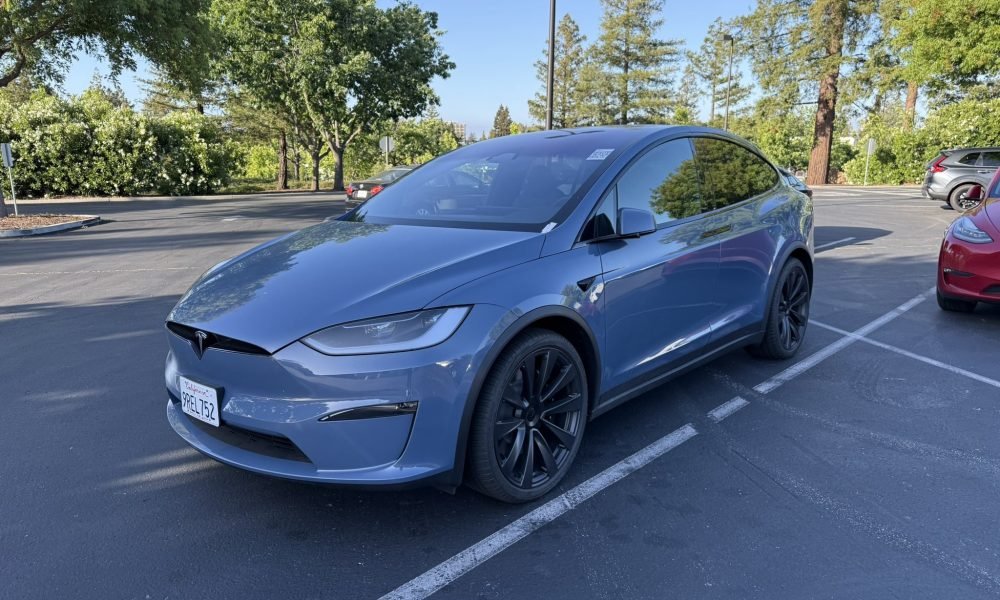
Tesla teases new color while testing refreshed Model S, X
Known Elon Musk critic Mark Cuban is ready to sell his Tesla because of a simple feature that is one of the more polarizing amongst community members. Cuban and Musk have gone head-to-head in several back-and-forths on X, Musk’s social media platform, formerly Twitter. However, it is not the public spats that the two have shared that makes Cuban want to sell his car. In fact, it is something relatively trivial and a feature that many could easily adjust to in the matter of a few minutes of driving. For the entrepreneur and former owner of the Dallas Mavericks, it is a feature that every driver must use, but Tesla temporarily changed it in the Model 3, Model S, and Model X: the turn signal. With the refreshed versions of the S, 3, and X, Tesla chose to eliminate the turn signal stalk, instead opting for a turn signal button, which is located on the steering wheel. This was a change that was extremely polarizing among the Tesla community, with many requesting that the company reverse the change with the new Model Y. Credit: Tesla They listened, and the newest version of the all-electric crossover has a stalk. No turn signal haptics are available on the new Model Y. This is one feature Cuban said he cannot get into, and instead chooses to drive his Kia EV6, which he said he is “comfortable with.” On the Your Mom’s House podcast, Cuban commented on the stalk and turn signal button dilemma within the vehicle: “On the Tesla, you’ve got to find [the turn signal] and push the button…while you’re driving. You can’t pay attention to the road as much. [The Kia] doesn’t try to be too fancy. Your turn signal is like, a turn signal.” It’s hard to imagine that someone’s attention is taken away from the road when pushing a button. In my test drive of the new Model 3 last year, I noted that the button was definitely an adjustment, but it only took a few minutes to adjust to: “It only took me about three or four turns, or roughly ten minutes, to realize I needed to stop reaching for stalks. I feel like the buttons are super convenient, but there were times I would push the edges or corners, and the signal would not come on.” I drove the new Tesla Model 3, here’s what got better At least to me, it’s not super believable that pushing a turn signal button takes your attention away from the road for more than a split second. Do I like the traditional stalk more? Yes. However, it would not make me sell a car I really enjoyed driving. Cuban also said that his son called the EV6 “a nerd car,” to which he replied, “Exactly.”
Lion Smart to study fast charging truck batteries
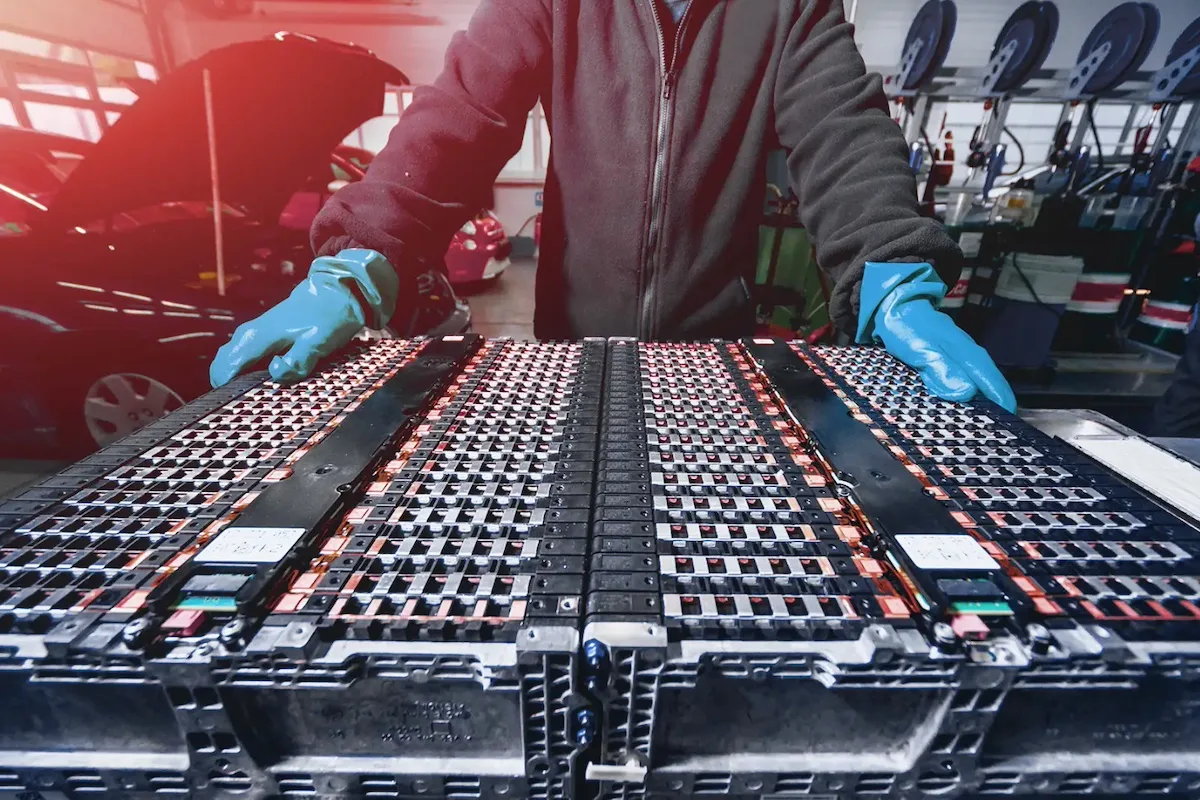
LION Smart has been commissioned to study the feasibility of a fast-charging battery system for electric trucks. The goal is to produce a battery system that can power a range of up to 450km within 15 minutes – with a charging capacity of up to 3 megawatts. The feasibility study has been commissioned by an unnamed ‘premium OEM’, and is intended to enable significantly shorter charging times for electric HGVs. With the vast majority of electric trucks requiring overnight charging, such a battery system could greatly reduce the need for additional chargers in truck depots. LION states that the concept under development focuses on an immersion-cooled high-performance battery featuring an integrated battery management system with both single-cell monitoring and electrochemical impedance spectroscopy (EIS). The firm says this combination will effectively enable analysis of battery condition in real time and deliver efficient thermal management – something that it believes will ultimately be necessary to the 15-minute charging goal. LION’s immersion cooling technology underwent a number of successful tests last year, with the 400V LION Smart battery ‘significantly’ exceeding test parameters and performance requirements under stress conditions. In July 2024, a German vehicle manufacturer carried out track tests with a prototype of the ‘Lion Light’ battery. Vehicles with battery voltages of 400 and 800 volts performed ’30 per cent above the current market standard’, according to reports. Regarding the feasibility study, LION E-Mobility CEO Joachim Damasky said: “This order is a clear signal of confidence in our technological expertise in the field of immersion-cooled battery systems. Our technology is designed for industrial applications with high requirements. The collaboration shows that our approach is perceived as a future-proof solution for heavy-duty electric transportation.” lionemobility.com
Road Tripping To A Cleaner Future: Your Company’s Gear Could Be Part Of Our Next Big Story!

As a regular contributor here at CleanTechnica, I’m always on the lookout for the next big thing in sustainable living, electric vehicles, and innovative gear that helps us tread lighter on our planet. This summer, I’m taking that search to the open road in a big way — quite literally. My family and I are gearing up for an epic two-week RV adventure from late June into early July. We’ll be crossing some of America’s most iconic natural landscapes, from the majestic Great Smoky Mountains National Park and the winding beauty of the Blue Ridge Parkway to the historic charm of the Natchez Trace Parkway, with plenty of state parks and even a stretch of classic Route 66 in between. This isn’t just a vacation; it’s a living laboratory. We’ll be traveling in our travel trailer, powered mostly by sunshine, and exploring with our trusty e-bikes at key stops. We also love boondocking (camping away from hook-ups), constantly seeking ways to maximize our energy efficiency and minimize our environmental footprint while experiencing the beauty of the Eastern U.S. Your Product, Our Adventure: A Perfect Match for CleanTechnica’s Readers This journey provides an unparalleled opportunity to put sustainable outdoor gear and clean technology products through real-world paces. Our CleanTechnica readers are deeply interested in solutions that enable adventure while respecting the planet. They don’t just want numbers. They want to know: How does it perform when living off-grid? Does it genuinely save energy or resources? Is it durable enough for life on the road? How does it contribute to a greener lifestyle? We’re looking for innovative products that fit seamlessly into an RV-based, family-oriented, e-bike-powered adventure. Possibilities include: Portable power solutions: Solar chargers, small battery banks, portable power stations. Energy-efficient appliances: Induction cooktops, low-power refrigeration, efficient lighting. Smart connectivity solutions: Cellular boosters, portable Wi-Fi that keeps you connected sustainably. Sustainable outdoor gear: Camping essentials made from recycled materials, eco-friendly cooking solutions, water filtration that reduces waste. Micromobility: Compact electric scooters, unique e-bike accessories that enhance the experience. What Your Company Gains By sending us your product and sponsoring the review article, you’re not just getting a review; you’re getting a visual narrative that resonates with an audience passionate about cleantech and sustainable living. Authentic, Real-World Testing: We don’t just unbox; we live with your product on the road, providing practical, honest feedback from genuine users. Stunning Photography & Video: Our trip through national parks and scenic byways provides incredible backdrops for compelling visuals of your product in action. My photographic style (you can see examples here) will highlight your product’s appeal. Targeted Exposure: Reach thousands of highly engaged CleanTechnica readers who are actively seeking sustainable solutions for their homes, vehicles, and adventures. Compelling Storytelling: We’ll craft a detailed, engaging article explaining how your product enhances a sustainable, adventurous lifestyle, going beyond mere specifications — provided the products do work well. Benefits to Partnering on a Sponsored Story Partnering with CleanTechnica on this journey is about more than just having someone do a quick product review and then moving on to the next one. Many products that get reviewed for free online end up gathering dust on a shelf or on Craigslist. This collaboration wouldn’t work like that. A sponsorship provides the benefit of reviewing the draft prior to publication to catch any mistakes or misrepresentations. Sponsored content also receives additional promotion within CleanTechnica (pinning the post, etc.) and promotion on our social media channels. In other words, this becomes YOUR story, not just another quick review. Ready to Roll? Our trip is just around the corner, and we’re finalizing our gear list now. If you have an innovative product that fits our adventure and CleanTechnica‘s mission, we’d love to hear from you! If this looks like a good opportunity for your company, please contact us here! Sign up for CleanTechnica's Weekly Substack for Zach and Scott's in-depth analyses and high level summaries, sign up for our daily newsletter, and/or follow us on Google News! Whether you have solar power or not, please complete our latest solar power survey. Have a tip for CleanTechnica? Want to advertise? Want to suggest a guest for our CleanTech Talk podcast? Contact us here. Sign up for our daily newsletter for 15 new cleantech stories a day. Or sign up for our weekly one on top stories of the week if daily is too frequent. Advertisement CleanTechnica uses affiliate links. See our policy here. CleanTechnica's Comment Policy
Active cell balancing to maximise the potential of battery storage

With active cell balancing, energy is evenly distributed among the cells rather than being converted into heat. It also allocates higher current levels as the energy is redistributed efficiently. This article will aim to present the benefits of active cell balancing and technical approaches that will help you introduce it to your battery management system (BMS). Why active cell balancing? Even if the battery cells are well-matched by the manufacturer, some cells begin to store less charge and degrade faster than others over time. It depends on individual cell properties as well as the physical location of the cell, e.g., different pressures and temperatures will promote capacity variation. Besides, slight manufacturing differences are a valid consideration, as cell variation will increase with time. Whatever the reason behind growing cell variations, eventually, cells become unbalanced — they charge and discharge inconsistently. This leads to waste of energy, early battery degradation, and safety issues. At this point, active cell balancing comes into play. It helps prevent all of the above risks by transferring energy from stronger to weaker cells, improving overall battery performance. Let’s take a closer look at the benefits: Higher energy efficiency Energy transfer-based cell balancing is more efficient for battery systems. By redistributing energy from stronger to weaker cells, you’ll get the opportunity to preserve more charge and make your system’s consumption more efficient. This is especially beneficial for large-scale systems, such as electric vehicles (EVs) or large-scale battery energy storage for grid regulation, load shifting, or renewable energy integration. Extended battery life Active cell balancing improves battery capacity and health by reducing cell stress caused by overcharging and discharging. Consistent cell balancing leads to slower battery degradation, prolonging its lifespan. Fast charge balancing Active balancing provides a much faster energy transfer among cells, improving scalability and cell balancing speed. Rapid balancing is crucial for systems with a large number of cells. Lower heat generation While passive balancing methods convert excessive energy into heat, active balancing ensures that the energy is transferred rather than dissipated. That’s why active balancing systems are perfect for compact or heat-sensitive devices, and are critically important for large-capacity storage. Improved safety and reliability Active cell balancing keeps voltage within safe bounds, reducing the chances of cell over- and undervoltage. Ensuring equal energy distribution is especially critical for applications with strict safety requirements, like grid storage or aerospace industry projects. Introducing active cell balancing To achieve tangible results, you’ll have to get to the core of the underlying pitfalls. Design is the main challenge while engineering an active cell balancing system. Unlike passive cell balancing, active cell balancing requires a more complex design. While a passive balancing system consists of a transistor and a resistor, an active balancing system requires a coil to redirect energy between the different cells. With the energy stored in inductors, the active balancing system also consists of a transistor and driver microchip. The energy stored in the inductor is transferred to a specific cell, requiring a more complex controller to determine the energy destination and forward it to the defined cell. Manufacturers provide ready-to-go reference designs for the DC-DC controllers that can be tailored to your specific needs for active cell balancing. Another option is open-source investigating results available for further customisation to your cell-balancing needs. Let’s review potential ways for introducing active cell balancing below. Off-the-shelf ICs and reference designs The most straightforward method is to use ICs and reference designs provided by manufacturers. Monolithic Power Systems delivers ready-to-go reference designs, helping embedded engineers integrate active balancing quickly and efficiently. Off-the-shelf solutions usually include circuit topologies such as flyback or Cuk, basic firmware, and built-in communication protocols. Thus, using reference designs is an optimal option for commercial products or rapid prototyping. Custom circuit design based on converter topologies Engineers can design circuits from scratch to build a tailored solution using converter topologies like flyback or Cuk. This approach allows you to customise all cell balancing parameters, including battery efficiency, heat dissipation, and PCB layout. However, if your deadlines are tight or your engineers don’t have the necessary experience, this may not be the best option for you. There’s no one-size-fits-all solution After reviewing ways to implement active balancing into a BMS, it becomes clear that there’s no ‘one-size-fits-all solution’ for all applications—your choice will depend on your specific needs and requirements. Many off-the-shelf solutions leave little room for customisation. Thus, if high adaptability and long-term optimisation are your priorities, open-source and custom-designed solutions are better for you. However, if your deadlines are tight or your engineering capacity is insufficient, ready-to-go solutions might be your best choice. At Lemberg Solutions, we’ve been helping businesses introduce active cell balancing to their battery management systems. Behind each successful implementation stands a detailed analysis of the desired cell balancing logic and business goals. Thus, before integrating active cell balancing into your system, make sure to analyse your needs and BMS specifics first. About the Author Roman Bykadorov is the embedded engineer tech lead at Lemberg Solutions, a tech consulting & software engineering company. Roman specialises in both software and hardware, developing a wide range of system solutions for embedded electronics. Successfully delivered projects across diverse industries, including heavy machinery, industrial electronics, Industrial IoT, automotive ECU development, as well as smart home technologies and consumer electronics.
Battery Power Online | Jeff Dahn on Silicon-Carbon Anodes
By Kyle Proffitt April 22, 2025 | Jeff Dahn, Professor at Dalhousie University, gave his annual plenary address at the International Battery Seminar last month. Dahn spoke about silicon-carbon composite anodes, comparing chemical and mechanical synthesis methods and praising carbon nanotubes for turning garbage to gold. “Silicon-carbon (Si-C) materials are becoming popular,” Dahn says, because pure silicon expands so much. Mixing the silicon with carbon can mitigate this swelling while gaining an energy boost. As a result, “Silicon-carbon composites with about 50 weight percent silicon are available from many vendors—over 70 in China,” he said. Si-C is primarily prepared through a chemical reaction using vapor deposition; silane gas is pumped across hard carbon in a furnace. The result is particles about 10 microns in size. It can also be prepared by mechanical milling, generating particles of approximately 5-6 microns. “We’ve looked at quite a number of chemical silicon-carbons and quite a number of mechanical silicon-carbons,” Dahn began. However, much of his work could not be disclosed; he showed only prototypical results from the two methods. For chemical Si-C, transmission electron microscopy and X-ray scattering results show the silicon uniformly distributed in roughly 1-nanometer clusters within nanopores of the hard carbon. Chemical Si-C showed discharge capacity of about 1800 mAh/g. The mechanical Si-C Dahn showed had a lower capacity of about 1200 mAh/g, but he said it’s possible to prepare mechanical Si-C with the higher capacity. He discussed the importance of binders when it comes to silicon anodes, highlighting the importance of maintaining an electrically conductive network. “We’ve learned… that single-walled carbon nanotubes (SWCNTs) are like magic in electrodes where particles show huge volume change; they turn garbage into gold.” He showed results from a 2024 article where the addition of just 0.5% SWCNTs enabled stable cycling with silicon monoxide (SiO) anode material, using a “simple binder”, whereas in the absence of the nanotubes, these cells dramatically lost capacity. “The same is true for chemical SiC; simple binders work when you put in SWCNTs,” Dahn said. He showed that contrary to prevailing assumptions with silicon anodes, no fluoroethylene carbonate additive is necessary with chemical Si-C, at least as long as SWCNTs are included. In addition to the “breathing” that occurs during cycling for volume-change materials, Dahn indicated that irreversible volume changes are another major problem, where lithium inventory is lost to side reactions, thickening the SEI. His group prepared an apparatus to measure the associated pressure created from cycling and compared the irreversible pressure changes in batteries using anodes with 20% micronized silicon, chemical Si-C, or mechanical Si-C. Remarkably, only the chemical Si-C anode avoided irreversible swelling, which corresponded to stable cycling. SEM images of these particles showed no cracking or pulverization. The cells still undergo a large, reversible volume expansion during cycling. In a mini-summary, Dahn said that cells with 20% Si-C could reach 1000+ cycles at C/3 or C/5 rates. Focusing next on the reversible volume changes, Dahn turned to a topic discussed last year—electrolyte movement causing salt depletion at the battery ends. For high volume change materials like Si-C and SiO, higher charge rates lead to rapid capacity depletion; however, the capacity is regained after a rest, which makes sense because the rest gives the electrolyte time to re-equilibrate. Using impedance spectroscopy, his group tracked the timescale of this relaxation event in 18650 cells prepared with SiO anode material and discovered that it occurred over eleven days. “The DC resistance of the cell takes many, many days to relax back, and things are much worse in longer cells, because the time for the electrolyte salt imbalance to relax scales as the length of the cell squared,” he said. “Long cells are not a good thing if you’re going to be incorporating a large volume change material into the negative electrode.” He hinted that great care might be put into cell design to avoid such electrolyte imbalance. Si-C Excitement Summarizing, Dahn said that “chemical silicon carbon materials are really exciting” for their lack of irreversible swelling, their functionality without fancy electrolytes, avoidance of cracking or pulverization, and good cycle life. Furthermore, he said that chemical Si-C should be manufacturable at a price of $25/kg. Natural graphite comes in at $5/kg, but once you consider their energy densities—1800 Ah/kg vs. 360 Ah/kg—the price is exactly the same, at 1.4 cents/Ah. As one drawback, Dahn said that chemical Si-C will never compete with graphite for extremely long cycle life if significant cycling depth is used; he pointed to his NMC532/graphite cells that have cycled 26,000 times over 7+ years (10.4 million km), evidence of his continuing quest for ultra-long cycling.
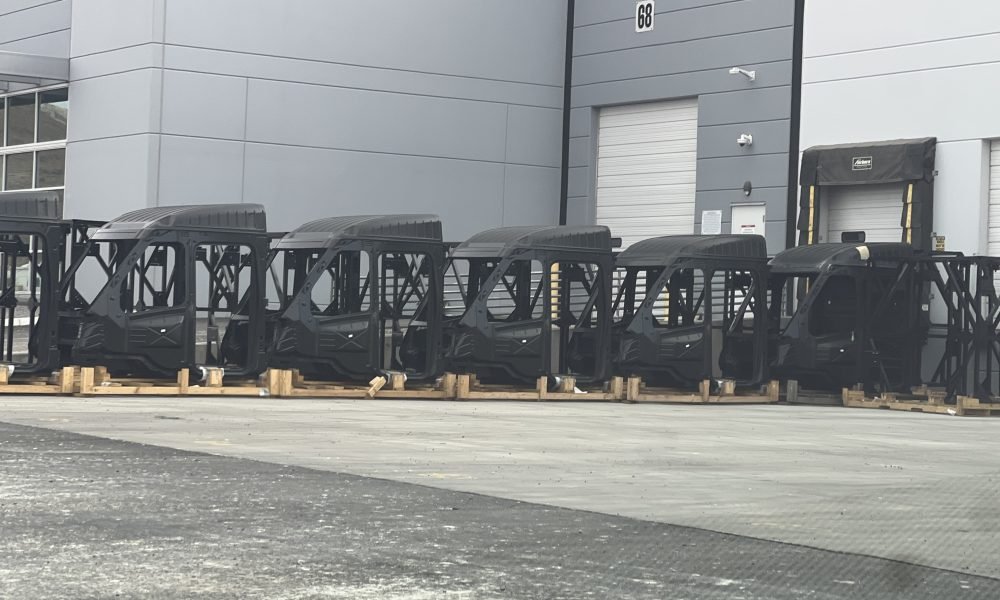
Tesla Semi frames stack up in Nevada as production nears
Known Elon Musk critic Mark Cuban is ready to sell his Tesla because of a simple feature that is one of the more polarizing amongst community members. Cuban and Musk have gone head-to-head in several back-and-forths on X, Musk’s social media platform, formerly Twitter. However, it is not the public spats that the two have shared that makes Cuban want to sell his car. In fact, it is something relatively trivial and a feature that many could easily adjust to in the matter of a few minutes of driving. For the entrepreneur and former owner of the Dallas Mavericks, it is a feature that every driver must use, but Tesla temporarily changed it in the Model 3, Model S, and Model X: the turn signal. With the refreshed versions of the S, 3, and X, Tesla chose to eliminate the turn signal stalk, instead opting for a turn signal button, which is located on the steering wheel. This was a change that was extremely polarizing among the Tesla community, with many requesting that the company reverse the change with the new Model Y. Credit: Tesla They listened, and the newest version of the all-electric crossover has a stalk. No turn signal haptics are available on the new Model Y. This is one feature Cuban said he cannot get into, and instead chooses to drive his Kia EV6, which he said he is “comfortable with.” On the Your Mom’s House podcast, Cuban commented on the stalk and turn signal button dilemma within the vehicle: “On the Tesla, you’ve got to find [the turn signal] and push the button…while you’re driving. You can’t pay attention to the road as much. [The Kia] doesn’t try to be too fancy. Your turn signal is like, a turn signal.” It’s hard to imagine that someone’s attention is taken away from the road when pushing a button. In my test drive of the new Model 3 last year, I noted that the button was definitely an adjustment, but it only took a few minutes to adjust to: “It only took me about three or four turns, or roughly ten minutes, to realize I needed to stop reaching for stalks. I feel like the buttons are super convenient, but there were times I would push the edges or corners, and the signal would not come on.” I drove the new Tesla Model 3, here’s what got better At least to me, it’s not super believable that pushing a turn signal button takes your attention away from the road for more than a split second. Do I like the traditional stalk more? Yes. However, it would not make me sell a car I really enjoyed driving. Cuban also said that his son called the EV6 “a nerd car,” to which he replied, “Exactly.”
Beyond the Harbor: Electrifying Short-Sea Routes and Hybridizing Blue-Water Shipping

Last Updated on: 26th May 2025, 07:30 pm As ports around the world push forward on their decarbonization journeys, the final and perhaps most challenging frontier is decarbonizing the vessels themselves—not only within the harbor but throughout their voyages. This fourth and culminating phase of port electrification and decarbonization strategy tackles precisely this challenge, extending the benefits of clean electrification far beyond port boundaries and into the very propulsion systems powering maritime trade. This logical progression builds upon the successful groundwork established in the initial five years, when ground vehicles were electrified, the focus of the second five years, electrifying port vessels and ferries, and then the third five years, when cold ironing of major ships is introduced. The baseline energy demand was established in the introductory article. This particular order is simplified to allow a particular part of port energy demands to be assessed. In reality, ground vehicles, port, inland and short sea vessels and shore power will be electrifying with fits and starts somewhat in parallel, with ground vehicles ahead, and vessels and shore power likely occurring in parallel. By the 2040s, the technology landscape for maritime electrification will have significantly evolved. Battery energy densities, charging infrastructures, and renewable generation capabilities will have improved dramatically, making previously ambitious scenarios commonplace. The result: a maritime sector poised to operate largely or entirely without fossil fuels within coastal and inland routes. Inland shipping, already an efficient and environmentally favorable mode of freight transportation, represents an ideal candidate for full electrification. By this stage, inland barges are anticipated to operate predominantly on battery-electric propulsion systems, supported by modular battery-swapping stations located strategically at major ports. These battery modules, designed to standardized dimensions similar to shipping containers, would be rapidly swapped out at ports, ensuring minimal disruption to shipping schedules and maximizing operational flexibility. In parallel, short-sea shipping routes—those coastal voyages often spanning distances of just a few hundred kilometers—would similarly be transformed through electrification. Vessels on these routes, including feeder container ships of up to around 2,000 TEU and coastal Ro-Pax ferries, are ideally suited to battery-electric solutions due to their predictable, short-range operations, although the biggest ships on the longest routes might still be hybrid electric. High-power shore-side charging systems installed during earlier phases at major ports as well as containerized battery swapping would now enable these short-sea vessels to quickly recharge at each port call, fully eliminating onboard combustion during voyages. A strong proof point for this are the two 700 TEU container ships plying 1,000 km routes on the Yangtze in China, swapping depleted containerized batteries for charged ones at ports along the route. For ocean-going vessels that cover vast distances, the energy demands remain significantly higher, making full electrification challenging even by mid-century. Yet substantial electrification is achievable, particularly within designated coastal emission control areas extending approximately 200 kilometers offshore. Within these zones, large ships would switch seamlessly to onboard battery power, sailing silently and emissions-free into and out of port. This hybrid propulsion approach dramatically reduces local emissions, significantly improving coastal air quality and aligning shipping operations with stringent regulatory standards. Upon arriving in port, these ocean-going vessels would connect to high-capacity shore power systems already installed in prior electrification phases or once again take advantage of swappable containerized batteries, fully recharging their batteries during typical berth times. On departure, they would continue on battery power until beyond the coastal emissions zone, at which point they could switch to renewable biofuels or synthetic fuels for deep-ocean segments of their journeys. Biofuels play an essential complementary role in decarbonizing long-haul maritime transportation. Recognizing that battery capacity, even with dramatic improvements, remains impractical for multi-thousand-kilometer ocean voyages, sustainable drop-in fuels such as hydrotreated vegetable oils (HVO) or biomethanol become necessary. By this final phase, ports will no longer supply traditional fossil-based bunker fuels. Instead, port bunkering infrastructure transitions fully to bio-derived fuels, ensuring even the longest ocean crossings maintain carbon-neutral propulsion. Vessels receiving fuel at these ports would thus carry renewable energy supplies sufficient for their entire oceanic journey, dramatically reducing global maritime emissions and positioning these ports as hubs for fully sustainable shipping practices. As a note, I’m bullish on biodiesel as opposed to biomethanol simply because it can be blended with current VLSFO in increasing percentages over a decade or two in existing bunkering facilities, and provides the same energy density as VLSFO, two substantial advantages over biomethanol. However, others such as Paul Martin, are more bullish on biomethanol because its feedstocks are much simpler and more available, so they expect the more limited higher quality feedstocks to be preserved for sustainable aviation biokerosene. My projections of demand for aviation and shipping, as well as my assessments of biofuel feedstocks and processes suggest that demand will be much lower than current projections and feedstocks are far more than adequate, but it’s an open point at present. There is strong potential for ships which shuttle back and forth across the Atlantic to be fully electric in the future. A study out of Berkeley Lab in 2022 found that it wasn’t mass or volume that was a constraint, but battery costs. While the study was imperfect, it found that at $100 per kWh, 1,500 km routes were economically breakeven without subsidies, and 3,000 km routes were economic at $50 per kWh. We’re already seeing $60 range full battery pack prices for LFP out of China’s grid storage auctions, and we’re likely to see that trend down well below $50 with chemistry, manufacturing and pack innovations in the coming years. 3,000 km is the distance between Ireland and Newfoundland, so while this energy projection doesn’t include journeys of that distance, it’s very much within the realm of the possible. At minimum, the 200 km on either end of the journey currently projected will likely extend as far as possible due to the cost advantages of cheap electrons vs more expensive fuels, with operators optimizing energy as much as possible. MT CO2e For Global Shipping Through 2100, by
Construction approval for 1.6GWh flow battery in Switzerland

Approval was announced in early April with official groundbreaking said then to to take place in the next few weeks, while commissioning is scheduled for 2028. It will be built at the ‘Star of Laufenburg’, a substation with 41 cross-border power lines connecting the grids of Switzerland, Germany and France. The ‘world’s largest and most modern redox flow battery storage system’ will be built on a 20,000m2 footprint with a power output of 800MW and an energy storage capacity of more than 1,600MWh, the company said. The system will consist of a liquid with 75% water content supplemented by 25% of a metallic electrolyte, ‘typically vanadium or bromine’, the company said. The project was revealed to the public in September 2024, the company at the time describing the storage system as 500MW-plus using a ‘non-flammable’ unnamed technology. ‘About time we introduce flow batteries at a bigger scale to Europe’ The largest flow battery in Europe is most likely in the low double-digit megawatt-hours. Meanwhile, the largest flow battery in the world, in China, is 175MW/700MWh. Energy-Storage.news asked FlexBase for more information about the technology provider, financing and why it had decided to go so large. The firm wouldn’t disclose which company would provide the flow battery tech. “According to research studies and calculations, a flow-battery gets less pricey if you make it bigger (levelised cost of storage/LCOS). In other words, the perfect scalability of the flow-battery allows us to build it bigger which, together with the long expectation of durability, makes it more and more comparable to investing in other, less expensive technologies such as lithium batteries,” the spokesperson said. “Next to the crucial benefits such as being non-flammable, non-explosive and having easy maintenance requirements, we’re seeing flow-batteries perform in Asia – it’s about time we introduce them at a bigger scale to Europe.” Meanwhile, financing for the project will come from private investors and family offices in the region of Germany, Austria, Switzerland and Lichtenstein, they added. Reducing the capex of flow battery technology by scaling it will be crucial given the past few years has seen consistent and substantial cost reductions for lithium-ion technology, to the extent that its proponents are now claiming it is cost-effective for 8-10 hour durations, and in the future even more.
Battery Power Online | Troy Hayes on Propagation Mitigation at Tesla
By Kyle Proffitt April 25, 2025 | Troy Hayes, Director of Quality at Tesla, gave one of the plenary presentations at last month’s International Battery Seminar. Hayes talked passive propagation resistance in battery design—how to keep a single thermal runaway event from growing into a major fire. Freer discussed the wider UK battery strategy and how they are bolstering research and innovation alongside an energy transition. “You need to develop a battery pack that, if you have a single thermal runaway event of a cell inside the pack, it needs to passively be able to stop that reaction from spreading to the entire battery pack,” Hayes said as the thesis for his keynote address. He provided some gratifying data. “At Tesla, we’ve accumulated over 200 billion miles of data worldwide… electric vehicles experience fires far less frequently than their ICE counterparts.” In the US, the vehicle fire rate for ICEs is about 1 per 18 million miles; that rate falls to about 1 fire per 120 million miles for EVs, nearly 7-fold reduction. He supported this claim with data published by various other countries demonstrating everything from 4- to 83-fold reduction in fires for EVs. “It’s pretty clear that EVs catch fire less frequently than internal combustion engines, which isn’t surprising since internal combustion requires… combustion,” Hayes said. However, EV fires make headlines because they can be much more difficult to put out. He added a confounder in the data: some EVs are just in fires and not causative. An example was shown of a burned-out Tesla vehicle from which an intact, functional battery was subsequently retrieved. Still, the goal is to stop any EV-initiated fires. Hayes listed several possible sources in a lithium-ion battery: torn electrodes, folded separator, lithium plating (which can be related to temperature, speed of charging, electrolyte depletion, etc.), core impingement in cylindrical cells, and metallic contamination of the cathode or anode. For Tesla, he says they are applying an analogy to protection from a gun; they are removing bullets, and they’re wearing a bullet-proof vest, just in case. Remove the Bullets “There’s a number of solutions; a lot of them are quite low tech and pretty easy to implement, and then there’s a number that are much higher tech,” Hayes said. For materials like iron, if it’s homogeneously distributed throughout the cathode material, they need to control the level of incoming contamination to around 15 parts per million. However, for larger particles in a 100-200 micron range, “it needs to be controlled to like 30 parts per billion.” He pointed to enclosed physical spaces or virtually enclosed spaces kept clean with fan and filter units to limit contamination. Then there are simple concepts, he said. “You need to avoid metal-on-metal contact in lithium-ion batteries like the plague.” However, that’s difficult, because all of your equipment is metal. He walked through several examples of seemingly benign environmental sources, including a door rubbing a doorframe and personal protective equipment that uses metal hooks for tying onto when working at heights. He also mentioned the example of abrasive metal oxides moving through a closed plumbing system as a powder, creating wear in any area of impingement. Hayes champions a pretty simple add-on for reducing metal contamination. “One of the low-tech methods that I like to use… all over the world I preach: magnets, magnets, magnets.” He said this is a really cheap way to clean iron, nickel, and cobalt-based contaminants. He added that 316 and 304 stainless steel, which are not magnetic, become magnetic with a small energy input and phase transition. This means that any abrasive process creating burrs or small particles causes stainless steel to transform to a magnetic structure, which can be easily removed. Math and Failure Rates Hayes said another tactic to help find and remove risk is offline product sampling. However, if your defect rate is low, many samples are required to have a reasonable chance of finding the defect. In an example, if the defect rate is 75 parts per million, you need about 10,000 samples to have a 50% chance of detection. Instead, Hayes favors 100% inspection techniques, including cameras, x-rays, beta-rays, and soon, extensive CT scans. He predicts that within two years, we’ll have high-volume manufacturing that uses 100% CT with resolution of 40 microns or less. Wear a Vest Even with all that, there are some “bullets” left in the gun. Hayes showed statistics indicating that from 2005-2015, the spontaneous runaway rate in lithium-ion batteries was between one in 1 million and 1 in 10 million, but has since improved to about 1 in 40 million. That’s great, but because EVs have thousands of cells in them, “you’re expecting to have a single cell experience thermal runaway in every few thousand vehicles; that’s why passive propagation resistance is critical.” Restating the thesis, “you have to build a pack that will not turn one cell fire into a car fire.” Tesla’s solution is to use a smaller unit of energy, the cylindrical cell. The annular space between cylindrical cells allows you to manage thermal characteristics, using cooling tubes or potting material. Then they put plates of aluminum or steel on both sides of the pack. Hayes talked about how they predict propagation events, starting with individual cells, analyzing runaway with high-speed x-ray imaging, adding thermal modeling that begins to consider larger groups of cells, and then moving on to actual pack testing. At the pack level, he says the testing gets really expensive, and you need to think about all the different kinds and combinations of initiation events that might occur, such as punctures, overheating, and overcharging. Once again, he turned to a mathematical complication: “failures are really stochastic, meaning even if you put it under the same exact condition ten times, you can get ten different results.” He said if you really want to have statistical confidence an event is less likely than 1%, about 300 tests have to be run. You don’t want to burn 300 battery
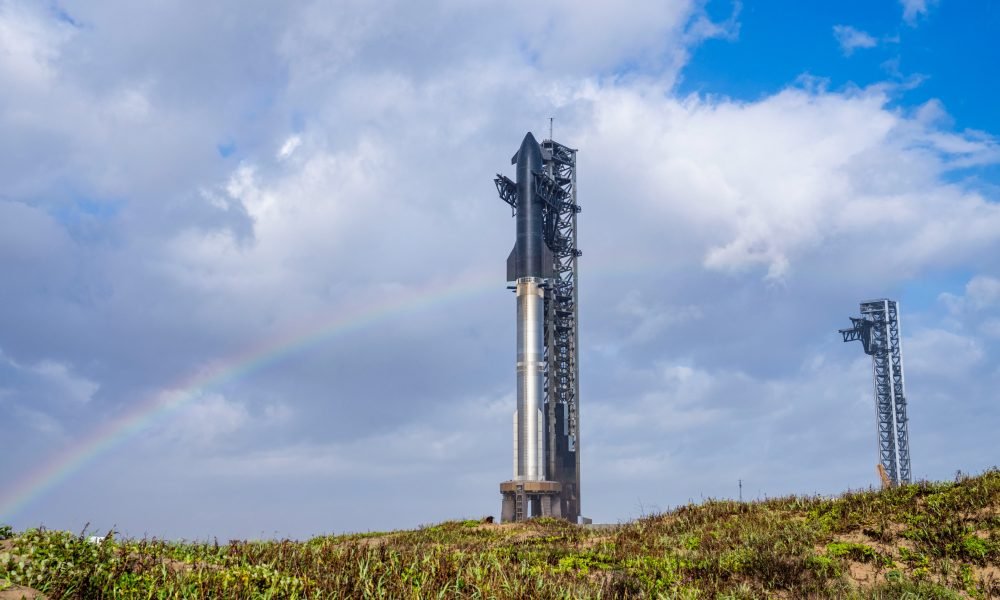
SpaceX Starship Flight 9 recap: objectives & outcomes
United Airlines debuted Starlink Wi-Fi on its first passenger flight to Detroit, marking a milestone in in-flight connectivity with SpaceX’s satellite internet. On Thursday, the morning flight from Chicago’s O’Hare International Airport introduced high-speed, gate-to-gate Starlink internet for United Airlines passengers. The Starlink-equipped United Embraer E-175, tail number UA5717, departed at 7:35 a.m. for Detroit Metropolitan Airport. United announced the rollout on X, stating, “That lightning-fast Wi-Fi we told you about? It’s here. Our first customers just found out what it’s like to break the Wi-Fi barrier and stream, scroll, shop, and game just like at home with Starlink. And it’s FREE for MileagePlus members. Rolling out across our fleet now.” That lightning-fast Wi-Fi we told you about? It’s here. 🎉 🛜 Our first customers just found out what it’s like to break the Wi-Fi barrier and stream, scroll, shop and game just like at home with @starlink. And it’s FREE for MileagePlus members. Rolling out across our fleet now. pic.twitter.com/ayFdqehrlV— United Airlines (@united) May 15, 2025 The service leverages Starlink’s 7,000+ low Earth orbit (LEO) satellites to deliver broadband globally, including in remote areas. United is the only major U.S. airline currently offering Starlink. The airline plans to expand the service across its two-cabin regional fleet and introduce it on mainline flights by year-end. Sean Cudahy from The Points Guy tested Starlink’s Wi-Fi pre-launch, praising its ease and reliability. “I ran a speed test, and it clocked the Wi-Fi at 217 Mbps of download speed, and 26.8 Mbps of upload speed,” Cudahy shared, noting its suitability for long flights. Beyond aviation, SpaceX is pitching Starlink as a GPS alternative, emphasizing its potential for Positioning, Navigation, and Timing (PNT) services. This dual capability underscores Starlink’s versatility. In a letter to the FCC, SpaceX wrote, “One opportunity stands out as a particularly ripe, low-hanging fruit: facilitating the rapid deployment of next-generation low-Earth orbit (‘LEO’) satellite constellations that can deliver PNT as a service alongside high-speed, low-latency broadband and ubiquitous mobile connectivity.” As SpaceX expands Starlink’s applications, from aviation to navigation, United’s adoption signals a broader shift toward satellite-driven connectivity on long flights. With plans to equip more aircraft, United and Starlink are redefining in-flight internet, promising seamless digital access at 30,000 feet.
ElevenEs announces fast-charging LFP cell
Serbian LFP battery manufacturer ElevenEs is launching an advanced LFP cell for use in electric cars. The prismatic cell is designed to enable fast charging from 10 to 80 per cent in twelve minutes and is advertised as being particularly durable. ElevenEs announces the market debut of its Edge574 Blade Cell, which is just over half a metre long, and emphasises that it represents a significant leap forward as a next-generation battery cell. The Serbian company already has two LFP cells in its portfolio, but these are more focused on industrial applications, stationary storage and commercial vehicles. The Edge574 Blade Cell has now been modified in such a way that it should score particularly well with its fast-charging capability, durability and efficiency. ElevenEs specifies a gravimetric and volumetric energy density of 190 Wh/kg and 420 Wh/l at the cell level for the new LFP cell. For charging, the company states a C-value of 10 and promises that “a pack with potentially 210 cells can achieve a peak charging power of 1 MW.” As is well known, the ‘C’ in charging speed is an indicator of the ratio of battery size to charging capacity. At 1C, any 100 kWh battery can be charged with a maximum of 100 kW. At 10C it would therefore be 1 MW. However, the maximum charging capacity of batteries is generally not available for the entire charging process. The Serbian company stated that at temperatures above 25 degrees Celsius, fast charging from ten to 80 per cent is possible in twelve minutes. At ten degrees Celsius, this charging window should still be achievable in 18 minutes, thanks to a peak charging power of 650 kW; at zero degrees, the company no longer states a charging time, but still a maximum charging power of 415 kW. In terms of service life, ElevenEs also promises a value of “at least 500,000 kilometres.” When installed, the new cell should be suitable for cell-to-pack as well as cell-to-body integration. ElevenEs also provides a rough outline of how the developers have made progress with the Edge574 Blade Cell. Compared to its predecessors, the new cell is said to have improved materials and a 15 per cent reduction in internal DC resistance thanks to “improved mechanical design and the optimization of electrode materials and new electrolyte.” An important role will also be played by an improved housing with a thinner yet robust sheet metal design and optimised covers with larger connections that enable a higher current output. As far as the dimensions of the prismatic cell are concerned, the new generation is even thinner and taller. Specifically, it measures 57.4 cm x 12 cm x 1.6 cm. The company is already advertising the Edge575 and Edge500 cells on its website. The former was developed for electric vehicles such as buses and lorries and ‘combines high performance and durability, making it versatile for BESS applications’, according to the company. The Edge500 is also suitable for BESS, industrial applications, off-highway machinery and commercial vehicles. ElevenEs was first heard from in autumn 2021, when the Serbian company announced a strategic partnership with EIT InnoEnergy to build the first LFP battery gigafactory in Europe. This is currently scheduled to be built in 2027. ElevenEs is currently manufacturing its prismatic LFP cells in a pilot plant in Serbia, which opened in 2023. The start of construction of a larger plant with a production capacity of 1,000 MWh/1 GWh is also planned for this year. A research and development centre was opened in Subotica, Serbia, in mid-2021. Current production is closely linked to this centre. In principle, ElevenEs is aiming to build three large production facilities with a total capacity of 48 GWh in the coming years. The aforementioned plant with an annual capacity of eight GWh is scheduled to go into operation in 2028, the other two with a capacity of 20 GWh each in 2030 and 2031 – the former in Europe, the latter in the USA. ElevenEs is a spin-off of the AI Pack Group, a large aluminium processor. The company began work on an LFP battery in 2019 with the aim of developing a particularly sustainable and efficient cell. The investor EIT InnoEnergy is not new to the field of battery technology: EIT was also one of the early investors in the Swedish company Northvolt and the French startup Verkor. It is not known how much EIT InnoEnergy invested in ElevenEs in 2021. elevenes.com
Hyundai Motor Group Opens ZER01NE Fund III to Drive Future Technology Innovation with Startups
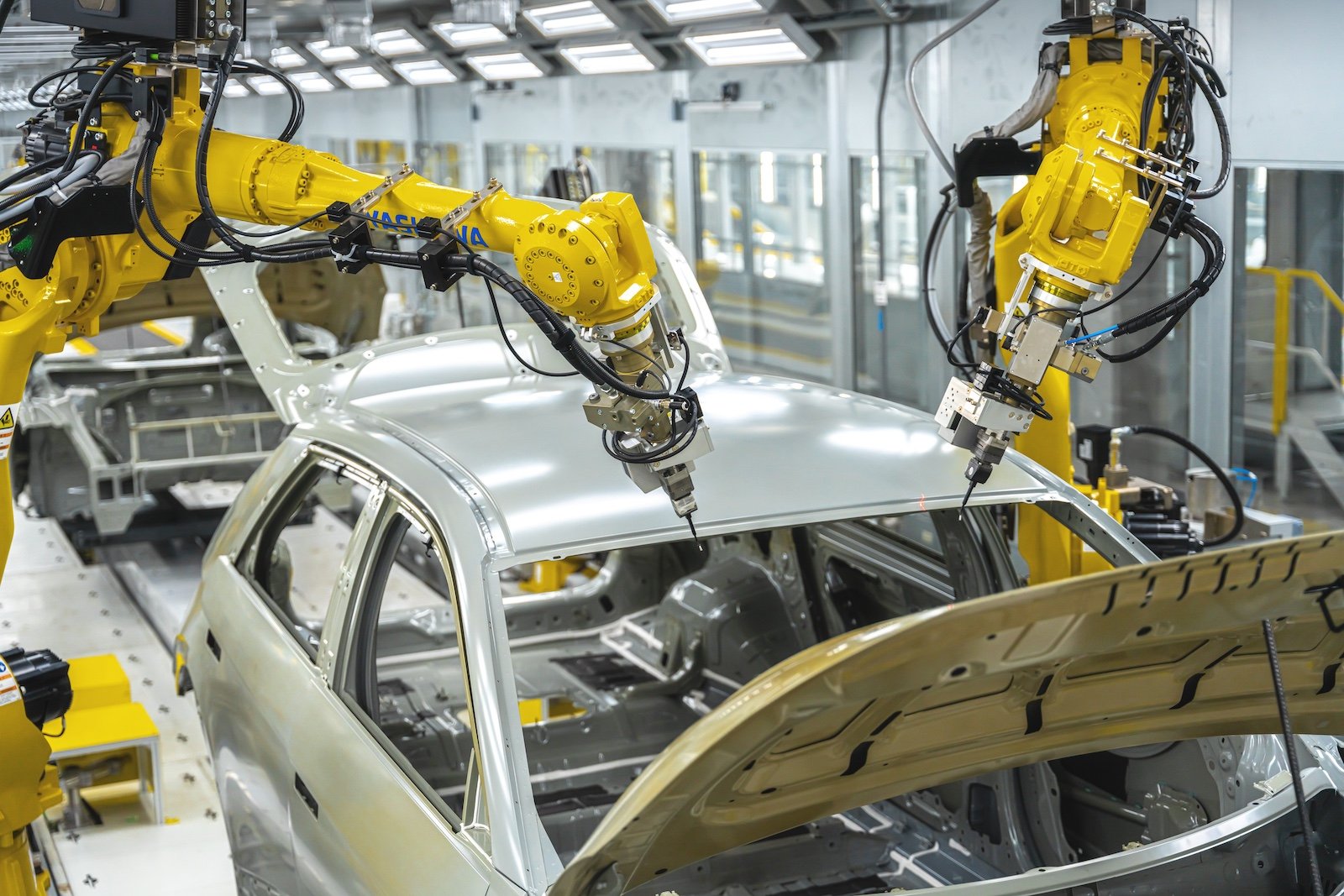
ZER01NE Fund III, valued at KRW 125 billion, aims to accelerate innovation in future technologies through early-stage startup investments The fund targets startups globally that align with strategic areas like AI, robotics, cybersecurity, hydrogen and energy technologies Building on the successes of previous funds, ZER01NE Fund III is supported by seven Hyundai Motor Group affiliates to expand startup collaborations SEOUL, SOUTH KOREA — Hyundai Motor Group (the Group) announced today the launch of ZER01NE Fund III, a KRW 125 billion strategic investment fund aimed at accelerating innovation in future technologies through early-stage startup investments. The new fund marks a 1.5-fold increase in size over the previous ZER01NE Fund II and is supported by 10 affiliates of the Group, including Hyundai Motor Company, Kia Corporation, Hyundai Motor Securities, Hyundai GLOVIS, Hyundai WIA, Hyundai Rotem, Hyundai MOBIS, Hyundai AutoEver, Hyundai Capital, and Hyundai BNG STEEL. ZER01NE Fund III will focus on discovering and investing in startups worldwide that align closely with the Group’s evolving business strategies, particularly in the areas of artificial intelligence (AI), robotics, cybersecurity, hydrogen and energy technologies. “This fund reinforces the Group’s position as a leading strategic investor in transformative technologies. By deepening collaboration with innovative startups, we aim to generate meaningful synergies across our affiliates and accelerate our future-ready business initiatives,” Kyuseung Keith Noh, Vice President and Head of ZER01NE Group at Hyundai Motor Group, said. The new fund builds on the success of its predecessors. ZER01NE Fund I (approximately KRW 10 billion) and ZER01NE Fund II (KRW 80.5 billion) collectively invested in over 105 startups, leading to over 200 collaboration cases within the Group. Notable ZER01NE Fund I portfolio companies include: Clobot provides cloud-based robot management platforms for industries such as logistics, healthcare and security. It rapidly scaled from seed investment to IPO in 2024, driven by its proprietary autonomous navigation solutions. MakinaRocks is an AI startup that specializes in industrial artificial intelligence solutions, particularly focusing on manufacturing and process optimization. The company develops machine learning platforms that help industrial clients predict equipment failures, optimize production processes, and improve operational efficiency through data analytics. POEN remanufactures and upcycles end-of-life EV battery packs, transforming discarded cells into high-performance, cost-effective battery units for reuse. It partners with OEMs globally to reduce battery waste and promote sustainable energy storage solutions. Macaron Factory is an automotive tech startup that developed “Mycle,” a mobile app platform connecting car owners with repair shops and mechanics. The company digitizes the car maintenance experience by offering on-demand booking services, transparent pricing, and streamlined communication between vehicle owners and service providers. The investment period for ZER01NE Fund II concluded in January 2025. Its key companies include: 60Hertz develops AI-powered software to manage and optimize distributed renewable energy assets like solar, wind and EV systems. It helps global clients meet RE100 goals through forecasting tools, energy trading platforms and smart grid technologies. LD Carbon recycles end-of-life tires into recovered carbon black and tire pyrolysis oil using advanced pyrolysis technology. It supplies eco-certified materials to global manufacturers while significantly reducing carbon emissions and promoting circular economy practices. Terracle recycles waste plastics based on green chemical technology. The primary vision is to enable the infinite recycling of plastics without environmental pollution, utilizing low-temperature depolymerization technology for PET, reverting plastic back to its raw materials. Holiday Robotics develops manipulation-centric humanoid robots with dexterous hands, leveraging LLMs, computer vision, and simulation-based reinforcement learning for manufacturing assembly tasks with plans to expand into service and home applications. With the launch of ZER01NE Fund III, the Group continues its commitment to shaping the future of mobility and sustainability by backing pioneering startups with high potential to contribute to its long-term growth. Sign up for CleanTechnica's Weekly Substack for Zach and Scott's in-depth analyses and high level summaries, sign up for our daily newsletter, and/or follow us on Google News! Whether you have solar power or not, please complete our latest solar power survey. Have a tip for CleanTechnica? Want to advertise? Want to suggest a guest for our CleanTech Talk podcast? Contact us here. Sign up for our daily newsletter for 15 new cleantech stories a day. Or sign up for our weekly one on top stories of the week if daily is too frequent. Advertisement CleanTechnica uses affiliate links. See our policy here. CleanTechnica's Comment Policy
Opel presents off-road Frontera - electrive.com
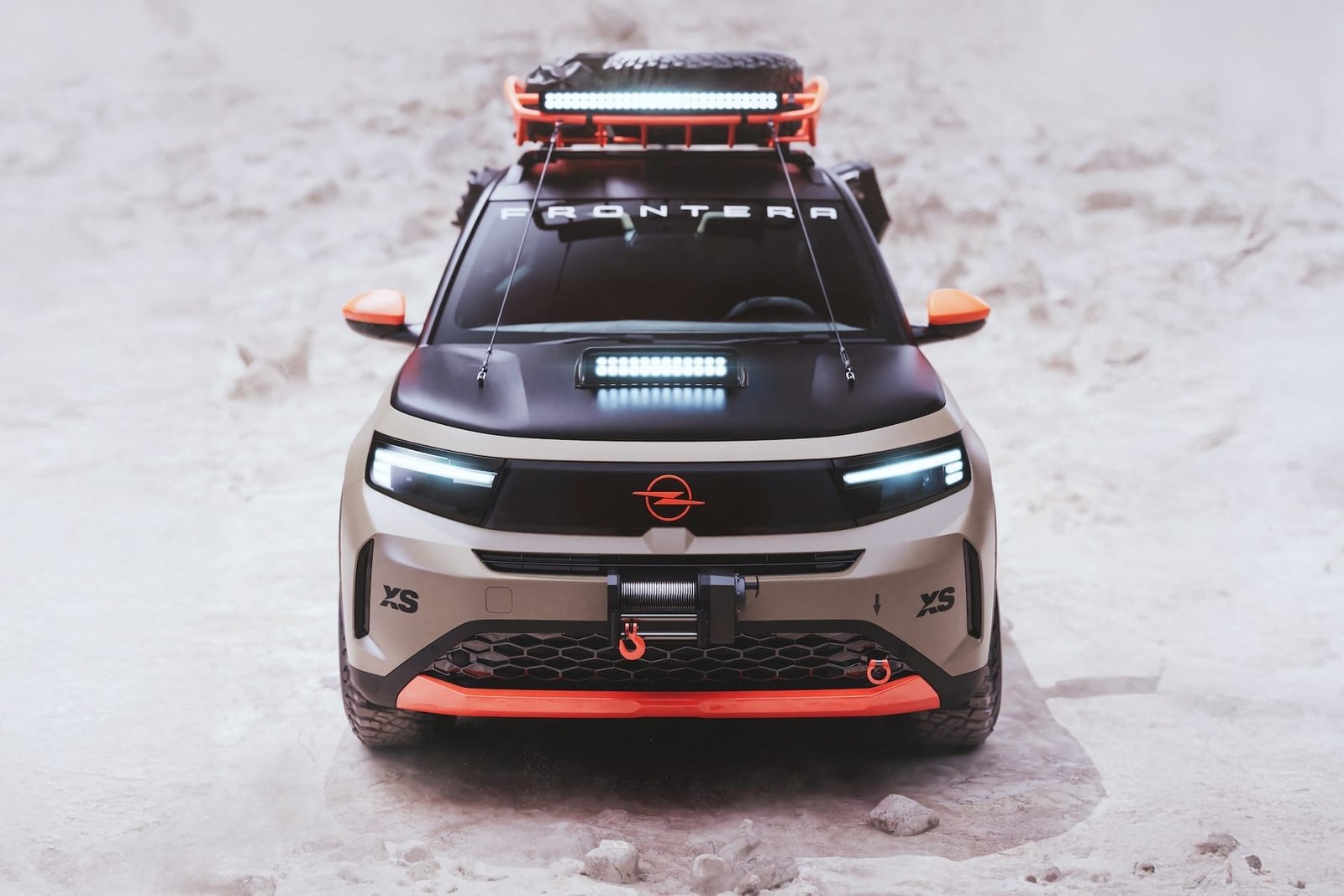
Opel has reintroduced the Frontera nameplate with the launch of its new SUV, marking a significant evolution from its predecessor, the off-road vehicle produced between 1991 and 2003. The 2024 Opel Frontera is a compact crossover SUV that combines rugged design elements with modern electrified technology, catering to a diverse range of customers seeking both style and sustainability. Design and Features The Frontera showcases Opel's bold design philosophy, featuring an upright front silhouette and pronounced wheel arches that convey a robust yet contemporary aesthetic. The front end is distinguished by the Opel Vizor, seamlessly integrating the new 'Blitz' emblem and Eco LED headlights, creating a unified and striking appearance. The interior is equally impressive, equipped with dual 10-inch widescreen displays, a redesigned steering wheel, and innovative features like the smartphone station and wireless charging, enhancing both functionality and user experience. (media.stellantis.com) Performance and Drivetrain Customers have the option to choose between a fully electric variant and a 48-volt hybrid model. The electric Frontera is powered by a 113-horsepower motor, offering a range of over 300 kilometers on a single charge, with plans for a long-range version extending up to 400 kilometers. The hybrid model combines a 1.2-liter turbocharged engine with an electric motor, delivering efficient performance suitable for various driving conditions. (nocache.media.stellantis.com) Interior and Space Designed with versatility in mind, the Frontera provides ample space for occupants and cargo. The boot offers over 460 liters of luggage capacity, expanding to approximately 1,600 liters with the rear seats folded down. For those seeking additional functionality, optional roof rails can support up to 240 kilograms, accommodating roof tents and other accessories for outdoor adventures. (nocache.media.stellantis.com) Pricing and Availability The Frontera is competitively priced, with the electric version starting at around €29,000 in Germany, and the hybrid model beginning at approximately €24,000. Opel aims to make electric mobility more accessible, offering a compelling package that combines performance, design, and practicality. (nocache.media.stellantis.com) Conclusion The 2024 Opel Frontera represents a significant step forward for the brand, blending the legacy of its predecessor with modern electrified technology and design. It caters to a wide range of customers, from urban commuters to outdoor enthusiasts, offering a versatile and sustainable SUV option in the competitive market.
Understanding SLA Batteries: The Power Behind Your Backup Systems
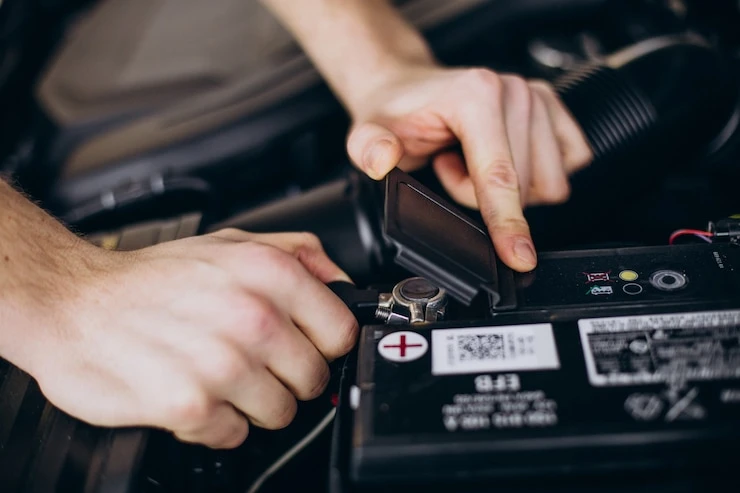
In today's increasingly digital world, the reliability of power systems is paramount. Whether for personal use or industrial applications, ensuring uninterrupted power supply is essential. Enter Sealed Lead Acid (SLA) batteries, a cornerstone in the realm of backup power solutions. This article dives deep into the nature, advantages, applications, and maintenance of SLA batteries, helping you understand their critical role in providing dependable power. What Are SLA Batteries? Sealed Lead Acid batteries, as the name suggests, utilize lead and sulfuric acid for energy storage. Unlike traditional lead-acid batteries, SLA batteries are designed to be maintenance-free and have a sealed construction, making them suitable for various applications. Their design prevents the spillage of acidic components, allowing them to be positioned in various orientations without the risk of leakage. SLA batteries are available in two main types: standard and gel cell. Standard SLA batteries use a liquid electrolyte, while gel cell batteries utilize a gelled version of the electrolyte mixture. Both types serve distinct applications and offer different benefits. Key Features of SLA Batteries Maintenance-Free Operation: Unlike conventional lead-acid batteries, SLA batteries do not require regular maintenance such as monitoring electrolyte levels or topping off water. Safety: The sealed design minimizes the risk of acid spills, making them safer for both indoor and outdoor use. Durability: SLA batteries can withstand harsh environmental conditions, providing reliable performance even in extreme temperatures. Cost-Effectiveness: Generally, SLA batteries are more affordable than other battery types, making them a popular choice for various backup power applications. Discharge Characteristics: SLA batteries exhibit a stable voltage discharge and a relatively flat discharge curve, maintaining power longer under load. Advantages of SLA Batteries 1. Versatility SLA batteries are versatile and can be used in numerous applications, including: Uninterruptible Power Supplies (UPS): Many organizations rely on SLA batteries to maintain power during outages, protecting crucial data and hardware from sudden shutdowns. Emergency Lighting: SLA batteries are often used in emergency lighting systems to ensure illumination during power failures. Security Systems: Many home and commercial security systems utilize SLA batteries, guaranteeing protection even during electrical interruptions. 2. Ease of Use Their plug-and-play nature makes SLA batteries user-friendly. Installation typically involves minimal effort; users simply need to connect the battery to their devices or systems. Unlike some other battery technologies, there’s no need to manage a complicated setup. 3. Good Cycle Life SLA batteries tend to have a good cycle life. While they don’t compare to lithium-ion batteries in lifespan, they can still provide significant service when regularly maintained. Typically, SLA batteries can last between 3 to 5 years, depending on usage patterns and environmental conditions. Applications of SLA Batteries The applications of SLA batteries span a wide range of sectors, showcasing their importance in various fields. Here are some of the critical areas where SLA batteries shine: Telecommunications: Providing backup power for critical communications equipment. Medical Devices: Powering essential medical equipment that requires an uninterrupted power supply. Electric Wheelchairs and Mobility Scooters: Offering reliable power for disabled individuals and enhancing their mobility. Recreational Vehicles (RVs): Powering appliances and lighting in RVs when not connected to a grid. Toys and Hobbyist Projects: Powering remote-control vehicles, drones, and more. Maintenance of SLA Batteries While SLA batteries are maintenance-free, there are a few best practices to ensure that they operate efficiently and achieve their maximum lifespan: Regular Charging: Ensure that the batteries are kept charged. Deep discharging can significantly reduce battery life. Monitor Temperature: Keep these batteries in a temperature-controlled environment. Extreme heat or cold can adversely affect performance. Avoid Deep Discharge: Whenever possible, avoid allowing SLA batteries to discharge below 20% capacity. Storage: If storing a battery for an extended period, keep it in a charged condition and perform a periodic check to avoid sulfation. Conclusion Understanding SLA batteries is crucial for anyone relying on backup power systems. Their reliability, affordability, and user-friendly nature make them one of the best choices for various applications in modern life. From home security to telecommunications, SLA batteries stand as a robust backbone ensuring that technology operates seamlessly, even in challenging conditions. Whether you're an individual seeking reliable backup power for your home or a business looking to protect vital infrastructure, SLA batteries present a sound solution. By appreciating the characteristics, benefits, and maintenance practices associated with these batteries, you can optimize their use and enhance the reliability of your power systems. FAQs 1. How long can SLA batteries last? SLA batteries typically last between 3 to 5 years, depending on usage and environmental conditions. Regular maintenance can help extend their lifespan. 2. Are SLA batteries safe to use indoors? Yes, SLA batteries are designed to be safe for indoor use. Their sealed construction prevents acid leaks, reducing potential hazards. 3. Can SLA batteries be recharged? Yes, SLA batteries are rechargeable. It is essential to use the correct charger designed for SLA batteries to ensure safe and effective charging. 4. What happens if I over-discharge my SLA battery? Over-discharging an SLA battery can lead to sulfation, reducing its overall capacity and lifespan. It’s advised to avoid discharging below 20%. 5. How do I store SLA batteries correctly? Store SLA batteries in a cool, dry place, ideally at room temperature. Ensure they are charged before storage and check them periodically to maintain their condition. 6. Can I use an SLA battery in extreme temperatures? SLA batteries can operate in various temperatures but typically perform best within a moderate temperature range. Extreme hot or cold conditions can affect performance and lifespan. 7. Are there eco-friendly disposal methods for SLA batteries? Yes, SLA batteries can be recycled. Many local recycling facilities or
Aurora Energy Research launches PPA valuation software in Europe – pv magazine International
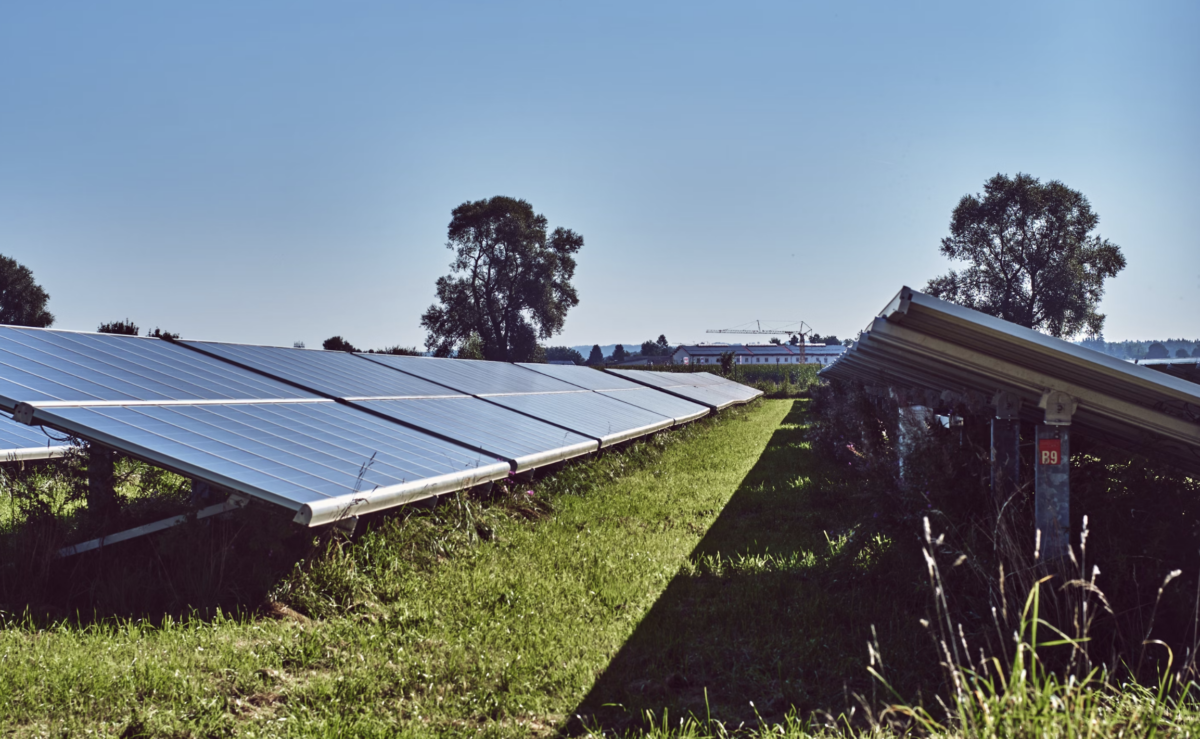
Aurora Energy Research has introduced Lumus, an advanced Power Purchase Agreement (PPA) valuation software designed to provide unparalleled pricing transparency through deep market intelligence. (auroraer.com) This tool aims to support energy buyers and sellers in navigating the complexities of PPA negotiations and portfolio valuations across more than 15 European markets. Key Features of Lumus: Trusted Approach: Lumus employs a reliable pricing methodology that assists in negotiations, transactions, and portfolio valuations, ensuring consistency and accuracy across various markets. Bankable Forecasts: The software aligns PPA pricing with long-term price forecasts, enriched by short-term market data, offering a comprehensive view of market dynamics. On the Pulse: Lumus is calibrated to reflect the latest market sentiment, enhanced by local expertise from Aurora's Research and Advisory teams, ensuring that users have access to current and relevant information. No "Black Box": The software provides a detailed breakdown of every PPA price component, helping users uncover the factors shaping their pricing outcomes and fostering transparency. Currently, Lumus is available for the German market, with plans to expand to other European regions in the near future. (auroraer.com) This expansion aligns with Aurora's ongoing efforts to support energy buyers in accelerating the PPA procurement process. In October 2021, Aurora partnered with LevelTen Energy to source renewable PPAs for its clients through LevelTen's platform, enhancing the efficiency and effectiveness of PPA transactions. (pv-magazine.com) The introduction of Lumus comes at a time when corporate PPAs are on the rise in Europe, transforming the energy landscape by allowing developers to secure long-term revenue streams while enabling businesses to achieve sustainability goals and reduce energy costs. Aurora's recent report and webinar explored these trends, focusing on the role and approaches of corporate offtakers in the evolving PPA market. (auroraer.com) By leveraging Lumus, stakeholders in the European energy sector can gain a deeper understanding of PPA pricing dynamics, leading to more informed decisions and optimized contract structures. As the market continues to evolve, tools like Lumus are essential in navigating the complexities of renewable energy procurement and ensuring the successful implementation of sustainable energy solutions.
Dirty vs. Green Graphite, Nickel Supplies for EV Batteries

As the demand for electric vehicles (EVs) surges, the materials that power these advanced technologies have come into sharp focus. Among those critical materials are graphite and nickel, each with their own environmental implications. Understanding the differences between "dirty" and "green" graphite, as well as the complexities surrounding nickel supplies, is essential for evaluating the sustainability of EV batteries. The Importance of Graphite in EV Batteries Graphite is a key component in lithium-ion batteries, which power the majority of electric vehicles. It serves as the anode material, allowing for efficient energy storage and release. The global transition to EVs has driven significant demand for graphite, leading to the exploration of various sourcing methods. Dirty Graphite "Dirty graphite" generally refers to graphite that is mined using traditional, environmentally harmful practices. The extraction process can involve significant ecological disruption, including: Deforestation: The need to clear lands for mining operations can lead to biodiversity loss. Water Pollution: Mining activities often use toxic chemicals, which can leach into local water supplies, harming aquatic ecosystems and affecting local communities. High Carbon Footprint: Transportation and processing of dirty graphite contribute to greenhouse gas emissions. These adverse effects contribute to a series of ethical and sustainability concerns, calling into question the long-term viability of relying on such sources for EV batteries. Green Graphite Conversely, "green graphite" refers to graphite that is sourced and processed using sustainable practices. Characteristics include: Eco-friendly Mining: Utilization of cleaner extraction technologies that minimize environmental impact and reduce lands disturbed. Recycling: Many companies are investing in technologies to recycle used batteries, reclaiming graphite and other materials to create a closed-loop system. Carbon Neutrality: Some green graphite producers aim to achieve carbon neutrality, investing in renewable energy sources and carbon offset projects. The push for green graphite is gaining momentum as companies and consumers become increasingly aware of the environmental implications of their material choices. Nickel in EV Batteries Nickel is another critical component in the production of EV batteries, especially in nickel-cobalt-manganese (NCM) and nickel-cobalt-aluminum (NCA) chemistries. Nickel enhances battery energy density, allowing for longer ranges between charges. However, the supply chain for nickel also has its own series of challenges. The Nickel Supply Chain Mining Practices: Much like graphite, nickel mining can be associated with environmentally damaging practices, including deforestation and pollution. Some nickel mines operate under regulations that do not prioritize environmental sustainability. Geopolitical Risks: A significant portion of the world's nickel supply comes from countries with unstable political climates, leading to supply chain vulnerabilities. Recycling Potential: There is increasing focus on recycling nickel from used batteries, which can reduce reliance on newly mined materials and limit environmental impacts. Conclusion The future of electric vehicles is undoubtedly intertwined with the sourcing of materials like graphite and nickel. As the industry evolves, the distinction between dirty and green graphite highlights the importance of sustainable materials in achieving eco-friendly transportation. By shifting towards responsible sourcing and investing in recycling technologies, the EV industry can mitigate environmental damages while supporting the transition to a greener set of transportation solutions. As consumers and manufacturers demand more sustainable practices, the materials supplying EV batteries must not only fuel vehicles but also contribute positively to a sustainable future. The choices made today will have a profound impact on the health of the planet and the sustainability of the EV sector for generations to come.
NGK sodium-sulfur batteries: Japan project, Duke Energy pilot
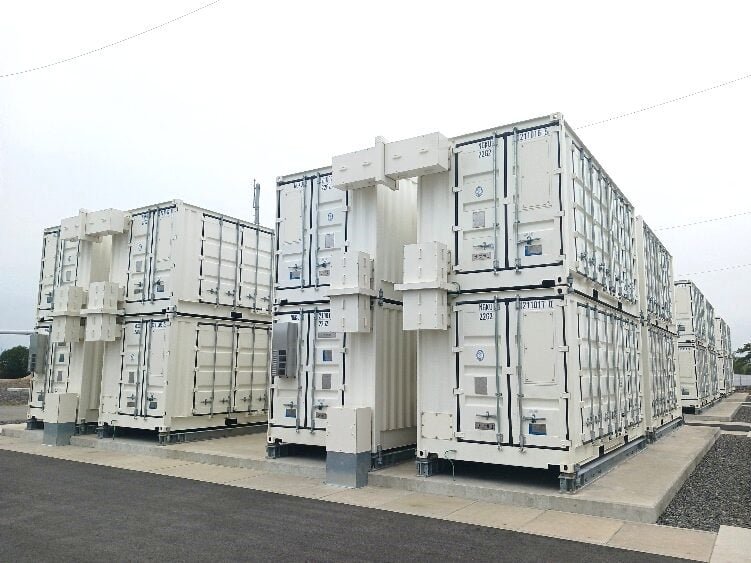
NGK Sodium-Sulfur Batteries: Japan Project and Duke Energy Pilot In the evolving landscape of energy storage technology, sodium-sulfur (NaS) batteries have emerged as a promising solution to meet the growing demands for efficient and sustainable energy storage. This article explores the significant developments surrounding NGK Insulators Co., a pioneer in NaS battery technology, including its major projects in Japan and a pilot program with Duke Energy in the United States. What are Sodium-Sulfur Batteries? Sodium-sulfur batteries are high-temperature batteries that utilize sodium and sulfur as the primary active materials. They operate at elevated temperatures (around 300°C or 572°F), which allows for efficient ionic conduction. One of their standout features is their high energy density, which makes them suitable for large-scale energy storage applications, particularly in renewable energy integration. The Project in Japan NGK Insulators, based in Japan, has been at the forefront of sodium-sulfur battery development since the 1980s. The company has established several large-scale installations across the country to bolster grid stability and support renewable energy sources. Their facilities can provide substantial grid services, helping accommodate fluctuations in supply and demand resulting from integrating intermittent renewable energy sources like solar and wind. One notable project is the 34 MW energy storage system located in the Kumamoto Prefecture. Operational since the mid-2000s, this system has successfully demonstrated the benefits of NaS technology, providing services such as peak shaving and frequency regulation. These applications help stabilize the electrical grid, making it increasingly resilient to fluctuations in temperature and load. Duke Energy's Pilot Program Duke Energy, one of the largest electric power holding companies in the U.S., has recognized the potential of sodium-sulfur battery technology and initiated a pilot program to evaluate its feasibility. This initiative aligns with Duke Energy’s broader goals of integrating renewable energy sources and enhancing grid reliability. The pilot project involves deploying an NGK sodium-sulfur battery system to assess its performance in real-world conditions. This system aims to provide backup power and enhance the stability of the grid by storing excess renewable energy generated during off-peak hours for use during peak demand. Early results from the pilot have shown promise, indicating that NaS batteries can effectively support grid services and facilitate the transition to a more sustainable energy model. By participating in this pilot project, Duke Energy not only aims to improve its energy storage capabilities but also contribute to the development of advanced battery technologies that can play a crucial role in the future of energy systems. Advantages of Sodium-Sulfur Batteries The advantages of sodium-sulfur batteries are numerous: High Energy Density: NaS batteries can store large amounts of energy in a relatively small volume, making them ideal for grid-scale applications. Long Cycle Life: These batteries can endure thousands of charge-discharge cycles, providing a long service life with low maintenance. Cost-Effectiveness: While the initial costs can be high, the long-term savings through increased efficiency and reduced operational costs can offset the initial investment. Environmental Benefits: Sodium is abundant and relatively inexpensive compared to lithium, making NaS batteries a more sustainable option. Challenges and Future Outlook Despite their potential, sodium-sulfur batteries face challenges related to high operating temperatures and safety concerns due to the use of sulfur. However, ongoing research and development efforts aim to address these issues and improve the overall safety and efficiency of NaS technology. The collaboration between NGK Insulators and Duke Energy symbolizes a significant step toward harnessing sodium-sulfur battery technology for large-scale applications in the U.S. As governments and utilities worldwide seek innovative solutions to meet renewable energy demands, projects like these will pave the way for more sustainable and resilient energy systems. Conclusion As the energy storage market continues to evolve, NGK sodium-sulfur batteries emerge as a vital component of the future energy landscape. With successful projects in Japan and promising pilot programs in the U.S., the potential for this technology to revolutionize energy storage and grid management is becoming increasingly clear. The collaboration between innovators like NGK Insulators and major stakeholders like Duke Energy is essential to unlocking the full potential of sodium-sulfur batteries and moving toward a more sustainable energy future.