BMW's China venture recalls 70 electric Minis due to battery issues
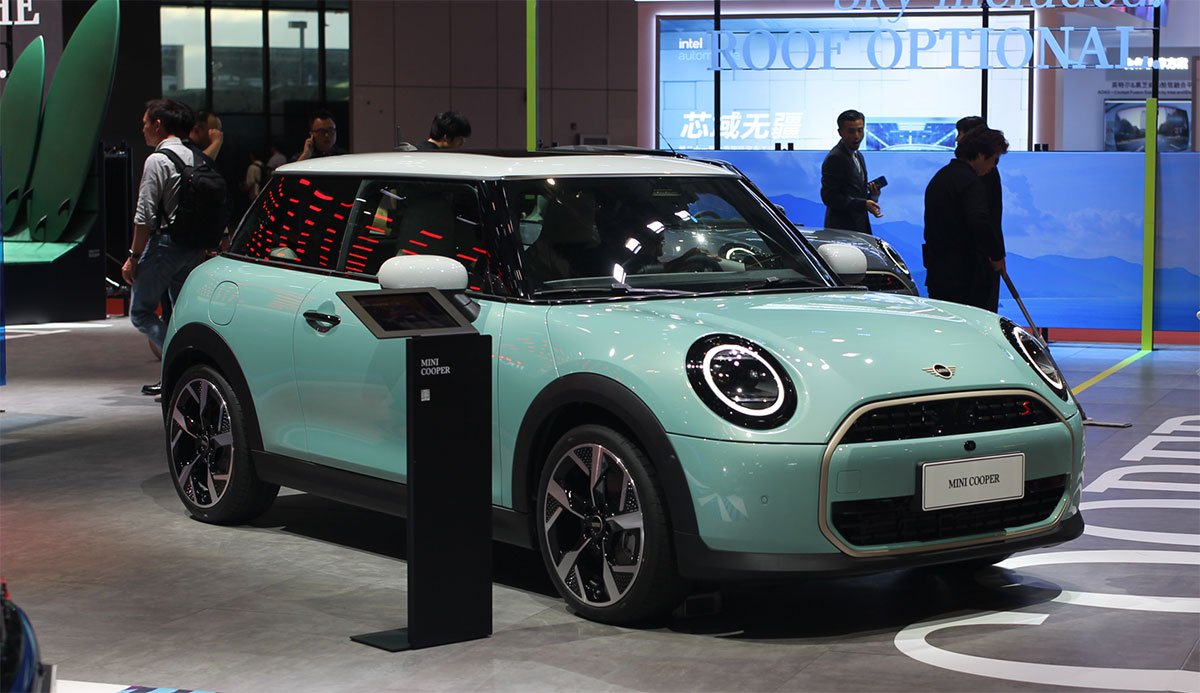
Due to production process issues, the power batteries in these vehicles pose a risk of overheating. The recall is being carried out by Spotlight, the joint venture between BMW and Great Wall Motor. (A Mini Cooper displayed at the Shanghai auto show in April 2025. Image credit: CnEVPost) BMW's China venture, Spotlight Automotive, is recalling a small number of locally produced Mini electric vehicles (EVs), marking a setback in a highly competitive market. Spotlight -- a 50:50 joint venture between BMW and Great Wall Motor (SHA: 601633) -- is recalling a total of 70 domestically produced Mini EVs, according to an announcement on the website of China's State Administration for Market Regulation (SAMR) today. This includes 55 Mini Coopers produced between June 1, 2024, and August 17, 2024, and 15 Mini Acemans produced between January 10, 2024, and September 18, 2024. For some vehicles within the recall, issues in the production process of the power batteries may cause the anode and cathode plates of some battery cells to shift, leading to excessive self-discharge of the cells, according to the announcement. In extreme cases, this could lead to overheating of the power battery, posing a safety hazard, the announcement said. Spotlight will replace the defective power battery modules in the recalled vehicles free of charge to eliminate the safety hazard. Spotlight was established in December 2019, with its headquarters and vehicle production base located in Zhangjiagang, Jiangsu province, eastern China. This is BMW's first pure electric vehicle joint venture project globally, with an annual production capacity of 160,000 vehicles. Currently, the Mini brand offers pure electric vehicles including Mini Cooper, Mini Aceman, Mini JCW, and Mini JCW Aceman. ($1 = RMB 7.1962) Deliveries of Firefly cars will begin on April 29, with a BaaS battery rental purchase option available on August 1.
Converting This Ford Model A To An EV Was Surprisingly Easy
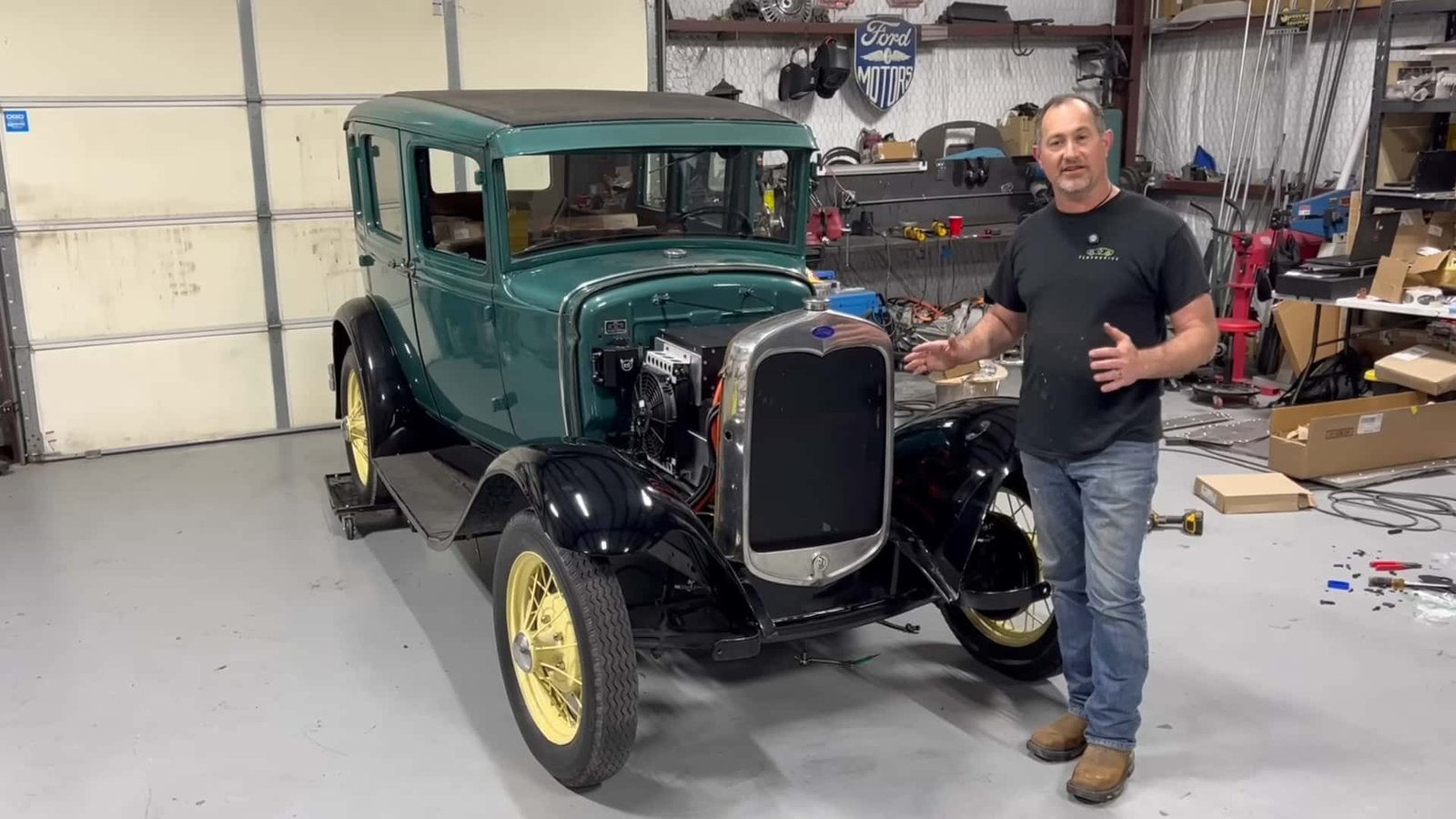
Plug-and-play kit transforms the 1920's Ford Model A into an EV. It comes with a 25.7 kWh battery pack and an electric motor that's three times more powerful than the original gas engine. It doesn't come cheap, though. With nearly five million units sold in less than five years, the Ford Model A is one of the most ubiquitous pre-war classic cars out there. It has served as the base for countless hot rod builds and wacky conversions over the years, but this one is a little bit different. Thanks to a drop-in kit made by Texas-based Flash Drive Motors, any Model A owner could transform their gas-burning, nearly a hundred-year-old classic into an electric car that’s much more powerful, quiet, and comfortable than the original. Converting a classic into an EV will always raise eyebrows among enthusiasts because the beating heart of the car–its engine–is replaced with what many consider to be an appliance. An electric motor doesn’t stir emotion like a finely-tuned inline-six or V-8 lump can, but for pure power and convenience, it’s hard to beat an electric drive unit. In the case of Flash Drive’s conversion kit, the motor in question is a NetGain Hyper 9 rated at 125 horsepower and 175 pound-feet of torque. That’s a huge difference compared to the 40 hp of the original 3.3-liter fitted by Ford to the Model A. The best part about this kit is that everything is included in the box, and it’s dead easy to do the conversion at home, as you can see in the video embedded above. The electric motor bolts straight to the original three-speed transmission through a custom-made adapter plate. Wiring, bolts, brackets–everything is included, and there are minimal modifications that need to be made to the original car, like drilling some holes and replacing the radiator with a lookalike that includes a Tesla-designed charging port on top. The kit comes with Felon battery modules with a total capacity of 25.7 kilowatt-hours, as well as an Orion battery management system, an electronic throttle assembly, and a 3.3-kilowatt on-board charger that also keeps the 12-volt battery topped up. It’s a great way to keep a classic alive and up for daily driving duty, despite it being nearly a century old. However, this conversion doesn’t come cheap: $25,000. It’s a cool weekend project, for sure, but for that kind of money, one could get a used Tesla Model 3, which is much more modern, safe, and comfortable. Just for kicks, though, driving a 90-year-old car to work every day would surely be a conversation starter.
GST Council proposes RCM on Metal Scrap Procurement

In the 54th meeting of the GST Council, it was decided that the Reverse Charge Mechanism (RCM) will be introduced on the purchase of metal scrap from unregistered vendors. The buyer of scrap will be liable to pay tax under RCM even if the scrap seller is not registered in GST or his business is below the limit of GST registration. The long-awaited demand of the lead recycling industry has been fulfilled. The buyer will now have to pay GST on the purchase of Lead scrap The lead recycling industry had demanded a reduction in GST on scrap from the current 18% on a forward charge basis. The All India Small Battery Federation had written several letters to the Finance Minister Smt. Nirmala Sitharaman in this regard and apprised her of this problem of lead recycling industry and also requested her to implement reverse charge mechanism on the purchase of lead scrap. Mr. Naveen of Gravita and Metal Recycling Association of Jaipur was constantly making efforts in this regard. Through the organization, he met Mrs. Nirmala and presented both the problems and solutions of the industry on this issue. The GST Council constituted a fitment committee to examine the issue. The committee has set up a panel to deliberate on the subject. After studying the request of the concerned business classes and institutions of the panel, the decision was proposed to the Fitment Committee as per the requirements, which was forwarded by the Fitment Committee to the GST Council. The proposal proposed 2% TDS on supply of metal scrap on trade between registered entities and RCM on supply between unregistered persons. This body suggests that if the supplier is not liable to pay GST, the recipient of the scrap goods will have to discharge the GST liability. The GST Council in its 54th meeting accepted all the recommendations of the Fitment Committee. The 54th GST Council meeting was held in New Delhi under the Chairmanship of Union Minister of Finance and Corporate Affairs, Smt. Nirmala Sitharaman. The meeting was attended by the Union Minister of State for Finance, Shri Pankaj Chaudhary, Chief Ministers of Goa and Meghalaya; Deputy Chief Ministers of Arunachal Pradesh, Bihar, Madhya Pradesh and Telangana; In addition, Finance Ministers of States and UTs (with legislature) and senior officials from Ministry of Finance and States/UTs were also present. Changes/Clarifications in GST Tax Rates: Reverse charge mechanism (RCM) is being introduced on purchase of metal scrap from unregistered vendors. The buyer of scrap will be liable to pay tax under RCM even if the scrap seller is not registered in GST or his business is below the limit of GST registration. The supplier shall register with GST whenever the turnover of the trader crosses the limit of Rs 40 lakh (for goods). TDS of 2% will be applicable in the supply of metal scrap among registered traders. Download the clarification on New Provision of 2% TDS on Metal Scrap as Recommended in 54th GST Council Meeting: Key Points, Modus Operandi, and FAQs situated at the end of Article. The long-awaited demand of the lead recycling industry has been fulfilled.
Nio to launch flagship SUV ES9 in H1 2026, president says
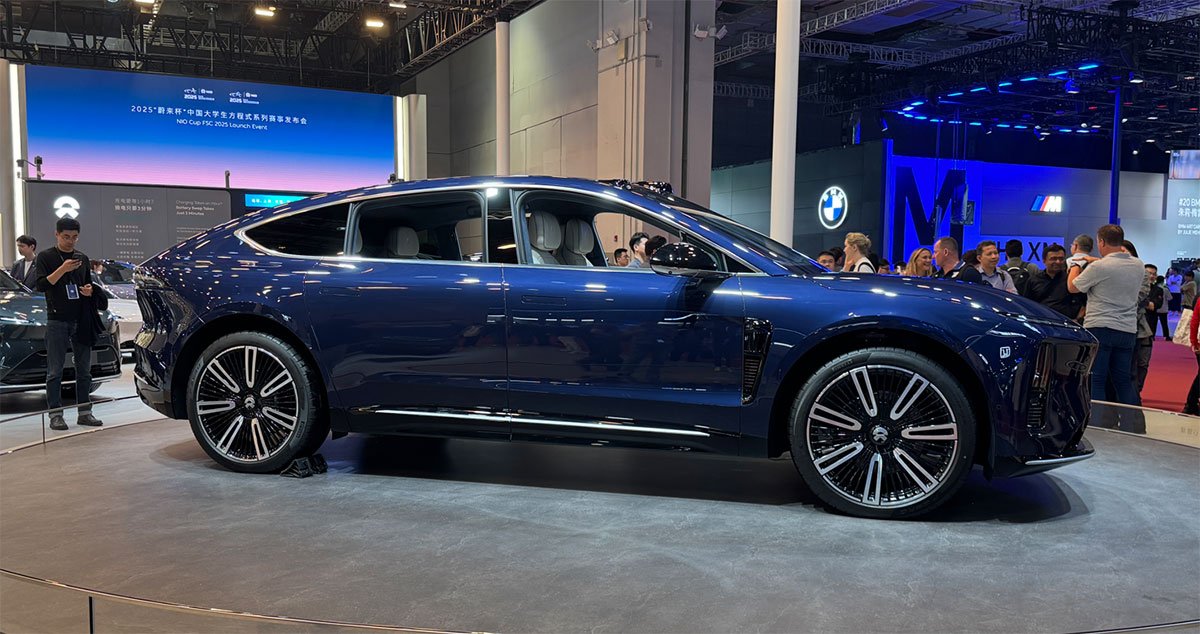
This marks the first official mention of the ES9. The name ES9 suggests that the SUV may feature Nio's latest technological advancements, similar to the ET9. (A Nio ET9 displayed at the Shanghai auto show in April 2025. Image credit: CnEVPost) Nio (NYSE: NIO) is set to launch its flagship SUV (sport utility vehicle) ES9 in the first half of 2026, after beginning deliveries of its flagship sedan ET9 in late March this year. The electric vehicle (EV) maker's co-founder and president, Qin Lihong, revealed the plan today at a user meetup event in Shenzhen, marking the first official mention of the ES9, according to several car bloggers present at the event who shared details on Weibo. The Nio brand currently offers nine models: the ET9, ES8, ES7, ES6, EC7, EC6, ET7, ET5, and ET5 Touring. The ET9, which began deliveries in late March, is Nio's flagship sedan, with a starting price of RMB 788,000 ($109,430) including the battery pack. The ES8 is the company's current flagship SUV, with a starting price of RMB 498,000 including the battery pack. In China, the number 9 is often used for a car manufacturer's top-of-the-line models, as the number is often seen as supreme. The name ES9 suggests that the SUV is expected to feature Nio's latest technological advancements, including two Shenji NX 9031 intelligent driving chips and the SkyRide chassis, similar to the ET9. The updated ES8 is set to launch between August and September, according to Qin. Additionally, Nio's sub-brand Onvo will launch the L90 flagship SUV in August and the L80 SUV in the fourth quarter, Qin announced at the event. Last month, rumors surfaced that Nio might unveil the ES9 large SUV at the Nio Day 2025 event in December. The ES9 would be built on Nio's latest third-generation platform, the NT 3.0 platform, with a length exceeding 5.2 meters, according to the rumors at the time. The updated ES8 is actually based on the ES7 SUV and may be named ES8 for strategic reasons, according to the rumors. The current ES8 measures 5,099 mm in length, while the ES7 measures 4,912 mm. ($1 = RMB 7.2008) The ET9 is Nio's highest-priced model and one of the few luxury sedans built by a Chinese carmaker.
Tesla to lose 64 Superchargers on New Jersey Turnpike in controversial decision
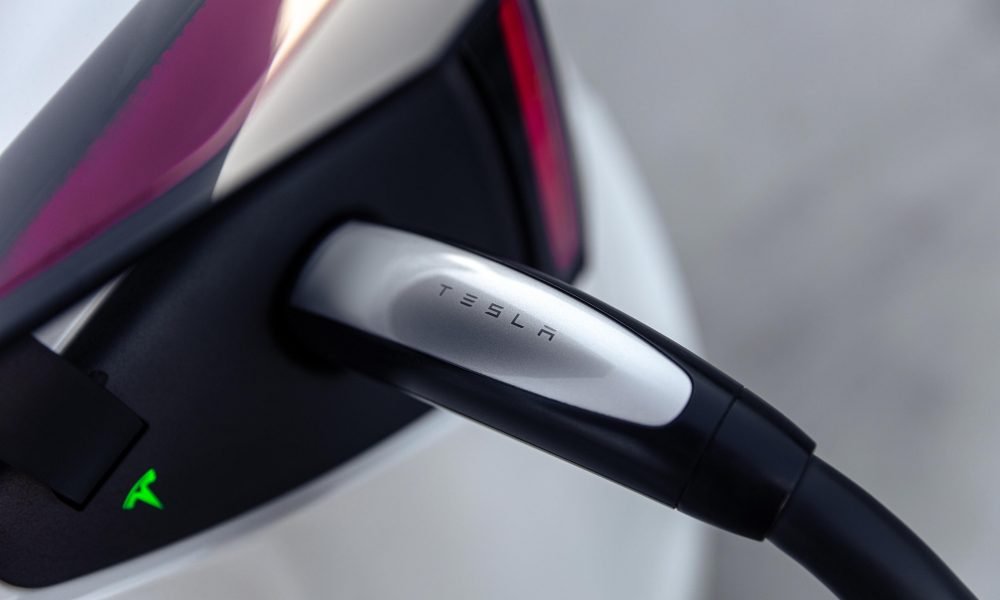
Tesla is going to lose 64 Superchargers on the New Jersey Turnpike after a decision by the Turnpike’s governing body was made not to renew its contract with the automaker. On Friday, Tesla revealed that the New Jersey Turnpike Authority (NJTA) had officially decided to choose a sole third-party provider for its electric vehicle infrastructure. This resulted in the NJTA not renewing its contract to keep Tesla Superchargers on the toll road. The NJTA also requested, with its decision not to renew with Tesla, that the company decommission all 64 Supercharger stalls, an unprecedented decision that will remove these plugs from the turnpike, making charging more scarce on the busy roadway. The New Jersey Turnpike Authority (“NJTA”) has chosen a sole third-party charging provider to serve the New Jersey Turnpike and is not allowing us to co-locate. As a result, NJTA requested 64 existing Supercharger stalls on the New Jersey Turnpike to not be renewed and be… pic.twitter.com/sosNIwMfYu — Tesla Charging (@TeslaCharging) May 30, 2025 Tesla detailed the situation on Friday: “The New Jersey Turnpike Authority (“NJTA”) has chosen a sole third-party charging provider to serve the New Jersey Turnpike and is not allowing us to co-locate. As a result, NJTA requested 64 existing Supercharger stalls on the New Jersey Turnpike to not be renewed and be decommissioned.” Tesla said it has been preparing for the potential that the Turnpike Authority would make this decision for three years by building 116 Superchargers nearby to still supply drivers with reliable charging infrastructure. The company also noted that its Trip Planner would adjust automatically. There were also efforts to maintain a relationship that would benefit both the Turnpike and EV drivers who use it. Tesla said it offered the NJTA various “above-market commercial items,” like an offer to build Superchargers at all New Jersey Service Plazas with equipment upgrades like screens and adapters for those companies who have gained access to its charging piles but need to utilize the NACS and CCS1 plugs. The decision is one that seemed to baffle the company, especially as infrastructure is one of the biggest concerns among EV skeptics: “Tesla always advocates for more infrastructure and co-location with additional third-party charging providers. This drives down costs through optionality, and accelerates EV adoption by having sufficient capacity to shoulder peaks. We expect that ~30 times more fast-charging capacity is needed to get to full EV adoption. NJTA’s decision to remove, rather than add, critical charging infrastructure is a setback for New Jersey’s EV adoption goals of 100% Zero-Emission New Car Sales by 2035. It removes Turnpike access to the most reliable (99.9% uptime), least congested (<1% waiters) and cost-effective (~30% lower $/kWh) charging. “ The company said it was more than willing to invest in Turnpike sites if the Authority or New Jersey Governor Phil Murphy wanted to reverse the decision.
The Dodge Charger Daytona EV Takes On The BMW i5 M60. One Has A Clear Edge
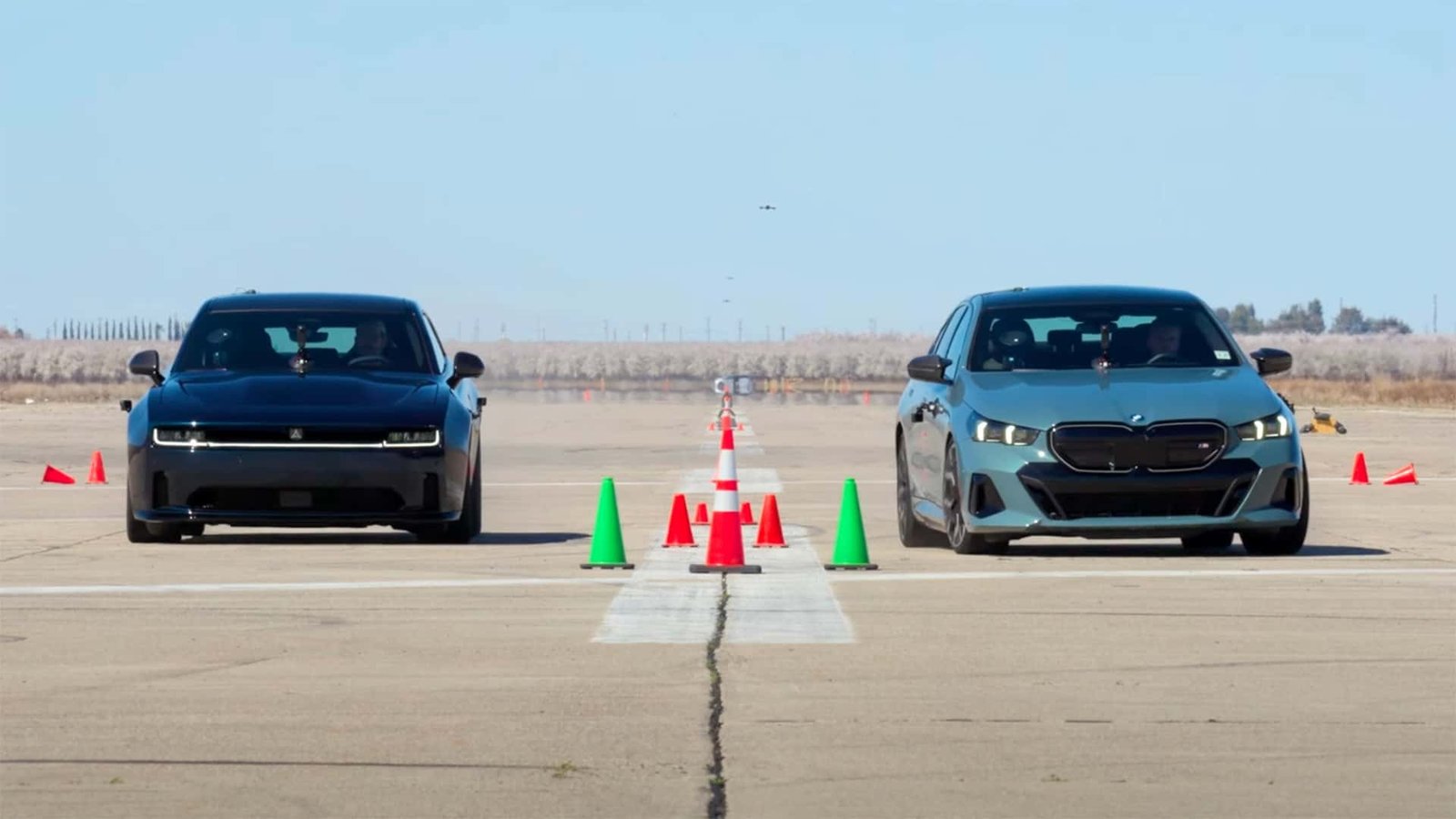
Edmunds pits the Dodge Charger EV against the BMW i5 in one of its special "U-Drag" races. The two cars are very evenly matched on paper and it shows in their real-world performance. The BMW wins all three races, but only narrowly. They may be quite different cars with very different buyers in mind, but the BMW i5 M60 and the Dodge Charger Daytona EV Scat Pack proved to be remarkably close in a head-to-head race. With their nearly identical power-to-weight ratios, there’s almost nothing in it in a straight line, and both cars struggle to scrub off speed under hard braking. Yet one is just a little bit better at going around a corner than the other. This has to be the closest and most exciting race in Edmunds’ U-Drag series, which pits two cars in a traditional drag race with a 180-degree corner at the end of the run, followed by accelerating back to the start line. It’s definitely more revealing than a simple straight-line race would ever be, since the winner needs more than just sheer acceleration. The test covers braking and cornering, too. With 670 horsepower, the Charger is the more powerful of the two. However, the 593-hp BMW is over 700 pounds lighter, and it just edges the Dodge out when it comes to horsepower per pound. It has a claimed 0 to 60 mph acceleration time of 3.4 seconds, which is one-tenth off the Dodge’s official sprint time, although both are expected to post nearly identical quarter-mile times of around 11.5 seconds. Actually racing the two vehicles, some key points stand out. Through the three runs, which the BMW always narrowly won, the German car seemed to comfortably pull away and maintain a lead before the corner. It also brakes a bit better than the near-6,000-pound Dodge (although stopping over 5,230 pounds from high speed is no mean feat) and it’s also predictably better through the corner. However, through all three runs, even though the BMW is always the first to come out of the corner, the Dodge appears to have better acceleration from a roll, and it regains some lost ground. In the second run, the closest one to a photo finish, it almost nudges in front of the BMW. It would have won had the run been a bit longer. Both drivers activated their cars’ respective boost modes for extra power after the corner, but the Dodge seemed to be the quicker straight-line machine. We drove the Charger EV recently, and while we liked a lot of things about it, cornering and handling, generally speaking, weren’t so strong. It looks great and it’s really fast in a straight line, but it still handles like a muscle car, which is not a compliment. The BMW, on the other hand, is not only fast in a straight line, but it works some kind of magic through the corners, hiding its heft and driving like a much smaller and more agile car. Neither of these two cars is especially good at braking, but as an overall sporty package, the BMW does come out ahead. In a head-to-head comparison between the i5 and the new four-door electric Charger sedan, the latter’s additional weight would tip the balance further in the BMW’s direction.
How to account for TDS and TCS under GST and Income Tax on Lead Scrap Purchase- Finance Ministry issued guidelines
With effect from 10th October 2024, Tax Deducted at Source (TDS) under Goods and Services Tax (GST) has been implemented. This system is analogous to TDS under Income Tax, with a TDS rate set at 2% of the taxable value. Unlike Income Tax, the credit of TDS deducted by the buyer will be available monthly, reflected in the cash ledger. Accounting Procedure Guidelines 1. Introduction to TDS under GST With effect from 10th October 2024, Tax Deducted at Source (TDS) under Goods and Services Tax (GST) has been implemented. This system is analogous to TDS under Income Tax, with a TDS rate set at 2% of the taxable value. The breakdown of this rate is as follows: For intra-state purchases: 1% Central Goods and Services Tax (CGST) and 1% State Goods and Services Tax (SGST). For inter-state purchases: 2% Integrated Goods and Services Tax (IGST). GST TDS Registration and Credit Entities that deduct TDS under GST must obtain a separate registration number, similar to the Tax Deduction and Collection Account Number (TAN) under Income Tax. Unlike Income Tax, the credit of TDS deducted by the buyer will be available monthly, reflected in the cash ledger. This credit can be utilized to discharge tax liabilities or claimed as a refund without having to wait for the assessment year, as is the case under Income Tax. Monthly Filing of GSTR-7 Form GSTR-7 must be filed monthly, no later than the 10th of the subsequent month, under the designated registration number. Alongside this filing, the TDS liability for the month must be discharged. This process is similar to the Income Tax requirement of filing Form 26Q quarterly and discharging TDS liabilities by the 7th of each month. Issuance of GSTR-7A Certificate Following the issuing of Form 16A, which serves as proof of TDS deposited to the Central Government under Income Tax, a similar certificate in Form GSTR-7A must be issued monthly under GST after filing Form GSTR-7. Exemption for Metal Scrap Imports TDS under GST is not applicable to the import of metal scrap, as the seller is located outside India and is not registered under GST. Continuation of Income Tax Provisions The existing provisions for TDS and Tax Collected at Source (TCS) under Income Tax will continue to apply without alteration. Implementation in ERP A total of six ledger accounts will be created in the Enterprise Resource Planning (ERP) system for both entities involved in metal scrap transactions: CGST TDS Payable (1%) SGST TDS Payable (1%) IGST TDS Payable (2%) CGST TDS Recoverable (1%) SGST TDS Recoverable (1%) IGST TDS Recoverable (2%) The first three payable accounts will be linked to purchase transactions, as TDS must be deducted during purchase bill entry. The latter three recoverable accounts will be associated with sales transactions, allowing for the recovery of TDS deducted by the seller under GST. EXAMPLES FOR CLARIFICATION Example 1: Form 27C Not Accepted by the Seller Scenario: Entity ABC purchases scrap for INR 10,00,000 from a registered seller who does not accept Form 27C. Billing Details: Basic Value: INR 10,00,000 GST: INR 1,80,000 TCS under Income Tax @ 1%: INR 11,800 Total Value: INR 11,91,800 Payment Calculation: TDS under GST: 2% of INR 10,00,000 = INR 20,000. Net Payment: INR 11,71,800. Entity ABC will deposit the INR 20,000 TDS to the Central Government by 10th November 2024, along with Form GSTR-7. Example 2: Form 27C Accepted by the Seller Scenario: Entity ABC purchases scrap for INR 10,00,000 from a registered seller who accepts Form 27C. Billing Details: Basic Value: INR 10,00,000 GST: INR 1,80,000 Total Value: INR 11,80,000 Payment Calculation: TDS under GST: 2% of INR 10,00,000 = INR 20,000. TDS under Income Tax u/s 194Q: 0.10% of INR 10,00,000 = INR 1,000. Net Payment: INR 11,59,000. Example 3: High-Seas Purchases and Sales Scenario: Entity ABC purchases scrap for INR 10,00,000 from a registered seller under high-seas, before clearance for home consumption. Billing Details: Basic Value: INR 10,00,000 GST: INR 0 Total Value: INR 10,00,000 Payment Calculation: TDS under GST: 2% of INR 10,00,000 = INR 20,000. TDS under Income Tax u/s 194Q: 0.10% of INR 10,00,000 = INR 1,000. Example 4: Inter-Unit Sales and Purchases of Scrap Scenario: Entity ABC1 sells scrap for INR 10,00,000 to Entity ABC2. Although both entities share a single PAN under Income Tax, they are treated as distinct entities for GST purposes due to separate GSTINs. Billing Details: Basic Value: INR 10,00,000 GST: INR 1,80,000 Total Value: INR 11,80,000 Payment Calculation: TDS under GST: 2% of INR 10,00,000 = INR 20,000. Net Payment: INR 11,60,000. There are no TDS or TCS provisions under Income Tax for these inter-unit transactions since both entities are considered separate for GST compliance. Conclusion: In conclusion, the implementation of Tax Deducted at Source (TDS) under Goods and Services Tax (GST) as of October 10, 2024, introduces a structured framework for tax deduction akin to the provisions under Income Tax, with a uniform rate of 2% on taxable values for both intra-state and inter-state transactions. Entities that engage in TDS deductions must secure a specific registration and are afforded the benefit of immediate credit in their cash ledgers, which can be utilized against tax liabilities or claimed for refunds efficiently, overcoming the delays typical of income tax assessments. Compliance involves a monthly filing of Form GSTR-7 along with the discharge of TDS liabilities, and the issuance of GSTR-7A certificates parallels the existing mechanisms found in Income Tax. Notably, the exemption from TDS for metal scrap imports, due to the seller's non-resident status and lack of GST registration, reinforces the targeted nature of the TDS provisions. Furthermore, the continuity of Income Tax TDS provisions emphasizes the need for entities
Onvo's May deliveries up at least 40%, despite 40% reduction in sales staff, says William Li
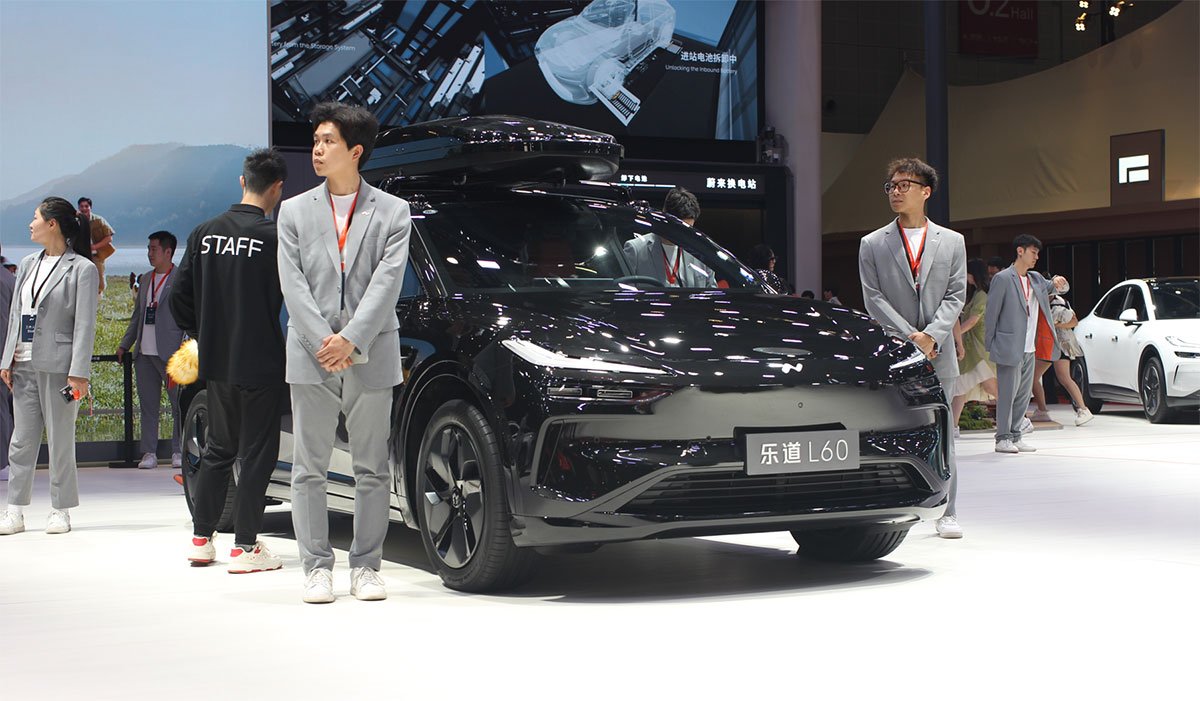
Li's remarks imply that Onvo delivered at least 6,160 vehicles in May. Deutsche Bank estimates that Nio Inc delivered 27,000 vehicles in May, including 7,000 from Onvo. (An Onvo L6 displayed at the 2025 Shanghai auto show in April. Image credit: CnEVPost) Nio (NYSE: NIO) sub-brand Onvo saw growth in deliveries this month, despite a significant reduction in its sales team. Onvo's sales staff was reduced by 40 percent, but May deliveries increased by at least 40 percent, Nio founder, chairman, and CEO William Li said today. Li mentioned these figures during a forum on the first day of the Guangdong-Hong Kong-Macao Greater Bay Area International Auto Show, or the 2025 Shenzhen auto show, according to a video viewed by CnEVPost. Nio showcased a total of nine models at the auto show, including those from its main brand and its sub-brands Onvo and Firefly. Li did not provide further details on Onvo's delivery growth, but it is clearly being compared to April, as the sub-brand only began deliveries in September 2024. This implies that Onvo delivered at least 6,160 vehicles in May, given that it delivered 4,400 vehicles in April. Earlier this week, a research note by Deutsche Bank analyst Wang Bin's team estimated that Nio Inc's May deliveries would be about 27,000 units, representing a year-on-year increase of 31 percent and a month-on-month increase of 13 percent. The team estimated that Nio's main brand would deliver 17,000 vehicles in May, Onvo 7,000, and Firefly 3,000. Nio and its major peers are expected to announce their May delivery figures tomorrow. Nio Inc's deliveries in May are expected to be up 31 percent year-on-year and up 13 percent sequentially. Nio Inc delivered 23,900 vehicles in April, its second-highest monthly total on record, trailing only the 31,138 units delivered in December last year, according to data released on May 1. The Nio brand delivered 19,269 vehicles in April, representing a year-on-year increase of 23.36 percent and a month-on-month increase of 88.56 percent. Onvo delivered 4,400 vehicles in April, down 8.71 percent from 4,820 in March. Firefly delivered 231 vehicles in April. Its effective delivery dates for April were April 29 and April 30. Onvo launched its first model, the L60, on September 19, 2024, with deliveries of the five-seat mid-size SUV beginning on September 28. Nio Inc had high hopes for the L60, but the model's underwhelming performance after its launch forced the company to integrate Onvo's independent sales team with the Nio brand over the past few months. On April 2, Onvo's first president, Alan Ai, announced his resignation, with his role being taken over by Shen Fei, the former head of Nio Power. Below are images of Nio's exhibition booth at the 2025 Shenzhen auto show: (Image credit: Nio) The changes focus on Onvo, which remains a sub-brand but will operate as a first-tier division of Nio.
Here's Why EV Batteries Won't Just Go To Landfills
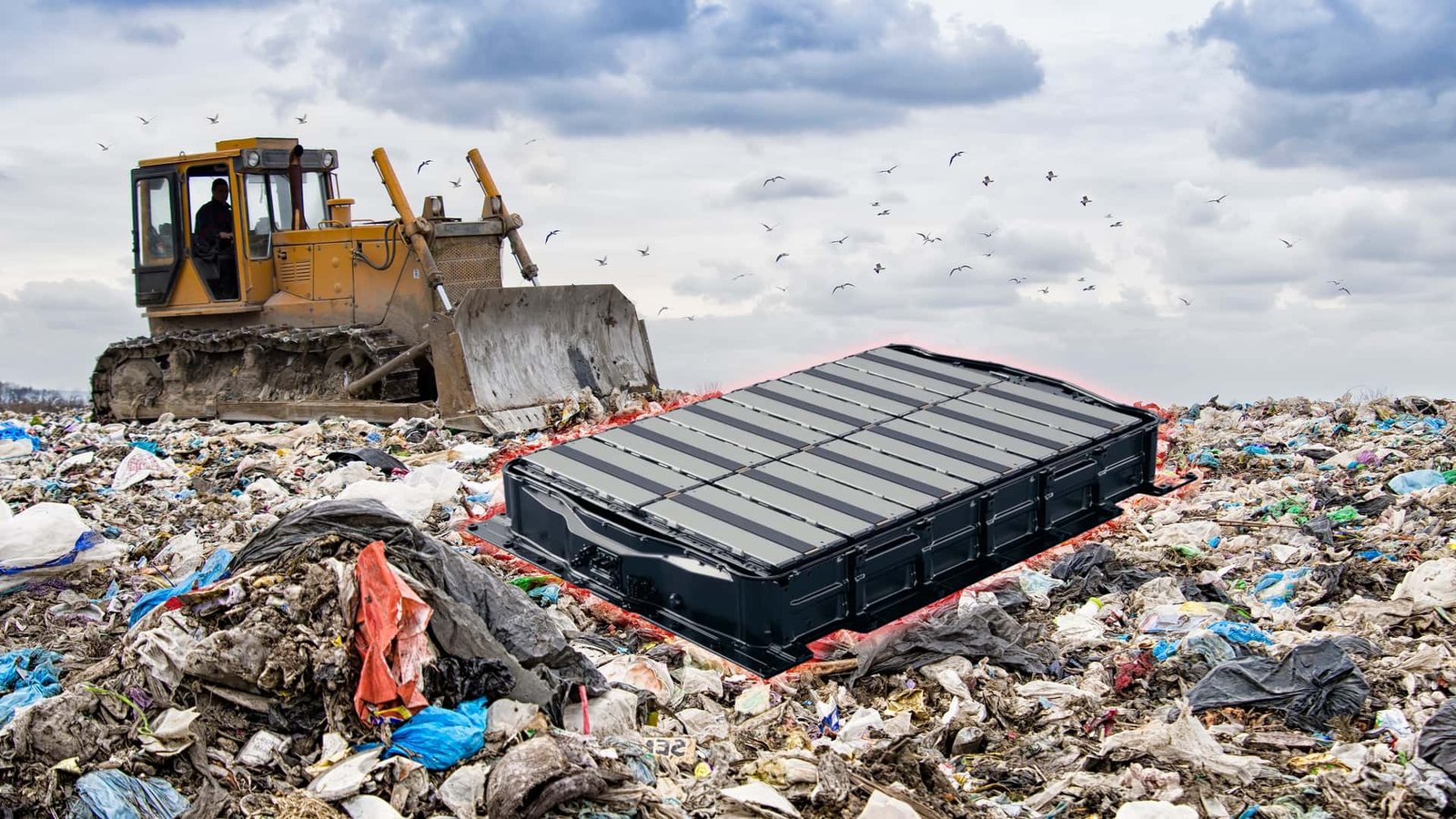
Many people worry that EV batteries will become e-waste, but that's unlikely. EV batteries can last far longer than the average internal-combustion engine. Even after the vehicle itself leaves the road, the batteries will still be useful for grid storage and will be recyclable. It's one of the most common counter-arguments to EVs: Isn't that big, toxic battery just going to end up in a landfill after a few years. The answer, of course, is no. Here's why. The first reason is obvious. These batteries don't just last a couple of years. They have clearly proven that they can outlast the average lifetime of a car. Sure, some companies had teething issues with their battery designs, but once you work through those it's relatively easy to consistently produce high-quality packs. Not only that, but manufacturers have strong incentives to make them last. EV batteries in the U.S. must be warrantied for eight years and 100,000 miles. Since battery replacements are so expensive, car companies cannot afford to have a significant number of failures within the warranty period, so they must overbuild them to ensure their longevity. That's a win for you. But there's a bigger reason why EV batteries won't end up in landfills. They're too valuable. While the ultra high-demand application of an electric vehicle may lead you to replace a pack that still has 70% of its original capacity, that same battery will still be plenty useful elsewhere. For proof, look at the example in CleanTechnica today. The outlet spoke to Australian engineer Francisco Shi. Shi has started getting EV batteries from scrapyards and hooking them up to a disused grid connection at a former industrial building. Using the grid and solar panels, Shi can charge up the batteries when the sun is shining and grid prices are low, then sell it back during peak demand hours. He wins, because he makes a couple grand in profit every month, Australia wins because its lumpy power production curve gets smoothed out and the scrapyard wins because they can sell batteries to other consumers who want to do the same thing. The battery in your EV can be a source of backup power to your home. And even if the car gets scrapped or crashed, the battery will still be useful for that kind of work. It's not hard to imagine this type of system scaling. Our ability to produce solar panels and, thus, clean energy is increasing constantly. But in the sunniest places with the most solar penetration, we're already producing so much power that it can't all be used. The grid—which was built around consistent sources of energy—needs far more storage to take advantage of renewable sources like solar and wind. EV batteries will help it do that. That should lead to lower electricity prices for everyone, and far fewer carbon emissions. Even outside of those benefits, though, having a battery around the house is helpful. You can use it in lieu of a generator to power the house in emergencies, and we've already seen how useful that can be. If, however, nobody wants the battery, it's still not going to end up in a landfill. The raw materials inside are far too valuable to be discarded, which is why a battery recycling supply chain is spinning up across the world. It's not all there yet—there just aren't enough batteries being thrown out at this point—but countless businesses are working on figuring out the economics of large-scale automotive pack recycling. Point is, battery waste shouldn't be much of a problem. Batteries are valuable, and when society values something, it's far less likely to waste it. Contact the author: Mack.Hogan@insideevs.com.
Addenda, Atomized Products Group, Black Diamond Structures to forge an advanced additive alliance
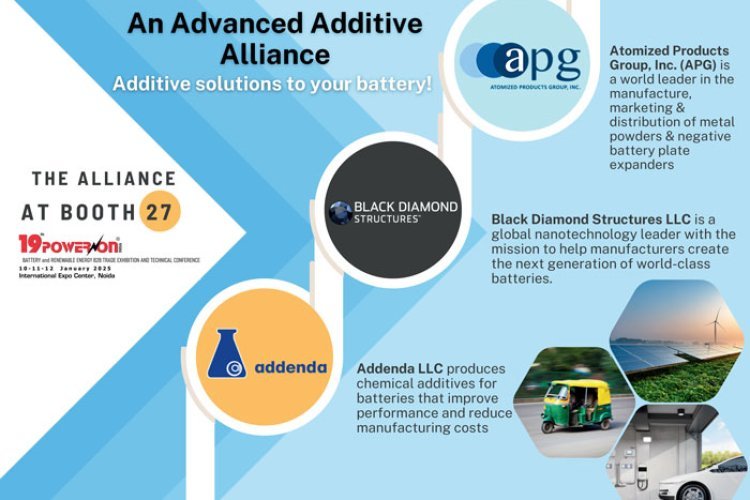
Three US-based additive suppliers, each with their own manufacturing, commercial, and technical expertise are forming an alliance to create a synergy for their customers — a partnership offering that adds up to more than the sum of their parts. In a concerted effort to better serve the global lead-acid battery industry, Atomized Products Group, Addenda, and Black Diamond Structures, are proud to announce a strategic alliance. Their aim is to enhance customers’ access to bespoke products and solu- tions-based technical experience while combining the global manufacturing and testing capabilities of the three members. The alliance combines dozens of unique negative and positive plate products into one portfolio which permits the merged sales team to offer a more expansive array of customized solutions to the end user than any of the three companies could accomplish alone. This expedites a battery manufactur- er’s product development by providing multi-faceted, third-party validated, curated solutions quicker, and from a single, dependable source. With its newfound ability to access products both familiar and unique, the alliance is positioned to become the comprehensive additive supplier to the global battery industry. Contained within the alliance are decades of technical experience which is leveraged to provide a solution -based approach to product placement. Each team is cross-trained to provide technical service regarding their own products, other member’s products, and intercompany combinations of products. Before the alliance, each member sought to market component products based on fundamental needs assessments and this principle remains a backbone of the partnership. By accessing in-house testing facil- ities, the alliance intends to provide materials analysis learnings and deep understanding of structure/function relationships to their customer’s tech- nical teams, deepening the value of working with our members. Testing facilities for 2V and 12V can also be accessed by customers for high-throughput screening or final prototype testing in laboratories capa- ble of running the world’s battery specifications (ex. EN, IEC, SAE, JIS, GB, AMNT, OEM). The merged sales team offers a more expansive array of customized solutions to the end user than any of the three companies could accomplish alone The alliance knows the power of experience and, together with their global testing facilities, is positioned to become the industry’s go-to develop- ment partner. Between the alliance members, a global network of manufacturing, supply, testing, and warehousing is realized. Customers are therefore serviced on a more regional basis, which better serves the needs of the international market. Despite strong and growing ties bet ween the members of the alliance, each company retains its commercial and financial independence. Five manufacturing facilities, three research laboratories, and strong ties to logistics and distribution leaders ensure the alliance secures a globalized footprint. The alliance plans to share sales and marketing resources to maxi- mize the efficiency of the partnership and generate enhanced coverage of all geographies. The first examples of the combined approach will be: the 2024 European Lead-acid Battery Confer- ence (ELBC), in Milan, Italy; the 2025 FENIBAT Conference, in Lond- rina, Brazil; and the 2025 PowerOn Conference in India. The alliance plans to increase the visibility of their services, products, and personnel at international events to ensure maximal interaction with our customers, better supporting them and ease their development challenges. With strong histories of technical development and innovative prod- uct design, members of the alliance will strategize on new product devel- opment using the specific strengths of each company and their access to unique materials. Nanomaterials, distinctive organ- ics, and high-quality carbon sources will be combined with leading manu- facturing technologies to produce next generation three or four-part expander formulations which, the alli- ance hopes, will serve the needs of a variety of battery applications well into the future. We invite all attendees at PowerON 2025 in Delhi to visit our booth 27 for further information and details on the alliance. “We are pleased to share our MOLECULAR REBAR® product portfolio and Black Diamond’s technical capabilities with our partners at APG and Addenda. It is a critical time for the industry where solutions are demanded in shorter and shorter timeframes. The alliance was conceived to answer that demand, by providing bespoke products and supporting accelerated development. We look forward to a productive relationship as we pool our global resources to better support our customers” — Paul Everill, CTO Black Diamond Structures “This alliance allows us to exchange technical expertise across a wide spectrum of battery additives to better create tailor-made solutions for any and all battery applications” — Mark McCaughey, president of Addenda. “We at APG are beyond excited to forge this partnership with Addenda and Black Diamond to better serve the ever-growing demand for higher performance and customized additive packages. Maintaining all existing supply lines while coordinating with two companies with excellent track records of product development makes the alliance a no-brainer” — Lee Puckett, president and COO, Atomized Products Group
Huawei-JAC joint brand Maextro launches S800 luxury sedan as latest challenger to Mercedes-Maybach
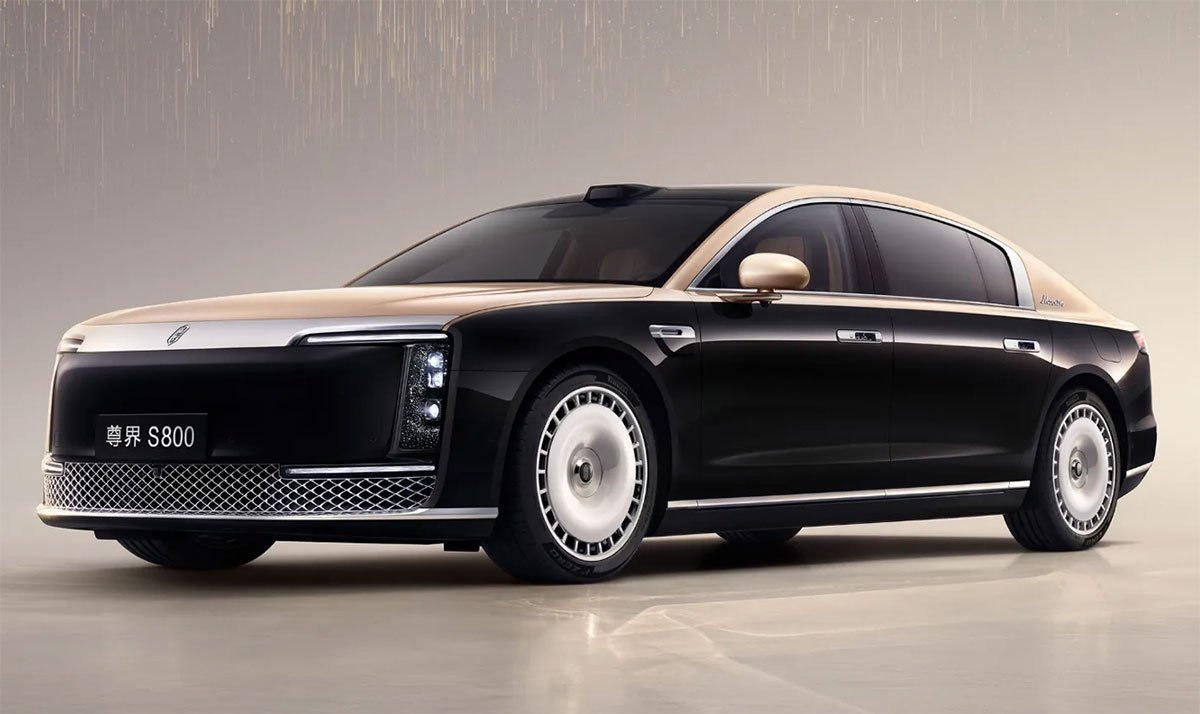
The Maextro S800 joins the Nio ET9 and Yangwang U7 as the latest challenger to Mercedes-Maybach. The Maextro S800 has a starting price of RMB 708,000 ($98,330), significantly lower than the previously marketed price range of RMB 1 million to RMB 1.5 million. (Image credit: Maextro) Maextro, the new automotive brand jointly developed by Chinese tech giant Huawei and Anhui Jianghuai Automobile Group (JAC), has officially launched the S800 luxury sedan, becoming the latest challenger to Mercedes-Maybach in the Chinese market. Huawei rolled out the Maextro S800 at an event tonight, marking the brand's first model. The starting price is RMB 708,000 ($98,330), significantly lower than the previously marketed range of RMB 1 million to RMB 1.5 million. Setting the official price below the pre-sales price is a common strategy in China's automotive industry, aimed at creating a sense of expectations being exceeded. The Maextro S800 offers two battery electric vehicle (BEV) variants, with the five-seat version starting at RMB 708,000 and the four-seat version at RMB 818,000. The large sedan offers four extended-range electric vehicle (EREV) variants, with the two five-seat versions starting at RMB 708,000 and RMB 788,000, respectively, and the two four-seat versions starting at RMB 818,000 and RMB 1,018,000, respectively. Maextro is offering a limited-edition pioneer version of the model, with only 599 units available, and deliveries will begin on June 26. The standard version will begin volume deliveries in mid-August. Maextro is one of the new brands jointly developed by Huawei and a domestic automaker, and it is the highest-positioned brand under Huawei's Harmony Intelligent Mobility Alliance (HIMA) umbrella. Other brands under the HIMA business include BAIC Group's Stelato, Seres Group's Aito, Chery's Luxeed, and SAIC Motor's Shangjie. The Maextro S800 measures 5,480 mm in length, 2,000 mm in width, and 1,536 mm in height, with a wheelbase of 3,370 mm. Both BEV variants are dual-motor models, with the front motor delivering a peak power of 160 kW and the rear motor delivering a peak power of 230 kW. They can accelerate from 0 to 100 km/h in 4.3 seconds and 4.5 seconds, respectively. Both variants are equipped with a 97-kWh ternary lithium battery pack, offering CLTC ranges of 702 km and 650 km, respectively. They can charge from 10 percent to 80 percent in as little as 12 minutes. The EREV variants come standard with a 1.5T engine as a range extender and offers dual-motor and tri-motor options. The dual-motor versions of the Maextro S800 EREV can accelerate from 0 to 100 km/h in 4.9 seconds, while the tri-motor versions can do so in as little as 4.5 seconds. The EREV variants come standard with a 65-kWh ternary lithium battery, which is not commonly seen for a hybrid vehicle and provides about 200 kilometers of CLTC battery range. The battery pack can charge from 10 percent to 80 percent in as little as 10.5 minutes. With a full tank of fuel and a fully charged battery, the Maextro S800 EREV has a combined range of up to 1,333 kilometers. Huawei emphasized the luxury of the Maextro S800's interior and its focus on privacy and safety during today's launch event. The model is equipped with Huawei's ADS 4 smart driving system, which is Huawei's latest system with driving capabilities that more closely resemble those of a human driver. The Maextro S800 is one of the few luxury sedans launched by a Chinese domestic brand in a market dominated by German luxury automakers, particularly Mercedes-Maybach. Nio (NYSE: NIO) launched the ET9 at Nio Day 2024 on December 21, 2024, with a starting price of RMB 788,000, making it one of the few domestic luxury models. The ET9 began deliveries on March 29 and delivered 810 units in April, according to data compiled by CnEVPost. BYD's (HKG: 1211, OTCMKTS: BYDDY) ultra-luxury sub-brand Yangwang launched the U7 sedan on March 27, with a starting price of RMB 628,000, another domestically produced model targeting the luxury car market. Yesterday, Yangwang announced that it had seen the first batch of U7 sedans for customer delivery roll off the production line, with deliveries set to begin soon. ($1 = RMB 7.2002) Nio's William Li delivered an ET9 to Robin Zeng, founder, chairman and CEO of CATL.
A Tesla Supercharger Saved My Ass In A Chevy Blazer EV
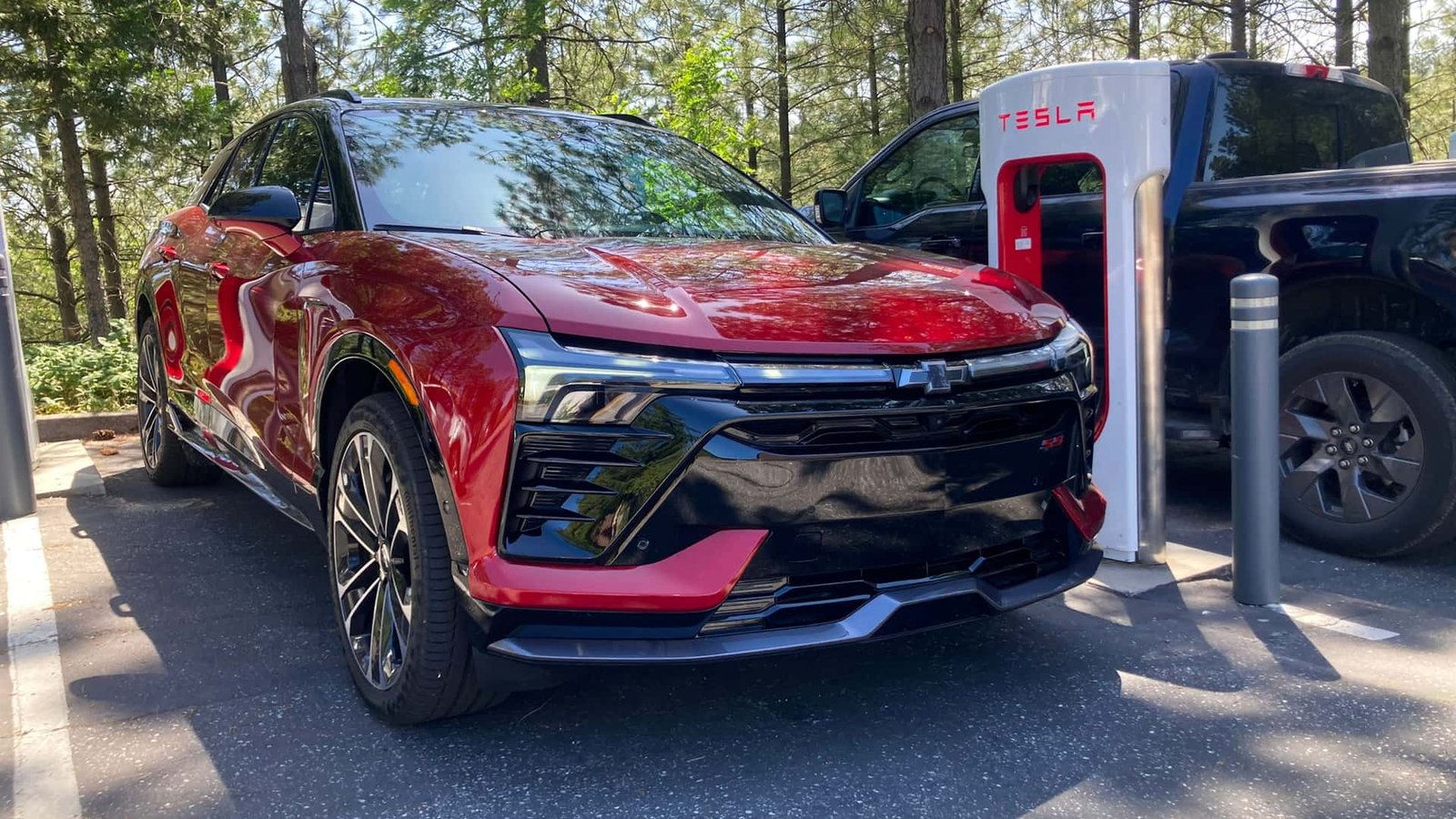
Tesla opening up its huge Supercharger network to cars from other brands is maybe the best thing to happen to electric vehicles in America since the federal $7,500 tax credit. Heck, maybe even the lithium-ion battery itself. It could be a game changer for thousands or, someday, millions of drivers mulling over a switch to an EV. And I can personally attest to the fact that Supercharger access saved my ass when I was traveling in a Chevrolet Blazer EV SS. Up until that point, I hadn’t visited a Supercharger in a non-Tesla since the early days of the Magic Dock, an early solution for enabling non-Tesla cars to work with some Superchargers. A lot has happened since then. Pretty much the entire car industry has announced a gradual switch to Tesla’s plug design, known as the North American Charging Standard, or NACS. In recent months, over a dozen brands have announced access to well over 15,000 Supercharger stalls across North America, mainly via adapters that convert the NACS plug to the prevailing non-Tesla port design, CCS. I understood in theory how revolutionary widespread Supercharger access can be for drivers of Chevys, Rivians and the like who are tired of crummy, hard-to-find public charging infrastructure. But I’d never experienced it firsthand. Now I’m sold. 2025 Chevrolet Blazer EV at a Tesla Supercharger Photo by: Tim Levin/InsideEVs I spent the long weekend up in Nevada City, California, a charming mining town about a 150-mile drive from my apartment in the Bay Area. After seeing the sights for the weekend, the Blazer I was testing was down to around a 30% state of charge. I knew I’d have to stop and charge on the drive home at some point. Or, ideally, before setting out. Because I’d rather just crush the three-hour drive in one go. When I searched for nearby charging stations, I found that the immediate vicinity around Nevada City is pretty much a ghost town as far as EV charging is concerned. With one exception: There was a 12-stall Supercharger—one open to non-Teslas—less than a 10-minute drive away. Plus, this oasis in a charging desert was in the right direction, and the Tesla app showed eight stalls available as I set out. Huzzah. I plotted a route in the Blazer and set off. 2025 Chevrolet Blazer EV at a Tesla Supercharger Photo by: Tim Levin/InsideEVs Don’t get me wrong. There were other options on the route home, too. Mainly, a seven-stall Electrify America station that I would’ve hit about an hour into my journey. But this being Memorial Day in Northern California, I was worried about charging stations being backed up with other road trippers. And it was already lunchtime, so it was the right time to hit the day’s charging stop. A big, dependable Tesla station located a mere six miles away was a big score. Tesla owners have always enjoyed the best and easiest charging experience in America, and now others are getting a taste of that magic. For one, there are simply lots of stations all over the place. That’s what happens when you have an EV company that needed to build out infrastructure for its earliest adopters and continued doing so for well over a decade. The other edge Superchargers have is the number of plugs per station. Whereas other charging stations often have two, or four, or six plugs, Superchargers often have 12 or far more. And they're known to be more reliable than the often-broken and glitchy chargers that every EV driver has seen more than once. Superchargers are also easy to use, even for outsiders, as I found when I arrived at the Grass Valley station. I had already loaded my billing info into the Tesla app. So when I showed up, all I had to do was find an open stall, plug it in using the Chevy-approved adapter that came with my loaner and initiate a charge via the app. The juice started flowing within seconds and quickly peaked at 183 kilowatts. 2025 Chevrolet Blazer EV at a Tesla Supercharger Photo by: Tim Levin/InsideEVs Let me give a quick shout-out to the Tesla app here, too. It was super sleek and intuitive. And, much like Tesla’s in-car interface, it felt like technology made by a tech company, not an automaker. After all was said and done, the Blazer had recharged from 30% to 76% in 25 minutes, giving me more than enough range—242 miles—to get on my way. When I got to the station, I thanked my lucky stars that it had a couple of pull-through stalls, where the charging post itself is situated on the line between two parking spots. That meant I could easily plug in the Blazer, despite its charging port being in the “wrong” spot for most Superchargers. You see, Superchargers were designed with short cords that only reach a car’s back left corner—because that’s where the charging door is on every Tesla. 2025 Chevrolet Blazer EV at a Tesla Supercharger Photo by: Tim Levin/InsideEVs That orientation poses a problem for lots of non-Teslas, and it means sometimes you need to block two Supercharging spots, like a jerk. The guy in an F-150 Lightning next to me and I were spared that embarrassment. And in that way, this was kind of an ideal non-Tesla Supercharging experience. I was so enamored by the whole thing that I decided I’d start using Superchargers whenever possible—starting with the next time I needed to charge the Blazer. I felt like a whole world of abundant, dependable chargers had been unlocked. That glee didn’t last long. Chevy Blazer EV owner Mack Hogan illustrates the parking issue. Photo by: Mack Hogan/InsideEVs Back home in Berkeley, there are several Superchargers, including a few open to non-Teslas. But the whole double-parking issue nuked my enthusiasm. I got lucky that the Grass Valley station had multiple spots friendly to non-Teslas, but that’s not always the case. I found one in my city where about half of the
पावर ऑन नोएडा मे प्रदर्शित होगी यूनिक की एडवांस्ड मशीनें -कॉस बनाने वाले भारत के पहले बैटरी मशीन निर्माता
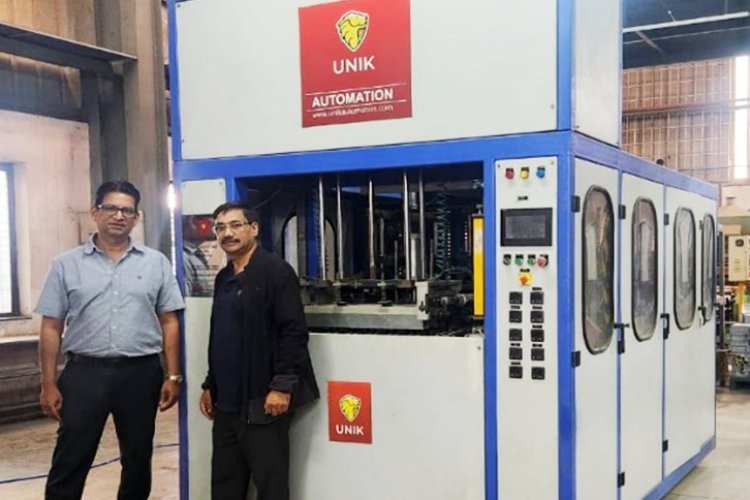
आयातित मशीनों का प्रभावी विकल्प है यूनिक। इस लेख मे उनके द्वारा निर्मित कुछ विशिष्ट मशीनों से परिचय कराएंगे जो विदेशी बैटरी निर्माताओं मे लोकप्रिय होती जा रही है। ये मशीनें अपेक्षाकृत कम कीमत की हैं लेकिन गुणवत्ता और उत्पादन मे विश्व की किसी भी मशीन के समकक्ष हैं। भारत मे भी जैसे -जैसे बैटरी उद्योग बड़े स्तर के उत्पादन और स्वचालन की और प्रगति कर रहा है, यूनिक की मशीनें एक विश्वस्त सहयोगी के रूप मे अपनी जगह बना रही हैं। आयातित मशीनों का प्रभावी विकल्प है यूनिक। इतना ही नहीं कास्ट-ऑन-स्ट्रैप (कॉस) जैसी मशीन जब यूनिक में बन कर खड़ी देखी तो भारत के बैटरी मशीन निर्माण की क्षमता पर गर्व की अनुभूति भी हुई। कॉस, बैटरी निर्माण को ऑटोमैटिक करने की दिशा में एक महत्वपूर्ण मशीन है। प्लेटों को जोड़ कर बैटरी के सेल बनाने से, कन्टेनर में फिट करने तक का काम यह मशीन बड़ी सफाई और तेज गति से निश्चित प्रोग्राम के अनुसार अपने आप करती जाती है। बैटरी क्वालिटी को एक जैसा बना कर रखने और काम समय में ज्यादा बैटरी बनाने के लिए यह मशीन महत्वपूर्ण भूमिका निभाती है। देश के बड़े बैटरी निर्माता बैटरी निर्माण के ऑटोमेशन के लिए इसका उपयोग करते हैं। विश्व के गिने-चुने बैटरी मशीन निर्माता ही इस मशीन को बनाते हैं। और अब उनमें एक नाम है यूनिक। गत नवंबर को यूनिक की पुणे स्थित फैक्ट्री जाने का अवसर मिला। उच्च क्षमता और एडवांस्ड तकनीकी की कई मशीन वहाँ विदेश को निर्यात के लिए तैयार खड़ी थी। जिसमें दो ट्यूबलर प्लेटों को एक साथ भरने की मशीन, ट्यूबलर प्लेटों को भरने के बाद प्लेट की ऊपरी सतह पर जमा रेड लैड पाउड़र को सोखने की मशीन, प्लेट की लग्स को अलग करने और साफ करने की मशीन जैसी कई मशीन वहाँ थी। श्री राजेश ने बताया की मशीन निर्माण की गुणवत्ता और विश्वसनीयता के उच्चतम स्तर को सुनिश्चित करने के लिए लोहे को प्रोसेस करने और यहाँ तक की सुराख करने के लिए भी ऑटोमैटिक लेसर मशीन का उपयोग करते हैं। इस कारण मशीन परफेक्ट बनती है और सालों तक बिना परेशान किए सेवा देती है। यूनिक में भारत में बनी कास्ट-ऑन-स्ट्रैप (कॉस) मशीन देखना मेरी यात्रा का एक आकर्षण रहा । इसका डिज़ाइन यूनिक के समर्पण के बारे में बहुत कुछ बताता है। यह मशीन एक साइकिल में छह सेल तक उत्पादन करने में सक्षम है। यह लगातार एक जैसी गुणवत्ता सुनिश्चित करती है, तेज गति से मोल्ड बदलाव की क्षमता के कारण डाउनटाइम बहुत कम है और आयातित मशीनों के मुकाबले काम लागत का एक प्रभावी विकल्प है। इसका मजबूत डिजाइन विविध जलवायु परिस्थितियों में संचालित करने के लिए बनाया गया है, जिससे यह दुनिया भर के निर्माताओं के लिए एक बहुमुखी विकल्प बन गया है। बचत बढ़ाने को एक अन्य मशीन थी- दो ट्यूबलर प्लेटों को एक साथ भरने की मशीन । इसमे एक मोटर चालित ब्लेन्डर है और एक डस्ट कलेक्शन सिस्टम। यह मशीन तेजी से दो ट्यूबलर प्लेटों को एक साथ भरती है आउट डस्ट कलेक्शन सिस्टम 99 प्रतिशत तक बचे हुए रेड लैड को वापस सोख कर अगले ऑपरेशन के लिए प्रोसेस में वापस भेज देता है। इस प्रकार हानि लगभग न के बराबर हो जाती है। उत्पादकता और ऑपरेटर सुरक्षा सुनिश्चित करने के लिए इसके प्रत्येक घटक को सावधानीपूर्वक तैयार किया गया है। इसका सरल नियंत्रण पैनल और स्वचालित कार्य प्रणाली टूबूलर प्लेटों के भरने को सरल व सटीक बनाते हैं। मशीन के संचालन में मैनुअल हस्तक्षेप न्यूनतम हैं। लग्स को ब्रश से साफ करने व अलग करने की मशीन तकनीकी का एक आश्चर्य है। यह मशीन प्रति मिनट 120 पैनल तक प्रोसेस कर सकती है, इसमें दोहरी मोटर ड्राइव लगी है जो वैक्यूम पिक-अप फीडर के साथ 1000 मिमी तक की प्लेट को सटीकता से साफ और अलग कर सकती है। पीएलसी कंट्रोल पैनल और डबल-फीड डिटेक्शन सेंसर गुणवत्ता और विश्वसनीयता को बढ़ाते हैं। एक ही मशीन में भिन्न प्रकार की प्लेट प्रोसेस की जा सकती है। इस मशीन ने विभिन्न प्लेट प्रकारों और भारी वर्कलोड को आसानी से संभालने की अपनी क्षमता साबित कर दी है, जो निरंतर संचालन के वर्षों में लगातार परिणाम प्रदान करती है। एक्साइड जैसे निर्माताओं द्वारा इस मशीन का उपयोग किया जा रहा है। ट्यूबलर प्लेट सरफेस क्लीनिंग मशीन आधुनिक बैटरी निर्माण की मांगों को पूरा करने के लिए गति, दक्षता और सटीकता का अनूठा संगम है। प्रति मिनट 40 प्लेटों की औसत गति से यह मशीन 8 घंटे की शिफ्ट में 18,000 लंबी ट्यूबलर प्लेटों को संसाधित कर सकती है। स्थिरता व निरन्तरता यूनिक में मशीन निर्माण का अंतरंग भाग है। राजेश जी ने बताया की मशीन को डिजाइन करते समय इसका पूरा ध्यान रखा जात है की मशीन बहुत कम बिजली पर चलें और ऑपरेटर सुरक्षा सुनिश्चित हो। गत 50 वर्षों से यूनिक भारत और दुनिया भर में निर्माताओं के लिए एक विश्वसनीय भागीदार के रूप में सेवा कर रहा है। श्री राजेश ने कहा की यूनिक में उनका पूरा प्रयत्न रहता है की गुणवत्ता और सेवा विरासत को सुनिश्चित कर निरंतर नई और बेहतर मशीन बनाते रहे ये मशीन आप पावर ऑन में 10-12 जनवरी तक युनीक ऑटमैशन के स्टॉल नंबर 48-49 पर देख सकते हैं। श्री राजेश व श्री रमेश नटराजन भी यहाँ उपस्थित होंगे।
CAAM urges end to price war in China's auto industry
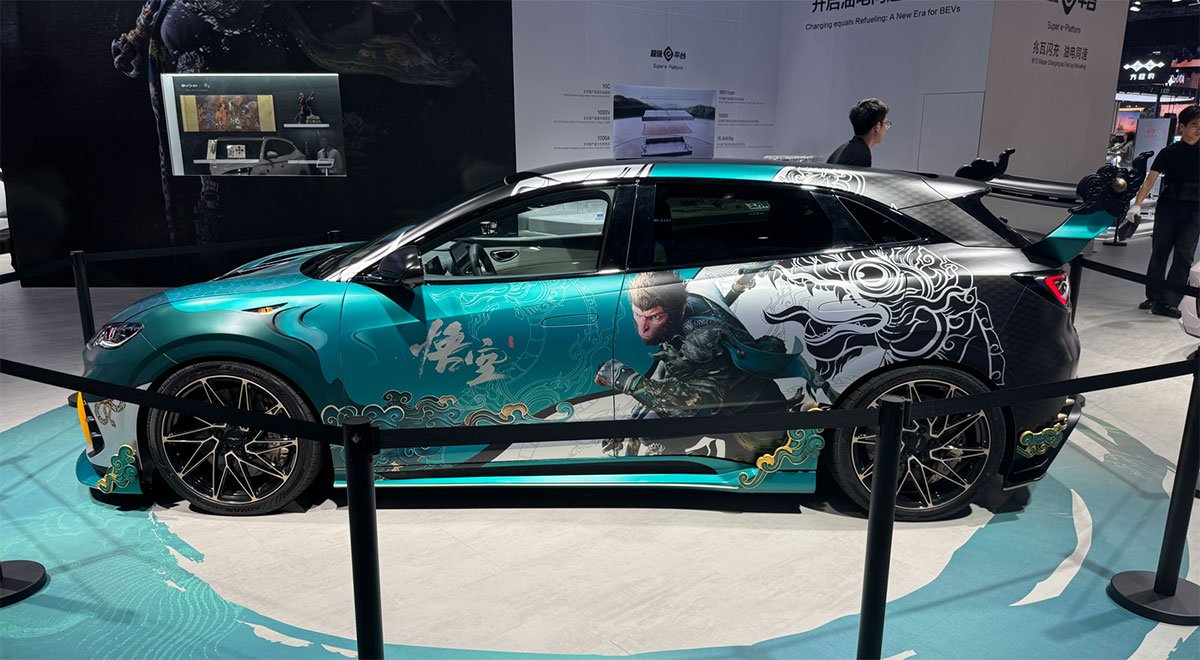
Unregulated price wars intensify unhealthy competition and further squeeze corporate profit margins, CAAM warned. This also undermines the security of the supply chain, driving the industry into a vicious cycle. (A BYD model displayed at the Shanghai auto show in April 2025. Image credit: CnEVPost) A major Chinese automotive industry association has urged an end to price war to prevent the industry from entering a rat race. Since May 23, "a certain automaker" has led the way with significant price cuts, prompting other companies to follow suit, sparking new concerns about a price war, according to a statement released today by the China Association of Automobile Manufacturers (CAAM). Unregulated price wars have intensified cutthroat competition, further squeezing corporate profit margins, which in turn affects product quality and after-sales service guarantees, the statement said. This not only hinders the industry's healthy development but also harms consumer rights and poses safety risks, CAAM said. CAAM did not mention the name of the automaker, but it is clearly BYD (HKG: 1211, OTCMKTS: BYDDY), which announced sweeping discounts on dozens of models on May 23, prompting competitors including Chery and Leapmotor (HKG: 9863) to follow suit. In recent years, China's new energy vehicle (NEV) industry has developed rapidly, accounting for over 40 percent of new vehicle sales, CAAM's statement noted. "Currently, the industry as a whole is showing a stable and positive trend, with market vitality continuing to be released." However, in recent times, the industry's profitability has declined, with race-to-the-bottom competition characterized by disorderly price wars being a key factor in the decline in industry performance, the statement said. CAAM emphasized that investments in product after-sales service guarantees and corporate innovation and development should be continuously increased, while price wars severely impact normal business operations. This also undermines the security of the industrial chain and supply chain, pushing the industry into a vicious cycle, CAAM warned. CAAM put forward four initiatives to safeguard the development of China's automotive industry: 1. All enterprises must strictly adhere to the principle of fair competition and conduct business operations in accordance with laws and regulations. 2. Leading companies should not monopolize the market, squeeze out other players, or harm the legitimate rights and interests of other industry players. 3. When companies legally reduce prices to clear inventory, they should not sell goods below costs. They should not engage in false advertising that misleads consumers, disrupt market order, or harm the fundamental interests of the industry and consumers. 4. All companies should conduct self-inspections and rectifications in accordance with relevant national laws and regulations. Analysts believe BYD's price discounts could lead to further price competition in China and spark more rivals to follow suit.
Lessons Learned Living Off-Grid For A Week in Moab
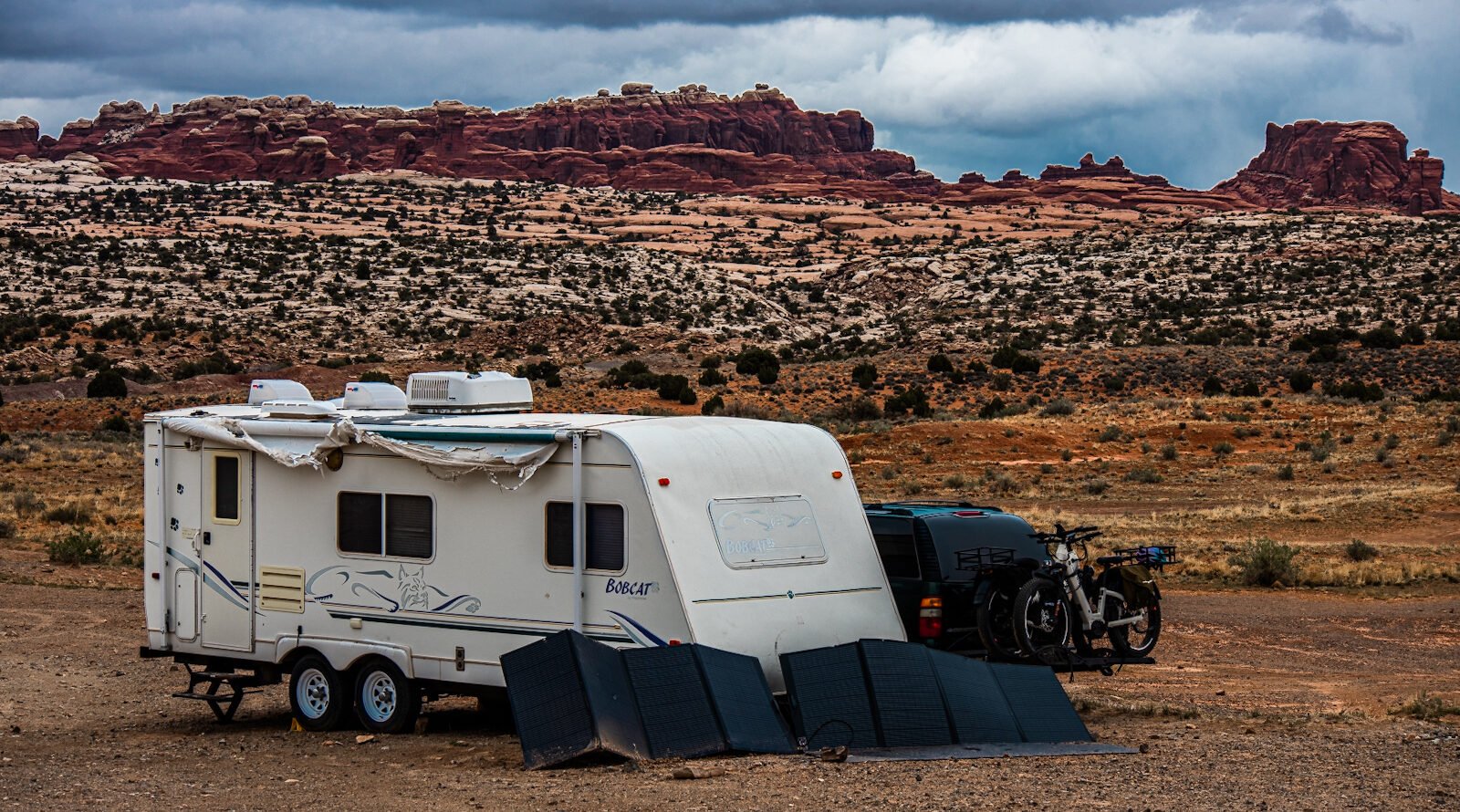
Last Updated on: 21st April 2025, 10:57 am Last week, I did something many people would consider to be crazy. Instead of getting a hotel or paying for space in an RV park with full hookups, I drove several miles up a rough dirt road and parked my travel trailer. Not only is there no water or electricity out near Copper Ridge and Klondike Wash, but the internet connection is iffy at best. So, why jump into the deep end on my first RV trip and go completely off grid? First off, there’s the problem of trying to go to Moab during the Easter Jeep Safari and not booking something in advance. Plus, you’re not going to get the kind of dark, quiet nights I got in town, nor do you get these kinds of views during the day! In this article, I want to discuss some important lessons I learned spending a few days relying on 1200 watts of solar panels, 8 kWh of battery, and a backup connection to my Chevy Suburban’s alternator. While some things went about like expected, others didn’t. Lesson 1: Always Be Charging The biggest thing I’d recommend to anyone wanting to “boondock” like I did is to focus on making sure you never miss out on potential energy. If there’s a way to put some electricity away for later, make sure you take advantage of it. Without the grid or a generator to back you up, missing out on charging opportunities means you might not have enough energy later. Whether it’s solar power, vehicle power, or being able to plug in for a night while on the road, it’s important to never pass an opportunity up. Even when cloudy, my 1200-watt solar setup was pulling in 200–300 watts, so there’s never a bad time to have panels ready to collect as much sunlight as possible. Lesson 2: Make Solar Charging As Effortless As Possible There’s a reason #1 was “always be charging.” I didn’t charge as much as I could, and regretted it. Why? Because I was tired, in a hurry, or didn’t feel up to it after going out riding. My first opportunity cost me between 8 and 10 kWh of energy. I got in really late the first night and had to get out and do some work early the next day, so I skipped putting my panels out. It was a bright, sunny day that would have easily given me 10 hours of 800–1100 watts of power. But, by the time I got back to the trailer, night was already falling. My second opportunity cost me about 6 kWh of energy. Instead of putting out all three of my EcoFlow 400-watt panels, I put just one out. This was enough to keep up my fridge and some ventilation for a cat staying in the trailer, with just a little bit more for charging. I got almost 400 watts out of the single panel for the whole day, but could have gotten almost 1200 watts. By the time things got less busy, the sun was periodically interrupted by clouds. Two days later, I was starting to run short on energy and had to plug the Suburban in and idle it to try and catch up. Then, unexpected winter weather crept into the area, and I didn’t have enough energy to run heat on the last night. If I had mounted solar to the roof of the trailer instead of putting out folding panels, I would have had no problem at all charging on those first two days. The whole trip would have been more comfortable and run more smoothly. Lesson 3: Hunt Down Parasitic Loads Because I basically wired my trailer to pull power from my EcoFlow Delta Pro 3 as if it was a pedestal at an RV park, things aren’t that efficient. The biggest problem I found was that the power converter (converts 120-volt AC to 12-volt DC to power lights, water pump, etc) burned about 40 watts even with nothing pulling power. This adds up to about 1.1 kWh per day of wasted energy! Other little power draws I was able to run down included a propane leak detector I have no use for, the original RV fridge (replaced with a better fridge before the trip), and a battery charging circuit that shocked me during trip preparation. Lesson 4: Focus On Efficiency When I first bought the old travel trailer, I figured out pretty quick that it was designed to be run mostly on propane. Sure, most things could also run on electric at an RV park, but because plugging in at a park means unlimited power, the manufacturer didn’t prioritize efficiency at all. The factory absorptive refrigerator was the biggest problem (450 watts!), but getting rid of propane required ripping out several other things. The gas cooktop, the gas oven, and the gas heater all had to be replaced and disconnected. I’m still in the process of trying to find a better water heater. I still need to replace the factory air conditioner with a heat pump, close off some unnecessary vents, wire 12-volt power to come directly from the power station instead of double converting, and go around sealing up air leaks. Lesson 5: Find Ways To Do Without One thing I noticed right away in the spring was that outside temperatures were pretty good. 70–75 degrees felt pretty good outside, but inside, the trapped heat ended up turning the trailer into a little oven. Worse, because I traveled with a cat that has special medical needs, I couldn’t just open the windows. To get around this problem, I need to work on improving insulation, opening up other ventilation options, and installing a better ventilation fan to pull in fresh air on those nice days. Adding some reflective shades to the windows would also help. On the coldest night, when I only had enough extra energy to run resistive heat for a few hours, we
CATL Next Gen Batteries Coming Soon To An EV Near You!
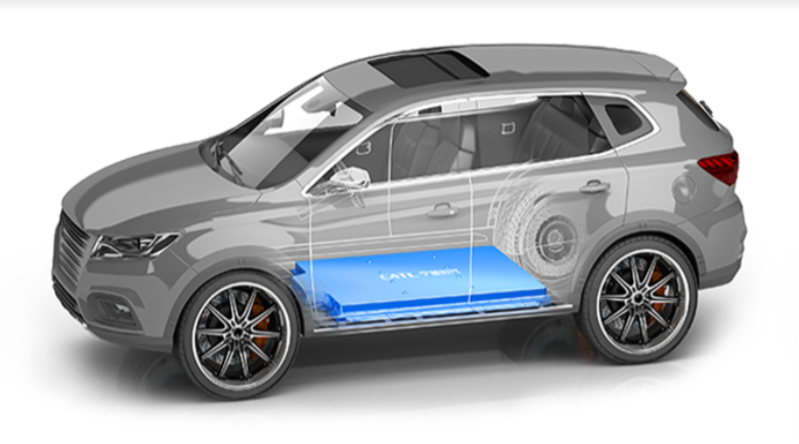
Last Updated on: 22nd April 2025, 05:25 pm A few weeks ago, BYD announced new battery technology that allows electric cars to recharge in about 5 minutes. This week at the annual Shanghai Auto Show, CATL fired back with fast charging news of its own. It claims its second generation Shenxing battery can add 520 kilometers (323 miles) of range in just five minutes of charging time. The BYD announcement claims its batteries can add 400 kilometers (250 miles) in 5 minutes using a Level 3 fast charger. If you focus on those two claims, you are missing the point. What this news means is that whether your next EV has a battery from CATL or BYD is irrelevant. What matters is that the constant bleating of anti-EV folks about how they won’t buy an electric car until they can charge it in the same time as it takes to fill a gas tank is now just so much hot air. A while ago they said they wouldn’t buy an EV until it offered at least 300 miles of range. That barrier has also been broken, so now the Chicken Littles will need to invent a new reason to disdain electric cars. CATL founder and chairman Robin Zeng told those in attendance in Shanghai that the company planned to make a presentation at the Auto show an annual event and reminded people that CATL has “never defined itself as a battery manufacturer but a pioneer of the clean energy system.” More than 67 new electric vehicle models will be powered by the Shenxing battery this year, said CATL’s Chief Technology Officer Gao Huan, without specifying how many would be equipped with the first or second generation versions. More than 18 million cars equipped with CATL batteries are currently in service in more than 66 countries, according to Gao. Plenty of automakers in China are looking over the shoulders at CATL and wondering if it has plans to become a car manufacturer itself. Xiaomi and Huawei are both cellphone manufacturers which have jumped into the EV space recently. Jim Farley, CEO of Ford, drove a Xiaomi SU7 for 6 months and didn’t want to give it back. If CATL did decide to build its own cars, the chances are they would be highly competitive. Joanna Chen, a China auto industry analyst for Bloomberg Intelligence said after the event in Shanghai, “CATL’s next generation Shenxing batteries highlight its deep R&D resources and could prompt robust orders as automakers scramble to stay competitive after BYD’s high profile launch last month. Upgraded technologies at CATL and BYD, which together control 70% of China’s EV-battery market, look set to power more mass market EVs with fast charging capabilities.” More Good News From CATL CATL has other news to share with the world this week in Shanghai. According to Reuters, the company introduced a new brand for its sodium-ion batteries called Naxtra, which it said would go into mass production in December. It became the first major automotive battery maker to launch sodium-ion batteries in 2021. Unlike lithium, sodium is cheap and abundant, which could lower the cost of electric cars. But in addition, sodium-ion batteries have a much lower fire risk as well. CATL said the first of its new sodium-ion batteries will have an energy density of 175 watt-hours per kilogram, which is just slightly less that the energy density of lithium iron phosphate batteries used today in electric vehicles and grid energy storage systems. Sodium batteries may be less costly than lithium batteries eventually. This is new technology and so it does not have the benefit of economies of scale yet, said Ouyang Chuying, co-president for research and development at CATL. Robin Zeng is on record as saying he sees sodium-ion batteries potentially replacing up to half the market for LFP batteries. The company claims its Naxtra batteries are ready for commercial applications and have been tested under extreme conditions, including very cold weather and fire. Even after being placed in an ice chamber with a temperature of minus 40 degrees Celsius, Naxtra had zero power degradation, the company said. A plug-in hybrid vehicle equipped with a Naxtra battery would have a range of about 200 kilometers, while a battery-electric car could travel about 500 kilometers, the company claims Behold The Range Extender Battery! CATL wasn’t done with its battery news, however. In Shanghai it also announced a new battery that uses no graphite in its electrodes. Graphite is expensive, so removing it from the list of materials will make batteries that are less expensive. But graphite-free batteries have some drawbacks. They charge more slowly and cannot be recharged as many times as conventional EV batteries before they need to be replaced. That’s why CATL proposes using them solely as auxiliary batteries that will share space with the primary battery to either allow longer range driving occasionally or to permit the installation of a smaller battery pack originally. Think of it as serving the function of a range extender engine without the need for a gasoline engine on board with a gas tank, exhaust system, and all the other attributes of an internal combustion engine. Removing graphite will result in batteries that are less expensive once economies of scale are realized and will allow 60% more electricity to be squeezed into each cubic inch of the battery, said Gao Huan. The second battery also would provide backup in case the main battery has a problem. That has become a more important consideration as semi-autonomous driving systems become more common. Those features require an uninterrupted supply of electricity to function properly. Ouyang Chuying said that auxiliary batteries without graphite would be available in cars in two to three years and possibly sooner. He declined to say which automakers might be the first to use them, according to the New York Times. The Takeaway There are a couple of lessons from the Shanghai event. First, if the US is moving toward a future in which
Celebrate Earth Day 2025 With BLUETTI: Huge Savings On Clean Energy Solutions!
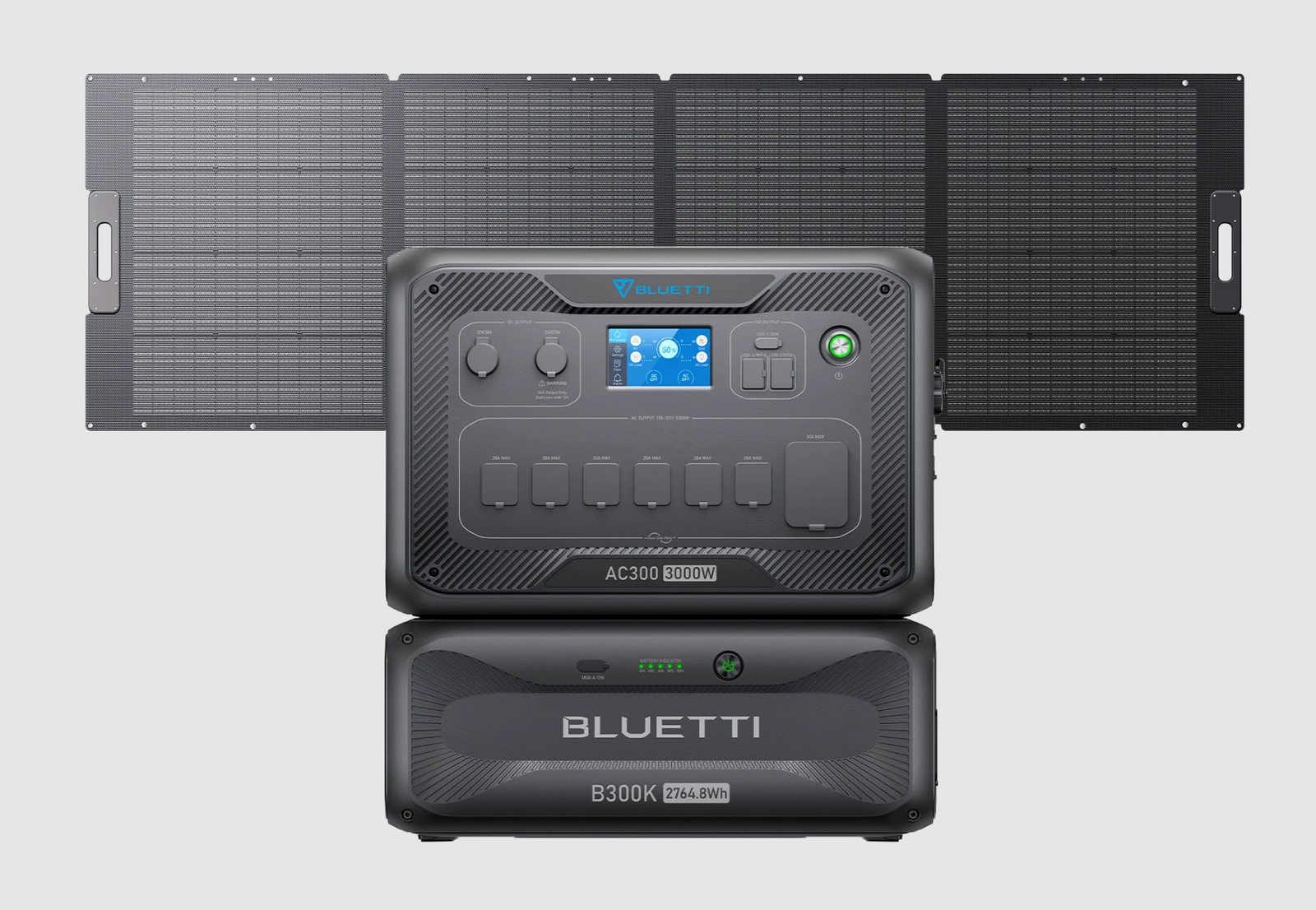
On Earth Day 2025, BLUETTI is celebrating with its most significant sale of the year, offering up to 54% off on a wide range of state-of-the-art clean energy and energy storage solutions. This sale is the perfect opportunity to upgrade your home energy setup, to add backup energy storage for use in power outages, or to kickstart your off-grid adventures. Top Picks From BLUETTI’s Earth Day Sale Whether you’re looking to power your home more sustainably or you need reliable energy for your outdoor adventures, BLUETTI has deals tailored for your lifestyle: Elite 200 V2 + 200W Solar Panel: A high-performance 2,600W portable power station paired with a 200W solar panel, now just $1,199 (regularly $1,999). AC180 + 200W Solar Panel: An efficient 1,800W solution, perfect for camping and emergency backup, available for just $699 (regularly $1,299). AC200L + 200W Solar Panel: A robust 2,400W setup designed for home backup, priced at only $1,299 (regularly $1,899). AC70 + 100W Solar Panel: Lightweight yet powerful at 1,000W, ideal for outdoor enthusiasts at $549 (regularly $899). AC300 + B300K + 350W Solar Panel: A versatile 3,000W expandable solution, now $1,949 (regularly $2,999). AC500 + 2×B300K: An ultra-capable 5,000W system complete with a free trolley and cables, on sale for $3,099 (regularly $3,999). BLUETTI’s commitment to sustainability is evident in its product offerings, which utilize advanced lithium iron phosphate (LiFePO₄) battery technology for enhanced safety and longevity. The integration of solar panels with portable power stations enables users to harness clean energy efficiently, reducing reliance on fossil fuels and minimizing environmental impact. The CleanTechnica team has used and reviewed a number of BLUETTI products over the years, and can confirm that all of the ones we’ve tested so far have been excellent products. The following are just a small selection of those reviews: Join The Sustainable Living Movement Beyond significant savings, BLUETTI supports an eco-friendly lifestyle with exclusive perks through its membership program: Earn Rewards (BLUETTI Bucks): Save even more on future purchases. Referral Benefits: Introduce your friends to sustainable energy and earn discounts. Price-Match Guarantee: Shop confidently, knowing you’re getting the best possible price. Your Path To Renewable Energy Starts Here Take advantage of BLUETTI’s Earth Day Sale and make a lasting impact on your energy footprint. Visit the official BLUETTI Earth Day Sale page today and step toward a cleaner, greener future. Sign up for CleanTechnica's Weekly Substack for Zach and Scott's in-depth analyses and high level summaries, sign up for our daily newsletter, and follow us on Google News! Whether you have solar power or not, please complete our latest solar power survey. Have a tip for CleanTechnica? Want to advertise? Want to suggest a guest for our CleanTech Talk podcast? Contact us here. Sign up for our daily newsletter for 15 new cleantech stories a day. Or sign up for our weekly one on top stories of the week if daily is too frequent. Advertisement CleanTechnica uses affiliate links. See our policy here. CleanTechnica's Comment Policy
Zero-Cost Solar & Batteries? Haven Energy Says Yes To California’s Low-Income Homeowners
Imagine transforming your home to run on clean, renewable energy without paying a dime upfront. In a move that might seem too good to be true, but is very much real, Haven Energy has launched an ambitious initiative to install solar panels and battery storage systems completely free of charge for eligible homeowners across California. This revolutionary program is part of California’s $280 million Self-Generation Incentive Program Residential Solar & Storage Equity (SGIP RSSE), aimed specifically at removing financial barriers that typically prevent low-to-moderate income households from accessing clean energy technology. With Haven Energy now fully covering the significant upfront costs, which can often surpass $20,000, homeowners in underserved communities can finally experience the financial and environmental benefits of solar power without the burden of a heavy initial investment. Closing California’s Energy Equity Gap Historically, solar energy has carried a heavy upfront cost, placing it out of reach for many Californians who could benefit from reduced electricity bills and increased energy independence. Haven Energy is changing that reality. Through its new program, the company handles all costs associated with solar and battery installations, from equipment to permitting and the actual installation itself. The homeowners’ job? To just enjoy lower energy bills, increased resilience during power outages, and the peace of mind that comes from knowing they’re helping the environment. Vinnie Campo, co-founder and CEO of Haven Energy, expressed this vision succinctly: “Haven is proud to be the first company in California to completely remove the cost barrier for solar and battery storage, ensuring that clean, reliable energy is within reach for families in underserved communities. Many homeowners simply don’t have the resources to cover the purchase and installation costs of these systems. We are bridging that gap in the state’s rebate program. Through our unique financial structure, we’ll pay for the system and collect the state rebate, while the homeowner benefits from lower monthly bills and backup power during outages.” A Powerful Solution: Virtual Power Plants While individual homes reap immediate savings and reliability, the benefits extend even further. Haven’s installations aren’t just standalone systems; they’re part of a broader, interconnected grid known as a Virtual Power Plant (VPP). By connecting thousands of residential solar and battery storage systems, Haven plans to build an impressive 10 MW of renewable energy capacity — enough to significantly ease California’s notorious grid strain during peak demand times. Jeff Chapin, Haven’s co-founder and Chief Product Officer, explains the bigger picture: “Integrated solar and battery systems are a transformative way to provide cost savings, ensure the lights stay on, and improve the energy grid. Rather than sending surplus electricity to the grid automatically, we strategically work with our customers to time battery-charging and discharging to align with renewable production and peak demand. By aggregating hundreds of these systems into a virtual power plant (VPP), we can reduce grid congestion, curb reliance on fossil fuels, and help California optimize its use of renewable resources.” How Haven Makes It Easy to Go Solar Haven Energy simplifies the typically cumbersome process of going solar. Here’s how it works in four straightforward steps: Check Eligibility: Provide a recent utility bill and proof of income to determine eligibility under the SGIP RSSE guidelines. Customized Proposal: Once approved, Haven designs a custom solar and battery setup tailored to the home’s specific energy needs, clearly showing the projected savings. Seamless Installation: Haven takes care of everything, from site assessments to permits and professional installation. The homeowners don’t need to lift a finger. Continuous Optimization: After installation, Haven helps ensure the system remains optimized, providing ongoing support to maximize the energy savings and efficiency. Strategic Partnerships Amplifying Impact Recognizing that partnerships are critical to the program’s success, Haven collaborates closely with organizations like The Energy Coalition and Clean Power Alliance. These relationships help reach more homeowners faster and ensure a smooth, streamlined experience for everyone involved. These partnerships don’t just broaden access, they also demonstrate how industry collaboration can rapidly accelerate renewable energy adoption, especially in communities that historically have had limited opportunities to participate in California’s green transition. The Time To Act Is Now If you’re a California homeowner curious about whether you qualify for Haven’s free solar and battery program, it’s as easy as visiting Haven’s qualification page. Because the SGIP RSSE funds are limited and distributed on a first-come, first-served basis, homeowners interested in transforming their energy future are encouraged to act quickly. The company estimates that the current funding of the SGIP RSSE program “could support solar and battery installations for 8,000–10,000 qualifying California households.” As California pushes toward ambitious climate goals, programs like Haven’s are proving that clean energy can be accessible to everyone — not just those who can afford hefty upfront investments. With free installation and significant long-term savings, the choice to switch to solar has never been simpler or more impactful. To learn more about Haven Energy and its mission to democratize renewable energy, visit the company’s website. Sign up for CleanTechnica's Weekly Substack for Zach and Scott's in-depth analyses and high level summaries, sign up for our daily newsletter, and follow us on Google News! Whether you have solar power or not, please complete our latest solar power survey. Have a tip for CleanTechnica? Want to advertise? Want to suggest a guest for our CleanTech Talk podcast? Contact us here. Sign up for our daily newsletter for 15 new cleantech stories a day. Or sign up for our weekly one on top stories of the week if daily is too frequent. Advertisement CleanTechnica uses affiliate links. See our policy here. CleanTechnica's Comment Policy