Unlocking BESS revenues in Europe’s key markets
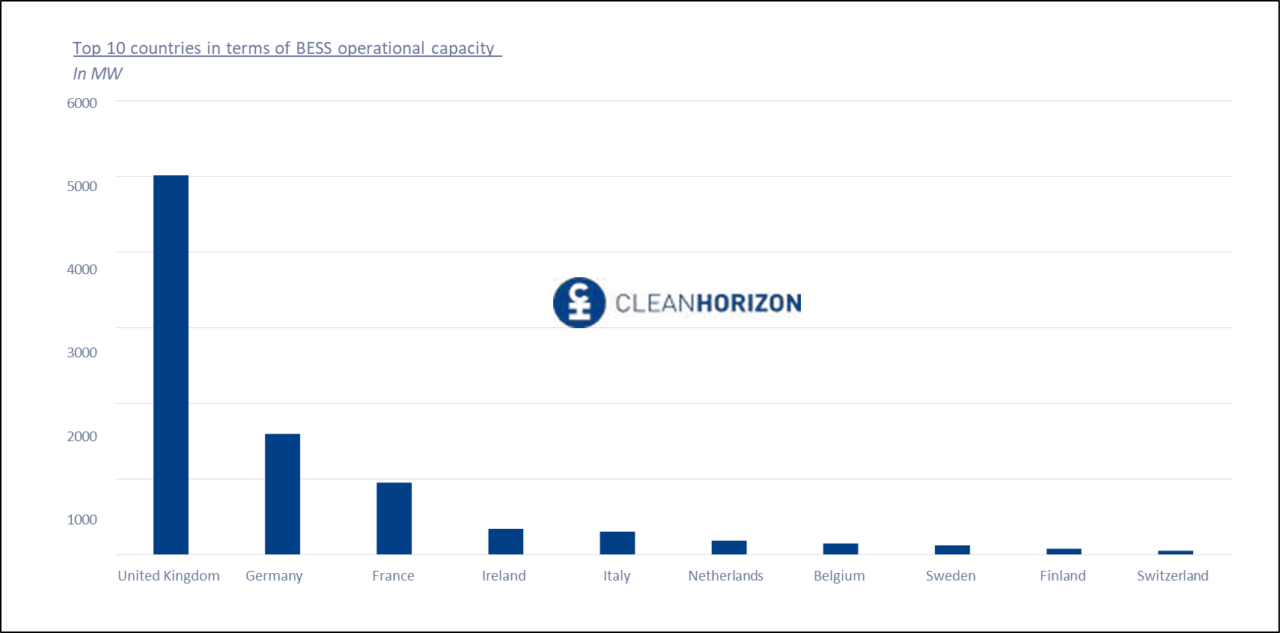
Every edition includes ‘Storage & Smart Power’, a dedicated section contributed by the Energy-Storage.news team, and full access to upcoming issues as well as the 10-year back catalogue is included as part of a subscription to Energy-Storage.news Premium. The front-of-the-meter (FTM) energy storage industry in Europe is experiencing rapid growth. Projects are becoming larger and revenue streams are diversifying, with energy storage playing an increasingly critical role in balancing electricity grids. New markets are emerging—such as Poland and the Baltic states—where ancillary services have recently opened, creating fresh opportunities for investors and developers. At the same time, some established markets are reaching saturation. In the UK, for example, ancillary service revenues have declined as competition has increased. Similarly, in France, the primary reserve market has become crowded. These shifts are forcing market participants to explore new strategies to optimise returns. Meanwhile, the increasing penetration of renewable energy is driving greater electricity market volatility. As wind and solar generation fluctuate, energy storage is becoming essential for stabilising supply and capturing price spreads. This trend is unlocking new opportunities in wholesale electricity markets and balancing services. However, taking advantage of these opportunities is far from straightforward. Estimating potential storage revenues remains a complex challenge. Earnings in real-time electricity markets depend on multiple factors, including market conditions, regulatory frameworks and battery energy storage system (BESS) trading strategies. Without a deep understanding of these dynamics, investors risk overestimating or underestimating potential revenues, leading to suboptimal investment decisions. BESS markets in key European countries When examining the leading markets for operational energy storage capacity in Europe, the UK stands out as the dominant player by a significant margin. The growth of the UK’s energy storage market has been propelled by targeted auctions held several years ago, which allocated substantial amounts of energy storage capacity. Additionally, the UK has established lucrative ancillary services markets, which have been highly remunerative, attracting large-scale investments in energy storage. Germany ranks second in Europe, with approximately 1.5GW of installed energy storage capacity. While most of these systems were originally designed to provide primary reserve, a shift has occurred as prices in this market have decreased. As a result, Intraday and secondary reserve markets have become the primary sources of revenue for storage operators. France follows closely behind with nearly 1GW of energy storage capacity. A significant portion of this capacity is owned by NW Group, while the remaining projects were awarded through the long-term capacity mechanism auction. The ranking of the top 10 European countries based on announced energy storage capacities (Figure 2 below) differs significantly from the graph in Figure 1 above. The data presented here is sourced from the Clean Horizon Energy Storage Database (CHESS), which exclusively includes publicly announced projects. Notably, Spain and Poland feature prominently in the top 10. These countries are becoming hotspots for energy storage developers, thanks to their generous subsidy programmes and substantial market opportunities. Italy has also implemented compelling mechanisms to attract investment, such as the Fast Reserve auction and long-term capacity mechanism auctions. Similarly, Belgium has emerged as an appealing market, with numerous developers undertaking large-scale projects, particularly to capitalise on high market volatility and ancillary service prices. Figure 2. Top 10 European countries in terms of publicly-announced BESS projects in early 2025. Image: Clean Horizon What are the key revenue streams for energy storage in Europe? The main differences between those countries are the revenue opportunities for battery energy storage systems (BESS). Storage assets can get remunerated by providing different types of services to the grid, from shifting consumption to times where the electricity is cheaper to helping the grid ensure frequency stability. Each of those services enable storage assets to generate revenues. Wholesale markets: intraday, day ahead The day-ahead market is the primary wholesale electricity market in Europe. Its main purpose is to allow electricity producers, suppliers and traders to buy or sell electricity one day in advance, based on improved forecasts of consumption and production. The market operates on a pay-as-clear auction system, where the last asset selected to meet demand sets the market price for each hourly period. This auction closes at 12:30 PM CET the day before delivery. Prices on the day-ahead market fluctuate significantly depending on the balance between supply and demand: • When demand is largely met by low-cost renewable generation, prices tend to decrease and can even become negative during periods of high renewable output and low consumption. • Conversely, when demand is high and more expensive thermal power plants are required to meet it, prices rise considerably. For battery energy storage systems, these price fluctuations create an opportunity known as energy arbitrage. Storage assets can charge during periods of low prices—typically around midday when renewable production is abundant—and discharge during high-price periods, often in the evening when demand peaks and renewable output decreases. The revenue generated from this strategy is essentially the difference between the evening price and midday price, adjusted for the battery’s efficiency. This difference is referred to as the price spread. Beyond the day-ahead market, BESS can also generate revenues in the Intraday market, which allows trading closer to the actual time of electricity delivery. The Intraday market is divided into two segments: • Intraday Auctions: Similar in structure to the day-ahead market but held multiple times a day and closing nearer to realtime delivery. • Intraday Continuous Market: A fundamentally different mechanism, this is a continuous order book where market participants can place buy or sell orders for electricity until as little as 5 minutes before delivery. Trades occur when matching orders are found. The Intraday Continuous Market was originally introduced to help electricity players minimise imbalances in their portfolios, particularly as renewable production forecasts improve closer to real time. Liquidity in this market tends to increase during periods of high demand, high renewable output, or when imbalance penalties are significant. For energy storage operators, this market offers additional flexibility to capture price spreads and optimise their revenues beyond the day-ahead auction. In the Intraday Continuous Market, trades
Telstra Unveils Starlink-Powered Satellite Text Messaging in Australia

Australian telco Telstra has launched its Starlink-powered satellite text messaging service, a groundbreaking step in enhancing connectivity across the nation. Telstra x Starlink’s direct-to-device (D2D) service enables customers with Samsung Galaxy S25 devices to send and receive text messages in areas without mobile coverage, provided they have a clear view of the sky. The Telstra Satellite Messaging service rolls out over the coming weeks. The service will allow users on select month-to-month mobile plans to communicate via the Starlink Direct to Cell satellite network. It targets remote locations, ensuring connectivity where traditional mobile networks are unavailable. “From today, we’re rolling out Telstra Satellite Messaging – Australia’s first satellite to mobile text messaging product, available for consumer and small business customers on Telstra month-to-month mobile plans with a device from the Samsung Galaxy S25 series family,” Telstra announced. Eligible customers with a Samsung Galaxy S25 and updated with the latest Android software can access Telstra xStarlink’s Satellite Messaging service as part of their core plan. Devices automatically connect to the Starlink network when mobile coverage is absent, requiring only an outdoor location with a direct line of sight to the sky. The launch follows extensive testing by Telstra engineers across Australia’s most remote regions. The Aussie telecom company promises ongoing refinements to ensure reliability. The initiative reflects Telstra’s commitment to pioneering connectivity solutions. “Being able to send or receive a text message from an outdoor location that is beyond the range of our mobile network is a significant step forward and reinforces our commitment to pioneer new connectivity options for Australians,” the company stated. The service is set to expand to more devices, with future capabilities expected to include data and voice calls, further bridging connectivity gaps. Telstra’s collaboration with SpaceX positions Australia at the forefront of satellite-based communication. As the rollout progresses, the service could redefine how Australians stay connected in remote areas, leveraging Starlink’s satellite network to deliver seamless communication. With plans to enhance the service, Telstra’s satellite text messaging marks a milestone in ensuring no corner of the country is left disconnected. The post Telstra Unveils Starlink-Powered Satellite Text Messaging in Australia appeared first on TESLARATI.
NREL & Crysalis Biosciences Collaborate To Scale Up Domestic Biomanufacturing Technologies
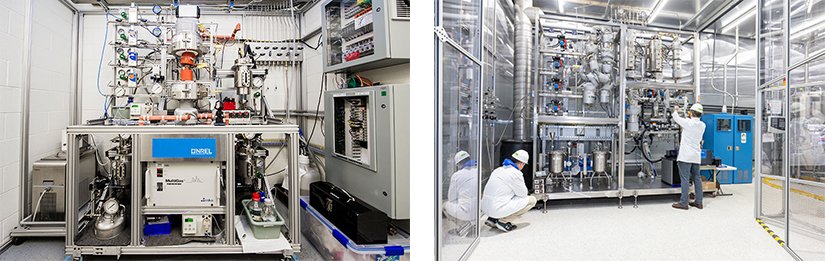
公私合作推进将美国生物质转化为国家燃料、橡胶和电池材料来源的研究 Crysalis 扩大了 NREL 原有反应器的运行规模,用于生产生物基乙腈。左图为 NREL 的实验室规模反应器;右图为 Crysalis 工厂的中试规模反应器。照片由 NREL 的 Dennis Schroeder(左)和 NREL 的 Gregory Cooper(右)拍摄。 The U.S. Department of Energy’s (DOE) National Renewable Energy Laboratory (NREL) is known for its groundbreaking research in far-reaching bioenergy technologies and the invention of chemicals and materials with extraordinary performance. However, some of its most exciting success stories occur when these innovations move out of the lab and into the real world. A prime example of this technology transfer is NREL’s collaboration with Crysalis Biosciences, a leading U.S. producer of next-generation biofuels and biochemicals. Based on research originally funded by DOE’s Bioenergy Technologies Office, NREL has commercially licensed three novel biotechnologies to Crysalis for the production of biobased chemicals and fuels, including: 2,3-Butanediol (2,3-BDO): This technology uses a modified strain of Zymomonas mobilis to produce 2,3-BDO in place of ethanol, which can be used to produce polymers and butadiene, a key ingredient in biorubber for tires. Carboxylic Acids to Jet Fuel: This process converts abundant U.S. waste and biomass into carboxylic acids that can be upgraded into jet fuel blending stocks as an abundant energy source for export and the domestic aviation industry. Acetonitrile: This process allows for the production of ultrahigh purity acetonitrile, a high-demand solvent in pharmaceutical manufacturing, as well as other high-performance, high-volume materials like advanced batteries. The licensing of these three technologies showcases how the NREL/Crysalis partnership can leverage America’s plentiful biomass and waste feedstocks—more than 1 billion tons according to a recent DOE study—to drive homegrown production of critical materials and agricultural products the country needs and reduce its reliance on imports. From Lab Innovation to Market Impact With these advancements in hand, Crysalis’ R&D facility in Louisville, Colorado, recently produced the world’s first 100% bio-based acetonitrile with the highest purity available on the market. The pathway was scaled up 300 times from NREL’s lab-scale technology. Crysalis engineer Katherine Noon checks equipment that she helped customize and build in the Louisville facility. Photo by Gregory Cooper, NREL. “I don’t think anyone realized that we could achieve this scale and that the NREL technologies could get out into the world so quickly,” NREL Senior Licensing Executive Eric Payne said. “This project is so amazing; we are lucky to work with such dedicated partners.” According to Crysalis Chief Technology Officer Eric Karp, the company purchased a shuttered manufacturing space and, in the span of only one-and-a-half years, Crysalis gutted, cleaned, and built out the new facility—often with refurbished equipment customized by their team to realize huge time and cost savings. The resulting Louisville pilot plant is unique in the industry and started producing acetonitrile in February 2025. “The reactor designs came straight from NREL but were scaled up 300 times,” Karp said. “We built the system with plug-and-play capabilities to use in different ways, by moving and changing equipment around for different processes.” Crysalis is poised to take this breakthrough development to the next stage with construction of a demonstration-scale manufacturing plant in the St. Louis area. That plant will then aid in the eventual construction of a full-scale bio-acetonitrile manufacturing facility, and the company anticipates commercial availability of the product within a year. Making More Fuels and Chemicals Here at Home All three of NREL’s technologies licensed to Crysalis will lead to more resilient supply chains of critical materials and chemicals needed by the U.S. economy. For example, rubber is a critical strategic material for the United States, and the bio-derived rubber produced by Crysalis via the NREL 2,3-BDO process can fill this need with stateside manufacturing. Many U.S. petroleum refineries also rely on imported crude oil for their operations. NREL’s carboxylic acids-to-fuels technology produces ketones, which can be processed in existing petroleum refineries, thus reducing dependence on imported crude oil. The left clear sample is the world’s first 100% bio-based acetonitrile that meets oligonucleotide-grade specifications. On the right is aviation fuel blendstock. Photo by Gregory Cooper, NREL Finally, acetonitrile is a critically important industrial chemical with applications such as solvents for the pharmaceutical industry and batteries. Today’s fast-charging lithium-ion batteries rely on acetonitrile, and, accordingly, the market for this solvent is expected to be strained with increased demand from automotive applications. Ultrapure acetonitrile is also highly sought after by the pharmaceutical industry due to the expansion of oligonucleotide drug synthesis, a process to create short DNA or RNA sequences that target specific genes or proteins to treat or manage diseases. The Crysalis and NREL process will meet these growing demands with domestic resources and technology. Revitalizing Local Economies by Creating Manufacturing Jobs For Crysalis, these technologies also represent an opportunity to transform shuttered chemical plants into profitable, next-generation biomanufacturing hubs. In fact, Crysalis specializes in acquiring and retrofitting shuttered industrial assets—such as the St. Louis plant—to produce bio-based chemicals and fuels and to rehire former employees eager to reclaim their jobs. “In this case, we bought an ethanol plant that had been shuttered since 2019, and we turned it back on within a year,” Karp said. “This is another thing we’ve learned from our projects—they are important to the community. There were a lot of jobs, and people are willing to come back to them when you reopen the plants. It’s amazing.” Payne agreed: “What Crysalis is doing in St. Louis—in addition to making ethanol and eventually acetonitrile—is creating jobs and rehiring people,” he said. “That translates to jobs in Colorado, too—and I’m proud that NREL technology helped enable this.” A Model for Future Collaborations The licensing of these technologies represents a success story for industry–government partnerships. Payne emphasized the speed and scale at which these innovations are moving into the market. “What is special is that it took less than a month from the time we sent Crysalis these three licenses to the time that we signed the paperwork,” Payne said. “It rarely goes that fast, but Crysalis was really motivated, and it’s been a great partnership.” “In the future, we hope to purchase more facilities and do this over and over as our global
Netherlands: Giga Storage begins construction on 1.2GWh standalone BESS
Netherlands: Giga Storage begins construction on 1.2GWh standalone BESS - Energy-Storage.News Skip to content
BYD expands megawatt charging for cars in China
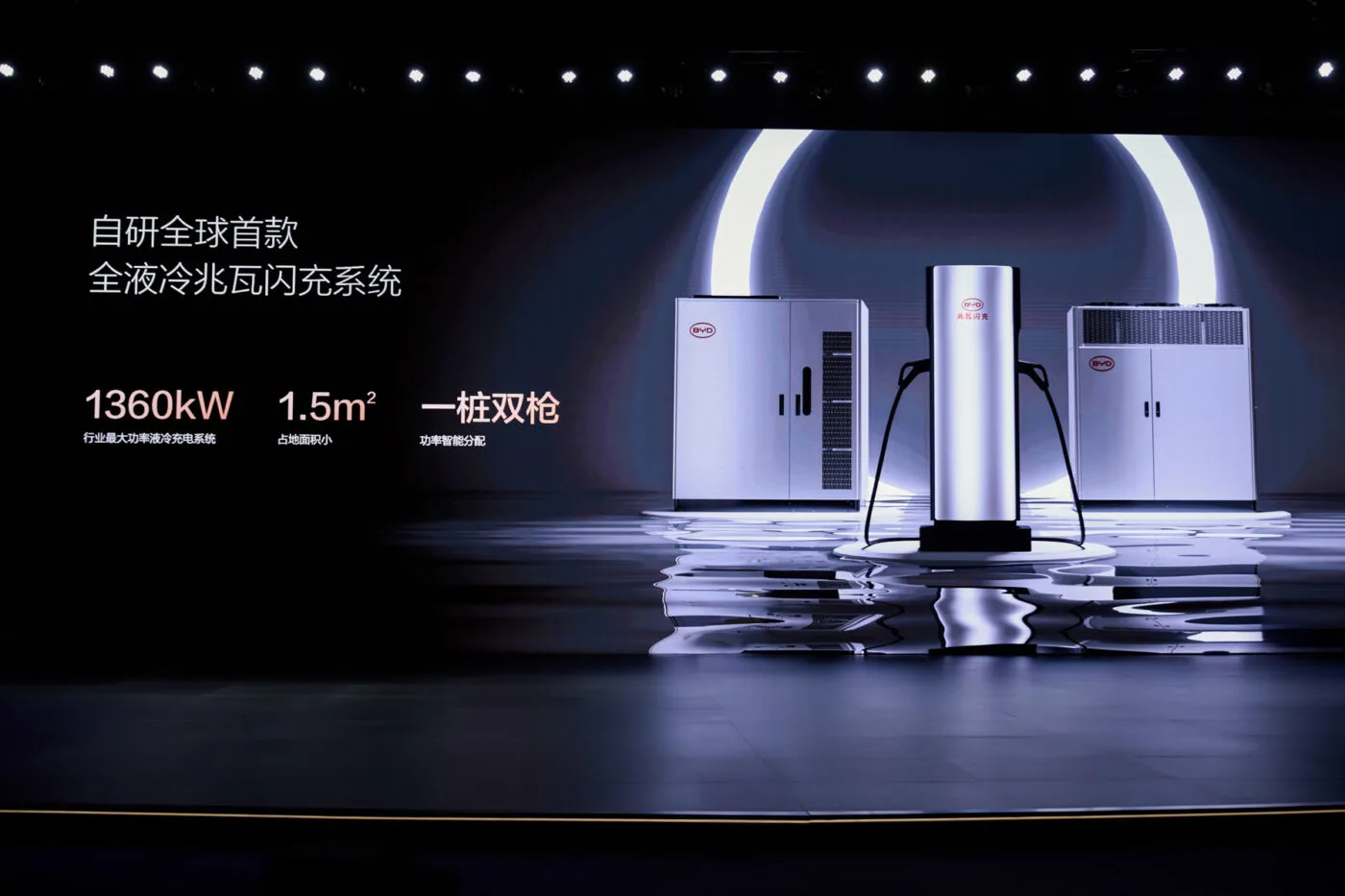
BYD has announced new partnerships to significantly expand its network of megawatt charging stations for electric cars beyond the 4,000 planned to date. BYD will work with Xiaoju Charging to build 10,000 such megawatt charging stations and with LongShine for another 5,000. The increase in megawatt charging for BYD electric cars quickly follows announcements made in March of plans for 500 “Megawatt Flash Chargers” that entered operation in April, ahead of the launch of BYD’s Han L and Tang L electric cars. According to CNEV Post these 500 units are now also connected to the grid in “more than 200 cities”. According to CNEV Post this week, the Han L and Tang L electric cars’ first month on the market saw sales of 10,483 and 11,406 units, respectively. This drives the total April sales of the Han and Tang families to over 40,000 units. BYD is now expanding its network of megawatt charging for cars in new partnerships with major charging operators Xiaoju Charging and LongShine with its Xindiantu charging platform, aiming to build 10,000 units and 5,000 units of megawatt fast chargers, respectively. Xiaoju Charging is the operator of the charging infrastructure of ride-hailing giant Didi, while LongShine has access to over 90 per cent of the public charging stations in China, covering over 400 cities. BYD’s proprietary technology includes a 1,000V/1,000A/1,000kW battery system and “smart voltage boosting” compatibility. This allows vehicles to charge across various public fast-charging platforms without compatibility issues. The system also features new “dual-gun charging”, nearly doubling the power output and reducing charging time by 70% compared to current industry standards. Charging providers in other global regions are also ramping up megawatt charging, which is generally intended for electric trucks and eventually long-distance coaches, for example, for whom the extra time at the charging column is a significant economic factor. In China, Huawei is planning an even bigger megawatt-level charger, reportedly reaching 1.5MW, but has indicated that this technology is intended for the commercial truck market, similar to Tesla’s 750kW mobile Supercharger designed for its Semi truck. BYD is not alone in seducing the electric car drivers with the lure of 5-minute charging. Zeekr has also introduced a passenger car-focused liquid-cooled charging station with a peak power of 1.2MW using a single connector, which is close to the output of BYD’s dual-connector. Megawatt charging is not without drawbacks. Megawatt chargers cannot just be installed anywhere and require significant electrical power to operate at full capacity. Megawatt charging for cars significantly increases grid load, a factor that means the promised speed is not always possible. According to Car News China, real-world experiences for electric car drivers do not always match the advertised charging speeds for this reason. The Chinese publication reported in April that even vehicles marketed as being capable of charging 80% in 15 minutes generally require closer to 30 minutes or longer in practical scenarios. Hurdles to this type of charging for widespread electric car use include the power output of charging stations constrained by voltage and current. A sustained 1000V and 1000A required by BYD megawatt flash chargers is often difficult to consistently maintain in real-world applications. Achieving power levels above 500kW typically requires liquid-cooled charging cables and systems. These can cost anywhere from 80,000 to 120,000 yuan (11,200 to 16,800 USD) per unit, which is 3-5 times the cost of traditional air-cooled chargers. Liquid cooling systems also require periodic coolant replacement, increasing operational costs. In April this year, Car News China wrote that “BYD has acknowledged the potential strain megawatt charging could cause on the power grid.” According to Car News China, the three companies are targeting a more comprehensive and accessible megawatt charging network that supports highway and urban coverage. The Chinese publication reveals that “BYD is actively discussing with other leading charging operators to expand its network further and maintain momentum.” While BYD envisions a future where electric cars can be charged as fast as an ICE car, the reality of using this technology on a large scale for cars in many regions will be limited by renewable energy production and local grids. Grids in many regions already struggle with insufficient grid infrastructure for essential logistics pathways across longer distances for intra- and interregional transport. cnevpost.com, carnewschina.com
Meeting demand for C&I battery storage with SINEXCEL
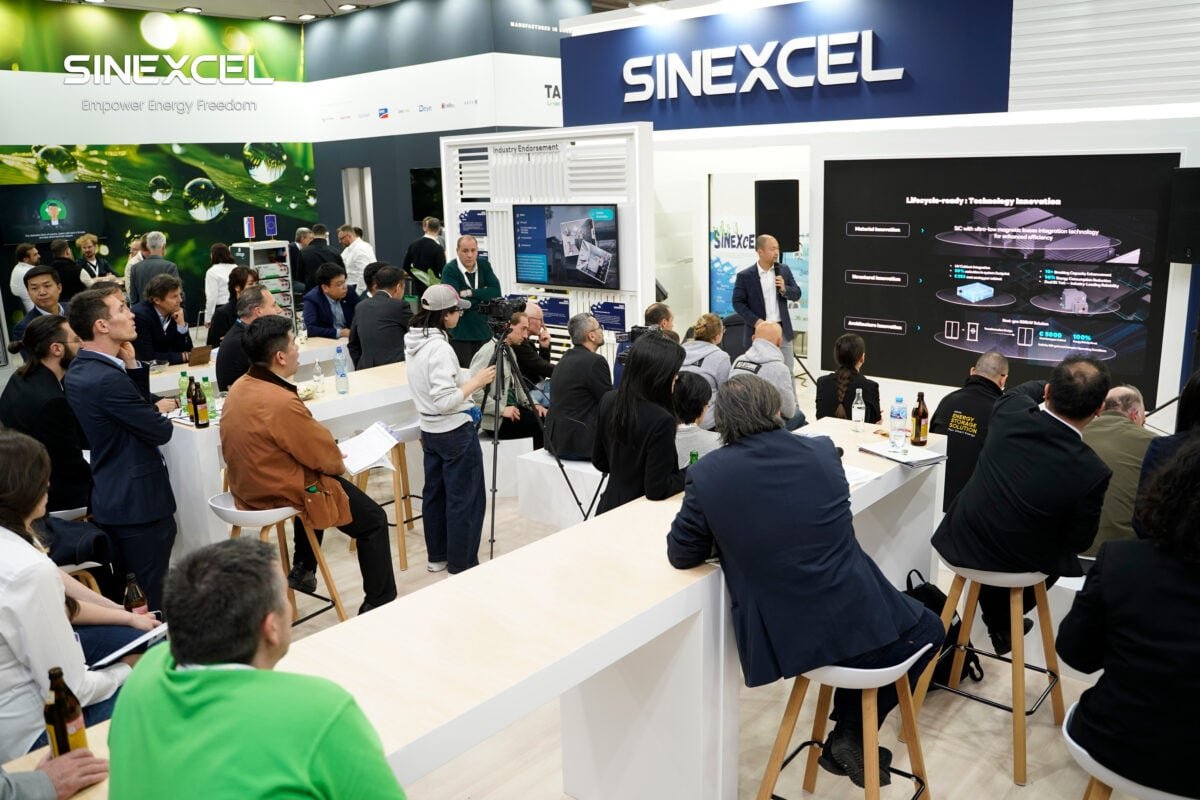
The development of an energy storage system for the C&I sector in particular is notable, as this sector has long been a focus for the company, according to Dr. Xiang Huang, general manager of ESMS at SINEXCEL Europe, who spoke with Energy-Storage.news at the Intersolar event. Huang said that combining expertise in the C&I space with close collaboration with customers was crucial to delivering new products in a sector that has moved as quickly as storage. “Everyone has very limited resources, both in R&D and sales and promotion,” Huang said. “The best way to do it is to match the two resources together: the technical advancement and the customers’ observations and feedback from the market.” Energy-Storage.news: What demand is there for the Sirius 135K system? Dr. Xiang Huang: Many customers are coming for the grid-forming function of the 135K modules. Those want it for the grid, especially this time influenced by the blackout in Iberia, as people realised that battery energy storage needs to be able to black start the grid, so that’s the most frequent ask. The second is the high IP rating. The modules are sometimes not necessarily integrated into the heart [of a system], so the integrator or workers needs to build extra housing for the module, which is a huge waste of time and effort. Third [is] definitely coming from our experience with different kinds of cells. We’re offering an excellent BESS module, but you’re not having dialogue with different manufacturers; [it] still takes efforts to [work with] intermediaries solve that issue. We have gathered about 15 years of experience tuning with cell manufacturers – we have a great coverage of them – so for us, it’s a direct go when [customers] come to us. Probably 135K are the only modules that have the universality that fulfil different grid standards and frequencies. One can design and integrate this module – deploying it in the UK, Europe and in the US – without switching to another module because of the differences in grid codes. For the 135K module, leveraging high-efficiency SiC power devices and a true 3P4W topology, among other innovations, it achieves 98% PCS efficiency — representing a 1% improvement compared to conventional PCS solutions. That reflects on the end users of 1-2% efficiency upgrades, which in the end results in life cycle [savings] around €2,500. That meets each other very well. Is it challenging to build an energy storage product that can work with different kinds of renewable technologies? It’s very challenging. The hybrid systems – or even [those] including chargers – are a very challenging part, because they’re built and designed with different mindsets. Coordinating is a different dimension, and the electronic products used are also reacting differently. SINEXCEL has been doing microgrids for years – we’ve been doing DC-DC solutions for a long time – and DC-DC means the capability to switch on-grid and off-grid to take the PV power direct to batteries, and the in the future to dissipate the energy to the chargers. This influences us in decision-making, because we find that we need to develop the product that has to be deployed with the usage of the customers [in mind] instead of jumping too much. We need to follow the trends; as I mentioned, the blackouts really drove us to investigate this function for the European market because PV has been hugely deployed, and they need a really good company there to regulate the PV, and make all these assets valid for the whole community. It’s not only the BESS side. In our system, we have PV and wind energy as well [alongside] biomass and biogas, so there are many parties to integrate. Even a subtle change in the BESS will cause a lot of problems; the system works with several components, and just a tiny upgrade, if you’re not doing the universality well, can create a chain effect where you have to change each part. We try to stay steady, with less updates but one update, let’s say annually, that can fulfil all the requirements, so we don’t give the integrator a headache. Do you expect SINEXCEL to focus on the C&I sector in the future? SINEXCEL is [historically] based on the C&I scenario, so our growth is based on existing business and partnerships. Generally, we will help our customers to build larger and larger projects, because many of them are improving themselves in both techniques and resources. That is logical, because we see large batches of people moving from the residential sector to C&I, [as they have] enough technical and product know-how to challenge the C&I scenario. And there are also some C&I partners that are trying to challenge at the utility level, so that is our way to go along. In residential and C&I, these trends are due to different kinds of policies that result from issues with the grids, such as negative electricity prices. This means that those PV systems need to be directed to batteries rather than direct feedback to the grid because investors or owners are losing money. There’s a huge demand for PV and battery storage in recent years. Renewable energies are good, but they will create grid congestion by feeding simultaneously to the grid when conditions are good; when the sun shines, everyone has the sunshine but when it’s raining, nobody is contributing power. So the street is difficult to build wide and difficult to build tall. The smartest way is for each household, or each C&I entity, to have their own pool at home so that they have a buffer where they can plan – or at least be regulated to the street – so they can keep energy to the street always moving without energy to the street fluctuating.
Tesla Model Y charges to bring strongest month in Australia in 2025
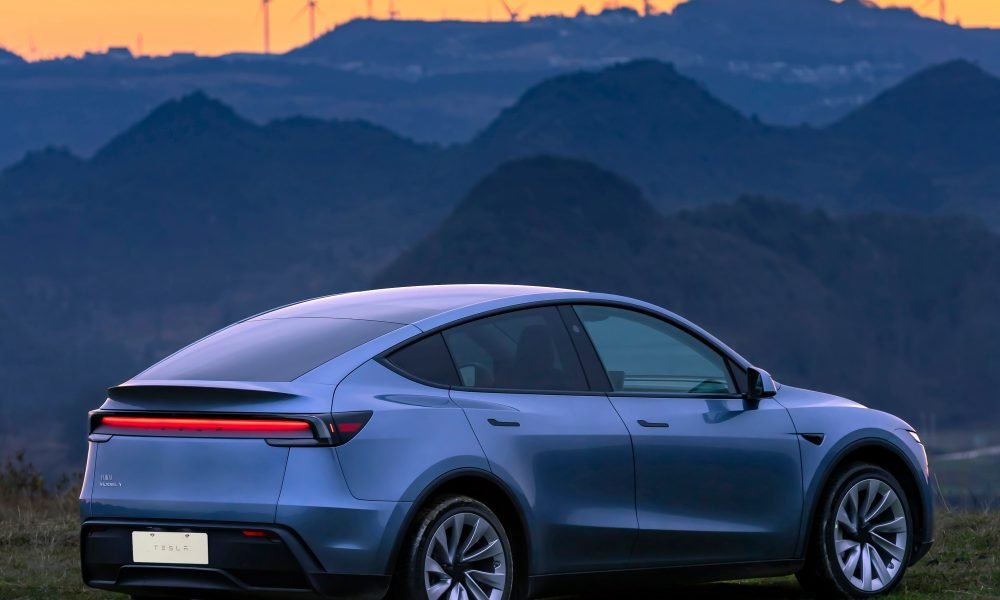
Tesla shares are up nearly 20 percent in the past month, but that is not stopping the only trillion-dollar automaker from attracting all types of new potential sectors to disrupt, at least from an investor and analyst perspective. Morgan Stanley’s Adam Jonas is not one to shy away from some ideas that many investors would consider far-fetched. In a recent note, Jonas brought up some interesting discussion regarding Tesla’s potential in the eVTOL industry, and how he believes CEO Elon Musk’s answer was not convincing enough to put it off altogether. Tesla’s Elon Musk says electric planes would be ‘fun problem to work on’ Musk said that Tesla was “stretched pretty thin” when a question regarding a plane being developed came up. Jonas said: “In our opinion, that’s a decidedly different type of answer. Is Tesla an aviation/defense-tech company in auto/consumer clothing?” Musk has been pretty clear about things that Tesla won’t do. Although he has not unequivocally denied aviation equipment, including planes and drones, as he has with things like motorcycles, it does not seem like something that is on Musk’s mind. Instead, he has focused the vast majority of his time at Tesla on vehicle autonomy, AI, and robotics, things he sees as the future. Tesla and China, Robotics, Pricing Morgan Stanley’s note also discussed Tesla’s prowess in its various areas of expertise, how it will keep up with Chinese competitors, as there are several, and the race for affordable EVs in the country. Tesla is the U.S.’s key to keeping up with China “In our view, Tesla’s expertise in manufacturing, data collection, robotics/ physical AI, energy, supply chain, and infrastructure are more critical than ever before to put the US on an even footing with China in embodied AI,” Jonas writes. It is no secret that Tesla is the leader in revolutionizing things. To generalize, the company has truly dipped its finger in all the various pies, but it is also looked at as a leader in tech, which is where Chinese companies truly have an advantage. Robotics and the ‘Humanoid Olympics’ Jonas mentioned China’s recent showcasing of robots running half marathons and competing in combat sports as “gamification of robotic innovation.” Tesla could be at the forefront of the effort to launch something similar, as the analyst predicts the U.S. version could be called “Humanoid Ninja Warrior.” Pricing Tesla is set to launch affordable models before the end of Q2, leaving this month for the company to release some details. While the pricing of those models remains in limbo with the $7,500 tax credit likely disappearing at the end of 2024, companies in China have been able to tap incredibly aggressive pricing models. Jonas, for example, brings up the BYD Seagull, which is priced at just about $8,000. Tesla can tap into an incredibly broader market if it can manage to bring pricing to even below $30,000, which is where many hope the affordable models end up. During the Q3 2024 Earnings Call, Musk said that $30,000 is where it would be with the tax credit: “Yeah. It will be like with incentive. So, 30K, which is kind of a key threshold.”
Lidl Italia starts employing eActros 600
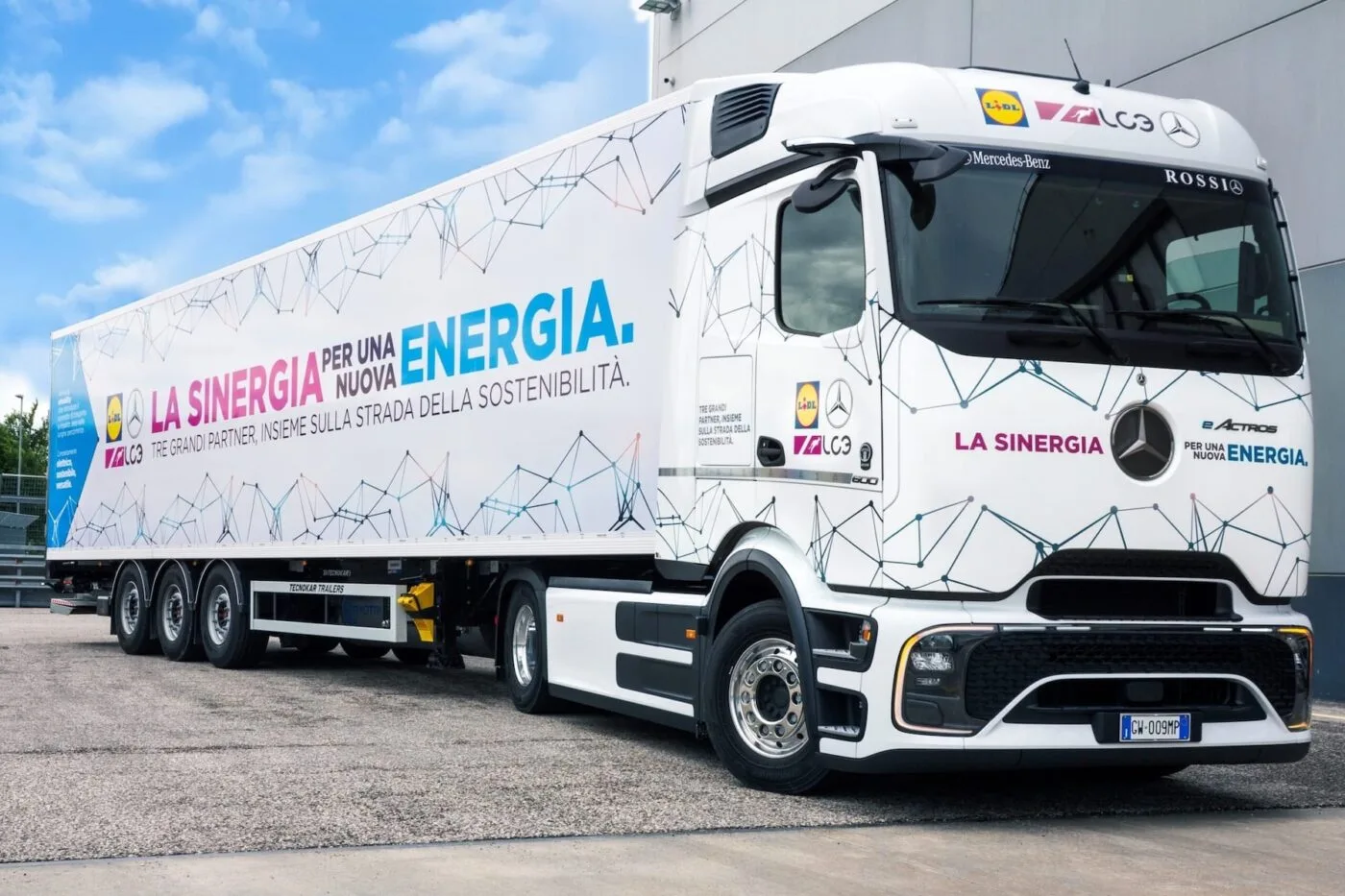
Lidl is the first company in Italy to use the all-electric Mercedes-Benz eActros 600 truck. The first vehicle is now supplying Lidl shops in Trentino-Alto Adige and the Lake Garda area. Logistics partner LC3 Trasporti has ordered a total of 30 units of the eActros 600. The German food discounter is making its logistics in Italy more sustainable. Together with the Italian haulage company LC3 Trasporti, Lidl Italia has now taken delivery of its first eActros 600 from Mercedes-Benz Trucks. The all-electric tractor unit was specially developed for CO2-free long-distance transport. The vehicle, which is also Italy’s first eActros 600 in customer hands, is now supplying Lidl shops in Trentino-Alto Adige and the Lake Garda area. The vehicle and trailer have been given a special livery that visually emphasises the partnership between the three partners. “Logistics is a crucial part of our business and making it more sustainable is a must,” explains Luca Ros, Logistics Director at Lidl Italia. “For this reason, we have been embarking on a journey of gradual decarbonization of transport for years, which is also achieved through the choice of more sustainable means of transport. It is therefore an honor to be the first to use the new all-electric tractor unit in long-haul transport. A big thanks to our partners Daimler Truck Italia and LC3, both driven by our same sustainability values.” LC3 Trasporti has ordered a total of 30 eActros 600s, making it one of the first companies in Europe to opt for a fully electric long-distance transport fleet. Michele Ambrogi, Operations Manager of LC3 Trasporti said: “We are very proud to have achieved this new milestone once again with two great partners, such as LIDL and Daimler Truck Italia. Building on these synergies, for over 15 years, we have been tracing a new path for sustainable transport, opening innovations aimed at reducing our environmental impact and harmful emissions more and more overtime, while increasingly meeting the needs of the environment and the most virtuous customers.” “Sustainable mobility is the key of our strategy and this collaboration with LC3 Trasporti and Lidl Italia is a concrete example of how we can make a difference,” added Maurizio Pompei, CEO of Daimler Truck Italia. “Our eActros 600 is a revolutionary vehicle that marks an important step in the future of logistics, and we are excited to see it in action at Lidl Italia.” Even though the eActros 600 only celebrated the start of series production at the Mercedes-Benz plant in Wörth at the end of November last year and the first electric trucks were delivered to customers in December, the vehicle already feels like an old acquaintance. After all, it regularly appears in our news. Amazon, for example, has ordered around 200 units of the eActros 600 and many transport companies such as Hödlmayr, Brummer Logistik and W&P are also customers. In May, Daimler Truck also presented new options for the eActros 600, including semitrailer tractors and platform chassis with additional wheelbases or variants with two battery packs. As standard, the electric truck designed for heavy-duty long-distance transport has three packs of 207 kWh on board. Lidl itself has been active in the field of electromobility for some time: the company has been offering charging facilities in the car parks of many of its shops for a long time. In logistics, various national companies are already using electric trucks, for example, in Austria, the Netherlands and Sweden. daimlertruck.com
Hithium, LG ES begin US manufacturing of BESS products
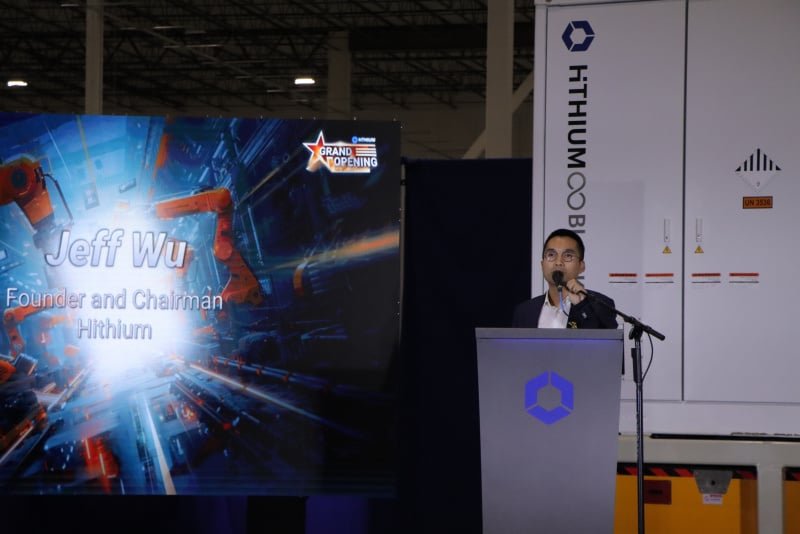
Hithium, LG ES begin US manufacturing of BESS products - Energy-Storage.News Skip to content
Battery Power Online | Follow the Money: Fusion, Solar, Silicon, and Vanadium Flow
June 3, 2025 | Big investments this month for fusion and solar energy—both solar cells and harnessing the sun’s actual light. But we also saw investments for battery swapping networks, vanadium redox flow batteries, and silicon anodes. $36M: Series A for Fusion Energy Fusion energy startup Realta Fusion (Madison, Wis.) has announced an oversubscribed $36 million Series A round to bring its compact, scalable, modular magnetic mirror fusion technology closer to commercialization. Future Ventures led the round with participation from Mayfield, GSBackers, SiteGround, Avila VC, and other investors. Existing Realta Fusion investors Khosla Ventures, Wisconsin Alumni Research Foundation, and TitletownTech also participated in the round. Realta Fusion’s device is a compact, scalable, modular (CoSMo) fusion energy system, which offers the lowest cost and shortest pathway to commercial fusion energy. Realta Fusion’s energy system is designed to deliver industrial heat and power on-site for a wide range of applications, including data centers, chemical plants, metal recycling, remote mining, and other heavy industry. The system is based on the compact magnetic mirror concept, in which extremely strong magnets trap super-heated hydrogen gas between two ends of a simple cylinder. Hydrogen atoms within the cylinder collide and fuse together, releasing massive amounts of carbon-free energy that can be delivered as heat or electricity. $29M: Series B for Battery Swapping Networks in India Battery swapping startup Battery Smart (New Dehli) has raised $29m in its ongoing Series B extension round. New York-based PE firm Rising Tide Energy led the round, which also saw participation from responsAbility, Ecosystem Integrity Fund, and LeapFrog Investments. Battery Smart will use the capital to deepen its presence in existing cities and drive expansion into new markets. One of the biggest hurdles to EV adoption in India is the lack of charging infrastructure, which creates significant anxiety for those considering the switch. Battery swapping offers a solution by providing a simple, cost-effective, and efficient way to own an EV, eliminating the need for expensive battery purchases and extensive charging infrastructure. By building a dense network of swap stations, Battery Smart is ensuring EV users are within a 1 km radius of a station, with zero wait time. $21M: Series B for Battery Simulation Software Breathe Battery Technologies has secured $21 million in Series B funding and launched a major expansion of its product portfolio, transforming Breathe’s offerings from an embedded software solution to a comprehensive suite of battery simulation software, embedded software and battery services that support the full battery development journey. The round brings in new investor Kinnevik AB, with continued backing from Lowercarbon Capital and Volvo Cars Tech Fund. The funding will accelerate Breathe’s growth, expand its physics-based battery software capabilities, and more than double the size of its London laboratory, already the largest battery testing facility in the city. $21M: Series B for Solar Power for Space Solar Cells mPower Technology has secured over $21 million in Series B funding led by Razor’s Edge Ventures and joined by Shield Capital. The new funding will be used to further scale production capacity and continue the advancement of DragonSCALES, a completely flexible, interconnected mesh of miniature solar cells. Their growing roster of customers will be supported by mPower’s first high-volume automated manufacturing line which is located at mPower’s contract manufacturer Universal Instruments Corporation in Conklin, New York. This line dramatically expands throughput and will produce over 2 megawatts of DragonSCALES modules annually, a capacity greater than the total combined global production output of traditional gallium arsenide (III-V) solar module suppliers. $20.5M: Series B for Vanadium Redox Flow Batteries VFlowTech (Singapore) has successfully raised $20.5 million in its latest funding round. The investment was led by prominent venture capital firm Granite Asia, joined by new investors EDBI, MOL PLUS and PSA Ventures and alongside existing backers Antares Ventures, İnci Holding, UntroD Capital, Pappas Capital, Wavemaker Partners, SEEDS Capital, and Entrepreneurs First. The funding will enable VFlowTech to scale manufacturing and deployment of its proprietary vanadium redox flow batteries (VRFBs); strengthen its AI-driven cloud energy management platform to optimize efficiency and unlock new revenue streams; and develop critical supply chains, including vanadium recycling, electrolyte innovation, and membrane advancements. VFlowTech’s AI-powered platform will introduce advanced smart grid functionalities to enable customers to optimize energy use, participate in energy trading, and enhance the ROI of energy storage systems. $20M: Series A for Sunlight-as-a-Service Reflect Orbital has raised a $20 million Series A to accelerate development of its satellite constellation to deliver sunlight on demand. The round was led by Lux Capital, with participation from Sequoia Capital and Starship Ventures. Reflect Orbital is building a constellation of satellites designed to reflect sunlight down to Earth for large-scale lighting and energy applications. This new funding will support team growth, scaled operations, and the company’s first space missions. Reflect’s first satellite will launch as early as Spring 2026, beginning with its limited “World Tour” lighting experiences in 10 iconic locations. From there, the company will expand to provide lighting for remote operations, defense, civil infrastructure, and energy generation. Reflect is actively contracting with customers after receiving over 260,000 applications for satellite-reflected sunlight from 157 countries last fall. $11.5M: Series A for Silicon Anodes Battery materials startup GDI (Rochester, NY) raised an additional $11.5 million in Series A funding to scale up production of silicon anodes for electric vehicle batteries in the United States and Europe. Additional funding was led by Helios Climate Ventures, Impact NY, and InnoEnergy and brings its total Series A raise to over $20 million. GDI says its anodes provide 30% more energy density than conventional graphite anodes and charge times of under 15 minutes for EVs. The company has already signed a joint-development agreement with an EV cell manufacturer, which should mean its anodes will be in battery cells in drones and medical devices within the next 24 to 30 months and in EVs on the road by 2030. The funding will help the company scale up production at its pilot plant in the Netherlands within the next 24
Elon Musk explains Tesla's domestic battery strategy
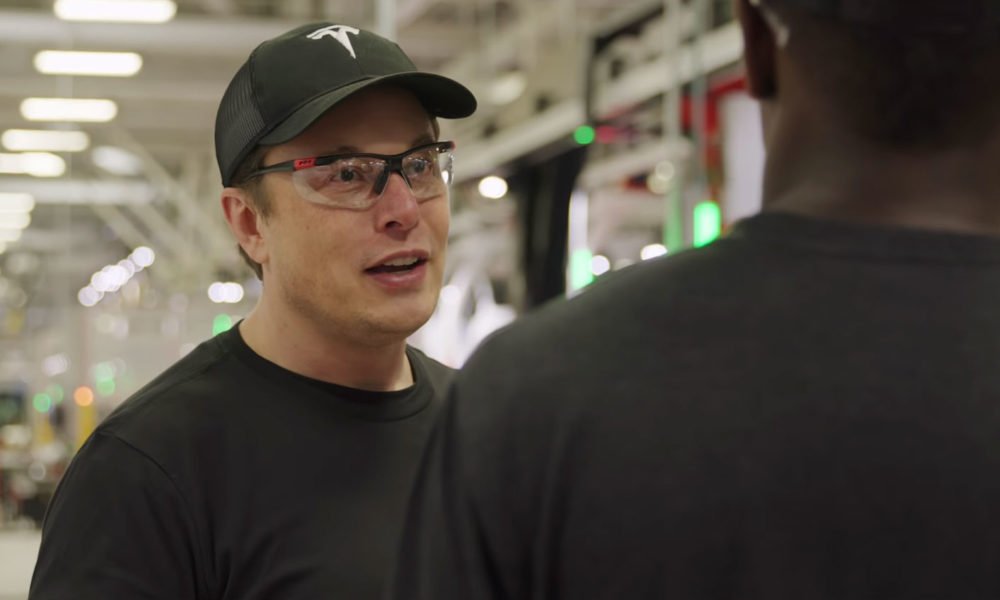
Tesla shares are up nearly 20 percent in the past month, but that is not stopping the only trillion-dollar automaker from attracting all types of new potential sectors to disrupt, at least from an investor and analyst perspective. Morgan Stanley’s Adam Jonas is not one to shy away from some ideas that many investors would consider far-fetched. In a recent note, Jonas brought up some interesting discussion regarding Tesla’s potential in the eVTOL industry, and how he believes CEO Elon Musk’s answer was not convincing enough to put it off altogether. Tesla’s Elon Musk says electric planes would be ‘fun problem to work on’ Musk said that Tesla was “stretched pretty thin” when a question regarding a plane being developed came up. Jonas said: “In our opinion, that’s a decidedly different type of answer. Is Tesla an aviation/defense-tech company in auto/consumer clothing?” Musk has been pretty clear about things that Tesla won’t do. Although he has not unequivocally denied aviation equipment, including planes and drones, as he has with things like motorcycles, it does not seem like something that is on Musk’s mind. Instead, he has focused the vast majority of his time at Tesla on vehicle autonomy, AI, and robotics, things he sees as the future. Tesla and China, Robotics, Pricing Morgan Stanley’s note also discussed Tesla’s prowess in its various areas of expertise, how it will keep up with Chinese competitors, as there are several, and the race for affordable EVs in the country. Tesla is the U.S.’s key to keeping up with China “In our view, Tesla’s expertise in manufacturing, data collection, robotics/ physical AI, energy, supply chain, and infrastructure are more critical than ever before to put the US on an even footing with China in embodied AI,” Jonas writes. It is no secret that Tesla is the leader in revolutionizing things. To generalize, the company has truly dipped its finger in all the various pies, but it is also looked at as a leader in tech, which is where Chinese companies truly have an advantage. Robotics and the ‘Humanoid Olympics’ Jonas mentioned China’s recent showcasing of robots running half marathons and competing in combat sports as “gamification of robotic innovation.” Tesla could be at the forefront of the effort to launch something similar, as the analyst predicts the U.S. version could be called “Humanoid Ninja Warrior.” Pricing Tesla is set to launch affordable models before the end of Q2, leaving this month for the company to release some details. While the pricing of those models remains in limbo with the $7,500 tax credit likely disappearing at the end of 2024, companies in China have been able to tap incredibly aggressive pricing models. Jonas, for example, brings up the BYD Seagull, which is priced at just about $8,000. Tesla can tap into an incredibly broader market if it can manage to bring pricing to even below $30,000, which is where many hope the affordable models end up. During the Q3 2024 Earnings Call, Musk said that $30,000 is where it would be with the tax credit: “Yeah. It will be like with incentive. So, 30K, which is kind of a key threshold.”
CATL considers salt content in lithium-metal batteries to be elementary
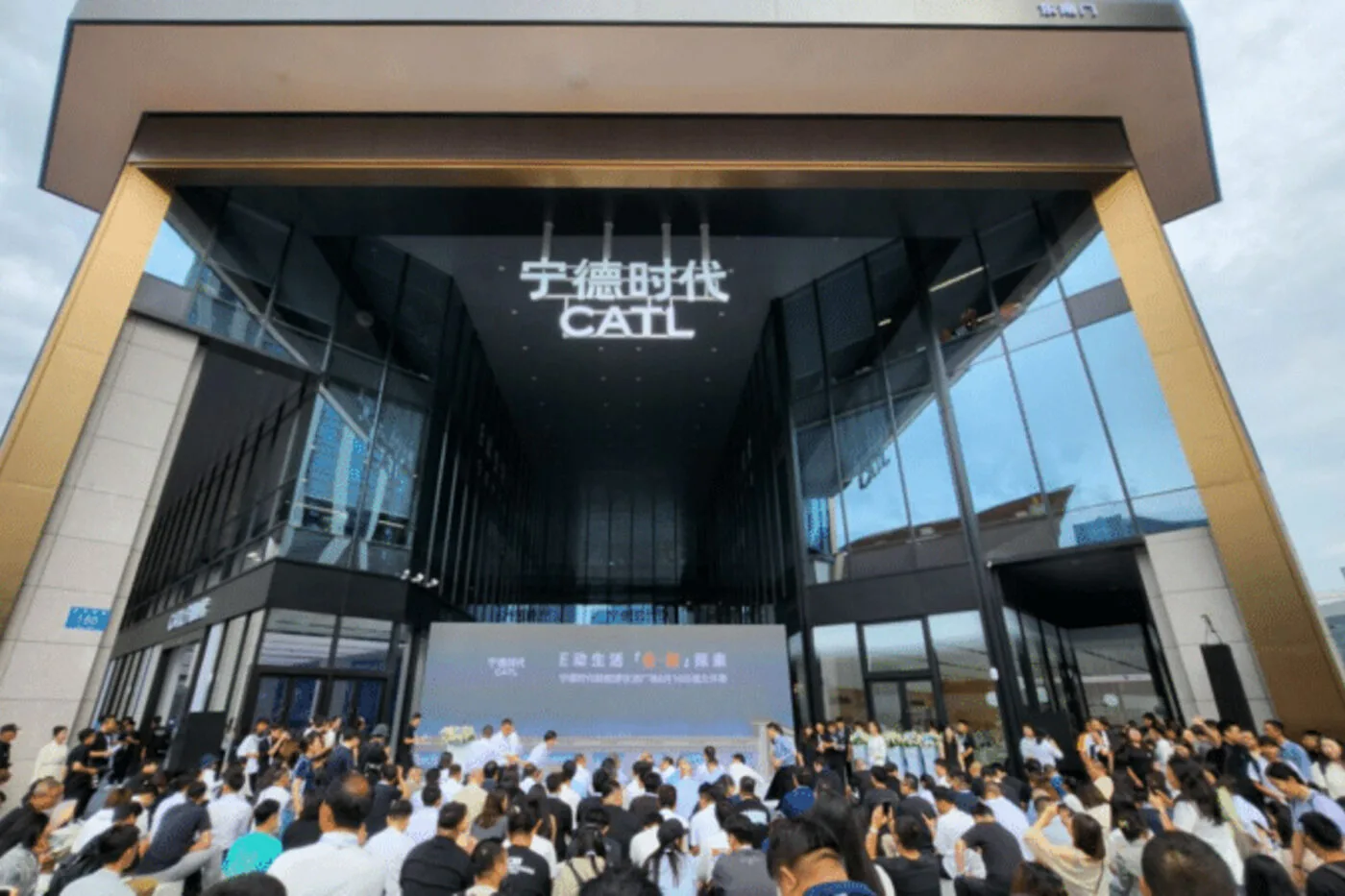
CATL reports progress in the development of lithium-metal batteries which, thanks to a new electrolyte, combine a high energy density with a long service life for this type of battery. Among other things, the Group is envisaging the future use of this battery technology in electric vehicles and aeroplanes. The lithium metal batteries developed by CATL are said to have an energy density of 500 Wh/kg and a service life of 483 cycles – the latter is twice as much as previous prototypes, according to the company, which sees this as a “significant step toward commercial viability for applications like electric vehicles and electric aviation.” The researchers particularly focused on the electrolyte of the lithium metal battery and, more specifically, the concentration of LiFSI salt over the service life of the battery. More on this in a moment. First of all, to put things in context: in lithium-metal batteries, the graphite-based anode material is replaced by lithium metal, which reduces the weight and volume of the anode and improves charging and discharging efficiency. Lithium-metal batteries offer a higher energy density and greater safety than lithium-ion batteries, but their commercialisation has so far failed due to their tendency to form dendrites, among other things. Corrosion within the battery and the scaling of production are also considered problems. CATL has now published its findings in the specialist journal ‘Nature Nanotechnology’ under the long title ‘Application-driven design of non-aqueous electrolyte solutions through quantification of interfacial reactions in lithium metal batteries’. In it, the manufacturer explains that previous research work in this area has primarily focused on optimising the solvation structures or the solid-state electrolyte. “However, these batteries have long faced a trade-off between energy density and cycle life,” summarised CATL. So far, research has failed to precisely quantify the consumption of active lithium and electrolyte components during the cycle, which is why the reason for the rapid wear of lithium-metal batteries has so far remained unclear. CATL claims to have developed and refined a number of analytical methods, which have now revealed that “contrary to previous assumptions, the dominant cause of cell failure is not solvent breakdown, dead lithium accumulation, or solvation environment disruption, but the continuous consumption of the electrolyte salt LiFSI.” This is 71 per cent depleted at the end of the battery’s service life. According to CATL, these results emphasise the need to “consider the durability of the electrolyte as a critical factor for long-lasting performance.” The research took place at CATL’s 21C Lab – an in-house facility that focuses on the development of next-generation battery technologies. “We saw a valuable opportunity to bridge the gap between academic research and its practical application in commercial battery cells,” said Ouyang Chuying, co-president of research and development at CATL and deputy director of the 21C Lab. “Our findings underscore that LiFSI salt consumption and, importantly, overall salt concentration is a fundamental determinant of battery longevity.” CATL claims to have invested a total of around 18.6 billion yuan (around 2.28 billion euros) in research and development in 2024. According to the battery company, it has more than 43,000 patents that have been granted or applied for worldwide. However, there is strong competition in the research of lithium metal batteries. A team of researchers from the South Korean battery manufacturer LG Energy Solution and the Korea Advanced Institute of Science and Technology (KAIST) recently reported new progress in the development of such batteries, using a borate-pyran-based liquid electrolyte. catl.com
'Financial challenge reflective of industry headwinds'- Energy-Storage.News
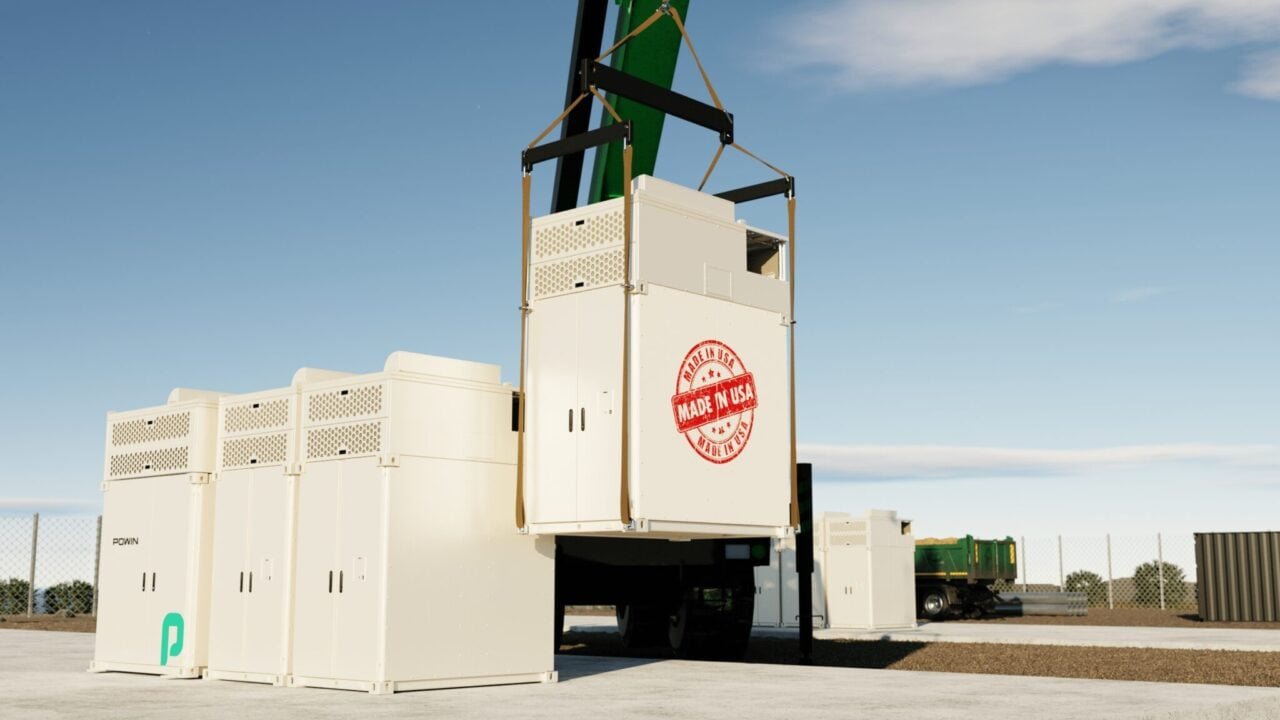
Powin: 'Financial challenge reflective of industry headwinds'- Energy-Storage.News Skip to content
India: Jupiter Electric Mobility grabs an order for 300 electric mini trucks
Indian EV and energy storage solutions provider Jupiter Electric Mobility (JEM) plans to deploy 300 electric mini trucks in partnership with Pickkup, a Delhi-based sustainable logistics company. The duo signed a Memorandum of Understanding on Tuesday to formalise the agreement. JEM has already supplied the first batch of electric mini trucks to Pickkup as part of the new agreement. The company is using its one-tonne model, the Tez, for this collaboration. Before commencing deliveries this week, JEM conducted extensive pilot runs to demonstrate the capabilities of the Tez across intra-city and intercity routes. The company was able to achieve a range of up to 220 km during the testing phase. JEM equipped the Tez with a single motor that produces 80 kW and 265 Nm of torque and gives the EV a top speed of 80 kph. The company offers two versions of the electric mini truck, one for B2B applications and one for retail use. It uses a 14 kWh lithium titanate oxide (LTO) battery pack in the former and a 28 kWh lithium iron phosphate (LFP) battery pack in the latter. The LTO unit deliversa range of 100 km, while the LFP unit allows travelling double that distance. Commenting on the collaboration with JEM, Ankush Sharma, Co-founder and CEO of Pickkup said, “I’m genuinely impressed with JEM Tez, it has nailed real-time challenges in this segment by offering CCS2 charging compatibility and delivering 30% more range on a single charge, all while supporting a 1,050 kg payload.” Interestingly, while JEM claims a maximum range of 200 km, Sharma said it can run up to 250 km, though he was referring specifically to intercity operations and not stating the combined range. Pickkup operates in Delhi and the National Capital Region as well as Mohali and Chandigarh. JEM is the electric mobility arm of Indian railway freight wagon manufacturer Jupiter Wagons. “Our alliance with Pickkup is a strategic move towards achieving India’s ambitious clean mobility goals, facilitating the mass adoption of electric commercial vehicles in the logistics ecosystem,” Jupiter Wagons Managing Director Vivek Lohia said. “With Pickkup, we seek to transform last- and mid-mile logistics into a scalable, tech-enabled, and environmentally friendly ecosystem that fuels economic prosperity for operators while minimising carbon emissions,” he added. Source: Info via email, jupiterwagons.com
California CCA amends PPAs for solar-plus-storage plants- Energy-Storage.News
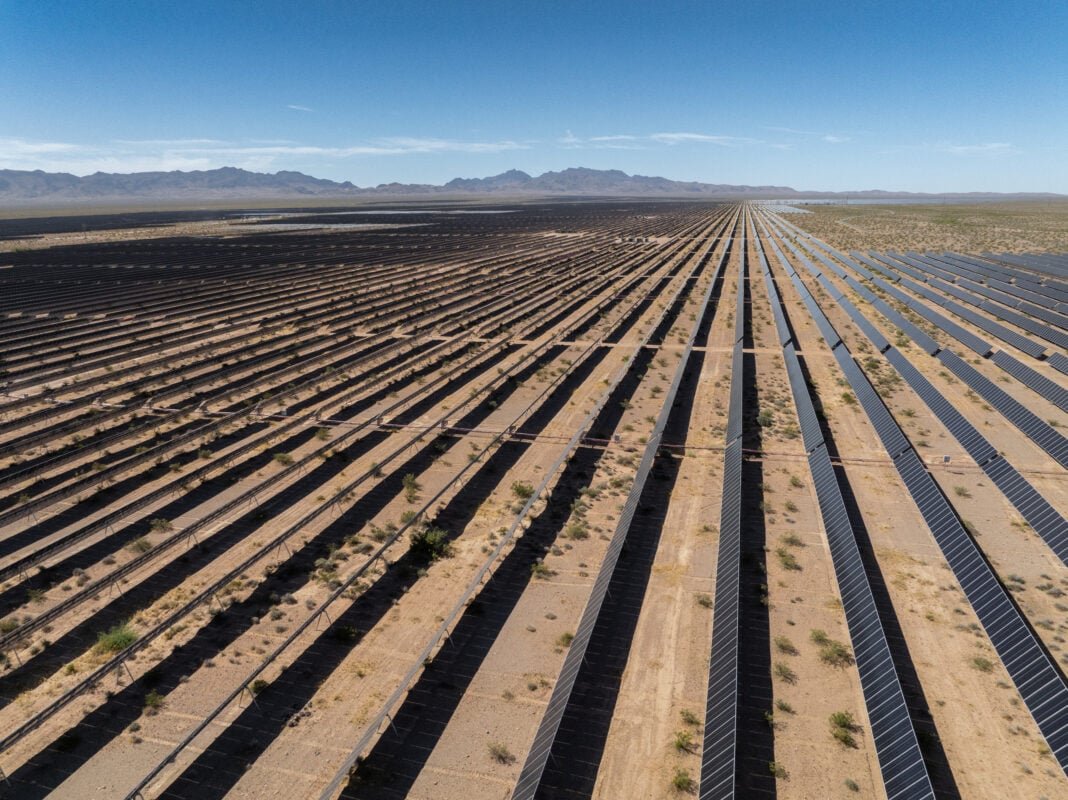
California CCA amends PPAs for solar-plus-storage plants- Energy-Storage.News Skip to content
RML Group secures conformity of production certification for battery systems
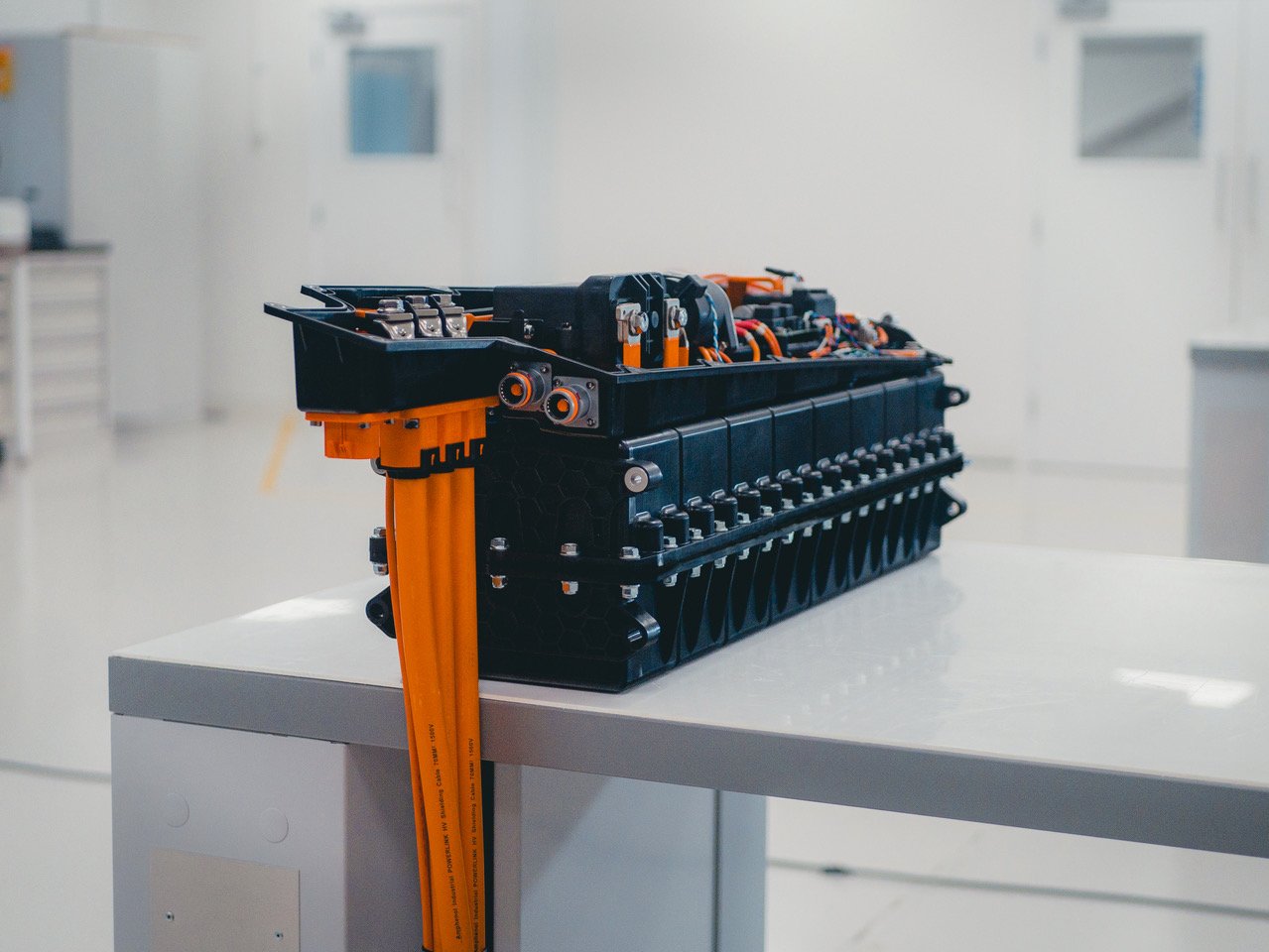
RML Group Ltd, the UK’s leading high-performance automotive engineering specialist, has been awarded Conformity of Production (CoP) certification for its battery systems – a first for the company and a major step toward OEM-supply readiness. Following a rigorous audit by UCA – an independent body appointed by the certifying authorities – RML’s quality management systems have been confirmed to consistently produce products in line with UN ECE Regulation 100, the key safety standard for electrified powertrain components. “This is an important step forward for RML,” said James Arkell, Head of Powertrain, RML Group. “It really highlights the in-depth technical capability and quality standards RML adhere to. Performance is a key part of what RML offers – doing this safely, reliably, and repeatably is key to our success, and this certification solidifies that message to the industry.” CoP certification is widely regarded as a minimum requirement for suppliers working with major automotive manufacturers. It signifies that not only can a company design to strict safety standards, it can also build to them – reliably and at scale. With this approval, RML moves firmly into the realm of Tier 1-capable suppliers. The certification is part of RML’s broader push to homologate its VarEVolt battery platform, and positions the company to bid on larger scale contracts that go well beyond prototyping or ultra-low volume production. Arkell continued: “This certification puts clear water between us and a number of smaller start-ups in the EV space. It underlines our readiness to move from prototyping and niche volumes to supporting larger production contracts.” Founded in 1984 by Ray Mallock, RML Group continues to deliver world-leading performance engineering across short-run manufacturing, continuation cars, cutting-edge battery development and bespoke motorsport programmes – all built around its founding principle of Engineering Excellence.
Regulation threatens EU's hottest energy storage market
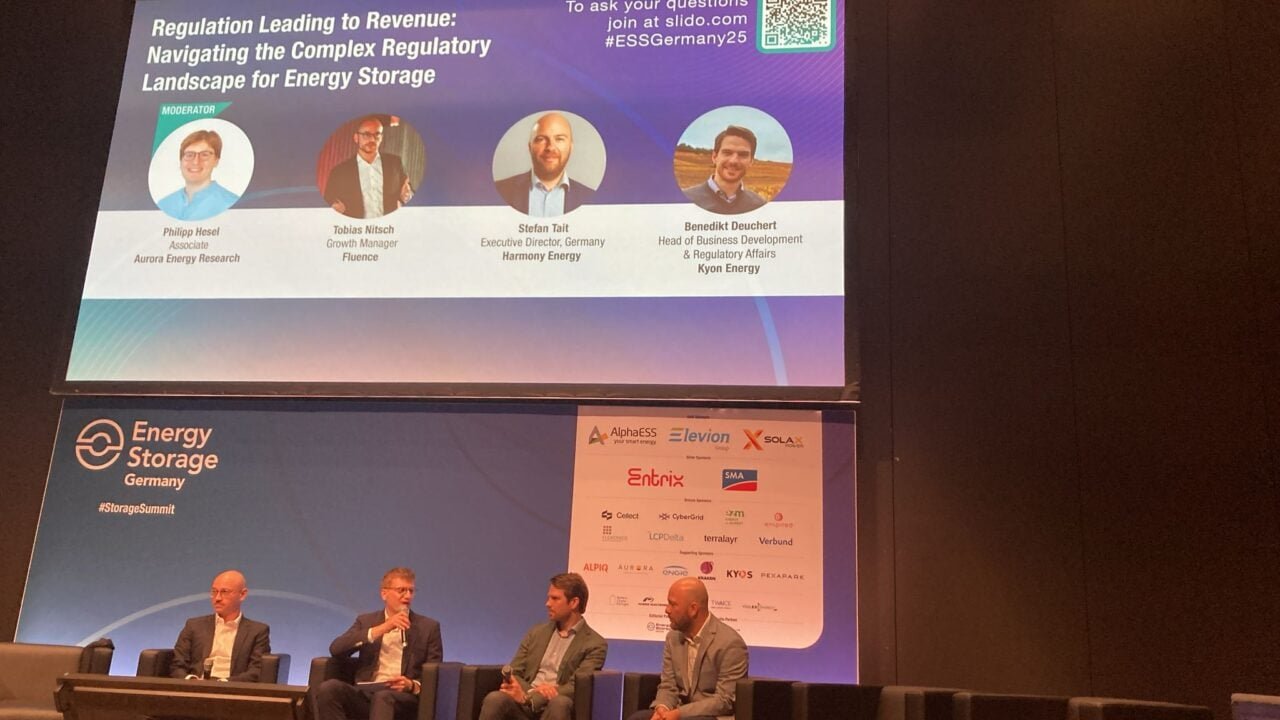
The event is co-located with Solar Media parent company Informa’s Battery Show Europe 2025, and the two events run side by side for three days, bringing together European upstream battery and downstream energy storage industry executives. Executives from Aurora Energy Research, system integrator Fluence and developers Harmony Energy and Kyon Energy sat on Day One’s keynote panel to discuss the current and future regulatory environment for large-scale energy storage. How difficult is it? After panellists were asked to give their ‘ratings’ of Germany’s current regulatory environment, Benedikt Deuchert, head of business development and regulatory affairs for Kyon Energy, kicked things off by defending his rating, which was higher than those of fellow panellists, Harmony’s Germany executive director Stefan Tait and Fluence growth manager Tobias Nitsch. “It’s regularly described as the hottest market in Europe, so it would be strange if the regulatory landscape was so bad? It works nicely within the current environment. Of course, there’s some trouble ahead but projects making it to market now have it good,” Deutchert said. Tait responded with an overview of some of the big challenges: “I feel frustration, we’ve been in the market for two years. Grid connection, permitting are still huge topics. It’s frustrating to not get replies or wait a year to get a response to grid connection requests.” The ‘discriminatory’ BKZ The first big topic of discussion was the BKZ. This is a fee that battery energy storage system (BESS) developers and other big resources that can draw power from the grid must pay distribution system operators (DSOs) before or during construction to compensate for the grid infrastructure they require. Some DSOs don’t charge one, others charge as high as €140 (US$160) per kW, and Aurora calculated that it can reduce the internal rate of return (IRR) for a BESS project by up to four percentage points, said moderator Philipp Hesel, principal at the research firm. Kyon has actually gone to court to protest the BKZ for discrimination, for a third time, arguing that BESS assets are comparable to legacy power plants (which don’t pay) and BESS’ load patterns are not like conventional consumer demand. Deuchert couldn’t discuss the proceedings, for which a decision will come in mid-July, but explained why the company had done it. “We’re waiting for result, it won’t be an easy one. We succeeded in the second instance, but not a guarantee we’ll win in the third,” he said. “Our claim is that storage is mostly comparable to existing power plants like gas and coal, and they don’t pay the BKZ. We are also load, but our load is different to other load. It is reactive only to the prices. It behaves in a way that means it should not pay for usage of that infrastructure.” Harmony’s Tait explained how the BKZ had affected development: “Developers would initially look for a low BKZ area, then the battery prices dropped and business case looked better. Then there was a feeling that the BKZ would change anyway so it became less of a factor.” “An issue we are facing is early down payments for the BKZ, sometimes as high as 20%. That’s €5 million for a 300MW system, in mid-development. Maybe an oil and gas major can pay that, but not smaller players like us.” Grid fees and flexible connections: good in principle but risky in practice BESS projects in Germany built by 2029 are temporarily exempted from grid fees for charging and discharging, but many agree that a long-term solution is needed. As reported by Energy-Storage.news recently, industry regulator Bundesnetzagentur released a discussion paper around the need, and proposals, for a long-term reform of grid fees. Hesel raised the topic of flexible grid connections, something many say can offer a solution to the issue of charging storage to charge and discharge from the grid, by limiting when it can do so in return for lower fees. Fluence’s Nitsch said in principle it was good but often worked against storage: “Generally it should be good for storage. But currently, the way it is being applied is not that favourable to storage. There are very vague or crude definitions of ‘grid friendliness’ being applied. One DSO in Bavaria said it meant that BESS cannot discharge from 7am-5pm, all year. Many DSOs dont know what grid friendly means. How storage can help the grid changes day to day.” Discussing the paper, Tait and Deuchert said aspects of it were positive but mostly it was concerning for those developing in Germany. “The operator is saying we need to change the way we finance the costs of maintaining a stable grid, and they put out some options. Reading the paper I feel a tone saying that storage is a burden, it’s a cost and it needs to pay its way.” “The proposals seem to be about restricting batteries, but it should be about incentivising certain behaviour, and better integrating batteries into the grid operators systems.” Deuchert agreed: “The paper creates lots of risks for the business case. The grid tariff exemption for projects built before 2029 provided for the current storage buildout. I agree that storage seems to be seen as a threat to the system.” “Flexible connection agreements might limit the problem, but wont unlock the potential of the battery.” The capacity market (CM) also came up but we will save those comments for a separate article, following a session dedicated to the CM this afternoon.
Rivian Is Adding A Key Charging Feature To The R1S And R1T EVs
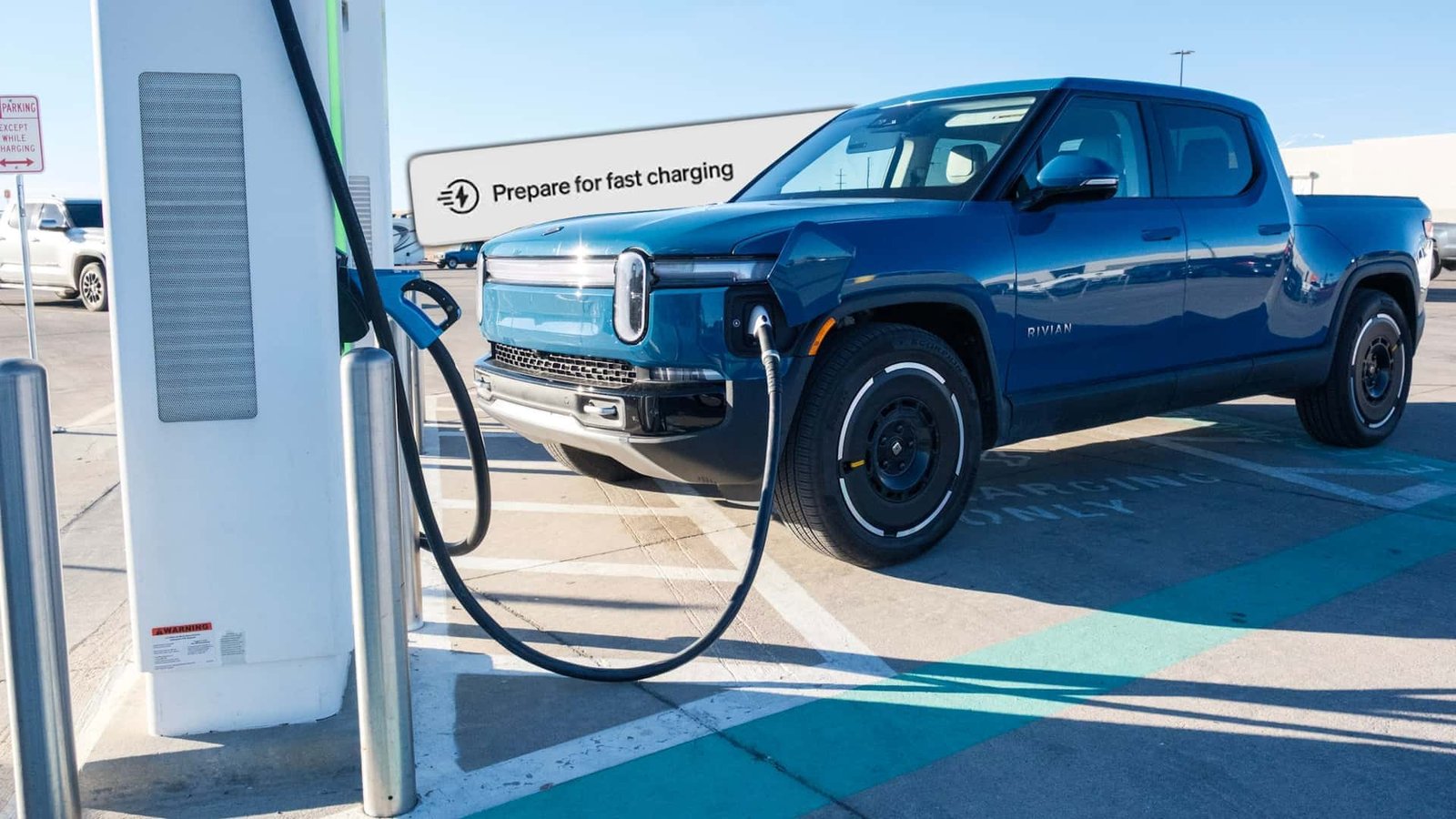
Rivian's latest software update brings several charging-related improvements. R1T and R1S owners will be able to manually precondition the battery for DC fast charging. Some versions of the flagship EVs also get faster charging speeds. Rivian is adding the ability to manually precondition the high-voltage battery pack for DC fast charging via a new over-the-air software update that’s rolling out now to R1S and R1T owners. The feature will be available for both the Gen 1 and Gen 2 versions of the flagship adventure-oriented EVs, and it means owners will no longer be forced to use the car’s built-in navigation system to precondition the battery for fast charging. When manual preconditoning is enabled, a banner will show if the battery is warming or cooling and when the process is complete. The Charging Tab in the new Energy App. Photo by: Rivian The change is part of software version 2025.18 that brings several other improvements, including a revamped Energy App that’s split into two sections. The Energy Monitor Tab will show a detailed energy graph with a rundown of how much electricity each system used during a specific period. Then, there’s the Charging Tab, which now includes a smart charging level reminder. This should come in handy during long road trips. According to Rivian, if there’s a destination set in the navigation system, the car will inform the driver when they should unplug and still have enough juice to finish the trip. This way, there will be no need to constantly charge to 80% or higher, so charging stops will take less time. Speaking of charging, this OTA update also boosts the charging speeds for some versions of the R1S and R1T. For first-gen models with the Max Pack battery, the time to DC fast charge from 10% to 80% has been reduced. The same improvements have been made to second-gen models with the Max Pack and Standard Pack batteries. Furthermore, Gen 2 cars with the Large Pack battery will see an improved peak charge rate of 215 kilowatts, along with shorter charging times for 10% to 80% top-ups. According to Rivian, these improvements were made possible after the company optimized battery temperatures in simulation through individual cell improvements. The startup tested the changes in a simulated environment with real-world conditions, and then engineers validated the changes with real vehicles. None of this is particularly game-changing, as Tesla EVs have had these features for years, but it’s good to see that Rivian is doing everything it can to improve the user experience for owners of its expensive electric vehicles. More changes are on the way, too, with a future update–along with a newly designed wall charger–bringing vehicle-to-home functionality. In other words, R1S and R1T owners will be able to power their homes from their cars’ battery packs.