Tesla adds useful Model 3/Y feature home chargers will love

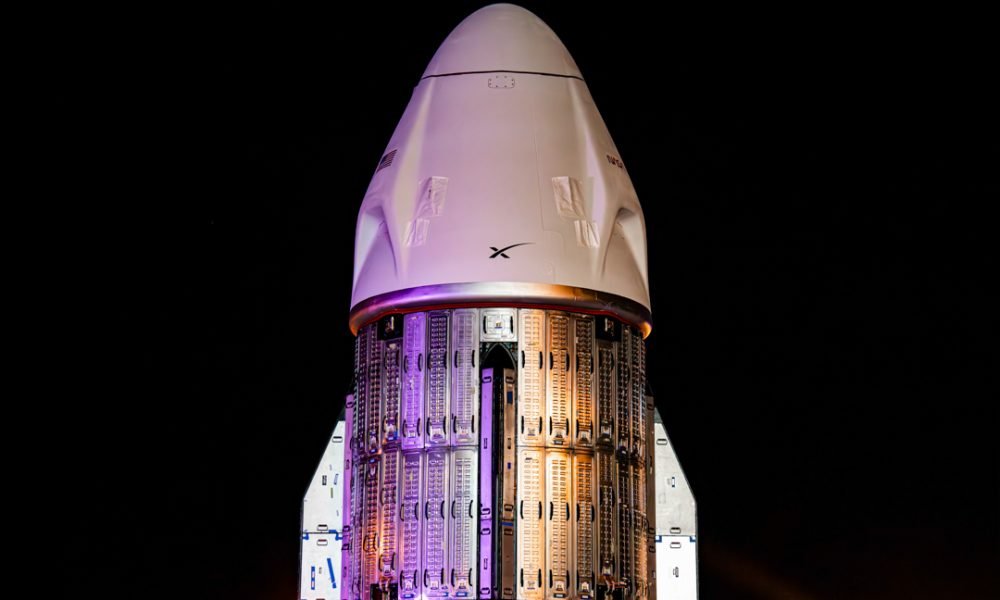
SpaceX celebrated its 500th Falcon rocket launch with the Starlink 11-22 mission, a midweek flight from Vandenberg Space Force Base in California. The milestone was achieved with a Falcon 9 liftoff on Wednesday at 4:40 p.m. PDT (7:40 p.m. EDT, 2340 UTC). It also coincided with the 15th anniversary of the first Falcon 9 launch, underscoring the company’s dominance in the commercial space sector. The Starlink 11-22 mission, SpaceX’s 50th Starlink launch of 2025, highlights the company’s focus on expanding its satellite internet constellation. Earlier this week, Elon Musk revealed SpaceX anticipates $15.5 billion in revenue this year, surpassing NASA’s $1.1 billion budget for 2026. SpaceX’s reusable Falcon 9 and Falcon Heavy rockets have driven down launch costs, securing a significant share of the global launch market. In 2024, the company set a record with 134 Falcon launches, making it the world’s most active launch operator. SpaceX aims to surpass this with 170 launches by year-end, fueled by growing demand for satellite deployments. The Starlink constellation is a key revenue driver for SpaceX and remains central to these ambitions. Musk has hinted at a future public offering for Starlink without specifying a timeline. Beyond Falcon rockets, SpaceX is advancing its 400-foot Starship system, which Musk envisions as critical for Mars missions. The company’s cost-effective launch services and satellite communications have outpaced traditional space agencies, leveraging commercial demand to fund its interplanetary goals. While NASA focuses on deep space exploration, SpaceX’s revenue model thrives on frequent, reliable launches and Starlink’s expanding reach. “I would like to thank everyone out there who has bought Starlink because you’re helping secure the future of civilization, making life multi-planetary, and helping make humanity a space-exploring civilization,” Musk said during his Road to Making Life Multiplanetary discussion. The 500th Falcon launch marks a pivotal moment for SpaceX, reflecting its transformative impact on space access. As the company pushes toward record-breaking launch targets and multi-planetary aspirations, Starlink’s growth continues to fuel its vision, positioning SpaceX as a leader in shaping the future of space exploration and connectivity.
Beyond the headlines: The BESS insurance market after Moss Landing
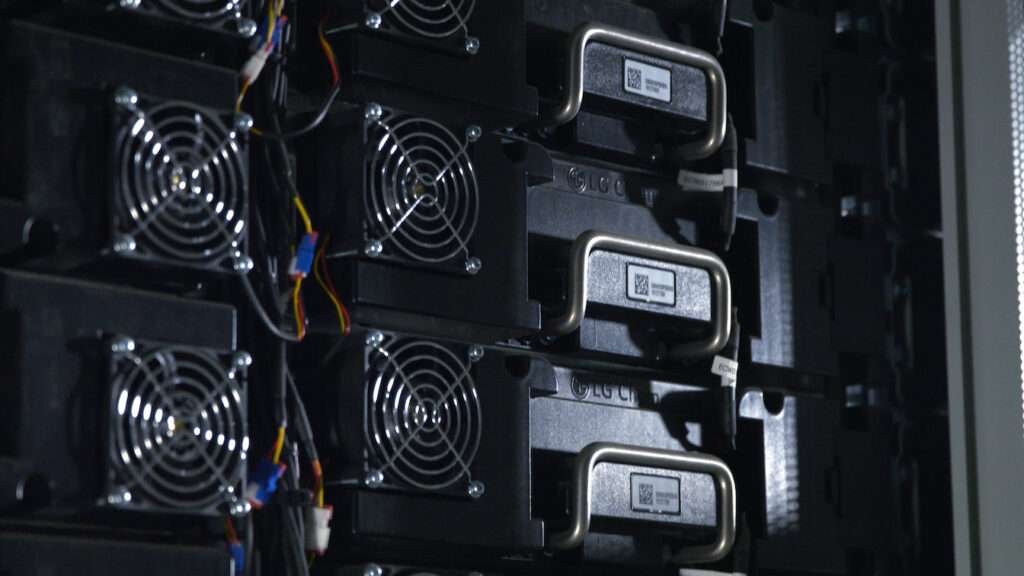
kWh Analytics recently convened its Renewable Energy Broker Council to discuss the impact on the broader BESS insurance market. The council has developed a nuanced perspective on what this incident means for the future of BESS insurance. Putting Moss Landing in context It’s important to view the Moss Landing incident through the appropriate lens. The industry has been moving away from indoor BESS retrofits, favouring containerised outdoor storage solutions. While unexpected, the event was not a major shock to the industry, according to the Broker Council. This is mostly due to the fact that the facility utilised older nickel manganese cobalt (NMC) battery chemistry in a retrofitted indoor setting, and was built with protection schemes prescribed under earlier versions of industry standards, a configuration that would be unlikely in today’s designs. That said, this event highlights how rapidly the industry is evolving in terms of product design and technology deployment. From an insurance perspective, this represents what can be characterised as an impactful but not defining loss for the industry. The event goes a long to vindicating the industry’s decision move to outdoor, containerised batteries over the past five years. Current market conditions remain stable Despite the publicity surrounding the incident, current rate levels remain stable at approximately 30-40 cents per US$100 of insured value for technology risk, with well-designed projects potentially securing more favourable terms. Indoor BESS installations, particularly those using NMC chemistry, will face significantly higher scrutiny. Most underwriters are hesitant to insure indoor installations, creating particular challenges for densely populated urban areas such as New York, where space constraints often push developers toward indoor solutions. Nevertheless, with the right willingness to pay, coverage can still be secured for these projects, potentially by tapping international markets. The evolution of thermal runaway protection Thermal runaway remains the primary risk concern for lithium-ion BESS installations. Interestingly, the industry’s approach to managing this risk has come full circle. After experimenting with various detection, protection, and suppression methods, industry consensus is returning to a “let it burn” philosophy. This approach recognises the fundamental nature of thermal runaway: once initiated, these events are managed rather than stopped. The key aspect for mitigating thermal runaway is to prevent the chain reaction from occurring in the first place. The future: AI and predictive analytics Artificial intelligence (AI) and predictive analytics represent the ‘golden egg’ for BESS safety. The most promising developments are occurring in software-based monitoring technologies designed to identify pre-failure conditions in individual battery cells and prevent thermal runaway before it begins. These battery monitoring systems exist today and should take advantage of the AI opportunities to further enhance their predictive capabilities. These systems not only enhance safety but can also provide significant potential insurance advantages by demonstrating lower failure probabilities to prospective insurance carriers. As these technologies mature, indoor installations and vertical stacking alike may become less risky and insurable. Regulatory environment continues to evolve The regulatory framework surrounding BESS continues to develop alongside the technology. The NFPA 855 standard has evolved greatly since its inception in 2020 and will continue to do so. Building and fire codes will continue to evolve to specifically address the manufacturing of BESS cells, racks, and systems. Asset protection and life safety guidelines from insurers will evolve to reflect actual incurred losses versus perceived risk exposures. While regulatory advancement is necessary, some proposed requirements are concerning. Many urban areas continue to promote detection, protection and suppression approaches that are already considered ineffective. A suggested 3,200-foot separation requirement currently being considered in California would effectively halt BESS project development if implemented. Addressing public perception As BESS installations grow in number and size, public awareness and opposition are increasing. Community concerns around air quality, contaminants, and fire risks represent issues that must be addressed through education and transparency. Similar patterns have been observed with other energy technologies—from natural gas turbines to solar power and wind turbine installations. The renewable energy industry needs to emphasise that battery energy storage represents an unprecedented technological advancement. For the first time, electricity can be effectively stored at scale, providing flexibility and resilience to grid-scale electrical power systems. Some growing pains are inevitable in this transformation. A critical aspect of public safety involves close coordination with local fire departments. Documentation of communication with local fire authorities, including training on BESS-specific firefighting procedures, carries significant weight with underwriters and can positively impact potential insurance coverage terms. Looking ahead Despite headlines generated by incidents like Moss Landing, the outlook for the BESS insurance market remains stable. New monitoring technologies, improved design standards, and evolving risk assessment methods are creating a more resilient power generation industry. The number of thermal runaway events has decreased dramatically relative to the growth of installed capacity. The industry is heading toward a future where such events represent “a very small, infinitesimal risk,” making lithium-ion BESS an increasingly insurable technology. Assets that follow industry best practices should receive favourable pricing that reflects their reduced risk profile. Projects that adhere to current codes, implement appropriate spacing between units, utilise advanced monitoring systems, and secure local fire department buy-in demonstrate measurable risk reduction deserving of premium consideration. The insurance industry will remain a key partner in increasing global BESS installations, helping identify, quantify, and mitigate risks as the technology evolves. The authors prepared this article based on discussions from kWh Analytics’ BESS Broker Council meeting, drawing on their extensive experience in renewable energy insurance markets. About the Authors Geoffrey Lehv is the senior VP Head of North American Accounts at kWh Analytics, a specialist provider of insurance and data services to the renewable energy and energy storage markets. Just prior to kWh, Geoffrey was Vice President of business development at AlphaStruxure, with a focus on the transportation electrification segment. Ross Kiddie is a senior risk manager at Renewable Guard. He has over 25 years of experience in the renewable energy and power space and is a recognised industry leader and specialist in battery storage, risk and insurance. He has had articles published in technical magazines
SpaceX to decommission Dragon spacecraft in response to Pres. Trump war of words with Elon Musk
Tesla shares are up nearly 20 percent in the past month, but that is not stopping the only trillion-dollar automaker from attracting all types of new potential sectors to disrupt, at least from an investor and analyst perspective. Morgan Stanley’s Adam Jonas is not one to shy away from some ideas that many investors would consider far-fetched. In a recent note, Jonas brought up some interesting discussion regarding Tesla’s potential in the eVTOL industry, and how he believes CEO Elon Musk’s answer was not convincing enough to put it off altogether. Tesla’s Elon Musk says electric planes would be ‘fun problem to work on’ Musk said that Tesla was “stretched pretty thin” when a question regarding a plane being developed came up. Jonas said: “In our opinion, that’s a decidedly different type of answer. Is Tesla an aviation/defense-tech company in auto/consumer clothing?” Musk has been pretty clear about things that Tesla won’t do. Although he has not unequivocally denied aviation equipment, including planes and drones, as he has with things like motorcycles, it does not seem like something that is on Musk’s mind. Instead, he has focused the vast majority of his time at Tesla on vehicle autonomy, AI, and robotics, things he sees as the future. Tesla and China, Robotics, Pricing Morgan Stanley’s note also discussed Tesla’s prowess in its various areas of expertise, how it will keep up with Chinese competitors, as there are several, and the race for affordable EVs in the country. Tesla is the U.S.’s key to keeping up with China “In our view, Tesla’s expertise in manufacturing, data collection, robotics/ physical AI, energy, supply chain, and infrastructure are more critical than ever before to put the US on an even footing with China in embodied AI,” Jonas writes. It is no secret that Tesla is the leader in revolutionizing things. To generalize, the company has truly dipped its finger in all the various pies, but it is also looked at as a leader in tech, which is where Chinese companies truly have an advantage. Robotics and the ‘Humanoid Olympics’ Jonas mentioned China’s recent showcasing of robots running half marathons and competing in combat sports as “gamification of robotic innovation.” Tesla could be at the forefront of the effort to launch something similar, as the analyst predicts the U.S. version could be called “Humanoid Ninja Warrior.” Pricing Tesla is set to launch affordable models before the end of Q2, leaving this month for the company to release some details. While the pricing of those models remains in limbo with the $7,500 tax credit likely disappearing at the end of 2024, companies in China have been able to tap incredibly aggressive pricing models. Jonas, for example, brings up the BYD Seagull, which is priced at just about $8,000. Tesla can tap into an incredibly broader market if it can manage to bring pricing to even below $30,000, which is where many hope the affordable models end up. During the Q3 2024 Earnings Call, Musk said that $30,000 is where it would be with the tax credit: “Yeah. It will be like with incentive. So, 30K, which is kind of a key threshold.”
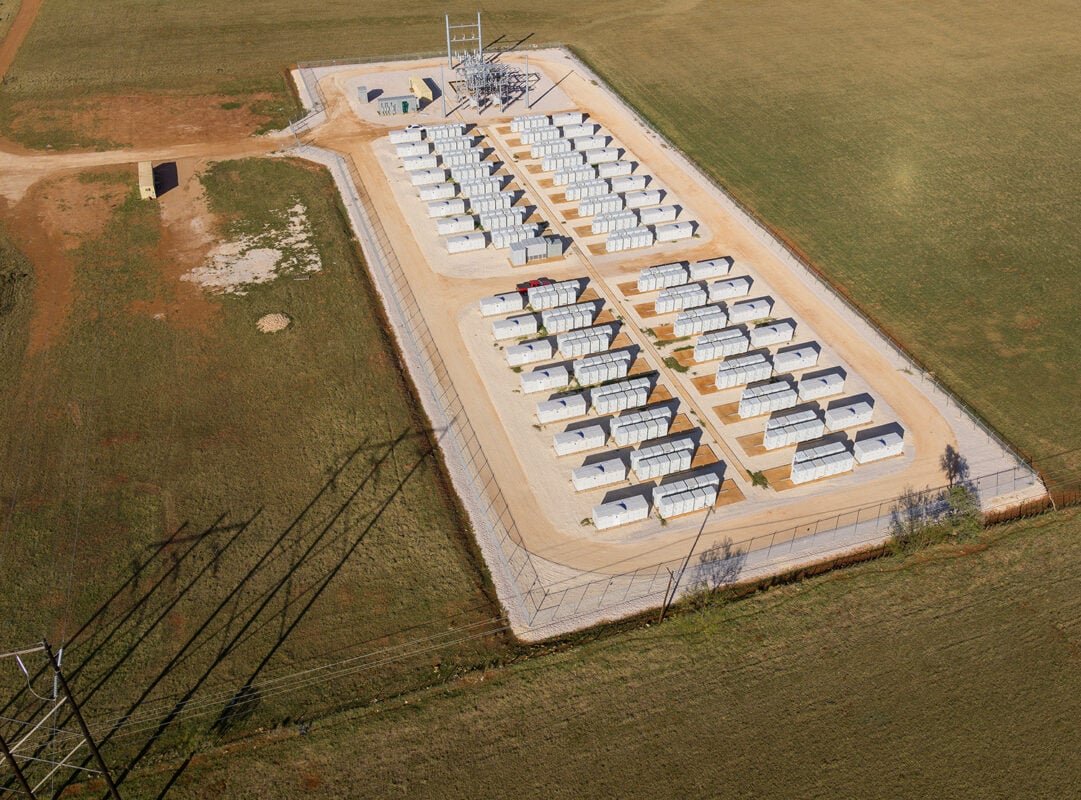
California Energy Commission public information meeting for Engie BESS project draws huge interest
California Energy Commission public information meeting for Engie BESS project draws huge interest - Energy-Storage.News Skip to content
Tesla cites competitive harm in attempt to keep certain crash data private

Tesla shares are up nearly 20 percent in the past month, but that is not stopping the only trillion-dollar automaker from attracting all types of new potential sectors to disrupt, at least from an investor and analyst perspective. Morgan Stanley’s Adam Jonas is not one to shy away from some ideas that many investors would consider far-fetched. In a recent note, Jonas brought up some interesting discussion regarding Tesla’s potential in the eVTOL industry, and how he believes CEO Elon Musk’s answer was not convincing enough to put it off altogether. Tesla’s Elon Musk says electric planes would be ‘fun problem to work on’ Musk said that Tesla was “stretched pretty thin” when a question regarding a plane being developed came up. Jonas said: “In our opinion, that’s a decidedly different type of answer. Is Tesla an aviation/defense-tech company in auto/consumer clothing?” Musk has been pretty clear about things that Tesla won’t do. Although he has not unequivocally denied aviation equipment, including planes and drones, as he has with things like motorcycles, it does not seem like something that is on Musk’s mind. Instead, he has focused the vast majority of his time at Tesla on vehicle autonomy, AI, and robotics, things he sees as the future. Tesla and China, Robotics, Pricing Morgan Stanley’s note also discussed Tesla’s prowess in its various areas of expertise, how it will keep up with Chinese competitors, as there are several, and the race for affordable EVs in the country. Tesla is the U.S.’s key to keeping up with China “In our view, Tesla’s expertise in manufacturing, data collection, robotics/ physical AI, energy, supply chain, and infrastructure are more critical than ever before to put the US on an even footing with China in embodied AI,” Jonas writes. It is no secret that Tesla is the leader in revolutionizing things. To generalize, the company has truly dipped its finger in all the various pies, but it is also looked at as a leader in tech, which is where Chinese companies truly have an advantage. Robotics and the ‘Humanoid Olympics’ Jonas mentioned China’s recent showcasing of robots running half marathons and competing in combat sports as “gamification of robotic innovation.” Tesla could be at the forefront of the effort to launch something similar, as the analyst predicts the U.S. version could be called “Humanoid Ninja Warrior.” Pricing Tesla is set to launch affordable models before the end of Q2, leaving this month for the company to release some details. While the pricing of those models remains in limbo with the $7,500 tax credit likely disappearing at the end of 2024, companies in China have been able to tap incredibly aggressive pricing models. Jonas, for example, brings up the BYD Seagull, which is priced at just about $8,000. Tesla can tap into an incredibly broader market if it can manage to bring pricing to even below $30,000, which is where many hope the affordable models end up. During the Q3 2024 Earnings Call, Musk said that $30,000 is where it would be with the tax credit: “Yeah. It will be like with incentive. So, 30K, which is kind of a key threshold.”
Comau to participate in CWIEME 2025 with advanced solutions for e-drive systems
Comau reaffirms its commitment to sustainable mobility by showcasing innovative e-motor production technologies Comau reaffirms its commitment to the transition toward sustainable mobility by showcasing innovative technologies for electric motor production at CWIEME 2025, the international trade fair for the electromechanical industry and components for motors, generators, and transformers, taking place from June 3 to 5 at Messe Berlin. At the event, visitors to Comau’s booth (Booth 32-D50) will discover the company’s full range of solutions for manufacturing hairpin stators, a key component of electric motors. By launching the fully automatic solution line for hairpin stator manufacturing, Comau has shown technologies that cover the core stages of the stator production process — from wire forming to insertion, widening, twisting, laser welding — improving both the efficiency and effectiveness of hairpin stator manufacturing applications. With its strong engineering expertise in the automotive and electrification sectors, Comau has developed a fully configurable hairpin stator assembly line that allows for seamless scaling from semi-manual operations to fully automated production. The solution ensures accurate, flexible, and efficient end-to-end hairpin stator manufacturing. Now the technology has been upgraded to process minipin stators, an evolution of hairpin stators with lower height of pin ends for e-motor performance and size optimization. At the forefront of CWIEME, Comau also showcases its extensive expertise in electric drive system assembly solutions, ranging from final e-drive system (EDS) main line assembly to sub-system assemblies of e-motor, rotor, e-transmission and e-controllers. The company offers products and solutions to support the full value chain of main e-drive powertrain systems, providing in-depth insights into how it tackles key industry challenges while enabling highly efficient and precise multi-variant production. It reflects the company’s ongoing commitment to innovation in e-mobility, enriching its portfolio of advanced technologies designed to support the complete e-motor and e-drive production lines — from initial design to final output. As such, Comau underscores its strategic emphasis on flexibility and innovation designed to evolve alongside shifting market dynamics. Stefania Ferrero, CMO Comau: “Comau’s advanced solutions address the global demand for technologies dedicated to the production of flat wire stators, permanent magnet rotors and complex e-drive systems. Our assembly lines enable highly flexible and efficient product processing, and simplify the management of complex workflows and multi-variant production. Through our participation in CWIEME 2025, Comau reinforces its focus on the emobility, positioning itself as a premier partner for full-scale electric motor manufacturing.” SOURCE: Comau
National Grid constructs substation to connect data centres to power network
National Grid is starting work on its new Uxbridge Moor substation in Buckinghamshire, UK, which will connect over a dozen new data centres to its network. The new site forms part of National Grid’s upgrade to its transmission network to meet growing demand for electricity, ensuring it can continue to support the growth of new sectors such as data centres and the economic and employment benefits they can bring. The site will feature two substations – one 400kV and one 132kV – both of which will be indoor gas-insulated facilities (GIS), reducing the footprint of the development by around 70% and minimising its impact on the environment. The requests from data centres to connect at Uxbridge Moor will require around 1.8GW of new capacity, equivalent to adding a mid-sized city to the grid on the outskirts of London. When built, it will be the largest new substation on National Grid’s network by gigawatt capacity. The new substation site borders National Grid’s existing Iver 400kV substation in Buckinghamshire, which has reached capacity and cannot be expanded to meet the demand from data centres and other customers for connections in the area. Uxbridge Moor will be among the first GIS substations in the country to be free of sulphur hexafluoride (SF6), a commonly used electrical insulator that is also a potent greenhouse gas. Using an alternative insulating gas means the project marks another key step towards National Grid’s ambition to reduce SF6 emissions from its network by 50% by 2030. Principal contractor Murphy will build the Uxbridge Moor substation, as well as deliver ancillary facilities, underground cabling and associated work to connect the 400kV substation to the nearby overhead transmission line. Have you read:National Grid to EirGrid Greenlink interconnector goes liveNational Grid taps Kraken’s AI-powered platform for 6.5m US customers Commenting in a release was energy minister Michael Shanks: “Upgrades to the electricity network like this are at the heart of building the industries of our future and support our Plan for Change to deliver economic growth and skilled jobs across the UK.” “It comes as we progress our reforms to the grid connections queue that will speed up the time it takes to get high-growth firms, like data centres and AI hubs, plugged into the grid – while also fast-tracking projects that will scale up clean, homegrown power by 2030.” Laura Mulcahy, project director at National Grid Electricity Transmission, said: “Our new Uxbridge Moor substation will provide vital access to power for data centres that are at the heart of Britain’s innovation and economic growth. It will enable new jobs and investment in Buckinghamshire, and will support the UK’s digital future.” “Alongside these significant benefits, we are working to keep the substations’ environmental impact to a minimum. By using the latest SF6-free gas-insulated switchgear, we’re reducing the size of this crucial site by around 70%, and ensuring its technology is sustainable and resilient long into the future.” Liam Corr, managing director of Energy at Murphy, said: “Since 1951 Murphy has been a leading provider of innovative and integrated energy solutions – today we support groundbreaking transmission and distribution projects across the four countries in which we work.” Sign up to our newsletter and stay informed “We are proud to be delivering this project in the UK’s capital and building on our strong working relationship with National Grid to help to ensure energy security for decades to come.” National Grid is planning £35 billion ($47.6 billion) of investment between 2026 to 2031 to connect both large sources of demand such as data centres and gigafactories, and new sources of electricity generation such as wind and solar.
Next act for exec who got H&M and Gap to rethink textile sourcing

Tricia Carey, the former chief commercial officer for circular fabric innovator Renewcell, could have played it safe when she found herself out of a job in July 2024. With a professional network spanning companies such as Gap, H&M and Under Armor, she might have easily landed a new gig at a well-established fashion brand. Instead, less than a year after Renewcell’s bankruptcy, she’s taking a risk with another early-stage startup, Avalo, which uses artificial intelligence to breed climate-resilient crops. She’ll be the evangelist: meeting with farmers, mills, spinners and brands to sell them on the approach. “I’m a relationship builder,” she said on the latest episode of the Climate Pioneers interview series. “I love innovation, and I actually really like starting with things from scratch. You can build versus remodel, which you often have to do in a large global enterprise.” The 6-year-old company has raised almost $15 million, including $11 million in March, to cultivate seed strains that use less water and fertilizer than conventional plants. Carey was hired to expand Avalo’s focus beyond sugarcane, rice and other commodities into cotton, fashion’s second most used fabric. It drinks 3 percent of the water used for agricultural purposes and is responsible for 10 percent of worldwide pesticide use. “The industry is going through an incredible transition right now, and it’s never been a more exciting time to be a part of the textile and apparel industry,” she said. “We’ve got policy coming at us. We have now a lot happening within the tariff world. We’ve got the technology coming in. We have disruption from new entrants into the market, and so it really gives us a chance to rebuild and to do it the right way.” Cotton was also at the center of Carey’s job at Renewcell, which sought to replace the use of virgin cotton with an alternative called Circulose made out of recycled cotton scraps. As chief commercial officer, Carey signed H&M and the parent companies for Tommy Hilfiger and Zara as clients. But longstanding supply chain practices and high production costs forced Renewcell into bankruptcy. Its intellectual property was acquired by a private equity firm and lives on in a renamed company, Circulose. A fashionable career Carey will try to connect Avalo with the network she built over 25 years with Lenzing, the company behind Tencel, a breakthrough wood-based textile designed to reduce the environmental impacts of fashion. There, she helped convince brands including Gap, Levi’s and Under Armour to source the fabric. Carey’s career began in the New York fashion district, inspired by her childhood wardrobe of handmade clothes. “I learned how to sew because if I didn’t like [a garment], I was going to fix it,” she said. “That got me interested in textiles at an early age.” Carey gravitated to startups later because they can be more nimble than companies struggling to transition in step with shifting consumer expectations. Although she sometimes misses Lenzing’s resources, she relishes the chance to share her mistakes and shortcuts with less-established companies. Avalo’s appeal to cotton farmers centers on answering this question: How can they grow the most profitable crop as soil health deteriorates and water supplies become less predictable? Its AI algorithms scour seed databases to study seed traits and predict how to breed the best cotton seeds for the climate conditions of specific growing regions. “We can work on multiple traits at a time, which is not how traditional breeding is done,” Carey said. Often, changing these characteristics takes twice as long. The company is seeking large cotton buyers to support its current strain being planted on about 2,000 acres by 15 farmers in an arid region of West Texas. If all goes as expected, the plants will use 95 percent less water than do currently available seeds. ‘Learn, earn and return’ “I’m kind of looking at it in phases of learn, earn and return,” she said. “I felt I was reaching this point where I could take all of my learnings and return them back to the industry so much of what I had experienced and where I saw that it really needed to evolve.” She’ll prioritize three best practices at Avalo: Execution at a much faster pace. Startup teams don’t have the guardrails or processes typically associated with navigating large organizations. That requires them to be laser-focused on mission. Carey says she learned more in her 18-month Renewcell tenure than she did in five years with a larger organization. Recruitment of flexible individuals. Camaraderie is crucial. Carey seeks people with “the energy and the resilience to look at things differently, and that are also willing to build systems and have the flexibility to know that not everything’s going to be perfect.” Diversification of customer segments. One of Renewcell’s downfalls was an over-reliance on small capsule collections with fashion brands that failed to scale their orders. “We do so many pilots, we can get into that stagnation of pilots after pilots after pilots,” she said. “In many cases, it’s back to basics, it’s about communication, it’s back to making sure that we’re running projects properly.” Watch the full interview on the Trellis YouTube channel.
Meltio, Phillips partner to advance hybrid CNC for defense
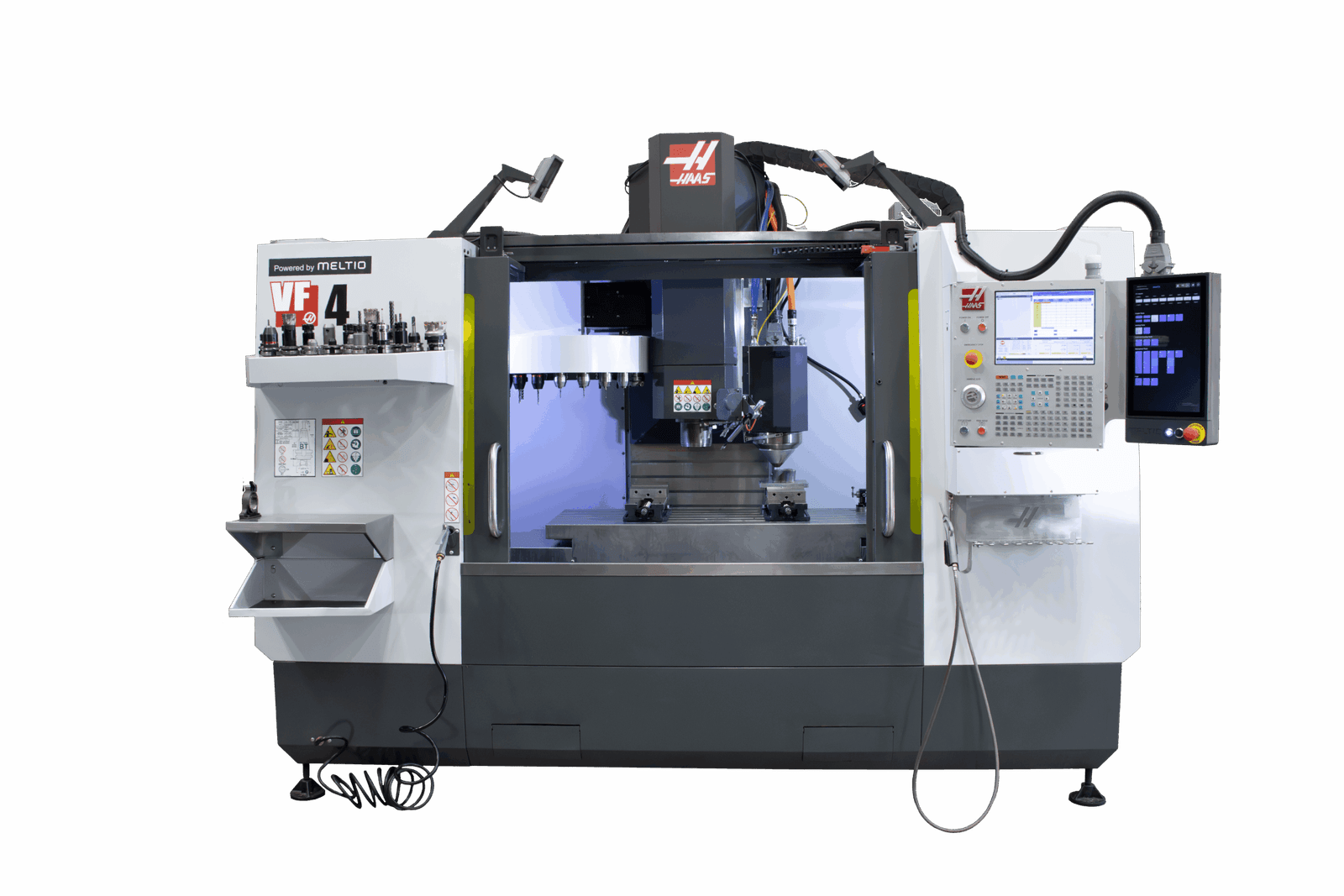
Phillips USA is the first Meltio partner to integrate the Meltio Engine Blue with a Haas CNC machine. Phillips Corporation and Meltio have announced the integration of the Meltio Engine Blue into a Haas CNC machine, marking the first instance of this combination by a Meltio partner. The integration brings together additive and subtractive manufacturing processes in a single system, with potential applications in the defense sector. Meltio’s laser-wire metal 3D printing system uses welding wire as its primary metal feedstock. The Meltio Engine Blue integrates with CNC machines to enable metal additive manufacturing, offering a flexible approach for producing essential parts in defense and industrial applications. Phillips Corporation, a provider of manufacturing technology and a partner to defense and government agencies, is expanding its ongoing collaboration with Meltio through this integration. The company supplies solutions aimed at supporting operations across industry, defense, and academic sectors. The first Meltio Engine Blue was integrated into a Haas TM-1r CNC platform and demonstrated at RAPID TCT in Detroit, MI, in April 2025. This hybrid setup allows defense manufacturers to produce metal parts with improved efficiency, helping address requirements related to logistics, sustainment, and deployment. This milestone builds upon previous successful defense collaborations between Phillips and Meltio, including the deployment of Meltio technology aboard a U.S. Navy ship for onboard metal part manufacturing and the U.S. Department of Defense’s adoption of Meltio’s wire-laser metal 3D printing systems to increase supply chain resilience. These successes highlight the growing relevance of hybrid manufacturing in meeting the evolving demands of military operations. Meltio has completed an integration with Phillips Corporation, supporting efforts to expand metal additive manufacturing in the defense sector and other key industries. For more information, visit meltio3d.com.
Overview of Gallium Nitride (GaN) Solutions from Leading Manufacturers – Part 3
In this last installment, we terminate our overview of gallium nitride (GaN)-based solutions from leading power device manufacturers. In this article, we will explore the technologies and key products that other manufacturers offer. Specifically, we will examine GaN solutions from Qorvo, EPC Space, Renesas, Cambridge GaN Devices (CGD), GaNPower International, and Wise-Integration. This time, we will also introduce GaN-based solutions designed for specific applications, like radiation-hardened or -tolerant devices, RF devices, and power solutions with digital control. Qorvo Qorvo is a pioneering company in the use of gallium nitride to make components for radio frequency (RF) applications, such as discrete power components and power amplifiers (PAs) capable of operating at very high frequencies. In the RF field, GaN offers advantages in power, high bandwidth, high operating voltage, and improved thermal capabilities. All of these provide the RF advantages of high power-added efficiency (PAE), high power output, low form factor, wide bandwidth, and enhanced robustness. Qorvo can boast over twenty years of experience in research and development of GaN-based solutions, using silicon carbide (SiC) as the preferred substrate. Although GaN-on-Si technology has lower manufacturing costs, GaN-on-SiC enables better thermal conductivity, a key requirement for high-frequency and high-power RF applications. An example of a product based on this technology is the QPD1035L, a 40W discrete GaN-on-SiC HEMT transistor operating from DC to 6 GHz from a 50V supply rail. The device has an input pre-match and is ideally suitable for broadband amplifier applications for pulsed and CW operation. Enclosed in a compact package with low thermal resistance, this device features high gain, making it suitable for high-frequency RF applications such as radar, jammers, test systems, and radio communication. EPC Space Semiconductor devices exposed to radiation experience damage that degrades their electrical performance. These radiation-induced effects fall into three main categories, each significantly impacting complex systems in nuclear power plants, avionics, and satellites: Single Event Effects (SEEs) Displacement Damage Total Ionization Dose (TID) Damage The strong bonding in binary and ternary nitrides, such as GaN, inherently enhances their resistance to radiation, making gallium nitride suitable for high-performance, radiation-tolerant applications, particularly in space and front-end electronics for nuclear power generation. EPC Space provides a range of radiation-hardened GaN power devices, including discrete transistors, integrated circuits (ICs), and modules. These components offer key advantages over silicon-based space-grade power devices, such as a smaller form factor, lower resistance, and higher switching frequencies. Critical spaceborne applications benefiting from EPC Space’s advanced GaN technology include satellite DC/DC converters, reaction and momentum wheels, solar array drive assemblies, and micro-pumps for propulsion systems. In addition to GaN transistors, EPC Space provides radiation-hardened GaN power stage ICs and GaN gate drivers. The EPC7011L7SH is the world’s first radiation-hardened GaN power stage IC, featuring a 60 VDC/6 A half-bridge driver (Figure 1). This integrated solution combines eGaN® output FETs with an input logic interface, level shifting, bootstrap charging, and gate drive buffer circuits—all housed in a custom 7-pin Aluminum Nitride SMT ceramic package for enhanced thermal performance and radiation resistance. Figure 1: The EPC7011L7SH is a half-bridge rad-hard GaN power stage (Source: EPC Space) EPC Space has obtained JANS MIL-PRF-19500 certification, a stringent standard set by the U.S. Department of Defense. This certification defines high benchmarks for reliability, performance, and environmental resilience in semiconductor components. Notably, EPC Space is the first company to achieve this certification for GaN HEMTs. Renesas Following the acquisition of Transphorm, Renesas Electronics Corporation has expanded its existing portfolio of discrete power components, which already included IGBTs, SiC, and Si Power FETs, with the addition of GaN power devices. JEDEC- and AEC-Q101-qualified, Renesas’ GaN FETs can achieve over 99% efficiency, 40% more power density, and 20% lower system cost compared to silicon-based counterparts. Renesas’ GaN transistor structure, inherited from Transphorm, uses GaN depletion mode (D-mode, normally-on) devices in a cascode configuration. This platform couples the normally-on GaN HEMT with a highly reliable and high-performance low-voltage normally-off Si MOSFET in a normally-off D-mode configuration. As detailed in a white paper, this ensures the platform’s fail-safe normally-off operations while maintaining maximum GaN performance and Si MOSFET gate reliability. Figure 2 details how this platform is built: a high-voltage normally-on D-mode GaN HEMT is combined with a low-voltage normally-off Si FET to form a normally-off GaN power discrete. Figure 2: Renesas’ GaN cascode configuration (Source: Renesas Electronics Corporation) An example of a device that utilizes this technology is the TP65H300G4LSG. This 650V, 240mΩ Gallium Nitride (GaN) FET is a normally-off device built on Renesas’ Gen IV platform. It integrates cutting-edge high-voltage GaN HEMT and low-voltage silicon MOSFET technologies, ensuring high reliability and performance. The Gen IV SuperGaN® platform leverages advanced epitaxial and patented design technologies to enhance manufacturability while improving efficiency compared to silicon. This is achieved through lower gate charge, reduced output capacitance, minimized crossover loss, and lower reverse recovery charge. Housed in an industry-standard PQFN88 package with a common-source configuration, the TP65H300G4LSG is ideal for AC-DC bridgeless totem-pole PFC designs. It enhances efficiency in both hard- and soft-switched circuits and is easy to drive using commonly available gate drivers. With a long tradition of providing solutions for the defense and space sectors, which began with the founding of Radiation, Inc. in 1950, Renesas also offers various GaN products in the Intersil series, such as FETs, drivers, and gate drivers, both radiation-tolerant and radiation-hardened. CGD Cambridge GaN Devices (CGD) is a fabless semiconductor company that spun out from Cambridge University in 2016 to deliver an efficient and user-friendly GaN-based power technology. Traditionally, GaN transistors have posed significant operational challenges. Most manufacturers recommend additional components or customized gate drivers to ensure safe and reliable functionality. To address this issue, CGD introduced ICeGaN®—the industry’s first enhancement-mode GaN transistor designed to operate just like a silicon MOSFET. Unlike conventional GaN solutions, ICeGaN® eliminates the need for special gate drivers, complex drive circuitry, or specific voltage clamping mechanisms. By removing the requirement to pair GaN with silicon MOSFETs in Cascode or Direct Drive configurations, CGD’s solution is a true single-chip E-mode GaN, enclosed
Tesla admits it would 'suffer financial harm' if its self-driving crash data becomes public

Tesla is caught in a legal fight in which it admitted that it would “suffer financial harm” if its self-driving crash data would becomes public, but it’s not for the reason you are thinking. Tha automaker is currently in a legal battle against The Washington Post, who is requesting data regarding Tesla crashes related to its ADAS systems (Autopilot and Full Self-Driving). The U.S. National Highway Transportation Safety Administration (NHTSA) requires automakers to report all crashes that involved ADAS systems. Tesla crashes represent the vast majority of crashes reported to NHTSA, but we don’t have much data on those crashes because, as we previously reported, Tesla abuses NHTSA’s confidential policies to have most of the data related to the crashes redacted. Advertisement - scroll for more content Here’s a quick video of the NHTSA ADAS crash report showing all of Tesla’s “redacted” and “confidential” section unlike other automakers: The Post is suing Tesla and NHTSA to have them disclose the data. In a new filing, Tesla argued that it “would suffer financial and economic harm if the requested information is disclosed.” Tesla claims that competitors could use the data to assess Tesla’s progress with ADAS systems: For the reasons explained in Tesla’s opening motion and the Eddie Gates Declaration, the disclosure of the requested information could foreseeably result in various types of harms to Tesla. Public release of ADAS hardware and software versions will allow competitors to, among other things, assess the efficacy of a given version of hardware or software; calculate the number of crashes per the different software and hardware systems, and draw conclusions as to Tesla’s rate of progress. The automaker cited Eddie Gates, Director for Field Reliability Engineering at Tesla, to support its argument. Gates wrote: (a) see the processes by which Tesla identifies and examines crash incidents; (b) gain insights into how Tesla learns and evolves through data collection; (c) track the pace of improvement in ADAS features over time; (d) draw conclusions as to the effectiveness of one ADAS version over another; (e) draw conclusions about or attempt to copy Tesla’s internal processes; (f) reveal how and in what circumstances Tesla gathers and learns from telematic or other data relating to crash events; (g) provide insights into how Tesla’s software and vehicle technology works; and (h) ascertain the strength and weaknesses of Tesla’s features and use that knowledge to build or improve their own features and systems. In short, Tesla’s argument for not making public details of its vehicles crashing while its Autopilot and Full Self-Driving is that competitors could potentially improve their own systems by learning which versions of Tesla’s systems are involve in more crashes than others. Lawyers for the Washingtop Post counter the argument by pointing out that the version of Tesla’s ADAS software and hardware can’t be kept private, considering the drivers themselves have access to that information within their own vehicles. Electrek’s Take Let’s be real. If the information is disclosed, the only real change is that the public would gain a better understanding of crashes involving Tesla Autopilot and Full Self-Driving. That’s it. Now, if that happens, there are a few things that could ensue, like more media reports on Tesla crashes, people involved in those crashes using the data in legal actions against Tesla, and yes, potentially competitors using the data to gain a better understanding of its system, but that wouldn’t be my top worry. Even if they did that, it would only mean that the NTSHA crash reporting would result in making ADAS systems safer. Isn’t that the goal? The fact that Tesla has gone out of its way to not release any data regarding its self-driving effort should be a real red flag to anyone interested in the effort. FTC: We use income earning auto affiliate links. More.
Crux tax credit marketplace releases first annual report on clean energy investment dynamics

Crux has released its first debt capital report on lending and investment dynamics in the U.S. clean energy and manufacturing sector. This report comes at a time when surging energy demand and policy uncertainty presents both opportunities and challenges for American developers and manufacturers. Crux is addressing today’s critical need for greater transparency into capital costs, project availability and investor appetite. Transferable tax credits are driving hundreds of billions in private investment into American energy and manufacturing projects. The credits have also presented an opportunity to centralize otherwise disparate project finance markets for advanced manufacturing, bioenergy, battery storage, critical minerals and clean energy. “As we face unprecedented energy demands and shifting geopolitics, the efficiency and transparency of capital markets will determine whether America can successfully build the energy infrastructure of the future,” said Alfred Johnson, CEO and co-founder of Crux. “This report pulls back the curtain on financing trends that have historically been opaque, giving project developers and manufacturers the insights they need to structure competitive financing packages.” Critical timing amid policy uncertainty The report’s release comes as potential changes to federal tax credit policies could reshape the financing landscape. If transferable tax credits are scaled back or repealed for certain market segments, clean energy developers and manufacturers will face an even greater need to source alternative financing through debt capital markets. Private debt markets are opaque, illiquid and inefficient. “The interconnected nature of clean energy financing means that changes in one area ripple throughout the entire market,” explained Johnson. “For example, our data shows that tax credit bridge lending — which allows projects to pull forward the value of future tax credits — has become increasingly accessible, with terms largely driven by advance rates and the presence of committed investment-grade tax credit buyers. If tax credit policies change, understanding these debt market dynamics becomes even more critical for project success.” Key market findings: Capital markets are increasingly open to a wider variety of projects, but availability varies based on technology, strength of the sponsor and contracted offtake. Capital is most widely available for solar and storage projects; and nearly all investors at all stages of the development process indicated that solar was a technology that they invest in. Less established technologies — like advanced manufacturing, biofuel, carbon capture and nuclear — have historically faced challenges accessing debt financing, but in recent years have seen growing interest from investors supported by transferable tax credits. Investment structures like tax and preferred equity are highly dynamic and evolving. Tax equity structures have evolved to hybrid structures, or t-flips, which explicitly contemplate the sale of a portion of tax credits in the transfer market. These structures comprised about 60% of the tax equity committed in 2024, and that share is expected to rise. This trend has already expanded the availability of tax equity to a broader range of projects. For construction/term lending, projects with contracted offtake generally have greater capital availability and lower cost of capital. However, the data indicates a smaller but meaningful group of lenders are open to merchant or partially contracted projects. While more than 70% of investors indicated that they were more willing to invest in a fully contracted project, some lenders view merchant or partially contracted projects as a better fit for their return requirements. Capital markets are likely to continue to expand in both availability and cost-competitiveness, but require a stable and constructive policy environment to do so. Policy volatility is unconstructive for risk-averse project finance lenders, and is likely to disrupt investment. This effect is particularly concentrated in newer technologies, such as nuclear, manufacturing and biofuels. Whether the market continues its cycle of expansion or whether it recoils back to the most well-established wind and solar projects will be a function of ongoing political processes. Read the report here. News item from Crux
Charged EVs | Contactless battery management systems: how Dukosi's chip-on-cell technology works
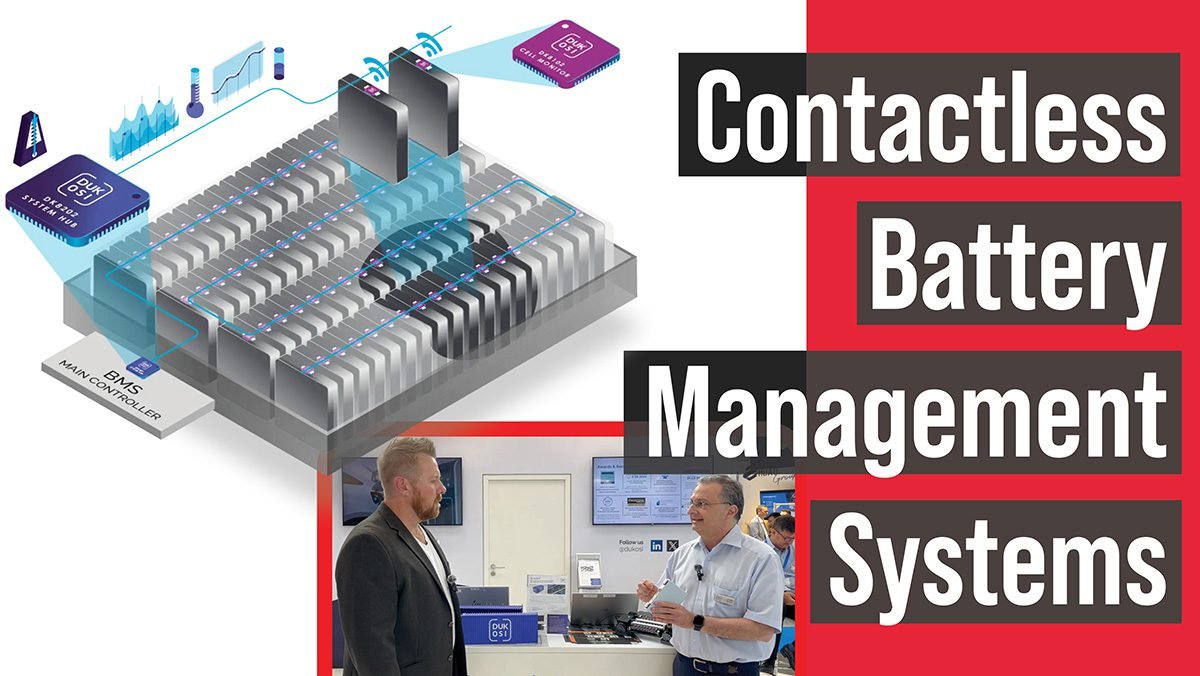
Battery technology continues evolving rapidly, but one key challenge persists: efficiently and accurately monitoring each battery cell. Dukosi, a company with over two decades of experience, has developed an innovative chip-on-cell technology designed to enhance the management of battery cells, offering solutions tailored for automotive, transportation, industrial, and energy storage applications. Charged recently talked to Dukosi’s Joseph Notaro to learn more about the tech. At the core of Dukosi’s innovation is a compact chip placed directly on each battery cell. This chip continuously monitors critical metrics, including voltage and temperature. Unlike traditional wired monitoring methods, Dukosi’s approach transmits data wirelessly through a proprietary contactless antenna system. This means adding battery cells becomes as straightforward as stacking building blocks, significantly simplifying scalability from just one cell up to hundreds or thousands. A key advancement from Dukosi is their C-SynQ protocol, a proprietary system that transmits data in a synchronized, star network configuration. Historically, battery monitoring has been complicated by the need for extensive wiring between cells and battery management systems (BMS). Dukosi’s solution reduces this complexity dramatically, using a single cable to monitor numerous cells simultaneously, facilitating seamless integration and substantially quicker deployment. Another cool feature is Dukosi’s “Cell Passport” technology. Each cell-mounted chip contains built-in memory, storing lifetime information including manufacturing details, chemistry composition, and critical operational events, such as temperature spikes. This data collection helps battery owners evaluate cell health and suitability for second-life applications—crucial in extending the overall lifespan and sustainability of batteries. Dukosi’s technology is notably agnostic to battery chemistry and cell type. Whether cells are prismatic, cylindrical, or pouch format, or whether they use advanced chemistries like lithium titanate, lithium iron phosphate, or nickel-manganese-cobalt, Dukosi’s chip-on-cell system accurately monitors and reports essential cell performance data. This versatility makes Dukosi’s solutions appealing across diverse industries and applications. By capturing synchronized cell-level, Dukosi enables battery management systems to deliver precise state-of-charge and state-of-health assessments. Operators can safely and efficiently extract more usable energy from each cell, optimizing overall battery performance and reliability—critical considerations as battery systems become increasingly complex and widespread. Learn more at:
VW’s Cariad Software Division Is Doing Better Now: CEO

Cariad, Volkswagen Group's software unit, is on the right track. CEO Peter Bosch said costs have been significantly reduced. Cariad, Volkswagen Group’s troubled software division, is in a better shape now than it was last year, CEO Peter Bosch said in an interview with Automobilwoche. The German automaker’s software unit was famously responsible for the delayed launch of the all-electric Porsche Macan and Audi Q6 E-Tron. In the previous three years, it racked up operating losses of over $7.5 billion while revenue was nearly $3.5 billion. Photo by: Cariad For early Volkswagen ID.3 and ID.4 owners, Cariad is probably best known for the laggy and buggy infotainment systems. However, the software in those cars is now much better than it was originally, and Cariad as a whole has put its problems behind it, according to its CEO. “When you take on a task that everyone knows is difficult, you don’t do it expecting constant applause,” Peter Bosch said for Automobilwoche. “But we delivered. The cars are here, costs have been significantly reduced, and we have broken new technological ground.” Before being appointed CEO of Cariad in 2023, Bosch was Bentley’s CEO. He immediately started looking for ways to cut costs and, more importantly, reduce the division’s overreliance on external suppliers. This year, Cariad will lay off 1,600 people, but at the same time, the Volkswagen Group unit will hire new talent to take control of as much code as possible. “In software, with its fast development cycles, we have to work directly on the code,” Bosch said. “Our employees know, write, understand, and change the code — even via over-the-air updates.” Photo by: Cariad Another big change was to end the one-size-fits-all approach to vehicle software. In China, the development, design, and production are all local to meet consumer expectations and regulatory demands. In North America, Cariad is mostly staffed by Rivian personnel, as part of Volkswagen Group’s joint venture with the California EV startup. For now, Cariad is focusing on cloud infrastructure, advanced driver assistance systems (ADAS) and infotainment. This approach led to significant cost savings. “We are now significantly cheaper per vehicle in the cloud than the competition,” Bosch said. More advanced automated driving systems are also in the works, as well as shorter development cycles. While the division’s Level 4-capable autonomous driving software platform has been pushed back to the end of the decade, Cariad has partnered with several companies around the world to fast-track other highly automated driving systems, including China’s Xpeng and Horizon Robotics, as well as Rivian and Bosch.
FUMED SILICA and Silica GEL MIXING METHOD in GEL AND AGM VRLA BATTERIES
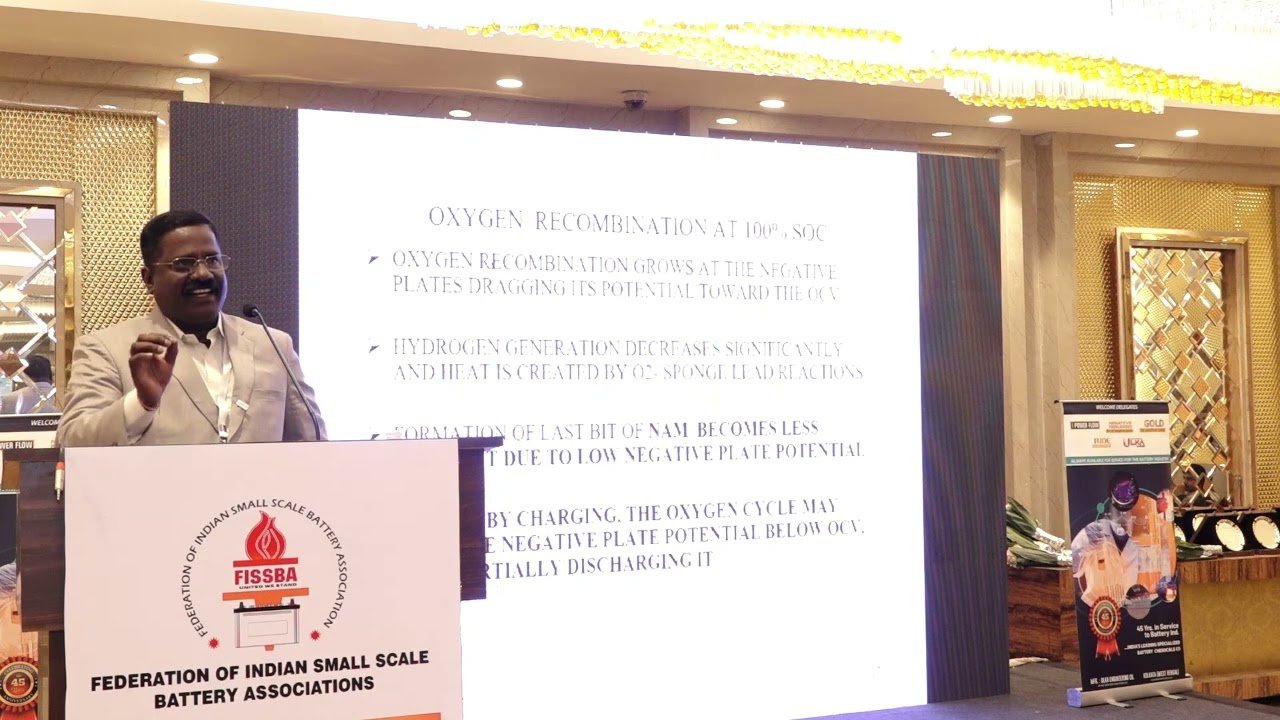
17th Power On Conference Presentations The technical presentation evaluates and elaborates valuable information about Gel and AGM Batteries for standby and Automotive applications. The technical Presentation on GEL AND AGM VRLA DESIGN ASPECTS explains parts and processes like FUMED SILICA and Silica GEL MIXING METHOD. REQUIREMENTS OF SEPARATORS, ALLOY AND PLATE REQUIREMENTS, MIXING RATIO OF FUMED SILICA-SULFURIC ACID, DESIGN LIFE WITH DIFFERENT DOD OF GEL BATTERIES FOR 12V MONOBLOC, POSITIVE PLATE, AGM SEPARATORS, SAFETY VALVE, FLAME ARRESTERS, CURING OF POSITIVE AND NEGATIVE PLATES, OXYGEN RECOMBINATION AT 100% SOC and ASSEMBLY OF AGM VRLA BATTERIES DESIGN ASPECTS OF GEL AND AGM VRLA BATTERIES by Mr PALANISAMY S
Chinese sodium battery maker Zoolnasm secures new funding
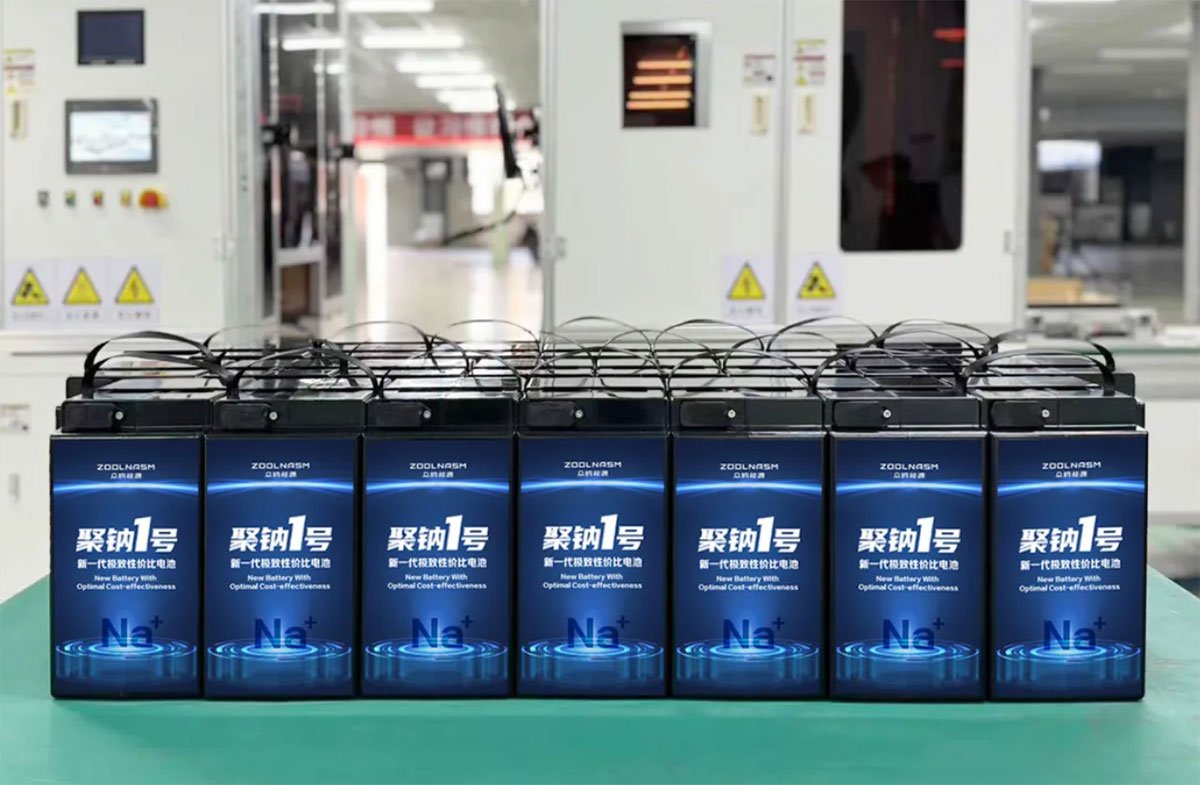
Zoolnasm recently completed its Series A2 financing round, bringing the total Series A financing amount to nearly RMB 300 million ($42 million). The funds will be primarily used for technological R&D, capacity expansion, and market development. (Image credit: Zoolnasm) Chinese sodium-ion battery startup Jiangsu Zoolnasm Energy Technology has completed a new financing round, one of the few in the sector in recent years. Zoolnasm recently completed its Series A2 financing round, bringing the total Series A funding to nearly RMB 300 million ($42 million), the company announced today. Investors in the Series A2 round include Tiande Investment and existing shareholder Saize Capital, according to a statement. The funds from this round will be primarily used for technological R&D, capacity expansion, and market development, Zoolnasm said. Zoolnasm was founded in January 2021 and is headquartered in Suzhou, Jiangsu province, eastern China. In March 2022, the company received investment from Country Garden Venture Capital, the venture capital arm of Country Garden, though the amount was not disclosed at the time. On November 19, 2023, the company broke ground on its sodium-ion battery manufacturing base project in Guangde, Anhui province, marking its first sodium-ion battery mass production facility. The total planned investment for the manufacturing base project was RMB 10 billion, with an annual production capacity of 20 GWh of sodium-ion battery cells and 10 GWh of sodium-ion battery systems. In late October last year, Zoolnasm received a nomination letter from an international automotive parts company, becoming the customer's sodium-ion battery supplier. The project was expected to last four years, with a total procurement value of about RMB 200 million over its lifecycle, according to an announcement at the time. ($1 = RMB 7.1838) CATL has showcased its latest innovations ahead of the Shanghai auto show, as it tries to push the "boundaries" even further.
Who and How Can Help Indonesia Clean Up Its Minerals Act
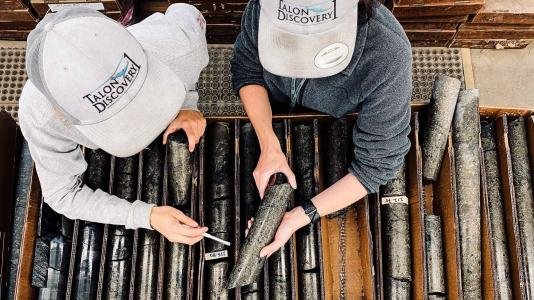
Last Updated on: 5th June 2025, 12:44 am By Julia Poliscanova, Senior Director for Emobility and Supply Chains at T&E, and Tommy Pratama, Executive Director for Traction Energy Asia Indonesia is big when it comes to the new race to secure minerals and cleantech. With some of the world’s largest reserves of metals like nickel and cobalt, the country is fuelling the global shift to cleaner energy and electric cars. But as nickel demand takes off, so does its environmental and social harm as forests are logged and workers injured. The solutions to avoid all that exist and Indonesia does not have to reinvent the wheel. These include the new global supply chain traceability rules in Europe and a promising partnership between Indonesia’s government and the global Initiative for Responsible Mining Assurance (IRMA). How will they help exactly? The EU is known to be a regulatory giant. Some of these laws, like the new supply chain rules, can have a positive global impact. Key among these is the new sustainable battery law that codifies the United Nations “due diligence guidelines” into law. This means that car and battery makers have to map and address any human rights or environmental risk in their supply chains, including nickel. Unless measures are in place to halt deforestation or ensure health & safety measures for workers, batteries containing that nickel simply can’t be sold on the EU market, one of the world’s largest. Another new law, under the lengthy title of the Corporate Sustainability Due Diligence Directive, covers all major supply chains more horizontally than just nickel. It similarly requires all large companies (e.g. carmakers) to map and deal with human rights and other abuses from their suppliers. Many in Indonesia have so far questioned the unfair burden these laws pose. But if implemented as intended, these will oblige large foreign firms to clean up their act and apply the latest clean technology and safety practices. The Indonesian government should work with the EU to make sure the new rules help its nature and people. The success means attracting EU investment, possibly joining one of the new Trade and Investment Partnerships announced by European Commission President Von der Leyen and building expertise in sustainable practices across the board. Where EU regulations provide the framework, IRMA offers a practical path forward. Known for its rigorous standards on environmental protection and respect for local and indigenous populations, IRMA is the best supply chain standard that exists globally. IRMA representatives have been working closely with the Indonesian government to adapt the standard to the country’s reality. Indonesia’s landscape and communities are diverse, with specific needs that can be overlooked by one-size-fits-all standards. IRMA works in equal measure with local authorities, indigenous communities and mining companies. It provides guidance not only on environmental performance, but how to navigate complex governance structures and varying levels of community involvement. This partnership could make all the difference. By aligning international standards with local realities, IRMA’s involvement can help Indonesia put its sustainability goals into reality. This can result in improved working conditions, better safety measures, and a bigger voice for local communities. None of this is likely to be smooth sailing. Indonesia’s regulatory environment is complex, and not all companies have the resources to meet these new standards quickly. Smaller companies may need technical support and training to navigate compliance. That’s where the European institutions can support both the government and smaller metal suppliers with guidance and technology. As IRMA has many mining and purchaser companies involved, it can help local businesses build the skills they need to meet supply chain requirements. But success would be more likely if the Indonesian government supported these efforts with incentives— tax breaks or grants—for companies that adopt higher standards, comply with the EU laws ahead of schedule or achieve IRMA certification. Indonesia is on the brink of becoming a global leader in the EV battery ecosystem. While there is still work to do, the combined efforts of the EU, IRMA, and Indonesian government could create a lasting, positive impact. If Indonesia succeeds, it won’t just raise the bar for its own mining practices. It could become a model for sustainable growth in other resource rich Global South countries. Article from T&E. By Julia Poliscanova, Senior Director, Vehicles & Emobility Supply Chains, Brussels (EU) Sign up for CleanTechnica's Weekly Substack for Zach and Scott's in-depth analyses and high level summaries, sign up for our daily newsletter, and follow us on Google News! Whether you have solar power or not, please complete our latest solar power survey. Have a tip for CleanTechnica? Want to advertise? Want to suggest a guest for our CleanTech Talk podcast? Contact us here. Sign up for our daily newsletter for 15 new cleantech stories a day. Or sign up for our weekly one on top stories of the week if daily is too frequent. Advertisement CleanTechnica uses affiliate links. See our policy here. CleanTechnica's Comment Policy
Can von der Leyen Save Europe's Car Industry from 'the Slow Agony of Decline'?
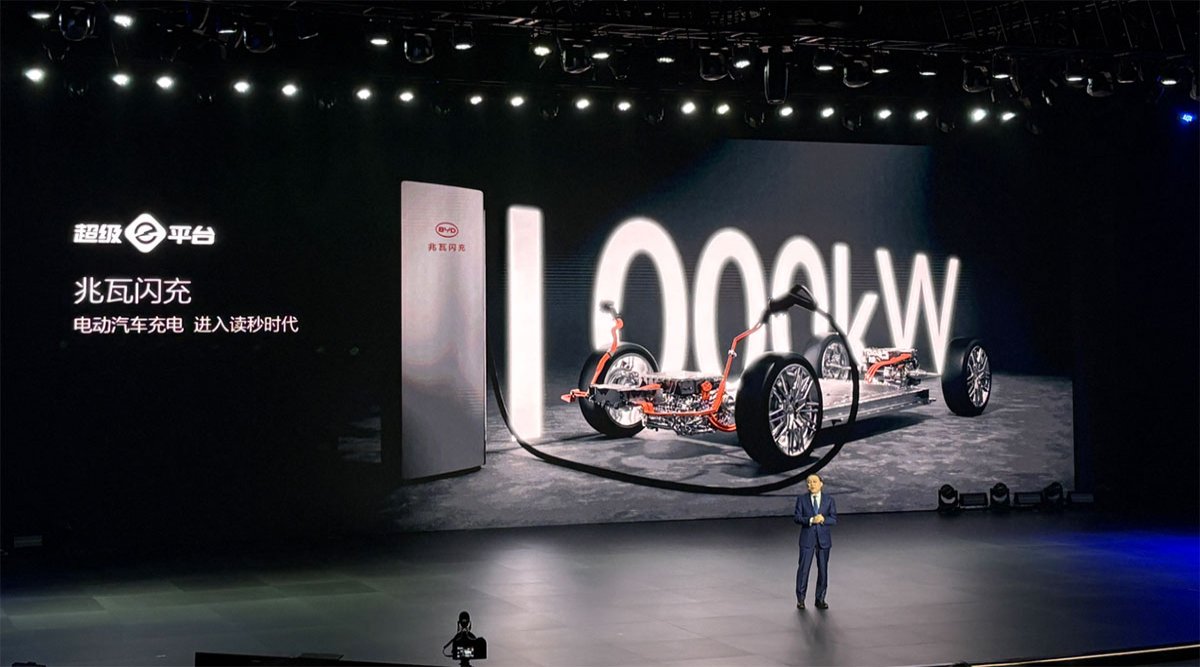
Last Updated on: 5th June 2025, 01:21 am T&E’s William Todts assesses the EU Commission chief’s three biggest promises There was a time when five-minute charging, full self-driving and ultra-fast development cycles would have been announced in Stuttgart, Wolfsburg or Paris. No longer. These days German and French carmakers are scrambling to catch up with technology—like cheap LFP batteries and software-defined vehicles—that China adopted years ago. Amidst Trumpian chaos and war in Ukraine, Ursula von der Leyen managed to find the time to draft a plan to modernise Europe’s auto industry. We criticised her weakening the 2025 standards. However, the plan also includes excellent actions to boost EV demand, digitisation and production of batteries. It combines some of the best elements of American, Chinese and European industrial policy. If enacted, it would actually put Europe’ auto industry back on track. Alas, von der Leyen’s Commissioners are treating the action plan as a menu, picking the bits they like and slowwalking on things they (or their administrations) don’t like. Let’s look at the three biggest promises the EU Commission chief made. First, she promised European battery makers IRA style production aid. This is an absolute breakthrough. Production aid coupled with resilience criteria is the way to give European battery producers a chance and encourage dominant (Chinese) players to share technology. Unfortunately, Teresa Ribera just issued draft state aid guidelines banning production aid. Meanwhile Wopke Hoekstra’s team opposes production aid as part of DG Clima’s battery fund. Secondly, von der Leyen promised rules to regulate Chinese foreign direct investment (FDI) in the auto industry. The goal is to get better and more joint ventures, and to prevent CATL, BYD and others from setting up “screwdriver” factories and Chinese enclaves in Europe. Again, an excellent idea but as it stands Commissioner Sefcovic is rumoured to be working only on non-binding guidelines, which Hungary, Spain, Germany and others will of course ignore. Things look slightly more hopeful for VdL’s promise to require “European content” for batteries and EV components either in the fleets law, or in the so-called Industrial Decarbonisation Accelerator Act (IDAA). It remains to be seen whether the IDAA, once proposed and approved, will have more teeth than the Net Zero Industry Act (NZIA), and whether the fleets law will be worth the paper it’s written on. Indeed, the action plan requires that EU transport chief, Tzitzikostas, delivers a law to decarbonise corporate fleets. This is another excellent idea and could easily be achieved by requiring big companies to only buy zero emission cars as of 2030. The potential is even bigger for trucks. The EU should set targets for the likes of Amazon, IKEA and Heineken to procure zero emission kilometers from the hauliers that move their goods. It would have a negligible impact on the prices of our products but would create all the investment certainty truckers need to finance the trucks, and for truckmakers to comfortably hit their EV goals. The truck industry and shippers support this approach. And yet, as it stands, the Commission’s transport directorate is working towards a directive with non-binding targets, potentially squandering the greatest regulatory opportunity of the action plan. Meanwhile car lobbyists are focused on weakening the EU’s 2035 goal, pushing for the 100% target to be scrapped and for more plug-in hybrids. And so despite the beautiful auto action plan, the EU is cruising towards weaker CO2 standards and an even weaker industrial strategy. Von der leyen now faces a choice. She can let her team of Commissioners do the bare minimum, give car execs the weaker EV targets they want, and oversee what Mario Draghi called the “the slow agony of decline” of Europe’s once mighty car industry. Or she can double down on her excellent plan, tell her Commissioners to get with the program, and be remembered as the woman that put Europe’s vehicle industry on the road to success. Article first published on T&E. Sign up for CleanTechnica's Weekly Substack for Zach and Scott's in-depth analyses and high level summaries, sign up for our daily newsletter, and follow us on Google News! Whether you have solar power or not, please complete our latest solar power survey. Have a tip for CleanTechnica? Want to advertise? Want to suggest a guest for our CleanTech Talk podcast? Contact us here. Sign up for our daily newsletter for 15 new cleantech stories a day. Or sign up for our weekly one on top stories of the week if daily is too frequent. Advertisement CleanTechnica uses affiliate links. See our policy here. CleanTechnica's Comment Policy