Elon Musk and Donald Trump to speak with each other Friday
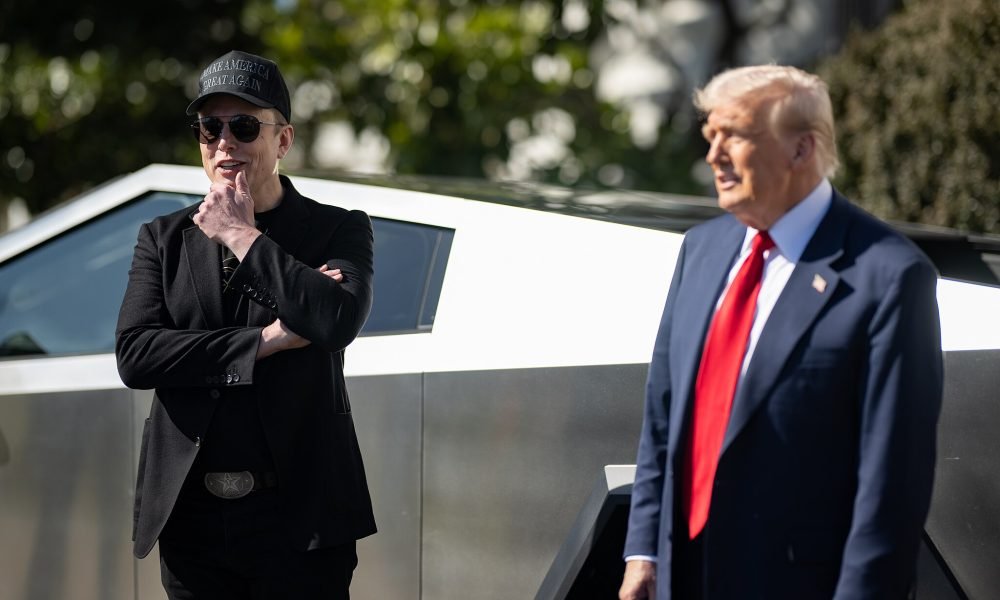
Tesla CEO Elon Musk explained the automaker’s strategy for building batteries from top to bottom in a domestic setting as the company continues to alleviate its reliance on Chinese materials, something other companies are too dependent on. With the Trump Administration, it is no secret that the prioritization of U.S.-built products, including sourcing most of the materials from American companies, is at the forefront of its strategy. The goal is to become less dependent on foreign products, which would, in theory, bolster the U.S. economy by creating more jobs and having less reliance on foreign markets, especially China, to manufacture the key parts of things like cars and tech. In a note from Alexander Potter, an analyst for the firm Piper Sandler, Tesla’s strategy regarding batteries specifically is broken down. Potter says Tesla is “the only car company that is trying to source batteries, at scale, without relying on China.” He continues: “Eventually, Tesla will be making its own cathode active materials, refining its own lithium, building its own anodes, coating its own electrodes, assembling its own cells, and selling its own cars; No other US company can make similar claims.” Musk, who spent time within the Trump White House through his work with the Department of Government Efficiency (DOGE), said that Tesla is doing the “important” work of localizing supply chains as the risks that come with being too dependent on foreign entities could be detrimental to a company, especially one that utilizes many parts and supplies that are manufactured mostly in China. It is important, albeit extremely hard work, to localize supply chains to mitigate geopolitical risk — Elon Musk (@elonmusk) June 3, 2025 Tesla has done a lot of work to source and even manufacture its own batteries within the United States, a project that has been in progress for several years but will pay dividends in the end. According to a 2023 Nikkei analysis, Tesla’s battery material suppliers were dominated by Chinese companies. At the time, a whopping 39 percent of the company’s cell materials came from Chinese companies. This number is decreasing as it operates its own in-house cell and material production projects, like its lithium refinery in Texas. It also wants to utilize battery manufacturers that have plans to build cells in the U.S. Panasonic, for example, is building a facility in Kansas that will help Tesla utilize domestically-manufactured cells for its cars.
Eco Stor puts largest battery storage project in Germany online
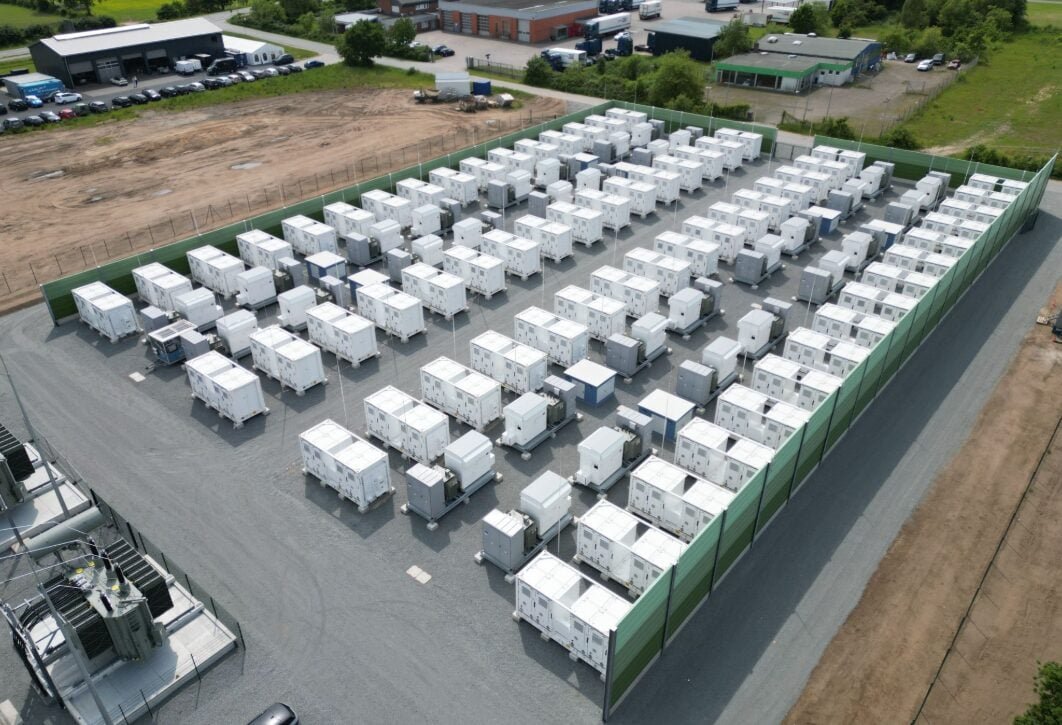
Eco Stor is a developer-operator that also has in-house engineering, procurement and construction (EPC) and system integration capabilities, with its Germany BESS projects designed with its own proprietary configuration. The firm originally also had its own BESS enclosure design, but now buys BESS from established providers. Eco Stor launched construction on the Bollingstedt BESS a little over a year ago, and is also building an identically-sized project 5km away, called Schuby. It is also developing and building several much larger, 300MW/600MWh systems, part of its ‘Eco Power’ series. Eco Stor was acquired by investors X-ELIO, part of global infra investor Brookfield, and Natural Infrastructure Capital (NIC) last year from majority owner Å Energi, a Norway-based utility, as covered by Energy-Storage.news. While it wasn’t clear at the time of the deal, it now has been confirmed it was an outright acquisition but only of the Germany segment of Eco Stor – Eco Stor GmbH – with Eco Stor AS (Norway) remaining a separate, Å Energi-owned firm still active in BESS, as evidenced by a concurrent announcement. Eco Stor AS building in Finland The day before Eco Stor GmbH’s announcement, Eco Stor AS announced it had entered into an agreement to develop and install a 50MW/50MWh BESS near Isokangas in central Finland, with some construction already underway. Eco Stor AS will build and co-own the BESS along with Norwegian investment company Farvatn and Finnish energy storage company AmpTank. The consortium has reached final investment decision (FID) on the project which is set to come online in 2026. The Isokangas project is located close to wind generation areas in central Finland and is located by a substation belonging to Finnish transmission system operator (TSO) Fingrid. The project has built-in optionality to expand from a 1-hour to a 2-hour system. “BESS market is expanding, supported by high expected growth of onshore wind and solar power. Our objective is to utilize the Isokangas project as a stepping stone towards building more BESS projects in Finland,” says Dr. Trygve Burchardt, CEO of Eco Stor AS. The announcement explained the Germany sale: “In 2024, Eco Stor divested its German first life grid BESS subsidiary, including a multi-GW pipeline of utility-scale BESS projects, to Brookfield-owned renewable energy developer-operator X-ELIO and private equity firm Nature Infrastructure Capital.” Other shareholders alongside Å Energi in Eco Stor AS include Klaveness Marine and Farvatn Capital, the announcement added. Amptank, co-investor in the Isokangas project, recently sold a 30MW/60MWh project to investor UB Renewable Energy Fund (AIF). Germany headwinds and opportunities discussed at Energy Storage Summit Germany The announcements come during a week when Solar Media hosted the inaugural Energy Storage Summit Germany, co-located with the Battery Show Europe 2025, in Stuttgart (3-5 June). Big talking points at the event were regulatory challenges including the BKZ and the threat of grid fees returning for BESS in 2029, as well as what the potential introduction of a Capacity Market (CM) would mean for BESS (Premium access).
Tesla launches new feature that cold climate drivers will love
Goldman Sachs analysts cut Tesla’s price target to $285 from $295, maintaining a Neutral rating. The adjustment reflects weaker sales performance across key markets, with Tesla shares trading at $284.70, down nearly 18% in the past week. The analysts pointed to declining sales data in the United States, Europe, and China as the primary driver for the revised outlook. In the U.S., Tesla’s quarter-to-date deliveries through May fell mid-teens year-over-year, according to Wards and Motor Intelligence. In Europe, April registrations plummeted 50% year-over-year, with May showing a mid-20% decline, per industry data. Meanwhile, the China Passenger Car Association (CPCA) reported a 20% year-over-year drop in May, despite a 5.5% sequential increase from April. Consumer surveys from HundredX and Morning Consult also shaped Goldman Sachs’ lowered delivery and EPS forecasts. Goldman Sachs now projects Tesla’s second-quarter deliveries to range between 335,000 and 395,000 vehicles, with a base case of 365,000, down from a prior estimate of 410,000 and below the Visible Alpha Consensus of 417,000. Despite these headwinds, Tesla’s financials remain strong, with $95.7 billion in trailing twelve-month revenue and a $917 billion market capitalization. Regionally, Tesla’s challenges are stark. In Germany, the German road traffic agency KBA reported Tesla’s May sales dropped 36.2% year-over-year, despite a 44.9% surge in overall electric vehicle registrations. Tesla’s sales fell 29% last month in Spain, according to the ANFAC industry group. These declines highlight shifting consumer preferences amid growing competition. On a positive note, Tesla is making strategic moves. The Model 3 and Model Y are part of a Chinese government campaign to boost rural sales, potentially mitigating losses. Piper Sandler analysts reiterated an Overweight rating, emphasizing Tesla’s supply chain strategy. Alexander Potter stated, “Thanks to vertical integration, Tesla is the only car company that is trying to source batteries, at scale, without relying on China.” As Tesla navigates these delivery challenges, its focus on innovation and supply chain resilience could help it maintain its edge in the electric vehicle market despite short-term hurdles.
Wisconsin utilities bring online state's first large-scale BESS
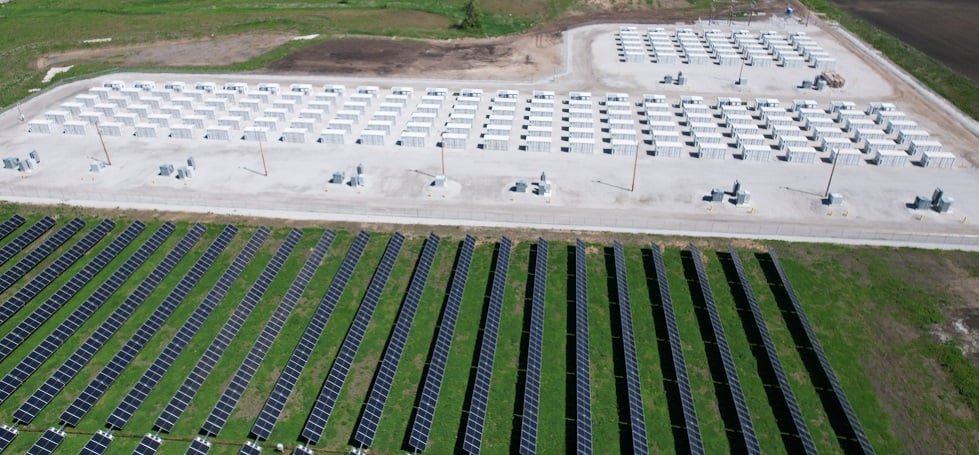
Wisconsin utilities bring online state's first large-scale BESS - Energy-Storage.News Skip to content
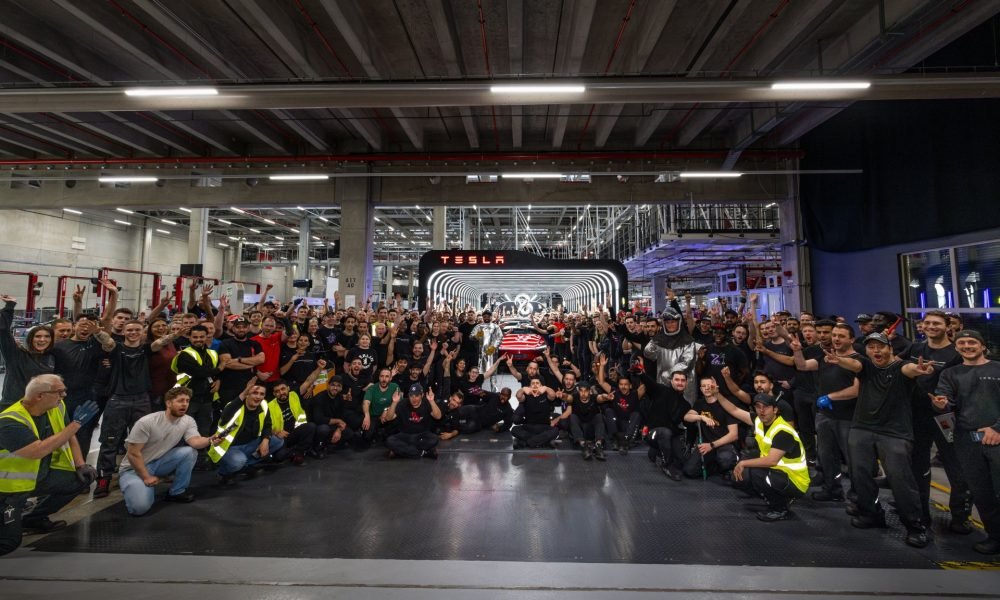
Tesla announces massive new achievement with 8 million cars produced
Goldman Sachs analysts cut Tesla’s price target to $285 from $295, maintaining a Neutral rating. The adjustment reflects weaker sales performance across key markets, with Tesla shares trading at $284.70, down nearly 18% in the past week. The analysts pointed to declining sales data in the United States, Europe, and China as the primary driver for the revised outlook. In the U.S., Tesla’s quarter-to-date deliveries through May fell mid-teens year-over-year, according to Wards and Motor Intelligence. In Europe, April registrations plummeted 50% year-over-year, with May showing a mid-20% decline, per industry data. Meanwhile, the China Passenger Car Association (CPCA) reported a 20% year-over-year drop in May, despite a 5.5% sequential increase from April. Consumer surveys from HundredX and Morning Consult also shaped Goldman Sachs’ lowered delivery and EPS forecasts. Goldman Sachs now projects Tesla’s second-quarter deliveries to range between 335,000 and 395,000 vehicles, with a base case of 365,000, down from a prior estimate of 410,000 and below the Visible Alpha Consensus of 417,000. Despite these headwinds, Tesla’s financials remain strong, with $95.7 billion in trailing twelve-month revenue and a $917 billion market capitalization. Regionally, Tesla’s challenges are stark. In Germany, the German road traffic agency KBA reported Tesla’s May sales dropped 36.2% year-over-year, despite a 44.9% surge in overall electric vehicle registrations. Tesla’s sales fell 29% last month in Spain, according to the ANFAC industry group. These declines highlight shifting consumer preferences amid growing competition. On a positive note, Tesla is making strategic moves. The Model 3 and Model Y are part of a Chinese government campaign to boost rural sales, potentially mitigating losses. Piper Sandler analysts reiterated an Overweight rating, emphasizing Tesla’s supply chain strategy. Alexander Potter stated, “Thanks to vertical integration, Tesla is the only car company that is trying to source batteries, at scale, without relying on China.” As Tesla navigates these delivery challenges, its focus on innovation and supply chain resilience could help it maintain its edge in the electric vehicle market despite short-term hurdles.
ROUNDUP: FlexGen, Energy Vault, Jupiter Power, Stem and rPlus
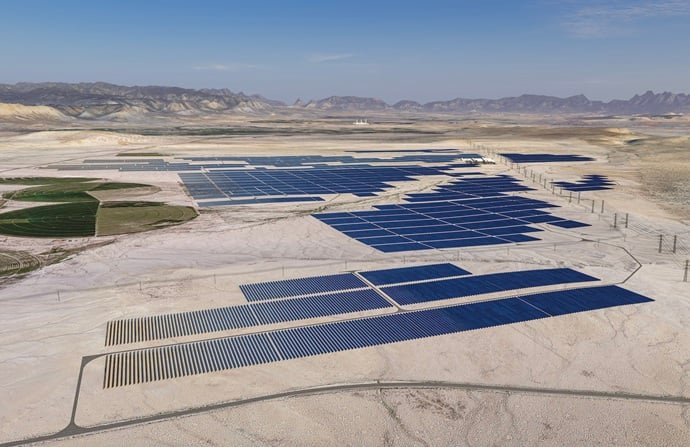
ROUNDUP: FlexGen, Energy Vault, Jupiter Power, Stem and rPlus - Energy-Storage.News Skip to content
Ferrari: CCSL renewed for the economic part for 2025 and 2026

Ferrari signs agreements for wage increase with multiple trade unions Ferrari today signed with the trade unions Fim-Cisl, Uilm-Uil, Fismic-Confsal, Uglm-Ugl and AQCFR the renewal of the economic part for the two-year period 2025-2026 of the Specific Collective Labour Agreement (CCSL), signed two years ago on 8 March and valid for the four-year period 2023-2026. This renewal provides for a 6.5% increase in the minimum tabular salary, broken down as follows: +3.7% in June 2025; +2% in January 2026; +0.8% in November 2026. There will also be two one-off payments in the amount of EUR 240 gross each, in June 2025 and April 2026. The 6.5% wage increase in the two-year period 2025-2026 is in addition to the previous increases of 6.5% and 4.5%, introduced in 2023 and 2024 respectively. The agreement reached confirms the excellent labour relations within the CCSL and provides a concrete response to Ferrari employees in Italy in defending their purchasing power. SOURCE: Ferrari Join our LinkedIn Group Let us help you understand the future of mobility "*" indicates required fields
Regions feeling the most pushback to ESG
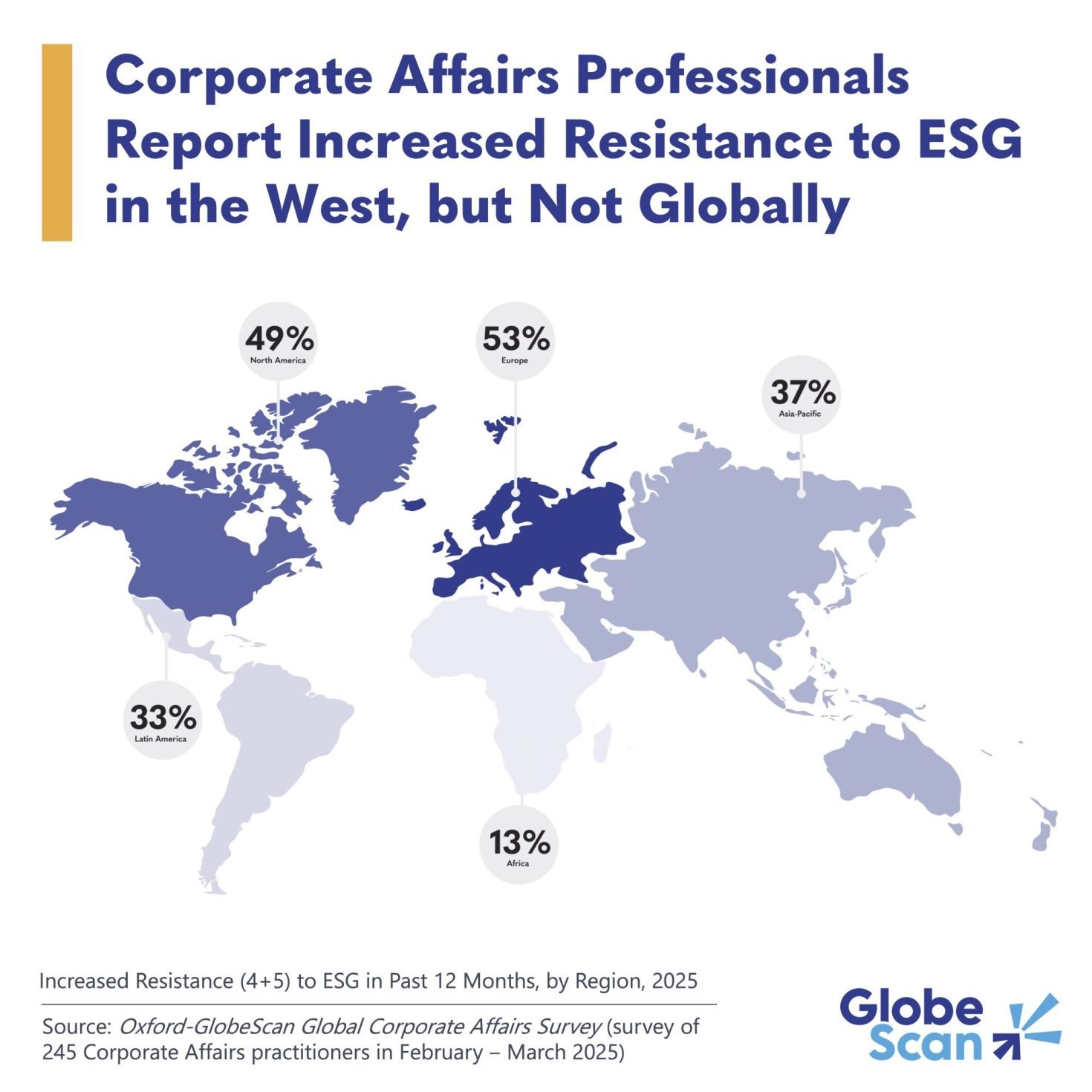
If you’re a corporate affairs professional who’s been feeling the ESG backlash, you’re not alone. New research from Trellis data partner GlobeScan and the University of Oxford found that in Europe and North America, corporate affairs professionals say pushback against ESG has become more pronounced, with approximately half of respondents reporting increased resistance against this agenda in the past 12 months. At the same time, corporate affairs professionals in other parts of the world are much less likely to report experiencing more resistance. This divergence underscores a critical point: although ESG is becoming more contested, growing resistance to it is far from universal. What this means Nowhere are the effects of rising political and economic pressures more visible than in the expansive domain of ESG. Often misrepresented as a vehicle for ideological agendas, ESG remains a vital lens through which companies interpret their operating environment and shape strategic behavior. For corporate affairs, ESG remains a central, yet increasingly complex arena. Regional disparities are widening, and political forces are reshaping both strategic priorities and narrative framing. In this shifting landscape, companies may need to adopt more nuanced, regionally attuned approaches to ESG in the years ahead. Based on the Oxford-GlobeScan Global Corporate Affairs Survey of 245 corporate affairs practitioners conducted February-March 2025.
ZWSOFT releases ZWCAD MFG 2026 for mechanical design
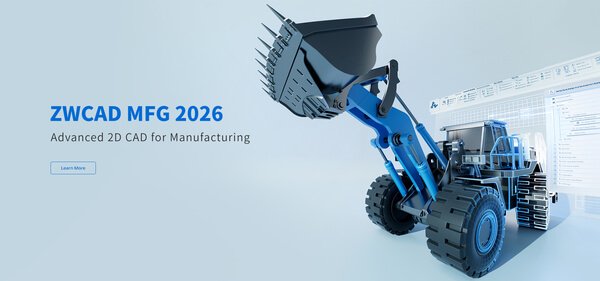
ZWCAD MFG 2026 adds new part libraries, automation, and compatibility for mechanical design. ZWSOFT has announced the release of ZWCAD MFG 2026, its mechanical CAD solution developed for engineers and manufacturers. The latest version includes tools aimed at improving design efficiency and data management, supporting users across various stages of mechanical product development. Why Choose ZWCAD MFG 2026? ZWCAD MFG 2026 introduces expanded part libraries, automated workflows, and improved compatibility to support mechanical and industrial design tasks. It is designed to work with both modern teams and existing legacy data, helping users transition to updated workflows with ease. What’s New in ZWCAD MFG 2026? Product Inplace Manager: smarter data, better collaboration Modern mechanical design projects require both accurate drawings and efficient data management. The new Product Inplace Manager includes a visual assembly tree that enables users to create, browse, and open part drawings from a single interface. Product Inplace Manage It allows users to update and manage BOM data without opening each individual drawing. Parent-child relationships are linked to help ensure updates are applied consistently across assemblies. The tool also supports batch operations such as printing, running scripts, and exporting files, helping reduce repetitive manual tasks in routine workflows. Screw Connection: 65% faster design for the most common assembly task Screw connections are foundational in mechanical design and often a major time sink. ZWCAD MFG 2026 introduces a wizard-based Screw Connection tool that boosts efficiency by over 65%. Engineers can now insert full assemblies—such as bolts, washers, and nuts—by selecting a nominal diameter. The system automatically matches sizes and determines bolt lengths based on hole depth. This update supports use cases such as pressure vessels, gear housings, and control panels, and allows users to create and reuse templates, switch view styles (such as section views), and make post-insertion edits. Hole Generator: parametric precision, effortlessly delivered The Hole Generator in ZWCAD MFG 2026 provides a straightforward and customizable way to place various types of holes, including straight, stepped, tapered, and center holes. It supports built-in international standards to streamline the process. Users can specify the hole type and diameter, and the system completes the remaining specifications. The tool includes support for local section views, automatic dimensioning, and two annotation modes (Leader and General) to help ensure clear and accurate drawings. Part Library Expansion: over 370 new parts, countless possibilities ZWCAD MFG 2026 adds over 370 new JIS and KS standard parts, including structural steel profiles, bearings, and fasteners. This update allows engineers to insert region-specific components directly into their designs, supporting local standards and reducing the need for manual part customization. The expanded library is intended to simplify workflows for projects requiring compliance with Japanese and Korean specifications. Part Library Expansion Multi-language support ZWCAD MFG 2026 adds support for Czech, Spanish, and Hungarian. It now supports a total of 11 languages: Simplified Chinese, Traditional Chinese, English, Japanese, German, Korean, Turkish, Polish, Czech, Spanish, and Hungarian. Broad AutoCAD Mechanical compatibility Broad AutoCAD Mechanical compatibility: From AM6 (2004) to 2024 ZWCAD MFG 2026 ensures seamless import and export of legacy drawings by supporting all AutoCAD Mechanical versions from AM6 (2004) to 2024. This minimizes file conversion issues, enabling engineers to protect existing investments and reuse years of design assets. For more information, visit zwsoft.com.
Tesla becomes desperate with Cybertruck, launches biggest discount yet
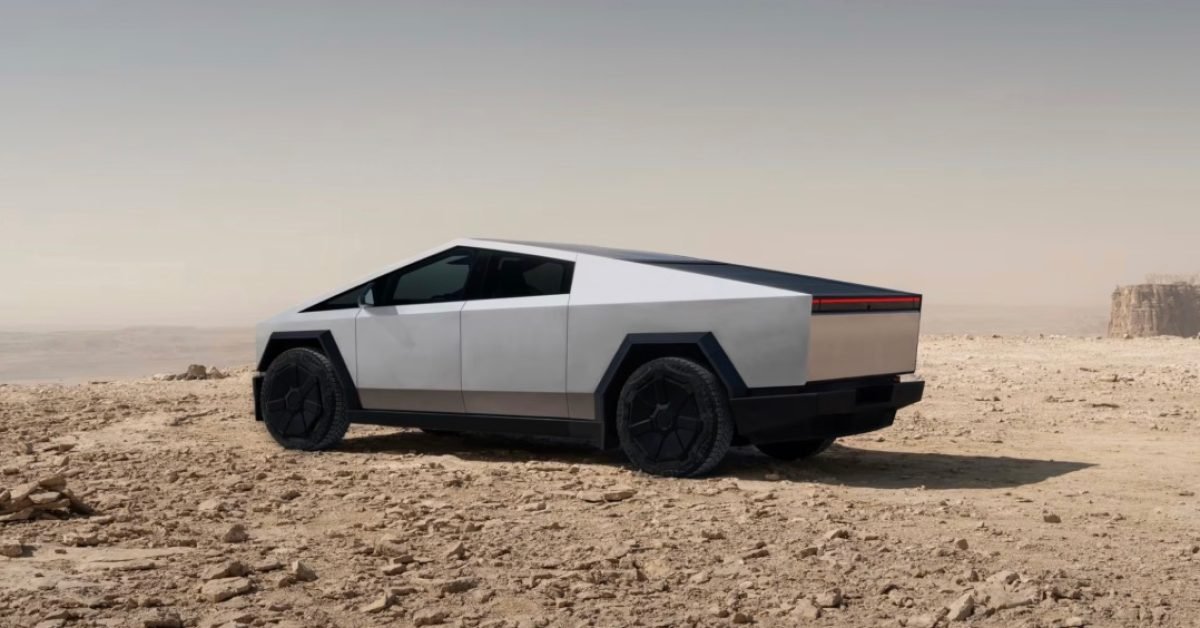
Tesla has announced that it now offers interest-free loans on the Cybertruck until the end of the month. The move is the equivalent of a roughly $10,000 discount and shows that Tesla has reached a new level of desperation in trying to sell the Cybertruck. Following the unveiling of the Cybertruck in 2019, Tesla reported having accumulated over 1 million reservations for the highly anticipated electric pickup truck. However, after launching the production version in 2023 at almost twice the price and with less range than previously announced, the vehicle program became a total flop. Tesla had planned for a production capacity of 250,000 vehicles per year at Gigafactory Texas, and CEO Elon Musk said that he could see the automaker doubling to half a million trucks per year. Advertisement - scroll for more content However, Tesla ended up having issues selling 40,000 Cybertrucks in its first year, and the delivery rate fell even further in 2025 with inventories piling up. To address the demand issues, Tesla began throttling down production earlier this year and offering deeper discounts on its new vehicles. Today, Tesla announced its biggest Cybertruck discount yet: 0% APR financing for those who order the truck with its $8,000 Full Self-Driving Package: As we recently reported, Tesla has virtually given up on delivering Autopilot on Cybertrucks – pushing many buyers toward its more expensive FSD package. Now, Tesla is doubling down on the strategy by subsidizing financing with FSD. The automaker has already been offering 0% financing in Model 3 and cheaper financing on Model Y, but it is going to be quite costly on the more expensive Cybertruck. At a cost of $88,000 (Cybertrcuk Dual Motor plus FSD), it should cost Tesla about $10,000 in loss revenue to subsidize the loans at the current rate. Inventory trackers indicate that Tesla’s Cybertruck inventory in the US exceeds 3,700 units, valued at over $300 million. The fact that Tesla is extending this offer only through June 30th points to the automaker trying to reduce its inventory by the end of the quarter. Electrek’s Take It looks like Tesla is delivering the Cybertruck at an annual rate of about 25,000 units in its second year of production – down from ~40,000 units in its first year. There’s no way to put it nicely: this is a commercial flop. It’s especially bad when you consider that Tesla prepared for a production of 250,000 units per year. Let’s see how successful a 0% APR promotion is. I’m sure it would have a positive impact, but I doubt it will help increase the annualized rate to more than 30,000 units. FTC: We use income earning auto affiliate links. More.
How distributed generation solar is meeting America’s energy demands
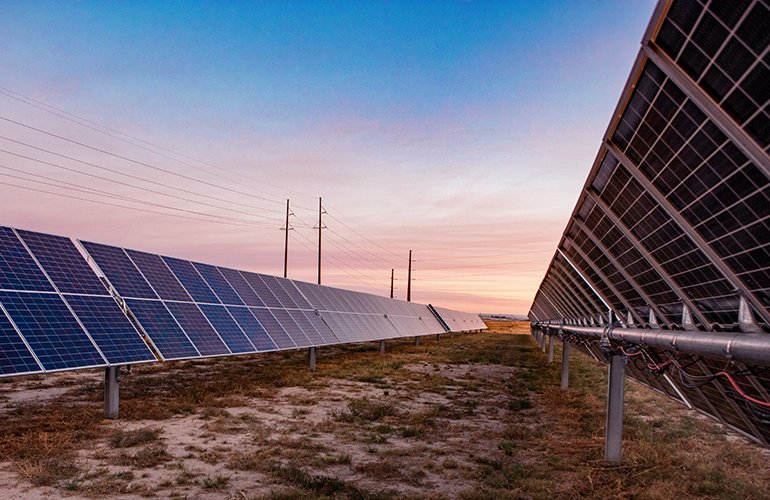
Demand for electricity is rising — and quickly. From data centers dedicated to artificial intelligence and cryptocurrency, to the electrification of domestic manufacturing and transportation, power needs are predicted to rise to new all-time highs. The National Electrical Manufacturers Association reported in a recent study that U.S. electricity demand is projected to grow 50% by 2050, driven by data centers and electrification. Credit: Ampacity So, how will our nation meet this demand, affordably and quickly? The answer is not straightforward, and to date, our track record has not been stellar. According to the Solar Energy Industries Association, electricity supply has not kept up with demand over the past decade. Electricity prices increased 20% from 2020 to 2023, due to a lack of supply and needed upgrades to America’s transmission and distribution network. As we navigate a shifting global trade environment, strained supply chains, and the lingering threat of inflation, all eyes are on deployment, both of new generation and the grid infrastructure needed to support it. All-of-the-above energy? The realities of spiking electricity demand has policymakers and investors alike speaking in terms of an “all-of-the-above” energy strategy. Grid operators like PJM have created fast-track interconnection pathways to shore up supply, capacity auctions are sending crystal-clear market signals and longstanding plans to decommission power plants are being reconsidered. But while all electrons may serve the same function, different types and sizes of generators face very different timelines. For instance, units 3 and 4 of the Vogtle nuclear plant in Georgia took 15 years to build. Lead times for gas turbines from leading OEMs can stretch more than five years. Coal plants are rarely economical to run, and there are none that are currently in development in the United States. Solar and energy storage are lower cost and twice as fast to deploy compared with competing types of generation, but large solar and storage projects still linger for years in choked interconnection queues and permitting processes. How can we make more progress towards adding generation capacity that will meet the moment? Distributed generation solar should be part of the solution Renewables are undoubtedly one of the most rapidly scalable and cost-competitive ways to deliver power. These technologies are quicker to deploy than nuclear or natural gas, and their supply chains are far more robust. Distributed generation (DG) or “middle market” solar assets, in particular, are a stand-out solution. DG projects have a less significant impact on overloaded electrical grids, they spend less time in interconnection queues, providing states with a viable and affordable option for meeting rising energy demands. Solar projects that interconnect with utility infrastructure at lower voltages, such as at most community solar plants, can also help avoid costly upgrades to substations and transmission lines. Beyond meeting power needs, DG solar projects create jobs in construction, installation, operations and maintenance, and of course, reduce pollution, unlike carbon-emitting generation sources. This strengthens local communities and ensures a healthier environment for generations to come. The promise of community solar In a few states, community solar farms already provide low-cost clean power and optionality for retail electricity customers at scale. Community solar policy has enabled gigawatts of solar capacity year over year, with a substantial 35% surge in growth in 2024, led by New York, Maine and Illinois. In light of spiking electricity demand and a crisis of affordability across the country, more states are in the process of introducing community solar as an option for their ratepayers. A recent analysis by the Coalition for Community Solar Access (CCSA) highlights the benefits that community solar provides beyond the inherent megawatt hours of clean power. CCSA reports that community solar could unlock more than $120 billion in economic activity nationwide. Each gigawatt of community solar can support more than 18,000 local jobs and generate $2.8 billion in state economic activity, according to CCSA’s findings. Speed and efficiency are key Building renewables projects, albeit much faster than other generation sources, is nevertheless quite an undertaking. Navigating real estate and land leases, overcoming permitting hurdles and managing supply chain issues can all impact how quickly projects are placed into service. That’s why bringing speed, precision, and quality to small-scale and middle-market solar development is so critical. Although the core components — such as modules, inverters and trackers — attract the most attention, every aspect of renewable energy project construction can be optimized. For instance, consider the sheer amount of labor it takes to construct even a mid-sized community solar farm. Solutions that simplify fieldwork, streamline construction processes and can be repeated across full portfolios of small-scale solar projects are critical for accelerating capacity additions. As demand for power continues to rise, driven by the expansion of data centers and advanced manufacturing facilities, the need for efficient, scalable energy solutions has never been greater. By making small solar projects repeatable and efficient to execute at scale, we can add capacity faster and smarter, meeting growing demand without letting go of our climate goals. Bri Bruce is the Senior Director of Marketing for Ampacity (formerly RPCS). She joined the company in 2017, and since that time, has led the company’s internal and external marketing functions, shaping the company’s overall strategy while overseeing content creation, digital initiatives, social media, and public relations.
Charged EVs | Continental’s new sensor measures heat in EV motors, reduces need for rare earths
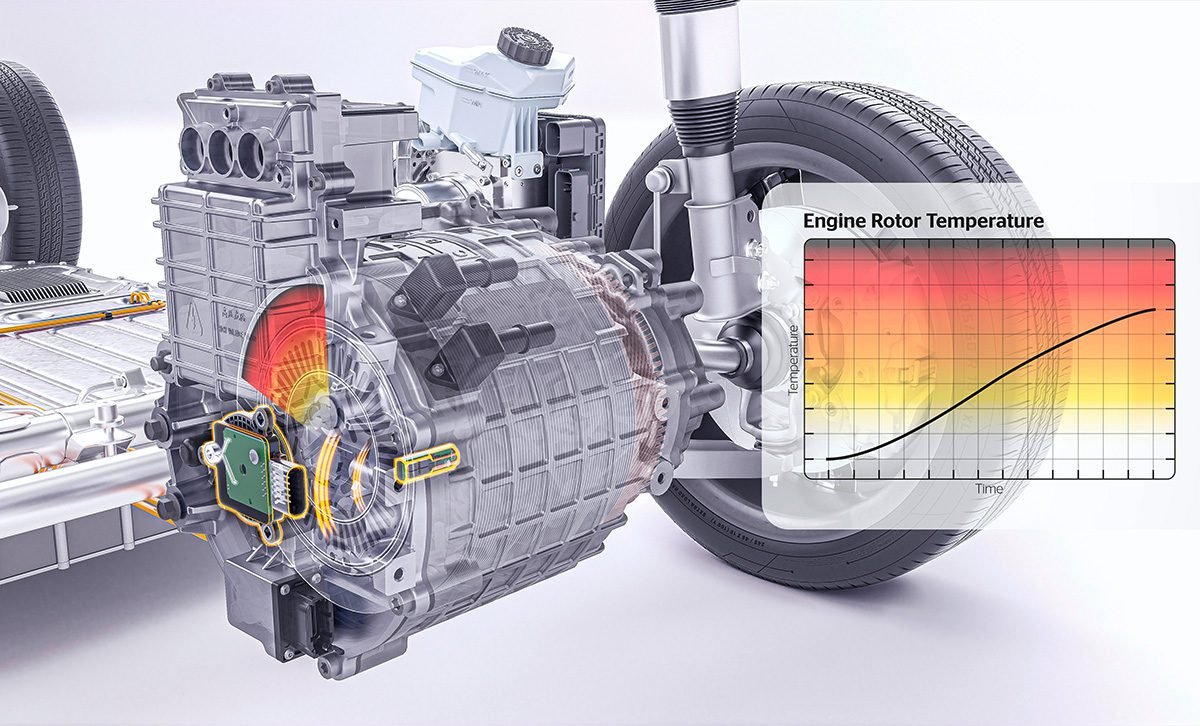
Continental has developed a new sensor technology that measures the temperature inside permanently excited synchronous motors in EVs directly on the rotor. The company says its e-Motor Rotor Temperature Sensor (eRTS) delivers significantly more precise measurement results than the current software-based temperature simulation. This should enable vehicle manufacturers to reduce the amount of rare earth elements used to increase the magnets’ heat resistance. eRTS contains two separate components: a wireless mote temperature sensor unit located close to the magnet in the EV motor; and a wired transducer element located outside the EV motor. It is connected to the inverter control. Rotors operate under extreme conditions—sometimes at temperatures of up to 150° C—so monitoring and controlling temperature development in EV motors is crucial. Currently, heat development is not measured directly, but calculated based on information from the stator temperature sensor, phase current measurements and environmental variables. This measurement method has with a tolerance range of up to 15° C. To protect the magnet from demagnetization due to excessive temperature, expensive rare earth elements are used to cover the entire tolerance range and ensure the magnet is heat-resistant. The new eRTS sensor technology allows the tolerance range to be reduced to 3° C. This means that car manufacturers could substantially reduce their usage of costly rare earth materials—or alternatively, improve motor performance by pushing the limits of the tolerance range. “Our E-Mobility Sensors product center aims to increase efficiency and sustainability in electric vehicles,” says Christoph Busch, head of Continental’s Product Center. “The eRTS technology is a good example of this: reducing the use of rare earths contributes to a more sustainable supply chain. In combination with other sensor technologies, such as the e-Motor Rotor Position Sensor, it can even act as a system solution to create synergies that can save car manufacturers money and effort.” Source: Continental
A BYD Dolphin Was Driven 140,000 Miles. Here's How It Held Up
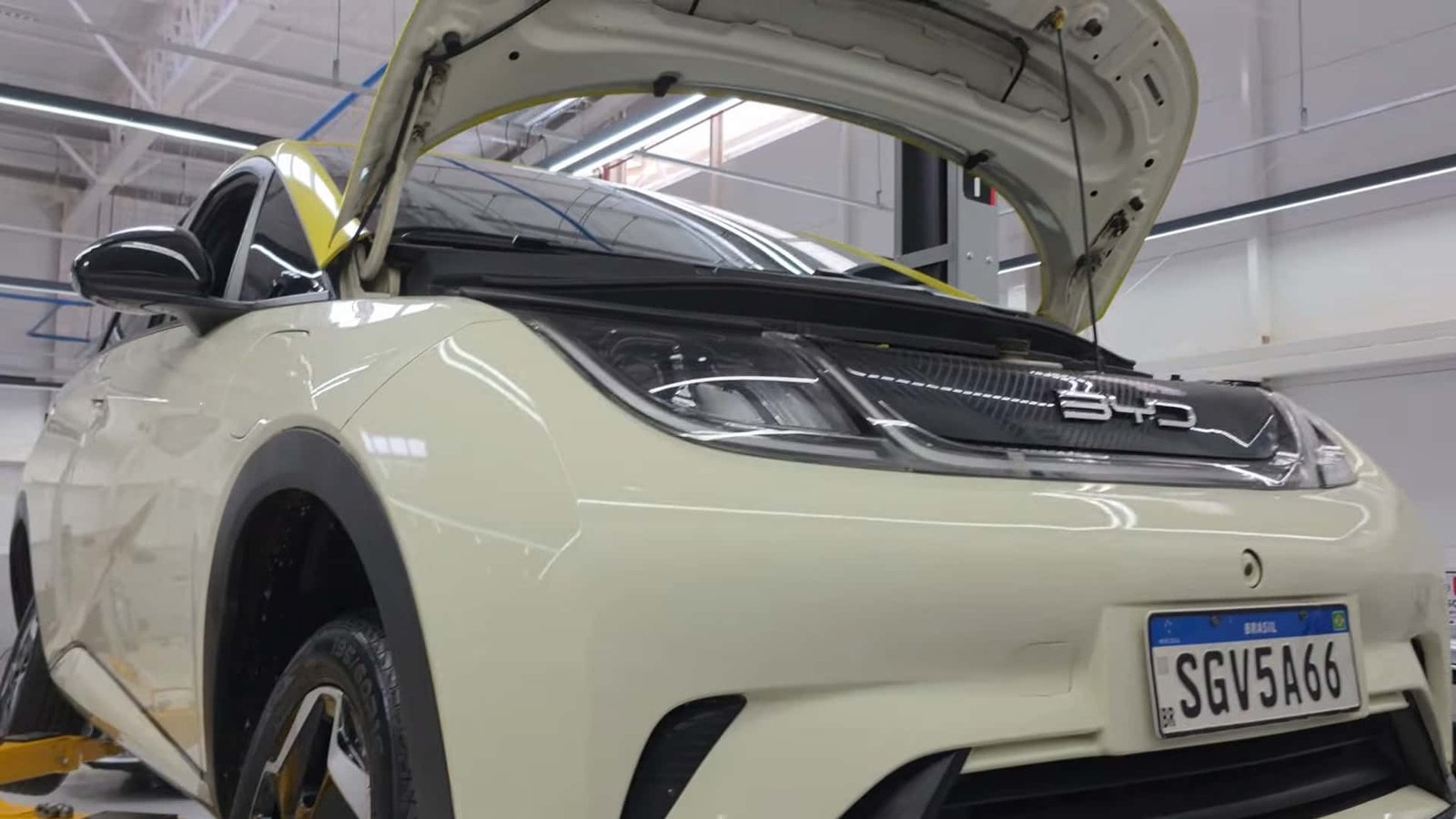
The Brazil-spec BYD Dolphin uses a 94 horsepower motor, fed by a 45 kWh battery. It is rated for 251 miles of range (405 km) in Brazil. This car was used as a rideshare vehicle, primarily. It has had routine maintenance, including its electric motor's coolant and oil changed at the 200,000 km (124,000 miles) mark. One of the biggest question marks with Chinese vehicles is “How long will they last?” And I have to admit that we don’t really know. As a whole, Chinese brands are generally all new and have come a long way in a very short amount of time. The rightful perception of old, unreliable and poorly-made Chinese knockoff clones from the late aughties may not hold up against the modern and sleek EVs of China’s new era. Still, this is all so new that we won’t know just how well these things will wear until more are on the roads—nor is such data readily available to Western sources. But owner accounts can give us a good idea. Chinese cars have made inroads into Latin America for quite a while now. Brazil, in particular, has had BYD’s electric cars and hybrids for a little over two years, starting with the Dolphin and Dolphin Mini (Seagull). One guy, known on YouTube as “Gilson,” has good experience with BYD’s cars. He’s got several videos about higher-mile BYD products, one of which is a Dolphin that is cruising north of 135,000 miles (220,000 km). From what we can see, the Dolphin has held up well. A few days ago, he posted a walkaround of a 220,000 kilometer (135,000 mile) BYD Dolphin, which has amassed this amount of miles in the two years it's been on the road. Like all the other Brazil-spec BYD Dolphins, this car has the same 95 horsepower electric motor turning the front wheels, fed by a 45 kWh battery. BYD says this car is good for 251 miles (405 km) on a single charge, according to NEDC standards. In the two years the car has been in service, the presenter says that there’s not much that’s gone wrong with the car. It still has its original brake pads and rotors, even. “No, it’s still in order. I have nothing to complain about,” said Mr. Elio, a rideshare driver contracted out through Gilson’s company. The driver even said that the car still consistently shows its maximum 405 km (251 miles) range. Gilson also partially credits the car’s longevity to staying up on routine maintenance. In 220,000 the car has had its coolant and electric motor differential fluids replaced. During its 200,000 km (124,000 miles) video, they also swapped the brake fluid, since it is recommended to do a complete flush every other year. The only real wear on the car would be its interior. After more than 100,000 miles worth of passengers, the faux leather (vinyl) could use a deep clean to remove the body oils and soil that have accumulated on the car. It’s still generally clean and tidy, though. This isn't his only high-mileage BYD video, either. He also posted a similar video of a 100,000 km (62,000 miles) BYD Seagull (called Dolphin Mini in Brazil). Like the Dolphin, this car is also in good shape, although it did have an issue with an underbody aero shield. The Dolphin Mini’s low ground clearance wasn’t a match for Brazil’s roads, and thus, some terrain tore it off, and it needed to be repaired. Otherwise, the only real thing its owner has done is change the cabin air filter. Gilson thinks the high-mileage Dolphin will last well beyond 300,000 km (186,000 miles). These low prices are attractive, but there’s always going to be a lingering question: “Do you get what you pay for?” And at least initially, it seems like BYD’s cars are in fact walking the walk, pairing low prices with quality that lasts. Contact the author: Kevin.Williams@InsideEVs.com
पानी के रिसाव पर रोक – इंपेक्स इंजीनियर्स ने बनाया विशेष वेन्ट प्लग
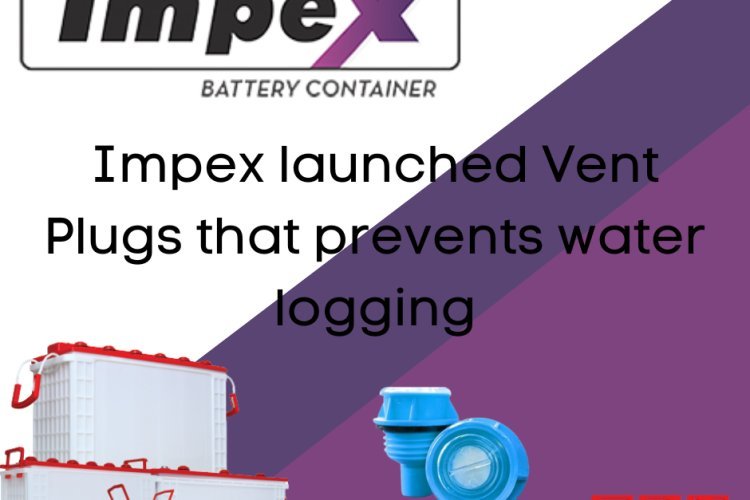
बैटरी के वेन्ट प्लग से ऐसिड या पानी का बाहर रिसाव एक गंभीर समस्या है जिस कारण बैटरी के सेलों में ऐसिड ग्रैविटी अलग-अलग हो जाती है। परिणाम होता है की हर एक सेल की वोल्टेज अलग-अलग हो जाती है और बैटरी अपनी क्षमता के अनुरूप करंट नहीं दे पाती। केवल इतना ही नहीं बल्कि बैटरी लाने – ले जाने में बैटरी की पैकिंग भी खराब हो जाती है और रखे-रखे बैटरी की सतह भी गीली हो जाती है जिस से बैटरी सेल्फ-डिस्चार्ज भी होती रहती है। नियमित रिसाव के कारण बैटरी में पानी को भी नियमित रूप से चेक करना पड़ता है। कुल मिला कर हम कहें तो बैटरी के वेन्ट होल से ऐसिड या पानी का रिसाव गंभीर समस्या है, जो बैटरी की लाइफ को भी प्रभावित करता है और बैटरी के परिवहन को भी। इंपेक्स ने इस समस्या का निदान निकाला है, उनकी शोध की टीम ने ऐसा वेन्ट प्लग बनाया है जिसमे पानी या ऐसिड बाहर ही नहीं निकलता है। चाहे बैटरी उलटी ही क्यों न हो जाए। इस विशेष डिजाइन के वेन्ट प्लग में सेरामिक या पी पी की प्लेट का भी उपयोग नहीं हुआ है। इस विशेष डिजाइन के कारण बैटरी में कभी पानी की कमी नहीं होती और न कवर खराब होते। दिल्ली की बैटरी कन्टेनर निर्माता इंपेक्स इंजीनियर्स के श्री मोहित ने बताया की वेन्ट प्लग के इस डिजाइन के कारण बैटरी की क्षमता और लाइफ बढ़ेगी। उन्होंने बताया की लगातार ऐसी समस्या आने के कारण उन्होंने एक शोध टीम इसकी निवारण के लिए लगाई और खुशी की बात है की उन्होंने एक अचूक समाधान उन्होंने दिया। For any information Contact Anil Kumar 9310085411
Leapmotor begins pre-sales of updated C16 SUV, starting at $23,640
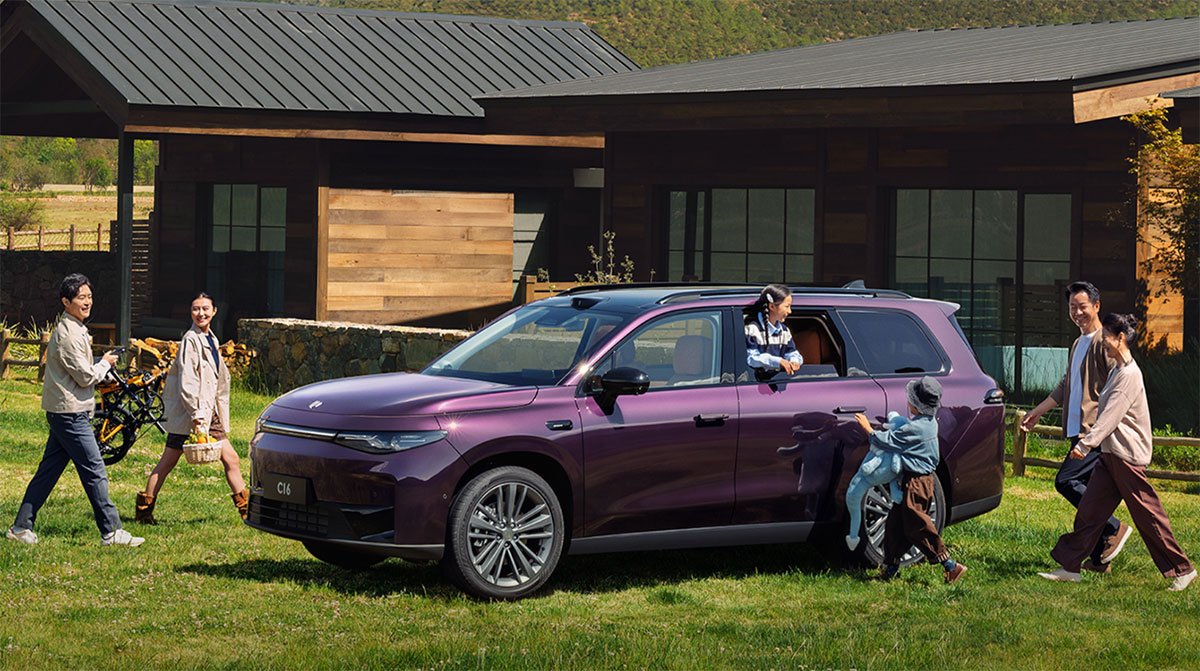
Leapmotor has added five-seat options to the C16 SUV, which previously only had six-seat versions. The updated C16 is built on an 800-volt high-voltage architecture, with the BEV variant offering a range of 630 km. (Image credit: Leapmotor) Leapmotor (HKG: 9863) has commenced pre-sales for the updated C16 SUV (sport utility vehicle) and is an offering additional seating layout option to cater to a broader customer base. The company began pre-sales for the 2026 C16 today, with a starting price of RMB 169,800 ($23,640). Leapmotor has added five-seat versions to the updated C16, which previously only offered six-seat versions. The new C16 continues to offer extended-range electric vehicle (EREV) and battery electric vehicle (BEV) variants, with a total of six trims. The pre-sale prices for the three EREV variants are RMB 169,800, RMB 179,800, and RMB 179,800. The starting price represents an increase of RMB 14,000, or 8.95 percent, compared to the starting price of RMB 155,800 for the older C16 EREV. It is worth noting that pre-selling at a higher price and then offering a lower price at official launch is a common strategy in China's electric vehicle (EV) sector. The pre-sales prices for the three BEV variants of the updated C16 are RMB 179,800, RMB 189,800, and RMB 189,800, respectively. This represents an increase of RMB 18,000, or 11.12 percent, compared to the starting price of RMB 161,800 for the older C16 BEV. The 2026 C16 is built on an 800-volt high-voltage architecture, with BEV variants offering a range of 630 kilometers and EREV variants featuring a battery range of 280 kilometers. The vehicle has added an 8.1-liter onboard refrigerator. The dimensions of the older C16 are 4,915 mm in length, 1,905 mm in width, and 1,770 mm in height, with a wheelbase of 2,825 mm. The C16 was initially launched on June 28, 2024. In January this year, Leapmotor added two new BEV variants to the model to cater to potential customers seeking longer range. Leapmotor delivered 45,067 vehicles in May, representing a year-on-year increase of 148.10 percent and a month-on-month increase of 9.82 percent, according to data released on June 1. It delivered 173,658 vehicles from January to May, marking a year-on-year increase of 160.83 percent. Sales figures for the C16 in May are unavailable, and the model sold 5,185 units in April, according to data compiled by CnEVPost. ($1 = RMB 7.1823) Leapmotor reported a net loss of RMB 130 million for the first quarter, a year-on-year decrease of 87.17 percent.
SpaceX Dragon to carry Axiom's Ax-4 crew for ISS research
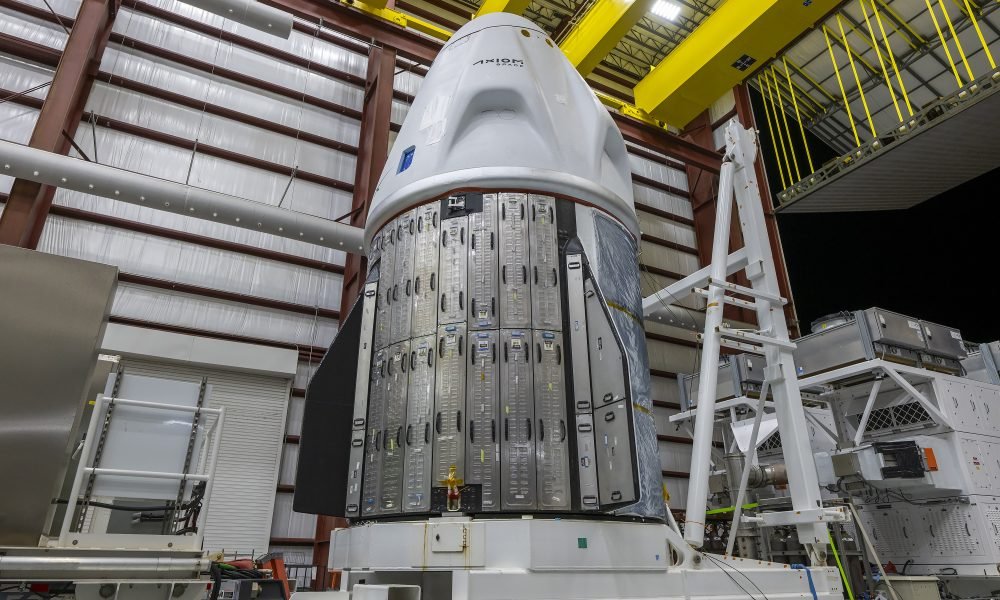
Axiom Space’s Ax-4 mission, launched on a SpaceX Dragon spacecraft, will carry a historic international crew to the International Space Station (ISS) next Tuesday, June 10, from NASA’s Kennedy Space Center in Florida. SpaceX’s Dragon capsule was recently photographed preparing for the Ax-4 launch. The Dragon will dock at the ISS on June 11 at approximately 12:30 p.m. ET for a 14-day mission focused on groundbreaking microgravity research. The Ax-4 crew will be led by Commander Peggy Whitson from the United States. It includes Pilot Shubhanshu Shukla from India and mission specialists Sławosz Uznański-Wiśniewski from Poland and the European Space Agency and Tibor Kapu from Hungary. This mission marks a historic return to human spaceflight for India, Poland, and Hungary as each nation sends its first government-sponsored astronauts in over 40 years. “With a culturally diverse crew, we are not only advancing scientific knowledge but also fostering international collaboration. Our previous missions set the stage, and with Ax-4, we ascend even higher, bringing more nations to low-Earth orbit and expanding humanity’s reach among the stars,” Whitson noted. The Ax-4 mission’s research portfolio will be Axiom’s most extensive. It includes 60 scientific studies from 31 countries, including the U.S., India, Poland, Hungary, Saudi Arabia, Brazil, Nigeria, the UAE, and Europe. These studies will advance knowledge in human research, Earth observation, life, and biological and material sciences. Key investigations include supporting astronauts with insulin-dependent diabetes, examining microgravity’s impact on the brain, and studying cancer growth, particularly triple-negative breast cancer. Additional research will explore blood stem cells, joint health, blood flow, and astronaut readiness using wearable devices, iPhone software, and AWS Snowcone analytics. Axiom Space’s partnerships with research organizations and academic institutions aim to deepen understanding of spaceflight’s effects on the human body, with potential applications for Earth-based healthcare. The Ax-4 mission underscores Axiom’s role in redefining access to low-Earth orbit, fostering global collaboration, and advancing microgravity research. As SpaceX’s Dragon enables this historic mission, it reinforces the company’s pivotal role in commercial spaceflight and scientific discovery.
Enlight adds PV, BESS to Spain's largest wind farm
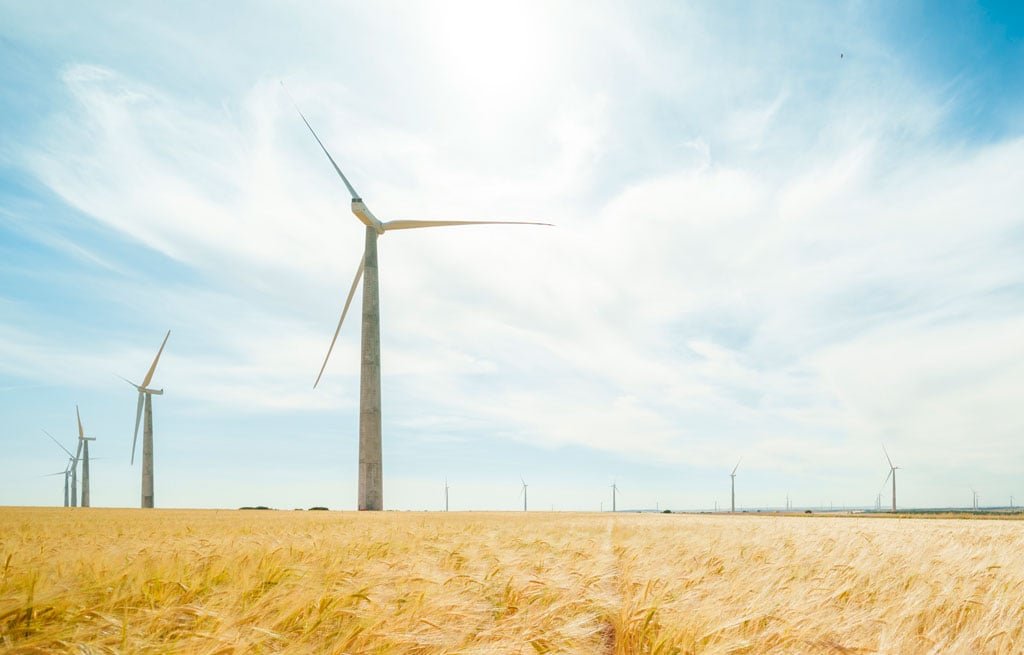
Enlight adds PV, BESS to Spain's largest wind farm - Energy-Storage.News Skip to content
Entrix to optimise MEAG's 231MWh fully-merchant Germany BESS
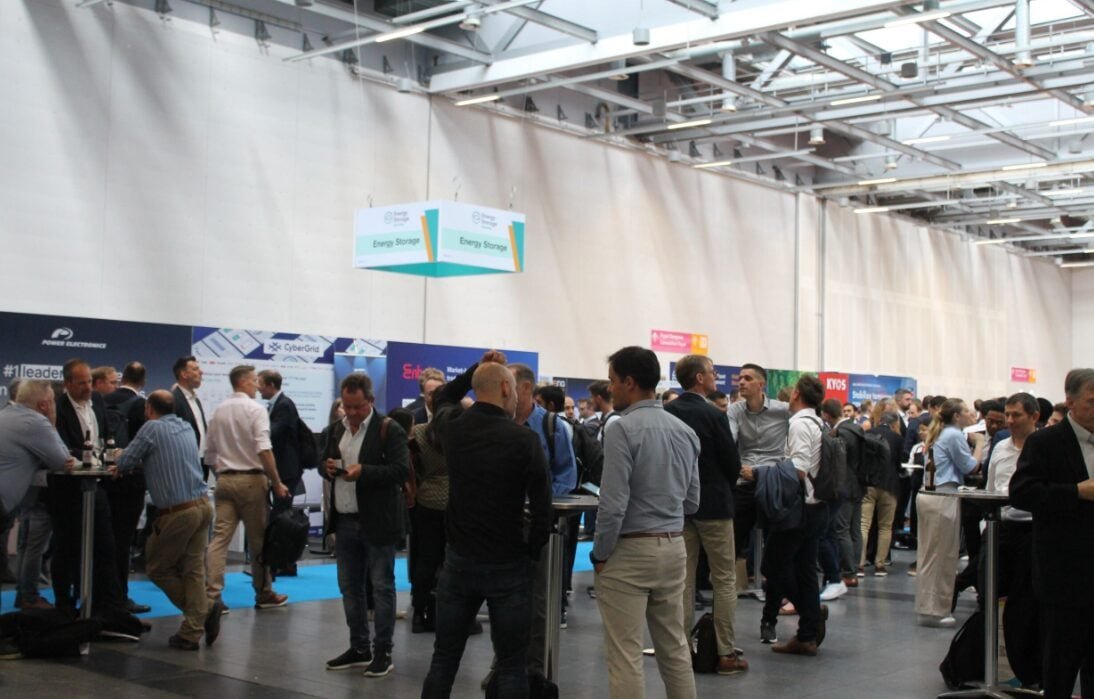
Entrix to optimise MEAG's 231MWh fully-merchant Germany BESS - Energy-Storage.News Skip to content