The reality TV contestant running the DOT just raised your fuel costs by $23B
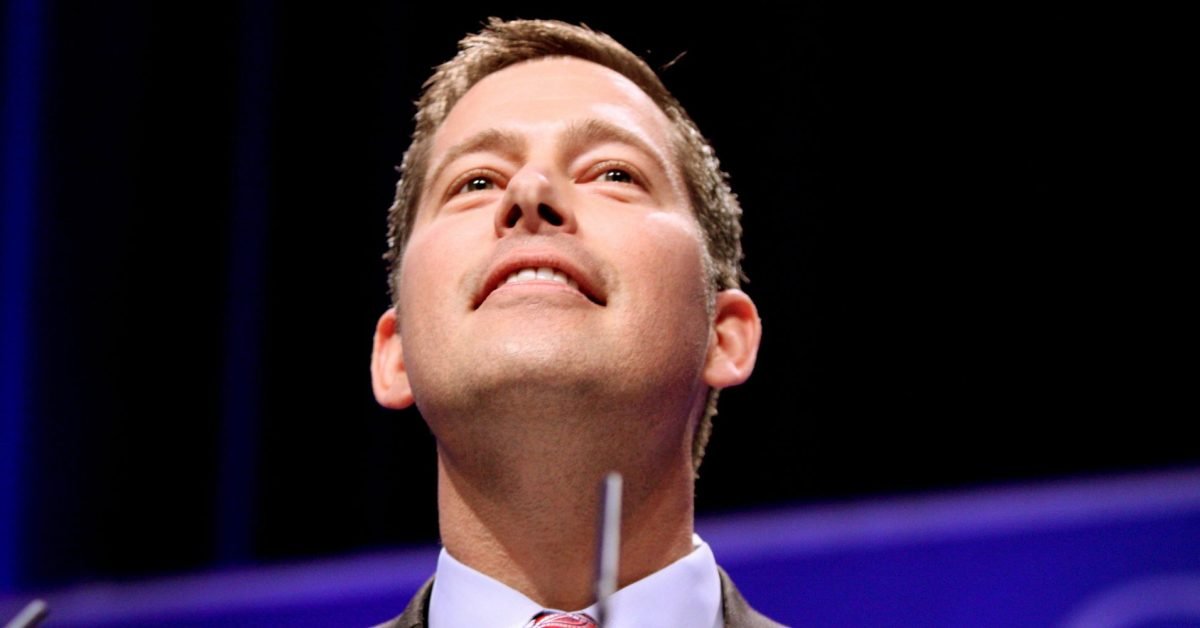
Former reality TV contestant Sean Duffy. Photo by Gage Skidmore America voted for inflation, and it got it today, as republicans running the Department of Transportation bowed to their oil donors and finalized a rule to make your cars less efficient, thus costing America an extra $23 billion in fuel costs. Sean Duffy, who was appointed as Secretary of Transportation on the back of the transportation “expertise” he showed as a contestant on Road Rules: All Stars, a reality TV travel game show, announced the rule on his first day in office. His original memo promised a review of all existing fuel economy standards, which require manufacturers to make more efficient vehicles which save you money on fuel. Specifically, the rule finalized today targets the Corporate Average Fuel Economy standard (CAFE), which was just improved last year by President Biden’s DOT, saving American drivers $23 billion in fuel costs by meaning they need to buy less fuel overall. The savings from the Biden rule could have been higher, but were softened from the original proposal due to automaker lobbying. Advertisement - scroll for more content Sierra Club’s Transportation for All director, Katherine Garcia, responded to the new Duffy rule’s finalization with a statement: “The Trump administration’s deregulatory, pro-polluter transportation agenda will only increase costs for Americans. Making our vehicles less fuel efficient hurts families by forcing them to pay more at the pump. This action puts the well-being of our communities at risk in every way imaginable. It will lead to fewer clean vehicle options for consumers, squeeze our wallets, endanger our health, and increase climate pollution. The Sierra Club will continue to push back against this administration’s dangerous clean transportation rollbacks.” The rule had been filed on May 16, and review was completed yesterday. Oddly enough, the rule was filed as “not economically significant,” a categorization for government rules that won’t affect the US economy by more than $100 million – which is less than the $23 billion that the DOT’s own analysis says the new rule will cost Americans. Both we at Electrek and the Sierra Club had a meeting with the government to point out this inconsistency, but both of our meetings were scheduled for today and were cancelled late last night. There seems to have been no public comment period regarding this change in regulations. DOT isn’t done raising your fuel costs, it wants to do more Duffy’s original DOT memo says he wants to target all similar standards, rather than just the improvements made last year – so in fact, our headline likely underestimates how much higher Duffy wants to make your fuel costs. A recent analysis by Consumer Reports shows that fuel economy standards are enormously popular with Americans, and that maintaining the current standards could result in lifetime savings of $6,000 per vehicle, compared to current costs, by 2029. And that fuel economy standards implemented since 2001 have already saved $9,000 per vehicle. Now, imagine the net effect of removing all of those standards, which Duffy has directed the DOT to examine doing. As we’ve already seen to be the case often with Trump’s allies, the DOT memo lied about its intentions. Just like EPA head Lee Zeldin, who said he wants to make the air cleaner by making it dirtier, Duffy, says he wants to make fuel costs lower by making them higher. The memo attempts to argue that your car will be cheaper if it has lower fuel economy, even though it wont, because buying more fuel will mean you spend more on fuel, not less. Unequivocally, over here in the real world, dirtier air is actually dirtier, and higher fuel costs are actually higher. The result of this increased fuel usage also inevitably means more reliance on foreign sources of energy. The more oil America uses, the more it will have to import from elsewhere. Other countries looking to exercise power over the US could certainly choose to raise prices as they recognize that the US has just become more reliant on them. And, as we know from the most basic understanding of economics, adding more demand means prices will go up, not down. Reducing demand for a product in fact forces prices down, and EVs are already displacing oil demand which depresses oil prices. Meanwhile, Biden’s higher fuel economy standards would mean that automakers need to provide a higher mix of EVs, which inherently get all of their energy to run not just domestically, but regionally as well. Most electricity generation happens regionally or locally based on what resources are available in your area, so when you charge a car, you’re typically supporting jobs at your local power plant, rather than in some overseas oil country. But these are just attempts to follow-through on the dirty air, inflation causing promises that the republicans made during the campaign. Mr. Trump signaled he intended to raise your fuel costs (and costs of everything else) during the 2024 US Presidential campaign, when he asked oil executives for $1 billion in bribes in return for killing off more efficient vehicles. Since he made his way back into the White House (despite that there exists a clear legal remedy stopping insurrectionists from holding office in the US), republicans have tried to follow through on this promise and more – not only trying to make your cars more expensive, but also threatening US energy dominance, sending US jobs to China and illegally attacking clean air laws. However, whiplash changes in regulatory regimes like this are typically seen as bad for business. Above all, businesses desire regulatory certainty so they can plan products into the future, and there are few businesses with longer planning timelines than automakers. This is why automakers want the EPA to retain Biden’s emissions rules, because they’re already planning new models for the EV transition. They went through this once before, in the chaos of 2017-2021, where they originally asked for rollbacks but then realized their mistake, and now still complain about the broken regulatory regime caused by the last time a former reality TV host squatted in the
Gas pipeline company commissions 130-MW Texas solar project

Gas pipeline company Enbridge marked the completion of the 130-MW Orange Grove Solar project, its first solar facility in the Lone Star State, with a ribbon cutting ceremony. Telecom giant AT&T has signed a long-term virtual power purchase agreement for the output of the project. The array is composed of 300,000 solar panels that sit on 920 acres. Orange Grove Solar project in Jim Wells County, Texas. “We are pleased to be able to deliver additional zero emission electricity into the grid in support of local and Texas state-wide economic growth and energy demand,” said Matthew Akman, executive VP of corporate strategy and president of Enbridge’s power business. “Enbridge is proud to operate a wide range of critical energy infrastructure across the Gulf Coast area including liquids pipelines and export facilities, natural gas pipelines and storage, as well as wind and now solar power.” In addition to Orange Grove, Enbridge has a second, solar facility under construction southeast of Abilene, in Callahan County, Texas, that is more than six times the size of this facility. The 815-MW Sequoia Solar project is set to become one of North America’s largest solar installations. These facilities are being built in order to meet the growing demand for power in the ERCOT market. “Orange Grove Solar wouldn’t be possible without the support of the people who helped make it a reality,” said Maja Nisbet, manager of power projects, Enbridge. “At Enbridge, while we’re proud to see the project reach this incredible milestone and begin delivering power to the Texas grid, this celebration event is really about the community behind it. From Orange Grove residents and nearby landowners to our dedicated project team — and the local, state, and federal officials who supported us every step of the way—this was a shared effort. Thank you for being such strong partners.” News item from Orange Grove Solar
Charged EVs | Download the guide to renting EV test and measurement equipment

EV system engineers rely heavily on test equipment as much as on their own expertise, which is why equipment reliability and quality are essential. Rigorous procedures must be followed from equipment selection to calibration, maintenance, and final delivery, ensuring both performance and reliability. To learn more about the advantages of renting test and measurement equipment from a company that is A2LA ISO 17025 and ISO 9001 accredited—ensuring the highest standards in the industry—download this guide.
This Incredible Tesla Cybertruck Deal Comes With A Big Catch

Tesla is offering 0% APR financing on the Cybertruck. The move comes amid slipping global sales and is the first big end-of-quarter incentive for the model. Sales of the Tesla Cybertruck continue to be weaker than expected when compared to the number of total reservations. It's almost the end of a quarter, so you know what that means: it's fire sale season at Tesla. Right now, the automaker is putting Cybertrucks on a fire sale—but rather than give them a big discount, the automaker is instead subsidizing interest. That means you can finance Tesla's stainless steel doorstop at 0% APR, so long as you take delivery by the end of the month and also buy a significantly expensive add-on. Photo by: Tesla Here's the gotcha: in order to qualify for Tesla's 0% financing offer, you also need to equip the Cybertruck with Full Self-Driving. FSD isn't free. It's an $8,000 upgrade add-on which, admittedly, is cheaper than interest over the life of a 60-month auto note. At 5.54% (the rate Tesla quotes on its site), the subsidized interest offsets the total cost of the loan between $11,475 and $15,891, depending on the trim level financed. It's also important to point out that if you want any form of lane keeping in your Cybertruck, you'll need to purchase FSD. It turns out that Tesla officially removed the Autosteer lane-keeping functionality from its base Autopilot suite last month and made it a part of FSD instead. Early versions of the owner's manual promised both Traficc-Aware Cruise Control and Autosteer as part of its base Autopilot suite; however, sometime in October 2024, it quietly changed the Cybertruck's manual and removed references to Autosteer. Basically, if you want your Cybertruck to have Autosteer, you'll have to fork over another $8,000 anyway. You might be wondering why Tesla is trying to sell off Cybertrucks like it's peddling a mattress as part of a summer holiday sale. It turns out that these hunks of metal aren't selling as well as a vehicle with nearly two million supposed pre-orders should. And that five-year backlog Tesla expected? Well, that's not so much of an issue for buyers anymore. As Electrek points out, Tesla currently has an estimated 3,700 unsold units—about $300 million—sitting in parking lots. Perhaps that's why Tesla reportedly shut down Cybertruck production at Giga Texas for a week. This move could convince some fence-sitters to finally bite. For others, it's just another nail in the cybercoffin that even CEO Elon Musk himself once admitted could "flop." Tesla still needs to overcome other issues that could be pulling buyers away. For instance, the failure to deliver the range or price of the Cybertruck that it originally promised. There's also the problem of brand damage caused by Musk's political meddling, which, ironically, has finally blown up (and very publicly at that).
Future of Electric vehicle in India in 2023
Fossil fuels like Gas, Oil, Coal, and Minerals are nonrenewable resources that are extracted from the earth. To meet the demand of India’s population, Fossile fuels are burned daily on a huge scale resulting in emitting enormous amounts of carbon dioxide, a greenhouse gas released into the atmosphere. Greenhouse gases trap heat in the atmosphere which is causing global warming. The ill causes of growing global warming in India automatically generate demand for an alternate solution which is electric vehicles. Electric vehicles are run by electric power that is battery intacted within the vehicle. How far Electric Vehicles has penetrated the Indian Market? In 2022 EVs sales have given much-needed validation on how all EVs have made their strong place in the Indian market. EVs are not only selling themselves due to their properties but the Indian government has been playing a great job backing up EV production and demand expansion. Apart from the overarching role played by the central and state governments as policymakers. India is at an inflection point as far as electric penetration is concerned for all types of Electric vehicles. 3.5L units of EVs were registered up through September 1st, 2022 where Uttar Pradesh tops EV registrations in the country, followed by Karnataka and Tamil Nadu.E-rickshaw/e-kart category (top speed less than 25 km/h) dominates the market where 45% of three-wheeler sales increase has been seen in the market. Sales of all EVs are anticipated to increase by 68% CAGR through 2027. The e2Ws and electric auto categories which are three and four-wheeler EVs will be responsible for the increased sales (including e-rickshaws). A fixed duty cycle and the initiatives by small businesses such as local groceries shops and large businesses such as Dominos to adopt electric vehicles for last-mile deliveries will ground steep sales of two and three-wheeler electric vehicles. Electric buses are gaining traction due to the need for more fuel-efficient and refined buses that make less pollution. At present electric buses are seen on the roads of Delhi, Lucknow, Kerala, Manali, Dehradun, and Hyderabad as public transport and state road transportation services.Another reason being, tha prominent e-commerce companies Amazon and Flipkart are aiming for a 100% electric fleet by 2030 in the Indian Market. According to the graph that says by 2027 India will be having 9.1 million EVs on the roads followed by 2.2 million in 2023, 3.9 Million in 2024, 5.6 Million in 2025, and 7.5 Million in 2026. It depicts a positive and enormous market outspread in a few years in Indian Electric Vehicle Industry. Apart from electric vehicles, we believe that there will be significant opportunities to invest across the value chain including component manufacturers, battery and battery management systems, and mobility services. - Padmanabh Sinha, ED & CIO, Growth Equity, National Investment, and Infrastructure Fund (NIIF) Ev expansion will bring a number of opportunities for businesses to invest in. There are many safe and easy ways to put your hands in the EV sector for profitable business opportunities.Here you read about Business Opportunities in the Electric Vehicle Sector.
Nio recruiting distributor partner for Macau market
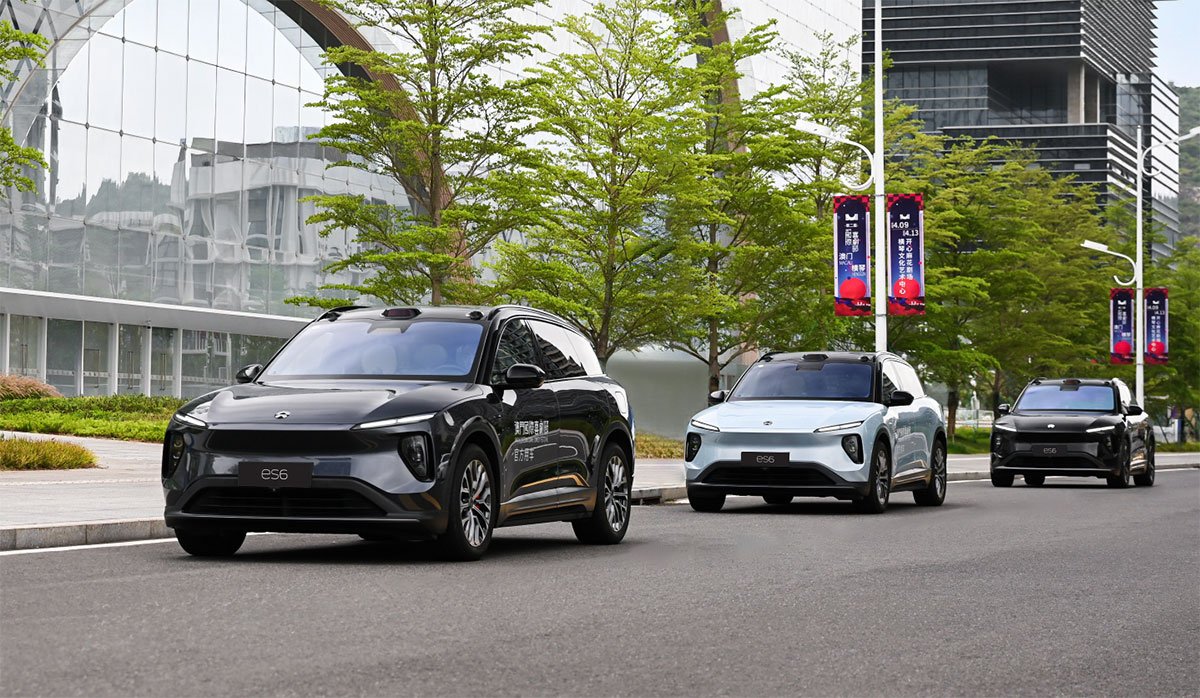
Nio is currently recruiting distributor partners for the Macau market, describing this as a strategic upgrade in the city. Earlier this month, Nio announced plans to enter seven new European markets in collaboration with local distributor partners. (Image credit: Nio) Nio (NYSE: NIO) is recruiting distributor partner for the Macau market, marking a shift in its operational strategy in the city. The electric vehicle (EV) maker described this move as a strategic upgrade in Macau, aimed at optimizing the local user service experience, according to an announcement published yesterday on the Nio App. "After carefully assessing the characteristics of the Macau market, we will select a strategic distributor with comprehensive service capabilities to fully manage Nio's market operations, user service network development, and brand ecosystem growth in Macau," said the general manager of Nio's Guangzhou regional company in the announcement. The process is being advanced based on Nio's global cooperation standards, with the final partner to be announced in mid-to-late June, according to the announcement. Macau is a special administrative region of China, where vehicles on the roads are predominantly right-hand drive models, unlike the left-hand drive models in the Chinese mainland. Notably, Macau permits the sale and purchase of left-hand drive models within the city, adopting a more friendly policy toward such vehicles compared to Hong Kong. Nio has not officially announced its entry into the Macau market, but the city already has hundreds of owners, given its proximity to mainland cities like Guangzhou and Shenzhen. The EV maker currently has two battery swap stations in Macau, with the first launched in November 2021 and the second in October 2023. For overseas markets, Nio's previous strategy was to conduct direct sales and services. However, following unsatisfactory results from its European trials over the past few years, it is now adjusting its strategy. Earlier this month, Nio announced plans to enter seven new European markets, collaborating with local distributor partners to launch services for Nio and Firefly brands. In 2025 and 2026, Nio will launch its cars in Austria, Belgium, the Czech Republic, Hungary, Luxembourg, Poland, and Romania.
Subaru's downturn steepens in Q4
A shifting business environment, including developing US tariff policy, makes Subaru’s outlook uncertain. By Jonathan Storey Always one for going its own way, Subaru largely managed to avoid the downturns in profitability that affected so many of its larger peers for a long time. A lack of significant exposure to China or to electric vehicles (EVs) enabled the company to report year-on-year (YoY) operating margin growth for the nine consecutive quarters up to and including fiscal Q2-2024/25. Subscribe to Automotive World to continue reading Sign up now and gain unlimited access to our news, analysis, data, and research Subscribe Already a member? Join our LinkedIn Group Let us help you understand the future of mobility "*" indicates required fields
Shein earns SBTi validation but gets an 'F' in fossil fuels

Few of the nearly 8,000 companies with validated science-based net zero targets make headlines for reaching that milestone. But for Shein, which has come to symbolize the excesses of cheap, trend-driven fashion, the news drew widespread criticism from sustainability experts. “If Shein were sincere, perhaps we wouldn’t see emissions grow quite so astronomically recently,” said Maxine Bédat, director of the New Standard Institute, a New York City think tank. Still, when the Science-Based Targets initiative (SBTi) validated its 2050 climate targets May 23, Shein was among the minority of major fashion brands that made the list. Is it possible that what might be the world’s most-polluting clothing brand is turning a corner? Not according to the San Francisco watchdog group Stand.earth, which on June 3 gave the company an “F” on its annual Fossil-Free Fashion Scorecard. “If Shein were a country, it would be the 100th-biggest emitter in the world,” the report said, generating almost as much pollution as Lebanon, “having increased Scope 3 emissions by over 170 percent in just two years.” Shein flunked in a variety of categories, including commitments and transparency, renewable energy transition, advocacy and clean shipping. Its highest mark was a D-minus for materials and circularity. Although that report was compiled before Shein’s SBTi validation, its core complaints remain largely unaddressed by the company. Skepticism over the clothier’s net zero quest led Ken Pucker, an industry veteran and teacher at Dartmouth and Tufts, to question on LinkedIn whether sustainability commitments themselves are credible. “I am dubious,” he said. Among the reasons for his skepticism: In 2023, Shein’s emissions rose by 45 percent from a year earlier, according to the company’s 2023 sustainability and social impact report. Even with a small emissions jump, the company would have to shave roughly one-third of its Scope 3 emissions in the next half decade to satisfy its new targets, Pucker noted. Since its launch in 2008 in Nanjing, Shein has not yet produced a sustained drop in emissions. By relying on high-carbon air freight, Shein beats its peers in terms of its shipping impacts. Credit: Stand.earth Shein’s growth The brand has rocketed to popularity with an on-demand, direct-to-consumer business model that flew some 900,000 packages a day to individuals in the U.S. last year. “If you’re looking from a production side, there are many things that Shein does that, in fact, the sustainability sector has been peddling as a great idea for a very long time,” said Veronica Bates Kassalty, a fashion consultant and former World Bank economist in London. For example, brands have been trying to figure out how to sustain and profit from making limited, small runs of fashions rather than overproducing. “The only people who managed to crack it: Shein,” she said. “And that’s what enabled them to catapult themselves into the stratosphere, because they’re constantly producing something new all the time, and it’s no great risk to them.” The United States’ de minimis exemption has enabled the company to jet goods to the country, duty-free, in packages worth $800 or less. Until the White House closed that loophole May 2, the policy had helped Shein snowball among fashion influencers flaunting cheap and trendy wardrobe hauls. That, and the Trump administration’s seesawing tariffs on imports, have slowed Shein’s roll. The company boosted spending per customer by 35 percent but lost 30 percent of customers from April to mid-May, compared with the same period last year, according to Bain & Company. Amid this challenging environment, Shein’s target for an initial public offering moved again recently from London to Hong Kong. It had originally set its sights on New York. What’s the plan? Shein’s net zero targets appear to be standard, either at or slightly above the SBTi baseline. Roadget Business of Singapore, Shein’s parent company, seeks to reduce absolute emissions across Scopes 1, 2 and 3 by 90 percent by 2050. Its goals for 2030 include a 42 percent reduction in Scope 1 and 2 emissions and a 30 percent drop in Scope 3. (Scope 3, including the indirect supply chain and transportation emissions, comprised 99 percent of the company’s emissions in 2023.) Yet it’s important to note that when the SBTi legitimizes any corporate net zero targets, it’s only a first step; there’s no enforcement for what happens next, according to Bédat, author of “Unraveled: The Life and Death of a Garment.” “There is a real misunderstanding of what an approved target means, and this ends up being used as greenwashing,” she said. “The target approval is not an approval of the quality of the plan for reduction, it simply means that the target is in line with the requirements.” But sharing a credible climate transition plan would help, according to Bédat. “Elements of credibility include: how are they incentivizing suppliers, how [many] resources are they putting [toward] incentivizing suppliers, how much are they spending on lobbying for or against policies that align with their targets and how their growth targets align with their transition plan.” For now, however, Shein’s plan does not reflect that. And that, said Bédat, “indicates a weak plan.” The limitations of standards The raised eyebrows over the ultra-fast apparel company’s true intentions come as the SBTi itself is attracting criticism for proposed flexibility to Scope 3 requirements. The body’s validation for Shein comes under SBTi’s current standards, released in March 2024. With the next version under public consultation, Shein will have to update its targets by 2030 to satisfy the new requirements. The SBTi has also recognized the need for a specific standard for apparel companies to address the unique challenges of the increasingly polluting sector, which by some counts makes up 10 percent of global greenhouse gas emissions. Shein’s 2023 sustainability report illustrates its intentions to ramp up circular economy efforts. Credit: Shein The Greenhouse Gas Protocol, which influences the SBTi, was set up within the contemporary context of linear, “take, make, waste” economies, according to Miranda Schnitger, climate lead for the Ellen MacArthur Foundation. Therefore, these and other
EON Reality introduces EON-XR 11.1

Latest release introduces skill simulator, spatial IQ, career compass, and hyper-realistic CC4 avatars. EON Reality has released EON-XR 11.1, the latest version of its AI-assisted virtual and augmented reality platform for education and industry. The update includes new features and improvements aimed at supporting skill development, real-time collaboration, and personalized learning for students, educators, and professionals. What’s new in EON-XR: immersive, personalized, and skill-based learning Skill Simulators Experience a new level of practical training with four cognitive modes designed to develop real-world competence: Procedure Mode: Master structured, step-by-step procedures with guided practice and feedback—ideal for any field requiring precision, safety, and compliance. Decision Mode: Make critical choices under real-world pressure, applying ethical and data-driven logic. Creative Mode: Tackle real-world challenges using innovation and constraint-based problem solving. Exploratory Mode: Spark scientific curiosity and pattern recognition through open discovery. Multi-Avatar Soft Skills Practice soft skills in group settings with up to four configurable AI avatars, each representing different perspectives and roles. Simulate scenarios like leadership, conflict resolution, sales meetings, and performance reviews, then replay sessions for review and improvement. EON Spatial IQ Convert any environment into a training space by scanning real equipment and displaying guided, avatar-based SOPs in real time. Easily switch between simulated practice and actual tasks, with analytics to track skill development and compliance. EON Career Compass Explore your career options using assessments in creativity, emotional intelligence, and critical thinking. Receive job market–aligned recommendations, track your progress with badges, and easily convert your personalized career path into an EON-XR lesson with one click. Brainy Avatars EON Reality introduces Brainy Avatars, AI-powered avatars designed for immersive XR learning. These avatars act as personal tutors, career coaches, and interactive guides, enhancing engagement with educational content. The avatars—Eleonora, Shawn, and Silas—are designed to support coaching, self-reflection, and learning for younger audiences. Hyper-Realistic CC4 Avatars Introducing high-fidelity, emotionally expressive avatars with realistic body and facial movements for leading-edge simulations, storytelling, and presentations. For more information, please visit eonreality.com.
Podcast: Tesla in Musk/Trump divorce, EV sales in EU, Hyundai's new electric minivan, and more
In the Electrek Podcast, we discuss the most popular news in the world of sustainable transport and energy. In this week’s episode, we discuss Tesla being in the crosshairs of the Musk/Trump divorce, EV sales in Europe, a new Hyundai electric minivan, and more. The show is live every Friday at 4 p.m. ET on Electrek’s YouTube channel. As a reminder, we’ll have an accompanying post, like this one, on the site with an embedded link to the live stream. Head to the YouTube channel to get your questions and comments in. After the show ends at around 5 p.m. ET, the video will be archived on YouTube and the audio on all your favorite podcast apps: Advertisement - scroll for more content We now have a Patreon if you want to help us avoid more ads and invest more in our content. We have some awesome gifts for our Patreons and more coming. Here are a few of the articles that we will discuss during the podcast: Here’s the live stream for today’s episode starting at 4:00 p.m. ET (or the video after 5 p.m. ET: FTC: We use income earning auto affiliate links. More.
Republican senator pens op-ed seeking more measured approach to IRA changes
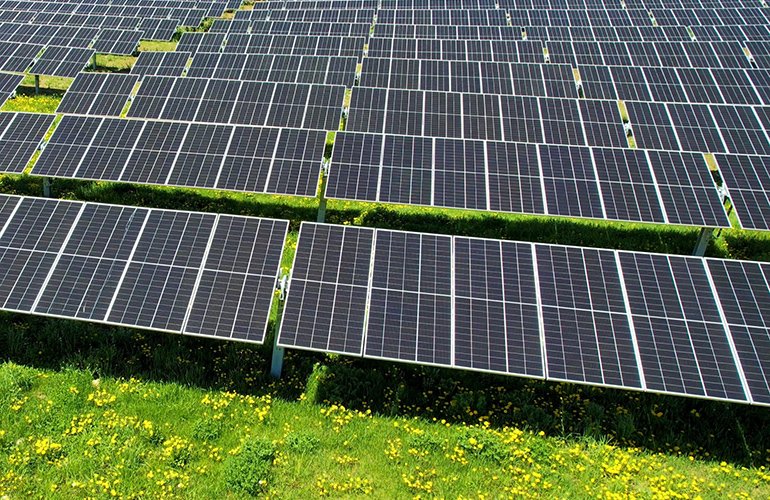
Credit: Alliant Energy As the Senate takes up the House reconciliation bill this week, the solar industry is searching for any clues that the major proposed cuts to the Inflation Reduction Act (IRA) could be tempered in the final version. On June 4, Utah Sen. John Curtis wrote an op-ed in the Deseret News seeking a “scalpel vs. sledgehammer” approach to reconciliation — especially when it comes to IRA incentives. Sen. Curtis says even though he agrees some elements of the IRA should be cut, others support strategic energy assets and a robust domestic economy. “To meet President Trump’s goals, we must bring every energy source to the table as part of the solution. If we prematurely cut any one of them off — or do so without a reasonable, responsible offramp — we don’t just risk falling short of our energy targets; we put our economy and national security in jeopardy,” Sen. Curtis writes. A state-by-state analysis by SEIA found the current version of the budget bill could trigger the closure or cancellation of 331 factories and erase $286 billion in local investment in American communities. SEIA is organizing a Save Main Street Solar Day of Action for residential solar installers in Washington, D.C., on Tuesday, June 17.
Charged EVs | Barnet Council rolls out 1,000 on-street EV charge points in partnership with char.gy
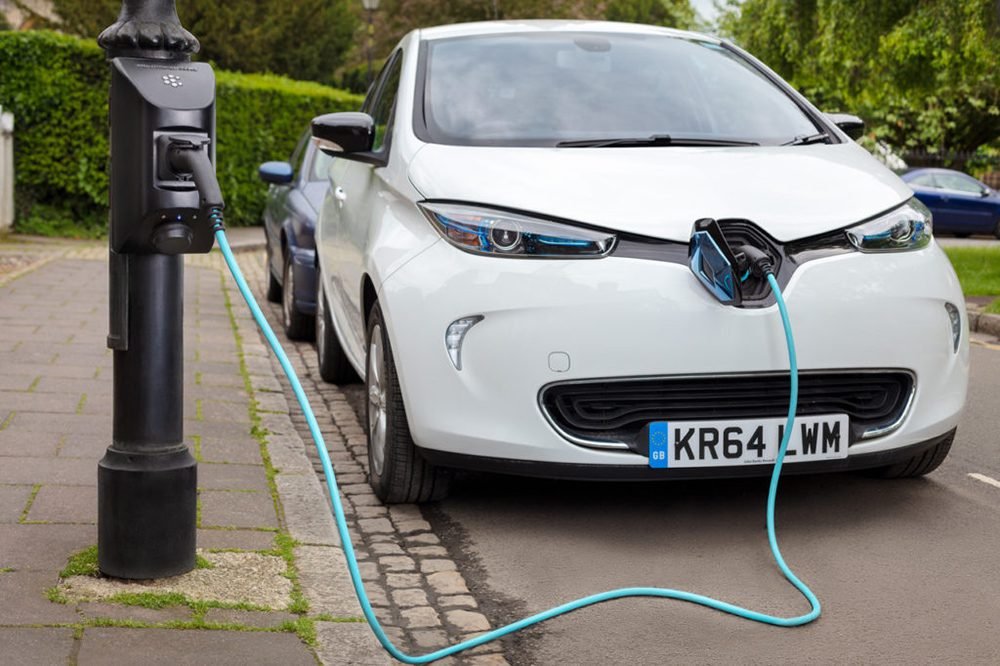
The Council for the London Borough of Barnet has partnered with local charging provider char.gy to install up to 1,000 new on-street public chargers. The first 500 will be installed over the next three months, and the remaining 500 will be installed within three years, bringing the total number of EV charge points in Barnet to 2,500. London has become a laboratory for curbside charging, which is the best solution for EV drivers who rely on on-street parking. char.gy, which integrates chargers into existing lampposts, is one of several curbside charging specialists steadily rolling out chargers in London. The company currently operates nearly 4,000 public charge points across the UK. Barnet is an area of quickly growing EV adoption. The installations will target streets and neighborhoods where demand is rising. According to char.gy, each installation is typically completed in under two hours. Each unit charges at up to 5 kW and will be powered by renewable energy. Residents will be able to use char.gy’s low-rate Night Tariff to benefit from lower off-peak electricity rates. The council secured almost £800,000 of grant funding through the Office for Zero Emissions Vehicles’ On Street Residential Chargepoint Scheme (ORCS) to cover 60% of the cost. The remainder will be covered by char.gy, so these improvements come at no cost to the council. “Barnet is showing real leadership with this rollout, making it easier for people to make the switch to electric by ensuring that charging is available right outside their homes,” said John Lewis, CEO at char.gy. “We’re excited to be delivering one of our largest borough-wide installations yet.” Source: char.gy
This Genius Doubled His Nissan Leaf’s Range With A Home-Swapped Battery
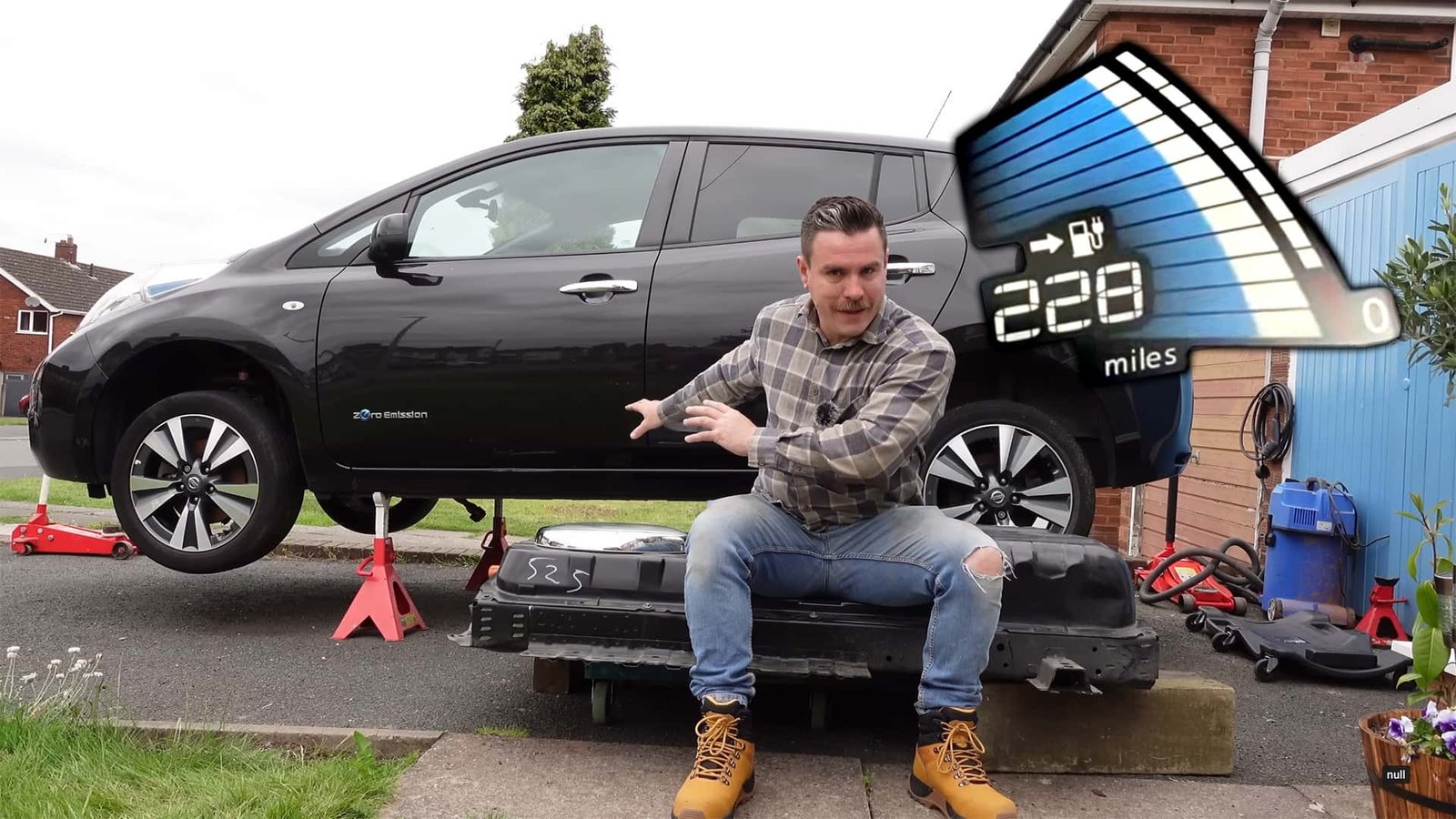
The battery from the second-gen Nissan Leaf fits almost perfectly in the first-gen model. With double the capacity, the old Leaf EV can go over 200 miles on a full charge. The retrofit can be done at home by any home mechanic. The first-generation Nissan Leaf was the first proper electric car that appealed to the masses. It had a decent driving range for urban dwellers, and it was simple to maintain and run. That said, the first examples are now 15 years old, and because the Leaf’s battery pack isn’t liquid-cooled, degradation is a huge issue. To make matters worse, the original Leaf’s biggest battery capacity was just 30 kilowatt-hours, so there wasn’t much of a buffer in there to begin with. But there’s now a solution to make the otherwise perfectly decent first-gen Leaf a modern long-range EV, thanks to a bigger battery from the second-gen model. The best thing about the retrofit is that it can actually be done at home, on the driveway. At least, that’s what the YouTuber known as Battery Man did. No four-post lift, no fancy tools. Just a set of hydraulic jacks, a good set of jack stands, and a basic set of tools. What’s more, the home mechanic managed to finish the whole job in just–get this–three hours. Granted, that doesn’t include some welding and painting, but even with those taken into account, it’s still mighty impressive. So, what do you need if you want to double the range of your old Leaf? First, a 62 kWh battery from a second-generation model. Despite it being from basically a different car, it fits nicely under the old Leaf. A set of metal brackets needs to be fabricated–but it’s as easy as cutting and drilling some holes into some steel square tube–and two other brackets need to be extended with help from a welder. A new pyro fuse, new rear springs, some bolts, an OBD reader, and a CAN bridge are also needed. The latter is a $10 piece that’s used to fool the car’s electronic brain into thinking that the new battery is actually the old one. There’s some software coding involved for the CAN bridge, but there’s plenty of documentation for that, and it’s really easier than it seems. Anyone out there with a little bit of mechanical knowledge and some self-preservation skills could do the same swap with great results. When it was new, the first-gen Nissan Leaf with the 30 kWh battery had an EPA range of 107 miles. With the 62 kWh battery from the second-generation model, this old Leaf showed a whopping 228 miles on the dash after a full charge. That’s an amazing achievement, especially considering the costs involved. A used Leaf can be had for around $4,000, while a 62 kWh pack from the second-generation model goes for anywhere between $5,000 and $10,000. If you’re lucky, though, you could source a good battery from a wrecked car for even less. This, then, is probably the future of the home mechanic. For decades, enthusiasts have swapped engines and transmissions on their driveways–now, it’s time for EV batteries to get some attention.
कैमल बैटरी को भारत में जेड-पावर उपलब्ध कराएगी
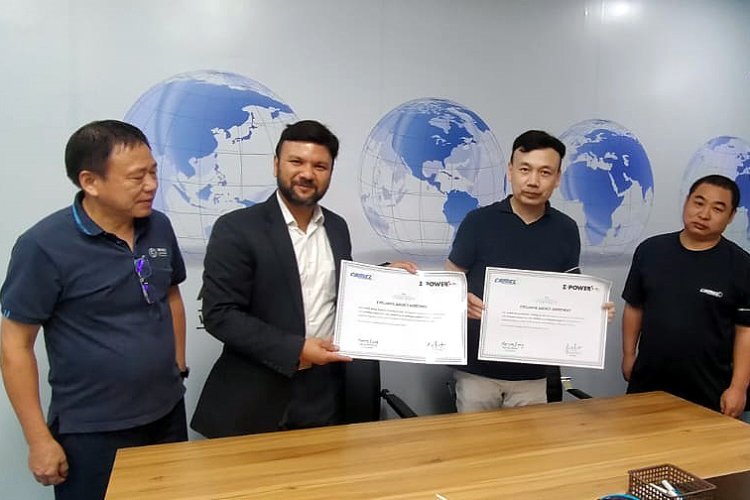
कैमल, मलेशिया के व्यापार प्रमुख मिस्टर हार्वे जियांग व ZPower के श्री सचिन गुप्ता ने एक मलेशिया में एक संक्षिप्त समारोह में आपसी व्यापारिक रिश्तों की घोषणा की। श्री सचिन गुप्ता ने इस अवसर पर बताया की कैमल से उनके संबंध बहुत पुराने हैं। हम कैमल की बैटरी बहुत समय से निर्यात भी कर रहे थे। जब कैमल ने उन्हे भारत के आधिकारिक वितरक बनाने की बात की तो यह भारत के लघु बैटरी उद्योग के लिए हमे ये एक अच्छा अवसर लगा। कैमल का लक्ष्य भी भारत के छोटे और माध्यम स्तर के बैटरी निर्माताओं को वो एडवांस्ड बैटरी उपलब्ध कराना है जो वो सीमित साधनों में नहीं बना पाते। हम भी उन्हें OEM की तरह फैक्ट्री रेट पर बैटरी देना चाहते हैं, जिसे वो अपने ब्रांड से उन्हे बेचे। इस तरह जो सेगमेंट सिर्फ बड़े बैटरी बनाने वालों के पास है, वो भी छोटे और माध्यम आकार के बैटरी निर्माता बाजार में उपलब्ध करा पाएंगे। ZPower भारत में कैमल मलेशिया में बनी लैड ऐसिड प्रकार की आटोमोटिव बैटरी, शुद्ध लैड बैटरी, AGM बैटरी व ट्रैक्शन बैटरी के साथ लिथियम आयन बैटरी भी बाजार को उपलब्ध कराएगी। कैमल की प्रोडक्शन लाइन और तरीकों को हम सब पिछले काफी समय से देखते या रहे हैं। एशिया में बैटरी बनाने की सबसे बड़ी फैक्ट्री में उत्पादन के आधुनिकतम तरीकों, उच्चतम क्वालिटी के कच्चे माल, बनाने के प्रोसेस में एक-एक कदम पर सावधानी और स्वचालित तरीकों का उपयोग और बैटरी बनने और बिकने के बाद भी प्रत्येक बैटरी की रिपोर्ट- ये पूरा तंत्र काम कर रहा है तब कैमल बैटरी की विश्वशनीयता और भरोसेमंद बैटरी के रूप में जाना जाता है। एक्साइड, एमरोन और लीव फास्ट जैसे बड़े ब्रांड के पास Expended Grid तकनीकी से बैटरी बनाने का काम हाल ही मे शुरू हुआ है जबकि कैमल बैटरी मे इस तरह की तकनीकी का उपयोग बहुत पहले से हो रहा है और वो भी इस तरह की लगभग एक दर्जन मशीनों के साथ। बेहतर तकनीकी से बनी कैमल बैटरी कैसे बिजनस में सहायता कर सकती है। हमने देखा की किस प्रकार विशाल और अत्याधुनिक मशीनों और कुशल कर्मियों से किस तरह लंबी आयु की कैमल बैटरी निर्माण होता है। तकनीकी और मशीनों पर इतनी भारी भरकम पूंजी लगाना यहाँ संभव नहीं है, इस कारण भारत का लघु बैटरी उद्योग आटोमोटिव बैटरी में लगातार पिछड़ता चला गया, कई कारों की बैटरी तो लघु क्षेत्र में बनती ही नहीं है। जेल तकनीकी की ई बाइक बैटरी में तो पूरी तरह आयात पर निर्भर थे । तकनीकी और पूंजी की कमी सो जो बैटरी के माडल लघु क्षेत्र नहीं बना पा रहा है, उसका समाधान कैमल बैटरी हो सकती है। व्यापार में प्रगति की क्या-क्या संभावनाएं है- कैमल बैटरी अपने ब्रांड में भी ले सकेंगे कैमल की बैटरी से एक नया ब्रांड चला सकते हैं। क्योंकि कैमल बाजार को केवल बैटरी देगा, अपना ब्रांड नाम नहीं सो कोई भी बैटरी निर्माता उनसे अपने ब्रांड में भी बैटरी ले सकता है या बिना नाम के सादी बैटरी भी। बाजार में चल रहे अपने ब्रांड को छेड़ने की जरूरत नहीं, लेकिन कैमल बैटरी से एक नया ब्रांड भी जोड़ सकते हैं और चल रही लाइन में नया माडल भी जोड़ सकते हैं। यहाँ बताना ठीक होगा की कैमल प्रतिवर्ष चार करोड़ से ज्यादा बैट्रियों का उत्पादन करती है, और 64 से अधिक देशों से ये बैटरी निर्यात की जाती है। विश्व की 200 से अधिक कम्पनियाँ इन बैटरीयों को ओ ई एम के तौर पर उपयोग करती है। कैमल का आर एंड डी का बजट लगभग 600 करोड़ रूपये प्रति वर्ष का रहता है। इसी बात से इनके उत्पादन की विशालता का अंदाजा लगाया जा सकता है। यह बजट पूरे सेल्स रेविन्यू का लगभग 3% होता है। कैमल और जेड-पावर के बीच यह रणनीतिक व्यवस्था, लोकल और छोटे बैटरी निर्माताओं को अत्याधुनिक Expanded और पंच ग्रिड तकनीकी बनी बैटरी तक पहुंच प्रदान करेगी। जेड-पावर भी बैटरी की एक नई श्रृंखला जारी करेगा जो अत्याधुनिक और प्रीमियम सेगमेंट के वाहनों के लिए बैटरी उपलब्ध कराएगी। आगे चलकर जेड-पावर ने नई पीढ़ी के हाइब्रिड वाहन डीलरों की बाजार की आवश्यकता को पूरा करने के लिए एजीएम/ईसीएम बैटरी जैसे नए तकनीकी वाले उत्पादों को जारी करने की भी योजना बनाई है। श्री सचिन गुप्ता ने बताया की हम एक टीम के रूप में हमारे ग्राहकों के साथ काम करते हैं। 1977 में हमारी स्थापना के बाद से हमने अपने ग्राहकों की सफलता के साथ अपनी सफलता को मापा है और हम उद्योग में पारदर्शी संचार, समझ, प्रतिबद्धता और अखंडता के उच्चतम स्तर को बनाए रखते हैं। जेड-पावर का विश्वास भरा व्यापारिक सफर बरनाला में बैटरी की एक छोटी सी दुकान से भरोसेमंद बैटरी एक्स्पोर्ट हाउस तक जेड-पावर ने इसी दीपावली को बैटरी व्यापार में 45 वर्ष पूरे किए। यह लंबी अवधि किसी के लिए भी गर्व का विषय हो सकती है। जहां व्यापार सिर्फ चलता ही न रहा हो बल्कि लगातार आगे भी बढ़ा हो और सोने पे सुहाग की अगली पीढ़ी ने उसे और आगे बढ़ाया हो। 2004 में राकेश गुप्ता जी के बेटे श्री सचिन गुप्ता ने पढ़ाई पूरी करने के बाद काम में रुचि लेनी शुरू की। यहाँ से बैटरी काउंटर रीटेल से काम आगे बढ़ कर थोक बैटरी व्यापार मेँ बदल गया और शीघ्र ही बैटरी के आयात और निर्यात में। खुशी की बात है की इस समय जेड-पावर राकेश जी और सचिन गुप्ता जी की अगुवाई में 30 से अधिक देशों को बैटरी निर्यात कर रहा है।
Chery to launch its first flying car in Oct

Chery will launch its first eVTOL in October, becoming the latest player in the so-called low-altitude economy in China. Chery's goal is to drive the low-altitude economy from a laboratory concept to reality in households. Chery will launch its first eVTOL (Electric Vertical Takeoff and Landing) flying car in October, becoming the latest player in the so-called low-altitude economy. Wang Junjie, director of Chery's flying car laboratory, revealed the plan at a forum held today in the southwestern city of Chongqing, saying that Chery will begin the certification process for the eVTOL at that time. Chery's goal is to drive the low-altitude economy from a laboratory concept into reality for households, he said. Currently, a global flying car supply chain has begun to take shape, laying the foundation for mass production and commercial application, Wang noted. According to Wang, 70-80 percent of the components in the eVTOL supply chain overlap with the new energy -vehicle (NEV) industry, particularly in areas such as motors, electric control systems, and battery systems. In October 2024, Chery showcased a flying car during one of its technology events. The flying car successfully completed a test flight covering about 80 kilometers, the automaker said at the time. On February 20, Chery shared a video showing its flying car prototype. Over the past few years, China has increased its support for the low-altitude economy, relaxing controls on low-altitude airspace, enabling the eVTOL industry to develop rapidly. By 2030, China may have 100,000 eVTOLs in households or as air taxis, according to a report by the China Low Altitude Economic Alliance in November 2024. Within the next two to three years, the aerial transportation networks and ground flight service facilities in China's major cities will be largely completed, and eVTOLs would achieve large-scale commercialization, the report said. Currently, the only listed Chinese company in this sector is Ehang, which has delivered hundreds of EH216-S eVTOLs. Xpeng (NYSE: XPEV)'s flying car subsidiary, Xpeng Aeroht, has begun construction of its flying car manufacturing base, with the goal of achieving mass production and delivery by 2026. In December 2024, GAC Group launched its new eVTOL brand, Govy, along with its first eVTOL product, the Govy Airjet. Changan Automobile said in March that its flying car is expected to complete test flights by the end of this year. In roughly two to three years' time, air traffic networks and ground flight service facilities in China's major cities will be largely completed, an industry body said.
Suzuki goes its own way in 2024/25
Suzuki’s decision to pull out of the US in 2012/13 turned out to be a fortunate move that has restricted its exposure to US tariffs, says Jonathan Storey Nobody at Suzuki is claiming that its withdrawal from the US market in 2012/13 was a prescient move, but the company must be thankful that its limited exposure (it still sells motorcycles and other power products in the US) means it is largely immune to the trade and tariff gyrations causing headaches for so many of its competitors. Subscribe to Automotive World to continue reading Sign up now and gain unlimited access to our news, analysis, data, and research Subscribe Already a member? Join our LinkedIn Group Let us help you understand the future of mobility "*" indicates required fields
Carbon market downturn leads to staff cuts at Pachama

Around 20 employees have been let go by Pachama, a carbon markets company that has won business from Salesforce, Boston Consulting Group and others by providing tools that can identify and monitor high-quality nature-based credits. Pachama’s cuts are the latest in a voluntary carbon market that has been roiled by wider economic uncertainty and anti-ESG sentiment. “The current uncertain and volatile financial, economic and geopolitical climate, added to the anti-ESG agenda in the U.S., is indeed having an effect on corporate sustainability budgets,” Pachama CEO Diego Saez Gil told Trellis. “The impact is especially acute in the voluntary carbon market, which was already in a moment of correction.” Strategic retreat Saez Gil, an entrepreneur with a background in the travel industry, founded Pachama in 2018. The company debuted as carbon credit buyers were becoming increasingly concerned about the quality of forest credits. The remedy it offered: due diligence tools based on remote sensing and artificial intelligence. By late 2023, Pachama had raised $88 million from big-name funds, including Breakthrough Energy Ventures and Amazon’s Climate Pledge Fund, as well as celebrity investors such as Serena Williams and Ellen DeGeneres. The company had recently expanded into project development, but the departures, announced late last week, are part of what Saez Gil described as “a strategic shift back to Pachama’s original vision: building a technology platform powered by geospatial AI to help make confident investment decisions into nature-based climate solutions and sustainable land management.” Pachama’s headcount is around 35 after the layoffs, Saez Gill said. That reduction in force is the latest in a series of setbacks for young carbon market companies. Heirloom, a direct air capture (DAC) project developer that has contracts with Microsoft and others, has laid off staff and cancelled a project since November’s elections. Doubts about future federal funding for DAC are believed to be the cause. Last month, Climeworks, another DAC company, cited similar reasons for cutting just over 100 positions from a staff of around 480. Roiled markets Turbulence at the federal level hit these companies hard because the voluntary carbon market, a core part of all of their business models, is also going through an upheaval: Controversy over the integrity of some classes of carbon credits has spooked buyers. The total value of credits traded in 2024 was around $530 million, a quarter of the market size just three years earlier, according to data released last week by Ecosystem Marketplace, an information source for environmental markets. Source: Ecosystem Marketplace There are signs, however, that the market is doing a better job of rewarding higher-quality credits — a move that many observers see as critical to its long-term success. The Ecosystem Marketplace report, for example, notes higher demand for credits that have won approval from the Integrity Council for the Voluntary Carbon Market, an increasingly influential standards-setter. A shift away from cheaper, lower-integrity credits toward more expensive but reliable options, including high-quality forest projects and DAC, is a positive sign for all three companies hit by the recent layoffs. [Connect with more than 3,500 professionals decarbonizing and future-proofing their organizations and supply chains through climate technologies at VERGE, Oct. 28-30, San Jose.]
HeyGears launches UltraCraft Reflex RS Turbo

UltraCraft Reflex RS Turbo upgrades the Reflex RS with a longer-lasting screen, high precision, and fast print speed. HeyGears has launched the UltraCraft Reflex RS Turbo, an updated version of its Reflex RS 3D printer. Released during the company’s 10th anniversary, the new model reflects ongoing efforts to address the practical needs of 3D printing professionals. Designed for creators and professionals who prioritize detail and consistency, the RS Turbo features an upgraded main screen that improves sharpness and surface quality while maintaining the established performance of the UltraCraft Reflex series. Enhancements with UltraCraft Reflex RS Turbo The RS Turbo introduces several key upgrades: Enhanced Amber Screen – A 566:1 contrast ratio enables sharper print details and minimizes light leakage for better details and surface results. C5 Grade Z-axis Module – Provides precision motion control with movement errors controlled within ±2 μm for improved dimensional accuracy. Dynamic Motion Algorithm 3.0 – Allows for increased print speeds by up to 33%*, optimizing workflow without compromising quality. *Data sourced from HeyGears Lab, utilizing PAWW10 water-washable resin, compared to conventional motion control 3D printing. The exact speed increase may vary based on model. The RS Turbo also features an upgraded polarizer layer with excellent UV resistance and thermal stability. This enhances screen longevity, supporting over 1 million** printed layers with consistent UV exposure across the entire build surface. **Estimates based on PAWW20 water-washable resin – results of other resins may vary. For more information, visit heygears.com.