X account with 184 followers inadvertently saves US space program amid Musk-Trump row

Cathie Wood shared that Tesla is her top stock pick. During Steven Bartlett’s podcast “The Diary Of A CEO,” the Ark Invest founder highlighted Tesla’s innovative edge, citing its convergence of robotics, energy storage, and AI. “Because think about it. It is a convergence among three of our major platforms. So, robots, energy storage, AI,” Wood said of Tesla. She emphasized the company’s potential beyond its current offerings, particularly with its Optimus robots. “And it’s not stopping with robotaxis; there’s a story beyond that with humanoid robots, and our $2,600 number has nothing for humanoid robots. We just thought it’d be an investment, period,” she added. 🤔I mean, there is a reason why Elon Musk believes Optimus will be Tesla's biggest product. Its potential is just that immense.pic.twitter.com/jK7tMjcyci— TESLARATI (@Teslarati) May 21, 2025 In June 2024, Ark Invest issued a $2,600 price target for Tesla, which Wood reaffirmed in a March Bloomberg interview, projecting the stock to reach this level within five years. She told Bartlett that Tesla’s Optimus robots would drive productivity gains and create new revenue streams. Elon Musk echoed Wood’s optimism in a CNBC interview last month. “We expect to have thousands of Optimus robots working in Tesla factories by the end of this year, beginning this fall. And we expect to scale Optimus up faster than any product, I think, in history to get to millions of units per year as soon as possible,” Musk said. Tesla’s stock has faced volatility lately, hitting a peak closing price of $479 in December after President Donald Trump’s election win. However, Musk’s involvement with the White House DOGE office triggered protests and boycotts, contributing to a stock decline of over 40% from mid-December highs by March. The volatility in Tesla stock alarmed investors, who urged Musk to refocus on the company. In a May earnings call, Musk responded, stating he would be “scaling down his involvement with DOGE to focus on Tesla.” Through it all, Cathie Wood and Ark Invest maintained their faith in Tesla. Wood, in particular, predicted that the “brand damage” Tesla experienced earlier this year would not be long term. Despite recent fluctuations, Wood’s confidence in Tesla underscores its potential to redefine industries through AI and robotics. As Musk shifts his focus back to Tesla, the company’s advancements in Optimus and other innovations could drive it toward Wood’s ambitious $2,600 target, positioning Tesla as a leader in the evolving tech landscape.
Graphite One signs supply deal with Lucid Motors
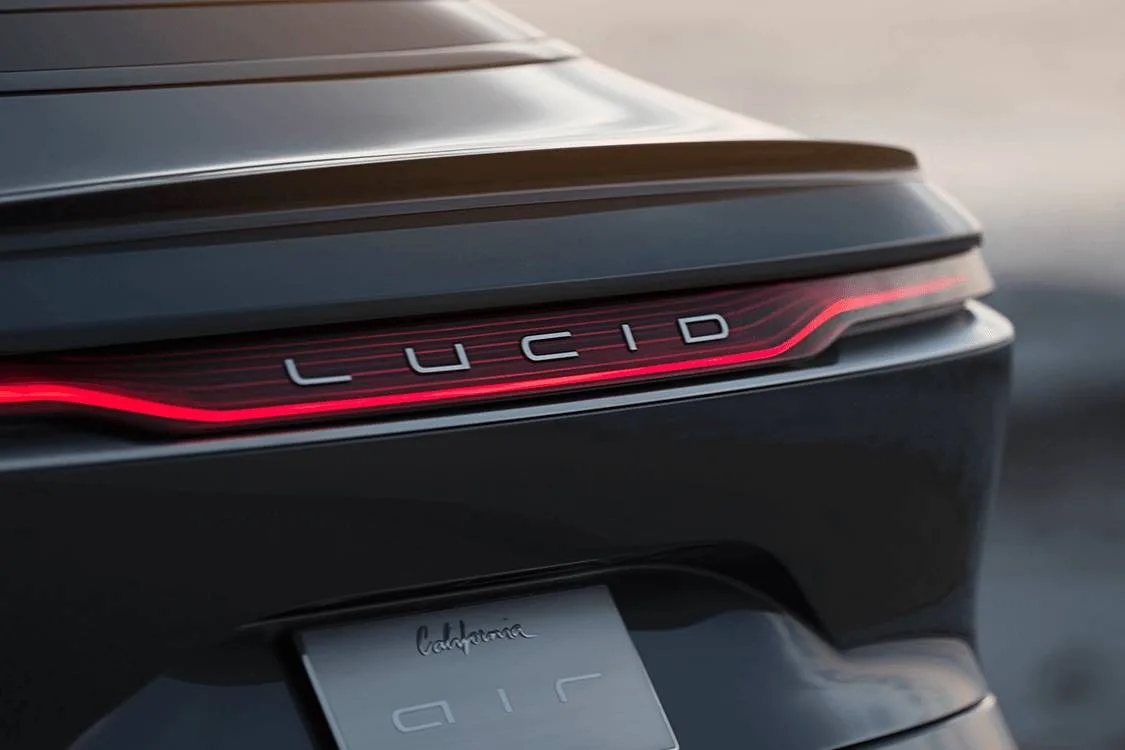
The US electric car manufacturer Lucid has signed a new supply contract for graphite material with the company Graphite One. The agreement stipulates that Graphite One will supply Lucid and its battery cell suppliers with natural graphite from Alaska from 2028. This agreement builds on Graphite One’s announcement last year that it would supply Lucid and its battery cell suppliers with synthetic graphite from Ohio from 2028. In February, Lucid also signed a binding offtake agreement with Syrah Resources for the supply of Louisiana graphite for battery anodes. Graphite One has committed to supplying its graphite concentrate from its Graphite Creek deposit in Nome, Alaske, as well as active anode material (AAM) from a facility which is to be built in Warren, Ohio, but remains subject to financing. The initial term for the supply deal will run for a period of five years. The sales price is not entirely clear, but it is “based on a price formula agreeable to both parties,” as Graphite One writes. “This agreement complements the deal we struck with Lucid in 2024 – which marked the first synthetic graphite agreement between a U.S. graphite developer and a U.S. EV company. We made history then – and we’re continuing to make history now, as the deal makes Graphite One the only company to date to provide both natural and synthetic graphite materials required for battery anodes to a U.S. EV company,” said Graphite One CEO Anthony Huston. “From Presidential Executive Orders to increase mineral resource production and leveraging Alaska’s resource potential, to the recent inclusion of our Company on the Federal Fast-41 Permitting Dashboard — we are building momentum for our efforts to develop a fully domestic graphite supply chain, to meet market demands and strengthen U.S. industry and national defense.” As mentioned above, Syrah Resources will start supplying Lucid with natural graphite starting next year, which the company also mentioned again in the press release. According to the release, Syrah’s natural graphite AAM will be sourced from its vertically integrated AAM production facility in Vidalia, Louisiana, and Syrah will deliver the graphite for a three-year period. With the signed supply agreements, Lucid is attempting to build a robust supply chain in the USA, in order to help get around the tariffs set up by the current White House administration, as well as finally launch production in a profitable manner, which the U.S. startup is getting closer to, having achieved its highest turnover yet in 2024, as well as setting a new delivery record. While the delivery record stands at only 3,109 vehicles delivered between January and March of this year, this is nonetheless a steady improvement for the company. “A supply chain of critical materials within the United States drives our nation’s economy, increases our independence against outside factors or market dynamics, and supports our efforts to reduce the carbon footprint of our vehicles,” added Marc Winterhoff, Interim CEO at Lucid. lucidmotors.com, graphiteoneinc.com
ERCOT projected load growth ‘unrealistic and impossible’: Ascend
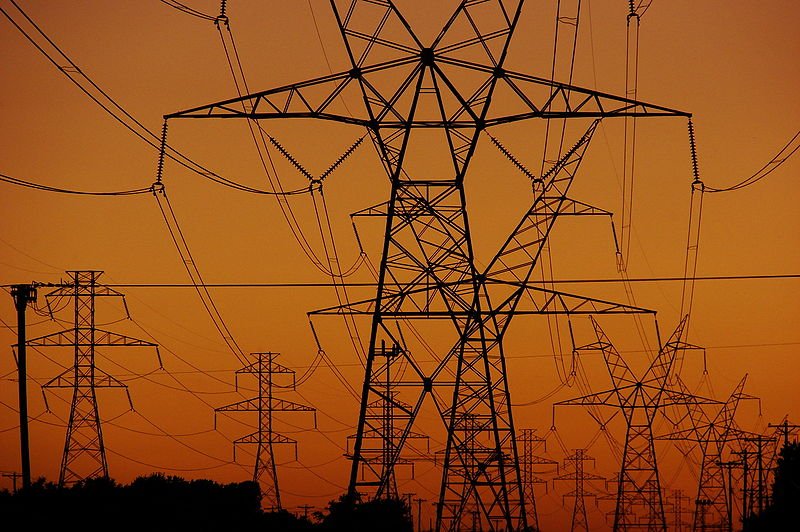
The report anticipates that the market’s load growth forecasts may not be achieved because of practical constraints on supply expansion. ERCOT is expected to navigate a ‘weather-dependent knife’s edge’ as the tension between growing demand and power supply boils over in the late 2020s. Ascend projects that this will result in increased electricity scarcity and heightened price volatility. Both of those are generally good things for battery energy storage system (BESS) resources on the grid, providing significant revenue opportunities. Nelson discusses the report, providing insight into how it was put together and the key takeaways. Exploring Ascend’s ERCOT report Nelson explains of Ascend’s ERCOT report: “We’re trying not just to say what the market conditions are today, tomorrow, and this year, but how do we expect market conditions to evolve over the next 10 to 15 to 20 years? How does that impact what you might want to build, invest in, or lend to today? So we do that for all the markets in the US. As part of that, we develop our market reports.” Nelson emphasises that the key takeaway from this report is ERCOT’s load growth forecasts, stating: “The biggest key takeaway is that ERCOT is going to be tight for a while. Their load growth forecast is extremely high, we think unrealistic and impossible because you just cannot build enough supply fast enough to meet that load growth.” “But what that means functionally is that the load growth is going to be constrained by supply additions, which means they’re both going to be tight, right up against each other.” In the report, Ascend forecasts that ERCOT will reach 119GW of peak demand by 2030, which is short of ERCOT’s 209GW expectation of demand. The company notes that growth is limited by the market’s ability to supply new peak load resources. Of new additions, Ascend forecasts that 75% will be represented by solar and storage through 2030, and the rest will be comprised of wind and natural gas. Nelson says that while various factors will increase load growth in ERCOT, data centres are a primary concern. Also, because of winter reliability concerns in ERCOT, data centre developers often opt to use natural gas over battery storage for backup generation. Nelson says: “Most of the data centres that we’re familiar with are looking at gas being their backup generation behind the meter. There are some who are looking at storage, but almost everybody’s focused on gas.” Storage under threat from both state and Federal-level policy The report also highlights state legislation that poses a risk to energy storage investments. Proposed legislation, such as Texas Senate Bill 388 (SB 388), if passed, would require that 50% of the generating capacity installed in the ERCOT service region “be sourced from dispatchable generation other than battery energy storage” after 1 January 2026. Nelson explains that when forecasting, Ascend is trying to weigh the most probable actions that could be taken and policies that could be put in place, saying: “When it comes to Texas, our view was that some of these really problematic policies that were being introduced at the state, we’ve seen them before, and they did not get advanced. We were expecting them not to get advanced. This time around, it was possible that they would. We expected them not to, and as it turned out, most of them did not get advanced.” He continues, “There’s an ongoing risk. But our view is that some of those laws were so problematic from either a free market perspective, a property rights perspective, etc. So there are such big problems with most of these bills that our view is that it would be unlikely to get passed at the end of the day, but that ongoing risk is still there.” Actions from the federal government could also negatively impact energy storage development in ERCOT and the US as a whole. The recently approved ‘One, Big, Beautiful Bill’ for budget reconciliation in the US House of Representatives would mandate that projects seeking eligibility for the 45Y PTC and 48E ITC must start construction within 60 days of the bill’s enactment. Once construction begins, these projects must be operational by December 31, 2028, to remain eligible. This would end the previously proposed 2029-2031 tax credit phasedown period. Nelson says these potential measures had to be considered as well. While the report was compiled before the House Ways and Means Committee first proposed the bill, multiple outcomes still seemed likely or most probable. “We did not think it was realistic that these tax credits would go on indefinitely, which was functionally what would have happened otherwise. So we were expecting a firm sunset on the tax credits around 2030, we were expecting long run tariffs that are more manageable than the 150% on Chinese supply, and that was in place at one point in time.” Nelson says, “A most probable future has to account for the fact that the Senate is going to have its say on the budget bill. Overall, in the face of uncertainty, we do the best we can in terms of what we think is most probable.”
X launches Community Notes feature to bridge diverse perspectives

X’s Community Notes pilot seeks to bridge perspectives by introducing an experimental feature to identify posts liked by diverse viewpoints. Announced by Elon Musk’s X, the initiative builds on the success of Community Notes, which highlights agreement among users who typically disagree. Starting June 05, a select group of Community Notes contributors, representing a broad spectrum of perspectives, will encounter a new callout within the platform. “The callout shows based on early and limited Like signals on the post,” X explained. Contributors can rate and provide feedback on these posts, aiding the development of an open-source algorithm to identify content that resonates across differing viewpoints. The pilot aims to uncover ideas, insights, and opinions that foster unity, addressing the often-divided nature of online discourse. “People often feel the world is divided, yet Community Notes shows people can agree, even on contentious topics,” X noted. The new feature builds on years of user requests to extend Community Notes’ approach to posts, recognizing those liked by people who would normally disagree. By highlighting such content, X hopes to motivate users to share ideas that resonate broadly, potentially driving meaningful dialogue. Community Notes show when they’re found helpful by people who normally disagree. What if we could do the same for posts, recognizing posts that are liked by people who normally disagree? We’ve heard requests for this for years since launching Community Notes, and we’re starting a… pic.twitter.com/ITRgWIJ2vE — Community Notes (@CommunityNotes) June 5, 2025 The pilot follows X’s transparent development process, similar to how Community Notes was refined. “Following the path we used to develop Community Notes, we’re building in public with a small pilot so that this concept can be shaped by the people,” X stated. The initiative will rely on contributor feedback to iterate and refine the algorithm, ensuring it effectively identifies posts that bridge perspectives. This experimental feature underscores X’s commitment to fostering constructive online conversations. By leveraging early “Like” signals and contributor input, X aims to amplify content that transcends ideological divides. “Ultimately, it could help move the world forward in ways that the people want,” X added, emphasizing the potential for this tool to promote unity and understanding. As X rolls out this pilot, the platform invites its community to shape its evolution, much like the iterative process that has made Community Notes a hallmark of collaborative fact-checking. The initiative could redefine how social media platforms highlight shared values, paving the way for more inclusive and impactful discussions. The post X launches Community Notes feature to bridge diverse perspectives appeared first on TESLARATI.
EU announces 13 critical raw materials projects in third countries
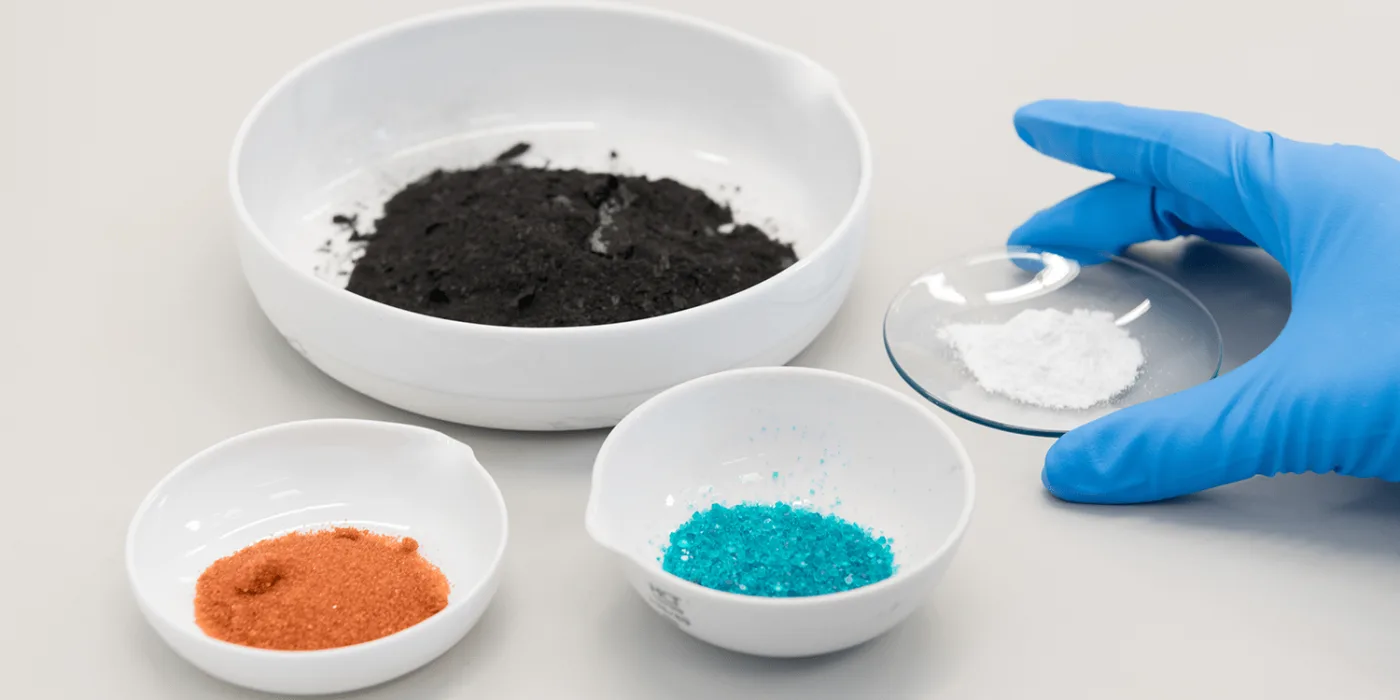
As part of the Critical Raw Materials Act, the EU Commission has selected 13 projects for strategic raw materials outside the European Union, in addition to the 47 raw materials projects within the EU already announced in March. All 60 projects are intended to secure access to critical raw materials for European countries. In March this year, when the European projects were announced, the Commission also spoke of 46 applications received for projects in countries outside the European Union. Almost a third of these applications have now been approved. According to the Commission, all projects within and outside the EU are the first results of the implementation of the new Act, which came into force in May 2024. The raw materials projects now selected by the EU Commission in third countries are primarily meant to allow EU industry to diversify its procurement structures in the electromobility and renewable energy sectors. Ten of the 13 newly selected strategic projects outside the EU relate to battery raw materials such as lithium, nickel, cobalt, manganese and graphite. Two further projects focus on the extraction of rare earths, some of which are essential for electric motors. The raw materials projects outside the EU are located in Canada, Greenland, Kazakhstan, Norway, Serbia, Ukraine and Zambia, where the EU already has strategic partnerships in the area of raw materials value chains. The remaining projects are located in Brazil, Madagascar, Malawi, New Caledonia, South Africa and the United Kingdom. With the status of “selected project”, the respective locations in the third countries benefit from coordinated support from the EU Commission, EU member states and financial institutions, in the form of easier access to funding and contact with relevant customers. It is estimated that the 13 strategic projects outside the EU require a total investment of 5.5 billion euros to become operational. The Commission also states that it intends to strengthen cooperation with the third countries concerned to ensure the development of the projects – in particular, the Commission says, through the strategic partnerships already concluded with some of these countries in the field of raw material value chains. The projects were selected from applications submitted last summer when Independent experts evaluated the submitted projects to ensure they meet the criteria of the Critical Raw Materials Act (CRMA), particularly with regard to required environmental, social and governance standards as well as technical feasibility. “In addition, the projects must be mutually beneficial and bring advantages to both the EU and the third countries concerned,” writes the Commission. “The projects had to demonstrate that they can contribute to the EU’s security of supply, for example, by concluding offtake agreements with European downstream industries,” the Commission explained. Projects selected from within the European Union in March encompass 47 strategic projects in 13 different EU member states. These projects benefit from easier access to financing and faster approval processes. The approval process for raw materials projects in the EU used to take between five and ten years. In March, the Commission announced, “In line with the CRMA, the approval process for mining projects will take no longer than 27 months and for other projects no longer than 15 months.” 25 of the projects within the EU involve extraction, 24 involve processing, ten involve recycling, and two involve the substitution of raw materials. The projects specifically cover 14 of the 17 strategic raw materials listed in the Critical Raw Materials Act. These include several projects in the areas of lithium (22 projects), nickel (12 projects), cobalt (10 projects), manganese (7 projects) and graphite (11 projects) – all of which are important battery materials. All 47 projects combined are expected to have a total investment volume of 22.5 billion euros. Of the 13 projects now selected from outside the EU, 9 include extraction, one includes both extraction and processing in Greenland, and the remaining 3 projects involve processing. The projects and the relevant raw materials concerned are listed in the link below. Including reporting by Cora Werwitzke europa.eu, single-market-economy.ec.europa.eu (list of projects and materials)
Acacia, Green Tower, Eren to deploy 500MW of BESS in France

Some 200MW of the capacity is about to begin construction while 300MW is in advanced development. Acacia is a BESS developer founded in 2022 by president Julien Isambert (founder of the engineering firm Jigrid), CEO Kevin Le Tenoux and Green Tower. Green Tower is the developer and investor arm of the Green Giraffe Group, a financial advisory firm. Eren Industries is part of the Eren group, active in project development within various energy transition technologies but, it appears, not renewable energy generation. Eren’s solar, wind and hydro development arm Total Eren was sold to oil and gas major TotalEnergies, initially via a minority stake with an outright acquisition in 2023, covered by our colleages at PV Tech. Advisors and due diligence providers on the transaction were Afry, Aurora, BCTG Avocats, Jeantet, Afry, HCO Expert and Green Giraffe. Henri Gouzerh, managing director of Green Tower, “Since the creation of Acacia alongside Julien and Kevin, we have shared a common ambition: to foster the emergence of a pioneer in energy storage in France. Today, we are very pleased to welcome Eren and grateful for their trust. Compared to other major European economies, France has a relatively smaller grid-scale BESS pipeline forecasted to come online over the course of this decade, at least according to research firm LCP Delta. Part of this may be down to its nuclear generation mix, which the government has said will provide half of its energy needs in the long-term, with more plants set to be built. There are still enough energy trading and ancillary service opportunities to support the deployment of some large-scale BESS, with several announcements in 2024. Developers GazelEnergie and Q Energy commissioned a 35MW/44MWh BESS in December, while in the preceding few months Harmony Energy sold a 100MW/200MWh project to Alpiq and started building a separate one of the same size. The larges project in construction is a 240MW/480MWh one being built by TagEnergy with Tesla Megapacks. In a recent article for our quarterly journal, PV Tech Power (Vol.42), analyst Rachel Locquet at energy storage consultancy Clean Horizon noted that France was third for operational BESS capacity in Europe by country, behind the UK and Germany in first and second place, respectively. However, based on Clean Horizon’s analysis of publicly announced but not yet built projects, Locquet’s article was in agreement with LCP Delta’s take that the development pipeline lags behind much of Europe. Locquet’s full article, available to ESN Premium subscribers, detailed the revenue case and business models for storage in five key European markets, including France.
Trade turmoil opens window for China EVs in UK

The ongoing global tariff war has created a window of opportunity for the UK to strengthen its EV industry and boost the economy. By Beibei Sun At a time when shifting trade barriers have thrown global markets into disarray, there is a window of opportunity for the UK to secure a win-win deal with Chinese electric vehicle (EV) makers. But what might this deal look like? Intense competition in China’s EV market is forcing the dominant players to explore new overseas markets. Currently, there are 169 domestic and foreign brands selling EVs in China, making it the most fragmented car market in the world. The average discount offered on the sale of new cars in China in 2024 was 13.5%. For Chinese EV makers, the route to sustainable growth is to pursue markets overseas via localisation strategies. But with global trade in turmoil, opportunities for Chinese EV localisation are narrowing. The 100% tariff imposed by the US on Chinese EV imports in May 2024 effectively turned the world’s second largest EV market into a no-go area for Chinese makers, and the EU has proposed an additional anti-subsidy tariff for Chinese EV imports ranging from 17.4 to 37.65 (on top of the standard 10% tariff). By comparison, the UK EV market is an attractive option, with domestic EV demand growing rapidly to keep step with the government’s electrification agenda and tariffs on Chinese EV imports set at 10%. Chinese EV makers have already begun developing localised supply chains and manufacturing footprints closer to UK and European markets. BYD has a plant in Hungary, where government-backed support and incentives are available to inward investors, and is building another in Turkey. Germany is another target country for Chinese EV localisation, as is Spain, where Stellantis and CATL have a joint venture agreement to build a large-scale battery plant providing 50 GWh of batteries annually. Jaecoo J7 at the UK’s Goodwood Festival of Speed 2024 Deciding where to locate, and when, requires careful planning. Chinese EV makers targeting the UK market must consider whether to make everything there and source locally, or focus on assembly, with a view to expanding UK-based production when a customer base has been established. The upfront costs associated with localising production and establishing a supply chain in a fast-developing market where skills and technological know-how are lacking, are considerable. At the same time, maintaining a competitive price point is critical to success when breaking into a market. To mitigate risk, Chinese EV makers have been taking a phased approach to localisation. The first step is to sell in the UK, which is achieved via dealerships. Then they aim to manufacture locally, which could be achieved via a joint venture agreement or by building a new factory. The third step is to deepen localisation, for example, by sourcing locally. Building on the success of BYD and MG, the Jaecoo and Omodo models, made by Chery Automobile, are now on sale at 70 UK-based dealerships and other Chinese brands are coming soon. Joint venture and licensing agreements involving Chinese and UK manufacturers are also becoming more prevalent. Some of these deals have involved investing in infrastructure to establish a localised supply chain, as seen with EVE Energy’s reported investment of £1.2bn (US$1.6bn) in a new battery gigafactory in the UK. For the UK, the ongoing global tariff war has created a window of opportunity to strengthen the EV industry and boost the economy. However, the recent UK-US trade deal could mean that the government’s hands are tied when it comes to doing deals with Chinese producers due to restrictions imposed by the US administration. Instead, UK-based manufacturers that recognise an opportunity to embrace Chinese skills and know-how and accelerate their pathway to mass production of competitively priced EVs, may have to reach out directly. With Chinese EV makers setting their sights on the UK market, UK-based OEMs across the EV value chain may need to act quickly to secure collaborative agreements that could deliver value and growth in the long term. The opinions expressed here are those of the author and do not necessarily reflect the positions of Automotive World Ltd. Beibei Sun is a managing consultant and EV industry specialist at Vendigital The AutomotiveWorld.com Comment column is open to automotive industry decision makers and influencers. If you would like to contribute a Comment article, please contact editorial@automotiveworld.com
Report criticizes Nestlé, Mars and others for climate strategy gaps

Key pillars of the climate strategies of five major food system companies have been criticized in a deep analysis by two leading European non-profits. The five companies — Danone, JBS, Mars, Nestlé and PepsiCo — were studied by the NewClimate Institute and Carbon Market Watch. Researchers at the organizations, which presented their findings this week as part of their annual Corporate Climate Responsibility Monitor (CCRM), said that the companies’ approach to carbon removal, deforestation, animal protein and other issues “are unlikely to lead to structural, deep emission reductions in the sector.” The results are notable because while JBS is often attacked for its failure to tackle deforestation in its beef supply chain, the other four companies are often cited as sustainability leaders. All have had their near-term and net zero emissions targets validated by the Science Based Targets initiative, for example, and have made substantial investments in regenerative agriculture. Livestock targets That’s welcome but not enough, said the CCRM team, because the measures do too little to address the sector-wide transformations that are required to decarbonize food and agriculture. This includes tackling emissions from livestock, which the team said account for 15 percent of global anthropogenic emissions and 80 percent of methane emissions from agriculture. Danone has committed to reducing methane emissions from its milk supply by 30 percent by 2030, but it is the only one among the five to have done so. The report authors note that the other companies discuss the importance of plant-based protein but have not set relevant targets. “If there are targets that are combined with these commitments to key transitions then I have confidence in the targets,” said one of those authors, Sybrig Smit, a climate policy analyst at the NewClimate Institute. “Otherwise, I think there’s very little to build on.” Confusing removals and reductions The role of carbon removals in the companies’ strategies also came in for criticism. The report cites the example of Nestlé, which estimates the carbon dioxide removed by agroforestry, regenerative agriculture and other land-use programs it funds, and subtracts the total from its Scope 3 inventory. The company’s ambition to achieve 13 million metric tons of removals by 2030 is a critical part of its goal of halving emissions by the same date. That creates a “misleading sense of progress towards emission reductions,” wrote Smit and her co-authors, and confuses CO2 emissions, which remain in the atmosphere for hundreds to thousands of years, with land-based carbon stocks, which can be quickly released by fires or changes in agricultural practice. The CCRM team called on the SBTi to address the issue by requiring companies to set separate goals for emissions reductions and removals. A Nestlé spokesperson said that the report did not reflect its “progress and commitment” towards net zero and that the company disagreed with the report’s conclusions. “In 2024, 91 percent of the decline in our greenhouse gas emissions was due to reductions and 9 percent from high quality carbon removals within our value chain,” she noted, adding that the food and agriculture sector would not be able to reach net zero using reductions alone. Removal projects can also bring other benefits, the spokesperson said, such as increasing biodiversity and restoring degraded land. The other companies cited in the report did not return a request for comment. Deforestation certificates On deforestation, the report highlights encouraging progress, including PepsiCo’s goal of achieving deforestation-free sourcing this year, which the company breaks down into measures for each relevant commodity, and a similar target set by Nestlé. However, the authors said this work is undermined by a reliance on “environmental attribute certificates,” which enable companies to fund and claim credit for the emissions reductions associated with avoiding deforestation. This approach allows companies to invest in avoiding deforestation even if they cannot trace every step in a supply chain but doesn’t guarantee that the ingredients they purchase actually come from deforestation-free farms. “Deforestation-free” claims that rely on these certifications are then open to question because the investment boosts producers that have not recently converted forest to farmland — but doesn’t necessarily prevent clearances elsewhere. JBS received the lowest score on deforestation, with the authors writing that the company “only implements minor measures to reduce legal deforestation.” Longer-term progress Despite the shortcomings highlighted in the report, Smit noted that there have been clear signs of progress in the four years that she and colleagues have been conducting the analysis. “When we started there was a lot of uncertainty around net zero targets across the board,” she said. Smit recalled an example of a company that claimed to have reached net zero — with 65 percent of its emissions eliminated through offsets. “Those practices have kind of disappeared,” she added. “I find that quite encouraging.” [Join a vibrant community of leaders and innovators driving cutting-edge tools, business strategies, and partnerships to protect and regenerate nature at Bloom, Oct. 28-30, San Jose.]
Aras and BellaDati partner to deliver IoT-driven insights for PLM
Collaboration enhances digital thread capabilities, service BOM optimization, and predictive maintenance. Aras and BellaDati PTE. LTD announced a partnership to enable manufacturers to strengthen the digital thread, drive operational efficiency, and improve service outcomes. The partnership brings real-time IoT and analytics into the digital thread, allowing manufacturers to connect design, production, and maintenance through a continuous, real-time visibility across the product lifecycle. This unified approach strengthens traceability, supports higher product quality, and enables more informed, responsive decision-making across teams. Enhancing Service Bill of Materials (S-BOM) management is essential for manufacturers looking to stay competitive. By integrating BellaDati’s IoT and analytics capabilities with Aras Innovator, manufacturing companies enable automation of maintenance workflows, optimization of service parts inventory, and more advanced predictive maintenance. These capabilities drive greater productivity in after-sales service and higher customer satisfaction. Leveraging BellaDati’s strength in real-time IoT data collection and analytics, Aras is extending the value it delivers across both its core discrete manufacturing base and process sectors such as the chemical industry. The partnership supports industry specific challenges – including regulatory compliance, equipment uptime optimization, and early anomaly detection – while creating opportunities for continued growth in these markets. As part of the agreement, Aras and its global partner network will also offer BellaDati’s IoT and analytics technologies as integrated components of their PLM solutions. The offering will be available through the Aras Marketplace as part of the growing ecosystem of solutions developed and deployed through the Build with Aras – enabling customers to more easily adopt and scale digital capabilities tailored to their business needs. This positions both companies to deliver unified, data-driven innovation to manufacturers worldwide. For more information, visit aras.com.
Kia wants you to love hatchbacks again with the stylish new EV4
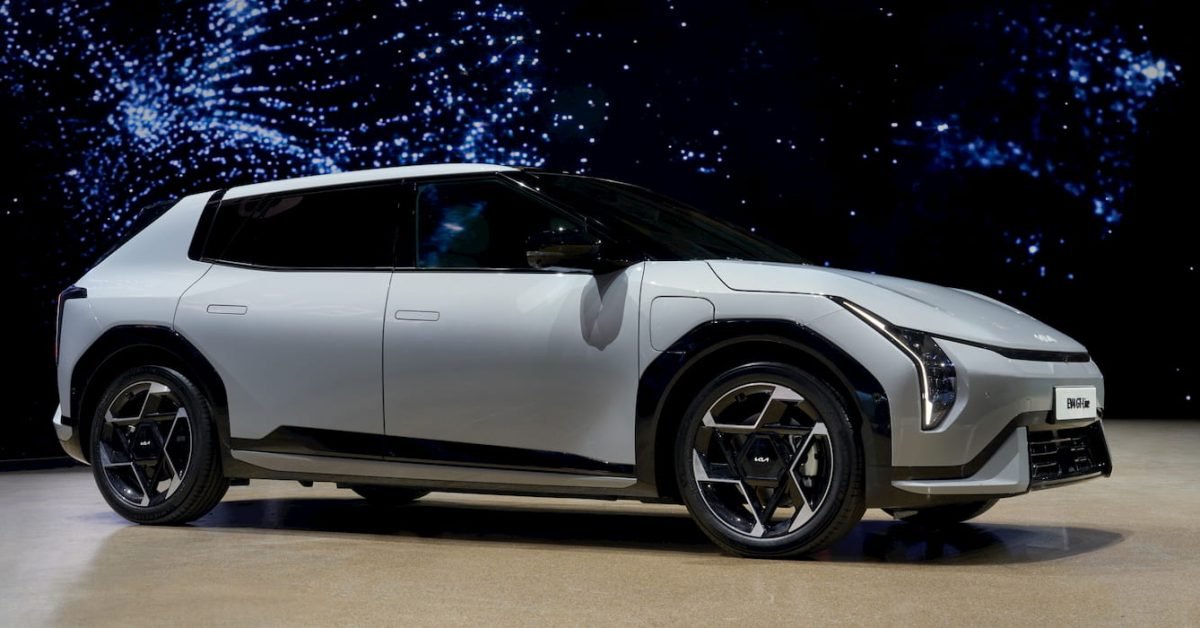
Kia believes hatchbacks will make a comeback, starting with the EV4 later this year. The EV4 is Kia’s first electric hatch, and it’s expected to see big demand. Kia aims to bring back hatchbacks with the new EV4 During its EV Day event earlier this year, Kia showcased four EV4 models, two sedans and two hatchbacks, all of which are fully electric. The EV4 is part of Kia’s new entry-level EV lineup, which includes other models, including the EV3, EV5, and the upcoming EV2. Following the launch of the EV4 sedan in Korea in March, Kia is preparing to introduce the hatchback version in Europe. The EV4 will kick off a series of new hatchbacks, which Kia believes could be its secret weapon as an electric alternative to the Volkswagen Golf and other popular models. Advertisement - scroll for more content Kia’s executive vice president, Ted Lee, believes there is still “big volume” for hatchbacks in Europe that’s up for grabs. During a recent interview with Autocar, Lee confirmed Kia would launch a new series of hatchbacks. Kia EV4 hatchback (Source: Kia) The EV4 is set to kick things off later this year. Unlike the sedan, Kia will build the EV4 hatch in Europe. It will be Kia’s first European-built EV at its plant in Slovakia. The sedan variant will be imported from South Korea. Kia will launch the EV4 hatch in the UK in October. After that, the new K4 will join the series, which will also arrive in hatchback form. The K4, both hatch and sedan variants, will be imported from Kia’s plant in Mexico. Kia EV4 hatchback GT-Line (Source: Kia) According to Lee, Kia is in a “strong position in Europe,” especially in the UK. The Korean automaker is currently the third-best-selling brand in the UK, and it is only 300 units away from surpassing BMW. Although he admitted new Chinese models are creating a “difficult market,” the company is doubling down on the region. Kia EV4 hatchback (Source: Kia UK) Kia will not get caught up in a price war, Lee explained. Instead, the company aims to continue driving the “sustainable growth” it has created over the past few years. Kia’s sales in Europe have increased by 30% since 2020. Kia EV4 hatchback interior (Source: Kia) After launching the EV3, Kia said the electric SUV “started with a bang” in January, becoming the UK’s most popular retail electric vehicle. Kia’s compact EV was the best-selling retail EV in the UK during the first quarter and the fourth-best-selling overall. According to SMNT’s latest registration data, Kia brand sales are up 4% this year, with nearly 52,000 vehicles sold through May. It currently holds a 6.11% market share, up from 6.05% last year. Kia EV3 Air in Frost Blue (Source: Kia UK) The EV3 starts at £33,005 ($42,500) in the UK with two battery pack options: 58.3 kWh or 81.48 kWh. The standard battery provides a WLTP range of up to 30 km (270 miles), while the extended range option offers a driving range of 599 km (375 miles). With the EV3 off to a strong start, the EV4 joining it, and its first electric van, the PV5, rolling out, Kia is laying the groundwork for the “sustainable growth” it’s seeking. Yesterday, Electrek reported that the EV4 was off to a slow start in Korea with just 831 models sold. However, the disappointing first sales month was due to “limited inventory.” Ahead of its official launch, we got a sneak peek of the EV4 hatchback after it was spotted driving in Korea (You can watch the video here). FTC: We use income earning auto affiliate links. More.
Invenergy completes 250-MW Ohio solar project for Microsoft
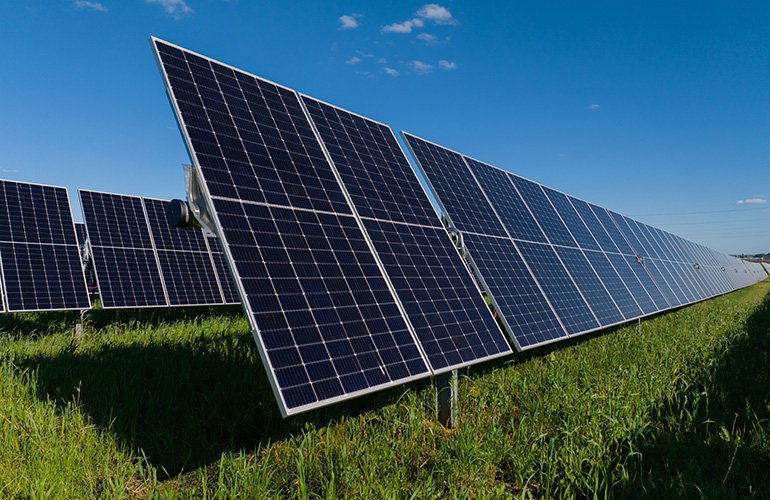
Invenergy announced on June 4 that the 250-MW Hardin III Solar Energy Center recently commenced operations. The energy center is the third Invenergy-developed solar facility completed in Hardin County, Ohio. WEC Energy Group is the majority owner of Hardin III and Microsoft will purchase the electricity and renewable energy credits (RECs) generated at the facility through a PPA. “Hardin III Solar is the culmination of a decade-long collaboration with Hardin County and the local community,” said Michael Kaplan, senior VP of development at Invenergy. “We’re proud to have worked with dedicated partners to deliver meaningful local investment and support home-grown energy here in Ohio.” The Hardin III Solar facility is expected to generate $180 million of new investment in Hardin County, helping to fund public schools, emergency services and local infrastructure. During its construction, Hardin III Solar created more than 350 jobs. Under a long-term operations agreement, Invenergy Services provides operations, maintenance and plant services for the facility and will employ four permanent operations and maintenance staff. Hardin III is powered by American-made solar panels produced by Illuminate USA, an advanced solar panel manufacturing company majority owned by Invenergy. News item from Invenergy
Charged EVs | Porsche pilots high-voltage battery recycling
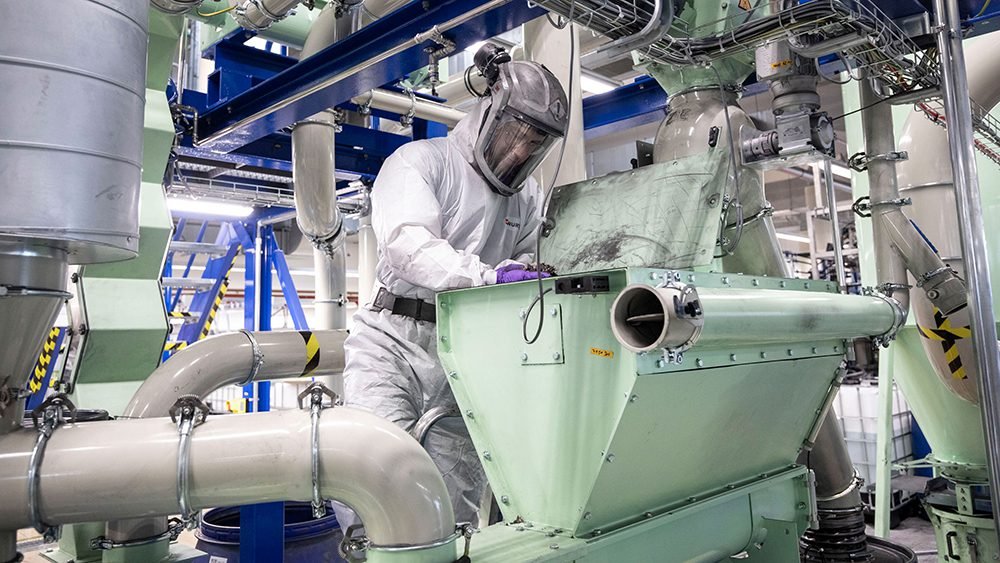
German automaker Porsche has launched a pilot project that aims to recover valuable raw materials from high-voltage batteries after their use in vehicles and to test a potential closed-loop raw material cycle. For the long term, the automaker plans to establish a recycling network for high-voltage batteries in collaboration with external partners. The pilot project is divided into three phases to test the process for large-scale applications. In the first phase, high-voltage batteries from development vehicles are mechanically shredded at the end of their use and processed into black mass. The resulting granulate mixture contains raw materials such as nickel, cobalt, manganese and lithium. The project has so far produced around 65 tons of black mass. The black mass will be further refined and separated into the high-quality raw materials Porsche requires for high-voltage battery manufacturing. In the third phase, Porsche aims to produce high-voltage battery cells with a defined proportion of recycled materials and test their potential use in its vehicles. “We strive to increase our independence from volatile and geopolitically unstable raw material markets,” said Barbara Frenkel, Executive Board Member for Procurement at Porsche. Source: Porsche
BYD Takes Dozens Of Influencers To Court Claiming Defamation: Report
BYD has reportedly sued 37 influencers in China, claiming they have made defamatory comments. The manufacturer has a News Anti-Fraud department where people can send tips about possible defamation and get rewards. Companies suing influencers for potentially damaging their image is far more common in China than it is in the West. The relationship between automakers and the people who create content with their vehicles can sometimes be tense. However, it seldom results in legal action taken against them, and requests to change or remove content are usually about as extreme as it gets. But not if you’re covering the world’s fastest-growing automaker over the last few years, BYD, which is reportedly taking 37 influencers to court over things they said that it deems defamatory. CarNewsChina says BYD has also added 126 content creators to an internal watch list, and they will be monitored in the future, potentially also facing legal action from the automaker if they say something that the company sees as damaging to its image. The carmaker created a “News Anti-Fraud Office” a few years ago and it’s encouraging people to send tips about potentially damaging content. To encourage tip-offs about potential smear campaigns, BYD is offering substantial bonuses—50,000 to 5 million yuan ($6,900 to $690,000)—for credible leads. The source lists several examples of why BYD sued influencers. In one instance, a person accused the company of manipulating content creators to say negative things about rival brands. The court concluded that the influencer was required to make a public apology and pay a fine of 100,000 yuan (around $13,800). Another influencer was fined after making claims that BYD was financially unstable and on the verge of bankruptcy. All of these fines pale in comparison to the August 2023 lawsuit launched by Nissan Dongfeng against an influencer who had posted over 50 videos on TikTok denigrating the automaker’s vehicles. He was asked to pay 5 million yuan in reparations to the manufacturer. In 2022, Tesla also took a Chinese influencer to court, demanding 5 million yuan in reparations, but eventually settled for a lot less. Aside from BYD, Nissan-Dongfeng and Tesla, Great Wall Motor and Changan Automobile have also sued influencers, so it’s pretty clear that the practice is much more common in China than it is in the West. The most well-known automaker versus media lawsuit from this hemisphere is Tesla versus Top Gear, after host Jeremy Clarkson made exaggerated claims about the original Roadster back in 2008. The court ultimately dismissed the case because it couldn’t prove ill intent on Top Gear’s side. Defamation in China is no joke, and it can be prosecuted as a criminal offense. Badmouthing major companies, which are usually state-owned affairs or deeply linked to the Communist Party, can quickly land you in serious trouble. That's true especially if you have a big audience and even if there’s truth to the negative claims. If a Chinese company proves in court that certain comments affected its image and reputation, that may be enough for legal action against an influencer. In other words, negative comments about BYD, regardless of whether they have substance or not, could be a career-ending event for an influencer, and the potential massive reparations demanded by some companies could also bring them to financial ruin. The message is clear: Watch what you say.
कैमल भारत के स्मॉल और मीडियम स्केल बैटरी निर्माता को सशक्त करना चाहता है

पिछले कुछ दिनों कैमल के बैटरी बनाने के स्केल को बताने के लिए हमने लगातार कई विडीओ सब तक पहुंचाए। इस से कुछ बैटरी जनों की प्रतिक्रिया थी की हम विदेशी बैटरी को बढ़ावा दे रहे हैं, जबकि उन विडिओ का कारण था की हम जाने और समझे की बड़ी कंपनियों में बढ़िया बैटरी कैसे बनती है और बैटरी बनाने के आधुनिक तरीके क्या है।कैमल में बैटरी बनाने के तरीकों की लगातार जानकारी देने से यह चर्चा भी चलने लगी थी की कैमल भारत में अपनी फैक्ट्री लगाना चाहता है और वो भारत में एक ब्रांड के तौर पर उतरेगा। इस विषय पर कैमल, मलेशिया के व्यापार प्रमुख मिस्टर हार्वे जियांग से बातचीत में अपना पक्ष स्पष्ट किया की उनका ऐसा कोई प्लान नहीं है। वे भारत के लघु और माध्यम आकार के बैटरी निर्माताओं की सेवा करना चाहते हैं। उनका प्लान यही है की वे केवल निर्माताओं को उच्च किस्म की बैटरी दे जो वो अपने ब्रांड नाम से बाजार में अपने ग्राहकों को दे। लाभ के साथ नाम भी कमाएं और विश्वास भी। हम उन्हें लागत मूल्य पर बैटरी बेचना चाहते हैं। हमने इस विषय पर भारत में कुछ बैटरी निर्माताओं से बात की और जानना चाहा कि वे इस विषय पर क्या सोचते हैं। – भारत की बैटरी मार्केट क्वालिटी-कीमत और वॉरन्टी को लेकर बेहद संवेदनशील। विश्वसनीयता बनानी होगी जालंधर, पंजाब स्थित देश की माध्यम स्तर की बैटरी निर्माता कंपनी एक्शन बैटरीज़ के ceo श्री सनी चौधरी ने कहा की कैमल अगर खुद बाजार में उतारने के बजाए भारत के लघु और माध्यम बैटरी निर्माताओं को सशक्त करने की इच्छा से भारत में आना चाहती है तो उनका स्वागत है। कैमल प्लांट को मैंने देखा भी है और उनके काम करने का तरीका भी, बैटरी निर्माण में जो सबसे आधुनिक तरीका है, वो उसका इस्तेमाल कर रहे हैं और उनकी बैटरी सर्वोत्तम है, इसमे कोई शक नहीं। भारत की बैटरी मार्केट में कीमत और वॉरन्टी एक बेहद संवेदनशील मुद्दा है। यहाँ मार्केट दो भागों में है- एक भाग एक्साइड, अमरॉन जैसे दिग्गजों के हाथ में है और दूसरा छोटे और मध्यम आकार के बैटरी निर्माताओं के हाथ में। कीमत बड़े बैटरी निर्माताओं से तय होती है, उससे उपर नहीं जा सकते। किसी भी नई कंपनी को उनसे काम कीमत में और ज्यादा सुविधाओं के साथ जी बैटरी बाजार में एंट्री मिल सकती है। ये कैमल को देखना होगा की वे फैक्ट्री लागत पर बैटरी दें। कैमल को कम से कम 5 वर्ष की योजना के साथ भारत में आना चाहिए। हैदराबाद के एक बड़ी लोकल बैटरी निर्माता कंपनी डिक्सन बैटरी के निर्माता श्री जीतू ने कहा की कैमल के भारत की मार्केट में आने पर मेरा सुझाव है की कैमल जब भारत में आए तो लंबी अवधि की सोच के साथ आए। दो वर्ष के बाद बैटरी उपभोक्ता यह सही से जान पाएंगे की कैमल की जो बैटरी उन्होंने खरीदी है, वो क्वालिटी में सबसे अच्छी है। उसके साथ ही डीलर- डिस्ट्रिब्यूटर नेटवर्क में विश्वास पैदा होगा। तो इस प्रकार दो से तीन वर्ष तो बैटरी की उपस्थिति बनाए रखने में लग जाएंगे। कैमल छोटे और माध्यम स्तर के बैटरी निर्माताओं के माध्यम से बैटरी बेचे आगरा स्थित डेकोरे बैटरी के निर्माता श्री हरी शंकर झा ने कहा की कैमल के इस विचार का स्वागत है की कैमल अपने ब्रांड के बजाए कैमल की क्वालिटी छोटे और मध्यम आकार के बैटरी निर्माताओं के द्वारा बेची जाएगी। भारत में उच्च गुणवत्ता की बैटरी का मार्केट केवल बड़े बैटरी निर्माताओं जैसे एक्साइड और अमरोन के हाथ में है। छोटे और माध्यम स्तर के बैटरी निर्माताओं के पास न तो उस स्तर की मशीन हैं और न तकनीकी। अगर कैमल अपने भारत के माध्यम से इन लोगों को अपनी उच्च क्वालिटी की बैटरी बाजार में दे तो यह ज्यादा बेहतर होगा। इन निर्माताओं का अपना डीलर- डिस्ट्रिब्यटर नेटवर्क होता है, जिस कारण केमेल को अपना सेटअप खड़ा करने की आवश्यकता भी नहीं होगी और छोटे और मध्यम स्तर के बैटरी निर्माता भी अपने ब्रांड नाम से इस बैटरी को बेच पाएंगे।भारत के कीमत-क्वालिटी और वॉरन्टी के प्रति संवेदनशील मार्केट के प्रति सही सोच, सही नीति और लंबी अवधि की सोच केमेल को भारत में एक अच्छा स्थान दिला सकती है। यह बेहतर विचार है की कैमल छोटे और मध्यम आकार के बैटरी निर्माताओं को अपना मार्केट बनाए।
Xpeng to debut G7 SUV on Jun 11, claiming L3 computing power

The G7 will be the first AI car with L3 computing power, said Xpeng's chairman. The G7 will be the first model to feature the HUD system co-developed by Xpeng and Huawei. (Image credit: Xpeng) Xpeng (NYSE: XPEV) will debut its new SUV (sport utility vehicle) G7 in two days, after announcing last week that the model will feature a HUD (head-up display) system jointly developed with Huawei. On June 11, the Xpeng G7 will make its global debut, the Chinese electric vehicle (EV) maker announced today on Weibo. It will be a revolutionary super AI (artificial intelligence) vehicle, Xpeng said, with a poster indicating an event will begin at 7:30 pm Beijing time. The SUV, Xpeng's first all-new model in 2025, will be a rare combination of cutting-edge technologies and spacious comfort in the smart SUV market, said He Xiaopeng, the company's chairman and CEO. "It is also a car for the future; the Xpeng G7 will be the first AI car with L3 computing power," he wrote on Weibo today. The G7 features cutting-edge technologies in autonomous driving, cabin design, and core electrical systems, while also offering family users unparalleled space and comfort, he said. Xpeng first teased the G7 in January, suggesting it could be the most competitive SUV in the RMB 250,000 ($34,770) price range this year. Xpeng currently has two SUV models on sale, the G6 and G9, both of which received upgrades in March. Its other models include the Mona M03, P7+, P7i sedans, and the X9 MPV (multi-purpose vehicle). On June 5, Xpeng unveiled its HUD system co-developed with tech giant Huawei, calling it the world's first HUD solution integrated with AI driving. Xpeng refers to this solution as AR-HUD, which can project an 87-inch display area onto the windshield, showing information including driving assistance, speed, and road conditions. The AR-HUD will first be used on the G7, Xpeng said. Adding a new member to its SUV lineup is expected to help Xpeng achieve higher sales. Mr. He said in February that he was confident the company would double its sales in 2025. Xpeng delivered 190,068 vehicles in 2024, and doubling its sales would mean a target of about 380,000 vehicles for 2025. In China, SUV models are the most popular, followed by sedans, while MPVs are a niche market. In 2024, SUVs accounted for 49 percent of China's passenger vehicle retail sales, sedans 46 percent, and MPVs 5 percent, according to data compiled by CnEVPost. ($1 = RMB 7.1896) The Xpeng G7 has the same wheelbase as Tesla's facelifted Model Y, with close and slightly larger overall dimensions. It is powered by LFP batteries supplied by CALB.
ASEAN: a closed, self-sufficient market?
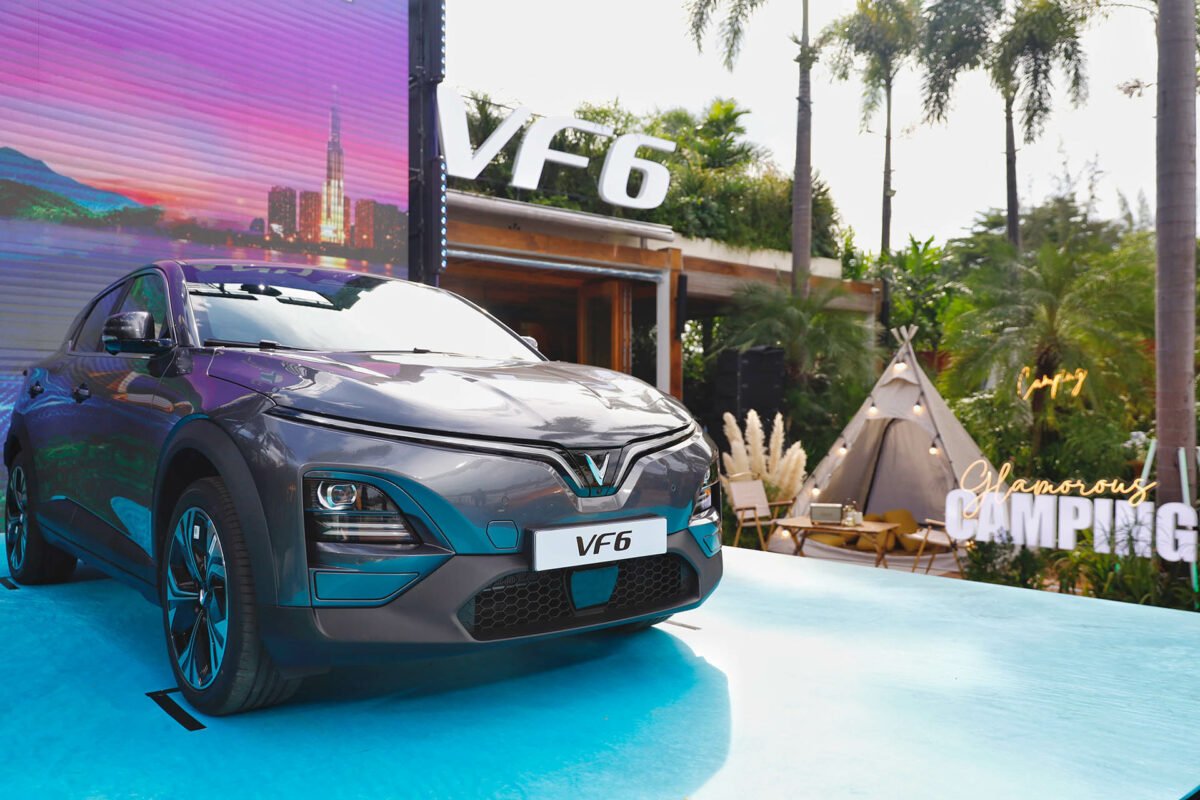
Ian Henry explores the growth prospects for the ASEAN markets and the players likely to shape their development The latest Automotive World dataset shows that the main five ASEAN markets (Indonesia, Malaysia, Philippines, Thailand, and Vietnam) generated just over 3.23 million units in 2024, down slightly from 3.36 million in 2023. By contrast, production data (which excludes Vietnam at present) shows that just over 3.5 million vehicles were made in 2023, falling just under 3 million in 2024. When its new factories are running at full production rates, Vietnam would add up to 300,000 units per year to the region’s production total. Broadly speaking, production and sales appear to be in balance, at least in theory (there is a large number of pick-ups exported from Thailand beyond the region). Subscribe to Automotive World to continue reading Sign up now and gain unlimited access to our news, analysis, data, and research Subscribe Already a member? Join our LinkedIn Group Let us help you understand the future of mobility "*" indicates required fields
How food companies can reduce methane pollution

Across the food industry — from meatpackers to retailers—companies face varying levels of climate risk from methane pollution. Livestock emissions account for 32 percent of human-caused methane emissions, which means retailers that sell more dairy, beef and pork products are particularly prone to methane risks. But there are steps all companies can take to clean up methane pollution, tackle risk and ultimately boost profits and food system resilience, as highlighted in a new Ceres report that analyzes which sectors in the food industry are most exposed to methane risk. Hershey, Cargill, General Mills and other industry-leading companies are doing that by acting on disclosing methane emissions, setting reduction goals, implementing methane strategies in transition plans and advocating for public policy that supports research and innovation. To have the greatest impact, food companies can focus on their supply chains to slash methane from agriculture. Companies that work directly with — or at least maintain close relationships with — the farmers and ranchers who produce their food and livestock will have a different menu of options for reducing methane emissions from those that do not. Whether they have direct ties to farmers or not, every food company can make a difference. Here’s how companies at both ends of the food industry can work with actors in and around their supply chains to cut methane pollution. Packaged foods and meats companies face the highest risk Our analysis found that packaged foods and meats companies that primarily produce dairy, beef and pork products have the highest risk from methane pollution in the industry — up to 90 percent of their total emissions. That means that lowering methane can go a long way in helping packaged foods makers to achieve their goals. Fortunately, these companies are well-positioned to target methane-related risk and leverage strategies for working with their partners within the supply chain. Many either work closely with farmers or, in some cases, manage everything from farming operations to processing and packaging. These close relationships or integrated production models place these businesses more in control over the solutions because they can directly engage farmers in their supply chain to implement methane-reducing practices. Take, for instance, Danone, a founding member of the Dairy Action Methane Alliance, an initiative working on dairy methane in the food industry. Danone stands out for its commitment to drive down methane across its operations and supply chain using a broad sweep of strategies. The dairy giant works directly with nearly 60,000 farmers, including many smallholders, and supports on-farm projects for piloting methane-inhibiting feed additives, improving cattle genetics and optimizing milk production and efficiency. In the U.S., Danone North America has funded projects on dairies of diverse sizes around the country to improve manure management, which the company claims not only contributes to reducing methane, but also nitrous oxide, another gas with a powerful warming effect. Food retailers also face challenges At times overlooked, food retailers including grocery and convenience stores are at considerable climate risk from livestock pollution due to their meat and dairy sales. Like packaged foods and meats companies, these retailers will have to remove methane from their supply chains to reduce their overall climate impact and the risks that creates for their businesses. Since they’re further removed from farms, retailers of beef, pork and dairy products will need to use more indirect forms of supporting farmers and ranchers in managing methane risks and advancing cutting-edge solutions throughout the industry. Partnering with their suppliers (co-ops and meat processors) is a good option for retailers to help farmers and ranchers reduce the amount of methane their farms emit. Retailers can work to show their suppliers there’s demand for low-methane products and develop programs to share the costs to farmers for methane projects. One retailer making strides on methane is Ahold Delhaize subsidiary the Giant Company, a regional U.S. supermarket chain intent on building a sustainable supply chain for its fresh milk and dairy products. To help reach that goal, Giant partners with organizations including the Maryland and Virginia Milk Producers Cooperative Association (Turkey Hill and Starbucks are also members) and the Alliance for the Chesapeake Bay. These partnerships assist in funding and supporting projects that promote best practices, such as proper animal waste storage to prevent leakage into the surrounding soil and waterways, and regenerative agriculture such as using cover crops to lower the emissions intensity of milk production and improve water quality on the region’s 400-plus dairy farms. Without a doubt, meaningfully methane pollution reduction from livestock cannot be accomplished alone. An all-in mindset is required for food companies to reap the most benefits from action. The examples set by Danone and Giant illustrate how actors can do their part to fast-track the adoption of lower-methane practices, enhance risk management and ensure future profitability and supply chain resilience. Companies across the entire food industry, regardless of where they sit, can implement methane strategies to engage their supply chain, accelerate innovation and advocate for public policy that helps them achieve their goals. [Join a vibrant community of leaders and innovators driving cutting-edge tools, business strategies, and partnerships to protect and regenerate nature at Bloom, Oct. 28-30, San Jose.]
Flex Partners with MIT on AI and Automation in Manufacturing
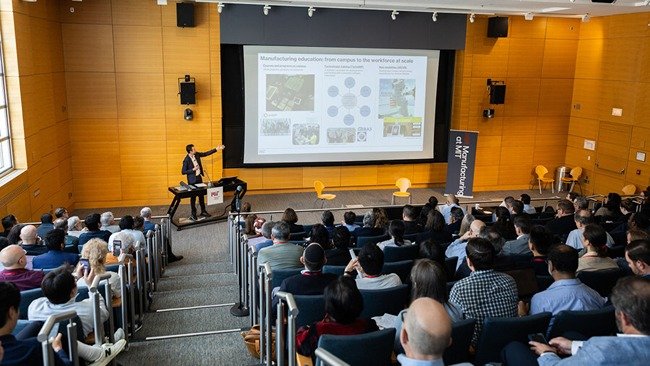
Flex joins MIT's initiative for new manufacturing consortium as a founding member. Flex announced a strategic collaboration with the Massachusetts Institute of Technology (MIT) on its new Initiative for New Manufacturing (INM) — a bold, Institute-wide effort to reimagine industrial production, drive innovation through advanced technologies, and strengthen U.S. manufacturing competitiveness. “We’re excited to collaborate with companies like Flex that are already shaping the next generation of industry,” said Professor John Hart, Head of the MIT Department of Mechanical Engineering and INM faculty co-director. “This collaboration aligns our shared vision of creating more resilient, human-centered, and technologically advanced manufacturing ecosystems.” As a founding member of the INM Industry Consortium, Flex will work closely with MIT researchers, educators, and fellow industry leaders to support cutting-edge projects that apply AI, machine automation, and new system-level approaches to manufacturing. MIT’s new Initiative for New Manufacturing (INM) is a bold, Institute-wide effort to reimagine industrial production, drive innovation through advanced technologies, and strengthen U.S. manufacturing competitiveness. The MIT Initiative for New Manufacturing focuses on four core pillars: Reimagining manufacturing technologies and systems Elevating productivity and the human experience of manufacturing Scaling new ventures and resilient supply chains Transforming the global manufacturing base with a focus on sustainability and economic opportunity INM will also establish new labs to develop advanced manufacturing tools and techniques. Through an MIT “factory observatory” program, students will gain hands-on experience by visiting Flex production sites. Separately, Flex will be hosting MIT faculty, researchers and Masters of Engineering (MEng) students at its Sorocaba, Brazil, site, where they will have the opportunity to work with FIT (Flex Institute of Technology), a nonprofit research and development institute focused on developing technological solutions for electronics manufacturing and related end products. For more information, visit flex.com.