Charged EVs | Customized EV connectors: ENNOVI’s approach to automotive interconnects
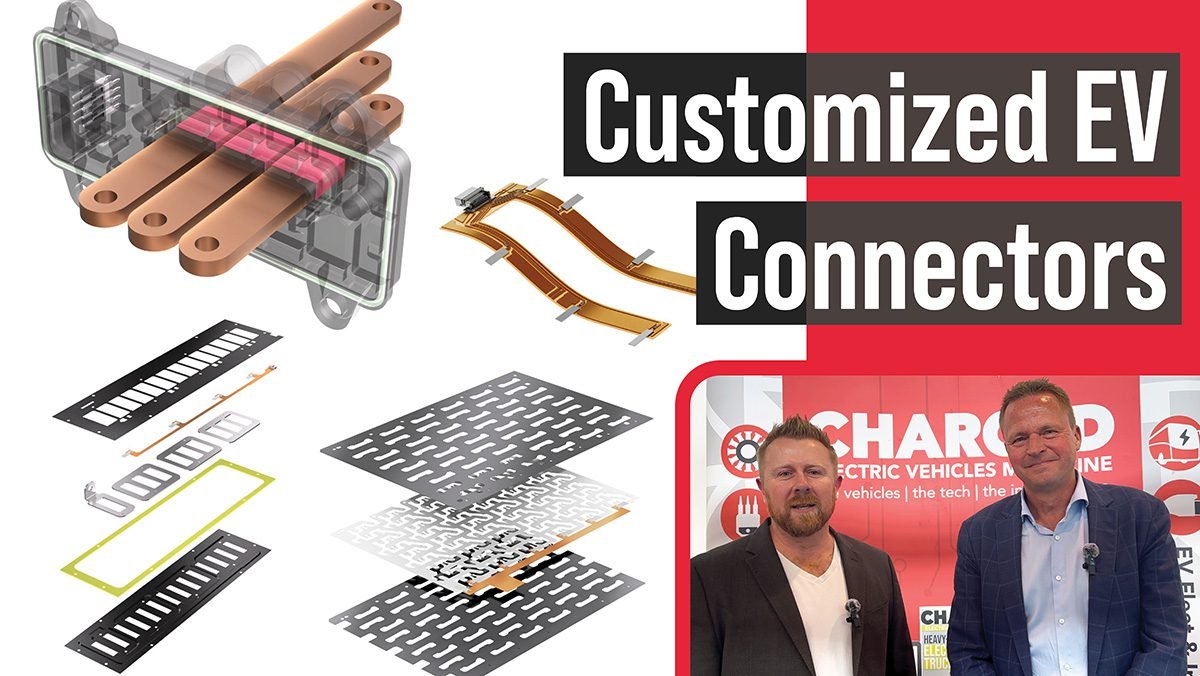
In the rapidly evolving automotive landscape, electrification is reshaping the industry, driving companies like ENNOVI to innovate specialized solutions. Charged recently chatted with ENNOVI’s team—CEO Stefan Rustler, Managing Director Michael Meckl and Product Manager Till Wagner—to learn more about its approach to automotive interconnects. Founded just over a year ago, yet built on a foundation of 60 years of automotive manufacturing expertise, ENNOVI emphasizes five strategic pillars: speed, innovation, talent, global outreach, and sustainability. These pillars position the company as a significant player in electric vehicle technologies, particularly within battery interconnect, power solutions, and signal interconnect applications. ENNOVI’s strength lies in its capacity to customize interconnect solutions tailored specifically to customer requirements. Early engagement and collaborative approaches ensure their global teams effectively anticipate and fulfill client needs. Through regional teams, competence centers, and extensive factory networks—comprising 14 facilities and four innovation hubs globally—ENNOVI guarantees a smooth transition from concept to production, helping clients rapidly scale solutions. A vital component of ENNOVI’s strategy is sustainability, integral to both its operational practices and product design. Achieving five consecutive EcoVadis Platinum awards underscores ENNOVI’s long-term commitment to environmental responsibility. This commitment encompasses reducing material and electricity consumption, implementing recyclable packaging solutions, and establishing closed-loop water systems within their manufacturing processes. Learn more about ENNOVI’s products: Innovative battery module design remains critical to the EV industry’s evolution. ENNOVI specializes in manufacturing battery module components, such as advanced cell contacting systems. Aware of ongoing challenges such as varying cell form factors and chemistries, ENNOVI has developed adaptable manufacturing technologies, including stamping, molding, lamination, and laser welding. These solutions offer flexibility in meeting dynamic market demands and enable more efficient production processes. One specific innovation highlighted by ENNOVI is the advancement of adhesive-free lamination technology for cell contacting systems. Traditional plastic trays, heavy and space-consuming, reduce overall battery energy density. ENNOVI’s adhesive-free lamination approach eliminates environmental impacts associated with adhesives while improving cycle times, demonstrating significant advancements in both ecological efficiency and performance optimization. Additionally, ENNOVI is responding effectively to the increased demand for higher voltage and faster charging capabilities in EV power systems. With typical EV voltages rising from 400–500 volts up to 800–1000 volts, ENNOVI addresses these challenges by innovating more compact and cost-effective bus bar connections. Their new sealing technologies shorten production cycles, reduce costs, and expedite market entry, reinforcing ENNOVI’s role in accelerating the automotive industry’s electrification journey.
Tesla Thinks Full Self-Driving Is Ready For Europe. Regulators Say Not So Fast
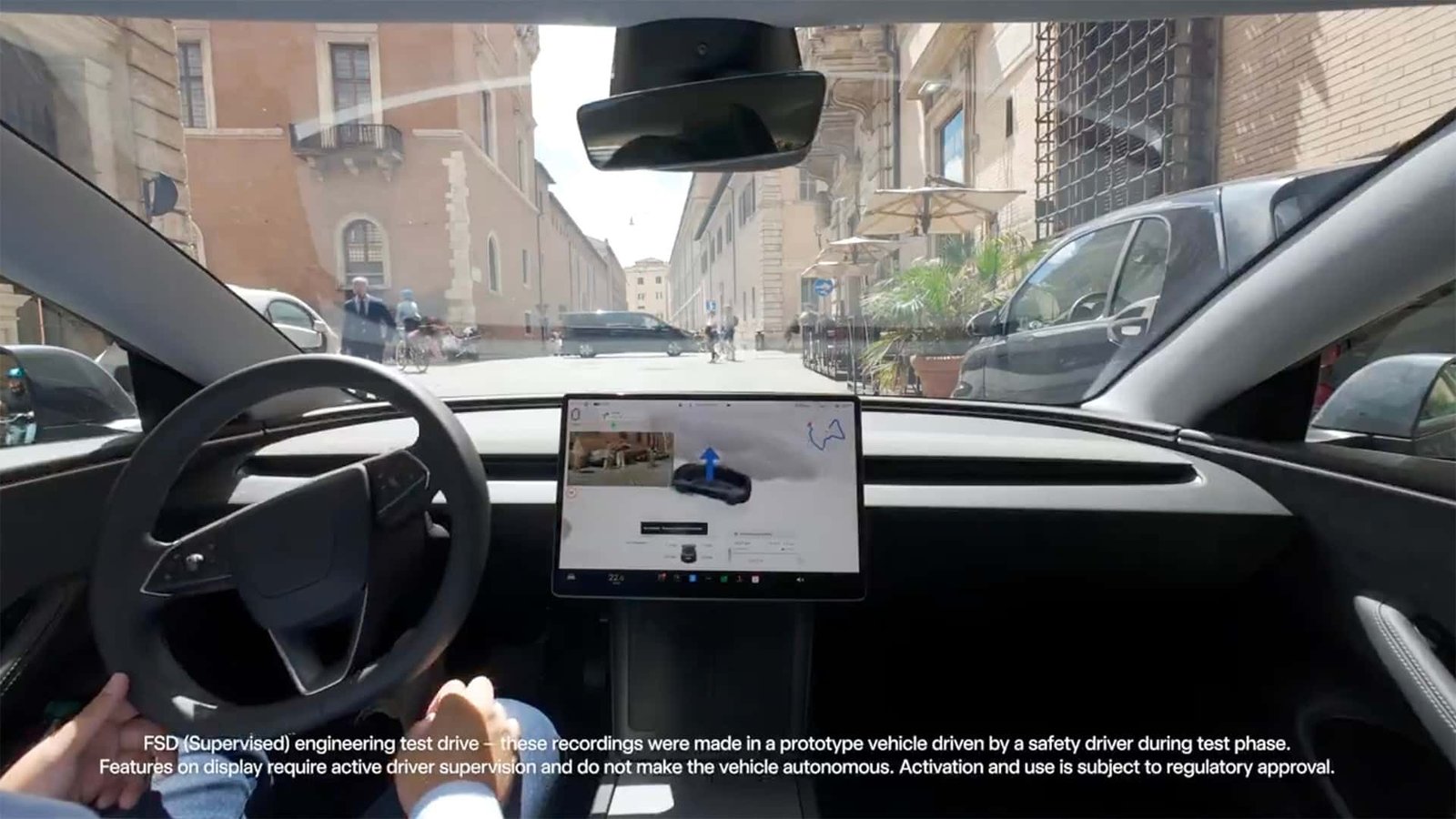
Tesla has released the second video showing hands-free Full Self-Driving in a major European city. After Paris, Tesla has now released a time-lapse of a car running FSD in Rome, a city known to be difficult to drive in. The prolonged wait for EU regulatory approval was deemed "very frustrating" by Elon Musk. Tesla has released a video showing a vehicle equipped with Full Self-Driving (FSD) going around the crowded and hectic streets of Rome. It’s the second in a series of videos meant to illustrate the fact that the manufacturer thinks FSD is ready for its European debut, hinting that only the wait for regulatory approval is holding it back. The first video of FSD running hands-off in Europe shows the system working in Paris, specifically around the Arc de Triomphe, which is a massive roundabout with no lane demarcations and 12 busy roads feeding into it—it can be a very stressful place for human drivers. The Tesla successfully navigated the roundabout as if trying to prove a point that it’s ready for the worst traffic situations that Europe has to offer. The choice of Rome in the more recent video is also not random. The Italian capital is known for its challenging traffic full of aggressive drivers, swarming scooters, sometimes narrow streets paved with cobblestones and just a lot of hustle and bustle. Driving around Rome can be challenging even for experienced drivers, so it will be interesting to see what happens in places like Rome once FSD is allowed for use on public roads. CEO Elon Musk expressed his frustration that it’s taking longer than he would have liked, putting the blame for the delay on “Dutch authorities” and the need for “the EU to approve.” He went on to say that it’s “very frustrating” that they’re not expediting the process because, at least according to Tesla’s own internal statistics, having FSD drive cuts the risk of injury fourfold. That internal data claims that FSD is 10 times less likely to get into a crash than a human driver. The process behind obtaining regulatory approval is complex and takes longer in the EU than in the U.S., partly because of the different legal frameworks around fully hands-off automated driving assistance systems. Who's at fault in a self-driving car crash needs to be more clearly defined in Europe, where currently only Level 2 semi-autonomous driving systems are permitted. Some cars also have an automatic lane change feature, but you can’t keep your hands off the wheel for more than a few seconds at a time. Mercedes-Benz is the first manufacturer allowed to enable Level 3 automated driving in the EU. The driver can take their hands off the wheel in Mercedes vehicles equipped with Drive Pilot at speeds of up to 59 mph (95 km/h), but only on the (vast) German autobahn network. In the press release announcing the milestone, Mercedes explained the importance of “redundant system architecture for safety.” This basically means that steering, braking, and other important functions have a double circuit to allow them to keep going if one fails. Mercedes-Benz Drive Pilot Turquoise Lights Photo by: Mercedes-Benz Mercedes also notes that Lidar is essential to make Level 3 driving possible. We don’t know if this particular detail also includes feedback from the regulators themselves, who like the idea that self-driving cars have other ways to make sense of their environment other than cameras. Teslas don’t have Lidar or radar and rely on their camera array (and several neural networks running on supercomputers) to understand what’s going on around and how to react. Regulators haven’t weighed in publicly, so we don’t know how far along the process is. The fact that Mercedes was only allowed to enable L3 on the highway and at a considerably lower speed than what most people do on the autobahn hints that making FSD legal in Europe won’t be easy or quick. Tesla’s European arm operates through the Netherlands, where it has its continental headquarters. It uses the Netherlands Vehicle Authority (RDW) to homologate its models for sale in the EU, and it’s this institution that’s responsible for testing and sending its findings to the EU for approval. In the U.S., Tesla simply rolled out FSD as a public beta that allowed users to activate the system and take their hands off the wheel on pretty much any road. This would be impossible in Europe, where regulators and lawmakers want to see testing data and proof that it’s safe before they grant approval. Ultimately, uploading videos won’t speed things up. The combination of the fact that FSD has almost exclusively been tested in the U.S., its camera-only approach and the multitude of legal implications that need to be made clear first means there’s a strong chance we won’t see FSD in Europe this year.
BYD exec says China's EV price war unsustainable
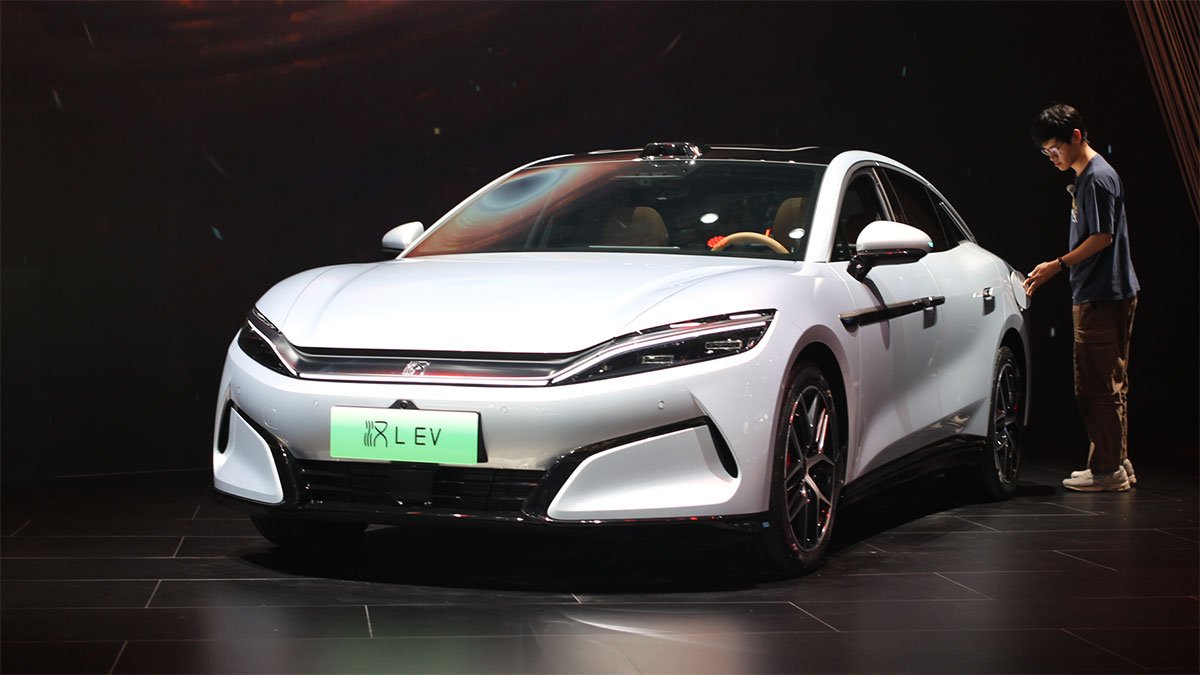
BYD's Stella Li said China's EV price war is unsustainable and explains why the company cut prices. Li also mentioned that BYD plans to continue making significant investments outside China, with a particular focus on the European market. (A BYD Han EV displayed at the Shanghai auto show in April 2025. Image credit: CnEVPost) A senior executive at BYD (HKG: 1211, OTCMKTS: BYDDY) has said that China's electric vehicle (EV) price war is unsustainable and explained why the company recently cut prices. "It's not sustainable. This is like very extreme, tough competition," BYD executive vice president Stella Li said in an interview with Bloomberg News in London, according to a report today. BYD's competitors always imitate the company and launch larger models of the same type at lower prices, she said. "You have to survive, but this is not healthy," she said. "We launch this model today, and two months later our competitors launch a similar model that is bigger but priced 10,000 to 20,000 RMB cheaper," she said. In late May, BYD announced price cuts for up to 22 models, with some models seeing price reductions of over 30 percent. Such an aggressive strategy is primarily due to BYD's ambitious sales targets, with the company aiming to sell 5.5 million vehicles in 2025, representing a year-on-year increase of 30 percent. However, BYD's retail sales in the first four months of this year grew by only 15 percent year-on-year, Deutsche Bank said in a research note on May 24. Several automakers, including Chery, Leapmotor (HKG: 9863), and IM Motors, subsequently announced similar measures, sparking concerns about an escalating price war. On May 31, the China Association of Automobile Manufacturers (CAAM) issued a statement urging an end to the price war in China, stating that disorderly price wars exacerbate unhealthy competition and further squeeze corporate profit margins. In the interview with Bloomberg, Li also mentioned that BYD plans to continue investing heavily outside China, with a particular focus on the European market. She said that BYD expects to invest up to $20 billion in Europe over the next few years. Li also said that BYD currently has no plans to collaborate with European automakers, a strategy adopted by domestic competitors like Xpeng and Leapmotor. ($1 = RMB 7.17) BYD's prices in overseas markets are relatively stable, which is beneficial to the company's profitability, said Wang Chuanfu.
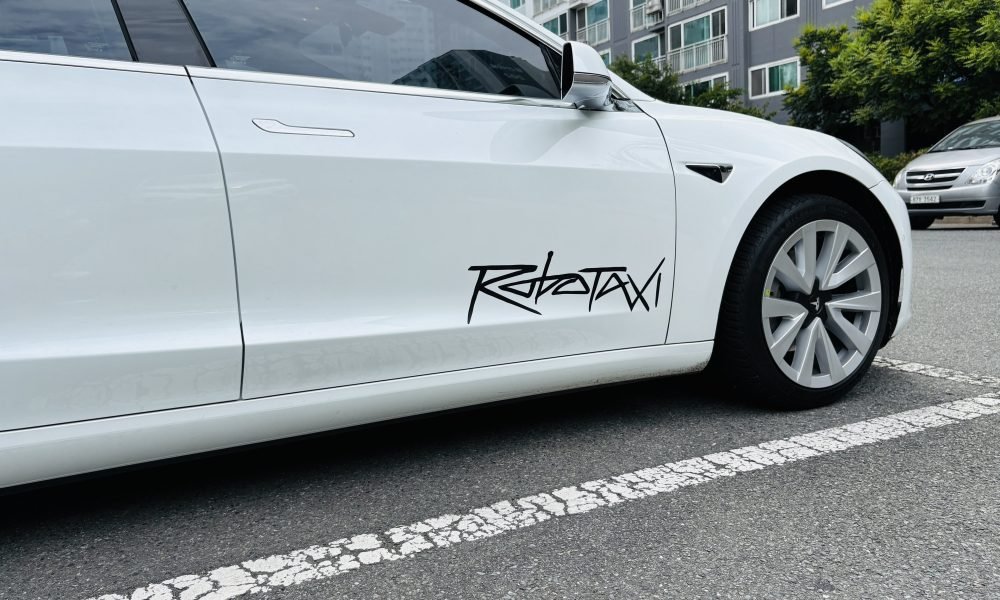
Tesla owners across the globe prepare for Robotaxi launch with this neat customization
Tesla shares have been blacklisted by the Swedish pension fund AP7, who said earlier today that it has “verified violations of labor rights in the United States” by the automaker. The fund ended up selling its entire stake, which was worth around $1.36 billion when it liquidated its holdings in late May. Reuters first reported on AP7’s move. Other pension and retirement funds have relinquished some of their Tesla holdings due to CEO Elon Musk’s involvement in politics, among other reasons, and although the company’s stock has been a great contributor to growth for many funds over the past decade, these managers are not willing to see past the CEO’s right to free speech. However, AP7 says the move is related not to Musk’s involvement in government nor his political stances. Instead, the fund said it verified several labor rights violations in the U.S.: “AP7 has decided to blacklist Tesla due to verified violations of labor rights in the United States. Despite several years of dialogue with Tesla, including shareholder proposals in collaboration with other investors, the company has not taken sufficient measures to address the issues.” Tesla made up about 1 percent of the AP7 Equity Fund, according to a spokesperson. This equated to roughly 13 billion crowns, but the fund’s total assets were about 1,181 billion crowns at the end of May when the Tesla stake was sold off. Tesla has had its share of labor lawsuits over the past few years, just as any large company deals with at some point or another. There have been claims of restrictions against labor union supporters, including one that Tesla was favored by judges, as they did not want pro-union clothing in the factory. Tesla argued that loose-fitting clothing presented a safety hazard, and the courts agreed. (Photo: Tesla) There have also been claims of racism at the Fremont Factory by a former elevator contractor named Owen Diaz. He was awarded a substantial sum of $137m. However, U.S. District Judge William Orrick ruled the $137 million award was excessive, reducing it to $15 million. Diaz rejected this sum. Another jury awarded Diaz $3.2 million. Diaz’s legal team said this payout was inadequate. He and Tesla ultimately settled for an undisclosed amount. AP7 did not list any of the current labor violations that it cited as its reason for
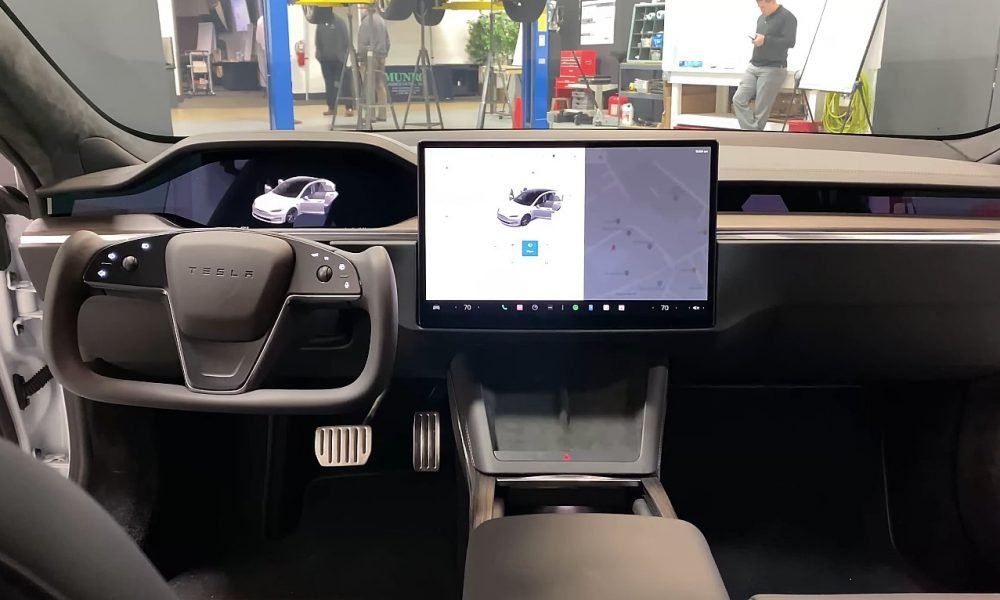
Tesla retires yoke steering wheel in base Model S and X
Tesla shares have been blacklisted by the Swedish pension fund AP7, who said earlier today that it has “verified violations of labor rights in the United States” by the automaker. The fund ended up selling its entire stake, which was worth around $1.36 billion when it liquidated its holdings in late May. Reuters first reported on AP7’s move. Other pension and retirement funds have relinquished some of their Tesla holdings due to CEO Elon Musk’s involvement in politics, among other reasons, and although the company’s stock has been a great contributor to growth for many funds over the past decade, these managers are not willing to see past the CEO’s right to free speech. However, AP7 says the move is related not to Musk’s involvement in government nor his political stances. Instead, the fund said it verified several labor rights violations in the U.S.: “AP7 has decided to blacklist Tesla due to verified violations of labor rights in the United States. Despite several years of dialogue with Tesla, including shareholder proposals in collaboration with other investors, the company has not taken sufficient measures to address the issues.” Tesla made up about 1 percent of the AP7 Equity Fund, according to a spokesperson. This equated to roughly 13 billion crowns, but the fund’s total assets were about 1,181 billion crowns at the end of May when the Tesla stake was sold off. Tesla has had its share of labor lawsuits over the past few years, just as any large company deals with at some point or another. There have been claims of restrictions against labor union supporters, including one that Tesla was favored by judges, as they did not want pro-union clothing in the factory. Tesla argued that loose-fitting clothing presented a safety hazard, and the courts agreed. (Photo: Tesla) There have also been claims of racism at the Fremont Factory by a former elevator contractor named Owen Diaz. He was awarded a substantial sum of $137m. However, U.S. District Judge William Orrick ruled the $137 million award was excessive, reducing it to $15 million. Diaz rejected this sum. Another jury awarded Diaz $3.2 million. Diaz’s legal team said this payout was inadequate. He and Tesla ultimately settled for an undisclosed amount. AP7 did not list any of the current labor violations that it cited as its reason for
Tesla Robotaxi just got a big benefit from the U.S. government
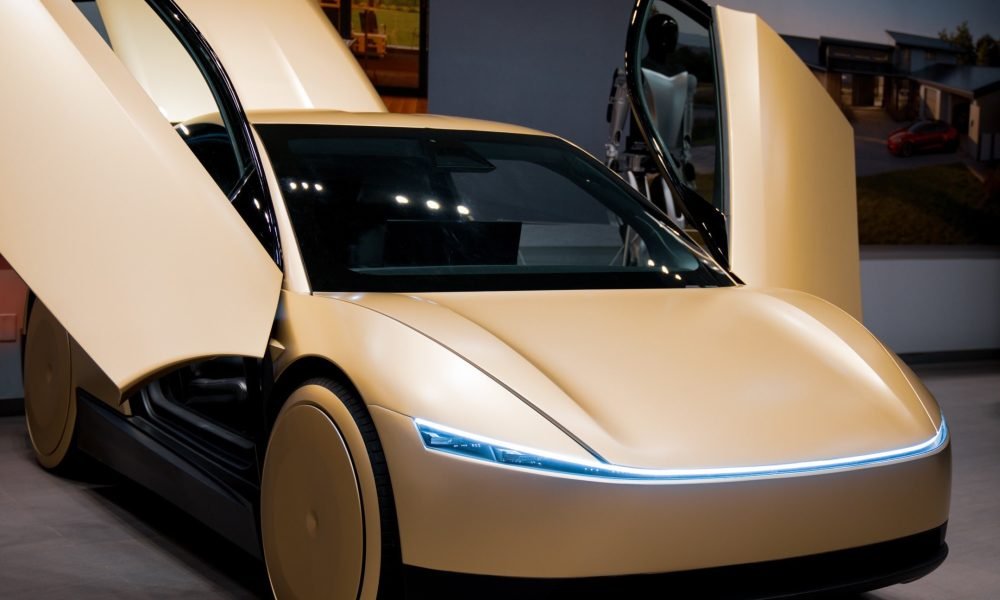
Tesla Robotaxi just got a big benefit from the U.S. Government, as the National Highway Traffic Safety Administration (NHTSA) is looking to ease some rules and streamline the application process that could hinder the development and licensing of autonomous vehicles. Tesla is set to launch its Robotaxi platform in the coming days or weeks, but regulation on autonomous vehicles is incredibly slim, so automakers are left in a strange limbo as permissions to operate are usually up to local jurisdictions. The NHTSA still has the ultimate say, but it is now adopting a new strategy that will see companies gain an exemption from federal safety standards and streamline the entire application process. The agency is authorized to grant exemptions to permit manufacturers to produce vehicles over a two or three-year period that might not comply with certain Federal Motor Vehicle Safety Standards (FMVSS). Robotaxi, for example, will eventually not have a steering wheel or pedals, through the Cybercab that Tesla unveiled last October. The exemption program the NHTSA announced today would be possible through Part 555 of the National Traffic and Motor Vehicle Safety Act: “NHTSA may grant a Part 555 exemption if at least one of four bases listed in the statute is met and NHTSA determines that the exemption is consistent with the public interest and the Safety Act. The statute also authorizes NHTSA to subject an exemption to terms the agency deems appropriate and requires that NHTSA publish notice of the application and provide an opportunity to comment.” The rapid and non-stop innovation that is being performed is tough to keep up with from a legal standpoint. The NHTSA recognizes this and says current legislation is appropriate for traditional vehicles, but not for the self-driving cars companies are producing now: “The current Part 555 process was designed for traditional vehicles. As currently applied, this process is not well suited for processing exemptions involving ADS-equipped vehicles in a timely manner or overseeing the unique complexities involving their operations. This has resulted in long processing times for applications for ADS-equipped vehicles. NHTSA must improve its Part 555 processing times substantially to keep pace with the rapid innovation of the ADS industry and to ensure that exemptions remain effective tools for nurturing groundbreaking safety technologies.” Now, the NHTSA will be “enhancing application instructions” to help manufacturers understand the requirements involved in the application process. This will streamline the entire process by “reducing the need for NHTSA to request additional information from the manufacturer,” the agency says. First Tesla driverless robotaxi spotted in the wild in Austin, TX Next, the NHTSA is going to have a more flexible approach to evaluating exemptions for ADS-equipped vehicles: “To build flexibility into the Part 555 process while also accounting for the unique aspects of those exemptions, NHTSA intends to develop terms that could be included in Part 555 exemption grants, when appropriate, to condition operations of exempted ADS-equipped vehicles on enhanced and continuing oversight from NHTSA. NHTSA would expect to administer this enhanced oversight through letters, which could be updated over time, mirroring real-world ADS development. This will enable NHTSA to focus its initial review during the application stage and align the Part 555 oversight approach more closely to exemptions administered under NHTSA’s Automated Vehicle Exemption Program (AVEP), which have proven effective for ADS.” This will benefit any company making autonomous vehicles, but it will especially benefit Tesla in the short-term as it is readying for the launch of Robotaxi. Tesla is trading up 1.89 percent at the time of publication. Part 555 Letter June 2025 by Joey Klender on Scribd
Ford kicks off battery pack production in Cologne
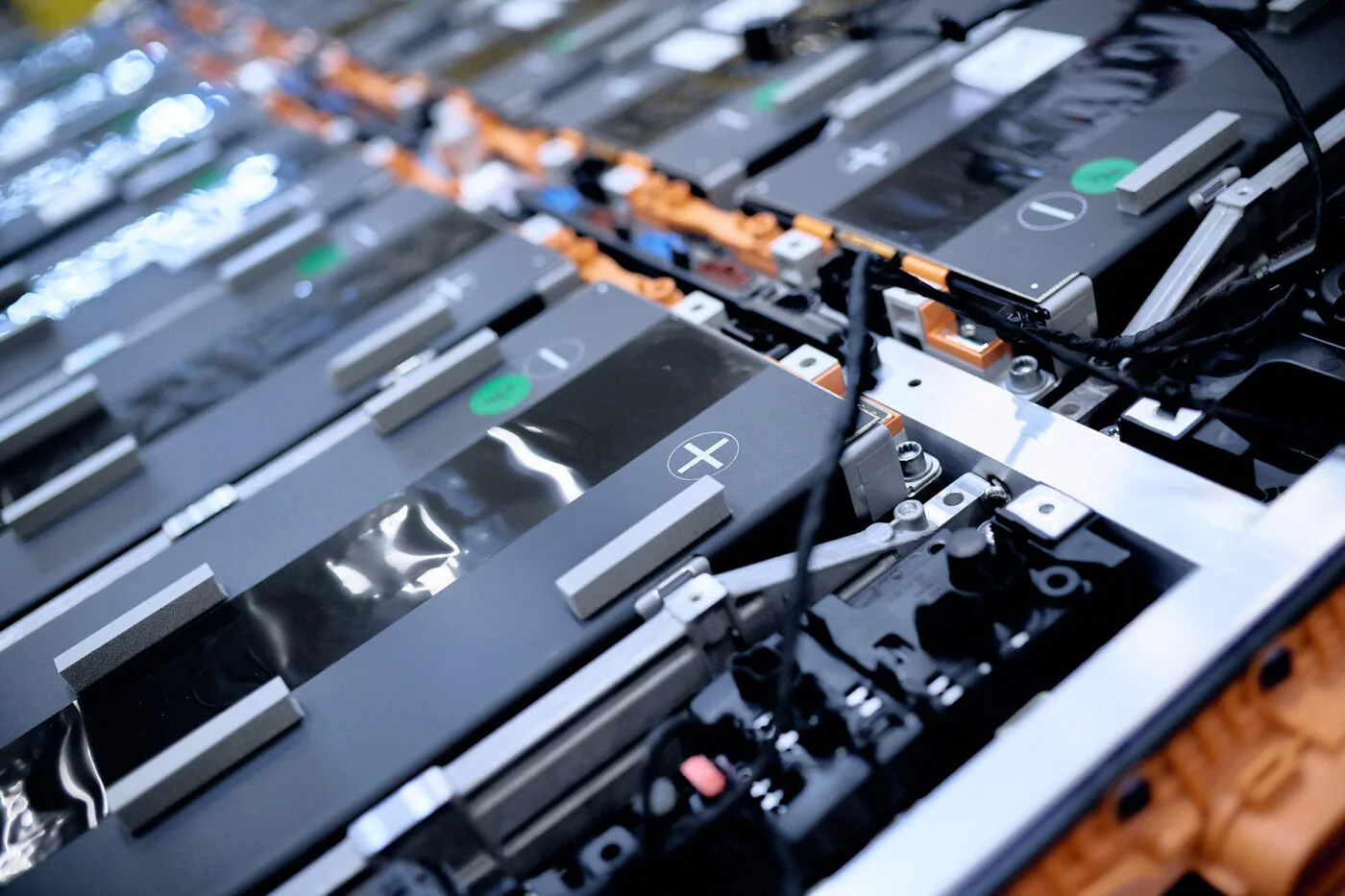
Ford has started battery pack assembly at its Cologne site, meaning it now produces its own batteries for the all-electric Explorer and Capri. The move is said to streamline logistics and quality control. Since last year, Ford has only produced electric vehicles at its plant in Cologne, Germany. Specifically, these are the Ford Explorer and the Capri, both of which sit on the MEB platform borrowed from Volkswagen. That means Ford has used the entire drivetrain – electric motor and batteries – from VW, as well as some components on the inside of the vehicle. The batteries were made by Skoda in the Czech Republic, and Ford had plans all along to manufacture them on its own in Cologne. The former engine factory was thus converted to produce high-voltage batteries. Ford now assembles three different drive battery configurations for the Ford Explorer and the recently revealed Ford Capri, namely variants with 52 kWh, 77 kWh and 79 kWh. The production line’s 180 state-of-the-art robots carry out welding, glueing and bolting operations to assemble the battery housing. Each unit incorporates up to 12 battery modules, with approximately 2,775 individual parts combined across the 2 km-long automated line. The fully digitalised facility operates as part of Ford’s vision of a ‘Factory of the Future’. It is part of a $2 billion investment to modernise the long-standing Cologne plant. And with production taking place under one roof, the automaker aims to ensure tighter integration between battery pack and vehicle assembly, reducing transport emissions, optimising logistics, and maintaining high manufacturing standards. Designed to enhance quality, reduce complexity and support employee upskilling, the facility also plays a strategic role in Ford’s electrification ecosystem. Alongside Cologne, electric drive units are being built at Ford’s Halewood site in the UK, while additional EV production is ramping up in Craiova, Romania, and Kocaeli, Turkey through Ford Otosan. The mood among employees is currently anything but good, as May saw the first strike in the plant’s nearly 100-year history. This is due to the company’s austerity measures, which include job cuts and short-time working. Not only are sales of electric cars built in Cologne significantly below expectations, but Ford is also losing market share with combustion engine models from other plants. Furthermore, although the US parent company promised its German subsidiary a capital injection of up to 4.4 billion euros in March, it simultaneously withdrew an important guarantee. ford.com
Frequency Performance Payments reform in Australia's NEM
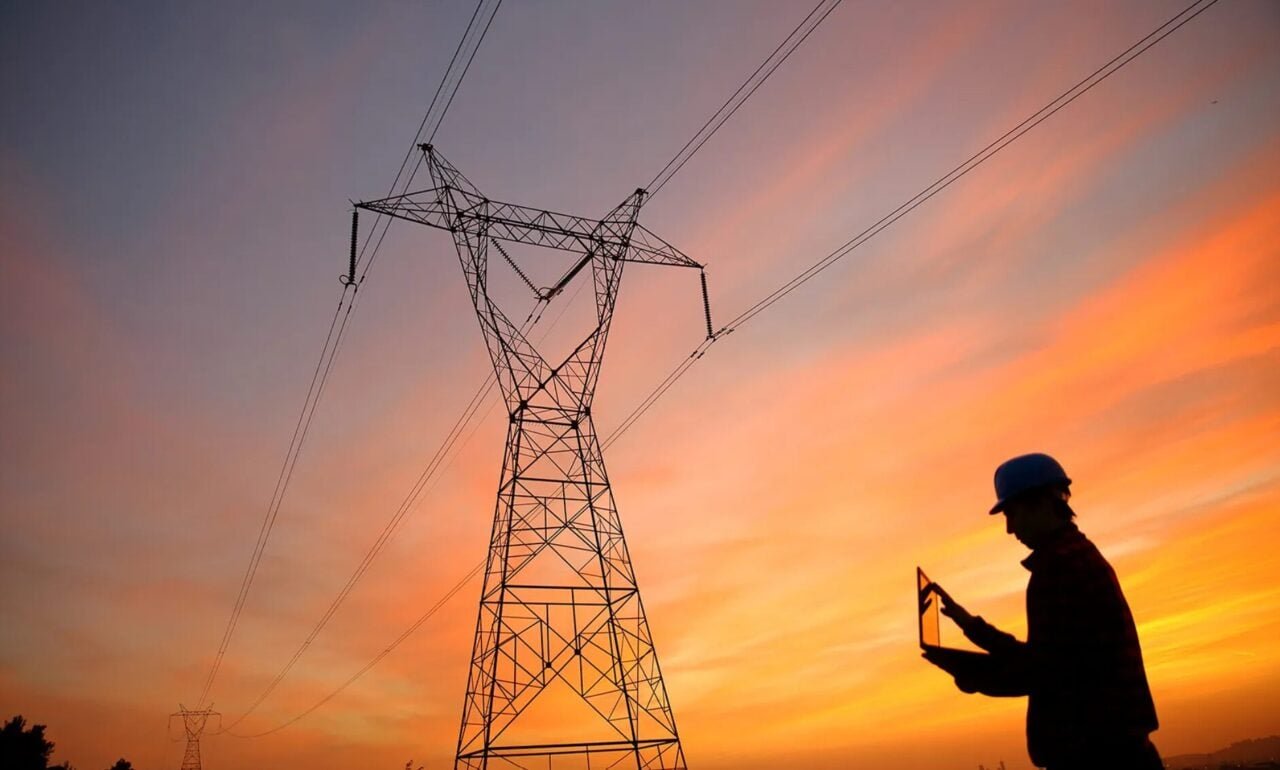
Frequency Performance Payments reform in Australia's NEM - Energy-Storage.News Skip to content
SpaceX produces its 10 millionth Starlink kit
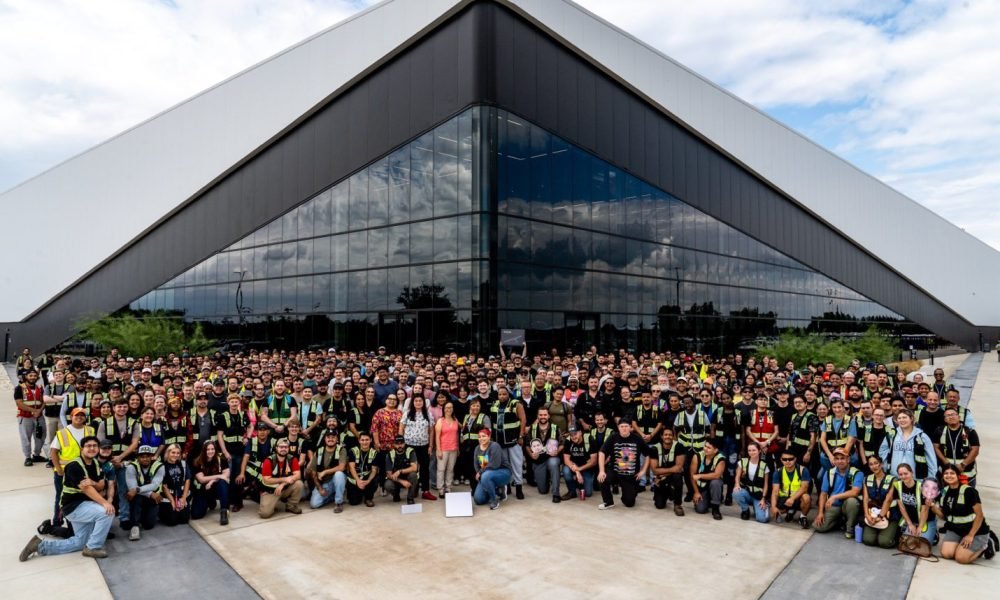
SpaceX has achieved a major milestone, producing its 10 millionth Starlink kit. The accomplishment was celebrated across the company’s Hawthorne, California, and Bastrop, Texas, facilities. The milestone was shared in social media by Sujay Soman, Senior Facilities Engineer, in a LinkedIn post, which has since been deleted. Starlink Production Ramp Soman noted in his LinkedIn post that the first 5 million Starlink kits took nearly four years to build, but the next 5 million kits were completed in just 11 months. This underscores SpaceX’s intense efforts to ramp up the satellite internet system’s production, and it reflects the private space company’s manufacturing prowess. The SpaceX Senior Facilities Engineer shared a couple of photos of the Machine Maintenance and Facilities team in Bastrop to commemorate the event. “Today, Starlink Product teams across our Hawthorne and Bastrop sites produced the 10th Million Starlink Kit! It took almost 4 years to build our first 5 million kits, and we doubled that in about 11 months. Monumental accomplishment!” Soman wrote in his post. Credit: Sujay Soman/LinkedIn World-Changing Technology The Starlink kits, featuring dish hardware and supporting equipment, enable users to connect to the company’s growing constellation of low Earth orbit satellites. With over 6,000 satellites launched to date, Starlink now provides fast and reliable internet connectivity to over 6 million customers worldwide. This was a significant increase from the 5 million customers that the company reported in February 2025. SpaceX has not detailed its next production targets, but the production of Starlink’s 10 millionth kit milestone signals the company’s readiness to scale further. Being an Elon Musk-led company, SpaceX is arguably the best in the business when it comes to efficient and cost-effective manufacturing. It would then be unsurprising if SpaceX announces another Starlink production milestone soon. The post SpaceX produces its 10 millionth Starlink kit appeared first on TESLARATI.
TotalEnergies' Saft to build Fukushima battery storage site
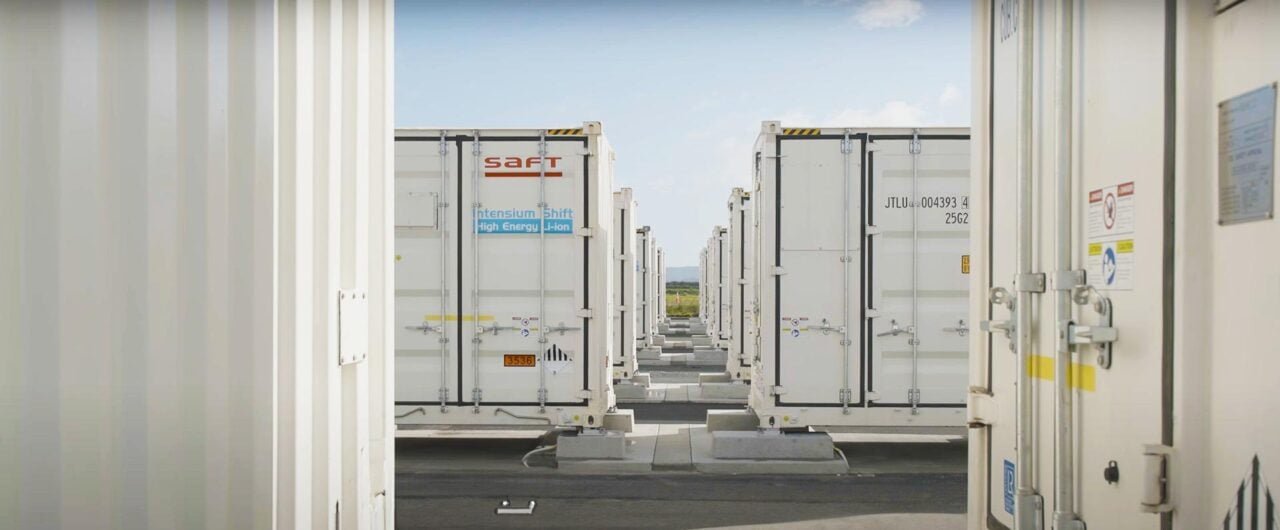
French oil major TotalEnergies’ subsidiary Saft has been selected to build a 1 gigawatt-hour battery energy storage system in Japan’s Fukushima, the company said on Thursday.Part of a larger project by Asian renewable developer Gurin Energy, the system will be able to provide over 240 megawatts of power for four hours.Construction is expected to begin next year, Total said in a statement.Battery storage systems are designed to stabilize electricity grids that receive volatile power swings from intermittent sources such as solar and wind farms.Japan plans to install 10 gigawatts worth of energy storage capacity as it seeks to increase the share of renewables in its electricity mix to nearly 40% by the end of the decade, up from around 27% currently.“Asia is a critical region for the sustained, long-term growth of Saft’s Energy Storage System (ESS) business,” Vincent Le Quintrec, Saft’s ESS sales and marketing director said in a statement.TotalEnergies itself operates four solar parks in Japan and has bid for tenders in the country’s nascent offshore wind market, as part of its strategy to develop an integrated electricity business alongside oil and gas. reuters.com Previous articleFord kicks off battery pack production in Cologne Next articleTrump revokes California combustion engine phase-out – lawsuits announced
AES completes phase one of largest solar-plus-storage in the US
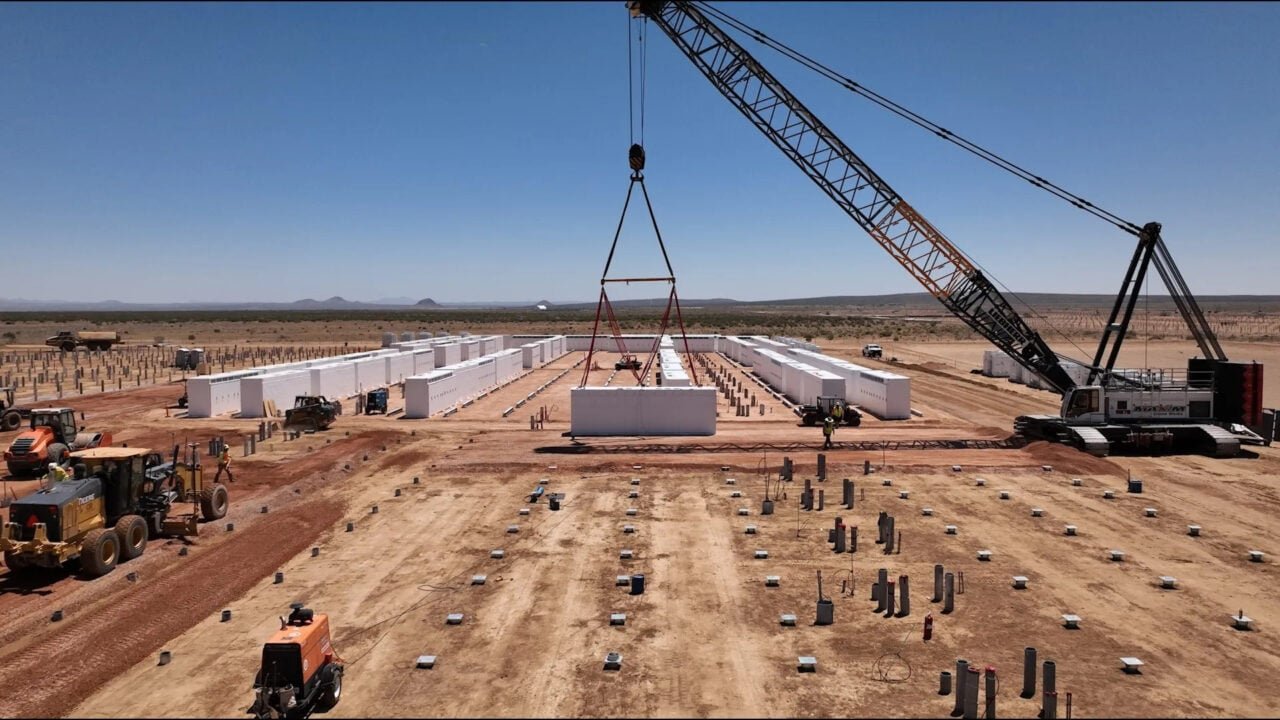
AES completes phase one of largest solar-plus-storage in the US - Energy-Storage.News Skip to content
Tesla $TSLA blacklisted by Swedish pension fund as it sells entire stake
Tesla shares have been blacklisted by the Swedish pension fund AP7, who said earlier today that it has “verified violations of labor rights in the United States” by the automaker. The fund ended up selling its entire stake, which was worth around $1.36 billion when it liquidated its holdings in late May. Reuters first reported on AP7’s move. Other pension and retirement funds have relinquished some of their Tesla holdings due to CEO Elon Musk’s involvement in politics, among other reasons, and although the company’s stock has been a great contributor to growth for many funds over the past decade, these managers are not willing to see past the CEO’s right to free speech. However, AP7 says the move is related not to Musk’s involvement in government nor his political stances. Instead, the fund said it verified several labor rights violations in the U.S.: “AP7 has decided to blacklist Tesla due to verified violations of labor rights in the United States. Despite several years of dialogue with Tesla, including shareholder proposals in collaboration with other investors, the company has not taken sufficient measures to address the issues.” Tesla made up about 1 percent of the AP7 Equity Fund, according to a spokesperson. This equated to roughly 13 billion crowns, but the fund’s total assets were about 1,181 billion crowns at the end of May when the Tesla stake was sold off. Tesla has had its share of labor lawsuits over the past few years, just as any large company deals with at some point or another. There have been claims of restrictions against labor union supporters, including one that Tesla was favored by judges, as they did not want pro-union clothing in the factory. Tesla argued that loose-fitting clothing presented a safety hazard, and the courts agreed. (Photo: Tesla) There have also been claims of racism at the Fremont Factory by a former elevator contractor named Owen Diaz. He was awarded a substantial sum of $137m. However, U.S. District Judge William Orrick ruled the $137 million award was excessive, reducing it to $15 million. Diaz rejected this sum. Another jury awarded Diaz $3.2 million. Diaz’s legal team said this payout was inadequate. He and Tesla ultimately settled for an undisclosed amount. AP7 did not list any of the current labor violations that it cited as its reason for
Trump revokes California combustion engine phase-out – lawsuits announced
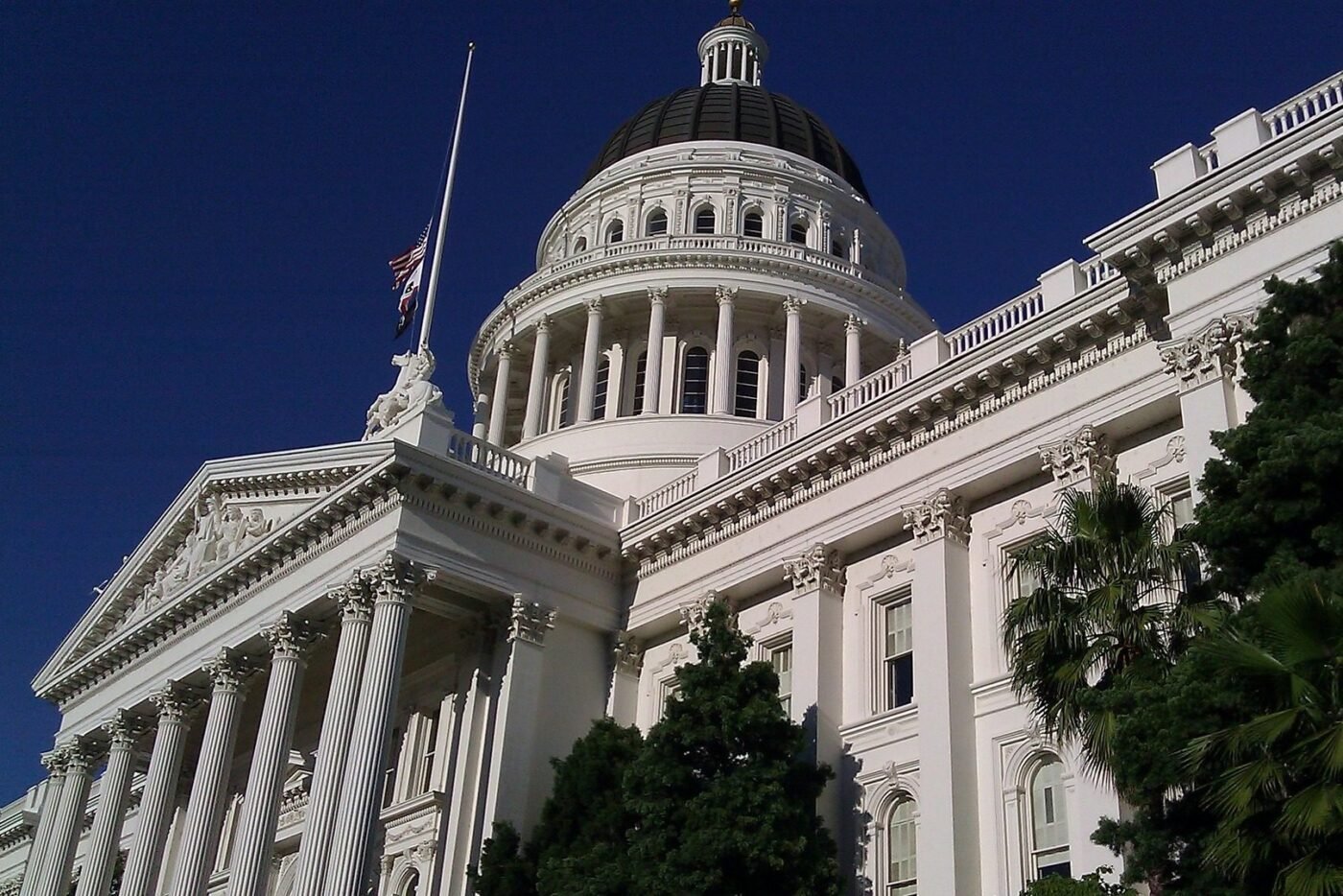
US President Donald Trump has signed several resolutions passed by Congress into law – including a measure to block California’s plans to ban the sale of new combustion engine vehicles from 2035. California and ten other US states have already filed lawsuits against the decision. With his signature, Trump has not only halted California’s combustion engine phase-out but also blocked rules limiting emissions from certain vehicles and nitrogen oxide emissions from trucks in the state. Trump called California’s regulations “a disaster for this country”. “We officially rescued the U.S. auto industry from destruction by terminating the California electric vehicle mandate once and for all,” the US President declared. In 2020, California Governor Gavin Newsom issued an executive order stipulating that only zero-emission passenger cars could be sold from 2035 onwards. In 2022, the California Air Resources Board (CARB) turned this into a binding regulation – albeit with some concessions: while carmakers will no longer be allowed to sell pure combustion engine vehicles from 2035, plug-in hybrids (PHEVs) will still be permitted. However, these PHEVs must offer a real-world electric-only range of at least 50 miles (around 80 kilometres). In addition, no more than 20 per cent of a manufacturer’s overall sales may consist of PHEVs – the remaining 80 per cent must be made up of battery-electric or hydrogen fuel cell vehicles. California’s rule, since adopted by eleven other US states including New York, Massachusetts, and Oregon, is based on a waiver from the US Environmental Protection Agency (EPA), allowing individual states to enact their own stricter vehicle emissions standards. It is precisely this waiver that has now been revoked, meaning California and other states are no longer permitted to issue independent exhaust emission rules. The resolution had previously passed both chambers of Congress before being signed into law by Trump. Concerns over the legality of reversing the EPA waiver using the so-called Congressional Review Act were already raised in March. A court case was likely from the outset. With eleven states now filing immediate legal action against the resolutions, the matter is set to be settled in court. The goal is to “top this latest illegal action by a President who is a wholly-owned subsidiary of big polluters,” Governor Newsome said about the lawsuit filed with the US District Court in Northern California. California Attorney General Rob Bonta added: “We made a promise that if the president attempted to illegally interfere with our clean air standards, we’d hold him accountable in court. Today, we are making good on that promise.” According to Governor Newsom, Trump is continuing his broadside against California. That appears to go beyond environmental policy. In response to unrest in Los Angeles – mainly over federal deportation actions – Trump has deployed 2,000 National Guard to the city, against the Governor’s wishes. So, the conflict between the two politicians runs deeper than just emissions rules.In addition to the lawsuit, Newsom signed an executive order which he said is intended “to keep California on track with our world-leading transition to cleaner cars.” The order reaffirms the state’s commitment to zero-emission vehicles (ZEVs), expands incentive programmes for clean vehicles, and adjusts state procurement requirements – directing agencies to “issue recommendations within 60 days.” However, Trump’s decision has not been met with universal criticism. The Alliance for Automotive Innovation, whose members include General Motors, Toyota, Volkswagen, Hyundai and Stellantis, stated that the regulations “were never achievable” and would make cars less affordable for consumers. “Worse than unachievable, these EV mandates were going to be harmful,” said John Bozzella, president and CEO of the Alliance for Automotive Innovation. “Harmful to auto affordability, to consumer choice, to industry competitiveness and to economic activity.” gov.ca.gov, fleetowner.com, nbcnews.com, politico.com, reuters.com
Hithium launches 1175Ah li-ion cell for long-duration energy storage
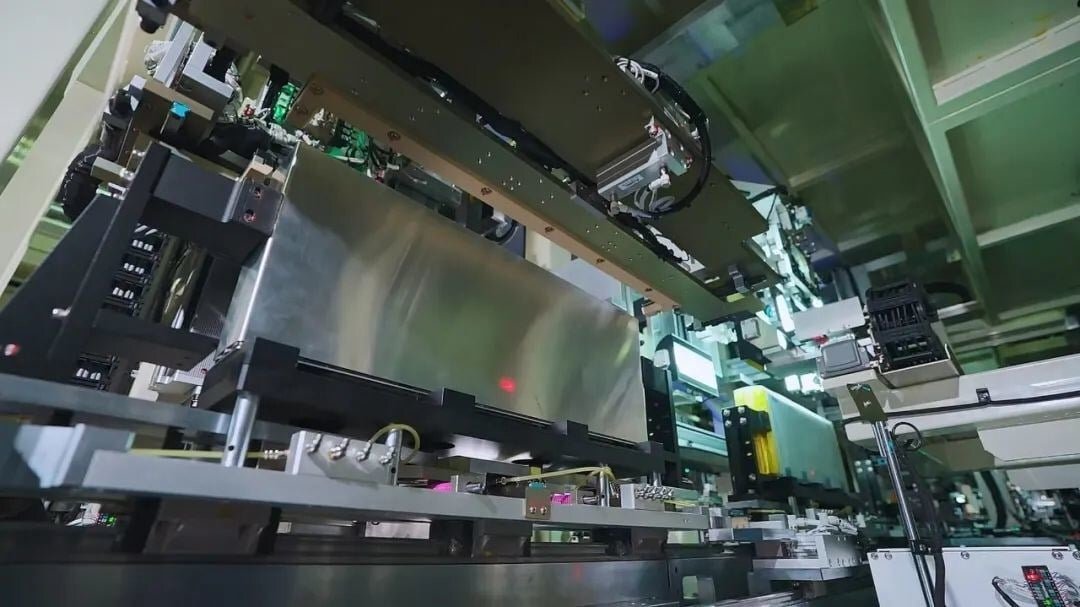
The 1175Ah capacity is a significant increase on the current most popular form factor of 314Ah cells used in battery energy storage system (BESS), and nearly twice a new, higher form factor of around 600Ah that many BESS providers have announced they are using in recent months. Hithium said the development of the cell featured breakthroughs in wide-width thick coating precision, large-electrode stacking efficiency, an original cell structure design, improved back-end cell manufacturing efficiency and greater consistency in cell wrapping. In the same announcement, Hithium said it has signed a strategic cooperation agreement with Israel-based engineering, procurement and construction (EPC) firm El Mor for a long-duration energy storage (LDES) project in Romania. Romania is supporting the deployment of energy storage resources with EU funding, recently awarding capex support to around 2.5GWh of projects. Hithium said that its 1175Ah cell is poised to become a new benchmark in the energy storage industry as it enters a new era of LDES. The firm announced a new 6.25MWh BESS product using the 1175Ah cells at the ees Europe trade show and conference in Munich, Germany, last month. Then at the start of June, it announced that it had started manufacturing battery modules and BESS units at a facility in Texas, US.
Tesla launches new Model S and Model X, and the changes are slim
Tesla teased a new Model Y seating option earlier this week in a promotional email, potentially hinting that it could introduce an arrangement offered on the legacy version of the vehicle. Back in 2021, Tesla started offering a seven-seat configuration of the Model Y, and there was a lot of speculation about its orientation and the space it would provide. The two additional seats were truly a tight fit for anyone, even kids, as the space for a third row was extremely limited in the Model Y. Tesla Model Y third-row seats first impressions shared by EV owner Eventually, Tesla started building the seven-seater with forward-facing seats and very tight legroom dimensions. It was beneficial for some, but many still considered the arrangement to be too confined for their needs. The company confirmed earlier this year in an interview with Jay Leno that the car would get other configurations, including Rear-Wheel-Drive, which has already launched, a Performance trim, which has been spotted with bumper covers several times this year, and a seven-seat version: 🚨CONFIRMED: Tesla will launch the new Model Y 7-Seater and new Model Y Performance later this year. pic.twitter.com/AA5ZPa7K4q — TESLARATI (@Teslarati) February 10, 2025 The new seven-seater could be coming soon as well, according to a recent email Tesla sent to customers and fans. In it, Tesla writes: “Ready for anything with long range seating for up to seven and enough room for everyone’s gear.” Tesla did have a mysterious Model Y roaming around the Fremont Factory’s test track recently with covered bumpers and what appeared to be strange dimensions. We thought it might be the compact, affordable model that is set to launch in the first half of the year, but now it seems that the car could have either been the Model Y seven-seater or the Model Y Performance configuration, as they are both expected soon. We are interested to see if Tesla can squeak out a few more inches of legroom in the new seven-seater, but we’re not holding our breath. Nevertheless, the new Model Y came with quite a few improvements, including suspension changes, acoustic-lined glass for a better cabin experience, and a front and rear bumper redesign, among other things. There is no doubt it will be a better car than the legacy version.
Scania to save Northvolt Labs
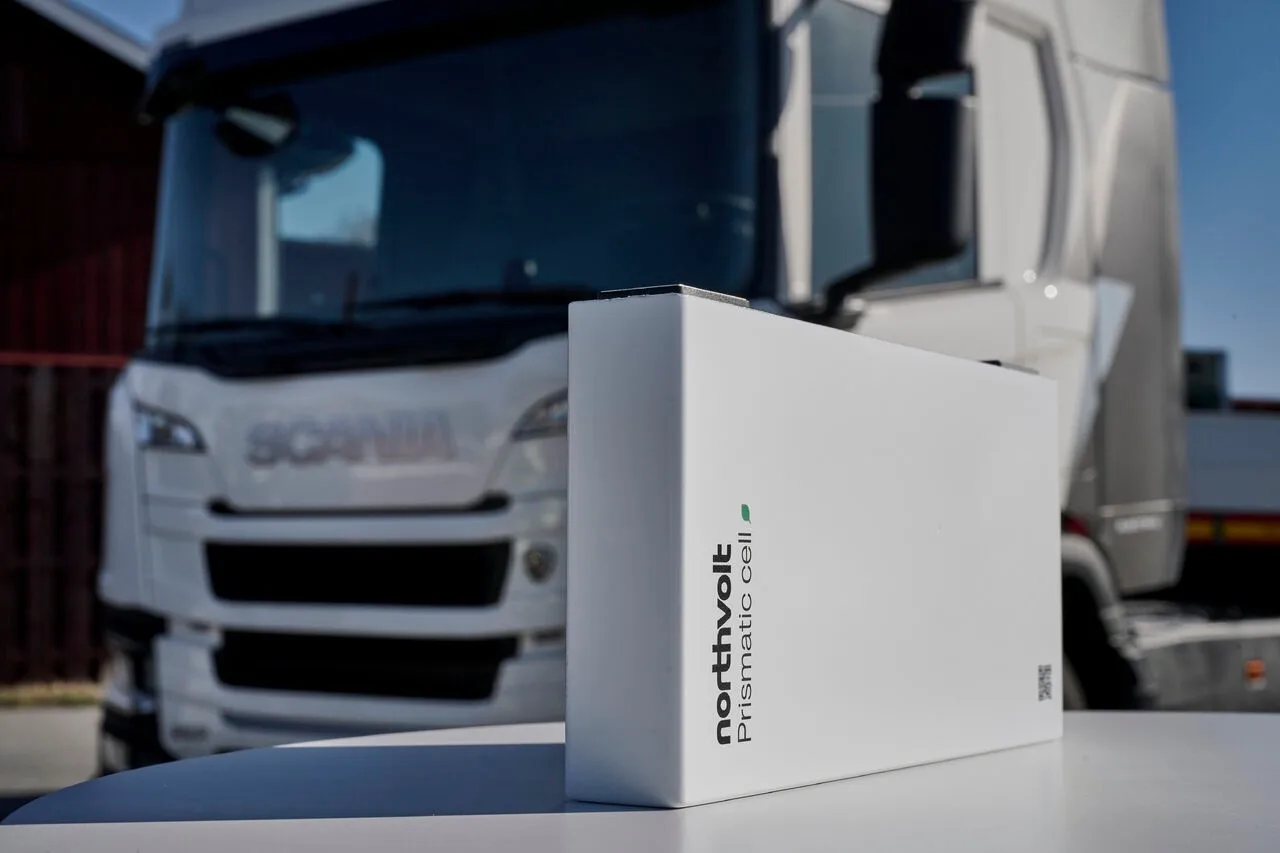
Following the insolvency of Northvolt, the former anticipated leader in European battery cell production, Swedish commercial vehicle manufacturer Scania is working hard to save the Northvolt Labs research and development centre in Västerås, Sweden. Scania boss Christian Levin is now looking for partners. Northvolt has been in crisis for a long time and initially filed for creditor protection proceedings in the USA in November 2024, followed by insolvency in Sweden in March 2025. In May, it was announced that battery cell production at the main plant in Skellefteå would be discontinued at the end of June. The only recent customer for the cells was Scania, which has long been Northvolt’s best customer and is also linked to the company via its parent company Volkswagen, which is Northvolt’s largest shareholder with a 21 per cent stake. In the course of Northvolt’s turbulence, Scania has already taken over the battery systems division Northvolt Systems Industrial, including the research and development centre and a team of around 260 employees. Now, Scania’s next rescue operation: CEO Christian Levin sees Northvolt Labs not only as an entrepreneurial opportunity, but above all as a strategic necessity in order to preserve Europe’s expertise in the field of battery technology. In other words, Scania does not want to leave the field to competing players such as CATL from China or LGES from South Korea. Consortium for the preservation of the ‘crown jewel’ However, Scania needs partners for the rescue attempt and plans to form a consortium of industrial partners, the Swedish government and the EU Commission to buy Northvolt Labs out of insolvency. ‘We are trying to form a consortium that would partly finance this, but we can’t do it alone, it’s just too much, even for a big company like ours,’ Levin told the Financial Times. The aim is to secure the site and the knowledge accumulated there for Europe. Northvolt had invested around 750 million dollars in the facility. It is regarded by industry experts as the ‘crown jewel’ of the company. Around 1,100 highly qualified employees conduct research into innovative battery materials and recycling processes there. Despite the crisis surrounding the company, this research base remains of great importance – also for the European industrial centre as a whole. The danger of Asian competitors expanding their technological dominance in the battery sector is a warning signal for many decision-makers in Europe. Also important for the EU’s fleet targets The importance of preserving Northvolt Labs goes far beyond saving a research facility. Scania sees itself – and the European commercial vehicle industry – under increasing pressure due to Northvolt’s difficult situation. The shift towards low-emission drives is politically desired and stipulated by regulations: Commercial vehicles in the EU are to produce significantly lower emissions by 2030. But the market is lagging behind. In the first quarter of 2025, battery-electric trucks accounted for just 3.5 per cent of sales. To achieve the EU targets, this share would have to rise to 35 per cent by 2030. ‘If we don’t achieve a corresponding sales volume, we will simply become too expensive and won’t be able to compete in China or Southeast Asia,’ warns Levin. The result would not only be competitive disadvantages, but also high fines. Lack of European batteries Scania will continue to purchase battery cells from the ailing company until the end of June, albeit under difficult conditions. At the same time, the supply from Asian suppliers is being expanded. However, this is causing displeasure among many customers, as European batteries are considered particularly sustainable due to their lower carbon footprint. Dependence on non-European suppliers also contradicts the EU’s industrial policy objectives. Although Scania is actively campaigning for the preservation of Northvolt Labs, political support has so far failed to materialise. Talks with officials in Brussels and Stockholm have so far been unsuccessful. Scania boss Levin made it clear: without public commitment, there is not only a risk of losing valuable jobs and research resources, but also a setback for Europe’s technological independence. ft.com (paywall), norran.se
How Minor Metals Could Cause Major Electrification Bottlenecks

In the discourse around global electrification, much of the attention is mistakenly drawn to the purported shortages of primary metals such as lithium and cobalt. As I’ve argued extensively elsewhere, including in critiques of the flawed models by Michaux and Cathles, these scenarios vastly overstate scarcity due to extreme and inaccurate assumptions and disregard of market-driven adjustments and innovation. Primary metals, by their nature, have clearly defined markets, identifiable reserves, straightforward economic incentives, high substitutability and easy recycling pathways. What presents a more interesting and nuanced challenge are the metals produced not directly for themselves, but as incidental by-products in the extraction of primary metals. These by-product metals, such as indium, gallium, germanium, tellurium, selenium, and certain rare earth elements, present fundamentally different supply-chain dynamics, market structures, and economic challenges. Understanding this difference is essential for stakeholders navigating the electrification transition, particularly in the face of recent geopolitical shifts. The defining characteristic of by-product metals is that their supply is inherently bound to the mining and refining of major metals like copper, zinc, nickel, and aluminum. Unlike lithium or cobalt, whose production scales relatively independently according to demand signals, by-product metals cannot be ramped up easily because they rely entirely upon the scale and economics of the host metal’s extraction. A surge in demand for indium, essential for various electronics, does not directly lead to more indium mining. Rather, it relies on increased zinc production, since indium is primarily extracted from zinc refinery residues. Tellurium, an essential element for certain specialized technologies, depends almost exclusively on copper refining slimes. The availability of these by-product metals fluctuates unpredictably in tandem with unrelated market forces shaping primary metal markets. The electrification sector must deal with supply uncertainty not dictated by their own demand but by entirely external economic cycles. This structural reality creates a challenging economic dynamic. Because these metals are incidental outputs, their extraction is economically marginal. A zinc refiner does not produce indium as its core business; it does so only when the cost of recovery is justified by indium’s price in the market. If indium prices dip even slightly, it becomes economically rational for zinc refiners to leave indium in waste streams rather than recovering it, creating intermittent shortages and price volatility. This economic uncertainty complicates strategic planning for industries relying on these materials and frequently deters investment in the extraction infrastructure necessary for steady supply. The financial calculus is entirely different from primary metals, where predictable demand generally justifies sustained investment. The geographic concentration of production adds another critical dimension. Many by-product metals’ global supplies are dominated by a small number of countries or even specific industrial facilities. China is most notable in this regard, of course. Over the past two decades, China has systematically positioned itself as the dominant global processor of metals like gallium and germanium, which are critical inputs for semiconductors and advanced electronics. China’s recent strategic move — instituting licensing and export control requirements for critical minerals — highlights how precarious this concentration can be. As I’ve emphasized in a recent presentation to global investors through Jefferies, China’s tightening control of these by-product metals fundamentally alters strategic risk assessments for technology companies and renewable energy developers worldwide. Unlike lithium or cobalt, where production can diversify geographically more readily, by-product metals face substantial hurdles to diversification because their recovery depends on complex and specialized refining infrastructures already entrenched in places like China. Further complicating this scenario is the global trend toward increased recycling of primary metals. As recycling rates for metals like copper and aluminum rise, less virgin ore needs to be extracted, directly reducing the production of associated by-product metals. While recycling is unequivocally beneficial for the environment and the sustainability of primary metals, it paradoxically reduces the flow of critical by-products. The refining of recycled copper, for instance, does not yield tellurium, as this element is recovered only from primary copper ore refining processes. Ironically, more recycling in primary metal markets may exacerbate scarcity in the by-product metals supply, reinforcing their fundamentally different economic and environmental dynamic. Environmental considerations compound the challenges further. Extracting these by-product metals frequently involves complex chemical processes that can produce environmentally harmful waste streams if not managed correctly. Because these metals are typically present in tiny concentrations, the extraction methods require intensive chemical inputs and sophisticated recovery systems, often leading to high environmental and regulatory compliance costs. These factors may disincentivize recovery unless strong market prices or policy incentives are in place, further limiting supply. A viable and increasingly critical strategy to navigate these challenges is robust recycling and advanced circular economy practices specifically targeted toward by-product metals. Unlike the recycling of primary metals, recycling by-products remains technically challenging due to their diffuse usage and low concentrations in products. A significant investment in specialized recycling infrastructure and product design is necessary to recover these metals efficiently. Yet, this approach provides a crucial mitigation strategy for addressing inherent supply constraints. Encouragingly, some industrial players are already moving in this direction, developing closed-loop supply chains for materials like rare earth elements used in electric vehicle motors. Extracting by-product metals from previously uneconomic slag generated during mining, refining, and metallurgical processing represents an increasingly promising avenue to address supply constraints inherent in these materials. Historically, vast amounts of slag and refinery residues containing trace but valuable elements such as germanium, indium, and rare earth elements were discarded because recovering them was not economically viable under prevailing market conditions. With today’s higher market prices, growing strategic value, and technological advances in metallurgy and hydrometallurgy, these legacy waste streams have become potentially significant secondary sources. Innovations in extraction methods, including solvent extraction, bioleaching, and advanced chemical treatments, have improved recovery efficiencies sufficiently to make slag reprocessing economically feasible. While I’ve personally been skeptical about slag reprocessing for trace elements, that was in the context of firms not doing it as a primary business, but as a supplement to bad business ideas such as oceanic alkalization to make them pencil out. It’s either
Gurin Energy appoints tech provider for 2GWh Japan BESS project- Energy-Storage.News
Gurin Energy appoints tech provider for 2GWh Japan BESS project- Energy-Storage.News Skip to content