Texas lawmakers urge Tesla to delay Austin robotaxi launch to September

xAI’s Grok 3 is partnering with Oracle Cloud to deliver its advanced AI model to corporate customers. Oracle announced its collaboration with xAI earlier this week. The partnership leverages Oracle’s robust infrastructure to offer xAI’s Grok 3, positioning it as a transformative tool for business applications. “Today, we announced xAI has selected Oracle to offer xAI’s Grok models via OCI Generative AI service for a wide range of use cases and will use OCI’s leading AI infrastructure to train and run inferencing for its next-generation Grok models,” said Clay Magouyrk, Executive Vice President at Oracle Cloud Infrastructure, via LinkedIn. Oracle’s cost-effective AI capabilities will support xAI’s demanding workloads, enabling faster processing for enterprise users. Oracle’s Karan Batta told Reuters: “Our goal here is to make sure that we can provide a portfolio of models – we don’t have our own.” Oracle will host Grok 3 alongside models from Meta, Mistral, and Cohere, ensuring corporate data remains secure within existing Oracle protections. Oracle’s strategy focuses on integrating popular AI models into corporate software, and xAI’s Grok 3 enhances this portfolio. The collaboration expands Grok’s reach to businesses seeking secure, high-performance AI solutions for diverse use cases. Elon Musk’s xAI launched Grok 3 in February. It competes with models from DeepSeek and OpenAI. Grok 3 is free for all X users, but features are limited. X offers Premium and Premium+ subscribers access to Grok 3’s advanced capabilities like DeepResearch and Think modes. Users who are not paid subscribers have access to Grok 3’s basic features. Elon Musk’s companies have a longstanding relationship with Oracle. In 2018, Tesla appointed Oracle founder Larry Ellison to its board, a move Wedbush analyst Daniel Ives called a “home run appointment.” In 2023, Ellison–who is no longer on Tesla’s board but still close with Musk–revealed plans for a Tesla Cybertruck police car. “Our next-generation police car is coming out very soon,” Ellison said at the 2023 Oracle CloudWorld conference in Las Vegas. “It’s my favorite police car. It’s my favorite car, actually. It’s Elon’s favorite car.” Grok 3’s integration into Oracle Cloud strengthens xAI’s position in the corporate artificial intelligence market. By combining Oracle’s infrastructure with Grok’s cutting-edge capabilities, this collaboration could redefine enterprise AI adoption, driving innovation across industries.
Ferrari pushes back second electric model to 2028
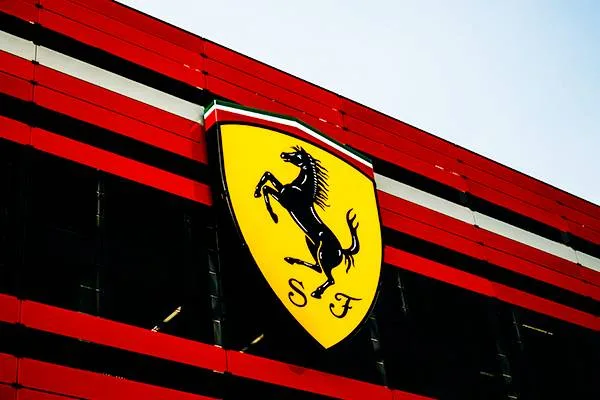
Ferrari has postponed the release of its second fully electric vehicle to at least 2028, pushing back earlier plans for a 2026 debut. According to two sources familiar with the matter, the delay is primarily driven by weak global demand for high-performance electric sports cars. The news was first reported by Reuters. The Italian brand is preparing to reveal its first all-electric model in October this year. The car’s public unveiling will take place over three phases, culminating in a global premiere in spring 2026, with customer deliveries scheduled to begin that October. However, it seems that it will be Ferrari’s only EV for a while, despite Ferrari announcing in 2022 that it wants to electrify more than half of its models by 2026. Insiders describe the first EV as a symbolic, low-volume product rather than a mainstream sales driver. By contrast, the second electric Ferrari was internally positioned as the cornerstone of the company’s longer-term EV roadmap. However, as mentioned above, it will hit the road much later than planned. The model, initially scheduled for late 2026, has already been postponed once before. Now, Ferrari does not expect it to reach the market before 2028 at the earliest. The vehicle was intended to align more closely with Ferrari’s standard five-year lifecycle strategy, targeting volumes of 5,000 to 6,000 units. According to one source cited by Reuters, that goal is currently ‘unsustainable,’ citing a market environment where genuine demand for electric sports cars remains ‘non-existent.’ Industry-wide, Ferrari is not alone in rethinking its electric playbook. Lamborghini has postponed the launch of its first EV to 2029, while Porsche has trimmed back its EV ambitions following disappointing uptake of electric models such as the Taycan and Macan EV. Across the performance car segment, manufacturers are grappling with the challenges of delivering emotional appeal, performance consistency and brand authenticity in battery-electric form. Ferrari, for its part, is said to use the delay to refine proprietary technologies for its second EV. Still, sources maintain that tepid market interest – not engineering – remains the core reason for the extended timeline. The Maranello-based firm has yet to publicly comment on the second model or confirm its technical specifications, but one source characterised the vehicle as a ‘real game changer’ compared to the first, more experimental EV. Ferrari is scheduled to unveil its new long-term business plan on 9 October. reuters.com
R.Power building 254MWh BESS, Electrica 70MWh tender
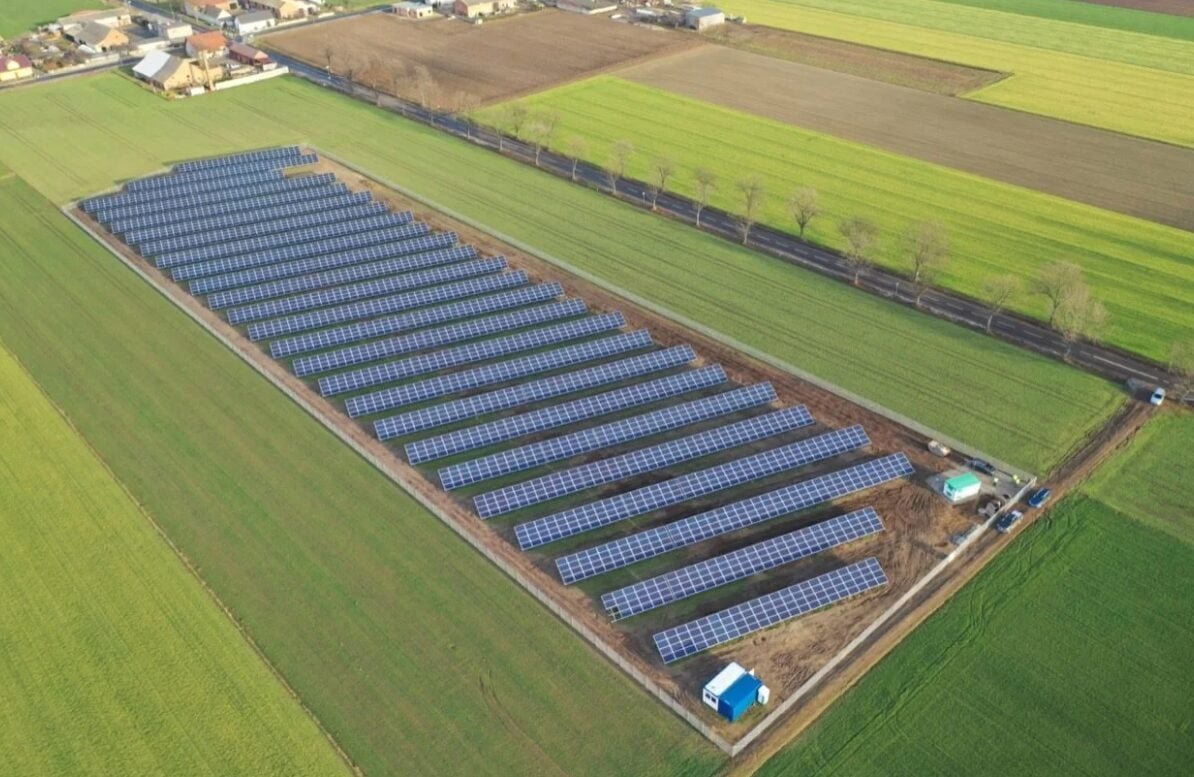
R.Power in Romania The company will start construction on the 127MW/254MWh Scornicesti battery energy storage system (BESS) project in Romania in Q3 2025. It will connect to the high-voltage network of transmission system operator (TSO) Transelectrica and construction is set to conclude in Q3 2026. It will provide system support services and help to balance out renewable generation. R.Power secured RON74.6 million (US$17 million) in capex support from the Ministry of Energy, funded by Romania’s portion of the EU-wide Recovery and Resilience Plan (PNRR) scheme. The scheme in Romania funded around 2.5GWh of projects in total last year. Romania has been at the centre of recent noteworthy technology announcements. The first deployments of BESS using Chinese lithium-ion OEM Hithium’s 1,175Ah cell could be there, based on the company’s recent announcement. In addition, power generation firm Hidroelectrica enlisted local firms Prime Batteries Technology and Enevo for a BESS project in April. Electrica tendering work for 35MW/70MWh BESS In related news, power and utility firm Electrica has also launched a tender for the engineering, procurement and construction (EPC) package for a 35MW/70MWh BESS project in Fantanele, Mures county. The tender includes the BESS and the related works for the 110kV/MV substation. “We are looking for suppliers with proven experience in the field of electricity storage who can deliver high-quality results on time and in accordance with our strict standards and requirements,” a spokesperson said. The full details of the tender (in Romanian) can be found here. R.Power also building in Poland Just prior to announcing the Romania project, R.Power also said it would start building a BESS in Poland in Q4 2025. The 5MW/10MWh Herby BESS is set to come online in the first quarter of 2026 and will connect to the network of distribution system operator (DSO) Tauron Dystrybucja. It is the company’s first standalone project in Poland, and it secured a contract in the capacity market (CM) in 2024 for delivery in 2029. Around 2.5GW of BESS projects won contracts in the auction, securing long-term contracts paying PLN 264.90/kW/year. That was an increase on the 1.7GW of BESS that won in 2023, which itself was ten times the amount that won in 2022. The CM is the bedrock of the business case for Poland. R.Power also lists a larger, 150MW/300MWh Jedwabno BESS project in Poland on its website, also with a planned commercial operation date (COD) in 2026, although hasn’t made any news announcements. The flurry of announcements comes a few months ahead of Energy Storage Summit Central Eastern Europe 2025 in Warsaw, Poland. This article was amended after publication, having initially misreported who was building the 35MW/70MWh project.
LG Energy Solution & Toyota team up on battery recycling in the USA
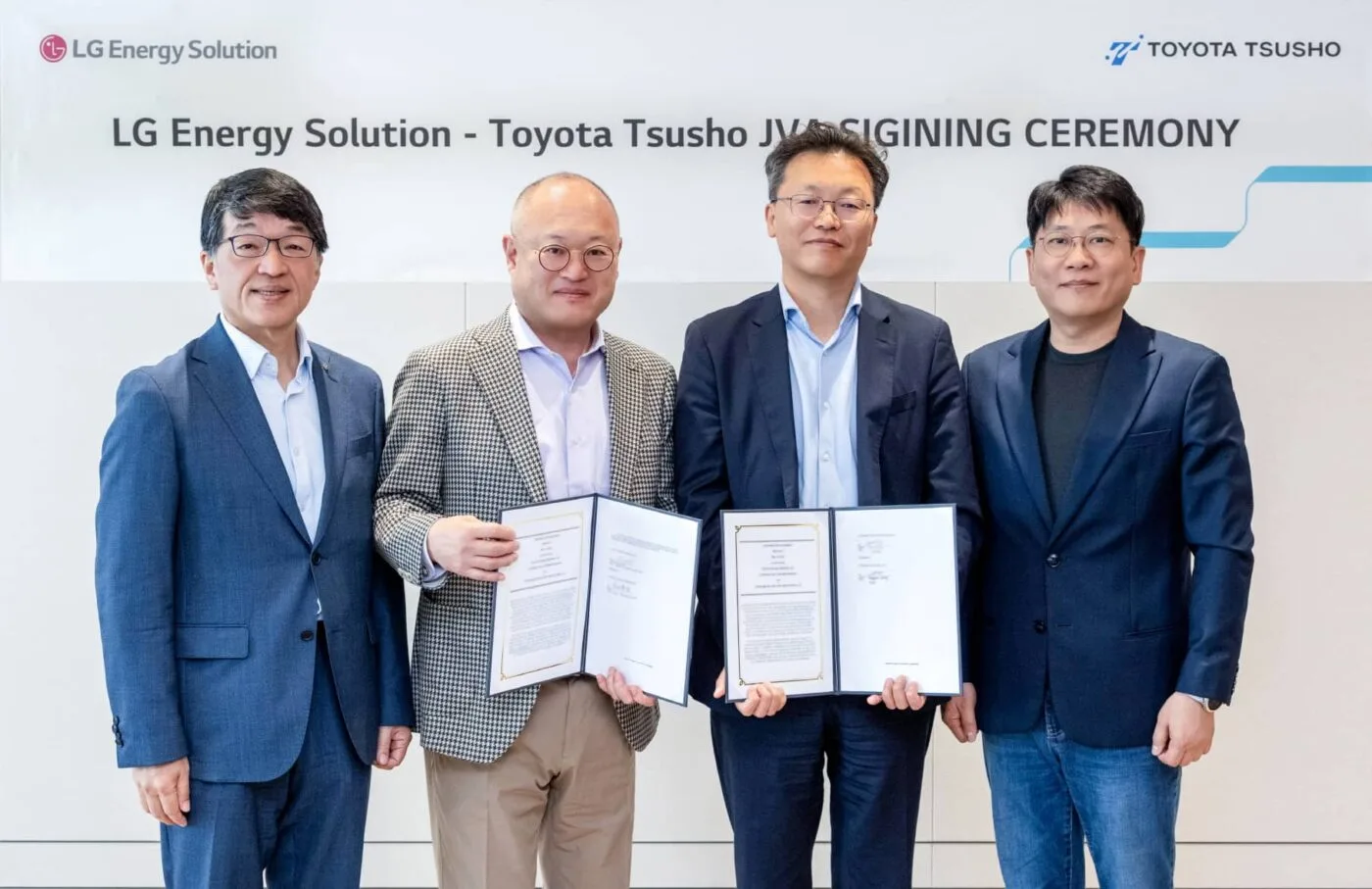
LG Energy Solution (LGES) and Toyota Tsusho are establishing a joint venture called Green Metals Battery Innovations for battery recycling in the USA. A pre-processing plant in North Carolina is to be built, and is scheduled to go into operation in 2026. Toyota and LGES’ Green Metals Battery Innovations is to build a pre-processing plant in North Carolina to recover black mass. The plant aims to have a maximum annual processing capacity of 13,500 tons of scrap, which is the equivalent of more than 40,000 car batteries. The partners have revealed that the initial stage of the joint venture’s operation will involve LG Energy Solution supplying scrap generated during the production of EV batteries for Toyota Motor. Generally speaking, the amount of used batteries from electric vehicles that can be recycled is difficult to estimate because it depends on sales and then generally 9-10 years primary use. This can be followed by another 10 years of use in second-life applications such as stationary storage, or – although rarely practised in the West – for low-speed, light electric vehicles, such as mopeds, before the batteries are recycled. However, both battery recyclers and second-life use companies have a more immediate and calculable supply of battery materials from unsold vehicles and production scrap and batteries that are unused because, for example, the technology is superseded before they get used. “This joint venture will not only help secure a stable supply of key battery materials but also enhance the competitiveness of our recycling business in North America,” said Chang Beom Kang, CSO of LG Energy Solution. “We are fully committed to leading the recycling market through innovative and differentiated technologies.” The Japanese carmaker and South Korean battery maker are ensuring their battery operations globally can cycle within regional loops. The new joint venture states that the extracted black mass will later undergo a separate post-processing stage to recover raw materials contained within, seeking to “further establish a battery-to-battery closed-loop system where those raw materials are circulated as recycled resources for new battery materials, advancing a true circular economy in the battery supply chain.” The process described in the plant planned for North Carolina is a preliminary step. Once the black mass is produced from crushed batteries, the process of extracting the valuable elements is the next step. Just like the primary supply chain for batteries, this process is heavily dominated by China and a small handful of other Asian countries, meaning the recycling materials from other regions must get transported around the world again. In order for the USA – or any other country or region – to have a truly sustainable life cycle, it is important that all of these processes are conducted as locally as possible. This effort is motivated by more than environmental concern. As most readers will be aware, the supply of battery materials is also a matter of national security and reducing dependence on outside players increases the reliability of supply as well as costly and sometimes uncertain transport pathways. With or without government support, there is a strong business case for localising battery lifecycles. Battery recycling efforts in North America have been building for the last few years. In February this year, Toyota presented new battery recycling technology that the company says reduces CO2 and more effectively extracts valuable elements. In the EU, battery recycling requirements have prompted companies to cast a sharper eye on their use of raw materials across the battery lifecycle chain. Toyota has been steadily ramping up its recycling capacities and expanding locations around the globe. This includes the USA, where, in 2023, the company announced a partnership with Cirba for battery recycling, following a material supply deal with US recycling firm Redwood Recycling, which was made public a month prior. The two companies started cooperating in 2022. Toyota also launched a series of collaborations and recycling activities with the Chinese battery giant CATL in 2019. On the other side of the battery life cycle, LGES and Toyota are collaborating on numerous battery production activities. Toyota Motor North America recently announced that it has secured cathode materials from LG Chem for the plant in North Carolina. Deliveries are expected to start in 2025. In addition to the batteries it produces itself, Toyota will also purchase batteries from LGES. From 2025 onwards, LGES will supply battery modules with a total capacity of 20 gigawatt-hours per year, which contain NCMA pouch cells with a high nickel content and will be installed by Toyota in new electric cars manufactured in the USA. lgensol.com
Prologis Energy sells 400MW/800MWh BESS in Texas
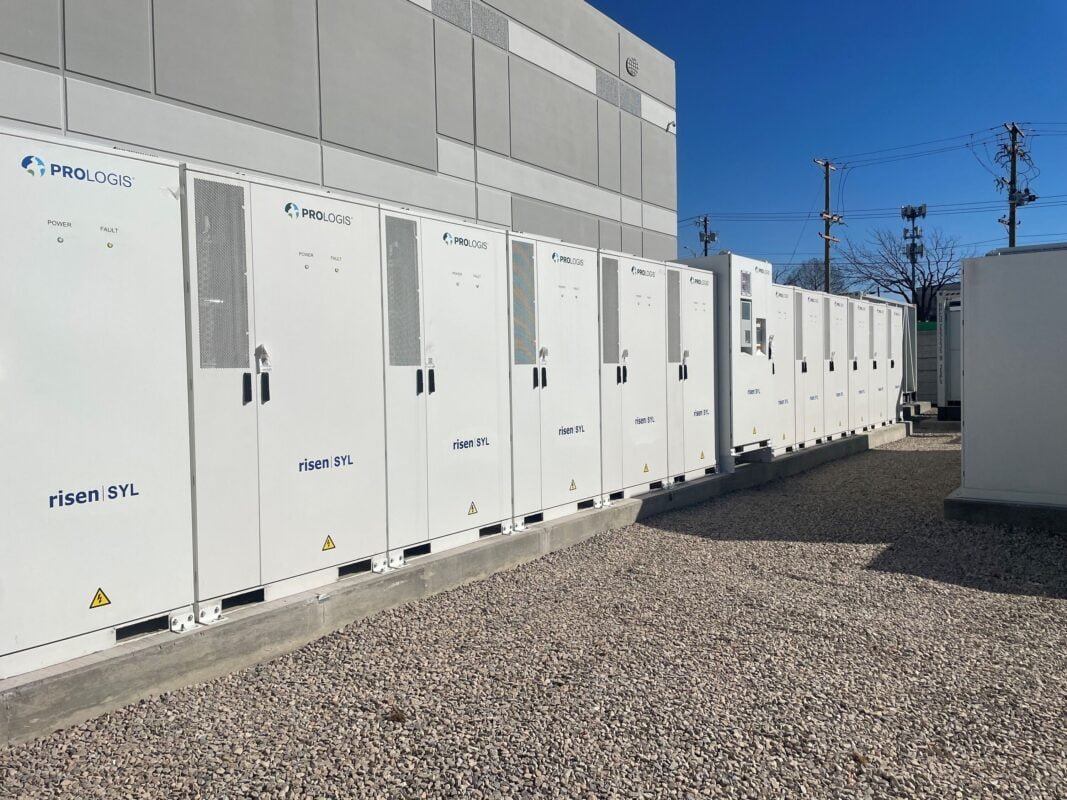
Prologis secured the land, finalised an interconnection agreement, permitted the project, procured long-lead equipment and structured a 20-year ground lease and development services agreement. The BESS is currently under construction, and Prologis expects 200MW to reach mechanical completion by the end of the year. Prologis says the project will directly benefit customers of utility Centerpoint Energy. Centerpoint Energy recently broke ground on a 160MW/320MWh BESS with developer SMT Energy near Prologis’ BESS. ERCOT remains an incredibly popular market for BESS development, leading energy storage installations in Q4 2024. A recent report from energy software and consulting group Ascend Analytics shows that ERCOT’s projected load growth over the remainder of the decade may be unachievable. Especially from data centre development, load growth in the state is becoming an increasing concern. Ascend Analytics’ managing director of markets and strategy, Dr Brent Nelson, told Energy-Storage.news in an interview that the resultant increase in electricity scarcity and price volatility would be good for battery storage developer and investors’ revenue streams. At the same time, both state and federal-level policies could have an adverse effect on building projects in the state. Prologis, primarily known as a logistics real estate company, was founded in 1983. In 2007, the company began developing renewable energy projects as well. In 2024, Prologis deployed its first BESS in Texas, in the city of Arlington. The project is co-located with a distribution centre also constructed by Prologis. At that time, the company noted its intention to add nine more BESS projects to the state by the end of 2025. Currently, the company claims to have over 8.5GW of grid-scale storage deployed and in development globally, with 47MW of storage capacity in the Americas. Its other BESS projects, smaller scale than the most recently announced one near Houston, are located in Washington, Oregon, California, Arizona and New York.
Comau announces battery cooperation with Intecells
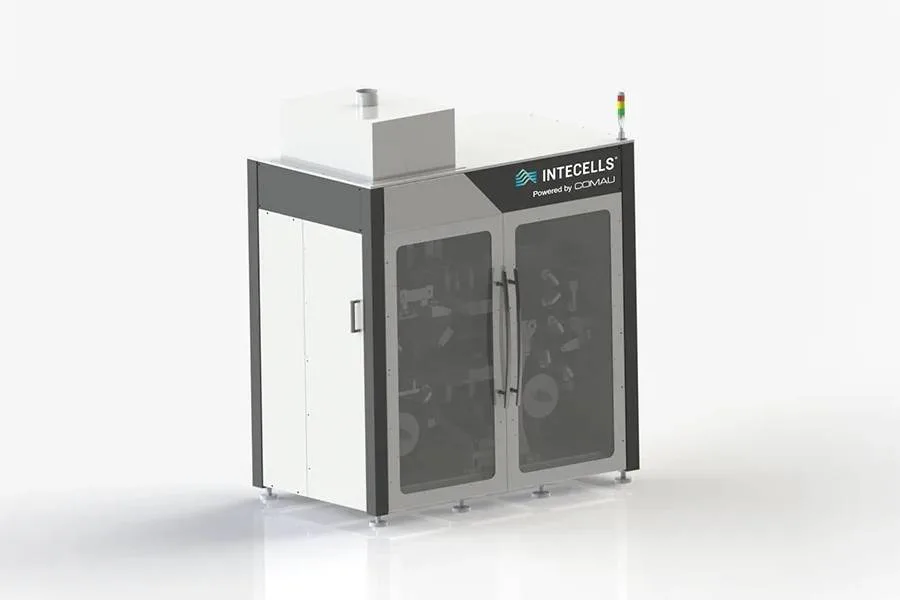
Comau has announced a cooperation with Intecells to optimise the use of cold plasma in industrial battery cell manufacturing processes. The two companies plan to eliminate the need for solvents and binders in battery cell production. A major reason for the cooperation is that Intecells has patented a new application for cold plasma to develop a cost-effective technological route for customers looking to integrate this new technology into existing cell production lines. The plasma-based solution shortens cycle times and reduces energy consumption during soaking and drying in existing cell production lines. It also improves cell capacity, cycle stability and production quality for a wide range of battery types and sizes, write the manufacturers. “Our collaboration with Intecells marks a pivotal step in redefining how battery cells are manufactured. By combining Intecells’ disruptive technology with Comau’s electrification technology and expertise, we are working to deliver a practical path for integrating next-generation plasma processes into existing production lines, starting with the validation of cold plasma technology within scalable manufacturing operations,” said Gian Carlo Tronzano, Head of Battery Cell Global Competence Center and of P&E e-Mobility. Xiaohong Gayden, founder and CEO of Intecells, added: “Our partnership with Comau gives Intecells the means needed to accelerate development, will revolutionize the way battery cells are manufactured and will support our customers globally.” Recently, Comau presented a new platform for cell forming, albeit still in a small series. Stellantis also divested from the company in January, but the company remains active in the recycling project Reinforce and the EU battery project FASTEST. comau.com
Lazard says US energy storage cost reduction in 2025 offsets prior pandemic-driven increases
Lazard says US energy storage cost reduction in 2025 offsets prior pandemic-driven increases - Energy-Storage.News Skip to content
BBVA supports Malta Inc.’s long-duration thermal energy storage tech
BBVA supports Malta Inc.’s long-duration thermal energy storage tech - Energy-Storage.News Skip to content
xAI’s Grok 3 partners with Oracle Cloud for corporate AI innovation
xAI’s Grok 3 is partnering with Oracle Cloud to deliver its advanced AI model to corporate customers. Oracle announced its collaboration with xAI earlier this week. The partnership leverages Oracle’s robust infrastructure to offer xAI’s Grok 3, positioning it as a transformative tool for business applications. “Today, we announced xAI has selected Oracle to offer xAI’s Grok models via OCI Generative AI service for a wide range of use cases and will use OCI’s leading AI infrastructure to train and run inferencing for its next-generation Grok models,” said Clay Magouyrk, Executive Vice President at Oracle Cloud Infrastructure, via LinkedIn. Oracle’s cost-effective AI capabilities will support xAI’s demanding workloads, enabling faster processing for enterprise users. Oracle’s Karan Batta told Reuters: “Our goal here is to make sure that we can provide a portfolio of models – we don’t have our own.” Oracle will host Grok 3 alongside models from Meta, Mistral, and Cohere, ensuring corporate data remains secure within existing Oracle protections. Oracle’s strategy focuses on integrating popular AI models into corporate software, and xAI’s Grok 3 enhances this portfolio. The collaboration expands Grok’s reach to businesses seeking secure, high-performance AI solutions for diverse use cases. Elon Musk’s xAI launched Grok 3 in February. It competes with models from DeepSeek and OpenAI. Grok 3 is free for all X users, but features are limited. X offers Premium and Premium+ subscribers access to Grok 3’s advanced capabilities like DeepResearch and Think modes. Users who are not paid subscribers have access to Grok 3’s basic features. Elon Musk’s companies have a longstanding relationship with Oracle. In 2018, Tesla appointed Oracle founder Larry Ellison to its board, a move Wedbush analyst Daniel Ives called a “home run appointment.” In 2023, Ellison–who is no longer on Tesla’s board but still close with Musk–revealed plans for a Tesla Cybertruck police car. “Our next-generation police car is coming out very soon,” Ellison said at the 2023 Oracle CloudWorld conference in Las Vegas. “It’s my favorite police car. It’s my favorite car, actually. It’s Elon’s favorite car.” Grok 3’s integration into Oracle Cloud strengthens xAI’s position in the corporate artificial intelligence market. By combining Oracle’s infrastructure with Grok’s cutting-edge capabilities, this collaboration could redefine enterprise AI adoption, driving innovation across industries.
Rajasthan’s regulator approves ‘lowest tariff rate in India’ for standalone battery storage
Rajasthan’s regulator approves ‘lowest tariff rate in India’ for standalone battery storage - Energy-Storage.News Skip to content
SpaceX Ax-4 Mission prepares for ISS with new launch date

SpaceX is preparing for a new launch date for the Ax-4 mission to the International Space Station (ISS). SpaceX, Axiom Space, and NASA addressed recent technical challenges and announced a new launch date of no earlier than Thursday, June 19, for the Ax-4 mission. The delay from June 12 allowed teams to assess repairs to small leaks in the ISS’s Zvezda service module. NASA and Roscosmos have been monitoring leaks in the Zvezda module’s aft (back) segment for years. However, stable pressure could also result from air flowing across the hatch seal from the central station. As NASA and its partners adapt launch schedules to ensure station safety, adjustments are routine. “Following the most recent repair, pressure in the transfer tunnel has been stable,” a source noted, suggesting the leaks may be sealed. “By changing pressure in the transfer tunnel and monitoring over time, teams are evaluating the condition of the transfer tunnel and the hatch seal between the space station and the back of Zvezda,” the source added. SpaceX has also resolved a liquid oxygen leak found during post-static fire inspections of the Falcon 9 rocket, completing a wet dress rehearsal to confirm readiness. The Ax-4 mission is Axiom Space’s fourth private astronaut trip to the ISS. It will launch from NASA’s Kennedy Space Center in Florida on a Falcon 9 rocket with a new Crew Dragon capsule. “This is the first flight for this Dragon capsule, and it’s carrying an international crew—a perfect debut. We’ve upgraded storage, propulsion components, and the seat lash design for improved reliability and reuse,” said William Gerstenmaier, SpaceX’s vice president of build and flight reliability. The Ax-4 mission crew is led by Peggy Whitson, Axiom Space’s director of human spaceflight and former NASA astronaut. The Ax-4 crew includes ISRO astronaut Shubhanshu Shukla as pilot, alongside mission specialists Sławosz Uznański-Wiśniewski from Poland and Tibor Kapu from Hungary. The international team underscores Axiom’s commitment to global collaboration. The Ax-4 mission will advance scientific research during its ISS stay, supporting Axiom’s goal of building a commercial space station. As teams finalize preparations, the mission’s updated launch date and technical resolutions position it to strengthen private space exploration’s role in advancing space-based innovation.
Investor I4B, utility Luminus start building 600MWh Belgium BESS
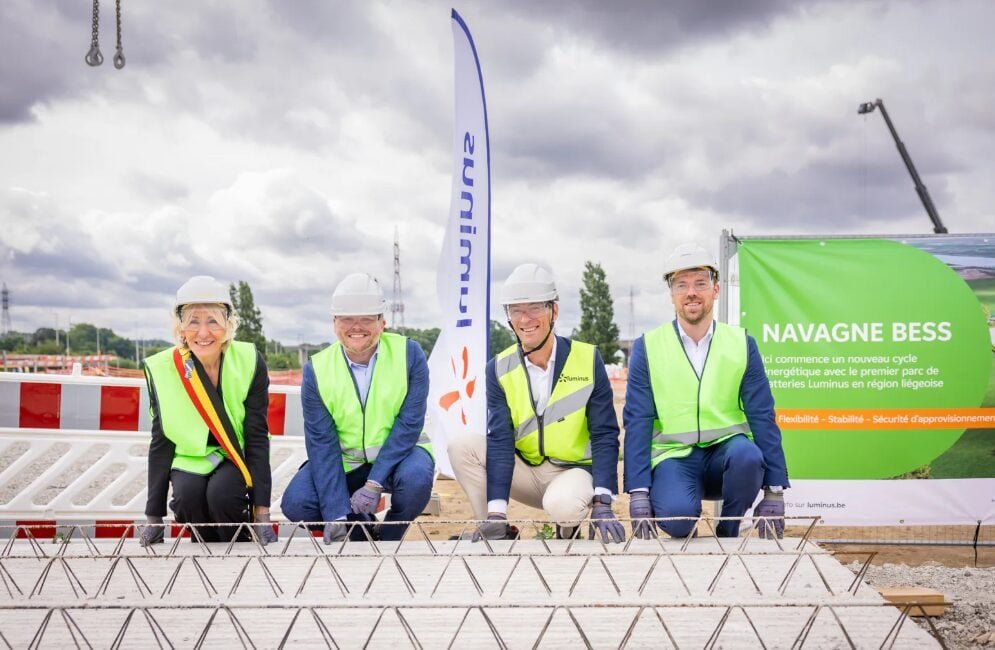
Commenting on the announcement, André Autrand, CEO of I4B, said that the infrastructure fund was investing €30 million (US$34.7 million) into the project, indicating it is only a minority investment. Autrand added: “The project addresses fundamental challenges related to security of the electricity supply, balancing the grid, renewable energy development and decarbonisation – all of which will benefit Belgian households as well as the industry and economy in general.” Mathieu Bihet, the Federal Minister of Energy of Belgium who attended the groundbreaking, said: “I would like to congratulate Luminus on this ambitious project, which perfectly embodies what our energy system needs today: flexibility and resilience.” A render of the project. Image: Luminus. The Navagne BESS will be located next to the Lixhe hydroelectric power station and will connect to the grid via an existing connection line. Adjustments made to the line to accommodate the BESS will help other companies connected upstream of the Lixhe station, Luminus said. The project is part of Luminus’ Electrify2030 programme, its strategy to decarbonise its network. It will provide grid-balancing services, manage peak electricity demand supply and help balance renewable energy generation. Belgium is one of Europe’s most developed markets for large-scale energy storage, with grid-scale lithium-ion BESS projects being deployed starting in 2020/21. 2025 has seen the start of construction on a 440MWh project from owners BStor and Energy Solutions Group and a 400MWh from utility and power generation firm Engie. Although primarily a merchant market, as discussed by BStor with Energy-Storage.news at the time, there are also long-term contracted revenue opportunities via the Capacity Market (CM), which Engie’s project has secured.
Tesla China roars back with highest vehicle registrations this Q2 so far

Tesla China saw a notable rise in new vehicle registrations in the week of June 9 to 15, 2025. During the week, Tesla China’s registrations saw an impressive 80% week-over-week increase, resulting in the electric vehicle maker posting its highest insurance registration figures this Q2 so far. Tesla China Roars Back During the week ending June 15, 2025, Tesla China saw 15,500 insurance registrations. This represents an 80% increase from the previous week’s 8,640 units. This is also the highest number of registrations that Tesla has posted in China for the past ten weeks, as noted in a CNEV Post report. In China, 15.5k Tesla insurance registrations were reported for the week of June 9 to 15. The week is up 79.5% from last week and +32.5% year-over-year. The quarter is -3.1% QoQ and -16.6% YoY. This quarter is -40.1% vs. 24Q4 the best quarter after 11 weeks. Third highest… pic.twitter.com/xtbgxJw0CZ— Roland Pircher (@piloly) June 17, 2025 Tesla watchers have observed that the electric vehicle maker’s 80% week-over-week growth was the most notable among Chinese EV brands. Following Tesla was Xpeng, which saw a 52% week-over-week growth to 6,400 registrations, and Nio, which saw a 9.3% week-over-week increase to 4,700 registrations. Tesla China does not report its weekly vehicle registration figures, though the company’s overall performance in the Chinese auto market can be inferred through new vehicle registration data. Fortunately, these registrations are closely tracked and reported by industry watchers, as well as automakers like Li Auto. $TSLARetail volume trends for Chinese EV brands(June 9-15, 2025) • Tesla : +80% (15.5k)• Xpeng : +52% (6.4k)• Nio : +9.3% (4.7k)• LiAuto : -4.8% (7.9k)• Leap : 0% (8.8k)• Zeeker : 0% (3.2k) Tesla China delivered 15.5k vehicles to customers this week, the highest… pic.twitter.com/AUzpXgWuIc— Tsla Chan (@Tslachan) June 17, 2025 Tesla Model Y Impact Industry watchers estimate that Tesla China was able to deliver 11,200 new Model Y units to customers in the week ending June 15. This represents a week-over-week improvement of about 85% from the previous week. This bodes well for the revamped all-electric crossover, as it suggests that demand for the vehicle remains strong. The new Model Y is Tesla’s highest volume seller. Thus, it would not be a surprise if the company’s numbers this Q2 2025 end up relying on the sales figures of the revamped all-electric crossover. Fortunately, Tesla has two more weeks before the quarter ends, which should be enough to increase its quarterly sales numbers to a notable degree. Tesla’s domestic sales in China totaled 38,588 units in May, down 30% year-over-year but up 34% percent from April, as per data from the China Passenger Car Association (CPCA). In the same month, Giga Shanghai also exported 23,074 vehicles in May.
Philippines DOE opens 10GW renewables auction for registration
Philippines DOE opens 10GW renewables auction for registration - Energy-Storage.News Skip to content
Elon Musk teases Tesla Optimus Gen 3 capabilities: 'So many improvements'

The xAI supercomputer, Colossus, faces a potential lawsuit from the NAACP and the Southern Environmental Law Center over pollution concerns tied to its gas-powered turbines. The facility has sparked debate over its environmental impact versus economic benefits. The xAI data center has been operational since last year. The company used pollution-emitting turbines without an air permit, citing a 364-day exemption. Southern Environmental Law Center attorney Patrick Anderson disputed xAI’s exemption, stating: “there is no such exemption for turbines — and that regardless, it has now been more than 364 days.” The groups issued a 60-day notice of intent to sue under the Clean Air Act, challenging xAI’s permit application under review by the Shelby County Health Department. According to AP, critics argue the turbines emit smog, carbon dioxide, nitrogen oxides, and formaldehyde, worsening health risks in an area with cancer rates four times the national average. “The permit itself says emissions from the site ‘will be an area source for hazardous air pollutants,’” the Southern Environmental Law Center noted, alleging Clean Air Act violations. Opponents claim xAI installed up to 35 turbines—exceeding the 15 requested—without community oversight, straining Memphis’s power grid. xAI responded: “The temporary power generation units are operating in compliance with all applicable laws.” The company highlighted its economic contributions, including billions in investments, millions in taxes, and hundreds of jobs. At an April community meeting, xAI’s Brent Mayo underscored that the “tax revenue will support vital programs like public safety, health, human services, education, firefighters, police, parks, and so much more.” He projected that xAI would generate over $100 million in tax revenue by next year. The company is also investing $35 million in a power substation and $80 million in a water recycling plant. Additionally, xAI is transitioning to sustainable power, particularly Tesla Megapacks. It is actively working on demobilizing the gas turbines. “The temporary natural gas turbines that were being used to power the [xAI’s] Phase I GPUs prior to grid connection are now being demobilized and will be removed from the site over the next two months,” shared the Greater Memphis Chamber. xAI brought Tesla Megapack batteries and a 150-megawatt substation online earlier this year. Despite xAI’s expansion to a second 1-million-square-foot site, the lawsuit threat underscores tensions between innovation and environmental justice.
BMW considers entering EREV car market

The German publication Automobilwoche learnt from company sources that BMW is looking into integrating range extenders into its electric cars, similar to Volkswagen. BMW could use such models to boost its business in China, in particular, as this is by far the largest market for such vehicles. EREVs could also be an interesting option for other markets, such as North America and Europe. The abbreviation EREV stands for ‘Extended Range Electric Vehicle’ and has so far been familiar to us mainly from the Chinese passenger car market. EREVs are partially electrified vehicles that can be charged externally with electricity and also refuelled with fuel – in other words, like plug-in hybrids. Unlike plug-in hybrids, however, the wheels of EREVs are always driven by the electric motor alone. When the batteries are empty, a small combustion engine on board kicks in and generates the electricity for the motor. The British portal Autocar reports in parallel that BMW has brought supplier ZF on board to work on the EREV technology. A corresponding drive is already being tested in an iX5 and is said to enable a range of up to 1,000 kilometres. According to media reports, the vehicle, known internally at BMW as the iX5 REx, could enter the market as early as 2026. ZF recently demonstrated that it has acquired the expertise for range extenders at Auto Shanghai. There, the German supplier put the spotlight on a system developed in-house that realises generator and driving mode with a single electric drive system. ZF is working on two variants that differ slightly in terms of performance and complexity: the electric Range Extender (eRE) and the electric Range Extender plus (eRE+) with an output of 70 to 110 kW and 70 to 150 kW, respectively. Otmar Scharrer, ZF Head of Development Electric Drive Technology, commented as follows at the presentation two months ago: “The new interest and the increased demand for range extenders shows that the potential of this technology is far from exhausted – in particular for model platforms that are already designed for battery-electric drivelines.” He added: “Behind our solutions is the system and platform concept. This means that we are optimally equipped to be able to respond to all customer and market requirements with shorter development cycles.” With EREV technology, BMW would be building on a technology in which the manufacturer had already invested time and money around 15 years ago: BMW’s electric pioneer i3 was available with an optional range extender since its market launch in 2013, before this version was phased out in autumn 2018. Incidentally, another major German car manufacturer, Volkswagen, is currently thinking along similar lines. Also at Auto Shanghai, the Group’s three China joint ventures presented a preview of a model offensive that will start in 2025. Among the announcements: The full-size SUV ID. ERA from SAIC-Volkswagen, the first VW model with a range extender on board. In this context, it is interesting to note that Volkswagen development partner Xpeng also announced its entry into the EREV segment in November 2024. This marked a change in strategy for Xpeng’s drive philosophy: previously, the Chinese manufacturer had always emphasised that it only wanted to build battery-electric cars. autocar.co.uk
O&M for BESS requires a shift in industry thinking
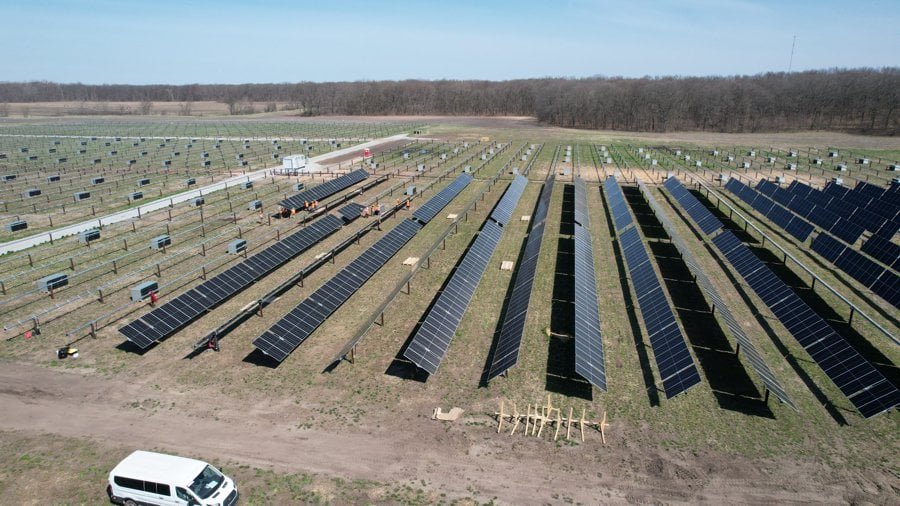
However, while BESS technologies have advanced considerably in recent years, reliability depends on far more than the sophistication of their hardware and software. The key to long-term performance lies in how well these assets are maintained. Despite their growing prominence, BESS facilities are still widely misunderstood—particularly when it comes to operations and maintenance (O&M). Too often, these high-value systems are mistaken for self-sustaining technologies that require minimal oversight. The idea that they can operate on a “set it and forget it” model persists, with some assuming routine software updates and remote diagnostics are enough to keep everything running smoothly. In reality, that mindset leads to premature degradation, costly equipment failures and preventable downtime. Understanding the industry shift towards the wider adoption of BESS The misconception stems, in part, from how BESS has been introduced to the market. Many developers and asset owners entered the space with expectations carried over from utility-scale photovoltaic (PV) solar systems, where remote monitoring and scheduled annual maintenance are more common, and often sufficient. On the surface, these parallels made sense, as both asset types support renewable integration, rely on power electronics, and are often marketed as low-maintenance solutions. But in practice, the operational demands of a BESS facility are fundamentally different and treating them as interchangeable has created a false sense of simplicity. On the surface, these parallels made sense, as both asset types support renewable integration, rely on power electronics, and are often marketed as low-maintenance solutions. But in practice, the operational demands of a BESS facility are fundamentally different and treating them as interchangeable has created a false sense of simplicity. Adding to the confusion, some original equipment manufacturers and integrators have bundled BESS with service packages modelled after PV O&M practices to keep total cost of ownership projections low. While this strategy may make bids more competitive, it glosses over the nuanced and labour-intensive nature of battery storage operations. What gets overlooked in the process is the fact that BESS is not just a bank of batteries—it is a fully functioning energy facility, with its own risk profile, infrastructure requirements and maintenance complexities. To manage these assets effectively, the industry must shift its perspective. A BESS facility demands a different O&M approach—one that is proactive, hands-on and grounded in real-world operational insight. Simply put, successful energy storage is not determined by the technology alone, but by the quality of care behind it. Dispelling common misconceptions about BESS operations As the industry works to better understand the real-world demands of BESS, it is important to address two of the most common misconceptions that continue to shape how these systems are managed. Myth #1: BESS facilities can operate without on-site staff At first glance, it may seem that BESS operations can be handled remotely—after all, battery systems can be charged and discharged through energy trading platforms, scheduling software or supervisory control and data acquisition (SCADA) systems. However, while digital tools enable remote control, they cannot replace the value of a physical, on-site presence. Daily operations at utility-scale BESS sites involve far more than dispatch commands. Routine maintenance, compliance inspections, environmental checks and unexpected equipment anomalies all require immediate, hands-on attention. Additionally, lithium-ion battery systems carry inherent safety risks that must be actively managed. Thermal events, battery degradation, and system malfunctions can also escalate quickly without trained personnel on-site to intervene. A full-time presence is not a luxury—it is a necessity. The volume and complexity of required activities demand that BESS facilities be treated with the same operational seriousness as conventional power plants. Establishing this standard industry-wide is essential for both safety and performance. Myth #2: Any technician or firm can manage BESS operations Another prevailing assumption is that BESS O&M is a commoditised service—interchangeable among contractors, firms or rotating technicians. This belief underestimates the intricacy of battery energy storage and the importance of site-specific expertise. Unlike solar or wind facilities, which often operate in more predictable environments, BESS facilities are silent, enclosed and densely packed with highly sensitive equipment. The conditions create a unique challenge and without consistent familiarity, even seasoned technicians may overlook subtle indicators of system stress or degradation. Dedicated operators, on the other hand, develop an intimate understanding of the site’s equipment, behaviors and baseline performance. This familiarity enables technicians to detect even the most subtle anomalies—such as shifts in the hum of a transformer or fluctuations in temperature readings—that may not trigger alarms but signal underlying issues. Consistency not only improves response time but also builds a sense of ownership and accountability that is difficult to replicate with a rotating support model. Why dedicated O&M teams make all the difference Staffing a BESS site with full-time, trained personnel yields measurable benefits. Beyond basic operations, dedicated teams bring legacy knowledge, observational acuity and an elevated standard of care that directly improves asset performance. Consider a real-world example from a facility managed by IHI Power Services Corp (IPSC): Over the course of two years, dedicated site operators identified three failing bushings before they resulted in critical equipment failure. Each incident was caught not through automated alerts, but through hands-on inspection and real-time judgement. The early interventions saved hundreds of thousands of dollars in equipment replacement costs and avoided extended downtime. These savings alone justified the cost of a dedicated site team—and they represent only a fraction of the potential value. The same operators are often able to identify signs of wear in inverters or battery modules long before failures occur. These preemptive insights do more than protect assets—they preserve system availability, safeguard revenue and contribute to a safer work environment. Elevating safety to a core operational priority Safety must be integrated into every layer of BESS operations. In contrast to solar or wind facilities that follow natural cycles, BESS operates continuously, 24 hours a day, seven days a week. This around-the-clock functionality means battery storage systems must be managed with the same rigour and responsiveness as a traditional power plant. On-site operators play a critical role in emergency response. Whether addressing
Tesla Robotaxis are becoming a common sight on Austin's public roads

The xAI supercomputer, Colossus, faces a potential lawsuit from the NAACP and the Southern Environmental Law Center over pollution concerns tied to its gas-powered turbines. The facility has sparked debate over its environmental impact versus economic benefits. The xAI data center has been operational since last year. The company used pollution-emitting turbines without an air permit, citing a 364-day exemption. Southern Environmental Law Center attorney Patrick Anderson disputed xAI’s exemption, stating: “there is no such exemption for turbines — and that regardless, it has now been more than 364 days.” The groups issued a 60-day notice of intent to sue under the Clean Air Act, challenging xAI’s permit application under review by the Shelby County Health Department. According to AP, critics argue the turbines emit smog, carbon dioxide, nitrogen oxides, and formaldehyde, worsening health risks in an area with cancer rates four times the national average. “The permit itself says emissions from the site ‘will be an area source for hazardous air pollutants,’” the Southern Environmental Law Center noted, alleging Clean Air Act violations. Opponents claim xAI installed up to 35 turbines—exceeding the 15 requested—without community oversight, straining Memphis’s power grid. xAI responded: “The temporary power generation units are operating in compliance with all applicable laws.” The company highlighted its economic contributions, including billions in investments, millions in taxes, and hundreds of jobs. At an April community meeting, xAI’s Brent Mayo underscored that the “tax revenue will support vital programs like public safety, health, human services, education, firefighters, police, parks, and so much more.” He projected that xAI would generate over $100 million in tax revenue by next year. The company is also investing $35 million in a power substation and $80 million in a water recycling plant. Additionally, xAI is transitioning to sustainable power, particularly Tesla Megapacks. It is actively working on demobilizing the gas turbines. “The temporary natural gas turbines that were being used to power the [xAI’s] Phase I GPUs prior to grid connection are now being demobilized and will be removed from the site over the next two months,” shared the Greater Memphis Chamber. xAI brought Tesla Megapack batteries and a 150-megawatt substation online earlier this year. Despite xAI’s expansion to a second 1-million-square-foot site, the lawsuit threat underscores tensions between innovation and environmental justice.