Navitas and BrightLoop partner to provide hydrogen fuel cell charging

US-based Navitas Semiconductor has formed a partnership with BrightLoop to support BrightLoop’s latest series of hydrogen fuel cell chargers with its automotive-qualified Gen 3 Fast (G3F) silicon-carbide MOSFETs for heavy-duty agricultural transportation equipment. BrightLoop’s systems provide power conversion efficiencies over 98% and power densities up to 60 kW/L. The company’s high-voltage (HV), high-power multiverters paired with its Power Flow Processor technology are designed for both AC and DC applications, such as energy management scenarios for fuel cells and heavy-duty applications, as well as HV network adaptation. BrightLoop is incorporating Navitas’s G3F SiC MOSFETs into its 250 kW HV DC-DC converter, which has an output of 950 VDC at 480 A and can be paralleled to deliver megawatt power capability. Navitas’ GeneSiC trench-assisted planar technology delivers high-speed, cool-running operation for high-power, high-reliability applications. G3F SiC MOSFETs deliver high efficiency and high-speed performance, enabling up to 25° C lower case temperature, and up to three times longer life than SiC products from other vendors, according to the company. “Navitas offers leading-edge SiC technology where efficiency, ruggedness, and reliability are paramount. Our high power-density, smart, efficient, and scalable multiverters enhance the quantity and quality of energy delivered to our customers,” said Florent Liffran, CEO and founder of BrightLoop. Source: Navitas Semiconductor
Factorial’s Gammatron digital twin platform accelerates battery development

Solid-state battery developer Factorial has launched a new proprietary simulation platform designed to accelerate the development of next-generation batteries by improving how battery performance is predicted, validated and optimized. Factorial built its new Gammatron as a necessity-driven tool to address critical delays in battery development. Unlike traditional platforms focused solely on system-level modeling, Gammatron fuses electrochemistry, thermodynamic, and high-fidelity lab data to simulate and optimize battery behavior at both the material and cell-system level. “Validating a new cell design can take years, but with Gammatron, we’ve demonstrated that we can dramatically shorten that timeline—forecasting long-term performance from just two weeks of early testing, instead of the typical three to six months,” said Siyu Huang, CEO of Factorial. “By combining automation with data-driven insights, we’re accelerating development with greater speed and control.” Gammatron features a digital twin for battery cells that’s designed to accurately deliver cell state of health predictions, and to accelerate fast charging optimization that maximizes capacity and minimizes degradation and internal stress, while ensuring battery safety and longevity. The system accelerates electrolyte formulation using molecular modeling and machine learning to engineer compositions for specific performance targets based on a deep understanding of molecular interactions. Physics-based modeling simulates internal battery behavior, including stress, heat and degradation, that can’t be directly observed in testing. Used in Factorial’s joint development with Stellantis, Gammatron helped forecast battery performance before full test completion—a key factor in advancing the validation program ahead of its original schedule. In some cases, Gammatron-enabled protocol tuning has doubled cycle life without altering cell chemistry, according to the company. “Batteries are complex dynamic chemical systems. Gammatron combines machine learning with scientific feature engineering,” said Raimund Koerver, VP of Business Development at Factorial. “Where most platforms hit a wall with shallow machine learning, Gammatron goes deeper and shows engineers which material and design changes will unlock longer life and higher performance. It’s not just about predicting outcomes—it’s about enabling better ones.” Gammatron will be operated in-house for co-development with select partners. The platform is available for solid-state battery development and legacy lithium-ion programs. Source: Factorial
Want to drive 6,000 miles for just $160? You actually can. Here’s how
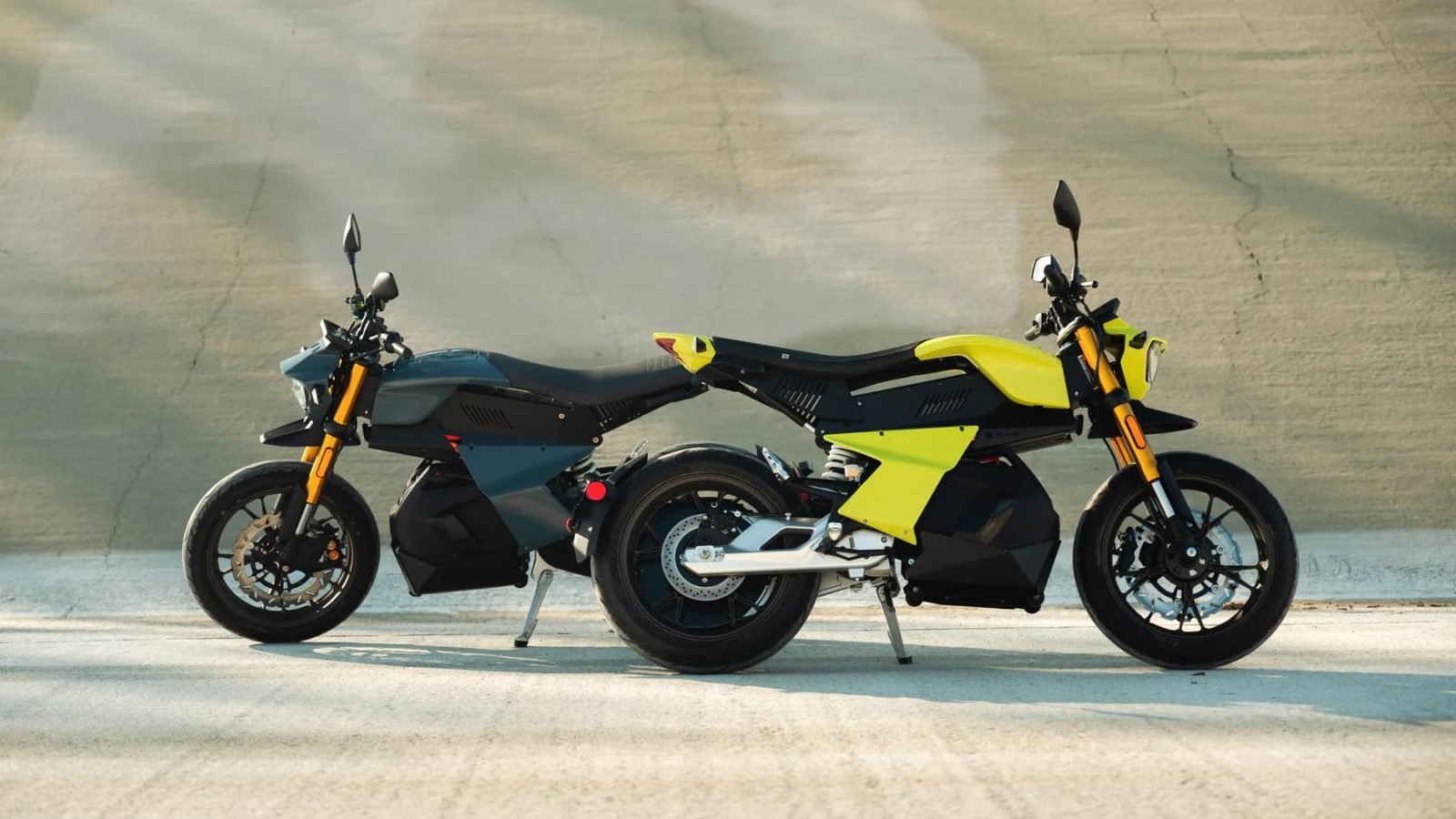
I know, it sounds like clickbait math, but it’s real: you can cover 6,000 miles for just $160 in fuel. There’s a catch, though. It’s not gasoline. Oh, and it’s not even in a car. You’ll need to trade in your four wheels for two. Specifically, you’ll need something like the Ryvid Anthem, a lightweight, street-legal electric motorcycle that was purpose-built for efficient urban commuting. more…
NYSERDA expands New York Truck Voucher Incentive Program to include off-road EVs

The New York State Energy Research and Development Authority (NYSERDA) has announced the expansion of the New York Truck Voucher Incentive Program to include new zero-emission agricultural, construction, rail, and warehouse off-road equipment and Class 3 vehicles. Manufacturers can now apply for eligibility to offer their off-road equipment and vehicles through the program, which provides vouchers or discounts to fleet operators that purchase or lease medium- and heavy-duty electric vehicles and equipment. Manufacturers are invited to submit applications for their vehicles or equipment—including terminal tractors, construction and agricultural equipment, large forklifts, freight locomotives, airport ground support vehicles, and transportation refrigeration units (TRUs)—to become eligible under the program. Dealers can also apply to participate in the program starting on July 14. An additional $53 million in program funding will become available in August after the expanded equipment and truck manufacturers and dealers have enrolled to participate. The new guidelines offer incentives of up to $340,000 for a battery-electric truck, up to $425,000 for a fuel cell truck, and up to 45% of the base cost for off-road equipment. Additionally, bonus incentives are available for small fleets, fleets operating in disadvantaged communities, and for fleets that voluntarily scrap an older diesel/gasoline vehicle. The program also supports transit buses for select transit operators with up to $385,000 per purchase. NYSERDA President and CEO Doreen M. Harris said, “This expansion of the New York Truck Voucher Incentive Program will help more fleet owners and operators across the state realize the benefits of using cost-effective and quiet zero-emission powered equipment and medium-and heavy-duty trucks.” Additional incentive programs, such as NY Joint Utility Make Ready Pilot Program and Fleet Electrification Advisory Services, are available from participating utilities. Under the Make-Ready Pilot program, utilities can provide incentives of up to 90% of utility-side infrastructure costs and up to 50% of customer-side costs to qualifying projects to mitigate the cost of developing EV charging infrastructure. Department of Environmental Conservation Commissioner Amanda Lefton said, “New Yorkers deserve smart environmental policies that protect our air and workable solutions to ensure our communities are able to realize the health and economic benefits of cleaner transportation throughout the state. Despite the current federal administration’s efforts to erode certainty in the ongoing transition to cleaner vehicles, New York State will continue to act to protect our air, lands and waters.” Source: NYSERDA
Rad Power’s new Radster Trail and Road e-bikes hit $1,999 lows, EcoFlow 48-hour flash sale takes up to 54% off units from $429, more

Leading today’s Green Deals is Rad Power’s newly launched 4th of July Sale that is taking up to $600 off three e-bikes and up to 50% off add-on accessories – with the standout offers being the new Radster Road Commuter e-bike and the Radster Trail Off-Road e-bike returning to their $1,999 lows for the second time ever. We also have a 48-hour early Prime Day flash sale from EcoFlow that is offering up to 54% off either the DELTA Pro or DELTA Pro Ultra power stations, as well as the DELTA 2 expansion battery with return lows starting from $429. From there, we have two Greenworks deals, the first being the Greenworks 82V bundle of the Commercial-Grade 25-inch Cordless Self-Propelled Lawn Mower with three 4.0Ah batteries and a dual-port rapid charger at $700. Bringing up the rear is a roundup of the brand’s electric pressure washers, with the 1,800 PSI Open Frame model with an onboard soap tank leading at $120. Plus, there’s all the rest of the hangover Green Deals in the links at the bottom of the page, like yesterday’s Anker SOLIX F3000 power station launch deals, the exclusive Bluetti early Prime Day savings we’ve secured for our readers, and more. Head below for other New Green Deals we’ve found today and, of course, Electrek’s best EV buying and leasing deals. Also, check out the new Electrek Tesla Shop for the best deals on Tesla accessories. more…
LEM releases high-voltage battery sensor combining shunt and Hall effect technologies
Electrical measurement technology specialist LEM has launched a new current sensing unit for battery management in EVs. LEM has put together shunt and open-loop Hall effect technologies in a single part, called Hybrid Supervising Unit (HSU), to meet the challenges of small footprint, low cost and high safety level requirements in EV battery management systems. For higher safety levels, system engineers typically use two separate devices, a shunt to measure 2,000 A and a current sensor fully isolated for measurements to 2,000 A. LEM has combined the capabilities and performance of both technologies into a single unit, integrating it into the BDU. The signals from the shunt and the current sensor are then collected by the BMS. At BDU level, the HSU allows minimal footprint, weight and cost, minimized integration effort for faster time to market and easy system upgrade, without impacting the mechanical layout while improving safety. At the BMS level, the HSU is designed to enable system developers to easily reach the ASIL-D safety level required for EVs. The shunt’s resistance is low at 25 µΩ, and the Hall part is galvanically isolated, demonstrating accuracy of 2% at 500 A and 5% at 2,000 A. Signal communication lines are separated—shunt signal and analogue or digital bus for the Hall part—and there is a negative temperature compensation signal for shunt temperature compensation. The current measuring range is up to ±2,000 A at 10 s for both parts, and the operating temperature range is -40° C to 125° C. The HSU is a plug-and-play unit, allowing easy mounting. LEM is initially offering the HSU00 part and the HSU01 will follow this month. The two are suitable for the two most common BDU busbar sizes: 84 x 36 x 3mm (HSU00) and 84 x 20 x 3mm (HSU01). LEM plans to expand its HSU lineup by introducing new technologies, for example combining a shunt with a coreless Hall-effect part. The goal is to continue to shrink the devices’ size and cost while improving their performance. “The HSU represents a significant innovation in sensor technology, being the first to combine shunt and Hall effect sensing into a single component. This integration simplifies system architecture, enhances safety and allows for seamless upgrades without altering the mechanical layout. Additionally, it reduces the total bill of materials and minimizes cycle time at the customer’s end,” said Jérémie Piro, Product Manager Battery Management Systems and Battery Storage at LEM. Source: LEM
Dassault Systèmes and Patrick Jouin unveil “Ta.Tamu”
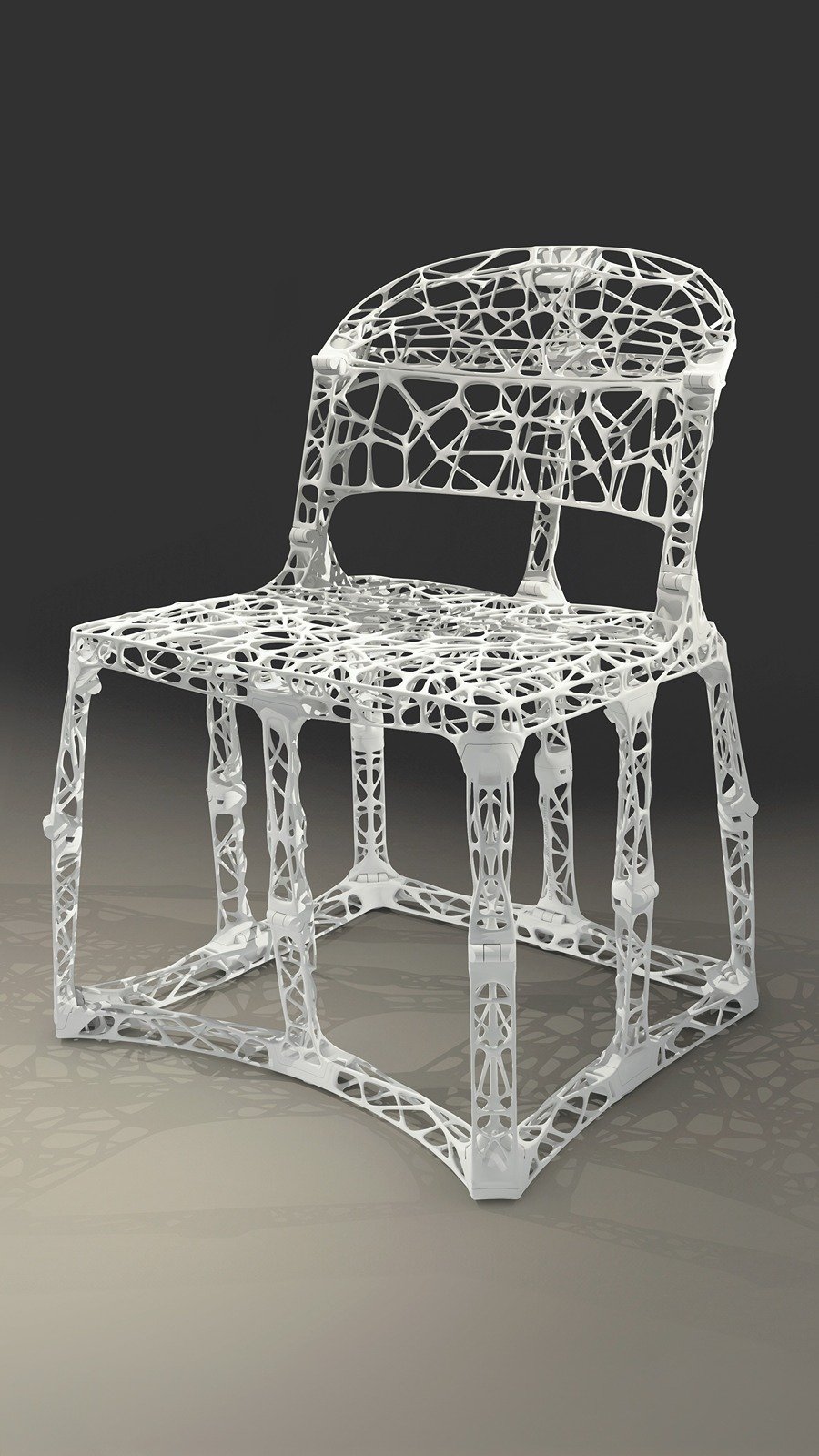
Dassault Systèmes and the French designer Patrick Jouin unveiled “Ta.Tamu,” a lightweight, 3D-printed and functional chair, co-created using the 3DEXPERIENCE platform on the cloud. Ta.Tamu serves as a proof of concept for emerging, generative design processes that combine AI-powered virtual twins and the frugal use of materials to drive the generative economy. Ta.Tamu is the result of a four-year dialogue between Patrick Jouin’s intuitive design approach and Dassault Systèmes’ 3DEXPERIENCE platform. Designers and engineers redefined how a chair could be conceived — challenging traditional design methods, pushing formal and structural limits, and inventing new ways to minimize matter. Developed through enhanced ideation and concept development, and a life cycle assessment integrated early in the process, Ta.Tamu’s pioneering aesthetics were inspired by biomimicry and the structural logic of the human body, such as bone density and joint articulation. The light yet robust lattice structure weighs just 8.6 pounds (3.9 kg), can support 220 pounds (100 kg), and can be 3D printed in a flat, folded position without needing assembly. Collaborating around an AI-powered virtual twin, design teams modeled and simulated the behavior of complex assembled components, using topological optimization to refine every joint, unfolding articulation, and zone of pressure and support. At each stage, the design evolved in real time through close interaction with the 3DEXPERIENCE platform, with changes updated and visible in the virtual twin. Teams modified the chair’s geometry while balancing its aesthetics, resulting in an optimal design where gesture, function, and structure converge in a chair that weighs 75% less than it would have weighed at full density. For more information, visit 3ds.com. The post Dassault Systèmes and Patrick Jouin unveil “Ta.Tamu” appeared first on Engineering.com.
Stark Varg EX review: Our first look at the 80 HP street-legal dirt bike

Recently, the up-and-coming electric motorcycle manufacturer Stark Future invited us to the mountains of Spain to get hands-on with the Stark Varg EX – a fully electric street-legal enduro motorcycle selling in the U.S for $12,990 for the 60 HP configuration and $13,990 for the insane 80 HP configuration. After 2 days on trails, my biggest surprise was just how approachable and easy to ride the EX turned out to be for such a high-performance machine. It’s still far from being optimal as a commuter bike, but then again, that’s not quite what the EX is for. more…
TU Delft joins Dassault’s 3DEXPERIENCE Edu Center of Excellence program
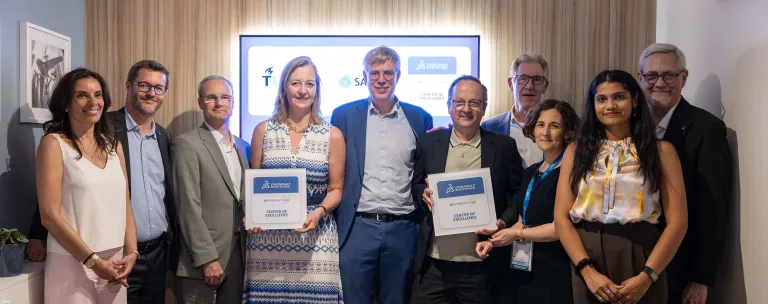
Dassault Systèmes and Delft University of Technology (TU Delft) have announced that TU Delft has joined the 3DEXPERIENCE Edu Center of Excellence program as its 28th member. The partnership will support skill development in areas such as aerospace and manufacturing automation for students and professionals in the Netherlands. TU Delft is the Netherlands’ oldest and largest technical university, known for strengths in biotech, aerospace, maritime engineering, and waterworks. It focuses on education, research, and innovation in global challenge areas. The 3DEXPERIENCE Edu Center of Excellence designation identifies TU Delft as the first institution in the Netherlands to demonstrate expertise in applying Dassault Systèmes’ 3DEXPERIENCE platform for hands-on and ongoing learning. TU Delft is also the first member to align with the updated program charter, which reflects a focus on virtual twin technologies and evolving practices in generative industries. Stronger collaboration between industry, academia, and technology providers is important to develop effective learning approaches that support workforce development. The aerospace sector, in particular, needs skilled professionals to maintain innovation but faces challenges in replacing a retiring workforce. Since 2021, the 3DEXPERIENCE Edu Center of Excellence program has supported training for thousands of graduates. As a 3DEXPERIENCE Edu Center of Excellence, TU Delft will develop programs bridging education and practice at Smart Advanced Manufacturing XL (SAM XL), its campus-based field lab focused on smart advanced manufacturing. Starting in September 2025, programs will engage university departments, applied sciences institutions and industry partners, applying the 3DEXPERIENCE platform to industry-relevant use cases. Students will learn to work with virtual twins, supported by platform-certified instructors, to prepare them for evolving and future jobs, while professionals in the lifelong learning curriculum of the university can upskill. SAM XL is a manufacturing automation center that connects TU Delft faculties with industry and suppliers. Engineers at the center develop software and hardware to improve the functionality and adaptability of industrial robots. The lab provides a space to test and demonstrate automation technologies for performing complex tasks on large structures. It also offers training programs to support skill development in automation. For more information, visit 3ds.com. The post TU Delft joins Dassault’s 3DEXPERIENCE Edu Center of Excellence program appeared first on Engineering.com.
Bosch just made its e-bike motors more powerful (among other upgrades)
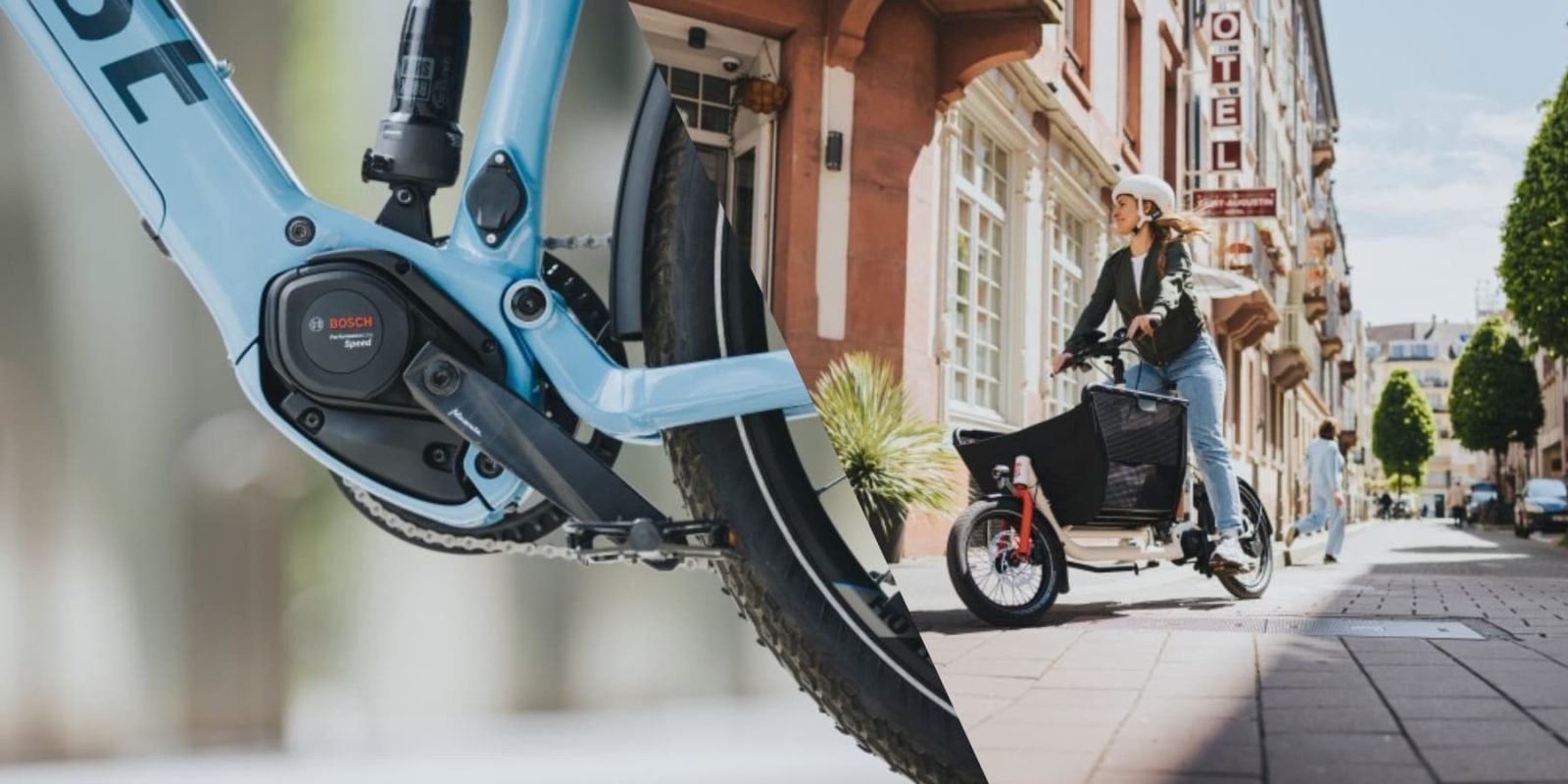
Bosch eBike Systems, which is Europe’s leading e‑bike drive supplier and powers more than 100 major bike brands, just dropped an impressive suite of upgrades across its Smart System lineup. The stars of the show are enhanced versions of the mid-drive motors in the Cargo Line, Performance Line Speed, Performance Line, and the beefed-up Performance Line SX, all designed to deliver smoother, quieter, and more customizable support. more…
OleumTech unveils HTF1742 Tuning Fork Level Switch
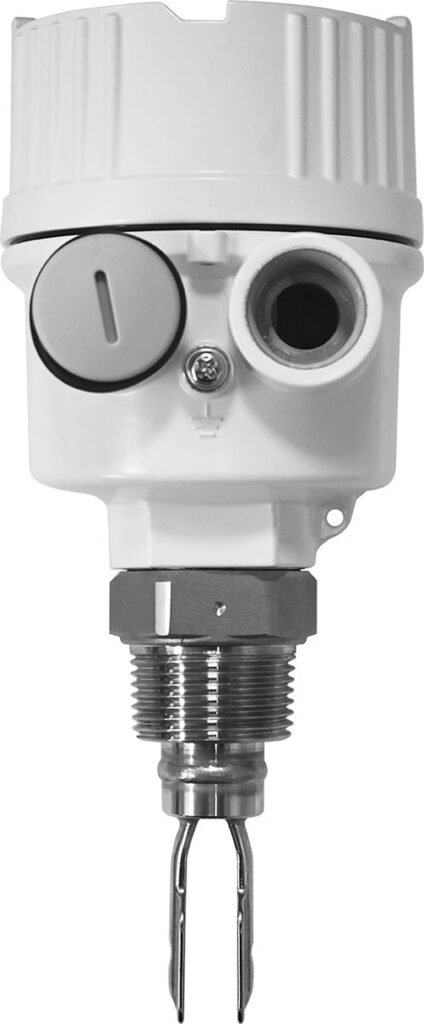
OleumTech announced the launch of the HTF1742 Compact Tuning Fork Level Switch, expanding its H Series line of hardwired process instrumentation product line. The HTF1742 is packed with advanced features in a robust, compact design engineered for accurate point-level detection. Compact Tuning Fork Level Switch from OleumTech. The HTF1742 Tuning Fork Level Switch provides exceptional performance for high (overflow warning), high-high (overflow), low (dry run warning), or low-low (dry run) detection of liquids such as oil, petroleum, corrosive liquid, and water as well as many other mediums such as powders, granular plastics, and gravel. This versatile instrument features dual SPDT relay outputs and an integrated relay function tester, offering users enhanced functionality and convenience by eliminating the need for an external test. HTF1742 Tuning Fork highlights: 2″ to 60″ lengths option in 1″ increments 316 SS or 316L fork material option ¾” NPT standard connection (1″ NPT optional) Dual relay SPDT (NO and NC) Debounce delay option Integrated Switch Tester NEMA 4X, Explosion-proof Max pressure: 2900 PSI (200 BAR) Process Temperature: -40 to 150 °C (-40 to °302 F) Supports 0.5 g/cm3 or 0.7 g/cm3 fluid density Selectable alarm high or low option For more information, visit oleumtech.com. The post OleumTech unveils HTF1742 Tuning Fork Level Switch appeared first on Engineering.com.
These are the best electric bicycles I’ve tested for under $1,000
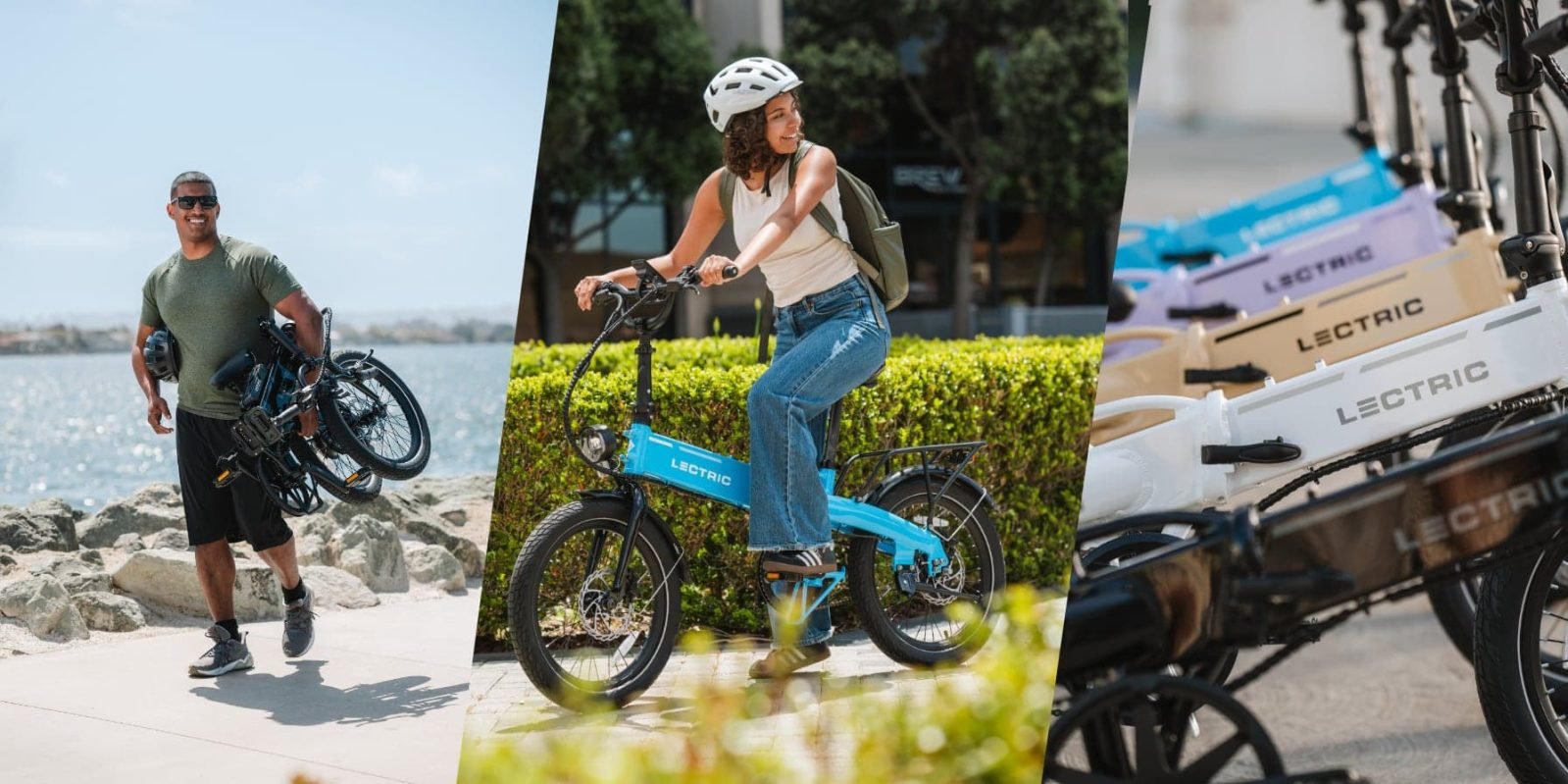
Electric bikes are getting better, safer, and more affordable every year. Even so, in the US, e-bikes are still relatively expensive despite being such an incredibly price-sensitive market. Whenever someone asks me to recommend an e-bike for them, one of their first requirements is invariably that it doesn’t cost a fortune. Though the tradeoffs for dropping the price can sometimes rear their ugly head with their own hidden costs. And let’s be real: the sub-$1,000 category has always been a bit of a minefield. For every great deal, there are a dozen cheap frames with underpowered motors, sketchy brakes, or batteries that make me nervous just looking at them. But with a lot of digging (and a lot of riding), I’ve managed to find a few standout electric bikes that prove you can get a surprisingly good ride without breaking the bank. more…
Trimble, TDK partner to accelerate precision navigation
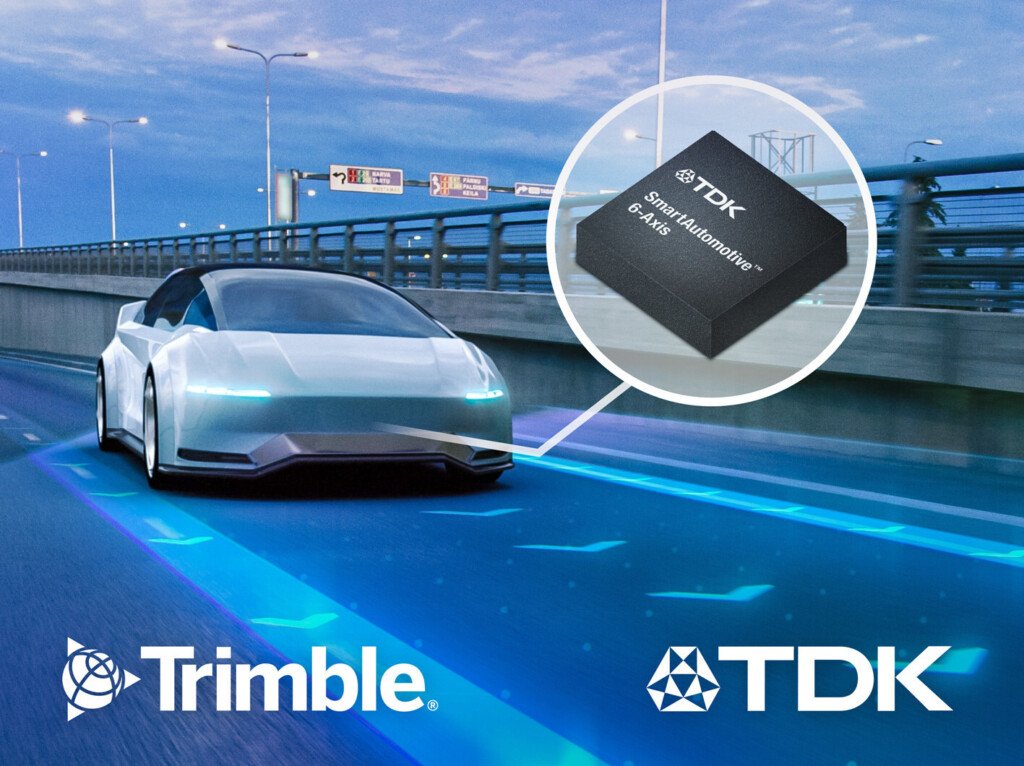
Trimble and InvenSense, a TDK group company, announced a collaboration to provide a navigation solution that integrates Trimble’s ProPoint Go engine and RTX correction service with TDK’s SmartAutomotive Inertial Measurement Units (IMUs) from InvenSense. The combined offering is designed to support more accurate and consistent positioning and navigation in automotive and IoT applications. The Trimble ProPoint Go positioning engine provides position and orientation data using globally available Trimble correction services. It supports quad-frequency GNSS signals and incorporates ASIL-C certified correction data to assist with automated driving applications where safety is a key consideration. The system is also suited for improving accuracy in IoT use cases such as field robotics. TDK IMUs integrate a triaxal accelerometer and a triaxal gyroscope in a compact six-axis motion sensor to detect the linear acceleration and angular velocity of vehicles and objects with superior level of accuracy. With its proprietary six-axis and MEMS fabrication platform, TDK inertial sensors enhance applications possibilities thanks to their high-performance, small-size and low-power features. Positioning solutions built for the connected world Key benefits of the ProPoint Go positioning engine and RTX correction with TDK’s modules include: Accuracy: The synergy between the two solutions delivers superior positioning accuracy under all conditions: open sky, urban canyons and indoor, even in harsh environments and among wide temperature variations. Reliability: Customers can rely on consistent and dependable orientation and navigation data, crucial for applications such as autonomous vehicles, drones, and industrial machinery. Versatility: The integrated solution is adaptable to a wide range of applications, such as automotive positioning, advanced driver-assistance systems (ADAS), cellular vehicle-to-everything (C-V2X), field robotics and unmanned aerial vehicles (UAVs). The TDK automotive safety IMU components, developed as SEooC according to ISO 26262, are suitable for applications with requirements up to ASIL-D. In addition to its six-axis solution, TDK provides quality-managed solutions that also include a three-axis magnetometer in a nine-axis solution. Availability Trimble’s ProPoint Go engine and RTX correction service and TDK’s IMUs module are available for testing with the Trimble Evaluation Kit. To learn more, visit positioningservices.trimble.com/en/automotive. To learn more about Trimble’s precise positioning technology for automotive and IoT applications, visit positioningservices.trimble.com. To learn more about the TDK 6-axis IMUs for automotive applications, visit invensense.tdk.com/smart automotive. For 9-axis, visit invensense.tdk.com/positionsense, and for industrial applications, visit invensense.tdk.com/smartindustrial. For more information about Trimble, visit trimble.com. The post Trimble, TDK partner to accelerate precision navigation appeared first on Engineering.com.
Mumbai turns to the sea and Candela P-12 electric hydrofoil ferries to cut traffic

Mumbai, the most populous city in India, plans to begin a mammoth move to sea-based transit using Candela electric hydrofoil ferries. The Mumbai Metropolitan Region has a population of over 23 million, making it the seventh-most populous metropolitan region in the world. It also has the most billionaires of any city in Asia, along with some of the worst traffic and road congestion. Mumbai is a city composed of islands—seven, to be exact. By turning to the sea, Mumbai is poised to move commuters via high-speed arteries dedicated to clean, efficient and electrified water transport. Following an official visit to Stockholm by India’s Minister of Commerce, Piyush Goyal, to experience the Candela P-12 electric hydrofoil boat, Candela CEO Gustav Hasselskog and Niraj Thakur, the CEO of Mumbai-based operator JalVimana, announced that the latter has ordered and will operate a fleet of 11 P-12 vessels. It plans to expand the fleet as the company’s experience with the electric hydrofoil boats grows. “We believe Candela’s next-generation P-12 will be a giant leap for Mumbai and towards our national goals of a sustainable future for our vast Indian coastline and inland waterways,” said Thakur, adding that “JalVimana is honored to bring this Swedish gift to our ancient shores.” The order for 11 P-12s is the largest order yet placed for vessels of this type, Candela said. The first P-12 vessels to arrive in Mumbai will serve two of the city’s most heavily traveled routes, linking the Gateway of India with Alibaug and the Gateway of Elephanta Island. The first route can take from two to three hours by automobile, while JalVimana expects the travel time by water to take less than half that. Another planned route will link the city’s new airport with central Mumbai, reducing the travel time from 90 minutes to less than 30 minutes. Candela has now received multiple orders from major municipalities and operators for its P-12 electric ferry. The P-12 went into service in Stockholm in November 2024, picking up passengers in Ekerö, an island of almost 12,000 inhabitants outside Stockholm, and reaching Stockholm’s City Hall, a 9-mile (15 km) jaunt, in just 30 minutes. That is 15 minutes faster than its diesel-powered counterpart, while using 80% less energy to power the trip. A fleet of eight P-12 ferries is on order by Saudi Arabia to make trips to Neom, the massive (and controversial) development that Mohammed bin Salman Al Saud, the crown prince and authoritarian leader of Saudi Arabia, is creating there. The P-12 will be coming to Lake Tahoe to speed up north-south trips across the lake on the California-Nevada border. The vessel is also being deployed in Berlin to bring the travel time from the Eastside Gallery to Funkhaus down from as much as 26 minutes in traffic to 10 minutes by traveling along the Spree River. In November 2024, Candela said it had raised an additional $14 million in its Series C investment round, putting the company’s total secured funding in 2024 at over $40 million. The investment will help Candela ramp up production to meet demand for its vessels. The new $14-million investment round was led by SEB Private Equity, a global private equity investor, and included participation by existing investors EQT Ventures and KanDela. Source: Candela
Two lithium processing projects added to federal permitting dashboard
The US Federal Permitting Improvement Steering Council has announced the federal permitting of two DOE-supported lithium processing projects. The projects—Kings Mountain and Liberty Owl—are aimed at increasing lithium processing capacity in the US in order to develop more secure domestic supply chains. The Kings Mountain, NC Project, owned by chemical manufacturer Albemarle, is receiving a $150-million federal award through DOE’s Office of Manufacturing and Energy Supply Chains (MESC). The project supports the construction of a new commercial-scale processing facility that will have the capacity to produce 350,000 tons per year of lithium oxide concentrate. The Liberty Owl Project in the Texarkana region is owned by TerraVolta, a US-based critical minerals and resources company. This project is receiving a $225-million award through MESC for the construction of a commercial-scale lithium extraction and refining facility to produce battery-grade lithium from domestic brine resources from the Smackover region. Source: US Department of Energy
Review: The Remco motorized lift stand is a dream come true for e-bikes
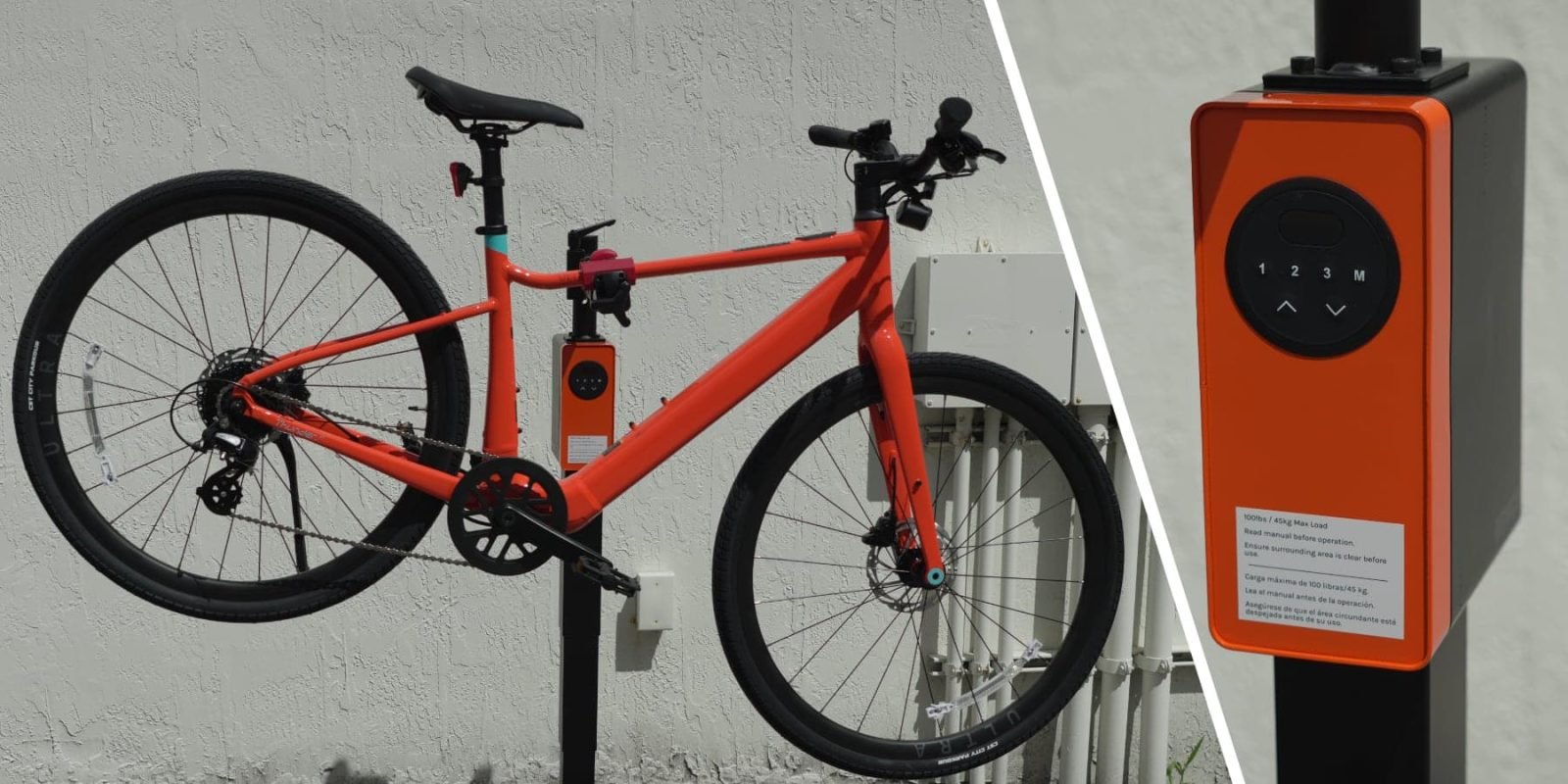
Working on e-bikes can be a pain – literally – if you’re hoisting 70, 80, or even 100-pound (up to 45 kg) bikes onto a repair stand for assembly or maintenance – something I seem to be doing on an all too regular basis. That’s why I was excited to get and test out a Remco electric bike lift stand, a motorized work stand that does the heavy lifting for you. And after using it for a few months while assembling and maintaining a revolving door of hefty e-bikes, I can safely say that this thing is a game changer – especially if your back is tired of playing bike mechanic. more…
Connectivity for next-gen E/E vehicle architectures

Sponsored by TE Connectivity. Driving the Future of Mobility. The automotive industry is undergoing a significant evolution, driven by changing consumer demands and shifting expectations for personalization, connectivity, safety, electrification, and enhanced features and functionality. Underpinning this transformation is the design evolution of next-generation electrical/electronic (E/E) vehicle architectures which are unlocking a new era of smarter, safer and more convenient mobility along with more efficient manufacturing processes. To address increasing expectations for functional sophistication and efficiency, next-gen E/E vehicle architectures leverage centralized control units and zonal designs. These innovations enable functional software-driven consolidation with over-the-air (OTA) updates, optimized data and power distribution, reduced wiring harness complexity and weight, as well as increased design flexibility and scalability for future innovation. Below, we explore the pivotal trends and challenges – from autonomous driving and increased connectivity to electrification and the rise of shared mobility – that are shaping next-generation vehicle architectures, and the critical role connectivity plays in enabling this transformation. Image 1: Today’s car buyers prioritize PACES – personalization, automated and autonomous, connectivity, electrification and sustainability features – demanding immersive, future-ready mobility experiences over traditional ownership models. The Benefits of Zonal Architectures: Efficiency Meets Innovation Traditional E/E architectures can no longer keep pace with the complex demands of modern vehicles. They rely on complex and vehicle-spanning wire harnesses, which often result in inefficiencies and increased weight. Next-gen architectures, characterized by zonal designs and centralized control, are setting a new standard. Image 2: Vehicle Architecture Transformation Zonal architectures feature centralized, more powerful control units that are organized into distinct zones, providing more modern computing structures that enable server-based software processes. This approach not only simplifies and reorganizes wire harnesses but also supports more efficient, higher-speed transmission and real-time processing of additional sensor and environmental data. The objective is fewer nodes/ECUs but significantly more connection opportunities (ports) per node — linked together by a high-speed data backbone. This approach not only streamlines the wiring harness, reducing its weight and complexity, but also paves the way for more scalable and flexible vehicle designs and functional deployment. Think of zonal architectures as cities with well-organized neighborhoods, each with its own utilities and services, all connected by a high-speed highway. The key benefits include the following: Simplified wiring: Zonal architectures have significant implications for vehicle design and manufacturing. As zone-based installation approaches replace unwieldy, vehicle-spanning harnesses, it becomes possible to use lighter cabling systems. This enhances electrical efficiency, reduces weight and simplifies harness installation and, due to better partitioning, makes automated harness production an option. Scalable design: Physical restructuring also makes it possible to pre-equip a car for future upgrades. Through over-the-air (OTA) updates, software-defined vehicles (SDVs) can continue to add — as paid subscription services — value and functionality long after leaving the production line, without needing to have any hardware installed or changed. Some examples of upgrades already being offered by select OEMs is the momentary activation of more performance, more battery range, or higher levels of autonomous driving. Enhanced efficiency: Centralized control units and better partitioning allow for improved energy management and facilitate the automated production of harnesses. What Do Next-Gen E/E Architectures Mean for the Future of Mobility? These architectures empower automakers to create vehicles that are flexible, future-proof, and cost-effective. Next-gen E/E architectures enable the integration of a growing number of innovative functions for design, performance, and functionality — from autonomous driving and advanced driver-assistance systems (ADAS) to enhanced infotainment and battery management systems. High-speed data networks and modular connectivity solutions facilitate the seamless communication and control of these systems, ensuring efficient energy management and an improved driving experience. In addition, as power demands continue to rise, transitioning from traditional 12V systems to 48V architectures helps lower current levels, decrease heat loss in wiring, and enhance overall efficiency. The shift to 48V enables better thermal management and supports scalable, high-power computing platforms while aligning with the evolving needs of software-defined vehicle architectures. Connectivity: The Backbone of Smarter Vehicles As vehicles evolve into high-tech ecosystems, reliable and robust connectivity is essential to ensure seamless communication between zones and systems. Connectivity offerings will also need to provide space-saving solutions to serve the higher number of connections across fewer high-power control units while providing a greater level of modularity to support additional flexibility. TE Connectivity (TE), a global industry technology leader, is at the forefront of this revolution, delivering cutting-edge automotive solutions designed with scalability, sustainability, and automation in mind. TE’s portfolio combines engineering excellence with practical innovation, ensuring automakers have the tools to build vehicles for generations to come. TE’s connectivity innovations are specifically designed to enable next generation vehicle architecture transformation: High-speed data transmission: Advanced connectors like the GEMnet Multi-Gigabit Automotive Connectors and MATE-AX Miniaturized Coax Connector System supports ultra-fast communication, critical for real-time functions such as autonomous driving/ADAS and infotainment systems. Space-saving designs: TE’s Modular Hybrid System (MHS) features flexible plug and heard configurations and is scalable for any vehicle platform. It delivers up to a 40% reduction in both space and weight and utilizes the latest sustainable materials, recycling processes and is automation-ready. The GenY 68P Sealed Hybrid Inline Connector combines signal, power and data connectivity into a single hybrid solution, supporting OEMs by streamlining connector consolidation, minimize supply chain complexity, and achieve savings in cost, weight, and space. Automation-ready solutions: TE’s connectors are designed to simplify manufacturing and assembly, enhance reliability, accuracy and traceability. Power advancements: TE’s 48V-ready connectors are engineered to deliver safe, reliable and efficient power distribution, supporting the transition from 12V systems to meet the growing energy demands more effectively. This shift improves overall performance, reduces weight and cost, and facilitates great system automation. In-device connectivity: Inside device connectivity is essential for zonal controllers, facilitating communication between zones and connected subsystems as well as centralized processors. This enables a unified framework where a central processor can access data from all sensors and actuators.TE offers an expansive portfolio of automotive grade solutions including flex-to-board, board-to-board, wire-to-wire, and wire-to-board options. EMI Shielding: Next-gen E/E architectures include a
Electrek Formula Sun Grand Prix 2025: A brief history, full schedule, and teams
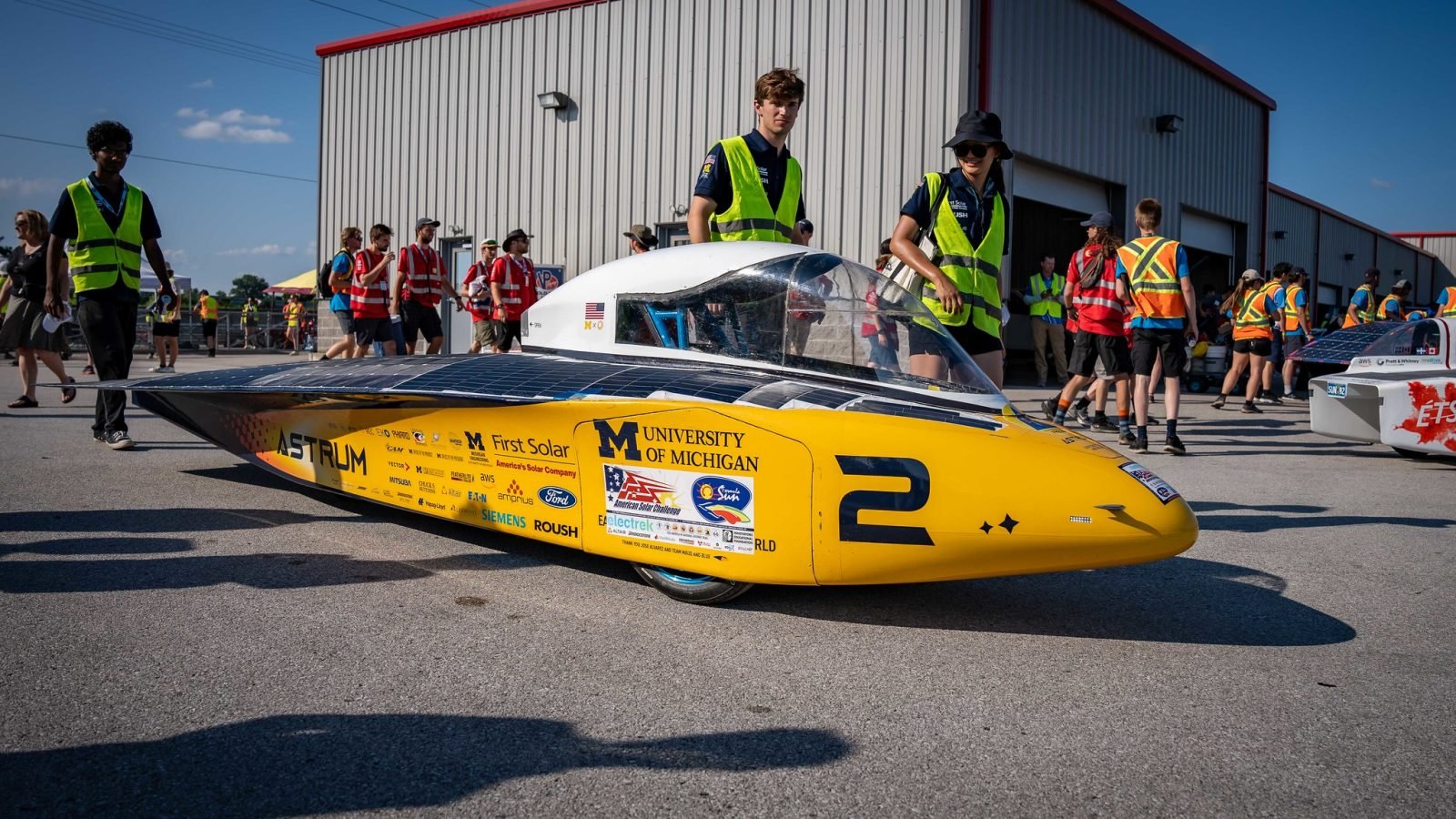
The countdown is on for another exciting week of solar car racing! Over 30 teams from the US, Canada, and worldwide have registered their hand-designed and built solar cars to compete in the 2025 Electrek Formula Sun Grand Prix (FSGP). What makes this year’s FSGP especially notable, aside from the impressive number of teams we expect to see, is that it marks the 25th anniversary of the track event, first held in 2000. more…