Microinverters vs. Power Optimizers: Which is Right for Your Solar System?
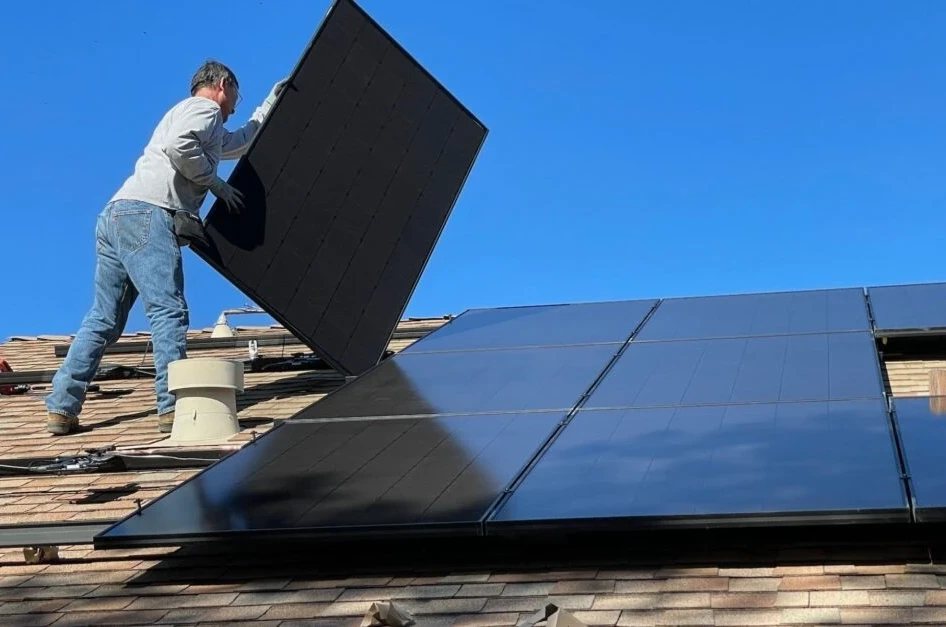
As solar technology continues to advance, microinverters and power optimizers have become essential options for enhancing the efficiency of solar systems. While both devices improve system performance, their working principles and suitable scenarios differ. This article provides an in-depth comparison to help you decide which option is better for your needs. Microinverters: Independence and High Efficiency How They Work Microinverters are installed behind each solar panel and directly convert direct current (DC) into alternating current (AC). Each panel operates independently, creating a modular power generation system. Advantages Independent Operation: Each solar panel works independently, so if one panel's performance decreases (due to shading or dirt), it does not affect the others. Ideal for Complex Environments: Particularly suitable for roofs with partial shading or multi-angle installations. Real-Time Monitoring: Provides performance data for each panel, making problem diagnosis and maintenance easier. Easy Expansion: New solar panels can be added without modifying the rest of the system. Disadvantages Higher Cost: Each panel requires its own inverter, leading to a higher initial investment. Complex Installation: Installing an inverter for each panel increases wiring and labor. Best Scenarios Roofs with complex shapes or shading. Need for real-time monitoring of each panel’s performance. High demands for system scalability. Power Optimizers: A Balance of Performance and Cost How They Work Power optimizers are also installed behind each solar panel and optimize the panel's DC output without converting it to AC. The optimized DC power is then sent to a centralized inverter for conversion. Advantages Efficiency Boost: Maximizes the output of each panel, reducing the impact of shading or partial obstruction. Centralized Design: Optimized DC power is converted to AC by a centralized inverter, simplifying maintenance. Cost Advantage: Lower initial cost compared to microinverter systems. Equipment Protection: Reduces the exposure of electronic components to harsh environments. Disadvantages Limited Monitoring: While panel performance can be monitored, the data is usually less detailed than that of microinverters. Single Point of Failure: The centralized inverter can become a weak point for the entire system. Best Scenarios Roofs with minimal shading and straightforward design. Budget-conscious installations seeking performance optimization. Preference for centralized management and maintenance. Comparison: Microinverters vs. Power Optimizers Feature Microinverters Power Optimizers Cost Higher Lower Efficiency Independent panel performance, ideal for shaded areas Optimizes overall system efficiency, reliant on centralized inverter Monitoring Capability Detailed monitoring of each panel Typically monitors string-level performance Scalability Flexible, panels can be added anytime Limited by centralized inverter capacity Ideal Environment Complex roofs or areas with shading Simple roofs with minimal shading How to Choose the Right System Choose Microinverters If: Your roof is complex or has significant shading. You want real-time performance data for each panel. You are willing to invest more upfront for higher independence and efficiency. Choose Power Optimizers If: Your roof is simple with little to no shading. You aim to optimize performance within a limited budget. You prefer centralized maintenance and management. Conclusion Microinverters and power optimizers each have their advantages and drawbacks. The key is to assess your installation environment and budget. If you prioritize high performance, flexibility, and independence, microinverters are the better choice. On the other hand, if you aim to optimize system performance at a lower cost and are comfortable with centralized management, power optimizers are a more suitable option. Before making a final decision, consult a professional solar installation company to design the most suitable system based on your roof conditions and specific needs.
Lithium vs. Alkaline Batteries: Which is Right for You
Alkaline batteries &Lithium batteries what sets these two apart, and which one is best for your needs? Let’s dive into the details. Understanding Lithium Batteries Lithium batteries come in several types, including lithium cobalt oxide, lithium manganate, lithium nickel oxide, ternary materials, and lithium iron phosphate (LFP). These batteries can also be categorized by their shape—cylindrical or prismatic—or by their material, such as ternary lithium-ion batteries and lithium iron phosphate batteries. Lithium batteries have varying energy capacities. For instance, a 6000mAh 32650 LFP cell can store three times the energy of a 2000mAh 18650 NCM cell. Understanding Alkaline Batteries Standard alkaline batteries are manganese/zinc galvanic batteries with an alkaline electrolyte. Typically, they feature a cathode made of manganese dioxide (MnO2) mixed with graphite and an anode composed of zinc paste (Zn). Potassium hydroxide (KOH) serves as the electrolyte. Comparing Lithium vs. Alkaline Batteries Types Available: Alkaline batteries: Common types include 9V, AAA, AA, and coin-shaped cell batteries. Lithium batteries: Available in sizes such as 14500, 16650, 18650, 21700, 26650, and 32650. Price: Alkaline batteries are typically less expensive because they are disposable and made from cheaper materials. On the other hand, lithium batteries, although more costly—up to five times more—last eight to ten times longer. Lithium batteries also maintain a consistent voltage almost until the end of their charge life, whereas alkaline batteries gradually lose voltage. This makes lithium batteries more cost-effective over time. Voltage: Alkaline batteries have a nominal voltage of 1.5V per cell, while lithium batteries range from 1.5V to 3.0V. Lithium-ion batteries, in particular, are suitable for more powerful devices, with voltages around 3.6V/3.2V per cell. These can be configured into higher voltage packs, such as 72V Li-Ion battery packs, providing superior performance compared to alkaline batteries. Capacity: Lithium batteries have a significantly higher capacity than alkaline batteries, meaning they can store more energy and power a device for longer periods. They also have a slower self-discharge rate, with capacities ranging from 1200mAh to 200Ah. Cycle Life: Lithium-ion batteries can last 10,000 to 40,000 cycles, which is four times the lifespan of alkaline batteries, which typically last about 300 cycles. Performance: Lithium batteries are generally rechargeable and offer a much longer life compared to alkaline batteries. Alkaline batteries, on the other hand, are prone to leakages and short circuits, making them potentially hazardous, especially during recharging. Alkaline batteries are better suited for low-power devices like remote controls and flashlights, whereas lithium batteries are ideal for high-performance devices such as medical equipment and cameras. Lithium batteries are also preferred in modern devices due to their lightweight and high energy density. This makes them particularly useful in electric vehicles, where a high power-to-weight ratio is crucial for longer driving ranges on a single charge. Why Choose Lithium Batteries Over Alkaline Batteries? Longer Lifespan: Lithium batteries offer a much longer lifespan compared to alkaline batteries. Since they are rechargeable, they can be recharged and used repeatedly, providing better value over time. Lighter Weight: Lithium batteries are significantly lighter than alkaline batteries, which is advantageous for portable devices like power tools, wearable technology, and electric vehicles. Their extended lifespan also makes them a popular choice for high-tech devices. Cost-Effective: Although lithium batteries have a higher upfront cost, they are more economical in the long run due to their longer life and consistent performance. While alkaline batteries are cheaper initially, their need for frequent replacement makes lithium batteries the better investment. Environmentally Friendly: Alkaline batteries are typically disposable, requiring frequent replacement and contributing to environmental waste. In contrast, lithium batteries are rechargeable and recyclable, with more than 90% of their raw materials being reusable, making them a more environmentally friendly option. Lithium batteries have several distinct advantages over alkaline batteries: Higher energy density: Lithium batteries offer higher energy density, meaning they can store more energy for the same volume and weight. Longer service life: Lithium batteries typically have a longer lifespan of charge and discharge cycles, making them more durable than alkaline batteries and reducing the frequency of replacement. Lower self-discharge rate: Lithium batteries have a lower self-discharge rate, which means less power loss when not in use for a long time, keeping battery performance stable. Lighter weight: Lithium batteries are lighter than alkaline batteries, helping to reduce the overall weight of the device and are suitable for weight-sensitive applications. Wider operating temperature range: Lithium batteries can operate over a wider temperature range, while alkaline batteries may degrade in performance at extreme temperatures. Higher voltage output: Lithium batteries offer higher voltage output, making them suitable for devices that require high voltage. These advantages make lithium batteries a preferred choice in many modern electronic devices, especially in applications that require high performance and long service life. For consultation and purchase, please contact:ciclibattery.com
What is Watt Hours?

In the modern world of power and energy management, the Watt Hour (Wh) is a basic but important concept. Whether in battery technology, electricity billing or energy consumption monitoring, the Watt Hour plays a key role. It combines power (watts, W) and time (hours, h). Specifically, watt-hours represent the amount of energy a device consumes or stores in one hour. The formula is as follows: Watt-hours = power (watts) × time (hours) For example, if an appliance has a power of 100 watts and it runs for 2 hours, the energy it consumes is: 100 watts × 2 hours = 200 watt-hours (Wh) Difference Between Watts and Watt-Hours While Watt describes the power level at a moment in time, Watt-hour describes the total energy consumption over a period of time. Speed and distance can be used as an analogy to Watt and Watt-hour to help understand. For example, a car might travel at 60 miles per hour, which is similar to Watt because this is the speed of the car at any given moment. If the car travels at 60 miles per hour for one hour, the distance it travels is 60 miles, which is similar to Watt-hour because it represents the total distance traveled over a specific period of time. What is kilowatt-hour (kWh)? Kilowatt-hours (kWh) and watt-hours (Wh) are both units used to measure electrical energy. The conversion relationship between them is simple: 1 kWh = 1,000 Wh So, if you have an appliance that consumes 5 kWh, that's equivalent to 5,000 Wh. Conversely, if you have an appliance that consumes 2,500 Wh, that's 2.5 kWh. This relationship can help you better understand the use and measurement of electrical energy. Application Electricity bill calculation: Electricity companies typically calculate electricity bills in watt-hours. The meter measures the total amount of energy you use over a certain period of time, in watt-hours. Knowing your watt-hour consumption can help you predict and control your electricity bills. Energy management: For homes and businesses, knowing the watt-hour consumption of appliances can help develop more effective energy management strategies. For example, knowing the watt-hour consumption of an appliance can help you choose a more energy-efficient device or adjust your usage habits to reduce energy consumption. Battery capacity: Watt-hours are an important indicator in the selection and use of batteries. It represents the amount of energy that a battery can store, which affects the use time of a device. Knowing the watt-hour capacity of a battery can help you choose the right battery to ensure that your device can work properly when you need it. Device performance: The performance and efficiency of some appliances can be measured by watt-hour consumption. For example, a high-efficiency device may consume fewer watt-hours at the same power and show higher energy efficiency. Environmental impact: Reducing electricity consumption can help reduce your carbon footprint. By monitoring and reducing watt-hour usage, you can reduce the load on the power grid and reduce the impact on the environment. In summary, watt-hours play a critical role in electricity management, whether in personal electricity bill management, equipment selection, or large-scale energy planning. For more information, please contact:ciclibattery.com
How to deal with battery leakage?
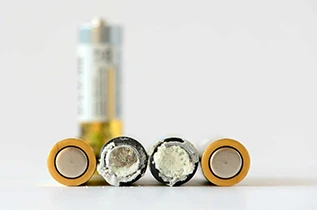
Battery leakage is a serious problem that can affect device performance and safety. Whether it is a battery in a mobile phone, power tool or other electronic device, leakage can cause device damage, health risks and environmental issues. Causes of battery leakage Physical damage: A battery that is hit, squeezed, or dropped may crack the casing, causing fluid to leak. Manufacturing defects: Poor workmanship or material problems during the production process may cause the battery to leak during use. Overcharge or over-discharge: Exceeding the recommended charge or discharge range may cause internal decomposition reactions, causing leakage. High temperature environment: Prolonged exposure to high temperature conditions will cause the battery to swell, increasing the risk of leakage. Aging: Over time, the aging and degradation of the internal chemicals of the battery may cause leakage. How did the battery leak? Alkaline and zinc-carbon batteries are more susceptible to leakage because of the way they generate energy. Batteries generate electricity through a chemical reaction between two different metals (the anode and cathode). These metals do not come into direct contact, but rather react through the electrolyte that fills the battery. If the battery is not used for a long time or the device is left empty for a long time, gas will be generated inside the battery. Excessive gas pressure can cause the battery's protective layer to rupture (this design is to prevent explosion), causing the electrolyte to leak and form white crystals on the outside of the battery. Therefore, if the toy or device is not used for a long time, it is best to remove the battery and store it separately to reduce the risk of leakage. How to tell if the battery is leaking? To identify a leaking battery, you can rely on your sense of smell and vision. When you open the device and expose the battery, you will smell a chemical odor. Undamaged batteries have no odor, so as long as you smell something, you know you are dealing with a leaking battery. You can see liquid or dried white goo. This is electrolyte leaking from the battery's protective layer due to increased pressure. How to deal with battery leakage? First, take some precautions: 1.Wear gloves and an apron to prevent chemicals from irritating your skin or staining clothing. If you are not wearing gloves, always wash your hands after handling. 2.Make sure the room is well ventilated. 3.Keep out of reach of children or pets. Remove a leaking battery: 1.Carefully remove the leaking battery from the compartment, preferably wearing gloves. 2.Place the leaking battery in a clear plastic bag so you can clearly see the battery status. 3.Immediately place the bag in a safe place out of reach of children or pets. Clean the device: 1.Use lemon juice or vinegar to moisten a cotton swab or cloth (still wearing gloves) and gently wipe the white residue off the device. 2.A fiberglass cleaning pen is recommended for a more thorough cleaning. 3.Do not scrub too hard, the white crystals will react with the acid and fall off. Use an old toothbrush or cloth to gently wipe until the device is clean. Warning: If the circuit board is damaged, the device may no longer work. In this case, take the device and battery to a recycling point for disposal. What should I do if battery leakage comes into contact with my skin? If battery leakage comes into contact with your skin, immediately rinse the affected area with plenty of water. Wash with mild soap and observe for redness, swelling, or irritation. If severe discomfort or skin reaction occurs, seek medical attention as soon as possible. How to prevent battery leakage? 1.Use the same brand of batteries for a single device 2.Replace all batteries in a device at the same time 3.Are you not going to use the device for a while? Remove their batteries 4.Insert the batteries correctly into the new device, negative first, then positive; when removing 5.them, reverse the order. 6.Store the batteries in a dry place at room temperature 7.Make sure to use qualified batteries and avoid overcharging or over-discharging For purchase and consultation information, please contact:ciclibattery.com
BYD battery48v 100ah lfp battery

BYD's 48V battery series is designed to meet low and medium power needs and is widely used in electric vehicles and energy storage solutions. Compared with high-voltage systems, 48V batteries provide an effective solution to balance power output and safety. BYD's new FM48100 48V 100Ah LiFePO4 battery, with its excellent high energy density, high operational reliability, excellent safety and long cycle life, is an ideal choice for BTS, UPS and IDC applications. This battery uses BYD's advanced LiFePO4 technology and has a strong annual production capacity of 10GWh, which can meet large-scale power needs. BYD battery 48v features 1.LiFePO4 as positive electrode material 2.Good safety and long service life 3.High energy density 4.High operating reliability 5.Application areas: BTS, UPS, IDC BYD battery 48v specifications No Item Parameter Specification 1 Nominal Voltage 51.2 V 2 Capacity 100Ah @0.2C, 25℃,40V-59.2V 3 Energy 5.12kWh @0.2C, 25℃,40V-59.2V 4 Height 131mm 5 Width 442mm 6 Depth 400mm 7 Weight 39.5±0.5kg 8 Charge voltage Max:57.6V 9 Charge Current 20A @ 25°C (Standard) 100A @ 25°C (Max. Continuous Current) 10 Charge Cut-off voltage 59.2V 11 Discharge Current 20A @ 25°C (Standard) 100A @ 25°C (Max. Continuous Current) 12 Discharge Cut-off voltage 40V 13 Operating Temperature Charge 0~+60℃ Discharge -20~+60℃ 14 Storage duration 1)≥12 months @-20~35℃ (30%~60%SOC) 2)≥ 3 months @-20~45℃ (30%~60%SOC) 15 Storage Temperature -40~+60℃ 16 Storage Humidity 5%~95% 17 Expected Life Time 5 years @35℃ 10 years @ 25℃ 18 Safety certification UL 1642 for cell CE IEC62619 UN38.3 IEC 62368-1 19 Protection class IP20
What is lifepo4 blade?
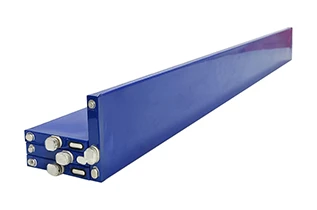
LiFePO4 Blade is a BYD battery module based on lithium iron phosphate (LiFePO4) battery technology, typically in a "blade-type" design that provides high energy density and excellent performance. LiFePO4 is a widely used lithium-ion battery chemistry with many advantages, such as high safety, long life and strong stability. Features High safety: LiFePO4 batteries have excellent thermal and chemical stability, reducing the risk of thermal runaway. It is safer than other lithium-ion batteries at high temperatures or under overcharge. Long life: LiFePO4 batteries generally have a long cycle life, usually withstanding more than 2,000 charge and discharge cycles, which is longer than other lithium-ion batteries. High energy density: Although the energy density of lithium iron phosphate batteries is slightly lower than some other lithium battery technologies (such as nickel cobalt manganese oxide), it still provides good performance and is widely used for its high safety and long life. Stable performance: LiFePO4 batteries show good stability and consistent performance over a wide temperature range. Environmentally friendly: Compared with other lithium battery technologies, the raw materials used in LiFePO4 batteries are more environmentally friendly and have less impact on the environment. Blade Design Compact design: The "blade-type" design generally refers to the battery module's outer shape design that resembles a blade shape, allowing for a more compact and efficient arrangement. This design helps improve space utilization and is suitable for installation in applications with limited space. High energy density: The design of the blade-type battery module optimizes energy density and power density, allowing it to provide more energy without increasing volume. Simplified installation and maintenance: Blade-type battery modules are generally designed to be easy to install and remove, simplifying the maintenance and replacement process. Application: Electric vehicles (EVs): LiFePO4 batteries are widely used in electric vehicles and electric bicycles due to their high safety and long life. Energy storage systems: Suitable for home energy storage systems and commercial energy storage solutions to store renewable energy such as solar or wind energy. UPS (Uninterruptible Power Supply): Used in uninterruptible power supply systems to provide stable and long-term power supply. Other high-performance applications: LiFePO4 batteries can also be found in medical equipment, military equipment, and high-end consumer electronics. In general, the LiFePO4 Blade battery module combines the excellent characteristics of lithium iron phosphate batteries with the space optimization of the blade-type design, and is suitable for application scenarios that require high safety, long life, and high energy density. For information and purchase, please contact us:ciclibattery.com
lifepo4 battery voltage chart
Lithium iron phosphate (LiFePO4) batteries are becoming increasingly popular due to their high energy density, long cycle life, and overall performance. One of the most critical factors in effectively utilizing these batteries is understanding their voltage characteristics. In this blog post, we will explore the LiFePO4 voltage graph, which shows the relationship between a battery's voltage and its state of charge and how this affects battery performance. State of Charge (SOC) vs. Voltage The voltage of a LiFePO4 battery varies with its state of charge. The voltage rises as the battery charges and drops as it discharges. The relationship between voltage and state of charge is non-linear, meaning that a small change in SOC can result in a significant change in voltage. The following table shows the typical voltage range of a LiFePO4 battery (a single lifepo4 cell) at different states of charge: It can be seen that the voltage range narrows as the SOC approaches 100%. This is because as the battery approaches full charge, the charging process slows down to protect the battery. Therefore, the voltage variation between different SOC levels becomes smaller. Effect of Voltage on Battery Performance Voltage is a key factor affecting the performance of LiFePO4 batteries. The voltage of a battery affects its power output, stored energy, and overall lifespan. Power Delivery: LiFePO4 batteries can deliver a large amount of power, but this power output decreases as the battery discharges. As the battery voltage drops, the power output also decreases and the device may not function properly. Therefore, it is critical to ensure that the battery voltage remains within the recommended range for optimal device performance. Energy Storage: The energy storage capacity of a LiFePO4 battery is directly related to its voltage. The higher the voltage, the more energy the battery can store. For example, a battery charged to 3.6V can store more energy than one charged to 3.4V. However, it is important to note that overcharging can lead to shortened battery life and other safety issues. Lifespan: Voltage levels can also affect the lifespan of a battery. Overcharging or over-discharging can shorten the cycle life of a battery and may even damage the battery. It is recommended to keep the battery voltage within the recommended range to achieve the longest cycle life and maintain the performance of the battery over time. Conclusion In summary, understanding the LiFePO4 voltage graph is critical to maintaining the performance, energy storage, and life of your battery. The graph shows that small changes in SOC can have a significant impact on the battery voltage. Voltage also affects the power delivery, energy storage, and overall life of the battery. By monitoring battery voltage and keeping it within the recommended range, you can ensure optimal device performance and maximize the life of your battery. Purchase BYD 4680 battery BYD Blade Battery To obtain purchase information and related information, please contact us: ciclibattery.com
Batteries in series and parallel(LIFEPO4)

Configuration of battery cells Battery cells are configured in series or parallel, depending on the total voltage and capacity required. For example, series connection increases the voltage of the battery pack, while parallel connection increases the capacity of the battery pack. LiFePO4 Battery Selection When configuring a battery pack, it is critical to select batteries with similar performance characteristics, including voltage, capacity, and internal resistance. Using batteries with comparable characteristics improves the balance and consistency of the battery pack. - Ensure that the batteries are from the same production batch or have similar manufacturing parameters to minimize performance differences due to manufacturing variations. - The battery should meet the design requirements, such as nominal voltage, capacity, and maximum charge/discharge current. For example, a common nominal voltage is 3.2V, and the capacity is usually around 100Ah. Capacity Matching The batteries within a battery pack should have similar capacities to ensure that the overall battery pack capacity meets the expected energy storage and release needs. Charge/discharge testing is often used to evaluate and match battery capacity. Charge/discharge testing can determine the actual capacity of each battery so that matching can be performed. The tolerance range for capacity matching is usually defined at design time to ensure performance consistency. The typical tolerance is ±5%. For a 100Ah battery, the acceptable range is 95-105Ah. Voltage Matching The cells in a battery pack should have similar voltage characteristics to ensure balanced voltage in the pack during charge/discharge and to prevent overloading of the cells. Voltage matching is to ensure balanced voltage distribution between cells, with a common error of ±0.05V. The BMS (Battery Management System) can monitor and adjust/balance the voltage of each cell as needed. Internal Resistance Matching The cells should have similar internal resistance characteristics to ensure balanced current distribution during charge/discharge and to prevent problems such as overheating. Resistance matching ensures balanced current distribution and minimizes power loss and temperature rise. Resistance is usually tested by AC impedance spectroscopy or constant current discharge test. Batteries are sorted and matched based on these results. The tolerance of resistance matching is generally ±5%. Temperature Control The temperature must be controlled during configuration to ensure that the cells are within the appropriate temperature range, as temperature can significantly affect the performance and life of the battery. Configuration should be performed within the appropriate temperature range, typically 15-30°C. Use temperature sensors to monitor the ambient temperature and take necessary cooling measures. The BMS can monitor the voltage, capacity, and temperature of each cell and perform balanced charge/discharge as needed. Balanced Charge/Discharge Balanced charge/discharge ensures consistent battery state and is typically achieved through a BMS, which monitors and controls the charge/discharge of each cell. 1. During charging, the BMS can adjust the charge current or use active balancing techniques to maintain a consistent state of charge for each cell. 2. During discharge, the BMS can monitor the discharge voltage and capacity of each cell and adjust the load or use active balancing to maintain consistency. Correctly matching LiFePO4 cells is critical to building a high-performance, safe DIY battery pack. Carefully following the recommended requirements for cell selection, capacity, voltage, resistance, temperature, and charge/discharge ensures that your custom LiFePO4 battery pack will operate optimally for many years. With careful matching, even a novice builder can successfully build a DIY battery pack to meet their specific energy storage needs. For more information, please contact us: ciclibattery.com
BYD has the latest news on solid-state batteries

Recently, there is news that my country plans to invest 6 billion yuan in the research and development of all-solid-state batteries. Six companies including CATL, BYD, FAW, SAIC, Weilan New Energy and Geely may receive basic research and development support from the government. BYD's solid-state battery plan has also been exposed. According to reports, from the perspective of the choice of technical route, BYD's solid-state battery is very likely to adopt the following technical routes: high-nickel ternary (single crystal) positive electrode, silicon-based negative electrode (low expansion), and sulfide electrolyte (complex halide). The capacity of Fudi solid-state battery cells can reach more than 60Ah(Fudi Battery and BYD belong to the same company), the mass energy density reaches 400Wh/kg, and the volume energy density reaches 800Wh/L. The battery cell shows excellent safety in needle puncture or hot box tests, and will not catch fire or explode. At the same time, it also has an efficient integrated battery system under the performance requirements of thermal management, safety and fast charging, and the battery pack energy density exceeds 280Wh/kg. In terms of cost control, Fudi plans to reduce the cost of sulfide (or sulfide and halide composite) solid electrolytes by 1500%-2000% in 2027 compared with 2024. By 2030, it is expected that the cost will further decrease by 30%-50% compared with 2027 through improved synthesis process and optimization. By 2033, the cost will continue to decrease by about 20%-30% through the improvement of large-scale production efficiency. Overall, the cost of solid-state batteries is expected to achieve a 2000%-3000% reduction in material BOM cost in 2027. By improving product yield, large-scale production and process optimization, manufacturing costs are expected to be further reduced by 30%-50%, thus having strong price competitiveness. In terms of the mass production schedule, it is consistent with the national policy and most companies. In 2027, small-scale production will be carried out, and BYD's high-end models will be equipped as a demonstration project, with a scale of only about 1,000 units; 2030 is the market promotion period, and it is expected that 40,000 vehicles will be equipped with all-solid-state batteries, and they will begin to go down to models in the mainstream price range; in 2033, it will enter a rapid expansion period, and it is expected that 120,000 vehicles will be installed on a large scale, and the market share of all-solid-state batteries will gradually increase. In terms of the mass production schedule, Fudi's plan is consistent with the national policy and most companies: 2027: Start small-scale production, and install solid-state batteries on BYD's high-end models as a demonstration project, with a scale of about 1,000 units. 2030: Enter the market promotion period, and it is expected that 40,000 vehicles will be equipped with all-solid-state batteries, and they will begin to be gradually applied to models in the mainstream price range. 2033: Enter the rapid expansion period, and it is expected that 120,000 vehicles will be installed on a large scale, and the market share of all-solid-state batteries will gradually increase. In fact, as early as 2022, there was news that BYD's all-solid-state lithium battery would be produced in Chongqing and would soon begin vehicle installation tests. Although BYD denied the news at the time, some of the content is consistent with the information recently disclosed by BYD. According to reports in 2022, BYD's solid-state battery mainly adopts oxide and sulfide technology routes, uses silicon-based materials as negative electrodes, and the energy density is expected to reach 400Wh/kg. In addition, the news also mentioned that BYD plans to use these all-solid-state batteries not only for its own models, but also to supply the first batch of batteries to other companies. It is worth mentioning that Xinwangda recently revealed its research progress in the field of all-solid-state batteries. According to the news released by Xinwangda, the company has been conducting research and development in the field of all-solid-state batteries since 2015, and has planned the first and second generation all-solid-state battery technologies. First generation all-solid-state battery: The latest ampere-hour-level sample can achieve more than 1,000 stable cycles. Second generation all-solid-state battery: Laboratory samples have reached the energy density target of 500Wh/kg. In terms of technical routes, Xinwangda said that the company is currently developing sulfide all-solid-state batteries using high-nickel positive electrodes and silicon-based negative electrodes/lithium metal negative electrodes. For more information, please contact us: ciclibattery.com
What is BYD HVS battery?
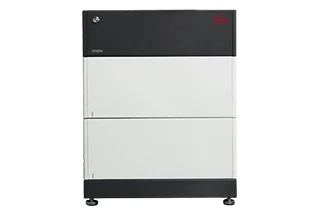
HVS battery, or High Voltage Separator Battery, is a battery system designed for high voltage applications. It is mainly used in electric vehicles (EVs), hybrid electric vehicles (HEVs) and other applications that require high energy density and high voltage output. BYD Battery-Box Premium HVS and HVM are modular high-voltage lithium iron phosphate (LFP) battery packs that can be used with an external inverter. Working principle of HVS battery: Battery cell: The battery consists of multiple battery cells, each of which contains a positive electrode, a negative electrode and an electrolyte. The series and parallel combination of battery cells determines the voltage and capacity of the entire battery system. High voltage design: HVS batteries are designed for high voltage output to improve energy transmission efficiency. High voltage can reduce current, thereby reducing losses in wires and connectors, and reducing heat generation in the system. battery Management System (BMS): BMS is used to monitor and manage the performance of the battery to ensure that the battery operates within a safe range. It includes functions such as battery power monitoring, temperature control, overcharge and over-discharge protection to extend battery life and improve safety. Isolation technology: HVS batteries use high-voltage isolation technology to prevent internal short circuits in the battery and improve safety. Isolation technology can effectively reduce the impact of high voltage on battery components. Technical features of BYD HVS battery: High voltage design: BYD HVS battery adopts high voltage design, which can provide higher voltage output, thereby improving the power performance and energy efficiency of electric vehicles. This high voltage design not only improves the power density of the battery, but also optimizes the overall efficiency of the electric system. Advanced battery management system (BMS): BYD HVS battery is equipped with an advanced battery management system with real-time monitoring, temperature management, charge and discharge control and other functions. These functions ensure the safety and stability of the battery under various working conditions and extend the service life of the battery. High energy density: HVS battery stores a large amount of electrical energy in a limited space, meeting the application of electric vehicles with high endurance requirements. This high energy density gives BYD electric vehicles a significant advantage in endurance. Efficient energy recovery: BYD HVS battery supports an efficient energy recovery system that can recover energy during braking and deceleration and store it for subsequent driving. This design helps to improve the overall energy efficiency and economy of electric vehicles. Safety: HVS battery adopts high-voltage isolation technology and multiple safety protection measures to effectively prevent battery overheating, short circuit and other faults, ensuring safety during use. BYD HVS battery main categories: BYD hvs 5.1(BYD battery-box premium hvs 5.1) Total battery capacity: 5.12 kWh Number of modules: 2 units Battery module: HVS (2.56 kWh, 102.4 V, 38 kg) Lithium iron phosphate technology (LFP) Nominal voltage: 204 V Maximum output current: 25A Peak output current: 50 A for 5 seconds Operating voltage: 160~240V Weight: 91 kg Enclosure protection level: IP55 Dimensions (H/W/D) 712x585x298 mm Applicable applications: On-grid / On-grid + Backup / Off-grid Operating temperature: -10°C to +50°C Communication: CAN/RS485 BYD hvs 7.7(BYD battery-box premium hvs 7.7) Total battery capacity: 7.68 kWh Number of modules: 3 units Battery module: HVS (2.56 kWh, 102.4 V, 38 kg) Lithium iron phosphate technology (LFP) Nominal voltage: 307V Maximum output current: 25A Peak output current: 50 A for 5 seconds Operating voltage: 240~360V Weight: 129 kg Enclosure protection level: IP55 Dimensions (H/W/D) 945 x 585 x 298 mm Applicable applications: On-grid / On-grid + Backup / Off-grid Operating temperature: -10°C to +50°C Communication: CAN/RS485 BYD hvs 10.2(BYD battery-box premium hvs 10.2) Total battery capacity: 10.24 kWh Number of modules: 4 units Battery module: HVS (2.56 kWh, 102.4 V, 38 kg) Lithium iron phosphate technology (LFP) Nominal voltage: 409V Maximum output current: 25A Peak output current: 50 A for 5 seconds Operating voltage: 320~480V Weight: 167 kg Enclosure protection level: IP55 Dimensions (H/W/D) 1178 x 585 x 298 mm Applicable applications: On-grid / On-grid + Backup / Off-grid Operating temperature: -10°C to +50°C Communication: CAN/S485 Applications of HVS Batteries: Electric Vehicles (EVs): BYD HVS batteries are widely used in BYD's electric vehicle series, including its high-end electric SUVs and sedans. High voltage, high energy density and long driving range make them ideal for electric vehicles. Commercial Vehicles and Logistics Vehicles: HVS batteries are also used in BYD's commercial vehicles and logistics vehicles, supporting high load and long-term operation requirements, improving the overall efficiency and reliability of commercial electric vehicles. Energy Storage Systems: BYD HVS batteries are also used in energy storage systems, especially large-scale energy storage solutions such as home energy storage and industrial energy storage systems, supporting the efficient use of renewable energy and power stability. For more information, please contact us: ciclibattery.com
Optimal temperature range for LiFePO4 batteries

LiFePO4 (lithium iron phosphate) batteries are widely used in electric vehicles, energy storage systems and other high-performance applications due to their excellent safety, long life and stability. Temperature has a significant impact on the performance and life of LiFePO4 batteries, so understanding its optimal temperature range is critical to ensuring battery reliability and efficiency. The optimal operating temperature range of LiFePO4 batteries is generally -20°C to 60°C. Within this range, the battery can provide the best performance and life. Low temperature performance In low temperature environments between -20°C and 0°C, the performance of LiFePO4 batteries will decline. The main manifestations are: Reduced capacity: Low temperature will slow down the chemical reaction rate inside the battery, thereby reducing the effective capacity of the battery. Increased internal resistance: Low temperature will also increase the internal resistance of the battery, affecting the charging and discharging efficiency. Charging difficulties: At extremely low temperatures, the charging efficiency of the battery is significantly reduced, and special preheating measures may be required. High temperature performance In high temperature environments between 45°C and 60°C, LiFePO4 batteries can still maintain good performance, but long-term exposure to high temperatures will bring the following problems: Shortened life: High temperature accelerates the internal chemical reaction and aging process of the battery, thereby shortening the battery's service life. Safety risks: Although LiFePO4 batteries have good thermal stability, long-term high temperature operation may cause degradation of battery materials and affect safety. Effect of temperature on battery performance: Capacity and energy density The battery can maintain its designed capacity and energy density within the optimal temperature range. Low temperature will reduce the effective capacity of the battery, while high temperature may lead to capacity loss and reduced energy density. Charge and discharge efficiency LiFePO4 batteries have the highest charge and discharge efficiency within the optimal temperature range. Low temperature will increase the internal resistance of the battery and reduce the charging efficiency; high temperature may affect the discharge efficiency and the overall performance of the battery. Cycle life LiFePO4 batteries have a longer cycle life within the optimal temperature range. Temperatures outside this range will accelerate the degradation of battery materials and reduce the number of charge and discharge cycles. Voltage stability over temperature: While the nominal voltage of a LiFePO4 battery is typically 3.2V, it is important to understand that this voltage is not constant and will fluctuate depending on the temperature and the battery's state of charge (SOC). For example, a LiFePO4 battery with a 50% SOC will maintain a stable voltage between 3.2V and 3.3V over a temperature range of -20°C to 50°C. This stability makes it ideal for power input and output. However, a LiFePO4 battery with a lower SOC (e.g. 15%) will experience more significant voltage fluctuations, especially at lower temperatures. At -20°C, the voltage may drop to around 3.0V and stabilize at around 3.2V at room temperature. This shows that temperature has a greater impact on batteries with lower SOCs, which is an important factor for users to consider. Temperature management and optimization: Temperature control system Use temperature control systems (such as heaters or cooling devices) to regulate the temperature of the battery pack to ensure that it operates within the ideal range. Thermal insulation design When designing the battery application system, use thermal insulation materials and heat dissipation design to protect the battery from external temperature fluctuations. Monitoring and maintenance Regularly monitor the temperature and performance of the battery, and perform maintenance and care to prevent performance degradation or safety hazards caused by temperature problems. For more information, please contact us: ciclibattery.com
BYD Blade Battery Battery Capacity
Definition of battery capacity: Battery capacity is the amount of electricity that a battery can release after a single charge, usually measured in ampere-hours (Ah) or milliampere-hours (mAh). The size of the battery capacity determines how long the battery can provide power to the load. In different applications, this parameter directly affects the endurance of the device. Measuring battery capacity involves several key steps: Charging: Fully charge the battery and ensure that the battery is fully charged before measurement. Discharging: Discharge the battery at a steady current until the battery is exhausted. Calculation: Record the current and discharge time during the discharge process, and calculate the battery capacity according to the formula: Battery capacity = discharge current × discharge time For example, if the battery is discharged at a current of 500 milliamperes (mA) for 5 hours, the battery capacity is 2500 milliampere hours (mAh). BYD Blade Battery Capacity: BYD C103F 102Ah 3.2V LFP Blade Battery BYD C104F 150Ah 3.2V LFP Blade Battery BYD C112F 180Ah 3.2V LFP Blade Battery BYD C113F 170Ah 3.2V LFP Blade Battery BYD C114F 332Ah Blade Battery BYD C115F 232Ah 3.2V LFP Blade Battery How to choose the right battery capacity To choose the right battery capacity, you need to consider the following aspects: Equipment requirements: Understand the power consumption and working time requirements of the equipment, and choose a battery capacity that can meet these requirements. Application environment: Choose the appropriate battery type and capacity according to the temperature range and discharge conditions of the use environment. Budget and space: Larger capacity batteries are usually more expensive and larger, so you need to weigh budget and space constraints. Charging and maintenance: Consider the battery charging method and maintenance requirements, and choose a battery system that is easy to manage and maintain. For more information, please contact us: ciclibattery.com
lifepo4 vs li ion
The main differences between the two batteries: Lithium Iron Phosphate Battery (LIFEPO4): Chemical Composition: Positive Electrode Material: Lithium Iron Phosphate. Features: Has better thermal stability and safety, usually used in applications requiring high safety. Energy Density: Energy density: Relatively low, usually between 90-160 Wh/kg. Features: Lower energy density than other lithium battery types, but provides higher safety and longer service life. Voltage: The nominal voltage of LiFePO4 battery is lower than that of lithium-ion battery, usually about 3.2V per battery Safety: Very high, with excellent thermal stability, not prone to thermal runaway, short circuit or fire. Features: Good safety even under high temperature or physical damage. Life: Long, usually can withstand 2000-5000 charge and discharge cycles. Features: In long-term use, the capacity decay is slow, suitable for applications requiring long life. Temperature Range: Has good high temperature stability, suitable for operation in a wide temperature range. Features: Suitable for high temperature environment applications such as electric vehicles and energy storage systems. Application areas: Widely used in electric vehicles (especially in cases with high safety requirements), energy storage systems, power tools, etc. Lithium-ion battery (li ion): Chemical composition: Positive electrode material: can be lithium cobalt oxide (LiCoO2), lithium nickel cobalt manganese oxide (NCM), lithium nickel cobalt aluminum oxide (NCA), etc. Features: Each type of lithium-ion battery has different energy density and performance characteristics, and is usually used in applications with high energy density requirements. Energy density: Energy density: high, usually between 150-250 Wh/kg, depending on the chemical composition of the battery. Features: Provides higher energy density, suitable for applications that require longer battery life or high energy density, such as smartphones and electric vehicles. Voltage: Lithium-ion batteries are 3.6V to 3.7V per cell. Safety: Safety: Relatively low, especially in the case of overcharge, short circuit or physical damage, thermal runaway or fire may occur. Features: Protection circuits are required to prevent overcharge, over-discharge, etc. Lifespan: Lifespan: Short, usually can withstand 500-1500 charge and discharge cycles. Features: Capacity decays faster during the charge and discharge cycle Temperature range: Temperature range: sensitive to low and high temperatures, and needs to work within a relatively narrow temperature range. Features: Poor low temperature performance, capacity and performance may be reduced at low temperatures. Application areas: Widely used in smartphones, laptops, power tools, light electric vehicles and other devices that require high energy density. Which of these types of batteries is easier to recycle? Both lithium iron phosphate (LiFePO4) and lithium-ion batteries can be recycled, but each is done in slightly different ways. LiFePO4 batteries are generally considered easier to recycle than lithium-ion batteries because the cathode material is made of iron phosphate, a stable compound that is not harmful to the environment. Additionally, LiFePO4 batteries do not contain heavy metals or other toxic substances, making them less harmful to handle during recycling. On the other hand, lithium-ion batteries can be more challenging to recycle due to the presence of heavy metals and other toxic substances in the cathode. Additionally, the recycling process for lithium-ion batteries is more complex because it involves breaking down the battery into its component parts and separating the cathode, anode, and electrolyte. The purity of the materials used is critical. Overall, both LiFePO4 and lithium-ion batteries can be recycled, but LiFePO4 batteries may be easier to recycle because their chemical composition is simpler and does not contain toxic substances. IS LIFEPO4 BETTER THAN LITHIUM-ION? LiFePO4 outshines lithium-ion in terms of safety, with longer life and greater thermal stability, making it ideal for extended use. While lithium-ion may initially be cheaper and require less maintenance, its sensitivity to overheating poses risks. Choose LiFePO4 for a durable, safe off-grid power solution with minimal environmental impact. It's difficult to say which battery chemistry is "best." Because each type of lithium battery (LiFePO4, lithium-ion, and lithium-polymer) has its own unique advantages and disadvantages, the best choice depends on the specific application and requirements. 获取更多相关咨询信息欢迎联系我们: ciclibattery.com
Polymer battery vs li ion

The difference between polymer batteries and lithium batteries: Polymer Battery: Lithium-ion polymer (LiPo) batteries (also known as Li-poly, Lithium-poly, PLiON) have similar electrode compositions to lithium-ion batteries, but the electrode material is applied in a gel-like or solid polymer matrix. This eliminates the need for porous separators and allows for greater flexibility in the battery's form factor. Polymer batteries are a type of battery that uses a solid or gel electrolyte, usually based on lithium-ion technology. Their main feature is the use of a solid or gel polymer electrolyte instead of a traditional liquid electrolyte. Lithium Battery: Lithium-ion batteries consist of multiple cylindrical or prismatic cells, each of which contains a positive electrode (cathode), a negative electrode (anode), and a liquid electrolyte solution. A porous separator is placed between the cathode and the anode to allow lithium ions to move during charging and discharging. Lithium batteries refer to batteries that use lithium as the main electrode material, including lithium-ion batteries (lithium ferrite phosphate、Li-ion) and lithium polymer batteries (Lithium Polymer). Lithium batteries are usually designed to use liquid electrolytes. The table below compares the voltages and typical applications of six basic lithium battery chemistries. Other characteristics of these batteries include: LCO – 200Wh/kg, provides high power, but at the expense of relatively short life, low power rating, and low thermal stability. LFP – 120Wh/kg, has long cycle life and stability at high operating temperatures. LMO – 140Wh/kg, cathodes are based on manganese oxide components, which are abundant, cheap, non-toxic, and provide good thermal stability. NCA – 250Wh/kg, provides high specific energy and long cycle life. NMC – 200Wh/kg, changing the ratio of chemical components can develop batteries optimized for power or energy cells. It is one of the most successful lithium battery chemistry systems due to its flexibility. LTO – 80Wh/kg, lowest specific energy, but can be charged quickly, discharged at up to 10 times the rated capacity, and is safe. NMC, LCO and NCA cells contain cobalt, which helps provide higher power capabilities. They can deliver a lot of power in a small package but are more susceptible to thermal events that can cause safety issues. Advantages of polymer batteries and lithium batteries: The main advantages of lithium polymer batteries are: - Thinner, more flexible form factors - Polymer electrolyte allows the battery to be molded into a variety of forms - Safer operation - Solid polymer electrolytes are less prone to leakage and thermal runaway than liquid electrolytes in lithium ion - Longer cycle life - Li-polymer batteries can generally withstand more charge/discharge cycles The main advantages of lithium ion batteries are: - Higher energy density - They can store more energy per unit volume than lithium polymer - Lower internal resistance - Leading to faster charge and discharge capabilities - More mature and established technology - Li-ion batteries are more widely produced and available As for which is "best", there is no clear winner as both technologies have their own advantages. The choice depends on the specific application and requirements. Li-polymer is better suited for portable devices that require thin, flexible form factors, while lithium-ion batteries are favored where energy density and power output are a priority, such as electric vehicles. Many modern devices may use a mix of the two technologies to take advantage of their respective strengths. For more information, please contact us: ciclibattery.com
Lithium battery pack

What is a lithium battery pack? A lithium battery pack is a battery pack composed of multiple lithium-ion battery cells, which is usually used to provide high energy density, long life and reliable power solutions. Lithium battery packs are widely used in electric vehicles (EVs), mobile devices, energy storage systems and other electronic devices. Its core advantages are high energy density, long cycle life and low self-discharge rate. Lithium battery pack composition: Battery Cell: A lithium battery pack is composed of multiple lithium-ion battery cells connected in series and/or in parallel. Each cell is responsible for storing and releasing electrical energy. Battery Management System (BMS): Monitors the status of each battery cell, including voltage, temperature, and charge and discharge status, to ensure the safety and performance of the battery pack. Protection Circuit: Prevents overcharging, over-discharging, short circuit, and overheating to ensure the safety of the battery.·Heat Dissipation System: Used to control the temperature of the battery pack, prevent overheating, and improve the service life and performance of the battery. Connectors and Housings: Provide electrical connections between battery cells and protect the battery pack from physical damage and environmental impacts. Advantages of lithium battery packs: High Energy Density: Lithium battery packs have a higher energy density than traditional lead-acid and nickel-metal hydride batteries, providing more energy storage and longer use time. Long cycle life: Lithium battery packs generally have a long cycle life, generally up to 500 to 2000 charge and discharge cycles, which is much higher than many other battery types. Low self-discharge rate: Lithium battery packs have a low self-discharge rate, and the battery power loss is small even if it is not used for a long time. Lightweight: Compared with lead-acid batteries of the same capacity, lithium battery packs are lighter, making them easier to use in applications that need to reduce weight, such as electric vehicles and portable devices. High charging efficiency: Lithium battery packs have high charging efficiency and short charging time, and can be fully charged faster than traditional batteries. application: Electric Vehicles (EV): Lithium battery packs are the core components of electric vehicles, providing the required energy and power. Mobile devices: such as smartphones, tablets and laptops, use lithium battery packs to provide long-term portable power. Energy storage systems: used in home and industrial energy storage systems to store electricity in lithium battery packs for emergency use. Power tools and household appliances: such as cordless power tools, vacuum cleaners, etc., use lithium battery packs to provide portable and efficient power. Purchase: Our agent brand is BYD. We have excellent price advantages, so the batteries you buy are cheap and durable. 12v 100ah lithium battery、li battery pack、12v 200ah battery、Battery Module、12v 300ah battery、blade battery For more information, please contact us:ciclibattery.com
21700 and 18650 Li-ion Batteries
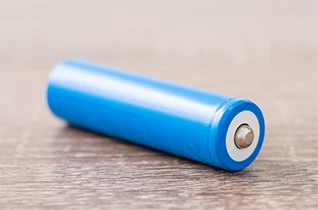
In today’s technology-driven world, there is a constant competition between power and portability. At the forefront of this competition are two types of lithium-ion batteries: 21700 and 18650. These powerful batteries power our devices, from electric cars to power tools and more. Let’s delve into the intricate details of 21700 and 18650 lithium-ion batteries to understand their functions, differences, and applications. 18650 battery and 21700 battery are two common lithium-ion battery models used in various electronic devices and electric vehicles. Their main difference is size and capacity. 18650 battery: 18 mm in diameter and 65 mm in length. It is a mature and widely used battery, commonly found in laptops, power tools, and some electronic cigarette devices. 21700 battery: 21 mm in diameter and 70 mm in length. Compared with 18650, 21700 battery has a larger volume and higher energy density, and has become increasingly popular in electric vehicles and high-performance battery packs in recent years. Performance comparison: Capacity: 21700 batteries typically have a larger capacity than 18650 batteries, generally between 3000mAh and 5000mAh, while 18650 batteries typically have a capacity between 1800mAh and 3500mAh. The larger capacity means that 21700 batteries can provide longer use time and greater energy reserves. Energy density: Due to the larger volume, 21700 batteries generally have a higher energy density than 18650 batteries. This makes 21700 batteries perform better in applications that require high energy density, such as electric vehicles and energy storage systems. Discharge rate: 21700 batteries tend to have a higher discharge rate, which means they can provide a larger current output in a short period of time, suitable for high-power applications. Application: 18650 batteries: Due to their small size and mature technology, they are widely used in laptops, power tools, flashlights and some portable devices. They are highly standardized and easy to replace and maintain. 21700 batteries: Due to their higher capacity and energy density, they are gradually becoming the first choice for electric vehicles, energy storage systems and high-performance electronic devices. They provide longer battery life and higher power output, suitable for application scenarios that require large power and high power. Battery Charging and safety: Charging speed: Due to their larger size, 21700 batteries can usually support higher charging currents and achieve faster charging speeds. 18650 batteries charge relatively slowly, but are sufficient to meet most application needs. Safety: The safety of both batteries depends on manufacturing quality and usage conditions. Good battery design and protection circuits can effectively reduce safety hazards such as overcharging, over-discharging and short circuits. Due to the larger size of 21700 batteries, they usually perform better in thermal management and mechanical strength. 21700 and 18650 lithium-ion batteries each have their own advantages and disadvantages. Choosing the right battery depends on the specific application requirements. With its higher capacity and energy density, 21700 batteries are suitable for high-power, high-energy applications. On the other hand, 18650 batteries continue to play an important role in a variety of devices due to their mature technology and wide application. Understanding their characteristics and applicable fields will help you make the best choice in different applications. Purchase:ciclibattery.com
What are pouch cell?

Pouch Cell is a new type of battery structure, whose main feature is the use of flexible thin film packaging instead of traditional hard shell or cylindrical shell. This design gives pouch cells significant advantages in lightness, flexibility and energy density. Compared with traditional hard shell batteries (such as cylindrical and square batteries), pouch cells have higher design flexibility and lighter weight. Its internal structure and chemical composition can be similar to traditional batteries, such as lithium-ion batteries or lithium polymer batteries, but it differs in appearance and packaging. In the event of a safety hazard, the pouch battery will only bulge and crack at most. Features of pouch cell: Packaging materials: The packaging materials used in pouch cell are generally aluminum-plastic films, which are composed of aluminum layers, plastic layers and other composite materials. This material has excellent airtightness and mechanical strength, and can effectively prevent the leakage of chemical substances inside the battery. Lightweight and thin: Due to the flexibility of the packaging material, pouch cell can be made very thin and light, suitable for various compact devices and lightweight applications. Flexibility: pouch cell can be designed into a variety of shapes to adapt to different spatial layouts and shape requirements. This design flexibility makes it more advantageous than traditional hard-shell batteries in some applications. Thermal management: The packaging materials of pouch cell help dissipate heat, but thermal management still needs to be paid attention to in high-power applications to prevent overheating and performance degradation. Advantages of pouch cell: High energy density: Due to the use of thin film packaging, pouch cell can provide higher energy density, thereby increasing the total capacity and battery life of the battery. Lightness and flexibility: The design of pouch cell makes them lighter and more flexible, suitable for use in space-constrained or lightweight devices. Manufacturing cost: Compared with traditional cylindrical or square batteries, the production process of pouch cell is relatively simple, which can reduce manufacturing costs. Design freedom: Due to the flexibility of the packaging material, pouch cell can be designed into a variety of shapes and sizes to meet the needs of different applications. Application areas of pouch cell: Consumer electronics: pouch cell are widely used in consumer electronics such as smartphones, tablets, and laptops because they can provide higher energy density and thinner design. Wearable devices: The lightness and flexibility of pouch cell make them an ideal choice in wearable devices such as smart watches and health monitoring devices. Electric vehicles (EVs): pouch cell are used in electric vehicles to provide high energy density and light weight. Although they are currently mainly used in some light electric vehicles and electric bicycles, they have great potential. UAVs: The high energy density and flexible design of pouch cell make them suitable for drones and other applications with high power requirements. Purchase: Supplier: BYD (Build Your Dreams) We are BYD's agent, we have soft pack batteries, 4680 batteries, blade batteries and other lithium iron phosphate batteries for sale. View our website:ciclibattery.com
Advantages of BYD Blade Battery

BYD's Blade Battery is revolutionary in several ways. We're happy to explain why that is, and the importance of the so-called fingernail penetration test. Improved safety: Preventing thermal runaway: The blade battery adopts a special design. By dispersing the battery cells in the aluminum alloy heat sink, it effectively improves the heat dissipation effect of the battery pack and reduces the safety risks caused by overheating. Safety accident prevention: In the collision test, the blade battery showed better safety performance, reduced the risk of battery penetration and battery short circuit, and improved the overall safety of the vehicle. Energy density and range improvement: The design of the blade battery reduces the connection and isolation materials between the battery cells, increases the energy density of the battery pack, and thus improves the range of electric vehicles. This design also helps to reduce the weight of the battery pack, which has a positive impact on the overall performance and efficiency of electric vehicles. Manufacturing cost and efficiency: Because the design of the blade battery simplifies the production process, reduces the use of materials and the complexity in the production process, it helps to reduce the manufacturing cost of the battery. At the same time, this design also improves production efficiency and helps to meet the growing demand of the electric vehicle market. Environmental protection and sustainability: BYD's blade battery uses more environmentally friendly materials and production processes, which meets the requirements of modern society for sustainable development. The battery design also helps to improve the recycling and reuse rate of batteries, reduce the waste of resources, and thus reduce the negative impact on the environment. One of the most important parts of an electric vehicle is the battery system. After years of study, research and development, BYD finally came up with the Blade Battery. What's so special about this system? The Blade Battery takes safety, durability and performance to new levels and improves battery space utilization. Another unique selling point of the Blade Battery - which actually looks like a blade - is that it uses lithium iron phosphate (LFP) as the cathode material, which provides improved safety compared to traditional lithium-ion batteries. LFP naturally has excellent thermal stability and is essentially cobalt-free. LFP is also a very durable material. For more than two decades, BYD has been a pioneer in battery technology. In 27 years, BYD has produced more than 3 million battery-powered vehicles for customers and has become a market leader in this field. BYD's breakthrough innovation Blade Battery, launched in March 2020, was born out of this relentless research and development and has achieved major progress in the electric vehicle industry. One of the main concerns in the electric vehicle field is battery safety. The Blade Battery was developed for maximum safety while providing excellent strength, range, life and power. It is an ultra-safe battery with an ultra-durable structure while also providing ultra-long range and ultra-long service life. The longer, flatter design improves the space utilization of the battery pack, thereby enhancing safety. Nail penetration test The Blade Battery has been put through the most rigorous safety tests, exceeding the requirements of the nail penetration test, the most stringent method for testing thermal runaway in batteries. The test simulates the aftermath of a serious traffic accident and is considered the "Mount Everest" in battery testing. During the nail penetration test, the Blade Battery did not smoke or catch fire, with surface temperatures reaching only 30 to 60 degrees Celsius. It also withstood other extreme test conditions, such as being crushed, bent, heated to 300 degrees Celsius in an oven, and overloaded by 260 percent. None of these resulted in fire or explosion, making the BYD Blade Battery a safe leader in the booming electric vehicle market. Efficiency and extended range are other advantages of the Blade Battery, offering higher power density for optimal performance and efficiency, including faster charging. BYD CTP (Cell to Pack) technology is unique, with the Blade Battery increasing space utilization by 50 percent. This increases energy density and allows more batteries to be used in a compact space with a longer driving range. The Blade Battery's "honeycomb aluminum" design also provides greater rigidity and safety. BYD Tang, BYD Han and BYD ATTO 3 are all equipped with blade batteries. Buy BYD Blade Battery: ciclibattery.com