What is an Absorbent Glass Mat (AGM) Battery?
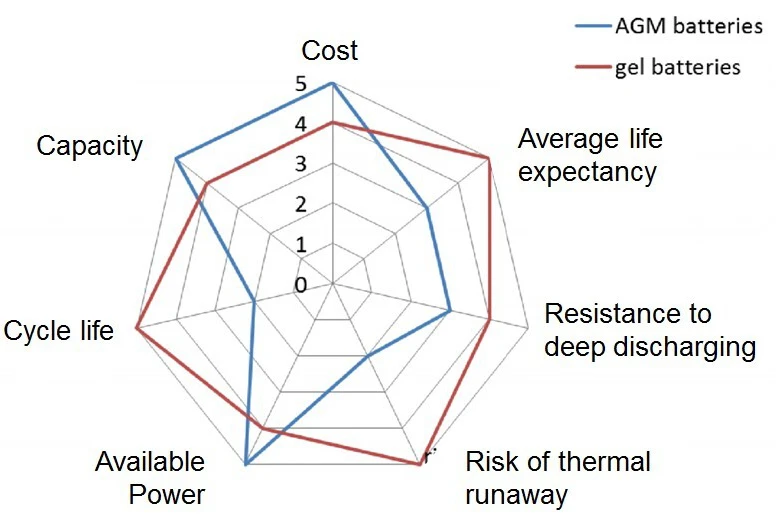
AGM technology gained popularity in the early 1980s as a sealed lead-acid battery for military aircraft, vehicles, and UPS systems, aiming to reduce weight and enhance reliability. The sulfuric acid is absorbed by very fine glass fiber mats, making the battery spill-proof. This eliminates hazardous material transportation restrictions. The plates can be made flat, similar to standard flooded lead-acid packs in rectangular casings, or they can be wound into cylindrical cells. 1. What is an Absorbent Glass Mat (AGM) Battery? Absorbent Glass Mat (AGM) batteries are a type of Valve-Regulated Lead-Acid (VRLA) battery, distinguished by their use of fiberglass mats to absorb the electrolyte, keeping the battery in a "dry state." This design not only enhances battery performance but also improves safety and durability. Working Principle: AGM batteries use fiberglass separators to absorb and retain the electrolyte, creating a stable electrochemical environment. They feature a sealed design where oxygen and hydrogen recombine internally, preventing electrolyte loss. Structural Features: The positive and negative plates are tightly wrapped in fiberglass separators, fully absorbing the electrolyte, leaving no free liquid inside the battery. 2. Core Advantages of AGM Batteries Thanks to their unique design and performance, AGM batteries offer several advantages over traditional lead-acid batteries: 2.1 High Energy Density AGM batteries have a higher energy density than conventional lead-acid batteries, storing more energy within a smaller volume, making them ideal for space-constrained applications. 2.2 Maintenance-Free Design With a sealed structure, AGM batteries do not require regular electrolyte refilling, reducing maintenance costs and effort. 2.3 Excellent Charge and Discharge Performance AGM batteries support high-rate discharge, making them ideal for applications requiring instant high-current output (e.g., vehicle starting). High charging efficiency, enabling fast recharging. 2.4 Safety and Reliability The sealed design prevents electrolyte leaks, allowing stable operation even in tilted or vibrational conditions. The internal gas recombination mechanism reduces the risk of explosion, making AGM batteries suitable for high-safety applications. 2.5 Long Cycle Life AGM batteries typically offer 2-3 times the cycle life of traditional lead-acid batteries, lowering long-term ownership costs. 3. Main Applications of AGM Batteries Due to their high performance and reliability, AGM batteries are widely used in various industries: 3.1 Automotive Industry Starter Batteries: AGM batteries' high-rate discharge capability makes them ideal for vehicle starter batteries, especially in start-stop systems. Hybrid Vehicles: AGM batteries offer fast charging and discharging, making them suitable for auxiliary power systems in hybrid vehicles. 3.2 Renewable Energy Solar Energy Storage: AGM batteries' deep-cycle capability makes them perfect for solar energy storage, providing stable power during nighttime or cloudy conditions. Wind Energy Storage: Their high reliability and long lifespan make AGM batteries a preferred choice for wind energy storage systems. 3.3 Industrial & Backup Power UPS Systems: AGM batteries are widely used in Uninterruptible Power Supply (UPS) systems for data centers, hospitals, and critical facilities. Telecommunication Towers: The maintenance-free design and long service life of AGM batteries make them ideal for remote telecom towers. 3.4 Consumer Electronics Power Tools: AGM batteries' high energy density and fast charging capabilities make them a great power source for electric tools. RVs and Marine Applications: Their vibration resistance and safety features make AGM batteries suitable for recreational vehicles (RVs), boats, and yachts. 4. Comparison: AGM vs. Conventional Lead-Acid Batteries Feature AGM Battery Conventional Lead-Acid Battery Energy Density High Low Maintenance Maintenance-free Requires electrolyte refilling Charge/Discharge High-rate discharge, fast charging Moderate discharge, slow charging Safety High (sealed design, no leakage) Lower (risk of leakage) Cycle Life Long (500-1000 cycles) Short (200-300 cycles) Cost Higher Lower 5. Future Trends in AGM Battery Technology Competition with Lithium Batteries: With advancements in lithium battery technology, AGM batteries face challenges in energy density and cycle life. However, their cost advantages and high safety allow them to remain competitive in specific markets. Technology Innovations: Future AGM batteries may see improvements in materials (e.g., carbon additives) and design (e.g., plate structure) to enhance performance. Eco-Friendly Recycling: AGM batteries' lead-acid materials can be efficiently recycled, aligning with circular economy trends. 6. Frequently Asked Questions (FAQ) Q1: Can AGM batteries replace conventional lead-acid batteries?Yes, but cost and application should be considered. AGM batteries offer superior performance but come at a higher price. Q2: Do AGM batteries require a special charger?Yes, AGM batteries require a compatible charger to ensure optimal charging efficiency and lifespan. Q3: Are AGM batteries suitable for high-temperature environments?AGM batteries may experience reduced performance in high temperatures. Proper ventilation is recommended for optimal operation. Q4: How long do AGM batteries last?Under normal usage, AGM batteries typically last 5-7 years. Q5: Can AGM batteries be used for solar energy storage?Yes, AGM batteries’ deep-cycle capability makes them highly suitable for solar power storage applications. Conclusion Absorbent Glass Mat (AGM) batteries, with their high energy density, maintenance-free design, excellent charge/discharge performance, and superior safety, are widely used in automotive, renewable energy, and industrial backup power systems. While they face increasing competition from lithium batteries, AGM batteries retain a strong market presence due to their unique advantages. If you are looking for a high-performance, reliable battery solution, AGM batteries are a compelling choice worth considering.The manufacturer recommends stopping charging if the battery core temperature reaches 49°C (120°F).
Magnetic Core Materials in Inverters – Why Are They Important?
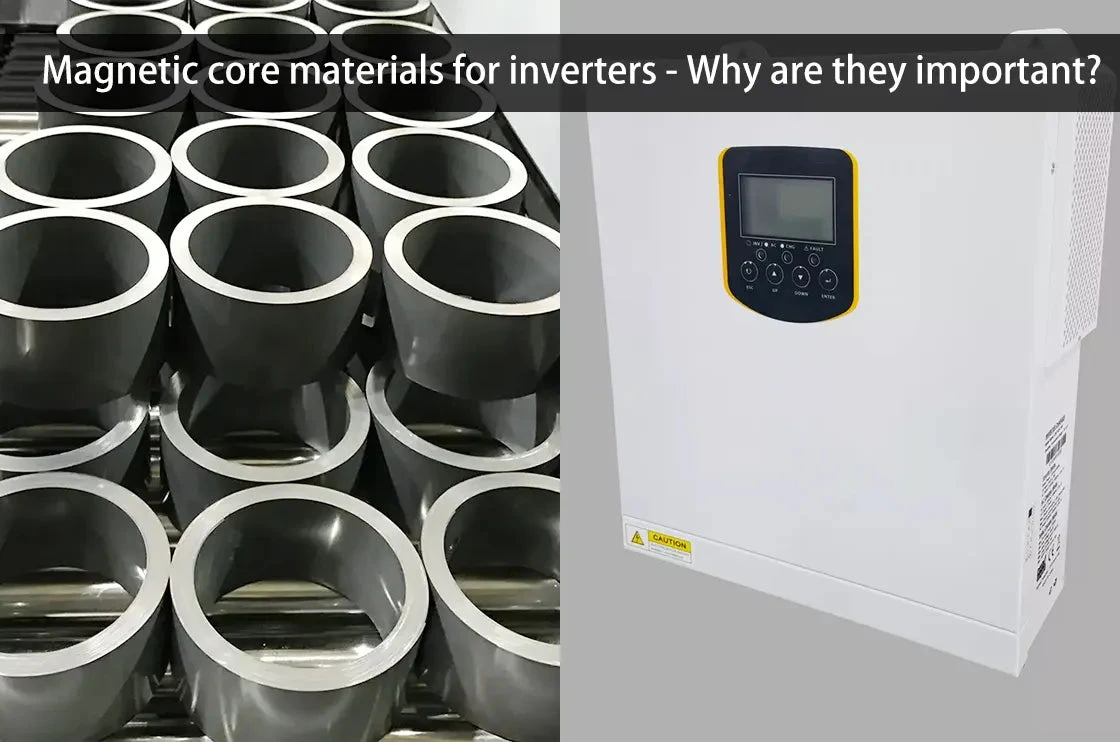
In today's power electronics field, inverters serve as core components for energy conversion, directly impacting the efficiency and reliability of the entire system. Magnetic core materials, as an essential part of inverters, play a crucial role in their performance. This article will explore the importance of magnetic core materials in inverters and analyze how different materials affect inverter performance. 1. Basic Principles of Magnetic Core Materials Magnetic core materials are primarily used in transformers and inductors within inverters, with their core function being to provide a magnetic path for efficient energy transfer and storage. The selection of magnetic core materials directly influences the efficiency, size, and cost of the inverter. Permeability: Permeability measures a material’s ability to conduct magnetic flux. High-permeability materials reduce the core size and enhance energy conversion efficiency. Saturation Magnetic Flux Density: This determines the maximum magnetic flux a core can handle. High saturation flux density materials enable greater energy transfer within a smaller volume. Losses: Magnetic core materials experience eddy current and hysteresis losses in alternating magnetic fields. Low-loss materials improve the overall efficiency of inverters. 2. Common Magnetic Core Materials and Their Characteristics Silicon Steel Sheets Advantages: Low cost, mature processing technology, suitable for low-frequency applications. Disadvantages: High losses at high frequencies, low permeability. Ferrites Advantages: Low losses at high frequencies, high permeability, suitable for high-frequency inverters. Disadvantages: Low saturation magnetic flux density, relatively high cost. Amorphous Alloys Advantages: Extremely low losses at high frequencies, high permeability, suitable for high-efficiency inverters. Disadvantages: High cost, difficult to process. Nanocrystalline Alloys Advantages: Low losses at high frequencies, high saturation magnetic flux density, excellent overall performance. Disadvantages: High cost, complex production process. 3. Impact of Magnetic Core Materials on Inverter Performance Efficiency:High-efficiency magnetic core materials significantly reduce energy losses in inverters, enhancing overall performance. For instance, amorphous and nanocrystalline alloys excel in high-frequency inverters, effectively minimizing eddy current and hysteresis losses. Size and Weight:High-permeability and high-saturation flux density materials allow for smaller and lighter magnetic cores, making inverters more compact and portable. This is particularly important for applications such as portable devices and electric vehicles. Cost:Choosing magnetic core materials requires balancing performance and cost. While silicon steel is affordable, its performance is insufficient for high-frequency applications. In contrast, amorphous and nanocrystalline alloys offer superior performance but at a higher cost. Reliability:The stability and durability of magnetic core materials directly affect the reliability of inverters. Under high-temperature and high-frequency conditions, maintaining material performance stability is crucial. 4. Future Trends With continuous advancements in power electronics, the demand for higher inverter performance is increasing. Future developments in magnetic core materials will focus on: High-Frequency, Low-Loss Materials: The growing adoption of high-frequency inverters will drive demand for materials with minimal losses. Amorphous and nanocrystalline alloys are expected to see wider applications. High Saturation Magnetic Flux Density Materials: These materials enable greater energy transfer in smaller volumes, essential for high-power-density inverters. Low-Cost, High-Performance Materials: Reducing material costs while maintaining performance will be a key research focus. The use of new composite materials and advanced manufacturing technologies may achieve this goal. Magnetic core materials play a critical role in energy conversion within inverters. Choosing the right core materials not only improves efficiency and reliability but also reduces size, weight, and costs. As material science advances, more high-performance, cost-effective magnetic core materials will be used in inverters, driving further innovation in power electronics. By understanding the characteristics and applications of magnetic core materials, we can better design and optimize inverters to meet various application requirements. Hopefully, this article provides valuable insights to support innovation and development in inverter technology.
Low-Temperature Batteries: The Energy Revolution in Extreme Cold Environments

When smartphones suddenly shut down in the -20°C snowfields, when electric vehicles see their range slashed in northern winter, or when polar scientific research equipment fails due to power interruptions—these scenarios expose the fatal weaknesses of traditional batteries. The emergence of low-temperature batteries is rewriting the rules of energy use in extreme environments. It’s not just an innovation in battery technology; it’s a revolution that spans materials science, electrochemistry, and thermodynamics. 1. The Essence of Low-Temperature Batteries: Breaking the "Thermodynamic Curse" with Energy Black Technology The low-temperature dilemma of traditional batteries follows the Arrhenius equation: for every 10°C drop in temperature, the rate of electrochemical reactions decreases by 50%. At -20°C, lithium-ion batteries lose 40% of their capacity, and their internal resistance increases by 300%, similar to frozen blood vessels. The breakthrough in low-temperature battery technology focuses on three core areas: Electrolyte Reconstruction: A mix of fluorinated carbonate (FEC) and nitrile solvent systems lowers the freezing point to -60°C, maintaining an ion conductivity of 10mS/cm at -40°C (while normal electrolytes have crystallized at this point). Electrode Material Revolution: Niobium tungsten oxide negative electrodes achieve zero strain characteristics, with a lithium-ion diffusion coefficient of 5×10⁻¹⁰ cm²/s at -30°C, which is two orders of magnitude higher than graphite. Self-Heating Topology: CATL’s CTP3.0 battery integrates a nano-heating film, raising the battery cell from -30°C to 10°C within 30 seconds, consuming only 3% of the battery’s energy. 2. Performance Parameters that Defy Convention: Extreme Cold is No Longer a No-Go Zone Metric Traditional Lithium-ion (-20°C) Low-Temperature Battery (-40°C) Technical Achievements Discharge Capacity Retention ≤60% ≥85% 3D porous electrodes + ionic liquid additives Charging Acceptance 0.2C 1C Lithium metal surface SEI membrane modification Cycle Life 50 cycles 500 cycles Adaptive electrolyte distribution system Start-up Power 50% 95% Superconducting carbon nanotube collectors Huawei's 2023 release of a -50°C ultra-low-temperature battery pack achieved 72 hours of continuous drone inspection in Mohe, China. 3. Four Major Application Scenarios that Are Rewriting Industry Rules Revolutionizing Electric Vehicle Winter RangeBYD’s "Blade Battery 2.0" uses micro-domain heating technology, increasing the range retention rate at -30°C from 55% to 78%, with a 40% reduction in charging time. Tesla’s 4680 battery, with a silicon-carbon anode and dry electrode process, achieved 480 km range at -25°C during road tests in Alaska. Extreme Aerospace ChallengesSpaceX’s Starship is equipped with low-temperature batteries that continue to provide stable power to the attitude control system at -180°C in near-Earth orbit. Its energy density reaches 400Wh/kg, far surpassing traditional aerospace batteries. Lifeline for Polar Scientific ResearchChina's Antarctic Kunlun Station uses graphene composite low-temperature batteries, setting a record of continuous operation for 30 days at -89.2°C, supporting the operation of a 24kW motor for deep ice core drilling. Strategic Upgrades for Military EquipmentThe U.S. military’s "Polaris" individual soldier system, equipped with low-temperature solid-state batteries, provides 72 hours of power to heated combat suits in -50°C environments, weighing only a third of traditional batteries. 4. Five Major Technical Challenges Electrolyte PuzzleThe conflict between low-temperature fluidity and high-temperature stability: Adding low-viscosity solvents can trigger thermal runaway, and fluorinated solvents cost five times more than conventional electrolytes. The Ghost of Lithium DendritesAt -40°C, lithium deposition tends to form dendrites. The Chinese Academy of Sciences improved the lithium dendrite trigger threshold from 0.5mA/cm² to 2mA/cm² by coating with an Al₂O₃ layer through atomic layer deposition. BMS System Computing RevolutionReal-time monitoring of micro-level parameters at the 10^6 scale is needed. Tesla’s DOJO supercomputing platform enables battery state prediction accuracy of 99.7%. Cost CliffThe current cost of low-temperature batteries is $200/kWh, 60% higher than regular batteries. CATL has reduced the cost by 30% through CTP integration technology. Recycling Technology VoidThere is no mature solution for handling the biotoxicity of fluorinated electrolytes. The EU's BATTERY 2030 plan has invested 200 million euros to develop a closed-loop recycling system. FAQ Q1: What is a low-temperature battery? How is it fundamentally different from traditional batteries? A low-temperature battery is an energy device specifically designed for extreme cold environments (-40°C to -60°C). Its core technologies include: Anti-freeze Electrolyte (freezing point as low as -80°C) Zero Strain Electrodes (niobium-based materials to prevent cracking in low temperatures) Self-Heating System (30-second rapid heating technology) While traditional lithium batteries lose 40% of their capacity at -20°C, low-temperature batteries can maintain over 85% capacity at -40°C. Q2: How long can low-temperature batteries be used in the Arctic?Using Huawei's ultra-low-temperature battery pack as an example: At -50°C: Drone flight time extends from 15 minutes to 45 minutes. At the Antarctic Research Station: Power system efficiency during winter increases from 35% to 78%. For Military Equipment: Single soldier equipment’s continuous power supply extends from 8 hours to 72 hours. Q3: Can low-temperature batteries explode during charging?Low-temperature batteries feature triple protection designs: Dendrite Suppression Technology: Atomic layer deposition of Al₂O₃ coating reduces dendrite risks by 90%. Thermal Runaway Prevention: Ceramic separators automatically close at 140°C. Smart BMS: Monitors 5,000 temperature points per second, with an alert accuracy of 0.1°C. Under actual tests at -40°C with a 5C fast charge, the probability of thermal runaway is less than 0.001%. Q4: Why does my phone still lose battery quickly in winter? Low-temperature batteries are not yet widespread in consumer electronics due to the following reasons: Cost: Low-temperature electrolytes are 8 times more expensive than regular ones (about $50 per kilogram). Volume: The self-heating module occupies 20% of the battery space. Technology Monopoly: Giants like CATL and LG prioritize supply for military and automotive sectors. Q5: Can low-temperature batteries be used in electric vehicles? How much will range improve? 2023 test data comparison (NEDC cycle at -25°C): Battery Type Range Charging Time Cost Increase Regular Ternary Lithium 220 km 120 minutes - Low-Temperature Lithium Iron Phosphate 320 km 75 minutes +25% Graphene Composite Battery 410 km 35 minutes +60% Q6: What are the fatal flaws of low-temperature batteries? Currently, there are three major technical barriers: Electrolyte Toxicity: The biodegradability of fluorinated solvents is only 3% of that of conventional electrolytes. Cycle Life: After 500 cycles at -40°C, capacity retention is only 72%. Recycling Challenges:
Graphene Battery vs Lithium-Ion Battery

Comparison of Technical Principles Lithium-ion batteries are currently the most common type of battery on the market. Their working principle is based on the migration of lithium ions between the positive and negative electrodes. Lithium-ion batteries have advantages such as high energy density, long cycle life, and low self-discharge rate, making them widely used in fields such as smartphones, laptops, and electric vehicles. However, lithium-ion batteries also have some drawbacks, such as slow charging speeds, performance degradation in high-temperature environments, and potential safety risks (such as overheating and fire). Graphene batteries, on the other hand, are a new type of battery technology based on graphene material. Graphene is a two-dimensional material composed of a single layer of carbon atoms, offering extremely high electrical conductivity, thermal conductivity, and mechanical strength. Graphene batteries leverage these exceptional properties to achieve faster charging speeds, higher energy density, and better thermal management. Additionally, graphene batteries maintain high performance in low-temperature environments and offer improved safety. Graphene Battery vs Lithium-Ion Battery: A Comparison Feature Graphene Battery Lithium Battery Energy Density Higher, stores more energy per unit volume Lower but has improved Charging Speed Extremely fast Moderate Cycle Life Durability extends lifespan Long-lasting but prone to degradation Safety Higher safety, lower risk of thermal runaway Improved, but some risks remain Cost Expensive early-stage technology More affordable, more mature Applications Electric vehicles, high-performance small tools Widely used in electronics and electric vehicles 1.Energy Density Currently, lithium-ion batteries have a higher energy density than graphene batteries, which makes lithium-ion batteries more suitable for applications requiring long-duration, high-energy output, such as electric vehicles. However, as graphene battery technology progresses, its energy density may improve, potentially making it more competitive with lithium-ion batteries in the future. 2.Charging Speed Graphene batteries far outpace lithium-ion batteries in charging speed, offering a much quicker charging experience. This is particularly advantageous for applications that require frequent recharging, such as smartphones, laptops, and wearables. 3.Lifespan and Safety Graphene batteries have a clear edge over lithium-ion batteries in terms of lifespan and safety. Their longer charge-discharge cycles and better thermal stability make them more durable and safer than lithium-ion batteries. 4.Environmental Impact Graphene batteries have a relatively lower environmental impact during production, and graphene is a recyclable material, making graphene batteries a more sustainable option. On the other hand, lithium-ion batteries face environmental concerns, particularly in relation to the mining and recycling of rare metals like cobalt. Future Outlook Although lithium-ion battery technology currently dominates, graphene batteries hold significant potential as the technology continues to develop. They may eventually replace some applications of lithium-ion batteries, especially in areas such as charging speed, lifespan, and safety. However, breakthroughs in graphene production processes and energy density are necessary to fully unlock the potential of graphene batteries. Overall, both graphene and lithium-ion batteries have their strengths, and future battery technology may be a combination of these two, leveraging their respective advantages to provide more efficient, safer, and environmentally-friendly energy storage solutions across various industries.
What is 40 degrees Celsius in Fahrenheit?

A temperature of 40 degrees Celsius is equivalent to a temperature of 104 degrees Fahrenheit. The formula to convert Celsius to Fahrenheit is given by °F = °C × (9/5) + 32 F = [C × (9/5) + 32] Given this, C = 40 F = 40 × (9/5) + 32 F = 72 + 32 F = 104 Hence, 40°C is equivalent to 104°F. What are Celsius and Fahrenheit? We know that temperature is the degree of hotness or coldness measured on a certain scale. Celsius (°C) and Fahrenheit (°F) are units used to measure temperature. Celsius (also known as Celsius) is the most commonly used temperature scale in the world. In Celsius, the freezing point of water is 0°C and the boiling point of water is 100°C. Fahrenheit is mainly used in the United States, its territories, and associated states. In Fahrenheit, the freezing point of water is 32°F and the boiling point is 212°F. How to convert Celsius to Fahrenheit? The formula to convert Celsius to Fahrenheit is: Solved Examples Celsius to Fahrenheit Calculator Solved Example 1: Convert 20° Celsius to Fahrenheit. Solution: Put the Celsius value into the formula: F = (C × 9/5) + 32 = (20 × 9/5) + 32 = 36 + 32 = 68° Fahrenheit Therefore, 20°C equals 68° Fahrenheit. You can now use your calculator to find the temperature in Fahrenheit for a given Celsius value. 40° Celsius 55° Celsius Celsius to Fahrenheit Calculator What is Celsius to Fahrenheit Calculator? Our Celsius to Fahrenheit Calculator is an online tool that converts temperatures from Celsius to Fahrenheit in seconds. Celsius to Fahrenheit Converter Celsius (°C): Fahrenheit (°F):
Battery Energy Density Guide
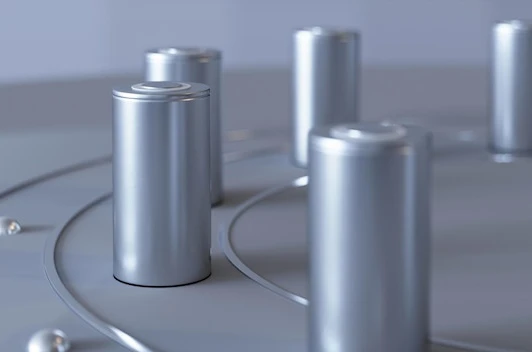
Battery energy density is one of the key indicators of battery performance, directly affecting the range and efficiency of electric vehicles, energy storage systems, and consumer electronics. As the global demand for clean energy and sustainable development continues to rise, improving battery energy density has become a core focus of technological innovation. This article will delve into the definition, importance, current technological advancements, and future trends of battery energy density, helping you gain a comprehensive understanding of this critical field. 1. What is Battery Energy Density? Battery energy density refers to the amount of energy a battery can store per unit of mass or volume, typically measured in Wh/kg (watt-hours per kilogram) or Wh/L (watt-hours per liter). The higher the energy density, the more energy a battery can provide for the same weight or volume, thereby extending the usage time or driving range of devices. Gravimetric Energy Density (Wh/kg): Measures the energy a battery can provide per kilogram of weight. Volumetric Energy Density (Wh/L): Measures the energy a battery can provide per liter of volume. 2. Importance of Battery Energy Density Battery energy density has profound implications across various industries, particularly in the following areas: Electric Vehicles (EVs): Higher energy density means longer driving range and lighter battery packs, improving vehicle performance and user experience. Energy Storage Systems: High energy density batteries can store more energy, supporting grid stability and efficient use of renewable energy. Consumer Electronics: Devices like smartphones and laptops require high energy density batteries to extend battery life while reducing size. 3. Current Technological Advancements in Battery Energy Density Currently, there are significant differences in energy density among mainstream battery technologies: Lithium Iron Phosphate (LFP) Batteries: Energy density around 150-200 Wh/kg, known for safety and low cost, widely used in energy storage and electric vehicles. Nickel Cobalt Manganese (NCM) / Nickel Cobalt Aluminum (NCA) Batteries: Energy density up to 250-300 Wh/kg, commonly used in high-end electric vehicles. Solid-State Batteries: Expected to exceed 400 Wh/kg in energy density, regarded as the next-generation battery technology. Lithium-Sulfur Batteries: Theoretical energy density of up to 2600 Wh/kg, but lower maturity in technology. In recent years, companies like CATL and BYD have enhanced the energy density of LFP batteries to nearly 250 Wh/kg through material innovation and process optimization, narrowing the gap with NCM batteries. 4. Key Technologies for Improving Battery Energy Density Cathode Material Innovation: Developing high-nickel ternary materials, lithium-rich manganese-based materials, etc., to increase battery capacity. Anode Material Optimization: Silicon-carbon composite materials replacing traditional graphite to improve energy density. Solid-State Electrolytes: Solid-state batteries use solid electrolytes, reducing electrolyte weight and improving safety. Battery Structure Design: Technologies like blade batteries and Cell-to-Pack (CTP) optimize space utilization. 5. Future Development Trends Balancing Energy Density and Safety: As energy density improves, battery safety becomes a focus of research, with thermal management systems and material stability undergoing further optimization. Commercialization of New Battery Technologies: Solid-state batteries, lithium-sulfur batteries, etc., are expected to achieve large-scale applications within the next 5-10 years. Policy Support: Government policies supporting electric vehicles and energy storage systems will accelerate the development and adoption of high energy density batteries. Cost Reduction: With technological advancements and scaled production, the cost of high energy density batteries will gradually decrease, driving market penetration. 6.Frequently Asked Questions (FAQ) Q1: Is higher energy density always better?Not necessarily. Increasing energy density often comes with challenges in cost and safety, which must be considered based on the application scenario. For example, high energy density batteries may require more advanced thermal management, increasing system complexity. Q2: Which has higher energy density, LFP batteries or ternary batteries?Ternary batteries have higher energy density, typically reaching 250-300 Wh/kg, while LFP batteries are around 150-200 Wh/kg. However, LFP batteries have advantages in terms of cost, safety, and cycle life. Q3: When will solid-state batteries become mainstream?Solid-state batteries are expected to gradually enter the commercialization stage between 2025 and 2030. Currently, several companies are conducting small-scale testing and validation. Q4: What impact does improving battery energy density have on electric vehicles?Higher energy density can significantly extend the driving range of electric vehicles, reduce charging frequency, and decrease battery weight, thereby improving overall vehicle performance. Q5: How can battery energy density be increased?Energy density can be effectively enhanced through material innovations (such as high-nickel cathodes, silicon-carbon anodes), structural optimizations (like blade batteries and CTP technology), and the application of new electrolytes (such as solid-state electrolytes). Q6: What challenges come with increasing energy density?Increasing energy density may lead to safety issues (such as thermal runaway risk), higher costs (due to new materials and processes), and greater manufacturing complexity. Q7: What are the energy density requirements for energy storage systems?Energy storage systems focus more on cost, cycle life, and safety of batteries. While energy density is important, it is not the only factor to consider. LFP batteries are a preferred choice in the energy storage field due to their cost-effectiveness. Q8: What is the theoretical limit for future battery energy density?Theoretically, lithium-sulfur batteries can achieve an energy density of up to 2600 Wh/kg, but the technology is not yet mature. Over the next 10-20 years, battery energy density is expected to exceed 500 Wh/kg. Q9: Is battery energy density related to charging speed?Energy density mainly affects a battery's energy storage capability, while charging speed depends more on the chemical properties of the battery and charging technology (e.g., fast-charging technology). Both factors can be optimized independently. Q10: How should one choose the appropriate battery energy density?Selecting the right battery energy density depends on the specific application. For example, electric vehicles require high energy density to extend range, while energy storage systems may place more emphasis on cost and safety.
Resistor Color Code: Interpretation and Usage Guide
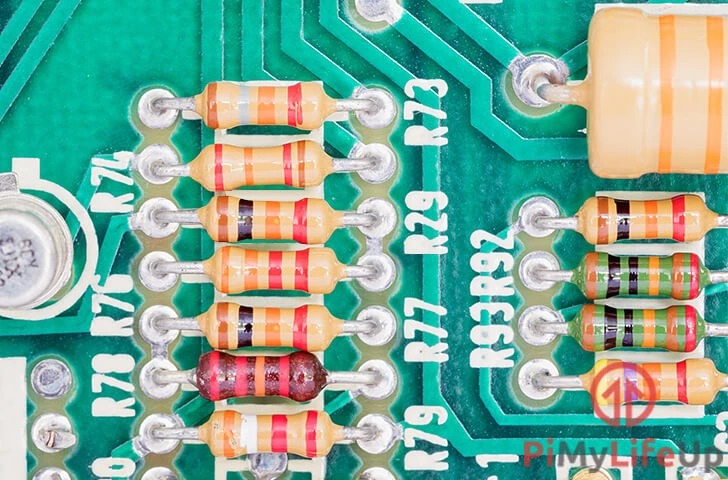
IntroductionResistors are one of the most commonly used components in electronic circuits, serving to control current and voltage. To make it easier to identify the resistance value, manufacturers typically mark the resistor’s surface with a color code. This article will provide a detailed explanation of the resistor color code, how to read it, and its practical applications. 1. Components of Resistor Color Codes Resistor color codes usually consist of 4 to 6 colored bands, with each band representing different information. Below is the meaning of each band: 4-Band Resistor: Band 1: First significant digit Band 2: Second significant digit Band 3: Multiplier (power of 10) Band 4: Tolerance (error range) 5-Band Resistor: Band 1: First significant digit Band 2: Second significant digit Band 3: Third significant digit Band 4: Multiplier (power of 10) Band 5: Tolerance (error range) 6-Band Resistor: The first five bands are the same as the 5-band resistor. Band 6: Temperature coefficient (indicates the change in resistance with temperature) 2. Resistor Color Code Table Here’s the standard color code chart for resistors: Color 1st/2nd/3rd Band (Significant Digits) Multiplier Tolerance (%) Temperature Coefficient (ppm/°C) Black 0 10^0 - - Brown 1 10^1 ±1 100 Red 2 10^2 ±2 50 Orange 3 10^3 - 15 Yellow 4 10^4 - 25 Green 5 10^5 ±0.5 20 Blue 6 10^6 ±0.25 10 Violet 7 10^7 ±0.1 5 Gray 8 10^8 ±0.05 1 White 9 10^9 - - Gold - 10^-1 ±5 - Silver - 10^-2 ±10 - No Color - - ±20 - 3. How to Read the Resistor Color Code Step 1: Identify the Starting Band The starting band is typically near one end of the resistor, and there’s a noticeable gap between the starting band and the last band (the tolerance band).The tolerance band is generally gold, silver, or another obvious color. Step 2: Read the Significant Digits Use the color code table to match the color of the first few bands with their corresponding digits. Step 3: Determine the Multiplier The multiplier band indicates the power of ten to multiply the resistance value. Step 4: Read the Tolerance The last band represents the tolerance range of the resistor. Step 5: Read the Temperature Coefficient (6-Band Resistor) For 6-band resistors, the last band indicates the temperature coefficient, which shows how the resistance changes with temperature. 4. Example Analyses Example 1: 4-Band Resistor (Brown-Black-Red-Gold) Band 1: Brown = 1 Band 2: Black = 0 Band 3: Red = 10^2 Band 4: Gold = ±5% Resistance: 10 × 10^2 = 1000 Ω (1 kΩ), tolerance ±5%. Example 2: 5-Band Resistor (Yellow-Violet-Black-Brown-Brown) Band 1: Yellow = 4 Band 2: Violet = 7 Band 3: Black = 0 Band 4: Brown = 10^1 Band 5: Brown = ±1% Resistance: 470 × 10^1 = 4700 Ω (4.7 kΩ), tolerance ±1%. 5. Key Notes to Remember Band Sequence Ensure the correct identification of the starting band to avoid misreading. Color Recognition If visibility is poor, use a magnifying glass or additional lighting to help identify the colors. Tolerance and Precision In high-precision circuits, choose resistors with smaller tolerance (e.g., ±1% or ±0.5%). 6. Practical Applications Circuit Design Select the appropriate resistance value and tolerance based on circuit requirements. Repair and Replacement Quickly identify damaged resistors using their color code for easy replacement. Teaching and Learning Understanding color codes is an essential part of electronics education, helping students grasp resistor identification methods. 7. Resistor Color Code Calculator Resistor Color Code Calculator Resistor Color Code Calculator First Band (Digit): Black - 0Brown - 1Red - 2Orange - 3Yellow - 4Green - 5Blue - 6Violet - 7Gray - 8White - 9 Second Band (Digit): Black - 0Brown - 1Red - 2Orange - 3Yellow - 4Green - 5Blue - 6Violet - 7Gray - 8White - 9 Third Band (Multiplier): Black - 1Brown - 10Red - 100Orange - 1000Yellow - 10000Green - 100000Blue - 1000000Violet - 10000000 Tolerance (4th Band): Brown - ±1%Red - ±2%Green - ±5%Gold - ±10%Silver - ±20% Precision (5th Band): NoneBrown - ±0.5%Red - ±0.25%Green - ±1%Blue - ±2% Temperature Coefficient (6th Band): NoneBlack - 25ppm/KBrown - 50ppm/KRed - 15ppm/KYellow - 5ppm/KGreen - 10ppm/K Calculate Resistor Value
Lithium Battery SOC (State of Charge) Chart: A Complete Guide to Accurately Estimating Battery Capacity
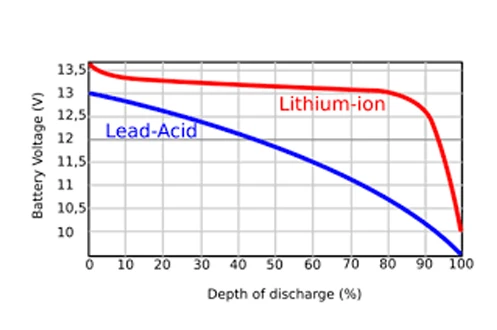
SOC (State of Charge) is a core parameter in lithium battery management, directly impacting battery performance and lifespan. This article provides professional SOC estimation methods and practical reference charts. 1. SOC Definition and Importance SOC Definition: The percentage of the current remaining charge compared to the rated capacity of the battery. Application Scenarios: Estimating electric vehicle driving range Managing energy storage system capacity Assessing battery health status (SOH) 2. Standard SOC-Voltage Reference Chart (at 25°C SOC (%) NMC Ternary Lithium (V) LiFePO4 (V) Notes 100% 4.20 3.65 Fully charged cutoff voltage 90% 4.10 3.50 Recommended daily use upper limit 80% 4.00 3.45 Best operating range 50% 3.70 3.30 Nominal voltage point 20% 3.50 3.00 Low battery warning 10% 3.30 2.80 Discharge cutoff voltage 0% 3.00 2.50 Deep discharge protection point Note: Temperature changes of 10°C can shift voltage by approximately 15-30mV. Different manufacturers' battery parameters may have a ±0.05V variation. 3. Four Major Factors Affecting SOC Accuracy Temperature Effect: Low temperature (<10°C): Voltage appears higher, resulting in a higher SOC estimate. High temperature (>40°C): Voltage decreases, resulting in a lower SOC estimate. Battery Aging: Capacity loss leads to a decrease in the full charge voltage. Increased internal resistance causes voltage fluctuations. Charge/Discharge Rate: High current discharge leads to a noticeable voltage drop. It’s recommended to measure the voltage at a resting state with a rate under 0.2C. Battery Consistency: Multi-series battery packs need to account for cell-to-cell variation. Regular balancing maintenance is recommended. 4. Comparison of 3 Main SOC Estimation Methods Method Accuracy Cost Applicable Scenarios Open-Circuit Voltage ±5% Low Requires resting for over 2 hours Coulomb Counting ±3% Medium Real-time monitoring Kalman Filtering ±1% High Electric vehicles/BMS systems Professional Advice: Energy Storage Systems: Use a combination of the Voltage Method and Coulomb Counting. Power Batteries: Must be equipped with Kalman Filtering algorithms. 5. Best Practices for SOC Management Calibration Cycle: Perform a full charge-discharge cycle once a month. Conduct capacity testing once per quarter. Usage Recommendations: Keep the SOC range between 20%-80% for daily use. For long-term storage, maintain 50% SOC. BMS Settings: Charging Cutoff: Set to 95% SOC (to extend battery life). Discharge Protection: Set to 20% SOC (to prevent over-discharge). FAQ Q1: What is the difference between SOC and SOH?SOC represents the current state of charge, while SOH (State of Health) reflects the health of the battery, usually expressed as the percentage of the current maximum capacity compared to the initial capacity. Q2: Why does my battery show 100% SOC but the range is shorter? This is likely due to battery aging, which causes capacity degradation (SOH decline). It's recommended to calibrate the capacity: Fully discharge the battery to the protection voltage. Rest the battery for 1 hour, then fully charge it. Record the actual charge amount. Q3: How can I improve the accuracy of SOC estimation? Recommended methods: Use a BMS system with temperature compensation. Calibrate regularly (at least once a month with a full charge-discharge cycle). Avoid long-term exposure to extreme temperatures. Q4: Does SOC estimation need adjustment at different temperatures?Yes, adjustments are necessary! Temperature compensation recommendations: Below 10°C: Add 3%-5% to the SOC reading. Above 40°C: Subtract 2%-3% from the SOC reading. Q5: What is the best SOC for storing lithium batteries long-term? 50% SOC is recommended because: Fully charged batteries accelerate electrolyte decomposition. Fully discharged batteries may cause irreversible damage. Q6: What could cause SOC to suddenly jump?Possible causes: Imbalance between individual cells in the battery pack (more than 50mV difference). BMS sampling errors (check the voltage collection module). Voltage fluctuations due to high current charge/discharge. Q7: How can I verify if the SOC estimation is accurate?Verification method: Record the discharge process (constant current). Calculate the actual discharged capacity. Compare with the SOC displayed by the BMS. Acceptable error: ±3% (for high-quality BMS systems). For more information please contact us
Complete Guide to Lithium Battery Models: Application Scenarios and Selection Tips
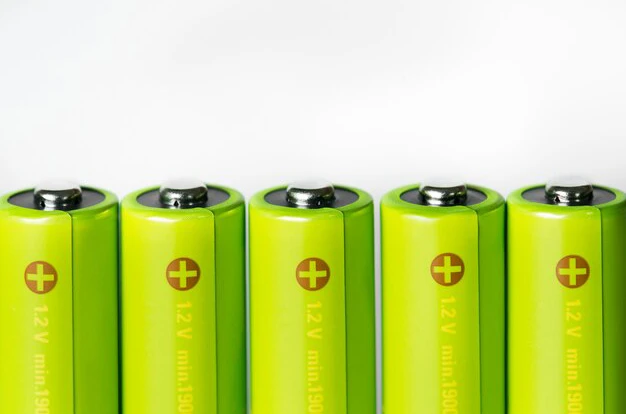
With the continuous advancement of technology, lithium batteries have become a highly efficient and reliable power source for a wide range of devices. Whether it’s power tools, electric vehicles, smartphones, or portable electronics, lithium batteries play a critical role. Different models of lithium batteries cater to different needs and devices, and understanding their characteristics will help you choose the right battery for your device. This article introduces several common lithium battery models and their applications to guide you in making an informed choice. 1. 18650 Lithium Battery: The Most Common Cylindrical Battery The 18650 lithium battery is one of the most common and widely used models. It has a diameter of 18mm and a length of 65mm. It is commonly used in laptops, power tools, electric bicycles, and more. Due to its high energy density and long lifespan, the 18650 battery is also used in battery packs, particularly in applications that require high-capacity storage. Common Applications: Power tools Electric bicycles and scooters Laptops Solar energy storage systems 2. 14500 Lithium Battery: A Similar Size to AA Batteries The 14500 lithium battery is similar in size to a traditional AA battery, with a diameter of 14mm and a length of 50mm. It has a smaller capacity, but it excels in small electronic devices. Common applications include small flashlights, e-cigarettes, and other portable devices. Common Applications: Small flashlights E-cigarettes Portable electronics 3. 21700 Lithium Battery: A New High-Energy Model The 21700 lithium battery is a newer model, with a diameter of 21mm and a length of 70mm. It offers higher energy density and longer runtime compared to the 18650, making it an ideal choice for electric vehicles, power tools, and other high-energy-demand devices. Common Applications: Electric vehicles High-power power tools High-end electric scooters 4. 26650 Lithium Battery: Large Capacity, High Power The 26650 lithium battery has a diameter of 26mm and a length of 65mm, providing a larger capacity and higher discharge capability compared to the 18650. This makes it ideal for high-power flashlights, power tools, and large energy storage systems. Common Applications: High-power flashlights Power tools Energy storage systems 5. 32700 Lithium Battery: Larger Battery Capacity The 32700 lithium battery is a larger model with a diameter of 32mm and a length of 70mm. It is typically used in applications that require higher energy density and long discharge times, such as energy storage systems and power tools. Common Applications: Power tools Energy storage systems High-power battery applications 6. Pouch Cells: Flexible Design with High Energy Density Pouch cells are lithium batteries that use a flexible packaging instead of a cylindrical form. They offer higher energy density and lighter weight compared to traditional cylindrical batteries. They are commonly used in devices that require light weight and high performance, such as smartphones, laptops, and drones. Common Applications: Smartphones Laptops Drones 7. Special Models: CR123A, CR2, and 9V Lithium Batteries In addition to the common cylindrical lithium batteries, there are also some specialized models, such as the CR123A (or 16340), CR2, and 9V lithium batteries. These batteries are widely used in small electronic devices and sensor systems, such as cameras, smoke detectors, and more. Common Applications: Cameras (CR123A) Smoke detectors (9V lithium battery) Small sensors (CR2) 8. Lithium Iron Phosphate (LiFePO4) Batteries: Higher Safety and Longer Lifespan Lithium iron phosphate (LiFePO4) batteries are known for their higher safety and longer lifespan. While they offer lower energy density compared to other lithium batteries, they are ideal for applications that require more safety and longer life. Common uses include power tools, electric vehicles, and energy storage systems. Common Applications: Power tools Electric vehicles Home energy storage systems How to Choose the Right Lithium Battery Model When choosing the right lithium battery model, consider the following factors: Power Requirements of the Device: High-power devices require batteries with larger capacity and higher discharge capability, such as the 26650 or 21700 models. Battery Size: The size of the device will determine which battery model fits. For example, a small flashlight may only be compatible with the 14500, while a high-power power tool might need a 26650 battery. Battery Life and Safety: For applications that require higher safety, lithium iron phosphate (LiFePO4) batteries might be the best choice. Capacity and Runtime: If a device needs to run for extended periods, consider batteries with larger capacity, such as the 21700 or 32700 models. Conclusion There are numerous types of lithium batteries, each designed for specific applications. Understanding the characteristics of different lithium battery models will help you choose the most suitable battery for your needs. If you are selecting a battery for a specific device, be sure to consider the device’s power requirements, size constraints, and safety needs to pick the best model. If you have any further questions about lithium batteries or need help selecting the right one, feel free to contact us for more expert advice!
Introduction to AGV Batteries: Technical Analysis and Selection Guide for Core Power Sources

With the acceleration of industrial automation, the application of AGVs (Automated Guided Vehicles) in logistics, warehousing, and intelligent manufacturing is becoming increasingly widespread. As the "heart" of the AGV, the performance of AGV batteries directly impacts the equipment's operational efficiency, endurance, and lifespan. This article provides an in-depth analysis of the types, technical features, and selection advice for AGV batteries, helping users gain a comprehensive understanding of this critical component. 1. The Importance of AGV Batteries AGV batteries are the core power source of automated guided vehicles and must meet the following requirements: High energy density: Supports long-duration continuous operation. Fast charging capability: Reduces downtime, enhancing equipment utilization. Safety and stability: Adapts to complex industrial environments, avoiding risks such as overheating or leakage. Long cycle life: Reduces long-term operational costs for businesses. 2. Mainstream AGV Battery Types and Characteristics 1. Lead-Acid Batteries Advantages: Low cost, mature technology, resistant to overcharging. Disadvantages: Heavy weight, low energy density, requires regular maintenance. Suitable applications: Cost-sensitive, medium to low load AGVs. 2. Lithium-Ion Batteries (Li-ion) Advantages: High energy density, lightweight, supports fast charging. Disadvantages: Higher cost, requires a Battery Management System (BMS). Suitable applications: High-frequency, high-flexibility modern AGVs. 3. Lithium Iron Phosphate Batteries (LiFePO4) Advantages: High safety, long cycle life (over 2,000 cycles), temperature resistance. Disadvantages: Slightly poor performance in low temperatures. Suitable applications: Heavy-duty AGVs or environments with high-temperature conditions. 3. Key Parameters for Selecting AGV Batteries Voltage and capacity: Must match the AGV motor power and daily workload. Charge/discharge efficiency: Preferably choose batteries that support fast charging within 1-2 hours. Operating temperature range: Ensure stable operation between -20°C to 60°C. Cycle life: Opt for high-quality batteries with ≥1500 cycles. 4. AGV Battery Maintenance and Care Practical tips for extending battery life: Regular deep discharge: Perform a complete charge/discharge cycle once a month to avoid capacity degradation. Environmental control: Keep charging temperature between 10°C and 30°C, and avoid humidity. Smart charging strategy: Use multi-stage charging (constant current → constant voltage → trickle charge) to minimize battery wear. Status monitoring: Use BMS to monitor voltage, temperature, and other data in real-time to provide early fault warnings. 5. Future Trends: Development Directions of AGV Battery Technology Solid-state batteries: Over 50% increase in energy density and significantly improved safety. Wireless charging technology: Enables AGVs to charge autonomously, reducing human intervention. AI-optimized management: Algorithms predict energy demand and dynamically adjust charging/discharging strategies. Conclusion Choosing the right AGV battery requires a comprehensive consideration of equipment load, operating environment, and budget. With breakthroughs in new energy technologies, future AGV batteries will evolve towards higher efficiency, intelligence, and environmental friendliness, providing lasting power for industrial automation.
Battery Life Calculator: How to Accurately Estimate Your Device's Battery Runtime
In today's tech-driven world, we rely heavily on electronic devices like smartphones, laptops, smartwatches, and more. One of the most important aspects of these devices is their battery life. Whether you're looking to understand your device's battery usage time or extend its longevity, knowing how to properly calculate battery life is essential. This article will explain how to use a battery life calculator and the factors that impact battery performance, helping you manage your device's battery and extend its usage time. What is a Battery Life Calculator? A battery life calculator is an online tool used to estimate how long your device's battery will last. By entering your device's battery capacity, power consumption, and usage conditions, the calculator helps you understand how long the battery is likely to last under specific circumstances. This tool is particularly useful for users, as it helps them plan their battery usage and avoid frequent recharging or early battery degradation. How to Use a Battery Life Calculator? Using a battery life calculator is simple—you just need to provide a few key parameters, and the system will automatically calculate the battery's runtime. Here are some common inputs: Battery Capacity (mAh)Battery capacity refers to how much energy the battery can store, typically measured in milliampere-hours (mAh). The larger the battery capacity, the longer the device is theoretically able to run. Power Consumption (W)The power consumption of a device determines how quickly the battery will drain. Higher power consumption leads to a faster battery drain. For example, when a phone is at maximum brightness or running resource-intensive apps, its power consumption increases, leading to faster battery depletion. Usage PatternUsage pattern includes how you use the device, such as browsing the web, watching videos, or playing games. Different usage scenarios will have different impacts on battery life. For example, playing games puts a heavier load on the device's CPU and GPU, consuming more power and shortening battery life. Battery EfficiencyBattery efficiency is influenced by various factors, such as temperature and aging. As a battery ages, its efficiency tends to decrease, which results in a shorter battery runtime despite the same capacity. Battery Life Calculation Formula Although the battery life calculator provides a quick and easy way to estimate your battery's runtime, here's the formula you can use to calculate it manually: Battery Life=Battery Capacity (mAh)/Device Power Consumption (mA)×1000 For example, if a phone's battery capacity is 3000mAh and its power consumption is 500mA, the calculation would be: Battery Life=3000/500=6 hours This result indicates that at this power consumption, the battery will last for approximately 6 hours. Factors Affecting Battery Life Battery TypeDifferent types of batteries have different performance characteristics. For example, lithium-ion (Li-ion) batteries have a higher energy density and longer lifespan compared to nickel-metal hydride (NiMH) batteries. Environmental ConditionsTemperature and humidity have a significant impact on battery life. Extremely high or low temperatures can reduce battery efficiency. In hot conditions, chemical reactions inside the battery speed up, accelerating aging. Device LoadThe more intensive the tasks your device is performing, the more power it will consume, leading to a shorter battery runtime. For example, running multiple applications or resource-heavy tasks will drain the battery faster. Battery HealthOver time, the health of a battery declines, reducing its effective capacity. This is why older devices tend to have shorter battery life, even with the same battery capacity. How to Extend Battery Life? Avoid Overcharging or Deep DischargingIt's important not to overcharge or fully discharge your battery. Ideally, keep the battery level between 20% and 80% to extend its lifespan. Reduce High Power Consumption AppsAvoid running power-hungry apps or games for long periods, especially when the battery is low. Optimize Device SettingsLower the screen brightness, close unnecessary background apps, and disable functions like Bluetooth and Wi-Fi when not in use. These actions can significantly reduce battery consumption. Calibrate the Battery RegularlyOccasionally fully charge and discharge your battery to help calibrate its power indicator and maintain efficiency. Conclusion The battery life calculator offers a simple and effective tool to help estimate how long your device's battery will last. However, there are many factors that affect battery life. By understanding these factors and taking appropriate measures, you can effectively extend the lifespan of your battery. By using your device wisely, optimizing settings, and taking care of your battery, you can maximize its performance and enjoy longer battery life. Battery Life Calculator Device Power (Watts): Battery capacity (mAh): Battery voltage (V): Calculating battery life Battery life: 0 h
A Comprehensive Guide to Lithium Batteries: Types, Applications, and Technological Trends
ithium batteries have become the core power source for modern electronic products, permeating many aspects of our daily lives. From smartphones, laptops, and wearable devices to electric vehicles and drones, lithium batteries make our lives more convenient. This article provides a comprehensive overview of lithium batteries, covering their types, technical parameters, applications, and future trends, helping you better understand this essential technology. Types of Lithium Batteries Lithium-ion (Li-ion) Batterylithium-ion batteries are the most common type of lithium battery and are widely used in devices like smartphones, laptops, and power tools. Their main advantages are high energy density, lightweight, and long cycle life. Lithium Polymer (Li-Po) BatteryLithium polymer batteries use a polymer electrolyte, offering more flexibility in shape and being lighter compared to traditional lithium-ion batteries. They are primarily used in portable electronics and drones. Lithium Iron Phosphate (LiFePO4) BatteryLithium iron phosphate batteries are widely used in electric vehicles and energy storage systems due to their superior safety, thermal stability, and long cycle life. Nickel-Metal Hydride (NiMH) BatteryNickel-metal hydride batteries are a traditional rechargeable battery type, typically used in power tools, wireless radios, and other devices. They are more environmentally friendly but have lower energy density compared to lithium batteries. Alkaline BatteryAlkaline batteries are non-rechargeable primary batteries commonly used in devices like remote controls and flashlights. While they are cost-effective, they cannot be recharged. Coin Cell/Button CellCoin cells, such as the CR2032 and CR2025 models, are small batteries used in devices like watches, calculators, and hearing aids. They are compact and provide moderate energy density, but their capacity is limited. Lead-Acid BatteryLead-acid batteries are an older type commonly used in automotive starting batteries and uninterruptible power supplies (UPS). While they are bulky, they are inexpensive and capable of delivering strong power. Technical Parameters of Lithium Batteries Voltage and Capacity: Lithium batteries typically have a nominal voltage of 3.7V (such as lithium-ion batteries), while some high-voltage models can reach up to 12V. Capacity is measured in milliampere-hours (mAh) or ampere-hours (Ah), ranging from hundreds to thousands of mAh. Energy Density and Discharge Rate: The higher the energy density of a lithium battery, the more energy it can store per unit of volume or weight. The discharge rate (C-Rate) indicates the rate at which a battery discharges; for example, 1C means the battery discharges fully in one hour. Cycle Life and Operating Temperature: Lithium batteries typically have a cycle life of over 500 cycles, with some high-end models lasting up to 1000 cycles. Their operating temperature range is generally between -20°C and 60°C, though certain special batteries can function in even wider temperature ranges. Applications of Lithium Batteries Consumer ElectronicsLithium batteries power many consumer electronics, including smartphones, laptops, and wireless earbuds. Their high energy density and long cycle life make these devices more portable with extended battery life. Industrial and MedicalLithium batteries are essential in industries such as the Internet of Things (IoT), medical devices, and drones. Especially in drones, lithium batteries are favored for their lightweight and high energy output. Electric Vehicles and Renewable EnergyLithium batteries are used in electric vehicles (EVs) and their battery management systems (BMS) to provide efficient, eco-friendly power. They are also widely employed in solar energy storage systems for sustainable energy storage. Cutting-edge Technologies and Trends in Lithium Batteries Solid-State BatterySolid-state batteries use a solid electrolyte instead of a liquid one, offering higher energy density and better safety. As research advances, solid-state batteries are expected to become the mainstream technology in the future. Thin-Film BatteryThin-film batteries are lightweight and flexible, making them ideal for wearable devices and the next generation of flexible electronics. SupercapacitorSupercapacitors, a special type of energy storage device, offer extremely fast charging and discharging capabilities. They are commonly used in applications that require high power output, such as power tools and devices with momentary energy needs. Fast Charging and Low Self-DischargeFast charging technology is becoming an essential trend in lithium battery development. With technological advancements, more batteries can now be charged in a short amount of time, while low self-discharge characteristics ensure batteries retain their charge over extended periods of inactivity. Why Choose CIC Electronics for Your Battery Needs? CIC Electronics is a trusted distributor of electronic components, offering: Wide Selection: From alkaline to solid-state batteries, CIC has it all. Top Brands: Shop products from leading manufacturers like Panasonic, VARTA, and Tadiran. Technical Support: Access detailed datasheets, application notes, and expert advice to make the right choice. Global Shipping: Get your batteries delivered quickly, no matter where you are. 5. Explore Battery Accessories and Management Solutions In addition to batteries, CIC offers essential accessories to enhance your project: Battery Holders and Connectors: Secure your batteries with high-quality holders and connectors. Battery Management Systems (BMS): Protect your batteries with advanced BMS solutions from Texas Instruments and other top brands. Chargers and Testers: Ensure optimal performance with reliable chargers and testing equipment. Conclusion Whether you’re designing a cutting-edge IoT device or a high-performance EV, CIC Electronics has the battery solutions you need. With a vast selection of chemistries, capacities, and brands, CIC makes it easy to find the perfect power source for your project. Visit CIC’s battery category today to explore their offerings and take your project to the next level!
Prismatic Batteries: The Future of Energy Storage?
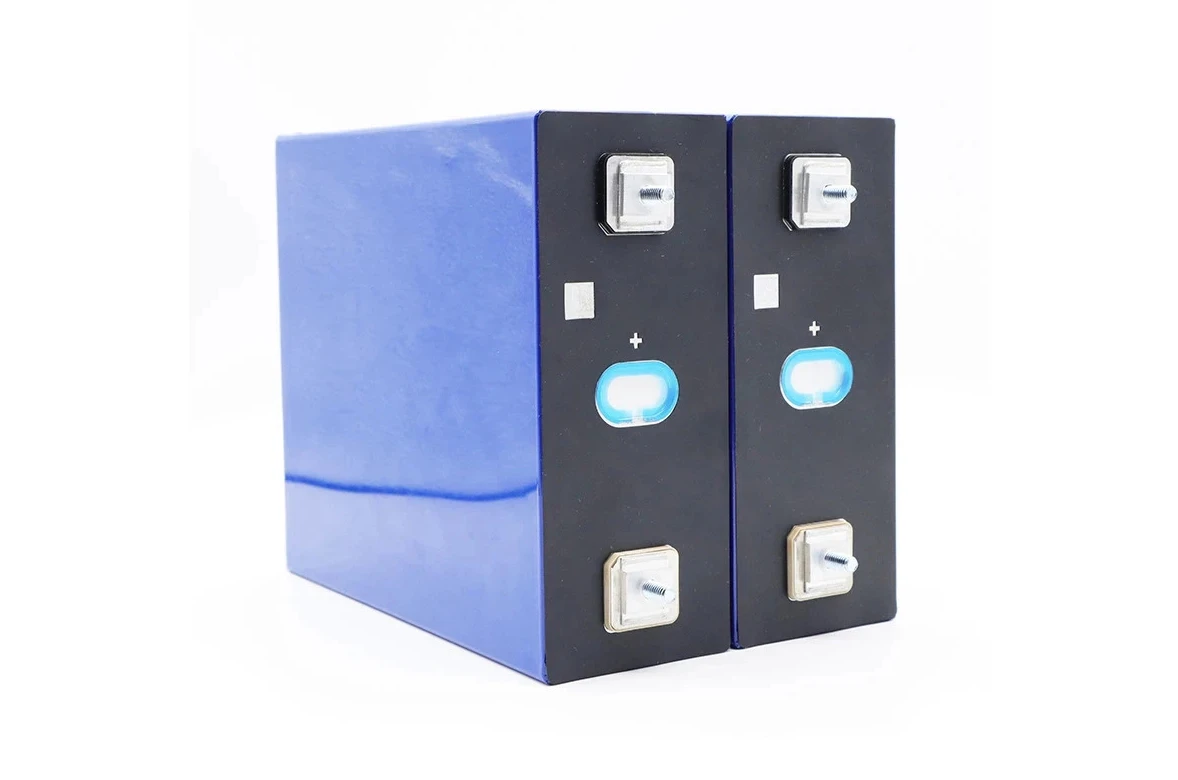
Prismatic Batteries: The Future of Energy Storage? Discover what prismatic batteries are, their applications in EVs, solar storage, and more. Compare top brands like BYD, CATL, and learn why they dominate the lithium-ion market. Introduction to Prismatic Batteries A prismatic battery (or prismatic lithium-ion battery) is a compact, rectangular-shaped power source revolutionizing industries from electric vehicles to renewable energy. Unlike cylindrical or pouch cells, its flat, space-efficient design offers higher energy density and better thermal management. But why are prismatic cells becoming the go-to choice for manufacturers like BYD and CATL? Let’s explore their benefits, applications, and future trends. Why Choose Prismatic Batteries? Key Advantages Space Efficiency & High Energy Density Prismatic batteries pack more power into a smaller footprint, making them ideal for electric vehicles (EVs) and consumer electronics where space is limited. Enhanced Safety Standards Rigid aluminum casing reduces leakage and explosion risks, meeting strict prismatic battery safety standards for medical devices and drones. Longer Lifespan With advanced thermal management systems, prismatic lithium batteries outperform traditional cells in cycle life and durability. Top Applications of Prismatic Batteries From clean energy to cutting-edge tech, here’s where prismatic cells shine: Electric Vehicles (EVs) Major automakers like Tesla and BYD use prismatic batteries for their high capacity and fast charging speeds. Solar Energy Storage Systems Paired with solar panels, prismatic battery energy storage systems (BESS) store excess energy for homes and grids. Drones & UAVs Lightweight yet powerful, these batteries extend flight times for commercial and industrial drones. Medical Devices Reliability and compact size make them critical for portable medical equipment. Prismatic Battery vs. Cylindrical Battery: Which Is Better? The debate between prismatic battery vs. cylindrical battery centers on three factors: Energy Density: Prismatic cells win with 20-30% higher capacity. Cost: Cylindrical batteries are cheaper but require more space. Thermal Management: Prismatic designs dissipate heat more efficiently. For EVs and large-scale storage, prismatic batteries often dominate. For smaller devices (e.g., power tools), cylindrical cells remain popular. Leading Prismatic Battery Brands in 2024 BYD Prismatic Battery A pioneer in EV batteries, BYD’s Blade Battery claims unmatched safety and 1.2 million km lifespan. CATL Prismatic Battery CATL’s Qilin Battery boasts a 13% higher energy density than competitors. LG Chem & Samsung SDI Korean giants focus on high-voltage prismatic cells for luxury EVs. Future Trends: What’s Next for Prismatic Batteries? Solid-State Prismatic Batteries Safer, non-flammable solid-state tech could replace liquid electrolytes by 2030. Sustainable Recycling Solutions Companies are investing in prismatic battery recycling to recover lithium and cobalt. AI-Optimized Manufacturing Machine learning improves production efficiency, cutting costs by up to 15%. FAQs About Prismatic Batteries How long do prismatic batteries last? Most last 8-15 years, depending on usage and maintenance. Are prismatic batteries safe? Yes! Their rigid casing and stable chemistry reduce fire risks. What’s the cost of a prismatic lithium-ion battery? Prices range from 120/kWhto120/kWhto200/kWh, but economies of scale are driving costs down. Conclusion As demand for efficient energy storage grows, prismatic lithium-ion batteries are set to power the future—from EVs to smart grids. By choosing top-tier brands like CATL or BYD and staying ahead of trends like solid-state tech, industries can unlock greener, more reliable power solutions.
18650 Battery DIY Assembly Guide: Build Your Own Battery Pack from Scratch
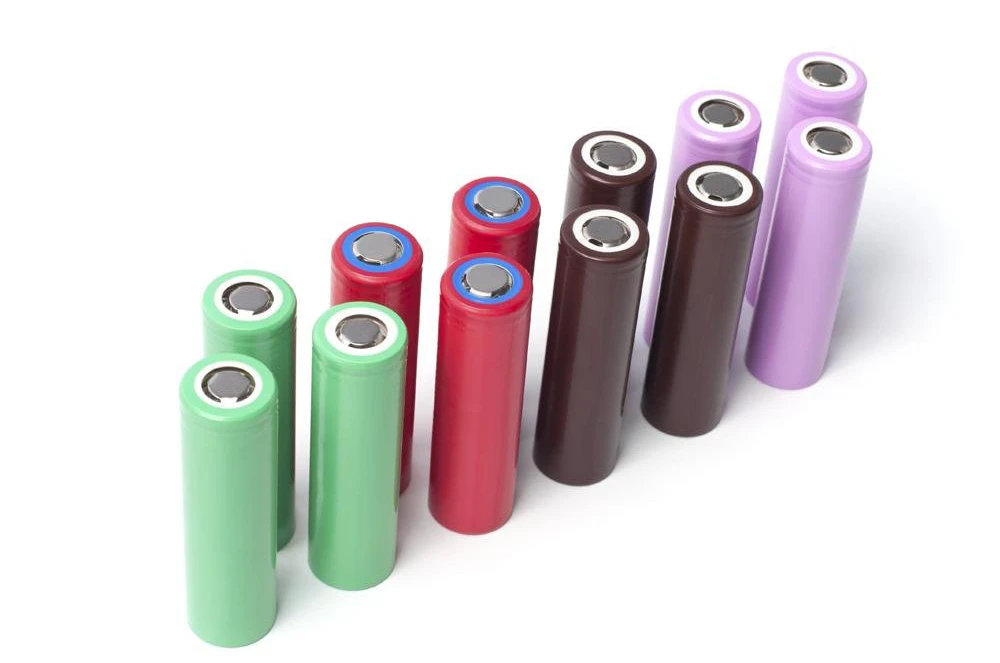
The 18650 battery has become the preferred choice for DIY enthusiasts and electronic device manufacturers due to its high energy density, long lifespan, and wide range of applications. Whether for power tools, electric bicycles, or home energy storage systems, 18650 batteries provide reliable power support. This article will provide a detailed guide on how to assemble an 18650 battery pack from scratch, including the necessary tools, step-by-step instructions, and safety precautions. Basics of 18650 Batteries 1. What is an 18650 Battery? The 18650 battery is a cylindrical lithium-ion battery with a size of 18mm (diameter) × 65mm (length). It features high energy density, long cycle life, and stable discharge performance, making it widely used in laptops, power tools, and electric vehicles. 2. 18650 Battery Specifications Voltage: The nominal voltage of a single 18650 battery is 3.7V, and it reaches 4.2V when fully charged. Capacity: Common capacity ranges from 2000mAh to 3500mAh. Discharge Current: Depending on the battery type, the discharge current can vary from 5A to 30A. 3. Battery Types Standard 18650 Battery: Suitable for low-current applications such as flashlights or small electronic devices. High-Drain 18650 Battery: Designed for high-current applications such as power tools or electric bicycles. Tools and Materials Required for DIY 18650 Battery Pack 1. Tools Spot Welder: Used to weld nickel strips onto the battery. Multimeter: Used to measure voltage and check connections. Insulating Tape: Provides insulation and protection for the battery. Heat Shrink Tubing: Wraps the battery pack for additional insulation and protection. Battery Holders: Keeps the batteries aligned and securely in place. Scissors or Wire Strippers: Used to cut nickel strips and wires. 2. Materials 18650 Batteries: Choose the appropriate capacity and discharge current based on your needs. Nickel Strips: Used for connecting batteries; recommended thickness is 0.15mm-0.2mm pure nickel strips. Battery Management System (BMS): Monitors battery status and prevents overcharging, over-discharging, and short circuits. Wires: Used to connect the battery pack to external devices. Insulating Pads: Used to isolate battery terminals and prevent short circuits. Step-by-Step Assembly Guide Step 1: Planning Your Battery Pack Design Determine the required voltage and capacity: Voltage is determined by the number of cells connected in series (e.g., 4 cells in series = 14.8V nominal, 16.8V max). Capacity is determined by the number of parallel connections (e.g., 3 cells in parallel = 3 times the capacity of a single cell). Sketch a wiring diagram for proper series and parallel configurations. Step 2: Checking and Matching the Cells Measure the voltage of each 18650 cell with a multimeter. Ensure all cells have similar voltage levels (preferably within 0.05V difference) to prevent imbalance. If using salvaged cells, test their capacity using a battery tester before assembling. Step 3: Spot Welding the Battery Pack Arrange the cells in the planned configuration on a non-conductive surface. Use nickel strips to connect the cells in series and parallel as per your design. Spot weld the nickel strips onto the battery terminals. Avoid excessive heat, as high temperatures can damage lithium-ion cells. Step 4: Installing the Battery Management System (BMS) Connect the BMS according to the manufacturer’s wiring diagram. Ensure the BMS is compatible with your battery pack’s voltage and current requirements. The BMS protects against overcharging, over-discharging, and short circuits. Step 5: Insulating and Securing the Battery Pack Use fish paper or Kapton tape to insulate exposed nickel strips. Wrap the battery pack with heat shrink wrap or place it in an enclosure for safety. Ensure that the pack is well-secured to prevent movement that could lead to connection failures. Step 6: Charging and Testing Use a dedicated lithium-ion charger to charge the battery pack fully. Check for any abnormal heating during charging and discharging. Measure the output voltage to confirm proper assembly. Safety Precautions 1. Prevent Short Circuits During welding and assembly, ensure that there is no direct contact between the battery's positive and negative terminals. Use insulated tools and materials to avoid metal tools touching both terminals simultaneously. 2. Control Welding Temperature Do not weld for too long to prevent high temperatures from damaging the internal structure of the battery. When using a spot welder, ensure that the welds are firm but not overheated. 3. Use a Battery Management System (BMS) The BMS is crucial for battery pack safety, preventing overcharging, over-discharging, and short circuits. Ensure that the BMS balance wires are connected correctly to prevent any single battery from overcharging or over-discharging. 4. Test the Battery Pack After assembly, use a multimeter to test the battery pack's voltage and check the connections. For the first charge, use a low-current charger and observe whether the battery pack exhibits abnormal heating or swelling. DIY assembling an 18650 battery pack is both an interesting and practical skill that can provide reliable power for various electronic devices and projects. By following this guide, you can master the entire process, from planning and welding to installation and testing. However, since battery assembly involves high-energy components, it is essential to strictly adhere to safety protocols to ensure a safe and reliable operation.
Tesla's New Model Y: Redefining the Future of Electric SUVs
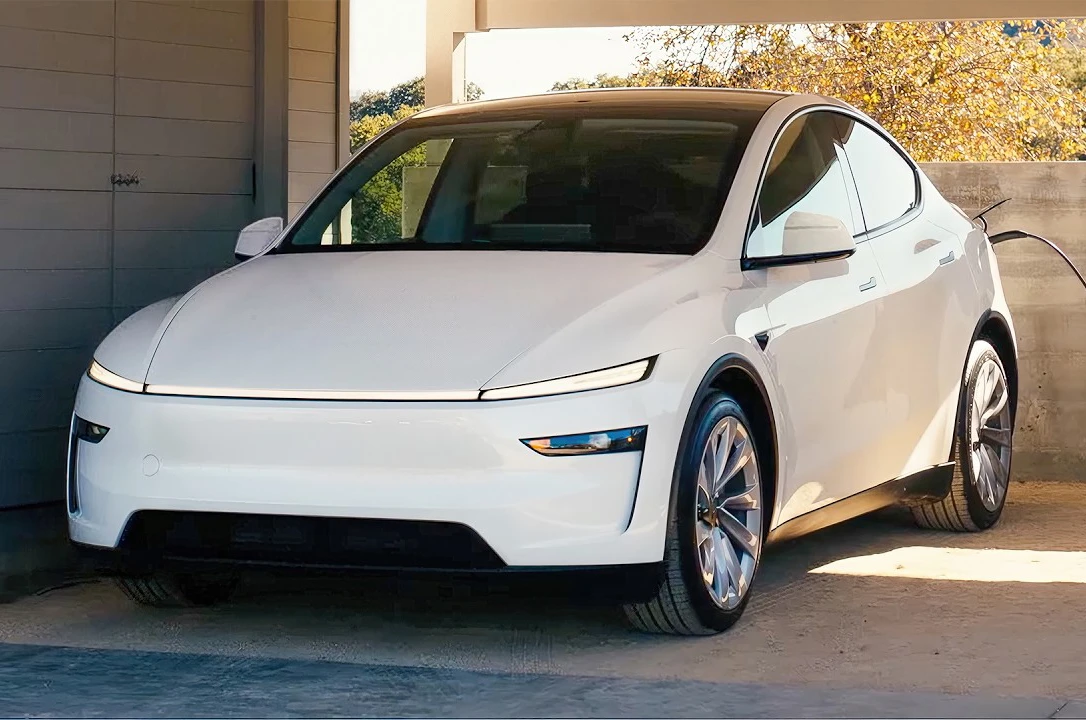
As a global leader in the electric vehicle industry, Tesla has always driven innovation. The recent release of the revamped Model Y has once again attracted widespread attention. This model has undergone comprehensive upgrades in exterior design, interior features, and performance, along with significant breakthroughs in battery technology. This article explores the innovations in the new Model Y and the advancements in its battery technology, analyzing how these improvements further solidify Tesla’s leading position in the EV market. Key Innovations in the New Model Y 1. Upgraded Exterior Design The new Model Y has undergone subtle but important exterior refinements, making it more modern and technologically advanced: New Front Design: A more streamlined front bumper with fewer unnecessary lines gives the vehicle a smoother, more refined look. Improved LED Headlights: The newly designed matrix LED headlights enhance illumination and increase vehicle recognition. New Wheel Options: The addition of aerodynamically optimized wheels reduces drag and improves driving range. 2. Refreshed Interior Tesla is known for its minimalist interior design, and the new Model Y features several upgrades: New Interior Materials: More eco-friendly and durable materials enhance the luxury and comfort of the cabin. Ambient Lighting System: A newly added multi-color ambient lighting system allows users to customize interior lighting based on mood or setting, enhancing the driving experience. Enhanced Central Display: The 15-inch touchscreen now has higher resolution, faster response times, and supports more entertainment and navigation features. 3. Performance Enhancements The new Model Y has also seen improvements in powertrain and handling performance: Acceleration: Thanks to a more efficient motor and battery management system, the new Model Y has an even shorter 0-100 km/h acceleration time. Suspension System Optimization: A brand-new adaptive suspension system provides a more comfortable ride while maintaining Tesla’s signature precise handling. Breakthroughs in Tesla's Battery Technology 1. Application of the 4680 Battery The new Model Y is one of Tesla’s first models to widely adopt the 4680 battery, which offers several advantages: Higher Energy Density: The 4680 battery has approximately 16% higher energy density than the previous 2170 battery, resulting in an extended driving range. Lower Costs: By utilizing a tabless design and large-scale production, the 4680 battery significantly reduces manufacturing costs, leading to a lower vehicle price. Faster Charging Speed: The 4680 battery supports higher charging power, enabling faster recharging times. 2. Structural Battery Pack Technology Tesla has introduced an innovative structural battery pack design in the new Model Y, integrating the battery pack directly into the vehicle’s chassis: Weight Reduction: This design eliminates the need for additional battery frames, reducing overall vehicle weight. Increased Rigidity: The structural battery pack enhances the vehicle’s overall rigidity, improving safety and handling. Optimized Space: Integrating the battery into the chassis frees up more interior space, offering passengers a more spacious experience. 3. Improved Thermal Management System The new Model Y features an advanced thermal management system that precisely regulates battery temperature: Extended Battery Life: Optimized thermal management enhances battery performance under extreme temperatures, prolonging battery lifespan. Increased Efficiency: The improved thermal management system reduces energy loss, further enhancing driving range. Impact of the New Model Y on the Industry 1. Driving Competition in the Electric SUV Market The release of the new Model Y further solidifies Tesla’s leadership in the electric SUV market. Its innovative design and advanced technology set new benchmarks for competitors, driving industry-wide advancements. 2. Accelerating the Adoption of Battery Technology The application of the 4680 battery and structural battery pack technology not only enhances the Model Y’s performance but also serves as a technological reference for other automakers, accelerating the adoption and cost reduction of advanced battery technology. 3. Increasing Consumer Acceptance of Electric Vehicles By continuously improving range, charging speed, and driving experience, Tesla is making electric vehicles more practical and appealing, further promoting their widespread adoption. Conclusion The launch of the new Model Y is another testament to Tesla’s technological prowess and marks a significant milestone in the electric vehicle industry. From exterior and interior enhancements to the application of 4680 batteries and structural battery packs, the new Model Y redefines the standard for electric SUVs. As Tesla continues to push the boundaries of battery technology and vehicle performance, the future of electric mobility and sustainable transportation looks even more promising.
Solar Inverter vs. Regular Inverter: Which One is Right for Your Home?
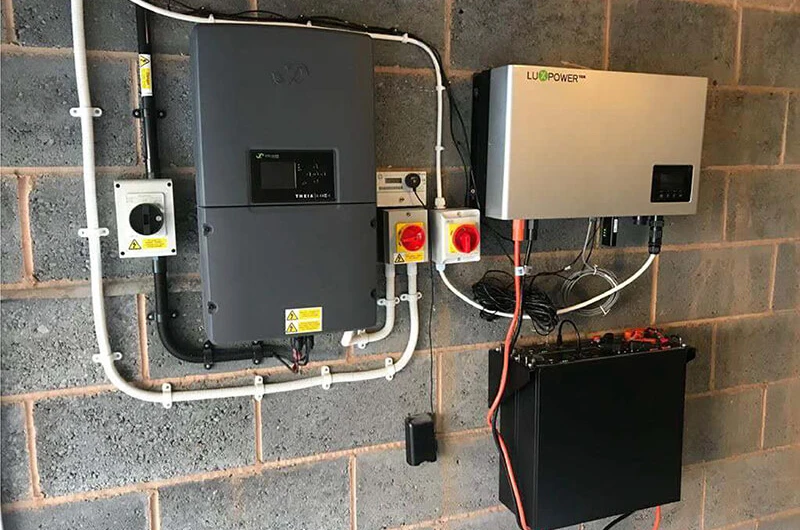
Introduction When choosing a backup power source or optimizing energy usage for your home, an inverter is an essential component. There are two main types of inverters available on the market: solar inverters and regular inverters. What are the differences between them? Which one is best suited for your home? This article compares the features, advantages, and applications of both types of inverters to help you make the best decision. What is a Solar Inverter? A solar inverter is a device specifically designed for solar power systems. Its primary function is to convert the direct current (DC) generated by solar panels into alternating current (AC) for household appliances. Key Features of Solar Inverters: Optimized Solar Utilization: Maximizes the energy conversion efficiency of solar panels. Grid-Tied or Off-Grid Functionality: Some solar inverters support grid-tied mode, allowing surplus energy to be fed back into the grid, or they can operate in off-grid mode. Smart Monitoring: Many modern solar inverters come with intelligent monitoring systems that allow real-time tracking of power generation and energy usage. What is a Regular Inverter? A regular inverter is primarily used for backup power, converting DC from a battery into AC to provide electricity during power outages. Key Features of Regular Inverters: Battery-Powered: Requires a battery for operation and cannot directly utilize solar energy. Lower Cost: More affordable upfront compared to solar inverters. Suitable for Short-Term Outages: Mainly used for temporary power supply, ideal for areas with frequent but short power cuts. Solar Inverter vs. Regular Inverter: A Comparative Analysis Feature Solar Inverter Regular Inverter Power Source Solar Panels Battery Purpose Continuous Power, Energy Saving Backup Power Smart Monitoring Yes No Grid-Tied Capability Yes (Some Models) No Cost Higher Lower Environmental Friendliness High Low Key Differences Analysis: MPPT Technology (Maximum Power Point Tracking) A solar inverter utilizes real-time voltage and current adjustments to ensure that photovoltaic panels always operate at peak efficiency. In contrast, a conventional inverter lacks this functionality, potentially resulting in energy losses exceeding 20%. Grid Interaction Capability A grid-tied solar inverter can feed excess electricity back into the grid, allowing users to earn credits on their electricity bills. In comparison, a conventional inverter only supports one-way power consumption. Safety and Compliance Solar inverters must meet stringent certifications such as UL 1741 and include anti-islanding protection, which automatically shuts down the system when the grid loses power. Conventional inverters may lack such safety features. Which One is Right for Your Home? If you want to reduce electricity bills and utilize renewable energy, a solar inverter is the better choice. Although it requires a higher initial investment, it leads to long-term savings and is environmentally friendly. If you need a backup power source for emergencies, a regular inverter is a more economical option, especially in areas with frequent but short power outages. Home Selection Guide: 4 Key Decision Factors What Are Your Electricity Needs? High-energy households (e.g., air conditioning, pool pumps): Opt for a high-capacity grid-tied solar inverter (e.g., 8kW or higher) paired with a smart meter to manage peak consumption. Off-grid/emergency scenarios: A conventional inverter combined with batteries may be more cost-effective but comes with lower energy efficiency. Budget & Long-term Returns Upfront cost: Solar inverters ($1000–$3000) > Conventional inverters ($200–$800). Long-term savings: Assuming a household electricity bill of $150 per month, a high-efficiency solar system can break even in 5–7 years, with near-zero electricity costs afterward. Future Scalability Choose a solar inverter that supports modular expansion (e.g., Huawei SUN2000 or Tesla Powerwall) to easily add solar panels or energy storage. Conventional inverters typically lack upgrade options. Brand & After-Sales Service Recommended solar inverter brands: Fronius, SMA, Enphase (known for high efficiency and 25-year warranties). Best value conventional inverters: Renogy, AIMS Power. Frequently Asked Questions (FAQ) Q1: Can a conventional inverter replace a solar inverter? Not recommended! Conventional inverters cannot handle photovoltaic panel voltage fluctuations, which may lead to equipment damage or even fire hazards. Q2: What is a hybrid inverter? Is it suitable for homes? A hybrid inverter is compatible with both solar panels and batteries, making it ideal for areas with frequent power outages or households seeking energy independence (e.g., Texas residents). Q3: Does government funding cover inverter costs? Yes! The U.S. federal Investment Tax Credit (ITC) covers 26% of the total solar system cost, including the inverter, with additional state-level incentives available.
Advantages and Prospects of LiFePO4 Batteries in Marine Applications

With the continuous advancement of battery technology, lithium iron phosphate (LiFePO4) batteries have gradually become the preferred choice for marine power and energy storage systems due to their high safety, long lifespan, and environmental benefits. Traditional lead-acid batteries can no longer meet the modern maritime industry's demands for efficient and reliable energy systems. LiFePO4 batteries, with their superior performance, are reshaping the energy landscape in the marine sector. Advantages of LiFePO4 Batteries 1. High Safety LiFePO4 batteries exhibit exceptional thermal stability and are less prone to thermal runaway, combustion, or explosion, making them particularly suitable for the high safety standards required in marine environments. Compared to lithium-ion batteries with nickel manganese cobalt (NMC) chemistry, LiFePO4 batteries remain stable even under high temperatures or short circuits. 2. Ultra-Long Lifespan LiFePO4 batteries can last for 2,000 to 5,000 charge cycles, far exceeding traditional lead-acid batteries, which typically last between 300 and 500 cycles. This extended lifespan significantly reduces battery replacement frequency and long-term maintenance costs for marine applications. 3. High Energy Density Compared to lead-acid batteries, LiFePO4 batteries offer a higher energy density, enabling them to provide the same or even greater energy output in a smaller and lighter package. This is crucial for space- and weight-constrained marine applications. 4. Fast Charging and Discharging Capabilities LiFePO4 batteries support high-rate charging and discharging, allowing for rapid energy replenishment and ensuring efficient operation of marine power systems. This is particularly advantageous for electric yachts and hybrid-powered vessels. 5. Eco-Friendly and Low Maintenance Unlike traditional lead-acid batteries, LiFePO4 batteries do not contain toxic heavy metals, making them environmentally friendly. Additionally, they require minimal maintenance, eliminating the need for frequent water refilling or corrosion cleaning, thus lowering operational costs. Applications of LiFePO4 Batteries in Marine Industry 1. Electric Yachts and Marine Power Systems With the growing trend of green energy, an increasing number of electric yachts and small vessels are adopting LiFePO4 batteries as their primary power source, enabling zero emissions, low noise, and highly efficient navigation. 2. Hybrid Marine Vessels LiFePO4 batteries can be integrated with diesel engines to form hybrid power systems, improving fuel efficiency and reducing emissions. This approach has been implemented in commercial ships, fishing boats, and ferries. 3. Marine Energy Storage Systems LiFePO4 batteries serve as backup power or energy storage systems onboard, working in conjunction with solar or wind power to provide a stable electricity supply for vessels, especially for offshore research ships and luxury cruises. 4. Emergency Power Supply and UPS Systems In critical systems such as navigation and communication equipment, LiFePO4 batteries provide a reliable backup power source, ensuring the vessel remains operational in emergencies. Future Trends As LiFePO4 battery technology continues to advance, costs will further decrease while energy density and charging efficiency will improve. With the global maritime industry increasingly focused on carbon neutrality, the adoption of electric and hybrid marine vessels is expected to accelerate. In the future, LiFePO4 batteries will be widely used in a broader range of marine applications, contributing to a greener and more sustainable shipping industry. Conclusion LiFePO4 batteries, with their outstanding safety, long lifespan, and environmental benefits, are becoming the ideal choice for marine power and energy storage systems. Whether for electric yachts, hybrid marine vessels, or onboard energy storage, these batteries play a crucial role. As technology matures and the market expands, we can expect LiFePO4 batteries to play an even more significant role in the future of the maritime industry.If you have any needs, please contact us:ciclibattery.com
Semi-Solid State Batteries vs Lithium-Ion Batteries
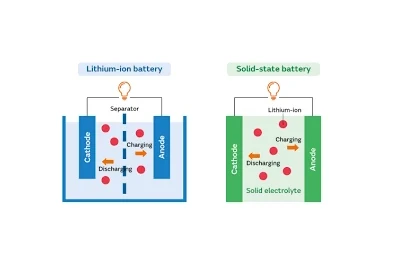
As energy technologies continue to advance, battery technology, as a key factor driving modern technological development, has always been a topic of wide attention. Among the many battery technologies, lithium-ion batteries have become one of the most widely used types today, finding applications in electric vehicles, portable devices, and energy storage systems. However, with increasing demand and the emergence of technological limitations, researchers have turned their focus to the development of new battery technologies, one of which is the semi-solid state battery. This article will explore the differences, advantages, and challenges between semi-solid state batteries and lithium-ion batteries in four aspects: architecture, performance, technological features, and practical applications. 1. Overview of Lithium-Ion Batteries Lithium-ion batteries have become the mainstream of modern battery technology since they were first commercialized in 1991. Known for their high energy density, long lifespan, and lightweight, they are widely used in mobile phones, laptops, and other portable devices. In lithium-ion batteries, energy is stored and released through the intercalation and de-intercalation of lithium ions. During charging, lithium ions move from the positive electrode (typically lithium cobalt oxide or nickel-cobalt-manganese oxide) to the negative electrode (usually graphite), and during discharge, they move in the reverse direction. Advantages: High Energy Density: Lithium-ion batteries have relatively high energy density, providing more energy in the same volume and weight. Long Cycle Life: Lithium-ion batteries have a long charging and discharging lifespan, typically ranging from hundreds to thousands of cycles. Widespread Application: Due to their superior performance, lithium-ion batteries are widely used in mobile phones, laptops, electric vehicles, and other fields. Disadvantages: Safety Issues: Lithium-ion batteries have safety concerns, as extreme conditions (e.g., overcharging, overheating, or damage) can lead to thermal runaway, causing fire or explosion. Energy Degradation: Over time, the battery's energy capacity degrades, and the charging speed is relatively slow. Environmental Impact: The production process and disposal of lithium-ion batteries may have environmental impacts, especially concerning the toxic metals used in their materials. 2. Overview of Semi-Solid State Batteries A semi-solid state battery is a new type of battery technology that combines the advantages of solid-state batteries and traditional liquid-based batteries. Unlike lithium-ion batteries, semi-solid state batteries use a viscous electrolyte, often made of a gel or semi-liquid substance, instead of the traditional liquid electrolyte. While there are differences in the electrolyte, the overall structure of a semi-solid state battery is similar to that of a lithium-ion battery, which is why it is considered a transitional technology toward solid-state batteries. Advantages: Higher Safety: Due to the use of a viscous or semi-solid electrolyte, semi-solid state batteries are inherently safer. Compared to liquid electrolyte lithium-ion batteries, the risk of leakage and thermal runaway is significantly reduced. Higher Energy Density: Semi-solid state batteries can offer higher energy density than traditional liquid batteries, making them ideal for high-performance applications such as electric vehicles and energy storage systems. Longer Lifespan: Semi-solid state batteries exhibit better performance in terms of cycle life and stability, with far superior charging and discharging cycles compared to lithium-ion batteries. Environmentally Friendly: Semi-solid state batteries are more eco-friendly, as their materials are more recyclable and have less environmental impact during manufacturing. Disadvantages: High Production Cost: Due to the new technology and complex manufacturing processes, the production cost of semi-solid state batteries is currently higher, and their commercial applications are still limited. Immature Technology: Although semi-solid state batteries have shown promising results in laboratory experiments and initial applications, the overall technology is still being refined and requires further validation for reliability. Power Output Limitations: While semi-solid state batteries offer higher energy density, they are still under development in terms of high power output and fast charging speeds. 3. Comparison Between Semi-Solid State Batteries and Lithium-Ion Batteries Feature Lithium-Ion Battery Semi-Solid State Battery Energy Density High, suitable for portable devices Higher than lithium-ion batteries, ideal for high-performance applications Safety Some risks, such as thermal runaway Higher safety, reduced risk of leakage and explosions Cycle Life Long, but degrades over time Longer, suitable for high-load, long-cycle use Charging Speed Generally slow, with fast-charging technology in development Charging speed is improving but still under development Cost Mass-produced, relatively low cost High production cost, technology still in development Environmental Impact Greater environmental impact, especially in production More eco-friendly, materials are more recyclable 4. Future Prospects and Applications Semi-solid state batteries, as an emerging technology, have great potential due to their safety, energy density, and environmentally friendly characteristics. While the commercialization process is still slow, semi-solid state batteries are expected to become the dominant battery technology in the future for electric vehicles, portable devices, and energy storage systems. Lithium-ion batteries, despite their maturity and widespread use, have gradually exposed their shortcomings as the demand for higher performance and safety increases. As a result, semi-solid state batteries, with their potential advantages, are becoming a promising alternative. Conclusion Semi-solid state batteries and lithium-ion batteries each have their own advantages and challenges. While lithium-ion batteries dominate the current market, semi-solid state batteries, with their increasing maturity, are likely to revolutionize energy solutions in the future. Whether it is for electric vehicles, portable devices, or large-scale energy storage, semi-solid state batteries have the potential to bring about significant changes in our lives.