Ford’s recent decision to abandon production of the all-electric Ford F-150 Lightning after the 2025 model year should yield some advantages for Tesla.
The Detroit-based automaker’s pivot away from large EVs and toward hybrids and extended-range EVs that come with a gas generator is proof that sustainable powertrains are easy on paper, but hard in reality.
Tesla is perhaps the biggest beneficiary of Ford’s decision, especially as it will no longer have to deal with the sole pure EV pickup that outsold it from time to time: the F-150 Lightning.
Here’s why:
Reduced Competition in the Electric Pickup Segment
The F-150 Lightning was the Tesla Cybertruck’s primary and direct rival in the full-size electric pickup market in the United States. With Ford’s decision to end pure EV production of its best-selling truck’s electric version and shifting to hybrids/EREVs, the Cybertruck faces significantly less competition.

Credit: Tesla
This could drive more fleet and retail buyers toward the Cybertruck, especially those committed to fully electric vehicles without a gas generator backup.
Strengthened Market Leadership and Brand Perception in Pure EVs
Ford’s pullback from large EVs–citing unprofitability and lack of demand for EVs of that size–highlights the challenges legacy automakers face in scaling profitable battery-electric vehicles.
Tesla, as the established leader with efficient production and vertical integration, benefits from reinforced perception as the most viable and committed pure EV manufacturer.
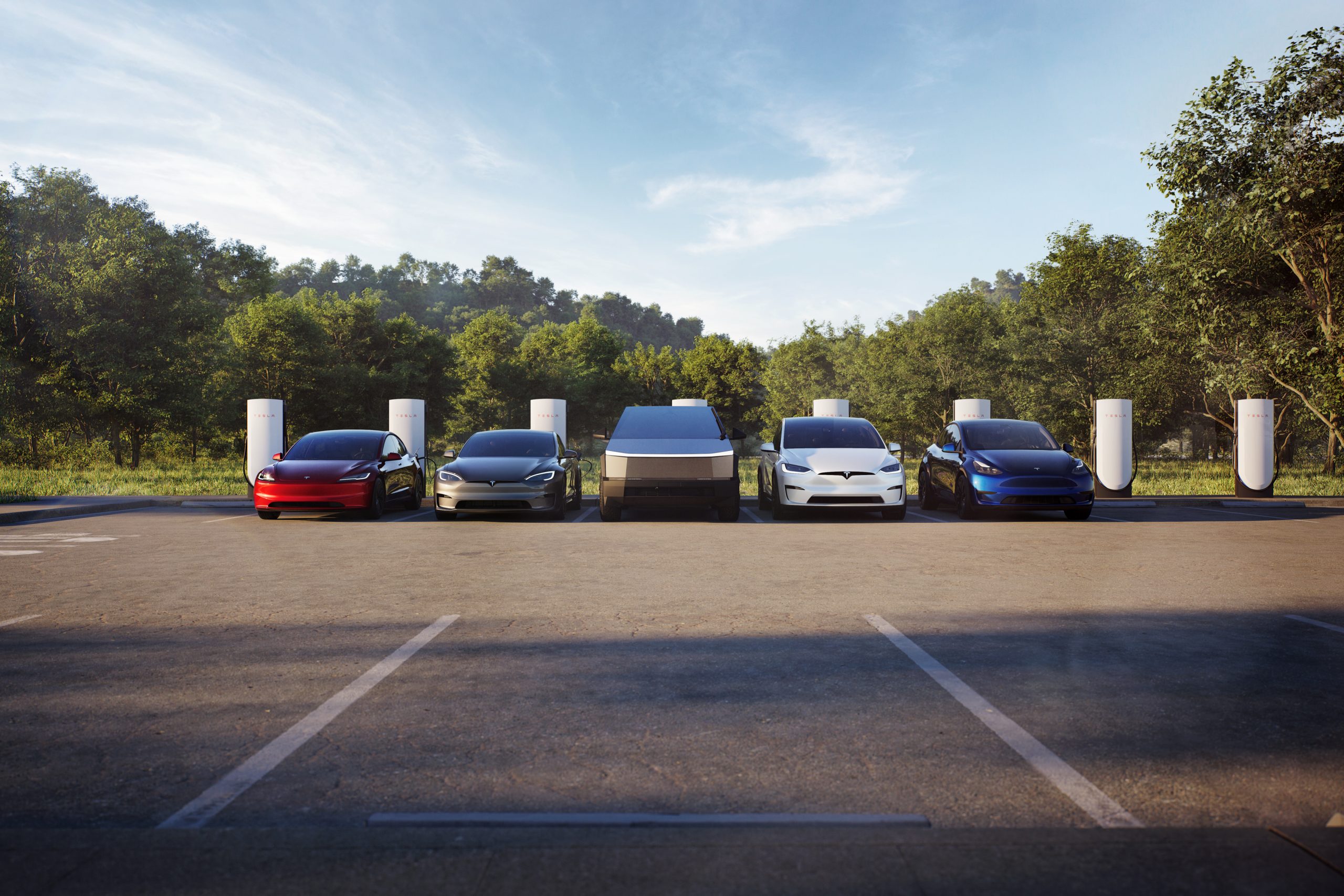
Credit: Tesla
This can boost consumer confidence in Tesla’s long-term ecosystem over competitors retreating to hybrids. With Ford making this move, it is totally reasonable that some car buyers could be reluctant to buy from other legacy automakers.
Profitability is a key reason companies build cars; they’re businesses, and they’re there to make money.
However, Ford’s new strategy could plant a seed in the head of some who plan to buy from companies like General Motors, Stellantis, or others, who could have second thoughts. With this backtrack in EVs, other things, like less education on these specific vehicles to technicians, could make repairs more costly and tougher to schedule.
Potential Increases in Market Share for Large EVs
Interestingly, this could play right into the hands of Tesla fans who have been asking for the company to make a larger EV, specifically a full-size SUV.
Customers seeking large, high-capability electric trucks or SUVs could now look to Tesla for its Cybertruck or potentially a future vehicle release, which the company has hinted at on several occasions this year.
With Ford reallocating resources away from large pure EVs and taking a $19.5 billion charge, Tesla stands to capture a larger slice of the remaining demand in this segment without a major U.S. competitor aggressively pursuing it.
The post Tesla stands to gain from Ford’s decision to ditch large EVs appeared first on TESLARATI.