Tesla confirms Robotaxi expansion plans with new cities and aggressive timeline

Tesla confirmed its intentions to expand the Robotaxi program in the United States with an aggressive timeline that aims to send the ride-hailing service to several large cities very soon. The Robotaxi program is currently active in Austin, Texas, and the California Bay Area, but Tesla has received some approvals for testing in other areas of the U.S., although it has not launched in those areas quite yet. However, the time is coming. During Tesla’s Q4 Earnings Call last night, the company confirmed that it plans to expand the Robotaxi program aggressively, hoping to launch in seven new cities in the first half of the year. Tesla plans to launch in Dallas, Houston, Phoenix, Miami, Orlando, Tampa, and Las Vegas. It lists the Bay Area as “Safety Driver,” and Austin as “Ramping Unsupervised.” These details were released in the Earnings Shareholder Deck, which is published shortly before the Earnings Call: BREAKING: Tesla plans to launch its Robotaxi service in Dallas, Houston, Phoenix, Miami, Orlando, Tampa, and Las Vegas in the first half of this year pic.twitter.com/aTnruz818v — TESLARATI (@Teslarati) January 28, 2026 Late last year, Tesla revealed it had planned to launch Robotaxi in Las Vegas, Phoenix, Dallas, and Houston, but Tampa and Orlando were just added to the plans, signaling an even more aggressive expansion than originally planned. Tesla feels extremely confident in its Robotaxi program, and that has been reiterated many times. Although skeptics still remain hesitant to believe the prowess Tesla has seemingly proven in its development of an autonomous driving suite, the company has been operating a successful program in Austin and the Bay Area for months. In fact, it announced it achieved nearly 700,000 paid Robotaxi miles since launching Robotaxi last June. Tesla has achieved nearly 700,000 paid Robotaxi miles since launching in June of last year pic.twitter.com/E8ldSW36La — TESLARATI (@Teslarati) January 28, 2026 With the expansion, Tesla will be able to penetrate more of the ride-sharing market, disrupting the human-operated platforms like Uber and Lyft, which are usually more expensive and are dependent on availability. Tesla launched driverless rides in Austin last week, but they’ve been few and far between, as the company is certainly easing into the program with a very cautiously optimistic attitude, aiming to prioritize safety. The post Tesla confirms Robotaxi expansion plans with new cities and aggressive timeline appeared first on TESLARATI.
Funding for decarbonization is more accessible than companies think
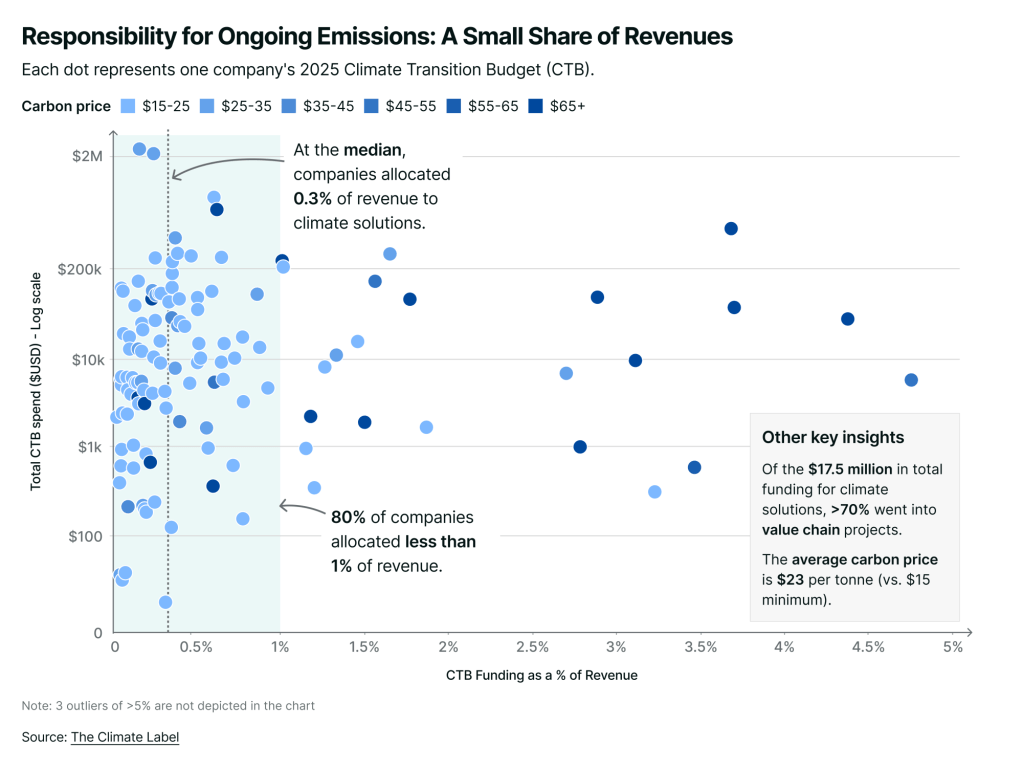
The opinions expressed here by Trellis expert contributors are their own, not those of Trellis.Thanks to an increased push for transparency in corporate climate actions, customers and regulators alike have caught on to a chronic pattern of promises being made and forgotten. Key climate standard-setters stepped up in 2025 by pushing a shift from ambition to accountability. Notably, SBTI’s significant proposed revisions to the Corporate Net Zero Standard would improve progress reporting and even add a cost-per-tonne mechanism to create responsibility for ongoing emissions. As we enter this new chapter, more companies will want to offer proof of follow-through in the form of empirical data showing that they’re adopting climate solutions. The subset of companies with an internal carbon price embrace the understanding that to put forth a credible climate strategy, details are key. In addition to showing whether companies are backing their targets with actions, details tell what companies are doing, and make it possible for learning to take place across companies. This sort of data can be hard to capture and assess because approaches vary widely. But it’s possible. We recently analyzed the climate funding data of nearly 130 of the consumer brands that earned The Climate Label certification in 2025. The results show how they’re choosing to fund decarbonization, and preview the power that this type of data could have if collected at a larger scale. Clearing the bar without breaking the bank To earn The Climate Label, brands must make concrete investments in climate solutions, at a level proportionate to their carbon footprint. The level is based on a minimum internal carbon price of $15, which is applied to every tonne of their GHG emissions. The resulting dollar amount is known as a climate transition budget (CTB). Companies can only count verified decarbonization projects towards the CTB. Last year, 96 percent of the 128 companies that earned the certification exceeded the minimum CTB of $15. Even counting companies that far exceeded the $15 per tonne level, median climate transition funding equaled just 0.3 percent of revenues, and 8 out of 10 brands met the CTB minimum for less than 1 percent of revenues. While companies’ absolute emissions and total climate spend varied widely, CTB levels as a share of revenue showed little relationship to industry, company size or emissions profile. A meaningful level of funding for decarbonization may be more financially accessible than many companies assume. Paying for value chain projects A common criticism in corporate sustainability is that companies will usually opt for the easiest option—carbon credits—while continuing to make ambitious climate claims. The data, however, suggests the opposite. Free to meet their CTBs with a mix of value chain projects and market-based mechanisms, certified companies directed an average of 70 percent of their funding into projects that involved corporate facilities and supply chains. This pattern held steady, regardless of sector or annual revenues, which ranged from a few million to hundreds of millions of dollars. Many companies noted they could better support their overall business strategy and long-term emissions reduction goals by making value chain investments. Nonetheless, not all organizations have “shovel-ready” value chain projects at all times, particularly in the early stages of climate planning. As such, the flexibility to account for ongoing emissions by using market-based instruments, both within and beyond their value chains, remains important, and ensures that money continues to flow into climate solutions of some type. An additional amount of funding in the 5 to 10 percent range on average went into efforts to build capacity for future value chain climate projects. Taken together, the allocations to direct mitigation efforts and capacity-building initiatives counter the notion that companies tend to rely too much on carbon credits, and instead point to a shift toward deeper, longer-term emissions reductions embedded within business operations. Low carbon materials dominate value chain investment As companies tackle their hard-to-abate Scope 3 emissions, they often seek to source low-carbon materials as a replacement for higher-carbon alternatives. This decarbonization lever received the greatest share of value chain funding. Adopting lower carbon materials is possible on a shorter timeline, compared to more complex operational or capital projects. Despite a clear preference for low-carbon materials, it’s not clear that companies prioritize them based on their cost effectiveness. To document these initiatives, companies reported the estimated GHG savings of each initiative they invested in, along with price premiums. Costs per tonne ranged widely — from a few dollars per tonne to tens of thousands of dollars. Lower carbon metals and direct energy switching offered the most cost effective reductions, whereas lower carbon plastics and rubber offered the least cost effective reductions. This exercise offered a side-by-side look at the costs of GHG abatement and helped companies understand how low carbon materials compare to other initiatives within their portfolio of decarbonization efforts. The insights can shape how these and other companies choose to allocate limited decarbonization budgets. More project-level data is needed Across the wider community of businesses actively involved in the climate transition, a majority aren’t well positioned to compare and identify projects with the lowest cost GHG abatement potential, because such comparative data doesn’t exist. Yet. There is a significant opportunity to bring more climate transition funding data into the public domain by documenting it at the project level, across more companies and more projects. Doing so would demystify many questions about cost effectiveness, and help sustainability professionals with their climate transition planning — leading to better outcomes from their climate initiatives. The post Funding for decarbonization is more accessible than companies think appeared first on Trellis.
West Side Tractor joins Trimble Technology Outlet network
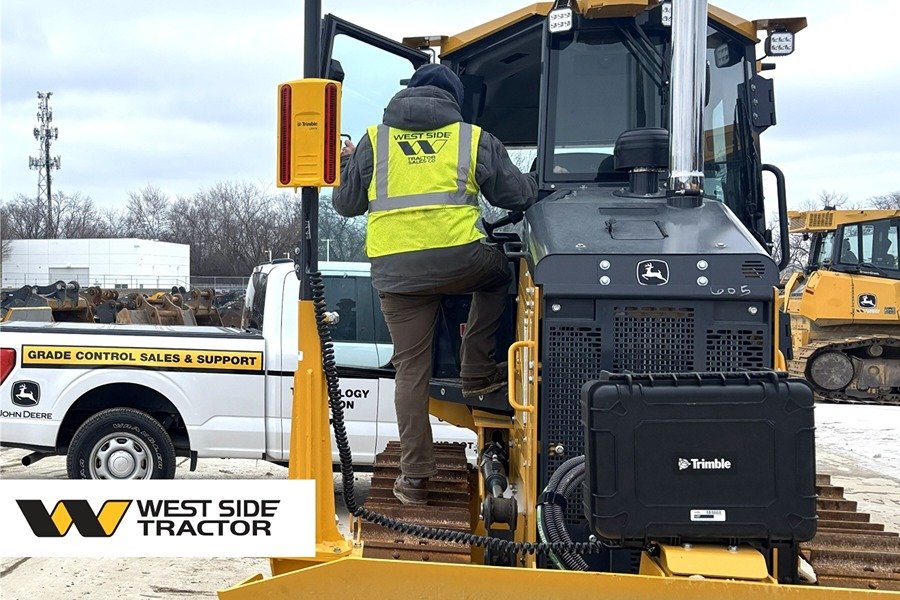
Trimble announced West Side Tractor Sales Co. as the newest Trimble Technology Outlet. West Side Tractor will now sell Trimble grade control, site positioning systems and correction services technology directly to customers using John Deere earthmoving equipment, including dozers, excavators, motor graders, mini-excavators and compact track loaders. Trimble Technology Outlets are an important part of Trimble’s civil construction distribution strategy. By adding authorized resellers representing a wide variety of manufacturers to the Trimble distribution channel, it becomes easier for users of various machine types to purchase, install and utilize Trimble technology for improved jobsite productivity and profitability. As an authorized Trimble reseller, West Side Tractor now sells Trimble technology directly to its customers in northern Illinois, across Indiana; and Berrien, Cass and Joseph Counties in southwest Michigan. West Side Tractor customers can expect to receive the same superior level of support, including installation and training — for which the Trimble dealer channel is known. For more information, visit trimble.com. The post West Side Tractor joins Trimble Technology Outlet network appeared first on Engineering.com.
How fake UL-certifications lead to Amazon’s major Chinese e-bike lawsuit
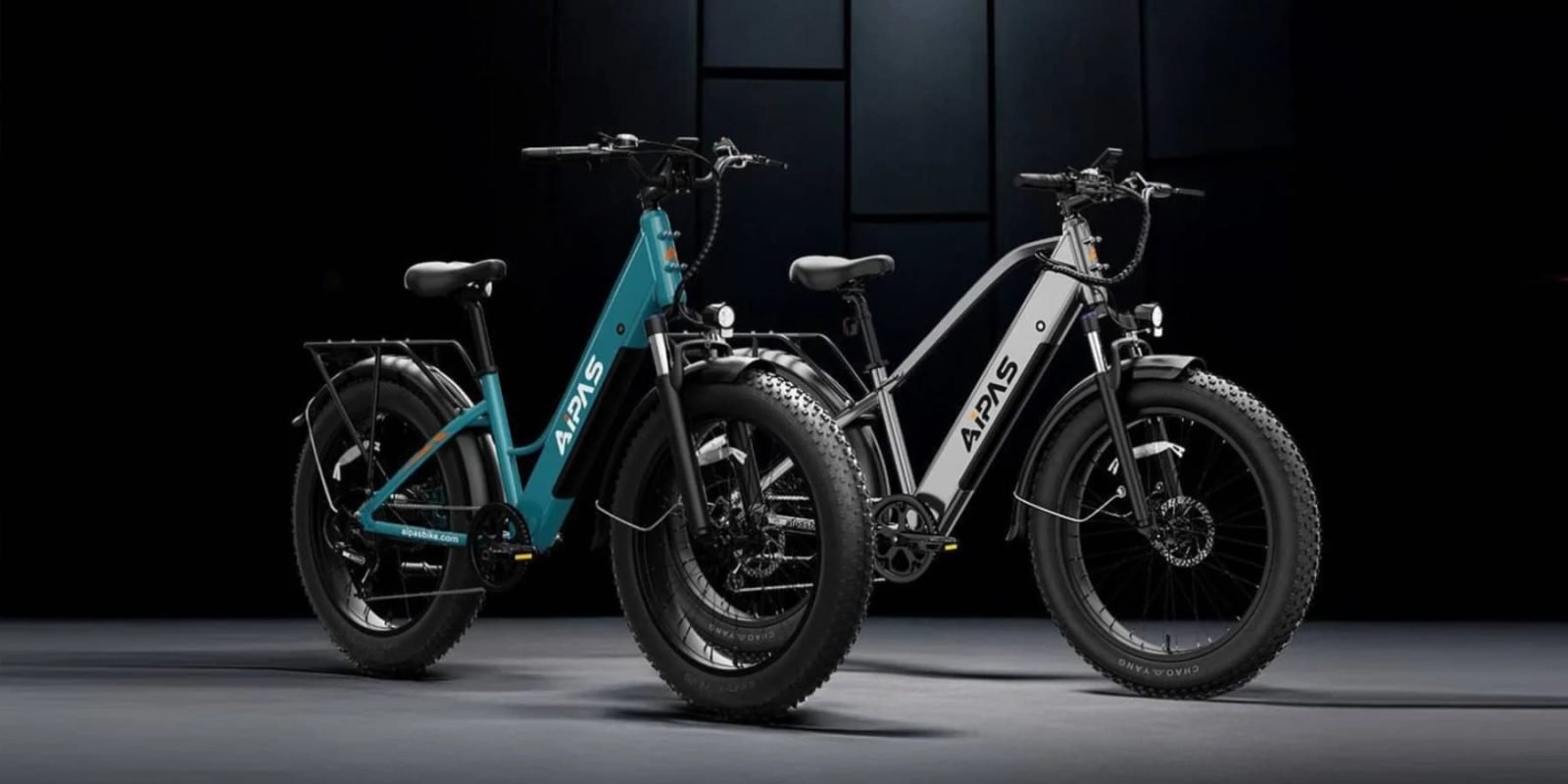
Years ago, UL certification was a niche detail in the e-bike industry, often buried deep in spec sheets if it was there at all. But today, it’s one of the most important labels in the entire e-bike industry – and now, it’s at the center of a major lawsuit involving counterfeit safety marks, Chinese manufacturers, and the world’s largest online retailer. more…
CATL and NIO sign a five-year partnership to develop battery technology

Chinese battery giant CATL and EV maker NIO have signed a five-year strategic cooperation agreement to develop battery technology, swapping network resources and global market share. On the technology front, the companies will focus on jointly developing batteries that have long cycle life, as well as battery swapping technologies. CATL and NIO will also jointly promote the formulation of battery swapping technology standards and the sharing of battery swapping network resources. They intend to deepen their collaboration under business models such as battery leasing, and work together to build an open and shared battery swapping industry ecosystem. CATL recently deployed its 1,325th battery swapping station in China, and plans to reach more than 3,000 by the end of 2026. As they look to expand market share, the companies will aim to strengthen joint brand promotion in domestic and international markets. “Through a structured and long-term cooperation framework, the two companies will jointly address industry changes and provide users with a safer, more efficient and more sustainable electric mobility experience,” CATL stated. Source: CATL
Tesla receives approval for FSD Supervised tests in Sweden

Tesla has received regulatory approval to begin tests of its Full Self-Driving Supervised system on public roads in Sweden, a notable step in the company’s efforts to secure FSD approval for the wider European market. FSD Supervised testing in Sweden Tesla confirmed that it has been granted permission to test FSD Supervised vehicles across Sweden following cooperation with national authorities and local municipalities. The approval covers the Swedish Transport Administration’s entire road network, as well as urban and highways in the Municipality of Nacka. Tesla shared some insights into its recent FSD approvals in a press release. “The approval shows that cooperation between authorities, municipalities and businesses enables technological leaps and Nacka Municipality is the first to become part of the transport system of the future. The fact that the driving of the future is also being tested on Swedish roads is an important step in the development towards autonomy in real everyday traffic,” the company noted. With approval secured for FSD tests, Tesla can now evaluate the system’s performance in diverse environments, including dense urban areas and high-speed roadways across Sweden, as noted in a report from Allt Om Elbil. Tesla highlighted that the continued development of advanced driver assistance systems is expected to pave the way for improved traffic safety, increased accessibility, and lower emissions, particularly in populated city centers. FSD in Sweden Yesterday, Tesla received final approval from the Swedish Transport Administration to test FSD in the municipality of Nacka. This means that, for the first time, Tesla can conduct FSD testing in a Swedish urban environment.Nacka is located right next to… pic.twitter.com/MB5ZB0Cyoh — Alexander Kristensen (@LinkN01) January 28, 2026 Tesla FSD Supervised Europe rollout FSD Supervised is already available to drivers in several global markets, including Australia, Canada, China, Mexico, New Zealand, and the United States. The system is capable of handling city and highway driving tasks such as steering, acceleration, braking, and lane changes, though it still requires drivers to supervise the vehicle’s operations. Tesla has stated that FSD Supervised has accumulated extensive driving data from its existing markets. In Europe, however, deployment remains subject to regulatory approval, with Tesla currently awaiting clearance from relevant authorities. The company reiterated that it expects to start rolling out FSD Supervised to European customers in early 2026, pending approvals. It would then be unsurprising if the company secures approvals for FSD tests in other European territories in the coming months. Quick Shop The post Tesla receives approval for FSD Supervised tests in Sweden appeared first on TESLARATI.
LG Energy Solution pursuing battery deal for Tesla Optimus, other humanoid robots: report

A recent report has suggested that LG Energy Solution is in discussions to supply batteries for Tesla’s Optimus humanoid robot. Optimus is expected to be one of Tesla’s most ambitious projects, with Elon Musk estimating that the humanoid robot could be the company’s most important product. Humanoid robot battery deals LG Energy Solution shares jumped more than 11% on the 28th after a report from the Korea Economic Daily claimed that the company is pursuing battery supply and joint development agreements with several humanoid robot makers. These reportedly include Tesla, which is developing Optimus, as well as multiple Chinese robotics companies. China is already home to several leading battery manufacturers, such as CATL and BYD, making the robot makers’ reported interest in LG Energy Solution quite interesting. Market participants interpreted the reported outreach as a signal that performance requirements for humanoid robots may favor battery chemistries developed by companies like LG. BREAKING: LG ENERGY SOLUTION IN TALKS WITH $TSLA FOR HUMANOID ROBOT BATTERY SUPPLY• LG Energy Solution is actively discussing battery supply and joint development with Tesla and multiple Chinese humanoid robot companies• Tesla is a key focus, with LG positioning itself as… pic.twitter.com/e0imewreTh — Tsla Archive (@tesla_archive) January 28, 2026 LF Energy Solution vs rivals According to the report, energy density is believed to be the primary reason humanoid robot developers are evaluating LG Energy Solution’s batteries. Unlike electric vehicles, humanoid robots have significantly less space available for battery packs while requiring substantial power to operate dozens of joint motors and onboard artificial intelligence processors. LG Energy Solution’s ternary lithium batteries offer higher energy density compared with rivals’ lithium iron phosphate (LFP) batteries, which are widely used by Chinese EV manufacturers. That advantage could prove critical for humanoid robots, where runtime, weight, and compact packaging are key design constraints. Quick Shop ✕ Add to cart Buy now The post LG Energy Solution pursuing battery deal for Tesla Optimus, other humanoid robots: report appeared first on TESLARATI.
How Natural Fiber Welding will use its second chance
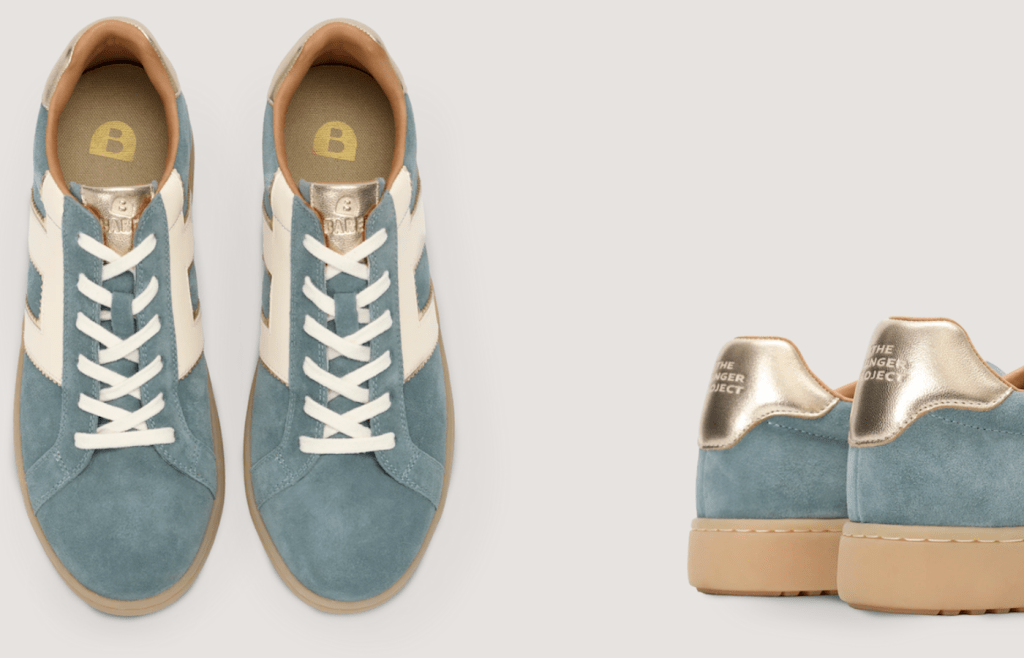
On Jan. 14, investors rescued Natural Fiber Welding from the edge of bankruptcy. The startup’s narrowed focus — from a stable of offerings to a single product that’s ready to sell — reflects both the promise and tough economics of building sustainable materials. Natural Fiber Welding had grown since 2015 to become a darling in the congested space of next-generation materials innovators. The company raised $224 million from Peoria, Illinois, far from the venture capital in-crowd. Brand insiders and materials science nerds praised its alternatives to fossil-fuel materials used in fashion, cars and furniture. NFW’s Mirum plant “leather” appeared in Stella McCartney bags, Allbirds sneakers and watch straps for IWC Schaffhausen. In its first eight years, Natural Fiber Welding ballooned from 12 employees to 320, running a 175,000 square-foot plant. “Our recipes work inside everybody’s factories, and that means we can have an impact at the biggest scale, at the scale of billions of people,” founder Luke Haverhals said in a video in September 2024 that announced NFW as an Earthshot Prize finalist. The previous March, the startup had raised $23.7 million, a hopeful sign after two layoffs in 2023. Last-hour rescue By the end of 2024, however, the company let go of another 91 workers. After a decade of building new materials and brand partnerships, NFW hit a wall. “We had put a lot of eggs in a basket for BMW and for a consumer electronics company, and those did not come to fruition in a timely way,” NFW Chief Scientist Aaron Amstutz said of attempts to deliver Mirum at scale. In 2022, NFW’s biggest chunk of funding, $85 million, involved BMW iVentures and Ralph Lauren. Amstutz continued. “You’re a startup, you have burn, you have lots of employees, and so you look at the books and you say, ‘Okay, it’s not working. We can’t raise money against continuing to push the timeline out.'” In early September 2025, CEO Steve Zika announced a plan for an “orderly wind down of operations.” “NFW’s story reflects a broader pattern we see across sustainable materials,” noted Katrin Ley, managing director at Fashion for Good of Amsterdam, “leading technology with genuine potential, but navigating the gap between proof-of-concept and commercial scale, and facing cost-premiums along the way.” “We all kind of expected it,” said Amstutz. “We were literally three hours away — we were planning on filing bankruptcy on Friday afternoon.” But Zika asked the team to wait for the weekend. “‘I think there’s a few people sniffing around that might be interested,’” Amstutz recounted Zika saying. That Saturday, investors called. Months later, on Jan. 14 Provest Equity Partners with CTW Venture Partners announced an undisclosed investment NFW. Suhas Uppalapati, managing partner of Provest Equity Partners, praised the startup’s “breakthrough science paired with real industrial relevance.” He became NFW’s new chairman, a role formerly held by Zika. Meanwhile, escaping bankruptcy allowed NFW to keep its equipment and intellectual property. “That continuity is helpful,” Amstutz said. “We’ve got these other materials, other technologies, but we’re figuring out how we can do it lean, mean and profitable along the way. We need to bring a whole bunch of people back.” Biobased soles Sneakers by Bared Footwear of Australia, which has used Pliant in its outsoles for two years. Credit: Bared Footwear New focus Moving forward, Natural Fiber Welding is focusing on its most profitable offering, Pliant. The outsole material grew out of a request in 2020 from Eric Liedtke, CEO and co-founder of Unless Collective, to help make an all-natural lifestyle shoe. Losing Pliant would have been a “huge step backwards” for Bared Footwear, according to its Founder and CEO Anna Baird. Pliant “aligns perfectly with our mission to create shoes that will one day break down without leaving behind microplastics,” she said, praising its performance and durability. Pliant is made with the same “natural fiber welding” process behind the company’s first creation, Clarus, a natural-fiber alternative to polyester or nylon. The technology fuses natural fibers or polymers — tree rubber, in the case of Pliant — using heat and pressure, without fossil-fuel-based binders or glues. “We have figured out how to vulcanize rubber without using those nasty petrochemical accelerators,” Amstutz said. “My shelves are full of health supplements and vitamins and plant extracts, and we’ve limited ourselves to those ingredients.” From lifestyle to performance shoes? Overseas partners in Vietnam will mold the Pliant compound later this year to be used for outsoles in shoes that will sell in 2027. Amstutz is also developing a compound for the performance-shoe market.. “Right before this, I was molding in our lab,” he said in a video call. With hundreds of millions of shoes made and discarded every year, soles are a focus of brands and retailers who are trying to reduce their materials emissions. The nonprofit Fashion for Good is leading the Next Stride collaboration with Adidas, Target and Zalando to understand the impacts of sole biomaterials and close pricing gaps with conventional options. The $26 billion market for shoe sole materials in 2024 could reach $40 billion by 2032, according to Data Bridge research. Global Growth Insights projects 11 percent annual growth in “sustainable” footwear sales from 2024 to 2033. The post How Natural Fiber Welding will use its second chance appeared first on Trellis.
Stratasys launches post-processing partner program for 3D prints
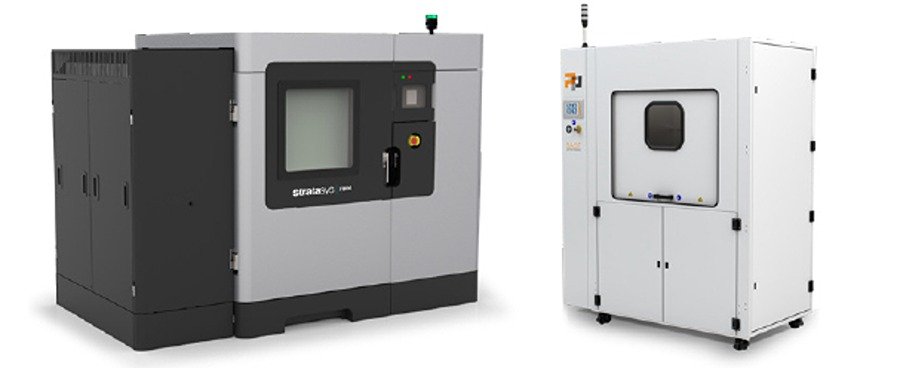
Stratasys announced its new Post Processing Partnership Program to help customers access validated post-processing solutions for additive manufacturing workflows. The company also announced a commercial agreement with PostProcess Technologies, which will be the first partner in the program. From left, Stratasys F900 industrial printer and PostProcess BASE Automated FDM Support Removal System. Post-processing involves cleaning, resin removal, support removal, smoothing, curing, or finishing printed parts, which can be complicated, manual, and time‑consuming. Customers often must research vendors on their own, make separate purchases, and hope everything works well together. The Post Processing Partnership Program is intended to reduce the complexity customers face when researching, selecting, and purchasing post-processing technologies. Through the program, Stratasys curates and validates third-party solutions that are guaranteed to work with its systems, allowing customers to purchase post-processing equipment alongside Stratasys software, materials, printers, and services through Stratasys channels. This approach simplifies procurement, reduces risk, and helps customers deploy optimized workflows more efficiently. Under the commercial agreement, Stratasys will offer validated post-processing solutions from PostProcess Technologies through its global sales channels, enabling customers to purchase post-processing equipment under a single Stratasys purchase order alongside their Stratasys systems. Installation, service and ongoing support will be provided directly by PostProcess Technologies, helping ensure solutions are optimized for use with Stratasys platforms while easing the operational and procurement burden for customers. PostProcess Technologies’ portfolio supports multiple Stratasys technologies, including FDM, PolyJet, SLA, and P3, providing automated post-processing solutions designed to improve consistency, throughput and part quality across both prototyping and production environments. These capabilities are particularly valuable for customers in industries such as automotive, aerospace, dental, and consumer goods, where post-processing can represent a significant portion of overall additive manufacturing time and cost. The Post Processing Partnership Program, including the initial post-processing offerings from PostProcess Technologies, is available now: support.stratasys.com/en/Printers/Post-Processing-Partnership-Program. For more information, visit investors.stratasys.com. The post Stratasys launches post-processing partner program for 3D prints appeared first on Engineering.com.
Segway Xyber and Xafari e-bikes from $1,800 low + power station sale, EcoFlow expanded DELTA 2 Max flash bundle $1,399, more
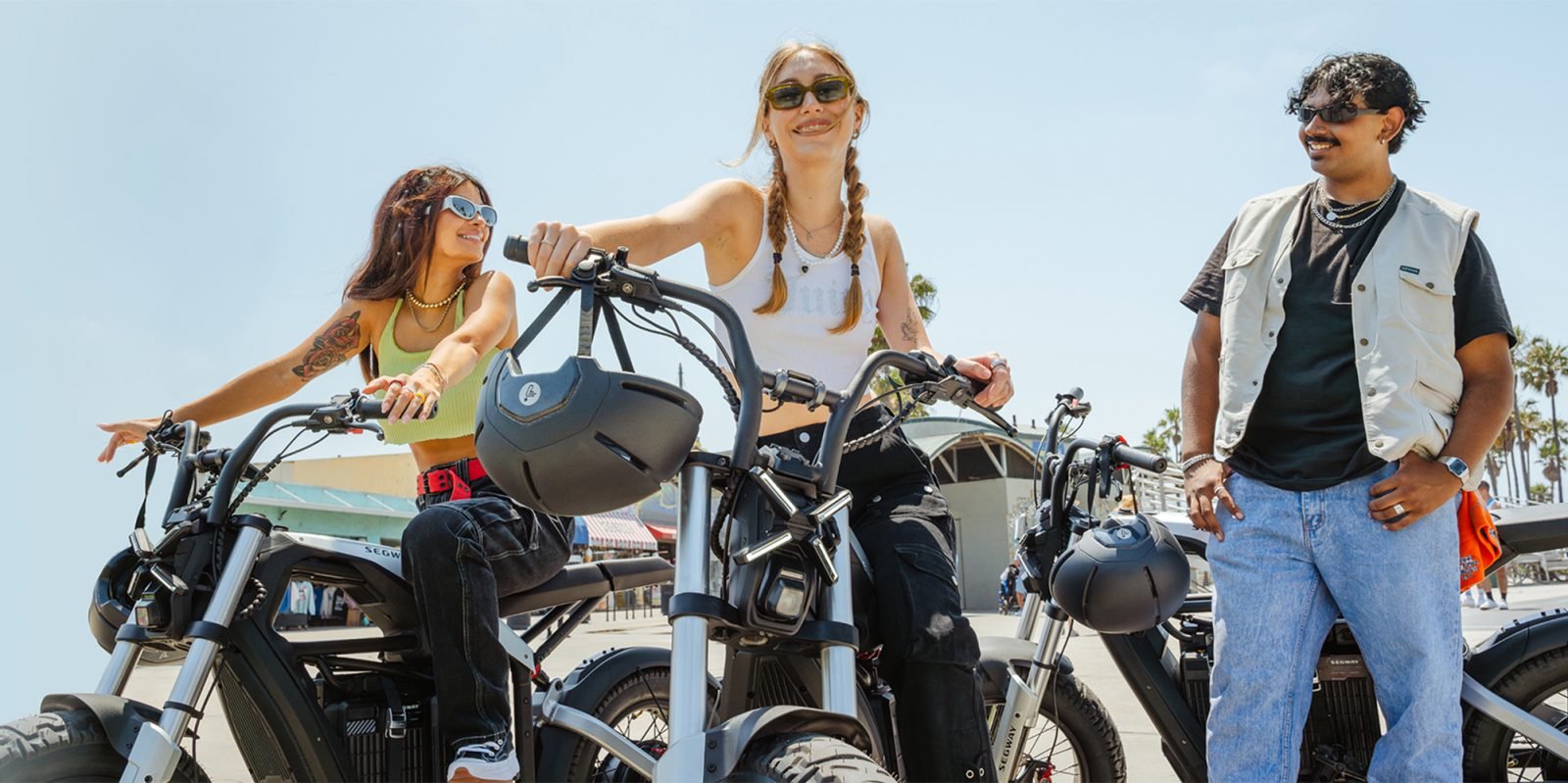
Leading our Tuesday Green Deals is Segway’s Xyber Electric Bike dropping to $3,000 to join the ongoing Xafari Electric Bike being at its $1,800 low – plus, we also have the brand’s Lumina and Cube Power Stations (and accessories) at up to 50% off starting from $130. Right behind is EcoFlow’s latest 48-hour flash sale that is closing out the brand’s current Disaster Winter Storm Sale, and offering the DELTA 2 Max Power Station with an expansion battery at $1,399. There’s also Hiboy’s S2 series of e-scooters getting discounts, a new 2-in-1 Worx combo kit low, a rechargeable AAA + AA battery charger steal, and much more waiting for you below. And don’t forget the hangover deals at the bottom of the page, like yesterday’s $3,389 exclusive savings to a new low price on the EcoFlow DELTA Pro Ultra Power Station and Smart Home Panel 2 bundle, and more. Head below for other New Green Deals we’ve found today and, of course, Electrek’s best EV buying and leasing deals. Also, check out the new Electrek Tesla Shop for the best deals on Tesla accessories. more…
Mouser launches motor-control resource hub for engineers

Mouser Electronics has launched an online motor-control resource center aimed at engineers designing systems that regulate motor speed, torque and position. Mouser positions the hub as a technical library for motor-control design work, including EV systems. The hub compiles articles, blogs, eBooks and product information curated by Mouser’s technical team and manufacturer partners. Recent eBooks on the site cover motor-selection tradeoffs, driver and microcontroller options and fundamental motor-control design challenges engineers may face. For EV-adjacent motor-control applications, the release calls out brushless direct current (BLDC) motor control improvements such as integrated gate drivers that consolidate logic and protection functions for high-voltage systems. It also lists e-bikes, drones, robotics, and light electric vehicles (LEVs) as target application areas, and notes examples such as torque sensors used to adjust motor assistance and battery management approaches used to extend range and lifespan. Source: Mouser Electronics
Tesla lands massive deal to expand charging for heavy-duty electric trucks

Tesla has landed a massive deal to expand its charging infrastructure for heavy-duty electric trucks — and not just theirs, but all manufacturers. Tesla entered an agreement with Pilot Travel Centers, the largest operator of travel centers in the United States. Tesla’s Semi Chargers, which are used to charge Class 8 electric trucks, will be responsible for providing energy to various vehicles from a variety of manufacturers. The first sites are expected to open later this Summer, and will be built at select locations along I-5 and I-10, major routes for commercial vehicles and significant logistics companies. The chargers will be available in California, Georgia, Nevada, New Mexico, and Texas. Each station will have between four and eight chargers, delivering up to 1.2 megawatts of power at each stall. The project is the latest in Tesla’s plans to expand Semi Charging availability. The effort is being put forth to create more opportunities for the development of sustainable logistics. Senior Vice President of Alternative Fuels at Pilot, Shannon Sturgil, said: “Helping to shape the future of energy is a strategic pillar in meeting the needs of our guests and the North American transportation industry. Heavy-duty charging is yet another extension of our exploration into alternative fuel offerings, and we’re happy to partner with a leader in the space that provides turnkey solutions and deploys them quickly.” Tesla currently has 46 public Semi Charger sites in progress or planned across the United States, mostly positioned along major trucking routes and industrial areas. Perhaps the biggest bottleneck with owning an EV early on was charging availability, and that is no different with electric Class 8 trucks. They simply need an area to charge. Tesla is spearheading the effort to expand Semicharging availability, and the latest partnership with Pilot shows the company has allies in the program. The company plans to build 50,000 units of the Tesla Semi in the coming years, and with early adopters like PepsiCo, DHL, and others already contributing millions of miles of data, fleets are going to need reliable public charging. Pilot working with Tesla to install and expand Semi Chargers is a perfect example of two industry leaders working together for the greater good. As more commerce companies expand into EVs, Semi Charger will be more commonly available for electrified fleets, making efforts… pic.twitter.com/VPLIYyq15b — TESLARATI (@Teslarati) January 27, 2026 Tesla is partnering with other companies for the development of the Semi program, most notably, a conglomeration with Uber was announced last year. Tesla lands new partnership with Uber as Semi takes center stage The ride-sharing platform plans to launch the Dedicated EV Fleet Accelerator Program, which it calls a “first-of-its-kind buyer’s program designed to make electric freight more affordable and accessible by addressing key adoption barriers.” The Semi is one of several projects that will take Tesla into a completely different realm. Along with Optimus and its growing Energy division, the Semi will expand Tesla to new heights, and its prioritization of charging infrastructure. The post Tesla lands massive deal to expand charging for heavy-duty electric trucks appeared first on TESLARATI.
Tesla winter weather test: How long does it take to melt 8 inches of snow?

In Pennsylvania, we got between 10 and 12 inches of snow over the weekend as a nasty Winter storm ripped through a large portion of the country, bringing snow to some areas and nasty ice storms to others. I have had a Model Y Performance for the week courtesy of Tesla, which got the car to me last Monday. Today was my last full day with it before I take it back to my local showroom, and with all the accumulation on it, I decided to run a cool little experiment: How long would it take for Tesla’s Defrost feature to melt 8 inches of snow? Tesla Model Y Performance set for new market entrance in Q1 Tesla’s Defrost feature is one of the best and most underrated that the car has in its arsenal. While every car out there has a defrost setting, Tesla’s can be activated through the Smartphone App and is one of the better-performing systems in my opinion. It has come in handy a lot through the Fall and Winter, helping clear up my windshield more efficiently while also clearing up more of the front glass than other cars I’ve owned. The test was simple: don’t touch any of the ice or snow with my ice scraper, and let the car do all the work, no matter how long it took. Of course, it would be quicker to just clear the ice off manually, but I really wanted to see how long it would take. Tesla Model Y heat pump takes on Model S resistive heating in defrosting showdown Observations I started this test at around 10:30 a.m. It was still pretty cloudy and cold out, and I knew the latter portion of the test would get some help from the Sun as it was expected to come out around noon, maybe a little bit after. I cranked it up and set my iPhone up on a tripod, and activated the Time Lapse feature in the Camera settings. The rest of the test was sitting and waiting. It didn’t take long to see some difference. In fact, by the 20-minute mark, there was some notable melting of snow and ice along the sides of the windshield near the A Pillar. However, this test was not one that was “efficient” in any manner; it took about three hours and 40 minutes to get the snow to a point where I would feel comfortable driving out in public. In no way would I do this normally; I simply wanted to see how it would do with a massive accumulation of snow. It did well, but in the future, I’ll stick to clearing it off manually and using the Defrost setting for clearing up some ice before the gym in the morning. Check out the video of the test below: How long will it take for the Tesla Model Y Performance to defrost and melt ONE FOOT of snow after a blizzard? Let’s find out: pic.twitter.com/Zmfeveap1x — TESLARATI (@Teslarati) January 26, 2026 The post Tesla winter weather test: How long does it take to melt 8 inches of snow? appeared first on TESLARATI.
Tesla leases new 108k-sq ft R&D facility near Fremont Factory

Tesla has expanded its footprint near its Fremont Factory by leasing a 108,000-square-foot R&D facility in the East Bay. The lease adds to Tesla’s presence near its primary California manufacturing hub as the company continues investing in autonomy and artificial intelligence. A new Fremont lease Tesla will occupy the entire building at 45401 Research Ave. in Fremont, as per real estate services firm Colliers. The transaction stands as the second-largest R&D lease of the fourth quarter, trailing only a roughly 115,000-square-foot transaction by Figure AI in San Jose. As noted in a Silicon Valley Business Journal report, Tesla’s new Fremont lease was completed with landlord Lincoln Property Co., which owns the facility. Colliers stated that Tesla’s Fremont expansion reflects continued demand from established technology companies that are seeking space for engineering, testing, and specialized manufacturing. Tesla has not disclosed which of its business units will be occupying the building, though Colliers has described the property as suitable for office and R&D functions. Tesla has not issued a comment about its new Fremont lease as of writing. NEWS: Tesla leases new 108,000 sq ft R&D facility next to Fremont factorySpace will be used for engineering, testing and advanced tech work closer to Model S, 3, X, Y production pic.twitter.com/Yh8VP7u5dw — Muskonomy (@muskonomy) January 26, 2026 AI investments Silicon Valley remains a key region for automakers as vehicles increasingly rely on software, artificial intelligence, and advanced electronics. Erin Keating, senior director of economics and industry insights at Cox Automotive, has stated that Tesla is among the most aggressive auto companies when it comes to software-driven vehicle development. Other automakers have also expanded their presence in the area. Rivian operates an autonomy and core technology hub in Palo Alto, while GM maintains an AI center of excellence in Mountain View. Toyota is also relocating its software and autonomy unit to a newly upgraded property in Santa Clara. Despite these expansions, Colliers has noted that Silicon Valley posted nearly 444,000 square feet of net occupancy losses in Q4 2025, pushing overall vacancy to 11.2%. Quick Shop The post Tesla leases new 108k-sq ft R&D facility near Fremont Factory appeared first on TESLARATI.
Grid-forming, hybrids and alternative chemistries in Wood Mackenzie’s 2026 energy storage trend predictions
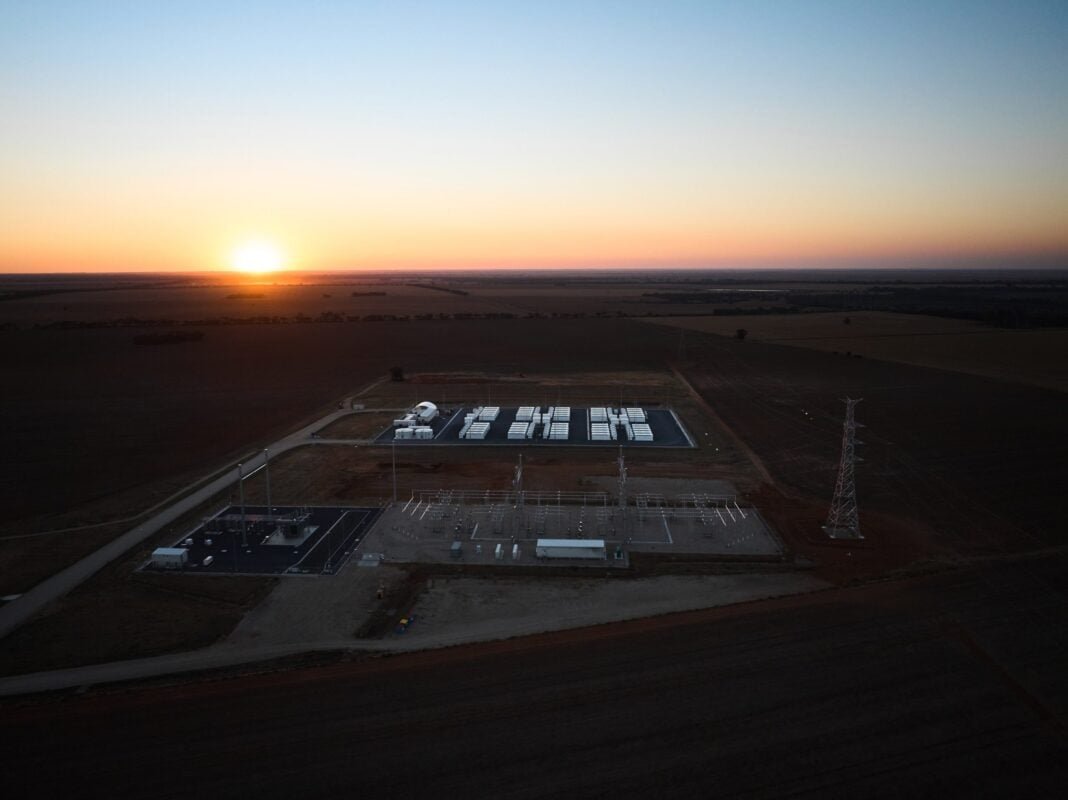
Grid-forming, hybrids and alternative chemistries in Wood Mackenzie’s 2026 energy storage trend predictions - Energy-Storage.News Skip to content
Tesla hiring Body Fit Technicians for Cybercab’s end of line

Tesla has posted job openings for Body Fit Technicians for the Cybercab’s end-of-line assembly, an apparent indication that preparations for the vehicle’s initial production are accelerating at Giga Texas. Body Fit Technicians for Cybercab line As per Tesla’s Careers website, Body Fit Technicians for the Cybercab focus on precision body fitment work, including alignment, gap and flush adjustments, and certification of body assemblies to specification standards. Employees selected for the role will collaborate with engineering and quality teams to diagnose and correct fitment and performance issues and handle detailed inspections, among other tasks. The listing noted that candidates should be experienced with automotive body fit techniques and comfortable with physically demanding tasks such as lifting, bending, walking, and using both hand and power tools. The position is based in Austin, Texas, where Tesla’s main Cybercab production infrastructure is being built. Breaking: Tesla is hiring Body Fit Technicians for the final stage of the Cybercab Unboxed production line, ahead of production starting in April. pic.twitter.com/3BOidzIePy — Tesla Yoda (@teslayoda) January 25, 2026 Cybercab poised for April production Tesla CEO Elon Musk recently reiterated that the Cybercab is still expected to start initial production this coming April. So far, numerous Cybercab test units have been spotted across the United States, and recent posts from the official Tesla Robotaxi account have revealed that winter tests in Alaska for the autonomous two-seater are underway. While April has been confirmed as the date for the Cybercab’s initial production, Elon Musk has also set expectations about the vehicle’s volumes in its initial months. As per the CEO, the Cybercab’s production will follow a typical S-curve, which means that early production rates for the vehicle will be very limited. “Initial production is always very slow and follows an S-curve. The speed of production ramp is inversely proportionate to how many new parts and steps there are. For Cybercab and Optimus, almost everything is new, so the early production rate will be agonizingly slow, but eventually end up being insanely fast,” Musk wrote in a post on X. Quick Shop The post Tesla hiring Body Fit Technicians for Cybercab’s end of line appeared first on TESLARATI.
Former Oil Worker Invents 3D-Printed Battery

Support CleanTechnica's work through a Substack subscription or on Stripe. Or support our Kickstarter campaign! Despite the abrupt U-turn in federal energy policy, there’s no stopping the power of US innovators to push the energy transition envelope globally, as well as here at home. The latest example comes from the Texas-based startup Material, which has just earned $7.1 million in Seed funding to help push its 3D-printed batteries into the market, with the aim of eliminating the “dead space” and extra weight of conventional batteries. Thank An Oil Worker: 3D-Printed Batteries Are Finally Here Examples of printed batteries are difficult to find, but they’re out there. Back in 2015, for example, researchers at Lawrence Livermore National Laboratory in California deployed 3D printing to create an energy-storing aerogel. A more recent example is the California startup Sakuu, which is focusing on solid-state technology. (see lots more 3D printing background here). Material has something new to contribute to the field. Its 3D-printed batteries are not standalone energy storage devices. They are designed to be integrated within the shape and structure of battery-operated devices. That saves a considerable amount of weight and potentially cuts costs, while opening up new areas of design flexibility. Material also has a unique backstory that illustrates how traditional energy workers are transitioning into clean tech. In many examples, such as the geothermal field, the skills and resources transfer is a direct one. Material co-founder Chris Reyes followed a different path, starting with a short stint at college before heading off to the oil and gas industry, where he worked construction jobs for several years. Back at school after being sidelined by a workplace injury, Reyes completed his undergraduate degree in applied mathematics at Texas State University, earned a Ph.D. in chemistry at Duke University in North Carolina, and returned to Texas as postdoctoral student at Rice University before taking a slot at the Texas State STAR Park technology incubator to develop his 3D-printed batteries and co-found Material with Miles Dotson and Gabe Elias. How Does It Work? Material’s core technology is a chemistry-agnostic platform called called HYBRID3D™. Their website is rather thin on detail, but the communications team at Texas State provides additional background on the integrated battery system, which rests on a combination of copper nanowires and high-strength plastic, combined in one custom-built 3D printer. “Reyes has invented a chemical process for synthesizing copper nanowires, filaments roughly a thousand times thinner than a human hair,” explains Robyn Ross of Texas State, who describes the wires as having the appearance of “coagulated clumps of tiny sticks.” “The nanomaterials, which carry the battery’s electricity, can be 3D printed into any shape and then solidified with a laser,” Ross elaborates. “The process eliminates roughly half the metal that would be used in a traditional battery of the same size, in which the conducting components would be coated onto thin sheets of metal that are rolled into a cylinder. Instead, Reyes’ batteries can be made in any custom shape.” $7.1 Million For 3D-Printed Batteries Material plans to move into the mobility space, but for now the initial the focus is on headsets, drones, robotics, and other relatively small devices that can benefit from an integrated energy storage system. “We’re integrating batteries directly into devices and turning the entire structure into the battery,” Reyes emphasizes. “This means longer run-times, lighter devices, and freedom from traditional battery pack constraints.” “This category-defining method produces batteries which adopt the shape of the object rather than forcing the object to accommodate a rigid, cylindrical or pouch cell. The platform unites multiple advanced additive and semiconductor manufacturing techniques to print energy into the very structure of a device,” Material added in a press statement on January 13. Elias, who serves as CEO of Material, also chipped in his two cents. “Whether it’s filling the hollow profile of a fixed-wing drone or conforming to the body of a wearable device user, our platform allows electrical power to behave like a fuel design element,” he explained. The challenge now is to scale into volume production while cutting costs, and the new $7.1 round of seed funding will help make that happen. Outlander VC and Harpoon Ventures co-led the round. Also participating were GoAhead Ventures, Myelin VC, Demos Capital, and Giant Step Capital. The US Air Force Is Eyeballing 3D-Printed Batteries, Too Considering the weight-saving potential of the new batteries, it’s no surprise to see. the US Air Force getting into the act. Last year the USAF issued a $1.25 million Phase II Small Business Innovation Research contract to Material, under which the company is tasked with integrating its technology into Class I unmanned aerial systems. The UAS classification system is governed by NATO, the North Atlantic Treaty Alliance, which is still a thing that exists as of this writing. Class I refers to the smallest UAVs at the micro, mini, and small scale. For the record, Class II includes medium-sized devices used for tactical purposes. Class III is divided into Medium-Altitude Long-Endurance (MALE) and High-Altitude Long-Endurance (HALE) aircraft. As for scaleup, Material is also funded by the New Jersey-based global hardware accelerator HAX, a program of the venture firm SOSV. That’s no small potatoes. A seal of approval from HAX indicates long term support towards commercial success. “Startups apply to HAX with an initial prototype, customer insight, and vision. We then invest and build alongside our founders, fundamentally inflecting their technical progress with our team of engineers and investment partners,” HAX explains. “Founders should think of HAX as an extension of their engineering, business development, fundraising, design, and marketing teams. As startups reach critical milestones, we support fundraising strategy and investor introductions,” they add. That’s not just talk. HAX offers its startups up to $550,000 in pre-seed funding along with access to labs, machine shops, and other resources at its own 35,000 square-foot facility in Newark, New Jersey, just a hop away from Manhattan. Startups can also connect with HAX branches in India and China. “The most valuable part
Juniper Green brings India's 'first merchant BESS' into operation

Juniper Green brings India's 'first merchant BESS' into operation - Energy-Storage.News Skip to content