Meta geothermal deal highlights growing interest in renewable alternatives
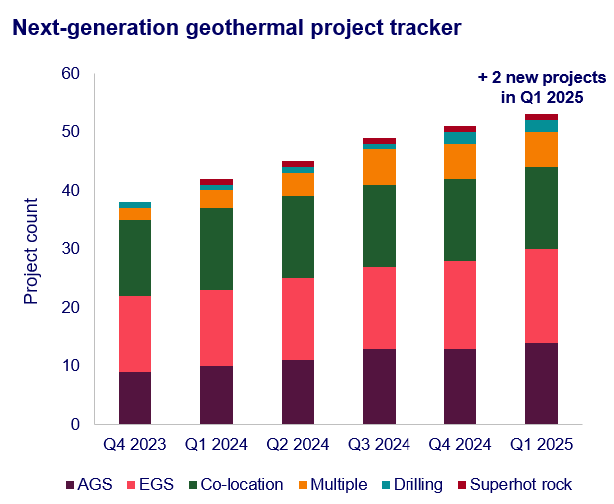
Meta is contracting with a little-known next-generation geothermal startup, XGS Energy, to counteract emissions from a data center campus in New Mexico that’s being expanded to accommodate artificial intelligence. Under the deal announced June 12, Meta will support XGS’s development of a two-phased, 150-megawatt installation that will begin feeding electricity to the local grid by 2030. This is not a power purchase agreement, at least not yet. It’s part of a broad portfolio of 13 renewable electricity and energy storage projects that Meta is supporting through a special service contract with PNM, the largest electricity provider in New Mexico. The project developers seek to use a state geothermal tax credit approved in 2024. XGS, founded in 2008, has raised close to $60 million to develop a geothermal production method differentiated by use of almost no water and its applicability in a variety of geological conditions. Meta is its first publicly declared customer. Enhanced geothermal technologies work by fracturing hot rock and circulating water to generate electricity. Advanced geothermal systems use a closed-loop design that doesn’t inject the fluid into the rock and are often sited at end-of-life oil and gas wells. XGS is considered a hybrid between these two approaches. There’s only one geothermal installation in New Mexico, but state-sponsored research suggests there could be 160 gigawatts of geothermal capacity available for development. “New Mexico is not only the second largest oil and gas producer in the U.S., but also one of the nation’s leading sources of clean energy,” said New Mexico Gov. Lujan Grisham. Colorado, North Dakota and California also support state-level initiatives. This is Meta’s second geothermal partnership. It announced a relationship with Sage Geosystems in August 2024 with the goal of bringing 150 megawatts of electricity online in an unspecified location east of the Rocky Mountains by 2027. Google and Microsoft support geothermal, too Geothermal power accounts for less than 1 percent of the current U.S. electricity mix, but anticipated energy demand for data centers and bipartisan policy support for development is spurring corporate interest. Startups working on enhanced or advanced geothermal systems have raised more than $1.3 billion from a range of investors including oil majors such as Chevron and Baker Hughes, according to research firm Wood Mackenzie. Wood Mackenzie estimates the Great Basin region including Nevada, Utah and parts of California, Oregon and Wyoming could support at least 135 gigawatts of capacity, or roughly 10 percent of the U.S. power supply. Fervo Energy, an enhanced geothermal company that has inked a high-profile deal with Google for a 118 megawatt project in Nevada, disclosed an additional $206 million in project financing June 11 that will help advance its Cape Station project in Utah, the first phase of which is slated to become operational in 2026. Microsoft’s biggest bet on geothermal for data centers, so far, is outside the U.S. in Kenya, where it’s investing $1 billion in an AI facility with G42, a development company from Dubai. Positive project pipeline Data centers are a rapidly growing business in the U.S., and corporate power purchase agreements will be critical for securing more projects, according to Wood Mackenzie analysis. Geothermal is one of the rare renewables receiving bipartisan support: As of this writing, it appeared federal tax credits would be spared in the budget winding its way through the U.S. Senate. Even without those credits, the levelized cost of energy from next-generation geothermal projects such as Cape State is about $79 per megawatt-hour. “Tax credits should serve as a catalyst, not a crutch,” said Annick Adjei, senior research analyst with Wood Mackenzie. “They help build a competitive U.S. geothermal industry with global leadership potentially. Fortunately, [enhanced geothermal] projects are increasingly viable without them, and continued innovation is expected to drive costs down further.” The post Meta geothermal deal highlights growing interest in renewable alternatives appeared first on Trellis.
Luminys, SYNC Robotic launch AI Patrol Robot in Taiwan
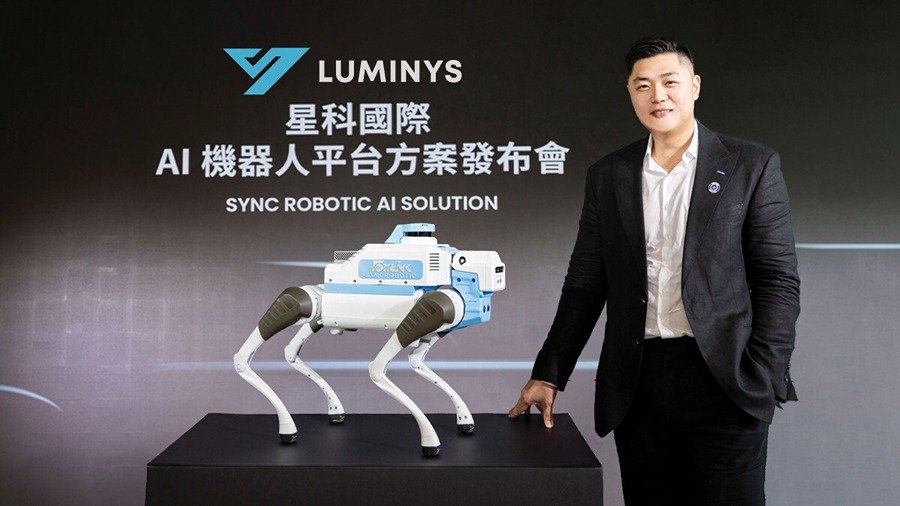
Luminys Systems Corporation announced the successful unveiling of SYNC ROBOTIC’s AI Security Patrol Robot Solution in Taiwan, powered by NVIDIA and Foxlink’s technology ecosystem. Backed by a vertically integrated innovation chain, Foxlink’s U.S. robotics ecosystem features Luminys’ leading market deployment and SYNC ROBOTIC, driving product development. Freddy Kuo, Chairman of Luminys, Chairman of SYNC ROBOTIC, and Executive Assistance Executive Office at Foxlink Group, unveils SYNC ROBOTIC’s AI Robot Security Inspection Solution-marking a major milestone in the global Physical AI strategy led by Luminys, Foxlink, and NVIDIA. Focused on smart security, AI applications, and North American ecosystem development, Luminys collaborates closely with SYNC ROBOTIC to bring Taiwan-proven physical AI solutions to the North American market. Ultimately, this launch highlights Foxlink’s broader mission to integrate R&D, precision manufacturing, and global go-to-market execution, with Luminys playing a central role in its global deployment strategy. The SYNC ROBOTIC core R&D team, serving as the innovation engine of Foxlink Group. This team leads development across robotics, video security, and physical AI platforms that power Luminys and other business units globally. Uniting Capabilities to Shape the Future of Global Smart Manufacturing The milestone marks a major advancement in Foxlink and NVIDIA’s partnership to further AI-powered global manufacturing. Both the partnership and robotic innovation underscore Foxlink’s corporate transformation into a global leader in integrated AI innovation across research and development (R&D), manufacturing, and deployment. As one of the first robotics integrators of the NVIDIA’s Isaac GR00T N1 model and Jetson AGX platforms, Foxlink and SYNC ROBOTIC are transforming its AI vision into a secure, scalable reality. Foxlink leverages NVIDIA’s AI and digital twin platforms to accelerate next-generation security and IoT innovation. Backed by NVIDIA’s ecosystem—including Jetson AGX, DGX, Omniverse, and COSMOS—SYNC ROBOTIC’s AI Robot Security Inspection system is designed to meet the needs of sectors facing labor shortages and high-risk environments. The new AI-powered security solution integrates cutting-edge hardware and reinforcement learning technologies. It combines voice and visual recognition, visual language models (VLM), simultaneous localization and mapping (SLAM), path planning, and crowd-aware obstacle avoidance to deliver autonomous, 24/7 inspection capabilities across commercial buildings, retail centers, industrial sites, and public infrastructure. NVIDIA-Powered Foundation Drives Market Impact Market demand is strong, with the global inspection robotics market projected to grow to $20 billion by 2030 (Market Research). Moreover, through the introduction of the AI Robot Security Inspection Solution, it is estimated that the probability of personnel being exposed to high-risk work scenarios can be reduced to zero, the total inspection hours can be increased by threefold, and approximately $1.5 million to $2 million in costs can be saved each year, thereby comprehensively improving the company’s management efficiency. The AI Robot Security Inspection Solution focuses on the following three features to provide more comprehensive intelligent protection: Intelligent Inspection Vehicles: Based on the characteristics of different sites, you can flexibly choose quadruped robots or drones to achieve 24-hour autonomous inspections, scheduling tasks, and automatic charging, ensuring uninterrupted security coverage around the clock. Modular Detection Function: Equipped with a variety of sensors and modular detection instruments, combined with powerful AI visual recognition and environmental perception technology, the robot gains a high degree of environmental adaptability and intelligent decision-making capabilities, and can actively detect, identify and immediately report abnormal events such as intrusion, fire, and leakage. One-Stop Dashboard Control Platform: Provides an intuitive and fully functional central management dashboard, allowing security managers to easily assign tasks to multiple robots, monitor real-time video streaming, record and analyze inspection data, and perform remote control intervention when necessary, greatly simplifying the management process and improving response efficiency. Transforming Manufacturing: Dexterous Robotics Driving the Next Wave of Precision Automation In addition to the AI Robot Security Inspection Solution, SYNC ROBOTIC also introduced its next-generation dexterous hand for high-precision smart manufacturing. This advancement represents a new era of physical AI deployment across industrial and automation sectors. These advancements are driven by the mission to enable factories and critical sites globally to replace repetitive manual tasks with robots. This in turn expands the value and impact of intelligent operation, while deploying advanced solutions to international sites for high-difficulty operations. For more information, visit luminyscorp.com. The post Luminys, SYNC Robotic launch AI Patrol Robot in Taiwan appeared first on Engineering.com.
Navee ST3 Pro e-scooter back at $760 low, Bluetti AC180 350W solar bundle at $902 low, Tenways e-bike bundles up to $907 off, more

Closing out this week’s Green Deals is Navee’s Independence Day Sale with up to 30% being taken off six e-scooters, including the new flagship ST3 Pro Electric Scooter that is back at its $760 low. There are also the continued Bluetti Father’s Day Sale offers we’ve rounded up that will last through the weekend, which has returned the AC180 Solar Generator Bundle with a 350W panel back to its $902 low for the second time, among others. Tenways has launched its 4th of July Sale with up to $907 in e-bike savings, which has brought the costs on its CGO600 Pro e-bikes lower than we’ve seen since March at $1,499. From there, we have two tool discounts: one on the Greenworks 82V 18-inch Cordless Commercial Chainsaw with 4.0Ah and 2.5Ah batteries at a new $400 low, and the other dropping Worx’s 12A Trivac 3-in-1 Electric Corded Leaf Blower/Mulcher/Vacuum to $69. Plus, there’s all the rest of the hangover Green Deals in the links at the bottom of the page, like yesterday’s free center cargo console promotion on the new Rad Power RadRunner Plus and Max e-bikes, and more. Head below for other New Green Deals we’ve found today and, of course, Electrek’s best EV buying and leasing deals. Also, check out the new Electrek Tesla Shop for the best deals on Tesla accessories. more…
SMUD signs PPA for 640-MWh battery still under construction in Sacramento County

DESRI and the Sacramento Municipal Utility District (SMUD) have executed a long-term PPA for the Dry Creek Energy Storage project. Dry Creek is a 160-MW/640-MWh battery energy storage system (BESS) located in Sacramento County. “Our DESRI team is proud to bring this reliable, cost-effective clean energy storage project to the California energy system, an exciting new addition to our partnership with SMUD over many years,” said DESRI Chief Development Officer Hy Martin. “This project will play a critical role in helping SMUD to maintain and enhance grid reliability, optimize performance of their renewable energy assets and contribute to their decarbonization goals.” SMUD and DESRI have worked on the project jointly over several years. Given the significant transmission infrastructure at the decommissioned Rancho Seco generating station, the BESS is optimally located to leverage the existing infrastructure and limit costly upgrades on the system. The energy storage system will be charged using renewable energy and other clean sources available on SMUD’s grid, supporting the integration of sustainable power and enhancing grid reliability. “This battery storage project represents another significant milestone in SMUD’s Zero Carbon Plan as we work toward carbon-free electricity by 2030,” said SMUD Chief Zero Carbon Officer Lora Anguay. “By enhancing our existing renewable infrastructure at Rancho Seco with battery technology, we’re building a more flexible and reliable grid while enabling a more efficient integration of renewable energy.” News item from SMUD
Charged EVs | Hankook Tire introduces iON HT highway-terrain tire for electric light-duty trucks
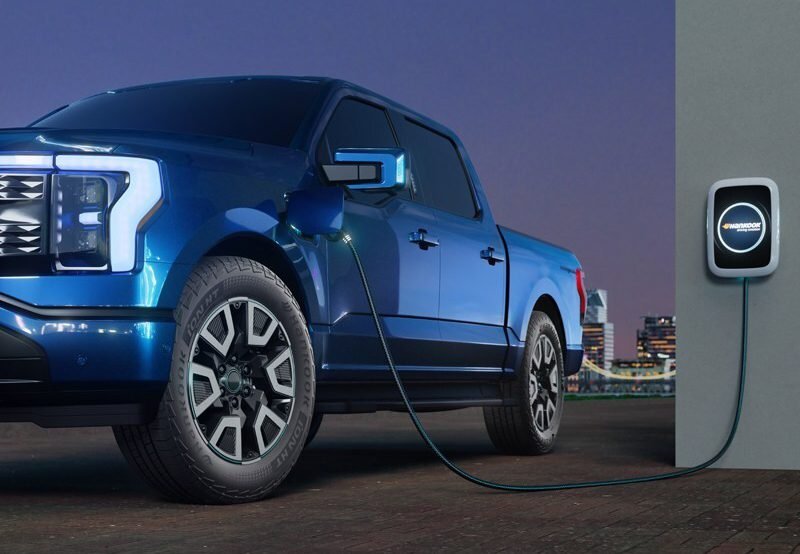
Hankook Tire America has introduced the iON HT, a highway-terrain tire specifically designed for electric light-duty trucks, highlighting improved load capacity, low rolling resistance and high durability. The tire addresses unique technical demands of electric truck platforms, including support for heavier weight due to large battery packs and cargo. Engineered with an “XL” load designation, the iON HT offers enhanced strength and rigidity suitable for heavy electric battery packs and typical cargo loads. Its Roll Lite Compound combined with Opti Cure Technology reduces internal friction and optimizes curing temperatures, significantly lowering rolling resistance and enhancing battery efficiency in EV applications. The tire also features a ProDurable Compound alongside Opti Tread Technology, evenly distributing road pressure to achieve tread life up to 80,000 miles, among the highest-rated for EV-specific tires. Additionally, structured 3D-Embossed Sipes and flared shoulder grooves improve water evacuation and traction, particularly under wet conditions. The aggressive shoulder block design and reinforced iON Clad construction provide external impact resistance without compromising ride comfort. “Electric vehicles, especially in the emerging light-duty truck category, bring new challenges and place unique demands on their tires,” said Rob Williams, President, Hankook Tire America Corp. “The iON HT is built from the ground up to deliver exceptional EV performance, and perfectly embodies the kind of innovation our iON line has come to represent for the industry.” The tire will be commercially available beginning August 2025, initially offered in five sizes, from 18 to 22 inches, with Uniform Tire Quality Grade (UTQG) ratings of 900/A/A, and speed ratings of T or H. Hankook’s iON HT tire joins its wider iON product lineup, comprising all-season, summer and winter tires designed specifically for electric vehicle applications. Source: Hankook Tire America
The EV ‘Mandate’ May Not Be Dead In Congress Yet
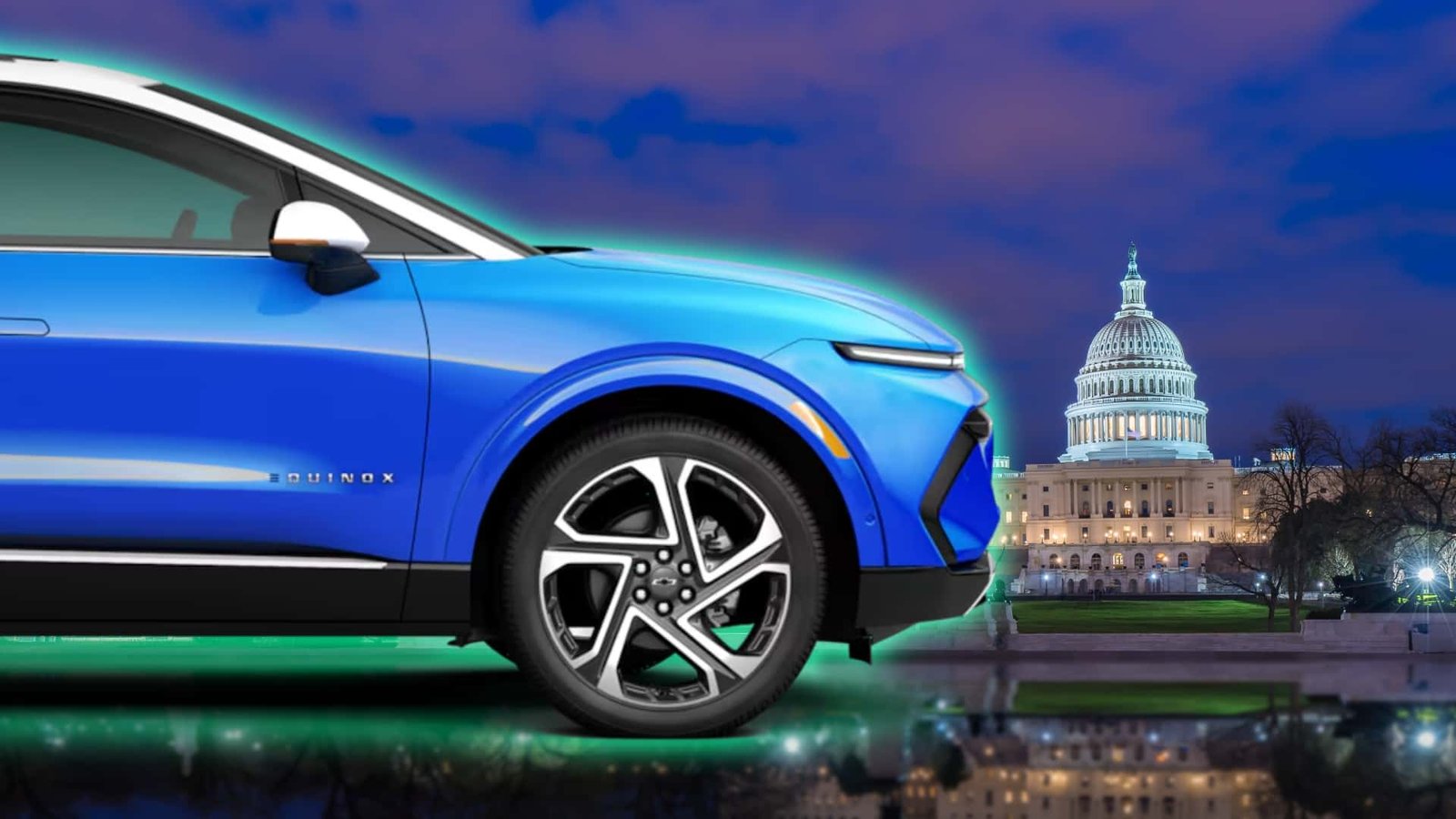
The Trump administration's efforts to repeal the Biden-era electric-vehicle rules just ran into a wall in the Senate. The Senate Parliamentarian—which is the Senate's top rules expert—said on Friday that removing the emissions rules doesn't count as a tax or spending issue and hence they can't be included in the budget reconciliation bill. The news was first reported by the Detroit Free Press. “Tonight, the Senate Parliamentarian advised that certain provisions in the Republicans’ One Big, Beautiful Betrayal will be subject to the Byrd Rule—ultimately meaning they will need to be stripped from the bill to ensure it complies with the rules of reconciliation," Democratic Sen. Jeff Merkley said in a press release. The "Byrd Rule" requires reconciliation bills in the Senate to remain focused on budgetary issues, not policy-related ones. In simple terms, if the Senate wants to repeal the emissions rules, it will need a 60-vote majority, which Republicans currently don't have. The emissions rules require automakers to gradually increase the share of electric and hybrid vehicles as a part of their overall new vehicle sales from model-year 2027 onwards. The Senate can reject the parliamentarian's recommendation, but some members have already ruled out doing so. 2026 BMW iX3 First Drive - BMW's Best EV Yet? Watch More That means getting rid of the "EV mandate," something Trump heavily campaigned on during his presidential run last year, is turning out to be far more complicated than once thought. Republicans currently have a 53-47 majority in the Senate, far short of the 60-vote majority required to repeal the emissions rules. It's worth noting that this does not save the federal tax credits, as those are categorized as budgetary. The parliamentarian's recommendation only pertains to the EPA's emissions rules. Photo by: Ralph Hermens But this could turn out to be counterintuitive. If you keep the emissions rules (the “sticks”) but remove the tax credits (the “carrots”), it would create somewhat of an imbalance. Without incentives to help consumers afford EVs, the strict emissions regulations on automakers could become harder to achieve. That said, the EPA under the Biden administration passed in March 2024 its multi-pollutant emissions standards. Those rules recommended that automakers to sell a higher percentage of electric and hybrid vehicles from model year 2027 onwards. The rules were far from what the Trump administration labeled as an "EV mandate." The EPA recommended automakers sell 30-56% EVs, and the overall mix could also include standard hybrids and plug-in hybrids. The rules, if they remain in place, will save billions of metric tons of carbon dioxide and other harmful gases from entering the atmosphere, the EPA has said. Although the EPA is now reconsidering the rules to potentially repeal and replace them with looser emissions requirements. But that process could take months if not years. The Trump administration wants to rescind the current EPA rules, amid its other anti-EV policies like ending the federal consumer and manufacturing tax credits for EVs and other clean energy programs. We'll keep an eye on what happens to the tax credits, but the emissions rules are certainly turning out harder to repeal than once thought. Have a tip? Contact the author: suvrat.kothari@insideevs.com
Li Auto files for 5-seat electric SUV i6, set to launch in Sept
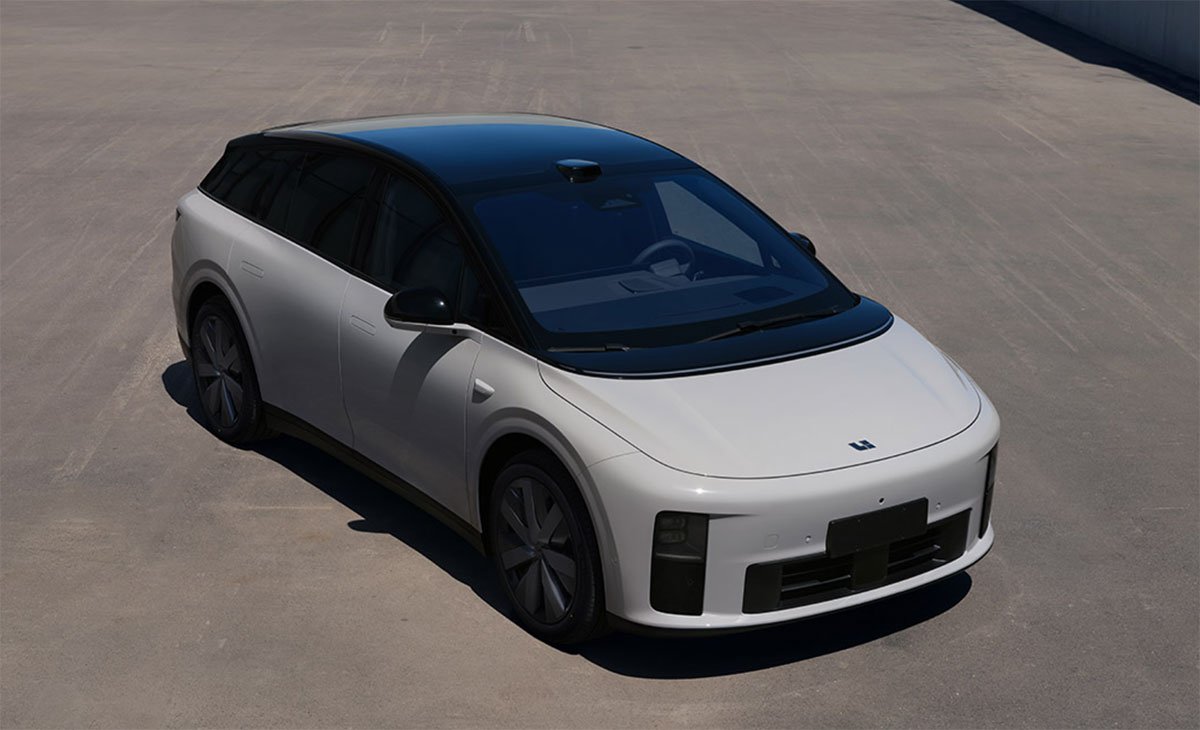
The Li i6, a five-seat pure electric SUV, will be launched in September this year, said Li Auto's founder.The Li i6 will compete with the Mercedes-Benz GLC, BMW X3, and Audi Q5. Li Auto (NASDAQ: LI) has filed for the Li i6, its second all-electric SUV (sport utility vehicle) model, with the launch expected in about three months. China's Ministry of Industry and Information Technology (MIIT) released the latest catalog of vehicle models set to be approved for sale for public comment today, with the Li i6 included. The public may submit feedback from June 21 to 27. Inclusion in the catalog is the final major regulatory procedure for a vehicle model to be permitted for sale in China. The Li i6 has three pages in the catalog, with product models designated as LXA6503BEVW01, LXA6503BEVW02, and LXA6503BEVW03. LXA6503BEVW01 is a dual-motor model, with a front motor peak power of 150 kW and a rear motor peak power of 250 kW. Its dimensions are 4,950 mm in length, 1,935 mm in width, and 1,655 mm in height, with a wheelbase of 3,000 mm. The LXA6503BEVW02 and LXA6503BEVW03 are single-motor models, with a peak motor power of 250 kW. They share the same dimensions, with a length, width, and height of 4,950 mm, 1,935 mm, and 1,655/1,670 mm, respectively, and a wheelbase of 3,000 mm. The Li i6 will be produced at Li Auto's factory in Beijing, where the company is headquartered, and its factory in Changzhou, Jiangsu province. The SUV has a curb weight of 2,515/2,380/2,395 kilograms and supports a maximum speed of 180 kilometers per hour. It uses lithium iron phosphate (LFP) batteries, with suppliers including CATL (SHE: 300750) and Sunwoda. The Li i6 is a spacious two-row, five-seat family pure-electric SUV set to launch in September, Li Xiang, founder, chairman, and CEO of Li Auto, said on Weibo today. "We aim to provide families considering the Mercedes-Benz GLC, BMW X3, or Audi Q5 with an additional purchasing option," Li said. Li shared four images of the Li i6, showcasing the electric SUV's exterior details. Li Auto is one of China's leading extended-range electric vehicle (EREV) manufacturers, with its current lineup primarily consisting of L-series extended-range electric vehicles (EREVs), including the Li L6, Li L7, Li L8, and Li L9, all of which are SUVs. The Li Mega MPV (multi-purpose vehicle), which was launched on March 1, 2024, is Li Auto's first battery electric vehicle (BEV) model. The company has been teasing the Li i8, its first pure electric SUV model, over the past few months. Yesterday, Li said that the Li i8 will be launched in late July, with production, training, and delivery preparations now in their final stages. Below images are shared by Li Xiang on Weibo. Li Auto to launch 2 all-electric SUVs in Q3, hints at sedan plans
The top 5 barriers to more sustainable fashion in Europe
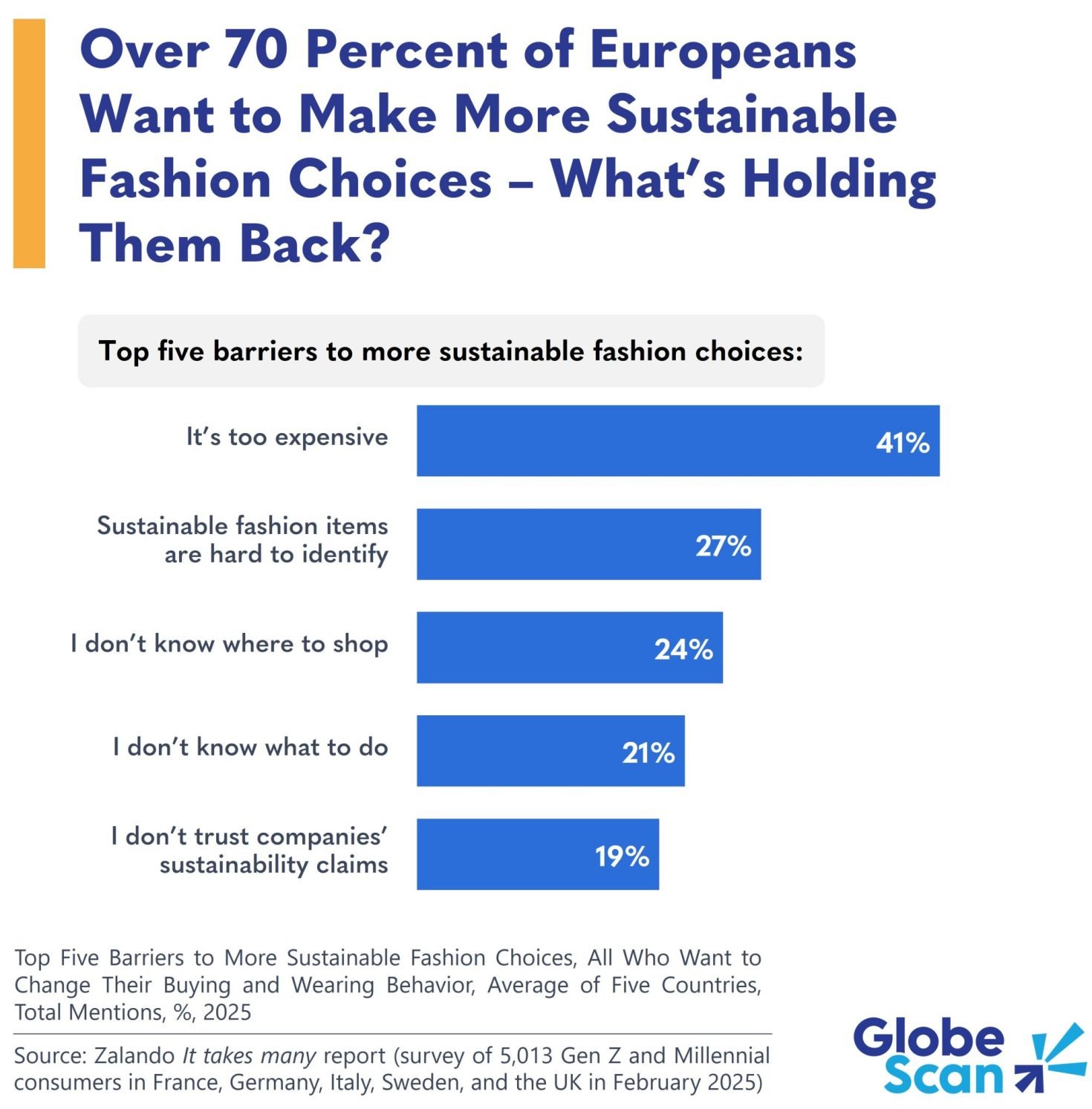
Though more than 70 percent of Europeans want to make more sustainable fashion choices, significant barriers are holding them back. Trellis data partner GlobeScan recently partnered with European fashion platform Zalando to conduct a comprehensive study of Gen Z and Millennial consumer attitudes, behaviors and expectations regarding fashion and sustainability across five European countries. The findings reveal a large aspiration-action gap: 74 percent want to be more sustainable in the future by keeping clothing items for longer or extending their lifespan 71 percent of consumers aspire to shop more sustainably 66 percent of consumers say they’re making more sustainable fashion choices And yet, persistent barriers temper consumer ambitions: 41 percent said the price premium associated with sustainable fashion is a leading deterrent 27 percent said it was difficult identifying sustainable items 24 percent said they didn’t know where to find sustainable fashion choices 21 percent said they had limited knowledge of sustainable fashion 19 percent had skepticism toward sustainability claims These information-related challenges are taking place in a shifting regulatory landscape where new anti-greenwashing rules aim to improve transparency but can also make it more complex for brands and retailers to communicate clearly about their sustainability efforts. What this means These findings, which were supplemented with interviews with industry experts, underscore the importance of bridging the gap between aspiration and action in sustainable fashion. There is significant untapped potential for more sustainable fashion behaviors, but only if key barriers are addressed. Fashion brands and retailers have a crucial role to play, whether by tackling the price premium through product innovation or by emphasizing the added value that consumers are willing to pay more for, such as durability or quality. They can also harness the industry’s creative strengths to communicate sustainability more effectively and compellingly. However, closing the aspiration-action gap requires more than retailer or brand-level initiatives. It demands coordinated efforts across the entire fashion ecosystem—from policymakers, regulators, social media platforms, influencers and society. Based on a survey of more than 5,000 Gen Z and Millennial consumers in France, Germany, Italy, Sweden and the U.K. conducted in February 2025.
Avio adopts 3DEXPERIENCE platform to manage space programs
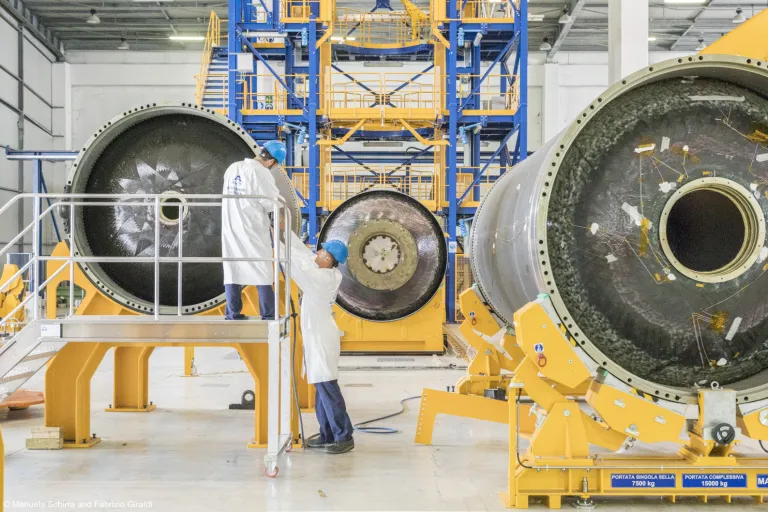
Four Dassault Systèmes industry solutions support collaboration and real-time data use at Avio and throughout its value chain. Dassault Systèmes announced that Avio, an Italy-based space propulsion company, has implemented the 3DEXPERIENCE platform to support the digital management of its programs. As Avio increases its focus on sustainability in the space sector, the 3DEXPERIENCE platform supports the use of automated, data-driven engineering and manufacturing processes to help improve the efficiency of space solution development. Users at Avio and within its value chain can support improved efficiency, standardization, quality, and compliance in the development of space launchers, propulsion systems, and payload adapters for European space programs. Avio will rely on Dassault Systèmes’ “Winning Concept,” “Co-Design to Target,” “Ready for Rate” and “Build to Operate” industry solution experiences based on the 3DEXPERIENCE platform to strengthen collaboration across teams, suppliers and partners by working with real-time data in a virtual environment. Avio aims to improve productivity by shortening development times and lowering operational costs, enhance design and manufacturing accuracy, support the introduction of new technologies, and streamline collaboration through an integrated virtual project management system. For more information, visit 3ds.com.
city is recording drivers that AI says are bad
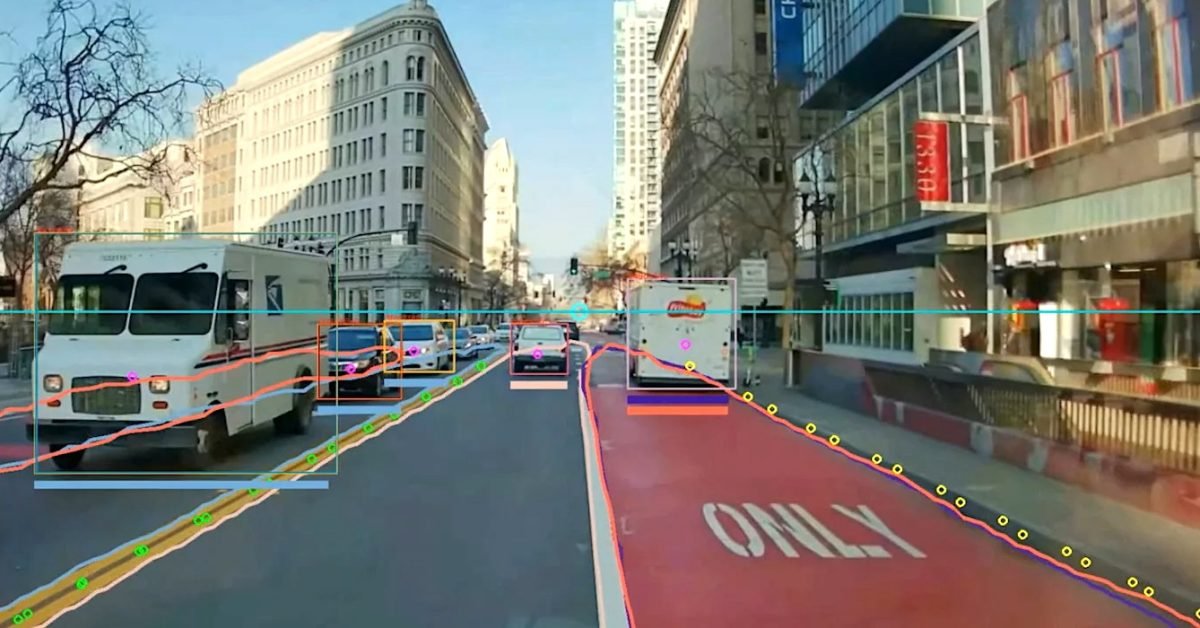
In a high-tech move that we can all get behind and isn’t dystopian at all, the City of Barcelona is feeding camera data from its city buses into an advanced AI, but they swear they’re not using the footage to to issue tickets to bad drivers. Yet. Barcelona and its Ring Roads Low Emission Zone have earned lots of fans by limiting ICE traffic in the city’s core. The city’s latest idea to promote mass transit is the deployment of an artificial intelligence system developed by Hayden AI for automatic enforcement of reserved lanes and stops to improve bus circulation – but while it seems to be working as intended, it’s raising entirely different questions. “Bus lanes are designed to help deliver reliable, fast, and convenient public transport service. But private vehicles illegally using bus lanes make this impossible,” explains Laia Bonet, First Deputy Mayor, Area for Urban Planning, Ecological Transition, Urban Services and Housing at the Ajuntament de Barcelona. “We are excited to partner with Hayden AI to learn where these problems occur and how they are impacting our public transport service.” Currently operating as a pilot program on the city’s H12 and D20 bus lines, the system uses cameras installed on the city’s electric buses to detect vehicles that commit static violations in the bus lanes and stops (read: stopping or parking where you shouldn’t). The Hayden AI system then analyses that data and provides statistical information on what it captures while the bus is driving along on its daily route. Advertisement - scroll for more content Hayden AI says that, while it photographs and records video sequences and collects contextual information of the violation, its cameras do not record license plates or people and no penalties are being issued to drivers or owners of the vehicles. So far so good, right? But it’s what happens once the six mont pilot is over that seems like it should be setting off alarm bells. Big Brother Bus is watching “You are being recorded” sign in a bus; via Barcelona City Council. The footage is manually reviewed by a Transports Metropolitans de Barcelona (TMB) officer, who reportedly reviewed some 2,500 violations identified by AI in May alone. But, while the system isn’t being used to issue violations during the pilot program, it easily could. And, in fact, it already has … and the AI f@#ked up royally. AI writes thousands of bad tickets NYC issued hundreds of thousands of tickets; via NBC. When AI was given the ability to issue citations in New York City earlier this year, it wrote more than 290,000 tickets (that’s right: two-hundred and ninety thousand) in just three months, generating nearly $21 million in revenue for the city. The was just one problem: thousands of those drivers weren’t doing anything wrong. What’s more, the fines generated by the AI powered cameras were supposed to be approved only after being verified by a human, but either that didn’t happen, or it did happen and the human operator in question wasn’t paying attention, or (maybe the worst possibility) the violations were mistakes or hallucinations, and the human checker couldn’t tell the difference. In OpenAI’s tests of its newest o3 and o4-mini reasoning models, the company found the o3 model hallucinated 33% of the time during its PersonQA tests, in which the bot is asked questions about public figures. When asked short fact-based questions in the company’s SimpleQA tests, OpenAI said o3 hallucinated 51% of the time. The o4-mini model fared even worse: It hallucinated 41% of the time during the PersonQA test and 79% of the time in the SimpleQA test, though OpenAI said its worse performance was expected as it is a smaller model designed to be faster. OpenAI’s latest update to ChatGPT, GPT-4.5, hallucinates less than its o3 and o4-mini models. The company said when GPT-4.5 was released in February the model has a hallucination rate of 37.1% for its SimpleQA test. FORBES I don’t know about you guys, but if we had a local traffic cop that got it wrong 33% of the time (at best), I’d be surprised if they kept their job for very long. But AI? AI has a multibillion dollar hype train and armies of undereducated believers talking about singularities and building themselves blonde robots with boobs. And once the AI starts issuing tickets to the AI that’s driving your robotaxi, it can just call its buddy AI the bank to send over your money. No human necessary, at any point, and the economy keeps on humming. But, like – I’m sure that’s fine. Embrace the future and all that … right? SOURCES: Hayden AI, via Forbes, Motorpasión. Your personalized home solar quotes are easy to compare online and you’ll get access to unbiased Energy Advisors to help you every step of the way. The best part? You won’t get a single phone call until after you’ve elected to move forward. Get started, hassle-free, by clicking here. FTC: We use income earning auto affiliate links. More.
Think everything on a solar equipment brokerage site is used? Think again.
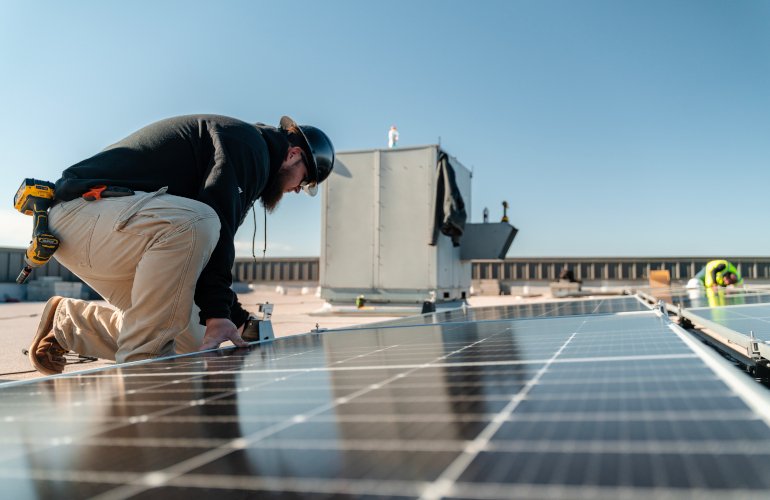
Think everything on a solar equipment brokerage site is used? Think again. Notifications
Charged EVs | Gotion completes 0.2 GWh pilot line for all-solid-state batteries
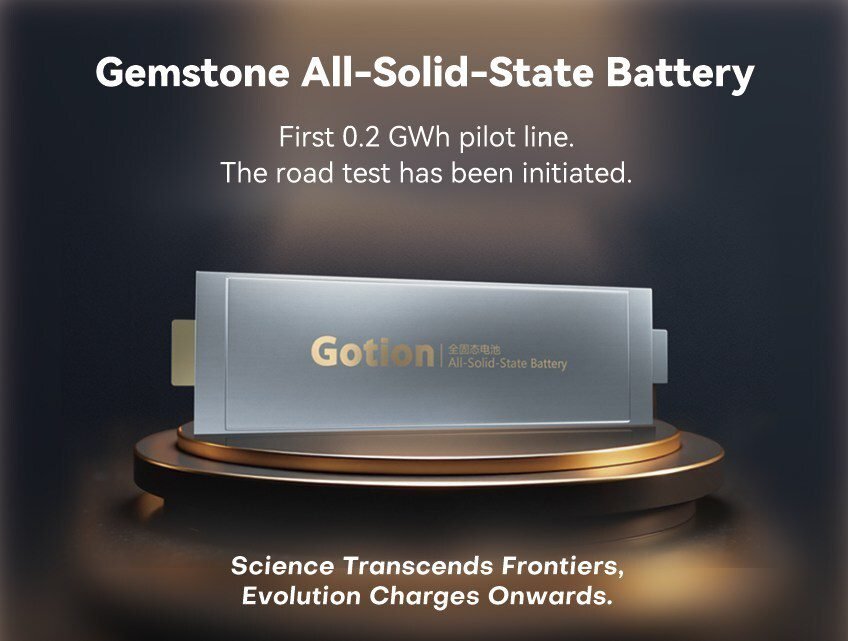
Chinese battery manufacturer Gotion High-Tech has completed a 0.2 GWh pilot production line, started in 2024, that has a 90% yield rate for its GEMSTONE all-solid-state battery. The 2025 iteration demonstrates a 60% improvement in sulfide electrolyte ion conductivity, 150% higher cell capacity and 90% reduced stacking pressure pre-tension force, the company said. Its safety has been validated through tests like nail penetration, crush test and thermal stability test. The company has also initiated road testing. Gotion has recently introduced six new energy products. The lineup includes the GEMSTONE all-solid-state battery, which has entered the pre-production phase, the G-Yuan quasi-solid-state battery that has range of 1,000 kilometers, the G-Series batteries designed for 12-year use and a 20 MWh energy storage system. The G-Yuan battery delivers 300 Wh/kg energy density, enabling EV ranges of over 1,000 km. Its adaptive solid-solid interface technology ensures stable ion transport. A 3 mm steel nail penetration test confirmed its safety. Gotion is currently building a 12 GWh production line and prototype vehicles are exceeding 10,000 km in road tests. The G-series is a 116 kWh, high-capacity standard box for heavy-duty trucks, delivering 175 Wh/kg specific energy to support megawatt-level ultra-fast charging and -40° C to 65° C temperature control range. It shows zero capacity decay in the first 3,000 cycles, zero energy loss over 1.2 million kilometers of driving and an ultra-long cycle life of 12 years or 10,000 cycles, according to Gotion. The Grid Q energy storage system delivers 20 MWh capacity per unit, backed by a 25-year design life. The modular design saves space while Air+Liquid cooling brings efficient thermal management. The Astroinno Gen-2 lithium manganese iron phosphate (LMFP) battery realizes 10-minute ultra-fast charging, 240 Wh/kg specific energy and 93% cold-weather capacity retention at -20° C. The battery passes the thermal runaway test at the PACK level. Source: Gotion High-Tech
Do Teslas Have Chronic Air Conditioning Problems?

A Tesla owner says his brand-new car has an incredibly weak air conditioning system. He’s not the only one complaining that it’s too hot in their Tesla. Fabricio (@ayofabricio) recorded a TikTok from the driver seat of his Tesla Model 3. “I’m not gonna lie to y’all,” he says. “Yeah, this looks cool, so cool to play with. But dude when I first cut the car on bro, you cannot feel [expletive].” Then he manipulates the air flow using the vehicle on the touchscreen to make it more concentrated in one area. Next, he tries spreading the vent flow to cover a larger area. Despite all his efforts, however, Fabricio says nothing seems to make the car cooler. “You would think, ‘Oh, if I put it right in the middle, yes. It’s going right in my face,’” he says. He puts his hands where the air is supposed to be coming out. “I cannot feel it,” he complains. “I feel nothing. All this like spaceship [expletive] cool and all but like I gotta, I need to feel it man.” He keeps trying to improve the airflow but says he doesn’t feel much of a difference. According to the images on the car’s screen, the air should be directly hitting him in the face. Fabricio claims it isn’t. “By me putting it in the middle, it hits the steering wheel. But no. Come on, please go directly to me. It’s hot. I’m in New Orleans!” Fabricio’s TikTok has 19,000 views as of this writing. Dozens of people have offered advice that may solve his AC woes. A Common Tesla Problem Other Tesla drivers have complained about their car’s climate control systems. In 2020, a member of the Tesla Motors Club forum shared a fix they said worked for their “sweat box” of a Model X, which wasn’t blowing cold air. While digging through the car’s air conditioning options, they noticed an error message that read “climate keeper unavailable due to system fault.” After messing with it for a while, they figured out a multi-step process that fixed the issue. First, they disabled the Model X’s overheating protection. Next, they shut off the car’s A/C. Third, they performed a soft reset, which consists of simultaneously holding the car’s scroll keys until the infotainment screen reboots. Following this, they performed a reset, which is done the same way, but by engaging the car’s brake as well. After doing this, they checked the vehicle’s infotainment screen to see if that “unavailable” error message had disappeared. It hadn’t, which prompted them to perform numerous hard resets until finally the message vanished. Then they were able to restart the Tesla’s cabin overheat protection. Ultimately, cold air started flowing. Numerous users in the forum commented to share tales of their own air conditioning issues with Teslas. Many, but not all, of the reported issues were blamed on software or sensors. “I tried several reboots, however, it turns out my [car] needed new AC hose lines. $450 CAD repair job. I wasn’t as lucky,” wrote one. When Your Tesla’s AC Goes On The Fritz Other factors could lead to poor air conditioning performance in a Tesla. It could be as simple as a clogged cabin air filter. If it’s been a while since you’ve changed the cabin filter, you may want to try this first. Low refrigerant levels in your Tesla could also be the culprit. Your car may just be low on coolant or there could be an issue with your AC line. Either way, you’ll probably have to take it to a professional. The problem could also be related to the car’s software. Performing a reset might fix this issue. You may also want to check to see if your EV’s software needs to be updated to the latest version. If you’re in a particularly hot place, make sure to launch the update when you aren’t in the car. Otherwise, you might be stuck in a greenhouse on wheels. Condenser blockages, sensor, and hardware malfunctions could also be the reason why your Tesla isn’t blowing air the way you’d like. Many say the issue is, oftentimes, user error: drivers incorrectly set up cabin overheating protection. If their air conditioning isn’t working right, Tesla owners may want to first check their menu settings. Open the infotainment screen and tap "Controls > Safety > Cabin Overheat Protection." Once cabin overheat protection is selected, you’ll be presented with one of three options: Off, No A/C, and On. Click the off button and reset the car. Advice from Tesla Drivers Many people who say they drive Teslas commented on Fabricio’s post to offer him advice and defend their vehicles. Multiple people recommended pre-cooling the car remotely. One said Fabricio was directing the air incorrectly. “You’ve got it top, bottom and center on. Turn off the feet and windshield and only leave the center on,” they wrote, adding, “From Texas.” A few suggested that the problem was caused by him having all the vents open at once. “It’s because you got all the vents open,” one advised. “Just keep the one directed to your face on and turn off the other ones.” We have reached out to Fabricio via TikTok comment for further information. We’ll update this if he responds.
BYD Fang Cheng Bao files for Tai 7 hybrid SUV
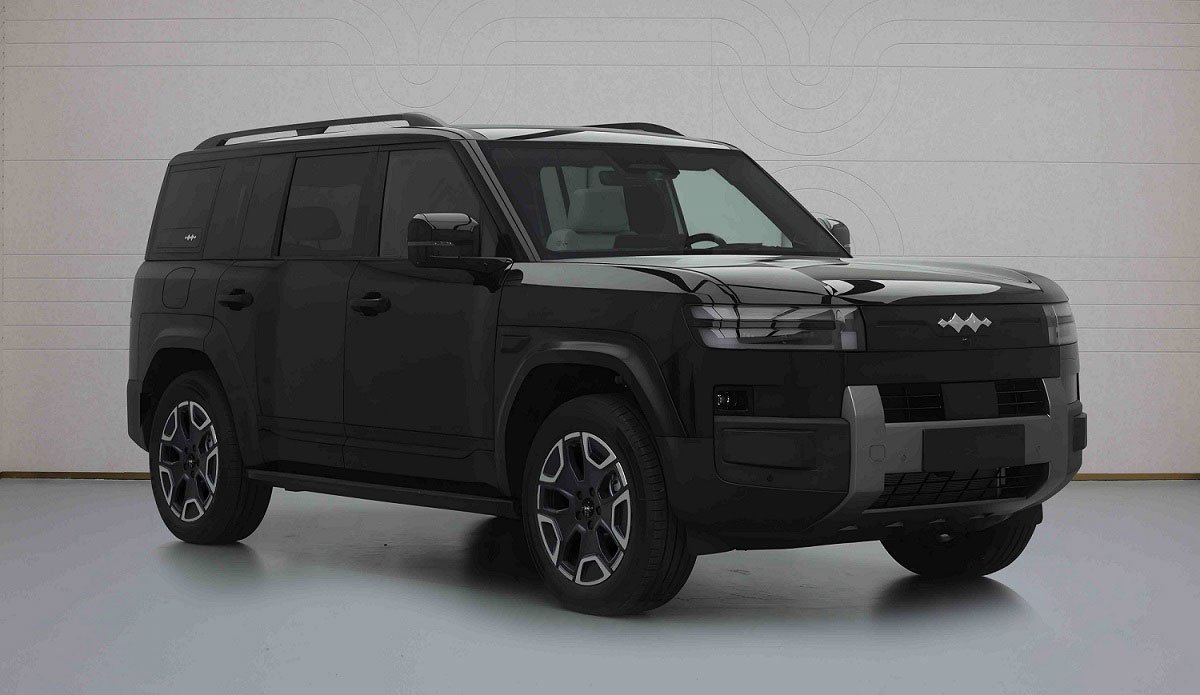
The Tai 7 measures 4,999 mm in length and offers both single-motor and dual-motor options. The Tai 7 is expected to target a broader family user base with its larger size compared to the Tai 3. BYD (HKG: 1211, OTCMKTS: BYDDY) sub-brand Fang Cheng Bao has filed regulatory documents for the Tai 7, after announcing the naming of this new hybrid SUV (sport utility vehicle) model earlier this month. China's Ministry of Industry and Information Technology (MIIT) released the latest catalog of vehicle models set to be approved for sale today, seeking public feedback, with the Tai 7 included. The public may submit feedback from June 21 to 27. Inclusion in this catalog is the final major regulatory step for a vehicle model to be approved for sale in China. The Tai 7 has three pages in the catalog, with product models listed as QCJ6500BG6HEV, QCJ6500BG6HEV1, and QCJ6500BG6HEV2. Production facilities for the car are multiple BYD production bases in cities including Changsha, Hunan; Hefei, Anhui; and Jinan, Shandong. The hybrid SUV measures 4,999 mm in length, 1,995 mm in width, and 1,865 mm in height, with a wheelbase of 2,920 mm. Its curb weight is 2,230 kilograms, and it supports a maximum speed of 190 kilometers per hour. The Tai 7 comes standard with a 1,498 ml engine, producing 115 kW of power. It offers single-motor and dual-motor options. The dual-motor version features a front motor with a peak power output of 160 kW and a rear motor with 200 kW. The single-motor version uses a single motor with a peak power output of 200 kW. The Tai 7 is equipped with lithium iron phosphate (LFP) batteries supplied by BYD's battery unit, FinDreams Battery. BYD officially unveiled the Fang Cheng Bao brand on August 16, 2023. The brand currently offers models including the Bao 5 and Bao 8 off-road SUVs from the Bao series, as well as the Tai 3 compact family SUV from the Tai series. The Tai 7 is expected to target a broader family user base with its larger dimensions compared to the Tai 3, a market that is currently one of the key battlegrounds for major automakers. Earlier this month, Fang Cheng Bao began teasing the Tai 7 but did not disclose any further details beyond its name. Fang Cheng Bao sold 12,592 vehicles in May, a year-on-year increase of 418.19 percent and a month-on-month increase of 25.43 percent, according to data compiled by CnEVPost. This includes 5,598 Tai 3 units, 5,125 Bao 5 units, and 1,869 Bao 8 units. BYD Fang Cheng Bao to debut sedan lineup in late 2025, says brand chief
EnergyAustralia, EDF partner for ‘critical’ pumped hydro in NSW

EnergyAustralia, EDF partner for ‘critical’ pumped hydro in NSW - Energy-Storage.News Skip to content
MET Group inaugurates largest BESS in Hungary- Energy-Storage.News
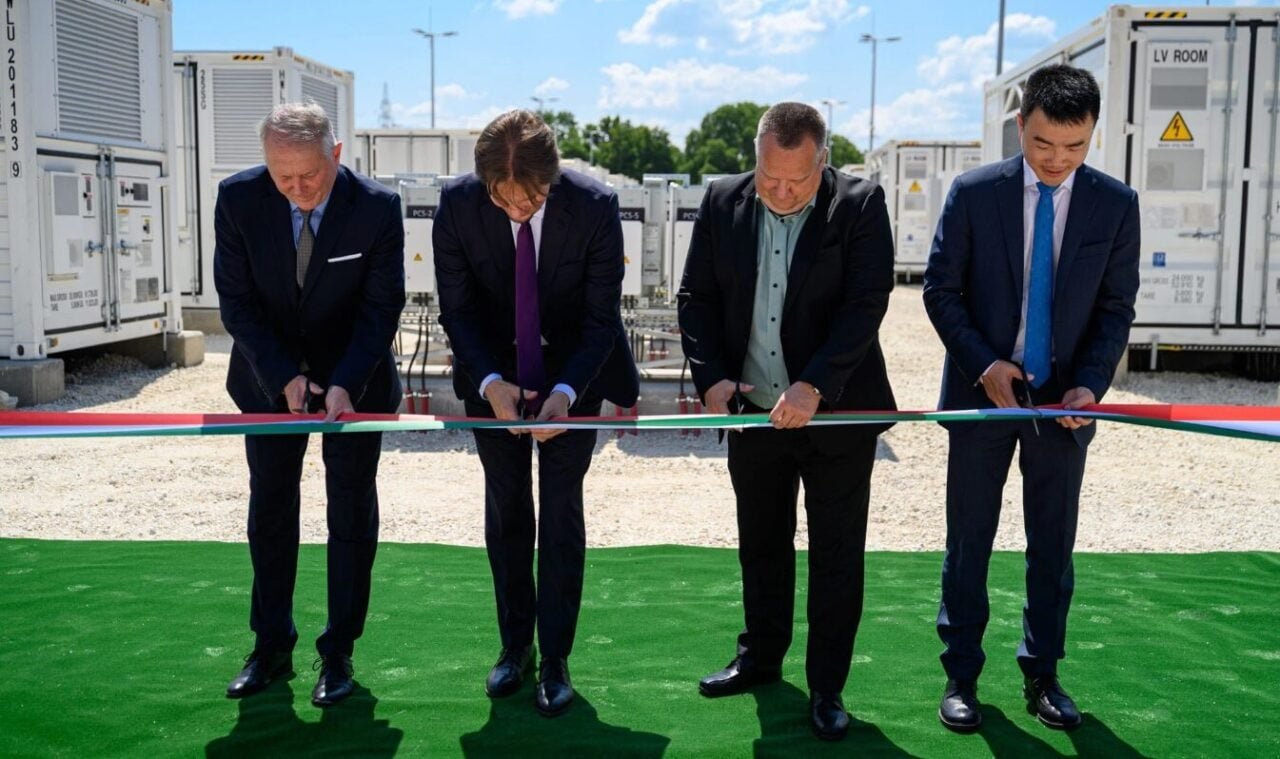
The company already deployed a 4MW/8MWh BESS there using Tesla Megapacks in 2022, but for the larger project opted to use China-based electronics giant Huawei. Although not the most regular figure in BESS news, Huawei does have a major presence in the industry. Wood Mackenzie ranked it as the fourth-largest BESS integrator in the world in 2022, after Sungrow, Tesla and Fluence. Images of the Hungary project provided by MET Group show the BESS units but without any clear Huawei branding. That would indicate the company gets its product to market via white-labelled supply to other system integrators, meaning it may have a much larger market presence than is apparent at first. BESS and power conversion system (PCS) units at the project. Image: MET Group. The project’s main contractor was Forest-Vill Ltd, MET Group added. Péter Horváth, CEO of the Dunamenti Power Station, commented: “The application of battery energy storage systems is a key element on the road to energy transition, as they allow to increase the penetration of new renewable sources into the power grid.” MET Group is also active in the French energy storage market, having acquired combined heat and power (CHP) and BESS operator Comax last year. In 2023, the EU approved a €1.1 billion (US$1.2 billion) capex support scheme in Hungary to kickstart the country’s large-scale energy storage market. A panellist at our publisher Solar Media’s Energy Storage Summit Central and Eastern Europe (CEE) 2024 last year in Warsaw called the scheme one of the most advanced subsidies schemes they had seen to-date.
Tesla has started rolling out initial round of Robotaxi invites
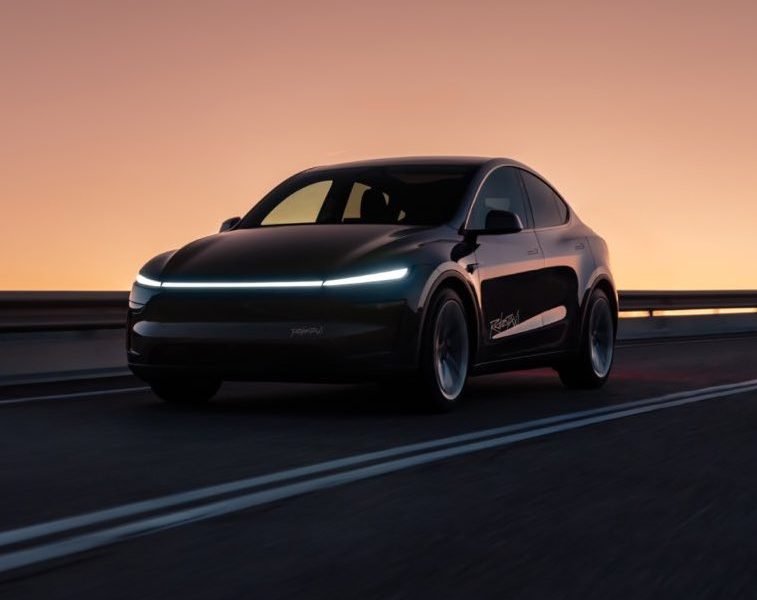
Tesla has started rolling out an initial round of invites for its upcoming Robotaxi service in Austin, Texas. Screenshots shared by several Tesla community members who received the invites provided a quick overview of the autonomous ride-hailing service. As noted in a techAU report, the initial round of Robotaxi service invites has gone to longtime Tesla owners and active members of the EV community. These include owners such as @SawyerMerritt, @BLKMDL3, @WholeMarsBlog, @ItsKimJava, and @HerbertOng, all of whom shared screenshots of the invitation that Tesla has sent about the upcoming service. I'm building a @X list of those who get Robotaxi Invites.. follow here.. So far we have– @SawyerMerritt – @BLKMDL3– @WholeMarsBlog – @ItsKimJava Let me know if you find others pic.twitter.com/pfqTpaEvi5 — techAU (@techAU) June 20, 2025 You’re Invited to Early Access of Tesla Robotaxi! The Future is Now! You’re invited to Early Access of Tesla’s Robotaxi service in Austin, TX! As an Early Access rider, you can be among the first to use our new Robotaxi App and experience an autonomous ride within our geofenced area in Austin. Through this exclusive preview, you’ll have the opportunity to provide valuable feedback on our Robotaxi service. Based on Tesla’s message, it appears that participation in the service would be strictly invite-only for now. Participants must also download Tesla’s dedicated Robotaxi App to hail a ride. Rides can also be requested and initiated to and from any location within a geofenced area of Austin. The robotaxi service will be available from 6:00 AM to 12:00 AM, seven days a week, though these hours may change depending on factors such as inclement weather. Interestingly enough, Tesla is inviting the first participants of the Robotaxi program to share photos and videos of their experience with the service. While the vehicles themselves are autonomous and would operate without human input, the Robotaxis would still be accompanied by a Tesla staff member to monitor the vehicle. This strategy suggests that Tesla is really putting safety above all in its initial Robotaxi rollout. The post Tesla has started rolling out initial round of Robotaxi invites appeared first on TESLARATI.
Cyprus regulator approves TSO-owned battery storage

Cyprus regulator approves TSO-owned battery storage - Energy-Storage.News Skip to content