Jigar Shah chairs new US virtual power plant advisory group
Jigar Shah chairs new US virtual power plant advisory group - Energy-Storage.News Skip to content
Elon Musk hits back at former Tesla employee who disagrees with pay package
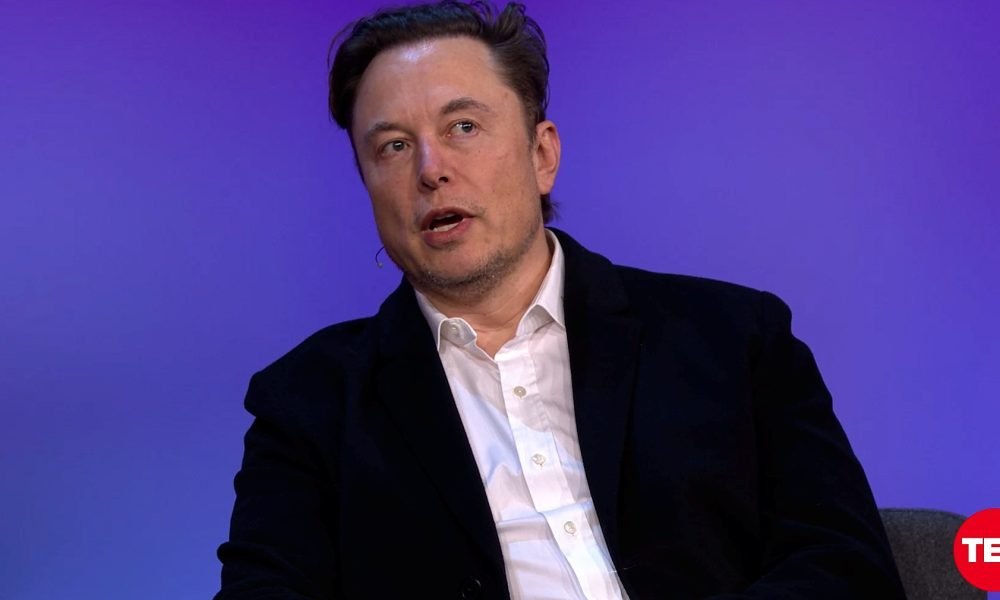
Elon Musk gave a tough response to a former Tesla employee who spoke out on X about the structure of the CEO’s pay package, arguing that it is an overpayment and would not generate enough shareholder value. Without a doubt, the biggest issue on the bill at this year’s Tesla Shareholder Meeting in November is that of the pay package that was proposed to CEO Elon Musk. As the Shareholder Meeting approaches, Tesla is urging those investors to vote in support of Musk’s pay package. So far, the community has been overwhelmingly supportive of giving Musk his massive payday, which could give him $1 trillion in additional holdings if he completes each of the outlined performance tranches. However, there are a handful of institutional and individual shareholders who have pushed back against the package, either because of its value or because they feel it does not benefit shareholders enough. Last week, we reported that Institutional Shareholder Services (ISS) advised voting against Tesla’s pay package for Musk. The firm said the payday would give Musk”extraordinarily high pay opportunities over the next ten years,” and it would “reduce the board’s ability to meaningfully adjust future pay levels.” Tesla CEO Elon Musk’s $1 trillion pay package hits first adversity from proxy firm Additionally, it called the value of the pay package “astronomical.” On Saturday, a former Tesla employee said on X that Tesla’s proposed pay package for Musk would “barely beat inflation and it would underperform the S&P 500 considerably.” Additionally, he said: “Sorry, Tesla, some of us (and supposedly, ISS too) simply don’t think that underperforming the S&P 500 this much is worth paying somebody 20 billion dollars worth of company value. As a fan, I love Tesla, I want it to succeed. As a shareholder, I don’t want Tesla to over-pay for its CEO I strongly believe that the 2025 pay package proposal would over-pay for its CEO, and that other competent CEOs could grow Tesla just as much with way less political drama and cost investors much less that this proposal.” Musk responded bluntly: “Tesla is worth more than all other automotive companies combined. Which of those CEOs would you like to run Tesla? It won’t be me.” It seems the worry about Musk’s potential involvement in politics still looms to many, based on the responses to Musk’s post, which frequently mention that as a downside of his last year as Tesla CEO. However, Tesla’s Board confronted that directly. In its proxy filing after announcing the pay package, Tesla said that it had three commitments, one of which was that the company would “receive assurances that Musk’s involvement with the political sphere would wind down in a timely manner.” Tesla Board takes firm stance on Elon Musk’s political involvement in pay package proxy Musk’s previous pay package was approved by shareholders twice, but it never made it to the CEO because of a lawsuit with the Delaware Chancery Court brought forth by a small-time shareholder. The response from Musk does seem to show that if this time is no different, he will inevitably step down as CEO in the coming years.
The Dutch Grid in 2050 — Part 2
Support CleanTechnica's work through a Substack subscription or on Stripe. This is part 2 of some extended thoughts on the Dutch energy grid and where it’s headed. Read part 1 of this discussion first here. The Dutch Grid in 2050 And now, after a 1500-word introduction, my view on the least improbable Dutch electricity landscape in 2050. To paraphrase Manuel of Fawlty Towers, “I know nothing … I am a Grumpy Old Man.” The Dutch are known to be very costs conscious. So, we can start with some acronyms. LCOE — Levelized cost of electricity LCOS — Levelized cost of storage LCOT — Levelized cost of transport LCOD — Levelized cost of distribution These costs are purely theoretical. They are not enhanced with additional costs for the benefit of decision makers that like a single number as reference. In practice, the free-market supply and demand mechanism will determine the price for each product. The customer will see a price that is a combination of the prices of these products plus the retailer’s margin and taxes. Predicting is hard, ask any weather man or woman. A few months to a few years is sometimes possible, depending on the topic. A 10-year budget extrapolation, as some countries like to do, is nonsense. There will be too many changes in policy and economic ups and downs. Predicting 25 years into the future, with a fast-changing technological environment, is completely impossible. This gives me the freedom to give my fantasy free rein. That would result in a highly unlikely future, not the least improbable. So, I will not write science fiction — there will be no large satellites in Earth orbit collecting solar energy and beaming it down to Earth. The ITER fusion nuclear reactor will still be 30 years in the future, like it has been for the past 40 years. We have no shafts into the Earth’s magma core tapping its energy and don’t have numerous other hoped for or expected inventions. We have just normal, predictable developments of current day technology, misusing Moore’s Law type of developments extrapolated to a 25-year period. (Moore’s Law has always been only valid for the next 10 years, because then it would hit the wall of existing scientific knowledge. Luckily, scientists kept pushing that wall at the same speed as Moore’s Law was using newer science.) In this case, we are talking specifically about battery development. They have been getting better, cheaper, more dense, etc. at a regular pace. My basic guess is that in 25 years, using batteries is a no-brainer for many applications. To make this exercise more concrete, we will likely see final energy demand of about 450 TWh per year in 2050. In theory, satisfying this demand can be done using primary energy of over 2,000 TWh of fossil fuels, over 1,000 TWh of hydrogen, or nearly 500 TWh of electricity from sun, wind, and water. (No mention of the energy needed to produce the hydrogen!) There will be 5 million prosumer households with solar PV and a home battery. Another 20,000 farmers, many with a wind turbine beside a lot of PV panels on their buildings and serious batteries to secure their business, are also prosumers. How many of the factories, office buildings, and parking facilities will be eager to put some extra power into the grid? Your guess is as good as mine. This is besides commercial New Age power plants collecting energy from solar and wind supported by battery farms. The Invisible Hand In A Free But Well Regulated Market First power to move the future. A current development that I expect to influence the future is the occurrence of many new companies that provide part of the functions previously provided by utilities. The first private cross-border HVDC lines are being built. We can see the start of energy cooperations in industrial zones and housing complexes that can evolve into microgrids. The same type of cooperation, but not location bound, is coming from virtual (micro-)grids or virtual power plants. With an open and free market, we are no longer constrained by the risk-averse and slow-moving bureaucracies of large monopolistic utilities. We will see thousands of startups, and hundreds will succeed. First consequence The architecture of the grid must evolve from a hierarchical one with half a dozen big power plants connected to a >100kV transport grid and 65kV main distribution grid. The new architecture needs a horizontal, web-like grid with hundreds of main solar, wind, and battery power plants and many million prosumers. This is a major conceptual shift. It requires new, out-of-the-box thinking about the functioning of the electric grid. Besides large changes to the physical grid, it requires a complete new management and control structure. Electrify Everything Second power to move the future. I bet on an electrifying everything scenario. The advantages are bigger than the business-as-usual scenario which replaces current fossil-based energy sources with synthetic replacements based on hydrogen and carbon captured. The EU is forcing development into the direction of a free market. Other countries and regions can be captivated by the oil and gas industry in league with the power utilities, resulting in a more business-as-usual infrastructure. Those places will experience an easier transition but will have a less competitive economy (looking at you, Japan — hydrogen is very expensive). In the electrify everything scenario, the end users of energy must replace all fossil fuel appliances, in homes and in factories, with electric ones that can supply the same functionality or results. For homes, it is replacing stoves and boilers with heat pumps. There is a lot of resistance against this, because it is accompanied with advice, formulated as a prerequisite, to install floor heating and better insulate the house. This is too much of a renovation for most people to be acceptable. It is never mentioned that the same solution they have now, just install more heating capacity and waste more energy, will still be possible. Telling people what you think
First 'Made in Europe' BESS factory opens in Bulgaria
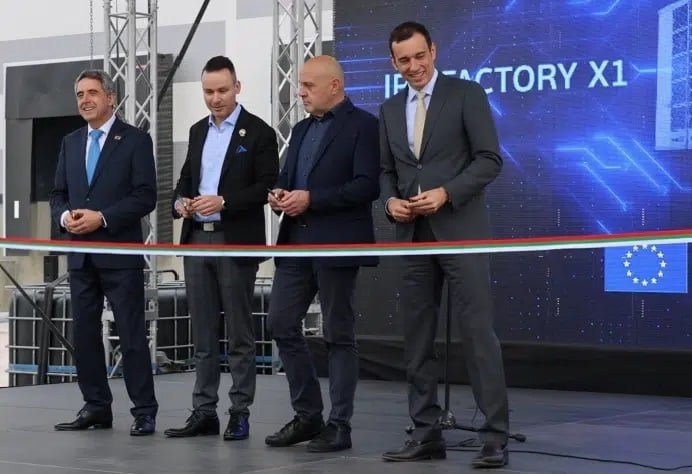
First 'Made in Europe' BESS factory opens in Bulgaria - Energy-Storage.News Skip to content
Tesla will launch driverless rides in Las Vegas, but not where you think
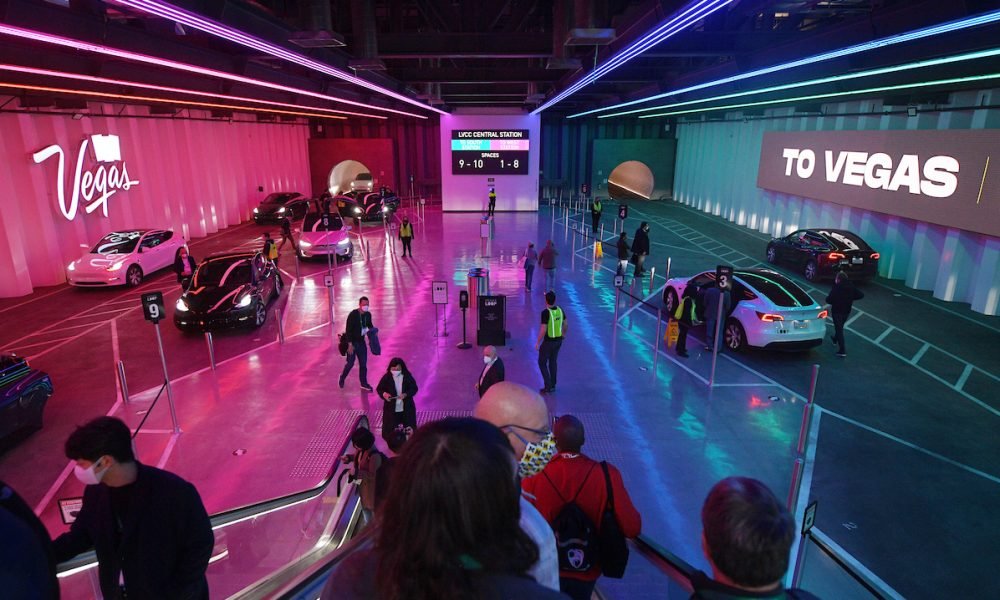
Tesla vehicles operating in the Boring Company’s Vegas Loop are about to get a big change, CEO Elon Musk said. In Las Vegas, the Boring Company operates the Vegas Loop, an underground tunnel system that uses Teslas to drop people off at various hotspots on the strip. It’s been active for a few years now and is expanding to other resorts, hotels, and destinations. Currently, there are stops at three resorts: Westgate, the Encore, and Resorts World. However, there will eventually be “over 100 stations and span over 68 miles of tunnel,” the Vegas Loop website says. The Loop utilizes Tesla Model 3 and Model Y vehicles to send passengers to their desired destinations. They are now being driven using the Full Self-Driving suite, but they also have safety drivers in each vehicle to ensure safety. Tesla Cybertruck rides are crucial for Vegas Loop expansion to airport Tesla and the Boring Company have been working to remove drivers from the vehicles used in the Loop, but now, it appears there is a set timeline to have them out, according to CEO Elon Musk: The Tesla cars operating in The Boring Company tunnels under Las Vegas will be driverless in a month or two — Elon Musk (@elonmusk) October 18, 2025 Musk says the Boring Co. will no longer rely on safety drivers within the Teslas for operation. Instead, Tesla will look to remove the safety drivers from the cars within the next month or two, a similar timeline for what Musk believes the Robotaxi platform will look like in Austin. In Texas, as Robotaxi continues to operate as it has since June, there are still safety monitors within the car who sit in the passenger’s seat. They are there to ensure a safe experience for riders. When the route takes the vehicle on the highway, safety monitors move into the driver’s seat. However, Tesla wants to be able to remove safety monitors from its vehicles in Austin by the end of the year, Musk has said recently. In early September, Musk said that the safety monitors are “just there for the first few months to be extra safe.” He then added that there “should be no safety driver by end of year.” The safety driver is just there for the first few months to be extra safe. Should be no safety driver by end of year. — Elon Musk (@elonmusk) September 4, 2025
Ark Energy bags approval for 3.1GWh solar-plus-BESS in Australia
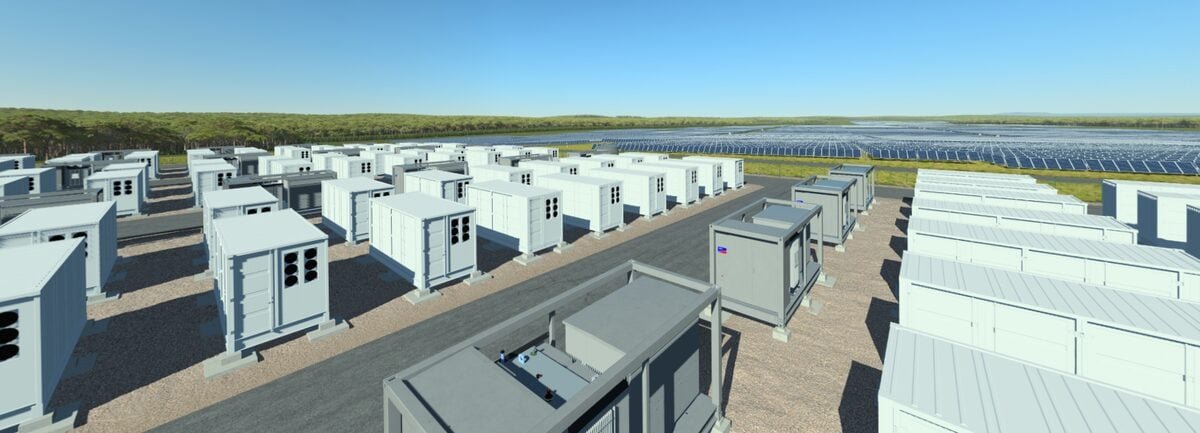
Ark Energy bags approval for 3.1GWh solar-plus-BESS in Australia - Energy-Storage.News Skip to content
Tesla might be doing away with a long-included feature with its vehicles

Tesla vehicles operating in the Boring Company’s Vegas Loop are about to get a big change, CEO Elon Musk said. In Las Vegas, the Boring Company operates the Vegas Loop, an underground tunnel system that uses Teslas to drop people off at various hotspots on the strip. It’s been active for a few years now and is expanding to other resorts, hotels, and destinations. Currently, there are stops at three resorts: Westgate, the Encore, and Resorts World. However, there will eventually be “over 100 stations and span over 68 miles of tunnel,” the Vegas Loop website says. The Loop utilizes Tesla Model 3 and Model Y vehicles to send passengers to their desired destinations. They are currently driven using the Full Self-Driving suite, but they also have safety drivers in each vehicle to ensure safety. Tesla Cybertruck rides are crucial for Vegas Loop expansion to airport Tesla and the Boring Company have been working to remove drivers from the vehicles used in the Loop, but now, it appears there is a set timeline to have them out, according to CEO Elon Musk: The Tesla cars operating in The Boring Company tunnels under Las Vegas will be driverless in a month or two — Elon Musk (@elonmusk) October 18, 2025 Musk says the Boring Co. will no longer rely on safety drivers within the Teslas for operation. Instead, Tesla will look to remove the safety drivers from the cars within the next month or two, a similar timeline for what Musk believes the Robotaxi platform will look like in Austin. In Texas, as Robotaxi continues to operate as it has since June, there are still safety monitors within the car who sit in the passenger’s seat. They are there to ensure a safe experience for riders. When the route takes the vehicle on the highway, safety monitors move into the driver’s seat. However, Tesla wants to be able to remove safety monitors from its vehicles in Austin by the end of the year, Musk has said recently. In early September, Musk said that the safety monitors are “just there for the first few months to be extra safe.” He then added that there “should be no safety driver by end of year.” The safety driver is just there for the first few months to be extra safe. Should be no safety driver by end of year. — Elon Musk (@elonmusk) September 4, 2025
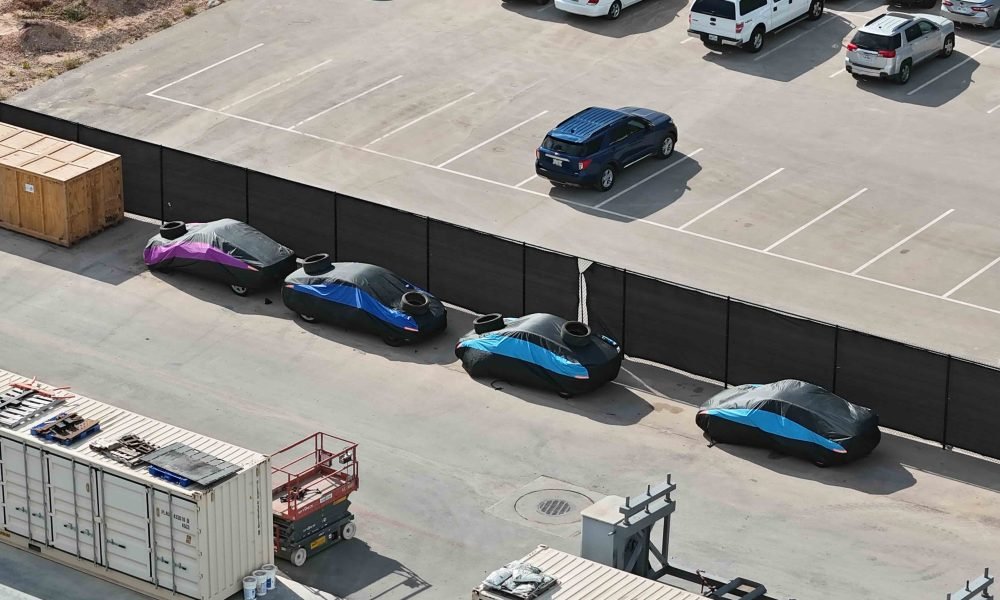
Multiple Tesla Cybercab units spotted at Giga Texas crash test facility
Tesla vehicles operating in the Boring Company’s Vegas Loop are about to get a big change, CEO Elon Musk said. In Las Vegas, the Boring Company operates the Vegas Loop, an underground tunnel system that uses Teslas to drop people off at various hotspots on the strip. It’s been active for a few years now and is expanding to other resorts, hotels, and destinations. Currently, there are stops at three resorts: Westgate, the Encore, and Resorts World. However, there will eventually be “over 100 stations and span over 68 miles of tunnel,” the Vegas Loop website says. The Loop utilizes Tesla Model 3 and Model Y vehicles to send passengers to their desired destinations. They are currently driven using the Full Self-Driving suite, but they also have safety drivers in each vehicle to ensure safety. Tesla Cybertruck rides are crucial for Vegas Loop expansion to airport Tesla and the Boring Company have been working to remove drivers from the vehicles used in the Loop, but now, it appears there is a set timeline to have them out, according to CEO Elon Musk: The Tesla cars operating in The Boring Company tunnels under Las Vegas will be driverless in a month or two — Elon Musk (@elonmusk) October 18, 2025 Musk says the Boring Co. will no longer rely on safety drivers within the Teslas for operation. Instead, Tesla will look to remove the safety drivers from the cars within the next month or two, a similar timeline for what Musk believes the Robotaxi platform will look like in Austin. In Texas, as Robotaxi continues to operate as it has since June, there are still safety monitors within the car who sit in the passenger’s seat. They are there to ensure a safe experience for riders. When the route takes the vehicle on the highway, safety monitors move into the driver’s seat. However, Tesla wants to be able to remove safety monitors from its vehicles in Austin by the end of the year, Musk has said recently. In early September, Musk said that the safety monitors are “just there for the first few months to be extra safe.” He then added that there “should be no safety driver by end of year.” The safety driver is just there for the first few months to be extra safe. Should be no safety driver by end of year. — Elon Musk (@elonmusk) September 4, 2025
EASE rebrands as Energy Storage Europe Association
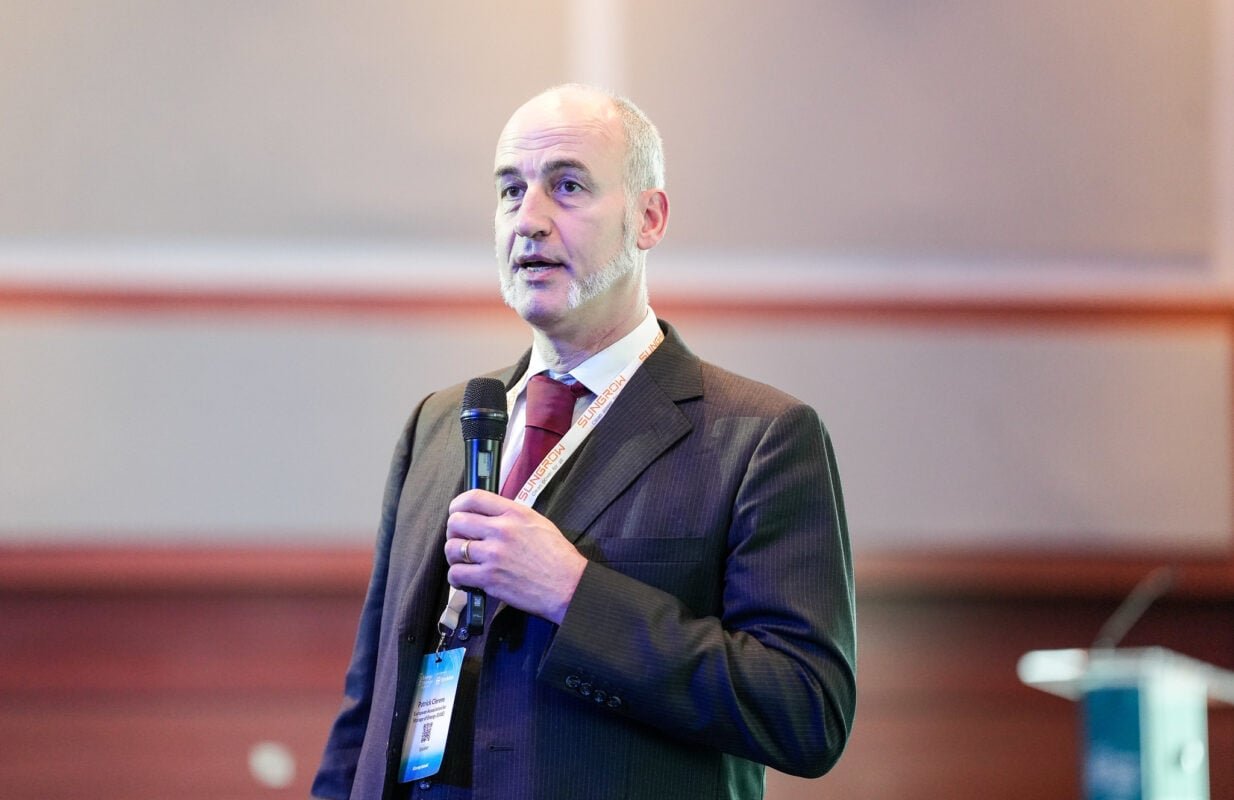
EASE rebrands as Energy Storage Europe Association - Energy-Storage.News Skip to content
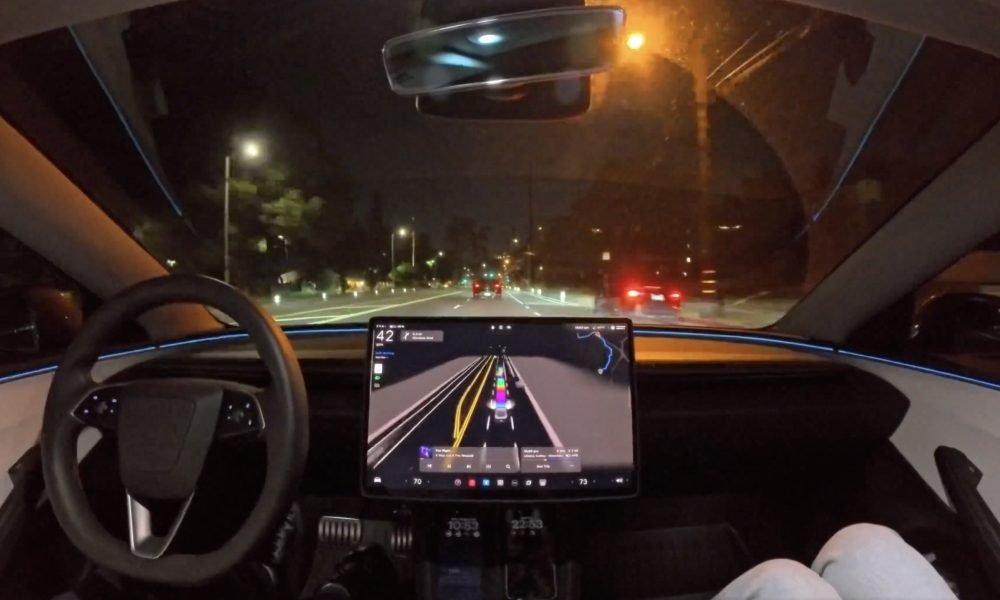
Elon Musk confirms Tesla FSD V14.2 will see widespread rollout
Tesla vehicles operating in the Boring Company’s Vegas Loop are about to get a big change, CEO Elon Musk said. In Las Vegas, the Boring Company operates the Vegas Loop, an underground tunnel system that uses Teslas to drop people off at various hotspots on the strip. It’s been active for a few years now and is expanding to other resorts, hotels, and destinations. Currently, there are stops at three resorts: Westgate, the Encore, and Resorts World. However, there will eventually be “over 100 stations and span over 68 miles of tunnel,” the Vegas Loop website says. The Loop utilizes Tesla Model 3 and Model Y vehicles to send passengers to their desired destinations. They are currently driven using the Full Self-Driving suite, but they also have safety drivers in each vehicle to ensure safety. Tesla Cybertruck rides are crucial for Vegas Loop expansion to airport Tesla and the Boring Company have been working to remove drivers from the vehicles used in the Loop, but now, it appears there is a set timeline to have them out, according to CEO Elon Musk: The Tesla cars operating in The Boring Company tunnels under Las Vegas will be driverless in a month or two — Elon Musk (@elonmusk) October 18, 2025 Musk says the Boring Co. will no longer rely on safety drivers within the Teslas for operation. Instead, Tesla will look to remove the safety drivers from the cars within the next month or two, a similar timeline for what Musk believes the Robotaxi platform will look like in Austin. In Texas, as Robotaxi continues to operate as it has since June, there are still safety monitors within the car who sit in the passenger’s seat. They are there to ensure a safe experience for riders. When the route takes the vehicle on the highway, safety monitors move into the driver’s seat. However, Tesla wants to be able to remove safety monitors from its vehicles in Austin by the end of the year, Musk has said recently. In early September, Musk said that the safety monitors are “just there for the first few months to be extra safe.” He then added that there “should be no safety driver by end of year.” The safety driver is just there for the first few months to be extra safe. Should be no safety driver by end of year. — Elon Musk (@elonmusk) September 4, 2025
Amprius’ High-Power Silicon Batteries Selected by ESAero to Power Next-Generation UAVs
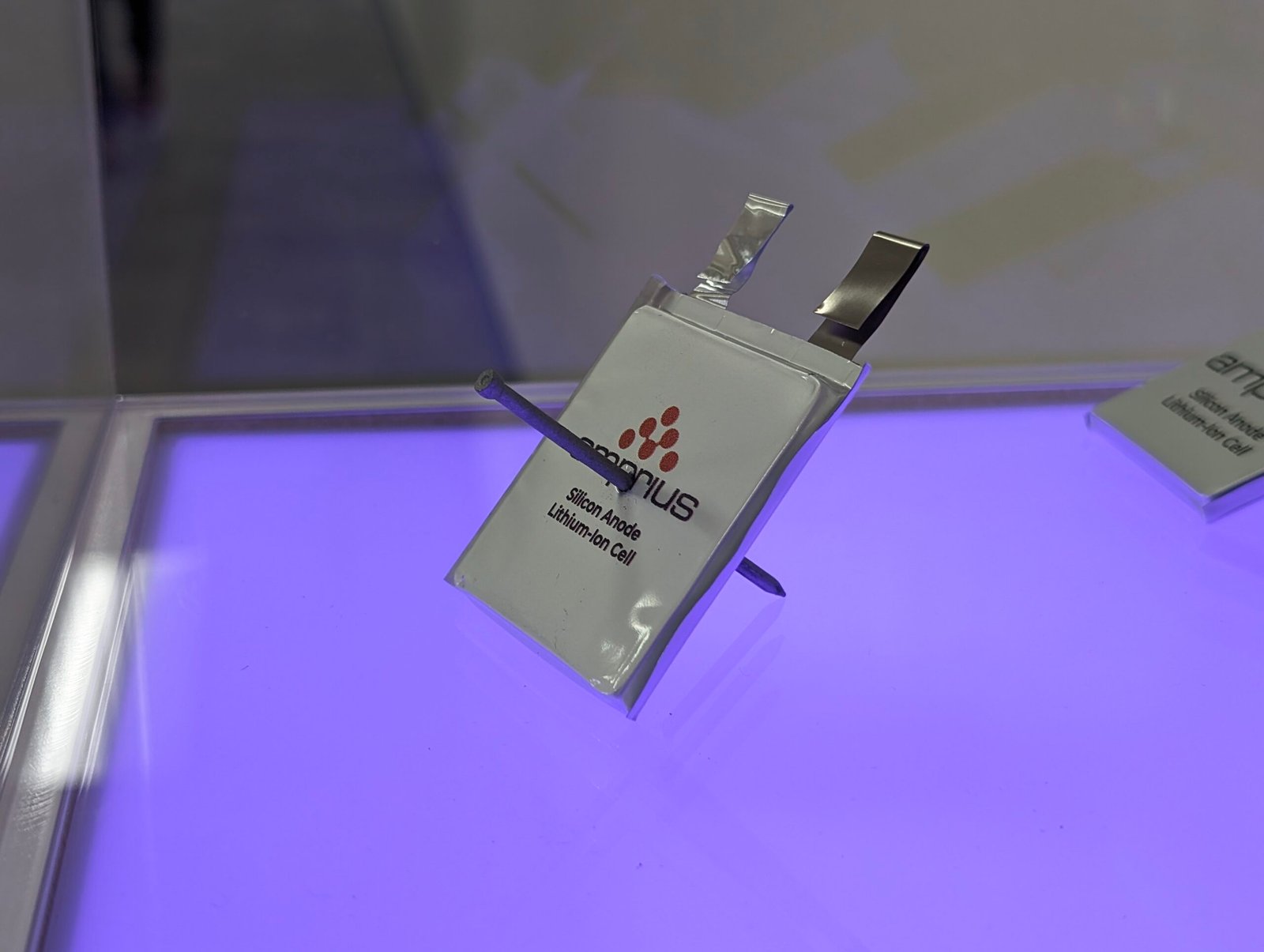
Support CleanTechnica's work through a Substack subscription or on Stripe. Amprius’ SiCore® SA08 cell provides longer flights and increased payload capacity for UAV platforms. Fremont, California — Amprius Technologies, Inc. (“Amprius” or the “Company”) (NYSE: AMPX), a leader in next-generation lithium-ion batteries with its Silicon Anode Platform, today announced Empirical Systems Aerospace, Inc. (ESAero), a leading producer of Unmanned Aerial Systems (UAS) and Advanced Air Mobility (AAM) platforms, chose the Amprius SiCore® SA08 cell for integration into battery packs powering unmanned aerial vehicles (UAV) supporting defense, security, logistics, and public safety applications. Amprius’ high-power silicon batteries selected by ESAero to power next-generation UAVs. Amprius’ high-power cell was selected by ESAero for its ability to significantly increase flight times and payload capacity, which are essential for UAV platforms operating in demanding environments. The SA08 cell is available in volume today, allowing ESAero to accelerate the development and integration of Amprius’ cells into its UAVs. “Amprius offered the best combination of advanced battery technology, production readiness, and cost competitiveness to meet the demands of this program,” said Andrew Gibson, CEO and President of ESAero. “Their silicon anode cells deliver the performance and reliability needed to accelerate our path from development to production while setting a new benchmark for what our battery packs can achieve for both our in-house and customer platforms. Amprius’ cells have enabled ESAero to create and maintain industry leading Group I and Group II UAV endurance.” “This collaboration highlights the momentum Amprius is building across the UAV space,” said Dr. Kang Sun, CEO of Amprius Technologies. “By growing our production capacity through strategic partnerships, we’re delivering customers high-performance silicon anode cells at scale and at a competitive price. This allows companies like ESAero to develop more capable battery packs for aircraft, flying farther, carrying more, and operating more efficiently in the field.” Amprius’ SiCore® SA08 battery cells have successfully completed formal qualification and are now integrated into ESAero’s products. Building on this success, Amprius is gaining additional traction with other UAV partners, further solidifying its position as a leading solution for next-generation electric aviation platforms. For more information, please visit the Amprius investor relations website at ir.amprius.com. About Amprius Technologies, Inc. Amprius Technologies, Inc. is a leading manufacturer of high-energy and high-power lithium-ion batteries, producing the industry’s highest-known energy density cells. The Company’s commercially available SiCore® and SiMaxx™ batteries deliver up to 450 Wh/kg and 1,150 Wh/L, with third-party validation of 500Wh/kg and 1,300 Wh/L. The Company’s corporate headquarters is in Fremont, California, where it maintains an R&D lab and a MWh scale manufacturing facility for the fabrication of silicon anodes and cells. To serve customer demand, Amprius entered into several agreements to secure over 1.8 GWh of contract manufacturing capacity. For additional information, please visit amprius.com. Also, see the Company’s LinkedIn page. About Empirical Systems Aerospace, Inc. (ESAero) ESAero produces Unmanned Aerial Systems (UAS) and advanced aerospace technologies for commercial and military applications. As an established leader in the field, ESAero has been demonstrating for decades its core competencies designing and manufacturing innovative, reliable, and scalable aircraft systems, including power and battery management systems. Based in San Luis Obispo, California, ESAero provides vertically integrated AS9100 certified services in R&D, engineering, design for manufacturing, rapid prototyping, testing, and serialized production expanding in the thousands. With over 130,000 sq. ft., ESAero has the capacity, capability, and facilities to scale and accelerate manufacturing to support its partners and customers. For additional information, please visit www.esaero.com. Forward-Looking Statements This press release includes “forward-looking statements” within the meaning of Section 27A of the Securities Act of 1933 and Section 21E of the Securities Exchange Act of 1934, each as amended. Forward-looking statements may be identified by the use of words such as “estimate,” “plan,” “project,” “forecast,” “intend,” “expect,” “anticipate,” “believe,” “seek,” “will” or other similar expressions that predict or indicate future events or trends or that are not statements of historical matters. These forward-looking statements include, but are not limited to, statements regarding the performance of Amprius’ products, the availability of Amprius’ products, the ability of Amprius to gain traction with additional UAV partners, the manufacturing capacity that Amprius is able to provide under the support of its contract manufacturers, and the benefits of Amprius’ products to its customers. These statements are based on various assumptions, whether or not identified in this press release, and on the current expectations of Amprius’ management and are not predictions of actual performance. Actual results could differ materially from these forward-looking statements as a result of certain risks and uncertainties. These forward-looking statements are subject to a number of risks and uncertainties, including Amprius’ liquidity position; risks related to the rollout of Amprius’ business and the timing of expected business milestones; the capacity and stability of Amprius’ contract manufacturers; the ability of Amprius and its contract manufacturers to commercially produce high performing batteries; the effects of competition on Amprius’ business; supply shortages in the materials necessary for the production of Amprius’ products; and changes in domestic and foreign business, market, financial, political and legal conditions. More information on these risks and uncertainties that may impact the operations and projections discussed herein can be found in the documents we filed from time to time with the Securities and Exchange Commission (the “SEC”), all of which are available on the SEC’s website at www.sec.gov. There may be additional risks that Amprius does not presently know or that Amprius currently believes are immaterial that could also cause actual results to differ from those contained in the forward-looking statements. In addition, forward-looking statements reflect Amprius’ expectations, plans or forecasts of future events and views as of the date of this press release. These forward-looking statements should not be relied upon as representing Amprius’ assessments as of any date subsequent to the date of this press release. Accordingly, undue reliance should not be placed upon the forward-looking statements. Except as required by law, Amprius specifically disclaims any obligation to update any forward-looking statements. Sign up for CleanTechnica's Weekly Substack for Zach and Scott's in-depth analyses and high level summaries, sign up for
Naturgy starts building ten-site, 160MW BESS portfolio in Spain
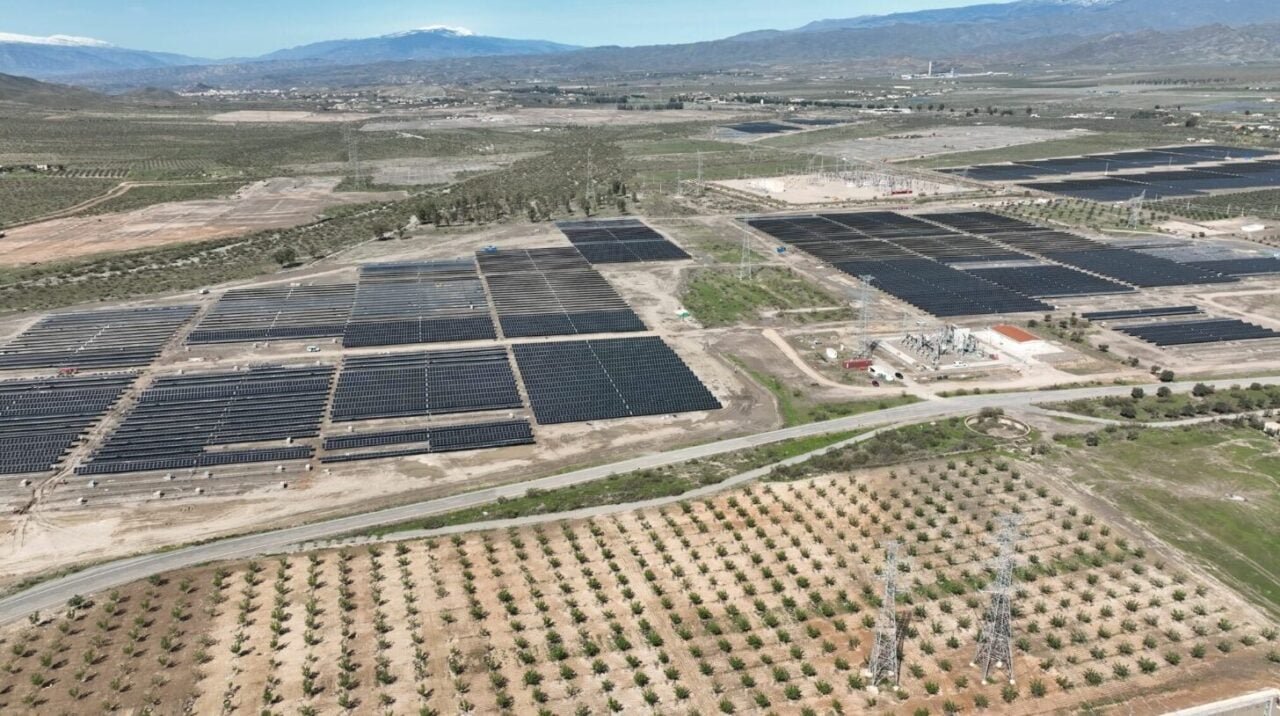
The lithium-ion BESS will reinforce the electricity market in Spain and help to integrate more intermittent renewable energy, and Naturgy is investing €80 million (US$94 million) in them. The projects are recipients of funding under Spain’s energy storage capex support scheme funded by the EU’s Recovery and Resilience framework, which is funding up to 3.5GWh of projects. Naturgy’s peer Galp similarly announced the start of construction on BESS projects in Spain (and Portugal) earlier this year, as did Iberdrola in August. Spain aims to be 81% powered by renewables by 2030, according to the country’s National Energy and Climate Plans (NECP), and energy storage will be key to helping to maintain system reliability and dampen price volatility. The government forecasts that 22.5GW of BESS will be needed by that date. Spain and Portugal suffered a near country-wide blackout in April this year, which commentators have suggested could have been better mitigated with more grid-supporting and grid-forming technologies, including energy storage. Naturgy is based in Spain but its first major large-scale activity was in Australia, bringing online the 128MW Cunderdin hybrid solar PV and 55MW/220MWh BESS in Western Australia in early 2025.
Tesla CEO Elon Musk's $1 trillion pay package hits first adversity from proxy firm
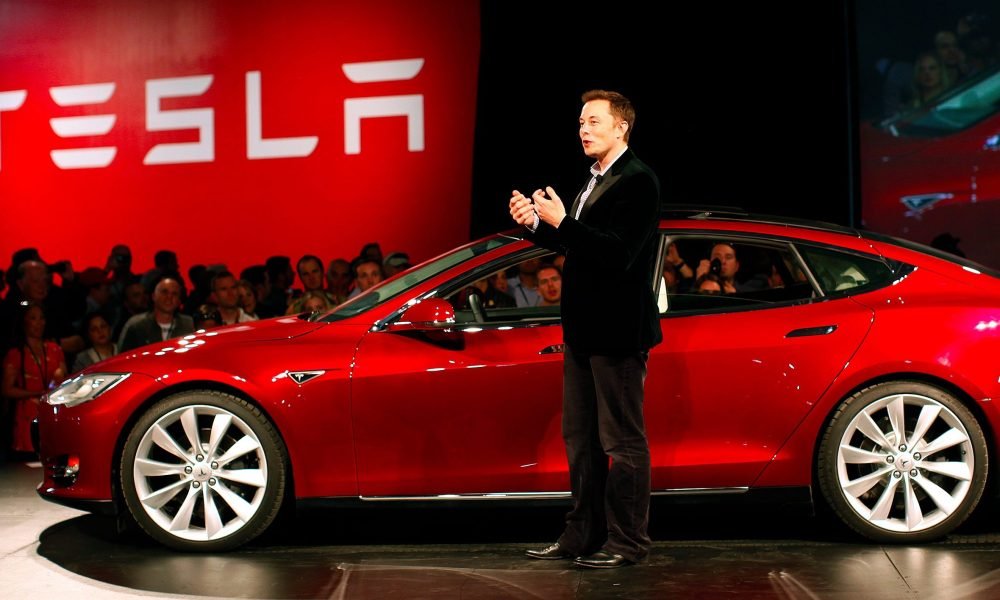
With the loss of the $7,500 Electric Vehicle Tax Credit, it looks as if Tesla CEO Elon Musk was right all along. As the tax credit’s loss starts to take effect, car companies that have long relied on the $7,500 credit to create sales for themselves are starting to adjust their strategies for sales and their overall transition to electrification. On Tuesday, General Motors announced it would include a $1.6 billion charge in its upcoming quarterly earnings results from its EV investments. Ford said in late September that it expects demand for its EVs to be cut in half. Stellantis is abandoning its plan to have only EVs being produced in Europe by 2030, and Chrysler, a brand under the Stellantis umbrella, is bailing on lofty EV sales targets here in the U.S. How Tesla could benefit from the ‘Big Beautiful Bill’ that axes EV subsidies The tax credit and EV subsidies have achieved what many of us believed they were doing: masking car companies from the truth about their EV demand. Simply put, their products are not priced attractively enough for what they offer, and there is no true advantage to buying EVs developed by legacy companies. These tax credits have helped companies simply compete with Tesla, nothing more and nothing less. Without them, their products likely would not have done as well as they have. That’s why these companies are now suddenly backtracking. It’s something Elon Musk has said all along. Back in January, during the Q4 and Full Year 2024 Earnings Call, Musk said: “I think it would be devastating for our competitors and for Tesla slightly. But, long term, it probably actually helps Tesla, that would be my guess.” In July of last year, Musk said on X: “Take away all the subsidies. It will only help Tesla.” Over the past few years, Tesla has started to lose its market share in the U.S., mostly because more companies have entered the EV manufacturing market and more models are being offered. Nobody has been able to make a sizeable dent in what Tesla has done, and although its market share has gotten smaller, it still holds nearly half of all EV sales in the U.S. Tesla’s EV Market Share in the U.S. By Year 2020 – 79% 2021 – 72% 2022 – 62% 2023 – 55% 2024 – 49% As others are adjusting to what they believe will be tempered demand for their EVs, Tesla has just reported its strongest quarter in company history, with just shy of half a million deliveries. Will Tesla thrive without the EV tax credit? Five reasons why they might Although Tesla benefited from the EV tax credit, particularly last quarter, some believe it will have a small impact since it has been lost. The company has many other focuses, with its main priority appearing to be autonomy and AI. One thing is for sure: Musk was right.
Solar & Storage Succeed When Cybersecurity Leads
Support CleanTechnica's work through a Substack subscription or on Stripe. Solar and energy storage are the lowest-cost, fastest-to-build technologies available to help meet rising electricity demand. The market is quickly responding to this reality. Solar and storage accounted for 84% of new grid capacity additions in 2024, and according to SEIA’s and Wood Mackenzie’s latest Solar Market Insight Report, these technologies made up 82% of new capacity added in the first half of 2025. Power demand is rising fast, and solar and storage will continue to dominate through 2030 because they are available right now, while new gas, nuclear, and other fuels are years away from making a dent. As solar and battery storage become more prevalent and the grid becomes increasingly digitally connected, cybersecurity must be a top priority to defend against nation states, hacktivists, criminal organizations, and other threats from obtaining unauthorized access or launching disruptive attacks against critical energy systems. SEIA is leading the way to ensure that the industry continuously develops and implements best practices, from manufacturing “smart from the start” to operating projects and systems securely. Threats against critical infrastructure from both state and non-state cyber actors have become more frequent and increasingly sophisticated. Since 2021, Chinese advanced persistent threat groups are targeting critical infrastructure and critical service sectors, including the telecommunications, transportation, lodging, water, and power sectors. In addition, cyber actors attributed to Russia and Iran continue to target critical infrastructure, including the energy sector. Threats to the solar and storage industry are not just theoretical. Past history of publicly disclosed cyberattacks against solar energy systems shows that the threat actors have the capability and interest in targeting these critical systems. There are emerging areas of vulnerability that the solar industry is working to address to mitigate financial, reputational, and operational risks to the energy sector. Much like the rest of the energy sector, solar and storage supply chains were not originally designed with security in mind. With many global sources and complex interdependencies, components that enable remote connectivity and digital control must be reliable and secure. While details are still scarce, recent reporting on the potential presence of undocumented communications devices in solar and storage technologies sourced from China underscores the need for policy, technical, and organizational approaches to address the cybersecurity of our energy supply chains. An important element of bolstering the security of the energy supply chain is to reshore more of it to the United States. Global supply chains not only create digital risks, but also geopolitical ones. Reshoring production of solar modules, inverters, and batteries offers a way to reduce exposure to potential foreign interference, while strengthening domestic jobs and energy independence. Though cybersecurity is an ever-evolving practice, some protections are evergreen. These include changing default passwords and using strong, unique passwords, removing operational technology (OT) connections from the internet, securing remote access, properly segmenting critical OT systems from enterprise IT networks, implementing and exercising incident response plans, manual backups, and network monitoring, and using a risk-based approach to manage and mitigate vulnerabilities. As the need for strong cybersecurity measures for the electric sector has grown, industry, government, and other stakeholders have worked to develop and disseminate new resources and tools. For instance, SEIA, along with partners at the North American Reliability Corporation (NERC), Sandia National Laboratories, the U.S. Department of Energy, and the National Nuclear Security Administration, developed a comprehensive list of security recommendations for large-scale solar inverter-based resources and behind-the-meter distributed energy resources (DERs) to support secure and reliable energy delivery. Similarly, the National Association of Regulatory Utility Commissioners (NARUC) partnered with DOE to develop cybersecurity baselines for electric distribution systems and DERs. The baselines will be followed by Implementation Strategies and Adoption Guidelines to support distribution system stakeholders in developing cybersecurity requirements. SEIA is the leading voice for a secure and resilient solar and storage industry. In December, SEIA is hosting a half-day virtual symposium on cybersecurity and reliability for the solar and storage industry. This event will feature key insights and practices from leading experts to ensure solar and storage are the most reliable and secure energy sources on the grid. Cybersecurity is not just one entity’s responsibility; we need all stakeholders to play an active role in securing this critical infrastructure. Learn more about why cybersecurity is essential to a thriving, American-made solar and storage industry. Article from SEIA. Sign up for CleanTechnica's Weekly Substack for Zach and Scott's in-depth analyses and high level summaries, sign up for our daily newsletter, and follow us on Google News! Advertisement Have a tip for CleanTechnica? Want to advertise? Want to suggest a guest for our CleanTech Talk podcast? Contact us here. Sign up for our daily newsletter for 15 new cleantech stories a day. Or sign up for our weekly one on top stories of the week if daily is too frequent. CleanTechnica uses affiliate links. See our policy here. CleanTechnica's Comment Policy
Lightshift Energy secures US$75 million for East Coast projects- Energy-Storage.News
Lightshift Energy secures US$75 million for East Coast projects- Energy-Storage.News Skip to content
After moving Tesla to Texas, Elon Musk is back in the Bay Area with Neuralink expansion
With the loss of the $7,500 Electric Vehicle Tax Credit, it looks as if Tesla CEO Elon Musk was right all along. As the tax credit’s loss starts to take effect, car companies that have long relied on the $7,500 credit to create sales for themselves are starting to adjust their strategies for sales and their overall transition to electrification. On Tuesday, General Motors announced it would include a $1.6 billion charge in its upcoming quarterly earnings results from its EV investments. Ford said in late September that it expects demand for its EVs to be cut in half. Stellantis is abandoning its plan to have only EVs being produced in Europe by 2030, and Chrysler, a brand under the Stellantis umbrella, is bailing on lofty EV sales targets here in the U.S. How Tesla could benefit from the ‘Big Beautiful Bill’ that axes EV subsidies The tax credit and EV subsidies have achieved what many of us believed they were doing: masking car companies from the truth about their EV demand. Simply put, their products are not priced attractively enough for what they offer, and there is no true advantage to buying EVs developed by legacy companies. These tax credits have helped companies simply compete with Tesla, nothing more and nothing less. Without them, their products likely would not have done as well as they have. That’s why these companies are now suddenly backtracking. It’s something Elon Musk has said all along. Back in January, during the Q4 and Full Year 2024 Earnings Call, Musk said: “I think it would be devastating for our competitors and for Tesla slightly. But, long term, it probably actually helps Tesla, that would be my guess.” In July of last year, Musk said on X: “Take away all the subsidies. It will only help Tesla.” Take away the subsidies. It will only help Tesla. Also, remove subsidies from all industries! — Elon Musk (@elonmusk) July 16, 2024 Over the past few years, Tesla has started to lose its market share in the U.S., mostly because more companies have entered the EV manufacturing market and more models are being offered. Nobody has been able to make a sizeable dent in what Tesla has done, and although its market share has gotten smaller, it still holds nearly half of all EV sales in the U.S. Tesla’s EV Market Share in the U.S. By Year 2020 – 79% 2021 – 72% 2022 – 62% 2023 – 55% 2024 – 49% As others are adjusting to what they believe will be tempered demand for their EVs, Tesla has just reported its strongest quarter in company history, with just shy of half a million deliveries. Will Tesla thrive without the EV tax credit? Five reasons why they might Although Tesla benefited from the EV tax credit, particularly last quarter, some believe it will have a small impact since it has been lost. The company has many other focuses, with its main priority appearing to be autonomy and AI. One thing is for sure: Musk was right.
Safer Batteries, Reliable Power: Guiding Research for Next-Generation Energy Storage
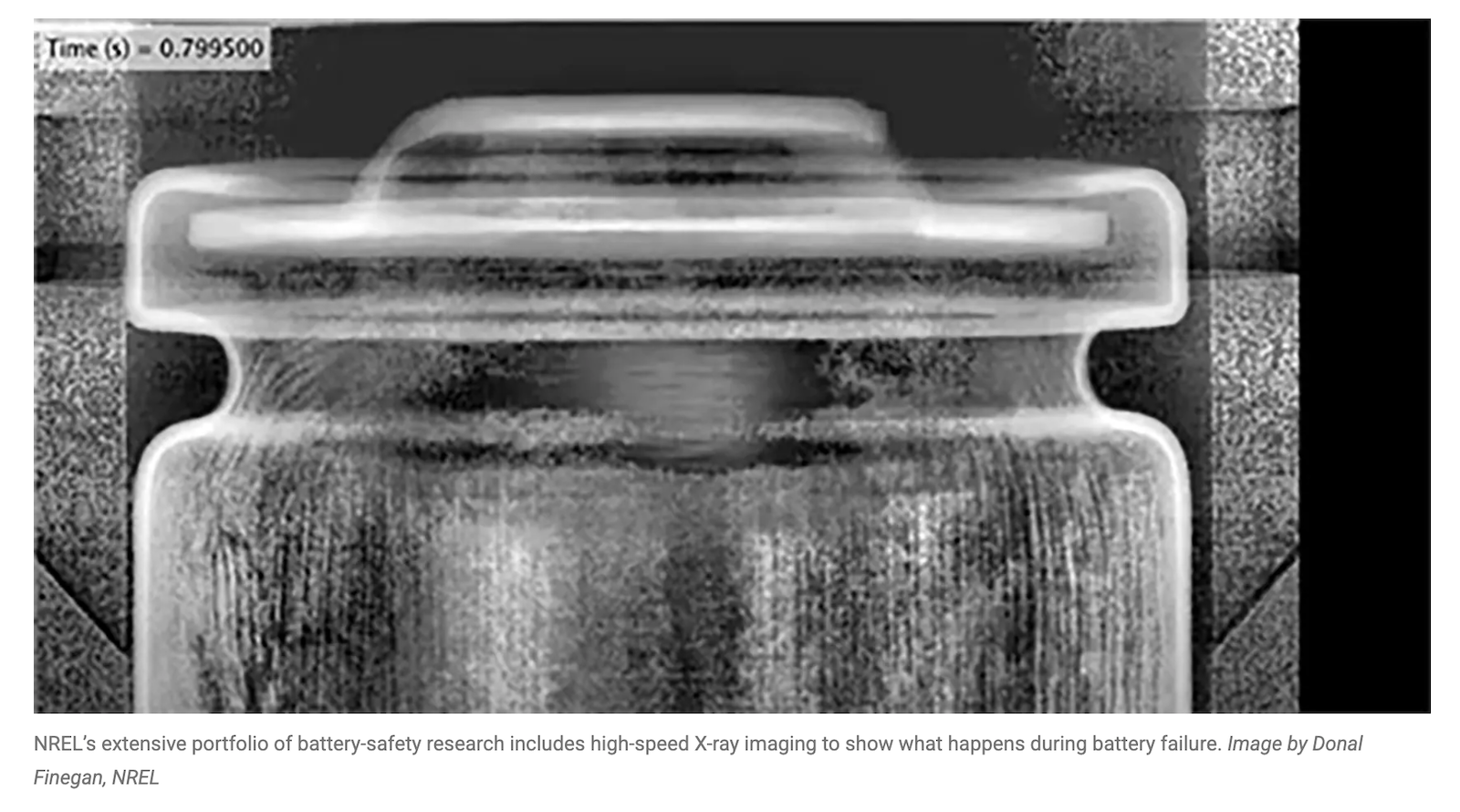
Support CleanTechnica's work through a Substack subscription or on Stripe. Tucked into your pocket, packed into warehouses, and embedded into critical infrastructure — lithium-ion batteries are quietly powering much of modern America. Demand for these indispensable energy storage solutions continues to skyrocket, prompting energy experts to explore next-generation (next-gen) designs for higher-performing technologies, including alkali metal anodes, solid electrolytes, and Earth-abundant cathode materials. However, safety is paramount to ensuring the successful deployment of these systems. “Over the years, battery researchers and engineers have developed a deep understanding of the factors that lead to failure in conventional lithium-ion batteries. However, the behavior of next-gen batteries is not yet well understood,” said Donal Finegan, a senior energy storage scientist at NREL. “We are seeing key differences in the kinetics, toxicity, mechanical robustness, and fire-suppression strategies for new materials. The better we understand these risks, the safer we can design and prepare battery systems of the future.” A recent Nature perspective authored by NREL researchers including Finegan takes a closer look at the current landscape of battery safety research, emphasizing new risks and opportunities of up-and-coming energy storage technologies. In addition, this perspective proposes a strategic approach to evaluating battery safety at the electrode, pack, and cell level. This rigorous process considers different conditions — such as limiting oxygen index, abuse conditions, state of charge, and cycle history — with respect to benchmark battery behavior. A Safety-First Approach to Battery Research NREL is a global leader in battery safety research, offering cutting-edge characterization, advanced machine learning, and multiscale modeling to evaluate energy storage systems. Researchers work closely with industry innovators to share knowledge and access to lab-scale capabilities, overcoming challenges to bring new technologies to the market. “Battery safety research is a cornerstone of our work at NREL and crucial to strengthening America’s energy infrastructure,” said NREL Senior Energy Storage Engineer and Manager Matt Keyser. “Safer batteries increase energy availability to power everything from consumer electronics to national security systems. However, we need a targeted strategy to expand battery safety research to support the development and adoption of new battery technologies.” NREL implements a rigorous process to evaluate the safety of battery designs, employing a holistic approach to characterize cells and materials to understand their responses to various abuse conditions throughout their lifetime. Insights from battery safety research are crucial to refining cell designs, determining safe operating systems, and standardizing practices to guide first responders in handling battery hazards. While some of these changes open the door to safer, more resilient, and lighter battery systems, they also bring challenges, such as managing rapid gas release, toxic byproducts, and extreme thermal reactions. Established methods for quantifying hazards of traditional lithium-ion batteries can be directly applied to next-gen cells, but there are other areas that require additional attention. It can take years to scale research from new materials to battery pack-level testing, but recent breakthroughs in modeling and artificial intelligence can accelerate the process and advance our understanding of new materials. These techniques uncover new insights into the safety of emerging battery designs, predicting how they will behave in different applications, such as grid-scale storage. NREL’s expertise in this area enables researchers to evaluate data across length scales, from microscopic samples to larger-format cell sizes, and explain differences in cell safety behaviors as a function of their size and abuse condition. “We’ve developed modeling strategies that bridge the gap between safety data generated at the material level and the behavior of large commercial batteries,” Finegan said. “Artificial intelligence will play a central role in quickly predicting how batteries will behave under different conditions in real-world scenarios to evaluate the safety of future battery designs.” Learn more about NREL’s energy storage and transportation and mobility research. And sign up for NREL’s transportation and mobility research newsletter to stay current on the latest news. Article from NREL. By Rebecca Martineau Sign up for CleanTechnica's Weekly Substack for Zach and Scott's in-depth analyses and high level summaries, sign up for our daily newsletter, and follow us on Google News! Advertisement Have a tip for CleanTechnica? Want to advertise? Want to suggest a guest for our CleanTech Talk podcast? Contact us here. Sign up for our daily newsletter for 15 new cleantech stories a day. Or sign up for our weekly one on top stories of the week if daily is too frequent. CleanTechnica uses affiliate links. See our policy here. CleanTechnica's Comment Policy
Powerlink Queensland seeks approval for 2GWh BESS connection
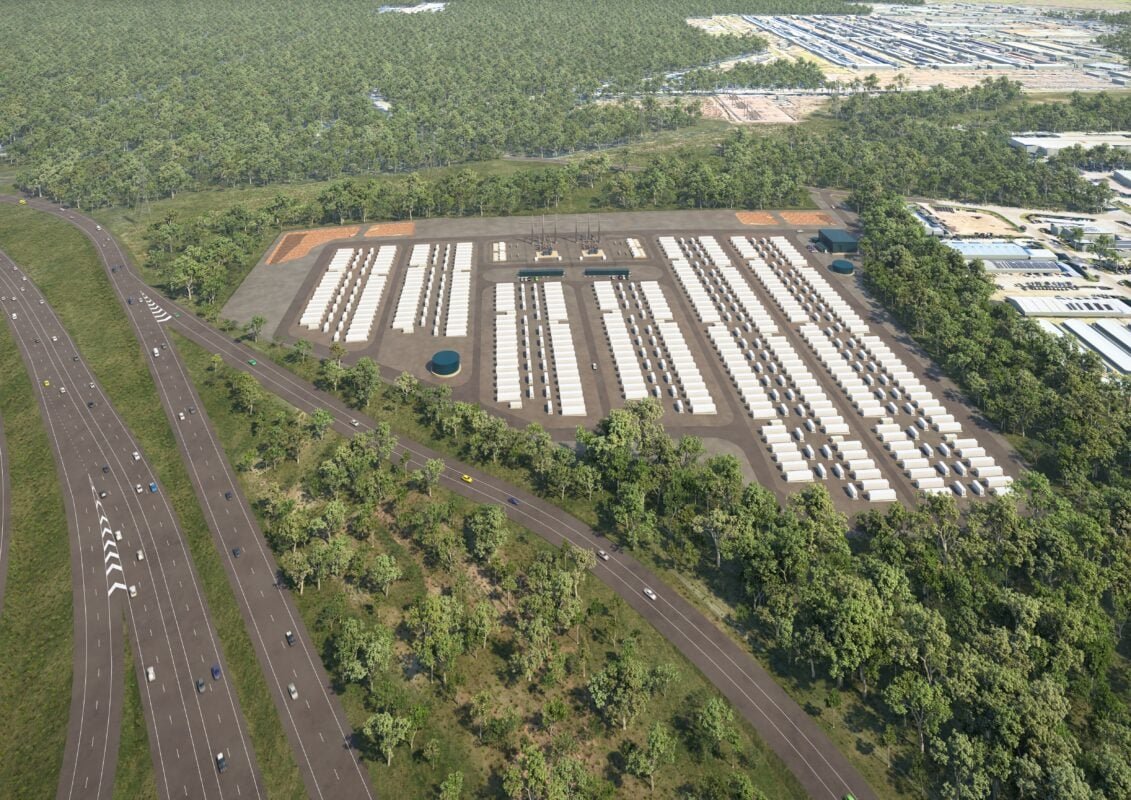
Powerlink Queensland seeks approval for 2GWh BESS connection - Energy-Storage.News Skip to content