Chery unveils major advancement in solid-state battery technology
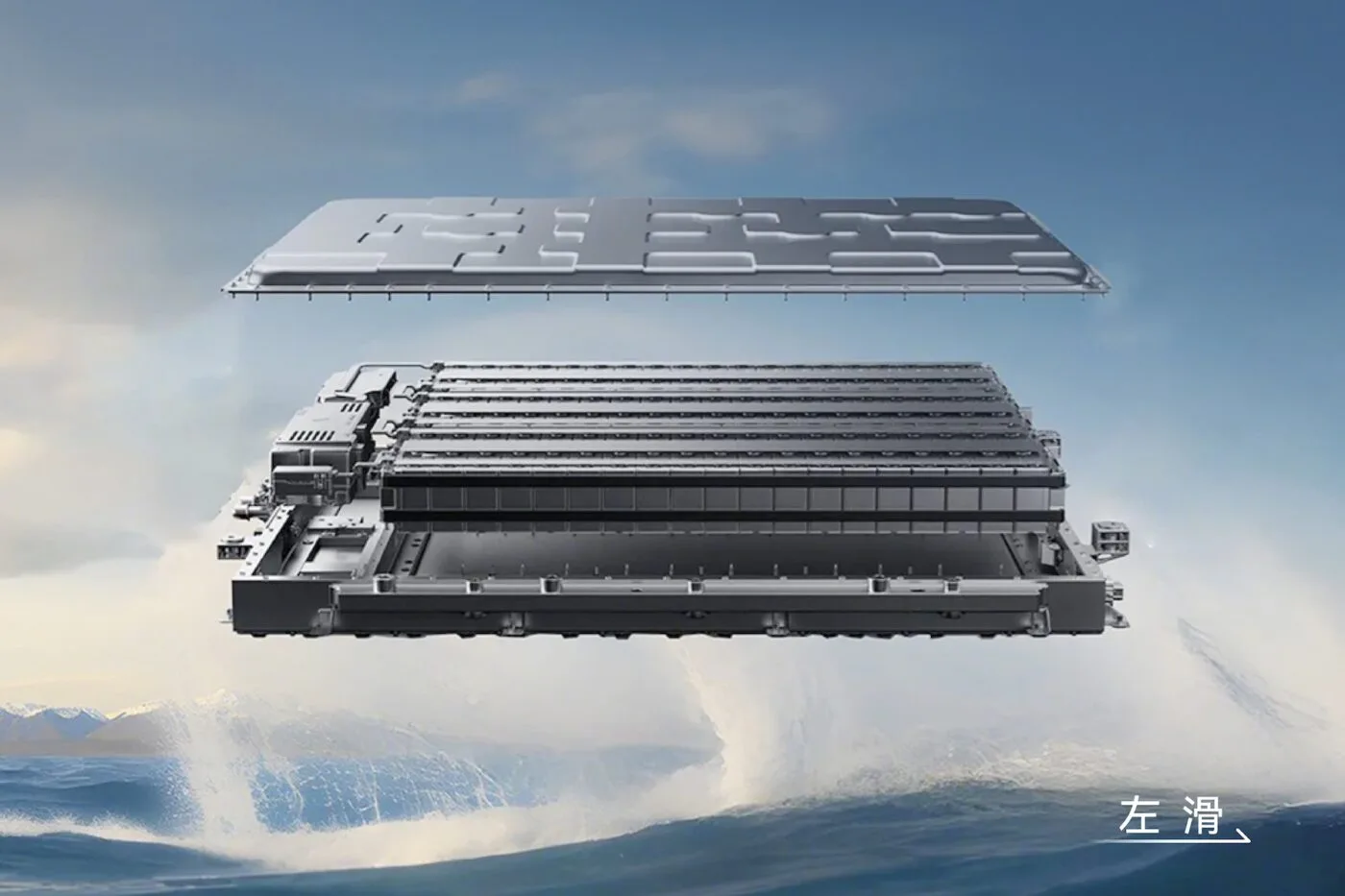
According to Chinese media reports, Chery unveiled its first self-developed solid-state battery module at a conference. The new battery prototype achieves a cell energy density of 600 Wh/kg. Electric vehicles equipped with this technology could theoretically travel more than 1,500 km on a single charge, although the actual range is expected to be 1,300 km. The company reaffirmed its plan to launch a pilot operation in 2026 and roll out a wider market launch in 2027. According to Carnewschina, “Chery Solid-State Battery Research Institute developed the module and adopted an in-situ polymerized solid electrolyte system paired with a lithium-rich manganese cathode material.” In late 2024, Chery announced the development of solid-state batteries, which were planned to achieve an energy density of 400 Wh/kg in the same year, rising to 600 Wh/kg by 2025, with the first test application in cars scheduled for 2026. Series production is then expected to begin in 2027. At the time, Chery announced that it would introduce a new battery subsidiary, Kunpeng Battery Brand. As mentioned above, this subsidiary is currently slated to launch pilot testing in 2026 and will not be hitting the commercial market until 2027 at the earliest. In the meantime, a supply deal was signed with LG Energy Solution for cylindrical battery cells. Axxiva, a Chinese battery manufacturer backed by Chery and Gotion High-Tech, which is also known as Anhui Anwa New Energy Technology, has already begun production of its first solid-state battery prototypes. Axxiva’s prototypes managed to achieve an energy density of 300 Wh/kg when the batteries started rolling off the assembly line in July. The development scene around solid-state batteries has been heating up lately, with Toyota expanding its development partnership with Sumitomo just a few days ago, while China’s Institute of Metal Research developed a new polymer for solid-state batteries just before that. SK On also opened a new pilot plant to fast-track the development of solid-state batteries, and Volkswagen is also closing the development gap with its own battery technology. carnewschina.com
7 Positives from Tesla in 3rd Quarter
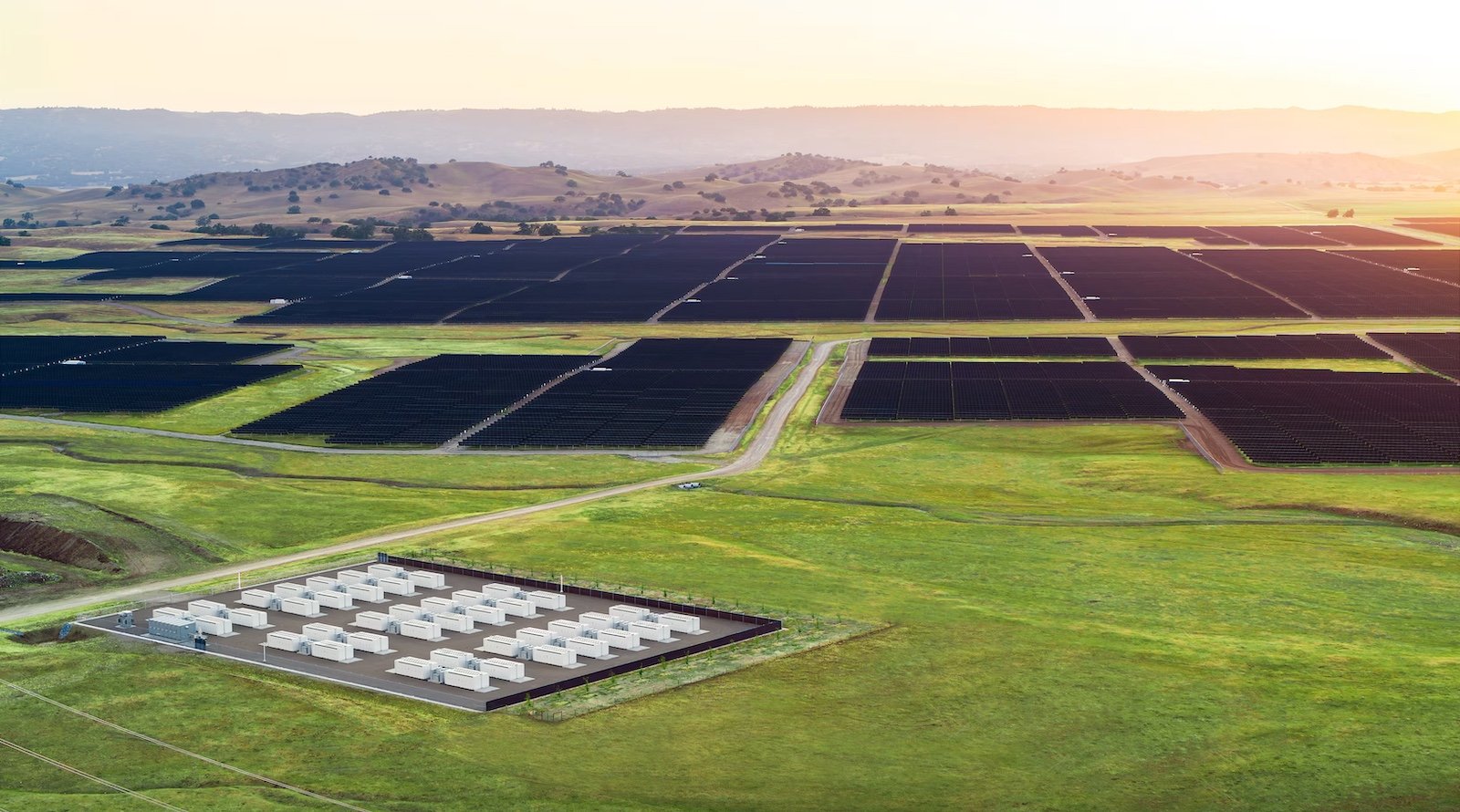
Support CleanTechnica's work through a Substack subscription or on Stripe. Overall, to me, Tesla’s financial trends don’t look good. However, there were some clear positives in Tesla’s 3rd quarter report as well. Additionally, even though Tesla’s financial trends look bad, the company does still have $41 billion in the bank, so there is no risk of bankruptcy or anything like that. It’s just that several key trends are in the wrong direction, and certainly don’t seem to justify Tesla being a massive “growth stock.” Tesla’s biggest growth percentage in its financial and operational summaries was the 81% growth of energy storage deployed in the 3rd quarter year over year. Deployment rose from 6.9 GWh in Q3 2024 to 12.5 GWh in Q3 2025. On a related note, “energy generation and storage revenue” was up 44% year over year. This is all due in part to the growing role of energy storage on the grid, and that’s expected to continue. Notably, while the solar energy tax credit was also axed by Republicans, there’s a much longer phaseout period than there was for EVs. So, one could expect a continued boom for energy storage deployment in the next few quarters. The biggest percentage growth in the financial summary was year-over-year free cash flow growth. It was up 46% from $2.742 billion in Q3 2024 to $3.99 billion in Q3 2025. That was after two quarters of well under a billion of free cash flow. One big note here is that capital expenditures were down a lot, by about $1.3 billion, year over year. “Free cash flow (FCF) is the amount of cash that a company has left after accounting for spending on operations and capital asset maintenance. Investors and analysts rely on it as one measurement of a company’s profitability,” as Investopedia summarizes. Making almost $4 billion in free cash flow is clearly a positive thing. Adding on to #1, another part of the business that was up year over year was “services and other revenue.” This rose by 25% compared to Q3 2204. So, like an auto dealership, it seems Tesla is making more and more of its money on service. But what about “other” — what’s that? One thing that “other” must be is Supercharging revenue. Despite the big kerfuffle about Elon Musk briefly wiping out Tesla’s Supercharger team and halting Supercharging station expansion, Supercharger deployment has steadily grown. In Q3 2025, the number of active supercharging stations grew by 16%, from 6,706 a year prior to 7,753. That’s significant growth in one of the key areas of Tesla’s business that it still holds a strong competitive advantage in. Supercharger connectors themselves grew from 62,421 in Q3 2024 to 73,817 in Q4 2025, an 18% increase. For that matter, Tesla also continue to grow its number of locations worldwide, going from 1,306 in Q3 2024 to 1,498 in Q3 2025, a 15% increase. Tesla’s “cash, cash equivalents and investments” were up 24% year over year, strongly boosted by Bitcoin’s rising price. However, one need not say that if Bitcoin goes strongly in the other direction, this figure will suffer. Lastly, total revenue was up 12% year over year, to a record $28.095 billion, partly on the back of that surge in vehicle sales as the US tax credit came to an end, but also due to the aforementioned increase in storage deployment. Automotive revenues were up 6%, but on a slightly lower average selling price, as vehicle deliveries were up 7%. Is there anything else I missed? Tesla also highlighted its AI training capacity growth, but from my perspective, that can be seen as a positive or a negative. If you believe Tesla is going in the right direction here, it’s a positive. However, for the time being, it’s a growing money suck, and that is a problem if it ends up not delivering on the hype. Sign up for CleanTechnica's Weekly Substack for Zach and Scott's in-depth analyses and high level summaries, sign up for our daily newsletter, and follow us on Google News! Advertisement Have a tip for CleanTechnica? Want to advertise? Want to suggest a guest for our CleanTech Talk podcast? Contact us here. Sign up for our daily newsletter for 15 new cleantech stories a day. Or sign up for our weekly one on top stories of the week if daily is too frequent. CleanTechnica uses affiliate links. See our policy here. CleanTechnica's Comment Policy
Energy Vault, Jupiter Power, advances in ERCOT BESS market
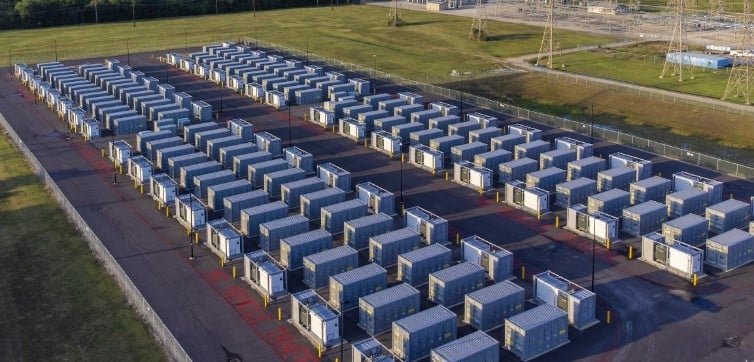
Energy Vault, Jupiter Power, advances in ERCOT BESS market - Energy-Storage.News Skip to content
Tesla VP explains why end-to-end AI is the future of self-driving

Tesla has been stumped on how to engineer one crucial part of the Optimus bot, but CEO Elon Musk says the company is “on the cusp” of achieving something great with the project. During the Q3 2025 Earnings Call, Tesla CEO Elon Musk revealed the company is moving closer to a major breakthrough with the Optimus project, and said they are “on the cusp of something really tremendous.” However, it seems there is one specific portion of the robot that has truly stumped engineers at the company: the hand, fingers, and forearm. Musk went into great detail about how incredibly complex and amazing the human hand is, highlighting its dexterity and capability, as its ability to perform a wide variety of tasks is especially impressive: “I don’t want to downplay the difficulty, but it’s an incredibly difficult thing, especially to create a hand that is as dexterous and capable as the human hand, which is incredible. The human hand is an incredible thing. The more you study the human hand, the more incredible you realize it is, and why you need four fingers and a thumb, why the fingers have certain degrees of freedom, why the various muscles are of different strengths, and fingers are of different lengths. It turns out that those are all there for a reason.” It’s been pretty apparent that Tesla has made massive strides in the Optimus project, especially considering it has been able to walk down hills, learn things like Kung Fu, and even perform service tasks like serving food and drinks. However, a recent look at a Gen 2.5 version of Optimus posted by Marc Benioff, the CEO of Salesforce, showed that Tesla was likely using mannequin hands until it developed something that was both useful and aesthetically pleasing: Very likely that these are non-functional to not give away any major details about next-gen Optimus The hands are amongst the most complex and important parts of the entire project — TESLARATI (@Teslarati) September 3, 2025 Musk continued on the call last night that the Tesla team was confronted with an “incredibly difficult” challenge from an engineering perspective, and the hands and actuators for that specific part were tough to figure out: “Making the hand and forearm, because most of the actuators, just like the human hand, the muscles that control your hand are actually primarily in your forearm. The Optimus hand and forearm is an incredibly difficult engineering challenge. I’d say it’s more difficult than the rest of the robot from an electromechanical standpoint. The forearm and hand are more difficult than the entire rest of the robot. But really, in order to have a useful generalized robot, you do need an incredible hand.” The CEO continued that developing a useful and effective robot was “crucial to the future of the company,” and that he works with Optimus’s design team each Friday night.
Kenya’s ARC Ride secures $10 million funding for its battery swapping system
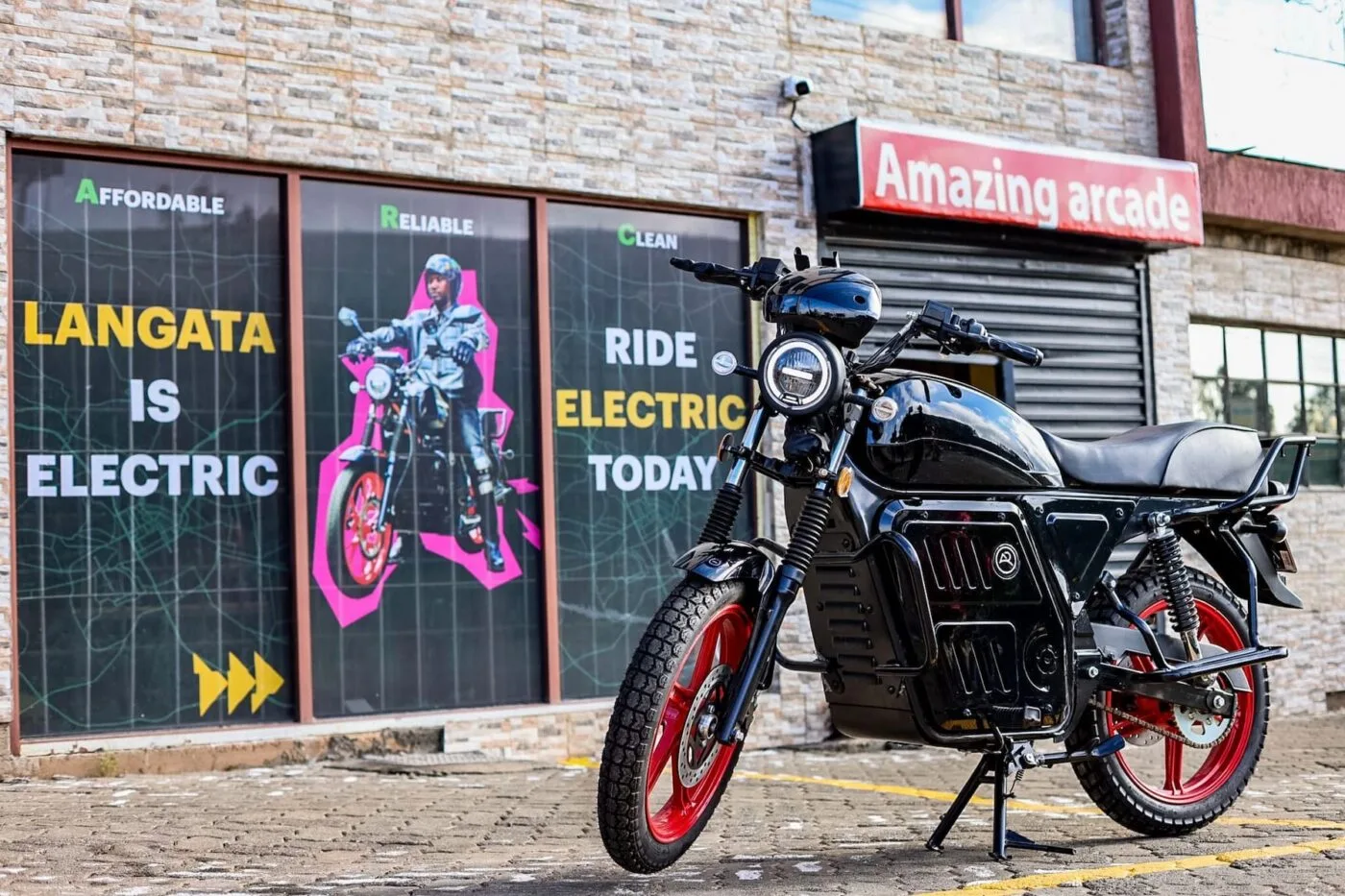
French sustainability investor Mirova is providing ARC Ride, an electric mobility company from Kenya, with up to $10 million in the form of a loan. The deal will enable the Nairobi-based company to set up 600 battery exchange stations for electric motorcycles. ARC Ride’s mission is to provide affordable, reliable and clean electric mobility solutions for fast-growing African cities. In doing so, ARC Ride aims to become the leading provider of Battery-as-a-Service (BaaS) infrastructure for electric two- and three-wheeled vehicles in Africa. In other words, its business model primarily consists of renting batteries to motorbike and tricycle riders, while also enabling quick battery replacement at its own battery exchange stations. The ARC Ride ecosystem consists of two different electric motorcycles: the Bidii Boda with 5.1 kW motor power, a top speed of 90 kph and a range of 85 kilometres, and the Corbett with 1.2 kW motor power, a top speed of 60 kph and a range of 60 kilometres. In addition, there are LFP batteries with a capacity of 1.44 kWh, whereby the Bidii Boda can be equipped with two such batteries and the Corbett with one battery. The batteries can be exchanged for fresh ones at any time at battery exchange stations in Nairobi. There is also a matching app for this. With the globally active pizza delivery service Domino’s Pizza, ARC Ride already has a prominent partner in Nairobi that uses the company’s electric motorcycles for deliveries and, of course, also uses the battery exchange system. Apparently, the e-motorcycles are also used by drivers of Uber Boda, a motorcycle taxi service from Uber specifically for Kenya. This is suggested by a photo of an ARC Ride electric motorcycle labelled ‘Uber’ in a trade article. In Kenya, electric motorcycle riders, often gig workers with low incomes, benefit from lower operating costs and savings on fuel and maintenance, which have both positive environmental and economic impacts. ARC Ride was founded in 2019 by British entrepreneur Joseph Hurst-Croft. He says: “This partnership with Mirova marks a major milestone in our mission to make electric mobility accessible, affordable, and sustainable across Africa. With Mirova’s support, we’re not only scaling our operations in Kenya, we are laying the groundwork for a cleaner transport future across wider regions in Africa.” Rim Azirar of Mirova added: “This investment reflects Mirova’s mission to support innovative, high-impact climate solutions in emerging markets. ARC Ride is redefining urban mobility in Africa through a scalable model that reduces emissions and improves livelihoods. We’re proud to support their journey.” Kenya has ambitious plans in the field of electric motorcycles: in 2023, the East African country announced that it wanted to put around 100,000 electric motorcycles and electric tuk-tuks on the roads by 2029 as part of a project run by the Kenyan bank KCB in collaboration with the United Nations Institute for Training and Research (UNITAR). This was followed by a collaboration between the Kenyan government and electric motorcycle manufacturer Spiro with the aim of putting more than one million of its electric motorcycles on the roads in Kenya and setting up 3,000 battery exchange stations. mirova.com
Fertilizer Made From EV Batteries

Support CleanTechnica's work through a Substack subscription or on Stripe. Many farmers, ranchers, and fans of historic architecture voted US President Donald Trump into office, and now many of them are suffering a case of buyer’s remorse. Not to worry. Scientists are still inventing new ways to help farmers and ranchers stay in business. Among the recent developments, researchers are turning used EV batteries into fertilizer, and tuning solar panels to boost crop yields. What To Do About All Those LFP EV Batteries? Unfortunately, modern science can’t restore the East Wing of the White House. However, scientists can help farmers find a more economical alternative to the fertilizer supply chain. The US depends heavily on imported fertilizers and fertilizer ingredients, and President Trump’s trade policy has not helped. Scientists at the University of Wisconsin – Milwaukee are developing one solution, and it’s an environmental two-fer. Their primary goal is to meet the recycling challenge posed by a forthcoming flood of EV batteries that deploy the new lithium-iron-phosphate (LFP) formula. Leading automakers like Ford and General Motors are adopting LFP as a more economical alternative to conventional lithium-ion EV batteries, helping to cut the overall cost of a new car. However, there’s a catch. Lithium aside, extracting low-value ingredients from spent LFP batteries is practically not worth the effort. The UW solution involves introducing potassium into a spent EV battery, enabling key fertilizer ingredients — phosphorus and nitrogen — to leach out along with the potassium, which is also a key fertilizer input. In addition to reducing the cost of materials recovery from spent EV batteries, the process cuts down on the energy needed to mine and transport virgin fertilizer inputs. The Tomato Connection Of note, similar research is under way in China, where the movement toward LFP and related formulas is already in motion. Here in the US, the potassium angle could open a whole ‘nother can of worms, considering that the US currently imports almost 80% of its potassium supply from Canada and another 15% from Russia and Belarus (yes, Russia and Belarus). For that matter, the global phosphate supply chain is also entangled. Still, new research into materials recovery from human and animal waste indicates that a sustainable solution to the EV battery supply exists somewhere in the future. For the here and now, the UW team is ready to take its research to the next step. If all goes according to plan, they will collect enough material from spent EV batteries to fertilize a tomato crop of one acre. To a non-farmer that may not sound like much, but a single acre can produce anywhere from 8,000 to 16,000 pounds of tomatoes, which is enough to support part-time or local sales, according to information compiled by Texas A&M University. Tomatoes & Solar Panels Texas A&M also notes that tomato growing is a high risk endeavor. The school lists hail and excessive heat among the weather hazards, and that’s where solar panels can help. The combination of solar energy and agriculture (aka agrivoltaics, agri-solar, or agri-PV) is beginning to take hold in the US as researchers assemble evidence that specially designed solar arrays can improve growing conditions for some crops, while providing shelter from weather events and excess heat. Solar researchers are beginning also beginning to address the shade factor with new “tunable” solar cells that can be adjusted to let plant-friendly parts of the light spectrum go through. One such effort is under way at the National Renewable Energy Laboratory, a branch of the US Department of Energy. The researchers have developed a system for tuning thin, lightweight organic solar cells. Called BioMatch, the system identifies parts of the light spectrum best suited to growing specific plants under solar panels made with organic solar cells. As noted by the researchers, full sunlight contains both beneficial and potentially damaging parts of the light spectrum. The BioMatch system weeds out the damaging parts, exposing plants only to the benefits. The ultimate goal is to fabricate semi-transparent solar panels with BioMatched materials. As applied to greenhouses, the new solar panels will trap part of the spectrum to generate electricity, while enabling other, plant-specific parts of the spectrum through. So far, so good. The researchers have been growing and harvesting tomatoes in two custom-built greenhouses. In a recap of the project last June, the researchers found that tomato plants grown under BioMatched light were taller than the ones exposed to full sunlight. “Even though the control plants receive 30% more light, the OPV [BioMatched] plants are selectively bathed in the slice of the solar spectrum they crave,” the lab explained. Fertilizer, Solar Panels, & Used EV Batteries Unfortunately for tariff-burdened soybean farmers in the US, modern advances in ag tech can’t do anything about trade policy. For other growers, though, the intertwined threads of EV battery and solar research could yield some economic benefits. A farm could optimize crop yields with tunable solar panels and fertilizer sourced from used EV batteries, for example. Livestock farmers may not need the fertilizer part of the equation, but they, too, are facing the impacts of federal trade policy. The emerging solar grazing movement is providing some relief, especially for sheep ranchers. Sheep are particularly good solar partners because they are relatively small and they don’t climb on the panels. As efficient grazers, sheep also keep vegetation from overgrowing the panels, reducing the expense and carbon footprint of mechanical mowers. New research also indicates that the sheep — and their wool — benefit from partial shade during the day. The idea of co-locating solar arrays with cattle grazing has not seen a similar uptake, mainly due to concerns over potential damage to racking systems. However, those concerns are fading as new bifacial solar technology enters the field, along with long term research showing little or no damage at all. The missing link is energy storage, and EV batteries are beginning to close that gap in the growing field of second-life applications. Ford was among the automakers
Raffeisen pension fund joins EBRD, EU on large-scale Croatia BESS and VPP investment
Raffeisen pension fund joins EBRD, EU on large-scale Croatia BESS and VPP investment - Energy-Storage.News Skip to content
Tesla (TSLA) Q3 2025 earnings: Wall Street's reactions

Tesla’s (NASDAQ:TSLA) earnings call comes on the heels of the company’s Q3 2025 update letter, which was released after the closing bell on October 22, 2025. Tesla’s Q3 2025 Results As could be seen in Tesla’s Q3 2025 Update Letter, the company posted GAAP EPS of $0.39 and non-GAAP EPS of $0.50 per share. Tesla also posted total revenues of $28.095 billion. GAAP net income is also listed at $1.37 billion. Tesla’s total revenue increased 12% YoY to $28.1 billion, while operating income decreased 40% YoY to $1.6 billion. This means that for Q3 2025, Tesla’s had a 5.8% operating margin. Tesla’s quarter-end cash, cash equivalents and investments was $41.6 billion by the end of the third quarter. Earnings call updates The following are live updates from Tesla’s Q3 2025 earnings call. I will be updating this article in real time, so please keep refreshing the page to view the latest updates on this story. 16:25 CT – Good day to everyone, and welcome to another Tesla earnings call live blog. The Q3 2025 Update Letter seemed to be on the quieter side, but it’s hard not to be impressed with Tesla’s $4 billion free cash flow, an all-time high. Now we just have to see how the earnings call will go. 16:30 CT – Looks like the earnings call’s livestream is up. It hasn’t started yet, but the music’s on. Here’s the livestream: 16:33 CT – One of the most fun things about Tesla earnings call coverages is that you don’t really know what type of Elon Musk you’re gonna get. The questions from investors and analysts are always fun too. 16:35 CT – And here we go. Travis Axelrod takes the floor and introduces Tesla’s executives. 16:36 CT – Elon’s opening remarks begin. He says Tesla is at a critical point because real-world AI is imminent. He states that he believes Tesla has the highest intelligence density. “It’s gonna be like a shockwave,” Elon said, highlighting that there are millions of cars out there that could become full self-driving with a simple software update. 16:38 CT – With Tesla achieving clarity on Unsupervised FSD, Musk stated that he feels “confident in expanding Tesla’s production.” He also noted that Tesla Energy is rising quickly, especially with products like the Powerwall and the Megapack. “We see the potential there for Tesla battery packs to improve the energy output per year of any given grid, the US or otherwise.” 16:40 CT – Elon also reiterated his prediction that Tesla Optimus could be the largest product in the world. A good reason for this is the fact that Tesla has scale, Musk stated. Musk also stated that it’s easy for users in the United States to test out FSD V14 for themselves. He also mentioned that Tesla is currently hard at work with Megapack 4. “We look forward to unveiling Optimus V3 in Q1. I think it will be quite remarkable,” Musk said, adding that V3 will almost seem like a person in a robot suit. 16:45 CT – Musk summed up his opening remarks with a comment on Tesla’s updated mission. “In conclusion, we’re excited about the updated mission of Tesla, which is sustainable abundance. We’re going beyond sustainable energy. We believe that with Optimus and self-driving, we can actually create a world where there is no poverty, where everyone has access to the finest medical care. “Optimus will be an incredible surgeon. Imagine if everyone had access to an incredible surgeon. I think we’re headed to sustainable abundance, and I’m excited to work with the Tesla team to make that happen,” Musk said, summing up. 16:48 CT – Tesla CFO Vaibhav Taneja discussed the company’s rollout of its expanded Model Y lineup such as the Model Y L, as well as the advantages of the Robotaxi network. He also confirmed that Tesla is looking to secure approvals for FSD tests in several areas across the globe. He also discussed Tesla’s regulatory credits. “”While regulatory credits declined sequentially, we entered into new contracts and delivered on previous contracts,” he said. 16:54 CT – Investor questions are asked about demand for Megapack and Powerwall. Tesla noted that Tesla is seeing a lot of interest and demand for Megapack and its related products. There is also a surge in demand for residential batteries. Looks like the Tesla Solar Roof is coming alive as well. 16:59 CT – A question about the challenges of Optimus’ rollout was asked. Elon Musk noted that bringing Optimus to market would not be a walk in the park. It will be a very difficult endeavor. “It’s an incredibly difficult thing,” Musk said, adding that the hands of Optimus are very difficult to design and produce due to its complexity. Tesla is really putting a ton of work on Optimus’ hands, likely because the robot will need to be very dexterous to be useful in both residential and industrial applications. He noted that for Optimus to be successful, Tesla must really be vertically integrated. Elon also mentioned that Optimus is one of the reasons behind his goals with his 2025 compensation plan. He needs control of Tesla if the company is building a literal robot army. 17:05 CT – A question about Tesla’s chip deal with Samsung. Elon noted that he has nothing but good things to say about Samsung. He then clarified that Tesla will be focusing both TSMC and Samsung on AI5. “The AI5 chip design by Tesla is an amazing design. I have spent every weekend for the last few months with the chip design team working with AI5,” Musk said. “By some metrics, the AI5 chip will be 40x better than the AI4 chip.” This is because the hardware is designed for Tesla’s software stack. There is also a lot of efficiencies and deletions that have been implemented on AI5. “This is a beautiful chip,” Musk said, reiterating that both Samsung and TSMC will be producing AI5. Tesla wants an oversupply of AI5 chips. If there’s an oversupply, Musk said that the chips could just be used for training in Tesla’s data center.
Germany unveils draft of the 2030 Charging Infrastructure Masterplan
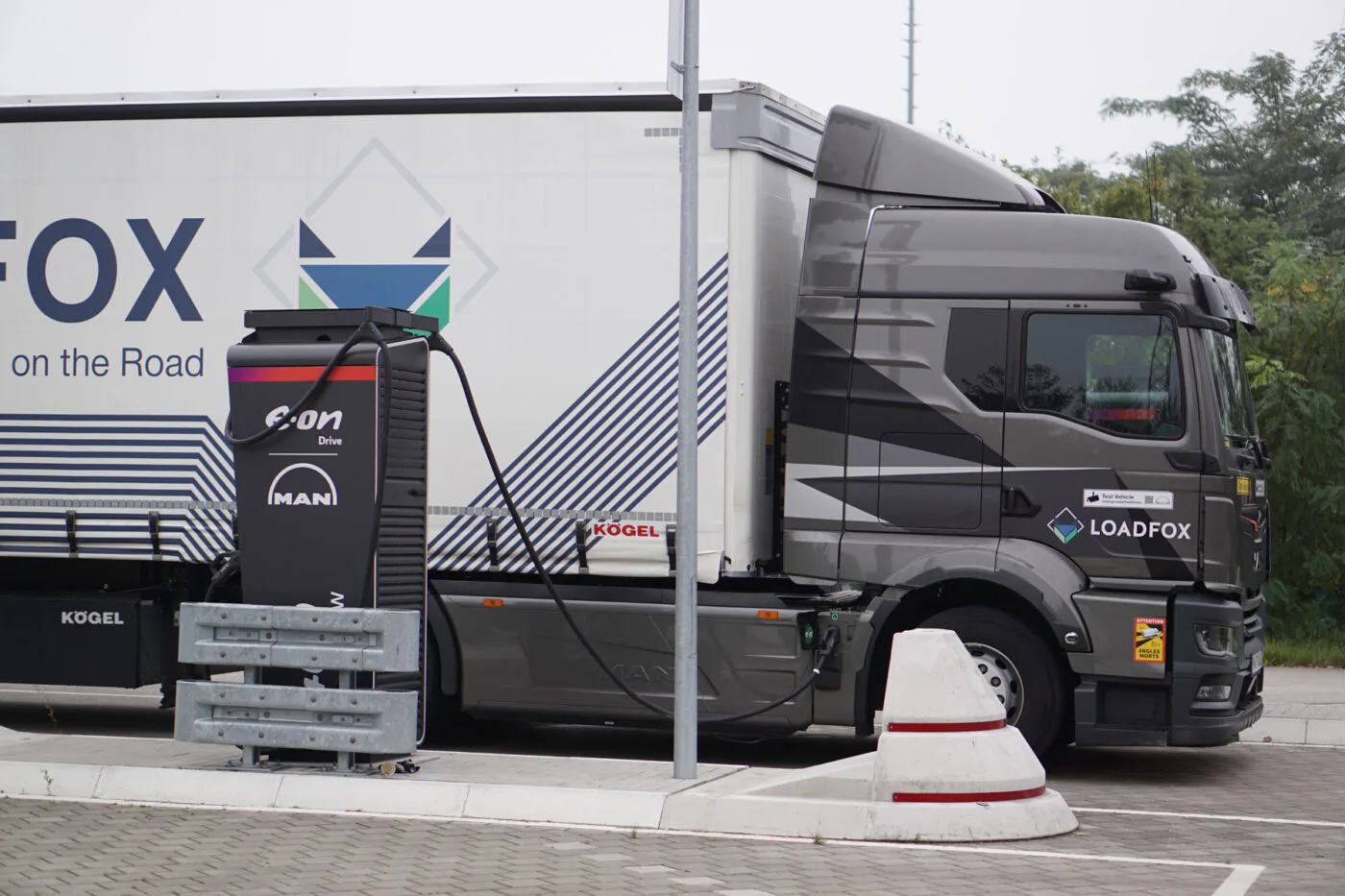
Germany’s Federal Ministry of Transport has presented the draft Masterplan Charging Infrastructure 2030, outlining its roadmap for expanding the national charging network – including heavy-duty electric vehicles. Stakeholder consultations are now underway, and details may still change. Federal Transport Minister Patrick Schnieder (CDU) has unveiled his ministry’s strategy for scaling up Germany’s EV charging network. Building on previous frameworks, the new Masterplan defines key measures to accelerate expansion, streamline regulation, and strengthen the charging ecosystem. The plan also sets clear goals for electric trucks and buses, reflecting the growing importance of commercial e-mobility. “The Masterplan Charging Infrastructure 2030 is our new roadmap to ensure that everyone who wants to charge can charge,” said Schnieder in the announcement. “This goal can only be achieved in close cooperation with federal states, municipalities, businesses, investors and citizens.” The Masterplan outlines around 40 measures across five action areas: boosting demand and investment, simplifying implementation, enhancing competition and price transparency, improving grid integration, and increasing user-friendliness and innovation. Unlike earlier editions, the measures focus less on individual subsidies and more on creating favourable conditions for market-driven growth, such as faster approval procedures, targeted innovation funding and digitalisation of grid access processes. One area of focus is residential and depot charging. From early 2026, new funding will support charging points in multi-family buildings and the upgrading of electrical systems. Similar programmes are planned for depots and bus depots, though these remain subject to budget approval. The government also reaffirms its commitment to building a nationwide fast-charging network for electric trucks along motorways. Around 350 rest areas will be equipped with high-power chargers. In parallel, the ministry plans to introduce a “long-term concept for motorway charging” in 2026, defining future infrastructure requirements across all vehicle segments. The Masterplan also aims to simplify regulatory processes. The ministry intends to revise Germany’s Building Electromobility Infrastructure Act (GEIG) by 2026 and adapt zoning and building regulations to ease site development. Data reporting obligations for charging point operators will be streamlined, aligning with the EU’s AFIR regulation and the German “Mobilithek” data platform. To improve market transparency, the plan proposes a central data hub showing real-time charging prices from all operators, ensuring that paying and charging is as simple as refuelling. Germany also intends to push for clearer EU rules on fair and comparable EV charging tariffs. Grid integration remains a central challenge. The ministry plans to digitalise and standardise grid connection procedures nationwide, particularly for medium-voltage connections at fast-charging sites. Future measures include online portals, faster response times, and improved transparency on grid capacity, enabling better investment planning. Bidirectional charging receives dedicated attention. The ministry will fund pilot projects in residential buildings and logistics depots, while working with the Federal Network Agency to explore business models and regulatory incentives. Planned tax law changes aim to simplify bidirectional charging operations. The government also plans to extend the Electric Mobility Act (EmoG) beyond 2026, maintaining local privileges for EV users. It will promote accessibility at public chargers, oppose overnight blocking fees, and support the introduction of reservation functions for medium- and heavy-duty EVs. In response to increasing theft, a joint “anti-cable theft initiative” will be launched with the Interior Ministry and federal states. The government also aims to allow cable replacement without mandatory recalibration of entire charging systems, reducing repair costs and downtime. Finally, the plan supports trials of battery-swapping systems for electric trucks. A new DIN specification defining technical parameters for interoperable swappable batteries is due by the end of 2025, paving the way for the first industrial-scale pilot projects and potential EU-wide standardisation. bmv.de (statement; in German), bmv.de (draft as PDF; in German)
The Sodium-Ion Battery Revolution Has Started
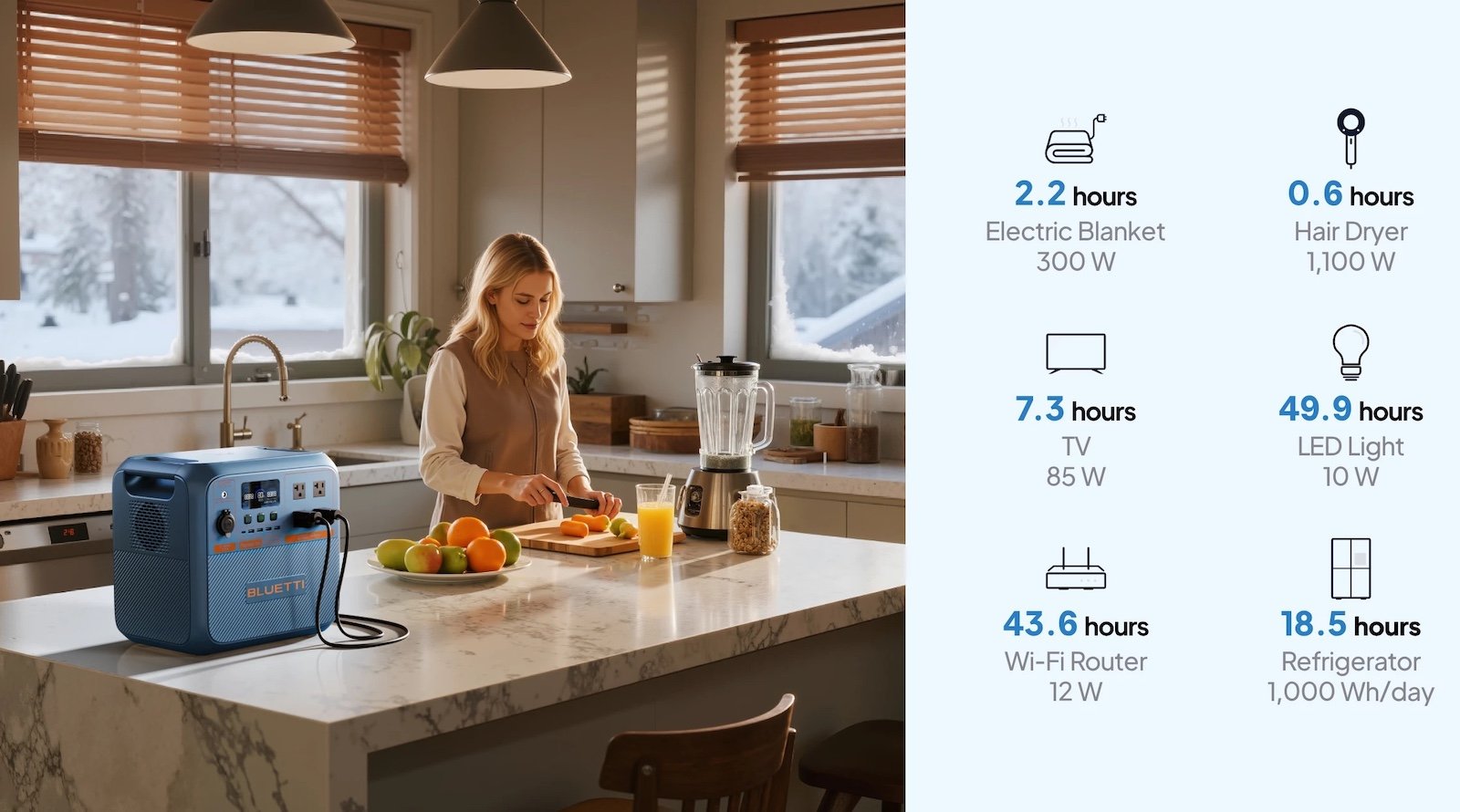
Support CleanTechnica's work through a Substack subscription or on Stripe. Sodium-ion batteries have been in the works for years, and now sodium-ion batteries have started to appear in cars and home storage. JAC, in a partnership with Volkswagen, has been shipping a vehicle called the Sehol or E10X with sodium-ion batteries since 2023. Recently, Bluetti introduced the Pioneer Na(sodium) portable power station. This is just the beginning. Photo of JAC Sehol E10X by “User3204” (CC BY-SA 4.0 license). HiNa supplied sodium-ion batteries for JAC Motors in 2023. Early batteries had lower gravimetric energy density (145 Wh/kg) and volumetric energy density (330 Wh/liter) than LFP, but sodium-ion batteries have already improved since then. They have outstanding temperature range, yielding 88% retention at -20°C. For reference, the discharge capacity of NMC at 0°C, −10°C and −20°C is only 80%, 53%, and 23% of that at 25°C. The HiNa batteries had a cycle life of 4,500 cycles with 83% retention and a 2C charge rate, but even better sodium-ion batteries are on their way. HiNa opened a 1 GWh sodium-ion battery factory in December 2022. Since then, both BYD and CATL have opened huge sodium-ion battery factories. The investment is there and indicates a permanent presence for sodium. Since then, CATL has thrown its hat into the ring with the Naxtra sodium-ion battery, with 175 Wh/kg and 10,000 lifetime cycles along with operation from -40°C to 70°C. CATL is planning a start-stop battery for trucks using the technology. It has the potential to replace lead-acid batteries. CATL has announced battery pricing at the cell level in volume at $19/kWh. BYD, a major competitor to CATL, has not stood still either. BYD opened a sodium-ion battery factory in 2024, and is producing a large sodium-ion battery energy storage system (BESS) called MC Cube-T with a capacity of 6.4 MWh. BYD’s sodium battery factory has a massive planned capacity of 30 GWh annually. These companies mean business. Sodium ion is here to stay. These developments point the way to much more. The cost of sodium battery materials is much lower than for any lithium battery. There are no resource bottleneck materials like cobalt or lithium to contend with. In addition, aluminum can be used for electrodes, whereas lithium requires copper for one of the electrodes. Carbon or graphite and separator materials will be similar, but in all other respects, sodium has much lower material costs. Compared to LFP, sodium does not require phosphorous, a substance that is almost exclusively sourced from one state in north Africa, nor lithium, a relatively abundant but more expensive substance than sodium. LFP cannot compete on material costs or temperature range, and both BYD and CATL expect to phase it out first in energy storage. Implications are Clear for the Future Availability of such a low-cost, wide-temperature-range battery makes a wide range of applications possible that were not available before. While batteries have enabled passenger car developments, they have been somewhat stymied in large mobile power applications like shipping and electric trucks. That day is gone now. At these costs, electric shipping is achievable and the debate over alternative fuels will fall off quickly as applications are realized. Batteries with similar characteristics, like LFP, already offer reasonable range and cargo-carrying capacity for long-distance shipping. These developments push that over the top and set electric shipping at parity with legacy fossil fuel shipping and beyond when maintenance and all cost factors are considered. In cars, sodium puts passenger vehicles well beyond parity into the “why are we doing this anymore?” category in comparison with ICE (internal combustion engines). Combustion makes no sense whatsoever when the alternative lasts for hundreds of thousands of miles and works with ambient temperatures from -40°C to 70°C. There are literally no more excuses any more. Not range, not charging speed, not cost. The first sodium-ion battery cars were already shipping in China years ago and have been shipped to South America. In both places, they seriously undercut the first cost of any equivalent internal combustion vehicle. Now, in a short time, they have improved to compete and beat lithium-ion batteries. As of now, LFP does the bulk of truck applications in China, where over 90% of the world’s heavy electric trucks exist. Sodium-ion batteries are expected to displace LFP in energy storage and heavy truck applications. The implications are far wider than that, however. For other applications sensitive to energy storage cost, the cost drops dramatically. In particular, swap stations and fast charging stations with battery buffering drop, changing the picture dramatically. Implementation of those should increase with lower capital costs. Electric shipping will go from slow lane to fast lane as the advantages of sodium are realized. Already, CATL has announced a partnership with Maersk, hinting at future developments in that area. It is likely other applications, like replacements for lead-acid batteries with sodium, will appear, but many others are likely. Renewables will benefit greatly, with costs for storage so low that the complaints of variability and cost vanish. While existing lithium batteries have changed the world in so many ways, the presence of sodium-ion batteries can be expected to transform our world faster. The sheer quantity of batteries and electrification made possible by the presence of lower-cost, higher-capability batteries makes the changes in electrification to date pale by comparison. About the only field left to conquer in battery storage is high-density, high-power applications like aircraft, but more breakthroughs are on their way in the form of lithium-sulfur and solid-state batteries. Sign up for CleanTechnica's Weekly Substack for Zach and Scott's in-depth analyses and high level summaries, sign up for our daily newsletter, and follow us on Google News! Advertisement Have a tip for CleanTechnica? Want to advertise? Want to suggest a guest for our CleanTech Talk podcast? Contact us here. Sign up for our daily newsletter for 15 new cleantech stories a day. Or sign up for our weekly one on top stories of the week if daily is too frequent. CleanTechnica
US battery storage financing 'has become more challenging'
US battery storage financing 'has become more challenging' - Energy-Storage.News Skip to content
Battery Power Online | Follow the Money: BESS, Geothermal, Solar, More
By Battery Power Online Staff October 3, 2025 | Funding rounds from the past month in the battery space show investments for geothermal energy (including from automotive manufacturers), BESS solutions, solar energy storage, and AI-driven energy trading. $38M: Series A for Geothermal Energy Rodatherm, a pioneer in next-generation geothermal energy, has successfully closed an oversubscribed $38 million Series A funding round. This is the largest first venture raise for a geothermal startup of all time, underscoring the booming industry and ground-breaking technology Rodatherm has developed. The financing was led by Evok Innovations and included participation from TDK Ventures, Toyota Ventures, TechEnergy Ventures, MCJ, Active Impact Investments, Renewal Funds, Grantham Foundation for the Protection of the Environment, Giga Investments, and others. Operating in stealth since 2022 and with operations in both Calgary, Alberta, Canada, and Salt Lake City, Utah, Rodatherm has developed a novel fully cased, pressurized, closed-loop geothermal system that is optimized for hot sedimentary basins, enabling both conductive and convective heat transfer from the reservoir. Read more. $22.4M: Series B for BESS Solutions Sympower, Europe’s leading independent flexibility services provider, has secured €19 million in funding from pension investor PGGM, investing on behalf of PFZW, the Dutch health care pension scheme. Sympower will use the funds to further roll out its battery storage (BESS) optimization solutions and pursue additional mergers and acquisitions. This investment is an extension of Sympower’s Series B1 funding, bringing the total round to €42 million. With over 2.7GW of flexible distributed energy assets under management across Europe, Sympower has established itself as a market leader in energy flexibility. This latest investment marks a pivotal step in scaling the company’s presence in BESS, expanding its acquisition pipeline, and advancing its pan-European growth. The funding will enable Sympower to build on its track record with grid-scale battery projects in Sweden and Finland and extend its capabilities to play a central role in Europe’s evolving flexibility ecosystem. Read more. $9.8M: Series B for Solar and Battery Storage in Latin America SunCompany, a Colombian cleantech startup formerly known as SunColumbia, has raised more than $15 million to accelerate its solar and battery storage projects in Latin America. The financing round includes $9.8 million in Series B equity and $5 million in debt, with support from Bancolombia Ventures and SEAF. Founded by Juan Diego Gómez and Mauricio Hoyos, SunCompany has evolved into a holding group that oversees subsidiaries like Dispower and Sunwa Technologies. The company focuses on delivering hybrid solar and storage solutions, with operations in Colombia, the Dominican Republic, and Guyana. To date, SunCompany has installed 57.6 MW of solar power and 58.3 MWh of storage systems, strengthening its role as a regional player in clean energy infrastructure. Read more. $9.4M: Series A for AI-Driven Energy Trading suena energy, one of InnoEnergy’s portfolio companies and a pioneer in the algorithmic optimization and trading of energy storage systems and renewable energies, has successfully secured an €8 million in Series A funding. Dutch energy company Eneco led the round through its investment arm, Eneco Ventures, joined by impact venture capital fund 4impact capital, and existing investors InnoEnergy, J.O.S.S., Santander and Energie 360°. suena energy’s proprietary Energy Trading Autopilot enables fully automated, AI-driven trading of flexibilities across all relevant power and ancillary service markets. The platform uses real-time data and forecasts to generate optimal dispatch schedules, maximizing revenues while minimizing risk and battery degradation. Read more.
Tesla China’s Megafactory helps boost Shanghai’s battery exports by 20%: report
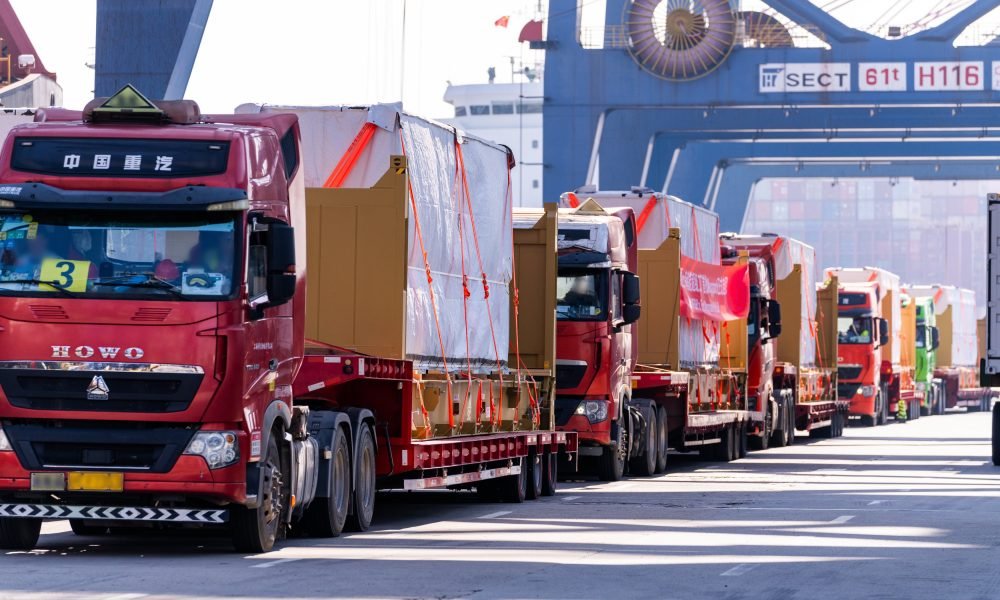
Tesla has unveiled the Megablock and Megapack 3, the latest additions to its industrial-scale battery storage solution lineup. The products highlight Tesla Energy’s growing role in the company, as well as the division’s growing efforts to provide sustainable energy solutions for industrial-scale applications. Megablock targets speed and scale During the “Las Megas” event in Las Vegas, Tesla launched Megablock, a pre-engineered medium-voltage block designed to integrate Megapack 3 units in a plug-and-play system. Capable of 20 MWh AC with a 25-year life cycle and more than 10,000 cycles, the Megablock could achieve 91% round-trip efficiency at medium voltage, inclusive of auxiliary loads. Tesla emphasized that Megablock can be installed 23% faster with up to 40% lower construction costs. The platform eliminates above-ground cabling through a new flexible busbar assembly and delivers site-level density of 248 MWh per acre. With Megablock, Tesla is also aiming to commission 1 GWh in just 20 business days, or enough to power 400,000 homes in less than a month. “With Megablock, we are targeting to commission 1 GWh in 20 business days, which is the equivalent of bringing power to 400,000 homes in less than a month. It’s crazy. How are we planning to do that? Like most things at Tesla, we are ruthlessly attacking every opportunity to save our customers time, simplify the process, remove steps, (and) automate as much as we can,” the company said. Megapack 3 is all about simplicity The Megapack 3 is Tesla’s next-generation utility battery, designed with a simplified architecture that cuts 78% of connections compared to the previous version. Its thermal bay is drastically simplified, and it uses a Model Y heat pump on steroids. The battery weighs about 86,000 pounds and holds 5 MWh of usable AC energy. Tesla engineers incorporated a larger battery module and a new 2.8-liter LFP cell co-developed with the company’s cell team. The Megapack 3 is designed for serviceability, and it features easier front access and no roof penetrations. About 75% of Megapack 3’s total mass is battery cells, with individual modules weighing as much as a Cybertruck. It’s also tough, with an ambient operating temperature range from -40C to 60C. This should allow the Megapack 3 to operate optimally from the coldest to the hottest regions on the planet. Production is set to begin at Tesla’s Houston Megafactory in late 2026, with planned capacity of 50 GWh per year. Additional supply will come from Tesla’s 7 GWh LFP facility in Nevada, which is expected to open in 2025, as well as with third-party partners.
Georgia Power starts building latest battery storage facility near Macon
Georgia Power announced today that it has started construction on a new 200-megawatt (MW) battery energy storage system (BESS) in Twiggs County, southeast of Macon, Ga. The project was selected through competitive processes resulting from the 2023 Integrated Resource Plan (IRP) Update and was approved for construction by the Georgia Public Service Commission (PSC) on Sept. 4, 2025. The Twiggs BESS is a company-owned project that is adjacent to the existing Twiggs County Solar facility. The 200 MW system is designed to quickly dispatch stored energy over a four-hour period. BESS projects support the overall reliability and resilience of the electric system, while also enhancing the value of intermittent renewable generation resources, such as solar. Storage systems can improve the efficiency of renewable energy by storing excess energy produced during periods when the demand for electricity is lower, for use when the demand is higher, such as on cold winter mornings when solar is unavailable. These BESS facilities help to address power needs identified in the 2023 IRP Update in a cost-effective and strategic manner. “At Georgia Power, our collaboration with the Georgia PSC and other stakeholders is key to making necessary investments for a reliable and resilient power grid,” said Rick Anderson, senior vice president and senior production officer for Georgia Power. “With the construction of the 200 MW BESS in Twiggs County, we will be able to better serve our existing customers and support Georgia’s growth. As we expand our energy mix to include more renewable sources, these batteries will play an invaluable role in helping to ensure reliability and flexibility, particularly when renewable sources are not available.” The Twiggs BESS, constructed by Crowder Industrial Construction, LLC, is projected for completion in 2027. In addition to the Twiggs location, construction is underway on four BESS facilities, consisting of 765 MW in locations throughout the state with estimated completion dates in 2026. These projects, located in Bibb, Cherokee, Floyd, and Lowndes counties, were also approved in the 2023 IRP Update. Additional BESS Resources Planned and Proposed As a part of an All-Source Request for Proposals (RFP), Georgia Power is currently seeking approval from the Georgia PSC of 10 new BESS facilities with a total capacity of 3,022.5 MW and two new state-of-the-art solar systems paired with BESS totaling 350 MW. Site selection for the systems was based on deployment capabilities, including the opportunity to locate additional resources at existing company plant sites, other company-owned land, and sites near existing substations. Georgia Power is also seeking bids for an additional 500 MW of Energy Storage Systems (ESS) with a storage discharge duration of a minimum of two-hours. The RFP, administered by independent evaluator Ascend Analytics on behalf of Georgia Power, will solicit: Standalone ESS with grid charging capability; and ESS with Renewable Resource (new or existing) and grid charging capability The procurement target capacity is 500 MW with a preference to be online no later than 2031. Bids are due for qualified projects in early 2026. To learn more about how Georgia Power is meeting the needs of customers through a diverse, balanced energy portfolio, and the IRP process, visit www.GeorgiaPower.com.
Ameresco, Alliant, record-breaking BESS in Arizona, Wisconsin
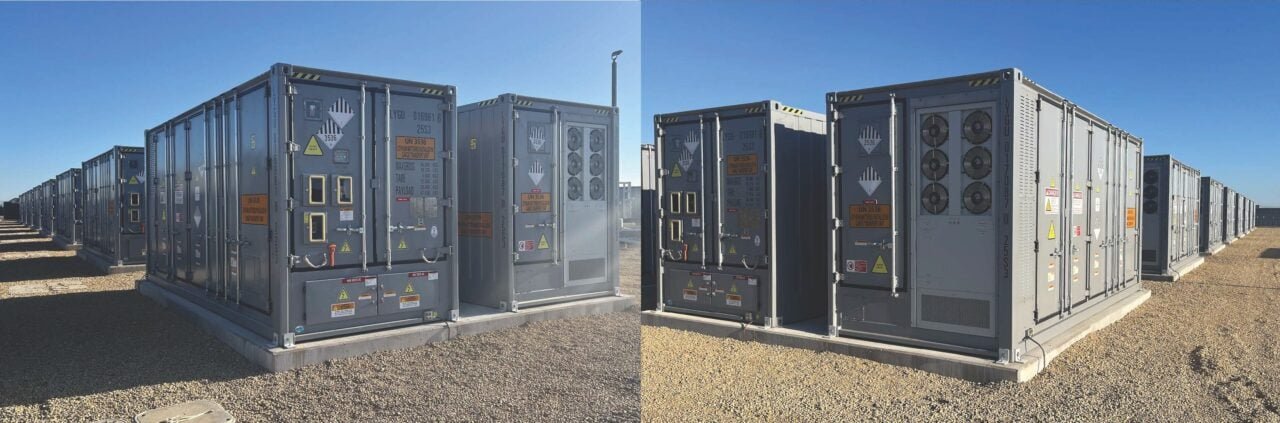
Ameresco, Alliant, record-breaking BESS in Arizona, Wisconsin - Energy-Storage.News Skip to content
Battery Power Online | New Cathode Material Pushes Rechargeable Magnesium Batteries Forward
By Kyle Proffitt October 21, 2025 | Researchers from Tohoku University, Japan have succeeded in creating room-temperature rechargeable magnesium batteries, made possible using an oxide cathode with a unique amorphous structure that facilitates Mg ion movement. The batteries produce up to 150 mAh/g discharge capacity, cycle 200 times with ~80% capacity retention, and in coin cell format were shown to power a blue LED for several minutes. The work was published last month in Communications Materials (DOI:10.1038/s43246-025-00921-0). Magnesium (2+) Too? Rechargeable magnesium batteries (RMBs) are yet another variant on the general operating principles of lithium-ion and sodium-ion batteries, but magnesium carries the charge, explained first author Tomoya Kawaguchi, now at Argonne National Laboratory, in email correspondence with Battery Power Online. As electrification gains ground in more and more areas, additional options are welcome—necessary even—because lithium is unlikely to shoulder the entire load. “RMBs have several intrinsic advantages: they are inherently safe and stable, can achieve high specific capacity, and are cost-effective from a resource standpoint because magnesium is abundant,” Kawaguchi said. Like sodium, magnesium is easy to find; it is the eighth most abundant element in the earth’s crust and the 3rd most common in seawater, whereas lithium is comparatively rare and unevenly distributed. A key potential benefit with RMBs is the feasibility of using Mg metal anodes. Magnesium has an advantage in that each atom carries (and releases upon ionization) two electrons and thus twice the energy per atom relative to lithium or sodium. The gravimetric energy density outpaces sodium as a result, but lithium still wins here because it is so much lighter (Li, 6.9 g/mol; Mg, 24.3 g/mol). However, because magnesium is over three times more dense than lithium, it can produce the best numbers for volumetric energy density (Mg, 3833 mAh/cm3 vs. Li, 2061 mAh/cm3). That means that more energy, at least at the anode, can theoretically be packed into a smaller, heavier unit. Compared with lithium and sodium, magnesium is also less reactive and shows favorable even plating, which should simplify handling and safety. Rechargeable Magnesium Batteries Face Challenges A prototype RMB was developed back in 2000 using a sulfide cathode, an organohaloaluminate salt electrolyte, and Mg metal anode, but the main idea was to compete with low-energy-density lead-acid batteries. RMBs have since lagged in development because of difficulties in identifying compatible combinations of cathode, electrolyte, and Mg metal. Oxide cathodes are attractive for improving energy density, but they have performance issues. “Because Mg is a divalent cation, it interacts strongly with surrounding species, such as oxygen in oxide materials,” Kawaguchi explained. “As a result, the movement of Mg ions within solids is very sluggish, which has limited RMB operation to elevated temperatures and caused slow charge and discharge rates.” That same higher valency that helps boost capacity for magnesium creates a challenge for ion movement. Figure 1. Reprinted from DOI: 10.1038/s43246-025-00921-0 with permission according to Creative Commons License 4.0. Against this backdrop, Kawaguchi and colleagues developed a cathode material that solves many of these issues. Their cathode actually starts with lithium-titanium-molybdenum oxide (Li2Ti1/3Mo2/3O3), which has a rocksalt crystalline orientation, but a ball-milling step induces a more amorphous, looser structure (Fig. 1). Then, ion exchange is performed to replace most of the lithium with magnesium, resulting in a cathode with formula Mg0.27Li0.09Ti0.11Mo0.22O (MLTMO). This ion swap accomplishes a couple of different things. When magnesium replaces lithium, it’s not one for one, again because of the extra electron. One Mg2+ replaces two Li+, as far as charge balance in coordinating with the transition metals and oxygen goes, but this leaves behind vacancies, or gaps, where half of the lithium used to reside. That turns out to be a good thing. The vacancies give room for Mg ions to migrate, improving those typically sluggish kinetics. At the same time, the MLTMO strengthens a predominantly amorphous structure. In many spinel or layered oxides, magnesium insertion can induce transition into a rocksalt form that is electrochemically inactive. However, the amorphous structure of MLTMO is robust against this transition and can maintain a more stable structure during Mg insertion and extraction. Full RMBs That Cycle After preparing the MLTMO cathode, the researchers combined it with Mg[B(HFIP)4]2-triglyme electrolyte, a glass separator, and Mg foil anode and started cycling complete cells. They demonstrated a maximum discharge capacity of 150 mAh/g at 5 mA/g rate, and the cells retained 70 mAh/g at a much faster 500 mA/g, indicating that the materials are amenable to rapid cycling. After 200 cycles at 10 mA/g, the batteries retained ~80% of peak capacity, and the relatively flat retention curve past the first few formation cycles suggests many more cycles are possible. The cathode also showed ~255 Wh/g energy density (a function of voltage and capacity) at the slowest discharge rate. All of this was accomplished at room temperature. Just creating functional full-cell RMBs was a major step, Kawaguchi said, because of incompatibilities between materials. As an example, “electrolytes compatible with oxide cathodes, such as Mg[TFSA]2, can passivate [form an ionically insulating surface on] the Mg metal anode unless additives are used, preventing discharge.” Those cells would not cycle well. Kawaguchi added that as a result, “most previous studies have focused only on either the cathode or the anode, and demonstrations of both together have been very limited.” Demonstrating that their coin cell battery could generate sufficient voltage (>2.5 V) to drive a blue LED for several minutes was further indication of significant progress relative to other RMB efforts. Prove It The report contains a high level of sophisticated experiments to confirm mechanistic activity in the batteries. Kawaguchi explained that with RMBs, “many previous studies have not clearly verified that Mg insertion/extraction actually occurs in the cathode structure.” He added that “RMBs often suffer from significant side reactions, so electrochemical capacity alone cannot be taken as evidence of Mg insertion/extraction.” In their study, X-ray diffraction revealed the majority amorphous structure of MLTMO, and elemental analysis of the cathode was performed before and after cycling to reveal Mg
Tesla Sweden faced with fresh strike from elevator company
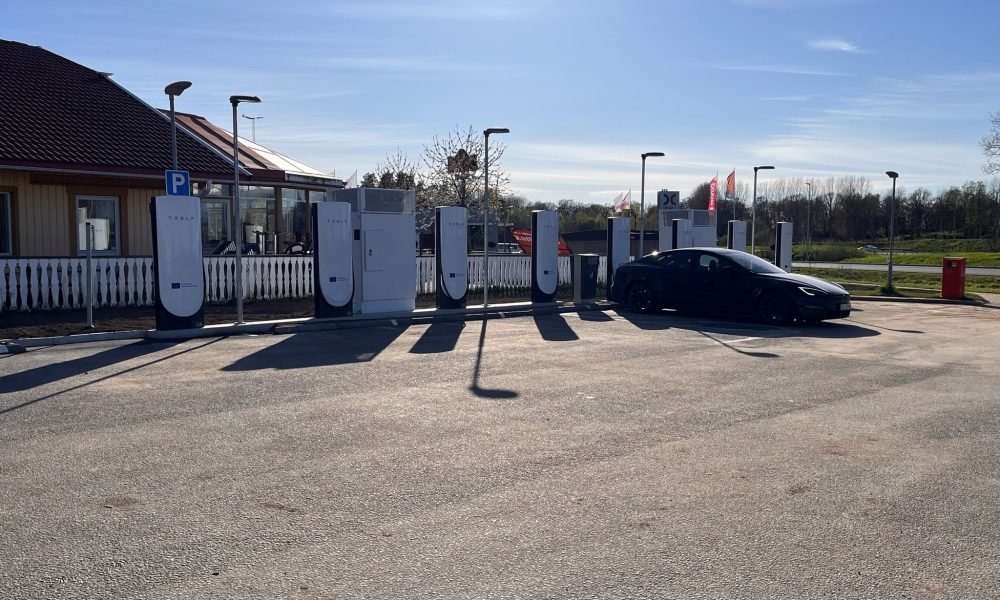
Tesla’s operations in Sweden are facing fresh pressure as multiple unions intensify their long-running dispute against the electric vehicle maker. Industrial groups IF Metall and Seko have announced new blockades affecting elevator maintenance and telecom services, escalating their ongoing conflict with Tesla Sweden. Work stoppages expand to elevator maintenance Starting October 29, elevator manufacturer Cibes Kalea Sverige will halt all service and maintenance work at Tesla’s facilities under a full blockade ordered by IF Metall. The union’s move targets elevator service visits, which are typically required four times a year in Sweden. Cibes Kalea employs around 70 workers across six sites in Sweden and provides both passenger and freight elevator systems to clients, including Tesla, as noted in a report from Dagens Arbete. The industrial action follows months of escalating measures from IF Metall, which has aimed to pressure Tesla into signing a collective bargaining agreement. Since early September, the union has initiated several blockades across Tesla’s Swedish network, including work stoppages involving suppliers like Holtab and Linde Material Handling. This was despite Sweden’s Mediation Institute throwing in the towel at the unions and Tesla’s conflict. “We have tried in every possible way to get the parties to come closer to each other in a way that allows this conflict to end. But now we have come to the end of the road and have realized that it is just as good to end the case,” Director General Irene Wennemo said. Telecom workers join expanding blockade In a separate escalation, Seko, another major Swedish union, announced a strike targeting Tesla’s telecommunications infrastructure. “We are now putting a notice on the telecom area and this means that when it comes to networks, fiber or telephony, for example, we will not help where Tesla needs either service, maintenance or new installation of these parts,” Seko chair Gabriella Lavecchia told Sveriges Radio. Seko has already initiated blockades against Tesla’s postal service and charging stations. The union expects the telecom blockade to have even broader effects given Tesla’s reliance on connectivity for its charging and digital services. “There aren’t many companies in Sweden today that don’t need telephony, fiber, networks, and I would guess that Tesla needs it more than many others,” Lavecchia said. With 12 strike notices issued in just a few weeks, the conflict shows no signs of easing as unions continue to coordinate pressure through multiple sectors.
Musings About The Dutch Electric Grid In 2050 — Part 1
Support CleanTechnica's work through a Substack subscription or on Stripe. This is something I never do. I am writing about a topic I know next to nothing about. But the world of 2050 is 25 years in the future and the next 25 years are expected to be very transformative. It is impossible to know anything with something approaching certainty about the world in 2050. I do not expect a complete failure in taking the necessary steps to solve the climate threat, and I do not expect the world reaching the lofty goals of the Paris agreement either. I expect a worse, warmer climate. But not (yet) catastrophic weather making the Earth partially unlivable. This is not about what went right and what went wrong, or how to rescue the world in the second quarter of this century. I am only looking at what could be a good energy infrastructure network 25 years from now. To do that, some guesses must be made about the future consumption and production of energy. The start of those guesses is the current situation, and what will likely change from that. An important caveat in looking at current consumption is the primary energy fallacy. It is best visualized by Lawrence Livermore National Laboratory, and a great explanation comes from Michael Liebreich. Last but not least, our own Jenifer Sensiba wrote “The Primary Energy Fallacy.” Energy transition is not about the input at the left side, but satisfying demand bottom right In short, we do not have to replace the amount of energy that goes into the system at the left side of this picture. We only need to satisfy the demand for energy on the bottom right side. Currently, about 80% to 90% of the primary renewable energy from the left side is reaching the bottom right side. But of the crude oil used to move vehicles on roads, less than 20% is turned into the movement of goods or people. The amount of primary energy needed is determined by the types of primary energy we choose and the way it can be made to produce work. Important considerations are transport, storage, and conversion from primary to final consumable energy. There are many scenarios for the transition and the future energy ecosystem. For simplicity’s sake, I compress them into two main visions for the future. One is the hybrid vision with synthetic fuels, hydrogen, and electricity keeping more or less the current situation. Most adaptation is for the ways the new sources and versions of liquid fuels, gaseous fuels, and electricity are handled, while fewer changes are needed on the consumption side of the system. The technologies for the synthetic fuels, hydrogen production and use, and CCSS — all capable of producing the volumes needed — are expected within the next 10 years. This vision also keeps the existing corporate structure and profit sources in place. Perhaps this explains the lobbying of the oil, gas, and energy industry for this idea. The other is the electrify everything approach. This is more radical, needs a new architecture for the infrastructure, requires more changes of the final users, uses existing technology, and is in the long run far more economical. But there is less space for the current players. The hybrid future requires the least political will, just kicking the can down the road is enough. But the system will be much more expensive and less robust. The electrify everything requires a strong political will, the willingness to invest large sums into the transition, and a huge amount of cooperation of the public, but it will produce a cleaner, cheaper, more robust energy ecosystem. But the biggest advantage to me and other climate nerds is that it can be done now and be finished decades before the hybrid world. The proponents of nuclear can live with both systems, as long as the main primary energy source is a nuclear reactor. All considerations up till now are globally valid. Depending on the current situation and legal and regulatory structures, the challenges for each type of path forward can be very different. A huge amount of wisdom, pragmatism, money, and political will are required. Something specific about the EU. For the EU+ (EFTA&UK), I think the management area should be bigger than the weather systems that provide or withhold the energy of wind, solar, and water. The weather in this part of Europe is influenced by the local climate zones that control it. The most northern part of Europe has a cold climate, called a polar climate or tundra climate or something else scary. While of much influence up north, not many people live there, and not much renewable energy is gathered there. In the middle part of Europe (on a North-South Axis), we have a westerly wind maritime climate influenced by the North Sea and the Baltic Sea that turns continental going east. I am no meteorologist, but for me, it starts to change in Poland and becomes fully continental in Ukraine. And then we have the Mediterranean climate south of the Alps. There are often eastern and western Mediterranean weather systems, competing to be the hottest and provide the most sunshine. Last, we have a bit of Atlantic weather on the Atlantic coasts of Scotland, Ireland, and Portugal, characterized by wind or more wind. Did I mention that the Alps have their own mini climate zone? There are often three or four weather systems traveling over Europe, mostly going east or going west with very unpleasant interaction when they are in each other’s path. “East is east and west is west and never the twain shall meet” is not true for our weather. We nearly always have sun in the Mediterranean, wind on the coast, and wind on the North Sea. The continental weather in the east is more predictable and stable than the constantly changing weather in the west. To nearly always have enough sun and wind for the daily needs of half a