LG Energy Solution rolls out used car battery testing service
LG Energy Solution has announced the launch of a battery check called B.once. The analysis tool for the used-car market is designed to determine a vehicle battery’s status roughly within a few minutes or in detail in around an hour. LG Energy Solution aims to open up business areas beyond traditional battery production with the new service. According to South Korean media, B.once can “can determine the status of a vehicle’s battery, including remaining capacity, voltage, and temperature, with just one diagnosis in 5 minutes.” In addition to this quick test, LGES offers a more detailed test, which is designed to deliver even more precise results. Both tests were developed, according to company representatives, based on LGES’s more than 10,000 patents in battery management and testing. Revolt, a major South Korean platform for used electric vehicles, has already been confirmed as the first user of the new service. “B.once will contribute to activating the electric vehicle transaction market and expanding the electric vehicle ecosystem by linking with new products such as insurance and finance,” said Kim Hyun-jun, head of the BaaS business at LG Energy Solution. “We will continue to enhance customer value in the BaaS field with our unique battery technology while strengthening our competitiveness in the global market through overseas business expansion.” B.once is offered in the versions “Quick Scan” and “Power Scan”. The Quick Scan reportedly determines battery status within five minutes by connecting an onboard diagnostic device, while the vehicle is switched on but not moving. At the heart of the system is a big-data pool fed by data from over 30,000 electric vehicles. The Quick Test is “highly valuable for used car platforms and service centres that need to quickly inspect large numbers of vehicles,” the company says. Power Scan is the more precise tool, analysing battery condition during the charging process. The service evaluates the charging window from 50 to 80 per cent state of charge (SoC) and delivers a result “within 30 minutes after charging is completed.” All B.once diagnostic processes can be monitored in real time via a dedicated app. The service is designed to complement the existing regular diagnostic service “B.Lifecare” for electric vehicle owners. LG Energy Solution signalled its interest in new business opportunities in battery management more than a year ago with the launch of the B.around brand. The B.around product range includes, among other things, BMS software, BMS hardware, and solutions for platforms for software-defined vehicles. businesskorea.co.kr, biz.chosun.com, en.yna.co.kr
Tesla reports record energy storage deployments and profit ahead of vote on Musk’s monster pay proposal
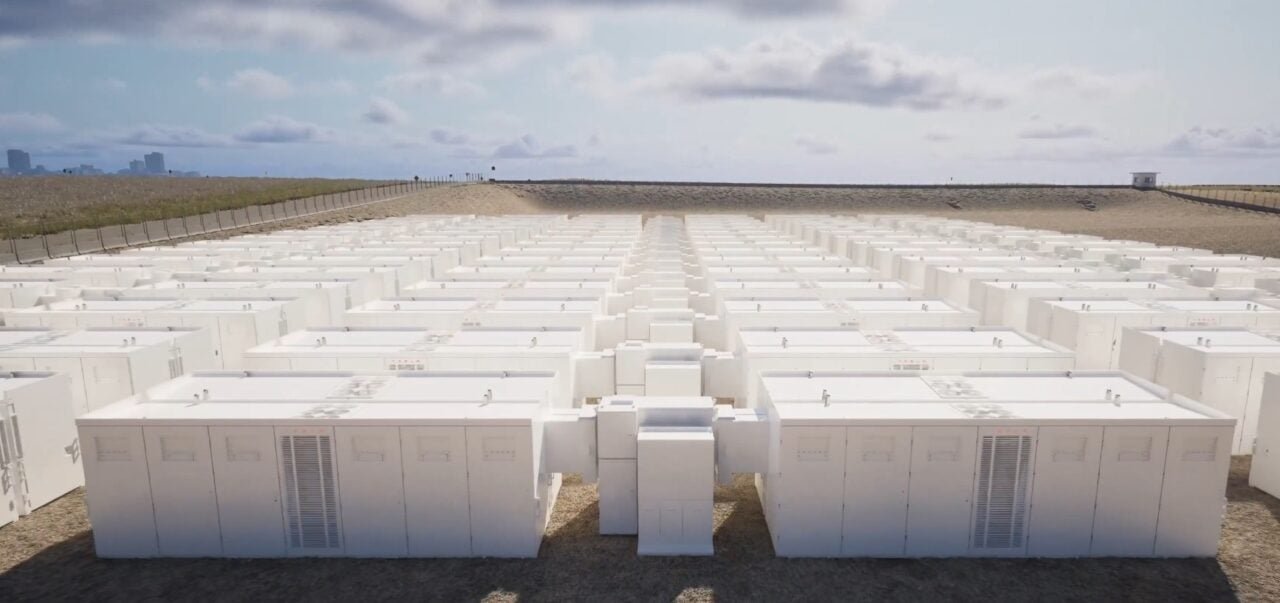
Tesla reports record energy storage deployments and profit ahead of vote on Musk’s monster pay proposal - Energy-Storage.News Skip to content
Tesla prepares for full-throttle manufacturing of major product
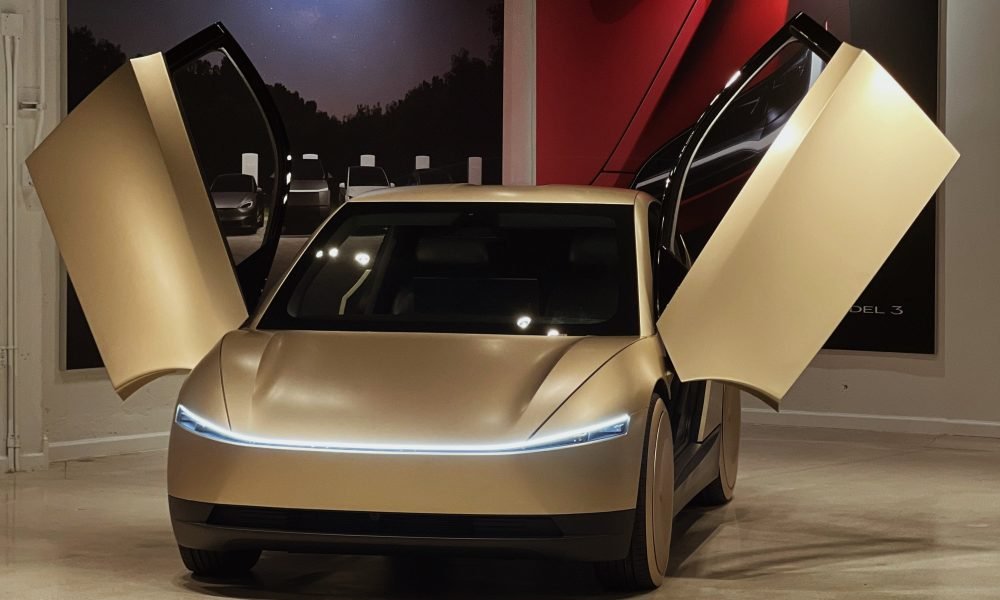
Tesla has opened its first job listing specifically for the next-generation Roadster, hinting at some substantial progress on the company’s long-awaited flagship all-electric supercar. The company is looking for a Manufacturing Engineer to support the development and launch of new battery manufacturing equipment, which would likely be pivotal to the Roaster, considering its teased performance and range. Tesla’s next-generation Roadster batteries As per Tesla’s Careers website, the Roadster Manufacturing Engineer’s tasks would include ideating equipment concepts, developing specifications, validating processes, and addressing production bottlenecks. Tesla emphasized that the position involves collaboration across domestic and international sites, supporting equipment factory acceptance tests and assisting operations teams, with expected travel under 50 percent. “In this role, you will take large-scale manufacturing systems for new battery products and architectures from the early concept development stage through equipment launch, optimization, and handover to local operations teams. Battery development is at the heart of our company, and this is an exciting opportunity to work directly on the central challenges for the all-new Roadster product architecture while still in its early development stages,” the job listing noted. The opening marks one of the first public hiring efforts explicitly tied to the next-gen Roadster, suggesting that the vehicle’s development might be approaching its initial manufacturing phase. The fact that the new Roadster’s first job opening is related to its battery is interesting, as the vehicle was unveiled with a range of 620 miles way back in late 2018. Though at the time, Elon Musk also noted that the Roadster would be fitted with a 200 kWh battery, twice the size of the batteries used in the Model S and Model X. Musk teases “most epic demo ever” and fuels Roadster speculation Back in July, Elon Musk teased a major demonstration at the Tesla Design Studio in Hawthorne, California, scheduled for the end of the year. Musk shared on X that he had just visited the studio, calling the upcoming event the “most epic demo ever by one of year. Ever.” The statement immediately prompted speculations that Tesla may finally be ready to reveal the production version of the next-generation Roadster. Originally unveiled alongside the Semi in 2018, the Roadster has remained under wraps while the company scaled production of other models. Since its unveiling, however, the Roadster’s rollout has been pushed back in favor of the original Model Y, the refreshed Model S and X, the Cybertruck, the refreshed Model 3, the Semi, and the new Model Y. At the time of its unveiling, the next-generation Roadster was teased to be nothing short of a monster, with a 0-60 mph time of 1.99 seconds and a top speed of over 250 mph. Elon Musk also teased that the next-generation Roadster would have a range of 620 miles per charge. Later, the CEO noted that the Roadster should be able to achieve a 0-60 mph launch of less than 1 second, thanks to the vehicle’s SpaceX package. Musk has also noted recently that the next-generation Roadster would be “beyond a car.”
Sunwoda unveils solid-state battery and builds associated 200 MW pilot line

The Chinese manufacturer presented a near-series solid-state battery: according to Chinese media reports, Sunwoda presented the ‘Xin Bixiao’ battery with an energy density of 400 Wh/kg and a service life of 1,200 cycles at a conference. The associated pilot line is also expected to be online by the end of the year. Earlier this week, Chinese car manufacturer Chery unveiled its first self-developed solid-state battery module, citing an energy density of 600 Wh/kg at the cell level for the battery prototype. Chery announced that it plans to start pilot operations in 2026 and aims for a broader market launch in 2027. Sunwoda is the next Chinese player to position itself in this future market. At the New Energy Battery Industry Development Conference 2025, the company presented a solid-state battery with an energy density of ‘only’ 400 Wh/kg, but it is said to be close to series production and will roll off its own pilot production line at the end of the year. The CN EV Post portal, among others, puts the annual production capacity at 200 megawatts. Sunwoda’s solid-state battery is a battery with a polymer electrolyte. As is well known, other variants are possible, such as solid-state batteries with sulphide or oxide electrolytes. In terms of performance, the ‘Xin Bixiao’ battery is said to have an energy density of 400 Wh/kg and a service life of 1,200 cycles (‘at extremely low external pressure below 1 MPa’). According to earlier statements by Xu Zhongling, vice president of research and development at the battery manufacturer, these are battery cells with a capacity of 20 Ah. Sunwoda is not developing solid-state batteries on its own. At the end of 2024, the company announced that it had teamed up with materials specialist XTC. Sunwoda expects the use of XTC’s new materials to further increase the energy density and safety of its batteries. The innovations being tested since the cooperation agreement was signed include ‘highly stable electrolyte films’ and ‘dendrite-free lithium metal anodes’. According to its own statements, Sunwoda has long since completed the development of first-generation semi-solid batteries with an energy density of 300Wh/kg and announced in 2024 that it is currently working on a second generation of semi-solid batteries with a density of 400Wh/kg. At the same time, Sunwoda has been working on a fully solid-state battery with an energy density of 400 Wh/kg, which has now been unveiled – and is already developing the next generation with a density of 520 Wh/kg, according to Chinese media reports. cnevpost.com
Energy Independence with Home Batteries
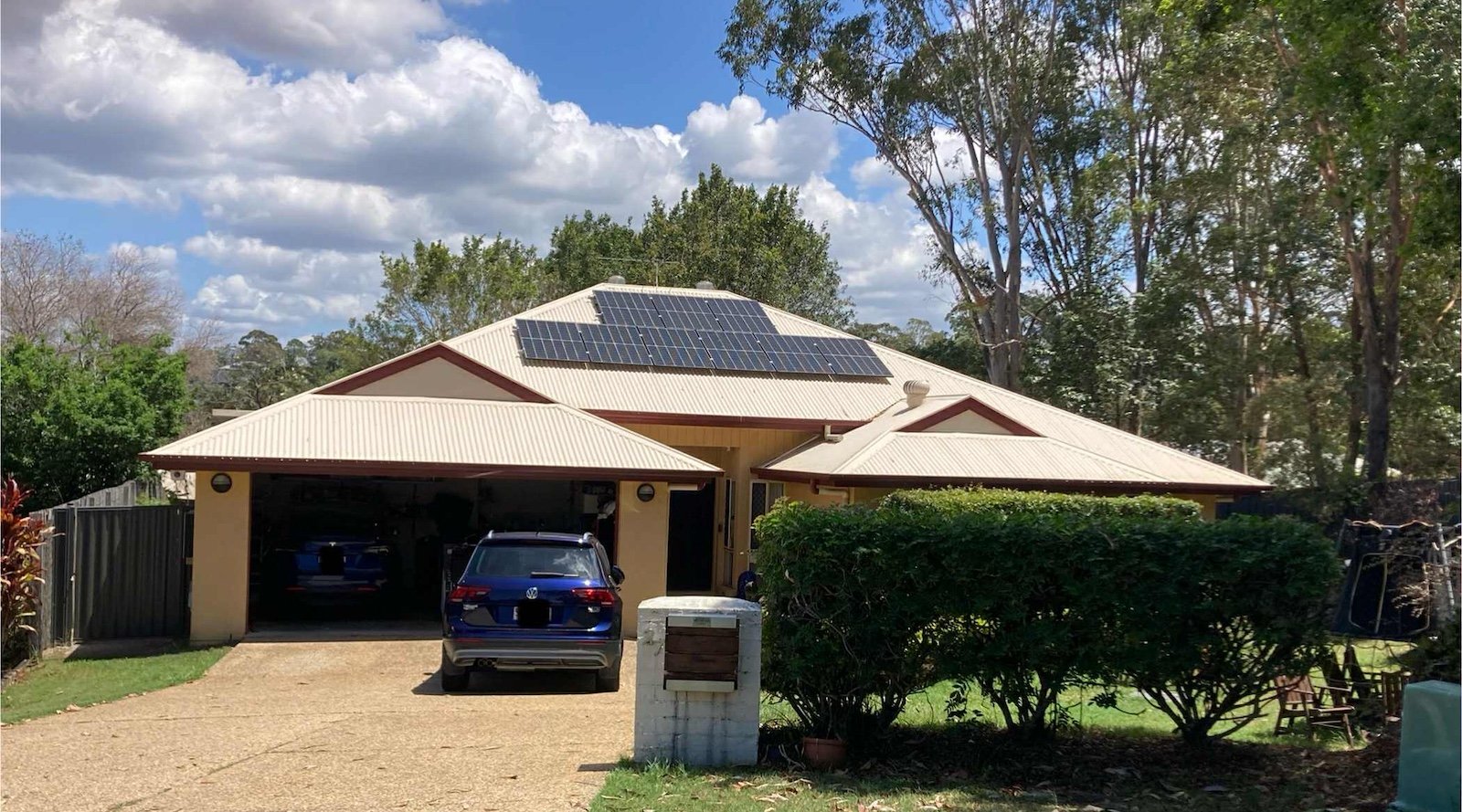
Support CleanTechnica's work through a Substack subscription or on Stripe. There is no denying that the Australian federal government’s Cheaper Home Battery program has been a resounding success. With over 40,000 batteries installed in the first 8 weeks of the program, Australians are reaping the benefits of free energy from the abundant sunshine. You can hear Chris Bowen, the Federal Minister for Climate Change and Energy of Australia, here. And read CleanTechnica’s previous article here. Public announcements are one thing. I wanted to know what it was like to live with a new technology home battery on a daily basis. So, I visited my friend Gary and he told me the nitty gritty details. Gary’s home battery storage with inverter. Photo courtesy Majella Waterworth. Gary has installed two Tesla Powerwall 2 batteries in his garage; each has a capacity of 13.5 kWh. These are connected to a 10-kW inverter. He paid full price for the first battery; the second one was subsidised by the federal government — installed in May, commissioned in July. He initially installed 10 kW of solar on his roof in July 2023. He was pleased to tell me that the money he saved on the second battery paid for the expansion of solar this year, by another 5 kW. Power from the sun to fill the batteries. Photo courtesy Majella Waterworth. What’s the payoff? Gary used to pay AU$4,200 per year for electricity and at least AU$4,000 a year for petrol. Gary’s family owns two Teslas, a Y and a 3. The Model Y has been driven 75,000 km in the last 3 years, the Model 3 has done 14,000 km in the last three months. Extrapolated, that would make the Model 3 will do 56,000 km a year (14,000 × 4). The return on investment is as follows: with the savings of fuel of approximately AU$4,000 per year per vehicle, and maintenance of approximately AU$1,500 per year per vehicle, the savings with reduced electricity bills are over AU$14,000 per year, and that means in less than 4 years, the AU$40,000 (AU$28,000 initial, and AU$12,000 expansion) solar and battery system will have paid for itself. Feeding both the Teslas from rooftop solar and home batteries. Photo courtesy Majella Waterworth. As we moved from the garage, where the family’s two blue Teslas were charging, Gary told me about his feed-in tariff (FiT). He is using Amber and tells me that the FiT can vary from negative AU$1 to +AU$17.50 per kWh. Over the past 27 months, the average FiT has been over 41 cents per kWh, and the average buy price has been less than 6 cents per kWh (including all tariffs, daily access fees, and the Amber monthly access fee). In the very least, it covers his access and connection fees. Sitting at the kitchen table, I noticed the gas-powered BBQ and asked Gary if the household is totally electric. “Not quite,” he admitted. I can’t judge — we still have our gas-powered BBQ as well. All in good time. They have found instant gas hot water extremely convenient with settable temperature controls, and so have kept it. The petrol self-propelled mower was purchased just before a battery option was available, and as it is still functioning well, it has been kept. As a three-car family, they still have their Volkswagen 2017 Tiguan diesel (to be sold after Christmas). Gary is a data-driven car guy. “Let me show you my spreadsheet!” How could I resist. He likes to check and analyse the data about how much power is being supplied. He admits that there are big reductions in winter due to the shade provided by the Koala-friendly gum trees in the council park to the north — but, hey, we need them, too. A year’s power production. Screenshot courtesy Gary Voltz. Spring, summer, and autumn, Gary tells me that the batteries are full by 11:00 am. The two Teslas can then be charged and the home needs are met as well. Gary exports power to the grid during the peak period of 4:00 pm – 9:00 pm. I told you Gary was a car guy, right? So, I asked him what he used to drive. He talks with affection about his Brock designed Holden Dealer Team (HDT) VK SS Commodore, equipped with a 4.9 V8 motor and four on the floor. He says he used to drive from Brisbane to Cairns in it — costing approximately AU$600. “I couldn’t afford to do it now.” Of course, we had to do the maths. The Brock Commodore achieved a fuel consumption of 12.5 l per 100 km. Brisbane to Cairns is a 3,400 km round trip. Petrol currently costs a little over AU$2 a litre. I reckon that’s about AU$850. Going back to the garage, I asked Gary about the stickers on the wall. Apparently, these warnings came in with the government battery rebate. I have an antique battery — the warnings are less severe and sit inside the battery case. We come back to the anomaly that people have installed these batteries at a rate that is twice the rate of EV uptake, and they come with these warnings. EVs don’t have the warning, so why are the numbers so disparate? I think it all comes down to money. Money trumps FUD every time. People are willing to live with a risk if it has a financial upside. You have been warned! Photo courtesy Majella Waterworth I asked if Gary had had any interaction with his family and neighbours about his choice of energy generation and use. One family member said she wouldn’t have an electric car because of the fire risk and it took too long to charge. She wouldn’t believe that you could drive a Tesla to Cairns all the way from Brisbane. “When we did go to Cairns in the Model Y, she wasn’t home. So, we took a photo of the pineapple growing in their front yard and sent it to them!
UAE: Masdar begins 'world-largest' solar-plus-storage project
UAE: Masdar begins 'world-largest' solar-plus-storage project - Energy-Storage.News Skip to content
Tesla gains massive vote of confidence on compensation plan for Elon Musk
Tesla’s $1 trillion pay package, which it proposed to Shareholders to vote on November 6 for its CEO Elon Musk has drawn a lot of attention lately. Among those vocalizing their thoughts and feelings about the incentive program are proxy firms, investment analysts, and retail shareholders. However, one analyst that always seems to draw some attention, especially when it comes to things related to Tesla and Musk, is Mad Money host Jim Cramer, who routinely puts his opinions out into the public realm when it comes to the company and its CEO. Last week, Cramer gave a short breakdown of what he thinks the company and its shareholders should do on the social media platform X. He’s gone deeper into the pay package conversation with a candid synopsis of where he stands with it. Jim Cramer chimes in on Tesla CEO Elon Musk’s pay package Cramer is no slouch when it comes to breaking down companies and what their strengths and weaknesses are. He recognizes Musk and his contributions to Tesla, especially in terms of its prowess as an automaker, an AI play, and a robotics entity. In his more lengthy breakdown of the mentality behind rewarding Musk, he writes: “Then there’s Musk. He’s using AI to make the best full self-driving car. He’s using it to dominate the Robotaxi game, or at least try. There’s no doubt that he’s got the best self-driving alternative on a price basis…Musk has put AI to the test, and he recognized that if you could develop better and bigger, and stronger batteries, that might be the answer for our energy-starved country…” This is essentially an echo of what he said last week, which included some of the same ideas. Musk is ultimately the right man for the job, Cramer believes, especially considering the analyst calls him one of the few CEOs who is “actually worth it,” in terms of his potentially massive payday: “Hate him or like him, man, this guy’s real smart…I think that Musk, who says he needs to be in control so the robots don’t take over, clearly wishes he had two classes of stock so he could be like Mark Zuckerberg, who can do whatever he wants with Meta. I say, even though he didn’t start the company and therefore doesn’t have the two classes, give the man the pay package he wants. Unlike so many other CEOs, he’s actually worth it.” Tesla shareholders will vote on the package on November 6, but a handful of proxy firms have already noted that they will be going against it. Institutional Shareholder Services (ISS) and Glass Lewis both voted not to offer Musk this pay package. Musk called them “corporate terrorists” last week during the company’s Q3 Earnings Call.
Redwood raises $350 million – and strengthens its focus on storage
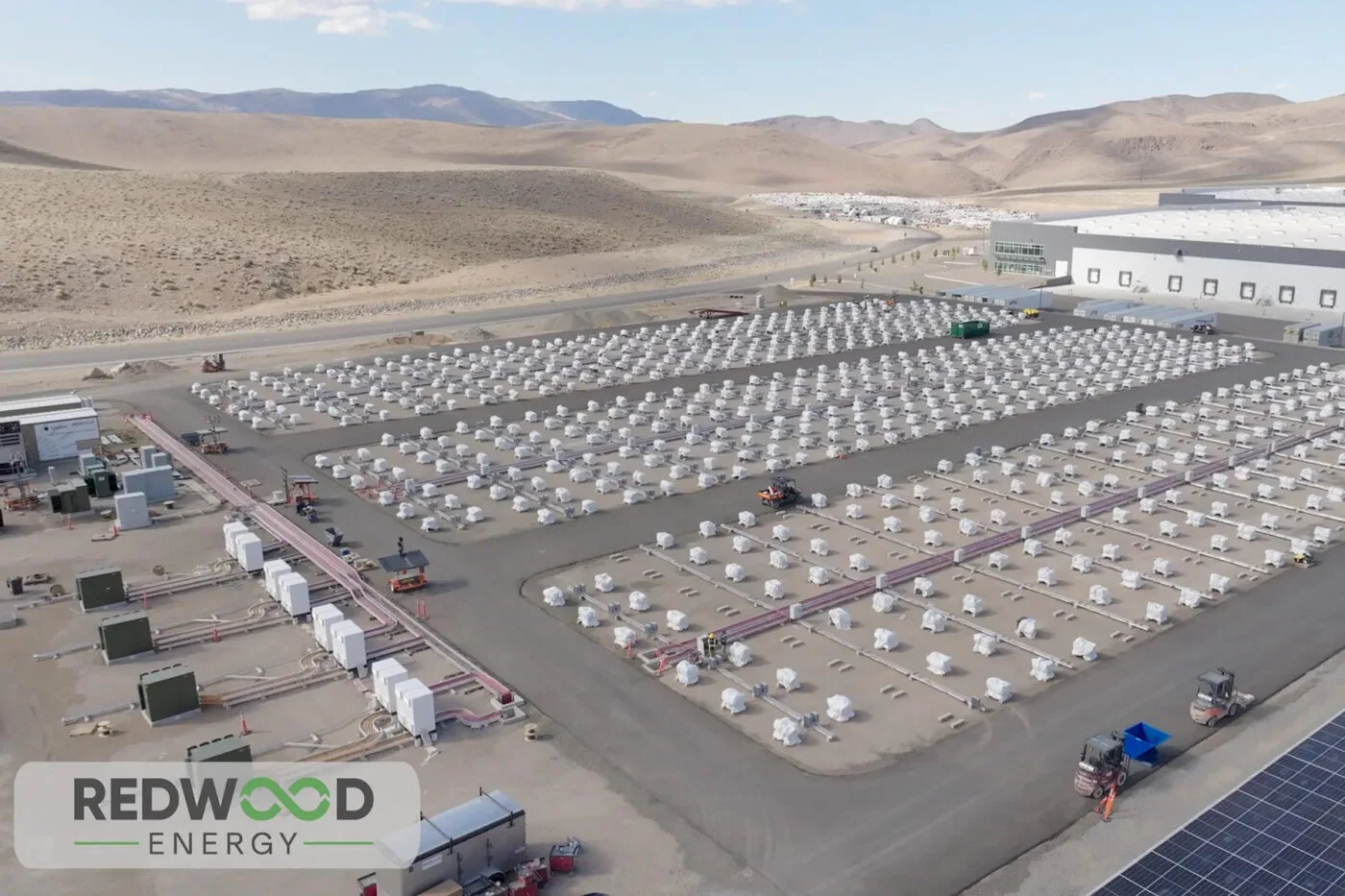
US battery recycler Redwood Materials has completed a Series E financing round worth $350 million. Redwood intends to use the new capital primarily to build more second-life energy storage facilities, but also to expand its refinery and materials production. The financing round was led by Eclipse and also attracted new strategic investors. One example is NVentures, the venture capital arm of Nvidia. Redwood states that it wants nothing less than to help shape the next era of American energy leadership and independence in critical minerals. While e-mobility in the US is being slowed down under President Trump, Redwood emphasises its commitment to ‘the availability of electrical energy,’ which ‘has become a key strategic factor for the growth of AI infrastructure.’ The US battery recycler therefore no longer lists the recovery of critical materials such as cobalt, nickel, copper, lithium and cathode material as its core business areas, but now also includes grid energy storage. “This is a pivotal time for both Redwood and the United States, as curtailment in international supplies overlaps with intense domestic demand growth for these same materials and energy products,” outlines the management team led by CEO and former Tesla top manager JB Straubel. Redwood has added the domestic construction of low-cost, large-scale battery storage facilities for use in AI factories to its business purpose. “Beyond powering data centers, this storage capacity will benefit industrial electrification and help address the intermittency of domestic renewable generation. Coupled with natural gas turbines and future nuclear generation, large scale energy storage can dramatically improve efficiency, utilization, and the reliability of those baseload assets,” according to an accompanying statement. The American battery recycler had already announced in the summer that it also wanted to use used batteries in storage systems. And it immediately presented a well-known partner: General Motors. In July, both sides signed a memorandum of understanding to deploy stationary energy storage systems that use both new GM batteries manufactured in the US and end-of-life battery packs from GM electric vehicles. At the end of June, Redwood Materials also introduced Redwood Energy, its own subsidiary for second-life battery storage. Redwood itself is considered the market leader in battery recycling in North America and has established the necessary structures there to collect not only production rejects but also used batteries from partners, such as GM’s battery joint venture, Ultium Cells. However, many of the batteries collected through the Redwood system are still in good condition – too good to be recycled directly. With Redwood Energy, the recycler wants to make further use of these good batteries and use them in the aforementioned second-life storage systems. Incidentally, when the new subsidiary was unveiled in June, Redwood had already presented a storage facility with 12 MW of power and 63 MWh of capacity, which was built in Nevada at a modular data centre belonging to the AI infrastructure company Crusoe. As General Motors and Redwood confirm, the battery packs for this second-life storage facility come from GM vehicles. However, no further specific projects have been announced yet. “Electricity demand is accelerating at an unprecedented pace, driven by AI and the rapid electrification of everything from transportation to industry,” JB Straubel said in the summer. “Both GM’s second-life EV batteries and new batteries can be deployed in Redwood’s energy storage systems, delivering fast, flexible power solutions and strengthening America’s energy and manufacturing independence.” redwoodmaterials.com
The Super Exciting Thing Michael Liebreich & I Are Loving These Days
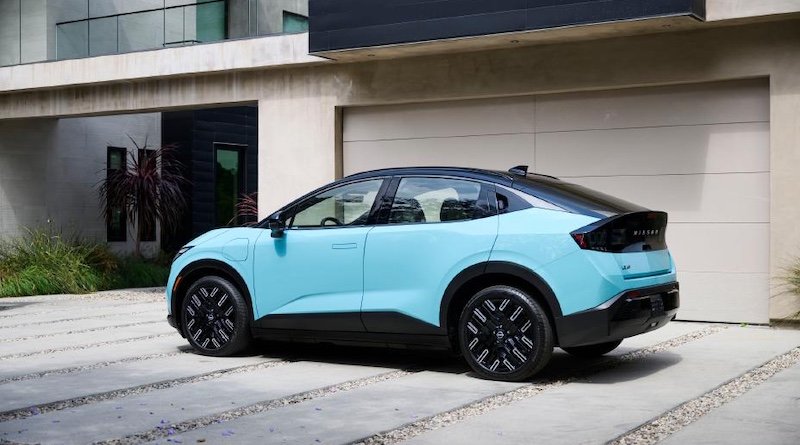
Support CleanTechnica's work through a Substack subscription or on Stripe. Michael Liebreich and I have enjoyed meals, interviews, and EV adventures together a handful of times over the years. We connected really well from the start and had great chats together. So, it’s a little unsurprising that we are both in love with essentially the same story right now. I know Michael obsessively follows cleantech news, and I am in charge of making sure we publish about 90 stories a week on cleantech or related matters. So, we are in the habit of seeing and sharing big cleantech stories. But then once in a while, something really jumps out from the crowd. Nissan recently unveiled the all-new 2026 Nissan LEAF. It’s another great option on the electric car market. But it’s also much more than that. Paul Fosse wrote a great article on how much the Nissan LEAF has improved over the past 15 years, so I didn’t do a piece on that myself, but it’s one of the most interesting and exciting stories of the year for me. When Tesla released the lower-cost Model Y and Model 3, though, I took the opportunity to write about the quiet revolution that has been going on. It’s really not about any of these models, but about how battery cost has been dropping and batteries have been improving. It’s about how far we’ve come in the past decade and a half, but it’s also about where we’re headed. So, back to Michael. He recently posted a very short article on Substack, “My favourite slide.” The brief intro to it was: “I’m sitting in the back of a board meeting in Valencia, shuffling charts for an upcoming keynote, and thought I would share my favourite slide of the moment…” Here’s the slide: It’s a great slide. It shows that the power capacity of the Nissan LEAF has doubled since its inception, the battery capacity has more than tripled, the charging capacity has more than tripled, the range has increased 4 times over, and … the cost has dropped by about 33%. That’s wild. Naturally, Michael had to take the next step forward, too. He puts out a forecast of where the Nissan LEAF could be in another 15 years (or 14 years). Could we have a Nissan LEAF with 500 miles of range with 375 kW fast charging at a cost of just $25,000? Why not? In short, the revolution is just getting started. Sign up for CleanTechnica's Weekly Substack for Zach and Scott's in-depth analyses and high level summaries, sign up for our daily newsletter, and follow us on Google News! Advertisement Have a tip for CleanTechnica? Want to advertise? Want to suggest a guest for our CleanTech Talk podcast? Contact us here. Sign up for our daily newsletter for 15 new cleantech stories a day. Or sign up for our weekly one on top stories of the week if daily is too frequent. CleanTechnica uses affiliate links. See our policy here. CleanTechnica's Comment Policy
Price falls have enabled ‘zero-capex’ co-located BESS in Spain
Price falls have enabled ‘zero-capex’ co-located BESS in Spain - Energy-Storage.News Skip to content
Tesla makes a massive change to a Service policy that owners will love
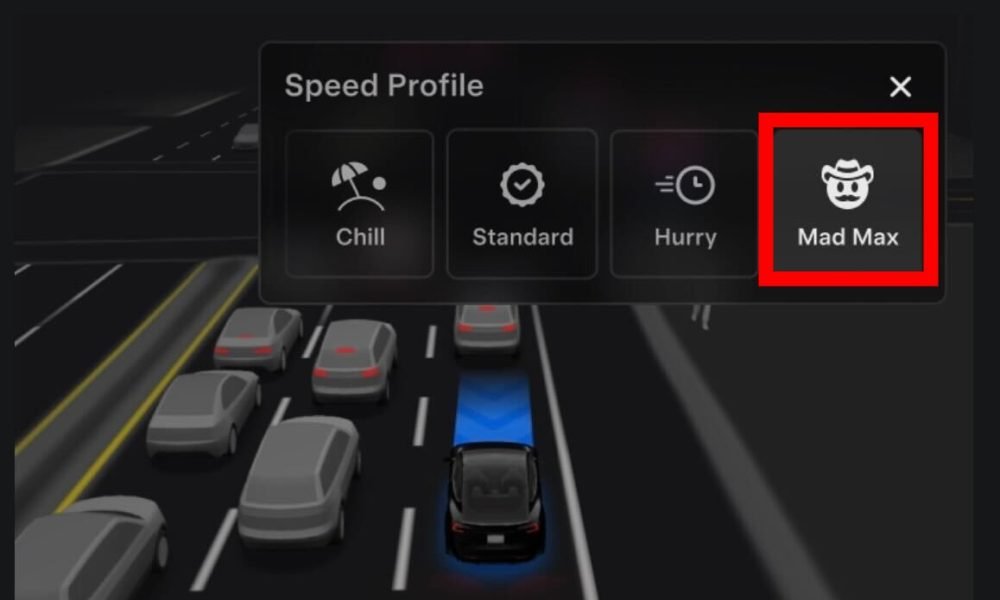
Tesla Full Self-Driving (Supervised) v14 has been out for several weeks now, and there are a tremendous number of improvements, as we have now reached the fourth iteration of the semi-autonomous software. Tesla began the v14.1.4 launch last night, which included minor improvements and addressed brake-stabbing issues many owners have reported. In my personal experience, the stabbing has been awful on v14.1.3, and is a major concern. However, many things have improved, and only a couple of minor issues have been recurring. Many of the issues v13 addressed are no longer an issue, so Tesla has made significant progress. Here are some of the most notable improvements Tesla made with v14 from v13: Better Lane Switching on Highways One of my biggest complaints with v13 was that the “Hurry” Speed Profile would often stay in the left lane, even when there were no passing cars. The legality of cruising in the left lane fluctuates by jurisdiction, but my personal preference is to drive in the right lane and pass on the left. That said, Tesla has improved FSD’s performance with more courteous lane behavior. It no longer camps in the left lane and routinely gets back in the right lane after passing slower cars. More Awareness for Merging Traffic and Makes Courteous Moves There have been times when FSD has been more aware of merging traffic, and even cross traffic, than most human beings. Here are a few examples – Full Self-Driving lets a car out of cross traffic during a busy time of day. This road tends to get very congested, especially during rush hour, so the car that was let in by FSD would have been sitting there for likely a minute longer if my Tesla had not let him in: When you realize Tesla Full Self-Driving is more courteous than most human drivers… pic.twitter.com/PnKJcTpwKu — TESLARATI (@Teslarati) October 26, 2025 A busy, four-lane expressway with a quick exit on the far side of the highway for this merging vehicle. I’ve seen some drivers be extremely inattentive and travel at the same speed as merging cars, making their entry onto the expressway less seamless. FSD doesn’t do that; it makes way for merging cars: pic.twitter.com/YehFpw3cwi — Joey Klender (@KlenderJoey) October 26, 2025 More Confident Driving Around Mail Trucks…and Amish I encounter a lot of Amish in my area of Pennsylvania, and they commonly use both shoulders and the road, so traffic can get congested at times. In the past, I’ve taken over when encountering Amish buggies, mail trucks, or other vehicles that are moving slowly or making frequent stops. I have felt it is more logical to just take over in these situations. I decided not to yesterday on a long drive through Lancaster, PA, and the FSD did a wonderful job of confidently overtaking these vehicles: Let’s see how Tesla Full Self-Driving v14.1.3 handles Amish traffic Used Dashcam for these; no GoPro in the car today pic.twitter.com/ZYxrBXD9nZ — TESLARATI (@Teslarati) October 25, 2025 This was really impressive and fun to see. There was a slight stutter during one of the three instances, but overall, I didn’t have any concerns. Object Avoidance On v13, I almost let the car drive into a fallen branch in the middle of the road. A mile later, the car swerved out of the way for horse droppings. It was a beautiful, clear morning, and the fact that the car did not try to avoid the branch, but did steer away from poop, was concerning. Tesla has obviously done a great job at refining FSD’s ability to navigate around these road hazards. Last night, it swerved around a dead animal carcass in the middle of the highway. I didn’t see it until we were already going around it: Some more Tesla Dashcam footage that was very impressive – v14.1.3: ✅ Swerved to avoid an animal carcass on the highway✅ Consideration move to allow a car to merge Dashcam weirdly makes things look slower than they actually occurred. These both were enough for me to hit the… pic.twitter.com/CjmYLOBMQU — TESLARATI (@Teslarati) October 26, 2025 It was awesome to see this and never feel alarmed by the sharp movement. The maneuver was smooth and really well done. Better Speed Consistency With v13, I felt I had to constantly adjust the Speed Profile, as well as the Max Speed setting, when using FSD. With V14, I don’t feel like I am making as many adjustments. Tesla axed the Max Speed setting altogether with v14, which was a good move, in my opinion. Choosing the Speed Profile is now more intuitive by using the right scroll wheel. If the car is traveling too fast or too slow, just change the profile. Three things Tesla needs to improve with Full Self-Driving v14 release V13 had some issues with local roads, and I felt it would travel at strange speeds. In a 45 MPH zone, it would sometimes take a long time to reach 40 MPH, then hover between 43 MPH and 47 MPH. It would then fluctuate between those two speeds, frustrating drivers behind me, understandably. V14 gets up to speed much better and travels at speeds I’m much more comfortable with on both local roads and highways.
QuantumScape delivers B1 samples of its solid-state battery cell
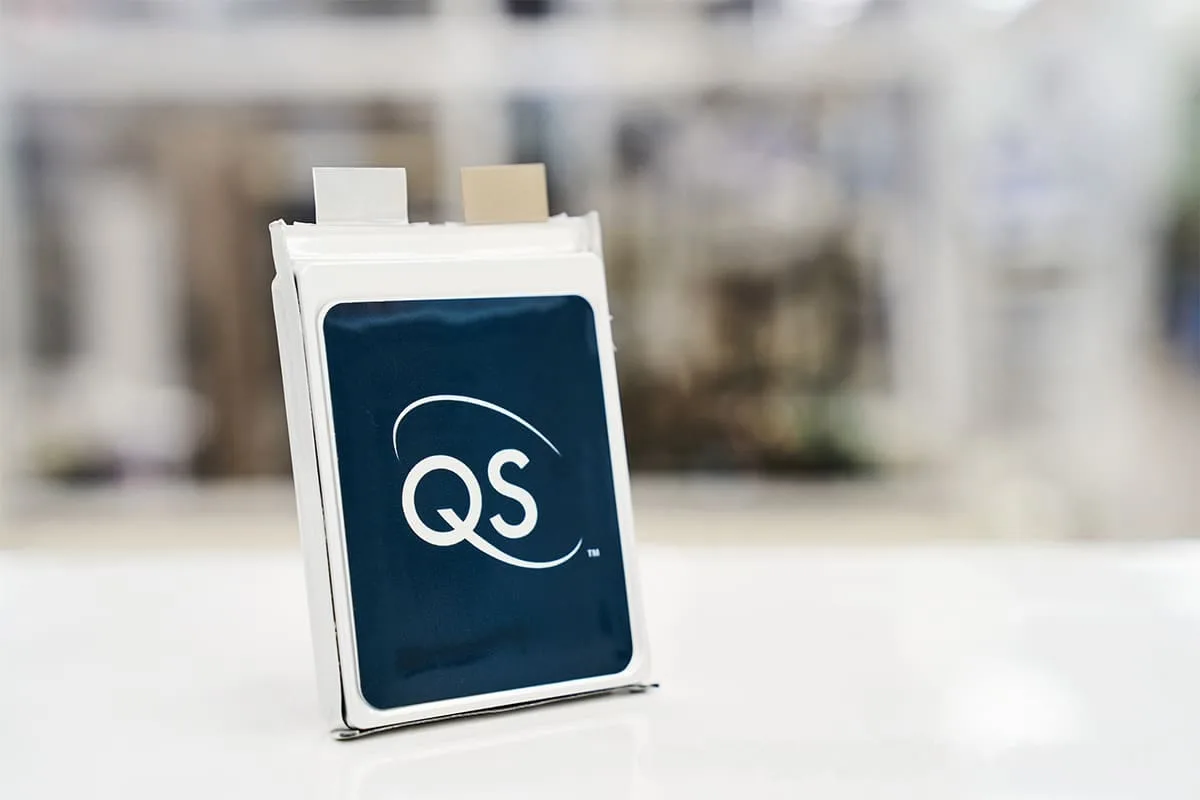
Solid-state battery developer QuantumScape has begun delivering B1 samples of its QSE-5 cell. These samples are the company’s most advanced solid-state battery cells to date and will be used in a similar form in QuantumScape’s first vehicle programme with Volkswagen. Among other things, the B1 samples feature separators manufactured using QuantumScape’s new production process called ‘Cobra’. The US company has now announced that the delivery of the B1 samples marks a milestone that was one of its most important goals for the year. The company has not specified who it has passed the new samples on to. However, Volkswagen is likely to be among the recipients, as the ties between QuantumScape and the Wolfsburg-based company are close and have recently been strengthened once again. What’s more, according to QuantumScape, these ‘Cobra-based QSE-5 cells’ will also be used in the first vehicle programme with the VW Group, which we reported on recently. The focus is on the Ducati V21L motorcycle, which is equipped with solid-state batteries and is being extensively tested. Back in June, QuantumScape announced in an investor communication that it had now implemented its ‘Cobra’ process for manufacturing ceramic separators. The separators are a key component of QuantumScape’s planned lithium metal battery cells with solid electrolyte. The new manufacturing process is expected to further improve the scalability of the cells, thus laying the foundation for larger-scale production of B1 samples. “We are proud to announce the start of deliveries of these QSE-5 samples,” said Dr Luca Fasoli, Chief Operating Officer of Quantum Scape. “We are working together with our partners to bring our groundbreaking solid-state lithium-metal battery technology to market as quickly as possible. This announcement is another critical step toward achieving our goal of revolutionizing energy storage.” Let’s remember: QuantumScape began producing small quantities of its first B-sample cells at the end of October 2024. However, the ‘Cobra process’ was still missing as a crucial piece of the puzzle in order to be able to manufacture on a larger scale. The company has not specified exactly what quantities QuantumScape has in mind. However, the plant should enable “QuantumScape’s solid-state battery platform to be brought to market on a gigawatt scale.” The cell, called QSE-5, is set to become QuantumScape’s first commercial product – with a capacity of 5 Ah, an energy density of over 844 Wh/l and a charging time of 12.2 minutes from 10% to 80% SoC (state of charge). In October 2024, according to the manufacturer, it began small-scale production and delivery of B-samples for testing to customers in the automotive sector. Among the recipients was Volkswagen, whose battery subsidiary PowerCo is aiming to industrialise solid-state batteries and signed a deal with QuantumScape in July 2024, which was extended again in July 2025. The aim is to establish a licensing partnership for the subsequent “series production of solid-state cells on a gigawatt-hour scale.” The company describes the QSE-5 as a solid-state battery cell measuring 84.5 mm x 65.6 mm x 4.6 mm. The developers specify the energy density as 844 Wh/L or 301 Wh/kg, with a discharge rate of up to 10C. In addition, the cell is designed to function even at low temperatures of up to -30 degrees Celsius. The QSE-5 was preceded by two cell prototypes at QuantumScape: the company had already delivered the ‘A0’ cell samples to car manufacturers for testing shortly before Christmas 2022. The so-called ‘Alpha-2’ cells followed in March 2024. quantumscape.com
SDG&E renegotiates with RWE for 476MWh BESS acquisition
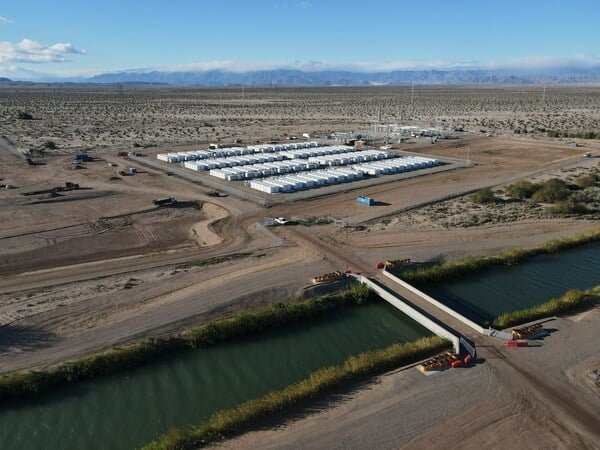
This was before RWE acquired the Con Edison-owned subsidiary along with its 3.1GW portfolio of renewable energy assets, which RWE then combined with its own US activities to form RWE Clean Energy. Over the past few years, RWE has so far developed and brought online three distinct phases of the Westside Canal project, representing a cumulative capacity of 350MW/1,400MWh. Under a build, own and transfer (BOT) agreement, SDG&E acquired the first 131MW/524MWh phase of the project in June 2023 when this portion of the project was connected to the grid. RWE is providing operations and maintenance (O&M) services for this portion of the project as part of a 10-year Long-Term Services Agreement (LTSA). Second and third phases of development During March 2024, with SDG&E seeking to expand its ownership of Westside Canal, it negotiated two BOT agreement options with RWE that would see the utility acquire either one or two additional phases of the project. Under the first purchase option, SDG&E would acquire the second 119MW/476MWh portion of the project, referred to as Westside Canal 2A. For the second option, SDG&E would acquire Westside Canal 2A, along with the third 100MW/400MWh phase of the project, which is known as Westside Canal 2B. Similar to the first BOT agreement, each option included accompanying LTSAs where RWE would provide O&M services for the first ten years of operation. However, both of these proposals, along with the utility’s request to recover costs associated with project development, were evaluated and ultimately rejected by CPUC in July 2024. With revenue requirements of US$307.1 million and US$516.2 million for the first and second options, respectively, CPUC concluded that these options were “not cost competitive.” When calculating these monetary figures, SDG&E lumped together the costs from the BOT and LTSA agreements alongside any potential future augmentation. The “high level of uncertainty regarding the deliverability status” associated with each additional phase was also a major contributing factor in CPUC‘s rejection decision. The project is expected to achieve full capacity delivery status (FCDS) during 2034, meaning its ability to provide resource adequacy (RA), along with the associated benefits to ratepayers, remains uncertain. New acquisition proposal for 2A As laid out in filings submitted with CPUC on October 20, RWE and SDG&E have once again formulated an agreement for the utility to acquire phase 2A of the project. “RWE agreed to a price reduction and revised pricing structure to capture the value of deliverability,” explains the recently submitted filing. SDG&E stated that although the project won’t obtain FCDS until 2034, “interim deliverability is likely through 2034.” As part of an annual process, the California Independent System Operator (CAISO) issues interim deliverability status (IDS) to a selection of projects that are able to provide full or partial capacity whilst waiting for transmission upgrades to be completed. With the two parties including the same 10-year LTSA as previously negotiated, SDG&E is requesting to recover costs of up to US$267.9 million for the project, representing a 12.8% reduction (US$39.2 million) from the first proposal. However, with fluctuating market conditions along with key portions of the contract being redacted, this is a rather crude comparison. The utility said that the cost per megawatt for this project would be lower than any other utility-owned project previously approved by CPUC. This portion of the project was eligible for investment tax credits (ITCs) available under the Inflation Reduction Act (IRA), which, as the project has been operating since December 2024, have already been claimed by RWE and are “reflected in the purchase price.” With the “recent dramatic changes” in federal policy, such as the One Big Beautiful Bill (OBBB) Act and changes to the IRA, SDG&E said that the environment for new resource development is particularly challenging. SDG&E has requested CPUC approve the proposal no later than January 21, 2026. Phase 2B The potential acquisition of phase 2A follows CPUC’s approval of a renewed proposal for SDG&E to take ownership of phase 2B during March 2025. SDG&E published a press release in July this year announcing this 100MW/400MWh portion of the project coming online. With a combined capacity of 231MW, SDG&E said the Westside Canal project is the largest BESS project in its portfolio, which has the potential to become even larger if CPUC approves the acquisition of phase 2A.
Tesla Model Y reclaims elusive sales title in competitive market
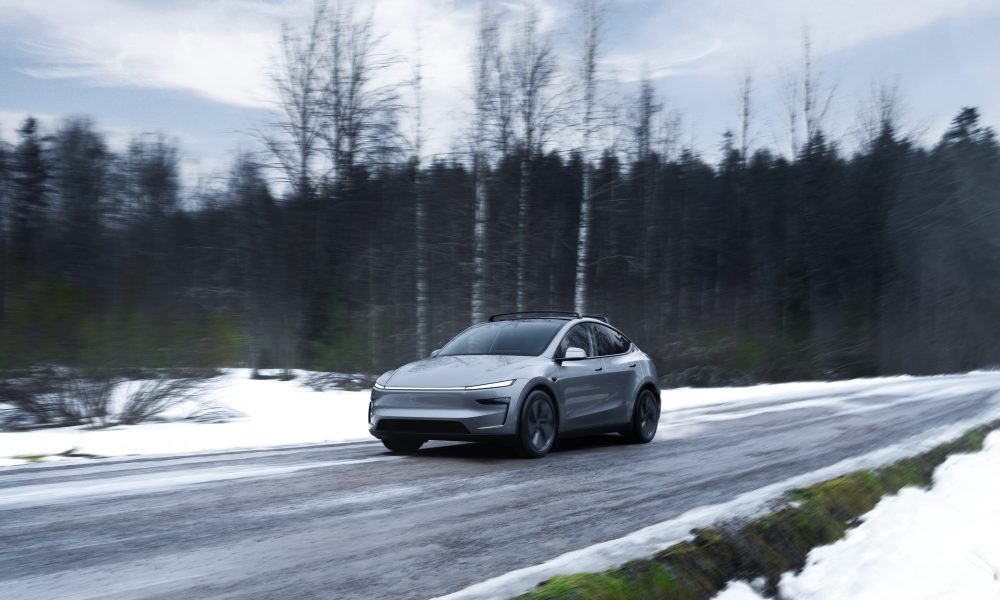
The Tesla Model Y reclaimed an elusive sales title in one of the most competitive markets it is in, outpacing key rivals and formidable competitors to regain the crown it once was a shoe-in for. As more EVs have entered the market and some at better prices, Tesla’s Model Y has been put up against some very attractive options. This is especially prudent in Europe and China, where domestic car companies have been offering attractive and cheap EVs as Tesla alternatives. However, in September, the Model Y was able to battle back and take over the top sales spot for EVs in Europe. In September, it had 25,938 sales, and although it was an 8.6 percent decrease compared to the same month in 2024, it was enough to be labeled the best-selling car in the European market, Automotive News reported. 500-mile test proves why Tesla Model Y still humiliates rivals in Europe There are four vehicles that have been atop the European EV sales rankings for any given month this year: the Renault Clio, which has three titles, the Dacia Sandero, which has won four monthly sales titles, and the Volkswagen T-Roc, which was the best-selling car in the market in August. The Clio captured the number-two spot in September with 20,146 sales. Despite a strong September showing for the Model Y, which was its first monthly sales crown of the year, the vehicle has not been a top-three EV in Europe this year. That is still led by the Sandero, Clio, and T-Roc. Despite that, Tesla’s Model Y is still likely to be one of the best-selling vehicles in the world, if not the best, for the year. In the United States, it has dominated EV sales charts and has been one of the most popular cars in the region. The same goes for China, where the Model Y has more competition than in Europe, but is so attractive because of its premium look and feel, as well as its tech offerings. The Model Y has been the best-selling car globally for the past two years, outpacing widely popular gas and EV models from around the world. Tesla also just finished up its best three-month sales period in its history, delivering just shy of half a million vehicles from July to September.
Why energy storage is increasingly dictating data center site selection
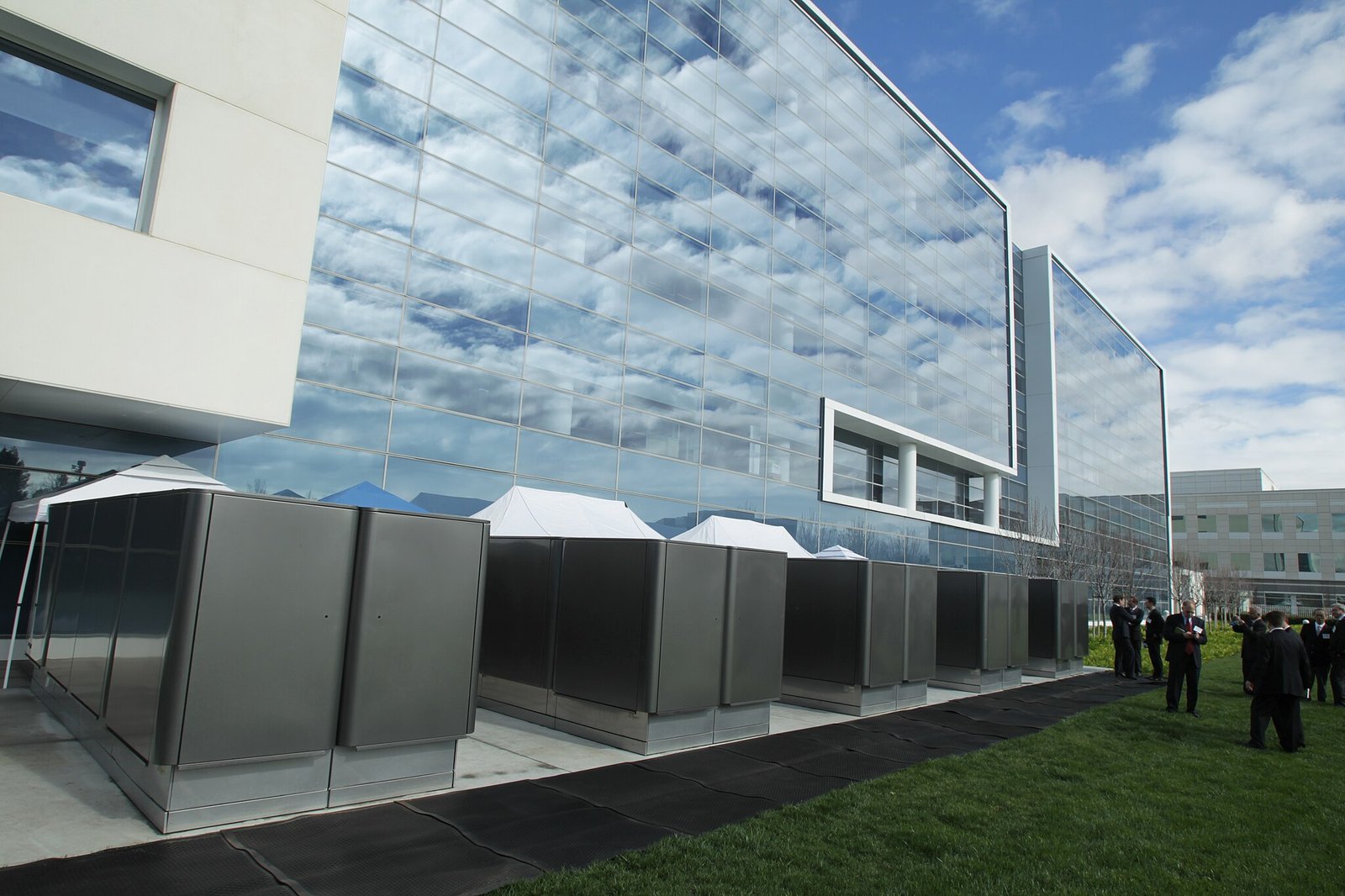
In Texas, a new kind of reliability standard is reshaping where data centers choose to build and how they power their operations. Under a “kill switch” law that was adopted earlier this year, utilities can forcibly disconnect large, noncritical industrial users like hyperscale data centers during grid emergencies to keep electricity flowing to the largest number of people. “Utilities across the country are warning operators to be ready for sudden power shutoffs,” explained James Roth, the head of global policy and government affairs at Bloom Energy. He told ESS News that, for operators with contractual uptime commitments, the risk of sudden shutoffs is “simply unsustainable.” While the Texas bill does also include a voluntary demand response program, it could still spell trouble for data center operators with 24/7 uptime guarantees or AI workloads that can’t afford a second of downtime. That’s where storage comes in. Operators begin to recognize the value of onsite systems in the face of unexpected utility power shutoffs. The logic is simple: the more control a data center has over its power, the less exposed it is to regulatory risk and sudden disconnections. In Texas, that could look like installing batteries capable of supporting independent operations when a kill switch is triggered. According to Roth, it’s no surprise that major cloud players like Oracle are looking to shield their operations using onsite storage and generation. What that means in practice, however, is that a new method of data center siting is emerging, where the map is drawn around storage potential rather than just transmission lines. The general idea remains the same across state lines, but what it looks like in practice varies greatly. In California, for instance, ensuring steady access to power as quickly as possible means designing storage-backed microgrids that let a data center jump the queue and bypass long interconnection wait times. It’s more of a structural problem, though it’s one that makes traditional grid expansion nearly impossible at the pace AI-driven workloads demand. “Operators there are adopting islanded microgrids to bypass utility delays,” explained Roth. But, he cautioned, there’s also a political dimension. California’s Application for Certification (AFC) process still treats onsite systems over a certain size as “thermal” plants regardless of the type of energy they use. Effectively, this locks the project into a series of slow-moving environmental reviews designed for gas infrastructure. “Lengthy permitting constructs like California’s AFC process…must be reinterpreted,” Roth added, “to accommodate new solutions that can be deployed quickly and reliably.” “Getting the policy framework right will determine whether the US effectively captures the economic benefits of the AI boom,” he noted. ess-news.com
Solar Energy Industries Association President & CEO to Step Down After Transformative 9 Years of Leadership
Support CleanTechnica's work through a Substack subscription or on Stripe. WASHINGTON D.C. — Abigail Ross Hopper, president and CEO of the Solar Energy Industries Association (SEIA), is transitioning from the organization after a nine-year tenure that reshaped the U.S. solar and storage industry into a national powerhouse. Hopper’s effective departure date is January 30, 2026, and SEIA’s board of directors is now beginning an executive search process. “Abby has been a steadfast, visionary leader through many of the most challenging moments we have ever faced as an industry,” said Darren Van’t Hof, chair of SEIA’s board of directors. “Under Abby’s leadership, the U.S. solar industry has experienced over 600% growth and emerged as an economic juggernaut that is the leading source of new power in this country. I am confident that, because of Abby’s steady hand, SEIA and our industry have the foundation for continued success in the years to come.” “Abby’s leadership has been nothing short of transformational,” said George Hershman, former SEIA board chair. “She has led with vision, empathy, and strength, turning obstacles into opportunities and leaving behind an organization that’s more resilient, inclusive, and effective than ever.” “Leading SEIA and serving this community has been one of the great honors of my professional life,” said Hopper in a letter to the industry. “When I came to SEIA in 2017, we were an emerging industry with incredible potential. Today, we are a cornerstone of America’s energy economy, an economic engine, a beacon of technology and innovation, and an industry with limitless potential for growth.” As SEIA president and CEO, Hopper has helped lead the U.S. solar and storage industry in a new era of scale and impact. During her tenure, the industry grew from 36 gigawatts (GW) of installed capacity to over 255 GW and expanded from $16 billion in annual investment to over $70 billion. During Hopper’s tenure, the United States climbed from 14th to 3rd in the world in solar manufacturing. Hopper has been a driving force behind the industry’s biggest policy wins, bringing clarity, advocacy and organizational expertise to these fights. Hopper oversaw new initiatives that advanced the industry’s maturity and inclusivity, including the Solar Sisters network, as well as launching key institutions like the Solar and Storage Industries Institute (SI2) and SEIA’s storage advocacy arm. She also led efforts to bolster the professionalism and integrity of our industry, including new initiatives on supply chain traceability, recycling, land use, and consumer protection. As SEIA embarks on its next chapter, the organization is well-positioned to build on nearly a decade of unprecedented growth and lead America’s future with clean, reliable, and affordable energy. About SEIA®: The Solar Energy Industries Association® (SEIA) is leading the transformation to a clean energy economy, creating the framework for solar to achieve 30% of U.S. electricity generation by 2030. SEIA works with its 1,000 member companies and other strategic partners to fight for policies that create jobs in every community and shape fair market rules that promote competition and the growth of reliable, low-cost solar power. Founded in 1974, SEIA is the national trade association for the solar and solar + storage industries, building a comprehensive vision for the Solar+ Decade through research, education and advocacy. Visit SEIA online at www.seia.org and follow @SEIA on Twitter, LinkedIn and Instagram. Sign up for CleanTechnica's Weekly Substack for Zach and Scott's in-depth analyses and high level summaries, sign up for our daily newsletter, and follow us on Google News! Advertisement Have a tip for CleanTechnica? Want to advertise? Want to suggest a guest for our CleanTech Talk podcast? Contact us here. Sign up for our daily newsletter for 15 new cleantech stories a day. Or sign up for our weekly one on top stories of the week if daily is too frequent. CleanTechnica uses affiliate links. See our policy here. CleanTechnica's Comment Policy
Battery materials & BESS firm Redwood raises US$350 million
It cited the growth of AI data centres as a key enabler of energy storage, and that its deep materials and manufacturing expertise will help it scale solutions to reduce reliance on imported LFP batteries. “With this new capital, Redwood will accelerate the expansion of our energy storage deployments, refining and materials production capacity, and our world-class engineering and operations teams,” its announcement said. Many companies have shifted vertically or horizontally into the energy storage space, looking to capitalise on one of the fastest growing and most dynamic segments within the energy sector. However, the move by Redwood could also have been driven by challenges in its core business of battery recycling and materials. Ever falling prices for new batteries from China, and their underlying materials, have had a knock-on effect on the price of recycled materials. Another US firm, Li-Cycle, ultimately filed for bankruptcy earlier this year following which it was acquired by mining giant Glencore, though as with any bankruptcy there were company-specific factors in its demise. However, incoming foreign entity of concern (FEOC) rules for the energy storage investment tax credit (ITC) look set to limit Chinese supply of batteries and BESS to the US market, possibly improving the business case for domestically-sourced materials and technology. Though, full details of implementation are still to be clarified. In late 2023, Redwood announced it would decommission and recycle 4.6MWh BESS in Hawaii. That same year it got a US$2 billion loan commitment from the Department of Energy’s (DOE) Loan Programs Office (LPO), though since Trump took office in January 2025 the future of the LPO and its loan recipients is unclear.
Tesla 'Mad Max' gets its first bit of regulatory attention
Tesla’s long-awaited and way underrated Solar Roof may finally be getting its moment. During the company’s Q3 2025 earnings call, Vice President of Energy Engineering Michael Snyder revealed that production of a new residential solar panel has started at Tesla’s Buffalo, New York facility, with shipments to customers beginning in the first quarter of 2026. The comments hint at possible renewed life for the Solar Roof program, which has seen years of slow growth since its 2016 unveiling. Tesla Energy’s strong demand Responding to an investor question about Tesla’s energy backlog, Snyder said demand for Megapack and Powerwall continues to be “really strong” into next year. He also noted positive customer feedback for the company’s new Megablock product, which is expected to start shipping from Houston in 2026. “We’re seeing remarkable growth in the demand for AI and data center applications as hyperscalers and utilities have seen the versatility of the Megapack product. It increases reliability and relieves grid constraints,” he said. Snyder also highlighted a “surge in residential solar demand in the US,” attributing the spike to recent policy changes that incentivize home installations. Tesla expects this trend to continue into 2026, helped by the rollout of a new solar lease product that makes adoption more affordable for homeowners. Possible Solar Roof revival? Perhaps the most intriguing part of Snyder’s remarks, however, was Tesla’s move to begin production of its “residential solar panel” in Buffalo, New York. He described the new panels as having “industry-leading aesthetics” and shape performance, language Tesla has used to market its Solar Roof tiles in the past. “We also began production of our Tesla residential solar panel in our Buffalo factory, and we will be shipping that to customers starting Q1. The panel has industry-leading aesthetics and shape performance and demonstrates our continued commitment to US manufacturing,” Snyder said during the Q3 2025 earnings call. Snyder did not explicitly name the product, though his reference to aesthetics has fueled speculation that Tesla may finally be preparing a large-scale and serious rollout of its Solar Roof line. Originally unveiled in 2016, the Solar Roof was intended to transform rooftops into clean energy generators without compromising on design. However, despite early enthusiasm, production and installation volumes have remained limited for years. In 2023, a report from Wood Mackenzie claimed that there were only 3,000 operational Solar Roof installations across the United States at the time, far below forecasts. In response, the official Tesla Energy account on X stated that the report was “incorrect by a large margin.”