Tesla CEO Elon Musk sends rivals dire warning about Full Self-Driving
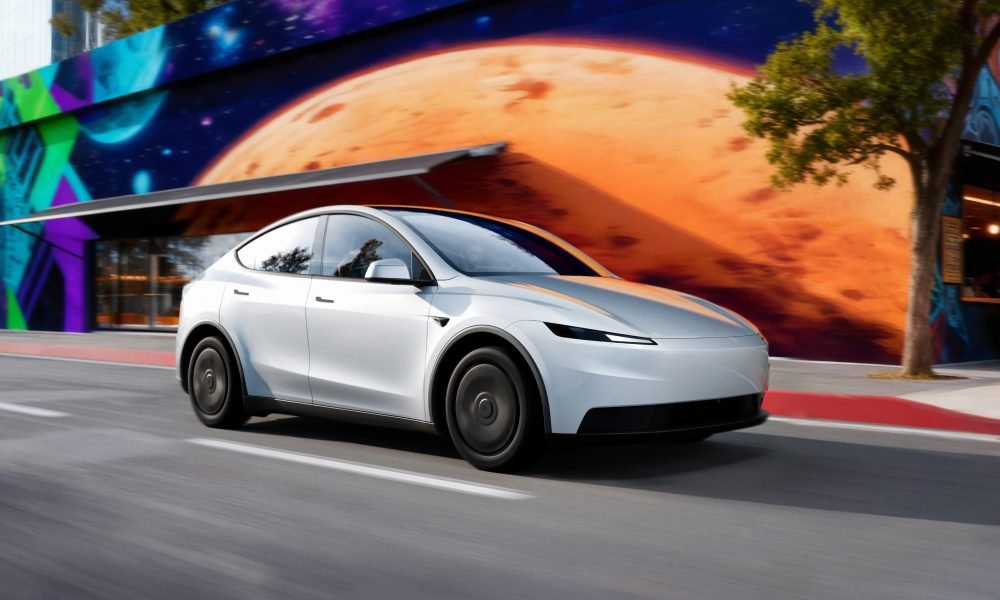
Tesla CEO Elon Musk revealed today on the social media platform X that legacy automakers, such as Ford, General Motors, and Stellantis, do not want to license the company’s Full Self-Driving suite, at least not without a long list of their own terms. “I’ve tried to warn them and even offered to license Tesla FSD, but they don’t want it! Crazy,” Musk said on X. “When legacy auto does occasionally reach out, they tepidly discuss implementing FSD for a tiny program in 5 years with unworkable requirements for Tesla, so pointless.” I’ve tried to warn them and even offered to license Tesla FSD, but they don’t want it! Crazy … When legacy auto does occasionally reach out, they tepidly discuss implementing FSD for a tiny program in 5 years with unworkable requirements for Tesla, so pointless. — Elon Musk (@elonmusk) November 24, 2025 Musk made the remark in response to a note we wrote about earlier today from Melius Research, in which analyst Rob Wertheimer said, “Our point is not that Tesla is at risk, it’s that everybody else is,” in terms of autonomy and self-driving development. Wertheimer believes there are hundreds of billions of dollars in value headed toward Tesla’s way because of its prowess with FSD. A few years ago, Musk first remarked that Tesla was in early talks with one legacy automaker regarding licensing Full Self-Driving for its vehicles. Tesla never confirmed which company it was, but given Musk’s ongoing talks with Ford CEO Jim Farley at the time, it seemed the Detroit-based automaker was the likely suspect. Tesla’s Elon Musk reiterates FSD licensing offer for other automakers Ford has been perhaps the most aggressive legacy automaker in terms of its EV efforts, but it recently scaled back its electric offensive due to profitability issues and weak demand. It simply was not making enough vehicles, nor selling the volume needed to turn a profit. Musk truly believes that many of the companies that turn their backs on FSD now will suffer in the future, especially considering the increased chance it could be a parallel to what has happened with EV efforts for many of these companies. Unfortunately, they got started too late and are now playing catch-up with Tesla, XPeng, BYD, and the other dominating forces in EVs across the globe.
BESS density race creates questions of logistics, standardisation
BESS density race creates questions of logistics, standardisation - Energy-Storage.News Skip to content
Tesla Full Self-Driving lands in a new country, its 7th
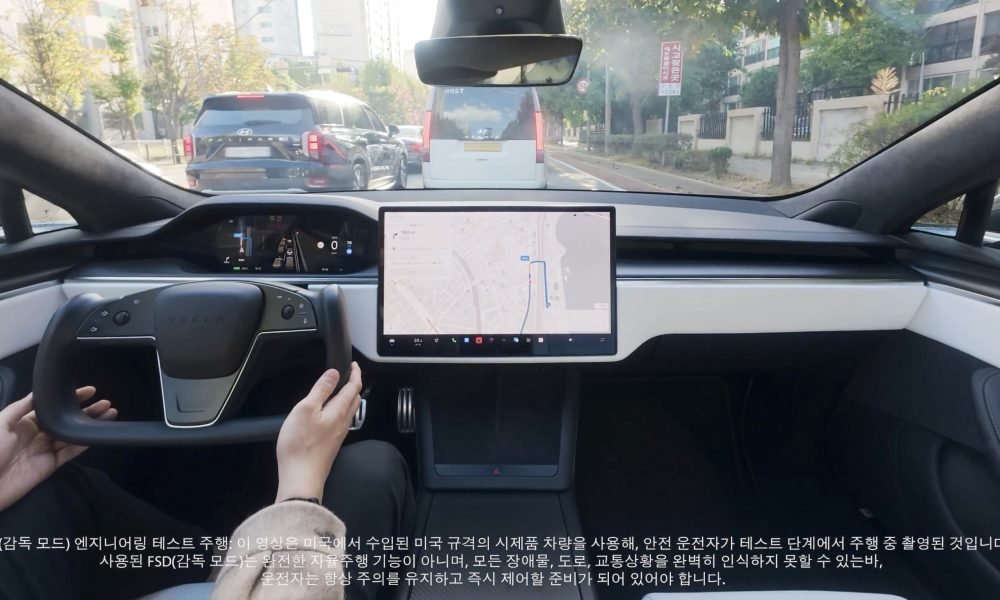
Tesla rolled out Full Self-Driving version 14.2 yesterday to members of the Early Access Program (EAP). Expectations were high, and Tesla surely delivered. With the rollout of Tesla FSD v14.2, there were major benchmarks for improvement from the v14.1 suite, which spanned across seven improvements. Our final experience with v14.1 was with v14.1.7, and to be honest, things were good, but it felt like there were a handful of regressions from previous iterations. While there were improvements in brake stabbing and hesitation, we did experience a few small interventions related to navigation and just overall performance. It was nothing major; there were no critical takeovers that required any major publicity, as they were more or less subjective things that I was not particularly comfortable with. Other drivers might have been more relaxed. With v14.2 hitting our cars yesterday, there were a handful of things we truly noticed in terms of improvement, most notably the lack of brake stabbing and hesitation, a major complaint with v14.1.x. However, in a 62-minute drive that was fully recorded, there were a lot of positives, and only one true complaint, which was something we haven’t had issues with in the past. Advertisement --> The Good Lack of Brake Stabbing and Hesitation Perhaps the most notable and publicized issue with v14.1.x was the presence of brake stabbing and hesitation. Arriving at intersections was particularly nerve-racking on the previous version simply because of this. At four-way stops, the car would not be assertive enough to take its turn, especially when other vehicles at the same intersection would inch forward or start to move. This was a major problem. However, there were no instances of this yesterday on our lengthy drive. It was much more assertive when arriving at these types of scenarios, but was also more patient when FSD knew it was not the car’s turn to proceed. Can report on v14.2 today there were ZERO instances of break stabbing or hesitation at intersections today It was a significant improvement from v14.1.x — TESLARATI (@Teslarati) November 21, 2025 This improvement was the most noticeable throughout the drive, along with fixes in overall smoothness. Speed Profiles Seem to Be More Reasonable There were a handful of FSD v14 users who felt as if the loss of a Max Speed setting was a negative. However, these complaints will, in our opinion, begin to subside, especially as things have seemed to be refined quite nicely with v14.2. Freeway driving is where this is especially noticeable. If it’s traveling too slow, just switch to a faster profile. If it’s too fast, switch to a slower profile. However, the speeds seem to be much more defined with each Speed Profile, which is something that I really find to be a huge advantage. Previously, you could tell the difference in speeds, but not in driving styles. At times, Standard felt a lot like Hurry. Now, you can clearly tell the difference between the two. It seems as if Tesla made a goal that drivers should be able to tell which Speed Profile is active if it was not shown on the screen. With v14.1.x, this was not necessarily something that could be done. With v14.2, if someone tested me on which Speed Profile was being used, I’m fairly certain I could pick each one. Better Overall Operation I felt, at times, especially with v14.1.7, there were some jerky movements. Nothing that was super alarming, but there were times when things just felt a little more finicky than others. v14.2 feels much smoother overall, with really great decision-making, lane changes that feel second nature, and a great speed of travel. It was a very comfortable ride. The Bad Parking It feels as if there was a slight regression in parking quality, as both times v14.2 pulled into parking spots, I would have felt compelled to adjust manually if I were staying at my destinations. For the sake of testing, at my first destination, I arrived, allowed the car to park, and then left. At the tail-end of testing, I walked inside the store that FSD v14.2 drove me to, so I had to adjust the parking manually. This was pretty disappointing. Apart from parking at Superchargers, which is always flawless, parking performance is something that needs some attention. The release notes for v14.2. state that parking spot selection and parking quality will improve with future versions. Any issues with parking on your end? 14.1.7 didn’t have this trouble with parking pic.twitter.com/JPLRO2obUj — TESLARATI (@Teslarati) November 21, 2025 However, this was truly my only complaint about v14.2. You can check out our full 62-minute ride-along below:
Nissan LEAF EV Gets A Big Thumbs-Up From NACTOY
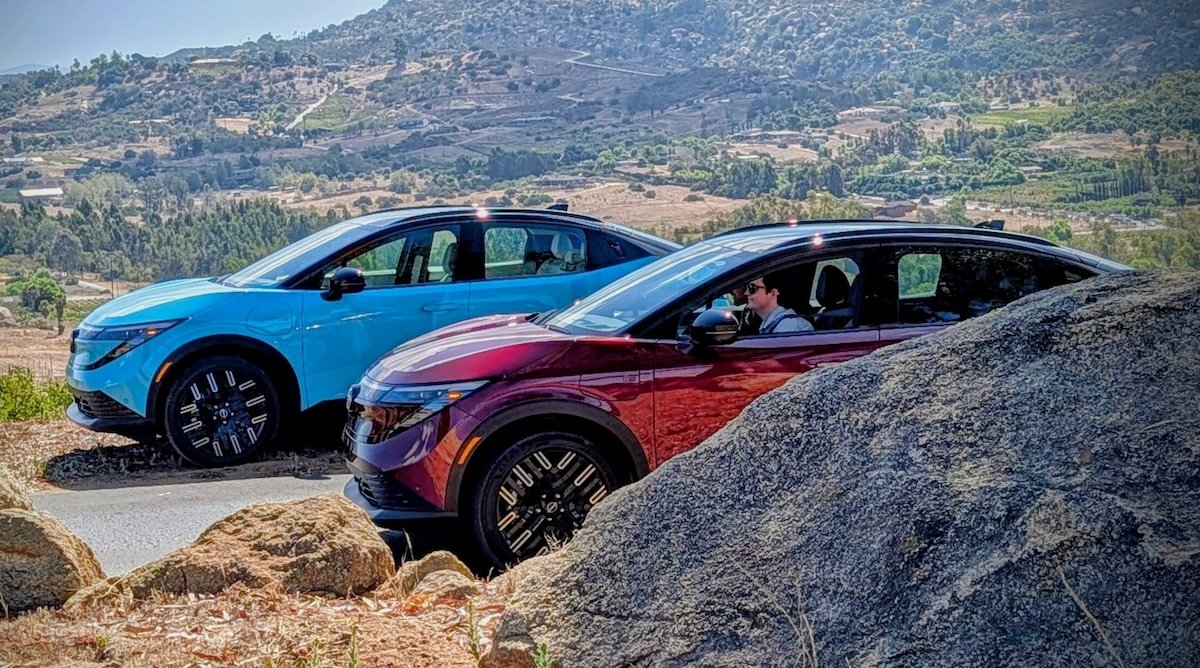
Support CleanTechnica's work through a Substack subscription or on Stripe. The spectacle of a grown man rapidly losing cognitive function is a sad thing, particularly when it’s taking place in real time, one frantic, all-caps social media post after another, amidst the rising temperature of the most witless, malicious US foreign policy scandal to unfold in recent memory.* There, got that out of my system, now let’s turn to the latest news about EVs, featuring yet another award for the all new 2026 Nissan LEAF. *This scandal and these social media posts. If you have any thoughts to add, drop a note in the comment thread. EVs Just Keep Getting Better, Tax Credits Or Not The news about EVs in the US has been mixed this year, to say the least. The zero emission movement suffered a crushing blow over the summer when US President Donald Trump signed a new federal tax bill into law. The new law prematurely killed a $7,500 tax credit for new EVs (and $4,000 for used), with the expiration date set for this past September 30. As predicted, sales surged ahead of the September deadline only to crash in October. However, the seeds of recovery have already been planted. Though some automakers have cut back their near-term EV manufacturing plans, GM and Ford are among the automakers adopting new LFP (lithium iron phosphate) battery technology as part of a renewed focus on reducing costs in the years to come. Both companies are also excited about the affordability potential of new LMR (lithium manganese rich) batteries, too. Just one year ago, Nissan also indicated a strong interest in LFP batteries. However, in May of this year, the company scuttled plans for a new LFP battery factory in Japan, adding to concerns that the automaker is teetering on the brink. Nissan Rises From The LFP Ashes Teetering or not, earlier this week, Nissan earned props for itself, and for the entire vehicle electrification movement, when the company announced that its 2026 LEAF electric SUV made the cut for North American Utility Vehicle of the Year, in the North American Car, Truck and Utility Vehicle of the Year award program. The ultimate NACTOY winners won’t be announced until mid-January at the Detroit Auto Show, but in the meantime, Nissan is taking full advantage of the publicity. “The North American Car, Truck and Utility Vehicle of the Year™ awards are judged by an independent panel of 50 automotive journalists from the U.S. and Canada. Evaluation criteria include innovation, design, safety, driver satisfaction and overall value,” Nissan observed in a press statement. Nissan also enthused at length about the 2026 Sentra, an ICE vehicle that earned a Top 3 Finalist slot in the Car of the Year category. However, the real achievement is getting an EV into one of the Top 3 slots, in a competition that does not distinguish between battery power and internal combustion engines. “The third-generation LEAF redefines what value means for a new model in the electric vehicle segment,” Nissan emphasized, noting that the starting point of $29,990 for the S+ grade is “the lowest starting MSRP for any new EV currently on sale in the US.” Nissan also took the opportunity to tout the LEAF’s EPA-estimated range of 303 for combined highway-urban driving and its DC fast charging speed of 35 minutes to go from 10% to 80%. Nissan Is Still Alive & Kicking Although things looked gloomy for Nissan overall at the end of last year, this year the company’s EV sales in the US started off on the right foot. In January, CleanTechnica noted a significant sales spurt for both the LEAF and the ARIYA. The launch of the sleek, stylish 2026 LEAF in June promised more to come. If the awards cycle is any indicator, Nissan has a winner on its hands. Prior to earning its Top 3 NACTOY slot, the 2026 LEAF also pulled a trifecta in the new “Buzz Awards” hosted by several publications under the umbrella of Valnet Auto Group. The hat trick followed recognition from Wards Auto in September, when the 2026 LEAF garnered a slot in the firm’s “10 Best Engines & Propulsion Systems” award program. “The advanced 3-in-1 next-generation electric powertrain integrates the motor, inverter and reducer into a single compact unit. This design reduces weight and size, improves energy efficiency and enhances driving dynamics,” Nissan explains. CleanTechnica also weighed in with some first-hand observations from a sneak peek hosted by Nissan in September. “Driving the new Nissan LEAF, we found it to be extremely capable and well mannered on everything from city streets, to high speeds on freeways, to aggressive sprints through backcountry corkscrews,” reported CleanTechnica’s Kyle Field (see lots more details, with photos, about the LEAF drive here). The 800-Pound EV Maker In The Room Of course, no story about the US electric vehicle market is complete without a mention of Tesla. Unlike normal automakers, whose CEOs are familiar names almost exclusively within automotive circles, Tesla CEO Elon Musk has inserted himself into every corner of the global conversation, venturing far beyond nuts and bolts into politics, gender identity, and gaming, among other topics, always emerging on the side of white supremacy and fascism if not outright Nazism. Right-wing extremism has been a feature, not a bug, of Musk’s public persona over recent years, though with little or no impact on sales of Tesla EVs until last year, when his effect on the company’s brand reputation finally became impossible to ignore. Last year’s sales dropoff gathered speed during the run-up to Election Day 2024, when Musk devoted a reported $277 million to help push US President Donald Trump into office. The bleeding has continued into this year, highlighted by Musk’s new role as Deconstructor-in-Chief of the US government as head of Trump’s “DOGE” office. With all this in mind, it’s little wonder that CarBuzz has tapped Tesla as the “most avoided EV brand in the world.” Citing a recent survey by the Global
European BESS M&A and financings totalling over 1GW
European BESS M&A and financings totalling over 1GW - Energy-Storage.News Skip to content
Tesla Full Self-Driving v14.2 - Full Review, the Good and the Bad
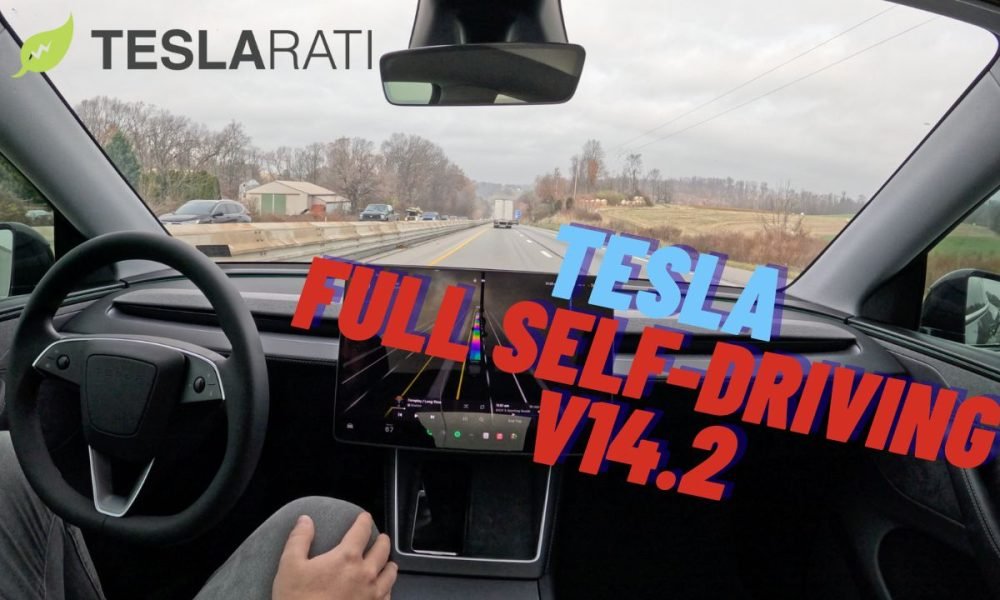
Tesla rolled out Full Self-Driving version 14.2 yesterday to members of the Early Access Program (EAP). Expectations were high, and Tesla surely delivered. With the rollout of Tesla FSD v14.2, there were major benchmarks for improvement from the v14.1 suite, which spanned across seven improvements. Our final experience with v14.1 was with v14.1.7, and to be honest, things were good, but it felt like there were a handful of regressions from previous iterations. While there were improvements in brake stabbing and hesitation, we did experience a few small interventions related to navigation and just overall performance. It was nothing major; there were no critical takeovers that required any major publicity, as they were more or less subjective things that I was not particularly comfortable with. Other drivers might have been more relaxed. With v14.2 hitting our cars yesterday, there were a handful of things we truly noticed in terms of improvement, most notably the lack of brake stabbing and hesitation, a major complaint with v14.1.x. However, in a 62-minute drive that was fully recorded, there were a lot of positives, and only one true complaint, which was something we haven’t had issues with in the past. The Good Lack of Brake Stabbing and Hesitation Perhaps the most notable and publicized issue with v14.1.x was the presence of brake stabbing and hesitation. Arriving at intersections was particularly nerve-racking on the previous version simply because of this. At four-way stops, the car would not be assertive enough to take its turn, especially when other vehicles at the same intersection would inch forward or start to move. This was a major problem. However, there were no instances of this yesterday on our lengthy drive. It was much more assertive when arriving at these types of scenarios, but was also more patient when FSD knew it was not the car’s turn to proceed. This improvement was the most noticeable throughout the drive, along with fixes in overall smoothness. Speed Profiles Seem to Be More Reasonable There were a handful of FSD v14 users who felt as if the loss of a Max Speed setting was a negative. However, these complaints will, in our opinion, begin to subside, especially as things have seemed to be refined quite nicely with v14.2. Freeway driving is where this is especially noticeable. If it’s traveling too slow, just switch to a faster profile. If it’s too fast, switch to a slower profile. However, the speeds seem to be much more defined with each Speed Profile, which is something that I really find to be a huge advantage. Previously, you could tell the difference in speeds, but not in driving styles. At times, Standard felt a lot like Hurry. Now, you can clearly tell the difference between the two. It seems as if Tesla made a goal that drivers should be able to tell which Speed Profile is active if it was not shown on the screen. With v14.1.x, this was not necessarily something that could be done. With v14.2, if someone tested me on which Speed Profile was being used, I’m fairly certain I could pick each one. Better Overall Operation I felt, at times, especially with v14.1.7, there were some jerky movements. Nothing that was super alarming, but there were times when things just felt a little more finicky than others. v14.2 feels much smoother overall, with really great decision-making, lane changes that feel second nature, and a great speed of travel. It was a very comfortable ride. The Bad Parking It feels as if there was a slight regression in parking quality, as both times v14.2 pulled into parking spots, I would have felt compelled to adjust manually if I were staying at my destinations. For the sake of testing, at my first destination, I arrived, allowed the car to park, and then left. At the tail-end of testing, I walked inside the store that FSD v14.2 drove me to, so I had to adjust the parking manually. This was pretty disappointing. Apart from parking at Superchargers, which is always flawless, parking performance is something that needs some attention. The release notes for v14.2. state that parking spot selection and parking quality will improve with future versions. However, this was truly my only complaint about v14.2. You can check out our full 62-minute ride-along below:
Toyota Commissions New Battery Factory And Pledges $10 Billion Investment In US
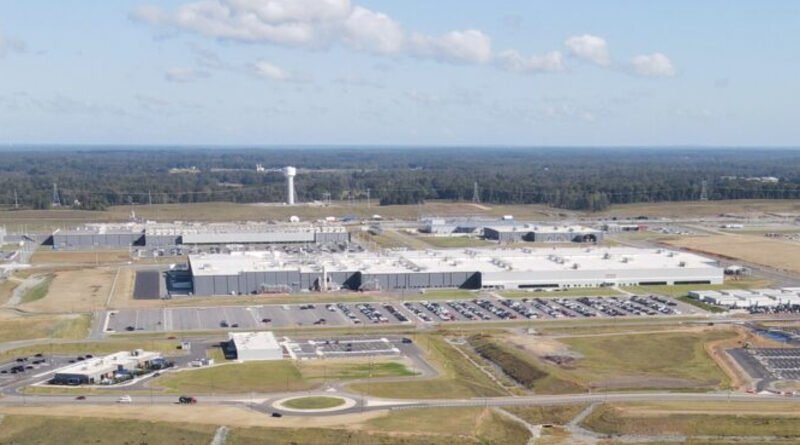
Support CleanTechnica's work through a Substack subscription or on Stripe. Toyota — yes, that Toyota — announced this week the start of production at its new battery plant in Liberty, North Carolina. It is Toyota’s eleventh US plant and the company’s first battery plant outside of Japan. The nearly $14 billion facility will create up to 5,100 new American jobs. In a press release, it said, “Building on its unwavering commitment to the US, Toyota announced an additional investment of up to $10 billion over the next five years to support future mobility efforts. This will bring the company’s total US investment to nearly $60 billion since beginning operations here nearly 70 years ago.” Ted Ogawa, the CEO of Toyota Motor North America, said, “Today’s launch of Toyota’s first US battery plant and additional US investment up to $10 billion marks a pivotal moment in our company’s history. Toyota is a pioneer in electrified vehicles, and the company’s significant manufacturing investment in the US and North Carolina further solidifies our commitment to team members, customers, dealers, communities, and suppliers.” The 1,850 acre mega site in North Carolina can produce 30 GWh of batteries a year at full capacity. It will serve as Toyota’s hub for developing and producing lithium-ion batteries needed for its ever-growing portfolio of electrified vehicles. The state-of-the-art facility will house 14 battery production lines for hybrid electric vehicles, battery electric vehicles, and plug-in hybrid electric vehicles, making it an historical investment for Toyota and a substantial economic boost for the state of North Carolina. “Today marks a historic milestone as Toyota begins battery production right here in North Carolina,” said Governor Josh Stein. “This groundbreaking investment will create more than 5,000 new jobs for North Carolinians and will strengthen our commitment to leading the way in both the automotive supply chain and the clean energy economy.” Batteries For “Electrified” Cars Batteries assembled at Toyota North Carolina are scheduled to power the Camry hybrid, Corolla Cross hybrid, RAV4 hybrid, and a yet-to-be-announced all-electric 3-row battery electric vehicle. That car will be the first fully electric car to be manufactured in the US by Toyota. Currently, the factory provides hybrid powertrains to Toyota’s assembly facility in Kentucky and Mazda Toyota Manufacturing in Alabama. Additional production lines at Toyota North Carolina are set to launch by 2030. “We’re excited to see this innovative facility come to life and to provide cutting-edge careers for more than 5,000 North Carolinians,” said Don Stewart, president of Toyota North Carolina. “Today’s celebration would not be complete without thanking our team members. Their dedication, commitment, and resolve have truly led us to this historic moment. We also are grateful for the support shown to us by the State of North Carolina, Randolph County, and the greater Triad region, a place we are all proud to call home.” Supporting The Community The company remains steadfast in its commitment to being the best employer in town by supporting workforce development and educational initiatives. Through partnerships with schools and educators across the region, Toyota is developing the Triad’s future workforce. During the ceremony, Toyota announced the second phase of Driving Possibilities in Guilford County Schools and the Asheboro City School District, with a Toyota USA Foundation grant of an additional $2.7 million. Driving Possibilities is a national STEM education initiative that brings together community, education leaders, local and national nonprofits, and industry partners to create programs that strengthen communities and prepare young people for future STEM careers. “This incredible gift will provide our students and their families with life-changing opportunities,” said Wendy Poteat, president and CEO of shift_ed, a nonprofit regional leader connecting education to workforce development, and coordinating partner for the NC Driving Possibilities program. “Toyota has become a generous supporter and dedicated stakeholder in enriching our school districts by inspiring innovation and nurturing curiosity and creativity in our learners from classroom to career. Programs like these are essential in closing opportunity and exposure gaps, empowering students to reach their full potential.” Driving Possibilities is funded by the Toyota USA Foundation, with additional support provided by Toyota Motor North America (TMNA) and Toyota Financial Services (TFS). Hybrid Sales Are Up Toyota has sold more than 6.6 million hybrid, plug-in hybrid, fuel cell, and battery electric vehicles in the US since 2000. Toyota currently assembles 11 hybrid and plug-in hybrid models in the US as part of the company’s commitment to reducing carbon emissions and its philosophy of building where it sells. The new facility is Toyota’s first in-house battery plant outside of Japan. It was first announced in December 2021 amid the Biden administration’s push to onshore production of batteries for hybrids and all-electric vehicles, but, of course, no one at the commissioning ceremony bothered to mention the pathway to sustainable transportation the prior administration created. The company says the demand for hybrid vehicles is up strongly, which makes Toyota look absolutely prescient by refusing to embrace battery electric cars when other US manufacturers were going all in on them. Toyota currently controls more than half of the market to hybrid vehicles in the US, according to data supplied by Motor Intelligence. Sales of Toyota vehicles in the US through the third quarter of this year were up 9.9 percent to more than 1.3 million vehicles, CNBC reports. Future Toyota Cars A three-row EV would certainly hit the sweet spot in the US these days, where everyone wants to be able to haul an entire basketball team and all their equipment. Kia and Hyundai both have electric three-row vehicles, so it makes sense for Toyota to jump into that space as well. But there has been speculation recently about a possible battery electric version of the car that has been a mainstay in the Toyota lineup since LBJ was in the White House — the Corolla. At the time of this year’s Mobility Show in Tokyo, Toyota put out a short video about its future products and some sharp-eyed viewers swear there is a next-generation Corolla
VIDEO: Surviving energy storage nightmares - true tales and expert advice
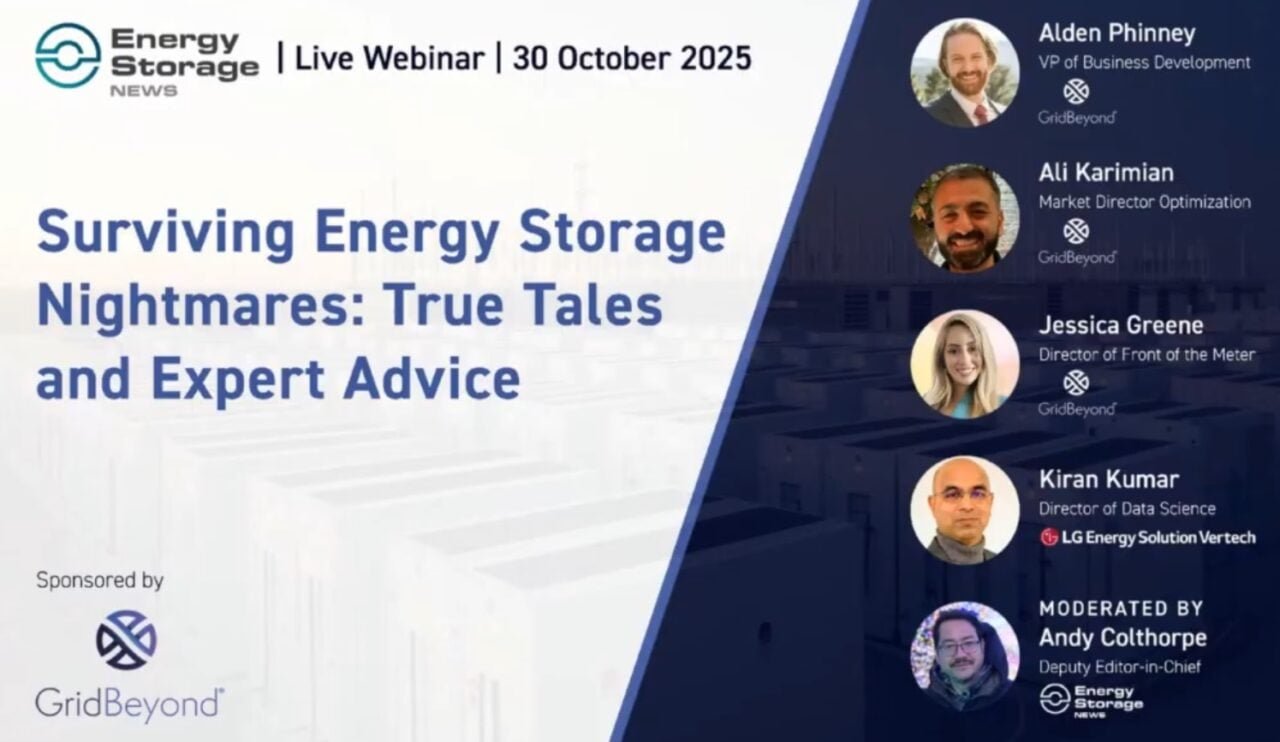
Together, we’ll explore: The haunting of revenue forecasts past: when bad assumptions come back to haunt your balance sheet The curse of the midnight trader: how poor market timing can drain value faster than a vampire at dusk. Zombie BESS: the battery asset that wouldn’t die (or make money): discover why some projects keep going but never deliver the profits they promised Stop feeding the zombies: how to identify failing projects early and avoid throwing good money after bad Our experts will also arm you with proven tools and strategies to ward off these dangers. From smarter optimisation techniques to advanced forecasting and risk management approaches, you’ll learn how to keep your assets safe, strong, and profitable, even in today’s unpredictable and often frightening market environment. So, if you dare, join us for this one-of-a-kind session. You’ll leave with insights that not only protect your business but also help ensure your projects remain alive and thriving; no matter what monsters may lurk in the market. Dare to watch? Speakers: Jessica Greene, director of front-of-the-meter, GridBeyond Ali Karimian, market director for optimisation, GridBeyond Kiran Kumar, director of data science, LG Energy Solution Vertech Moderator: Andy Colthorpe, editor, Energy-Storage.news See the webinar on YouTube below. You can also register to watch the webinar and get access to presentation slides from the on-demand section of our website, where you can also find all our other great Energy-Storage.news webinars.
Tesla CEO Elon Musk teases insane capabilities of next major FSD update
Tesla CEO Elon Musk teased the insane capabilities of the next major Full Self-Driving update just hours after the company rolled out version 14.2 to owners. Tesla Full Self-Driving v14.2 had some major improvements from the previous iteration of v14.1.x. We were on v14.1.7, the most advanced configuration of the v14.1 family, before Tesla transitioned us and others to v14.2. However, Musk has said that the improvements coming in the next major update, which will be v14.3, will be where “the last big piece of the puzzle finally lands.” Advertisement --> There were some major improvements with v14.2, most notably, Tesla seemed to narrow in on the triggers that caused issues with hesitation and brake stabbing in v14.1.x. One of the most discussed issues with the past rollout was that of brake stabbing, where the vehicle would contemplate proceeding with a route as traffic was coming from other directions. We experienced it most frequently at intersections, especially four-way stop signs. Elon Musk hints at when Tesla can fix this FSD complaint with v14 In our review of it yesterday, it was evident that this issue had been resolved, at least to the extent that we had no issues with it in a 62-minute drive, which you can watch here. Advertisement --> Some owners also reported a more relaxed driver monitoring system, which is something Tesla said it was working on as it hopes to allow drivers to text during operation in the coming months. We did not test this, as laws in Pennsylvania prohibit the use of phones at any time due to the new Paul Miller’s Law, which took effect earlier this year. However, the improvements indicate that Tesla is certainly headed toward a much more sentient FSD experience, so much so that Musk’s language seems to be more indicative of a more relaxed experience in terms of overall supervision from the driver, especially with v14.3. Musk did not release or discuss a definitive timeline for the release of v14.3, especially as v14.2 just rolled out to Early Access Program (EAP) members yesterday. However, v14.1 rolled out to Tesla owners just a few weeks ago in late 2025. There is the potential that v14.3 could be part of the coming Holiday Update, or potentially in a release of its own before the New Year.
How to Make the Industrial Accelerator Act Deliver for EVs & Batteries
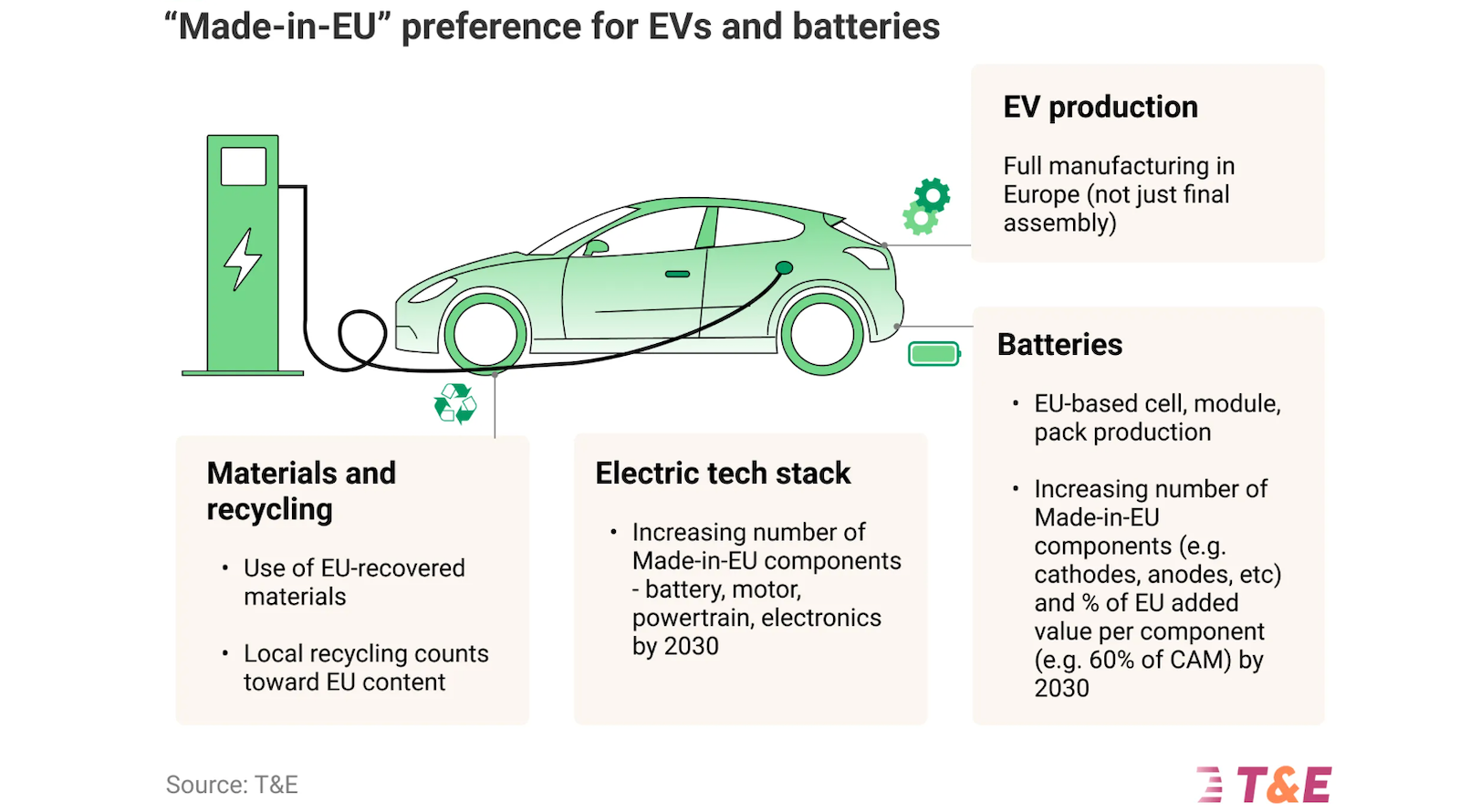
Support CleanTechnica's work through a Substack subscription or on Stripe. In a new position paper, T&E proposes four pillars for a successful Industrial Accelerator Act. This is a summary. To find out more, download the position paper. Europe is losing ground in the global clean technology race. Unless decisive action is taken it will be exposed to ever greater dependencies, deindustrialisation and major job losses. Whether Europe adopts a much more forceful industrial policy now will determine whether it is able to achieve its economic, defence and climate goals. The EU should ensure a significant share of critical electric technology stack (batteries, electronics, e-motors, chips, software and critical minerals) will be produced in Europe. Non-European firms can play an important role in this, provided they onshore their supply chains and enter in beneficial partnerships. This will not happen organically: the failure of the EU’s Net Zero Industry Act (NZIA) demonstrates aspirational domestic production targets without policy and funding do not make any difference on the ground. Europe has many strengths. It has a large market for cleantech — e.g. one in five cars sold in 2025 are electric — and there are dozens of companies planning to produce battery components and minerals locally (Annex I), but many struggle to survive in the ramp-up phase or fail to secure offtake from carmakers because Chinese sourcing remains cheaper. Local content requirements are essential to break this deadlock, and they can be scaled gradually as domestic capacity grows. The forthcoming Industrial Accelerator Act (IAA) offers a critical opportunity to introduce simple, effective Made-in-EU and local content rules for electric vehicles (EVs) and batteries. T&E proposes four pillars for a successful IAA: Europe must create lead markets for zero-emission vehicles while progressively developing domestic value chains. The IAA should clearly define what Made-in-EU EVs and batteries are. A transparent methodology rewarding Made-in-EU EVs, batteries, key components, and materials is necessary to create a clear business case that attracts private investment. These rules should above all focus on the electric tech stack – the strategic heart of a vehicle. To build competitiveness and scale local clean manufacturing, mandatory Made-in-EU requirements should be progressively embedded across a spectrum of policies and financing instruments. Content rules should be simple, consistent and applied across a range of policy measures. Public procurement alone is too small to shape EVs and batteries’ markets. The EU’s key leverage lies in its single market and the billions of euros in national subsidies and state aid distributed annually. Local content requirements should therefore be tied not only to procurement, but also to national tax incentives, State Aid, EU funding, future corporate fleet legislation, car CO₂ standards, trade and if this combination does not deliver, market access. A carbon footprint label for vehicles and key inputs (steel, aluminium, batteries) can drive market demand for clean, locally made materials and products. Labelling efforts should particularly support green steel offtake in the automotive sector, in a first instance. The IAA should commit to a vehicle carbon footprint label, based on a new steel carbon footprint label, the existing draft proposal for the battery carbon footprint and an upcoming aluminium carbon label. This vehicle carbon label should be first implemented via the Car Labelling directive review (planned for 2026) and to harmonise national fiscal rules (e.g. France’s eco-score). Incentives for the use of green steel could be provided in regulations such as the CO2 standards. An EU-wide approach to foreign direct investment (FDI) in the EV value chain is essential. The IAA should define what counts as a meaningful technology transfer, ensuring that FDI contributes to resilience and competitiveness rather than deepening dependence. Since 2021, the European Commission has approved around €2 billion in State aid for Asian battery manufacturers, with more subsidies for Chinese players under consideration. This means a significant share of public support for Europe’s battery industry is flowing to non-European companies, with limited local value creation. Foreign EV and battery investments should only qualify for public support or trade benefits if they meet clear criteria: local control, technology and IP sharing, skills transfer, sourcing from local suppliers and local value requirements. Briefing from T&E. Sign up for CleanTechnica's Weekly Substack for Zach and Scott's in-depth analyses and high level summaries, sign up for our daily newsletter, and follow us on Google News! Advertisement Have a tip for CleanTechnica? Want to advertise? Want to suggest a guest for our CleanTech Talk podcast? Contact us here. Sign up for our daily newsletter for 15 new cleantech stories a day. Or sign up for our weekly one on top stories of the week if daily is too frequent. CleanTechnica uses affiliate links. See our policy here. CleanTechnica's Comment Policy
Santa Cruz County, California, publishes draft BESS zoning ordinance
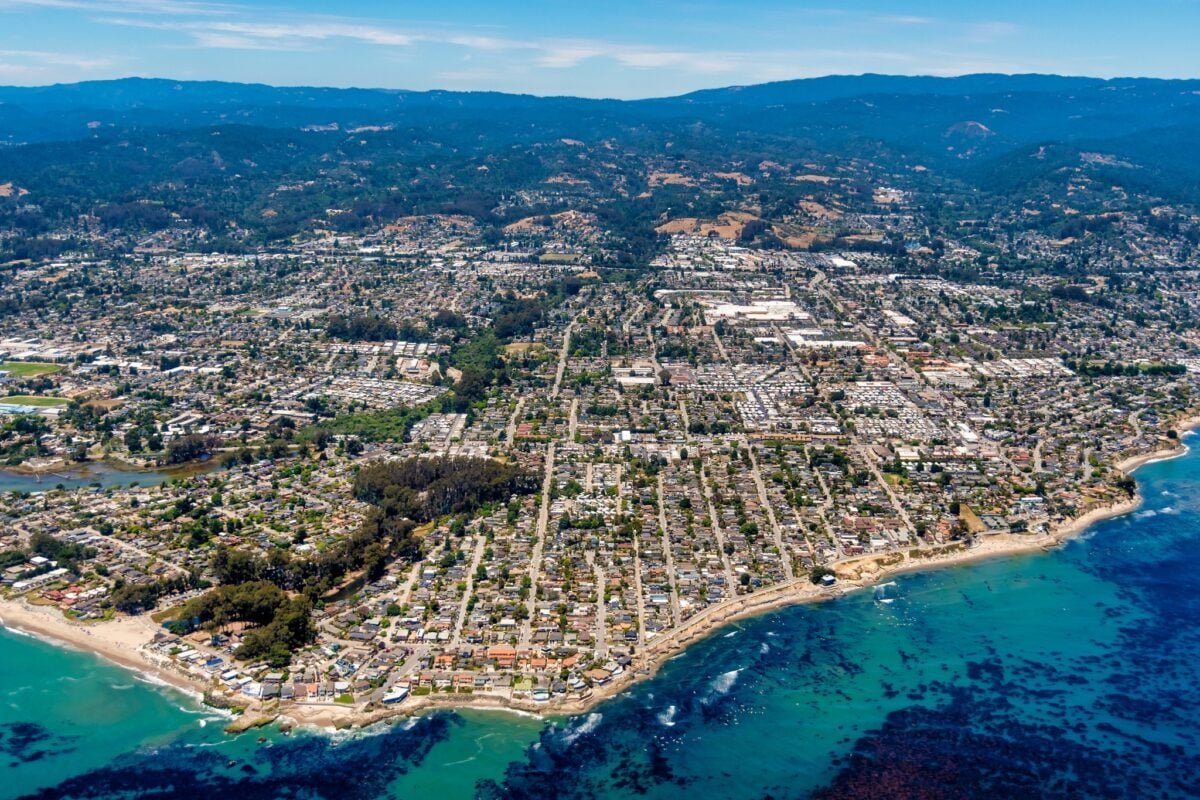
As reported by Energy-Storage.news, this includes authorities at California’s Orange, San Diego and Solano counties, who have all developed their own set of BESS zoning standards. However, unlike these three jurisdictions, which all created an ordinance for their entire unincorporated counties, officials at Santa Cruz are proposing to restrict the development of BESS to a very small selection of land parcels. Specifically, county officials have created a zoning overlay allowing for the development of BESS within parcels of land adjacent to transmission substations within the county. As originally proposed, the ordinance would have permitted the development of BESS to land parcels surrounding three 115kV substations owned by Pacific Gas & Electric (PG&E). However, due to the ordinance’s setback requirements, this has been reduced to only two substations located on Minty Road and Freedom Boulevard. On top of development only being allowed within a handful of parcels, BESS projects will also be restricted to a maximum 20-acre development area and maximum height of 25 feet. When it comes to BESS setback requirements, developers will be required to include a 100-foot setback from property lines and agricultural resources, along with a 1,000-foot setback from sensitive receptors such as schools and hospitals. Battery storage projects must also be located outdoors, or within “single use buildings,” and the use of nickel manganese cobalt (NMC) battery chemistry is prohibited. After a lengthy public comment period and discussion amongst the board, officials voted for the planning department to revise the ordinance and bring it back to the BoS within three months after considering all the feedback heard at the recent meeting. Once approved, an environmental review of the ordinance under the California Environmental Quality Act (CEQA) is expected to take around a year to complete. Seahawk Energy Storage In amongst this new ordinance is a project proposal from Lowell, Massachusetts-headquartered developer New Leaf Energy. During December 2024, the developer submitted an application with Santa Cruz County to construct a 200MW/800MWh BESS project in Watsonville known as the Seahawk Energy Storage project. Despite being submitted almost a year ago, the proposal has yet to move forward as Santa Cruz County has deemed the application incomplete. Once completed, the application, along with the new ordinance, will be subjected to an environmental review under CEQA. Although New Leaf has so far pursued approval of the project at the county level, in light of another 3-month delay, officials during the recent meeting expressed their concerns with New Leaf withdrawing this application and utilising the state’s permitting process instead. As opposed to a locally administered permitting process, developers of BESS projects exceeding 200MWh have the option of obtaining construction approval via the California Energy Commission’s (CEC’s) opt-in certification scheme. Senate Bill 283 The BoS was initially due to vote on the ordinance during its August meeting. However, a decision was made to defer the vote until this month in order to wait for the release of more information relating to the fire at Vistra’s Moss Landing project, along with the passage of Senate Bill (SB) 283. As reported by Energy-Storage.news, SB 283, known as the “Clean Energy Safety Act,” was approved by California Governor Gavin Newsom on 6 October 2025, and mandates several planning development best practices. From 1 January 2026, this law will require developers to meet and confer with the authority that has jurisdiction over fire suppression where projects are being proposed. The new law will also require projects be inspected and signed off by local fire authorities prior to commercial operations, at the expense of developers.
SpaceX issues statement on Starship V3 Booster 18 anomaly
Elon Musk recently took to X to debunk some misinformation about his 2025 CEO performance award, as well as some comments he made during Donald Trump’s banquet in honor of Saudi Prince Mohammed bin Salman. Musk’s quick debunks highlighted once more that X is an ideal platform for directly countering misinformation. Musk’s pay package Elon Musk’s 2025 CEO performance award was created as a path for him to gain a 25% stake in Tesla. It would also make him a trillionaire, provided that he manages to meet all of the performance award’s aggressive targets. This has not stopped critics from running with the apparent narrative that Musk will be getting the $1 trillion with utmost certainty, however. This included the More Perfect Union account on X, which noted that “Elon Musk is set to make more than every U.S. elementary school teacher combined, according to the Washington Post.” I have earned none of that so far and anyone who thinks Tesla becoming the most valuable company on Earth by far is a such a sure thing is welcome to invest and share in the outcome— Elon Musk (@elonmusk) November 20, 2025 Musk responded to the pro-union amount’s post, highlighting that he has not earned any of his $2025 performance award so far. Musk also noted that those who believe he will be getting $1 trillion should invest in TSLA stock, as his compensation is tied to the company’s performance and growth. Investors who hold their TSLA until Musk achieves his full pay package would likely get notable returns. Lip reader fail Musk also debunked claims from the Daily Mail, which claimed that he made an “explosive” remark at Trump’s banquet for Saudi Prince Mohammed bin Salman. Citing observations from lip reader Nicola Hickling, the Mail claimed that Musk asked Pfizer CEO Albert Bourla, “What is your opinion, is he a terrorist?” The publication also posted a video of Musk allegedly making the risqué comment on X. False, I was asking about upcoming cancer drugs— Elon Musk (@elonmusk) November 20, 2025 Musk proceeded to correct the publication, stating that the lip reader’s observations were fake. Instead of asking the Pfizer CEO if the Saudi Prince was a terrorist, Musk noted that he was asking the executive about cancer medicine. “False, I was asking about upcoming cancer drugs,” Musk wrote in a response on X. Musk’s comments resulted in numerous critical responses to the Mail’s video, with some X users joking that the lip reader who analyzed the clip should probably get a visual acuity test, or a better training course on lip reading at least.
AI becoming the US Energy Storage market’s golden opportunity?
AI becoming the US Energy Storage market’s golden opportunity? - Energy-Storage.News Skip to content
Tesla FSD (Supervised) is about to go on "widespread" release
The Tesla Model X has always been one of the company’s most loved vehicles, despite its low sales figures, which can be attributed to its high price tag. However, the Model X has been a signature item on Tesla’s menu of cars, most notably recognized by its Falcon Wing Doors, which are aware of its surroundings and open according to what’s around it. But recent improvements to the Model X were looking slim to none, but it appears most of the fixes actually happened under the body, at least according to Tesla’s Vice President of Powertrain, Lars Moravy. In a recent interview with Car and Driver, Moravy detailed all of the changes to the 2026 iteration of the vehicle, which was about 400 pounds lighter than it was originally. The biggest change is a modification with the rear motor, switching from an induction-type motor to a permanent-magnet design and optimizing the half-shafts, which shed about 100 pounds. Tesla also got “almost 80 pounds out of the interior bits and pieces,” which “included making parts thinner, different manufacturing process choices, and incorporating airbag-deployment requirements into the headliner fabric,” the report said. Additionally, the standard five-passenger, bench seat configuration saved 50 pounds by ditching pedestal mounting. This also helped with practicality, as it helped the seat fold flat. Engineers at Tesla also saved 44 pounds from the high-voltage wiring through optimizing the wiring from the charge-port DC/DC converter and switching from copper to aluminum wiring. Tesla makes a decision on the future of its flagship Model S and Model X Tesla also simplified the cooling system by reducing the number of radiators. It also incorporated Nürburgring cooling requirements for the Plaid variant, which saved nearly 30 pounds. Many Tesla fans will be familiar with the megacastings, manufactured in-house by presses from IDRA, which also saves more than 20 pounds and boosts torsional stiffness by around 10 percent. Tweaks to the suspension also saved 10 pounds. People were truly disappointed with what Tesla did with the Model S and Model X, arguing that the cars needed a more severe exterior overhaul, which might be true. However, Tesla really did a lot to reduce the weight of the vehicle, which helps increase range and efficiency. According to Grok, every 200 pounds removed adds between 7 and 15 percent to range estimations. This makes sense considering the range estimations both increased by 7 percent from the Model X’s 2025 configuration to the 2026 builds. Range increased on the All-Wheel-Drive trim from 329 miles to 352 miles, while the Plaid went from 314 miles to 335 miles.
Clarios and Maxwell, Fullmark ITC transfer, OATI, Colville Tribes
Clarios and Maxwell, Fullmark ITC transfer, OATI, Colville Tribes - Energy-Storage.News Skip to content
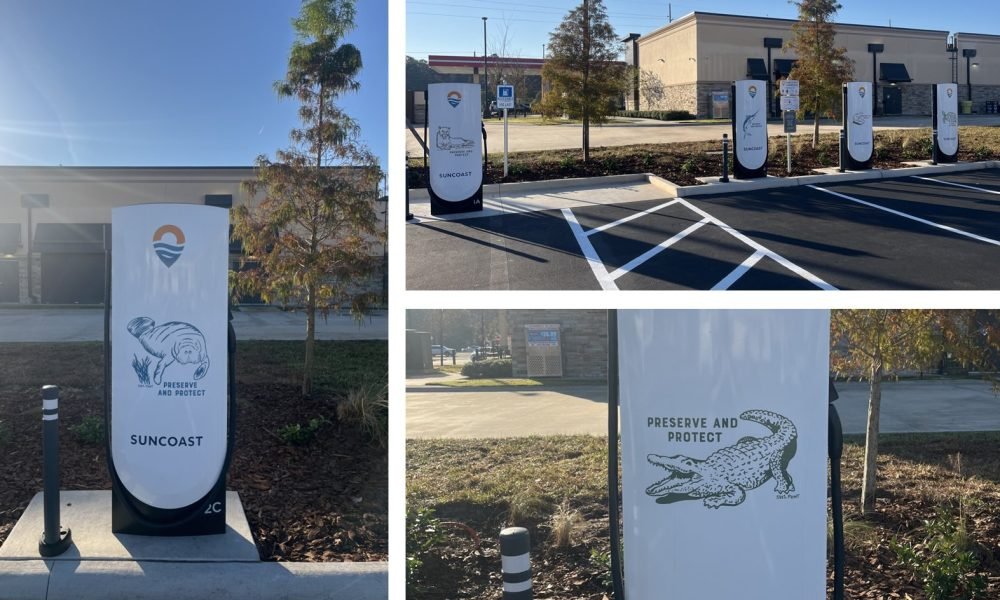
Tesla launches its new branded Supercharger for Business with first active station
Tesla is looking to expand its Rental Program aggressively, just weeks after the program was first spotted on its Careers website. Earlier this month, we reported on Tesla’s intention to launch a crazy new Rental program with cheap daily rates, which would give people in various locations the opportunity to borrow a vehicle in the company’s lineup with some outrageous perks. Along with the cheap rates that start at about $60 per day, Tesla also provides free Full Self-Driving operation and free Supercharging for the duration of the rental. There are also no limits on mileage or charging, but the terms do not allow the renter to leave the state from which they are renting. If you look up details on the Tesla Rental program on Google, you’ll see a bunch of sites saying it’s because of decreasing demand pic.twitter.com/WlSQrDJhMg — TESLARATI (@Teslarati) November 10, 2025 The program has already launched in a handful of locations, specifically, it has been confined to California for now. However, it does not seem like Tesla has any interest in keeping it restricted to the Golden State. Job postings from Tesla now show it is planning to launch the Rental program in at least three new states: Texas, Tennessee, and Massachusetts. The jobs specifically are listed as a Rental Readiness Specialist, which lists the following job description: “The Tesla Rental Program is looking for a Rental Readiness Specialist to work on one of the most progressive vehicle brands in the world. The Rental Readiness Specialist is a key contributor to the Tesla experience by coordinating the receipt of incoming new and used vehicle inventory. This position is responsible for fleet/lot management, movement of vehicles, vehicle readiness, rental invoicing, and customer hand-off. Candidates must have a high level of accountability, and personal satisfaction in doing a great job.” It also says that those who take the position will have to charge and clean the cars, work with clients on scheduling pickups and drop-offs, and prepare the paperwork necessary to initiate the rental. The establishment of a Rental program is big for Tesla because it not only gives people the opportunity to experience the vehicles, but it is also a new way to rent a car. Just as the Tesla purchasing process is more streamlined and more efficient than the traditional car-buying experience, it seems this could be less painful and a new way to borrow a car for a trip instead of using your own.
BYD Gets About Twenty Patents a Day, Adding up to 50,000 Technologies Already Authorized
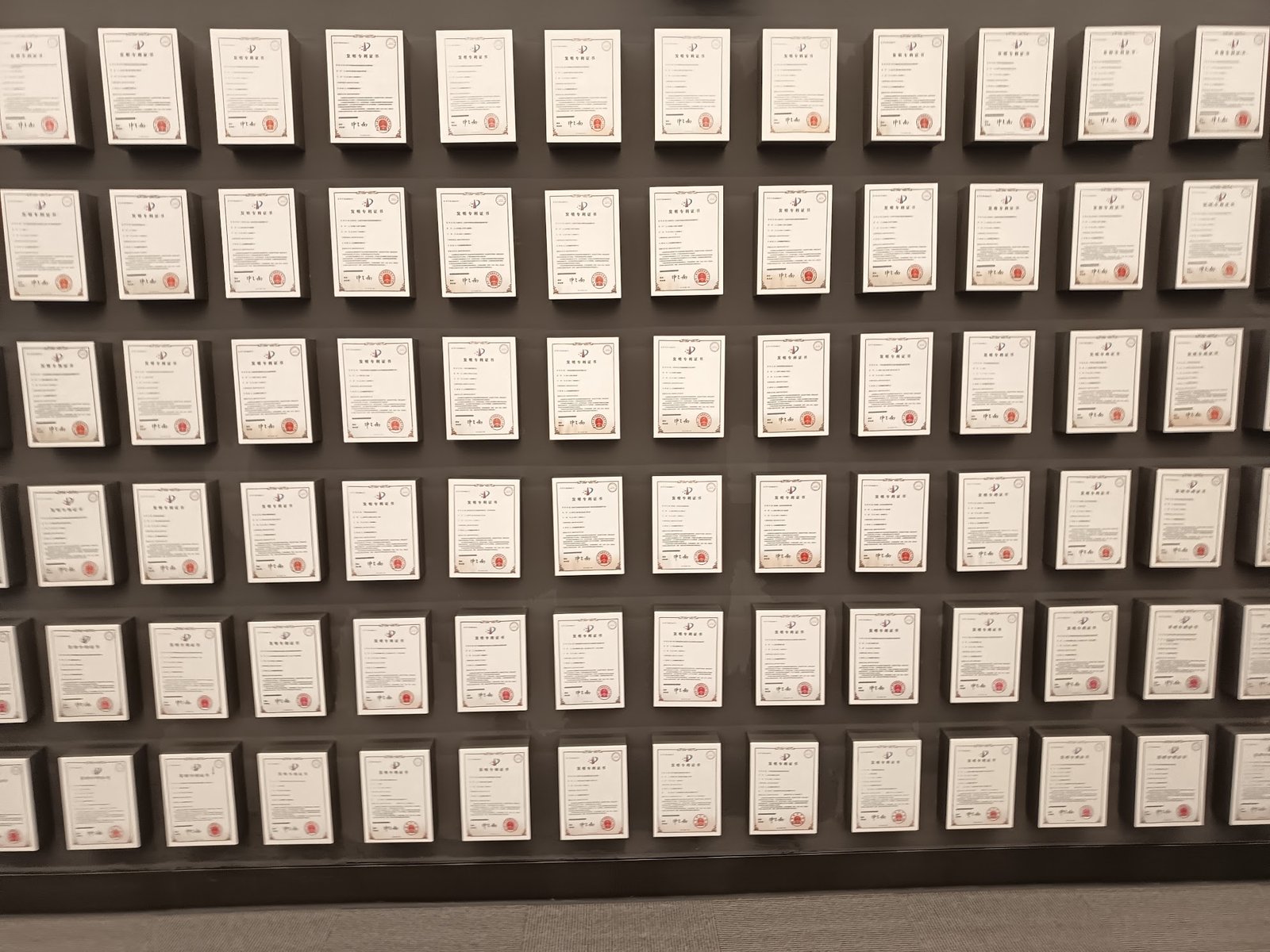
Support CleanTechnica's work through a Substack subscription or on Stripe. In two days, BYD Philippines will be launching another dealership in the Philippines, bringing it to a total 41 dealers in just two years. The company has sold some 10,000 new energy vehicles in the past two years, and before the end of the year it is on track to open 70 dealers — it is really tight, but not impossible, barring regulatory hurdles and slow business permits. How important is dealer No. 41? Well, no less than Liu Xueliang, the General Manager of BYD’s Asia-Pacific’s Auto Sales Division in China, is joining young Jaime Alfonso Zobel de Ayala, CEO of AC Mobility, Ayala Groups’ vehicle arm. This is how BYD works. The number mean a lot. In the fiercely competitive landscape of the global electric vehicle and renewable energy sectors, BYD globally stands out for its unique approach to innovation and market dominance. At the core of its success lies an expansive and strategically cultivated patent portfolio. With over 48,000 patent applications filed globally in September and increasing to 51,466 in October and more than 40,000 authorized patents, BYD’s intellectual property isn’t just a collection of legal documents; it’s a foundational pillar of its business model. The company’s impressive pace of innovation is reflected in its patenting activity, filing an average of 45 patent applications and securing an average of 20 granted patents per day. Self sufficiency in technology The relevance of these patents extends across several critical dimensions, each enabling BYD to differentiate itself from competitors and secure its position as an industry trailblazer. A key aspect is the company’s profound commitment to vertical integration and self-sufficiency. By building an in-house ecosystem, BYD controls every step of its production process, from the fundamental raw materials and battery cell manufacturing to the final assembly of its diverse range of vehicles and energy storage solutions. This strategic independence, safeguarded by a fortress of patents, not only confers a significant cost advantage but also substantially mitigates vulnerabilities to supply chain disruptions, a lesson harshly learned by many during recent global crises. Beyond self-reliance, BYD’s patents are a powerful engine for competitive advantage. In the rapidly evolving EV market, where technological breakthroughs dictate market share, proprietary innovations are paramount. BYD’s extensive patent protection makes it exceedingly difficult for rivals to directly replicate its most significant advancements. This is particularly evident in the battery technology sphere, where BYD’s patented solutions serve as a major differentiator. Licensing technologies While primarily used to bolster its own product lines, BYD has strategically begun to license its cutting-edge technologies to other entities. This approach transforms intellectual property from merely a protective measure into a direct revenue stream. By making its technology accessible, BYD not only generates additional income but also establishes its innovations as industry benchmarks, further cementing its influence and leadership. Xueliang, during the media visit last September, replying to a question from CleanTechnica, offered invaluable insights into the strategic intent behind these patents, emphasizing these very points. “Our deep vertical integration, enabled by our extensive patent portfolio, ensures we have unparalleled control over our supply chain and costs, which is crucial for delivering quality and value to our customers.” He further elaborated on the broader implications, noting, “The strategic monetization and licensing of our core technologies, such as the Blade Battery, not only generate additional revenue but also validate the global relevance and superior performance of our innovations, allowing other players to benefit from our advancements while strengthening our industry position.” BYD’s most relevant patented technologies in vehicles Within BYD’s vast technological arsenal, certain innovations stand out as particularly impactful, heavily guarded by its patent filings. The Blade Battery is arguably BYD’s most iconic and strategically important patented technology. Using Lithium Iron Phosphate (LFP) chemistry, this battery redefines safety and performance. Its unique design involves long, flat cells arranged to maximize space utilization within the battery pack. Patents associated with this technology cover enhanced safety, as the design significantly reduces the risk of thermal runaway and fire, famously demonstrated in the “nail penetration test.” They also protect optimized energy density and the advanced material science and manufacturing processes essential for creating these high-performance, durable batteries. e-Platform 3.0 is BYD’s dedicated electric vehicle platform, a modular architecture designed to integrate all key components seamlessly. It is protected by a multitude of patents related to its efficiency, compactness, and scalability. Key aspects include the 8-in-1 Electric Powertrain, which integrates the motor, transmission, and other control systems into a single, compact unit, reducing size, weight, and cost while improving overall efficiency. Patents also cover a highly integrated thermal management system and Vehicle-to-Grid (V2G) technology, which enables BYD vehicles to not only charge from the grid but also send power back to it or to power external devices, making the car a mobile energy storage unit. DM-i (Dual Mode Intelligent) Technology is BYD’s proprietary plug-in hybrid (PHEV) system, a sophisticated system heavily protected by patents that redefines the PHEV experience. Unlike many conventional hybrids where the gasoline engine often drives the wheels directly, BYD’s DM-i largely prioritizes electric propulsion. The gasoline engine primarily functions as a highly efficient generator to extend range or provide supplemental power during high-load demands. This innovative approach results in remarkably low fuel consumption and impressive electric-only range. Patents in this domain cover intelligent hybrid control systems and the dedicated hybrid engine and powertrain integration that enable the system’s diverse operating modes. The wall 20 feet high and 60 feet long contained part of the BYD’s “patent” haul. Photo for CleanTechnica by Raymond Tribdino. BYD’s other technology divisions … BYD is not a single technology company but rather a vertically integrated conglomerate with several key business units and subsidiaries that focus on different technologies. The most prominent of these is the FinDreams corporate subgroup, which was established to develop and sell key EV components to other manufacturers. FinDreams is a collection of five divisions, each specializing in a specific area: FinDreams Battery, FinDreams Powertrain,
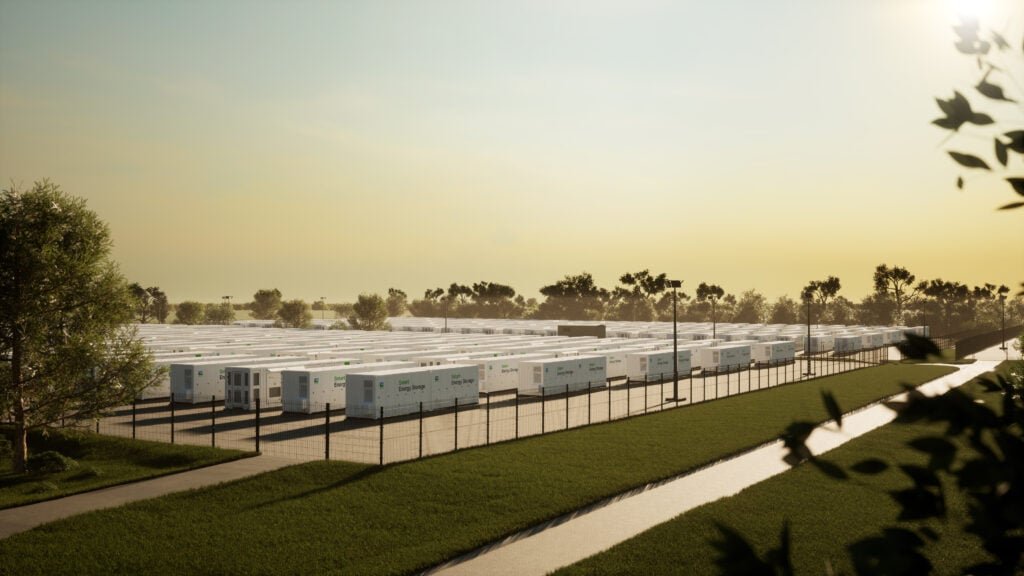
Pacific Green's 2.5GWh BESS in Australia clears EPBC Act
Pacific Green's 2.5GWh BESS in Australia clears EPBC Act - Energy-Storage.News Skip to content