Another Tesla Model 3 variant sold out for January 2026 in China

Another Tesla Model 3 variant in China appears to have sold out for January 2026, with the vehicle now showing an estimated delivery date of February 2026 for new orders. This bodes well for the all-electric sedan, which has maintained notable sales despite more affordable rivals like the Xiaomi SU7 and its crossover sibling, the Model Y. Model 3 LR RWD joins February 2026 queue A look at Tesla China’s order page for the all-electric sedan shows that new Model 3 Long Range Rear Wheel Drive orders now have an estimated delivery date of February 2026. Priced from RMB 259,500 ($36,810), the LR RWD sits as the second-lowest-priced trim in Tesla China’s four-variant Model 3 lineup. The move follows a similar delivery timeframe for the Model 3 Performance, which remains the most expensive option for the vehicle, as noted in a CNEV Post report. The estimated delivery dates of the two remaining Model 3 variants remain unchanged for now. The base RWD version, starting at RMB 235,500, and the LR AWD variant, priced from RMB 285,500, both continue to list estimated delivery times of 4-6 weeks. Tesla China, for its part, has continued to list in-stock Model 3 vehicles and is actively encouraging buyers to select inventory units for delivery before the end of the year. $TSLA Estimated delivery time for Tesla China 'Model 3 LR' RWD has been changed to February 2026.Now, of the four trims of the Model 3, LR RWD and Performance have an expected delivery period of February 2026. pic.twitter.com/H1jyZCowbN — Tsla Chan (@Tslachan) December 15, 2025 Model Y delays and policy shifts Delivery timelines for the Model Y in China are also stretching into 2026. All customized Model Y variants now show February 2026 as their estimated delivery date, except for the entry-level version, which still lists January 2026. Tesla has been urging customers since November to prioritize purchasing inventory vehicles, a push aimed at maximizing year-end deliveries. Timing matters for Chinese buyers due to upcoming changes in government incentives. China’s new energy vehicle purchase tax exemption will be scaled back in 2026, which means customers who take delivery next year could face higher tax costs compared to those who are able to receive vehicles before the end of the year. As per data from the China Passenger Car Association, Tesla recorded retail sales of 73,145 vehicles in November, down 0.47% year over year. From January through November, Tesla’s retail sales in China totaled 531,855 units, a 7.37% year-over-year drop. The post Another Tesla Model 3 variant sold out for January 2026 in China appeared first on TESLARATI.
Tesla stands to gain from Ford’s decision to ditch large EVs

Ford’s recent decision to abandon production of the all-electric Ford F-150 Lightning after the 2025 model year should yield some advantages for Tesla. The Detroit-based automaker’s pivot away from large EVs and toward hybrids and extended-range EVs that come with a gas generator is proof that sustainable powertrains are easy on paper, but hard in reality. Tesla is perhaps the biggest beneficiary of Ford’s decision, especially as it will no longer have to deal with the sole pure EV pickup that outsold it from time to time: the F-150 Lightning. Here’s why: Reduced Competition in the Electric Pickup Segment The F-150 Lightning was the Tesla Cybertruck’s primary and direct rival in the full-size electric pickup market in the United States. With Ford’s decision to end pure EV production of its best-selling truck’s electric version and shifting to hybrids/EREVs, the Cybertruck faces significantly less competition. Credit: Tesla This could drive more fleet and retail buyers toward the Cybertruck, especially those committed to fully electric vehicles without a gas generator backup. Strengthened Market Leadership and Brand Perception in Pure EVs Ford’s pullback from large EVs–citing unprofitability and lack of demand for EVs of that size–highlights the challenges legacy automakers face in scaling profitable battery-electric vehicles. Tesla, as the established leader with efficient production and vertical integration, benefits from reinforced perception as the most viable and committed pure EV manufacturer. Credit: Tesla This can boost consumer confidence in Tesla’s long-term ecosystem over competitors retreating to hybrids. With Ford making this move, it is totally reasonable that some car buyers could be reluctant to buy from other legacy automakers. Profitability is a key reason companies build cars; they’re businesses, and they’re there to make money. However, Ford’s new strategy could plant a seed in the head of some who plan to buy from companies like General Motors, Stellantis, or others, who could have second thoughts. With this backtrack in EVs, other things, like less education on these specific vehicles to technicians, could make repairs more costly and tougher to schedule. Potential Increases in Market Share for Large EVs Interestingly, this could play right into the hands of Tesla fans who have been asking for the company to make a larger EV, specifically a full-size SUV. Customers seeking large, high-capability electric trucks or SUVs could now look to Tesla for its Cybertruck or potentially a future vehicle release, which the company has hinted at on several occasions this year. With Ford reallocating resources away from large pure EVs and taking a $19.5 billion charge, Tesla stands to capture a larger slice of the remaining demand in this segment without a major U.S. competitor aggressively pursuing it. The post Tesla stands to gain from Ford’s decision to ditch large EVs appeared first on TESLARATI.
Ford cancels all-electric F-150 Lightning, announces $19.5 billion in charges

Ford is canceling the all-electric F-150 Lightning and also announced it would take a $19.5 billion charge as it aims to quickly restructure its strategy regarding electrification efforts, a massive blow for the Detroit-based company that was once one of the most gung-ho on transitioning to EVs. The announcement comes as the writing on the wall seemed to get bolder and more identifiable. Ford was bleeding money in EVs and, although it had a lot of success with the all-electric Lightning, it is aiming to push its efforts elsewhere. It will also restructure its entire strategy on EVs, and the Lightning is not the only vehicle getting the boot. The T3 pickup, a long-awaited vehicle that was developed in part of a skunkworks program, is also no longer in the company’s plans. Instead of continuing on with its large EVs, it will now shift its focus to hybrids and “extended-range EVs,” which will have an onboard gasoline engine to increase traveling distance, according to the Wall Street Journal. “Ford no longer plans to produce select larger electric vehicles where the business case has eroded due to lower-than-expected demand, high costs, and regulatory changes,” the company said in a statement. Ford has announced it is discontinuing production of the F-150 Lightning, as it plans to report a charge of $19.5 billion in special items. The Lightning will still be produced, but instead with a gas generator that will give it over 700 miles of range. “Ford no longer… pic.twitter.com/ZttZ66SDHL — TESLARATI (@Teslarati) December 15, 2025 While unfortunate, especially because the Lightning was a fantastic electric truck, Ford is ultimately a business, and a business needs to make money. Ford has lost $13 billion on its EV business since 2023, and company executives are more than aware that they gave it plenty of time to flourish. Andrew Frick, President of Ford, said: “Rather than spending billions more on large EVs that now have no path to profitability, we are allocating that money into higher returning areas, more trucks and van hybrids, extended range electric vehicles, affordable EVs, and entirely new opportunities like energy storage.” CEO Jim Farley also commented on the decision: “Instead of plowing billions into the future knowing these large EVs will never make money, we are pivoting.” Farley also said that the company now knows enough about the U.S. market “where we have a lot more certainty in this second inning.” The post Ford cancels all-electric F-150 Lightning, announces $19.5 billion in charges appeared first on TESLARATI.
How businesses can turn plastics risks into opportunity

Concerns have never been more acute about pollution and toxicity from plastics. Plastic production and waste could nearly triple by 2060, yet hopes are weak for a global plastics treaty after the last attempt flamed out in August. But regardless of its outcome, this moment marks a turning point for business risks and opportunities around plastics. The treaty collapsed after Saudi Arabia, the United States, Russia and other fossil-fuel-friendly nations balked on production caps, which more than 100 other countries demanded. The United Nations treaty requires unanimity, however, and many experts are pessimistic about that possibility. Treaty stakeholders return to Geneva on Feb. 7 to elect a new chair, who will need to navigate tensions with obstructionist countries. Risks and opportunities “Reckless petrochemical capacity expansion isn’t just harmful for the climate; it’s increasingly seen as a financial risk,” said Andres del Castillo, senior attorney at the Center for International Environmental Law. In July, more than 80 financial institutions managing a collective $7 trillion in assets warned of major liabilities related to plastics. In addition, the health impacts of plastics will cause businesses to lose customers, according to Judith Enck, author of the 2025 book “The Problem with Plastic.” Scientists recently tied plastics in the body to heart attacks and Alzheimer’s disease. “Poll after poll shows that the public wants less plastic,” she said. The good news: Advancing circular and less-toxic plastic systems can create new business streams and 8.6 million jobs, according to the Dec. 3 “Breaking the Plastics Wave” report by Pew Charitable Trust and ICF International. Where businesses stand More than 300 companies in the Business Coalition for a Plastics Treaty— including Coca-Cola, Unilever and Walmart — re-affirmed their eagerness Dec. 9 for new treaty talks. Another collaboration, the U.S. Plastics Pact, continues working with scores of other corporations (and a handful of the same ones) to address waste. “We see companies refining — not retreating from — their commitments as they align goals with real-world constraints and focus on durable impact,” said Jonathan Quinn, president and CEO of the U.S. Plastics Pact. Without a global treaty, businesses must navigate a patchwork of new rules governing plastics in the European Union, U.S. states and many other key markets. Where the European Union goes … The EU leads on such regulations, including banning single-use foodware. Microplastics controls started in 2025, and members are adapting extended producer responsibility (EPR) rules that force packaging and fashion brands to account for their products’ waste, post-sale. In August, the EU’s Packaging and Packaging Waste Regulation sets binding reduction and recycling goals through 2040. The sweeping Corporate Sustainability Reporting (CSRD) and Corporate Sustainability Due Diligence (CSDDD) regulations, although evolving, could require disclosure and supply-chain actions by business. Other nation states and U.S. states In the U.S., bipartisan support for plastics regulation, including two recent Senate bills, “should signal to companies that Congress is taking note and prioritizing finding solutions to address our plastic pollution crisis here in the U.S.,” said Erin Simon, vice president of plastic waste and business at WWF. EPR laws in California, Oregon, Maine, Minnesota and Maryland are attracting copycats. Bans on single-use plastics are rolling ahead in fits and starts in multiple states and nations, too. A dozen states are mulling rules on “forever chemical” plastic additives in kitchenware and food packaging, with rules already in effect in New Mexico. In addition to regulations, companies face new legal risks regarding plastics. For instance, class action lawsuits are cropping up around microplastics released by water and baby bottles, noted Katie Bond, a partner at the law firm Keller & Heckman in Washington, D.C. How businesses can respond Several themes regarding business responses to these challenged emerged from recent expert conversations and reports: Make fewer virgin plastics New plastics production makes up 86 percent of emissions related to plastics. To counter that, the circular economy movement is building steam to popularize redesign, repair and resale. Consider health impacts Health problems are tied to about one-quarter of the 16,000 known plastics chemicals. Businesses can get ahead of regulations and substitute suspect materials, especially for products that touch the body, such as kitchenware, to-go containers, cosmetics and toys. Cottage industries are rising for “low-toxic” products. Slow microplastics shedding Packaging accounts for nearly 40 percent of plastic waste. But farming practices, paints, tires, textiles, healthcare and recycling operations also release significant microplastics. Companies can filter out, monitor and report such releases. “If a company is concerned about cases over microplastics, a good starting place can be to audit which products might be most likely to leach microplastics,” attorney Bond said. Drop problematic polymers Polystyrene (Styrofoam), EPS and PVC are likely targets for bans or restrictions due to toxicity or poor recyclability. Companies can inventory where legacy resins are used and build phase-out timetables. Sound the alarm Sustainability executives “need to throw their weight around and tell companies that they have to get ahead of this plastics problem or they’re going to lose sales,” said Enck, president of Beyond Plastics, based in Vermont. “I don’t think that message has gotten through.” Back plastic policies Corporations should lobby in line with their climate aspirations, instead of trying to play both sides of an issue. For instance, in October, Beyond Plastics called out 100 companies for advocating against a New York proposal to enhance recycling. Unlock plastic supply chain transparency Advocates are calling for a global chemical-disclosure framework around plastic footprints and health risks. As investor and regulatory pressures build, companies can improve supply chain traceability. Scale refill and reuse systems Circular business models and recycling could nearly eliminate plastic packaging pollution by 2040 in a best-case scenario, according to “Breaking the Plastics Wave.” Reusable and refillable packaging is creeping forward. Moving faster requires retailer partnerships, redesigned packaging, reverse logistics and investment in cleaning and refilling systems. Redesign packaging for recyclability Simplified, single-material designs that ditch excess films, wraps or fillers are more likely to meet future design requirements that address recyclability, safety and microplastic prevention. Expand waste
Eurocom launches 780W AC adapter for Alienware 16 and 18
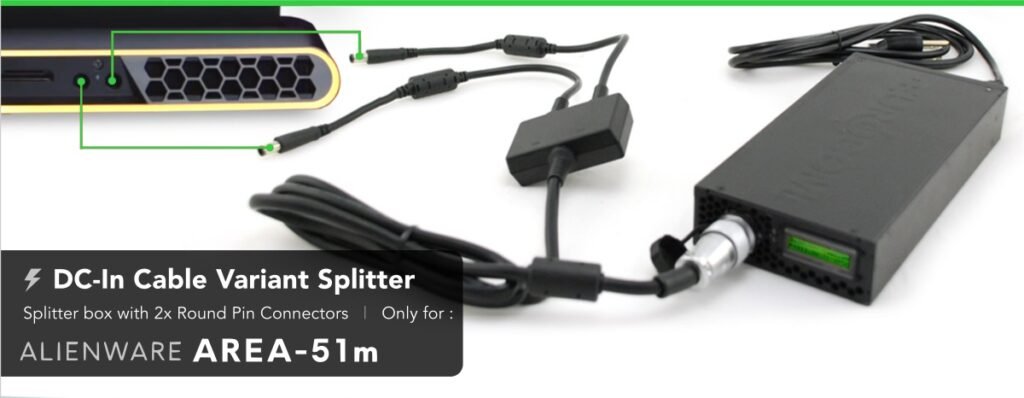
Eurocom launched a 780W AC adapter for Dell Alienware 16 and 18 Area-51 laptops that may be limited by standard 330W or 360W power adapters under sustained loads. Eurocom said the higher-wattage adapter is intended to provide more consistent power delivery during heavy gaming and professional workloads, including scenarios where CPU and GPU boost operation increases total power draw. The latest Alienware 16 and 18 Area-51 configurations can include Intel Core Ultra 7 255HX or Ultra 9 275HX processors and NVIDIA GeForce RTX 50-Series laptop GPUs up to the RTX 5090. Eurocom said that during demanding use cases such as ray tracing, real-time rendering, simulation and AI workloads, power demand can exceed what the stock adapters reliably sustain, which can lead to throttling or battery drain while plugged in. Eurocom said the 780W adapter is designed as a plug-and-play upgrade for supported Alienware 16–18 models, with no BIOS or software changes required.Technical specifications of Eurocom 780W AC adapter Maximum Power Output: 780W Input Voltage: 100-240V, 50-60Hz Output Voltage: 19.5V Current Output: 40A Efficiency Rating: 95% high-efficiency design Connector Size: Multiple DC cable options available Weight: 2.95 lbs (1.34kg) Dimensions: 12.8 x 4.3 x 1.5 in (325 x 110 x 40 mm) Safety Certifications: CE, FCC, RoHS compliant Cooling System: Advanced heat dissipation technology for low operating temperatures Compatible DC Cables Available Eurocom offers DC cable options designed to support compatibility with a range of high-performance laptops, including: Lenovo Legion Pro 9i (2024) Alienware X17/X16/X15 MSI Titan GT Series ASUS ROG Strix SCAR Clevo X170, X270 series Other high-performance workstation and gaming laptops For more information, visit eurocom.com. The post Eurocom launches 780W AC adapter for Alienware 16 and 18 appeared first on Engineering.com.
Here are the best electric bikes you can buy at every price level in December 2025

I’ve spent countless hours here at Electrek doing detailed hands-on testing of hundreds of electric bikes. Through thousands of miles of riding, I’ve been fortunate to learn these e-bikes inside and out, top to bottom and front to back. That long-term experience with real-world e-bike testing has helped me find the best electric bicycles on the market for just about any budget. Below are some of the top e-bikes I’ve hand-tested for every price range, current as of December 2025. This could be your last chance to get some crazy good deals as companies try to clear shelves before the end of the year. So check out the awesome e-bikes below, any one of which could become your next electric bike. more…
JET Charge rolls out public EV charging at IKEA locations in Australia
JET Charge has completed a large-scale electric delivery vehicle charging project in partnership with IKEA Australia, installing 59 chargers at 7 locations across the country—Tempe, Rhodes, Marsden Park, Sydney CDC, Canberra, Springvale and North Lakes. Future deployments are planned for Richmond and Logan. “This project proves that zero-emission logistics isn’t just possible—it’s scalable,” said JET Charge CEO and co-founder Tim Washington. “By building intelligent, fit-for-purpose infrastructure, we’ve given delivery partners the reliability they need on the road and IKEA the visibility to lead real emissions reductions across its supply chains. It’s a blueprint any retailer can follow.” The project included implementation of smart load management for future-proofing and managing energy constraints, as well as the integration of a Chargefox billing system, which allows third-party drivers to pay for charging sessions while reimbursing IKEA for electricity usage. IKEA says that more than 100 vehicles are now charging at the company’s sites, indicating strong demand from third-party delivery partners. “JET Charge’s infrastructure, which spans the majority of our Australian delivery network, is already having a significant impact,” said Alexandra Kelly, IKEA Zero Emission Delivery Project Lead, Australia and New Zealand. As of October 2025, some 83% of IKEA deliveries were completed by zero-emission vehicles, Kelly added. “We aim to hit 90% by the end of 2025 and the last 10% when technology allows.” Source: JET Charge
Tesla ranks dead last in used car reliability study, but there’s a catch
Consumer Reports is out with its latest study on used car reliability, and the headlines are already circulating: Tesla has landed at the very bottom of the list. The study, which examines 5-to-10-year-old vehicles, ranks Tesla 26th out of 26 brands, placing it behind Chrysler, Dodge, and even Jeep – brands known for decades for their reliability issues. While critics will undoubtedly use this as ammo to attack the brand, a closer look at the data reveals a much more nuanced picture, one that highlights just how recent an automaker Tesla still is. more…
Hioki launches RM3546 meter for busbar welding quality control

Hioki has announced the RM3546 Resistance Meter, a high-precision measurement instrument designed for electric vehicle and energy storage system battery manufacturing. The RM3546 targets nanohm-class resistance measurement, supporting the growing quality demands of high-volume battery production lines. The RM3546 offers 1-nanohm resolution within a 1,000 microohm range, using the Advanced-Offset Voltage Correction (A-OVC) feature to suppress thermal noise that can destabilize low-resistance measurements. This enables precise weld quality control for busbars and connections critical to EV and ESS battery packs throughout research and development, prototyping, and mass production. To address the risks of accidental probe contact with energized components, the RM3546 integrates Active Circuit Protection, allowing it to withstand DC voltages up to 60 V. Hioki says this protection reduces instrument failure and unplanned downtime on high-voltage battery production lines. The meter features a path-resistance tolerance of up to 9 ohms in 500-milliamp mode, enabling stable measurements even with long cables, multiple relays, or worn probes—conditions commonly encountered in large-scale automation. The instrument supports integration with Hioki multiplexer systems and includes an internal multiplexer board option for flexible, multi-channel inline inspection. For post-weld evaluation, the Advanced-Temperature Correction (A-TC) function—used in combination with Hioki’s PC application—permits accurate resistance measurement within seconds after welding, minimizing cooling delays and improving production takt time. Hioki identifies the main applications for battery research and development, inline inspection of battery-pack welding and verification of cell-to-cell and fuse resistance. Additional uses include EV charging infrastructure components and power distribution systems in industrial contexts. Source: Hioki
Tesla refines Full Self-Driving, latest update impresses where it last came up short

Tesla released Full Self-Driving v14.2.1.25 on Friday night to Early Access Program (EAP) members. It came as a surprise, as it was paired with the release of the Holiday Update. We were able to go out and test it pretty extensively on Saturday, and the changes Tesla made from the previous version were incredibly impressive, especially considering it seemed to excel where it last came up short. Tesla supplements Holiday Update by sneaking in new Full Self-Driving version With Tesla Full Self-Driving v14.2.1, there were some serious regressions. Speed Profiles were overtinkered with, causing some modes to behave in a strange manner. Hurry Mode was the most evident, as it refused to go more than 10 MPH over the speed limit on freeways. It would routinely hold up traffic at this speed, and flipping it into Mad Max mode was sort of over the top. Hurry is what I use most frequently, and it had become somewhat unusable with v14.2.1. It seemed as if Speed Profiles should be more associated with both passing and lane-changing frequency. Capping speeds does not help as it can impede the flow of traffic. When FSD travels at the speed of other traffic, it is much more effective and less disruptive. With v14.2.1.25, there were three noticeable changes that improved its performance significantly: Speed Profile refinements, lane change confidence, and Speed Limit recognition. Many of you asked us to test highway driving with Tesla Full Self-Driving v14.2.1.25. Here’s what we noticed: Speed Profiles are significantly improved. Hurry Mode is no longer capped at 10 MPH over the speed limit, and now travels with the flow of traffic. This is much… pic.twitter.com/48ZCGbW0JO — TESLARATI (@Teslarati) December 13, 2025 Speed Profile Refinement Speed Profiles have been significantly improved. Hurry Mode is no longer capped at 10 MPH over the speed limit and now travels with the flow of traffic. This is much more comfortable during highway operation, and I was not required to intervene at any point. With v14.2.1, I was sometimes assisting it with lane changes, and felt it was in the wrong place at the wrong time more frequently than ever before. However, this was one of the best-performing FSD versions in recent memory, and I really did not have any complaints on the highway. Speed, maneuvering, lane switching, routing, and aggressiveness were all perfect. Lane Changes v14.2.1 had a tendency to be a little more timid when changing lanes, which was sort of frustrating at times. When the car decides to change lanes and turn on its signal, it needs to pull the trigger and change lanes. It also changed lanes at extremely unnecessary times, which was a real frustration. There were no issues today on v14.2.1.25; lane changes were super confident, executed at the correct time, and in the correct fashion. It made good decisions on when to get into the right lane when proceeding toward its exit. It was one of the first times in a while that I did not feel as if I needed to nudge it to change lanes. I was very impressed. Speed Limit Recognition So, this is a complex issue. With v14.2.1, there were many times when it would see a Speed Limit sign that was not meant for the car (one catered for tractor trailers, for example) or even a route sign, and it would incorrectly adjust the speed. It did this on the highway several times, mistaking a Route 30 sign for a 30 MPH sign, then beginning to decelerate from 55 MPH to 30 MPH on the highway. This required an intervention. I also had an issue leaving a drive-thru Christmas lights display, where the owners of the private property had a 15 MPH sign posted nearly every 200 yards for about a mile and a half. The car identified it as a 55 MPH sign and sped up significantly. This caused an intervention, and I had to drive manually. It seems like FSD v14.2.1.25 is now less reliant on the signage (maybe because it was incorrectly labeling it) and more reliant on map data or the behavior of nearby traffic. A good example was on the highway today: despite the car reading that Route 30 sign and the Speed Limit sign on the center screen reading 30 MPH, the car did not decelerate. It continued at the same speed, but I’m not sure if that’s because of traffic or map data: We listened to and read a lot of you who had a complaint of Tesla Full Self-Driving v14.2.1 incorrectly reading Speed Limit signs This appears to be resolved in v14.2.1.25. Here’s a breakdown: pic.twitter.com/TEP03xrMbt — TESLARATI (@Teslarati) December 13, 2025 A Lone Complaint Tesla has said future updates will include parking improvements, and I’m really anxious for them, because parking is not great. I’ve had some real issues with it over the past couple of months. Today was no different: My lone complaint with my drive on Tesla FSD v14.2.1.25 was this strange parking instance. FSD swung out wide to the left to pull into this spot and this is where it seemed to be stumped. I gave it about 10 seconds after the car just stopped moving for it to make some… pic.twitter.com/TRemXu5DLf — TESLARATI (@Teslarati) December 13, 2025 Full Self-Driving v14.2.1.25 is really a massive improvement over past versions, and it seems apparent that Tesla took its time with fixing the bugs, especially with highway operation on v14.2.1. The post Tesla refines Full Self-Driving, latest update impresses where it last came up short appeared first on TESLARATI.
XING Mobility launches 800V immersion-cooled backup battery unit
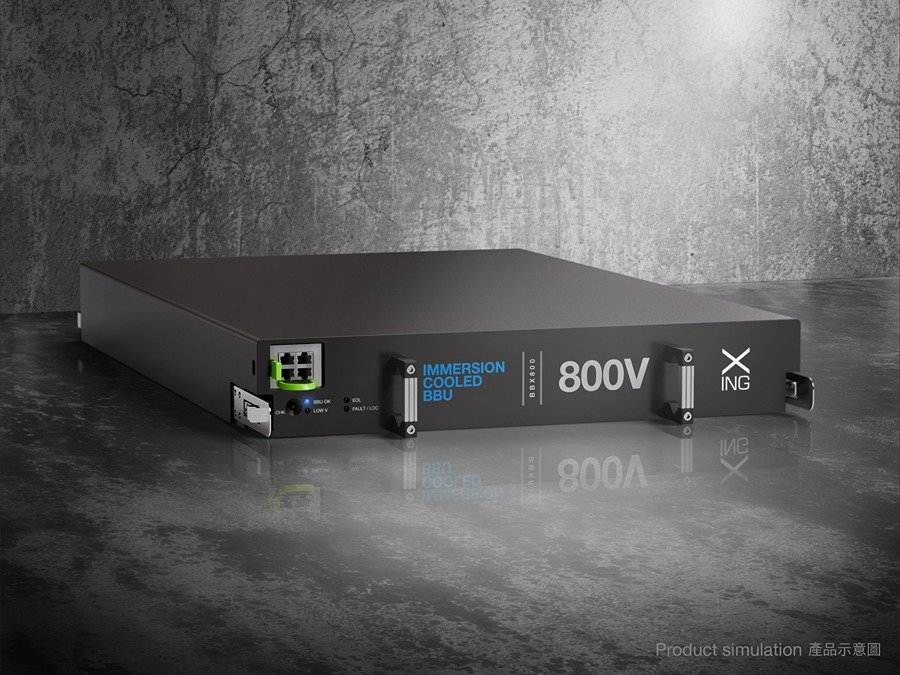
XING Mobility launched the BBx800, the industry’s first 800V high-voltage DC Backup Battery Unit (BBU) and Power Rack featuring immersion-cooled technology. This new product portfolio addresses the high power, high efficiency, and high safety requirements of AI data centers, marking a milestone as XING Mobility expands from electric medium, heavy-duty vehicles and critical energy storage systems into the AI data center power sector. XING Mobility has also established a strategic partnership with Acbel Polytech Inc. to explore High-Voltage Direct Current (HVDC) power distribution and advance more efficient and sustainable data center power solutions. XING Mobility expands from ground to cloud in AI power sector, capitalizing on data center power growth Global data center electricity consumption is expected to grow at an annual rate of approximately 15% from 2024 to 2030, with total consumption projected to double by 2030, reaching approximately 945 terawatt-hours (TWh), making it a major driver of global electricity demand growth, according to a latest research from the International Energy Agency (IEA). For enterprises operating large-scale facilities and cloud infrastructure, backup power is transforming from cost into operational and capital allocation that must be carefully managed. With its patented IMMERSIO technology, XING Mobility has spent years cultivating expertise in high-voltage power systems, accumulating a solid foundation from high-performance EV, commercial and heavy-duty vehicles to energy storage systems, earning industry recognition. Seizing upon the rapid growth in AI data center power consumption and the trend toward backup power upgrades, XING Mobility officially introduced its first immersion-cooled backup battery system, the BBx48, a 48V DC backup battery module with immersion-cooled battery technology, in April this year, marking the first step into the AI data center power market. Building on this success, XING Mobility has further targeted higher voltage and higher power density requirements, completing a vertical expansion of its backup power product portfolio from 48V to 800V. BBx800 delivers stable output up to 1.2MW, XING Mobility partnering with Acbel Polytech Inc. to build high-voltage DC power ecosystem XING Mobility’s BBx800 immersion-cooled 800V high-voltage DC BBU and Power Rack adopts the IMMERSIO full immersion-cooled technology, directly immersing each battery cell in insulating cooling fluid, maintaining a controlled temperature of approximately 25–27°C over extended periods, significantly reducing thermal runaway risks, and providing stable and safe backup power even under high-voltage, high power density, and high-load operating conditions. A single BBx800 module (2 OU) supports flexible ±400V or 800V configurations, with a 20 OU rack configuration capable of delivering 1 MW (3 minutes) to 1.2 MW (90 seconds) peak output, completely meeting the backup requirements of AI data centers during peak computing and instantaneous load changes. In 800V/HVDC high-voltage battery systems, the key is whether the battery can maintain structural integrity and thermal stability under extreme scenarios such as overcharging, nail penetration, and heating. Because of the need to simultaneously balance such high standards of safety and battery performance, many manufacturers find it difficult to enter the high-voltage and high-power battery market. XING Mobility has long invested in automotive-grade, heavy industrial, agricultural machinery, and energy storage system-grade battery systems, accumulating proven experience with high-voltage batteries in the face of more stringent safety thresholds, and is highly familiar with various testing and verification processes, enabling the company to extend its product line into the 800V high-voltage domain. The BBx800 is designed with 24/7 non-stop operation as a prerequisite, offering a 10-year performance warranty, combined with modular hot-swappable and N+1 redundancy configurations, allowing data centers to maintain uninterrupted power supply during maintenance or expansion. The integrated rack and cooling design seamlessly integrates with standard racks, reducing additional cooling infrastructure deployment and implementation time, while passing UL9540A testing to meet international-level safety and compliance requirements, enabling data center operators to plan long-term resource allocation. Meanwhile, further stepping into the AI data center market, XING Mobility is also announcing a strategic partnership with Acbel Polytech Inc., a global leader in power solutions. The two parties will conduct technical exchanges and application development in AI data center power architecture and energy efficiency, jointly exploring market opportunities and future directions for high-voltage DC power distribution, working together to advance more efficient and sustainable data center power solutions. Looking ahead, XING Mobility will build upon its practical experience accumulated in existing automotive and energy storage sectors, using Taiwan as its technology and manufacturing base, continuing to deepen collaboration with power manufacturers, cabinet suppliers, and system integrators, expanding its service footprint to international cloud service providers and hyperscale data centers, becoming an important supply partner for AI data center power and energy storage solutions. For more information, visit xingmobility.com. The post XING Mobility launches 800V immersion-cooled backup battery unit appeared first on Engineering.com.
Anker SOLIX Christmas Sale takes up to 65% off power stations, Autel solar security cameras from $156 low, Navee, EcoFlow, more

We’re closing out this week’s Green Deals with the launch of Anker’s SOLIX Christmas Sale that offers up to 65% discounts across power stations, like the F3800 Portable Power Station at its second-lowest price of $1,999. There’s also Autel’s latest Outdoor Wireless Solar Security Camera multi-packs at new lows from $156, as well as Navee’s Christmas Sale with up to 30% discounts, like the GT3 Max Electric Scooter at its second-best $495 pricing. From there, we have a weekend-only Velotric holiday flash sale, EcoFlow’s latest 48-hour flash sale with a DELTA 3 Max Plus & TRAIL 200 bundle at a new low, Mango Power’s Christmas Holiday Sale that is returning Black Friday pricing, compact pressure washers from Fanttik, and much more waiting for you below. And don’t forget about the hangover deals collected together at the bottom of the page, like yesterday’s Jackery Christmas power station sale, and others. Head below for other New Green Deals we’ve found today and, of course, Electrek’s best EV buying and leasing deals. Also, check out the new Electrek Tesla Shop for the best deals on Tesla accessories. more…
The evolution of aluminum heat exchanger manufacturing

Sponsored by Honeywell. In the dynamic aluminum heat exchanger sector, EV manufacturers continuously push design complexity to meet the demands of electric vehicle size, space, and cooling requirements. This collaboration between EV and heat exchanger manufacturers results in the latter continuously driving improvements in workflow optimization, business efficiency, and environmental responsibility. Heat exchanger manufacturers are increasingly focused on solutions that enhance profitability, reduce costs, and comply with environmental, health, and safety (EHS) standards. Those who succeed in these areas not only secure more projects but also contribute to a cleaner, healthier workplace. Honeywell’s Jet Applied Brazing Flux is a groundbreaking solution in thermal management technology that offers several advantages: Achieves up to an 85% reduction in flux consumption, significantly cutting material costs. Promotes sustainability by minimizing raw material usage. Eliminates the post-brazing wash process, significantly reducing water consumption and wastewater disposal, aligning with EHS objectives. Utilizes a jet valve mechanism for exceptional precision, enabling accurate flux application from any orientation.
Tesla hints at Starlink integration with recent patent
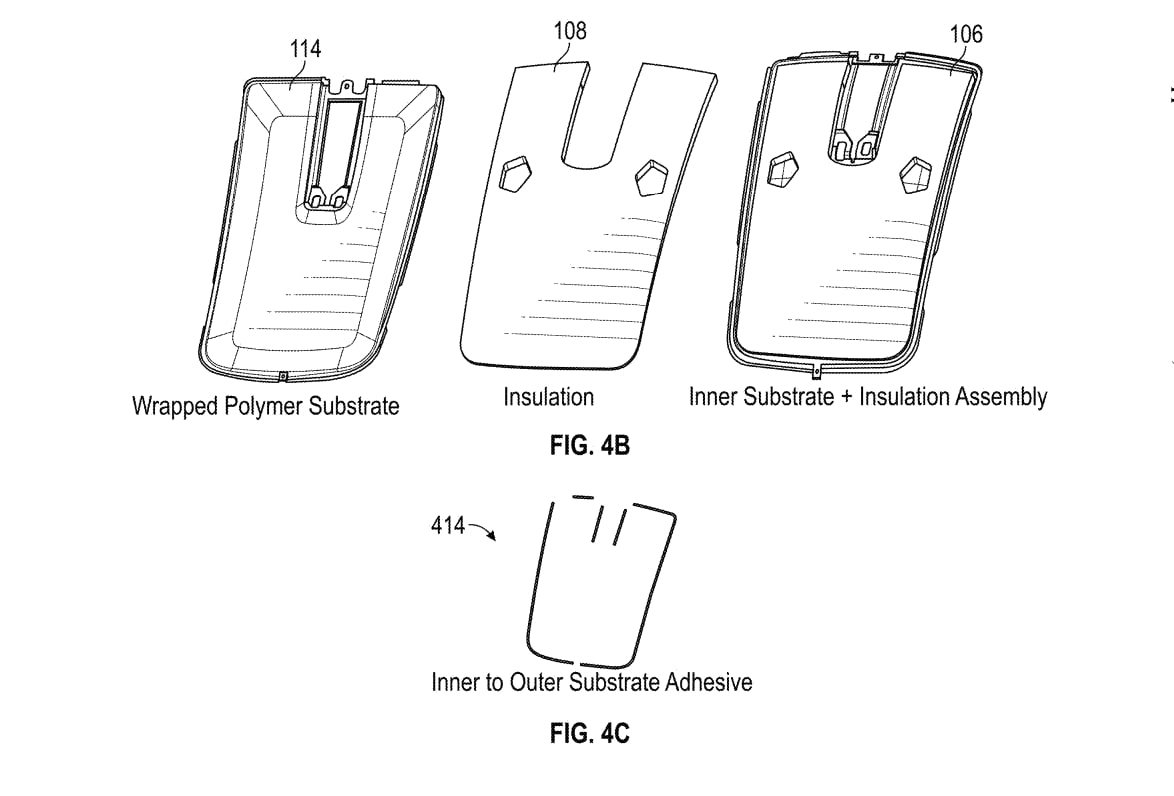
Tesla hinted at a potential Starlink internet terminal integration within its vehicles in a recent patent, which describes a vehicle roof assembly with integrated radio frequency (RF) transparency. The patent, which is Pub. No U.S. 2025/0368267 describes a new vehicle roof that is made of RF-transparent polymer materials, allowing and “facilitating clear communication with external devices and satellites.” Tesla believes that a new vehicle roof design, comprised of different materials than the standard metallic or glass elements used in cars today, would allow the company to integrate modern vehicular technologies, “particularly those requiring radio frequency transmission and reception. Tesla has recently filed a US patent application on integrating RF transparent materials into the roof structure. “facilitating clear communication with external devices and satellites” Tesla fleet is getting @Starlink connectivity integration soon. LFG @Tesla @elonmusk… pic.twitter.com/bLa8YtPLd1 — Chansoo Byeon (@Chansoo) December 9, 2025 Instead of glass or metallic materials, Tesla says vehicles may benefit from high-strength polymer blends, such as Polycarbonate, Acrylonitrile Butadiene Styrene, or Acrylonitrile Styrene Acrylate. These materials still provide ideal strength metrics for crashworthiness, stiffness for noise, vibration, and harshness control, and are compliant with head impact regulations. They would also enable better performance with modern technologies, like internet terminals, which need an uninterrupted signal to satellites for maximum reception. Tesla writes in the patent: “By employing polymer blends, some examples enable RF transmission from all the modules to satellites and other communication devices both inside and outside the vehicle.” One of the challenges Tesla seems to be aware of with this type of roof design is the fact that it will still have to enable safety and keep that at the forefront of the design. As you can see in the illustration above, Tesla plans to use four layers to increase safety and rigidity, while also combating noise and vibration. It notes in the patent that disclosed examples still meet the safety requirements outlined in the Federal Motor Vehicle Safety Standards (FMVSS). Starlink integrated directly into Tesla vehicles would be a considerable advantage for owners. It would come with a handful of distinct advantages. Initially, the inclusion of Starlink would completely eliminate cellular dead zones, something that is an issue, especially in rural areas. Starlink would provide connectivity in these remote regions and would ensure uninterrupted service during road trips and off-grid adventures. It could also be a critical addition for Robotaxi, as it is crucial to have solid and reliable connectivity for remote monitoring and fleet management. Starlink’s growing constellation, thanks to SpaceX’s routine and frequent launch schedule, will provide secure, stable, and reliable internet connectivity for Tesla vehicles. SpaceX reaches incredible milestone with Starlink program Although many owners have already mounted Starlink Mini dishes under their glass roofs for a similar experience, it may be integrated directly into Teslas in the coming years, either as an upgrade or a standard feature. The post Tesla hints at Starlink integration with recent patent appeared first on TESLARATI.
New Lockheed Martin facility supports NGI interceptor production
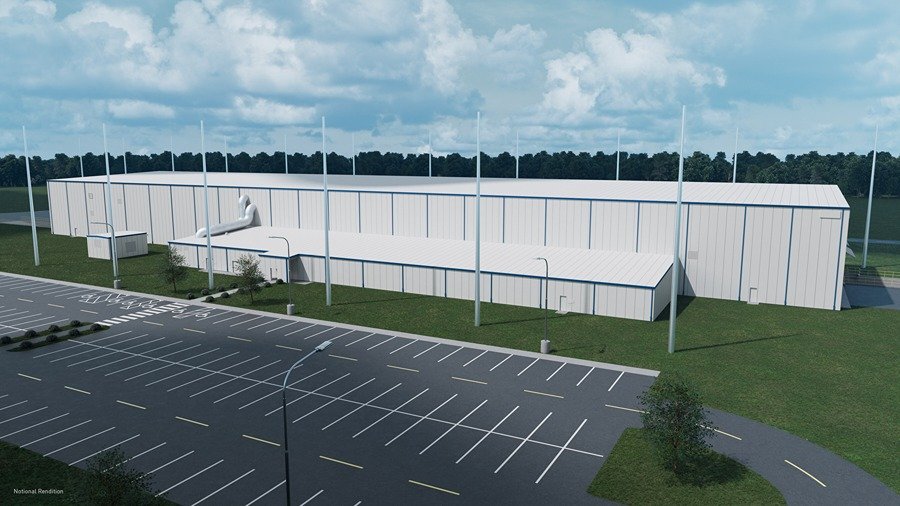
Lockheed Martin said construction of a facility that will support production of the Next Generation Interceptor (NGI) is nearing completion. The 88,000-square-foot New Missile Assembly Building-5 (MAB-5) is on track for completion by early 2026, with a formal grand opening to follow. The 88,000-square-foot Missile Assembly Building-5 (MAB-5) is on track for completion by early 2026, with a formal grand opening to follow. This purpose-built facility is a critical piece of Lockheed Martin’s commitment to delivering the NGI system to the Missile Defense Agency (MDA) with speed, reliability and precision. NGI is the future of homeland missile defense, designed to defeat evolving ballistic missile threats to the United States. Purpose-built for speed, scale and security MAB-5 is designed with efficiency and repeatability in mind, incorporating best practices from high-reliability programs like the Terminal High Altitude Area Defense (THAAD) system. The NGI itself is designed for producibility, with a digital twin approach that helps reduce risk across the product lifecycle, from design through manufacturing to sustainment. Lockheed Martin is applying decades of experience to its NGI production strategy, combining proven design and manufacturing techniques with next-generation digital engineering tools. The company has a strong legacy of delivering highly complex defense systems, and NGI continues that tradition. Digital engineering drives down risk, speeds up delivery “Born digital,” NGI leverages advanced modeling and simulation as part of its advanced engineering. It also means that Lockheed Martin has used advanced digital engineering tools and techniques to design, test and validate the system. This approach allows for: Digital twin creation: A digital replica of the system is created, which can be used to simulate and analyze its behavior, performance and interactions. Model-based systems engineering: The system is designed and optimized using digital models, which enables early detection and mitigation of potential issues. Virtual testing and validation: The system is tested and validated using digital simulations, reducing the need for physical prototypes and minimizing the risk of errors. Data-driven decision making: Data and analytics are used to inform design decisions, optimize performance and predict maintenance needs. Increased collaboration: Digital tools enable real-time collaboration and communication among stakeholders, including designers, engineers and manufacturers. Economic growth opportunities The Courtland site currently supports several Army, Navy and Missile Defense Agency programs and employs nearly 500 people. Approximately 100 of those employees will work in MAB-5 once it becomes fully operational. Lockheed Martin’s adjacent facility in Troy, Alabama, will also play a key role in NGI production, supporting hardware integration and large-scale manufacturing. Together, the Troy and Courtland campuses represent the core of Lockheed Martin’s commitment to national missile defense and industrial readiness. For more information, visit lockheedmartin.com. The post New Lockheed Martin facility supports NGI interceptor production appeared first on Engineering.com.
Battery storage hits $65/MWh – a tipping point for solar
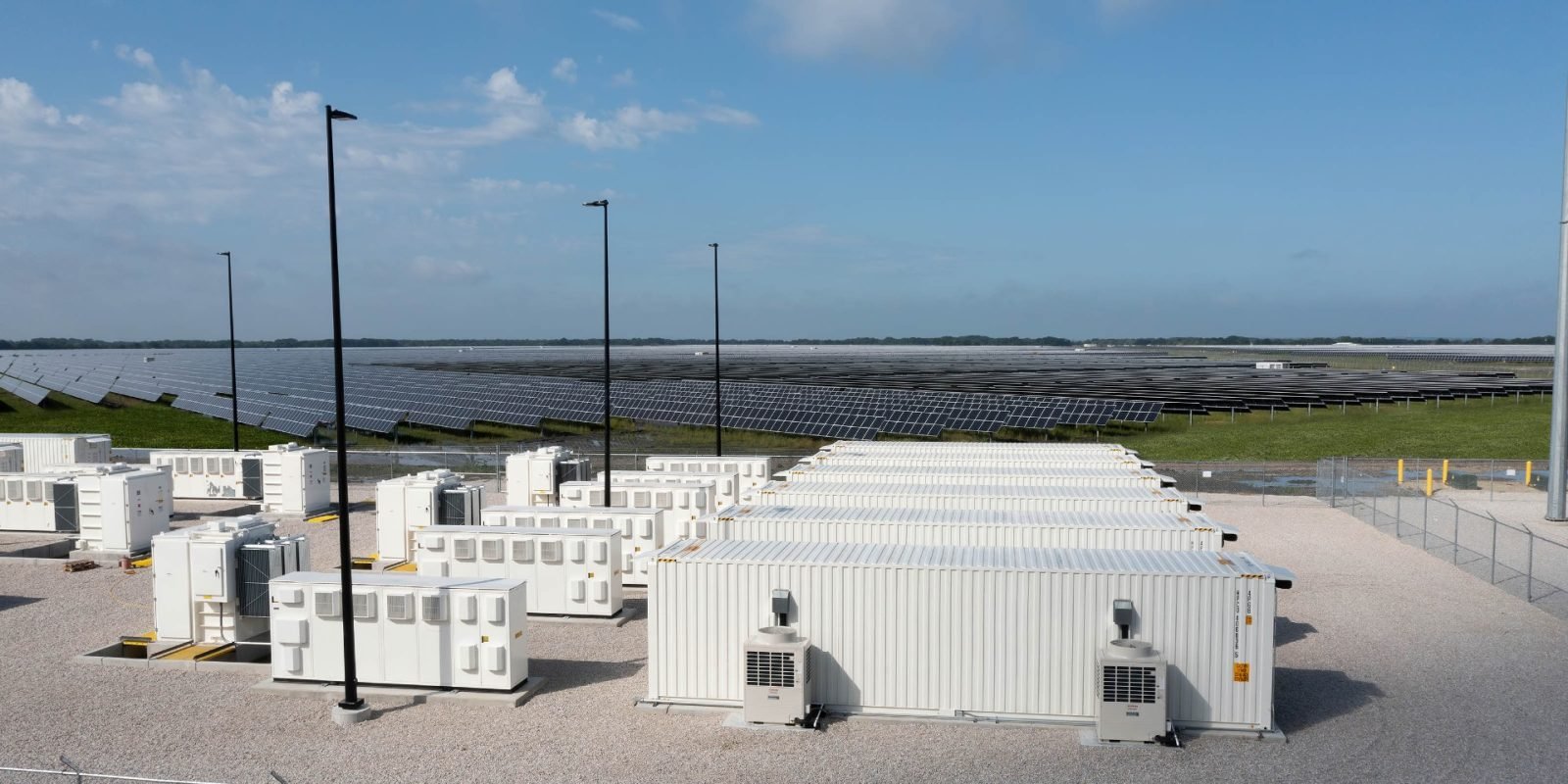
Turning cheap daytime solar into electricity you can actually use at night just got a lot cheaper. A new analysis from energy think tank Ember shows that utility-scale battery storage costs have fallen to $65 per megawatt-hour (MWh) as of October 2025 in markets outside China and the US. At that level, pairing solar with batteries to deliver power when it’s needed is now economically viable. more…
All new ChargePoint hardware now supports the Plug & Charge seamless EV charging standard

EVSE supplier and charging network operator ChargePoint has announced that its entire current hardware portfolio now supports Plug & Charge technology. Plug & Charge, based on the ISO 15118-20 communication standard, simplifies charging for EV drivers. Instead of navigating proprietary apps or dealing with credit card readers (both common points of failure), drivers simply plug in and go about their business. Authentication and secure billing are handled automatically. “ChargePoint anticipates that PnC will gain traction, fueling further expansion of EV charging infrastructure, in 2026,” says the company. “It will be particularly useful for the fleet sector and car-sharing businesses.” Starting January 1, 2027, support for ISO 15118-20 will be mandatory in the EU. Plug & Charge technology already operates on ChargePoint’s network and via roaming partners in North America and Europe. However, the company points out that scaling it up to encourage widespread adoption will require overcoming complex technical, commercial and regulatory hurdles. (There is also a semantic hurdle. Here at Charged, we say “Plug & Charge,” but some say “Plug and Charge,” and ChargePoint appears to have coined “PnC.”) Daniel Brown, Senior Director, Product Management at ChargePoint, said: “The consumer demand for Plug & Charge is clear, but scaling access to drivers is a complex exercise in global alignment across hundreds of market players in four key areas.” To wit: Charge Point Operators (CPOs) need to source hardware and backend software that is Plug & Charge-compatible. E-mobility service providers, which manage user-facing data and process payments, need to align their offerings with backend providers that manage chargers. Car manufacturers (OEMs) must enable their vehicles for Plug & Charge, and prepare their backend software for certificate management by a certification authority. Certificate authorities oversee the authentication and all necessary security to ensure a seamless, reliable and trustworthy process for the end user. The very real challenges of scaling Plug & Charge seem to be the reason that ChargePoint competitor EVgo prefers Autocharge (an alternative seamless charging system based on DIN Spec 70121) for the moment. “We are committed to rolling out the Plug & Charge standard once the intricacies around certification and implementation have been addressed, [but] in the meantime, we continue to support Autocharge+ as our current solution to offer seamless session initiation,” an EVgo spokesperson told Charged. “As awareness of the benefits of Plug & Charge continues to grow and key players collaborate to remove barriers, we anticipate new levels of alignment and significant momentum in 2026,” added ChargePoint’s Daniel Brown. “With ChargePoint’s global scale and expertise driving this innovation, we are positioned as a key enabler of a competitive, interoperable and secure EV charging ecosystem.” Source: ChargePoint
Tesla shocks with latest Robotaxi testing move

Tesla Model S vehicles were spotted performing validation testing with LiDAR rigs in California today, a pretty big switch-up compared to what we are used to seeing on the roads. Tesla utilizes the Model Y crossover for its Robotaxi fleet. It is adequately sized, the most popular vehicle in its lineup, and is suitable for a wide variety of applications. It provides enough luxury for a single rider, but enough room for several passengers, if needed. However, the testing has seemingly expanded to one of Tesla’s premium flagship offerings, as the Model S was spotted with the validation equipment that is seen entirely with Model Y vehicles. We have written several articles on Robotaxi testing mules being spotted across the United States, but this is a first: Tesla is using Model S vehicles fitted with LiDAR rigs to validate FSD and Robotaxi, differing from the Model Ys that it uses typically Those Model Y vehicles have been on the East Coast for some time. These Model S cars were spotted in California pic.twitter.com/UE55hx5mdd — TESLARATI (@Teslarati) December 11, 2025 Why Tesla has chosen to use a couple of Model S units must have a reason; the company is calculated in its engineering and data collection efforts, so this is definitely more than “we just felt like giving our drivers a change of scenery.” It seems to hint that Tesla could add a premium, more luxury offering to its Robotaxi platform eventually. Think about it: Uber has Uber Black, Lyft has Lyft Black. These vehicles and services are associated with a more premium cost as they combine luxury models with more catered transportation options. Tesla could be testing the waters here, and it could be thinking of adding the Model S to its fleet of ride-hailing vehicles. Reluctant to remove the Model S from its production plans completely despite its low volume contributions to the overall mission of transitioning the world to sustainable energy, the flagship sedan has always meant something. CEO Elon Musk referred to it, along with its sibling Model X, as continuing on production lines due to “sentimental reasons.” However, its purpose might have been expanded to justify keeping it around, and why not? It is a cozy, premium offering, and it would be great for those who want a little more luxury and are willing to pay a few extra dollars. Of course, none of this is even close to confirmed. However, it is reasonable to speculate that the Model S could be a potential addition to the Robotaxi fleet. It’s capable of all the same things the Model Y is, but with more luxuriousness, and it could be the perfect addition to the futuristic fleet. The post Tesla shocks with latest Robotaxi testing move appeared first on TESLARATI.