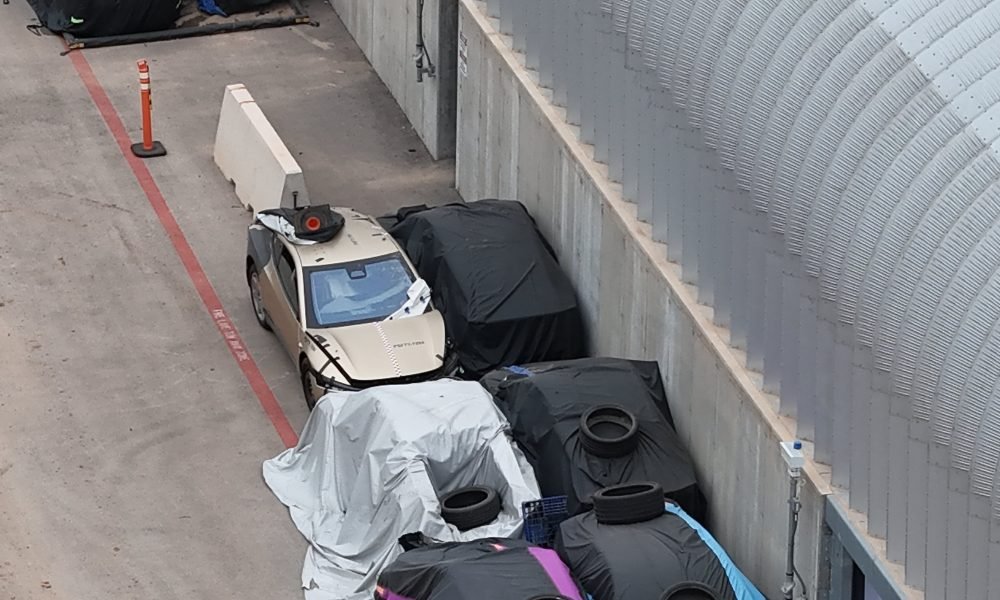
Tesla is not sparing any expense in ensuring the Cybercab is safe
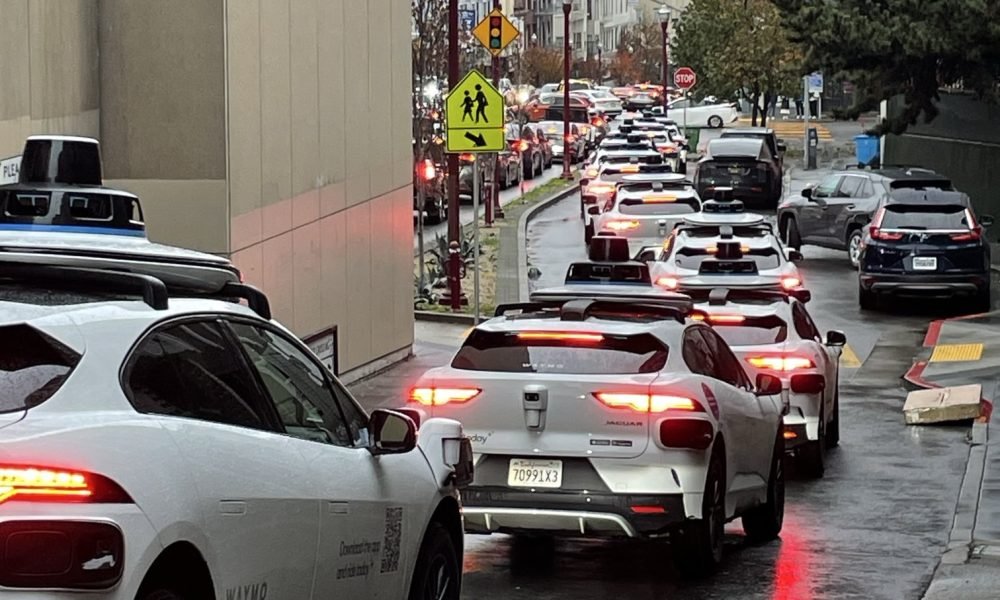
Tesla highlighted its Full Self-Driving (Supervised) system’s robustness this week by sharing dashcam footage of a vehicle in FSD navigating pitch-black San Francisco streets during the city’s widespread power outage. While Waymo’s robotaxis stalled and caused traffic jams, Tesla’s vision-only approach kept operating seamlessly without remote intervention. Elon Musk amplified the clip, highlighting the contrast between the two systems. Tesla FSD handles total darkness The @Tesla_AI account posted a video from a Model Y operating on FSD during San Francisco’s blackout. As could be seen in the video, streetlights, traffic signals, and surrounding illumination were completely out, but the vehicle drove confidently and cautiously, just like a proficient human driver. Musk reposted the clip, adding context to reports of Waymo vehicles struggling in the same conditions. “Tesla Robotaxis were unaffected by the SF power outage,” Musk wrote in his post. Musk and the Tesla AI team’s posts highlight the idea that FSD operates a lot like any experienced human driver. Since the system does not rely on a variety of sensors and a complicated symphony of factors, vehicles could technically navigate challenging circumstances as they emerge. This definitely seemed to be the case in San Francisco. Waymo’s blackout struggles Waymo faced scrutiny after multiple self-driving Jaguar I-PACE taxis stopped functioning during the blackout, blocking lanes, causing traffic jams, and requiring manual retrieval. Videos shared during the power outage showed fleets of Waymo vehicles just stopping in the middle of the road, seemingly confused about what to do when the lights go out. In a comment, Waymo stated that its vehicles treat nonfunctional signals as four-way stops, but “the sheer scale of the outage led to instances where vehicles remained stationary longer than usual to confirm the state of the affected intersections. This contributed to traffic friction during the height of the congestion.” A company spokesperson also shared some thoughts about the incidents. “Yesterday’s power outage was a widespread event that caused gridlock across San Francisco, with non-functioning traffic signals and transit disruptions. While the failure of the utility infrastructure was significant, we are committed to ensuring our technology adjusts to traffic flow during such events,” the Waymo spokesperson stated, adding that it is “focused on rapidly integrating the lessons learned from this event, and are committed to earning and maintaining the trust of the communities we serve every day.”
Can US trade policy deliver a domestic battery supply chain?
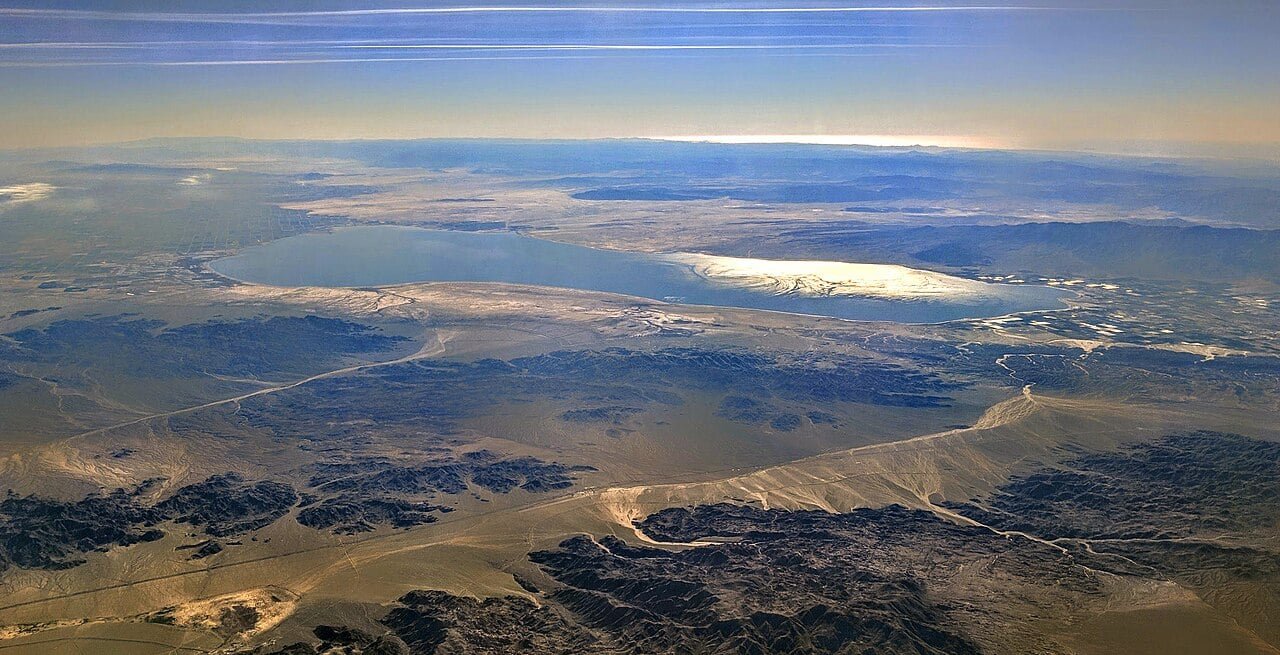
When considering the battery supply chain from the perspective of numerous tariffs and restrictions on tax credits due to ‘foreign entities of concern’ (‘FEOC’), the consensus within the current administration is that the policies are intended to drive onshoring of the battery supply chain, bringing as many steps of battery manufacturing into the United States as possible. While a wholly domestic battery industry is technically possible, it’s important to consider what that would mean, what it would cost, and if anyone is going to do it. Lithium, graphite and other raw materials At the furthest upstream end of the battery supply chain, markets are at their most diversified. Lithium deposits which are financially attractive to extract occur all over the world, and Australia and South America hold large portions of the raw lithium market. With increasing technological development of lithium brine extraction, even more processed compounds like lithium carbonate are being refined all over the world. So what of the United States? There are certainly lithium deposits here, with plays like the Salton Sea in California, Thacker Pass in Nevada, and Smackover in Arkansas. That said, the pace of development in the United States is impacting the lithium industry, with the western projects just recently having the permitting to go ahead, and Standard Lithium’s project in Arkansas currently at the demonstration stage. There does seem to be some degree of understanding, though, that developing a new industry requires incentives, regardless of what other trade policies are in effect: Standard Lithium has won a grant from the Department of Energy (DOE), and the DOE recently acquired a 5% stake in the Thacker Pass mine, providing a needed cash infusion for the capital-intensive and already delayed project. Graphite is luckily insulated from the same sorts of mining economics and needed exploration budgets; while natural graphite does play a small role in batteries for energy storage, synthetic graphite is the most commonly used anode material and can be produced anywhere there is a source of carbon. The synthetic graphite industry in the US is also quite immature; while a consortium of graphite producers petitioned for the anti-dumping and countervailing duties (AD/CVD) that the Department of Commerce would eventually pass, said petition was based on the notion that artificially low prices had prevented the industry from forming, as there wasn’t actually any synthetic graphite production capacity in the United States at the time. Although the AD/CVD rate ended up being 105-115% of the price of graphite, depending on the producer, the duty-inclusive price of high-quality synthetic graphite is still only US$5-7/lb, and new plants are unlikely to produce graphite at a grade that will realise that price level. While battery manufacturers wait to see if the US can stand up graphite processing capacity, currently around 90% of all battery anode active material is processed in China. The current state of midstream processing Battery anodes and graphite go hand in hand, with few other ingredients besides graphite needed to make anode active material (AAM). Cathode active material (CAM), on the other hand, is more than just lithium and does not have the same diversity advantages that upstream lithium does. As with graphite and AAM, over 90% of the lithium iron phosphate (LFP) cathode processing capacity is within China, and developing more capacity outside of the country has been slow. China has also introduced export controls on technology used to make high-performance cathode active material, a move that may help reinforce its position in the supply chain. While it’s unclear any export controls would stop the production of LFP outside of China, they would certainly slow the adoption and development of higher-end cells that have driven China’s commanding position in the battery market. There are developments happening in North America, albeit in the earlier stages. Recently, startup Electroflow secured US$10 million in funding for its novel lithium processing technology. The company’s goal is to produce LFP for US$2.50/kg, which would be lower than current China prices even without duties and tariffs. If the company is successful in this goal, it could disrupt the LFP cathode market, permanently changing American battery supply chains. However, Electroflow is a seed-stage company, and there is still uncertainty and risk associated with bringing its technology to full commercialisation. Battery cell manufacturing Cell manufacturing is where there has actually been a response to the broader market conditions, with first auto manufacturers and then other OEMs moving in to meet US battery demand with domestic cell manufacturing. The ordering of that demand has recently posed a problem for BESS integrators and developers as two key characteristics of battery cells for electric vehicles (EVs) don’t align with those for energy storage. First, most EV batteries produced in the US have nickel-manganese-cobalt (NMC) cathodes. NMC cathodes provide greater energy density at the expense of cycle life; this is ideal for a car where range is a key differentiator, and even 3,000 cycles to 80%, an insufficient rating for BESS, will still see the battery lasting well over half a million miles in essentially any modern EV. The second characteristic is form factor; EV cells are cylindrical which allows for higher power density (and lower charge times) at the expense of energy density. As an EV motor operates at discharge speeds as high as 4C while a typical BESS is between C/4 or C/2, this once again makes sense. Still, it means that all that manufacturing capacity for EVs doesn’t serve the storage market. In the last year, however, the dynamics of EV and BESS demand have induced OEMs to make changes where they can. LG Energy Solution uses pouch cells for both its EV and ESS batteries, and that made it much easier for it to retool EV battery lines to make ESS batteries, in the process becoming the largest domestic ESS battery cell manufacturer in the United States at present. The next few years will see more ESS cell manufacturing in the US than ever before, but with most of it coming from
Waymo scrutinized after self-driving taxis cause traffic jams during SF blackout
Tesla is aiming to combat a common Full Self-Driving problem with a new patent. One issue with Tesla’s vision-based approach is that sunlight glare can become a troublesome element of everyday travel. Full Self-Driving is certainly an amazing technology, but there are still things Tesla is aiming to figure out with its development. Unfortunately, it is extremely difficult to get around this issue, and even humans need ways to combat it when they’re driving, as we commonly use sunglasses or sun visors to give us better visibility. Cameras obviously do not have these ways to fight sunglare, but a new patent Tesla recently had published aims to fight this through a “glare shield.” Tesla writes in the patent that its autonomous and semi-autonomous vehicles are heavily reliant on camera systems to navigate and interact with their environment. The ability to see surroundings is crucial for accurate performance, and glare is one element of interference that has yet to be confronted. Tesla described the patent, which will utilize “a textured surface composed of an array of micro-cones, or cone-shaped formations, which serve to scatter incident light in various directions, thereby reducing glare and improving camera vision.” The patent was first spotted by Not a Tesla App. The design of the micro-cones is the first element of the puzzle to fight the excess glare. The patent says they are “optimized in size, angle, and orientation to minimize Total Hemispherical Reflectance (THR) and reflection penalty, enhancing the camera’s ability to accurately interpret visual data.” Additionally, there is an electromechanical system for dynamic orientation adjustment, which will allow the micro-cones to move based on the angle of external light sources. This is not the only thing Tesla is mulling to resolve issues with sunlight glare, as it has also worked on two other ways to combat the problem. One thing the company has discussed is a direct photon count. CEO Elon Musk said during the Q2 Earnings Call: “We use an approach which is direct photon count. When you see a processed image, so the image that goes from the sort of photon counter — the silicon photon counter — that then goes through a digital signal processor or image signal processor, that’s normally what happens. And then the image that you see looks all washed out, because if you point the camera at the sun, the post-processing of the photon counting washes things out.” Future Hardware iterations, like Hardware 5 and Hardware 6, could also integrate better solutions for the sunglare issue, such as neutral density filters or heated lenses, aiming to solve glare more effectively.
Australian utility Flow Power closes financing on its first BESS project, in Victoria’s Latrobe Valley
Australian utility Flow Power closes financing on its first BESS project, in Victoria’s Latrobe Valley - Energy-Storage.News Skip to content
ERCOT BESS revenue 'roller coaster' is a feature, not a bug
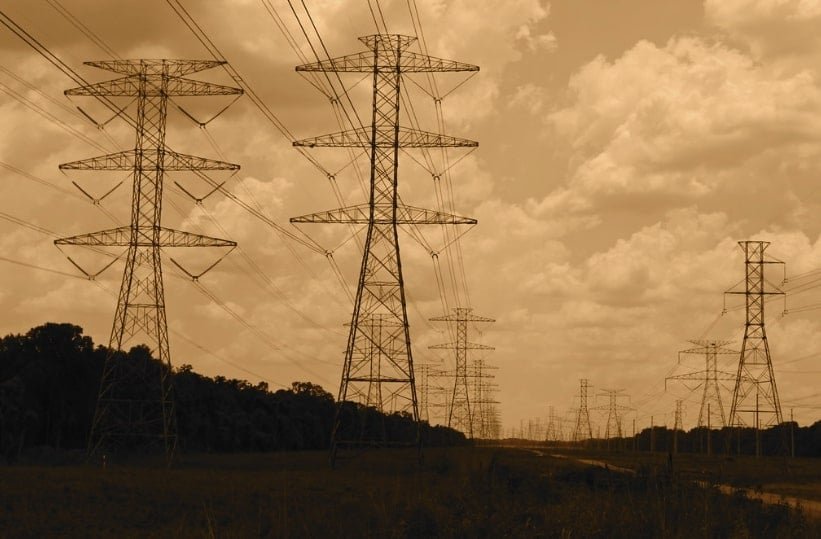
Additionally, the recently implemented Real-Time Co-Optimisation Plus Batteries (RTC+B) market changes introduced to ERCOT have also brought major shifts in the market. Ascend’s newly issued ERCOT Market Report Release 5.3 describes ERCOT’s revenues as a ‘roller coaster’, but highlights this as a feature, not a bug of its design. Dorris says, “In our industry, there are a few truisms. Market expectations serve as the best estimates of future outcomes, and this generally holds true. Otherwise, you’re essentially debating the market as a speculator. We are challenging this assumption by highlighting a unique market circumstance where the on-peak and off-peak forwards—these monthly energy blocks—differ.” He continues, “On-peak typically covers 16 hours a day, five days a week, while off-peak covers the remainder, roughly aligned with daylight hours during summer. We claim this usual principle doesn’t apply here. In our experience, such an approach is extremely rare. Normally, risk management assumes the forward price matches the expected spot price overall. But now, we see an imbalance between buyers and sellers.” According to the report, since ERCOT does not have a capacity market or centralised planning, scarcity conditions are needed to encourage new entry, but are naturally unstable. Market participants should use hedging strategies to minimise volatility and support 2026, which Ascend anticipates will resemble 2024 more than what the forward market predicts. Dorris notes, “It’s a roller coaster because: do you have the weather to support it? Yes or no, depending on the summer. The reserve margin sometimes supports it. Sometimes you have tight conditions, sometimes it’s very clear we’re going to be fat for the next summer, probably two, and that will mean very limited scarcity.” “To make your payments traditionally, you need scarcity conditions. The roller coaster is when it doesn’t happen. The lows last a year or two or three. In this case, it will likely be for summer ’24, ’25, ’26, and possibly ’27. It’s a four-year low.” The Energy Storage Summit USA will be held from 24-25 March 2026, in Dallas, TX. It features keynote speeches and panel discussions on topics like FEOC challenges, power demand forecasting, and managing the BESS supply chain. For complete information, visit the Energy Storage Summit USA website.
New EV tax credit rule could impact many EV buyers
Tesla is aiming to combat a common Full Self-Driving problem with a new patent. One issue with Tesla’s vision-based approach is that sunlight glare can become a troublesome element of everyday travel. Full Self-Driving is certainly an amazing technology, but there are still things Tesla is aiming to figure out with its development. Unfortunately, it is extremely difficult to get around this issue, and even humans need ways to combat it when they’re driving, as we commonly use sunglasses or sun visors to give us better visibility. Cameras obviously do not have these ways to fight sunglare, but a new patent Tesla recently had published aims to fight this through a “glare shield.” Tesla writes in the patent that its autonomous and semi-autonomous vehicles are heavily reliant on camera systems to navigate and interact with their environment. The ability to see surroundings is crucial for accurate performance, and glare is one element of interference that has yet to be confronted. Tesla described the patent, which will utilize “a textured surface composed of an array of micro-cones, or cone-shaped formations, which serve to scatter incident light in various directions, thereby reducing glare and improving camera vision.” The patent was first spotted by Not a Tesla App. The design of the micro-cones is the first element of the puzzle to fight the excess glare. The patent says they are “optimized in size, angle, and orientation to minimize Total Hemispherical Reflectance (THR) and reflection penalty, enhancing the camera’s ability to accurately interpret visual data.” Additionally, there is an electromechanical system for dynamic orientation adjustment, which will allow the micro-cones to move based on the angle of external light sources. This is not the only thing Tesla is mulling to resolve issues with sunlight glare, as it has also worked on two other ways to combat the problem. One thing the company has discussed is a direct photon count. CEO Elon Musk said during the Q2 Earnings Call: “We use an approach which is direct photon count. When you see a processed image, so the image that goes from the sort of photon counter — the silicon photon counter — that then goes through a digital signal processor or image signal processor, that’s normally what happens. And then the image that you see looks all washed out, because if you point the camera at the sun, the post-processing of the photon counting washes things out.” Future Hardware iterations, like Hardware 5 and Hardware 6, could also integrate better solutions for the sunglare issue, such as neutral density filters or heated lenses, aiming to solve glare more effectively.
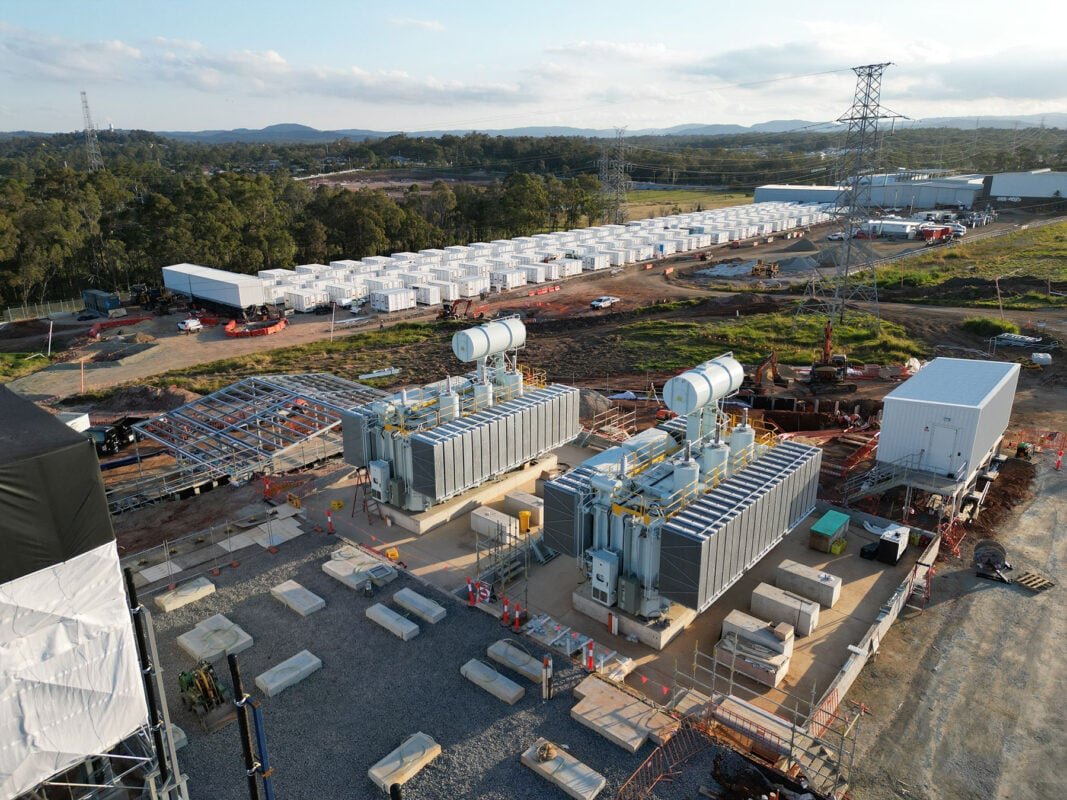
Queensland government says it, not councils, will decide on battery storage projects in Australian state
Queensland government says it, not councils, will decide on battery storage projects in Australian state - Energy-Storage.News Skip to content
Tesla dispels reports of 'sales suspension' in California
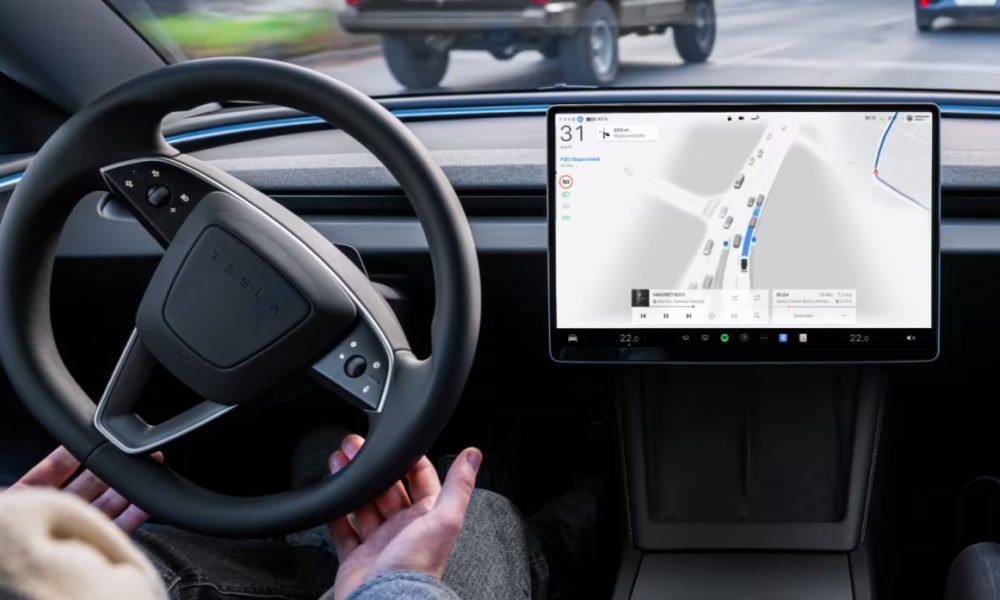
Tesla is aiming to combat a common Full Self-Driving problem with a new patent. One issue with Tesla’s vision-based approach is that sunlight glare can become a troublesome element of everyday travel. Full Self-Driving is certainly an amazing technology, but there are still things Tesla is aiming to figure out with its development. Unfortunately, it is extremely difficult to get around this issue, and even humans need ways to combat it when they’re driving, as we commonly use sunglasses or sun visors to give us better visibility. Cameras obviously do not have these ways to fight sunglare, but a new patent Tesla recently had published aims to fight this through a “glare shield.” Tesla writes in the patent that its autonomous and semi-autonomous vehicles are heavily reliant on camera systems to navigate and interact with their environment. The ability to see surroundings is crucial for accurate performance, and glare is one element of interference that has yet to be confronted. Tesla described the patent, which will utilize “a textured surface composed of an array of micro-cones, or cone-shaped formations, which serve to scatter incident light in various directions, thereby reducing glare and improving camera vision.” The patent was first spotted by Not a Tesla App. The design of the micro-cones is the first element of the puzzle to fight the excess glare. The patent says they are “optimized in size, angle, and orientation to minimize Total Hemispherical Reflectance (THR) and reflection penalty, enhancing the camera’s ability to accurately interpret visual data.” Additionally, there is an electromechanical system for dynamic orientation adjustment, which will allow the micro-cones to move based on the angle of external light sources. This is not the only thing Tesla is mulling to resolve issues with sunlight glare, as it has also worked on two other ways to combat the problem. One thing the company has discussed is a direct photon count. CEO Elon Musk said during the Q2 Earnings Call: “We use an approach which is direct photon count. When you see a processed image, so the image that goes from the sort of photon counter — the silicon photon counter — that then goes through a digital signal processor or image signal processor, that’s normally what happens. And then the image that you see looks all washed out, because if you point the camera at the sun, the post-processing of the photon counting washes things out.” Future Hardware iterations, like Hardware 5 and Hardware 6, could also integrate better solutions for the sunglare issue, such as neutral density filters or heated lenses, aiming to solve glare more effectively.
Sungrow and Algihaz' 7.8GWh Saudi Arabia BESS connected to grid
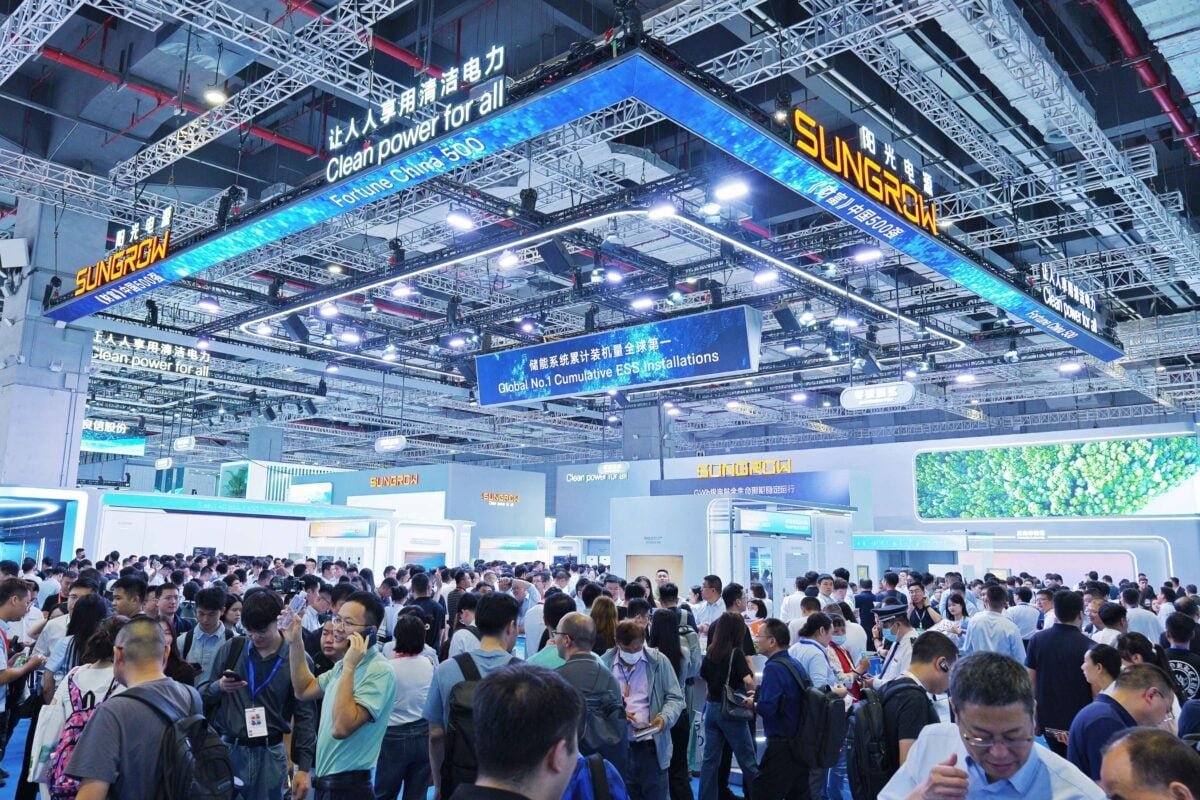
Sungrow and Algihaz' 7.8GWh Saudi Arabia BESS connected to grid - Energy-Storage.News Skip to content
Tesla Full Self-Driving gets sparkling review from South Korean politician
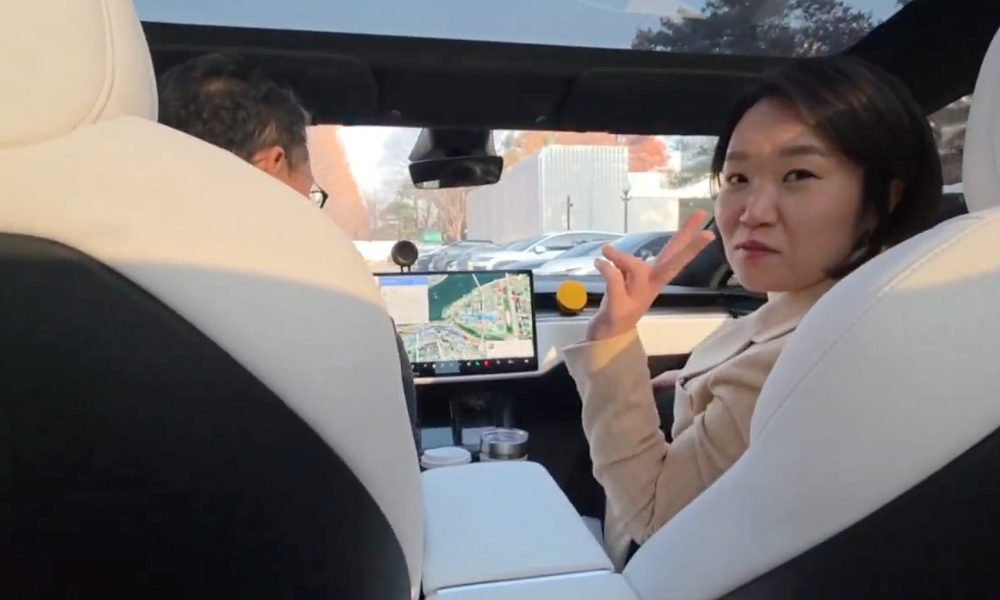
Tesla is aiming to combat a common Full Self-Driving problem with a new patent. One issue with Tesla’s vision-based approach is that sunlight glare can become a troublesome element of everyday travel. Full Self-Driving is certainly an amazing technology, but there are still things Tesla is aiming to figure out with its development. Unfortunately, it is extremely difficult to get around this issue, and even humans need ways to combat it when they’re driving, as we commonly use sunglasses or sun visors to give us better visibility. Cameras obviously do not have these ways to fight sunglare, but a new patent Tesla recently had published aims to fight this through a “glare shield.” Tesla writes in the patent that its autonomous and semi-autonomous vehicles are heavily reliant on camera systems to navigate and interact with their environment. The ability to see surroundings is crucial for accurate performance, and glare is one element of interference that has yet to be confronted. Tesla described the patent, which will utilize “a textured surface composed of an array of micro-cones, or cone-shaped formations, which serve to scatter incident light in various directions, thereby reducing glare and improving camera vision.” The patent was first spotted by Not a Tesla App. The design of the micro-cones is the first element of the puzzle to fight the excess glare. The patent says they are “optimized in size, angle, and orientation to minimize Total Hemispherical Reflectance (THR) and reflection penalty, enhancing the camera’s ability to accurately interpret visual data.” Additionally, there is an electromechanical system for dynamic orientation adjustment, which will allow the micro-cones to move based on the angle of external light sources. This is not the only thing Tesla is mulling to resolve issues with sunlight glare, as it has also worked on two other ways to combat the problem. One thing the company has discussed is a direct photon count. CEO Elon Musk said during the Q2 Earnings Call: “We use an approach which is direct photon count. When you see a processed image, so the image that goes from the sort of photon counter — the silicon photon counter — that then goes through a digital signal processor or image signal processor, that’s normally what happens. And then the image that you see looks all washed out, because if you point the camera at the sun, the post-processing of the photon counting washes things out.” Future Hardware iterations, like Hardware 5 and Hardware 6, could also integrate better solutions for the sunglare issue, such as neutral density filters or heated lenses, aiming to solve glare more effectively.
US VPPs advance with new partnerships and investment
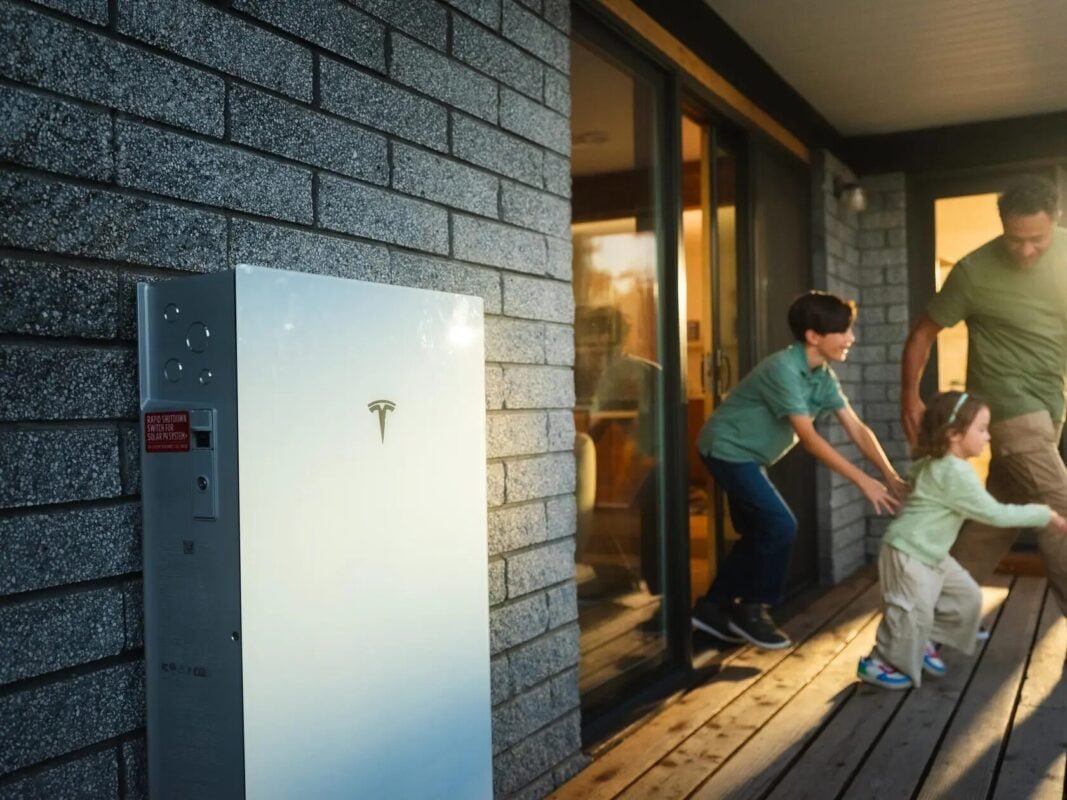
US VPPs advance with new partnerships and investment - Energy-Storage.News Skip to content
Tesla aims to combat common Full Self-Driving problem with new patent
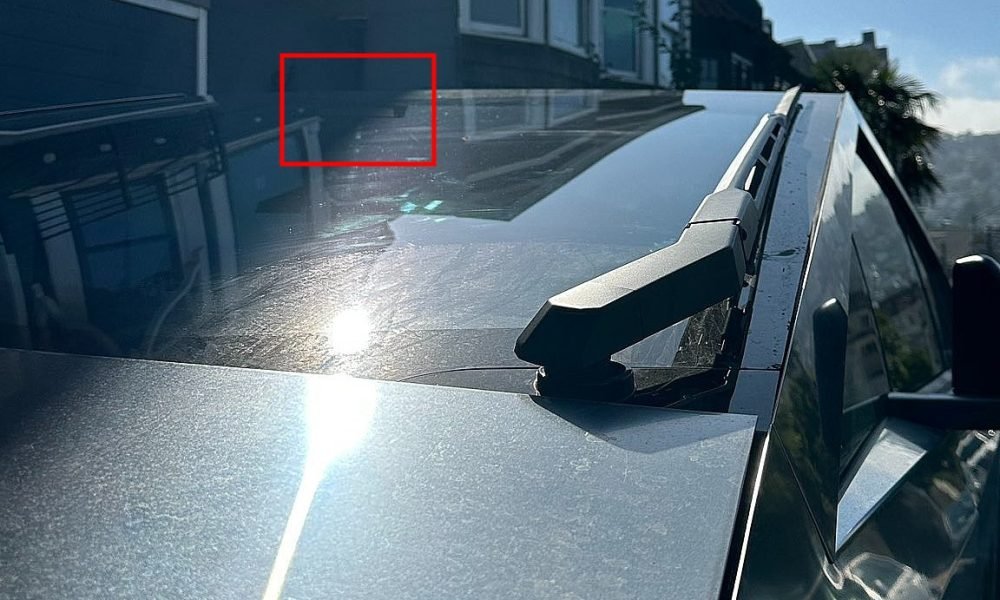
Tesla is aiming to combat a common Full Self-Driving problem with a new patent. One issue with Tesla’s vision-based approach is that sunlight glare can become a troublesome element of everyday travel. Full Self-Driving is certainly an amazing technology, but there are still things Tesla is aiming to figure out with its development. Unfortunately, it is extremely difficult to get around this issue, and even humans need ways to combat it when they’re driving, as we commonly use sunglasses or sun visors to give us better visibility. Cameras obviously do not have these ways to fight sunglare, but a new patent Tesla recently had published aims to fight this through a “glare shield.” Tesla writes in the patent that its autonomous and semi-autonomous vehicles are heavily reliant on camera systems to navigate and interact with their environment. The ability to see surroundings is crucial for accurate performance, and glare is one element of interference that has yet to be confronted. Tesla described the patent, which will utilize “a textured surface composed of an array of micro-cones, or cone-shaped formations, which serve to scatter incident light in various directions, thereby reducing glare and improving camera vision.” The patent was first spotted by Not a Tesla App. The design of the micro-cones is the first element of the puzzle to fight the excess glare. The patent says they are “optimized in size, angle, and orientation to minimize Total Hemispherical Reflectance (THR) and reflection penalty, enhancing the camera’s ability to accurately interpret visual data.” Additionally, there is an electromechanical system for dynamic orientation adjustment, which will allow the micro-cones to move based on the angle of external light sources. This is not the only thing Tesla is mulling to resolve issues with sunlight glare, as it has also worked on two other ways to combat the problem. One thing the company has discussed is a direct photon count. CEO Elon Musk said during the Q2 Earnings Call: “We use an approach which is direct photon count. When you see a processed image, so the image that goes from the sort of photon counter — the silicon photon counter — that then goes through a digital signal processor or image signal processor, that’s normally what happens. And then the image that you see looks all washed out, because if you point the camera at the sun, the post-processing of the photon counting washes things out.” Future Hardware iterations, like Hardware 5 and Hardware 6, could also integrate better solutions for the sunglare issue, such as neutral density filters or heated lenses, aiming to solve glare more effectively.
GridStor executes tolling agreement, CPS Energy launches RFP- Energy-Storage.News
GridStor executes tolling agreement, CPS Energy launches RFP- Energy-Storage.News Skip to content
Tesla dominates in the UK with Model Y and Model 3 leading the way
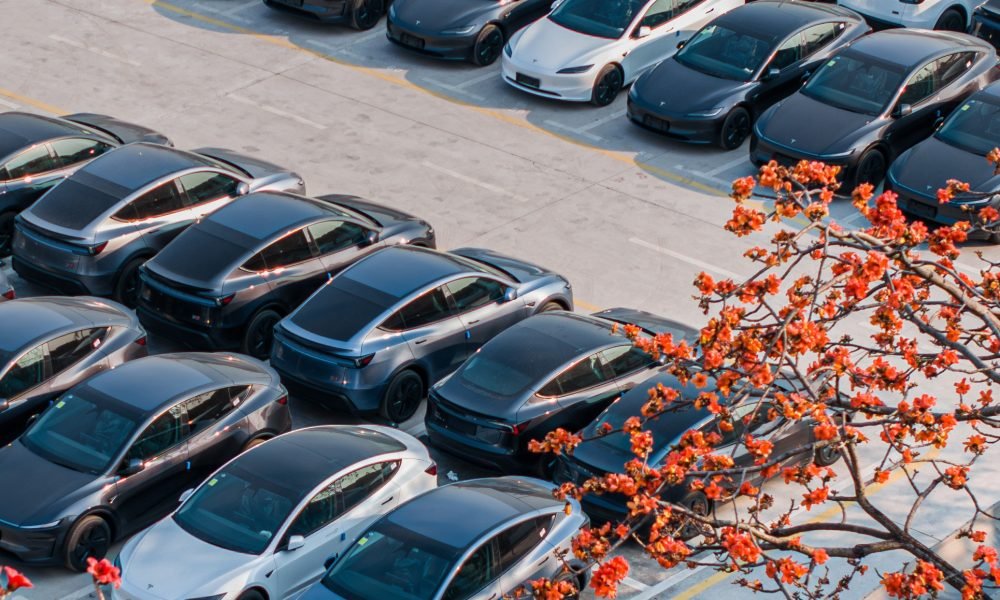
Tesla is dominating in the United Kingdom so far through 2025, and with about two weeks left in the year, the Model Y and Model 3 are leading the way. The Model Y and Model 3 are the two best-selling electric vehicles in the United Kingdom, which is comprised of England, Scotland, Wales, and Northern Ireland, and it’s not particularly close. According to data gathered by EU-EVs, the Model Y is sitting at 18,890 units for the year, while the Model 3 is slightly behind with 16,361 sales for the year so far. The next best-selling EV is the Audi Q4 e-tron at 10,287 units, lagging significantly behind but ahead of other models like the BMW i4 and the Audi Q6 e-tron. The Model Y has tasted significant success in the global market, but it has dominated in large markets like Europe and the United States. For years, it’s been a car that has fit the bill of exactly what consumers need: a perfect combination of luxury, space, and sustainability. Both vehicles are going to see decreases in sales compared to 2024; the Model Y was the best-selling car last year, but it sold 32,610 units in the UK. Meanwhile, the Model 3 had reached 17,272 units, which will keep it right on par with last year. Tesla announces major milestone in the United Kingdom Tesla sold 50,090 units in the market last year, and it’s about 8,000 units shy of last year’s pace. It also had a stronger market share last year with 13.2 percent of the sales in the market. With two weeks left in 2025, Tesla has a 9.6 percent market share, leading Volkswagen with 8 percent. The company likely felt some impact from CEO Elon Musk’s involvement with the Trump administration and, more specifically, his role with DOGE. However, it is worth mentioning that some months saw stronger consumer demand than others. For example, sales were up over 20 percent in February. A 14 percent increase followed this in June.
Australia supports additional 40GWh of Cheaper Home Batteries
Australia supports additional 40GWh of Cheaper Home Batteries - Energy-Storage.News Skip to content
Tesla gets a win in Sweden as union withdraws potentially "illegal" blockade
The Delaware Supreme Court has overturned a lower court ruling, reinstating Elon Musk’s 2018 compensation package originally valued at $56 billion but now worth approximately $139 billion due to Tesla’s soaring stock price. The unanimous decision criticized the prior total rescission as “improper and inequitable,” arguing that it left Musk uncompensated for six years of transformative leadership at Tesla. Musk quickly celebrated the outcome on X, stating that he felt “vindicated.” He also shared his gratitude to TSLA shareholders. Delaware Supreme Court makes a decision In a 49-page ruling Friday, the Delaware Supreme Court reversed Chancellor Kathaleen McCormick’s 2024 decision that voided the 2018 package over alleged board conflicts and inadequate shareholder disclosures. The high court acknowledged varying views on liability but agreed rescission was excessive, stating it “leaves Musk uncompensated for his time and efforts over a period of six years.” The 2018 plan granted Musk options on about 304 million shares upon hitting aggressive milestones, all of which were achieved ahead of time. Shareholders overwhelmingly approved it initially in 2018 and ratified it once again in 2024 after the Delaware lower court struck it down. The case against Musk’s 2018 pay package was filed by plaintiff Richard Tornetta, who held just nine shares when the compensation plan was approved. A hard-fought victory As noted in a Reuters report, Tesla’s win avoids a potential $26 billion earnings hit from replacing the award at current prices. Tesla, now Texas-incorporated, had hedged with interim plans, including a November 2025 shareholder-approved package potentially worth $878 billion tied to Robotaxi and Optimus goals and other extremely aggressive operational milestones. The saga surrounding Elon Musk’s 2018 pay package ultimately damaged Delaware’s corporate appeal, prompting a number of high-profile firms, such as Dropbox, Roblox, Trade Desk, and Coinbase, to follow Tesla’s exodus out of the state. What added more fuel to the issue was the fact that Tornetta’s legal team, following the lower court’s 2024 decision, demanded a fee request of more than $5.1 billion worth of TSLA stock, which was equal to an hourly rate of over $200,000. Delaware Supreme Court Elon Musk 2018 Pay Package by Simon Alvarez
AMEA secures funds for Africa’s largest renewables, BESS project- Energy-Storage.News
AMEA secures funds for Africa’s largest renewables, BESS project- Energy-Storage.News Skip to content
Delaware Supreme Court reinstates Elon Musk's 2018 Tesla CEO pay package
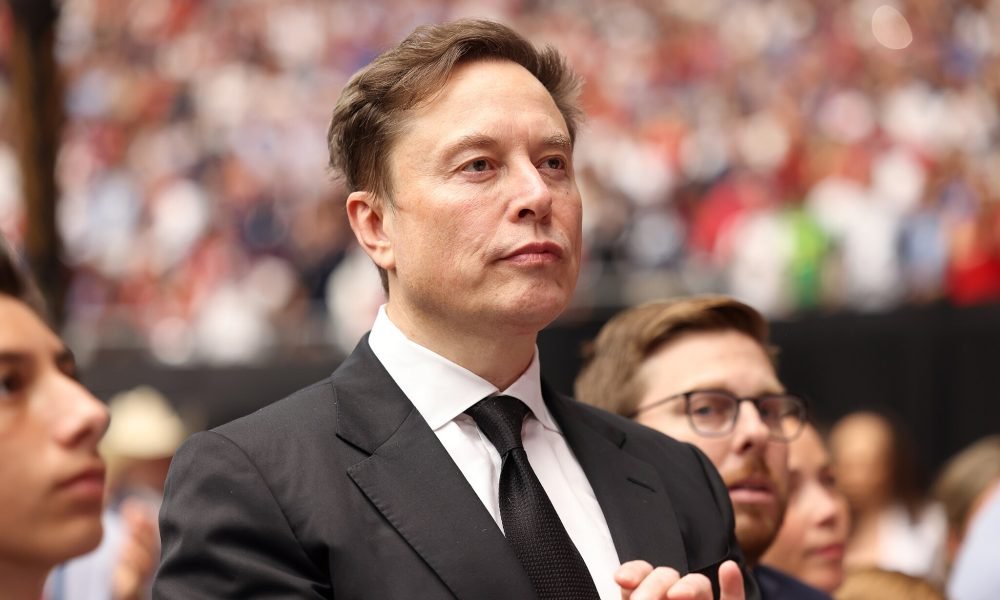
Tesla CEO Elon Musk shaded Waymo in a post on X on Wednesday, stating the company “never really had a chance” and that it “will be obvious in hindsight.” Tesla and Waymo are the two primary contributors to the self-driving efforts in the United States, with both operating driverless ride-hailing services in the country. Tesla does have a Safety Monitor present in its vehicles in Austin, Texas, and someone in the driver’s seat in its Bay Area operation. Musk says the Austin operation will be completely void of any Safety Monitors by the end of the year. With the two companies being the main members of the driverless movement in the U.S., there is certainly a rivalry. The two have sparred back and forth with their geofences, or service areas, in both Austin and the Bay Area. While that is a metric for comparison now, ultimately, it will not matter in the coming years, as the two companies will likely operate in a similar fashion. Waymo has geared its business toward larger cities, and Tesla has said that its self-driving efforts will expand to every single one of its vehicles in any location globally. This is where the true difference between the two lies, along with the fact that Tesla uses its own vehicles, while Waymo has several models in its lineup from different manufacturers. The two also have different ideas on how to solve self-driving, as Tesla uses a vision-only approach. Waymo relies on several things, including LiDAR, which Musk once called “a fool’s errand.” This is where Tesla sets itself apart from the competition, and Musk highlighted the company’s position against Waymo. Jeff Dean, the Chief Scientist for Google DeepMind, said on X: “I don’t think Tesla has anywhere near the volume of rider-only autonomous miles that Waymo has (96M for Waymo, as of today). The safety data is quite compelling for Waymo, as well.” Musk replied: “Waymo never really had a chance against Tesla. This will be obvious in hindsight.” Tesla stands to have a much larger fleet of vehicles in the coming years if it chooses to activate Robotaxi services with all passenger vehicles. A simple Over-the-Air update will activate this capability, while Waymo would likely be confined to the vehicles it commissions as Robotaxis.