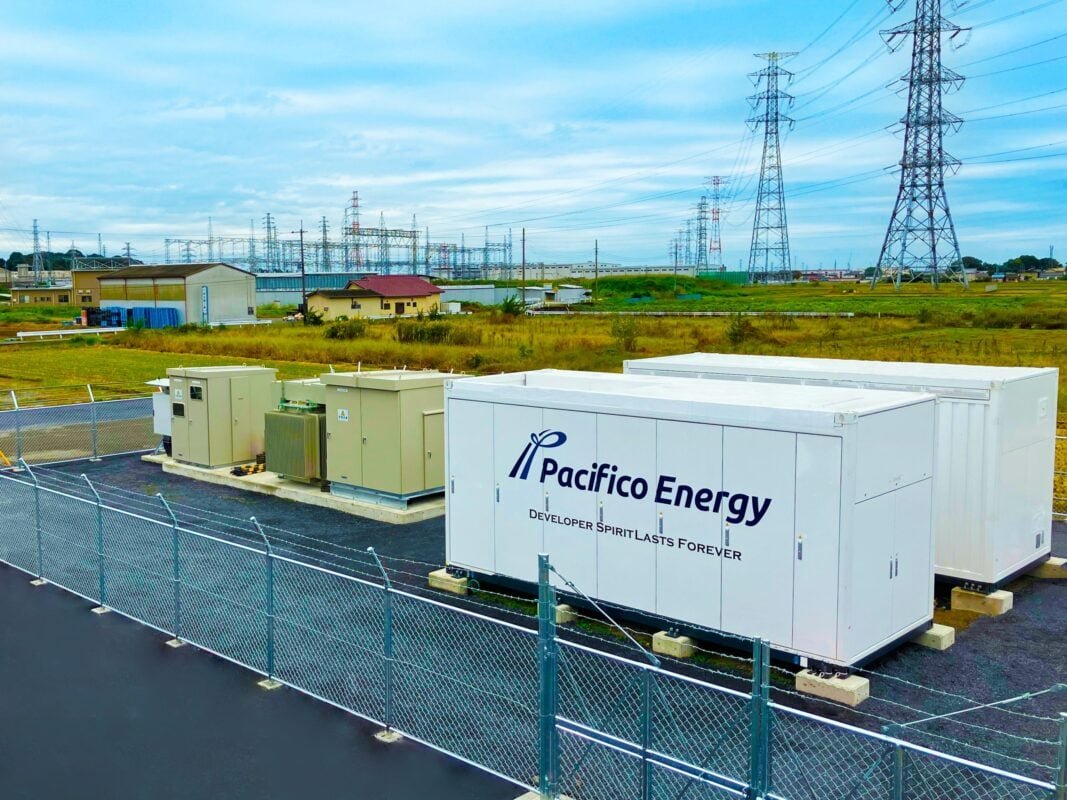
Pacifico Energy aims to prove subsidy-free BESS in Japan 'demonstrates competitive returns'
Pacifico Energy aims to prove subsidy-free BESS in Japan 'demonstrates competitive returns' - Energy-Storage.News Skip to content
Tesla AI team burns the Christmas midnight oil by releasing FSD v14.2.2.1

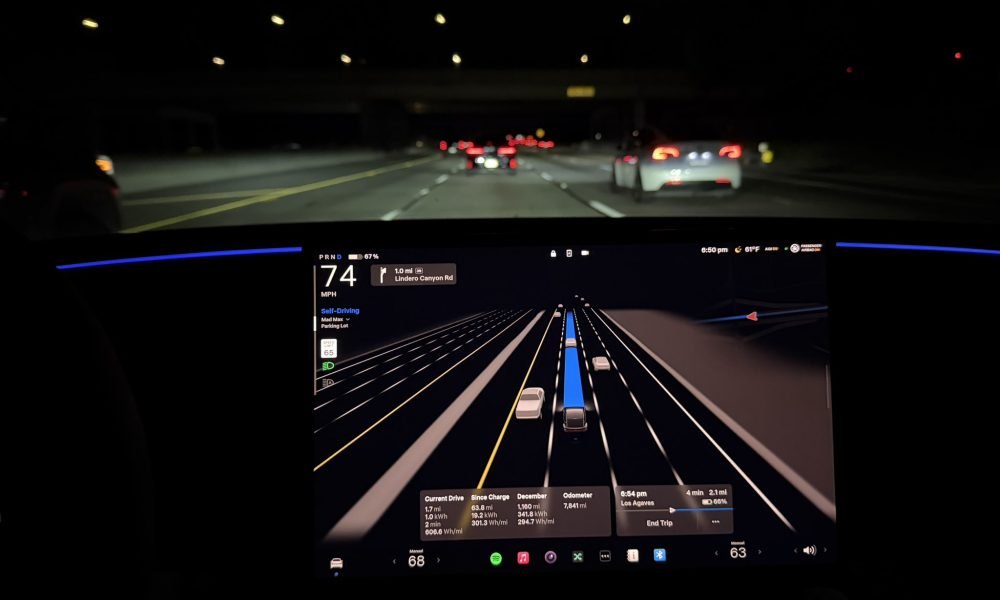
Tesla is burning the midnight oil this Christmas, with the Tesla AI team quietly rolling out Full Self-Driving (Supervised) v14.2.2.1 just a day after FSD v14.2.2 started rolling out to customers. Tesla owner shares insights on FSD v14.2.2.1 Longtime Tesla owner and FSD tester @BLKMDL3 shared some insights following several drives with FSD v14.2.2.1 in rainy Los Angeles conditions with standing water and faded lane lines. He reported zero steering hesitation or stutter, confident lane changes, and maneuvers executed with precision that evoked the performance of Tesla’s driverless Robotaxis in Austin. Parking performance impressed, with most spots nailed perfectly, including tight, sharp turns, in single attempts without shaky steering. One minor offset happened only due to another vehicle that was parked over the line, which FSD accommodated by a few extra inches. In rain that typically erases road markings, FSD visualized lanes and turn lines better than humans, positioning itself flawlessly when entering new streets as well. “Took it up a dark, wet, and twisty canyon road up and down the hill tonight and it went very well as to be expected. Stayed centered in the lane, kept speed well and gives a confidence inspiring steering feel where it handles these curvy roads better than the majority of human drivers,” the Tesla owner wrote in a post on X. Tesla’s FSD v14.2.2 update Just a day before FSD v14.2.2.1’s release, Tesla rolled out FSD v14.2.2, which was focused on smoother real-world performance, better obstacle awareness, and precise end-of-trip routing. According to the update’s release notes, FSD v14.2.2 upgrades the vision encoder neural network with higher resolution features, enhancing detection of emergency vehicles, road obstacles, and human gestures. New Arrival Options also allowed users to select preferred drop-off styles, such as Parking Lot, Street, Driveway, Parking Garage, or Curbside, with the navigation pin automatically adjusting to the ideal spot. Other refinements include pulling over for emergency vehicles, real-time vision-based detours for blocked roads, improved gate and debris handling, and Speed Profiles for customized driving styles.
Revenue trends, supply chains and emerging markets: Energy-Storage.news 2025 Guest Blog picks, Part 2
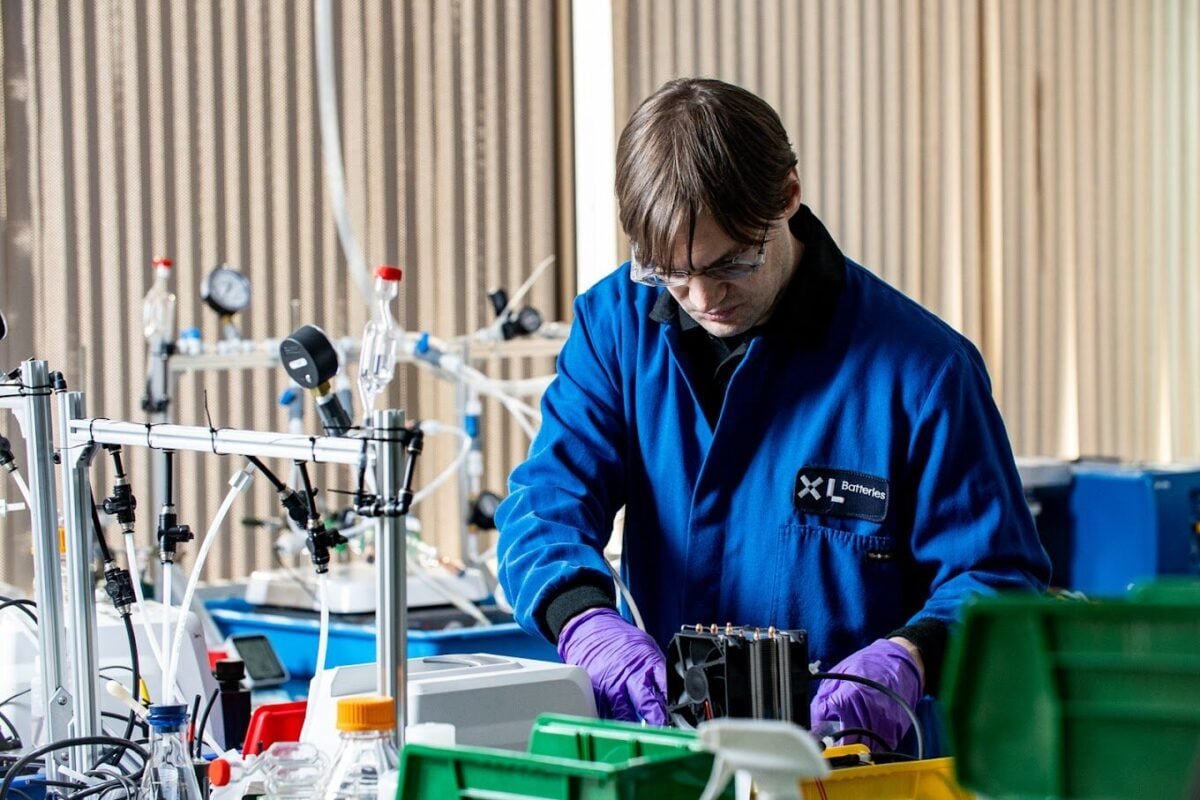
Click the title to read the full article. Where is alpha? Market trends in ERCOT and CAISO impacting battery storage revenues By Ali Karimian, director of market optimisation, GridBeyond, Alden Phinney, regional director, GridBeyond, July 2025 With the rapid evolution of opportunities for BESS in the two biggest regional markets in the US, ERCOT in Texas and CAISO in California, this blog focuses on the increasingly sophisticated trading strategies required to earn impressive returns. Breaking free from lithium-ion supply chain risks: A domestic path to energy resilience for the US By Tom Sisto, CEO, XL Batteries, July 2025 After the White House’s reciprocal tariff announcement and the ‘One, Big, Beautiful Bill Act’ (‘OBBBA’) accelerated rhetoric around the US domestic content conversation (even if progress was already being made through existing policies), Tom Sisto, CEO of flow battery provider XL Batteries discussed the impetus for decoupling from imported lithium supply chains. Peach State power play: Georgia’s blueprint for grid-scale energy storage By Allan Oduor, associate project manager, Enertis Applus+, July 2025 While around 80% of US grid-scale BESS installations are consistently in CAISO and ERCOT, and PJM, SPP and NYISO often talked about as up-and-coming, Allan Oduor at engineering consultancy Enertis Applus+ took us on a journey through Georgia’s outpacing of every other southeastern US state in its adoption of battery storage. Hybrid battery systems: A new frontier for Australia’s energy market By Matt Grover, director, energy markets, Sam Markham, APAC growth and commercial strategy, Fluence, August 2025 Fluence’s APAC team contributed a series of monthly Guest Blogs this year. This entry focused on the growing opportunity for hybrid BESS projects that combine renewable generation with storage, operating behind a single grid connection point. New EU end-of-life battery regulations create legal and commercial complexities for suppliers By Suriya Edwards and Deborah Harvey, partners, Freeths LLP, August 2025 Partners at law firm Freeths Suriya Edwards and Deborah Harvey analysed new European Union (EU) regulations for batteries and new requirements for suppliers to collect, treat and recycle. The market is likely to see a broad range of solutions to producers’ end-of-life management, Edwards and Harvey wrote. When quality slips through the cracks: A procurement guide to hidden BESS risks By Jeff Zwijack, associate director, Clean Energy Associates (Intertek CEA), September 2025 In the September edition of Intertek CEA’s regular series, associate director Jeff Zwijack drew from lessons learned in more than 700 energy storage system integration inspections. Zwijack emphasised the need to focus on more than just battery cells and look at system-level quality. Vietnam’s path from zero BESS deployments to meeting ambitious 2030 energy storage targets By Sunita Dubey, Senior Climate & Energy Strategist, September 2025 Vietnam’s National Power Development Plan VIII (PDP8) includes a target for 10GW to 16.3GW of battery storage installations by 2030. Sunita Dubey took us behind the scenes to see the work it took to put energy storage at the forefront of policymakers’ and system planners’ minds. Virtual battery tolls explained: Revenue certainty in a volatile market By Matt Szwec, energy trading analyst, Fluence, September 2025 Virtual battery tolls, which offer ‘virtual’ dispatch rights in exchange for contracted payments, are becoming increasingly popular in Australia’s booming market. Fluence’s Matt Szwec gave a handy explainer. How important is cell-to-ESS vertical integration? By Charlotte Gisbourne, market analyst, PV Tech Research, November 2025 The differing business models of vertically integrated manufacturers versus pureplay system integrators came under the microscope in our colleague Charlotte Gisbourne’s comparison of the respective advantages of supply chain control and flexibility. Long-duration energy storage is non-negotiable for Europe’s energy transformation By Oonagh O’Grady, VP of international origination, Hydrostor, December 2025 In the final entry in a number of blogs this year that looked at long-duration energy storage (LDES), Oonagh O’Grady of advanced compressed air energy storage (A-CAES) company Hydrostor discussed the complementary roles of short-duration and long-duration storage as essential to the energy future of Europe.
Elon Musk and Tesla AI Director share insights after empty-seat Robotaxi rides

Tesla CEO Elon Musk stated on Monday that Full Self-Driving (Supervised) could launch in the United Arab Emirates (UAE) as soon as January 2026. Provided that Musk’s timeframe proves accurate, FSD would be able to start saturating the Middle East, starting with the UAE, next year. Musk’s estimate In a post on X, UAE-based political analyst Ahmed Sharif Al Amiri asked Musk when FSD would arrive in the country, quoting an earlier post where the CEO encouraged users to try out FSD for themselves. Musk responded directly to the analyst’s inquiry. “Hopefully, next month,” Musk wrote. The exchange attracted a lot of attention, with numerous X users sharing their excitement at the idea of FSD being brought to a new country. FSD (Supervised), after all, would likely allow hands-off highway driving, urban navigation, and parking under driver oversight in traffic-heavy cities such as Dubai and Abu Dhabi. Musk’s comments about FSD’s arrival in the UAE were posted following his visit to the Middle Eastern country. Over the weekend, images were shared online of Musk meeting with UAE Defense Minister, Deputy Prime Minister, and Dubai Crown Prince HH Sheikh Hamdan bin Mohammed. Musk also posted a supportive message about the country, posting “UAE rocks!” on X. FSD recognition FSD has been getting quite a lot of support from foreign media outlets. FSD (Supervised) earned high marks from Germany’s largest car magazine, Auto Bild, during a test in Berlin’s challenging urban environment. The demonstration highlighted the system’s ability to handle dense traffic, construction sites, pedestrian crossings, and narrow streets with smooth, confident decision-making. Journalist Robin Hornig was particularly struck by FSD’s superior perception and tireless attention, stating: “Tesla FSD Supervised sees more than I do. It doesn’t get distracted and never gets tired. I like to think I’m a good driver, but I can’t match this system’s all-around vision. It’s at its best when both work together: my experience and the Tesla’s constant attention.” Only one intervention was needed when the system misread a route, showcasing its maturity while relying on vision-only sensors and over-the-air learning.
Humanoid Robot Battery Production — CATL Achieves A World First
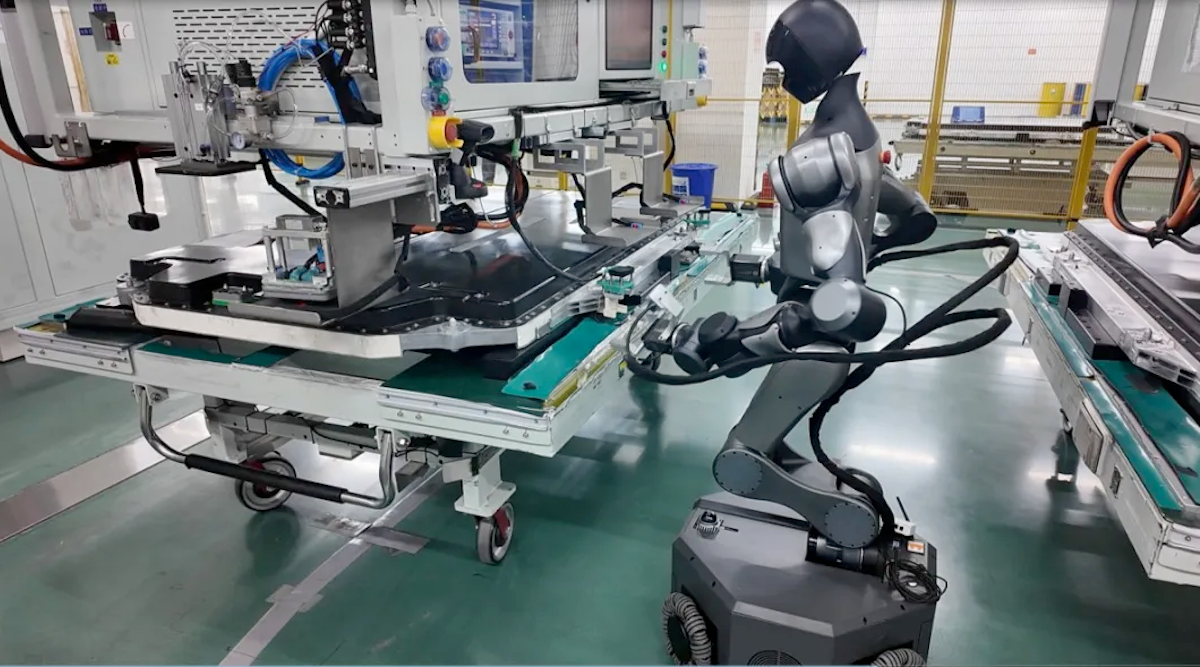
Support CleanTechnica's work through a Substack subscription or on Stripe. The world’s leading battery producer, CATL, has decided to flex some of its robot muscles this month. It has revealed the first humanoid robot battery production line…. That is, a battery production line “manned” by humanoid robots. First of all, yes, these humanoid robots have apparently replaced human workers. In fact, one robot’s daily workload is reportedly triple that of a human worker…. These humanoid robots are being deployed at CATL’s battery factory in Luoyang, Henan. “CATL (HKG: 3750, SHE: 300750) has become the world’s first battery manufacturer to deploy humanoid robots at scale in battery pack production, replacing human labor in several critical processes,” CnEVPost writes. “Named ‘Xiaomo’ (or Little Mo), the humanoid robot can now precisely execute complex tasks like battery connector insertion, marking a milestone breakthrough in applying embodied intelligence to manufacturing, the company said.” (Note that another Chinese site, CarNewsChina, translates the robot name as “Moz.”) Hmm…. Perhaps the era of robots replacing human workers really is upon us. How many more things will robots be doing in factories in 2026? And then there are all the coming robotaxis. What about autonomously driven long-distance trucks, warehouse robots, and robot waiters (well, not yet I’m sure). “Xiaomo replaces human operators in the EOL (End of Line) and DCR (Direct Current Internal Resistance) processes during battery pack production — the final functional tests before the packs leave the line,” CnEVPost goes on. “These stages traditionally relied on manual labor, where workers had to precisely connect test plugs carrying hundreds of volts of high voltage to designated positions on the battery pack. This process carried risks of high-voltage arcing and presented challenges including inconsistent efficiency and quality. Xiaomo has transformed this situation, as it incorporates an end-to-end Vision-Language-Action (VLA) model, granting it robust environmental perception and task execution capabilities, CATL said. “The humanoid robot autonomously handles uncertainties like material position deviations and connection point variations, dynamically adjusting its operational posture in real time. When inserting or removing flexible wiring harnesses, it dynamically modulates force to ensure reliable connections without damaging components.” CarNewsChina adds: “According to CATL, the robot excels in three key areas: Precision adaptation: Moz can independently adjust to incoming material position deviations and connection point changes, continuously modifying its operational posture in real-time. Flexible operation: When inserting and removing flexible wire harnesses, Moz dynamically adjusts its force to ensure reliable connections without damaging components. Efficiency and reliability: In actual production, Moz maintains a connection success rate above 99%, with operational efficiency matching that of skilled human workers.” I think there’s enough there to indicate this isn’t just a gimmick. This is a truly useful and multifaceted robot. “Moz has become an indispensable member of our production line,” CATL states. “Beyond its primary tasks, it autonomously detects wire harness connection status, reports anomalies immediately to reduce defect rates, and proactively switches to inspection mode between operations.” The robot was not developed by CATL, but rather by Spirit AI, a startup based in Hangzhou and just founded in 2024! That said, CATL is a financial backer of the startup. So, we may as well say it’s underneath the CATL umbrella. Naturally, the robot — whether you call it Little Mo or Moz — is powered by CATL batteries. Sign up for CleanTechnica's Weekly Substack for Zach and Scott's in-depth analyses and high level summaries, sign up for our daily newsletter, and follow us on Google News! Advertisement Have a tip for CleanTechnica? Want to advertise? Want to suggest a guest for our CleanTech Talk podcast? Contact us here. Sign up for our daily newsletter for 15 new cleantech stories a day. Or sign up for our weekly one on top stories of the week if daily is too frequent. CleanTechnica uses affiliate links. See our policy here. CleanTechnica's Comment Policy
Hydrostor, Hawaiian Electric, Peregrine and Wärtsilä- Energy-Storage.News
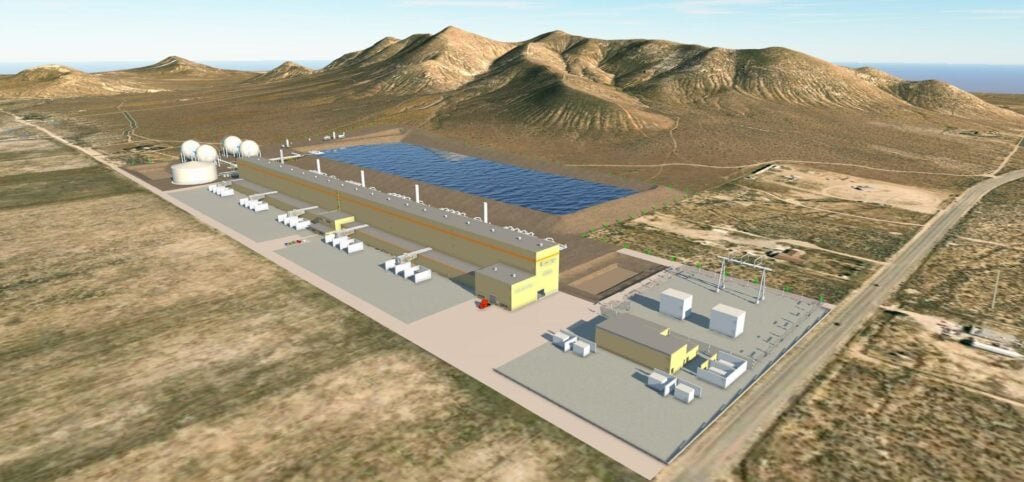
Hydrostor, Hawaiian Electric, Peregrine and Wärtsilä- Energy-Storage.News Skip to content
Tesla FSD v14 is the first AI to pass the "Physical Turing Test"
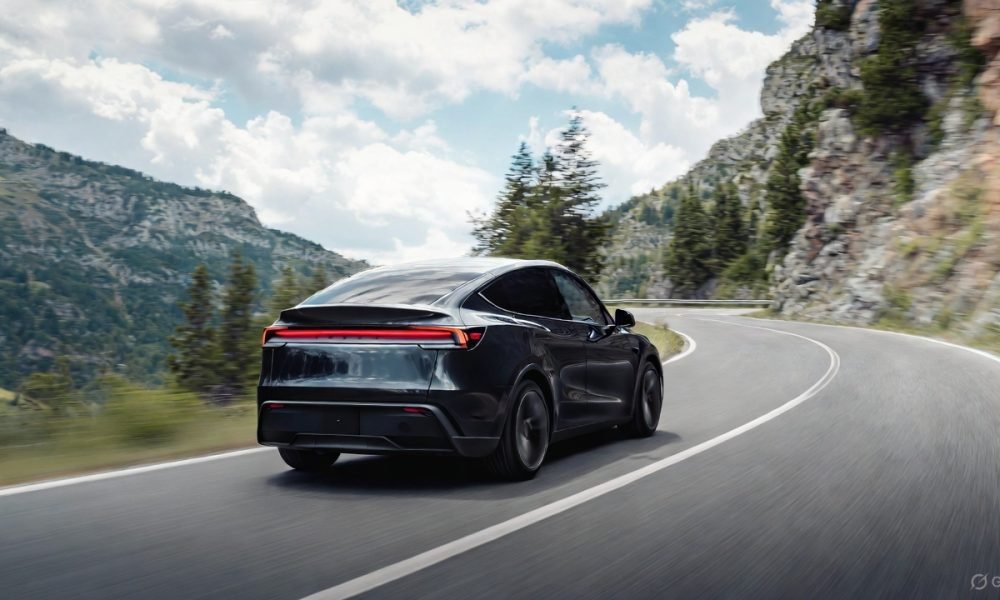
NVIDIA Director of Robotics Jim Fan has praised Tesla’s Full Self-Driving (Supervised) v14 as the first AI to pass what he described as a “Physical Turing Test.” After testing FSD v14, Fan stated that his experience with FSD felt magical at first, but it soon started to feel like a routine. And just like smartphones today, removing it now would “actively hurt.” Jim Fan’s hands-on FSD v14 impressions Fan, a leading researcher in embodied AI who is currently solving Physical AI at NVIDIA and spearheading the company’s Project GR00T initiative, noted that he actually was late to the Tesla game. He was, however, one of the first to try out FSD v14. “I was very late to own a Tesla but among the earliest to try out FSD v14. It’s perhaps the first time I experience an AI that passes the Physical Turing Test: after a long day at work, you press a button, lay back, and couldn’t tell if a neural net or a human drove you home,” Fan wrote in a post on X. Fan added: “Despite knowing exactly how robot learning works, I still find it magical watching the steering wheel turn by itself. First it feels surreal, next it becomes routine. Then, like the smartphone, taking it away actively hurts. This is how humanity gets rewired and glued to god-like technologies.” I was very late to own a Tesla but among the earliest to try out FSD v14. It's perhaps the first time I experience an AI that passes the Physical Turing Test: after a long day at work, you press a button, lay back, and couldn't tell if a neural net or a human drove you home.… Jim Fan (@DrJimFan) December 23, 2025 The Physical Turing Test The original Turing Test was conceived by Alan Turing in 1950, and it was aimed at determining if a machine could exhibit behavior that is equivalent to or indistinguishable from a human. By focusing on text-based conversations, the original Turing Test set a high bar for natural language processing and machine learning. This test has been passed by today’s large language models. However, the capability to converse in a humanlike manner is a completely different challenge from performing real-world problem-solving or physical interactions. Thus, Fan introduced the Physical Turing Test, which challenges AI systems to demonstrate intelligence through physical actions. Based on Fan’s comments, Tesla has demonstrated these intelligent physical actions with FSD v14. Elon Musk agreed with the NVIDIA executive, stating in a post on X that with FSD v14, “you can sense the sentience maturing.” Musk also praised Tesla AI, calling it the best “real-world AI” today.
CATL Battery Factory in Spain, Lithium Mine in Yichun
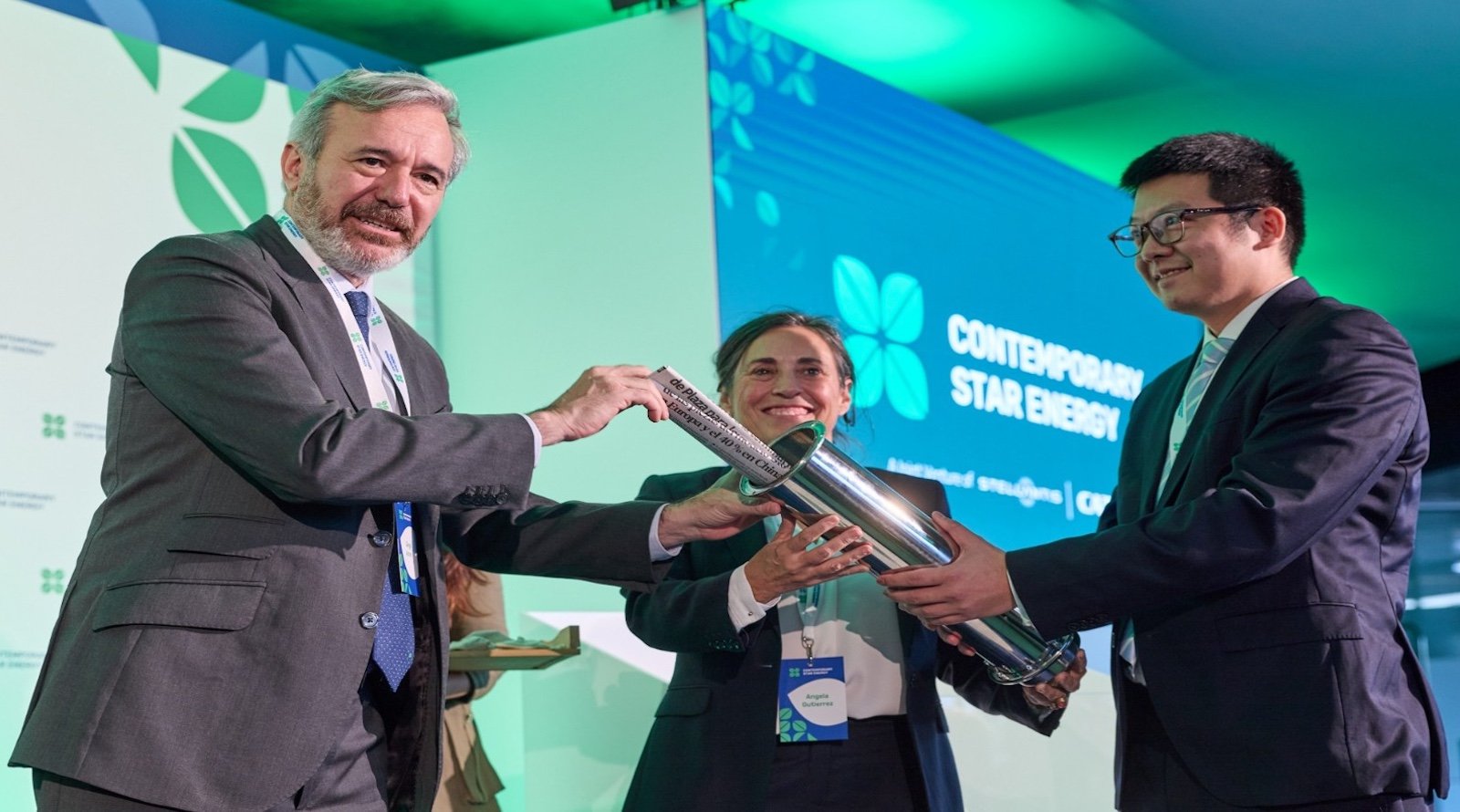
Support CleanTechnica's work through a Substack subscription or on Stripe. CATL is the largest EV battery producer in the world. It continues to progress, with the latest news being a factory under construction in Spain and restarting of a lithium mine in China. CATL + Stellantis Battery Factory in Spain The US and Japan led on electric vehicles for a little while, and then Europe did, but in recent years, it’s 100% clear China is the king of the EV world. Europe and the US have even put up big barriers to Chinese electric vehicles and EV suppliers in order to try to protect their aging, legacy, fossil-fueled industries. Europe is at least letting Chinese company build factories within its borders, though. And that brings us to Spain. CATL is now building an EV battery factory along with European OEM Stellantis in Zaragoza, Spain. A groundbreaking ceremony took place one month ago. “This event marks the start of construction of one of Europe’s most advanced facilities, designed to operate as a carbon-neutral plant with a capacity of up to 50 GWh,” CATL announced at the time. “During the ceremony, a time capsule was sealed to remain closed until 2045, containing objects and testimonies that reflect the vision and spirit of collaboration driving this project.” Interesting, and fun. But will Stellantis and CATL both survive into 2045? One of them probably will. As for the other… we’ll see. (The time capsule ceremony is pictured above.) “The gigafactory will play a key role in the transition toward affordable and sustainable electric mobility, supporting Stellantis’ strategic plan and CATL’s global vision. The project incorporates cutting-edge technologies such as Cell-to-Body design, enabling cells to be integrated directly into the vehicle structure, improving efficiency and safety.” The factory is also being 80% powered by renewable energy, and uses Industry 4.0 standards for sustainable, intelligent processes. The project will create 4,000 direct jobs as well as thousands of indirect jobs according to the companies, and requires €4.1 billion of investment. “This project will strengthen the European battery value chain, foster collaboration with local universities and training centers, and attract strategic suppliers, consolidating the region as a hub of innovation and competitiveness in electric mobility,” CATL adds. CATL To Restart Lithium Mine CATL’s Jianxiawo lithium mine was made to pause operations in August due to mining permit issues. The company is now expected to restart the mine in February after the Chinese New Year. This is a key lithium mine for the EV battery giant, so shutting it down led to a surge in lithium carbonate prices. “Late last month, Bloomberg reported that CATL had developed preliminary plans to restart the Jianxiawo mine by early December,” CnEVPost reports. “On December 19, Yichun released the first environmental impact assessment information disclosure for the project, the Jiemian report noted. […] Lithium carbonate and iron phosphate are the primary raw materials for lithium iron phosphate (LFP). Yichun, located in Jiangxi province, is a lithium production hub often referred to as the ‘Lithium Capital of Asia.’ Over recent months, lithium prices have rebounded, gradually impacting battery costs.” So, we will see what happens, but hopefully this is a positive sign for lithium prices and battery prices in 2026. Sign up for CleanTechnica's Weekly Substack for Zach and Scott's in-depth analyses and high level summaries, sign up for our daily newsletter, and follow us on Google News! Advertisement Have a tip for CleanTechnica? Want to advertise? Want to suggest a guest for our CleanTech Talk podcast? Contact us here. Sign up for our daily newsletter for 15 new cleantech stories a day. Or sign up for our weekly one on top stories of the week if daily is too frequent. CleanTechnica uses affiliate links. See our policy here. CleanTechnica's Comment Policy
Michigan utilities awarded financial damages for work performed on pumped hydro plant
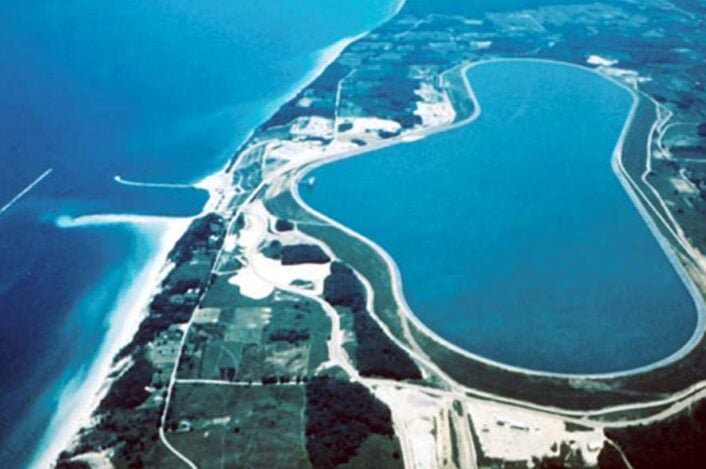
Michigan utilities awarded financial damages for work performed on pumped hydro plant - Energy-Storage.News Skip to content
Starlink passes 9 million active customers just weeks after hitting 8 million

Tesla CEO Elon Musk stated on Monday that Full Self-Driving (Supervised) could launch in the United Arab Emirates (UAE) as soon as January 2026. Provided that Musk’s timeframe proves accurate, FSD would be able to start saturating the Middle East, starting with the UAE, next year. Musk’s estimate In a post on X, UAE-based political analyst Ahmed Sharif Al Amiri asked Musk when FSD would arrive in the country, quoting an earlier post where the CEO encouraged users to try out FSD for themselves. Musk responded directly to the analyst’s inquiry. “Hopefully, next month,” Musk wrote. The exchange attracted a lot of attention, with numerous X users sharing their excitement at the idea of FSD being brought to a new country. FSD (Supervised), after all, would likely allow hands-off highway driving, urban navigation, and parking under driver oversight in traffic-heavy cities such as Dubai and Abu Dhabi. Musk’s comments about FSD’s arrival in the UAE were posted following his visit to the Middle Eastern country. Over the weekend, images were shared online of Musk meeting with UAE Defense Minister, Deputy Prime Minister, and Dubai Crown Prince HH Sheikh Hamdan bin Mohammed. Musk also posted a supportive message about the country, posting “UAE rocks!” on X. FSD recognition FSD has been getting quite a lot of support from foreign media outlets. FSD (Supervised) earned high marks from Germany’s largest car magazine, Auto Bild, during a test in Berlin’s challenging urban environment. The demonstration highlighted the system’s ability to handle dense traffic, construction sites, pedestrian crossings, and narrow streets with smooth, confident decision-making. Journalist Robin Hornig was particularly struck by FSD’s superior perception and tireless attention, stating: “Tesla FSD Supervised sees more than I do. It doesn’t get distracted and never gets tired. I like to think I’m a good driver, but I can’t match this system’s all-around vision. It’s at its best when both work together: my experience and the Tesla’s constant attention.” Only one intervention was needed when the system misread a route, showcasing its maturity while relying on vision-only sensors and over-the-air learning.
State of Commercial Electrification — 2026 Outlook

Support CleanTechnica's work through a Substack subscription or on Stripe. By Proterra Team The commercial electrification market is entering 2026 in transition. Regulatory frameworks are being rewritten. Federal incentives are under review. OEMs face uncertainty about which compliance standards will govern their products. 2026 will be a year of clarification; some applications will prove economically viable now while others will see longer transformation and adoption timelines. The companies that succeed will be those which build strategies around fundamental market drivers, such as cost, quality, performance, and customer experience, rather than attempting to perpetually adapt to ever-changing regulatory mandates. Here’s what we see ahead. American Manufacturing Becomes the Competitive Advantage Domestic content requirements for federally funded infrastructure and electrification efforts, such as Build America Buy America, are in full swing, with long-standing waivers like EPA’s Clean Ports BABA Waiver and FTA’s BEV Mini-Bus Buy America Waiver) either soon to expire or under review. The Administration’s expectations for onshoring and domestic manufacturing are stark, and there’s no reason to expect that programs like BABA and Buy America won’t be expanded to reflect this approach. Thinking ahead to how this will play out in the market, this isn’t just a compliance checkbox. It represents a fundamental market shift towards genuine American manufacturing. Billions of federal funding opportunities now require domestic content compliance, and thus a more thoughtful approach to supplier sourcing. Fleet operators pursuing federal dollars must prove their battery suppliers can meet these requirements This creates a clear advantage for domestic manufacturers with established domestic manufacturing operations, localized supply chains, and the documentation to meet BABA and Buy America requirements, both today and into the future, should become even more stringent than in the market environment. AI Data Centers Create New Demand for Commercial Battery Technology A convergence is emerging between power-hungry AI infrastructure and electric vehicle battery markets. Data center battery storage has evolved beyond backup power into grid-interactive energy assets designed to maximize data-center uptime and minimize peak load events for utility companies. In light of the softening EV market, battery cell manufacturers have begun to retool, and in some cases expand, production lines in the US to support these applications, and make use of what would otherwise be idle capacity. While cell formats and chemistries used for these applications are somewhat different than what is used in vehicle batteries, the fundamental manufacturing operations processes are the same, which allows battery cell manufacturers to utilize their installed capacity. Total Cost of Ownership Becomes the Primary Decision Driver The conversation around commercial electrification is shifting from “if” to “how much” and “how fast.” As technology matures and real-world performance data accumulates, fleet managers are moving beyond range anxiety to focus on the bottom line. For commercial fleets with predictable routes, high daily mileage, and centralized charging, the TCO equation increasingly favors electric. In 2026, we expect TCO calculators, not only sustainability commitments, to drive the majority of fleet electrification decisions. Regulatory Uncertainty Creates Market Volatility — But Also Opportunity The regulatory landscape for commercial electrification is anything but certain. EPA waivers have been revoked for California’s Advanced Clean Trucks and NOx Omnibus standards, federal EV tax credits have been eliminated, EPA’s GHG Phase 3 standard for medium- and heavy-duty vehicles will likely be revised, and the 2009 Greenhouse Gas Endangerment Finding is under review. California and its Section 177 partner-states have launched legal challenges against the EPA and broader U.S. government. To say the least, fleet operators face genuine uncertainty about which standards will apply for model year 2027 and beyond. Yet despite this turbulence, commercial electrification continues because the underlying economics are becoming increasingly compelling, independent of mandates. For forward-thinking fleet operators and battery suppliers, regulatory uncertainty creates opportunity. Companies that develop genuine cost advantages and proven performance will capture market share as competitors wait for clarity that may never fully arrive. Success in 2026 will come from building business cases that work with or without subsidies. Off-Highway and Industrial Applications Lead Practical Electrification While the headlines of 2024 and 2025 tended to focus on long-haul trucks, the most compelling commercial electrification story in 2026 is happening off-highway. Construction equipment, mining machinery, specialty equipment and agricultural vehicles represent applications where battery electric technology delivers immediate, measurable advantages. Underground mining represents the clearest case: diesel exhaust creates ventilation costs that can consume 30-35% of operating expenses. Electric mining equipment eliminates those costs while improving worker safety. Construction applications follow a similar pattern. Mini excavators and compact wheel loaders benefit from zero emissions (enabling indoor operation), dramatically lower noise (critical for residential areas), and simplified maintenance. Volvo Construction and Komatsu have launched electric compact equipment lines, with adoption accelerating in European markets. The pattern is clear: electrification succeeds first where it solves specific operational challenges beyond emissions reduction. In 2026, these off-highway segments will demonstrate profitability and performance that paves the way for broader commercial adoption. The Path Forward The commercial and industrial electrification market in 2026 is more complex than projected even two years ago. But complexity creates opportunities for those manufacturers capable of adjusting and adapting, while improving business fundamentals. This is the year where OEMs, battery suppliers, and fleet operators can focus on solving a broader range of application challenges in meaningful, sustainable and cost-effective ways. The path to electrification is in identifying genuine cost or operational advantages in specific applications, building proven solutions for demanding use cases, and creating business models that survive policy volatility. For companies willing to focus on these tangible opportunities rather than waiting for regulatory mandates to force broader adoption, 2026 offers a clearer path forward than the market has seen in years. The work of building economically sustainable electrification begins. Sign up for CleanTechnica's Weekly Substack for Zach and Scott's in-depth analyses and high level summaries, sign up for our daily newsletter, and follow us on Google News! Advertisement Have a tip for CleanTechnica? Want to advertise? Want to suggest a guest for our CleanTech Talk podcast? Contact us here. Sign up for
Energy-Storage.news most-read news stories of the year 2025
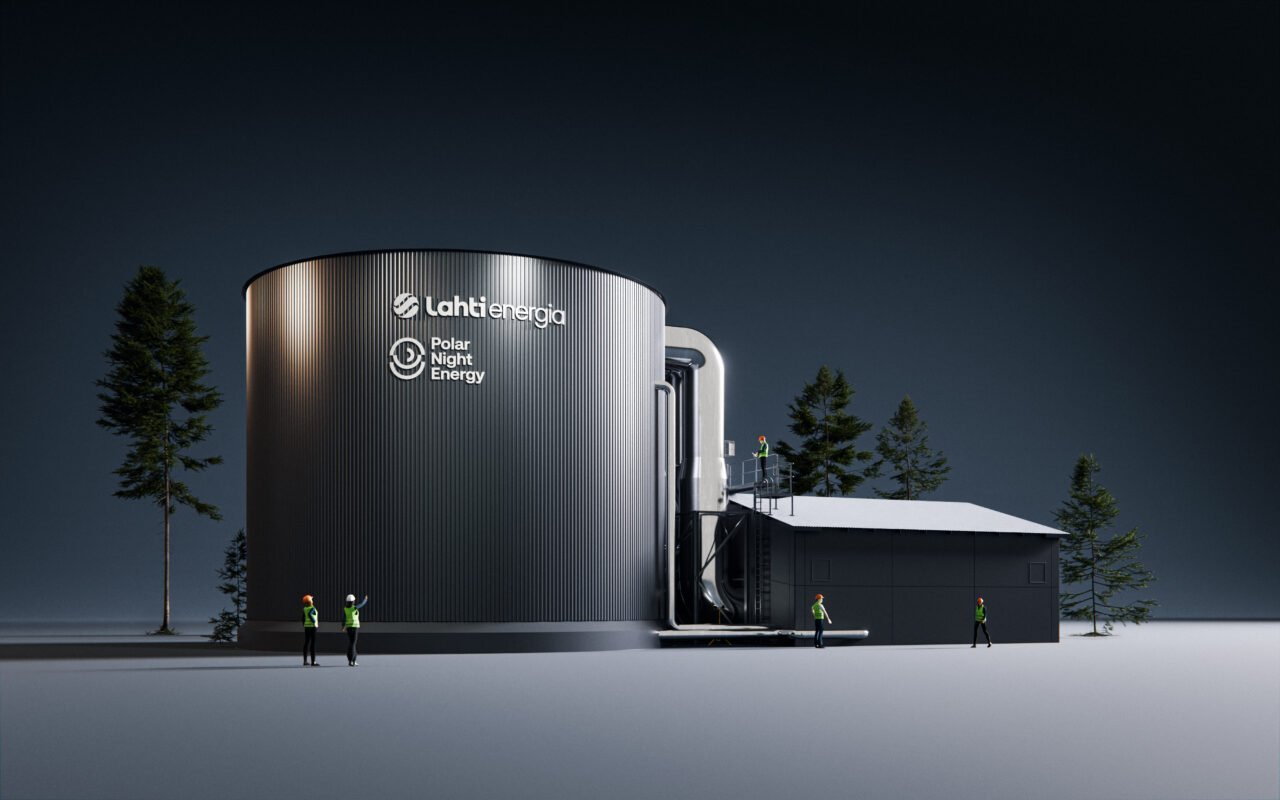
Click the headline to read the full story. Saudi Arabia: Qualified bidders revealed for Kingdom’s 8GWh first battery storage tender 2 January 2025 The state-owned Saudi Power Procurement Company (SPPC) published a list of pre-qualified bidders in its first procurement of battery storage resources. Names entering the 2GW/8GWh build-own-operate (BOO) tender included big names from the Middle East region and overseas, including Masdar, ACWA Power, EDF and TotalEnergies. Fire at Statera BESS project in England brought under control, handed back to site management 24 February 2025 Firefighters in Essex, England, responded to a fire at a BESS project on 19 February, bringing it under control and handing it back to site management a day later. Owner-operator Statera later confirmed it to have occurred in a “single containerised battery unit” with “no risk to the public at any stage.” Powin files for Chapter 11 bankruptcy protection and spins off project services business 11 June 2025 Powin filed for bankruptcy protection in a US court a few weeks after signalling its financial worries, citing industry headwinds among the factors that struck the system integrator down. The saga finally ended, perhaps as happily as could be expected, with the later acquisition of almost all of Powin’s assets by FlexGen. Fire at Moss Landing Energy Storage Facility: What we know so far 24 January 2025 As fire engulfed MOSS300, the indoor-built first phase of Moss Landing Energy Storage Facility, we tried, with the help of fire safety expert Nick Warner at Energy Safety Response Group (ESRG), to unpick what was then known about the incident which began on 16 January and sent shockwaves through the industry. 250MWh ‘Sand Battery’ to start construction in Finland, for both heating and ancillary services 26 November 2025 This year’s most-read story about a non-lithium, non-pumped hydro technology didn’t involve sodium, or vanadium. The simplicity of a ‘Sand Battery’ that stores heat and can be scaled to provide 125 hours of storage duration captured readers’ imaginations. Cancellation of 120GWh PHES sees power price forecasts jump 60% in Queensland, Australia 30 January 2025 Research firm Cornwall Insight predicted the cancellation of a 120GWh pumped hydro energy storage (PHES) project would lead to significant rises in the cost of power in Queensland, Australia, as well as a major shortfall in energy storage for the state. Behind the numbers: BNEF finds 40% year-on-year drop in BESS costs 5 February 2025 In this ESN Premium deep dive, BNEF analyst Isshu Kikuma discussed the trends and dynamics impacting the cost of energy storage, after BNEF’s annual survey found a 40% fall in turnkey system prices from 2023 to 2024. That was the biggest drop since the BNEF survey began in 2017, and we heard about everything from the “gigantic” scale of the industry in China to the challenge facing the US’s domestic content ambitions. Ontario government in pre-development of Canada’s biggest pumped hydro energy storage plant 29 January 2025 Pumped hydro is seeing its renaissance. Although its land and geoengineering requirements mean it won’t be cropping up everywhere, the government of Ontario began pre-development work on a CA$285 million (US$198 million) project toward the beginning of this year. New South Wales to become first Australian state to pass battery regulation legislation 31 March 2025 The government of New South Wales, Australia, took a proactive approach to battery regulation, putting forward legislation that covered everything from safety to end-of-life responsibilities. As Penny Sharpe, minister for the environment said, batteries are essential to powering modern life, but must be used with adequate safety and care. Tesla: ‘I don’t think we’re going to sell another battery in Australia that’s not grid-forming’ 31 July 2025 Yes, we know Tesla is a big name. Yes, we knew grid-forming would be a big topic of discussion this year. However, it took us by surprise to see that this story, based on comments made by Shane Bannister, Tesla’s head of business development and sales for its Megapack in the APAC region at the Australian Clean Energy Summit 2025 in Sydney, was read by more of you than any other published this year. Grid-forming battery storage systems can mimic the traditional roles of synchronous generation in stabilising the grid. Bannister said the Australian market has shifted to a significant extent toward grid-forming.
Tesla (TSLA) receives "Buy" rating and $551 PT from Canaccord Genuity
Waymo has filed a lawsuit against the City of Santa Monica in Los Angeles County Superior Court, seeking to block an order that requires the company to cease overnight charging at two facilities. In its complaint, Waymo argued that its self-driving cars’ operations do not constitute a public nuisance, and compliance with the city’s order would cause the company irreparable harm. Nuisance claims As noted in a report from the Los Angeles Times, Waymo’s two charging sites at Euclid Street and Broadway have operated for about a year, supporting the company’s growing fleet with round-the-clock activity. Unfortunately, this has also resulted in residents in the area reportedly being unable to sleep due to incessant beeping from self-driving taxis that are moving in and out of the charging stations around the clock. Frustrated residents have protested against the Waymos by blocking the vehicles’ paths, placing cones, and “stacking” cars to create backups. This has also resulted in multiple calls to the police. Last month, the city issued an order to Waymo and its charging partner, Voltera, to cease overnight operations at the charging locations, stating that the self-driving vehicles’ activities at night were a public nuisance. A December 15 meeting yielded no agreement on mitigations like software rerouting. Waymo proposed changes, but the city reportedly insisted that nothing would satisfy the irate residents. “We are disappointed that the City has chosen an adversarial path over a collaborative one. The City’s position has been to insist that no actions taken or proposed by Waymo would satisfy the complaining neighbors and therefore must be deemed insufficient,” a Waymo spokesperson stated. Waymo pushes back In its legal complaint, Waymo stated that its “activities at the Broadway Facilities do not constitute a public nuisance.” The company also noted that it “faces imminent and irreparable harm to its operations, employees, and customers” from the city’s order. The suit also stated that the city was fully aware that the Voltera charging sites would be operating around the clock to support Waymo’s self-driving taxis. The company highlighted over one million trips in Santa Monica since launch, with more than 50,000 rides starting or ending there in November alone. Waymo also criticized the city for adopting a contentious strategy against businesses. “The City of Santa Monica’s recent actions are inconsistent with its stated goal of attracting investment. At a time when the City faces a serious fiscal crisis, officials are choosing to obstruct properly permitted investment rather than fostering a ‘ready for business’ environment,” Waymo stated.
How to navigate volatility in ERCOT: Ascend Analytics
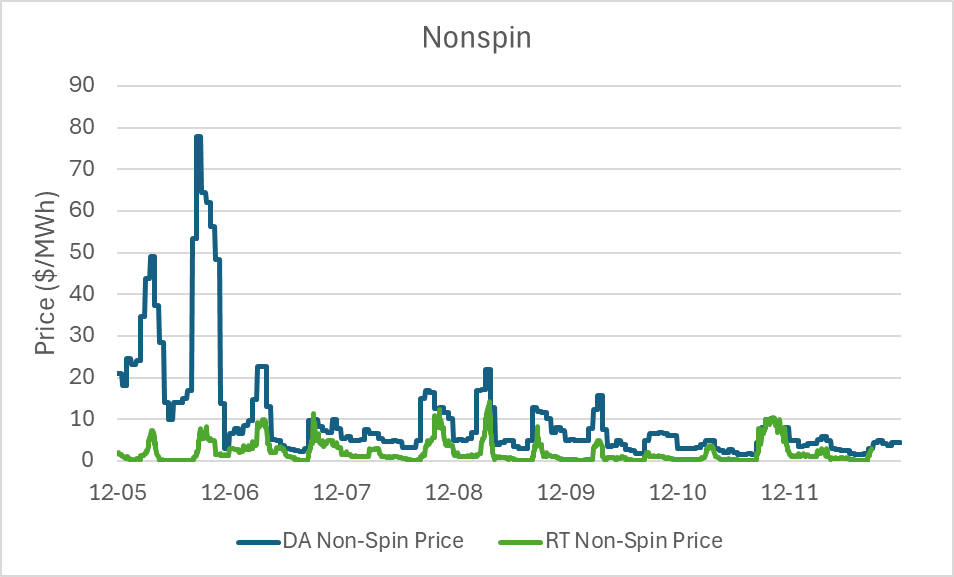
The newly introduced Real-Time Co-Optimisation Plus Batteries (RTC+B) modifications have also created significant market changes within ERCOT. Ascend’s latest ERCOT Market Report Release 5.3 characterises ERCOT’s revenue patterns as resembling a ‘roller coaster,’ though the firm emphasises this volatility as an intentional design characteristic rather than a flaw. The ERCOT roller coaster Dorris says, “In our industry, there are a few truisms. Market expectations serve as the best estimates of future outcomes, and this generally holds true. Otherwise, you’re essentially debating the market as a speculator. We are challenging this assumption by highlighting a unique market circumstance where the on-peak and off-peak forwards—these monthly energy blocks—differ.” He continues, “On-peak typically covers 16 hours a day, five days a week, while off-peak covers the remainder, roughly aligned with daylight hours during summer. We claim this usual principle doesn’t apply here. In our experience, such an approach is extremely rare. Normally, risk management assumes the forward price matches the expected spot price overall. But now, we see an imbalance between buyers and sellers.” The report states that because ERCOT lacks a capacity market or centralised planning, scarcity conditions are necessary to motivate new entrants but tend to be unstable. Participants should employ hedging strategies to reduce volatility and support the 2026 forecast, which Ascend expects to be more similar to 2024 than what the forward market indicates. Dorris notes, “It’s a roller coaster because: do you have the weather to support it? Yes or no, depending on the summer. The reserve margin sometimes supports it. Sometimes you have tight conditions, sometimes it’s very clear we’re going to be fat for the next summer, probably two, and that will mean very limited scarcity.” “To make your payments traditionally, you need scarcity conditions. The roller coaster is when it doesn’t happen. The lows last a year or two or three. In this case, it will likely be for summer ’24, ’25, ’26, and possibly ’27. It’s a four-year low.” Dorris goes as far as to make a biblical analogy about the market’s dependency on the weather, remarking that it’s like Joseph interpreting Pharaoh’s dreams. He says that hedging becomes essential to navigating the ‘roller coaster.’ Getting off the roller coaster Dorris says, “You should consider how solar and storage can capture that risk premium. Similar to the biblical analogy—saving during good years for the bad ones—hedging is a way to secure consistent revenues. If we face a series of bad years or an imbalance, capturing that risk premium through hedging is vital. The only way to do this is by implementing hedging strategies.” He continues, “However, operators often lack the tools, knowledge, and infrastructure needed for this. Their survival depends on adopting these strategies, as they could otherwise lose about 30% of potential revenue. If they had experienced the last two summers with similar conditions expected this coming summer, their revenue could increase by roughly 30%, excluding the risky period from December to February.” Ascend further highlights the practices employed by thermal energy project owners, which utilise the physical characteristics of their assets to earn risk premiums in the market, stating that it is essential for the ongoing profitability of renewables and storage. To ensure consistent profits, it’s vital to capitalise on all market opportunities, including engaging in forward market activities or implementing portfolio risk management hedging strategies. Dorris explains, “If your battery has a two-hour capacity, say 100MW, you might want to lock in and sell 40 or 50 megawatts for nine months of the year, capturing the risk premium, especially during summer.” “This is crucial because most of the value occurs then, particularly in July and August. For those months, you’re earning approximately US$70 per MWh over 344 hours each.” He continues, “Combining July and August, that’s about 700 hours of operation at a spread of US$70 per MWh, totalling roughly a US$60 spread per MWh. This is substantial and helps address many issues. In case of a major strike or other event that severely reduces generation and tightens reserve margins, locking in this rate offers a safety net.” RTC+B and market saturation Speaking with ESN Premium last month, Michael Kirschner, managing director US for optimiser Habitat Energy said that RTC+B is “Effectively a full reset of the system. They’re updating all their code. All of history is effectively, I don’t want to say scrapped, but I’m old enough to remember when ERCOT went through the switch to LMPs back in 2008 or 2009, and COVID. Both of those events created a singularity in some sense, where on the other side of it, you can’t use history as a guide.” RTC implements a new process in which energy and Ancillary Services (AS) are dispatched interchangeably within the Real-Time Market, as per ERCOT. Prior to RTC, ERCOT obtained AS in the Day-Ahead Market and seldom reallocated them among resources during the Real-Time Market. This change is very important for BESS in ERCOT, as it mainly earns revenue from ancillary services. It will now be dispatched based on location every five minutes, moving away from a system-wide method. Additionally, the Plus Batteries (+B) reform will now consider BESS as individual units instead of combining generation and load. Ascend noted in a presentation on its ERCOT report that, “Ancillary service markets are already saturated, and RTC+B will only decrease opportunity costs and increase supply for everything except non-spin.” Dorris notes of this line, “Saturation occurs when supply exceeds demand, leading to economic indifference between serving ancillary service markets and energy markets. This means the opportunity cost of providing ancillary services is equal to the value of energy arbitrage. At any moment or over time, you’re indifferent—alternating between energy and ancillary services because the market is saturated.” He continues, “Regarding the opportunity exception for non-spin, we currently see a chance for non-spin to generate additional value due to the current rollout of the programme. This situation will persist until they implement a rule change, which is likely in the future. For now, there is a
Battery Power Online | Follow the Money: Battery Funding for Silicon Solid State, Silicon Carbide, Industrial Applications
By Battery Power Staff December 23, 2025 | A couple of big funding rounds for silicon technologies this month, as well as technologies for grid monitoring, residential applications, data center power, and an Indian EV player. $80M: Series D for Silicon Solid-State Batteries Blue Current announced a more than $80 million Series D extension funding round anchored by Amazon.com, with participation from Koch Disruptive Technologies, Piedmont Capital, Rusheen Capital Partners, and Allen & Company. The fundraise accelerates the commercialization phase of Blue Current’s silicon composite battery platform, delivering best-in-class safety and performance for the mobility and stationary storage sectors. In connection with the fundraise, James Hamilton, Amazon Senior Vice President and Distinguished Engineer, is joining Blue Current’s Board of Directors. Blue Current’s solid-state battery platform has been designed from first principles to deliver on the promise of next generation solid-state batteries – improved energy density and charge rates, inherent safety and thermal stability, and the ability to operate at low pressures. The Blue Current platform employs earth-abundant silicon and elastic polymer anodes paired with fully dry electrolytes across multiple formulations optimized for mobility applications and stationary energy storage systems. The result is a cost-effective, highly scalable solution that can be manufactured at scale using today’s established lithium-ion battery equipment. $55M: Series B for Continuous Grid Monitoring Technology Gridware announced a $55 million Series B strategic growth round led by Tiger Global and Generation Investment Management to accelerate deployment of its continuous grid monitoring technology globally. The round also continues support from existing investors Sequoia Capital, Convective Capital, Fifty Years, True Ventures, Lowercarbon, and Y Combinator. Gridware’s pole‑mounted Gridscope system enables Active Grid Response (AGR) by measuring mechanical, electrical, and environmental signals and enabling real-time understanding of grid conditions—identifying hazards as they emerge. By pinpointing the location and identifying the cause of outages, AGR positions line crews to respond quickly and safely, and before disaster occurs. Gridware’s solution empowers utilities to restore power faster, and in some cases prevent failures all together, ultimately strengthening the resilience of our grid. $40.3M: Series A for Production of SiC Zadient Technologies raises Eur 35 million in a Series A equity funding to accelerate the production of silicon carbide (SiC) semiconductors in Europe. The fund “Révolution Environnementale et Solidaire”, funded by Crédit Mutuel Alliance Fédérale’s societal dividend and managed by Crédit Mutuel Impact, led this round alongside European Innovation Council Fund. Zadient’s historical shareholders also took part in this round. Zadient Technologies is a French company developing an innovative process for the production of SiC that delivers both very low production costs and unprecedented very high purity. It operates at the beginning of the SiC semiconductor value chain, producing the source material from which SiC wafers and chips are fabricated. It also addresses yield improvements in large diameter wafer production which is presently a main constraint in the industry. $30M: Series F for Batteries for AI Data Centers ZincFive, the world leader in nickel-zinc (NiZn) battery-based solutions for immediate power applications, has successfully closed an oversubscribed $30 million Series F funding round. With this funding, the company has raised $254 million since its founding in 2016 and is positioned to rapidly scale its commercial footprint and manufacturing capacity to meet accelerating demand for AI data center power solutions. Since inception, ZincFive has been backed by a strong consortium of climate and industrial investors, including Helios Climate Ventures, Climate Investment (CI), Japan Energy Fund, General Ventures, and Clear Creek Investments, among others. With nearly 2 GW of nickel-zinc battery backup cabinets deployed or contracted across the global data center industry, ZincFive is rapidly scaling production to execute on its growing commercial pipeline for safe, sustainable, and high-performance power solutions for mission-critical applications. $21M: Series A for Integrated Energy Solutions Enshift focuses on sustainable energy solutions for investment properties from a single source. Following strong growth in 2025 and projects worth CHF 60 million, the company intends to drive forward its expansion in Europe. To this end, the Zug-based company has secured an investment of CHF 16 million and entered a partnership with UBS, “which will support Enshift’s green investments in the future and enable further expansion of the business in Europe,” according to a press release. $3.5M: Series B for Industrial Heat 247Solar, the MIT-born innovator of clean, always-on industrial heat plus electricity for commercial and industrial customers, has secured $3.5 million from existing investors, with additional commitments under active due diligence. The new funding will help the company advance its $250M active pipeline on six continents that includes a Top-20 global utility, off-grid mining operations, and other applications. $3.5M: Series B for Indian Battery Manufacturing India’s EV battery startup Neuron Energy has secured ₹31 crore in a Pre-Series B funding round. The funds, led by Equanimity Ventures along with investments from the Rajiv Dadlani Group, Thackersay Family Office, Chona Family Office and other high-net-worth investors, will enable Neuron to boost its manufacturing capacity to 3 GWh annually. The plan includes building a fully automated, state-of-the-art battery facility for electric four-wheelers and buses at Chakan, Pune — signaling the company’s ambitions beyond two-wheelers. Beyond scaling production, the capital infusion will fuel R&D, support expansion into heavier EV segments, and help Neuron Eye a global footprint. According to Neuron, the low-CapEx and low-OpEx model it follows has helped it maintain profitability year-on-year; with this round, total funding now reaches ₹80 crore.
Tesla FSD v14.2.2 is getting rave reviews from drivers
The U.S. Department of War announced Monday an agreement with Elon Musk’s xAI to embed the company’s frontier artificial intelligence systems, powered by the Grok family of models, into the department’s bespoke AI platform GenAI.mil. The partnership aims to provide advanced capabilities to 3 million military and civilian personnel, with initial deployment targeted for early 2026 at Impact Level 5 (IL5) for secure handling of Controlled Unclassified Information. xAI Integration As noted by the War Department’s press release, GenAI.mil, its bespoke AI platform, will gain xAI for the Government’s suite of tools, which enable real-time global insights from the X platform for “decisive information advantage.” The rollout builds on xAI’s July launch of products for U.S. government customers, including federal, state, local, and national security use cases. “Targeted for initial deployment in early 2026, this integration will allow all military and civilian personnel to use xAI’s capabilities at Impact Level 5 (IL5), enabling the secure handling of Controlled Unclassified Information (CUI) in daily workflows. Users will also gain access to real‑time global insights from the X platform, providing War Department personnel with a decisive information advantage,” the Department of War wrote in a press release. xAI & the U.S. WARFIGHTERS: The U.S. Department of War announced on December 22, 2025, an agreement with xAI to integrate the Grok family of frontier AI models the department's secure AI platform launched earlier that month with Google's Gemini. This… pic.twitter.com/uWIhHaiRIQ— S.E. Robinson, Jr. (@SERobinsonJr) December 23, 2025 Strategic advantages The deal marks another step in the Department of War’s efforts to use cutting-edge AI in its operations. xAI, for its part, highlighted that its tools can support administrative tasks at the federal, state and local levels, as well as “critical mission use cases” at the front line of military operations. “The War Department will continue scaling an AI ecosystem built for speed, security, and decision superiority. Newly IL5-certified capabilities will empower every aspect of the Department’s workforce, turning AI into a daily operational asset. This announcement marks another milestone in America’s AI revolution, and the War Department is driving that momentum forward,” the War Department noted.
Zambia Wants To Add 2.3MW Of Solar Coupled With A 4.16MWh Battery To Each One Of The Country’s 156 Constituencies
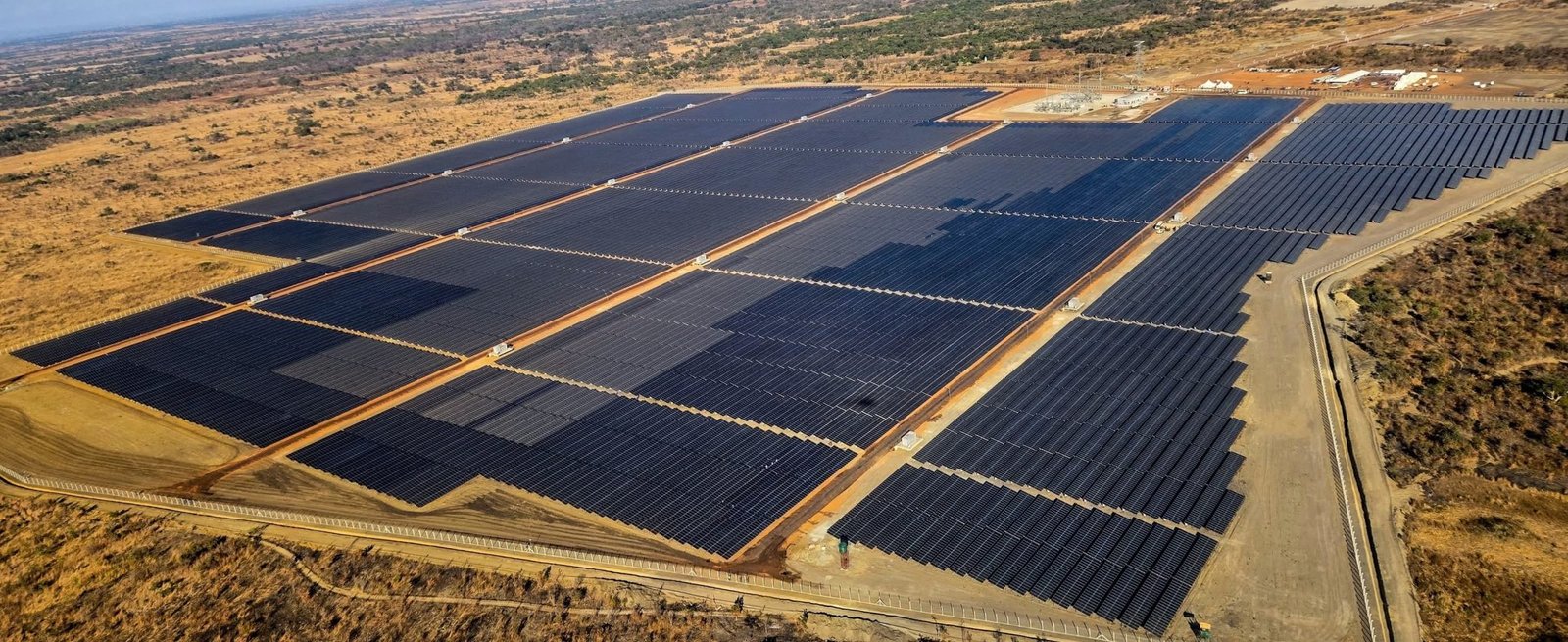
Support CleanTechnica's work through a Substack subscription or on Stripe. Zambia’s grid is mostly powered by renewables. 87% of its installed capacity, which now stands at around 3.9GW, is from renewables. In terms of the contribution from renewables to electricity generation, about 93% of the renewable component is from hydro, and 6% from solar. Overall, renewables contributed 89% of the 19,522 GWh generated in 2023, and non-renewables contributed the remaining 11%. The recent issues arising from prolonged dry spells has resulted in dwindling water levels severely affecting Zambia’s main hydropower plants, therefore necessitating the implementation of electricity rationing. Zambia is working to diversify its energy mix and solar has been identified as one of the areas the country can get some quick wins to boost electricity generation. One of the county’s recent flagship projects is the recently commissioned 100MW Chisamba solar PV plant. Zambia now wants to add on to this in a very clever way by introducing more distributed solar plants. Zambia has just launched an Expression of Interest (EOI) program led by The Zambia National Energy Corporation Limited (ZNEC). ZNEC is a company established to undertake the strategic implementation of the Presidential Constituency Energy Initiative (PCEI). The announcement says, the PCEI shall utilize redirected Constituency Development Fund (CDF) resources, in addition to other sources of funding, to implement constituency-level solar infrastructure, achieving nationwide renewable energy expansion through localized investment. The EOI called on qualifying firms to undertake the engineering, procurement, and construction (EPC) of 2.3MW solar PV power plants with 4MWh Battery Energy Storage Systems (BESS). Here is what I love about this program. Through the PCEI, ZNEC aims to deploy renewable energy solutions across all 156 constituencies in Zambia, with an estimated 2 MW solar photovoltaic (PV) power plant per constituency, representing a total target installed capacity of 359 MWp plus 648.96MWh of battery storage. This is a very smart way of adding capacity, as in most cases, it will be very easy to integrate 2MW of capacity without straining the available transmission and distribution network. The battery storage will also help with this along with other grid support services. It is also a win for national development as every single constituency around the country will benefit from this initiative. ZCCM Investments Holdings Plc (ZCCM-IH) directly holds 60.0% shares in ZNEC, with the Zambian Government (GRZ) holding the remaining 40.0% through the Ministry of Finance and National Planning (MoFNP). Another thing I love is that ZNEC intends to develop solar PV power generation plants at suitable sites within each constituency, utilizing existing substations and connection points, for rapid implementation and localized energy resilience. The PV plant will be integrated to the nearest existing substation or distribution line (11kV or 33kV) within the constituency. The specifications for power evacuation equipment will be site-specific and bidders will be expected to visit sites before bid submission. Total distance from the proposed solar plant site(s) to the point of connection shall not exceed 5 km for 11kV and 33kV networks. This will help lower the costs to integrate these new plants into Zambia’s grid. Zambia has generally done well with regards to electricity access, with 81% of the population having access to electricity. This new initiative will complement this. This is a great initiative which I feel once completed, could be scaled up to add more of these distributed solar and battery plants to all the country’s constituencies and could be a model for other countries in the South African Development Community to follow, as well as other countries on the African continent and beyond. Images courtesy of State House Zambia Sign up for CleanTechnica's Weekly Substack for Zach and Scott's in-depth analyses and high level summaries, sign up for our daily newsletter, and follow us on Google News! Advertisement Have a tip for CleanTechnica? Want to advertise? Want to suggest a guest for our CleanTech Talk podcast? Contact us here. Sign up for our daily newsletter for 15 new cleantech stories a day. Or sign up for our weekly one on top stories of the week if daily is too frequent. CleanTechnica uses affiliate links. See our policy here. CleanTechnica's Comment Policy
2025 US energy storage installations surpassed 2024 capacity
2025 US energy storage installations surpassed 2024 capacity - Energy-Storage.News Skip to content