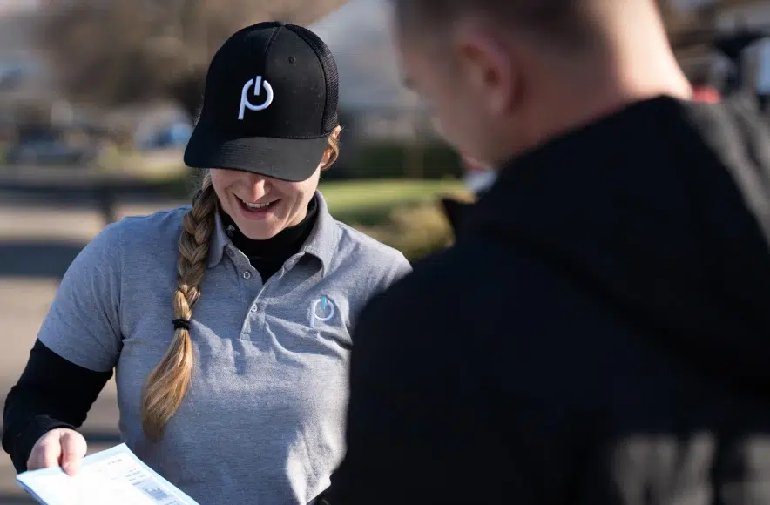
Residential installer Purelight Power shutters operations, blames OBBBA
Residential installer Purelight Power shutters operations, blames OBBBA Notifications
Charged EVs | US DOE to invest $134 million in developing domestic rare earth supply chain
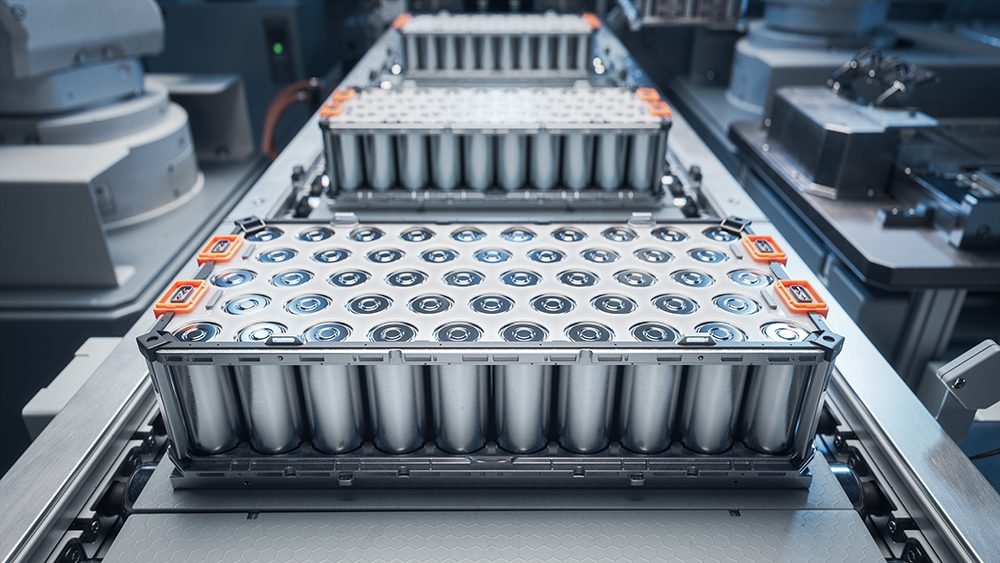
The US Department of Energy (DOE)’s Office of Critical Minerals and Energy Innovation (CMEI) will award up to $134 million to projects establishing domestic supply chains for rare earth elements (REEs). The funding will support projects that demonstrate the commercial viability of recovering and refining REEs from unconventional feedstocks including mine tailings, e-waste and other waste materials, the DOE said. By investing in domestic REE recovery and processing, DOE aims to secure US energy independence, strengthen economic competitiveness and ensure long-term resilience in the supply chains for advanced manufacturing, defense systems and high-performance magnets used in power generation and electric motors. “For too long, the United States has relied on foreign nations for the minerals and materials that power our economy,” said Chris Wright, US Secretary of Energy. “We have these resources here at home, but years of complacency ceded America’s mining and industrial base to other nations.” Source: US Department of Energy
Tesla Will Charge You $150 If You Puke In A Robotaxi
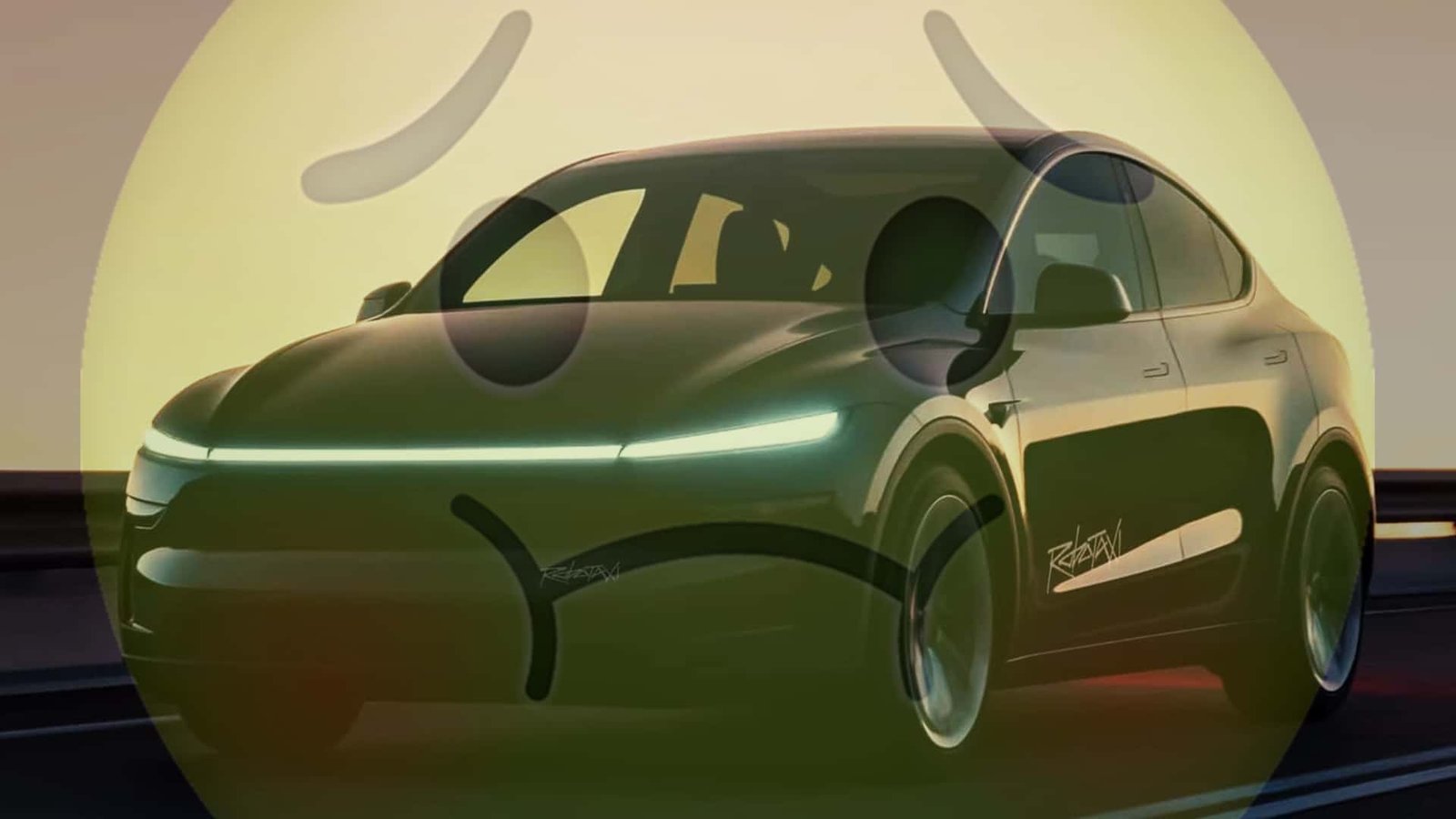
Tesla will begin charging riders who make a mess while using its Robotaxi service. Riders will be assessed a fee on one or two tiers depending on the severity of the mess. The fee will cost up to $150 for "severe" messes, including biohazard events and smoking. Tesla's Robotaxi service just gained one of the most realistic features imaginable: cleaning fees for when you lose your lunch in the back seat. According to Tesla influencer Sawyer Merritt on X, the company is now apparently rolling out two tiers of cleaning fees for riders of its Robotaxi service. The tier that a mess falls into depends on how much cleanup it requires. Today, if you spill, smoke, puke or make a mess significant enough to disrespect the interior of its fleet, you may now be politely charged up to $150 for your transgressions.. Cookie Settings This content is blocked by security settings. Please click on button for showing it. Open settings Light vacuum work for something like spilling your fries or tracking in dirt? That'll be $50. But if you manage to end a night on the town with a bit too much and that electric car motion sickness gets to you, you've unlocked the premium tier of fees. The same goes for anybody who smokes in the car. Tesla says that anybody who manages to make a significant enough mess can expect to pay up to $150 in cleaning fees. What's fascinating here isn't the fee itself. Those aren't new for any ride-hailing service—understandably so—but it also slightly undercuts Tesla's carefully curated vision of how frictionless autonomy will be cheaper and easier than ever. Tesla pitched the Robotaxi as being able to clean and charge itself without any human intervention. This would make a big part of fleet management (the hardest part of any ride-hailing service) a breeze. However, in typical Tesla fashion, the automaker's long-term vision is easy to promise, but harder to deliver on. The automaker's fleet of Robotaxi-branded cars, which are still (mostly) technically partially-automated today, still require a significant amount of human intervention for things like cleaning and charging. That means that the cars can't really pull into an automated bay and clean themselves—yet—which could be a reason that Tesla might justify the fee until Tesla perfects this area of its business. Keeping shared vehicles presentable is essential if you want riders to trust a product. I know that I certainly wouldn't want to find a surprise meal on the floor of an Uber that I ordered, let alone a Robotaxi where it's promised that the driver eventually won't be there to address your concerns. So, yes, the cars may one day drive themselves, but it's only the first step in maintaining a fleet of cars with no human in the driver's seat. The real issue here is that autonomy on the road certainly doesn't remove human problems. In Tesla's case, it just automates the enforcement of consequences. We want your opinion! What would you like to see on Insideevs.com? Take our 3 minute survey. - The InsideEVs team
China NEV retail sales in Dec 1-21 rise 1% year-on-year to 788,000 units

From December 1 to 21, China's overall passenger vehicle retail sales totaled 1.3 million units, down 19 percent year-on-year. Year-to-date, China's passenger NEV cumulative retail sales reached 12.26 million units, up 18 percent year-on-year. (A Volkswagen ID. 3 displayed at the Shanghai auto show in April 2025. Image credit: CnEVPost) China's new energy vehicle (NEV) retail sales so far this month narrowly achieved growth, following an improvement in performance last week. From December 1-21, China's passenger NEV retail sales came in at 788,000 units, up 1 percent year-on-year and up 3 percent month-on-month, according to data released today by the China Passenger Car Association (CPCA). For reference, retail sales from December 1-14 stood at 476,000 units, down 4 percent year-on-year. Year-to-date, China's cumulative passenger NEV retail sales totaled 12.26 million units, up 18 percent year-on-year. Wholesale sales of China's passenger NEVs from December 1-21 totaled 782,000 units, down 10 percent year-on-year and down 12 percent month-on-month. Year-to-date, China's cumulative passenger NEV wholesale sales were 14.54 million units, up 25 percent year-on-year. From December 1-21, China's overall passenger vehicle retail sales totaled 1.3 million units, down 19 percent year-on-year but up 5 percent month-on-month. Year-to-date, China's cumulative retail sales of all passenger vehicles reached 22.78 million units, a 4 percent increase compared to the same period last year. This indicates that NEVs' retail penetration rate in China reached 60.6 percent during December 1-21 and 53.8 percent year-to-date. During the first week of December, December 1-7, China's average daily passenger vehicle retail sales were 42,468 units, down 32 percent year-on-year and down 8 percent month-on-month. During the second week of December, December 8-14, China's average daily passenger vehicle retail sales were 66,629 units, down 17 percent year-on-year but up 9 percent compared to the same period last month. In the third week of December, December 15-21, China's average daily passenger vehicle retail sales were 76,551 units, down 11 percent year-on-year but up 9 percent compared to the same period last month. From December 1 to 21, China's total passenger vehicle wholesale sales came in at 1.302 million units, down 23 percent year-on-year and down 13 percent month-on-month. From December 1 to 7, China's average daily wholesale sales of passenger vehicles were 42,525 units, down 40 percent year-on-year and down 18 percent month-on-month. From December 8-14, China's average daily passenger vehicle wholesale sales were 62,271 units, down 22 percent year-on-year and down 13 percent month-on-month. From December 15-21, China's average daily passenger vehicle wholesale sales reached 81,144 units, down 9 percent year-on-year and down 11 percent month-on-month. Year-to-date, China's passenger vehicle wholesale sales reached 28.07 million units, up 9 percent compared to the same period last year. China's overall passenger car retail sales in December are projected to come in at about 2.3 million units, marking a year-on-year decline of 12.7 percent.
Ford’s ‘big strategic pivot’ into ‘fiercely competitive’ BESS market
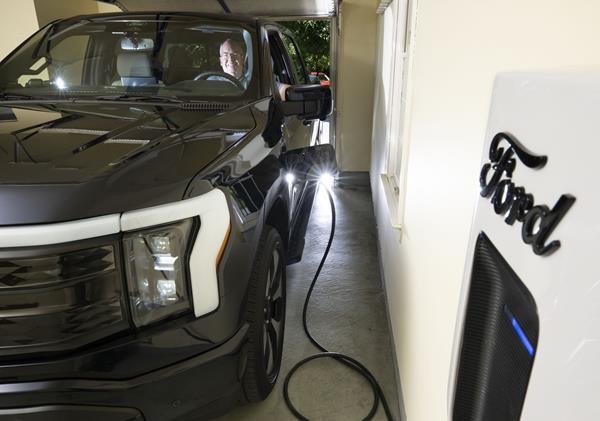
Ford’s ‘big strategic pivot’ into ‘fiercely competitive’ BESS market - Energy-Storage.News Skip to content
Akuo Energy, Voltalia projects in French overseas territories
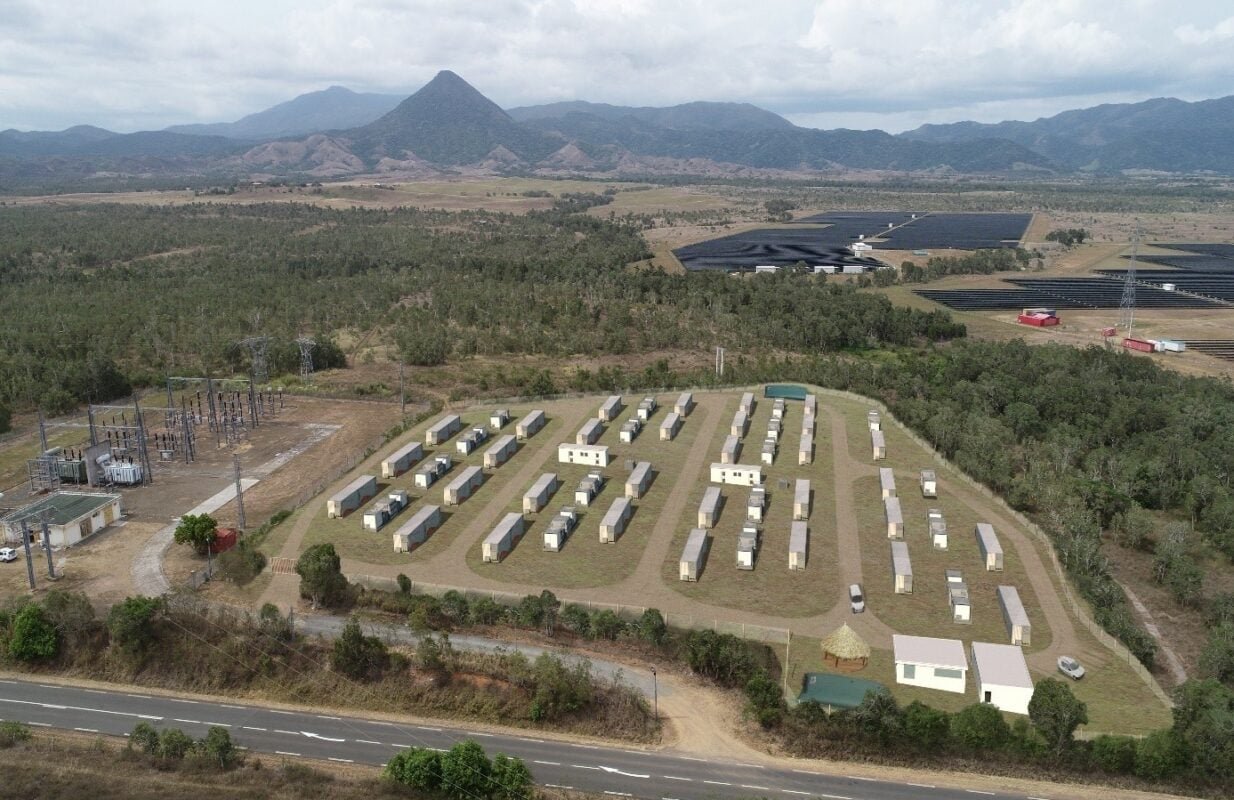
Akuo Energy, Voltalia projects in French overseas territories - Energy-Storage.News Skip to content
800MW of project awards, deals announced across Europe
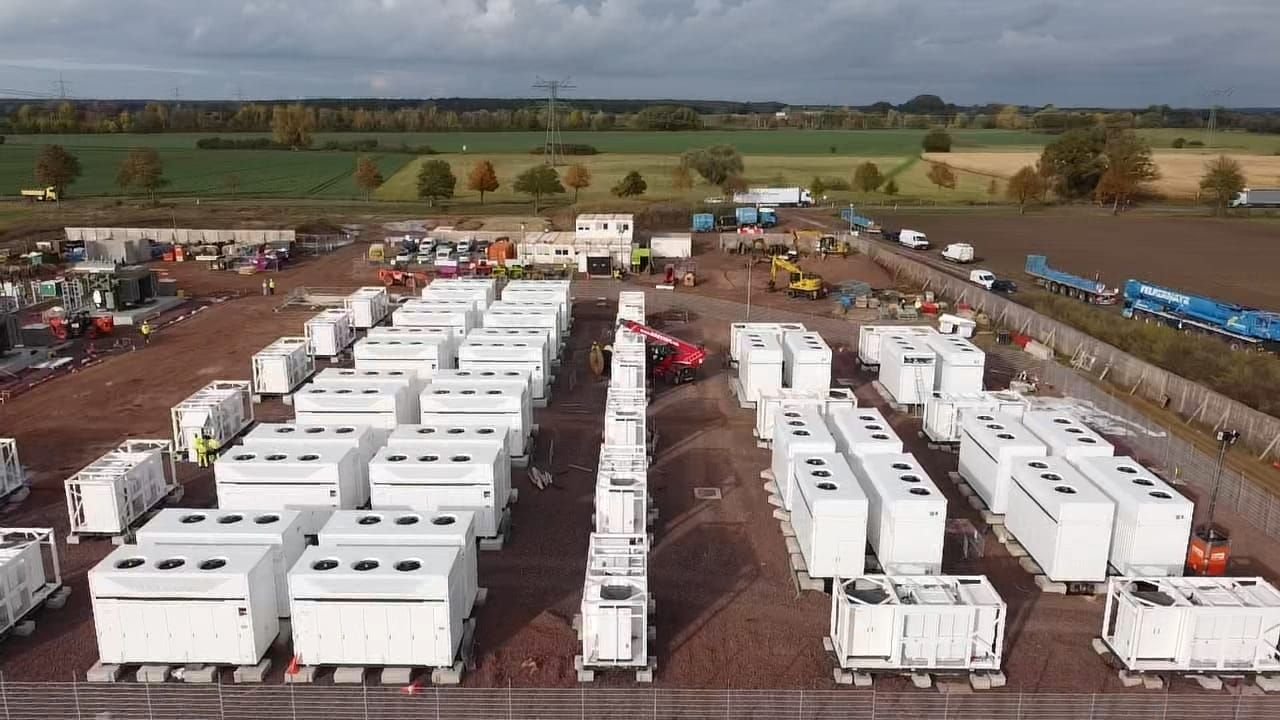
800MW of project awards, deals announced across Europe - Energy-Storage.News Skip to content
How thermal energy storage (TES) makes steam from renewables economically viable
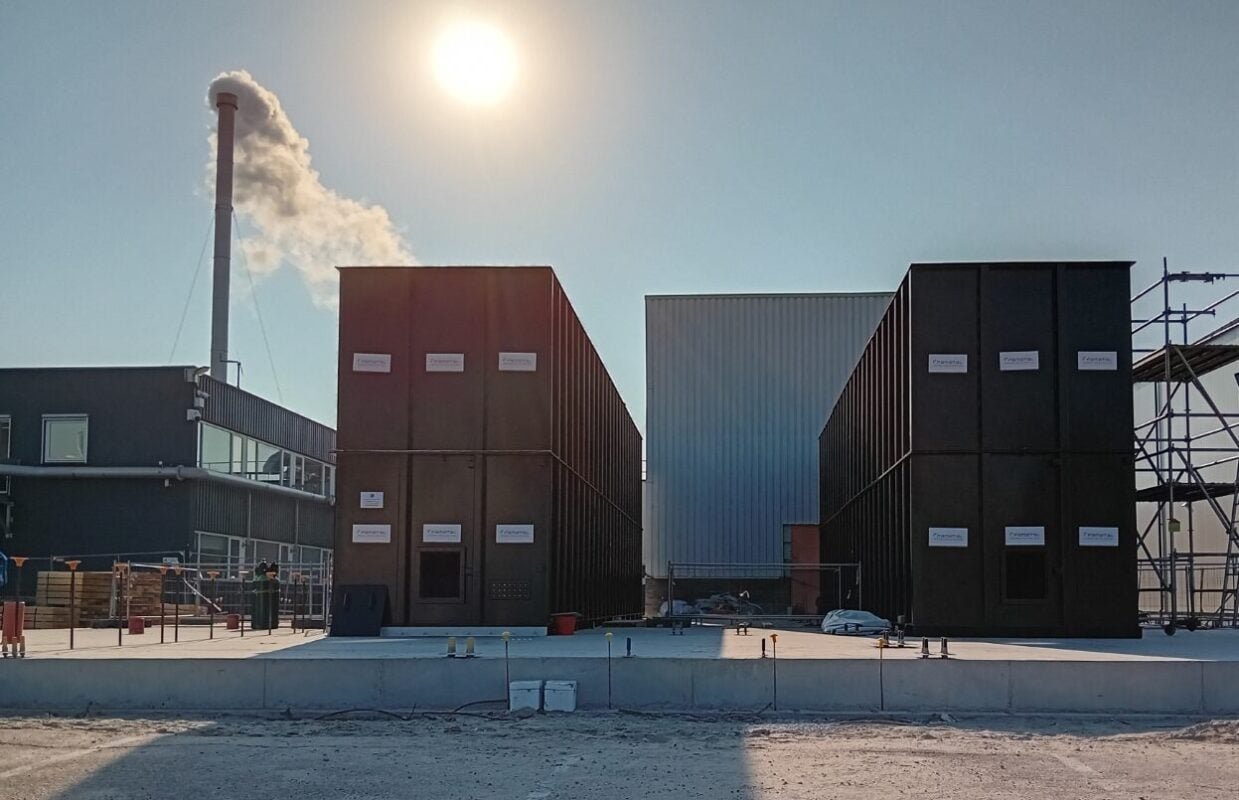
Using electricity – but only when prices are low Biomass is not always available in sufficient quantities and is costly, and in the chemical sector, green or blue hydrogen is not a practical option for process heat. This makes electricity the most realistic alternative to replace a fossil fuel boiler. Electricity can be very cost-effective, particularly when generated from renewable sources. The key to making it commercially viable is to use it only during low-cost periods and avoid peak prices. Thermal energy storages (TES) offers the flexibility required for this approach. These systems convert low-cost electricity into high-temperature heat, which can be stored for later use. They can also integrate surplus energy from on-site PV or wind installations. Compared with battery storage, thermal energy storage offers several advantages for heat applications, including high efficiency when delivering thermal output and significantly lower costs than lithium-ion solutions. Storage durations range from hours to days. Stored heat can be discharged through a waste-heat boiler to generate steam on demand, enabling operators to overcome periods of high electricity prices or low renewable generation. Since charging power is decoupled from steam demand, operators can schedule electricity use during the most favourable price periods. Flexibility – from temperature to demand power Steam is the backbone of chemical industry processes, powering drying, heating reactors, distillation columns, and high-temperature crackers. Just as steam is inherently versatile, any new system must offer the same degree of flexibility, integrating seamlessly without disrupting existing operations. A high-temperature storage solution can store heat at up to 1,300°C and release it across a wide temperature range, from low to very high. By using a waste heat boiler, steam properties can be precisely adapted to the process or network requirements. This approach not only supports extreme process conditions but also ensures exceptional energy density, significantly reducing the number of storage units required. Positioning the waste heat boiler at the end of the storage system creates a single interface with the existing steam network. It can be operated in parallel with conventional boilers for hybrid fossil-fired and electrified use cases, or in fully electrified setups with the legacy boiler serving as backup. This design strengthens energy supply resilience while enabling a cost-effective transition. ‘Block by Block’: a safe and resilient transition Modular thermal energy storage systems consist of multiple units that can charge and discharge independently, allowing flexible integration into existing steam networks. This modularity enables companies to decarbonise their steam demand step by step while taking advantage of periods with low or even negative electricity prices to optimise operating costs. Companies can begin by decarbonising a portion of their steam network and scale up over time by adding units, increasing the share of clean steam delivered. As the penetration of renewable energy increases, bringing with it more volatile prices and generation, the benefits of thermal energy storage in lowering operating costs become even more pronounced. Modularity for process-specific heat delivery Each unit consists of dedicated modules for charging, storage, and discharge. These modules are adaptable in terms of power input, storage capacity, output temperature, and heat transfer medium. Initially, thermal energy storages stores and discharges hot air; if not used directly, the heat can be transferred via a module to steam, thermal oil, or water. For example, a project in the Netherlands involving Eneco and PepsiCo applies high-temperature thermal energy storage to supply 300°C thermal oil for frying potato chips. This site is expected to become one of the world’s largest commercial high-temperature storage system, with an initial capacity of 70MWh and an expansion to 150MWh. The system can easily be configured for steam generation by exchanging only a single component. The shift to renewable energy will eliminate 51% of Scope 1 emissions in the first phase, and up to 98% in later stages. Such flexibility enables chemical producers to replace fossil fuels across a wide range of processes. Hot air can support drying and combustion-air preheating, while thermal oil can replace fossil-heated loops used in the production of phthalates, polymers, paints, and other materials with minimal changes to existing piping infrastructure. Toward sustainable chemical production The adaptability and cost efficiency of high-temperature thermal energy storage position it as a cornerstone of the chemical industry’s energy transition. By mitigating challenges associated with variable renewable energy supply and grid constraints, thermal energy storages makes green steam and sustainable process heat a tangible reality. The example above demonstrates a practical pathway toward low-carbon heat. The project is supported by the German Federal Ministry for Economic Affairs and Energy within the Renewable Energy Solutions Programme of the German Energy Solutions Initiative. About the author Martin Schichtel is CEO and co-founder of Kraftblock, a developer of thermal battery technology designed to offer long-duration energy storage, established in 2014. He has a background in material science, product development, and IP strategy.
Waymo sues Santa Monica over order to halt overnight charging sessions

Waymo has filed a lawsuit against the City of Santa Monica in Los Angeles County Superior Court, seeking to block an order that requires the company to cease overnight charging at two facilities. In its complaint, Waymo argued that its self-driving cars’ operations do not constitute a public nuisance, and compliance with the city’s order would cause the company irreparable harm. Nuisance claims As noted in a report from the Los Angeles Times, Waymo’s two charging sites at Euclid Street and Broadway have operated for about a year, supporting the company’s growing fleet with round-the-clock activity. Unfortunately, this has also resulted in residents in the area reportedly being unable to sleep due to incessant beeping from self-driving taxis that are moving in and out of the charging stations around the clock. Frustrated residents have protested against the Waymos by blocking the vehicles’ paths, placing cones, and “stacking” cars to create backups. This has also resulted in multiple calls to the police. Last month, the city issued an order to Waymo and its charging partner, Voltera, to cease overnight operations at the charging locations, stating that the self-driving vehicles’ activities at night were a public nuisance. A December 15 meeting yielded no agreement on mitigations like software rerouting. Waymo proposed changes, but the city reportedly insisted that nothing would satisfy the irate residents. “We are disappointed that the City has chosen an adversarial path over a collaborative one. The City’s position has been to insist that no actions taken or proposed by Waymo would satisfy the complaining neighbors and therefore must be deemed insufficient,” a Waymo spokesperson stated. Waymo is taking the city of Santa Monica to court after the city ordered the company to cease charging its autonomous vehicles at two facilities overnight, claiming the lights and beeping at the lots were a nuisance to residents. pic.twitter.com/mamRmVweWB— Nic Cruz Patane (@niccruzpatane) December 23, 2025 Waymo pushes back In its legal complaint, Waymo stated that its “activities at the Broadway Facilities do not constitute a public nuisance.” The company also noted that it “faces imminent and irreparable harm to its operations, employees, and customers” from the city’s order. The suit also stated that the city was fully aware that the Voltera charging sites would be operating around the clock to support Waymo’s self-driving taxis. The company highlighted over one million trips in Santa Monica since launch, with more than 50,000 rides starting or ending there in November alone. Waymo also criticized the city for adopting a contentious strategy against businesses. “The City of Santa Monica’s recent actions are inconsistent with its stated goal of attracting investment. At a time when the City faces a serious fiscal crisis, officials are choosing to obstruct properly permitted investment rather than fostering a ‘ready for business’ environment,” Waymo stated.
Policy storms ahead, fire safety and data centres: Energy-Storage.news 2025 Guest Blog picks, Part 1
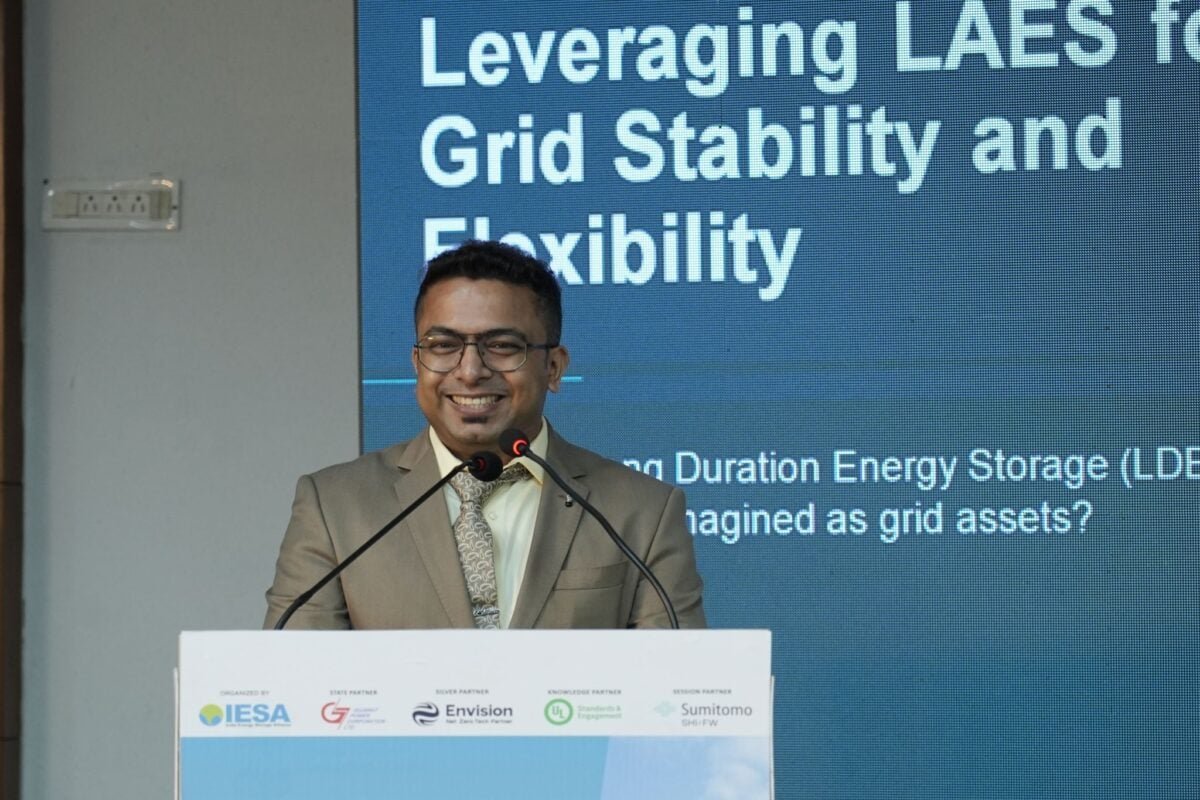
Click the title to read the full article. Global BESS deployments soared 53% in 2024 By Iola Hughes, head of research, Rho Motion, January 2025 Record deployments of 205GWh were seen in 2024, with battery storage the fastest-growing battery demand market worldwide, wrote Iola Hughes, head of research at Benchmark Mineral Intelligence’s EV and battery service Rho Motion. Meeting US power demands of the hyperscale data centre boom with energy storage By William Derasmo, partner, Troutman Pepper Locke, February 2025 Lawyer William Derasmo wrote about a topic that has dominated discussions in the US energy industry and far beyond: the role of batteries in feeding load growth from hyperscale data centres. For energy storage fire safety, will perception become reality? By Aaron Marks, market intelligence consultant, Clean Energy Associates (now Intertek CEA), February 2025 This second entry in our monthly Guest Blog series from Intertek CEA focused on the gap between the reality of fast-evolving fire safety standards and best practices and the public perception of BESS installations. From hours to economics: Why BESS is a contender for long-duration energy storage (LDES) By Kotub Uddin, chief engineer, Envision Energy, Sam Secher, system modelling engineer, Envision Energy, March 2025 The deployment of long-duration energy storage (LDES) is essential to the global energy transition. This blog challenged the preconception that lithium-ion can’t provide it, drawing on economic and technical analysis from Envision Energy. Flight to quality, pre-tariff surge, onshoring: What 2025 holds for the US energy storage market By Tao Kong, managing partner, Luminous Energy, March 2025 Ahead of reciprocal tariff announcements in April and ‘One, Big Beautiful Bill Act’ (‘OBBBA’) negotiations, Tao Kong of developer Luminous Energy offered some predictions on what 2025 might hold for the US market. US battery gigafactories face delays and cancellations amid market uncertainty By Anjali Joshi, energy storage market analyst, Clean Energy Associates (Intertek CEA), April 2025 The new political era in the US was starting to take shape when Intertek CEA analyst Anjali Joshi wrote about the potential for policy changes to dampen investment enthusiasm in the US battery storage value chain, in another instalment in Intertek CEA’s monthly series. Local opposition, not the new administration, is holding back US energy storage By Brian Cashion, director of engineering, Firetrace International, April 2025 Local, not national, politics took centre stage in this piece by Brian Cashion from fire suppression technology firm Firetrace, which framed cancellations and delays to projects as stemming from a lack of awareness and education, and argued for the industry to do more in terms of community engagement. Three steps the industry can take to create a safer future for BESS By Dr Judy Jeevarajan, VP & executive director, Electrochemical Safety Research Institute at UL Research Institutes, May 2025 Dr Judy Jeevarajan brought three decades of battery expertise to the topic of BESS fire safety, offering three essential recommendations through which manufacturers, consumers and others in the BESS industry ecosystem can reduce risks and advance safety. Beyond the headlines: The BESS insurance market after Moss Landing By Geoffrey Lehv, SVP, kWh Analytics, Ross Kiddie, risk manager, Renewable Guard & Mark Mirek, technical broker, Brown & Brown, June 2025 A trio of BESS insurance experts took a deep dive into the aftermath of the January fire at Moss Landing Energy Storage Facility and its impacts on the market. Despite the headlines it generated, they wrote, the outlook for the BESS insurance market remained stable, with assets that follow industry best practices deserving of favourable pricing. India’s energy storage story By Debmalya Sen, president, India Energy Storage Alliance, June 2025 Supportive policy and regulatory frameworks have driven India’s energy storage sector forward rapidly. India Energy Storage Alliance (IESA) president Debmalya Sen focused on both the opportunities and challenges the market is facing.
Elon Musk's Grok records lowest hallucination rate in AI reliability study
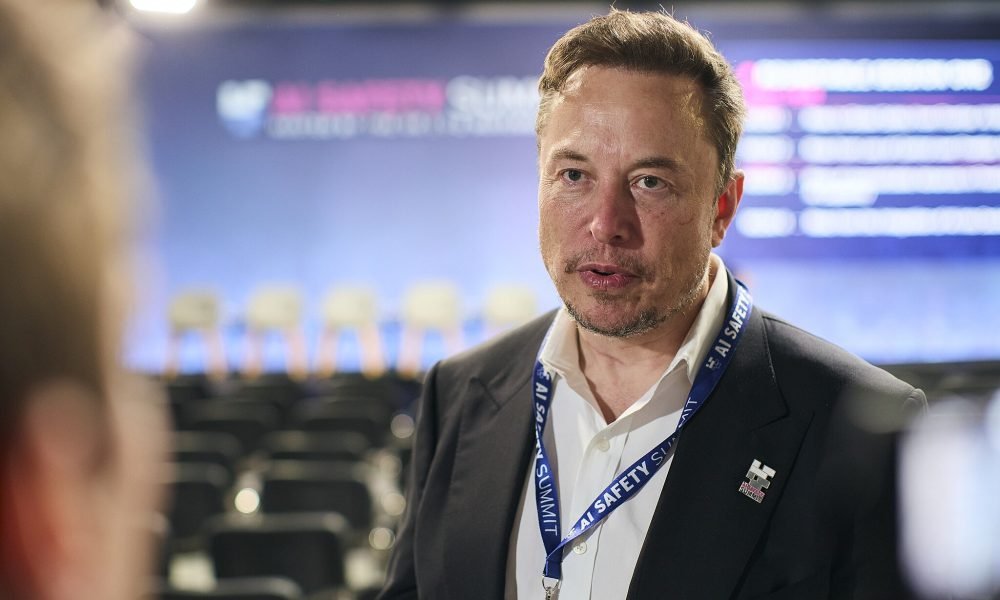
Tesla CEO Elon Musk stated on Monday that Full Self-Driving (Supervised) could launch in the United Arab Emirates (UAE) as soon as January 2026. Provided that Musk’s timeframe proves accurate, FSD would be able to start saturating the Middle East, starting with the UAE, next year. Musk’s estimate In a post on X, UAE-based political analyst Ahmed Sharif Al Amiri asked Musk when FSD would arrive in the country, quoting an earlier post where the CEO encouraged users to try out FSD for themselves. Musk responded directly to the analyst’s inquiry. “Hopefully, next month,” Musk wrote. The exchange attracted a lot of attention, with numerous X users sharing their excitement at the idea of FSD being brought to a new country. FSD (Supervised), after all, would likely allow hands-off highway driving, urban navigation, and parking under driver oversight in traffic-heavy cities such as Dubai and Abu Dhabi. Musk’s comments about FSD’s arrival in the UAE were posted following his visit to the Middle Eastern country. Over the weekend, images were shared online of Musk meeting with UAE Defense Minister, Deputy Prime Minister, and Dubai Crown Prince HH Sheikh Hamdan bin Mohammed. Musk also posted a supportive message about the country, posting “UAE rocks!” on X. FSD recognition FSD has been getting quite a lot of support from foreign media outlets. FSD (Supervised) earned high marks from Germany’s largest car magazine, Auto Bild, during a test in Berlin’s challenging urban environment. The demonstration highlighted the system’s ability to handle dense traffic, construction sites, pedestrian crossings, and narrow streets with smooth, confident decision-making. Journalist Robin Hornig was particularly struck by FSD’s superior perception and tireless attention, stating: “Tesla FSD Supervised sees more than I do. It doesn’t get distracted and never gets tired. I like to think I’m a good driver, but I can’t match this system’s all-around vision. It’s at its best when both work together: my experience and the Tesla’s constant attention.” Only one intervention was needed when the system misread a route, showcasing its maturity while relying on vision-only sensors and over-the-air learning.
Risk, optimisation, data, tolls in focus
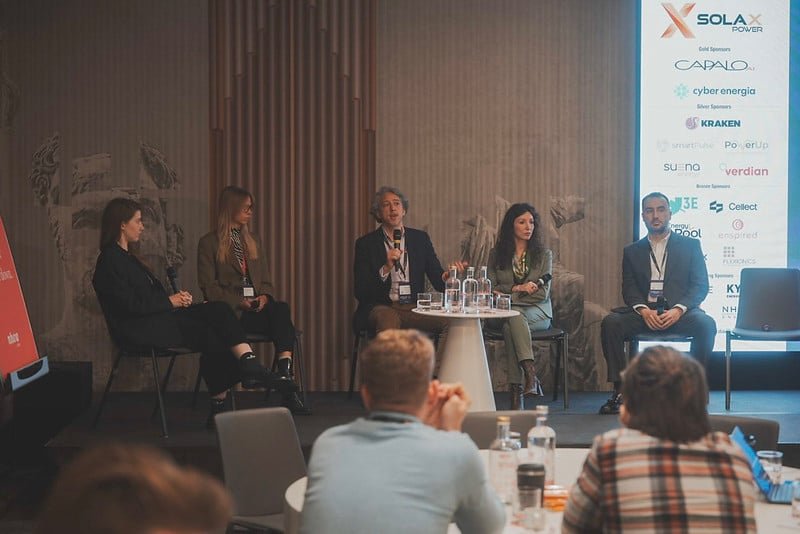
Managing risks when choosing a supplier: dating before marriage One of the recurring themes was the challenges faced during the procurement and then commissioning stages of BESS projects’ lifecycles. Supply chain platform Infyos’ CEO Sarah Montgomery emphasised the importance of addressing supply chain risks during the pre-contracting and due diligence phases, speaking on the ‘From Specs to Returns: Managing Technical Risk in Real-World Projects’ panel. She noted that once a supplier is chosen and construction begins, it becomes nearly impossible to change suppliers, even if significant risks emerge later. For example, she highlighted cases in the US where tier-one manufacturers were banned overnight due to cybersecurity or human rights risks, creating major disruptions for projects. The solution, she argued, lies in thorough pre-contracting due diligence to mitigate risks before they escalate. Montgomery’s fellow panellist Jonas Metzger, partner at operator MW Storage, humorously compared the negotiation phase of contracts to dating, where parties showcase their best sides while hiding flaws. He then likened commissioning to a wedding night, where the contractual relationship becomes binding, after which any operational issues will begin to surface. He stressed the importance of ensuring that suppliers are held accountable for equipment capacity and performance failures, as divorcing a supplier mid-project is costly and impractical. Bankability and long-term performance metrics On the same panel, Dr. Stephan Rohr, founder and co-CEO of battery analytics firm Twaice discussed the concept of ‘bankability’ in BESS projects, emphasising that while bankability is often assessed before assets go live, it is truly proven over time as projects generate revenue and demonstrate reliability. Moderator Patrik Hes, founder and CEO of asset operator Delta Capacity, raised the issue of underperformance after commissioning, where assets fail to meet projected capacity or performance levels. On that point, Rohr shared real-life examples of customers experiencing capacity shortfalls of up to 20%, which required significant effort to address. He highlighted the importance of working with reliable teams and integrators, as the same technology can perform differently depending on the team managing it. This underscores the need for thorough evaluation of integrators and their local teams during the initial project phases. Data analytics and AI in BESS asset management The role of data analytics and AI in optimising BESS operations was a major focus of the event too. Leon Gosh, founder and managing director of asset management platform Cellect Energy, presented on the importance of rigorous data capture and validation during commissioning and early operations. He explained that battery OEMs often link performance guarantees to detailed data logging requirements, including high-frequency operational measurements and system status logs. Failure to establish compliant data systems can lead to delays in commercial operations and expose operators to warranty risks. He provided examples of the financial impact of poor data management, such as a three-week delay in commercial operations for a 100MW site resulting in €870,000 (US$1.02 million) in lost revenue. He also noted that inadequate data granularity prevents operators from leveraging advanced analytics and predictive maintenance, leaving significant value unrealised. The two-day event was held in Italy, where the long-awaited MACSE scheme for storage concluded in September. Image: Solar Media / Informa Markets Gosh emphasised the need for operators to invest in high-frequency data systems, which require substantial upfront costs but enable accurate pattern recognition and fault prediction. He argued that data granularity and accessibility should be considered during project planning to avoid costly retrofits later. Trends in managing operational and technical risks MW Storage’s Metzger praised the growing expertise in analysing operational data to identify and address issues proactively. He noted that the industry has evolved significantly, with companies now tracking hundreds of parameters in BESS compared to just a few that were tracked in solar farms. During a later roundtable session, Chris Larsen, regional director Europe and Middle East for Fractal EMS, said that operators are still concerned about voiding their BESS providers’ warranties. Elaborating on warranty risks, he noted that battery OEMs have shifted from writing warranties with “gotchas” to oversizing systems to maintain warranties. They will typically supply an extra 10-12MWh of energy for a 100MWh project to ensure warranty compliance. Lithium-ion battery cells are much more fragile than solar, and the importance of adapting technology to real operating conditions to maintain performance was emphasised by Mihaela Popescu, head of ESS Asset management for IPP Monsson Group. Efficiency, cooling downtime, and dynamic cycles were identified as silent drivers of the business case. Cyber vulnerabilities and control systems also pose risks, highlighting the need for robust operational data and adaptable designs. MACSE a key focus Italy’s recent long-awaited MACSE auction, which awarded 10 GWh of BESS assets was a big talking point too, being referenced throughout the event. The opening panel discussion, ‘Overcoming Operational Challenges in European Battery Storage’, was kicked off by Enel Green Power’s senior project manager Tancredi Peraino discussing how the capacity market (CM) and the MACSE auctions in Italy ultimately have very different implications for how you manage a project. Enel won the largest share of contracts, just over half of the c.10GWh awards. CM-winning projects would have their revenues covered by about 30%, while for MACSE 90% of the revenues are contractualised, he explained, speaking alongside executives from fellow operators Delta Capacity, BW ESS and Nofar Energy. So for the CM, you need to think about other revenue opportunities in things like arbitrage while for MACSE you need to think about things like having redundancy built into your energy management system (EMS), because of the large penalties for failing to deliver, Peraino said. Private sector tolls in light of MACSE Event panellists also explored the evolving market dynamics and revenue models for BESS projects in light of the auction, on the ‘MACSE Auction Deep Dive: Lessons & Opportunities’. Coen Hutters, energy transition specialist for RaboBank, said schemes like MACSE, the CM and other similar auctions were needed to transition to a wind and solar-dominated energy system. However, since only a handful of companies actually won MACSE contracts, the focus has turned for many to
Tesla China quietly posts Robotaxi-related job listing
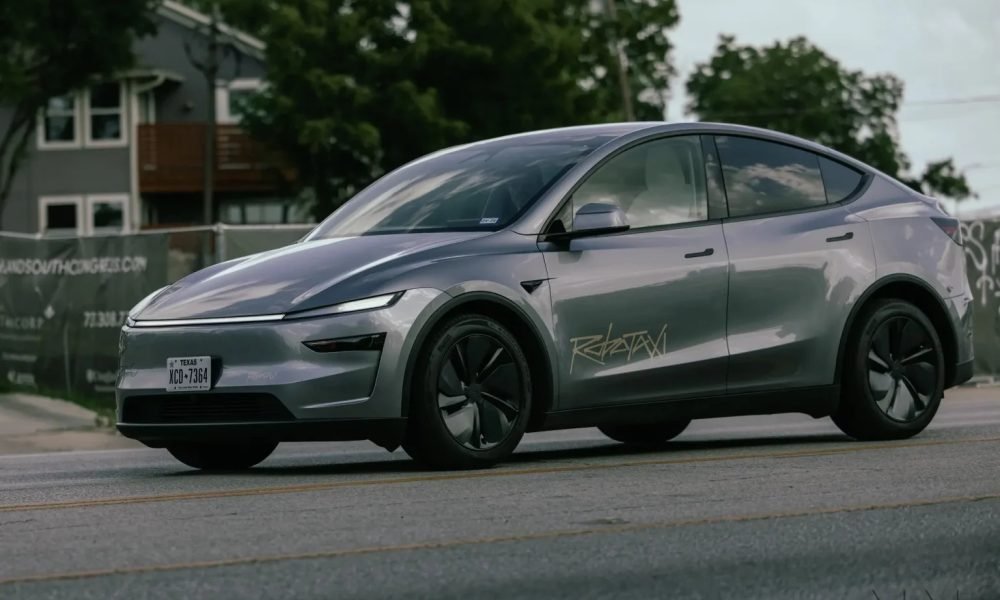
Tesla has launched Europe’s first public shuttle service using Full Self-Driving (Supervised) in the rural Eifelkreis Bitburg-Prüm region of Germany, demonstrating how the technology can restore independence and mobility for people who struggle with limited transport options. Local officials tested the system on narrow country roads and were impressed by FSD’s smooth, human-like driving, with some calling the service a game-changer for everyday life in areas that are far from urban centers. Officials see real impact on rural residents Arzfeld Mayor Johannes Kuhl and District Administrator Andreas Kruppert personally tested the Tesla shuttle service. This allowed them to see just how well FSD navigated winding lanes and rural roads confidently. Kruppert said, “Autonomous driving sounds like science fiction to many, but we simply see here that it works totally well in rural regions too.” Kuhl, for his part, also noted that FSD “feels like a very experienced driver.” The pilot complements the area’s “Citizen Bus” program, which provides on-demand rides for elderly residents who can no longer drive themselves. Tesla Europe shared a video of a demonstration of the service, highlighting how FSD gives people their freedom back, even in places where public transport is not as prevalent. What the Ministry for Economic Affairs and Transport says Rhineland-Palatinate’s Minister Daniela Schmitt supported the project, praising the collaboration that made this “first of its kind in Europe” possible. As per the ministry, the rural rollout for the service shows FSD’s potential beyond major cities, and it delivers tangible benefits like grocery runs, doctor visits, and social connections for isolated residents. “Reliable and flexible mobility is especially vital in rural areas. With the launch of a shuttle service using self-driving vehicles (FSD supervised) by Tesla in the Eifelkreis Bitburg-Prüm, an innovative pilot project is now getting underway that complements local community bus services. It is the first project of its kind in Europe. “The result is a real gain for rural mobility: greater accessibility, more flexibility and tangible benefits for everyday life. A strong signal for innovation, cooperation and future-oriented mobility beyond urban centers,” the ministry wrote in a LinkedIn post.
VIDEO: Discover how New York powers energy storage innovation
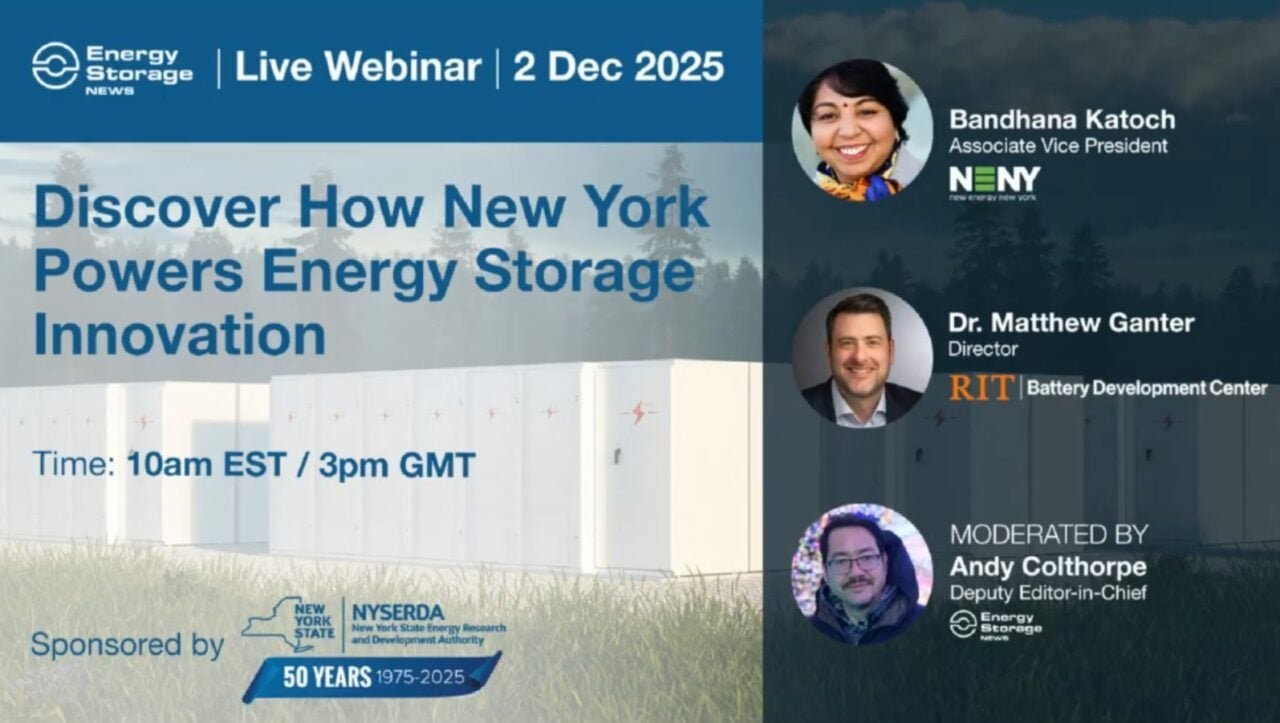
Learn about startup success stories, current initiatives and gain insights into how you can leverage our support for your company’s growth. Don’t miss the chance to learn about upcoming application deadlines and how to apply. Take the first step toward advancing your project and connecting with a vibrant battery entrepreneurial ecosystem! Speakers: Bandhana Katoch, associate VP, NENY Dr Matthew Ganter, director, Battery Development Center, Rochester Institute of Technology (RIT) Moderator: Andy Colthorpe, editor, Energy-Storage.news See the webinar on YouTube below. You can also register to watch the webinar and get access to presentation slides from the on-demand section of our website, where you can also find all our other great Energy-Storage.news webinars.
Tesla FSD fleet is nearing 7 billion total miles, including 2.5 billion city miles
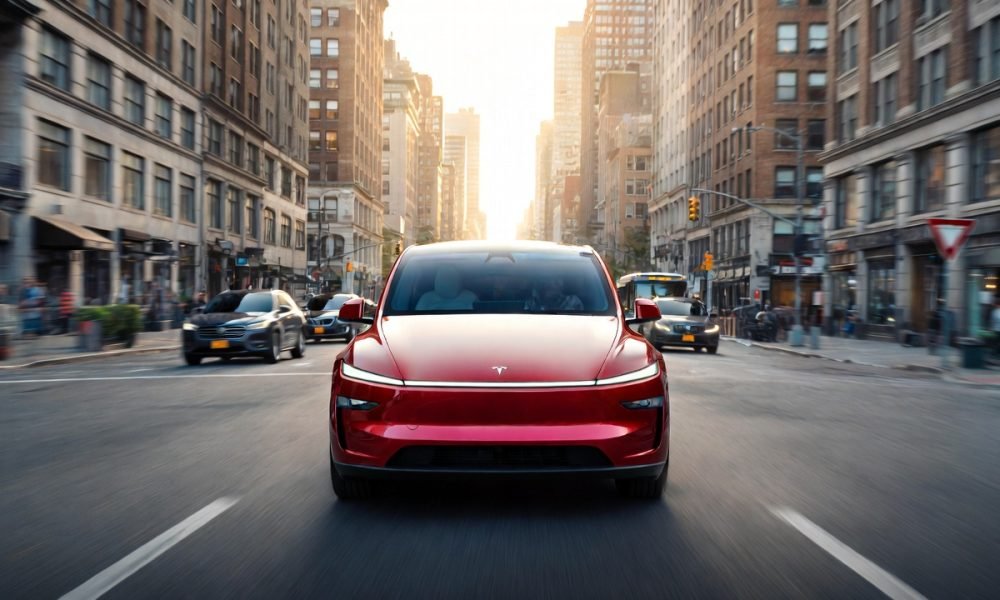
Tesla has launched Europe’s first public shuttle service using Full Self-Driving (Supervised) in the rural Eifelkreis Bitburg-Prüm region of Germany, demonstrating how the technology can restore independence and mobility for people who struggle with limited transport options. Local officials tested the system on narrow country roads and were impressed by FSD’s smooth, human-like driving, with some calling the service a game-changer for everyday life in areas that are far from urban centers. Officials see real impact on rural residents Arzfeld Mayor Johannes Kuhl and District Administrator Andreas Kruppert personally tested the Tesla shuttle service. This allowed them to see just how well FSD navigated winding lanes and rural roads confidently. Kruppert said, “Autonomous driving sounds like science fiction to many, but we simply see here that it works totally well in rural regions too.” Kuhl, for his part, also noted that FSD “feels like a very experienced driver.” The pilot complements the area’s “Citizen Bus” program, which provides on-demand rides for elderly residents who can no longer drive themselves. Tesla Europe shared a video of a demonstration of the service, highlighting how FSD gives people their freedom back, even in places where public transport is not as prevalent. In the German district of Bitburg-Pruem, we’re offering rides w/ FSD Supervised to citizens with no other means of transport, free of charge Tesla Europe & Middle East (@teslaeurope) December 26, 2025 This is how FSD will change lives in Europe. Johannes Kuhl just shared a video that shows exactly how Tesla Self-Driving (Supervised) will improve lives once approved in the EU. He is the Mayor of Arzfeld, and he joined District Administrator Andreas Kruppert to test the… pic.twitter.com/USIyDJ2GOj— Carbncut (@carbncut) December 23, 2025 What the Ministry for Economic Affairs and Transport says Rhineland-Palatinate’s Minister Daniela Schmitt supported the project, praising the collaboration that made this “first of its kind in Europe” possible. As per the ministry, the rural rollout for the service shows FSD’s potential beyond major cities, and it delivers tangible benefits like grocery runs, doctor visits, and social connections for isolated residents. “Reliable and flexible mobility is especially vital in rural areas. With the launch of a shuttle service using self-driving vehicles (FSD supervised) by Tesla in the Eifelkreis Bitburg-Prüm, an innovative pilot project is now getting underway that complements local community bus services. It is the first project of its kind in Europe. “The result is a real gain for rural mobility: greater accessibility, more flexibility and tangible benefits for everyday life. A strong signal for innovation, cooperation and future-oriented mobility beyond urban centers,” the ministry wrote in a LinkedIn post.
New Orleans approves US$30 million VPP to support grid
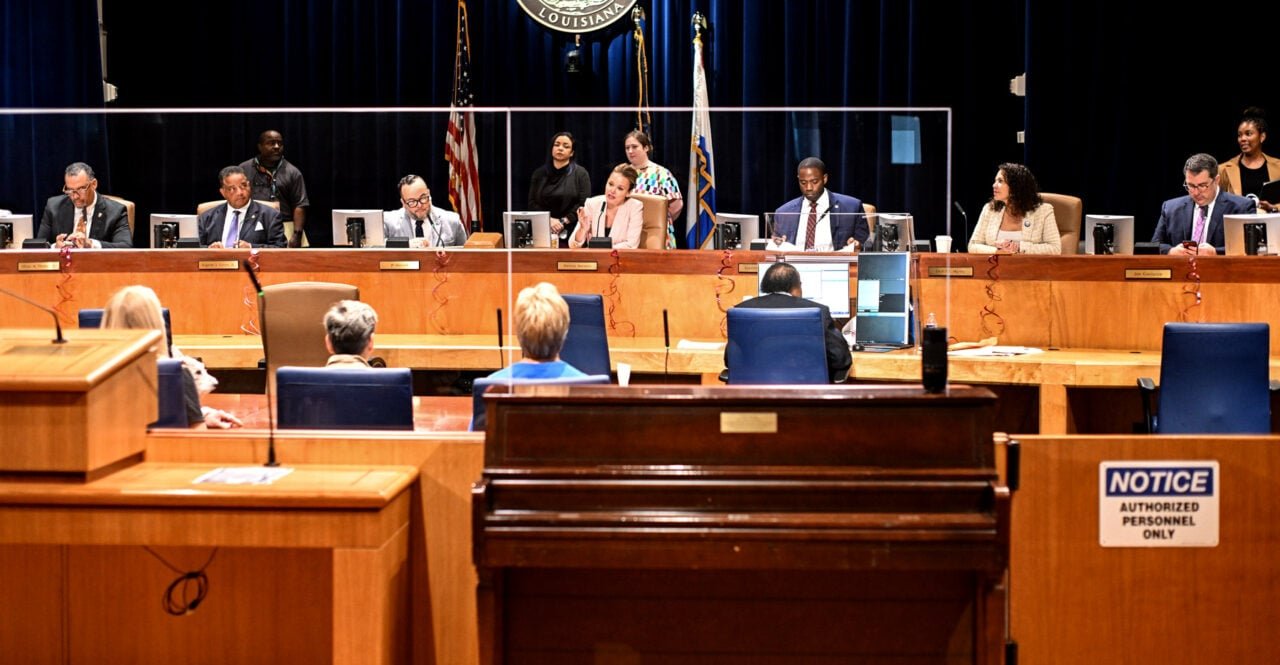
New Orleans approves US$30 million VPP to support grid - Energy-Storage.News Skip to content
Tesla starts showing how FSD will change lives in Europe
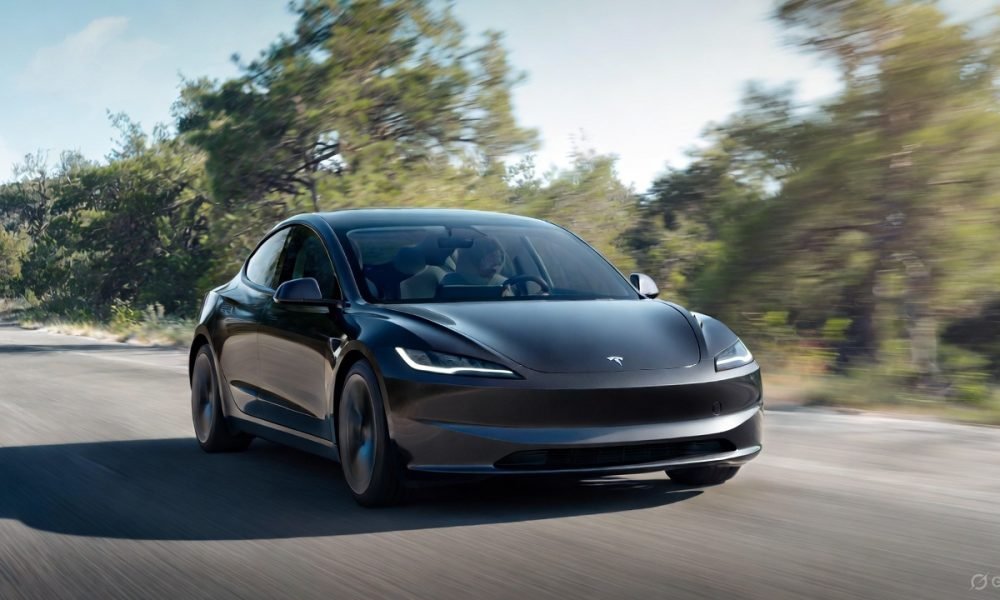
Tesla has launched Europe’s first public shuttle service using Full Self-Driving (Supervised) in the rural Eifelkreis Bitburg-Prüm region of Germany, demonstrating how the technology can restore independence and mobility for people who struggle with limited transport options. Local officials tested the system on narrow country roads and were impressed by FSD’s smooth, human-like driving, with some calling the service a game-changer for everyday life in areas that are far from urban centers. Officials see real impact on rural residents Arzfeld Mayor Johannes Kuhl and District Administrator Andreas Kruppert personally tested the Tesla shuttle service. This allowed them to see just how well FSD navigated winding lanes and rural roads confidently. Kruppert said, “Autonomous driving sounds like science fiction to many, but we simply see here that it works totally well in rural regions too.” Kuhl, for his part, also noted that FSD “feels like a very experienced driver.” The pilot complements the area’s “Citizen Bus” program, which provides on-demand rides for elderly residents who can no longer drive themselves. Tesla Europe shared a video of a demonstration of the service, highlighting how FSD gives people their freedom back, even in places where public transport is not as prevalent. In the German district of Bitburg-Pruem, we’re offering rides w/ FSD Supervised to citizens with no other means of transport, free of charge https://t.co/xlW4sz292g — Tesla Europe & Middle East (@teslaeurope) December 26, 2025 This is how FSD will change lives in Europe. Johannes Kuhl just shared a video that shows exactly how Tesla Self-Driving (Supervised) will improve lives once approved in the EU.He is the Mayor of Arzfeld, and he joined District Administrator Andreas Kruppert to test the… pic.twitter.com/USIyDJ2GOj — Carbncut (@carbncut) December 23, 2025 What the Ministry for Economic Affairs and Transport says Rhineland-Palatinate’s Minister Daniela Schmitt supported the project, praising the collaboration that made this “first of its kind in Europe” possible. As per the ministry, the rural rollout for the service shows FSD’s potential beyond major cities, and it delivers tangible benefits like grocery runs, doctor visits, and social connections for isolated residents. “Reliable and flexible mobility is especially vital in rural areas. With the launch of a shuttle service using self-driving vehicles (FSD supervised) by Tesla in the Eifelkreis Bitburg-Prüm, an innovative pilot project is now getting underway that complements local community bus services. It is the first project of its kind in Europe. “The result is a real gain for rural mobility: greater accessibility, more flexibility and tangible benefits for everyday life. A strong signal for innovation, cooperation and future-oriented mobility beyond urban centers,” the ministry wrote in a LinkedIn post. The post Tesla starts showing how FSD will change lives in Europe appeared first on TESLARATI.
BLUETTI Elite 10 Mini — Portable Power Station Review

Support CleanTechnica's work through a Substack subscription or on Stripe. I’ve found my new favorite machine, or gadget. I’m not sure how to classify it. It’s the new BLUETTI Elite 10 Mini Power Station. It’s a 200W, 128Wh, 3.97 lb portable power station that is super easy to take around, and cute. We’ve had a large BLUETTI EP500 Pro for a couple of years, and love the large portable power station. It’s a superb backup power station for when the power goes out from a hurricane or such. But it’s got wheels on it because it’s extremely heavy. This BLUETTI Elite 10 Mini Power Station is in a whole different category. It’s perfect for taking around town if you need a portable power backup station for your computer (like I regularly do). From all the school dropoffs and pickups, as well as tennis practice and ice skating lessons, I sometimes need to power my computer away from home while in the car. This is the perfect device for that. It’s got enough energy storage that it’s useful and can get my computer recharged, but it’s small and light enough that it can easily be tossed into the trunk (well, maybe don’t toss it in) or the back seat. I actually like placing it right on the center console once parked. As you can see above, it comes in a nice light green. It also comes in grey if you’re not as much into color. The BLUETTI Elite 10 Mini Power Station is normally priced at $239, but that price has been cut down to $129 for the holidays! You can also use it out camping, and it can be solar powered. Also, if you do have occasional power outages that don’t last that long, it’s probably the perfect device, since it’s cheap, easy to move, and doesn’t take up much space. It also has a built-in light that can be quite useful in such scenarios. Plus, it just looks cute. It has been living beside our Christmas tree lately. Here are some more key stats and facts on the miniature power station: 10ms Seamless Backup: UPS mode keeps work and gaming online without interruption. 6 Outputs: 1 AC + 5 DC outlets power laptops, cameras, mini fridges, and more simultaneously 70-min Fast Recharge: Get ready for travel in a coffee break. 4 Flexible Charging Options: Supports AC, car, solar (60/100W) and AC+solar charging. LED Lighting: Built-in LED with 3 modes (Cold/Warm/SOS) lasts 50 hours for emergency use. Durable LiFePO₄ Battery: Over 10 years of reliable backup with 3,000+ cycles to 80%. Smart App Control: Stay in charge via Bluetooth, anytime. Having a LiFePO₄ battery actually means it’s fine to charge up to 100% without worry of battery degradation. That said, for storing it for a long time, like all batteries, I recommend keeping it at around 50%. Overall, I absolutely love the Elite 10 Mini. It’s my new favorite device, and I have to admit that I actually take it around with me even more than I need to — just in case. If I’m being honest, it’s just because of how fond I am of it. Disclosure: BLUETTI supported this article and provided an Elite 10 Mini for testing, but had no input into the editorial content. Sign up for CleanTechnica's Weekly Substack for Zach and Scott's in-depth analyses and high level summaries, sign up for our daily newsletter, and follow us on Google News! Advertisement Have a tip for CleanTechnica? Want to advertise? Want to suggest a guest for our CleanTech Talk podcast? Contact us here. Sign up for our daily newsletter for 15 new cleantech stories a day. Or sign up for our weekly one on top stories of the week if daily is too frequent. CleanTechnica uses affiliate links. See our policy here. CleanTechnica's Comment Policy